

Maize color is a warm, golden yellow that looks like ripe corn kernels or late-afternoon sunlight. With its cheerful glow and grounded warmth, it's a favorite for accents that feel friendly, fresh, and easy to notice.
Most commonly referenced as #F2C94C, maize sits between bright yellow and soft gold, so it can read optimistic and natural without the harshness of neon tones. Below, you'll find its color codes, conversions, palette ideas, and practical ways to use it across design.
Maize Color: Codes & Values
If you're trying to match maize across web, print, and product design, these are the key values to keep your visuals consistent.
| Parameters | VALUE |
| HEX Code | #F2C94C |
| RGB DECIMAL | 242, 201, 76 |
| RGB PERCENTAGE | 94.9%, 78.8%, 29.8% |
| CMYK | 0%,17%,69%,5% |
| HSL | 45°, 87%, 62% |
| HSV (HSB) | 45°, 69%, 95% |
| Web Safe | #FFCC33 |
Key Color Space Explanations:
- HEX - HEX is the most common digital identifier for maize and is used in web design and graphics. Use #f2c94c to match this exact shade on screens.
- RGB - RGB defines the red, green, and blue light mix that produces maize on displays. It is helpful for UI work, video, and any screen-based workflows.
- CMYK - CMYK estimates how maize translates to ink for printing. Because bright yellows can shift on paper, a proof helps when accuracy matters.
- HSL - HSL describes hue, saturation, and lightness, which makes it easier to build tints and tones. It is especially handy for creating consistent UI states and hover colors.
- Web Safe - Web Safe is the closest legacy-safe approximation when a limited palette is required. For maize, the nearest match is #ffcc33.
For most digital design tasks, start with HEX (#F2C94C) and switch to RGB for video/UI workflows or CMYK when you're preparing files for print.
Maize Color Conversions
Need maize in a different format for CSS, print specs, or color-managed workflows? Use the quick conversion table below.
| Parameters | VALUE | CSS |
| HEX | #F2C94C | #F2C94C |
| RGB DECIMAL | 242, 201, 76 | rgb(242,201,76) |
| RGB PERCENTAGE | 94.9%, 78.8%, 29.8% | rgb(94.9%,78.8%,29.8%) |
| CMYK | 0%,17%,69%,5% | cmyk(0%,17%,69%,5%) |
| HSL | 45°, 87%, 62% | hsl(45°,87%,62%) |
| HSV (or HSB) | 45°, 69%, 95% | -- |
| Web Safe | ffcc33 | #FFCC33 |
| CIE-LAB | 82.1, 3.8, 70.1 | -- |
| XYZ | 65.43, 68.21, 14.37 | -- |
| xyY | 0.441, 0.460, 68.21 | -- |
| CIE-LCH | 82.1, 70.2, 87.0° | -- |
| CIE-LUV | 82.1, 27.4, 78.6 | -- |
| Hunter-Lab | 82.0, 6.4, 56.2 | -- |
| Binary | 11110010 11001001 01001100 | -- |
Want to generate Maize Color photos or posters? Try Media.io's AI Image Generator now!
Maize Color Meaning & Symbolism
Maize is often associated with warmth, abundance, and upbeat energy. Because it sits between yellow and gold, it can feel both friendly and slightly premium in everyday visuals. This Maize Color meaning shows up in simple places like packaging, posters, and product highlights where you want attention without harshness.
Psychological Effects
Maize brings brightness and warmth, so it can shift the mood of a layout fast—especially as an accent.
- Welcoming Energy - Adds sunny brightness that can make interfaces feel friendlier and easier to approach.
- Attention With Less Glare - Feels energetic without the sharp intensity of neon yellow, so it's easier on the eyes.
- Positive Brand Tone - Often signals positivity and freshness, which is why it shows up in upbeat branding.
- Sociable Warmth - In interior accents, it can make spaces feel warmer and more social when paired with soft neutrals.
- Overuse Fatigue - Too much maize on large surfaces can feel loud or distracting, especially on bright screens.
Positive Associations
When used with balance, maize tends to communicate "good news" energy without feeling overly flashy.
- Warmth - Reads like sunlight, bringing a cozy and inviting feel to visuals.
- Optimism - Supports upbeat messaging and "feel-good" moments in campaigns and UI highlights.
- Abundance - Suggests plenty and fullness, making it a strong choice for seasonal or harvest themes.
- Nourishment - Carries a food-adjacent, natural vibe thanks to its connection with corn and grains.
- Friendly Premium - Sits close to gold, so it can hint at quality while still feeling casual and approachable.
Cultural Significance Across the World
Because maize is tied to nature and the sun, it shows up in seasonal storytelling and celebratory visuals across many contexts.
- Harvest Symbolism - Reflects nourishment and abundance due to its connection with corn and grains.
- Sunlight Themes - Commonly used to represent warmth and bright seasonal moods.
- Celebration - Often appears in festive or promotional design to boost a joyful, optimistic tone.
- Agricultural Heritage - Can hint at rural tradition and natural materials in packaging and lifestyle branding.
Design Applications
Maize works best when it is treated as a warm highlight rather than the only dominant tone. Use it to guide attention, add friendliness, or bring a natural glow to a palette.
Graphic Design Tips
- Use maize for buttons, badges, toggles, and progress highlights instead of full-page backgrounds.
- Pair it with darker anchors to keep layouts readable and confident.
- Repeat maize in small, consistent moments (labels, icons, tags) to reduce visual noise.
- Combine with warm neutrals to keep the overall look modern and clean.
- If it starts feeling too loud, shift to a softer tint and keep saturation in check across the palette.
Pro tip: Treat maize like a spotlight—pick one primary use (CTA, highlight, or tag system), then support it with neutrals so it stays intentional rather than overwhelming.
Maize Color in Photography & Video
- Use maize accents (props, wardrobe, backgrounds) to add warmth to cool, blue-leaning scenes.
- Watch white balance: warm lighting can push maize closer to orange, while cool lighting can make it look greener.
- For product shots, maize works well as a pop color behind dark items to create quick visual separation.
- In video graphics, reserve maize for key callouts (lower-thirds, markers, progress) to avoid distraction.
- When color grading, keep highlights controlled so maize doesn't clip or turn into flat "caution yellow."
Recommended Tool for Image Enhancement: When incorporating maize color into your photography projects, Media.io's AI Image tools can help you achieve more refined results. With AI-powered color enhancement, photo colorization, image upscaling, and old photo restoration, you can easily enrich maize color tones, improve overall image quality, and highlight the color's elegant and sophisticated aesthetic.
Color Combinations
Maize pairs smoothly with cool blues, fresh greens, and warm neutrals. The palettes below show practical options you can reuse in UI, branding, illustrations, and interiors.
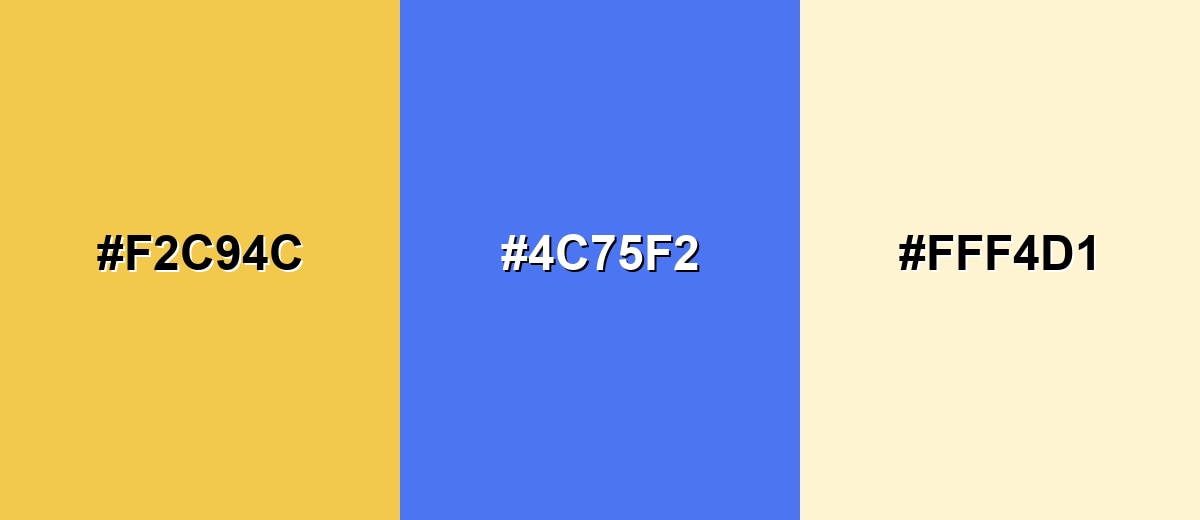
Complementary Colors
A complementary match adds strong contrast and makes maize feel even brighter. Use this for headlines, buttons, and focal elements that need quick attention.
Complementary Palette Example: Pair maize with a confident blue and a soft neutral to keep the contrast clean and readable.
Analogous Color Schemes
Analogous colors sit adjacent to each other on the color wheel, creating harmonious, cohesive palettes with subtle variation.
Warm analogous tones blend smoothly for a sunny, inviting palette.
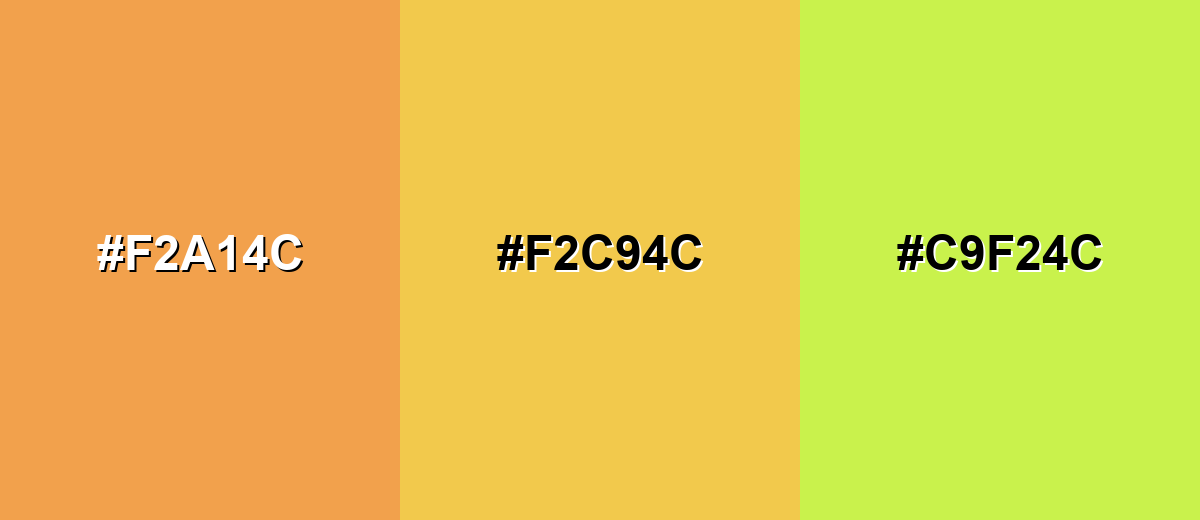
- Saffron Orange: #F2A14C
- Maize: #F2C94C
- Citrus Lime: #C9F24C
A slightly greener analogous set feels fresh and modern while staying soft.
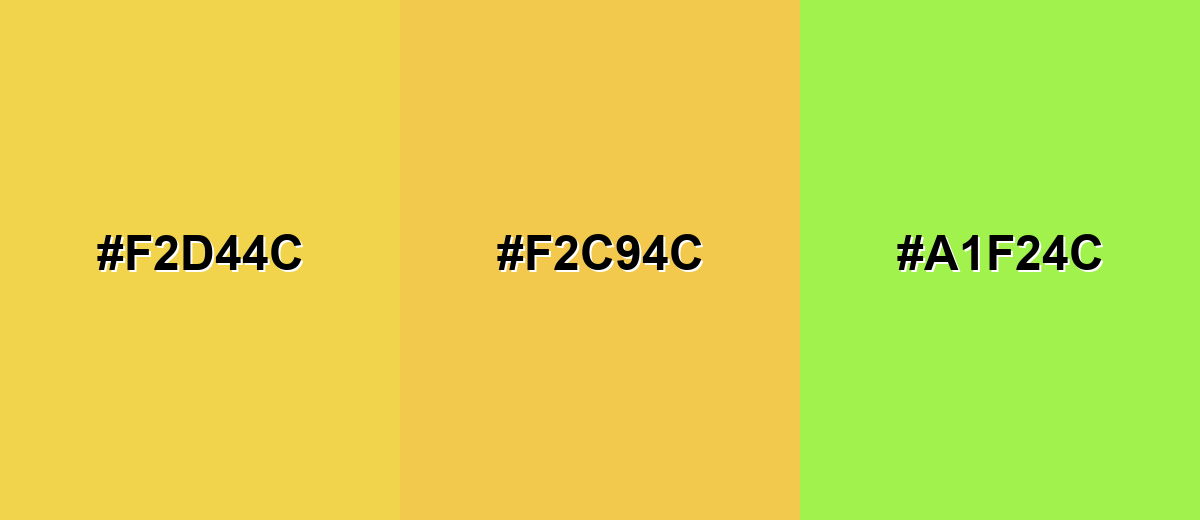
- Golden Wheat: #F2D44C
- Maize: #F2C94C
- Spring Leaf: #A1F24C
Triadic & Tetradic Combinations
Triadic palettes create lively balance by spacing hues evenly.
Use maize with a teal and a purple for playful contrast that still feels coordinated.
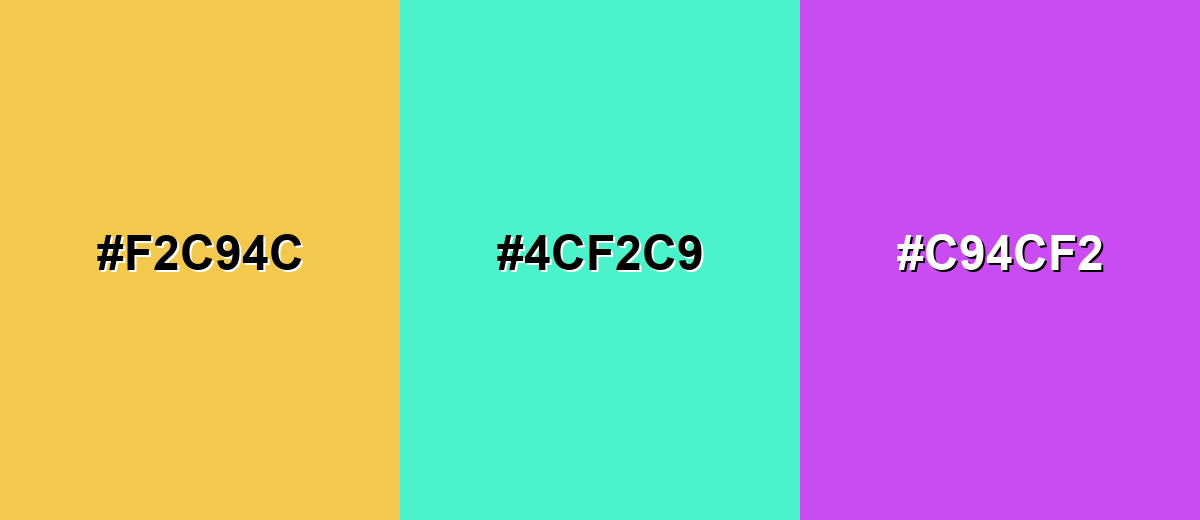
- Maize: #F2C94C
- Aqua Mint: #4CF2C9
- Orchid Purple: #C94CF2
Colors to Avoid
While maize color is remarkably versatile, certain combinations can create problematic visual effects:
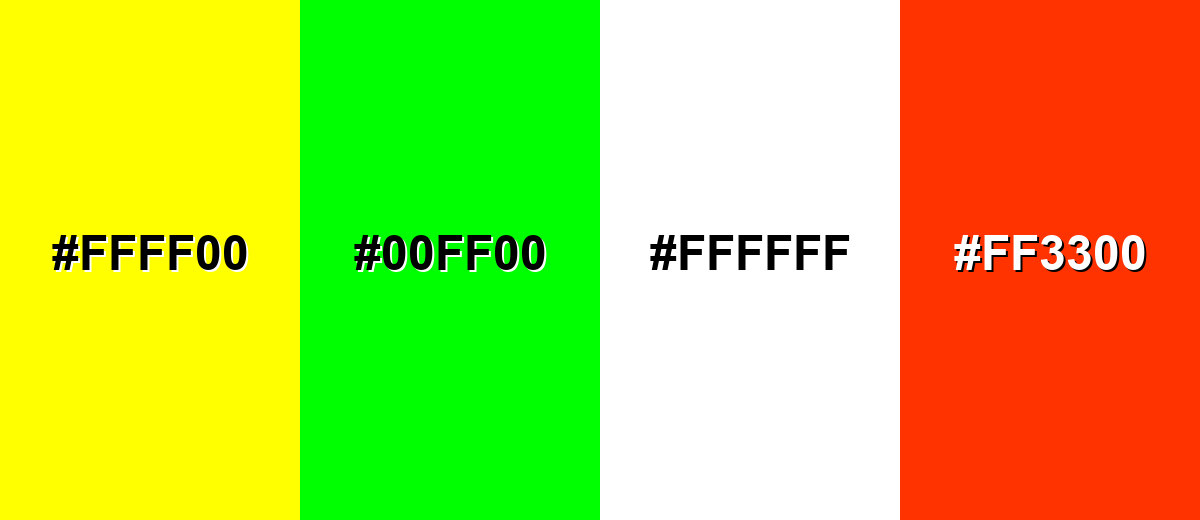
- Pure Yellow (#FFFF00) - Too close in hue and far more intense, which can make maize look dull and cause glare.
- Neon Green (#00FF00) - Creates a harsh, high-energy clash that can feel unrefined and distracting in UI.
- Bright White (#FFFFFF) - Can wash out details and reduce legibility when maize is used for backgrounds or highlights.
- Signal Red (#FF3300) - Competes aggressively with maize and may trigger warning or error associations.
Shades, Tints & Variations of Maize Color
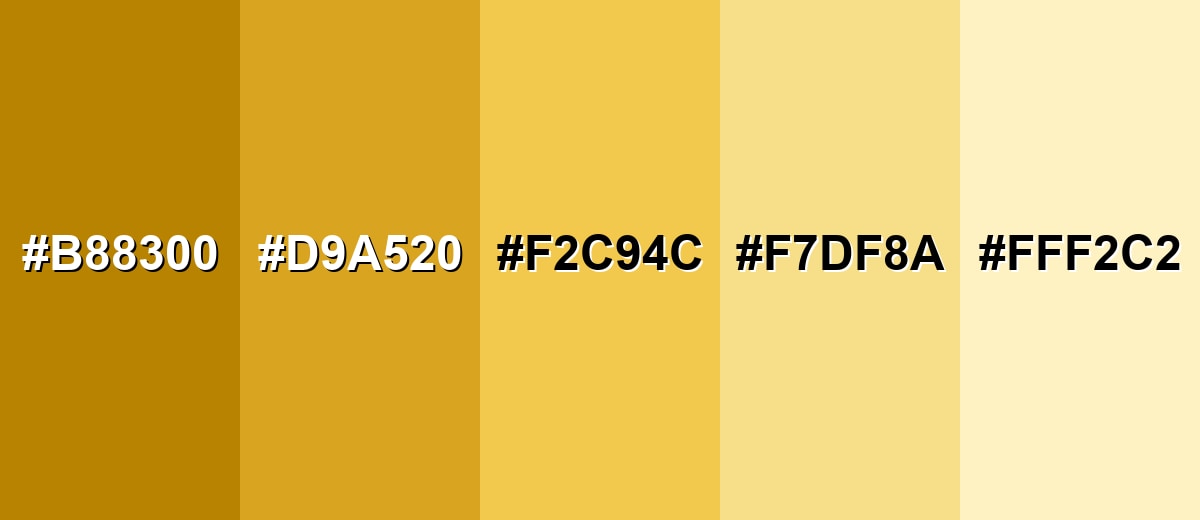
Maize isn't just one "corn yellow"—it has a useful range from deeper, earthier golds to soft creamy tints. Having a few go-to variations makes it easier to control mood, contrast, and hierarchy across UI, print, and branding.
- Deep Maize (#B88300) - A darker, earthier version that feels grounded and less playful. It's best used for Headings, icons, outlines, and accents where you want warmth with more weight..
- Harvest Gold (#D9A520) - A richer golden tone that leans slightly closer to classic gold. It's best used for Brand marks, highlights in illustrations, and premium packaging details..
- Classic Maize (#F2C94C) - The standard warm golden yellow most people recognize as maize. It's best used for CTAs, tags, emphasis states, and cheerful supporting blocks..
- Pale Maize (#F7DF8A) - A softer tint that keeps the warmth while reducing intensity. It's best used for Background panels, subtle section dividers, and calm UI surfaces..
- Maize Cream (#FFF2C2) - A very light, creamy tint that reads airy and gentle. It's best used for Large backgrounds, print margins, and layered layouts where contrast comes from darker text..
Industry Applications
Maize fits industries that benefit from warmth, clarity, and friendly energy. It can signal positivity quickly, but it performs best when balanced with darker anchors and neutrals.
Fashion & Beauty
- Use maize as an accent color in seasonal collections to suggest sunshine, warmth, and optimism.
- Works well in athleisure and streetwear details (stitching, logos, tags) where you want high visibility without neon.
- In beauty packaging, maize can feel fresh and "nourishing," especially for skincare and wellness positioning.
- Pair with muted neutrals in lookbooks so garments stay the hero while maize adds energy.
Interior Design & Decor
- Bring in maize through cushions, ceramics, art, or small feature pieces to warm up neutral spaces.
- Works especially well with natural textures like wood and linen for a grounded, cozy feel.
- Use softer maize tints when you want a calmer backdrop instead of a bold statement wall.
- Keep contrast in mind: darker accents help maize feel intentional rather than overly bright.
Branding & Marketing
- Maize is a strong highlight color for CTAs, promo tags, and product callouts that need quick attention.
- It's a natural fit for food, lifestyle, education, and community brands aiming for a friendly tone.
- Use a neutral base to keep layouts clean, then repeat maize in small doses for consistency.
- Test readability across devices so maize doesn't drift into "warning yellow" in certain contexts.
Conclusion
Maize stands out as a golden yellow that feels sunny, nourishing, and easy to notice without looking overly neon. With #F2C94C as your anchor, you can build anything from cozy, harvest-inspired palettes to crisp, modern UI accents—just by pairing it with cool blues, soft neutrals, or fresh greens. The key is balance: keep maize as a deliberate highlight, lean on darker companions for contrast, and use lighter tints when you want a calmer surface. Done right, maize becomes a flexible, upbeat tool for clear visual communication across digital, print, and real-world spaces.
Design Smarter with AI: Media.io is an online AI studio that empowers creators with advanced image generation and enhancement tools. From text-to-image and image-to-image creation to AI upscaling and color optimization, it enables fast, creative, and professional results—all in your browser.


Frequently Asked Questions About Maize Color
Maize is a warm golden yellow inspired by ripe corn. It sits between bright yellow and soft gold, making it vivid but still natural-looking.
A commonly used digital hex code for maize is #f2c94c. It produces a warm, sunny yellow that works well for highlights and accents.
Maize often suggests warmth, optimism, and abundance. It is frequently used to add a friendly, energetic feeling to interfaces, packaging, and promotional graphics.
Deep blues and navies create strong contrast, while warm neutrals like ivory keep it soft. Greens can add a fresh, natural feel, and purples can create a playful triadic palette.
It can work for backgrounds, but it is light, so dark text usually reads better than white. For small text and UI labels, choose charcoal or deep navy for clearer contrast.
Use a lighter tint like Pale Maize or Maize Cream, or pair it with muted neutrals and deeper anchor tones. Limiting it to accents instead of large blocks also makes it feel calmer.


