

Cinnamon color is a warm reddish-brown that looks like ground cinnamon spice or baked clay with a gentle orange glow. Its signature hex code is #D2691E, a balanced mix of red warmth and earthy depth.
People often read it as cozy, approachable, and grounded, with a hint of energy. Because it sits between orange and brown, it behaves like a warm accent on screens and like a rich, natural pigment in print—so this guide covers its meaning, codes, combinations, shades, and practical uses.
Cinnamon Color: Codes & Values
If you want cinnamon to look consistent across screens and print, start with its core color codes below and work outward into tints and shades.
| Parameters | VALUE |
| HEX Code | #D2691E |
| RGB DECIMAL | 210, 105, 30 |
| RGB PERCENTAGE | 82.35%, 41.18%, 11.76% |
| CMYK | 0%,50%,86%,18% |
| HSL | 25°, 75%, 47% |
| HSV (HSB) | 25°, 86%, 82% |
| Web Safe | #CC6633 |
Key Color Space Explanations:
- HEX is the most common way to specify cinnamon in digital design, using a six-digit code. Use #d2691e for consistent rendering across modern browsers and apps.
- RGB mixes red, green, and blue light to produce cinnamon on screens. It is useful for UI states, overlays, and any place you need to adjust brightness programmatically.
- CMYK is used for printing, where inks combine on paper instead of light on a screen. It helps you predict how cinnamon will reproduce in brochures, packaging, and posters.
- HSL describes cinnamon by hue, saturation, and lightness, which is intuitive for building harmonious palettes. It is especially handy when creating lighter tints or deeper shades while keeping the same hue family.
- Web Safe is the closest classic palette match used by older display systems. #cc6633 is the nearest approximation if you need a legacy-friendly option.
In day-to-day design work, keep #D2691E as your "source of truth," then use RGB/HSL when you need controlled variations (hover states, gradients, overlays) or CMYK when preparing files for print.
Cinnamon Color Conversions
Need Cinnamon Color in a specific format for CSS, print setup, or color-managed workflows? Here are the most common conversions in one place.
| Parameters | VALUE | CSS |
| HEX | #D2691E | #D2691E |
| RGB DECIMAL | 210, 105, 30 | rgb(210,105,30) |
| RGB PERCENTAGE | 82.35%, 41.18%, 11.76% | rgb(82.35%,41.18%,11.76%) |
| CMYK | 0%,50%,86%,18% | cmyk(0%,50%,86%,18%) |
| HSL | 25°, 75%, 47% | hsl(25°,75%,47%) |
| HSV (or HSB) | 25°, 86%, 82% | -- |
| Web Safe | CC6633 | #CC6633 |
| CIE-LAB | 55.9, 36.5, 56.8 | -- |
| XYZ | 31.9, 23.9, 4.2 | -- |
| xyY | 0.532, 0.398, 23.9 | -- |
| CIE-LCH | 55.9, 67.5, 57.3° | -- |
| CIE-LUV | 55.9, 86.3, 47.6 | -- |
| Hunter-Lab | 48.9, 34.6, 28.7 | -- |
| Binary | 11010010 01101001 00011110 | -- |
Want to generate Cinnamon Color photos or posters? Try Media.io's AI Image Generator now!
Cinnamon Color Meaning & Symbolism
Cinnamon is commonly associated with warmth, comfort, and everyday richness, like baked goods, wood, and sunlit earth. In daily life it often signals something natural, welcoming, and a little adventurous without feeling loud.
Psychological Effects
In visual design, cinnamon tends to shift the mood toward warmth and approachability.
- Warmth - Cinnamon can make layouts feel warmer and more human, especially compared to cooler neutrals.
- Approachability - In interfaces and branding, it often reads friendly and inviting rather than sharp or clinical.
- Handcrafted Feel - Cinnamon can add a tactile, made-by-hand vibe that suits natural or artisanal aesthetics.
- Gentle Motivation - With its orange energy, it can feel motivating and appetizing—useful for highlights and CTAs.
- Rustic Weight - Used too heavily, cinnamon may feel dusty, dated, or overly rustic, especially in dense UI layouts.
Positive Associations
These are the most common "good signals" cinnamon brings to a palette.
- Cozy Comfort - It recalls warm, familiar moments like baked goods and soft indoor light.
- Earthy Grounding - Cinnamon connects to sunlit soil, clay, and natural textures that feel stable and calm.
- Everyday Richness - It adds depth and warmth without the heaviness of very dark browns.
- Welcoming Energy - It can feel lively, but still approachable, making it a reliable accent color.
- Natural Premium - When balanced with clean typography and whitespace, it can suggest crafted quality and warmth.
Cultural Significance Across the World
Cinnamon's symbolism is generally broad and "safe," but it's still smart to keep the context in mind.
- Spice & Cooking - Often tied to cinnamon spice and food experiences, which can feel comforting and appetizing.
- Seasonal Warmth - Frequently linked with cozy, warm seasons and comforting, home-like atmospheres.
- Natural Materials - Commonly associated with leather, wood, and clay—textures that feel grounded and real.
- Universal Earth Tone - It's best treated as an earthy, welcoming color rather than tied to a specific tradition.
Design Applications
Cinnamon is versatile because it can act like a cozy neutral or a warm accent depending on how much you use and what you pair it with. It works especially well when you want a grounded, tactile look without the heaviness of dark browns.
Graphic Design Tips
- Use cinnamon as an accent for buttons, badges, product tags, and small UI highlights to keep layouts feeling clean.
- Pair it with light neutrals to bring out the warmth while maintaining readability and a modern feel.
- For brand systems, balance cinnamon with one cooler counter-color so the palette doesn't lean too "rustic."
- Build depth with tints and shades (light cinnamon backgrounds + deep cinnamon headers) instead of adding extra hues.
- When designing for print, plan a quick proof—warm browns can shift noticeably depending on paper stock.
If cinnamon starts to dominate the page, pull it back into smaller touchpoints (icons, dividers, chips) and let whitespace do the heavy lifting.
Cinnamon Color in Photography & Video
- Look for natural partners like wood, linen, clay, and warm daylight to make cinnamon tones feel intentional.
- Use cinnamon as a styling cue (props, wardrobe, set accents) to create a cozy, lifestyle-forward mood.
- In color grading, keep skin tones natural—cinnamon works best when it supports warmth instead of pushing everything orange.
- For product shots (coffee, spices, home goods), cinnamon accents can make images feel premium-but-friendly.
- If the scene feels "muddy," add a lighter neutral surface so cinnamon details have breathing room.
Recommended Tool for Image Enhancement: When incorporating cinnamon color into your photography projects, Media.io's AI Image tools can help you achieve more refined results. With AI-powered color enhancement, photo colorization, image upscaling, and old photo restoration, you can easily enrich cinnamon color tones, improve overall image quality, and highlight the color's elegant and sophisticated aesthetic.
Color Combinations
Cinnamon is easiest to pair when you decide whether you want it to feel rustic and soft or crisp and modern. The palettes below show reliable directions, from high-contrast complements to calm, neighboring hues.
Complementary Colors
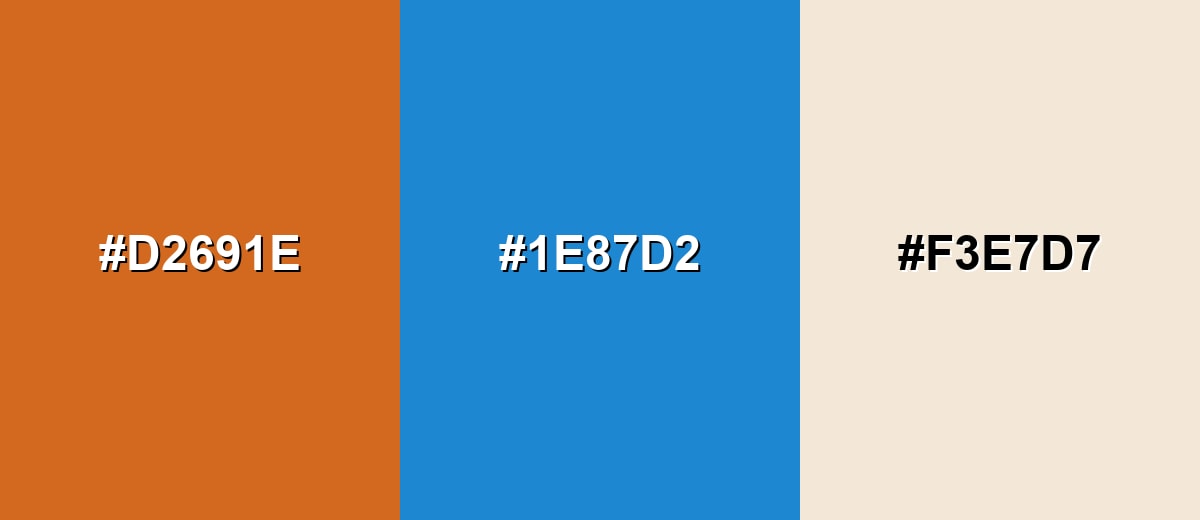
A complementary palette brings out cinnamon's warmth by contrasting it with a cool blue family tone. This pairing is great for modern branding, hero banners, and UI accents where you want clear separation.
Complementary Palette Example: Combine cinnamon with deep cerulean, then soften the contrast with a warm ivory neutral.
Analogous Color Schemes
Analogous colors sit adjacent to each other on the color wheel, creating harmonious, cohesive palettes with subtle variation.
Terracotta and amber keep the palette warm and cohesive, ideal for earthy layouts and natural product visuals.
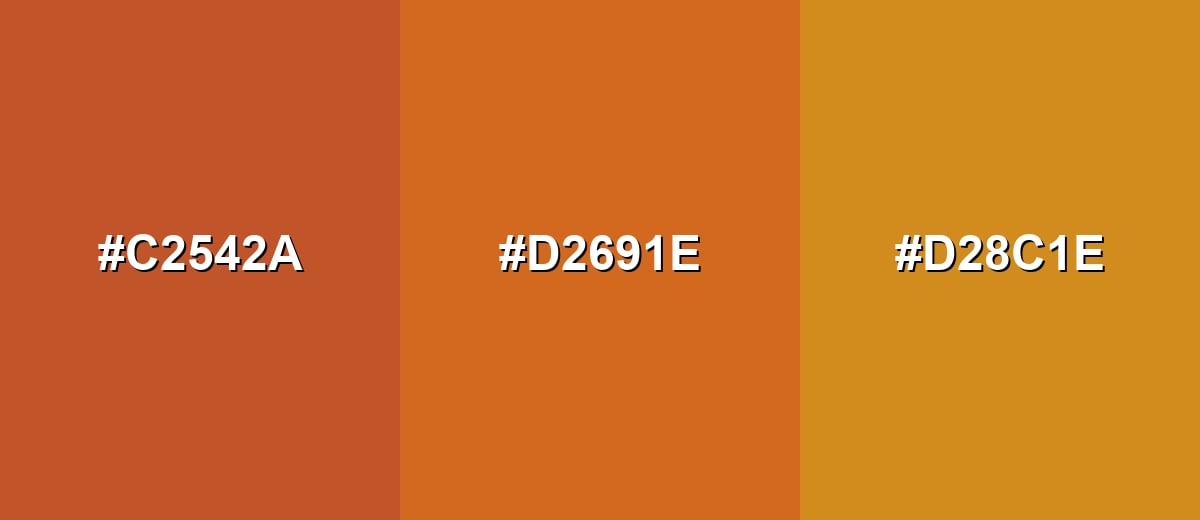
- Terracotta: #C2542A
- Cinnamon: #D2691E
- Amber: #D28C1E
Burnt sienna and caramel create a softer, lifestyle-friendly look that still feels rich and approachable.
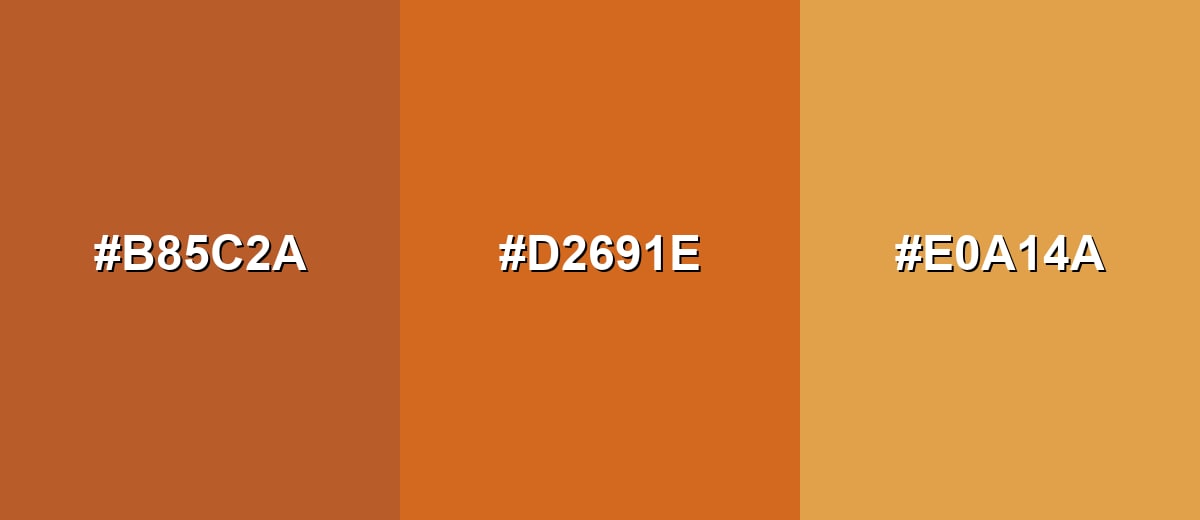
- Burnt Sienna: #B85C2A
- Cinnamon: #D2691E
- Caramel: #E0A14A
Triadic & Tetradic Combinations
A triadic scheme keeps balance by spacing hues evenly, which creates a lively but controlled palette.
Cinnamon with bright leaf green and vibrant violet works well for bold illustrations, playful brand systems, and creative UI themes.
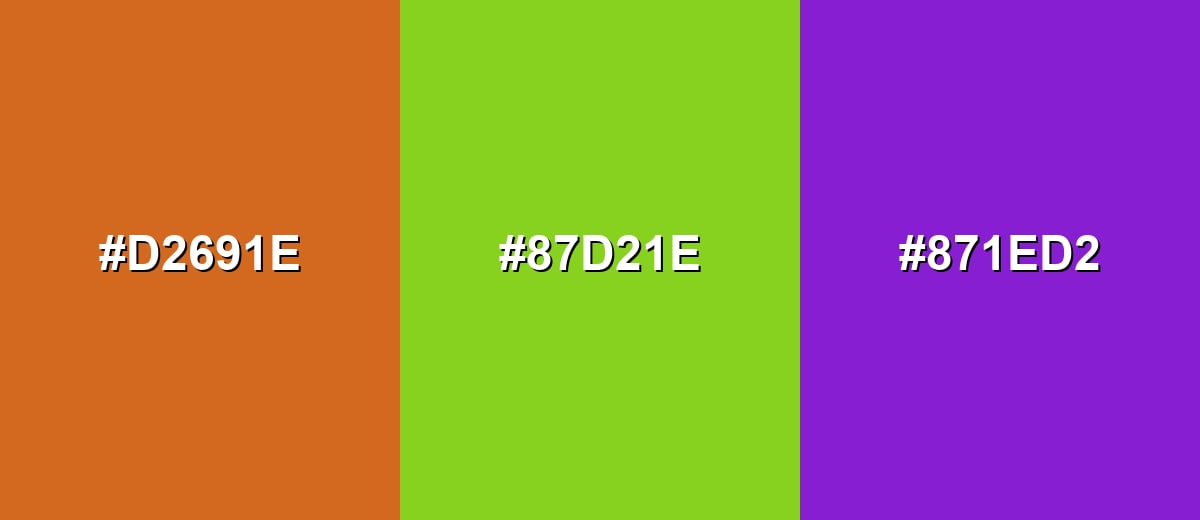
- Cinnamon: #D2691E
- Bright Leaf Green: #87D21E
- Vibrant Violet: #871ED2
Colors to Avoid
While cinnamon color is remarkably versatile, certain combinations can create problematic visual effects:
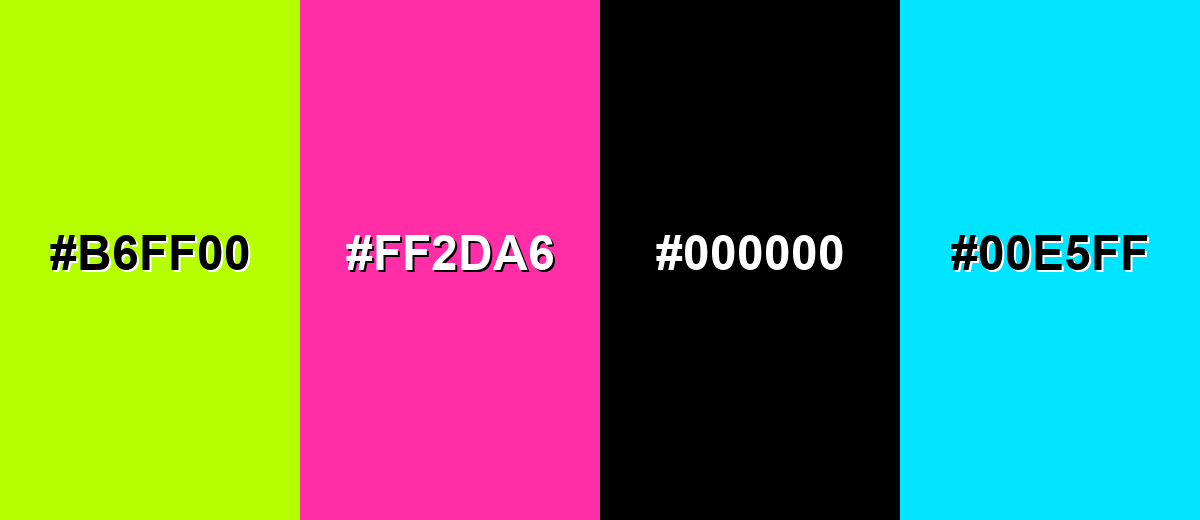
- Neon Lime (#B6FF00) - The extreme brightness fights cinnamon's earthy tone and can make layouts feel unbalanced or harsh.
- Hot Magenta (#FF2DA6) - This high-saturation pink creates a loud clash that can read messy unless you are intentionally going for a pop-art look.
- Pure Black (#000000) - Hard black next to cinnamon can feel heavy and overly high-contrast; softer charcoals are usually easier to work with.
- Bright Cyan (#00E5FF) - The cool intensity can overpower cinnamon and make it look dull or muddy by comparison.
Shades, Tints & Variations of Cinnamon Color
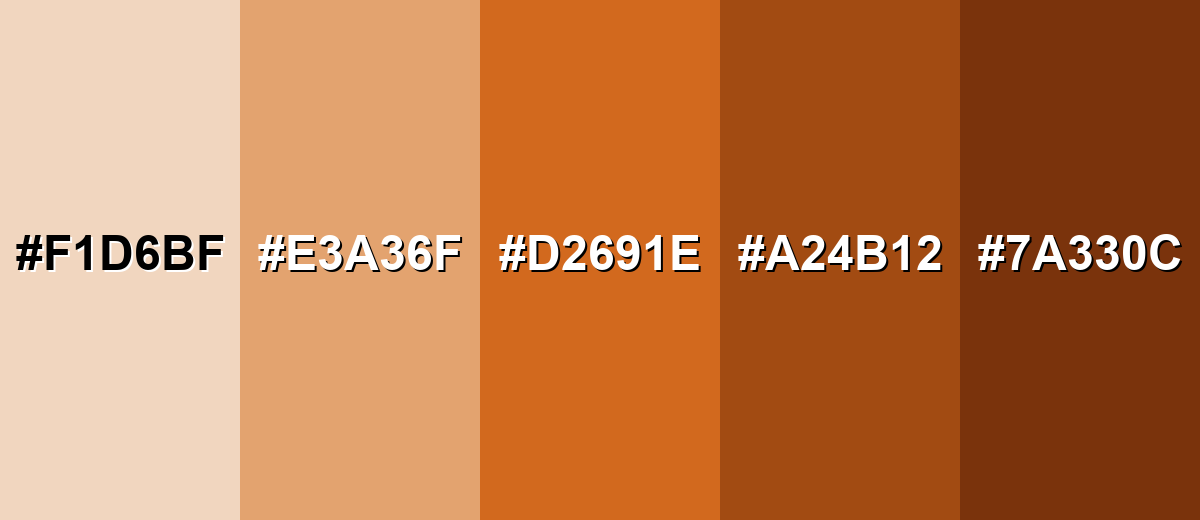
Cinnamon has a surprisingly flexible range—from creamy spice tints to deep, leather-like browns. Exploring these variations helps you keep the same cozy hue family while dialing the mood up (richer, more premium) or down (lighter, airier, more minimal).
- Cinnamon Beige (#F1D6BF) - A light, creamy tint with a gentle warm undertone that keeps the spice feeling without the heaviness. It's best used for Backgrounds, cards, spacious landing pages, and soft interior palettes..
- Light Cinnamon (#E3A36F) - A sunlit, peachy-brown version that feels friendly and airy while staying warm. It's best used for Highlights, hover states, illustrations, and warm gradients..
- True Cinnamon (#D2691E) - The classic cinnamon tone: warm, earthy, and slightly orange, similar to the spice and baked clay. It's best used for Primary accents, brand highlights, product tags, and feature sections..
- Deep Cinnamon (#A24B12) - A darker, richer take that leans more brown and feels more grounded and mature. It's best used for Headers, icons, borders, and premium packaging details..
- Cinnamon Brown (#7A330C) - A deep brown shade with warm undertones that adds weight and contrast without going fully neutral. It's best used for Text on light cinnamon tints, deep accents, and wood or leather-inspired themes..
Industry Applications
Because cinnamon sits between warm orange and brown, it adapts to many industries that benefit from an earthy, welcoming tone. It is especially effective when you want visuals to feel handcrafted, appetizing, or naturally premium.
Fashion & Beauty
- Use cinnamon in accessories and leather-inspired visuals to suggest warmth and quality.
- Pair it with clean neutrals on packaging to keep "natural" brands feeling modern, not dated.
- Works well as an accent in seasonal collections, especially when layered with creams and deeper neutrals.
- Fits botanical or ingredient-led storytelling where warmth and approachability matter.
Interior Design & Decor
- Great for feature walls, ceramics, and textiles when you want a baked-clay, cozy mood.
- Balances nicely with creamy whites for a soft, welcoming interior palette.
- Plays well with muted greens to create an earthy, natural-materials look.
- Use in small accents (pillows, rugs, decor) to add warmth without overwhelming a room.
Branding & Marketing
- Strong fit for food and beverage branding where warmth and appetite appeal matter.
- Ideal for home goods and lifestyle brands aiming for a handcrafted, premium-but-friendly feel.
- Works as a softer alternative to red for sale tags and promotional highlights in ecommerce.
- Pairs well with warm photography (wood, linen, clay) to create consistent campaign visuals.
Conclusion
Cinnamon color stands out as a warm reddish-brown that feels both energetic and grounded, which makes it easy to use across modern and rustic aesthetics. With #D2691E as your base, you can build everything from cozy, neutral-forward layouts to punchier brand accents—especially when you balance it with creams, deep blues, and muted greens. Use cinnamon in focused moments (buttons, tags, hero details, product accents), double-check contrast for accessibility, and explore lighter tints and deeper shades to keep the palette cohesive without feeling repetitive.
Design Smarter with AI: Media.io is an online AI studio that empowers creators with advanced image generation and enhancement tools. From text-to-image and image-to-image creation to AI upscaling and color optimization, it enables fast, creative, and professional results—all in your browser.


Frequently Asked Questions About Cinnamon Color
Cinnamon is a warm reddish-brown that resembles cinnamon spice and baked clay. It typically sits between orange and brown, which is why it can feel both lively and grounded.
A commonly used digital hex value for cinnamon is #d2691e. It maps to an earthy, orange-leaning brown that works well as an accent or feature tone.
Cinnamon is a warm tone. Its orange-red bias makes it feel cozy and inviting, especially when paired with creamy neutrals or warm lighting in visuals.
Cinnamon pairs nicely with warm ivory and beige neutrals for softness, and with deep blues for crisp contrast. Muted greens, caramel tones, and terracotta-adjacent hues also create cohesive, earthy palettes.
Treat cinnamon as an accent for buttons, badges, icons, or section highlights, and give it plenty of whitespace. Avoid using it for long paragraphs of text on light backgrounds unless contrast is verified.
Terracotta usually looks more muted and clay-like, often leaning slightly red or dusty. Cinnamon tends to appear a bit brighter and more orange, like the spice, which can make it feel more energetic in digital palettes.


