

Rosewood color is a deep red-brown that looks like polished hardwood with a hint of wine-red in the grain. Its signature hex code is #65000B, giving it a rich, low-light presence that feels grounded and sophisticated.
Named after rosewood timber tones, it can look more red in bright light and more brown in shadow. Below, you'll find the exact codes, conversions, pairings, shades, and practical ways to use rosewood with confidence.
Rosewood Color: Codes & Values
Rosewood is easiest to match when you start from its core digital code and then adapt it for print and color-system work.
| Parameters | VALUE |
| HEX Code | #65000B |
| RGB DECIMAL | 101, 0, 11 |
| RGB PERCENTAGE | 39.6%, 0%, 4.3% |
| CMYK | 0%,100%,89%,60% |
| HSL | 353°, 100%, 20% |
| HSV (HSB) | 353°, 100%, 40% |
| Web Safe | #660000 |
Key Color Space Explanations:
- HEX - HEX is the most common way to specify this shade in web and UI work. Use #65000b to match rosewood consistently across screens.
- RGB - RGB mixes red, green, and blue light for digital displays. Rosewood has high red, near-zero green, and a small amount of blue, creating a dark wine-brown.
- CMYK - CMYK is used for printing with cyan, magenta, yellow, and black inks. The high magenta and black values help keep rosewood deep and saturated on paper.
- HSL - HSL describes hue, saturation, and lightness, which is helpful for building tints and tones. Rosewood sits near red (353°) with full saturation and low lightness for a dramatic finish.
- Web Safe - Web safe values approximate a shade using a limited legacy palette. The closest web safe match to rosewood is #660000.
For consistent results, use HEX/RGB for screens, CMYK for print proofs, and HSL when you're building lighter tints or deeper tones from the same base color.
Rosewood Color Conversions
Use these conversions when you need rosewood color values across design tools, CSS, and print workflows.
| Parameters | VALUE | CSS |
| HEX | #65000b | #65000b |
| RGB DECIMAL | 101, 0, 11 | rgb(101,0,11) |
| RGB PERCENTAGE | 39.6%, 0%, 4.3% | rgb(39.6%,0%,4.3%) |
| CMYK | 0%,100%,89%,60% | cmyk(0%,100%,89%,60%) |
| HSL | 353°, 100%, 20% | hsl(353°,100%,20%) |
| HSV (or HSB) | 353°, 100%, 40% | -- |
| Web Safe | 660000 | #660000 |
| CIE-LAB | L* 19.2, a* 40.0, b* 24.9 | -- |
| XYZ | X 5.42, Y 2.78, Z 0.57 | -- |
| xyY | x 0.618, y 0.317, Y 2.78 | -- |
| CIE-LCH | L* 19.2, C* 47.1, H 32° | -- |
| CIE-LUV | L* 19.2, u* 61.3, v* 10.9 | -- |
| Hunter-Lab | L 16.7, a 28.8, b 9.6 | -- |
| Binary | 01100101 00000000 00001011 | -- |
Want to generate Rosewood Color photos or posters? Try Media.io's AI Image Generator now!
Rosewood Color Meaning & Symbolism
Rosewood color is often associated with depth, maturity, and quiet luxury. Because it sits between burgundy and brown, it feels both romantic and practical, which is why rosewood color symbolism is frequently linked to warmth, tradition, and craftsmanship in everyday choices like interiors, packaging, and apparel.
Psychological Effects
Rosewood tends to influence mood through warmth, depth, and a "curated" feeling.
- Comforting Presence - This shade tends to feel comforting and secure, especially when used in small-to-medium areas.
- Curated Atmosphere - It can make a space or interface feel more curated, like a boutique or premium product rather than a mass-market one.
- Intimate Tone - Rosewood often reads as intimate, making designs feel personal and considered instead of flashy.
- Serious Confidence - In branding and UI, it can signal confidence and heritage, helping create a sense of trust.
- Visual Weight - Because it is very dark, large blocks can feel heavy or closed-in if lighting is low or contrast is weak.
Positive Associations
When people respond well to rosewood, it's usually because it feels premium without being loud.
- Quiet Luxury - Its refined, low-light richness suggests quality and restraint rather than attention-seeking color.
- Warmth - Sitting between red and brown gives it a welcoming, warm character that still feels polished.
- Tradition - The classic, wood-inspired vibe connects naturally to heritage aesthetics and timeless design choices.
- Craftsmanship - As a timber-linked tone, it's often tied to patience, skill, and lasting value.
- Elegant Celebration - The wine-like red undertone can hint at celebration and elegance without looking flashy.
Cultural Significance Across the World
Rosewood's meaning often comes from its real-world materials: wood finishes, instruments, and handcrafted objects.
- Furniture & Wood Finishes - Rosewood is commonly tied to furniture finishes, reinforcing a sense of classic, grounded design.
- Instruments & Art Objects - Its wood-inspired identity links it to instruments and crafted goods, where it suggests care and detail.
- Handcrafted Goods - Rosewood can signal patient workmanship and long-term value, especially in packaging and product design.
- Wine-Like Elegance - The subtle red undertone can read as refined and celebratory, but still mature and controlled.
Design Applications
Rosewood is easiest to use when you treat it as a strong anchor rather than a background you keep layering on, especially in premium systems and warm, material-inspired palettes.
Graphic Design Tips
- Use rosewood for wordmarks, seals, or accent shapes when you want a refined, heritage feel.
- Pair it with simple marks and restrained layouts so the color carries the personality.
- In print, consider matte stocks or textured papers for a premium, tactile impression.
- For packaging, use spot accents or foil details instead of flooding the whole surface to keep it airy and readable.
- Balance rosewood with light neutrals and clear hierarchy so it doesn't feel too heavy.
If you're using rosewood in a brand system, treat it like a "premium accent" color: keep plenty of breathing room, stick to clean typography, and verify contrast when it appears behind text or icons.
Rosewood Color in Photography & Video
- Lean into its polished-hardwood look by featuring wood textures, leather, or crafted surfaces.
- Remember it can look more red in bright light and more brown in shadow, so lock your lighting before final grading.
- Use rosewood as a prop or wardrobe accent rather than a full-frame wash to keep scenes feeling open.
- For a premium mood, place it against warm whites or soft taupes so the darker tone reads cleanly.
- Avoid stacking it with other very dark tones (like deep maroons or charcoals) when you need crisp subject separation.
Recommended Tool for Image Enhancement: When incorporating rosewood color into your photography projects, Media.io's AI Image tools can help you achieve more refined results. With AI-powered color enhancement, photo colorization, image upscaling, and old photo restoration, you can easily enrich rosewood color tones, improve overall image quality, and highlight the color's elegant and sophisticated aesthetic.
Color Combinations
Rosewood pairs best with tones that either cool it down (teals and blue-greens) or lift it up (soft warm neutrals). The palettes below give you reliable options for web design, interiors, and brand systems.
Complementary Colors
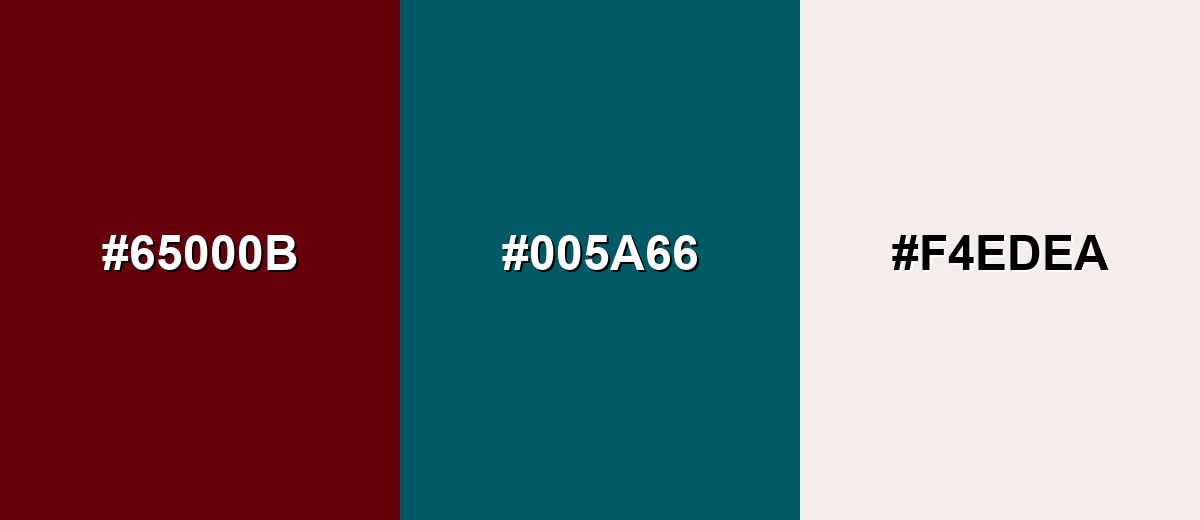
A blue-green complement adds crisp contrast and makes rosewood feel more vibrant without turning loud. Keep a light neutral in the mix to prevent the pairing from becoming too dark overall.
Complementary Palette Example: Pair Rosewood with Deep Teal and Warm Ivory for a balanced, high-contrast look.
Analogous Color Schemes
Analogous colors sit adjacent to each other on the color wheel, creating harmonious, cohesive palettes with subtle variation.
Mulberry Wine, Rosewood, and Brick Burgundy create a smooth, romantic progression that still feels grown-up.
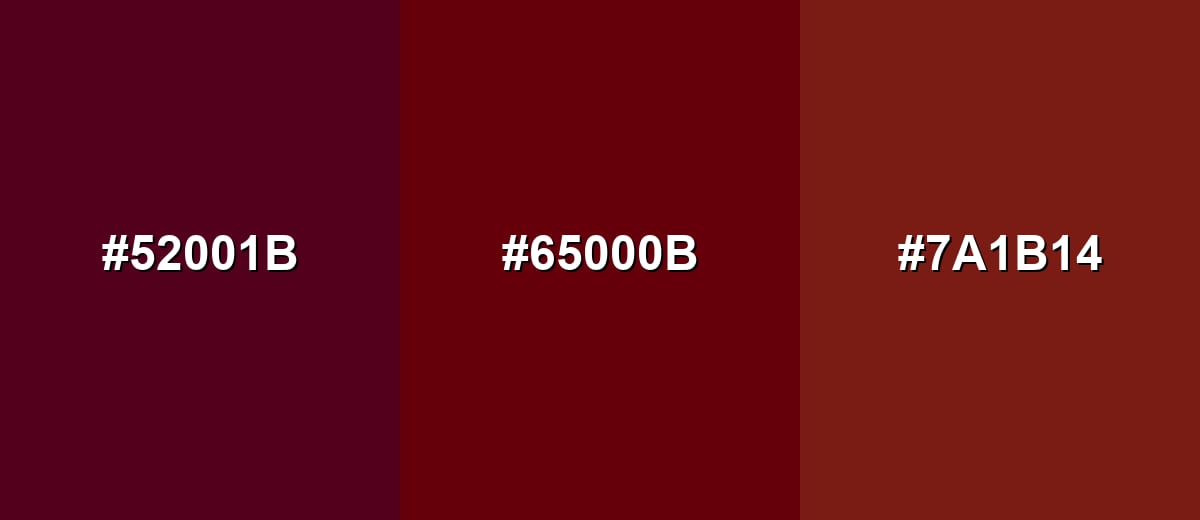
- Mulberry Wine: #52001B
- Rosewood: #65000B
- Brick Burgundy: #7A1B14
Deep Mahogany, Rosewood, and Cocoa Red lean warmer and more wood-toned for cozy, material-led palettes.
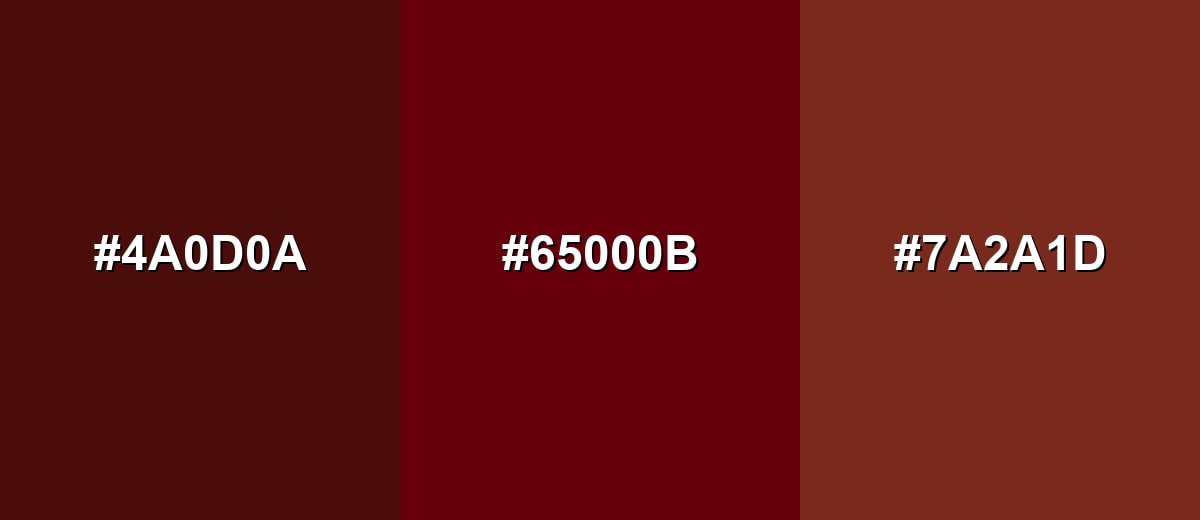
- Deep Mahogany: #4A0D0A
- Rosewood: #65000B
- Cocoa Red: #7A2A1D
Triadic & Tetradic Combinations
A triadic set adds variety while keeping the palette lively and structured.
Rosewood with Pine Green and Deep Cobalt creates a bold but classic three-point balance.
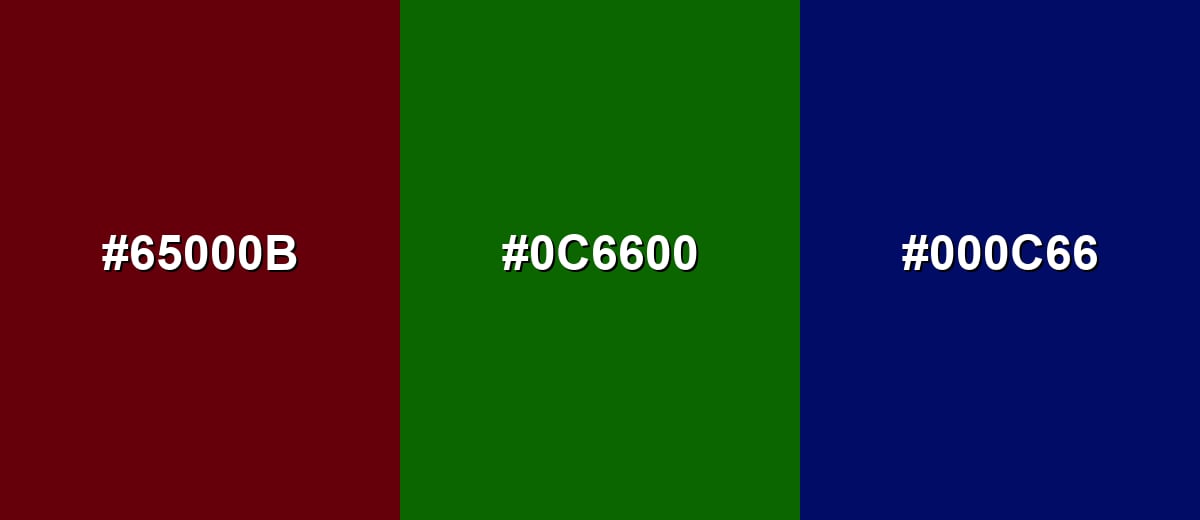
- Rosewood: #65000B
- Pine Green: #0C6600
- Deep Cobalt: #000C66
Colors to Avoid
While rosewood color is remarkably versatile, certain combinations can create problematic visual effects:
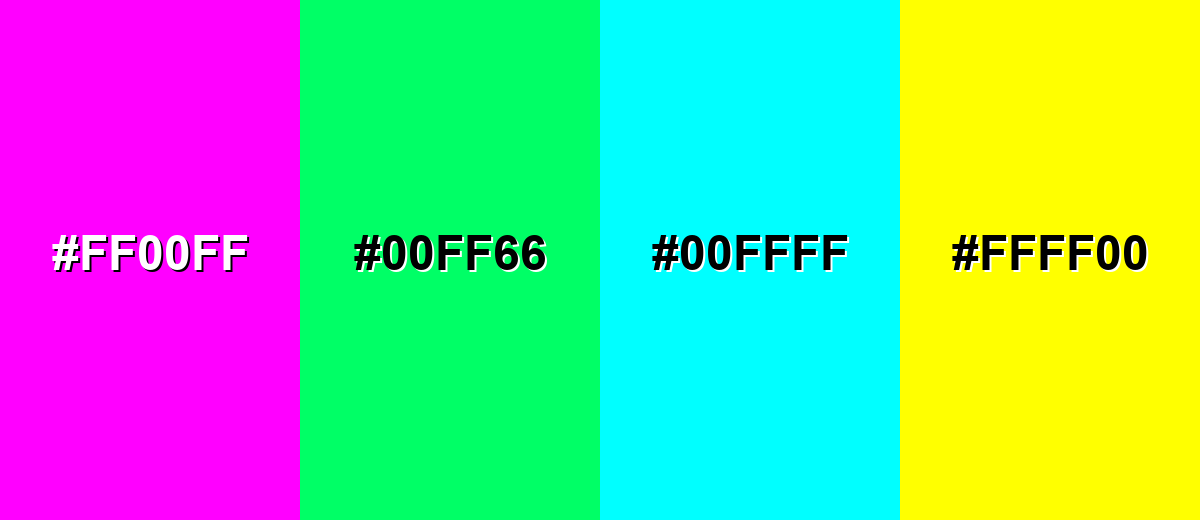
- Neon Magenta (#FF00FF) - Competes with rosewood's red base and can look harsh and synthetic, especially in branding or packaging.
- Neon Green (#00FF66) - Creates an aggressive contrast that can feel noisy and reduces the refined, material quality rosewood is known for.
- Pure Cyan (#00FFFF) - The brightness overwhelms rosewood and can cause visual vibration in digital interfaces.
- Pure Yellow (#FFFF00) - High intensity yellow can make rosewood look muddy and can be difficult to balance in UI components.
Shades, Tints & Variations of Rosewood Color
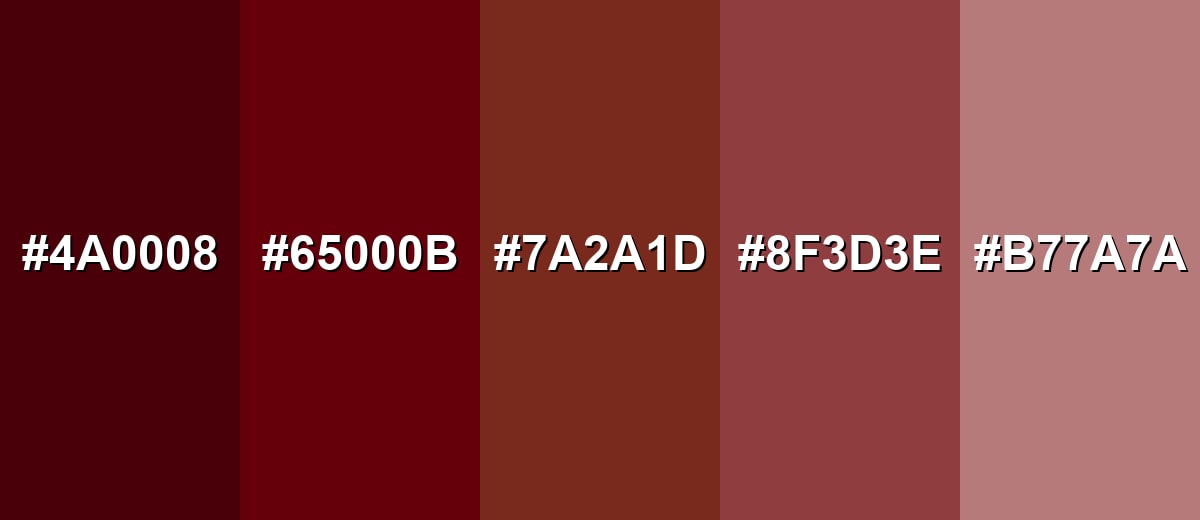
Rosewood isn't a single look—it ranges from near-black, stained-wood depth to softer, dusty tints. Having a few reliable variations helps you build hierarchy (primary accents, secondary surfaces, and backgrounds) without drifting away from the same warm, refined mood.
- Deep Rosewood (#4A0008) - A darker, more shadowed version that reads almost like stained wood in low light. It's best used for Luxury accents, headers, and dramatic packaging details..
- Classic Rosewood (#65000B) - The core rosewood tone: deep red-brown with a subtle wine undertone. It's best used for Primary brand accents, UI highlights, and refined decorative elements..
- Rosewood Brown (#7A2A1D) - A warmer, browner variation that feels more rustic and approachable. It's best used for Interiors, natural product branding, and earthy palettes..
- Dusty Rosewood (#8F3D3E) - A softened, slightly muted take that keeps warmth while reducing intensity. It's best used for Background accents, large blocks in print, and lifestyle branding..
- Rosewood Blush (#B77A7A) - A lighter tint with a gentle rosy cast that still feels grounded. It's best used for Secondary UI surfaces, feminine-leaning palettes, and subtle gradients..
Industry Applications
Because rosewood sits between red and brown, it adapts across industries that need warmth without loudness. It can feel premium, handcrafted, or intimate depending on what you pair it with.
Fashion & Beauty
- Use rosewood for premium skincare and spa branding when you want warmth and sophistication.
- It fits seasonal collections that aim for an intimate, refined mood rather than bright, high-energy color.
- Softer rosewood tints help keep beauty packaging gentle and modern while staying grounded.
- For lifestyle-led visuals, pair rosewood with light neutrals to keep the palette clean and elevated.
Interior Design & Decor
- Rosewood works as an accent on cabinetry, textiles, feature walls, or decor objects.
- It looks richer next to warm whites, soft taupes, and brushed metals.
- This tone naturally supports wood finishes and classic decor themes.
- Use it with creamy whites, natural textiles, and muted greens for a calm, grounded room story.
Branding & Marketing
- Use rosewood for wordmarks, seals, and accent shapes to create a refined, heritage feel.
- In eCommerce, it's strong for product frames, badges, and boutique-style packaging mockups.
- In print, it can feel premium on matte stocks or textured papers—especially when used as an accent instead of a full flood.
- For UI and web campaigns, reserve rosewood for emphasis (headers, active states, CTA variants) and keep body text on light neutrals for clarity.
Conclusion
Rosewood is a deep red-brown that feels romantic and grounded at the same time—more like polished hardwood and aged wine than a bright, attention-grabbing red. Start with the reliable reference point of #65000B, then build a flexible system using light neutrals for breathing room and cooler blue-greens for contrast. Whether you're designing a premium brand, a calm interior palette, or a polished UI theme, rosewood works best as an anchor or accent that adds depth, craft-forward character, and timeless confidence.
Design Smarter with AI: Media.io is an online AI studio that empowers creators with advanced image generation and enhancement tools. From text-to-image and image-to-image creation to AI upscaling and color optimization, it enables fast, creative, and professional results—all in your browser.


Frequently Asked Questions About Rosewood Color
Rosewood is a deep red-brown with a subtle wine undertone, similar to dark stained wood. It can look more red in bright light and more brown in shadow.
A commonly used hex value for rosewood is #65000b. It is a very dark shade, so it is often used as an accent or anchor rather than a full background.
RGB is 101, 0, 11, and CMYK is 0%,100%,89%,60%. RGB is mainly for screens, while CMYK is used for print workflows.
Blue-greens like deep teal, warm light neutrals like ivory, and earthy browns pair smoothly with rosewood. For bolder palettes, add a deep green or a muted gold to create contrast.
Rosewood is primarily warm because it is rooted in red and brown. However, it can feel more balanced or even slightly cooler when paired with teals, cool grays, or blue accents.
Very light neutrals (such as off-white) usually read best on rosewood because the base is so dark. Avoid dark gray or deep red text on top of it unless you verify contrast for accessibility.


