
Claret color is a deep, wine-like red that feels rich and slightly muted—think dark red grapes or a velvet ribbon. A common digital reference for this shade is #7F1734.
Designers often use claret to signal refinement, confidence, and understated luxury. Depending on lighting and surrounding colors, it can lean warmer or cooler, so pairing and contrast choices matter.
Claret Color: Codes & Values
Here are the most-used claret color codes for digital design, UI systems, and print workflows—kept consistent around the reference shade #7F1734.
| Parameters | VALUE |
| HEX Code | #7F1734 |
| RGB DECIMAL | 127, 23, 52 |
| RGB PERCENTAGE | 49.8%, 9.0%, 20.4% |
| CMYK | 0%,82%,59%,50% |
| HSL | 343°, 69%, 29% |
| HSV (HSB) | 343°, 82%, 50% |
| Web Safe | #660033 |
Key Color Space Explanations:
- HEX - HEX is the most common way to specify this shade on the web. Use #7f1734 in CSS, design tools, and UI systems to match claret precisely.
- RGB - RGB describes how much red, green, and blue light are mixed on screens. Claret uses strong red with low green and moderate blue, creating a dark wine tone.
- CMYK - CMYK is used for printing and reflects ink percentages. Claret relies heavily on magenta and black to stay deep and sophisticated on paper.
- HSL - HSL expresses hue, saturation, and lightness in a designer-friendly way. It helps when building tints and shades or keeping harmony across a palette.
- Web Safe - Web-safe values are older approximations based on a limited palette. #660033 is the closest web-safe alternative, though it may look slightly different from true claret.
Use HEX for web and UI, RGB for screen-based apps, and CMYK when you're preparing claret-heavy assets for print production.
Claret Color Conversions
If you're translating claret into different tools (from CSS to print specs), this conversion table keeps the key values in one place.
| Parameters | VALUE | CSS |
| HEX | #7f1734 | #7f1734 |
| RGB DECIMAL | 127, 23, 52 | rgb(127,23,52) |
| RGB PERCENTAGE | 49.8%, 9.0%, 20.4% | rgb(49.8%,9.0%,20.4%) |
| CMYK | 0%,82%,59%,50% | cmyk(0%,82%,59%,50%) |
| HSL | 343°, 69%, 29% | hsl(343°,69%,29%) |
| HSV | 343°, 82%, 50% | -- |
| Web Safe | 660033 | #660033 |
| CIE-LAB | 27.7, 45.5, 10.0 | -- |
| XYZ | 9.72, 5.39, 3.79 | -- |
| xyY | 0.514, 0.285, 5.39 | -- |
| CIE-LCH | 27.7, 46.6, 12.4 | -- |
| CIE-LUV | 27.7, 66.2, 2.7 | -- |
| Hunter-Lab | 23.2, 36.5, 5.8 | -- |
| Binary | 01111111 00010111 00110100 | -- |
Want to generate Claret Color photos or posters? Try Media.io's AI Image Generator now!
Claret Color Meaning & Symbolism
Claret is commonly linked with richness, maturity, and controlled intensity. In everyday design choices, Claret Color meaning often comes across as confident and premium, but more grounded than brighter reds.
Psychological Effects
Because it's dark and saturated, claret tends to shift the mood of a layout quickly.
- Composed Presence - Feels steady and self-possessed, giving designs authority without shouting.
- Sense Of Depth - Suggests seriousness and craftsmanship, especially with clean typography and spacing.
- Intimate Atmosphere - Can feel cozy and protective when used in interiors or as a dramatic background tone.
- Focused Attention - Works well as an accent to bring warmth and visual focus to key elements.
- Heaviness Risk - Overuse can read stern or somber, so pairing with light neutrals helps restore clarity.
Positive Associations
Claret's wine-inspired character makes it a natural fit for premium, timeless aesthetics.
- Richness - Communicates a sense of quality and substance.
- Maturity - Feels grown-up and refined compared to bright reds.
- Understated Luxury - Signals premium taste without looking flashy.
- Confidence - Reads self-assured and intentional in branding and UI accents.
- Controlled Intensity - Keeps drama and warmth while staying slightly muted and tasteful.
Cultural Significance Across the World
While meanings vary by context, claret often inherits symbolism from wine and tradition.
- Wine Heritage - Historically tied to red wine, reinforcing tradition and refinement.
- Celebration - Can hint at toasts, special occasions, and elevated experiences.
- Classic Over Trendy - Often feels established and timeless rather than fad-driven.
- Quality Cue - Commonly used to signal premium craftsmanship in packaging and identity systems.
Design Applications
Claret is easiest to work with when you treat it as a structured accent or a rich foundation. Its depth supports elegant layouts, premium packaging, and sophisticated interfaces—especially when contrast is handled carefully.
Graphic Design Tips
- Use it for wordmarks, seals, and packaging accents to convey craft and quality.
- Pair with warm neutrals for a classic look, or teal/green tones for a modern contrast.
- Keep supporting palettes restrained so claret stays intentional instead of heavy.
- Use coated stocks or high-quality paper to preserve depth and reduce muddiness.
- Consider spot varnish or foil accents to add contrast without changing the hue.
Proof with your print vendor, since dark reds can shift depending on profiles and substrates.
Claret Color in Photography & Video
- Use claret as a wardrobe or prop color when you want a rich focal point without neon-level attention.
- Watch exposure carefully: deep reds can lose texture fast in shadows, especially on velvet or matte surfaces.
- Balance the frame with light neutrals so claret reads "luxury" instead of "too dark."
- Test lighting temperature: warmer light makes claret feel inviting, while cooler light can push it more formal.
- When color grading, keep saturation controlled to avoid drifting into brighter crimson territory.
Recommended Tool for Image Enhancement: When incorporating claret color into your photography projects, Media.io's AI Image tools can help you achieve more refined results. With AI-powered color enhancement, photo colorization, image upscaling, and old photo restoration, you can easily enrich claret color tones, improve overall image quality, and highlight the color's elegant and sophisticated aesthetic.
Color Combinations
Claret pairs best with clean neutrals, grounded greens, and select metallic-like tones that let its wine character stand out. The palettes below cover reliable options for modern layouts, branding, and decor.
Complementary Colors
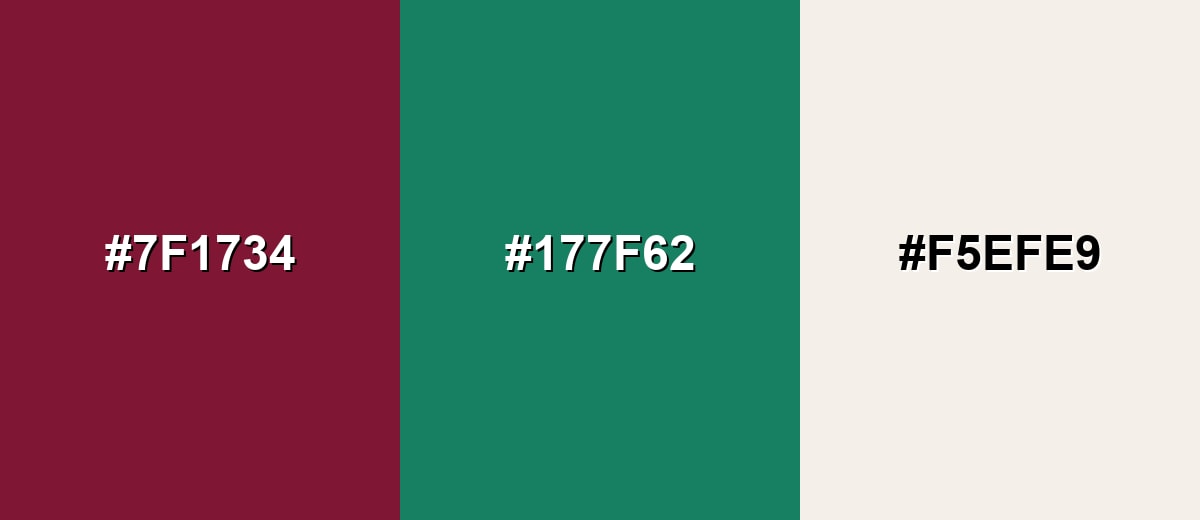
A teal-leaning green sits opposite claret on the wheel, creating crisp contrast while still feeling mature. Add a soft neutral to keep the palette breathable.
Complementary Palette Example: Try claret with deep teal and soft ivory for a balanced, upscale look.
Analogous Color Schemes
Analogous colors sit adjacent to each other on the color wheel, creating harmonious, cohesive palettes with subtle variation.
Plum-to-red neighbors create a smooth, moody gradient that feels cohesive and elegant.
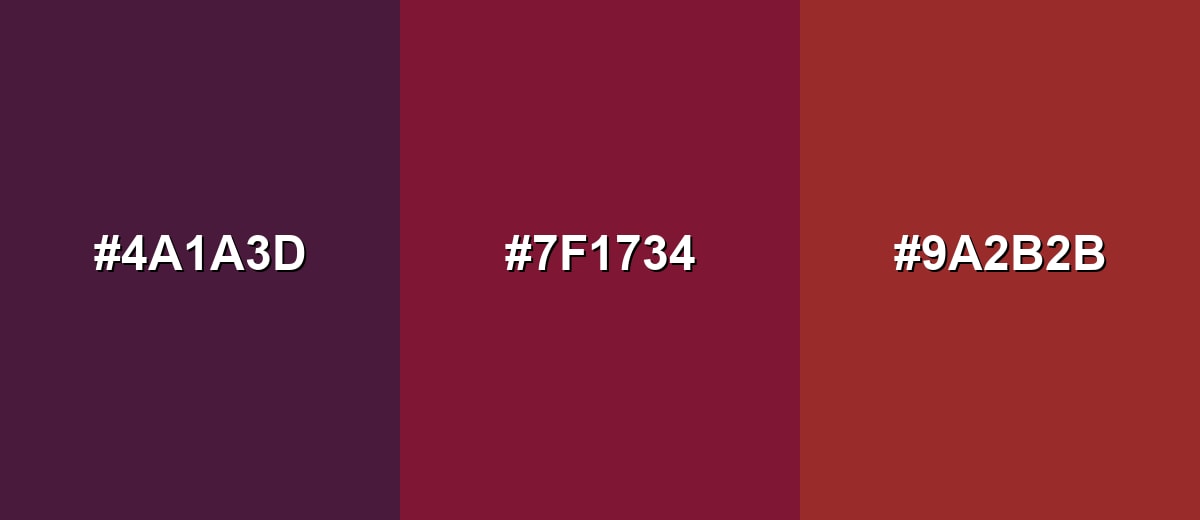
- Deep Plum: #4A1A3D
- Claret: #7F1734
- Brick Red: #9A2B2B
A rose-leaning set keeps the same depth but reads softer and more romantic in layouts.
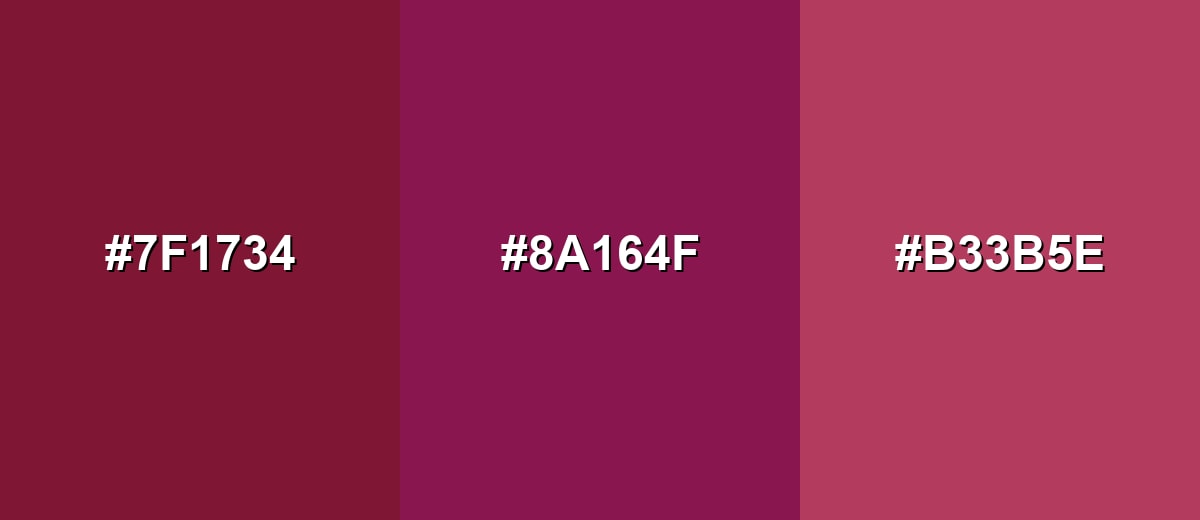
- Claret: #7F1734
- Mulberry: #8A164F
- Deep Rose: #B33B5E
Triadic & Tetradic Combinations
Triadic palettes add energy while keeping the overall scheme balanced.
Use claret with leafy green and deep blue for a bold but controlled three-way contrast.
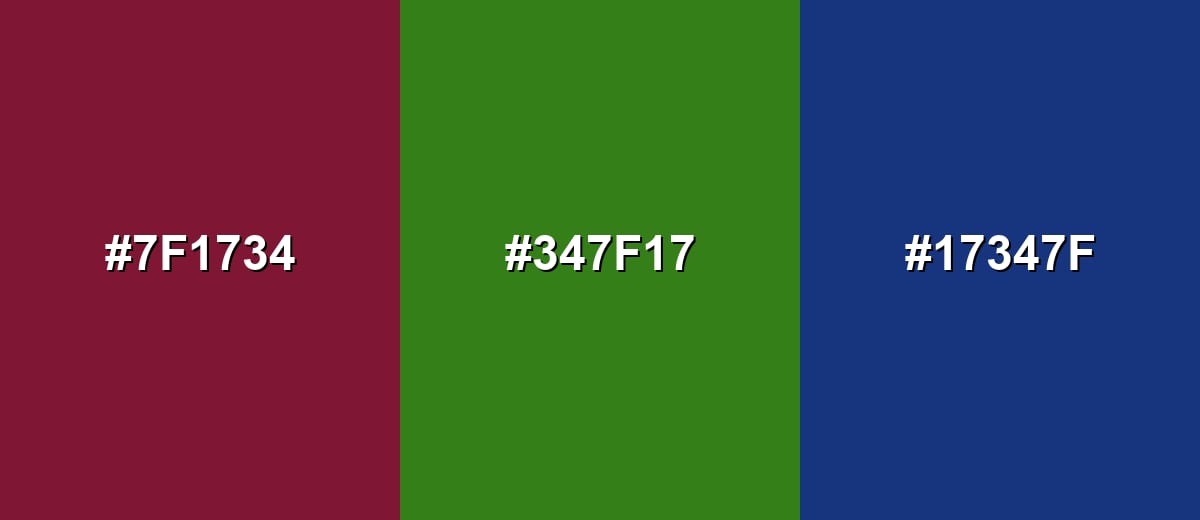
- Claret: #7F1734
- Leaf Green: #347F17
- Deep Blue: #17347F
Colors to Avoid
While claret color is remarkably versatile, certain combinations can create problematic visual effects:
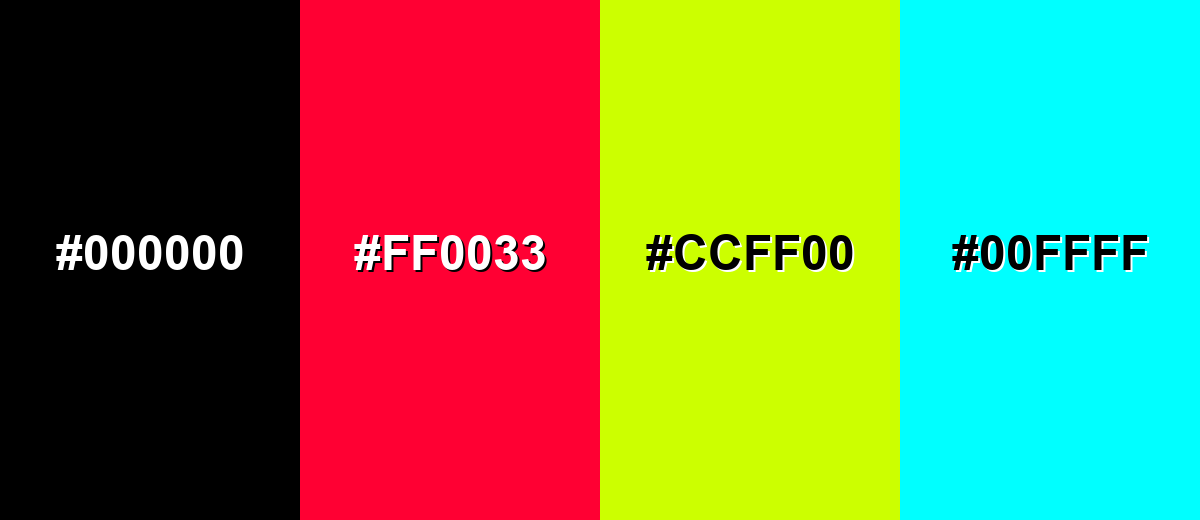
- Pure Black (#000000) - With claret, it can make designs feel overly heavy and reduce detail in shadows.
- Bright Crimson (#FF0033) - A loud red competes with claret and can make the palette look accidental rather than intentional.
- Neon Lime (#CCFF00) - The high brightness and neon feel can clash with claret's refined, muted character.
- Electric Cyan (#00FFFF) - The saturation jump is extreme, often pulling attention away from the main message or product.
Shades, Tints & Variations of Claret Color
Claret isn't a single "one-note" red—its range includes darker, moodier shades and softer tints that feel more approachable. Having these variations makes it easier to build hierarchy in UI, create depth in layouts, and keep branding consistent across different surfaces.
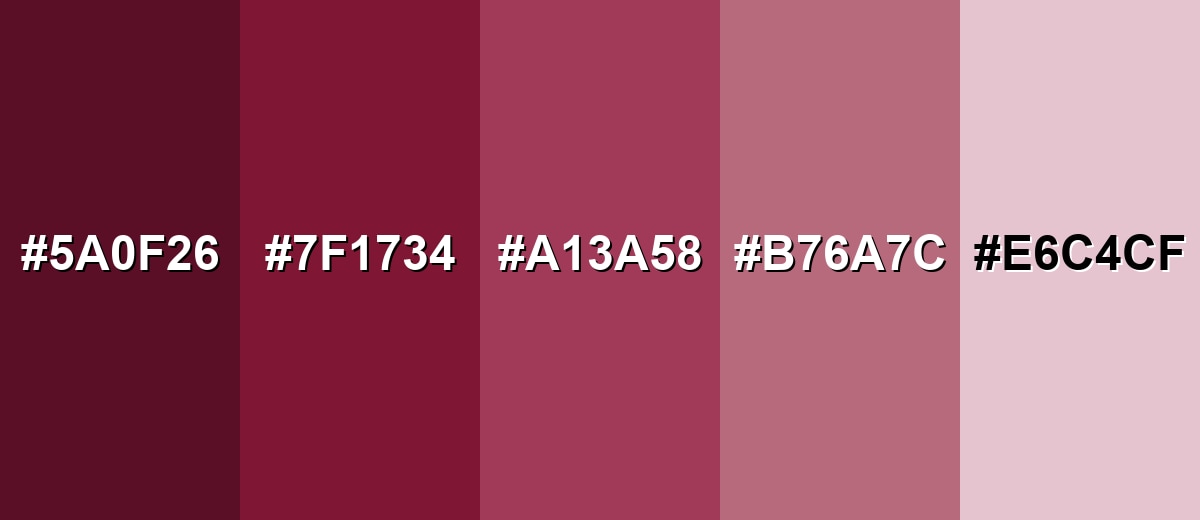
- Deep Claret (#5A0F26) - A darker, more shadowy version that feels dramatic and grounded. It's best used for Luxury packaging, headers, dark-mode surfaces, and elegant backgrounds.
- Classic Claret (#7F1734) - The standard wine-red reference with a refined, slightly muted finish. It's best used for Brand accents, buttons, logos, and statement elements in clean layouts.
- Soft Claret (#A13A58) - A lighter, friendlier take that keeps the wine tone but feels less formal. It's best used for Marketing graphics, social templates, and softer UI highlights.
- Dusty Rosewood (#B76A7C) - A muted rosewood tint that reads warm, calm, and approachable. It's best used for Background blocks, editorial layouts, and lifestyle branding.
- Pale Claret Tint (#E6C4CF) - A gentle blush-like tint with enough warmth to support claret accents. It's best used for Large backgrounds, subtle cards, and airy composition in web and print.
Industry Applications
Claret is widely used when a brand wants depth and confidence without the urgency of bright reds. It performs best in systems where premium cues, strong hierarchy, and controlled contrast matter.
Fashion & Beauty
- Cosmetic packaging and editorial visuals with a sophisticated mood
- Seasonal campaigns where rich tones signal elegance and trend-awareness
- Lookbooks and product pages that need a premium, timeless accent
- Leather goods and jewelry branding where a deep tone supports craftsmanship
Interior Design & Decor
- Try it on an accent wall, upholstery, or textiles to add depth without overpowering the room.
- Balance with soft off-whites, light wood, and brushed metals to keep the space from feeling closed-in.
- Use warmer lighting if you want it to feel more inviting; cooler lighting can push it toward a more formal mood.
- Because it sits dark on the value scale, it can also feel intimate and protective in interiors and branding.
Branding & Marketing
- UI accents for premium tiers, key actions, or selected states
- Brand systems that want authority without defaulting to navy
- Identity palettes that need trust and seriousness with a modern twist
- Presentation templates with strong hierarchy and restrained elegance
Conclusion
Claret is a deep wine red that brings richness, maturity, and a premium edge to modern design—without the loud urgency of brighter reds. With #7F1734 as a dependable reference, you can keep claret consistent across UI, branding, packaging, and print, then dial the mood up or down using nearby shades and tints. Pair it with soft neutrals for a classic, breathable look, or lean into greens/teals for crisp contrast that still feels refined. When you manage spacing and accessibility contrast carefully, claret becomes a distinctive anchor color that elevates the entire system.
Design Smarter with AI: Media.io is an online AI studio that empowers creators with advanced image generation and enhancement tools. From text-to-image and image-to-image creation to AI upscaling and color optimization, it enables fast, creative, and professional results—all in your browser.


Frequently Asked Questions About Claret Color
Claret is a deep wine red with a slightly muted finish and a subtle purple-brown undertone. It often resembles dark red grapes, burgundy velvet, or a rich red stain.
They are close, but not always identical. Burgundy often leans a bit more purple or brown depending on the reference, while claret typically reads like a wine-inspired red that stays refined and slightly muted.
Light text is usually the safest choice on claret backgrounds. For UI, use off-white or very light gray and verify contrast with your specific font weight and size.
Claret pairs well with soft neutrals (ivory, warm gray), deep greens/teals, and select gold-like accents. These combinations keep it elegant while improving contrast and balance.
Yes. It works especially well as an accent for primary actions, highlights, or premium cues, as long as you manage contrast and avoid using it as the only signal for status or errors.
To make lighter versions, increase lightness (HSL) or mix with white to create tints. To make darker versions, reduce lightness or add a small amount of black, then test in context to avoid a muddy look.