

Crimson color is a deep, vivid red that can look like rich red fabric or fresh berries under bright light, with a slight bluish cast.
Its most recognized digital reference is the hex code #DC143C, and it's often read as passionate, confident, and dramatic—best used with restraint for maximum impact.
Crimson Color: Codes & Values
Here are the standard digital and print values for classic crimson, so you can match it consistently across tools and mediums.
| Parameters | VALUE |
| HEX Code | #DC143C |
| RGB DECIMAL | 220, 20, 60 |
| RGB PERCENTAGE | 86.3%, 7.8%, 23.5% |
| CMYK | 0%,91%,73%,14% |
| HSL | 348°, 83%, 47% |
| HSV (HSB) | 348°, 91%, 86% |
| Web Safe | #CC0033 |
Key Color Space Explanations:
- HEX - HEX is the most common way to specify crimson in web design and digital tools, using a six-digit code. For crimson, #dc143c maps directly to its red-green-blue components.
- RGB - RGB defines crimson by mixing red, green, and blue light on screens. Higher red with low green and moderate blue creates its rich, slightly cool red feel.
- CMYK - CMYK is used for print, describing how inks blend on paper. Crimson typically relies heavily on magenta and yellow, with a touch of black to deepen the tone.
- HSL - HSL is helpful for adjusting crimson in a predictable way by hue, saturation, and lightness. It makes it easier to create lighter tints or darker shades while keeping the same basic hue.
- Web Safe - Web Safe is the closest legacy palette match that older systems could display consistently. For crimson, the nearest web-safe option is #cc0033.
If you're designing for screens, start with HEX/RGB; if you're printing, convert to CMYK and always test on the real paper stock to avoid unexpected shifts.
Crimson Color Conversions
Need crimson in a different format for your workflow? Use this conversion chart for quick copy-and-paste values.
| Parameters | VALUE | CSS |
| HEX | #dc143c | #dc143c |
| RGB DECIMAL | 220, 20, 60 | rgb(220,20,60) |
| RGB PERCENTAGE | 86.3%, 7.8%, 23.5% | rgb(86.3%,7.8%,23.5%) |
| CMYK | 0%,91%,73%,14% | cmyk(0%,91%,73%,14%) |
| HSL | 348°, 83%, 47% | hsl(348°, 83%, 47%) |
| HSV (or HSB) | 348°, 91%, 86% | -- |
| Web Safe | cc0033 | #cc0033 |
| CIE-LAB | L 48.0, a 70.2, b 33.6 | -- |
| XYZ | 33.3, 17.5, 5.5 | -- |
| xyY | 0.590, 0.310, 17.5 | -- |
| CIE-LCH | 48.0, 77.8, 25.6° | -- |
| CIE-LUV | L 48.0, u 104.5, v 35.0 | -- |
| Hunter-Lab | L 41.8, a 62.1, b 19.8 | -- |
| Binary | 11011100 00010100 00111100 | -- |
Want to generate crimson color photos or posters? Try Media.io's AI Image Generator now!
Crimson Meaning & Symbolism
Crimson is commonly linked with passion, courage, and strong presence. Because it sits in the red family but leans slightly cooler, it often reads as more refined and dramatic than a simple bright red.
Psychological Effects
Crimson can influence how people read urgency, confidence, and visual hierarchy.
- Energy Boost - Crimson tends to feel energetic and decisive, making layouts feel more active.
- Priority Signal - In branding and UI, it can quickly communicate priority, which is why it's common for highlights and calls to action.
- Premium Warmth - Used in moderation, it can make visuals feel premium and emotionally warm, especially next to calm neutrals.
- Accent Power - Small touches of crimson can add richness without overwhelming the overall design.
- Overstimulation Risk - Large crimson areas may feel aggressive or stressful, and can reduce readability if contrast is weak.
Positive Associations
When it's balanced well, crimson brings a strong, classic "statement" quality.
- Passion - A natural fit for emotionally charged storytelling, bold launches, and high-impact moments.
- Courage - Often read as brave and confident, helping designs feel more decisive.
- Celebration - Depending on context, crimson can feel festive and energized rather than urgent.
- Status - Its history with prized dyes and pigments contributes to a classic, ceremonial feel.
- Focus - It draws attention fast, supporting clear hierarchy and emphasis in visual communication.
Cultural Significance Across the World
Crimson's meaning changes by context, but it's frequently tied to importance and tradition.
- Ceremonial Tone - Historically, deep reds were associated with formal garments and valued materials.
- Strong Emotion - Crimson is commonly used to represent intense feelings, from love to determination.
- Visual Authority - It often signals status or significance, especially in editorial and formal design.
- Attention & Signals - In modern communication, crimson is used to draw the eye and mark key information.
Design Applications
Crimson works best when you treat it as an accent or a hero tone rather than a background default. Its depth makes it versatile for modern interfaces, editorial layouts, and brand systems that need energy without looking neon.
Graphic Design Tips
- Use crimson for primary actions when the brand voice is bold, direct, or passionate, and reserve it for the most important buttons to avoid fatigue.
- For product badges, alerts, or sale tags, keep surrounding elements neutral so crimson remains the focal point.
- In logos and wordmarks, crimson pairs well with black, off-white, and metallic-inspired neutrals for a confident, premium look.
- Avoid using crimson text on dark backgrounds unless contrast is verified; it can vibrate visually and reduce legibility.
- Do not rely on crimson alone to communicate status; pair with icons, labels, or patterns for clarity.
Pro tip: treat #DC143C like a spotlight—give it space, keep supporting elements calmer, and you'll get all the drama without the visual noise.
Crimson in Photography & Video
- Watch how crimson shifts under different lighting; it can read warmer or darker depending on the scene.
- In color grading, keep saturation controlled so crimson looks rich instead of clipped or neon.
- Use crimson props, styling, or wardrobe as a focal point against simpler surroundings for cleaner composition.
- For product shots, test materials and finishes—deep reds can change noticeably between matte and glossy surfaces.
- When adding text overlays, choose high-contrast typography so crimson areas don't reduce readability.
Recommended Tool for Image Enhancement: When incorporating crimson into your photography projects, Media.io's AI Image tools can help you achieve more refined results. With AI-powered color enhancement, photo colorization, image upscaling, and old photo restoration, you can easily enrich crimson tones, improve overall image quality, and highlight the color's elegant and sophisticated aesthetic.
Color Combinations
Crimson pairs beautifully with cool opposites, nearby red-violet tones, and carefully chosen neutrals. The schemes below provide reliable starting points for branding, UI, illustration, and décor.
Complementary Colors
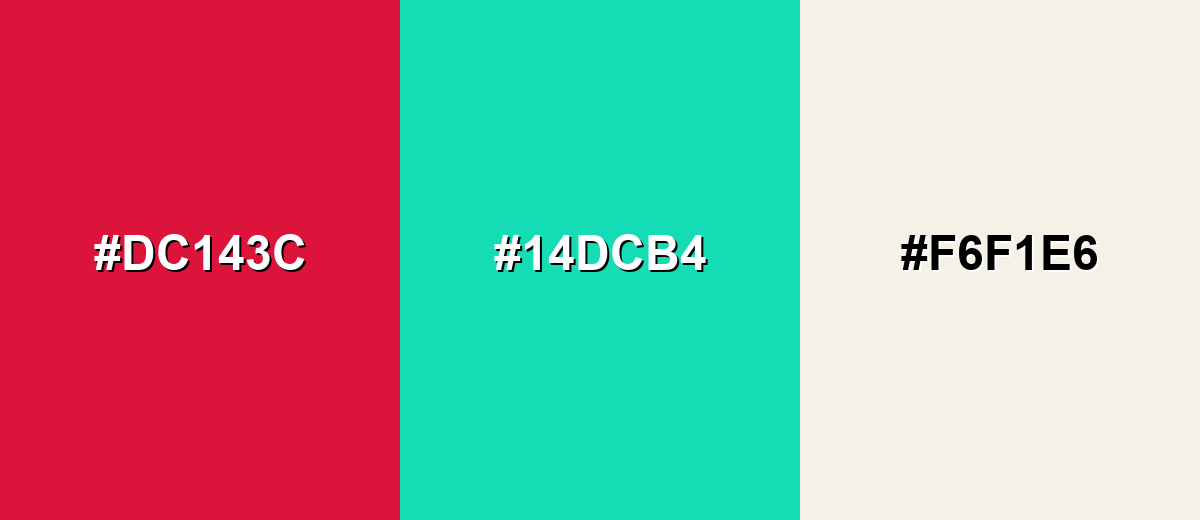
A complementary pairing places crimson against a teal-leaning green, creating strong contrast and a lively, modern feel. Add a soft neutral to control the intensity and keep the layout readable.
Complementary Palette Example: Use crimson as the focal point, deep teal for balance, and ivory to give the palette breathing room.
Analogous Color Schemes
Analogous colors sit adjacent to each other on the color wheel, creating harmonious, cohesive palettes with subtle variation.
Crimson with raspberry and vermilion creates a warm, energetic blend for bold accents and lively visuals.
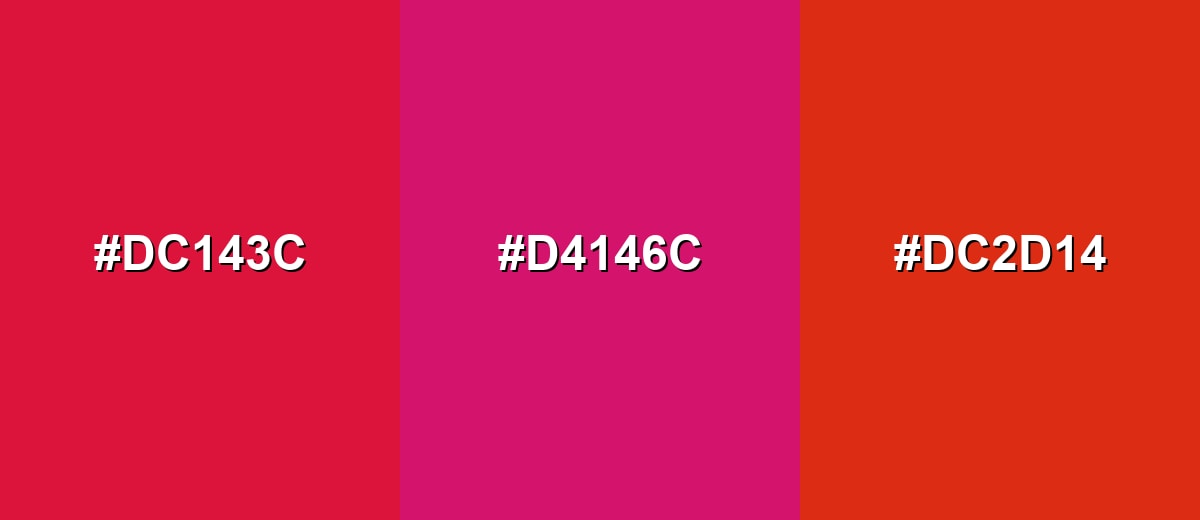
- Crimson: #DC143C
- Raspberry: #D4146C
- Vermilion: #DC2D14
Crimson paired with orchid purple and burnt orange feels artistic and dramatic while staying cohesive.
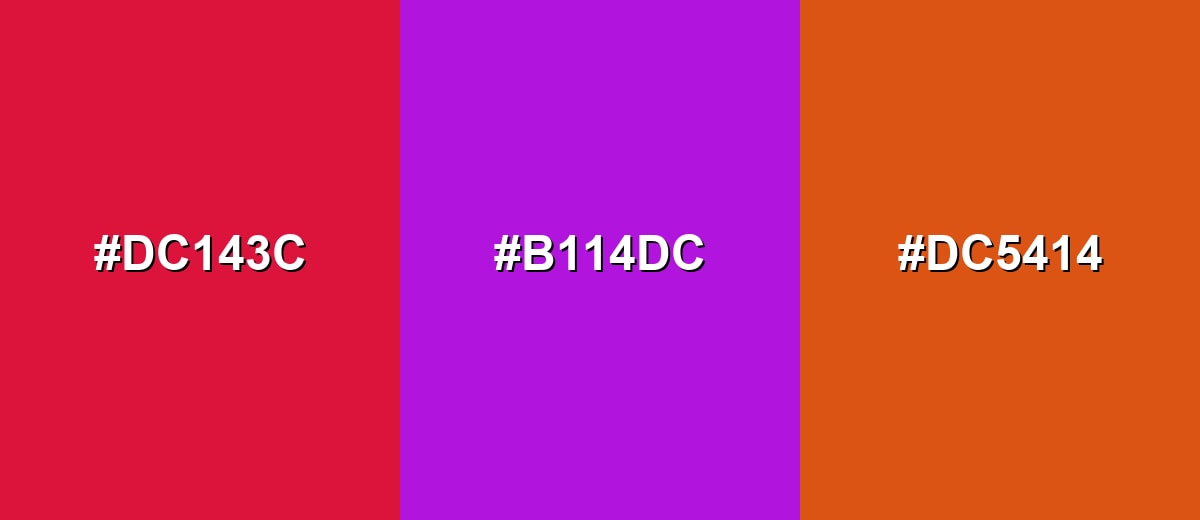
- Crimson: #DC143C
- Orchid Purple: #B114DC
- Burnt Orange: #DC5414
Triadic & Tetradic Combinations
A triadic scheme spreads hues evenly for a playful but balanced palette.
Crimson, spring green, and royal blue work well when you let one tone lead and use the others as supporting accents.
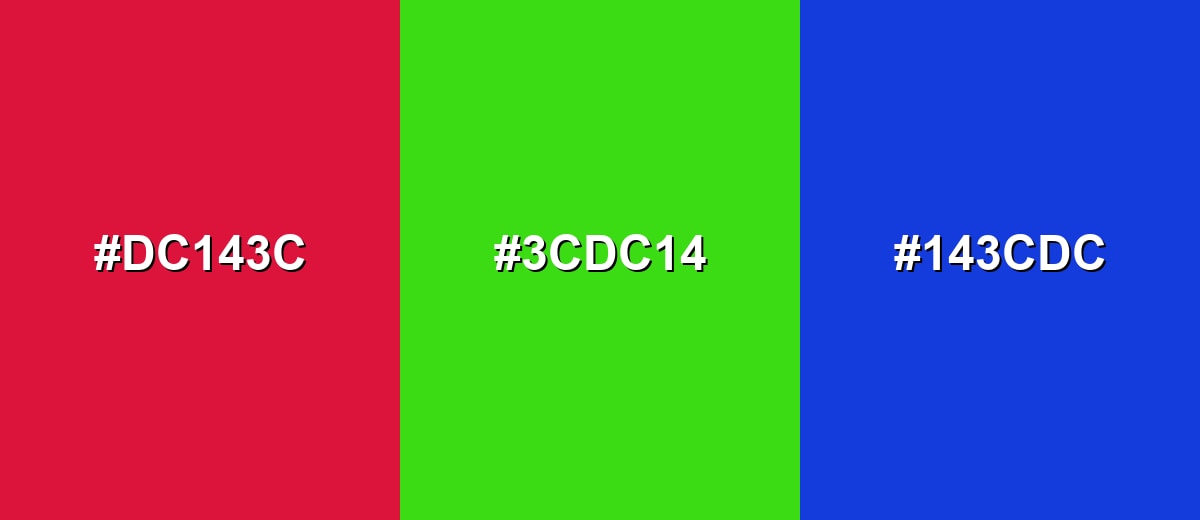
- Crimson: #DC143C
- Spring Green: #3CDC14
- Royal Blue: #143CDC
Colors to Avoid
While crimson is remarkably versatile, certain combinations can create problematic visual effects:
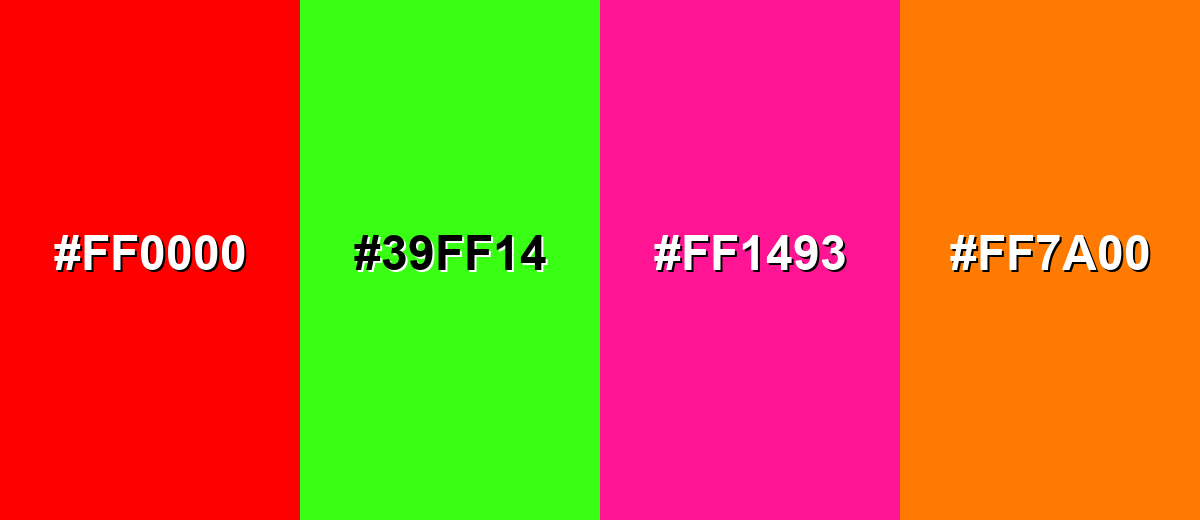
- Pure Red (#FF0000) - Pure red next to crimson can look mismatched and noisy because the undertones compete rather than blend smoothly.
- Neon Green (#39FF14) - Neon green creates harsh vibration against crimson, which can feel aggressive and distract from content.
- Hot Pink (#FF1493) - Hot pink and crimson together often feel overly saturated, making designs look unbalanced and harder to read.
- Bright Orange (#FF7A00) - Bright orange can push crimson warmer and muddy, reducing the refined, deep look that makes crimson distinctive.
Shades, Tints & Variations of Crimson
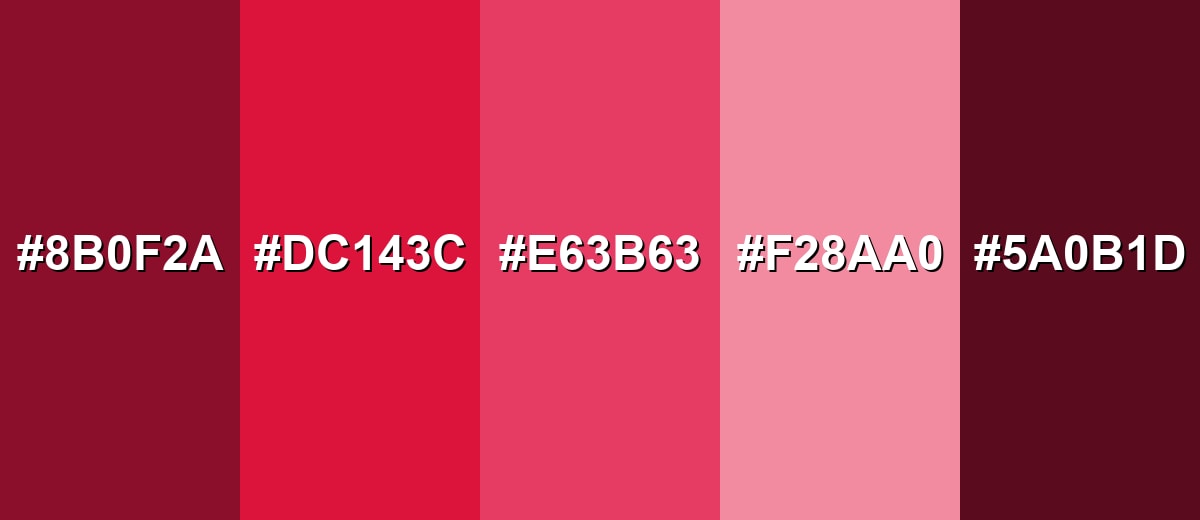
Crimson has a surprisingly usable range—from dark, formal reds to soft, friendly tints. Exploring these variations makes it easier to build hierarchy in a layout (backgrounds, accents, and highlights) while keeping the same overall color identity.
- Dark Crimson (#8B0F2A) - A deeper, more muted version that feels heavier and more formal than the standard tone. It's best used for Headers, luxury branding accents, and backgrounds behind light text..
- Classic Crimson (#DC143C) - The well-known, vivid crimson that balances depth with strong visibility. It's best used for CTAs, highlights, icons, and any element that needs confident emphasis..
- Crimson Rose (#E63B63) - A slightly lighter, pink-leaning variant that feels friendlier and more romantic. It's best used for Lifestyle visuals, packaging accents, and softer brand palettes..
- Soft Crimson Tint (#F28AA0) - A pale tint that keeps a crimson identity while feeling airy and approachable. It's best used for Background panels, subtle gradients, and gentle UI states..
- Deep Maroon (#5A0B1D) - A very dark, wine-like shade that reads mature and understated. It's best used for Elegant backgrounds, editorial themes, and premium packaging systems..
Industry Applications
Crimson is used across industries when designers want immediate attention with a classic, premium edge. It is especially effective when paired with disciplined typography and plenty of neutral space.
Fashion & Beauty
- Use crimson in hero imagery to communicate drama, sophistication, or romance.
- Apply it as a packaging accent for a richer, more premium shelf presence.
- Lean on crimson for editorial styling where you want a bold focal point without neon energy.
- Balance crimson-heavy visuals with simpler typography so the color carries the mood.
Interior Design & Decor
- Try crimson in textiles, art, or a single statement piece to add warmth and drama without shrinking the space visually.
- Use creamy whites and natural wood tones to keep the room feeling balanced.
- Keep crimson as an accent rather than a full-room wall color if you want a calmer everyday feel.
- Test under real lighting—deep reds can shift noticeably between daytime and warm indoor bulbs.
Branding & Marketing
- Use crimson in launch visuals and promotional banners to signal confidence and urgency without looking fluorescent.
- In UI and product design, reserve crimson for primary actions and key highlights to avoid fatigue.
- For badges, alerts, and sale tags, keep surrounding elements neutral so crimson stays readable and controlled.
- For print and packaging, test paper stock and finishes since deep reds can shift warmer or darker depending on material.
Conclusion
Crimson stands out for its deep red intensity with a subtle cool undertone, which makes it feel both emotional and refined. Whether you use it for a headline, a call to action, or a small accent, it creates strong hierarchy and memorable emphasis—especially when paired with calm neutrals or a controlled complementary like teal. For dependable digital consistency, #DC143C is the go-to reference, and it adapts smoothly into lighter tints and darker shades. With thoughtful contrast and a little restraint, crimson adds clarity, impact, and character to modern design.
Design Smarter with AI: Media.io is an online AI studio that empowers creators with advanced image generation and enhancement tools. From text-to-image and image-to-image creation to AI upscaling and color optimization, it enables fast, creative, and professional results—all in your browser.


Frequently Asked Questions About Crimson Color
Crimson is a deep, vivid red with a slight bluish undertone that gives it a richer, more dramatic look than many bright reds. It is often used as an accent to draw attention and create strong emphasis.
A widely used hex code for crimson is #dc143c. This is the standard value many design tools reference for the classic crimson tone.
Crimson is typically brighter and more saturated, while maroon is darker and more brown or wine-leaning. If you want bold emphasis, crimson is usually the better fit; for a subdued, formal feel, maroon is often preferred.
Crimson pairs well with soft neutrals like ivory and light gray, deep tones like charcoal and navy, and cool opposites like teal. These choices help keep crimson impactful without making the design feel overly loud.
White or near-white text is the most common choice on a crimson background because it creates clear contrast. For smaller text, increase font weight and confirm contrast with an accessibility checker to avoid readability issues.
Crimson is often associated with passion, confidence, and importance, which is why it appears in strong branding, editorial design, and emphasis elements. In practice, the crimson color meaning depends on context, but it usually communicates intensity and focus.


