

 TL;DR:
Lemon yellow (#FFF44F) is a high-visibility, energetic color best utilized as a strategic accent for UI highlights and badges rather than expansive backgrounds due to its risk of causing screen glare and visual fatigue.
● Pair this hue with deep anchor tones like dark blue or charcoal to ensure text readability, and strictly avoid combinations with pure white, neon green, neon magenta, or bright red to prevent low contrast and harsh visual vibrations.
● Substitute the classic #FFF44F with Pale Lemon (#FFFBD1) for larger layout sections to safely reduce glare, or apply Deep Lemon (#F2D600) for headers and packaging details requiring stronger, grounded emphasis.
● When executing print workflows using the CMYK approximation (0%, 4%, 69%, 0%) or capturing photography in bright lighting, strictly incorporate darker boundaries or contrasting labels to maintain subject and detail legibility.
Ask AI for a summary
 ChatGPT
 Perplexity
 Gemini
 Claude
 Grok
Grok
Lemon yellow color is a vivid, zesty yellow that looks like fresh lemon peel in bright sunlight, with a crisp and slightly green-leaning glow. Its hex code is #FFF44F, a value that captures its high brightness and punchy warmth.
It's often read as cheerful, energetic, and attention-grabbing, but still cleaner and sharper than golden yellows. Since it can shift quickly depending on lighting and surrounding colors, it helps to use reliable codes, smart pairings, and controlled coverage.
Lemon Yellow Color: Codes & Values
If you want lemon yellow to look consistent across tools, screens, and print workflows, start with these core values as your reference.
| Parameters | VALUE |
| HEX Code | #FFF44F |
| RGB DECIMAL | 255, 244, 79 |
| RGB PERCENTAGE | 100%, 95.7%, 31.0% |
| CMYK | 0%,4%,69%,0% |
| HSL | 56°, 100%, 65% |
| HSV (HSB) | 56°, 69%, 100% |
| Web Safe | #FFFF66 |
Key Color Space Explanations:
- HEX - HEX is the most common way to specify lemon yellow on the web and in design tools. Use #fff44f for consistent digital rendering.
- RGB - RGB defines the mix of red, green, and blue light used on screens. Lemon yellow is 255, 244, 79, which explains its bright, high-visibility look.
- CMYK - CMYK is used for print and represents ink percentages. The values 0%,4%,69%,0% help approximate lemon yellow on paper, though results vary by stock and profiles.
- HSL - HSL describes hue, saturation, and lightness, which is useful for building tints and shades. At 56°, 100%, 65%, lemon yellow is fully saturated and quite light.
- Web Safe - Web-safe values are an older standard based on a limited palette. The closest web-safe match to lemon yellow is #ffff66.
For most digital projects, HEX and RGB are the quickest wins—use #FFF44F to match the classic lemon look, then adjust with HSL when you need cleaner tints or deeper, more grounded variations.
Lemon Yellow Color Conversions
Need lemon yellow in a different color space? Use the conversion table below to copy the right format for your design tool or workflow.
| Parameters | VALUE | CSS |
| HEX | #fff44f | #fff44f |
| RGB DECIMAL | 255, 244, 79 | rgb(255,244,79) |
| RGB PERCENTAGE | 100%, 95.7%, 31.0% | rgb(100%,95.7%,31%) |
| CMYK | 0%,4%,69%,0% | cmyk(0%,4%,69%,0%) |
| HSL | 56°, 100%, 65% | hsl(56°, 100%, 65%) |
| HSV (or HSB) | 56°, 69%, 100% | -- |
| Web Safe | ffff66 | #ffff66 |
| CIE-LAB | 94.2, -10.1, 85.3 | -- |
| XYZ | 78.6, 90.1, 20.4 | -- |
| xyY | 0.418, 0.479, 90.1 | -- |
| CIE-LCH | 94.2, 85.9, 96.8° | -- |
| CIE-LUV | 94.2, -13.9, 92.1 | -- |
| Hunter-Lab | 94.9, -6.2, 74.0 | -- |
| Binary | 11111111 11110100 01001111 | -- |
Want to generate lemon yellow color photos or posters? Try Media.io's AI Image Generator now!
Lemon Yellow Meaning & Symbolism
Lemon yellow is commonly associated with freshness, optimism, and quick clarity—like a bright beam of sunlight with a citrus edge. In everyday life, it often signals energy, alertness, and a light, upbeat vibe. When people search for lemon yellow color meaning, they are usually trying to understand why it feels both happy and intense at the same time.
Psychological Effects
Because it sits so close to peak brightness, lemon yellow can change the "volume" of a design fast.
- Instant Noticeability - Its brightness makes elements feel more immediate, so it naturally pulls attention to key areas.
- UI Emphasis - In interfaces, it works well for highlights, key actions, and small status messages that need quick scanning.
- Friendly Energy - Used in moderation, it can feel clean, upbeat, and welcoming without relying on heavy visuals.
- Visual Fatigue Risk - Large blocks can feel harsh or distracting, especially on bright screens or in well-lit rooms.
- Balance Improves Focus - Pairing it with neutrals or deeper anchor tones helps it stay readable and controlled.
Positive Associations
Its citrus vibe is a big reason it's often used to make visuals feel fresh and modern.
- Freshness - Lemon-linked yellows commonly suggest crisp, just-cleaned, just-cut clarity.
- Optimism - The sunny tone naturally signals positivity and an uplifted mood.
- Energy - It brings a lively spark that makes layouts feel active and alert.
- Clean Minimalism - Against simple layouts, it adds pop without needing complex patterns or textures.
- Quick Clarity - It helps separate important details, labels, and highlights at a glance.
Cultural Significance Across the World
Yellow meanings can vary, but lemon yellow tends to keep its "high visibility" message across contexts.
- Joy & Warmth - In many settings, yellow is linked to sunshine, warmth, and cheerful expression.
- Caution & Warning - Because it stands out quickly, yellow is also used in safety systems and warning cues.
- Cleanliness in Packaging - Citrus-leaning yellows often communicate fresh, clean positioning in product visuals.
- Wellness & Zest - Lemon tones frequently appear in wellness and household categories to suggest energy and brightness.
Design Applications
Lemon yellow is easiest to use when you decide upfront whether it is the hero accent or a supporting highlight. Its brightness makes it ideal for attention, but it needs thoughtful contrast to stay readable and polished.
Graphic Design Tips
- Use lemon yellow for clear emphasis: badges, highlights, small blocks, and icon accents.
- Keep it as an accent on dark or neutral surfaces to avoid glare.
- Pair it with stable anchors (like deep blues or near-black tones) to keep layouts trustworthy and balanced.
- Avoid long paragraphs on lemon yellow backgrounds; reserve it for short labels or UI states.
- Stay consistent—assign lemon yellow a single job (for example, highlights or status messaging) so it doesn't feel random.
Pro tip: If lemon yellow starts to feel "too loud," don't remove it—shrink the coverage and add stronger boundaries (spacing, outlines, or darker anchors) so the color reads as intentional emphasis.
Lemon Yellow in Photography & Video
- Use it as a controlled highlight (props, wardrobe accents, labels, small set pieces) rather than a full-frame background.
- In bright lighting, lemon yellow can look even more intense—test in both morning and evening conditions.
- Balance it with neutral or deeper tones in the scene to reduce glare and keep the subject readable.
- For product shots and packaging visuals, add darker edges or contrasting labels so details stay legible.
- When exporting, double-check saturation so the "citrus pop" remains clean instead of turning harsh on screens.
Recommended Tool for Image Enhancement: When incorporating lemon yellow into your photography projects, Media.io's AI Image tools can help you achieve more refined results. With AI-powered color enhancement, photo colorization, image upscaling, and old photo restoration, you can easily enrich lemon yellow tones, improve overall image quality, and highlight the color's elegant and sophisticated aesthetic.
Color Combinations
Lemon yellow pairs best with tones that either cool it down (deep blues and teals), soften it (creams and warm neutrals), or add playful energy (pinks and purples). Use the palettes below as starting points, then adjust brightness and saturation to match your layout and contrast needs.
Complementary Colors
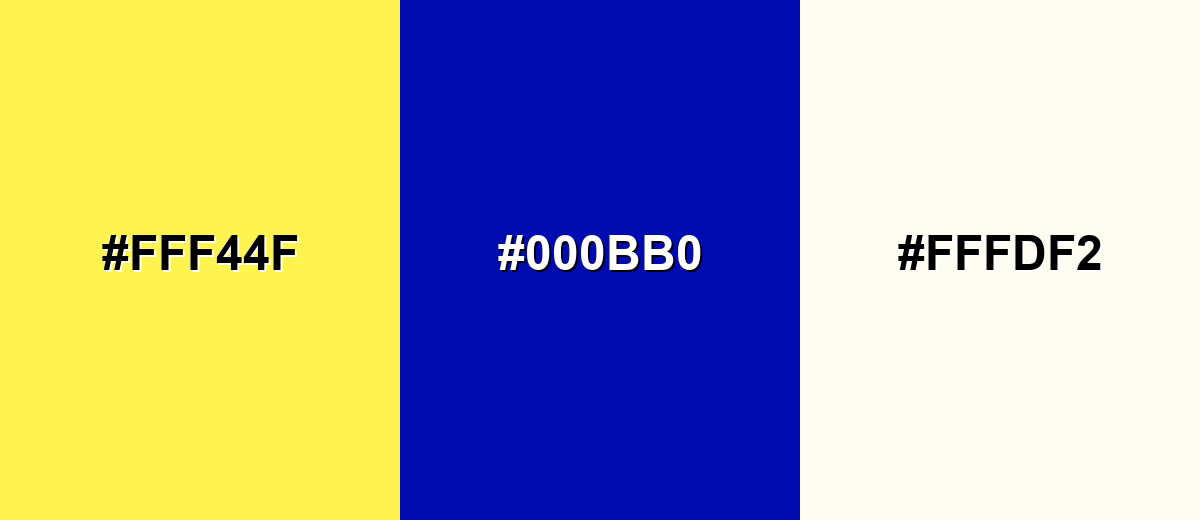
A complementary palette uses the opposite hue on the color wheel to create strong contrast. With lemon yellow, a deep blue counterpart adds instant balance and helps the bright highlight feel controlled rather than overpowering.
Complementary Palette Example: Use lemon yellow as the accent, deep blue as the anchor, and a soft white to keep spacing and backgrounds clean.
Analogous Color Schemes
Analogous colors sit adjacent to each other on the color wheel, creating harmonious, cohesive palettes with subtle variation.
A warm analogous blend that moves from amber warmth into lemon brightness and yellow-green freshness.
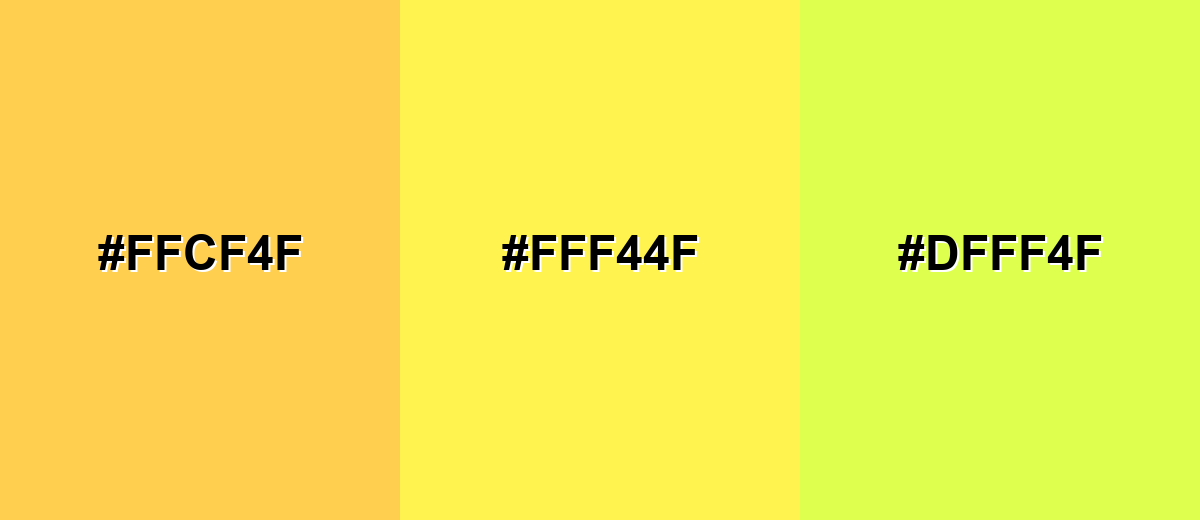
- Amber Glow: #FFCF4F
- Lemon Yellow: #FFF44F
- Citrus Green: #DFFF4F
A softer analogous set for airy, spring-like visuals that stay bright without feeling harsh.
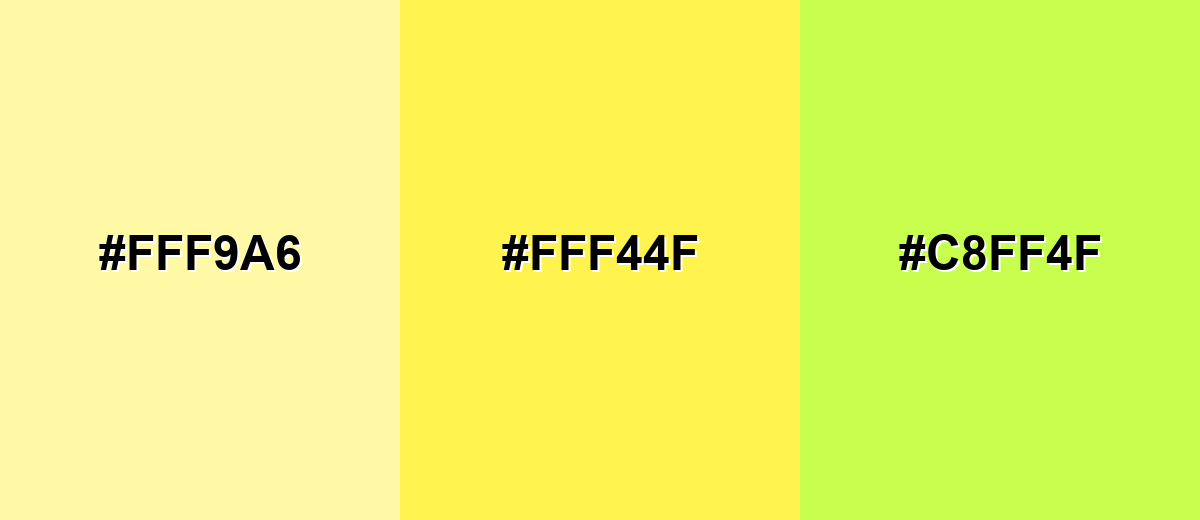
- Pale Lemon: #FFF9A6
- Lemon Yellow: #FFF44F
- Lime Tint: #C8FF4F
Triadic & Tetradic Combinations
A triadic scheme uses three evenly spaced hues to create a lively, balanced look.
Pair lemon yellow with an aqua-teal and a vivid orchid tone for energetic branding and modern illustrations.
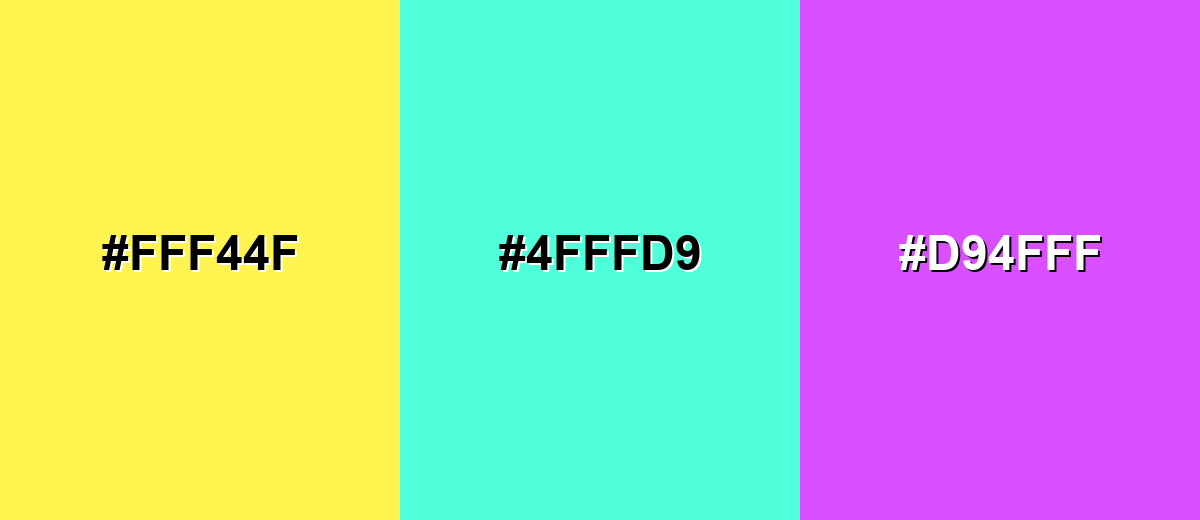
- Lemon Yellow: #FFF44F
- Aqua Teal: #4FFFD9
- Orchid Purple: #D94FFF
Colors to Avoid
While lemon yellow is remarkably versatile, certain combinations can create problematic visual effects:
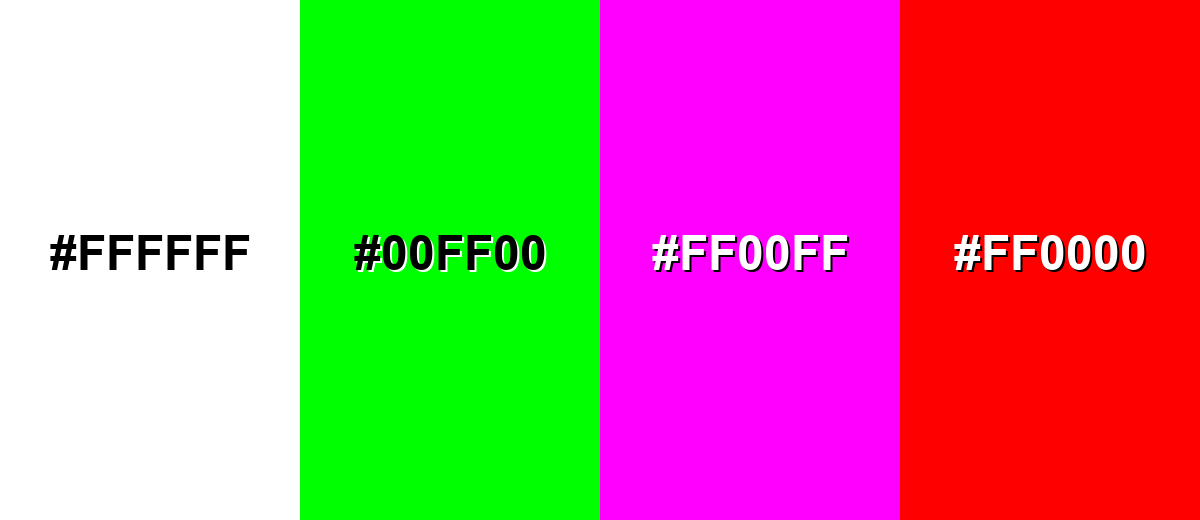
- Pure White (#FFFFFF) - The contrast is too low, making layouts look washed out and reducing readability.
- Neon Green (#00FF00) - Two high-intensity hues compete, which can feel chaotic and tiring in UI or large blocks.
- Neon Magenta (#FF00FF) - Creates a harsh, vibrating look against bright yellow, especially on screens.
- Bright Red (#FF0000) - Can read as aggressive and can trigger "warning" signals when paired with vivid yellow.
Shades, Tints & Variations of Lemon Yellow
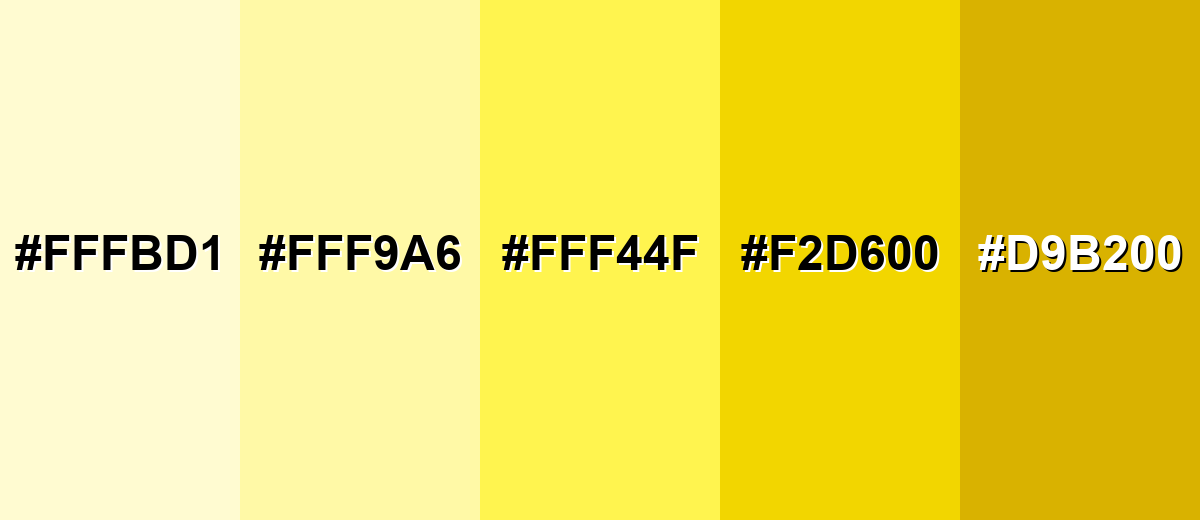
Lemon yellow isn't just one "loud" shade—its range includes creamy tints for backgrounds, classic bright highlights for UI, and deeper lemon-gold options for more grounded accents. Having a few variations ready makes it easier to control contrast, hierarchy, and comfort.
- Pale Lemon (#FFFBD1) - A very light, creamy lemon tone that keeps the citrus feel but reduces glare. It's best used for Large backgrounds, spacious layouts, gentle highlights.
- Soft Lemon (#FFF9A6) - A lighter version that still feels sunny, with a calmer, more relaxed look. It's best used for Cards, sections, subtle UI emphasis, editorial accents.
- Classic Lemon Yellow (#FFF44F) - The bright, recognizable lemon yellow—crisp, vibrant, and highly visible. It's best used for Badges, icons, CTAs, key highlights.
- Deep Lemon (#F2D600) - A deeper, slightly more golden lemon that feels stronger and more grounded. It's best used for Headers, charts, packaging details, emphasis with less glare.
- Lemon Gold (#D9B200) - A darker, warmer variation that leans toward golden tones while staying in the lemon family. It's best used for Borders, shadows, vintage accents, premium details.
Industry Applications
Because lemon yellow is bright and readable at a glance, it shows up most often where quick recognition matters. The trick is treating it as a signal or accent, then building the rest of the palette to support it.
Fashion & Beauty
- Use it as a punchy accent in accessories, trims, and small details for a fresh, energetic vibe.
- Pair it with clean neutrals to keep the look modern instead of overly loud.
- Lean on softer lemon tints for spring-like palettes that still feel bright.
- In campaign visuals, use lemon yellow sparingly to direct attention to key product moments.
Interior Design & Decor
- Introduce it in small doses like cushions, art, or a single feature item.
- Combine with warm whites and natural materials to prevent it from feeling overly sharp.
- Test swatches in different lighting—bright rooms can make it look more intense.
- Use deeper lemon variations when you want warmth with less glare.
Branding & Marketing
- Great for highlighting promotions, launches, and limited-time messaging where visibility matters.
- Use it consistently for a single role (like highlights or status cues) to build brand clarity.
- Balance it with darker anchors to maintain trust and readability in layouts.
- Popular in fresh-positioning packaging and product visuals, especially when paired with clean spacing.
Conclusion
Lemon yellow stands out for its crisp, citrus-like brightness and the way it instantly adds energy to a layout without feeling heavy. It's most effective as a strategic accent—ideal for highlights, UI emphasis, infographics, and fresh branding—especially when you balance it with stable anchor tones and clean neutrals. Use #FFF44F as your reliable starting point, then explore softer tints or deeper lemon-gold variations to control glare and improve comfort. With thoughtful contrast and consistent usage, lemon yellow can guide attention and sharpen hierarchy while keeping your visuals modern and upbeat.
Design Smarter with AI: Media.io is an online AI studio that empowers creators with advanced image generation and enhancement tools. From text-to-image and image-to-image creation to AI upscaling and color optimization, it enables fast, creative, and professional results—all in your browser.


Frequently Asked Questions About Lemon Yellow Color
Lemon yellow is a bright, zesty yellow that resembles the peel of a fresh lemon. It's lighter and sharper than golden yellows, which makes it especially noticeable in digital design.
A widely used hex value for lemon yellow is #fff44f. This code produces a vivid, high-brightness yellow that reads as fresh and energetic on screens.
For digital use, lemon yellow can be represented as RGB 255, 244, 79. For print workflows, a common approximation is CMYK 0%,4%,69%,0%, though printing results can vary by paper and color profile.
Deep blues are a strong match because they balance brightness and improve readability. It also works well with soft whites, teals, and certain pink-purple accents when you want a more playful palette.
A complementary direction for lemon yellow sits in the deep blue range. Pairing it with a dark blue such as #000bb0 creates bold contrast that helps lemon yellow look intentional and controlled.
It's usually better as an accent than a full background because it can cause glare and reduce comfort. If you do use it behind text, choose very dark text (charcoal or deep blue) and keep text blocks short for readability.


