

Thistle color is a pale, powdery lavender-purple that looks like the soft bloom of the thistle plant, with a slightly rosy cast.
Its defining hex code is #D8BFD8, a light tint that feels calm and delicate on screen and in print—perfect when you want a gentle mood without going full pink.
Thistle Color: Codes & Values
If you want thistle color to look consistent across tools and platforms, start with these standard values and build your tints/shades from there.
| Parameters | VALUE |
| HEX Code | #D8BFD8 |
| RGB DECIMAL | 216, 191, 216 |
| RGB PERCENTAGE | 84.7%, 74.9%, 84.7% |
| CMYK | 0%,12%,0%,15% |
| HSL | 300°, 24%, 80% |
| HSV (HSB) | 300°, 12%, 85% |
| Web Safe | #CCCCCC |
Key Color Space Explanations:
- HEX is the most common way to specify thistle in web design. Use #d8bfd8 in CSS and design tools to match the standard digital swatch.
- RGB mixes red, green, and blue light to produce thistle on screens. It is useful for UI work, motion graphics, and any digital-first workflow.
- CMYK is used for ink-based printing and often needs proofing because pastel purples can shift on different paper stocks. Start with the listed values, then adjust with a printer proof for best results.
- HSL describes thistle by hue, saturation, and lightness, which is convenient when building consistent tints and shades. It is especially helpful for theming and design systems.
- Web Safe is the closest legacy-safe approximation in the old 216-color palette. It may look less purple and more neutral, so it is mainly used for compatibility references.
For most digital design, stick with HEX/RGB; for print, start with the CMYK values and always proof to keep this pastel tint from shifting.
Thistle Color Conversions
Need thistle color in a different format? Use this conversion chart to copy the value you need for your workflow.
| Parameters | VALUE | CSS |
| HEX | #d8bfd8 | #d8bfd8 |
| RGB DECIMAL | 216, 191, 216 | rgb(216,191,216) |
| RGB PERCENTAGE | 84.7%, 74.9%, 84.7% | rgb(84.7%,74.9%,84.7%) |
| CMYK | 0%,12%,0%,15% | cmyk(0%,12%,0%,15%) |
| HSL | 300°, 24%, 80% | hsl(300°,24%,80%) |
| HSV (or HSB) | 300°, 12%, 85% | -- |
| Web Safe | cccccc | #cccccc |
| CIE-LAB | 80.2, 13.5, -9.0 | -- |
| XYZ | 59.4, 57.0, 72.9 | -- |
| xyY | 0.314, 0.301, 57.0 | -- |
| CIE-LCH | 80.2, 16.2, 326.3 | -- |
| CIE-LUV | 80.2, 12.7, -15.9 | -- |
| Hunter-Lab | 75.5, 12.7, -9.2 | -- |
| Binary | 11011000 10111111 11011000 | -- |
Want to generate Thistle Color photos or posters? Try Media.io's AI Image Generator now!
Thistle Color Meaning & Symbolism
Thistle is usually associated with softness, care, and quiet creativity. Because it sits between purple and pink, it can feel both thoughtful and friendly, making it a popular choice for calm, polished visuals. In everyday life, it often reads as gentle refinement rather than loud luxury.
Psychological Effects
In design, thistle is often used to soften the overall feel without losing a modern, clean look.
- Softens Layouts - Thistle reduces visual harshness, making pages, cards, and sections feel smoother and less sharp.
- Welcoming First Impression - Its low-intensity lavender tone can help UI, wellness, and lifestyle visuals feel relaxed and approachable.
- Dreamy, Delicate Mood - The lightness can read airy and nostalgic, especially in subtle gradients and background fills.
- Lower Sense Of Urgency - Because it's low-contrast, it may not push action as strongly as bolder colors, so CTAs often need a darker companion.
- Needs An Anchor - Overuse can feel washed out; adding a deeper accent and clear typography helps the palette stay calm but not bland.
Positive Associations
Thistle's "between purple and pink" character makes it feel refined, creative, and easy to live with.
- Softness - A gentle pastel presence that supports content rather than competing with it.
- Care - Often read as nurturing and considerate, which works well in self-care and lifestyle design.
- Quiet Creativity - A thoughtful, imaginative vibe that feels polished instead of loud.
- Romance - Light lavender tones can suggest a romantic, sentimental mood without going overly sweet.
- Refinement - Thistle tends to feel like subtle elegance—more "soft premium" than high-glam.
Cultural Significance Across the World
While meanings vary by context, the name and hue give thistle a few widely recognized symbolic cues.
- Botanical Roots - Named after the thistle flower, it can hint at nature and an organic, floral aesthetic.
- Resilience - The thistle plant association can suggest strength beneath softness, depending on the story you're telling.
- Imagination - As a light violet tint, it often aligns with themes of creativity and sensitivity.
- Gentle Sophistication - In modern design, it commonly reads as calm refinement rather than dramatic luxury.
Design Applications
Thistle color is most effective when it is treated as a gentle base or supporting accent. A few smart placements can add a refined, calming tone without making the design feel overly pastel.
Graphic Design Tips
- Use thistle as a background wash for sections, cards, and panels to keep layouts airy and modern.
- Pair it with a darker anchor shade for headings and key UI elements so the design doesn't feel "foggy."
- Keep primary actions high-contrast; thistle works better for secondary UI (chips, badges, subtle states).
- Add structure with borders, shadows, or spacing—pastel surfaces can visually blend if everything is the same lightness.
- Build a small scale of tints and shades (using HSL) to keep your system consistent across components.
Pro tip: If thistle is your surface color, set typography and icons in a deeper purple/gray and test contrast early—especially for buttons, form states, and small labels.
Thistle Color in Photography & Video
- Use thistle backdrops for portraits and product shots when you want softness without the candy feel of bright pink.
- In color grading, thistle-like highlights can create a dreamy, romantic tone in lifestyle footage.
- Style props and wardrobe with thistle accents to add gentle color without overpowering skin tones and textures.
- Balance the frame with a darker element (hair, outfit, shadow, or set piece) to keep the pastel from looking washed out.
- Watch lighting temperature—warm light pushes thistle rosier, while cool light makes it read more lavender.
Recommended Tool for Image Enhancement: When incorporating thistle color into your photography projects, Media.io's AI Image tools can help you achieve more refined results. With AI-powered color enhancement, photo colorization, image upscaling, and old photo restoration, you can easily enrich thistle color tones, improve overall image quality, and highlight the color's elegant and sophisticated aesthetic.
Color Combinations
Because thistle sits near the violet range and stays fairly light, it pairs best with either grounded neutrals or soft hues that share its gentle saturation. The palettes below cover classic harmony options you can adapt to branding, UI themes, and interiors.
Complementary Colors
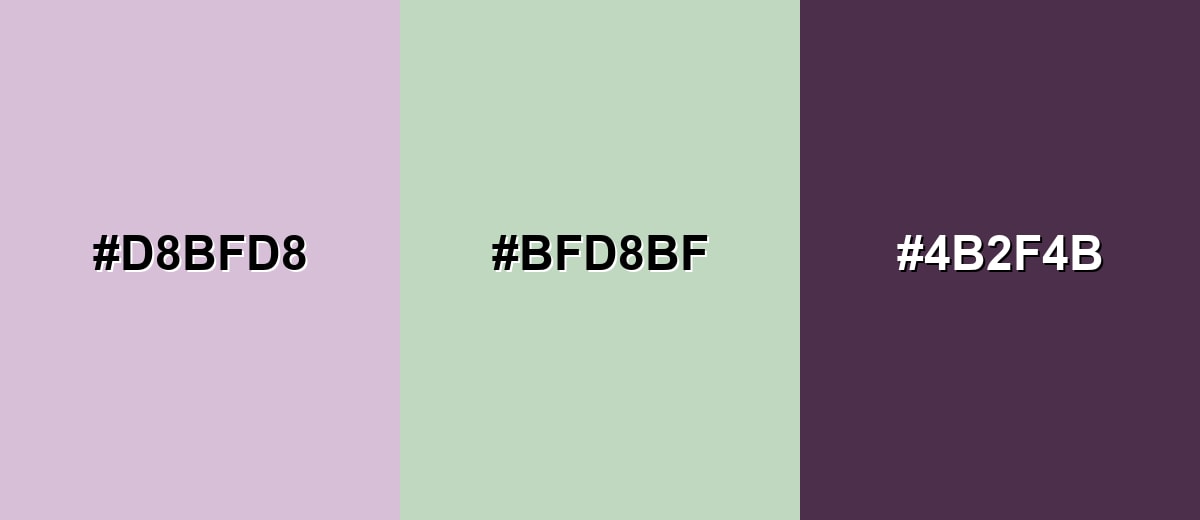
A green complement adds freshness and keeps thistle from feeling overly sweet. Choose muted greens rather than neon tones for a balanced, modern result.
Complementary Palette Example: Combine Thistle with Soft Sage and Deep Plum for a calm botanical palette with a strong anchor.
Analogous Color Schemes
Analogous colors sit adjacent to each other on the color wheel, creating harmonious, cohesive palettes with subtle variation.
Thistle + Lavender Mist + Periwinkle Gray creates a smooth, airy gradient feel.
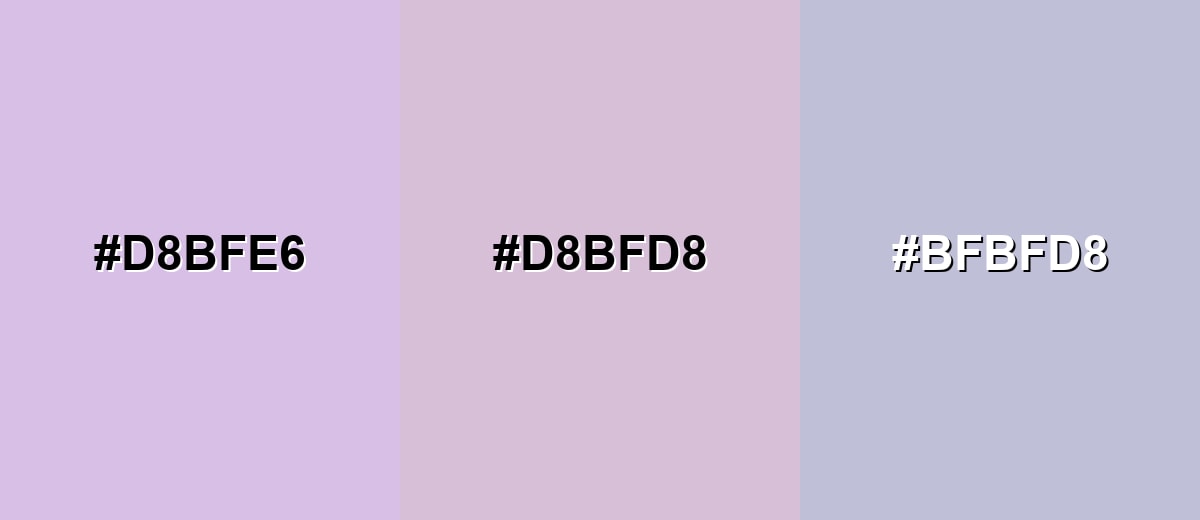
- Lavender Mist: #D8BFE6
- Thistle: #D8BFD8
- Periwinkle Gray: #BFBFD8
Blush Lilac + Thistle + Orchid Haze adds warmth while staying soft and refined.
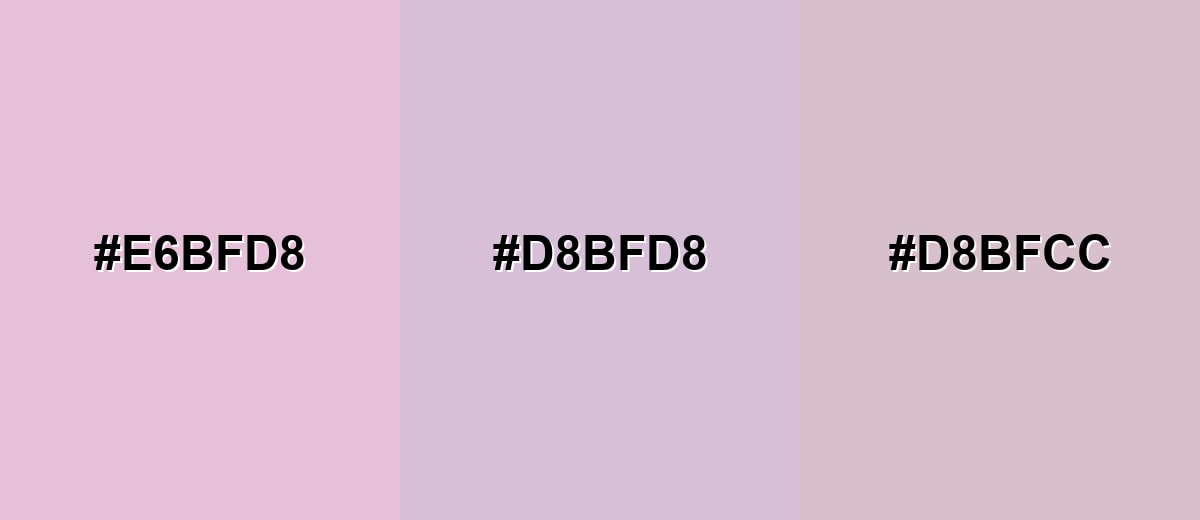
- Blush Lilac: #E6BFD8
- Thistle: #D8BFD8
- Orchid Haze: #D8BFCC
Triadic & Tetradic Combinations
A triadic scheme gives you variety while keeping the palette balanced.
Thistle + Soft Butter + Pale Aqua works well for playful but calm branding and illustrations.
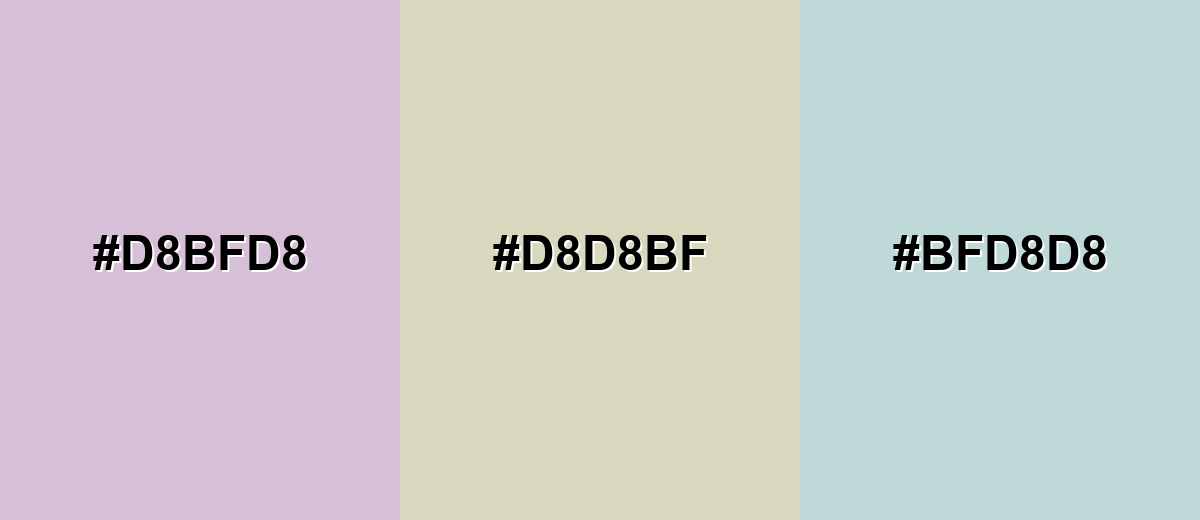
- Thistle: #D8BFD8
- Soft Butter: #D8D8BF
- Pale Aqua: #BFD8D8
Colors to Avoid
While thistle color is remarkably versatile, certain combinations can create problematic visual effects:
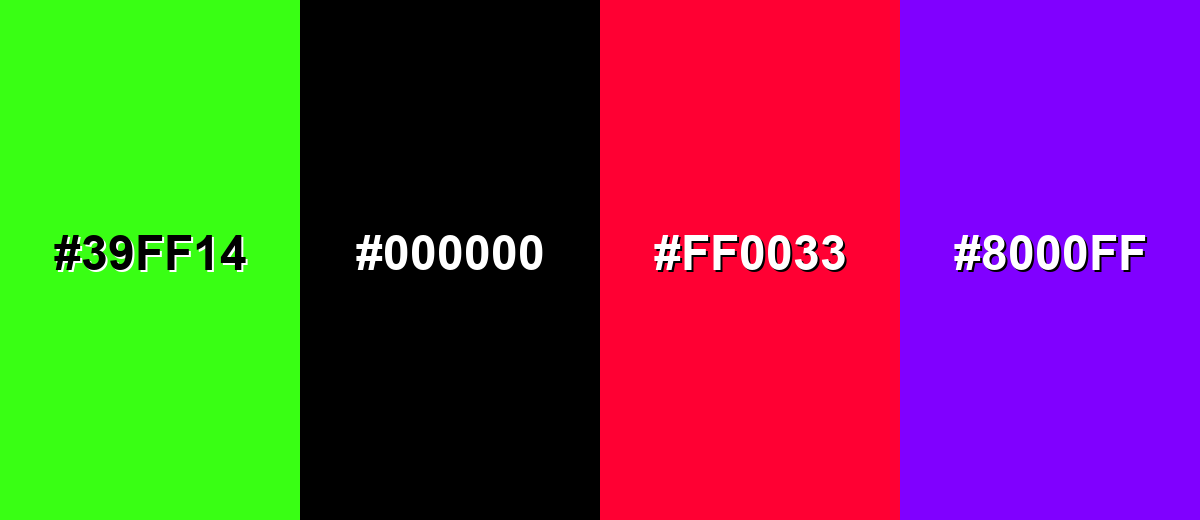
- Neon Green (#39FF14) - The intensity overwhelms thistle and creates a harsh, vibrating contrast that looks unstable in UI and print.
- Pure Black (#000000) - The jump in contrast can feel abrupt and heavy; a softer charcoal often looks more cohesive.
- Electric Red (#FF0033) - Highly saturated red competes for attention and can make thistle look dull or gray by comparison.
- Vivid Purple (#8000FF) - A strong purple next to thistle can read mismatched, making the lighter tint feel accidental rather than intentional.
Shades, Tints & Variations of Thistle Color
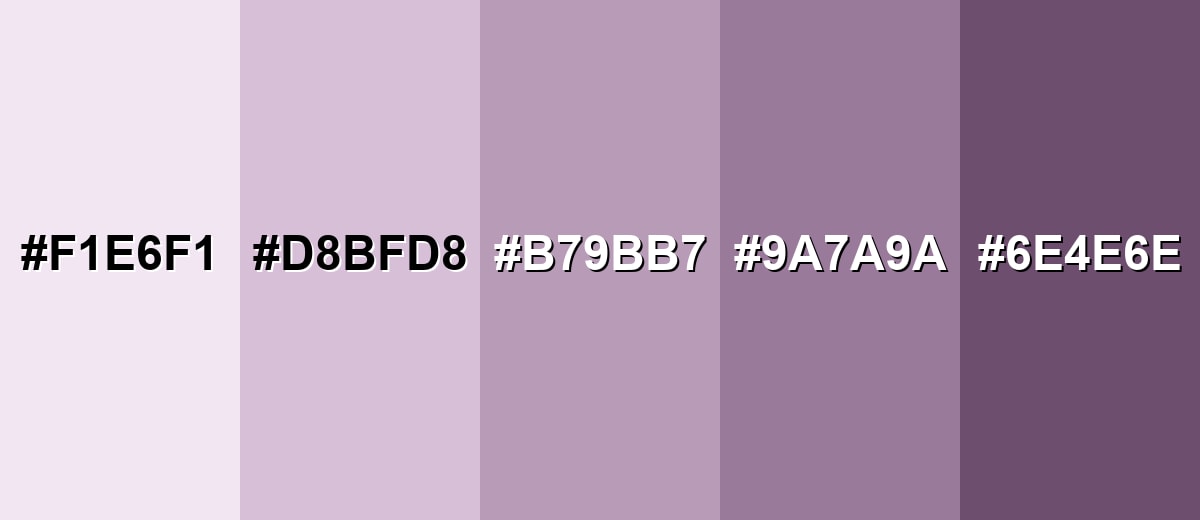
Thistle has a surprisingly usable range—from barely-there tints for clean, spacious backgrounds to deeper, plum-leaning shades that can anchor typography and UI. Exploring these variations makes it easier to build hierarchy, contrast, and a cohesive palette around the same hue family.
- Pale Thistle (#F1E6F1) - An extra-light tint that feels airy and clean, with only a whisper of lavender. It's best used for Large backgrounds, minimal UI surfaces, and gentle gradients.
- Thistle (#D8BFD8) - The classic thistle swatch: soft lavender-purple with a subtle rosy warmth. It's best used for Brand accents, cards, highlights, and calm visual themes.
- Dusty Mauve (#B79BB7) - A muted mid-tone that keeps the thistle feel but adds a more grounded, grown-up look. It's best used for Secondary buttons, borders, icons, and textile-like backgrounds.
- Heather Purple (#9A7A9A) - A deeper, grayer purple that improves contrast while staying understated. It's best used for Headings, UI accents, and pairing with warm whites and light neutrals.
- Deep Thistle (#6E4E6E) - A rich shade that reads like plum-leaning violet, ideal for anchors and depth. It's best used for Primary text on light tints, strong UI elements, and elegant brand anchors.
Industry Applications
Thistle shows up across industries that benefit from a calm, gentle tone and a slightly premium finish. It works best as a supporting hue, with clear contrast for functional elements.
Fashion & Beauty
- Use it in packaging accents and background panels to create a soft, clean skincare look.
- Pair thistle surfaces with crisp, readable labeling so the pastel doesn't dilute product clarity.
- Bring it into product photography backdrops for an airy, refined feel that still looks modern.
- Use thistle as an accent color in campaign templates to keep visuals calm and polished.
Interior Design & Decor
- On walls or textiles, thistle reads like a quiet lavender that pairs well with warm whites and light wood.
- Combine it with brushed metals for a gentle "soft premium" finish in mood boards and styling.
- Balance thistle-heavy spaces with one grounded tone to avoid an overly airy, washed-out look.
- Use thistle as a supporting hue in home and lifestyle branding for fabric-inspired, calming visuals.
Branding & Marketing
- In wellness and self-care apps, apply thistle to onboarding surfaces and calming illustrations; keep text in a darker color for readability.
- For events and stationery, thistle works beautifully in invitations and floral themes that want romance without loud saturation.
- In Tech and SaaS, use it for secondary theming (empty states, feature highlights) while keeping CTAs higher-contrast.
- Across templates and social assets, pair thistle with structured typography and a darker anchor to maintain hierarchy.
Conclusion
Thistle stands out as a soft lavender-purple that feels gentle, polished, and easy to live with in modern palettes. It's especially useful as a background tint or secondary accent where you want calm without losing personality, and it pairs nicely with muted greens and deeper plum anchors for contrast. If you're using thistle color for branding or UI, the key is balancing its lightness with readable typography and clear hierarchy—then testing contrast before you ship. With the standard digital reference #D8BFD8, it's simple to reproduce across screens, while print work benefits from proofing to keep this pastel tint stable. Used thoughtfully, thistle adds quiet refinement that supports your content instead of fighting it.
Design Smarter with AI: Media.io is an online AI studio that empowers creators with advanced image generation and enhancement tools. From text-to-image and image-to-image creation to AI upscaling and color optimization, it enables fast, creative, and professional results—all in your browser.


Frequently Asked Questions About Thistle Color
Quick answers to common questions designers and creators ask when working with thistle color.
Thistle is a light lavender-purple tint with a soft, slightly rosy look. It is commonly used to create a calm, gentle mood in design and decor.
The standard hex code for thistle is #d8bfd8. This value matches the widely recognized digital swatch used in many design tools.
Thistle sits between purple and pink, but it usually reads as a pale purple because the hue is near violet. Surrounding colors can push it warmer (pinkier) or cooler (more lavender).
Muted greens, warm whites, soft grays, and deep plum tones pair well with thistle. For more variety, try soft butter yellow or pale aqua in balanced palettes.
Thistle is generally too light for body text on white backgrounds. It works better for backgrounds, subtle highlights, or decorative elements, while darker shades handle text and key actions.
Start with white, add a small amount of purple, then warm it slightly with a tiny touch of red or magenta. Adjust gradually, since pastel mixes change quickly with small additions.


