
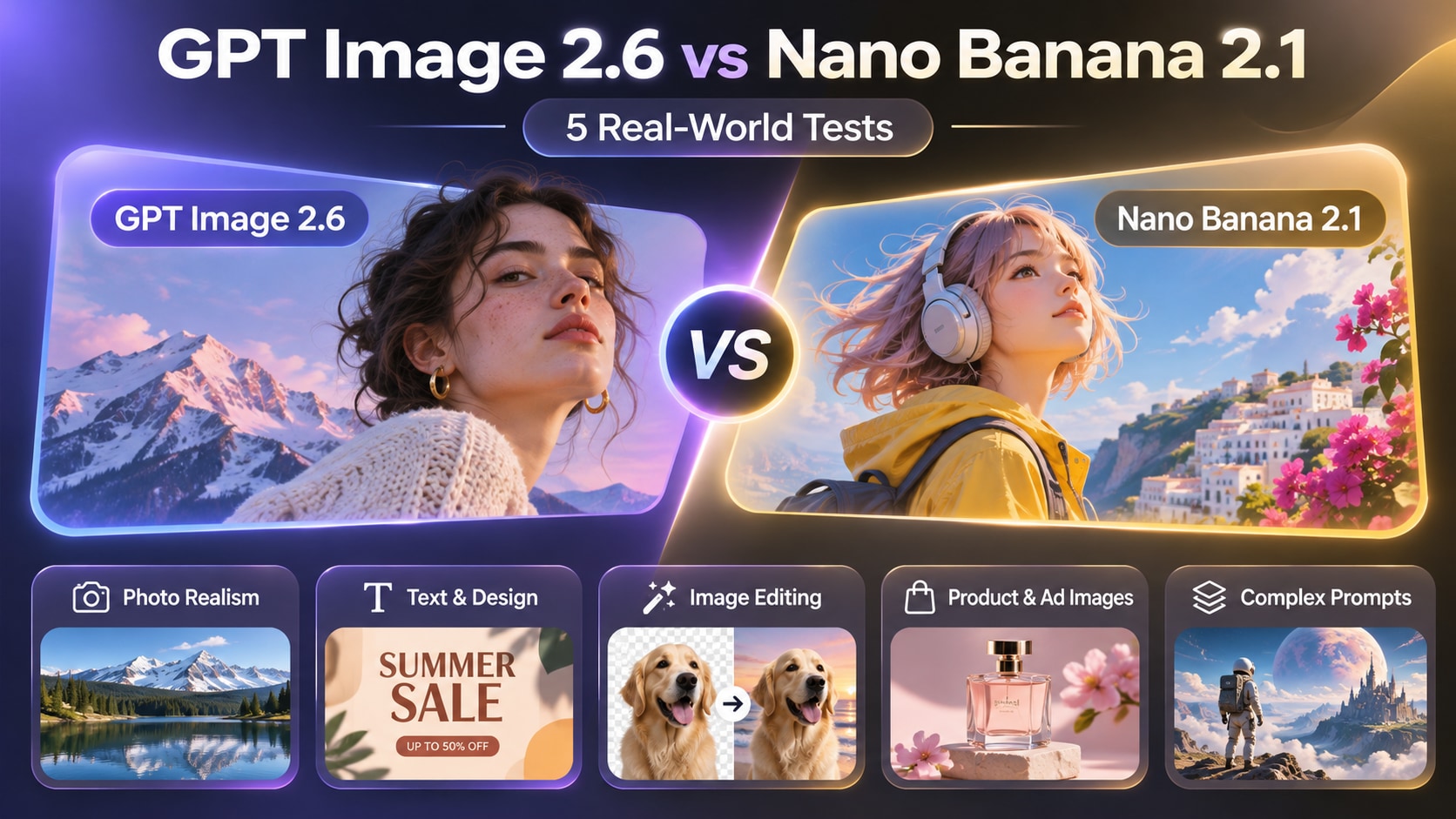
A poster can spell every word correctly yet break the requested layout. A product ad can look polished but leave no room for a headline. We compared GPT Image 2.6 and Nano Banana 2.1 on five practical image briefs to see which outputs are easier to use without reworking them.
OpenAI's Images 2.6 release offers two API variants: Sunburst for detailed visuals and precise editing, and Flare for faster iteration. Google positions Nano Banana 2.1 around visual design, accurate text, subject consistency and multi-reference work. Those are documented capabilities, not the results of our tests.
GPT Image 2.6 vs Nano Banana 2.1 at a Glance
| What you care about | GPT Image 2.6 | Nano Banana 2.1 |
|---|---|---|
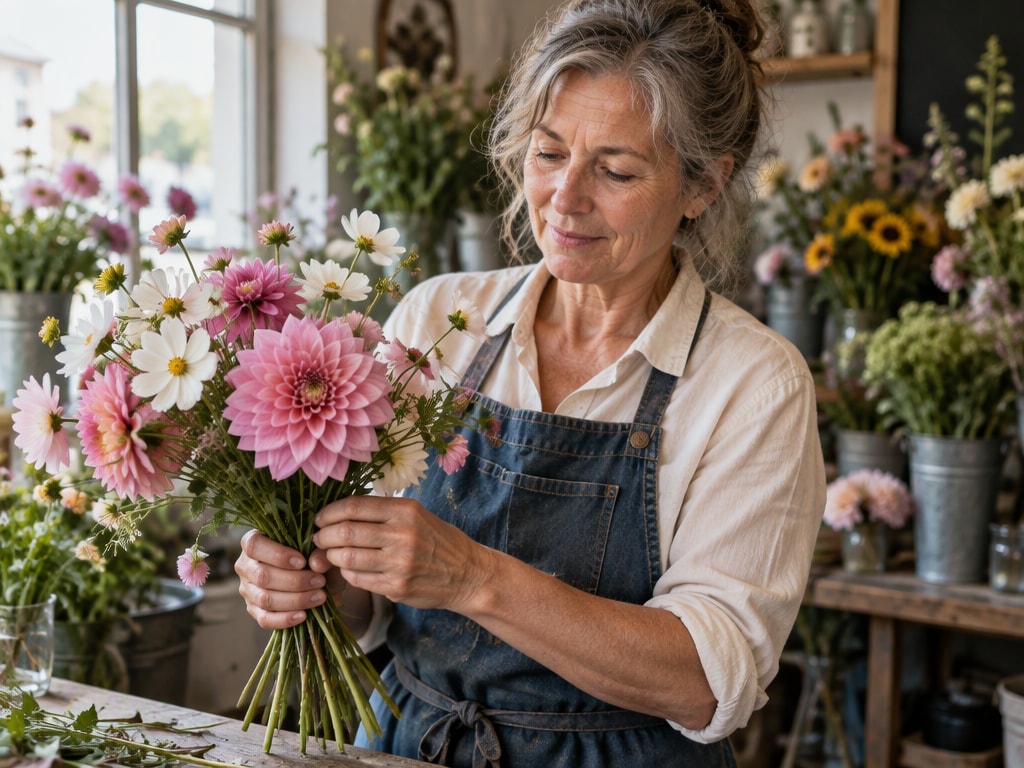
| Realistic photos | Closer florist framing with natural facial detail, believable fingers and detailed flower petals. | Wider flower-shop view with natural wrinkles and an authentic working-scene feel. |
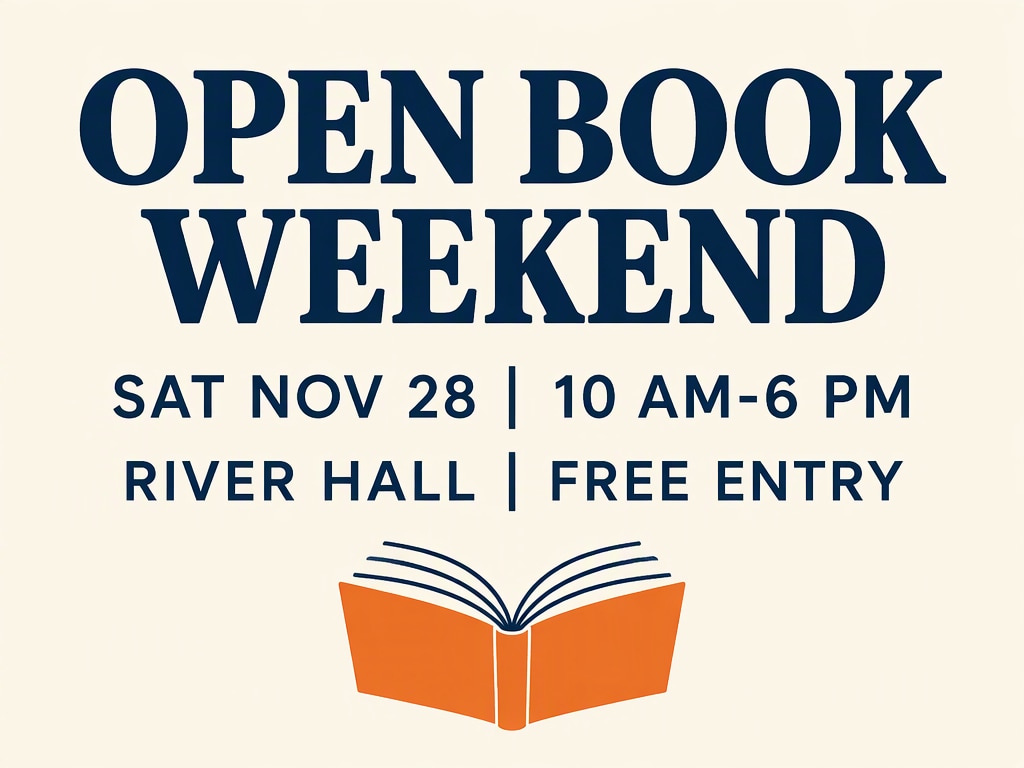
| Text & poster layout | All poster text is correct, but the requested one-line headline breaks across two lines. | Keeps all three requested text lines intact, in order, without adding extra copy. |
| Editing the same image | Kept the face and selfie framing consistent through blazer, library and glasses edits. | Preserved a recognizable likeness and completed all three editing instructions. |
| Product & ad images | Kept the MIRA bottle and text intact; warmer botanical shadows and a more atmospheric stone-plinth ad. | Kept the MIRA bottle and text intact; clean negative space on the left for adding ad copy. |
| Complex scene quality | More natural visual storytelling, warmer light and stronger human interaction; the vase is ivory with blue details. | More literal blue-vase color, with correct roles and subject counts, but a less engaging overall composition. |
| Price & speed | Official API image output: $30 per 1M image tokens; Flare emphasizes speed. On Media.io, it costs 3 credits/image | Official Google API output: about $0.0336 at 1K, $0.0504 at 2K, $0.113 at 4K. On Media.io, it costs 3 credits/image |
In this comparison
How we compared the images: Both models received the same five written briefs and the same reference photos for editing tasks; each successive portrait edit used that model's previous output. These are the specific images shown below, not results averaged over many runs. Judge the content and visual instruction-following rather than comparing pixel sharpness.
1. Photo Realism: Which Looks More Like a Real Photo?
A florist portrait puts several realism details in the same frame: wrinkles should look natural, petals should have texture, and fingers should actually grip the stems. We compared the two models using the same flower-shop brief rather than judging a generic beauty portrait.
GPT Image 2.6
Nano Banana 2.1
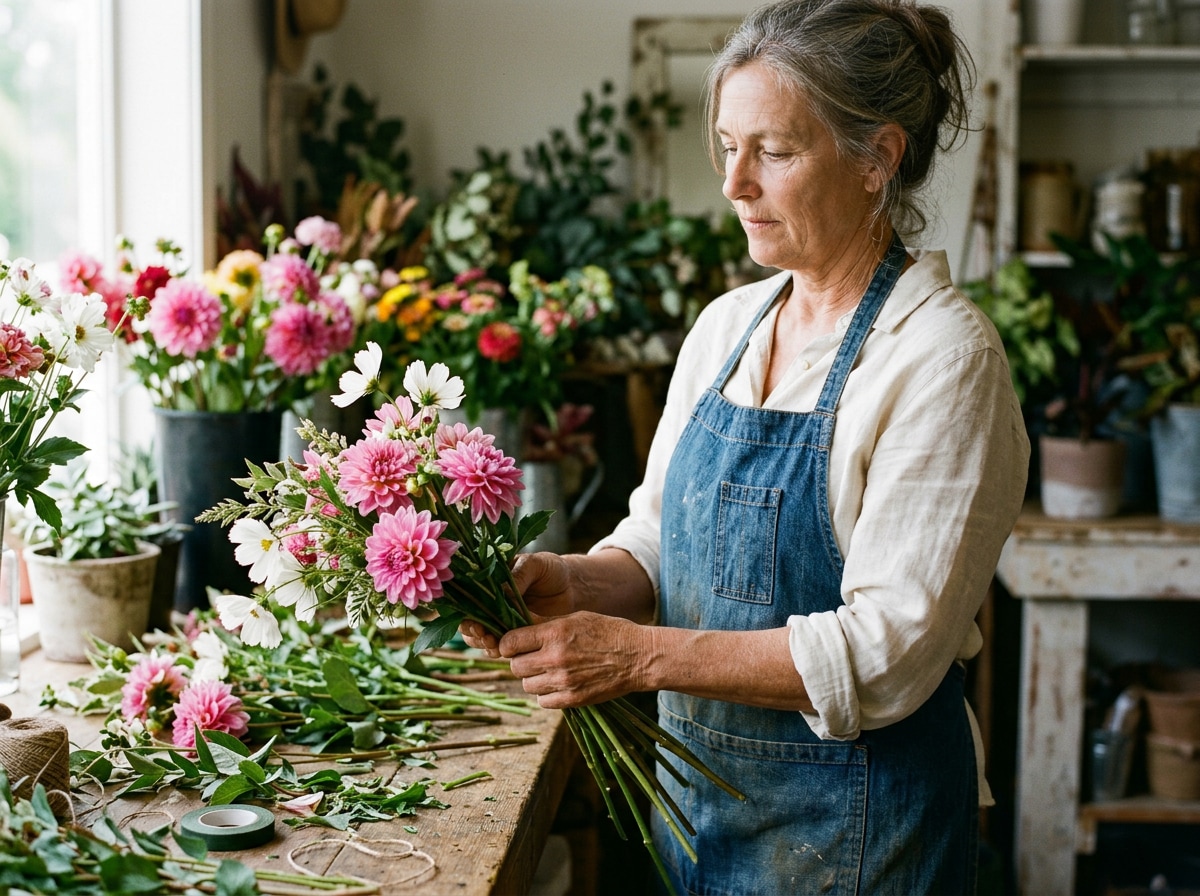
Winner: Tie — both produce convincing florist photographs.
2. Text & Design: Which Gets the Details Right?
A useful event poster must do more than spell correctly: the information should appear in the exact order and visual line structure requested. Our book-fair brief specifies three lines of copy, one orange book illustration, and no extra text.
GPT Image 2.6
Nano Banana 2.1
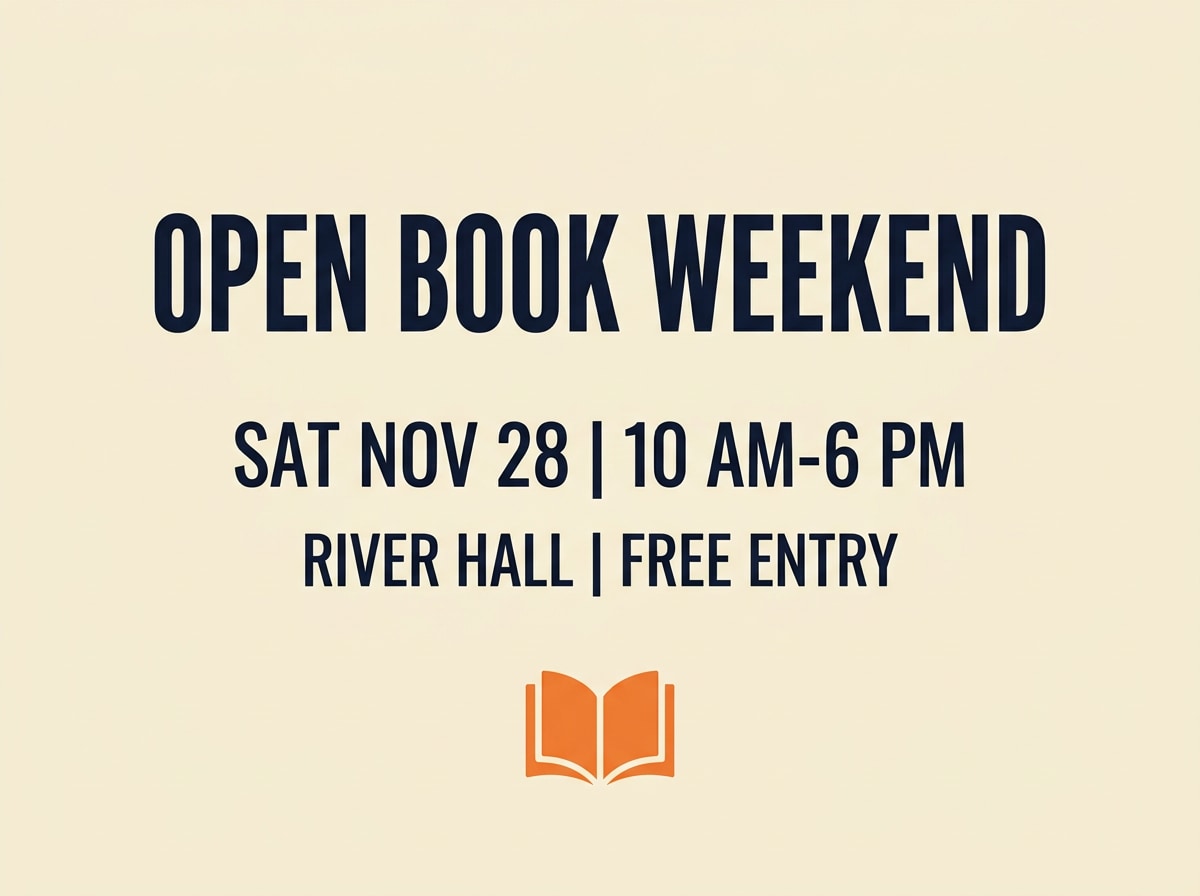
Winner: Nano Banana 2.1 — more accurate three-line poster layout.
3. Image Editing: Which Preserves the Original Better?
A successful image edit changes only what was requested, without quietly altering the person or undoing earlier work. We gave both models the same source selfie and made three successive changes: a navy blazer, a sunny library background, and small gold-rimmed glasses.
Original
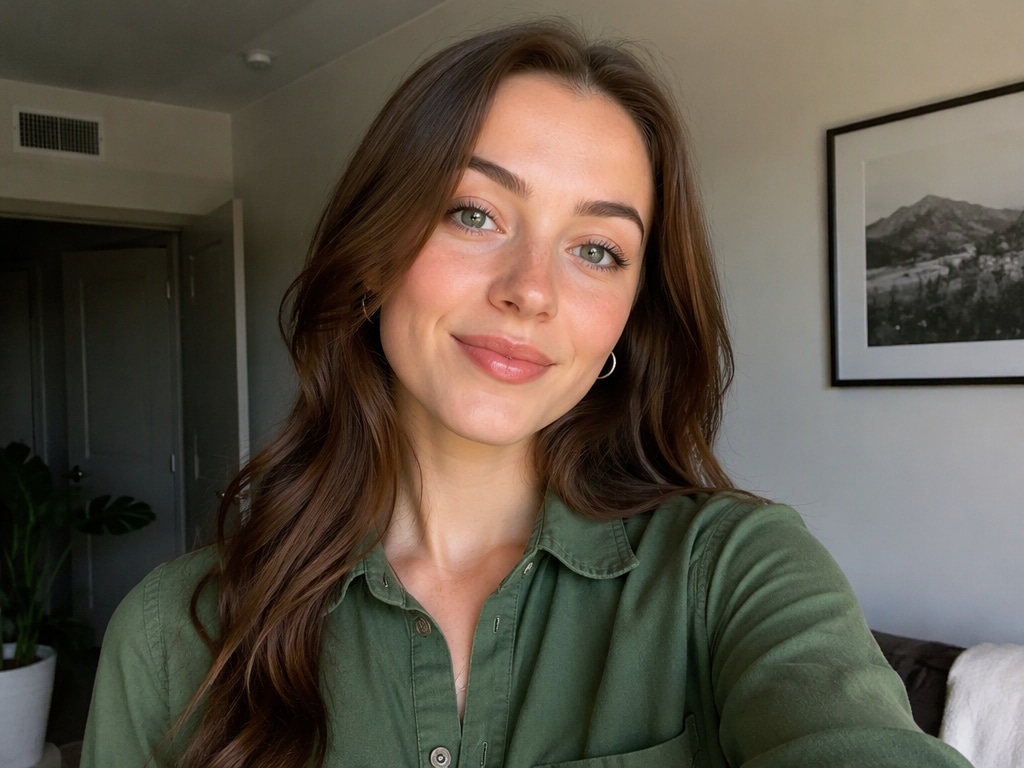
GPT Image 2.6, Edit 1
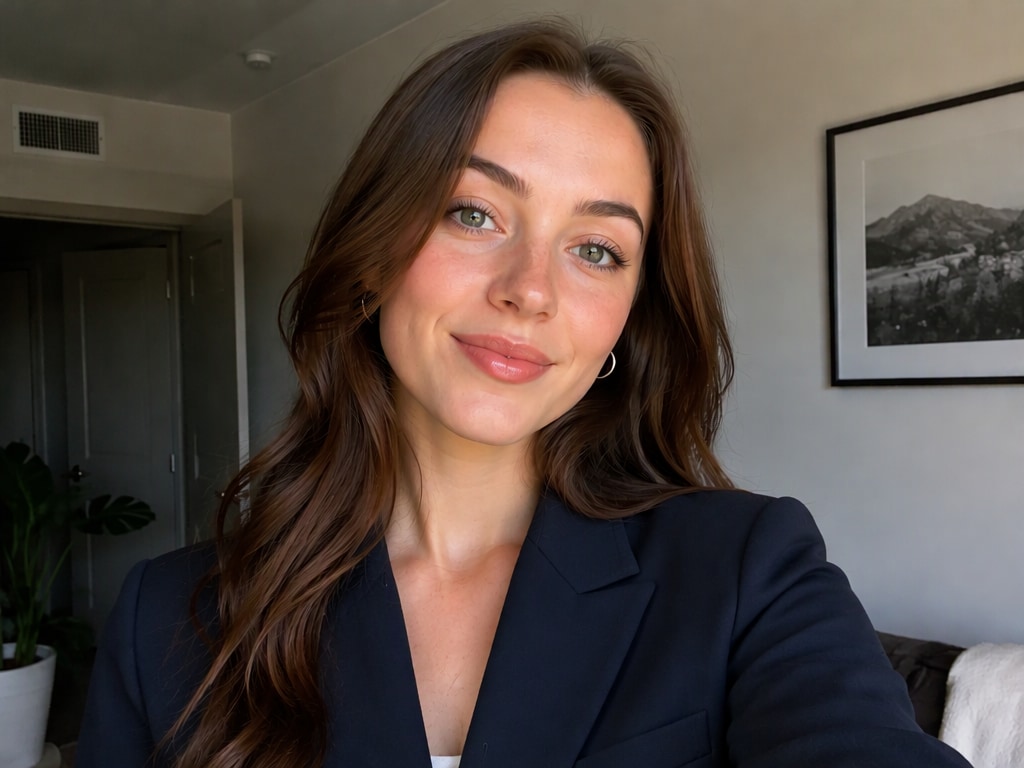
Nano Banana 2.1, Edit 1
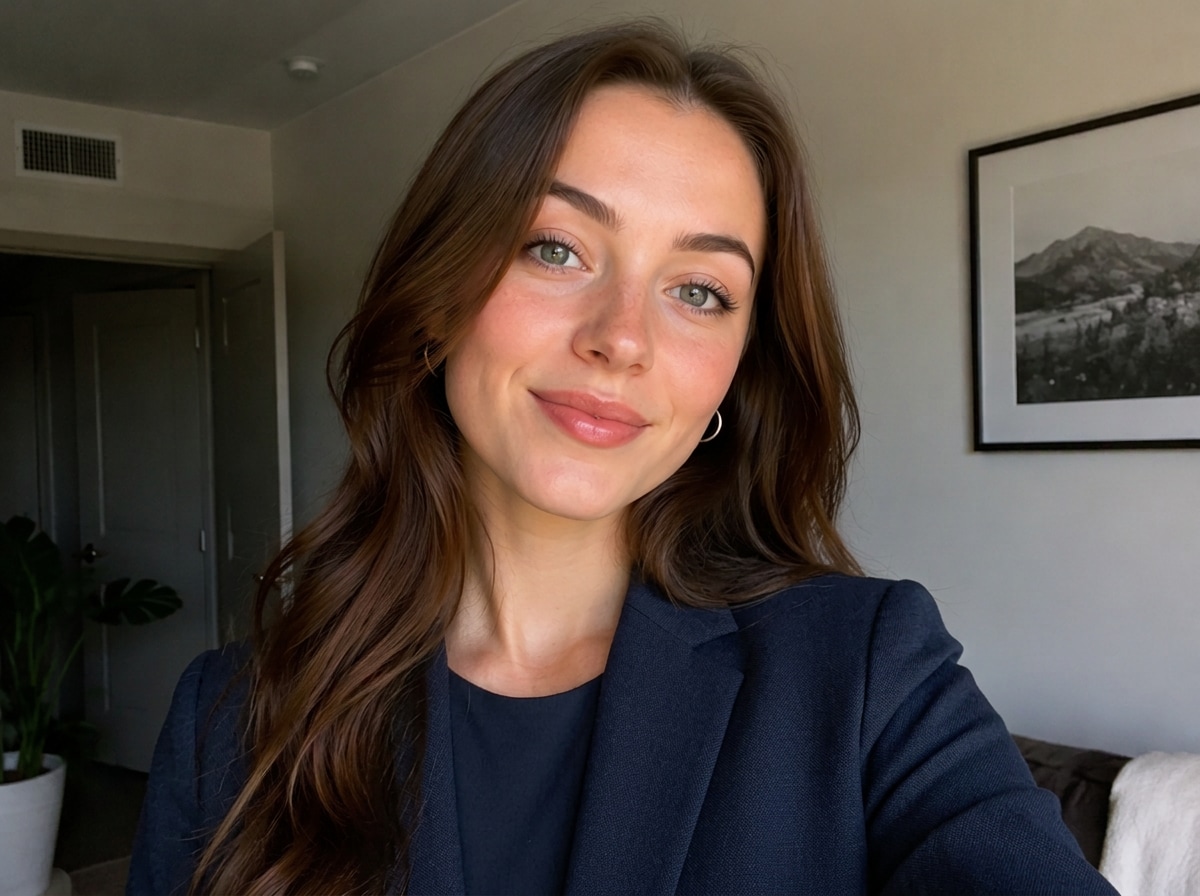
GPT Image 2.6, Edit 2
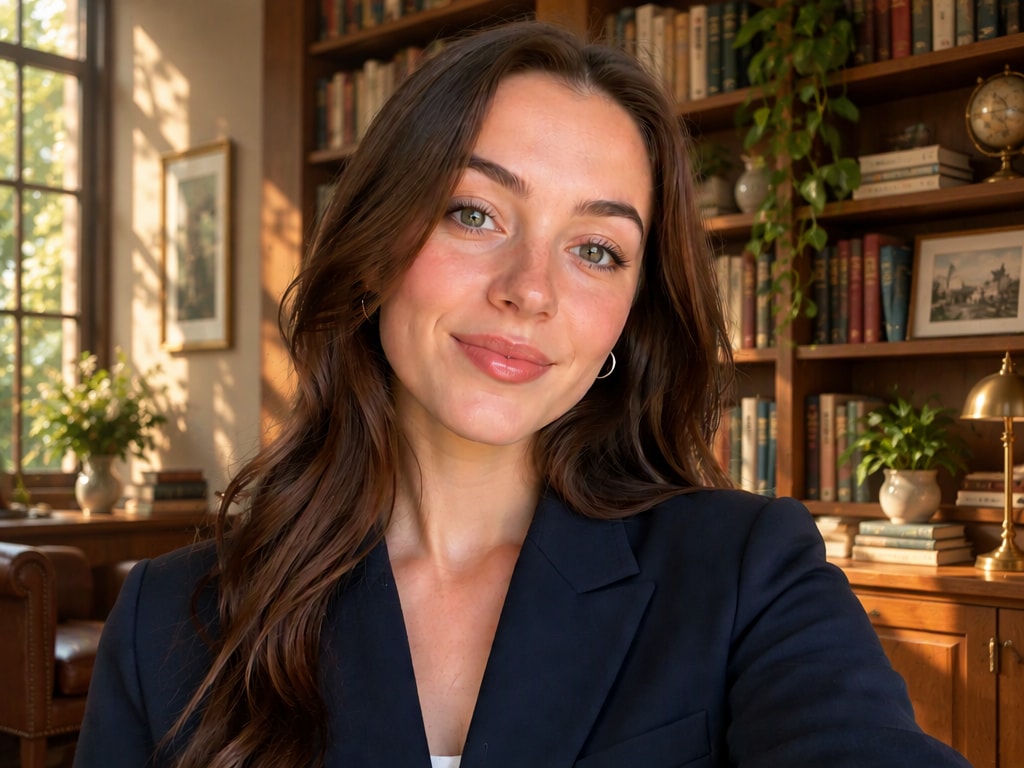
Nano Banana 2.1, Edit 2
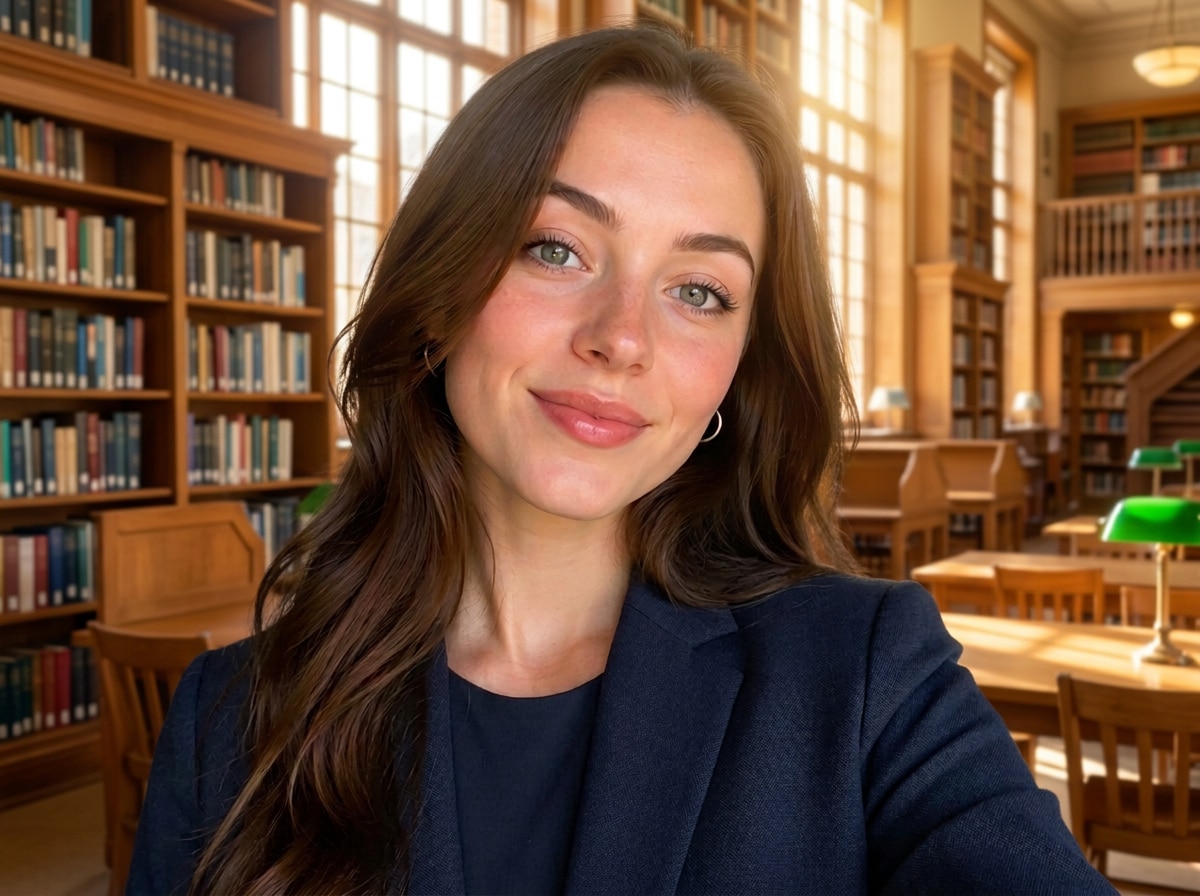
GPT Image 2.6, Edit 3
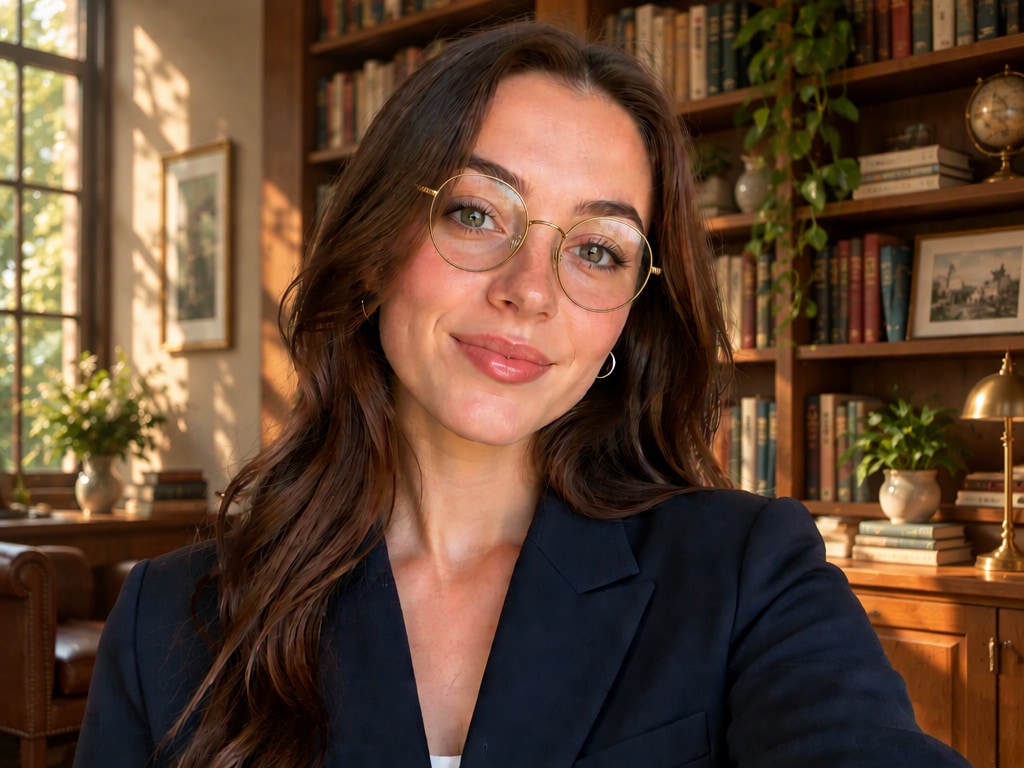
Nano Banana 2.1, Edit 3
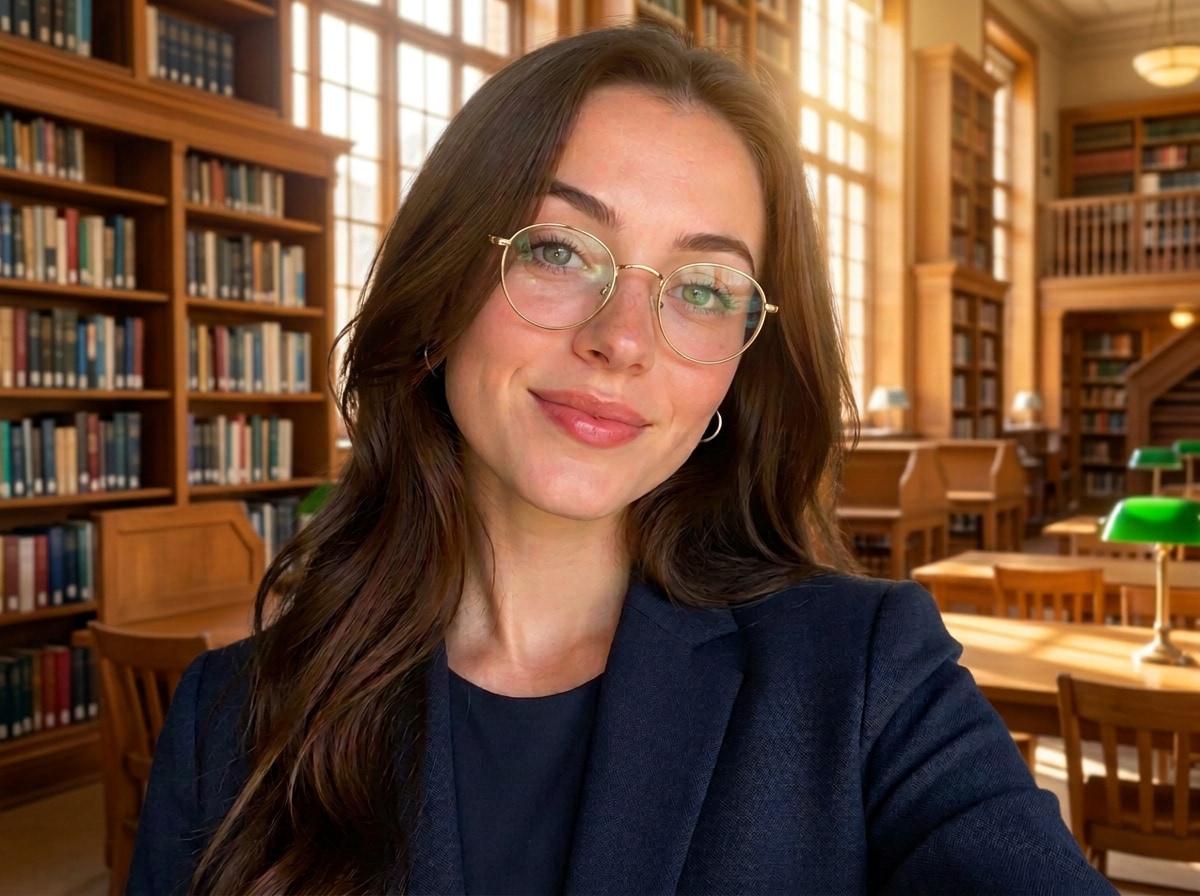
Winner: Tie — both preserve the subject through three edits.
4. Product & Ad Images: Which Is More Usable?
An ad image needs a recognizable product, readable label, credible lighting, and genuinely usable space for copy. Both models received the same MIRA serum source photo and a brief that puts the bottle on the right of a beige stone setting.
Original
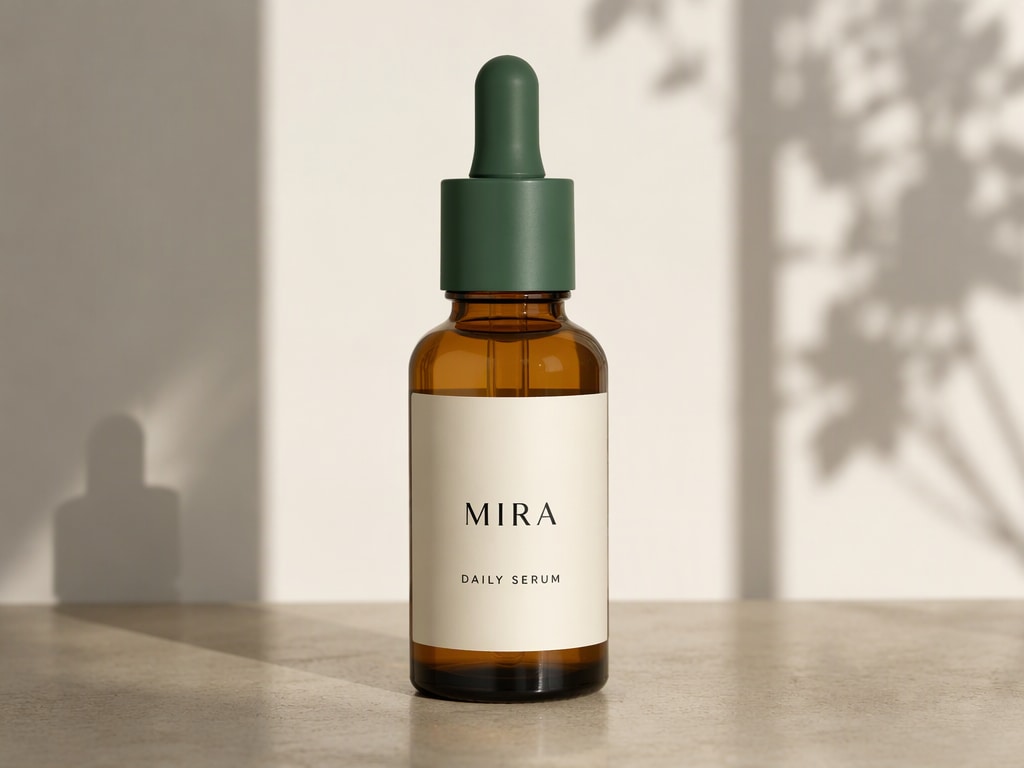
GPT Image 2.6
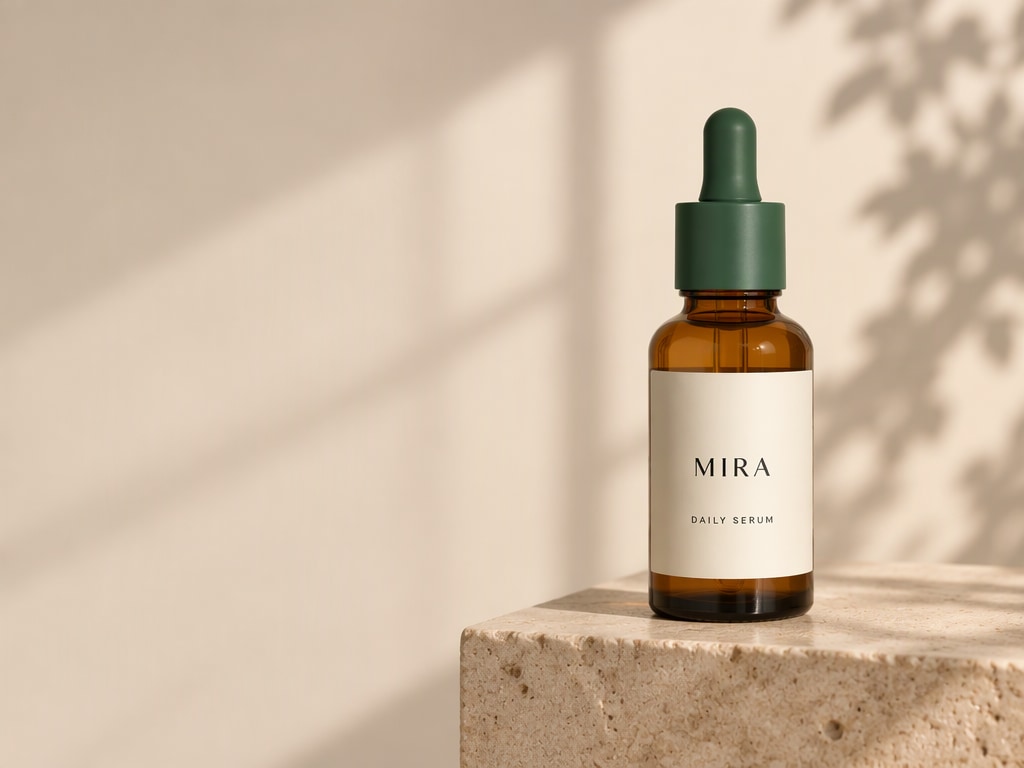
Nano Banana 2.1
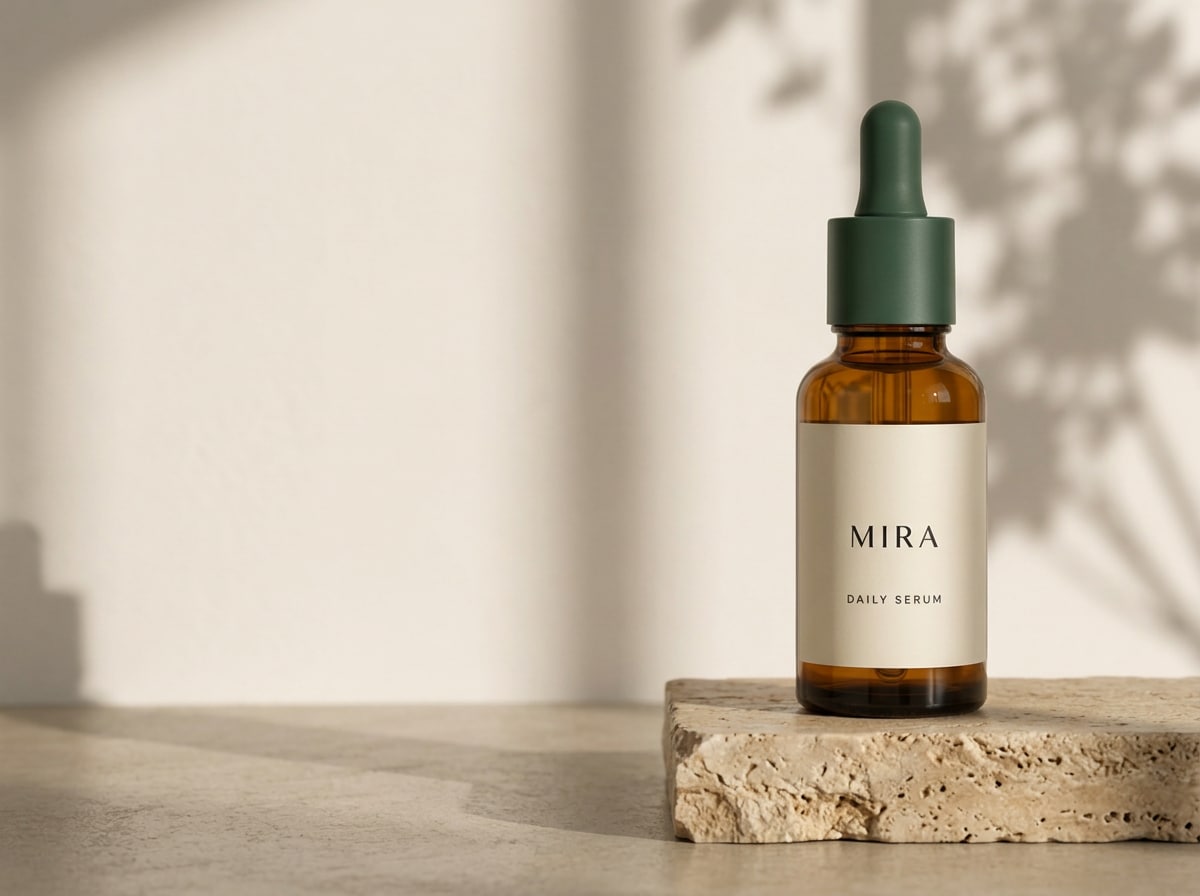
Winner: Tie — GPT Image 2.6 for atmospheric product ads; Nano Banana 2.1 for clean, copy-ready layouts.
5. Complex Prompts: Which Creates the Better Scene?
Complex scene quality is more than counting objects. We also looked at visual balance, lighting and whether the people appear meaningfully engaged with one another. The pottery-studio prompt specifies two adults, one orange cat, a yellow mug and a blue vase, giving us both visual and instruction-following details to judge.
GPT Image 2.6
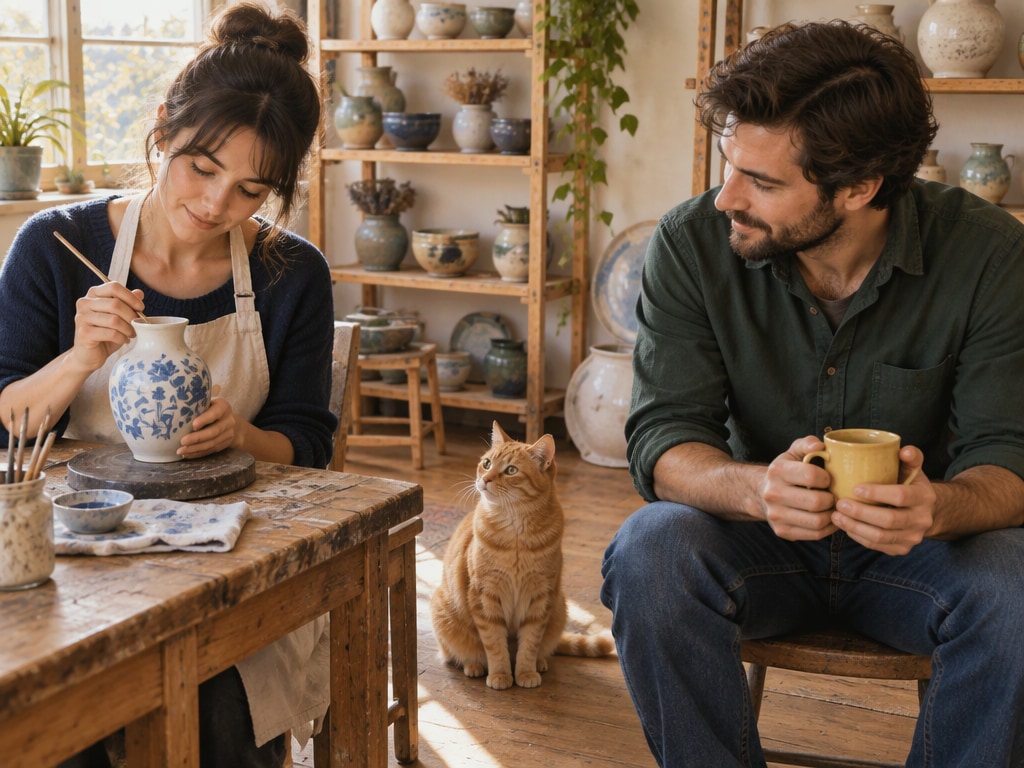
Nano Banana 2.1
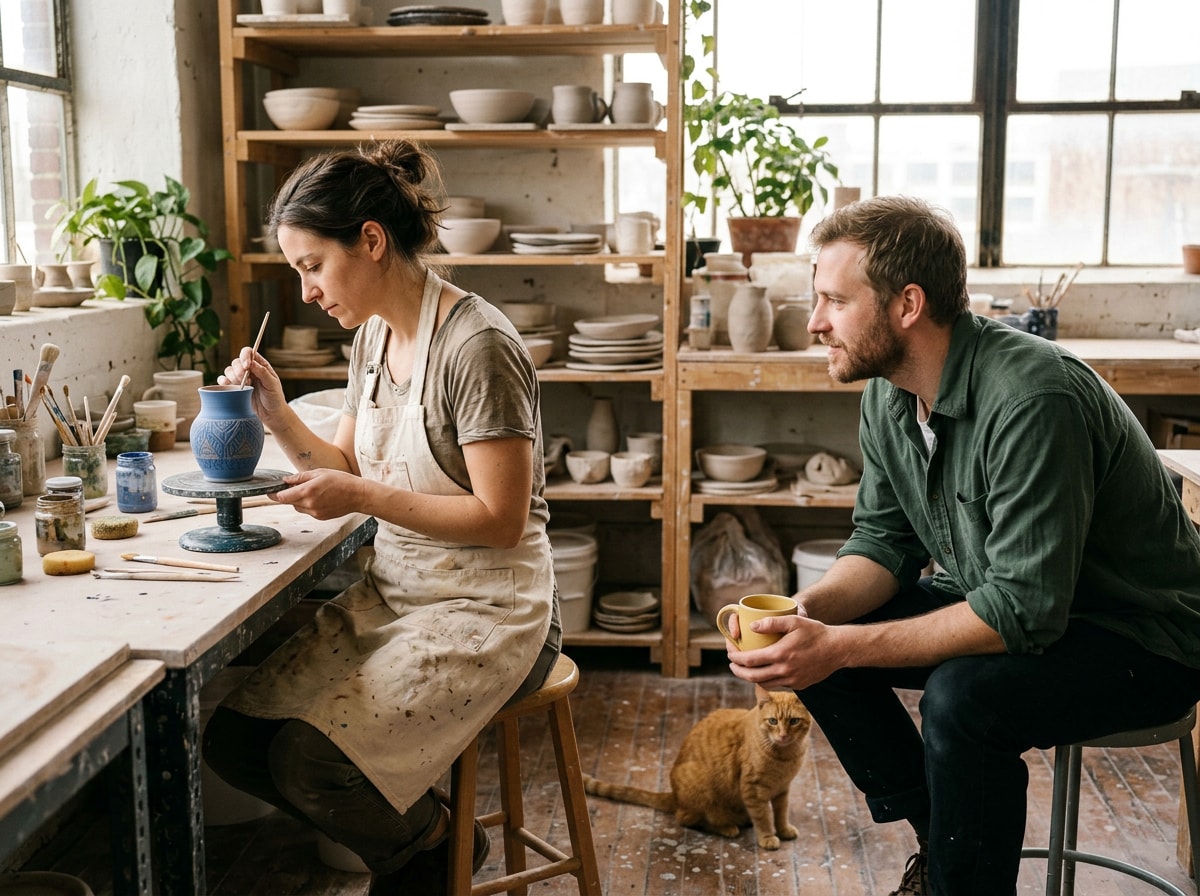
Winner: GPT Image 2.6 — stronger composition, lighting and subject interaction.
6. Price & Speed: Which Is Better Value?
If you only look at the price of one generation, you may miss the cost of fixing an image that fails the brief. Official API pricing gives a useful starting point, but it is not the same as the credits shown inside Media.io. The actual cost depends on image size, model variant, quality and whether you need another attempt.
| Pricing & speed | GPT Image 2.6 | Nano Banana 2.1 |
|---|---|---|
| Official API pricing | $30 / 1M image output tokens; separate text and image input charges | Approx. $0.0336 per 1K image, $0.0504 at 2K and $0.113 at 4K; input charges may also apply |
| How billing works | Output token usage changes with size and quality; Sunburst and Flare share listed output-token rates | Published per-image output estimates vary by requested resolution |
| Media.io price & availability | Depends on the image resolution. Basically, 3 credits/image | Depends on image resolution. Basically, 3 credits/image |
What these numbers mean: The API prices above come from OpenAI and Google. Do not compare its multi-edit times with a single generation or assume either platform charges these API amounts.
Which Should You Choose?
Our tests show different advantages: Nano Banana 2.1 kept the book-fair poster layout closer to the brief, while GPT Image 2.6 produced the more appealing pottery scene. Both delivered usable serum ads with different aesthetics, and both handled realistic portraits and multi-step edits well. Here is how to choose based on your own brief:
| If you want to... | Suggested starting point |
|---|---|
| Posters and promotional graphics | Start with Nano Banana 2.1 if the requested text must stay on exactly three visual lines. GPT Image 2.6 also spells the copy correctly but broke the headline into two lines in this test. |
| Product photography | Both preserved the MIRA bottle, label and green cap. Choose GPT Image 2.6 for warm, atmospheric product branding, or Nano Banana 2.1 for a minimal, copy-ready layout with generous negative space. |
| Many references or wide creative layouts | Nano Banana 2.1 offers documented multi-reference support and up to 4K output through Google. We did not directly test a many-reference workflow here, so check what your platform actually exposes. |
| Editing an approved portrait | Either is reasonable. Both kept our subject recognizable through blazer, library and glasses edits, with GPT Image 2.6 holding a particularly close selfie framing. |
| Complex scenes with natural interaction | Start with GPT Image 2.6 when composition and believable human interaction matter most. Nano Banana 2.1 followed the blue-vase color instruction more closely, so prioritize it when that precise color is non-negotiable. |
| Fast drafts versus detailed edits | Flare is presented as the speed-oriented GPT Image 2.6 variant; Sunburst emphasizes detail. We did not run a controlled Media.io speed or credit comparison, so check live settings and costs. |
Practical rule: Judge strict requirements and visual usefulness separately. A more beautiful image may miss an exact color; a more literal result may feel less convincing as a scene. One successful example does not guarantee the next prompt will behave the same way.
Final Verdict
Across the five briefs, Nano Banana 2.1 wins the exact poster-layout test, while GPT Image 2.6 wins the pottery-studio scene for composition, lighting and human interaction. The florist-photo, three-step portrait-editing and refreshed product-ad rounds are ties. Both serum ads preserve the packaging and leave room for copy, but GPT favors an atmospheric look while Nano Banana offers a cleaner layout.
Which should you use? Choose Nano Banana 2.1 when exact poster line breaks or straightforward ad copy space matter most. Try GPT Image 2.6 for more atmospheric product branding or an expressive multi-subject scene, but check fine color requirements: its pottery vase was white with blue decoration, not fully blue. For portraits and repeated edits, both were effective here. These are judgments from the displayed images, not a universal benchmark.
If you are deciding among more models, see our hands-on comparisons: Seedream 5.5 vs GPT Image 2.6 and Seedream 5.5 vs Nano Banana 2.1.
FAQs
-
Is GPT Image 2.6 better than Nano Banana 2.1?
Neither model wins every task. Nano Banana 2.1 followed the book-poster line structure more closely, while GPT Image 2.6 produced a more engaging pottery scene with stronger composition and interaction. Both preserved the serum packaging and created usable ad space, with different visual styles. The portrait, editing and product-photo rounds were ties. Choose based on the kind of image you need. -
Which model is better for editing an existing photo?
Both did well in our three-stage portrait example. Each changed a green shirt to a navy blazer, moved the background to a sunlit library, and added gold-rimmed glasses without an obvious identity loss. GPT Image 2.6 kept the original selfie framing especially close, but the round was too close to award a clear winner. -
Which model writes text in AI images more accurately?
Both spelled the book-fair poster copy correctly and added no unwanted text. Nano Banana 2.1 had the edge on layout because it kept the requested headline on one visual line; GPT Image 2.6 wrapped it into two. For print or social posts, proofread both the text and its actual line breaks. -
What is the difference between GPT Image 2.6 Sunburst and Flare?
Sunburst is OpenAI's model for detailed visuals and precise editing; Flare prioritizes faster iterations. Both support image generation and editing, and OpenAI documents complexity controls for them. Specify which variant and quality setting you used when comparing results. -
Can I try GPT Image 2.6 and Nano Banana 2.1 on Media.io?
Media.io has a dedicated Nano Banana 2.1 generator and a GPT Image creation page. Currently, Media.io offers GPT Image 2.5 and GPT Image 2.6 is coming soon. -
Which model costs less to use?
At the official API level, OpenAI lists $30 per million image output tokens for both GPT Image 2.6 variants. Google lists Nano Banana 2.1 image output estimates of about $0.0336 at 1K, $0.0504 at 2K and $0.113 at 4K. Those are not Media.io credit prices; your actual spend depends on its live quote, quality, image size and retries.


