

A medieval color palette blends timeworn parchment neutrals with rich jewel tones, heraldic primaries, and aged-metal accents. It’s a reliable way to create “old world” atmosphere while still keeping text and UI elements readable.
Below are medieval color palette ideas with HEX codes, plus practical ways to apply them in branding, UI, print, and editorial layouts.
In this article
- Why Medieval Palettes Work So Well
-
- parchment torchlight
- heraldic jewel
- castle stone
- tapestry garden
- oxblood velvet
- monastic ink
- verdigris armor
- lapis reliquary
- guildhall bronze
- forest hunt
- rose manuscript
- pilgrim road
- alchemy workshop
- royal banner
- misty moat
- candlewax seal
- saffron feast
- winter keep
- tournament field
- river scriptorium
- cathedral glass
- What Colors Go Well with Medieval?
- How to Use a Medieval Color Palette in Real Designs
- Create Medieval Palette Visuals with AI
Why Medieval Palettes Work So Well
Medieval colors feel instantly familiar because they echo real materials: vellum paper, ironwork, stained glass, patinated copper, and dyed fabrics. That material realism gives designs a grounded, handcrafted authenticity.
They also balance contrast in a classic way: soft parchment bases for space and readability, plus jewel-tone accents that look “expensive” without relying on modern neon saturation. The result works for both print and screens.
Finally, medieval color schemes naturally support hierarchy. Dark inks and charcoals handle typography, while golds, cinnamons, and oxblood reds become focused attention cues for titles, seals, buttons, and badges.
20+ Medieval Color Palette Ideas (with HEX Codes)
1) Parchment Torchlight
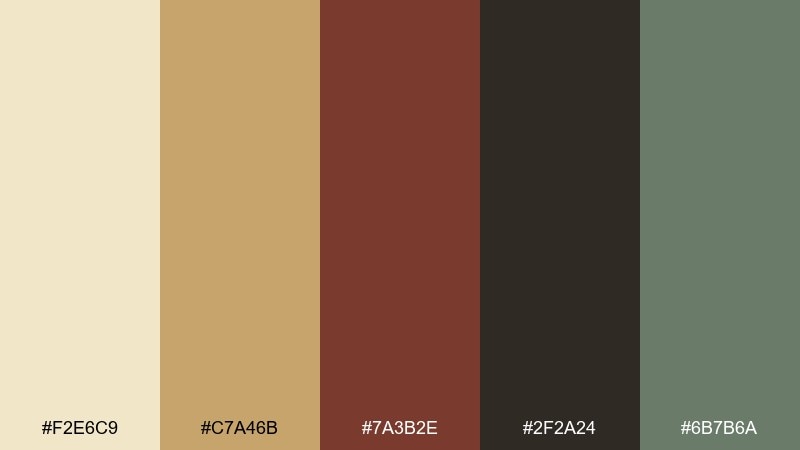
HEX: #f2e6c9 #c7a46b #7a3b2e #2f2a24 #6b7b6a
Mood: warm, antique, inviting
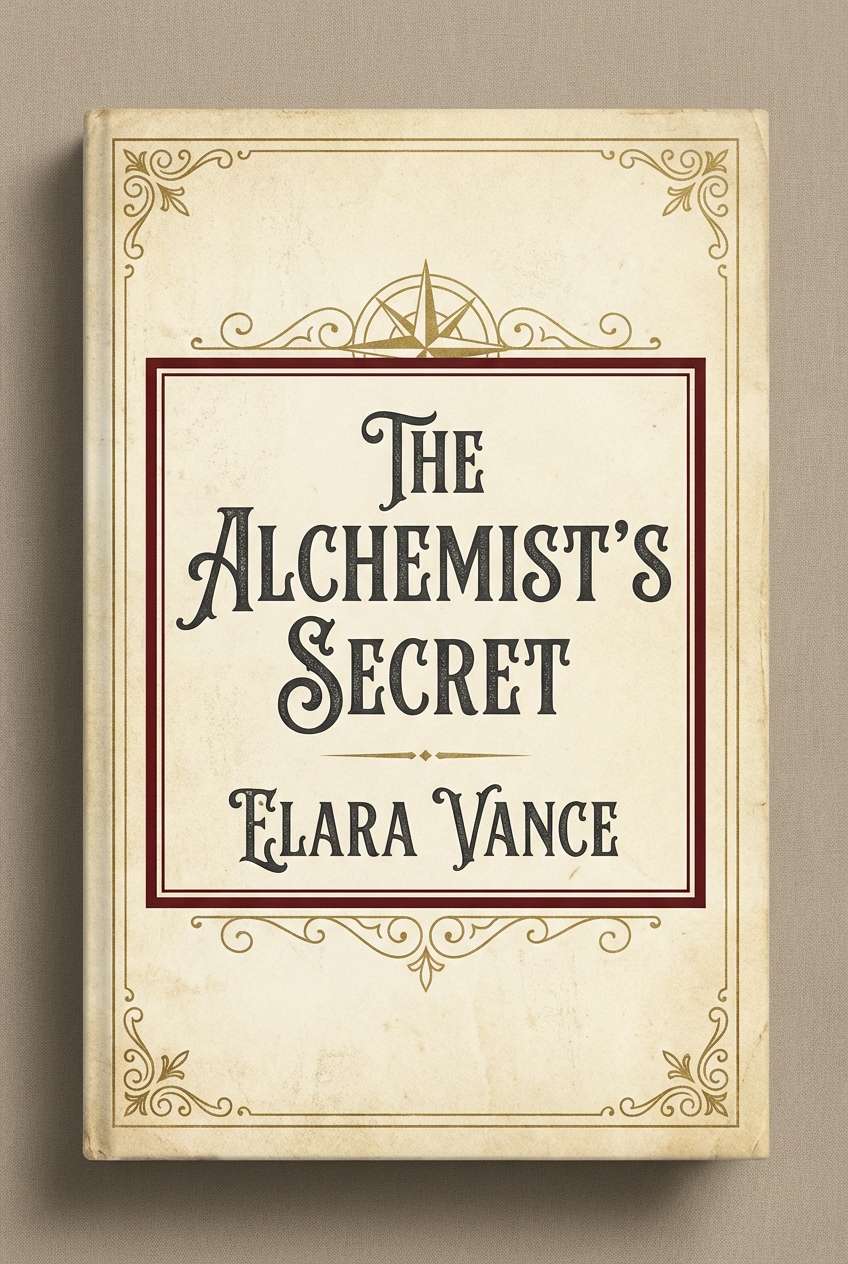
Best for: book cover design for historical fiction
Warm and timeworn, it evokes candlelit pages, aged vellum, and the soft smoke of a hearth. Use the parchment and brass tones as broad backgrounds, then anchor layouts with the charcoal for type. The oxblood works best as a focused accent for titles, seals, and dividers. Tip: keep textures subtle so the contrast stays readable in print.
Image example of parchment torchlight generated using media.io
Media.io is an online AI studio for creating and editing video, image, and audio in your browser.


2) Heraldic Jewel
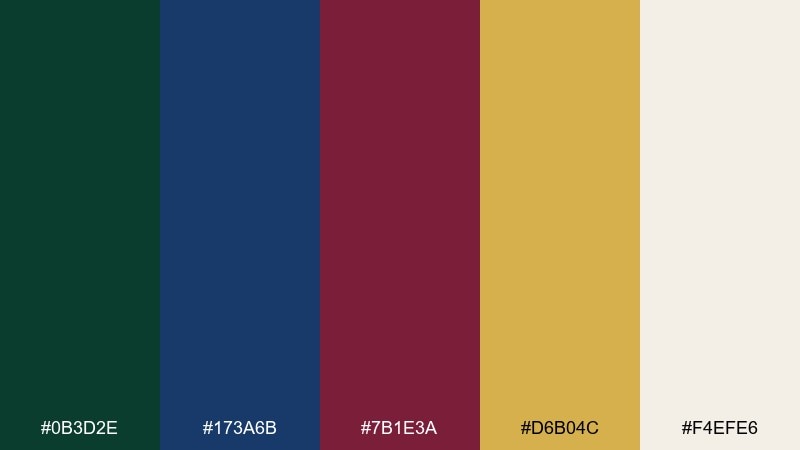
HEX: #0b3d2e #173a6b #7b1e3a #d6b04c #f4efe6
Mood: regal, bold, ceremonial
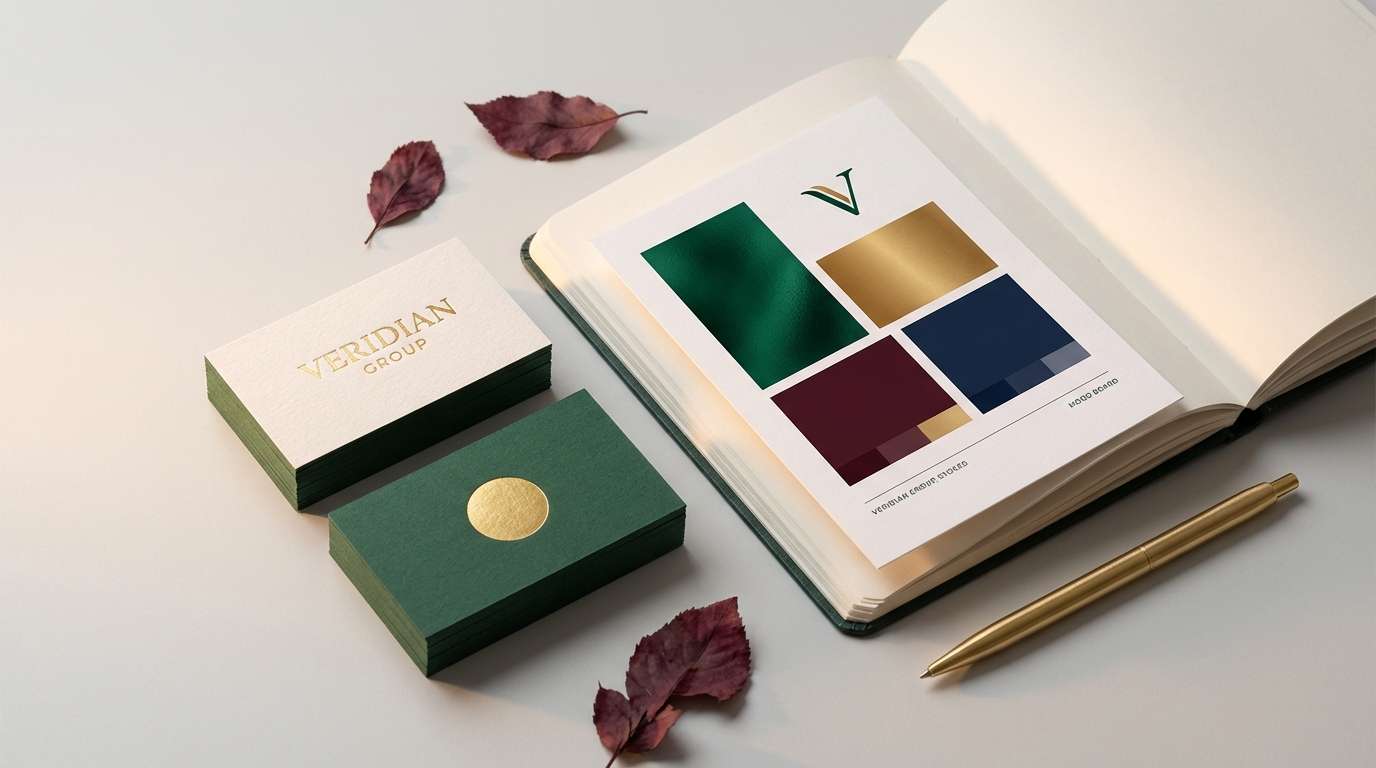
Best for: brand identity for a craft guild or heritage shop
Regal and high-contrast, it brings to mind banners, enamel pins, and polished metalwork. These medieval color combinations shine when you pick one jewel tone as the hero and let the others support in small doses. Use the gold for marks and borders, while the warm off-white keeps everything from feeling heavy. Tip: limit to two jewel tones per application to avoid a crowded look.
Image example of heraldic jewel generated using media.io
3) Castle Stone
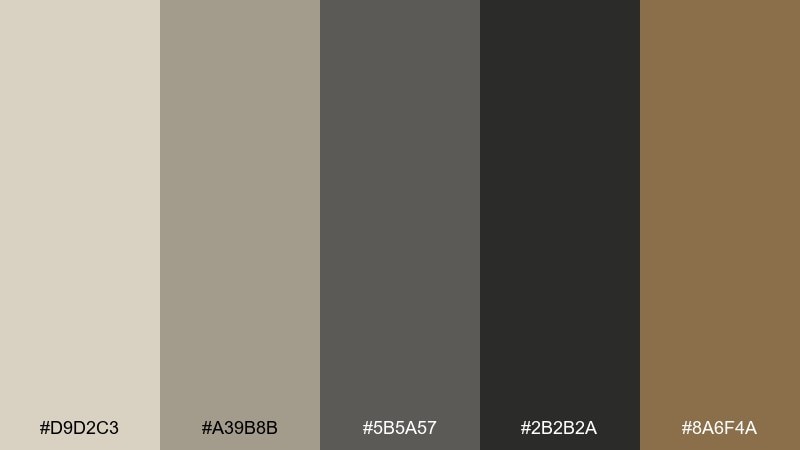
HEX: #d9d2c3 #a39b8b #5b5a57 #2b2b2a #8a6f4a
Mood: sturdy, neutral, archival
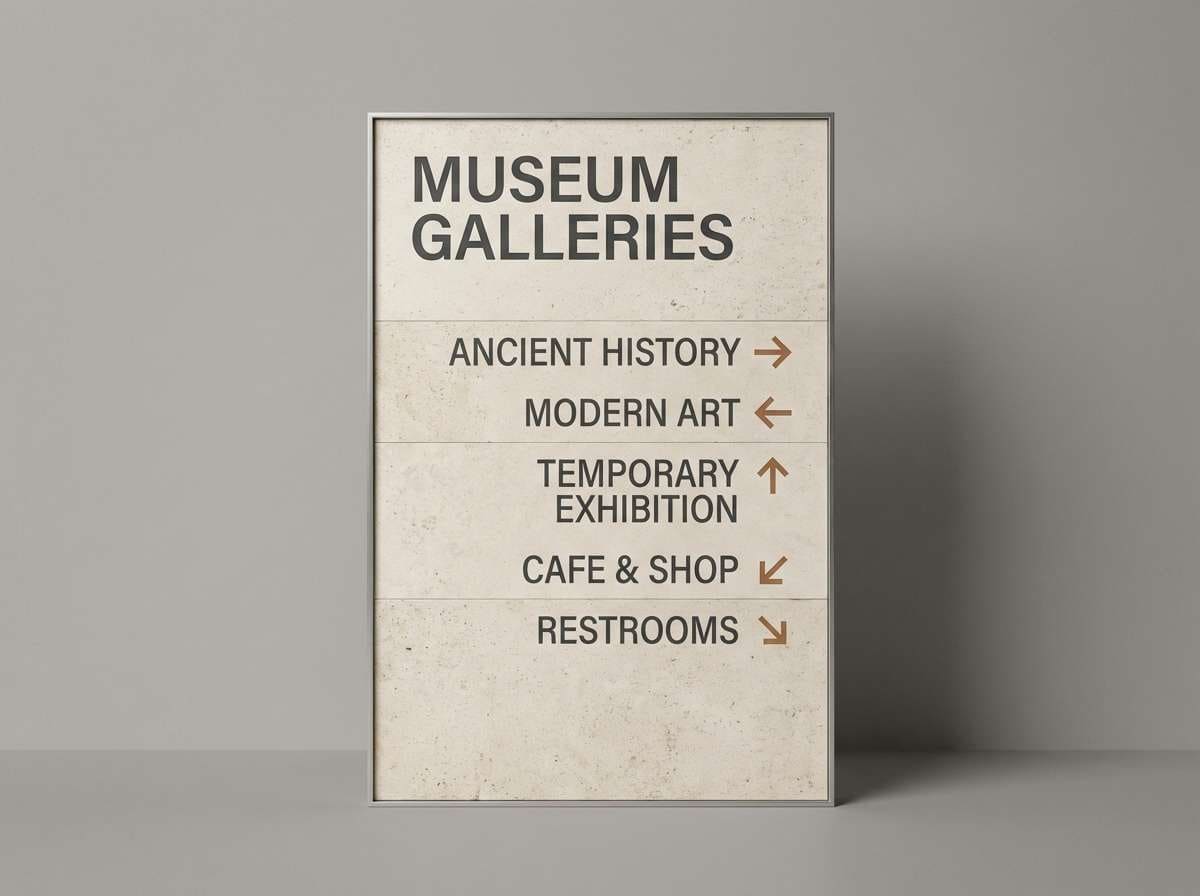
Best for: museum exhibit signage and wayfinding
Sturdy and understated, it recalls weathered stone walls, iron hinges, and dusted timber. The light beige and taupe create calm panels for maps and labels, while the deep charcoal keeps typography crisp at distance. Add the warm brown as a subtle directional accent for arrows and section headers. Tip: increase letter spacing slightly when using the darker grays for a carved-stone feel.
Image example of castle stone generated using media.io
4) Tapestry Garden
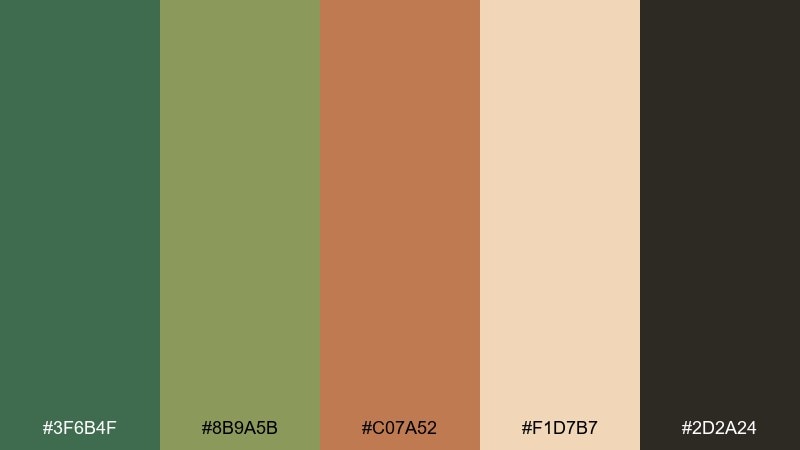
HEX: #3f6b4f #8b9a5b #c07a52 #f1d7b7 #2d2a24
Mood: pastoral, crafted, storybook
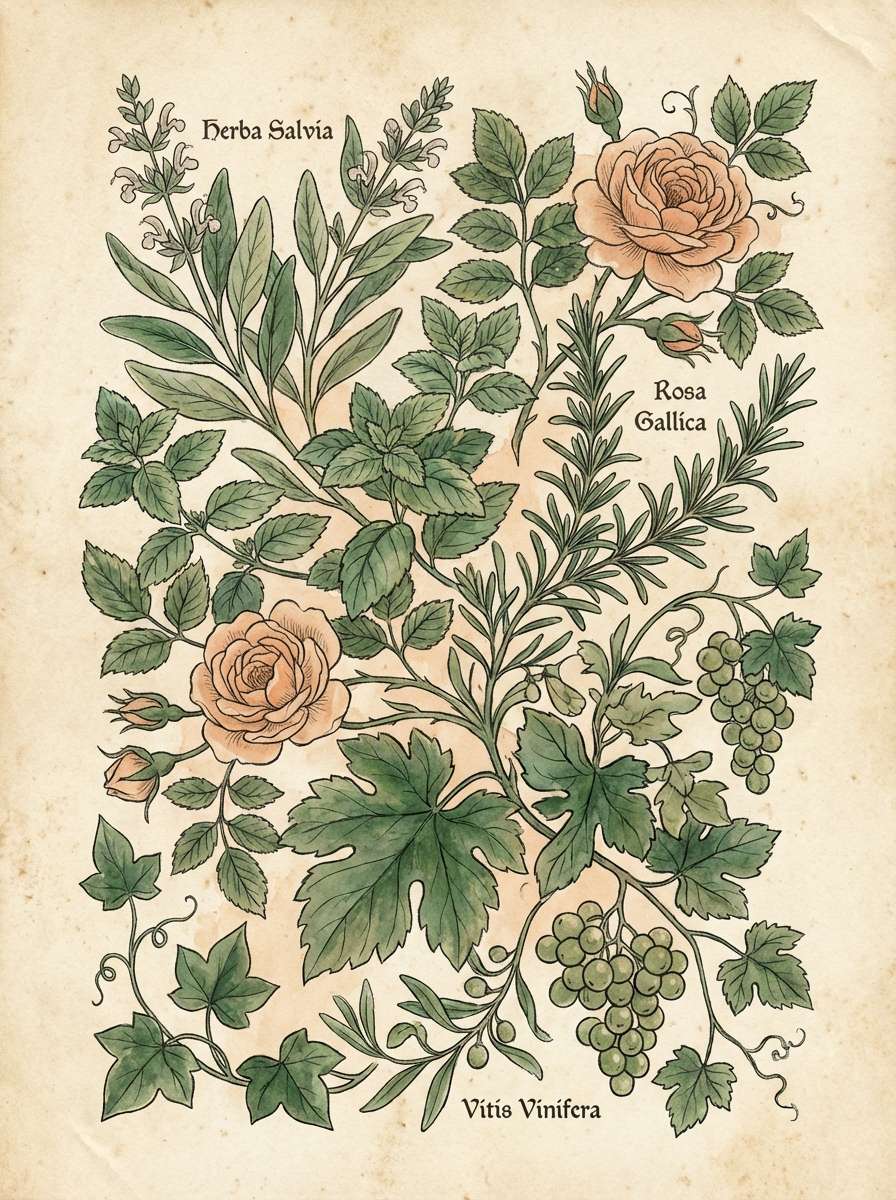
Best for: botanical illustration for a medieval garden poster
Pastoral and handwoven, it suggests embroidered leaves, sun-baked clay, and shaded hedgerows. Let the parchment peach act as your paper base, then layer greens in broad shapes for foliage. The clay orange works beautifully for flowers, fruit, and small ornaments without overpowering the scene. Tip: add thin charcoal linework to keep details sharp at poster size.
Image example of tapestry garden generated using media.io
5) Oxblood Velvet
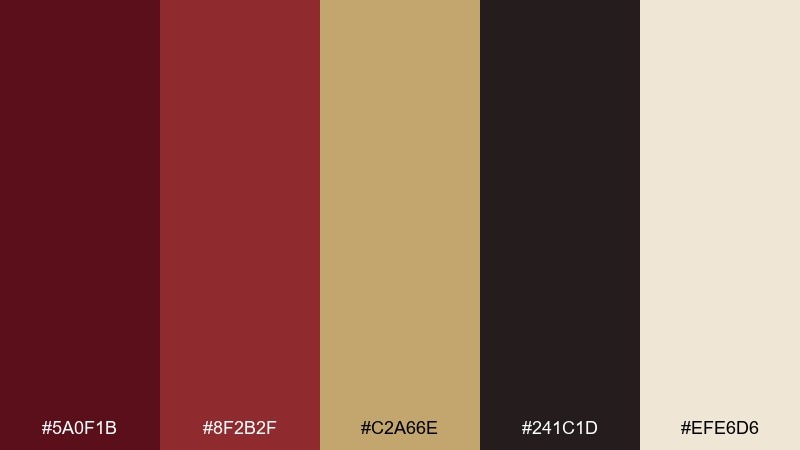
HEX: #5a0f1b #8f2b2f #c2a66e #241c1d #efe6d6
Mood: dramatic, luxurious, intimate
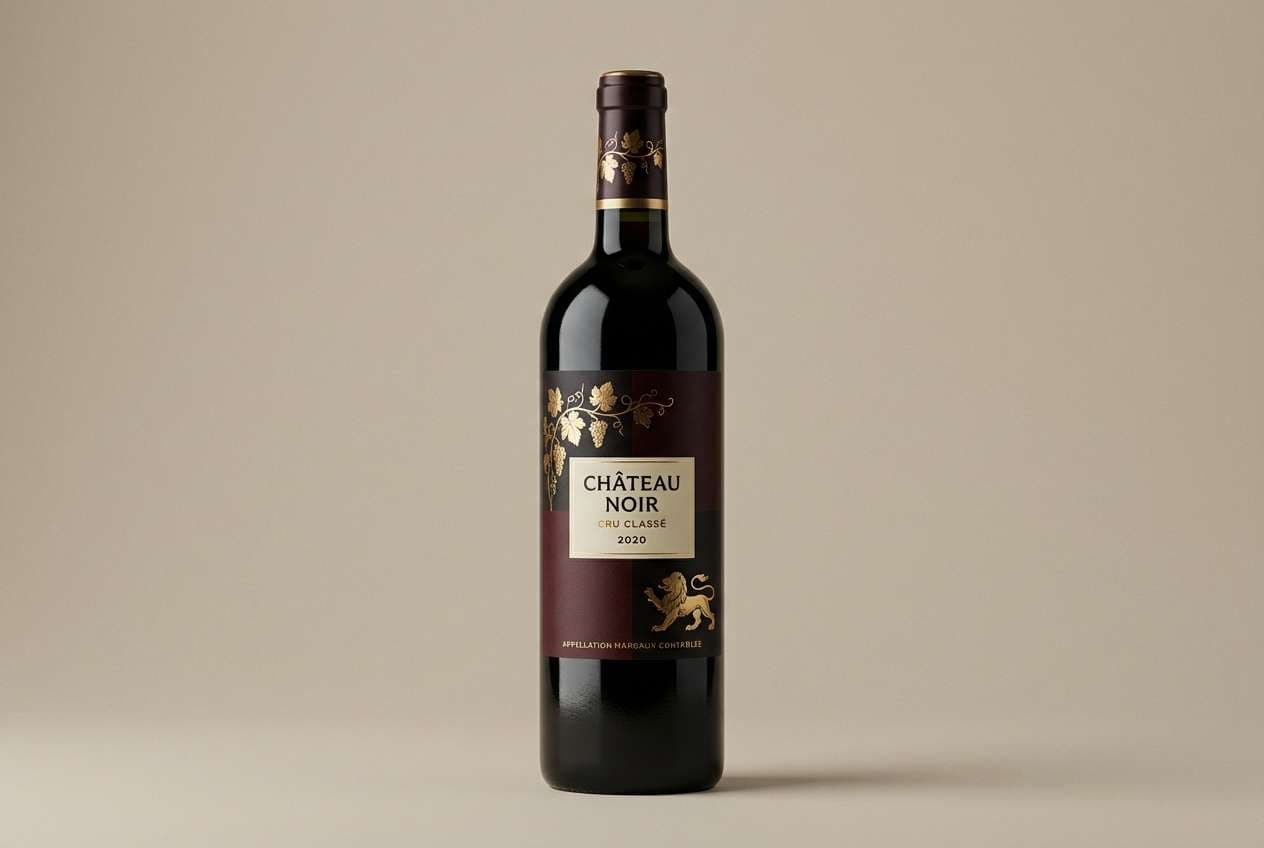
Best for: wine label and bottle packaging
Dramatic and plush, it feels like velvet drapery, wax seals, and gold filigree on dark wood. Use the deep oxblood and near-black as the label field, then bring in gold for borders and crests. The soft cream is ideal for small legal text blocks and varietal notes. Tip: choose matte finishes for reds to keep the gold accents looking premium.
Image example of oxblood velvet generated using media.io
6) Monastic Ink
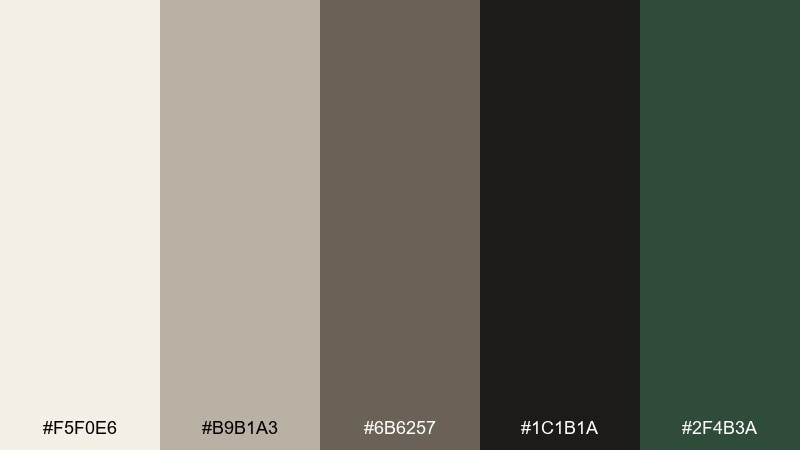
HEX: #f5f0e6 #b9b1a3 #6b6257 #1c1b1a #2f4b3a
Mood: quiet, scholarly, disciplined
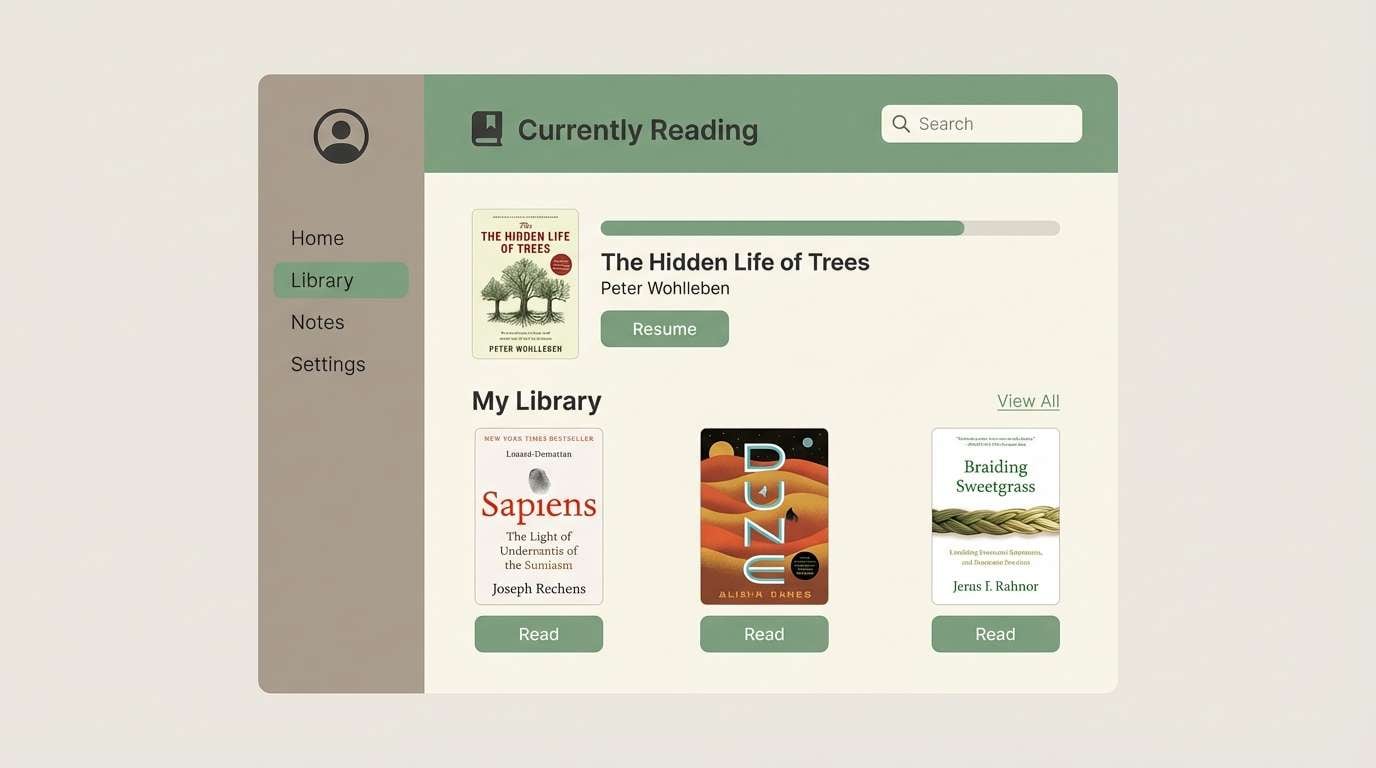
Best for: reading app UI for classics and history
Quiet and scholarly, it evokes marginalia, ink pots, and linen bindings. This medieval color scheme works best when the cream becomes your main canvas and the charcoal handles body text for comfortable contrast. Use the muted greens as sparing highlights for links, toggles, and reading progress. Tip: keep shadows minimal so the interface stays calm and page-like.
Image example of monastic ink generated using media.io
7) Verdigris Armor
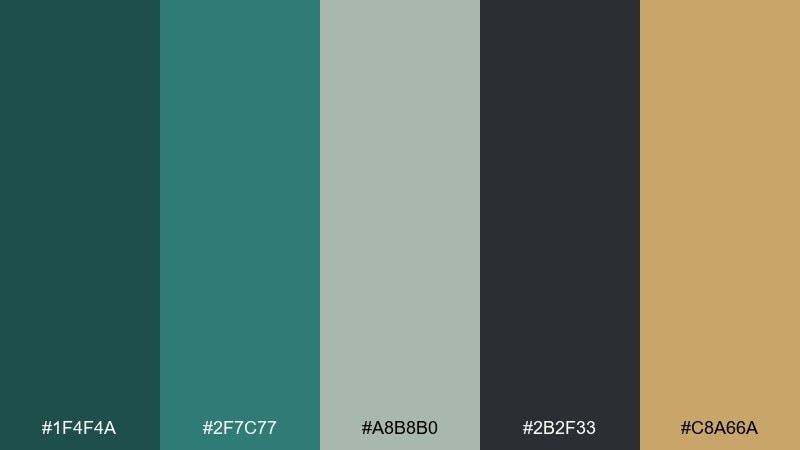
HEX: #1f4f4a #2f7c77 #a8b8b0 #2b2f33 #c8a66a
Mood: battle-worn, metallic, grounded
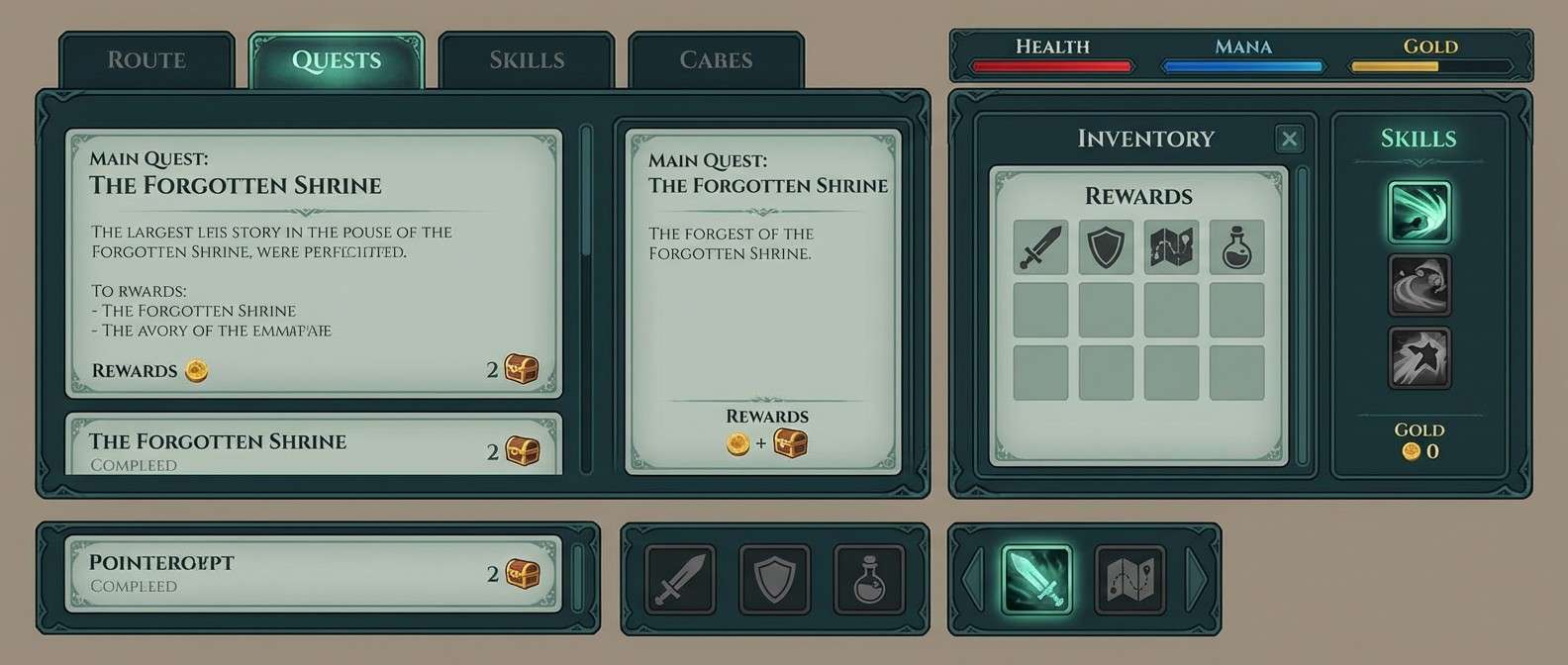
Best for: game UI HUD for a fantasy RPG
Battle-worn and metallic, it brings up patinated copper, chainmail shadows, and worn leather straps. Use the dark teal as the main UI frame, then reserve the brighter verdigris for active states and selected items. The pale gray-green keeps panels readable without feeling modern-white. Tip: apply the gold only for rewards, rarity, and key callouts to preserve its impact.
Image example of verdigris armor generated using media.io
8) Lapis Reliquary
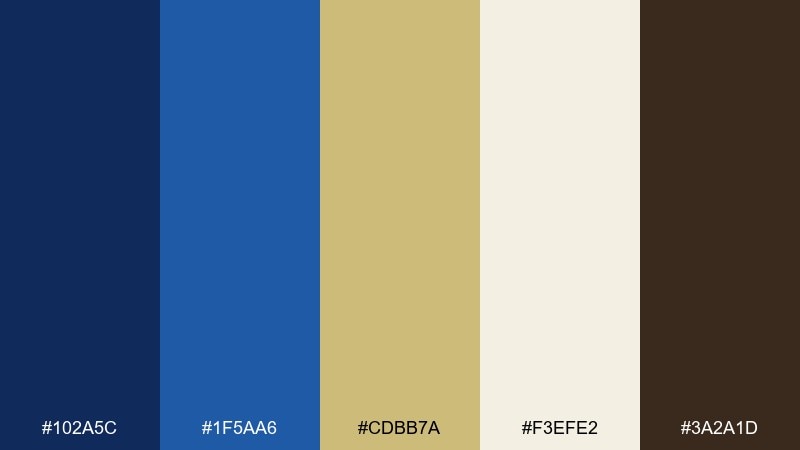
HEX: #102a5c #1f5aa6 #cdbb7a #f3efe2 #3a2a1d
Mood: sacred, luminous, refined
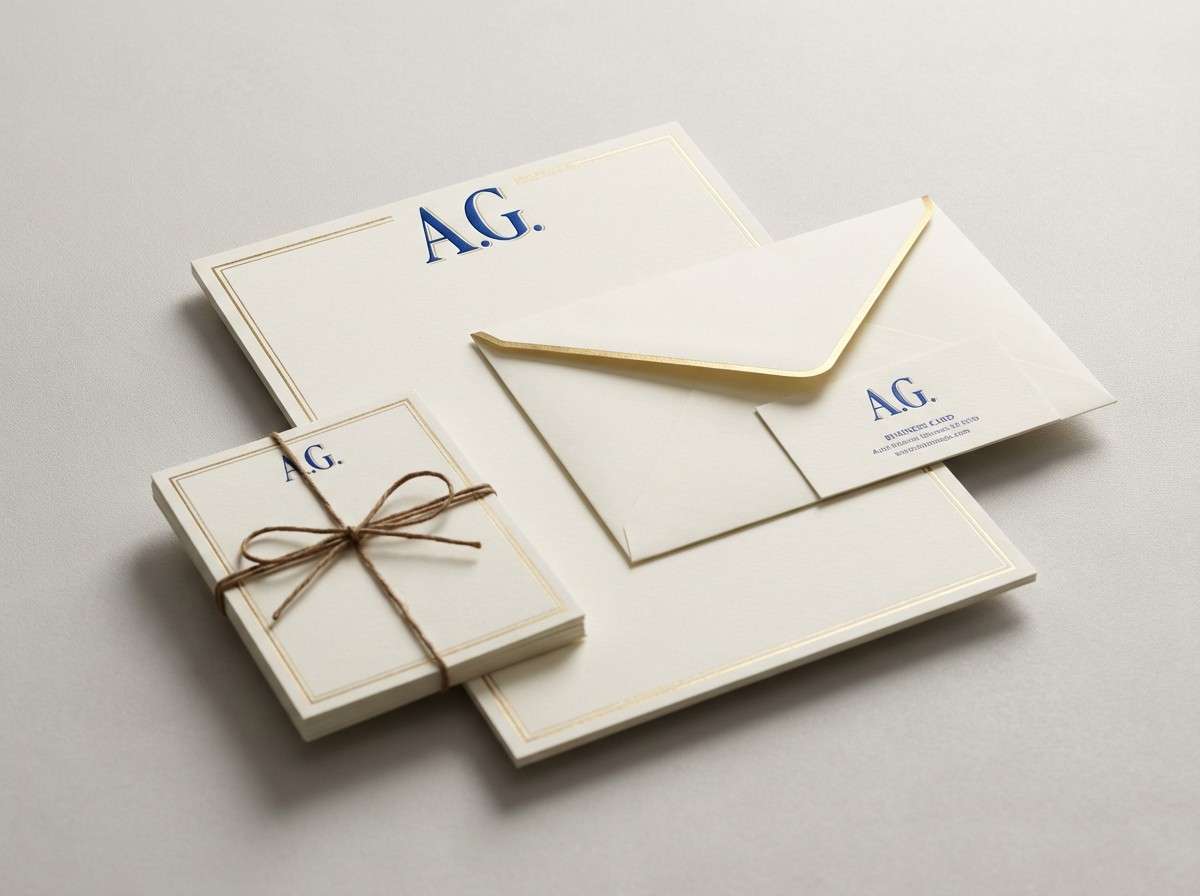
Best for: premium stationery and letterhead
Sacred and luminous, it feels like lapis pigment, gilt edges, and quiet chapel light. Let the deep blue hold headers and monograms, then use the pale ivory for generous margins. The antique gold reads as a tasteful line accent for rules, seals, and corner ornaments. Tip: keep brown to the smallest details so the blues stay crisp and dignified.
Image example of lapis reliquary generated using media.io
9) Guildhall Bronze
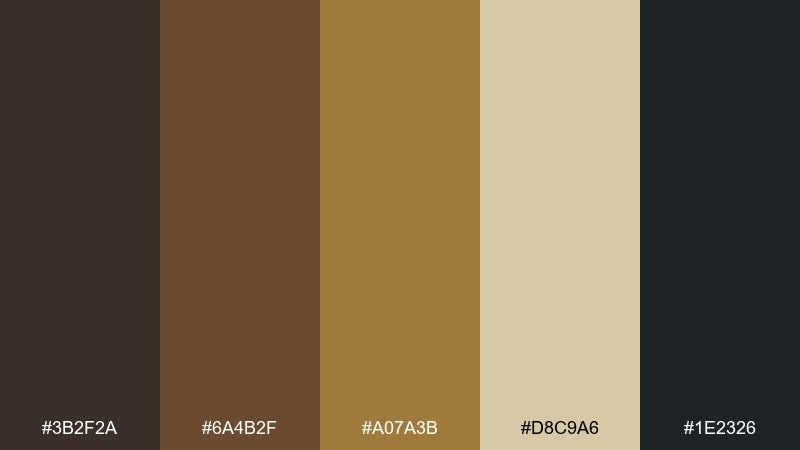
HEX: #3b2f2a #6a4b2f #a07a3b #d8c9a6 #1e2326
Mood: artisan, earthy, trustworthy
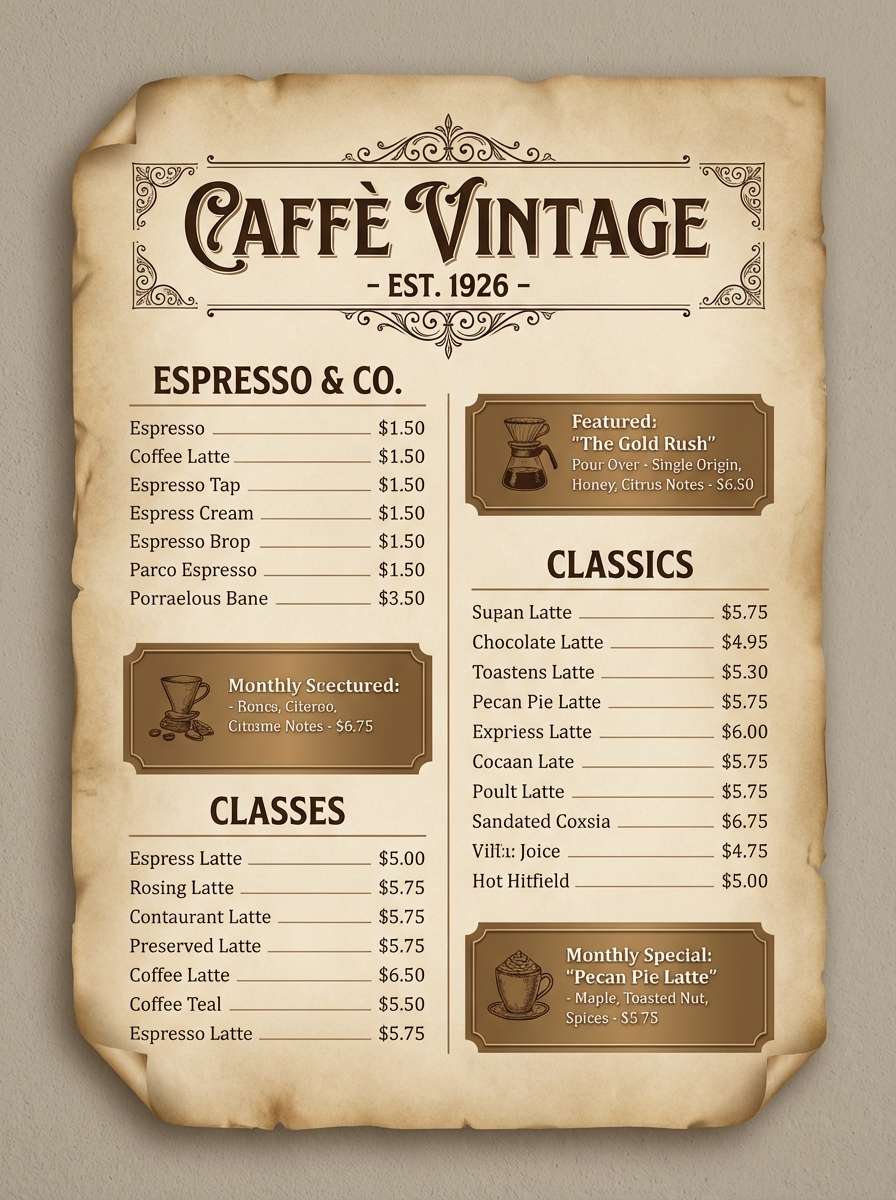
Best for: coffee shop menu design with vintage flair
Artisan and earthy, it calls up hammered bronze, roasted grains, and wooden counters. Use the warm parchment tone for the main menu background and lean on the dark brown for headings and prices. Bronze and tan make great highlight blocks for featured drinks and seasonal notes. Tip: pair with a serif headline font and a simple sans for item lists to keep it legible.
Image example of guildhall bronze generated using media.io
10) Forest Hunt
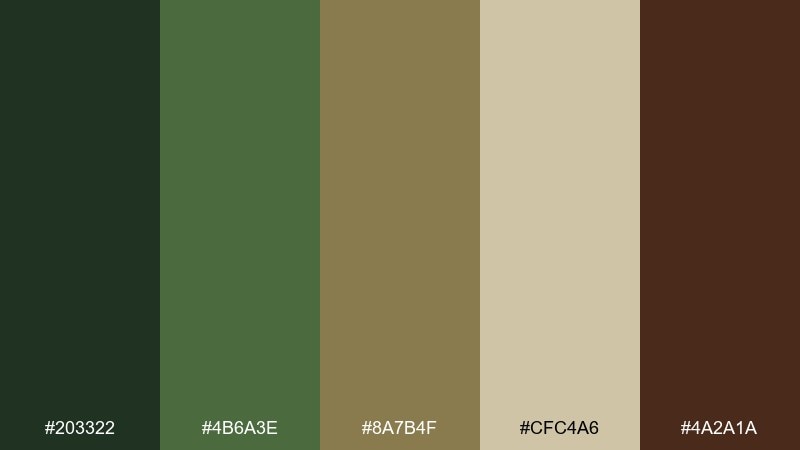
HEX: #203322 #4b6a3e #8a7b4f #cfc4a6 #4a2a1a
Mood: outdoorsy, rugged, natural
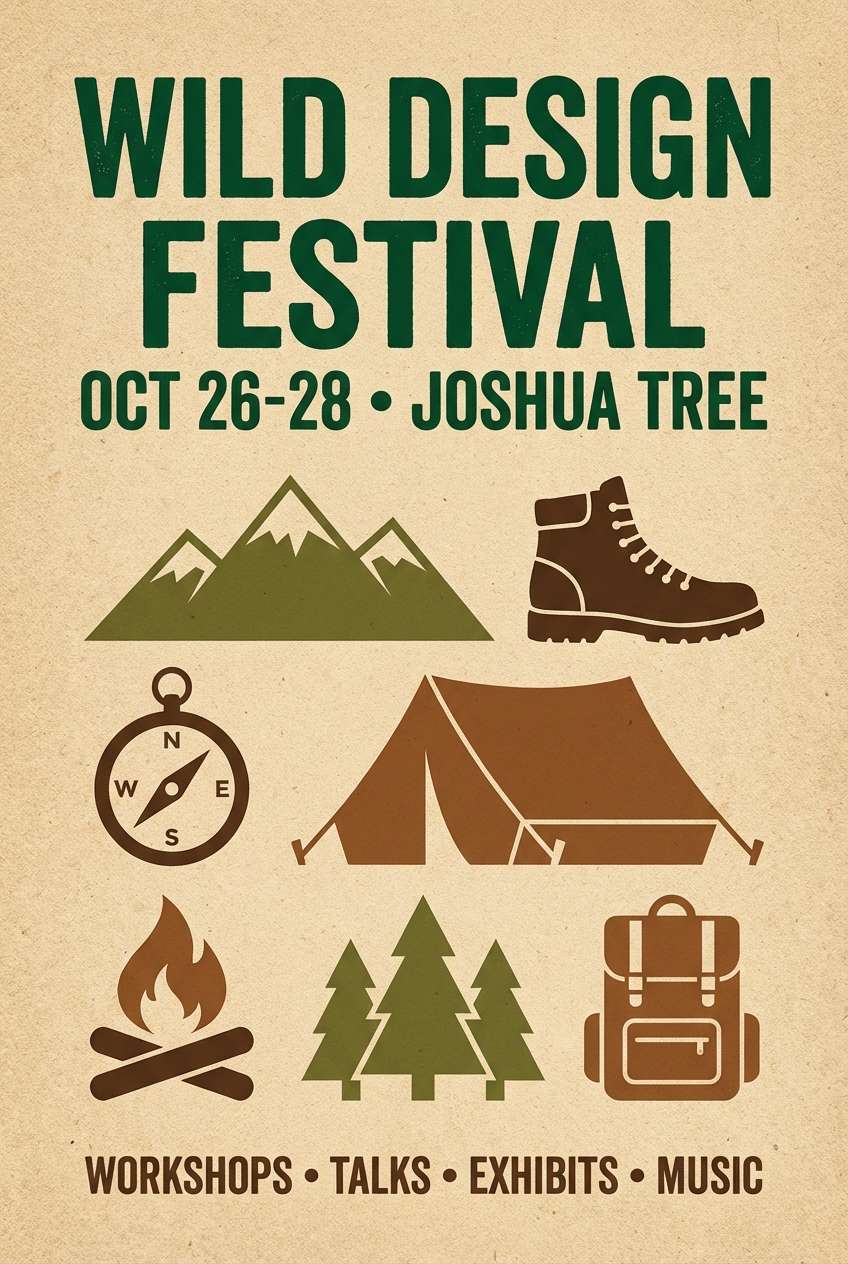
Best for: outdoor festival poster with a rustic theme
Outdoorsy and rugged, it suggests pine shade, worn satchels, and campfire wood. Set the light sand tone as a poster base, then build bold shapes in deep green for titles and frames. The olive and leather brown bring warmth for icons, dates, and sponsor bars. Tip: use chunky silhouettes and minimal gradients to keep the rustic mood consistent.
Image example of forest hunt generated using media.io
11) Rose Manuscript
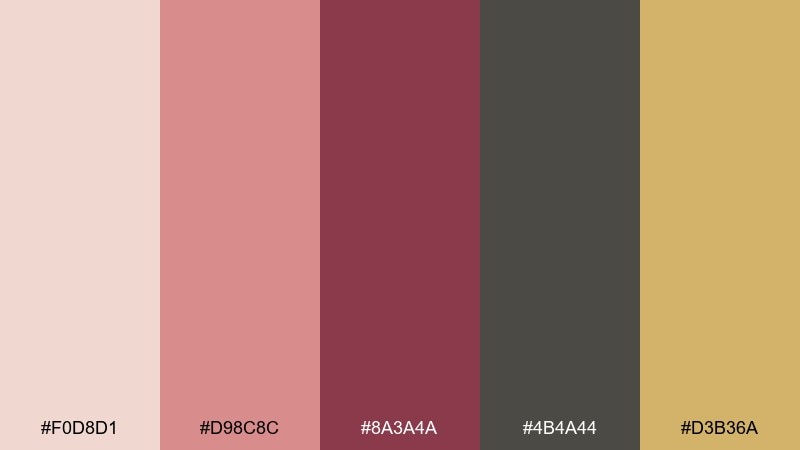
HEX: #f0d8d1 #d98c8c #8a3a4a #4b4a44 #d3b36a
Mood: romantic, inked, delicate
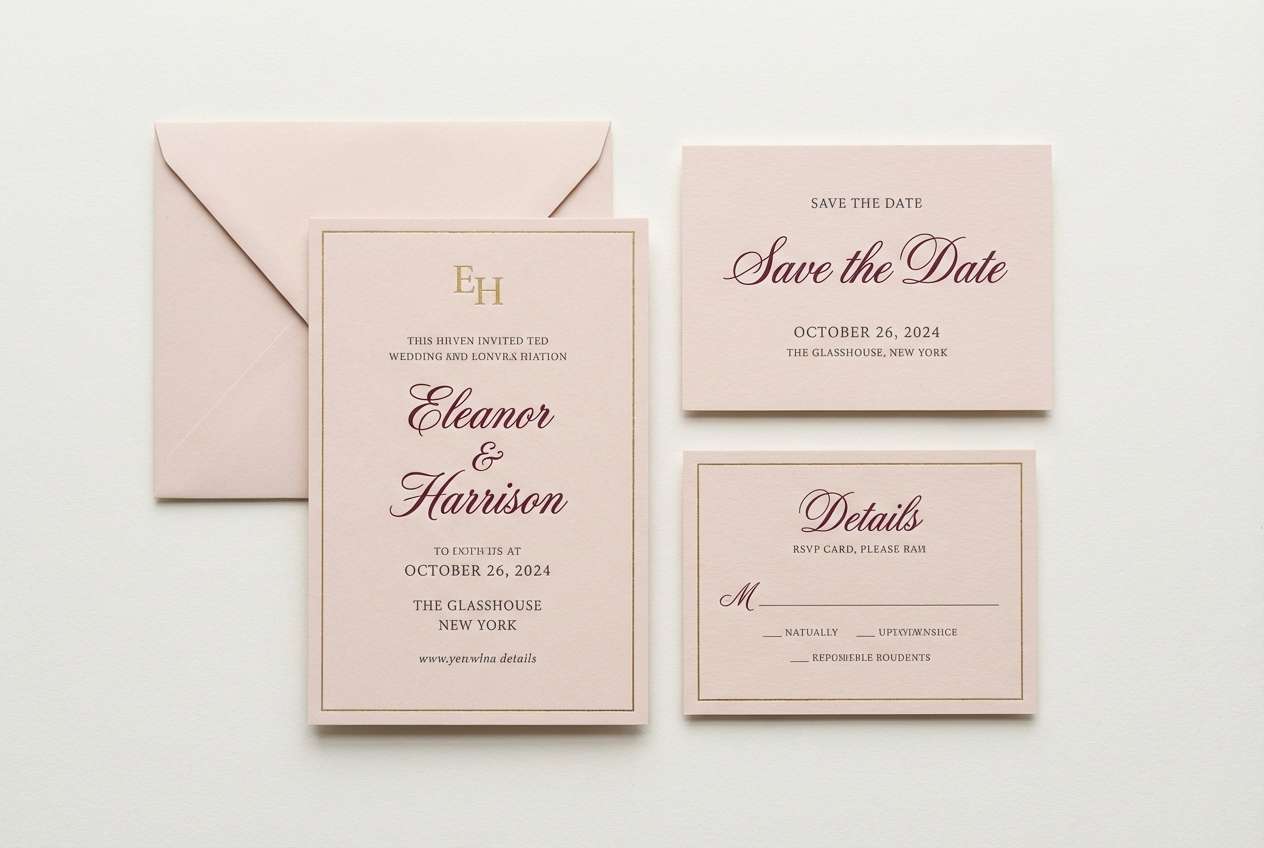
Best for: wedding invitation suite with an old-world touch
Romantic and inked, it evokes rose-tinted parchment, pressed petals, and small gilded initials. Use the blush as the paper tone, then bring in the wine shade for names and key lines. The muted charcoal keeps secondary text readable without feeling harsh. Tip: add gold only to monograms or border rules so it feels like a quiet embellishment, not glitter.
Image example of rose manuscript generated using media.io
12) Pilgrim Road
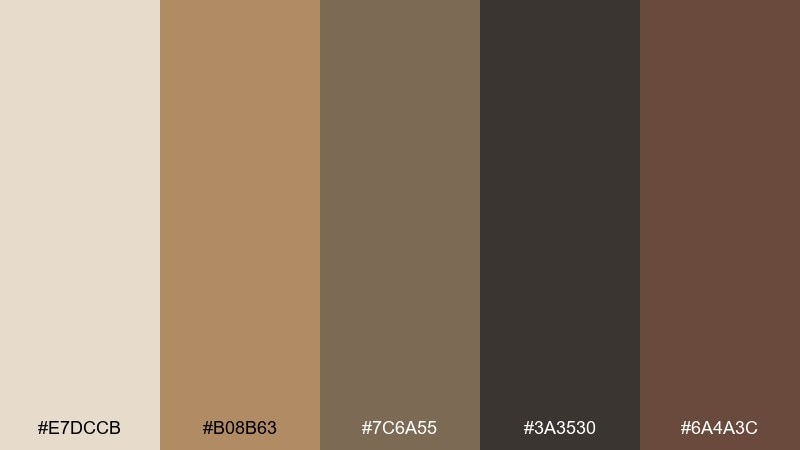
HEX: #e7dccb #b08b63 #7c6a55 #3a3530 #6a4a3c
Mood: dusty, humble, grounded
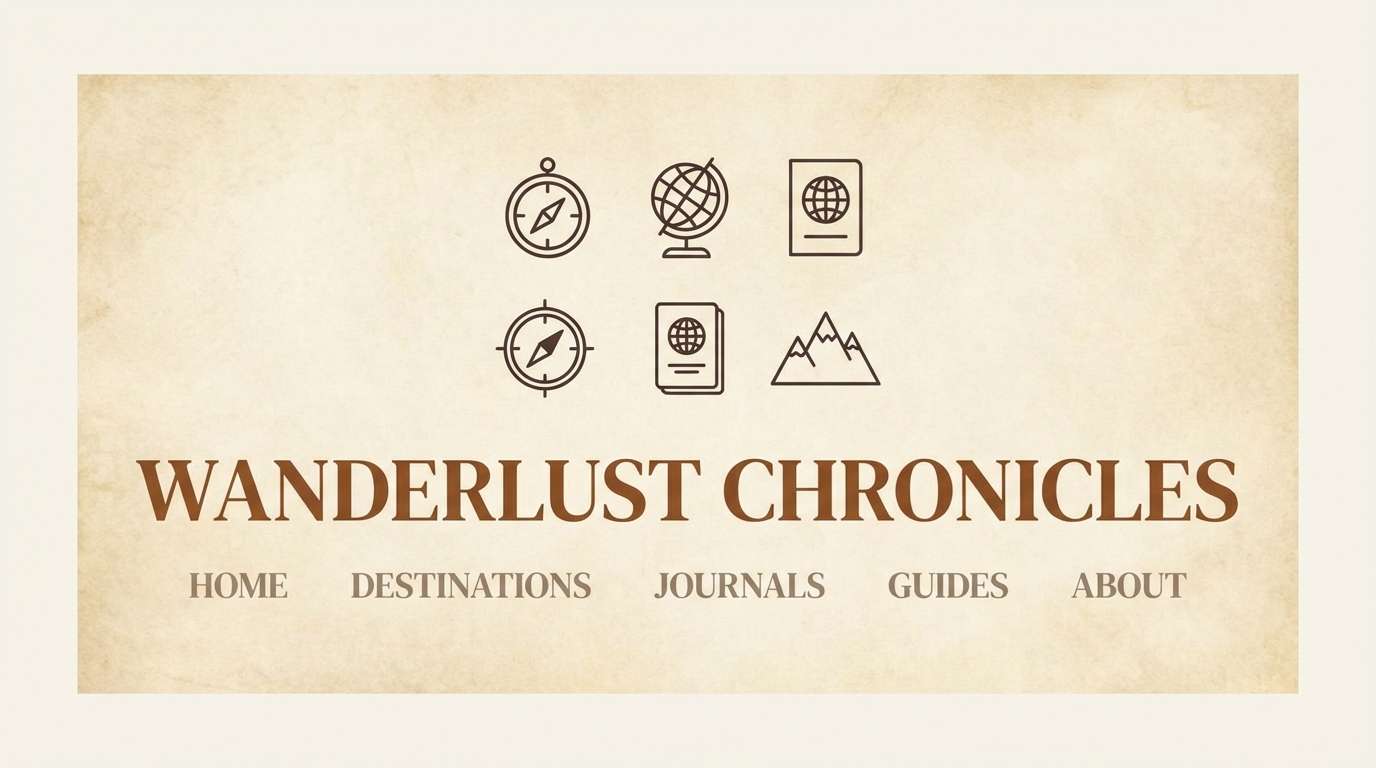
Best for: travel blog header and hero banner
Dusty and grounded, it brings to mind sunlit paths, linen wraps, and hand-stitched maps. Use the light parchment as the hero background and layer the browns for typography and simple line icons. Mid-tone taupe works well for subtle section dividers and navigation states. Tip: keep contrast high for headline text so the warm neutrals never look washed out.
Image example of pilgrim road generated using media.io
13) Alchemy Workshop
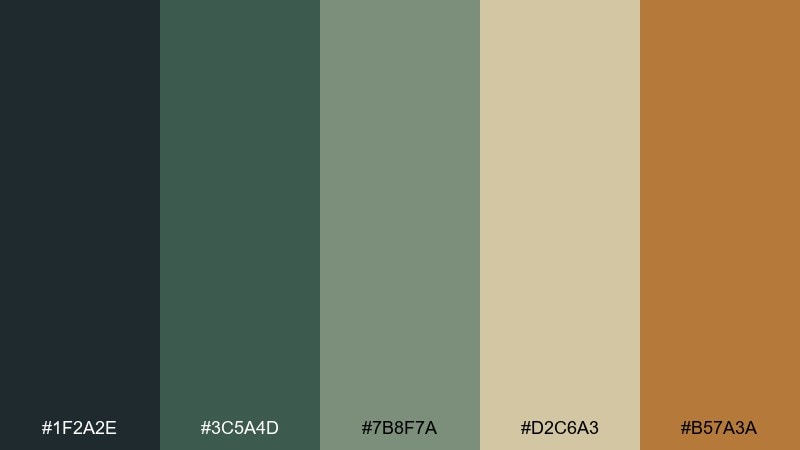
HEX: #1f2a2e #3c5a4d #7b8f7a #d2c6a3 #b57a3a
Mood: mysterious, smoky, curious
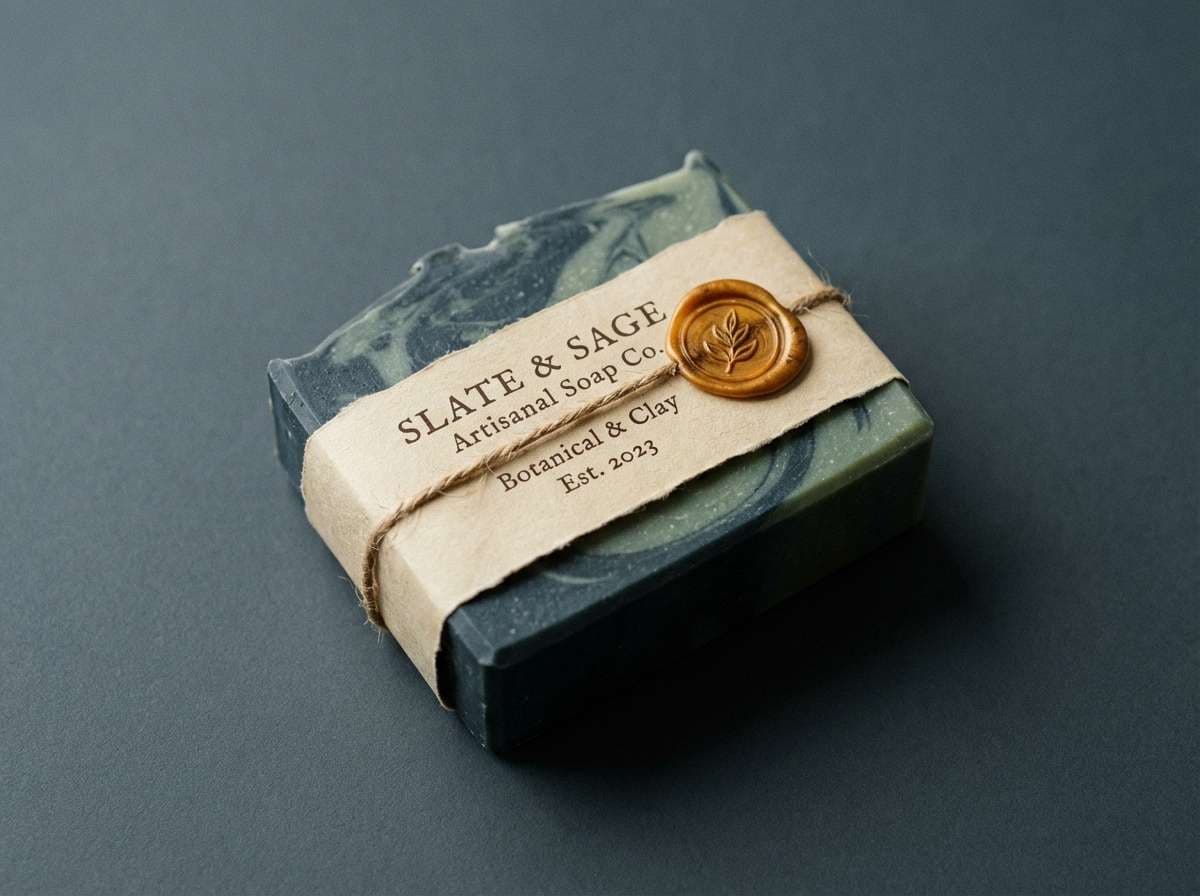
Best for: product ad for a natural soap or apothecary brand
Mysterious and smoky, it feels like glass bottles, herb bundles, and a warm lantern in a back room. Use the deep slate as a dramatic backdrop, then let sage and parchment carry the label text and ingredient callouts. The amber accent is perfect for a single badge like handmade or limited batch. Tip: keep the amber to one focal element so the ad stays refined.
Image example of alchemy workshop generated using media.io
14) Royal Banner
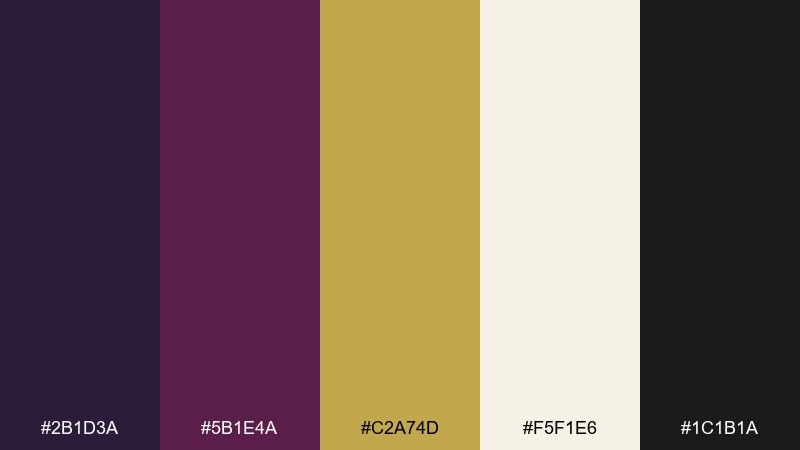
HEX: #2b1d3a #5b1e4a #c2a74d #f5f1e6 #1c1b1a
Mood: majestic, theatrical, high-contrast
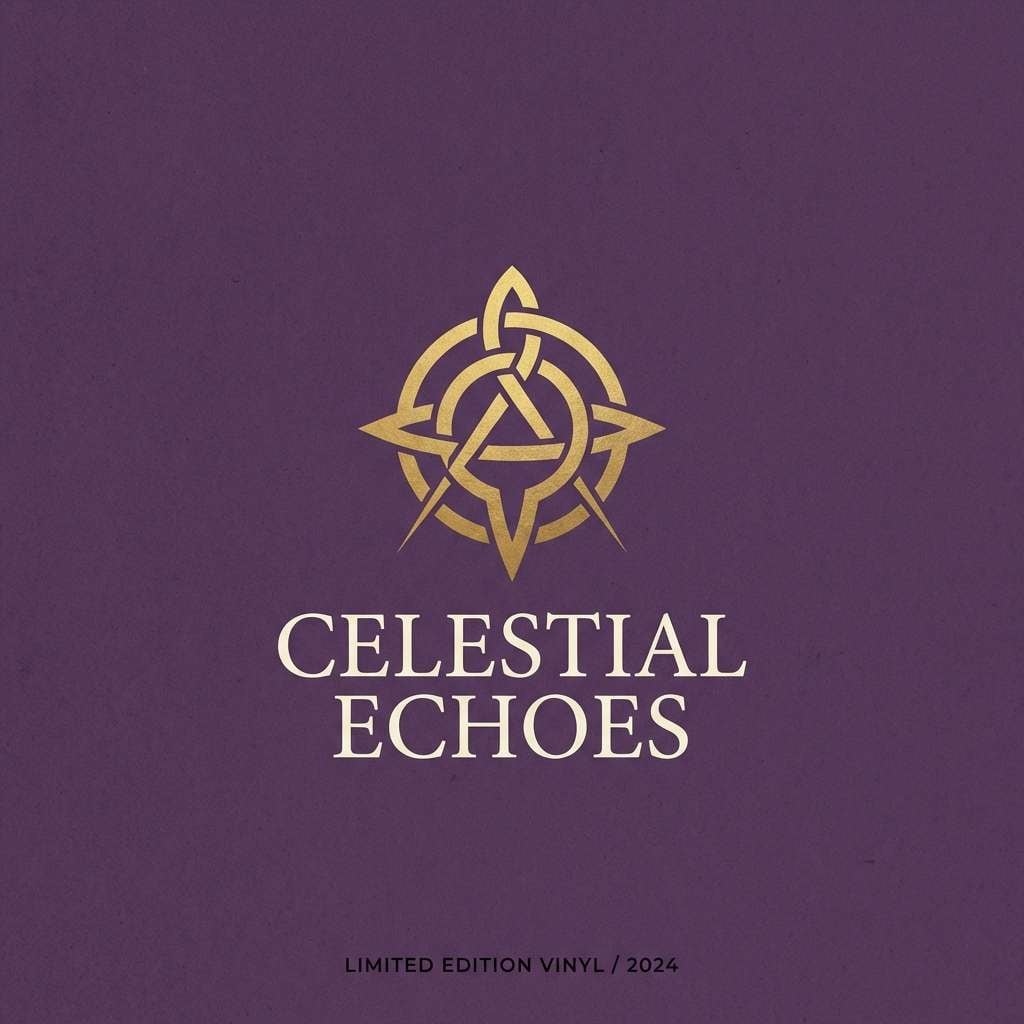
Best for: album cover for neoclassical or folk music
Majestic and theatrical, it conjures velvet stages, gilt trim, and deep twilight. Use the purple as the main field, then bring in gold for emblem shapes and tracklist dividers. Ivory keeps text readable and prevents the cover from going too heavy. Tip: set the title in gold on purple, and reserve black only for small legal lines.
Image example of royal banner generated using media.io
15) Misty Moat
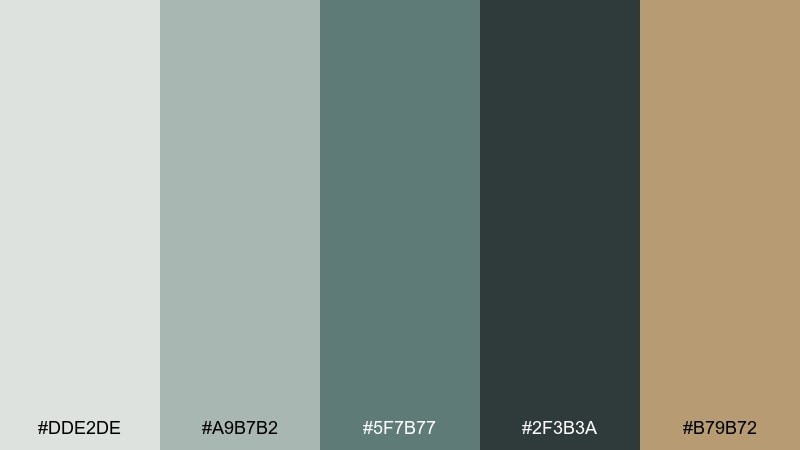
HEX: #dde2de #a9b7b2 #5f7b77 #2f3b3a #b79b72
Mood: cool, foggy, restrained
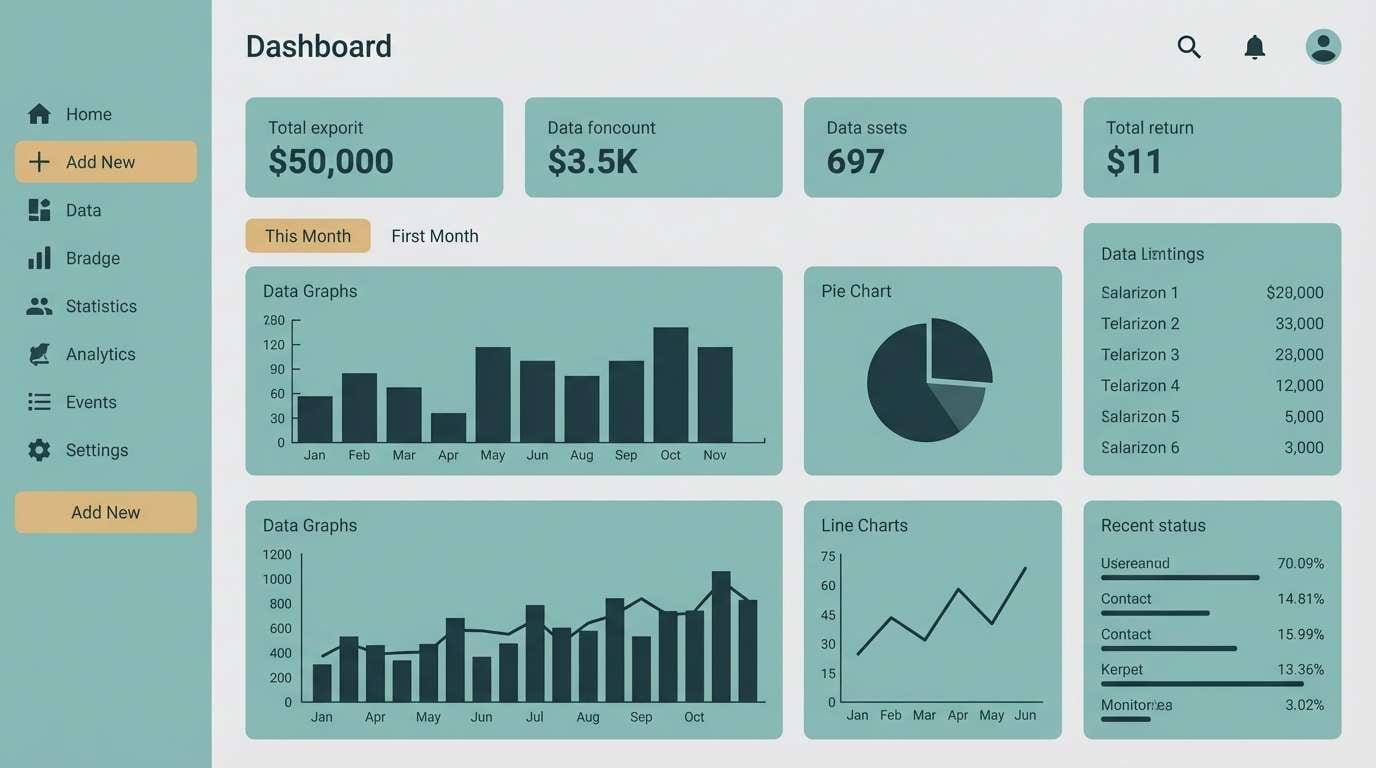
Best for: dashboard UI for analytics or finance
Cool and foggy, it suggests dawn mist over water and muted stone courtyards. Use the pale gray as the main surface, then rely on deep teal-charcoal for charts, labels, and key numbers. The warm sand works best as a small highlight for active filters and primary buttons. Tip: keep data viz to two tones plus the sand accent for clarity.
Image example of misty moat generated using media.io
16) Candlewax Seal
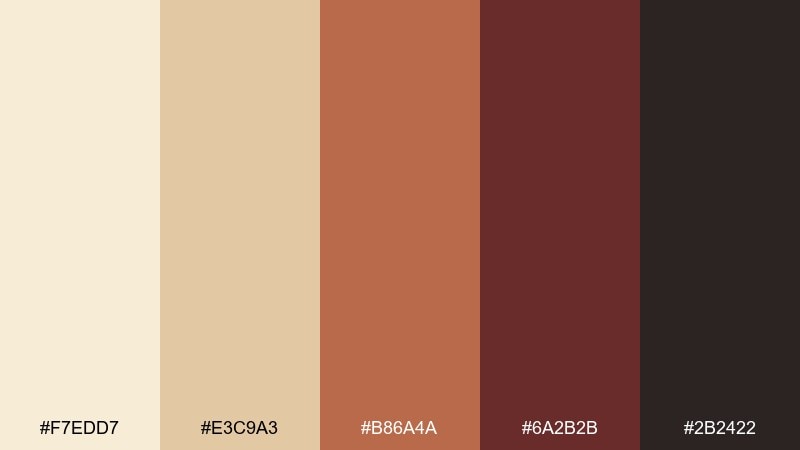
HEX: #f7edd7 #e3c9a3 #b86a4a #6a2b2b #2b2422
Mood: nostalgic, cozy, handcrafted
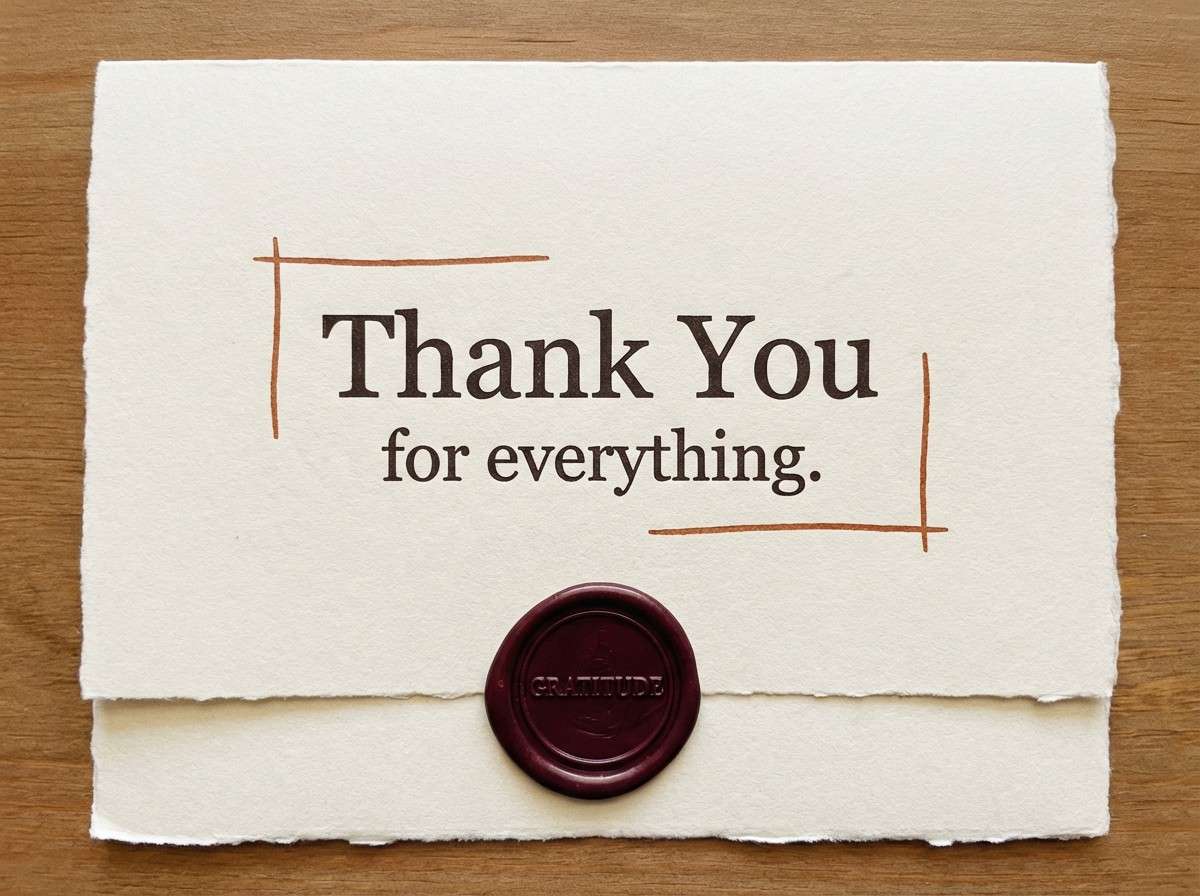
Best for: thank you card and small business packaging insert
Nostalgic and cozy, it recalls dripped wax, warm paper, and hand-stamped marks. Use the light cream as the card base, with cinnamon and burgundy reserved for headings and small decorative seals. The dark espresso tone grounds the typography and keeps the look mature. Tip: add a single wax-seal circle element in burgundy for instant focus.
Image example of candlewax seal generated using media.io
17) Saffron Feast
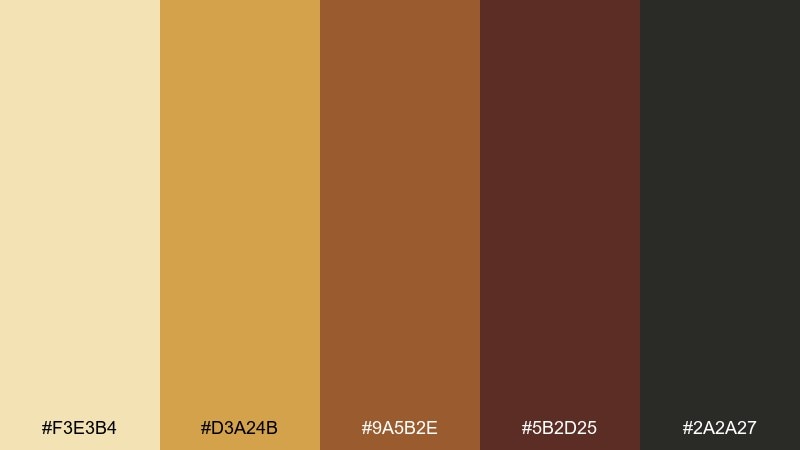
HEX: #f3e3b4 #d3a24b #9a5b2e #5b2d25 #2a2a27
Mood: festive, appetizing, golden
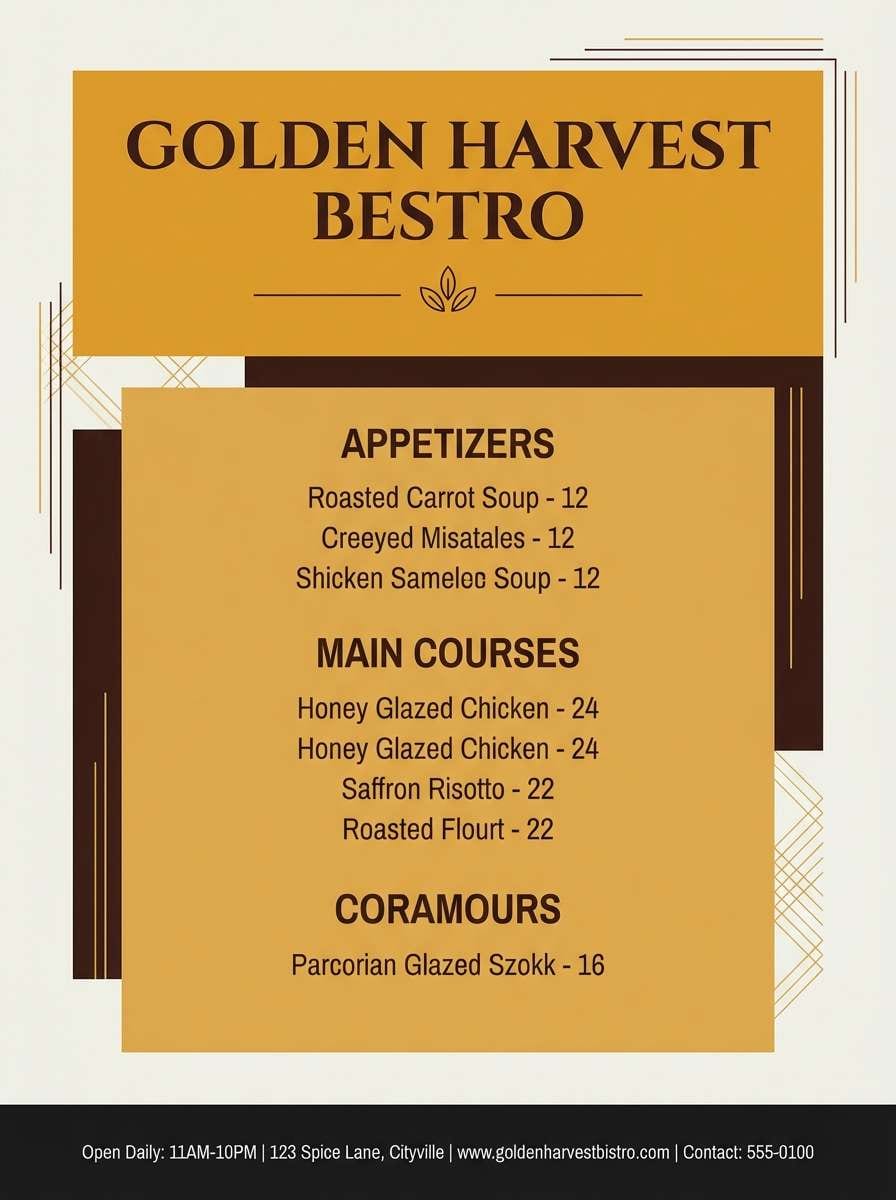
Best for: restaurant flyer for a seasonal special
Festive and golden, it feels like spiced bread, brass platters, and late-afternoon warmth. Let saffron and honey tones carry the main background blocks, then use dark brown for menu items and pricing. The near-black is best for small footer details and strong separators. Tip: keep photography out and lean on typography and simple ornaments for a classic look.
Image example of saffron feast generated using media.io
18) Winter Keep
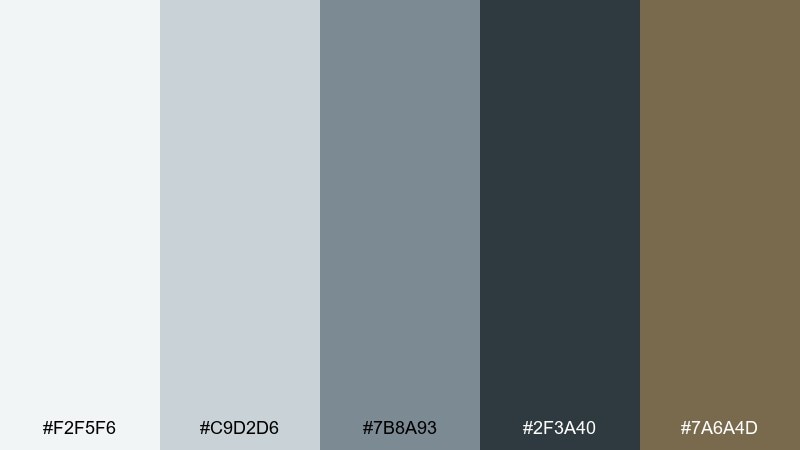
HEX: #f2f5f6 #c9d2d6 #7b8a93 #2f3a40 #7a6a4d
Mood: icy, resolute, minimal
Best for: presentation template for a history lecture
Icy and resolute, it evokes frosted stone, steel edges, and quiet winter light. Use the near-white and pale blue-gray for slide backgrounds so content stays airy. The slate tones support charts and headings, while the muted brass is a strong accent for key dates and pull quotes. Tip: keep imagery monochrome so the brass highlight remains the visual cue.
Image example of winter keep generated using media.io

19) Tournament Field
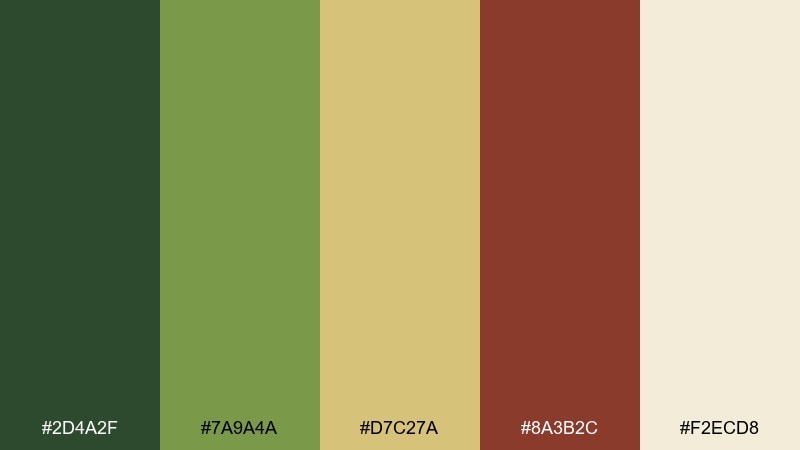
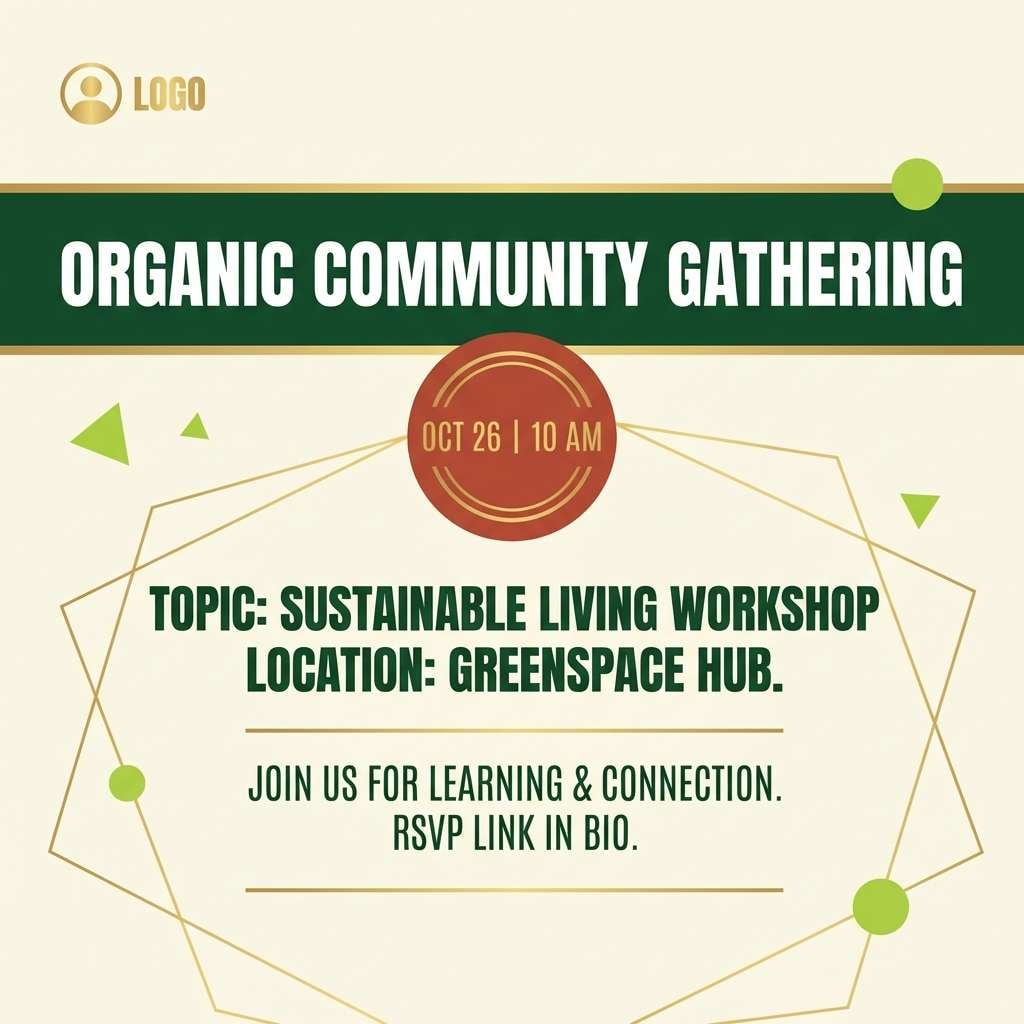
HEX: #2d4a2f #7a9a4a #d7c27a #8a3b2c #f2ecd8
Mood: energetic, outdoors, celebratory
Best for: social media event template for a renaissance fair
Energetic and sunlit, it suggests grassy fields, painted shields, and cheering crowds. Use the cream as the base for readable text, then make the deep green your header bar or frame. The brick red pops nicely for dates and call-to-action buttons without turning neon. Tip: keep the lime-green to small highlight shapes so it reads as lively, not modern-tech.
Image example of tournament field generated using media.io
20) River Scriptorium
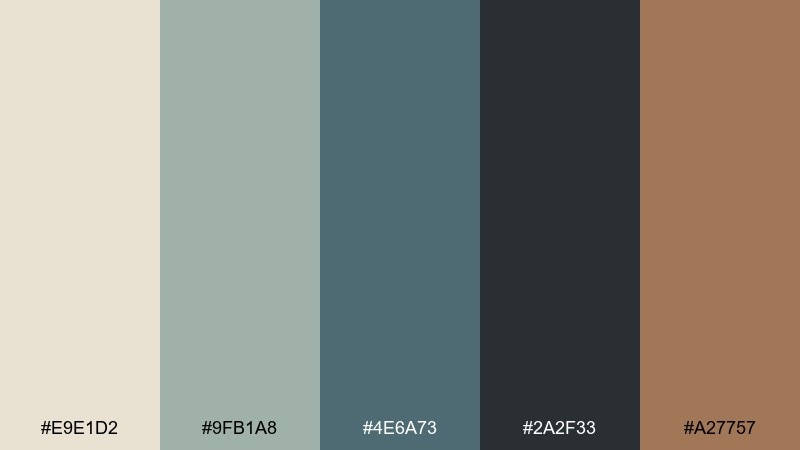
HEX: #e9e1d2 #9fb1a8 #4e6a73 #2a2f33 #a27757
Mood: calm, literate, balanced
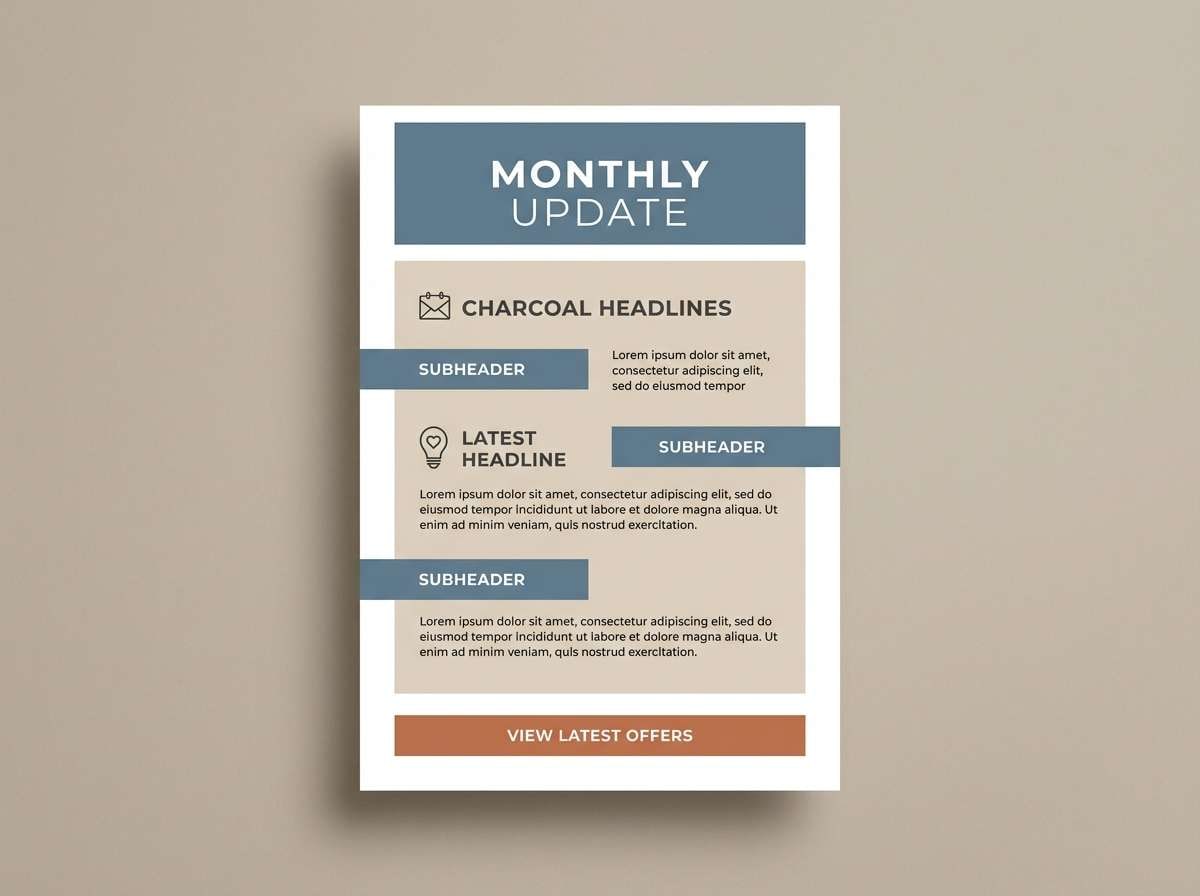
Best for: email newsletter layout for a literature club
Calm and literate, it feels like cool ink, river-stone blues, and softened parchment. Use the pale tan as the body background, with blue-gray for headers and section cards. Charcoal delivers reliable text contrast, and the warm clay accent draws attention to buttons. Tip: set links in the blue-gray and reserve clay for one primary action per email.
Image example of river scriptorium generated using media.io
21) Cathedral Glass
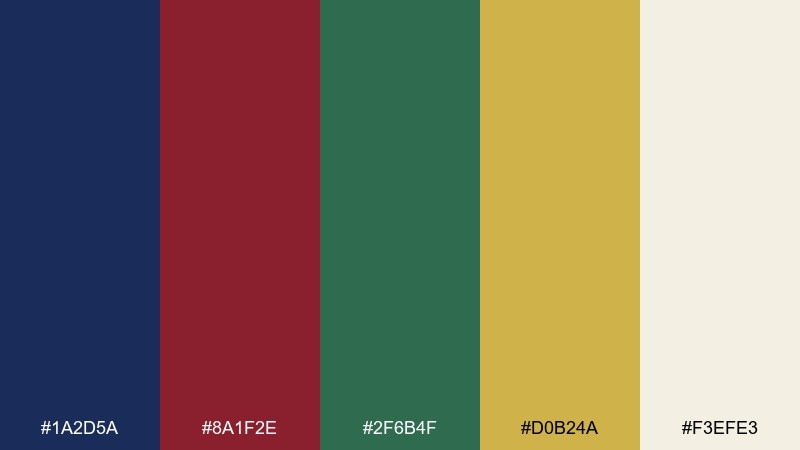
HEX: #1a2d5a #8a1f2e #2f6b4f #d0b24a #f3efe3
Mood: radiant, dramatic, ornate
Best for: editorial magazine spread about art history
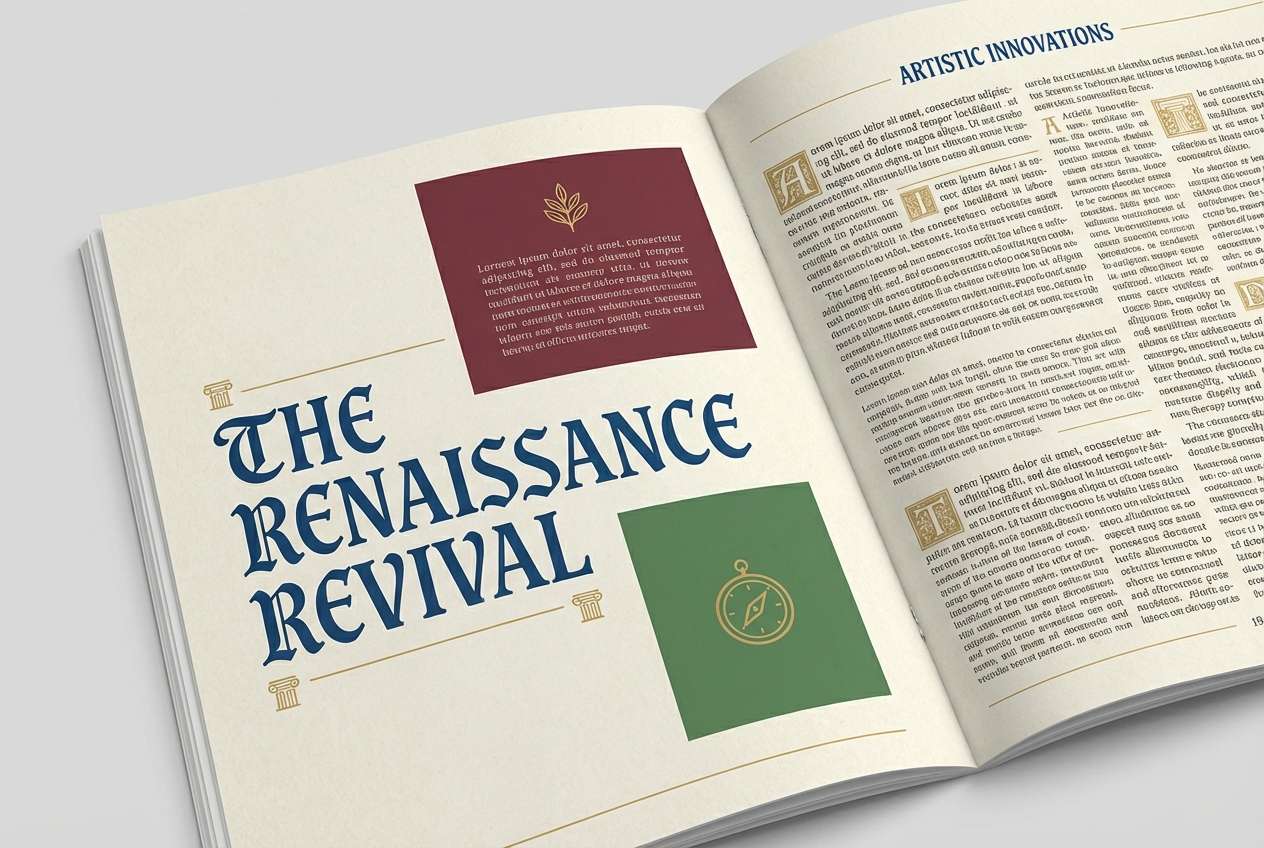
Radiant and dramatic, it echoes stained glass, carved stone, and sunbeams in a nave. These medieval color schemes are strongest when you treat blue as the anchor and use red and green as measured accents. Gold works best for pull-quote rules and small iconography, while the soft ivory keeps the spread readable. Tip: keep accent blocks to clean rectangles so the page feels designed, not chaotic.
Image example of cathedral glass generated using media.io
What Colors Go Well with Medieval?
Medieval palettes pair best with parchment-like neutrals (cream, ivory, sand, taupe) because they mimic paper, linen, and stone—perfect for backgrounds that keep layouts breathable. Add charcoal or near-black for “ink” contrast that feels historical but stays highly legible.
For accents, choose jewel tones (deep green, lapis blue, burgundy, purple) and treat them like pigments or dyed fabric—rich, but used deliberately. Metallic-inspired golds and bronzes work well as thin rules, borders, stamps, and icon highlights.
If you want a calmer medieval color scheme, lean into foggy blue-grays and moss greens. For a more ceremonial look, push contrast with one hero jewel tone plus a restrained gold and an off-white.
How to Use a Medieval Color Palette in Real Designs
Start with a material-based base: parchment or stone neutrals for large surfaces (slides, web backgrounds, label stock). Then assign one “ink” tone (charcoal, espresso, deep navy) for primary typography and UI outlines to lock in readability.
Next, choose one accent family and stick to it: either warm wax/oxblood accents for intimacy, or cool blues/verdigris for a scholarly or armored feel. Keeping accents limited helps medieval color combinations feel curated instead of costume-like.
In print, keep textures subtle and prioritize contrast; in UI, avoid heavy drop shadows and use flat panels, thin rules, and badge-like highlights. The medieval vibe comes from tone + restraint, not from overdecorating every component.
Create Medieval Palette Visuals with AI
Want to see your medieval color palette in action before designing? Generate quick mockups—book covers, invitations, dashboards, menus, or brand boards—using a prompt that specifies the palette mood, layout type, and background material (paper, vellum, stone, enamel).
For more consistent results, describe one dominant color, one accent (gold/wax), and one “ink” tone for typography. Add details like “clean centered layout,” “thin border rules,” or “off-white paper stock” to keep outputs usable for real design work.
Medieval Color Palette FAQs
-
What is a medieval color palette?
A medieval color palette is a set of colors inspired by historical materials and pigments—parchment creams, ink charcoals, jewel tones (lapis, emerald, burgundy), and metallic gold/bronze accents. -
Which medieval colors are best for readable text?
Deep charcoal, espresso brown, and very dark navy work best for body text. Pair them with parchment or ivory backgrounds to keep contrast high while maintaining an old-world aesthetic. -
How do I keep medieval color schemes from looking too busy?
Pick one hero jewel tone, keep a neutral base, and use gold or warm accents sparingly. Limiting to 1–2 strong colors per layout preserves a refined, heraldic look. -
Are medieval color schemes good for modern UI?
Yes—especially for reading apps, dashboards, and game HUDs. Use parchment-like surfaces, ink-dark typography, and one muted accent (verdigris, clay, or brass) for states and buttons. -
What’s the difference between “heraldic” and “parchment” medieval palettes?
Heraldic palettes emphasize bold jewel tones and gold with strong contrast, like banners and crests. Parchment palettes focus on warm neutrals and ink tones, like manuscripts and aged paper. -
Can I use medieval colors for branding?
Absolutely. Heritage shops, craft guild brands, museums, wineries, and boutique hospitality can use medieval-inspired colors to communicate tradition, craftsmanship, and premium detail. -
How can I generate medieval-themed palette mockups quickly?
Use an AI text-to-image tool and describe the design type (menu, label, poster, UI), the material feel (vellum, wax seal, enamel), and the dominant/secondary accent colors for consistent outputs.
Next: Coral Reef Color Palette


