

A vintage film color palette is all about gentle contrast: muted pastels, warm browns, and inky shadows that feel slightly worn-in and human.
Below are 20 ready-to-use vintage film color palette ideas (with HEX codes) for branding, posters, UI, packaging, and more—plus AI prompts to generate matching visuals in seconds.
In this article
- Why Vintage Film Palettes Work So Well
-
- faded cinema dust
- sepia streetlight
- pastel grain morning
- darkroom velvet
- polaroid picnic
- motel neon fade
- autumn reel
- coastal slide
- antique carousel
- smoky projection
- paperback romance
- archive ledger
- midnight matte
- sunbleached denim
- old ticket stub
- garden super 8
- peachy halation
- brass and bordeaux
- clay and sage print
- celadon wash
- What Colors Go Well with Vintage Film?
- How to Use a Vintage Film Color Palette in Real Designs
- Create Vintage Film Palette Visuals with AI
Why Vintage Film Palettes Work So Well
Vintage film colors feel believable because they mirror how real light behaves on analog stock: highlights bloom, shadows go a little inky, and midtones soften into warm neutrals.
That softness makes layouts easier to look at for longer—especially in UI, editorial, and packaging—because contrast is present, but rarely harsh.
They also signal story and time. Even simple designs can feel more “lived-in” when you swap pure white for creamy paper tones and replace jet black with charcoal.
20+ Vintage Film Color Palette Ideas (with HEX Codes)
1) Faded Cinema Dust
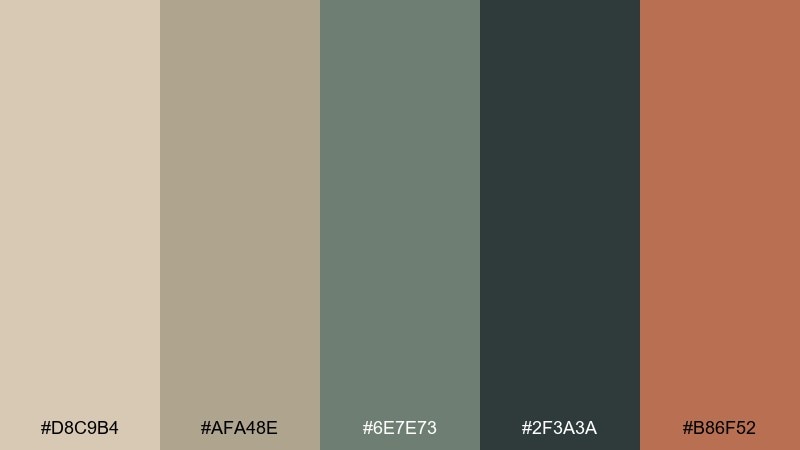
HEX: #D8C9B4 #AFA48E #6E7E73 #2F3A3A #B86F52
Mood: nostalgic, muted, cinematic
Best for: film festival poster design
Nostalgic and a little smoky, these tones feel like a reel found in an old projector case. The warm beige and terracotta read friendly, while the deep charcoal keeps type crisp and high-contrast. Use it for festival posters, title cards, or event promos where you want an understated, artsy vibe. Tip: keep the beige as the main background and reserve the terracotta for a single strong callout line.
Image example of faded cinema dust generated using media.io

Media.io is an online AI studio for creating and editing video, image, and audio in your browser.


2) Sepia Streetlight
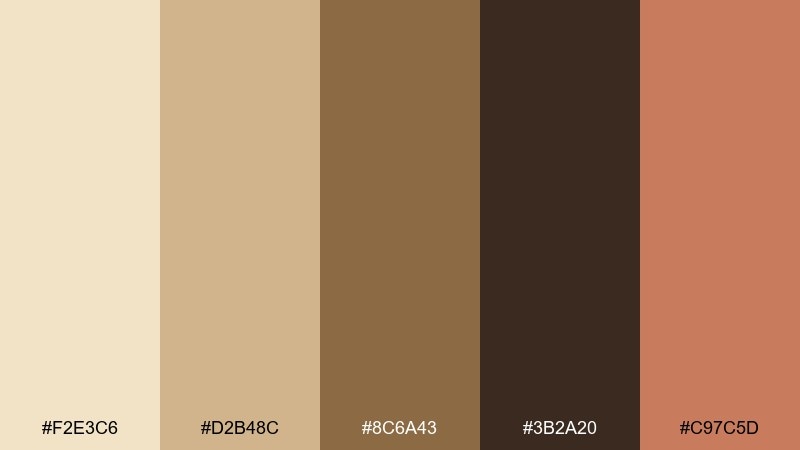
HEX: #F2E3C6 #D2B48C #8C6A43 #3B2A20 #C97C5D
Mood: warm, classic, late-night
Best for: coffee shop branding and menu
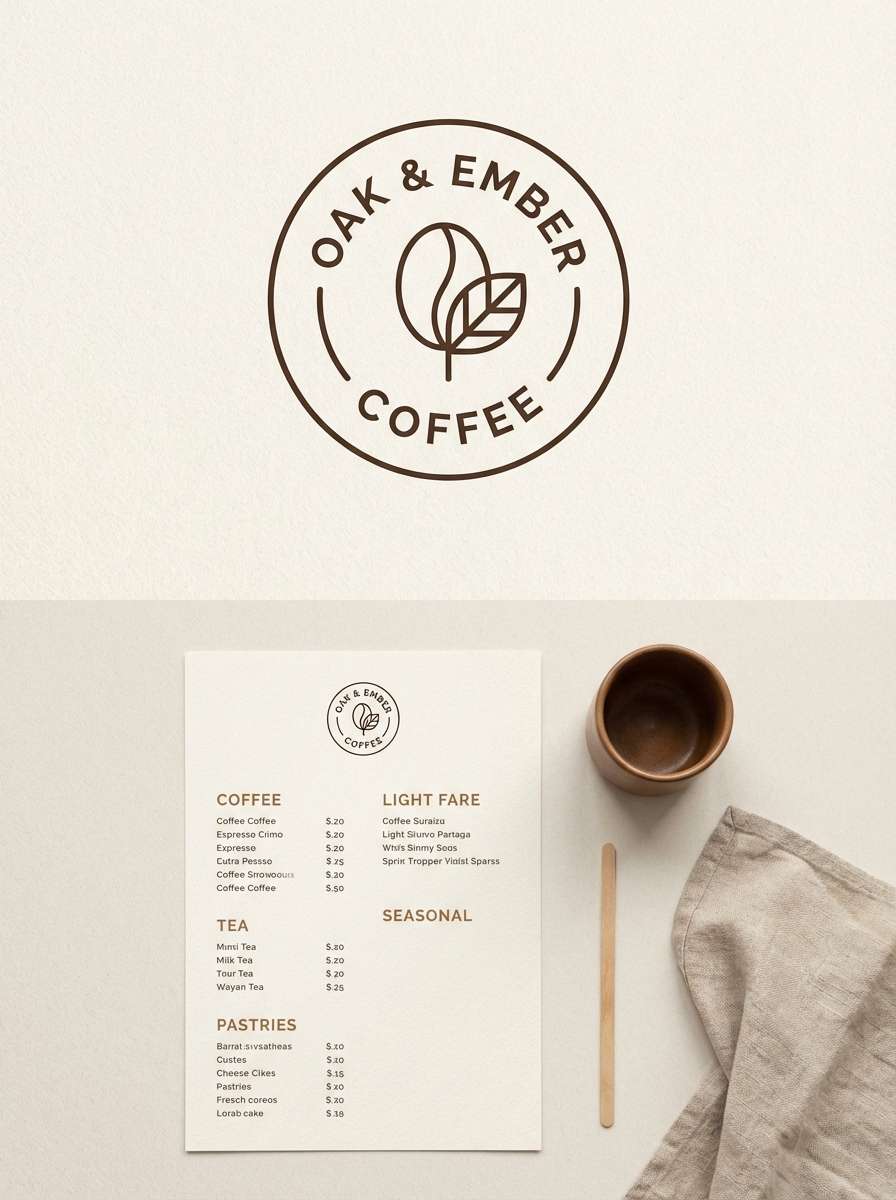
Warm and familiar, this set evokes streetlights on wet pavement and the comfort of a corner cafe. The creamy base works beautifully for menus, while the espresso brown anchors headings and logos. Pair it with textured paper or subtle halftone patterns to keep it authentic. Tip: use the muted clay tone sparingly for price highlights or signature badges.
Image example of sepia streetlight generated using media.io
3) Pastel Grain Morning
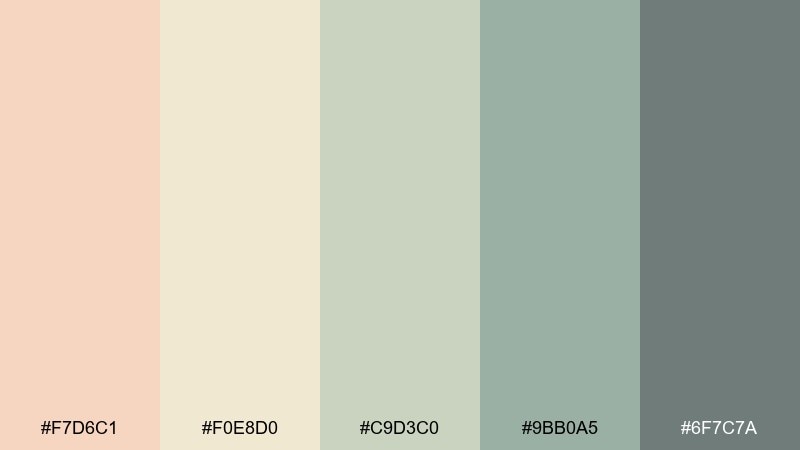
HEX: #F7D6C1 #F0E8D0 #C9D3C0 #9BB0A5 #6F7C7A
Mood: soft, airy, gentle
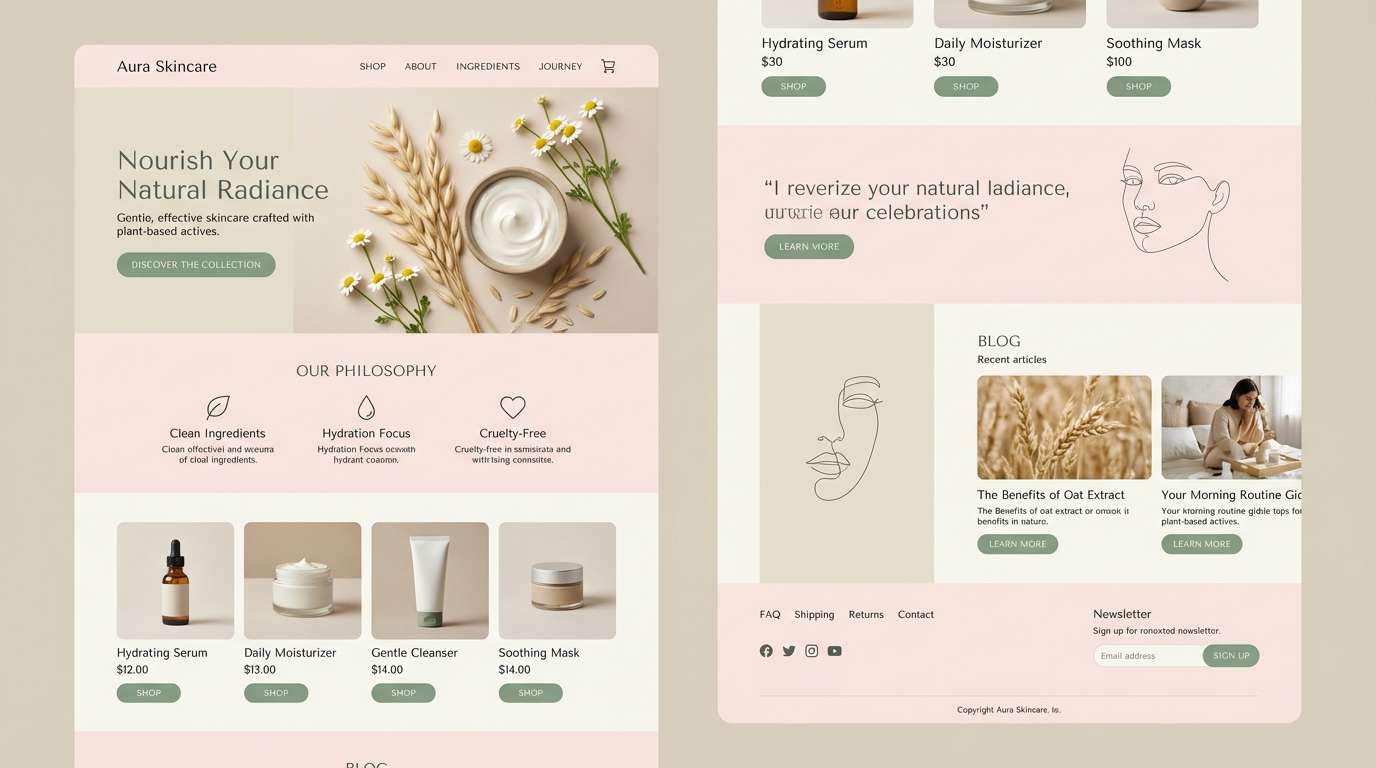
Best for: skincare website UI
Soft and airy, these hues feel like morning light through sheer curtains with a hint of film grain. The blush and oat tones keep layouts bright without looking sterile, while the sage-grays add structure for navigation and cards. In a vintage film color palette like this, stick to generous whitespace and rounded components for a calm flow. Tip: use the deepest gray-green for body text to avoid harsh black on pastel backgrounds.
Image example of pastel grain morning generated using media.io
4) Darkroom Velvet
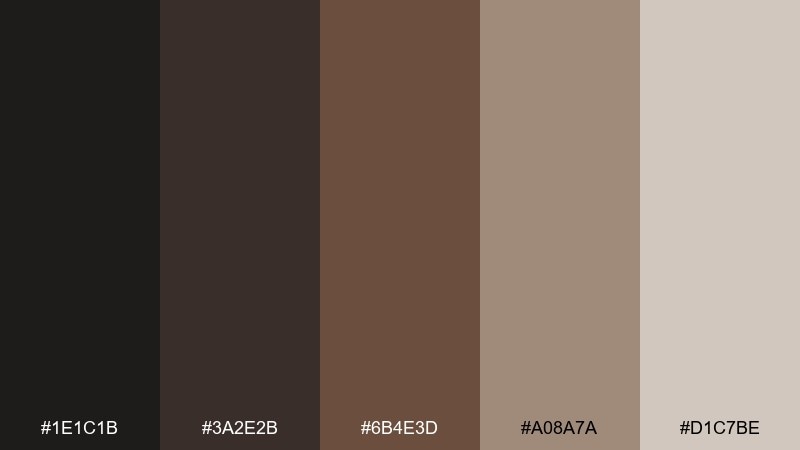
HEX: #1E1C1B #3A2E2B #6B4E3D #A08A7A #D1C7BE
Mood: moody, luxe, intimate
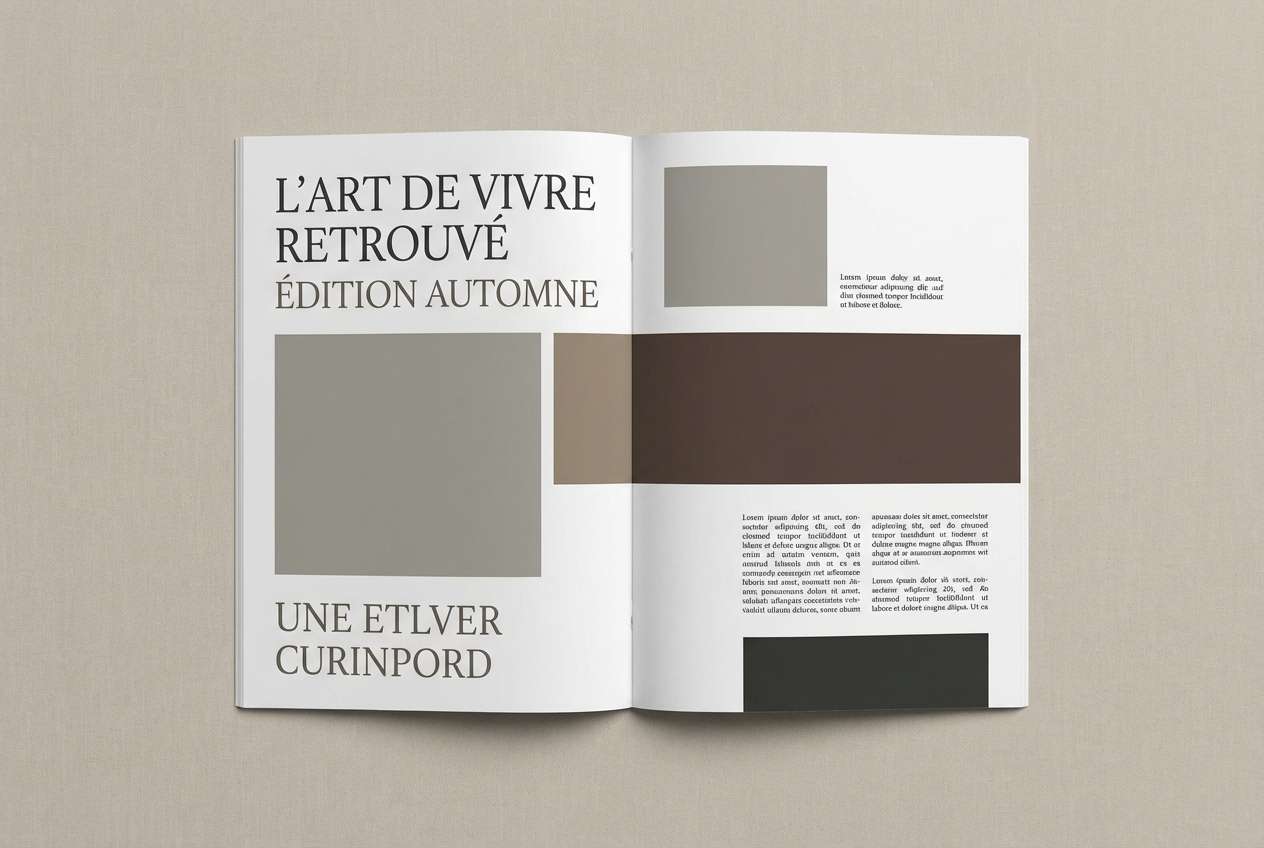
Best for: editorial magazine spread
Moody and tactile, this mix suggests velvet curtains, darkroom chemicals, and soft tungsten reflections. The charcoal-to-taupe range makes an elegant base for editorial grids and pull quotes. Pair it with serif typography and a single warm highlight color for section dividers. Tip: keep images high-contrast and slightly desaturated so the palette feels intentional rather than muddy.
Image example of darkroom velvet generated using media.io
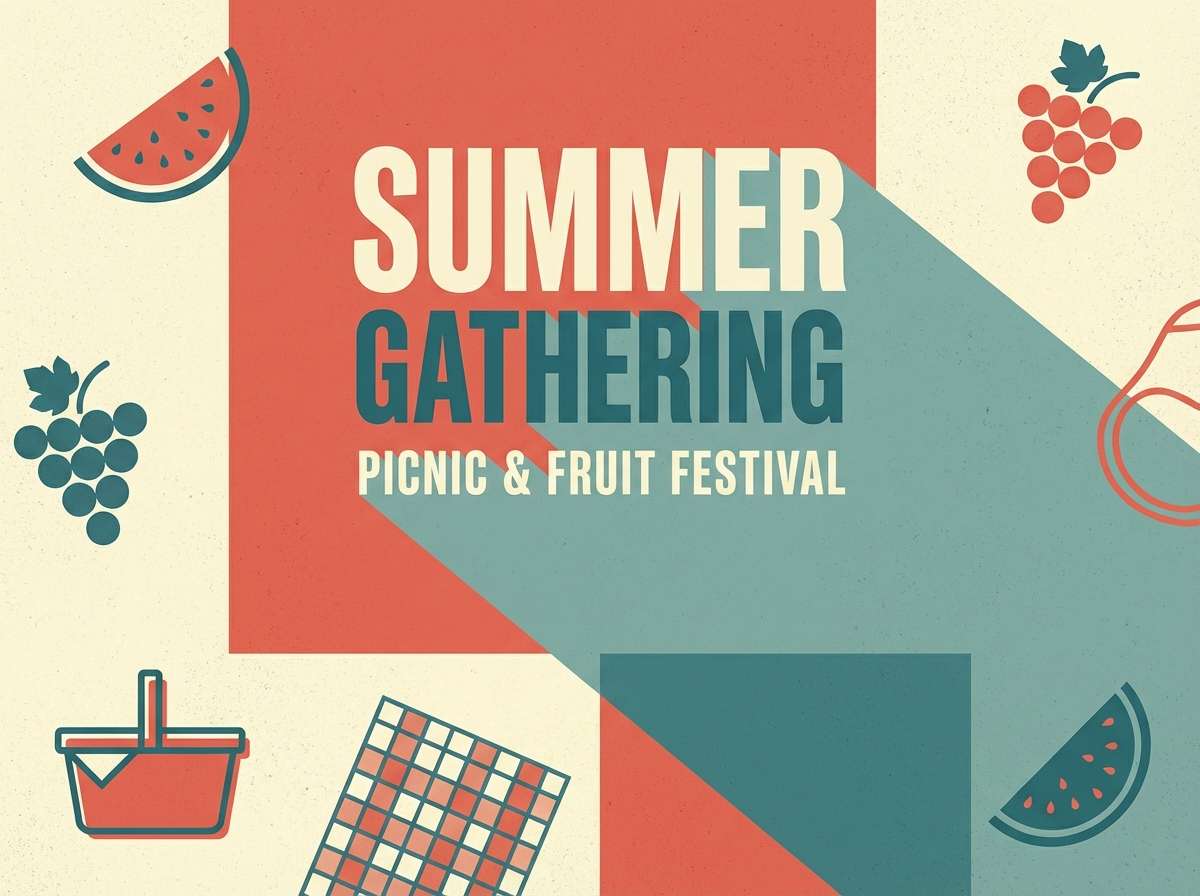
5) Polaroid Picnic
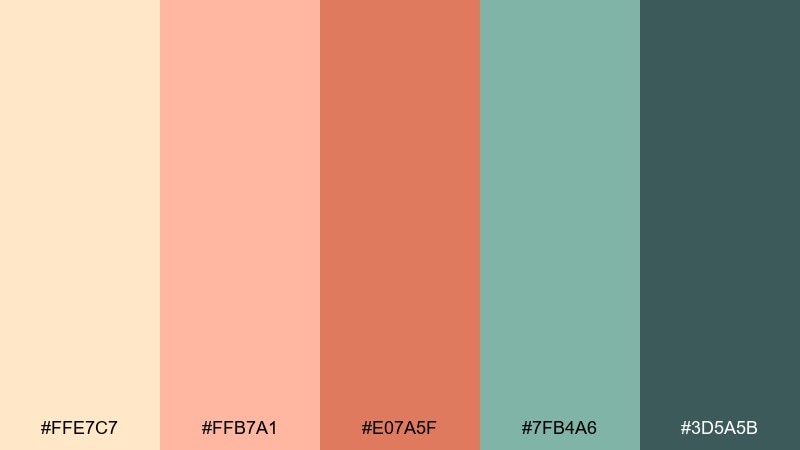
HEX: #FFE7C7 #FFB7A1 #E07A5F #7FB4A6 #3D5A5B
Mood: playful, sunlit, nostalgic
Best for: summer event flyer
Playful and sunlit, these colors feel like picnic snapshots with slightly faded edges. The peach and coral bring cheerful energy, while the teal tones keep the layout grounded and readable. It is one of those vintage film color combinations that works best with bold shapes and simple iconography. Tip: set the background in the soft cream and use the deep teal for dates and venue details so they pop.
Image example of polaroid picnic generated using media.io
6) Motel Neon Fade
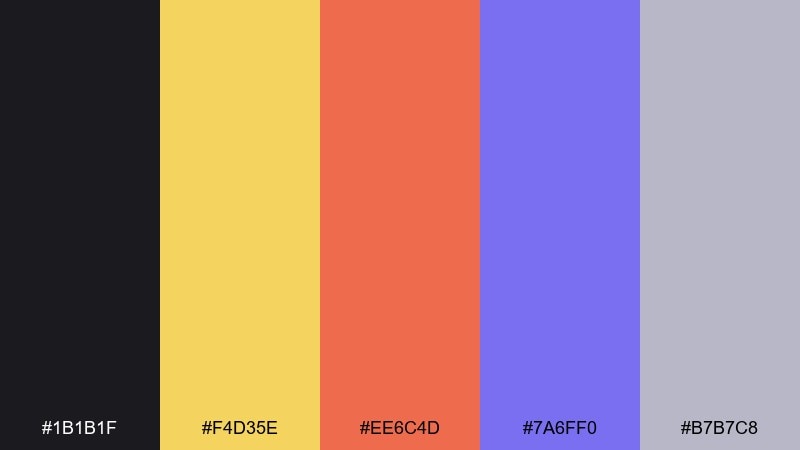
HEX: #1B1B1F #F4D35E #EE6C4D #7A6FF0 #B7B7C8
Mood: nightlife, edgy, retro
Best for: music playlist cover art
Edgy and nocturnal, this set recalls neon signage seen through a slightly fogged lens. The inky base lets the yellow and coral glow, while the muted violet adds a modern twist without turning electric. Use it for playlist covers, club promos, or bold social posts where contrast matters. Tip: keep gradients subtle and let the blackish tone do the heavy lifting for depth.
Image example of motel neon fade generated using media.io

7) Autumn Reel
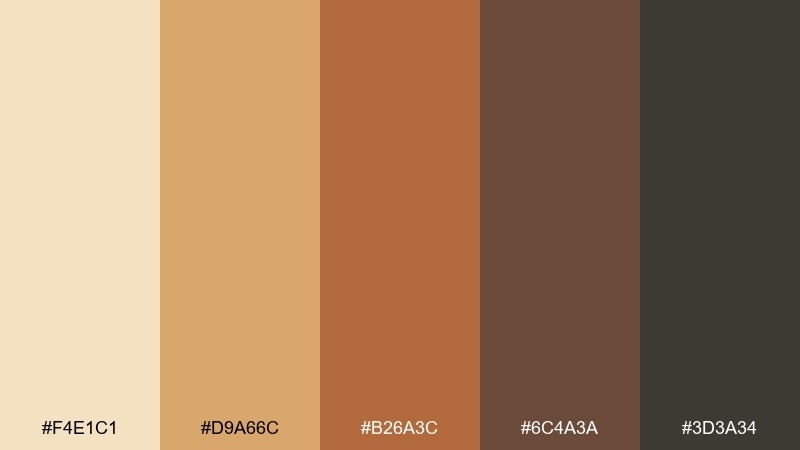
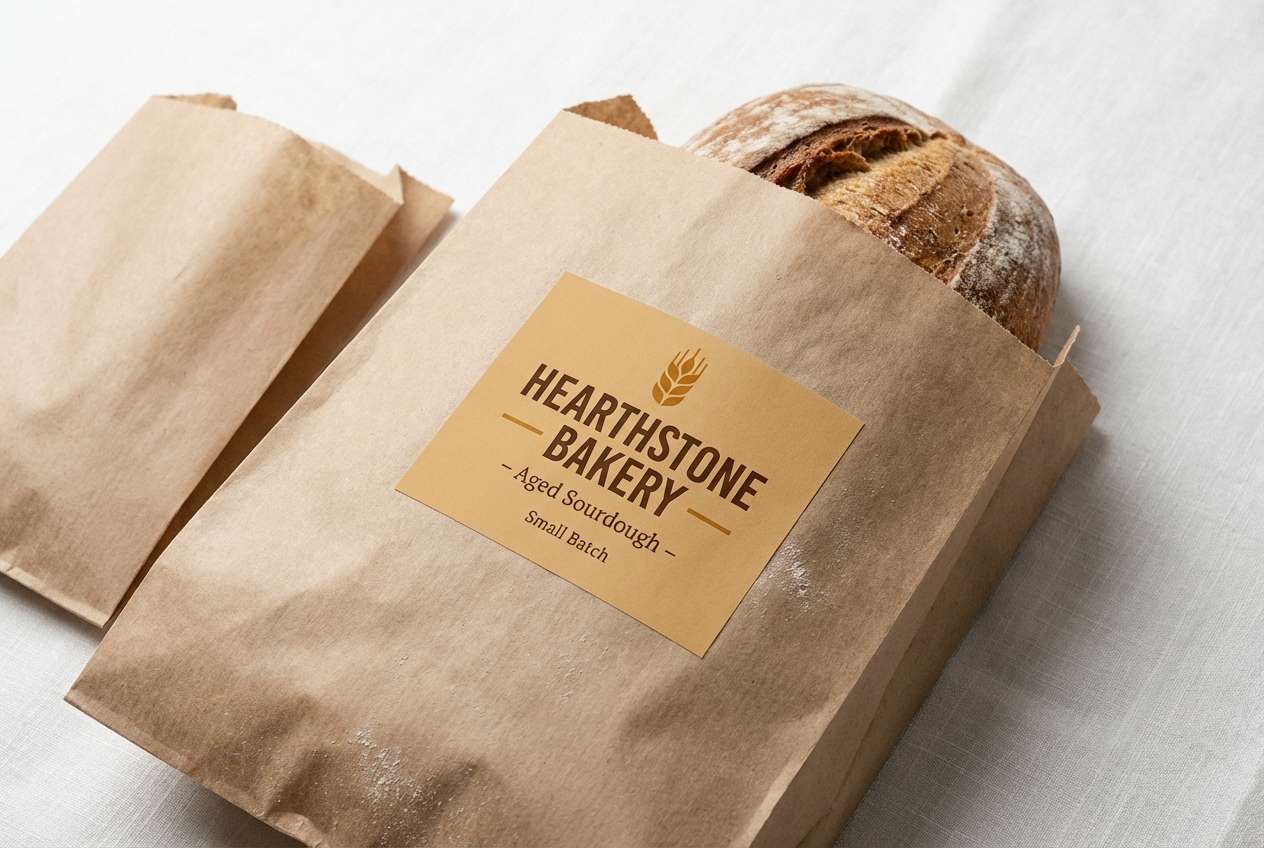
HEX: #F4E1C1 #D9A66C #B26A3C #6C4A3A #3D3A34
Mood: cozy, earthy, heritage
Best for: craft bakery packaging
Cozy and earthy, these shades bring to mind baked crusts, fallen leaves, and warm kitchen light. The tan and amber tones feel appetizing, while the deep brown keeps labels legible and premium. Try it on kraft-style packaging, sticker seals, and simple pattern wraps. Tip: use the darkest shade for ingredient lists and keep the mid-brown for the logo mark to avoid a heavy look.
Image example of autumn reel generated using media.io
8) Coastal Slide
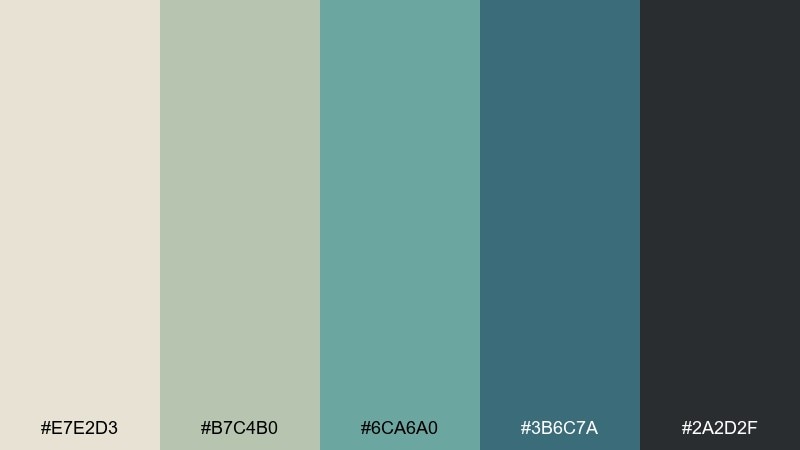
HEX: #E7E2D3 #B7C4B0 #6CA6A0 #3B6C7A #2A2D2F
Mood: fresh, calm, travel-worn
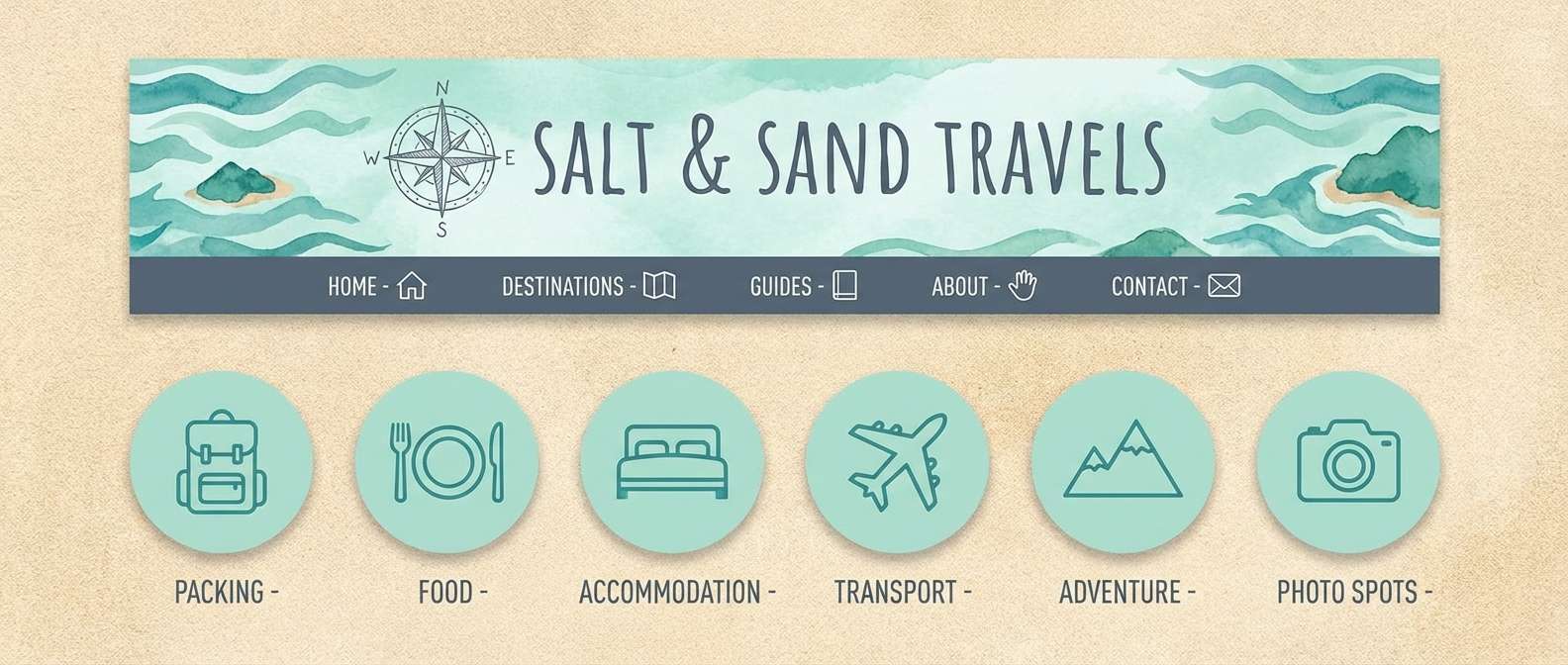
Best for: travel blog header and icons
Fresh and calm, these tones feel like sea glass, weathered boards, and a cool horizon. The pale sand works well as a background, while teal and deep slate create a confident UI hierarchy for icons and tabs. Pair it with minimalist line illustrations and plenty of breathing room. Tip: keep the darkest slate for top navigation only, and let the mid-teal carry most accents.
Image example of coastal slide generated using media.io
9) Antique Carousel
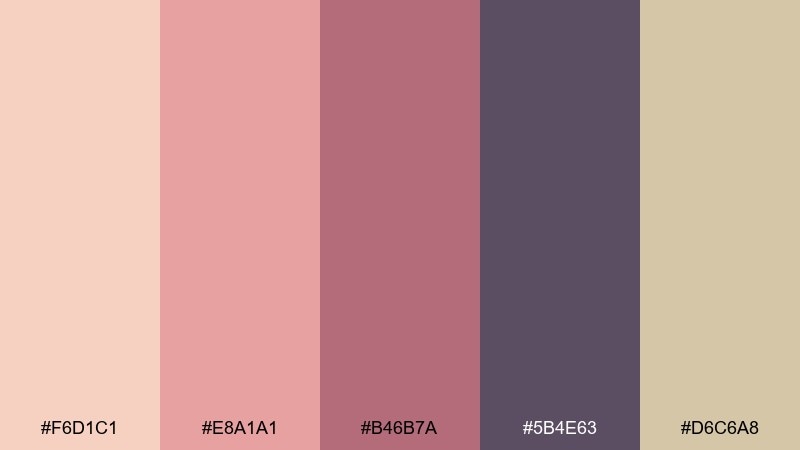
HEX: #F6D1C1 #E8A1A1 #B46B7A #5B4E63 #D6C6A8
Mood: romantic, whimsical, vintage
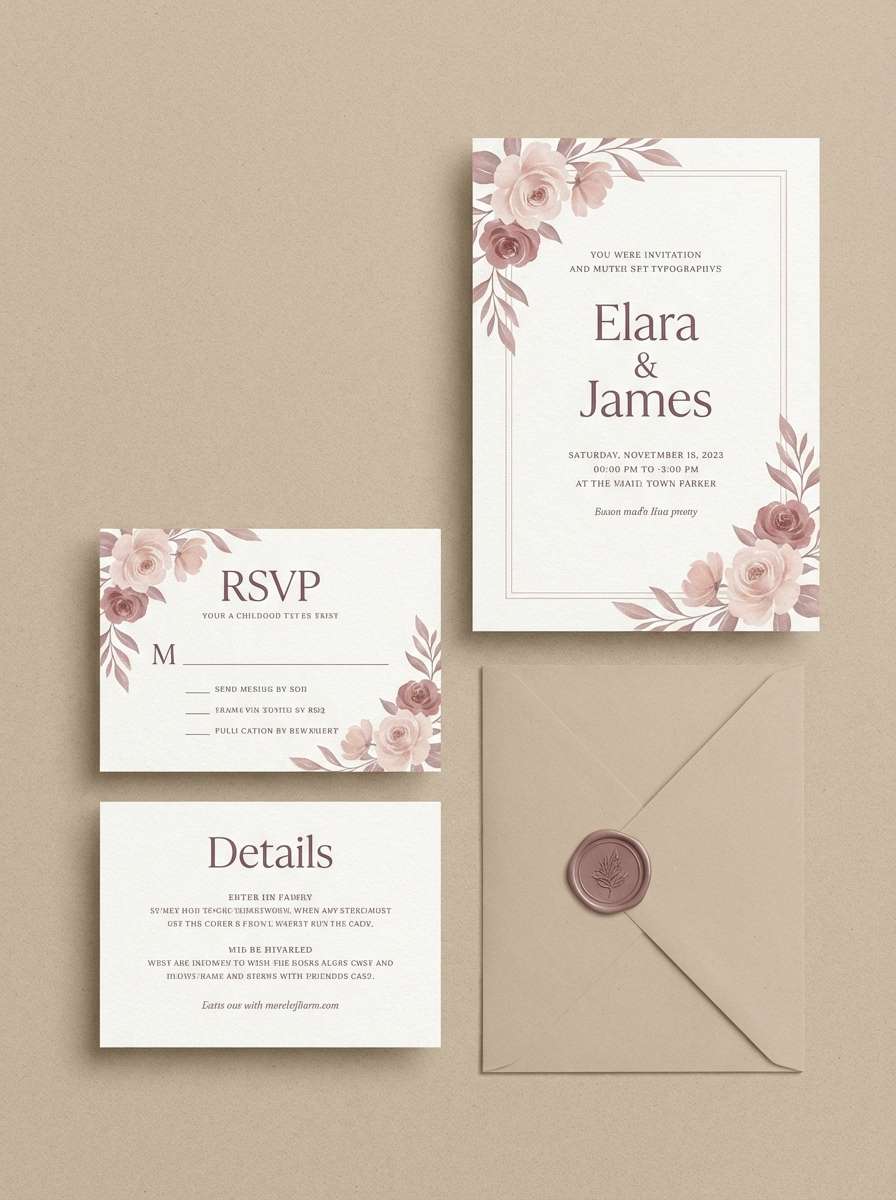
Best for: wedding invitation suite
Romantic and whimsical, these colors suggest painted carousel horses and soft cotton candy haze. The blush and dusty rose feel inviting, while the muted plum adds depth for names and key details. For vintage film color combinations like this, choose one dark anchor for typography and keep the rest as airy supporting fields. Tip: print on textured stock and use the sand tone as the primary paper color for an heirloom finish.
Image example of antique carousel generated using media.io
10) Smoky Projection
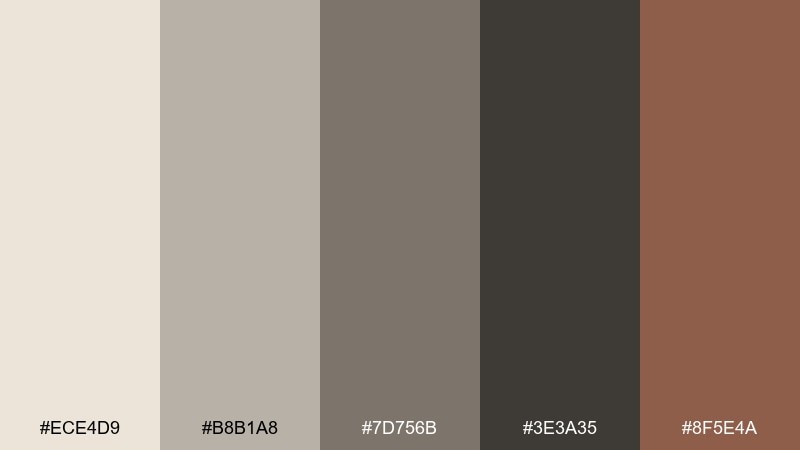
HEX: #ECE4D9 #B8B1A8 #7D756B #3E3A35 #8F5E4A
Mood: quiet, cinematic, refined
Best for: photography portfolio website
Quiet and cinematic, these neutrals look like light spilling across a theater wall. The warm grays keep galleries sophisticated, while the copper-brown adds a tasteful accent for hover states and buttons. Use it for portfolios where you want images to lead without a stark white interface. Tip: set backgrounds in the pale cream-gray and reserve the darkest charcoal for captions and navigation labels.
Image example of smoky projection generated using media.io

11) Paperback Romance
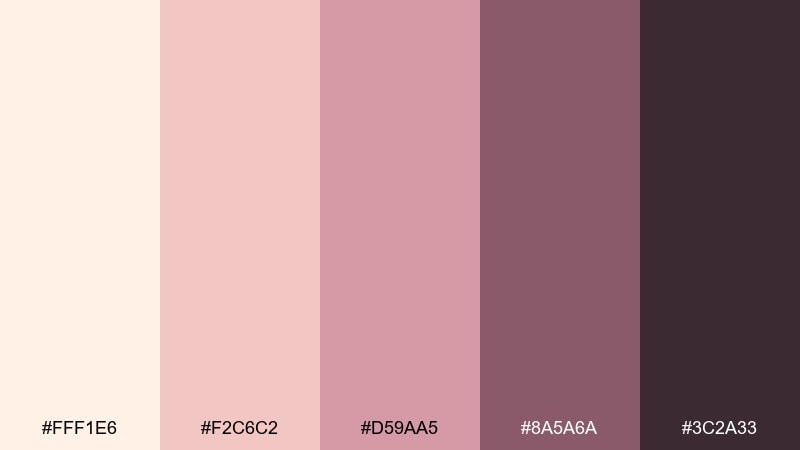
HEX: #FFF1E6 #F2C6C2 #D59AA5 #8A5A6A #3C2A33
Mood: soft, romantic, literary
Best for: book cover design
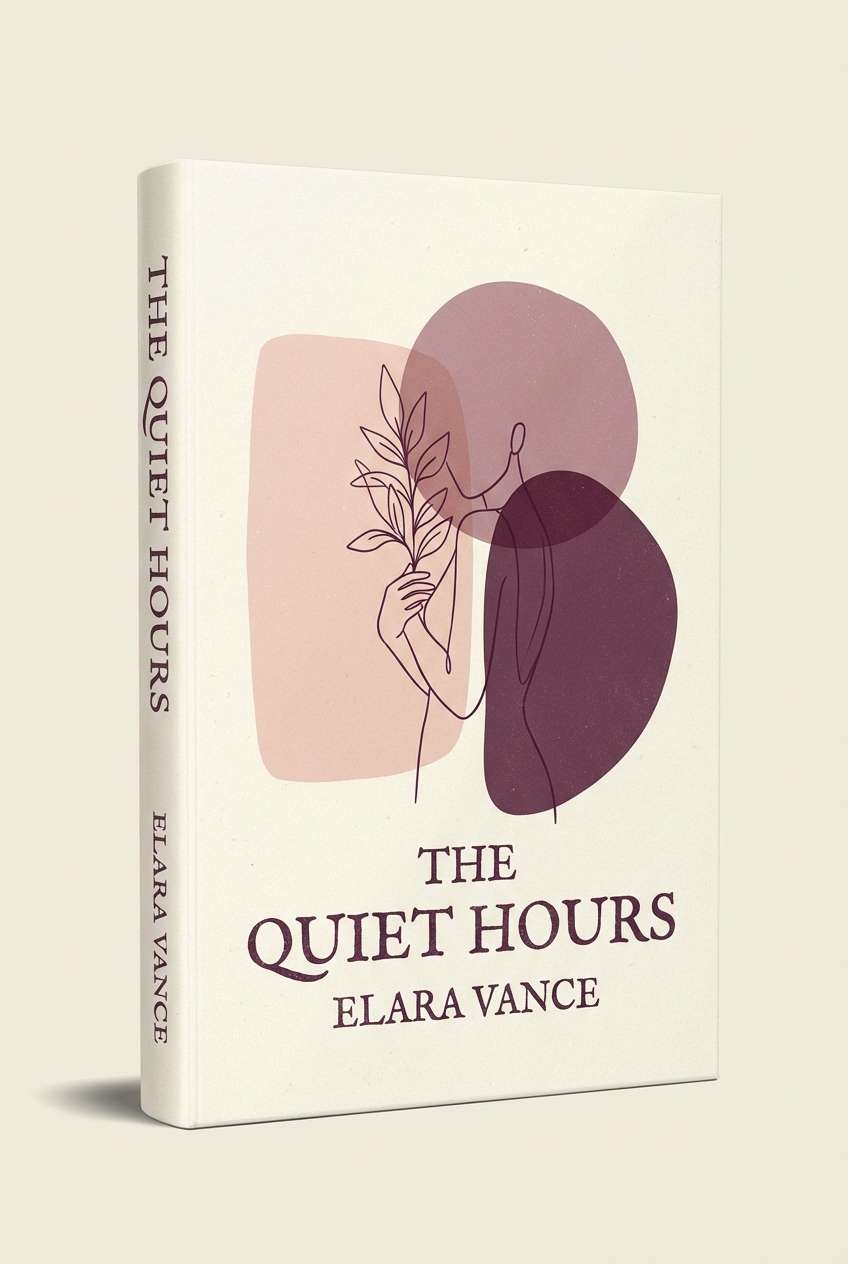
Soft and romantic, these tones evoke worn paperbacks and handwritten notes tucked between pages. Cream keeps the layout gentle, while mauve and wine shades bring enough contrast for titles and author names. Pair it with vintage serif type and minimal illustrations for a timeless look. Tip: use the darkest plum for the main title and keep the pinks for subtle bands or chapter marks.
Image example of paperback romance generated using media.io
12) Archive Ledger

HEX: #F0EBD8 #C9C1A5 #8D916D #4F5B4A #2D2F2A
Mood: documentary, grounded, utilitarian
Best for: museum exhibit signage
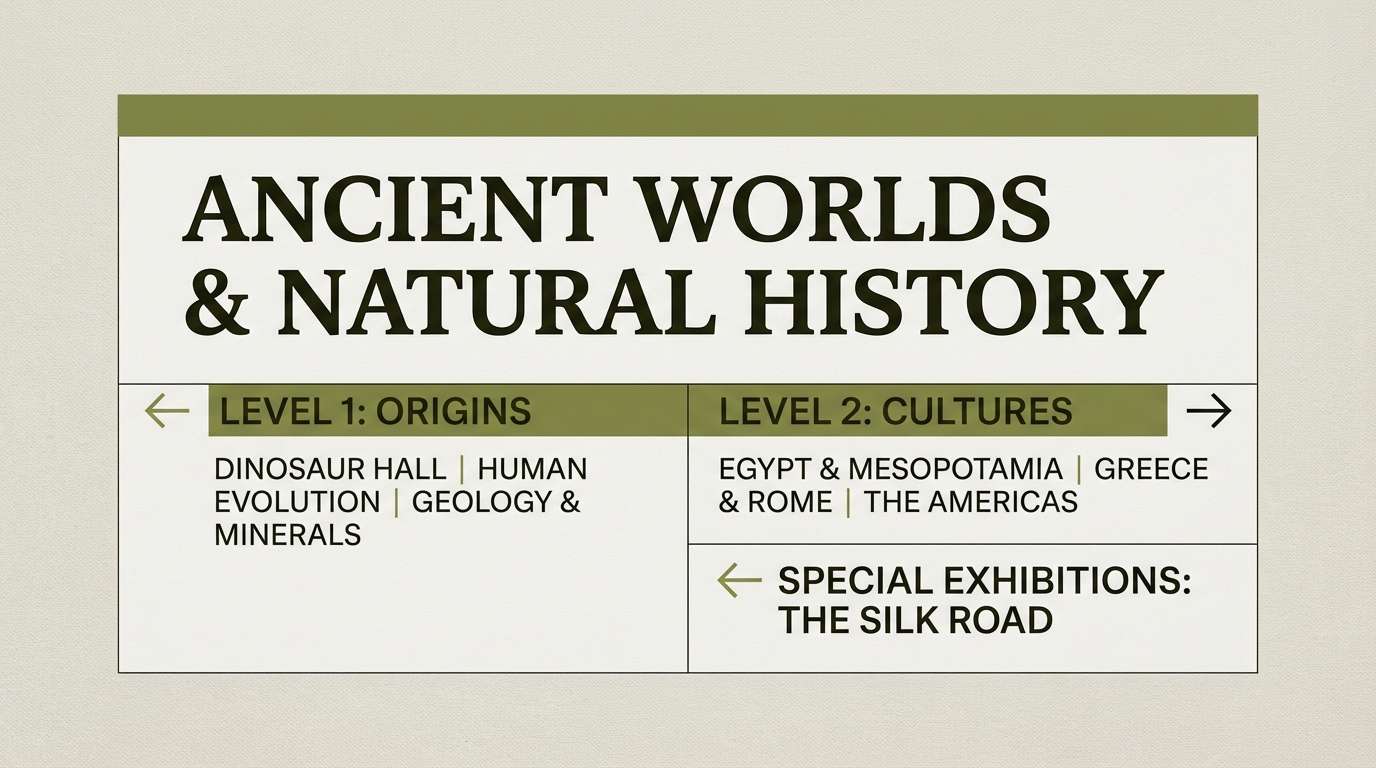
Grounded and archival, these hues feel like library stacks, old maps, and stamped paper records. The beige and khaki keep panels readable under gallery lighting, while olive and near-black deliver strong wayfinding contrast. A vintage film color palette in this direction fits historical exhibits, documentary branding, and educational materials. Tip: use the olive for section headers and reserve the near-black for body copy to maintain clarity from a distance.
Image example of archive ledger generated using media.io
13) Midnight Matte

HEX: #0D0E10 #2B2E34 #5A5E66 #9A8F84 #C8B8A6
Mood: minimal, modern, nocturnal
Best for: luxury product ad
Minimal and nocturnal, this palette looks like matte black packaging under soft studio light. The warm stone and sand tones prevent the grays from feeling cold, making it ideal for premium positioning. Use it for luxury ads, landing pages, or hero sections where restraint sells the message. Tip: keep backgrounds dark and bring in the light sand for small, high-impact details like pricing or short claims.
Image example of midnight matte generated using media.io

14) Sunbleached Denim
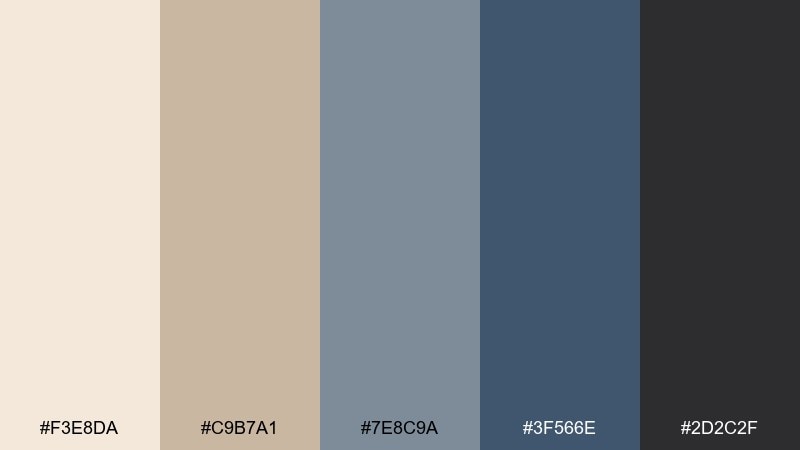
HEX: #F3E8DA #C9B7A1 #7E8C9A #3F566E #2D2C2F
Mood: casual, outdoorsy, cool
Best for: denim brand lookbook page
Casual and outdoorsy, these tones feel like sun-faded jeans and dusty trail mornings. The creamy tan adds warmth, while the denim blues create a confident, wearable structure. Use it for lookbooks, ecommerce filters, or brand guidelines that need both ruggedness and polish. Tip: let the mid denim blue carry most buttons and links, and use the near-black only for key text.
Image example of sunbleached denim generated using media.io

15) Old Ticket Stub
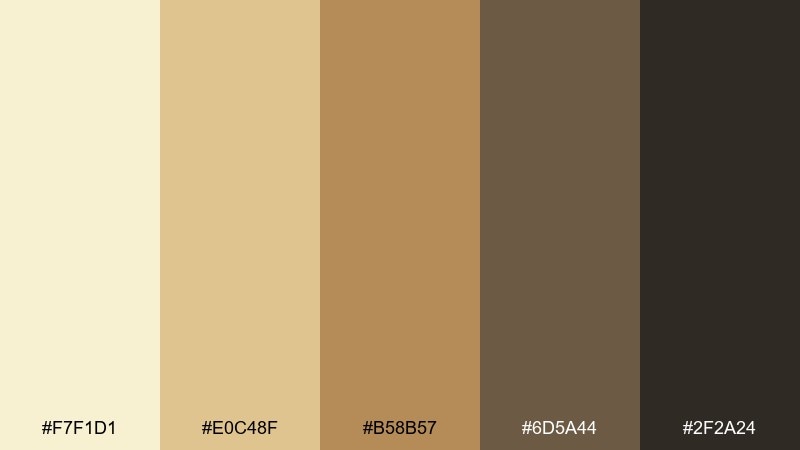
HEX: #F7F1D1 #E0C48F #B58B57 #6D5A44 #2F2A24
Mood: retro, warm, collectible
Best for: event ticket and wristband design
Retro and collectible, these colors bring up the feel of a creased ticket stub saved in a wallet. The buttery yellow reads instantly nostalgic, while the brown range supports barcodes and small print without losing legibility. Great for ticketing, wristbands, and merch tags where you want a throwback look. Tip: add a subtle paper speckle and keep the darkest tone for QR codes and essential info.
Image example of old ticket stub generated using media.io

16) Garden Super 8
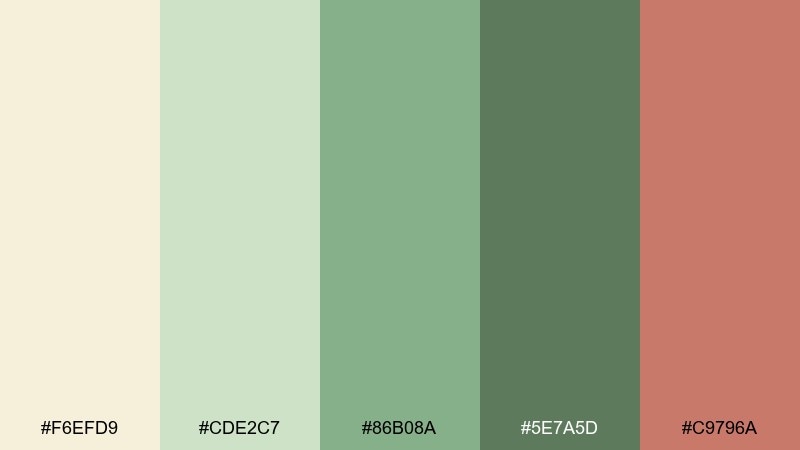
HEX: #F6EFD9 #CDE2C7 #86B08A #5E7A5D #C9796A
Mood: fresh, handmade, botanical
Best for: spring botanical illustration
Fresh and handmade, these hues look like garden footage with soft focus and gentle warmth. Cream and leafy greens set a natural base, and the muted coral adds a friendly bloom highlight. Use it for botanical prints, seasonal social graphics, or eco-forward branding elements. Tip: keep the coral for small petals or stamps so the greens stay dominant and calming.
Image example of garden super 8 generated using media.io
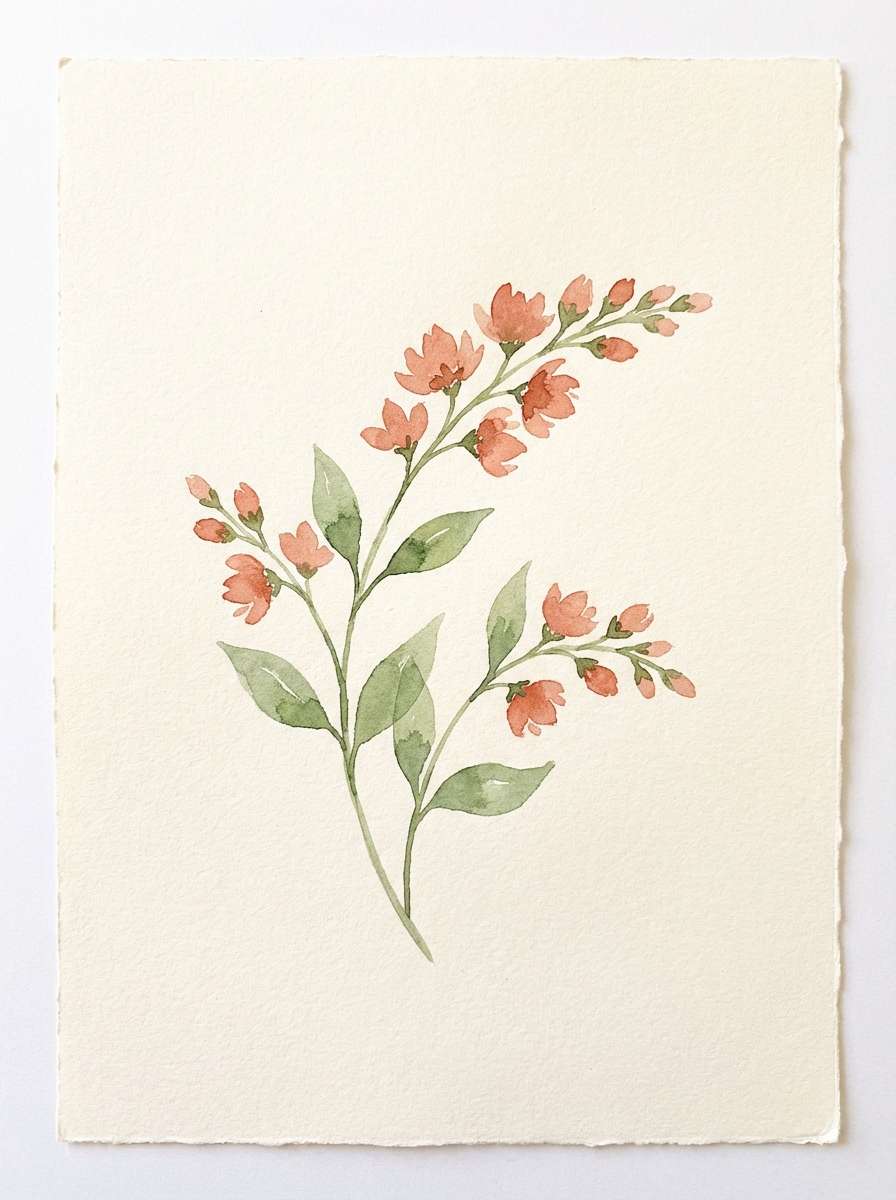
17) Peachy Halation
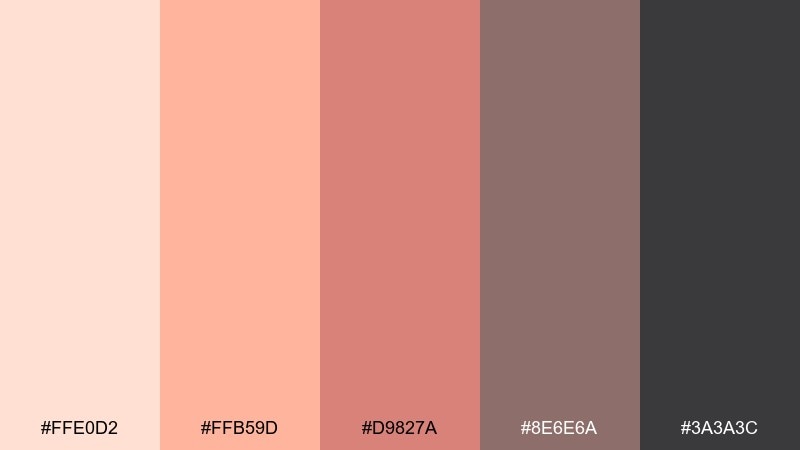
HEX: #FFE0D2 #FFB59D #D9827A #8E6E6A #3A3A3C
Mood: glowy, dreamy, intimate
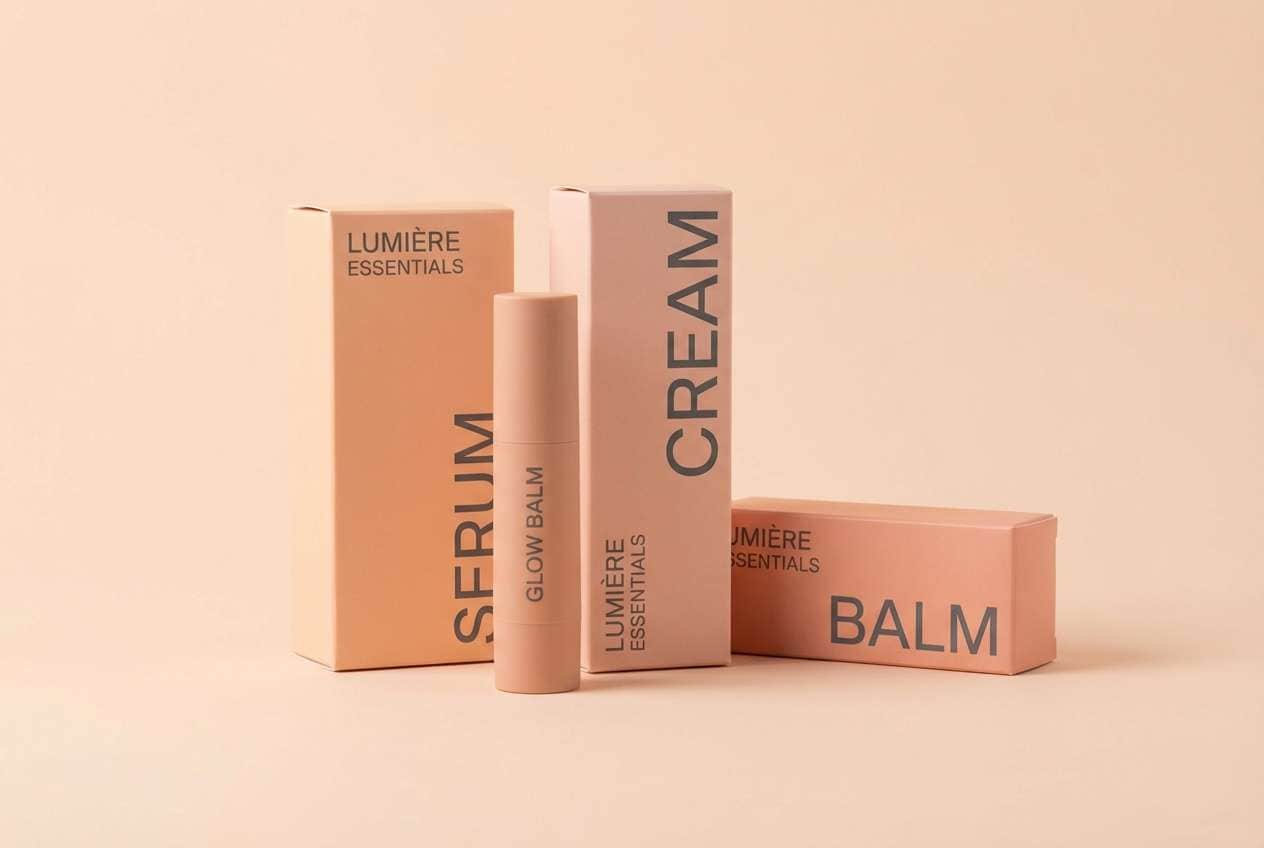
Best for: beauty product packaging
Glowy and dreamy, these shades mimic halation around highlights and a warm blush across the frame. The peach range feels flattering for beauty, while the smoky neutrals keep packaging from turning too sweet. Among vintage film color combinations, this one shines with soft gradients and minimal type. Tip: use the charcoal-gray for ingredient text and let peach carry the hero panels for a clean shelf presence.
Image example of peachy halation generated using media.io
18) Brass and Bordeaux
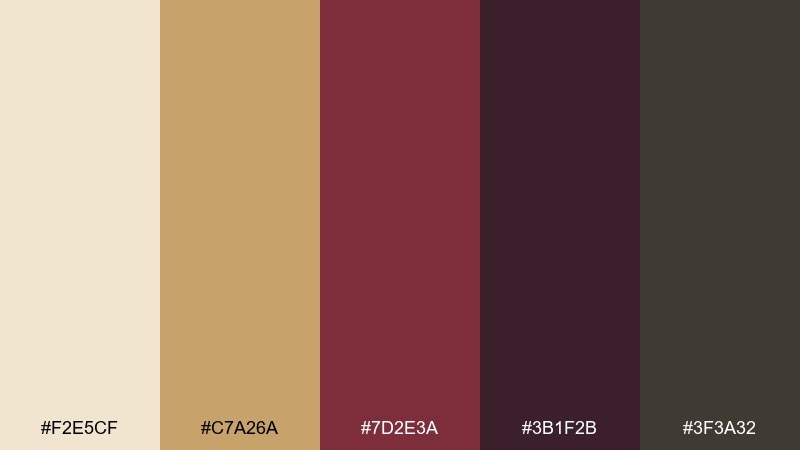
HEX: #F2E5CF #C7A26A #7D2E3A #3B1F2B #3F3A32
Mood: dramatic, vintage bar, upscale
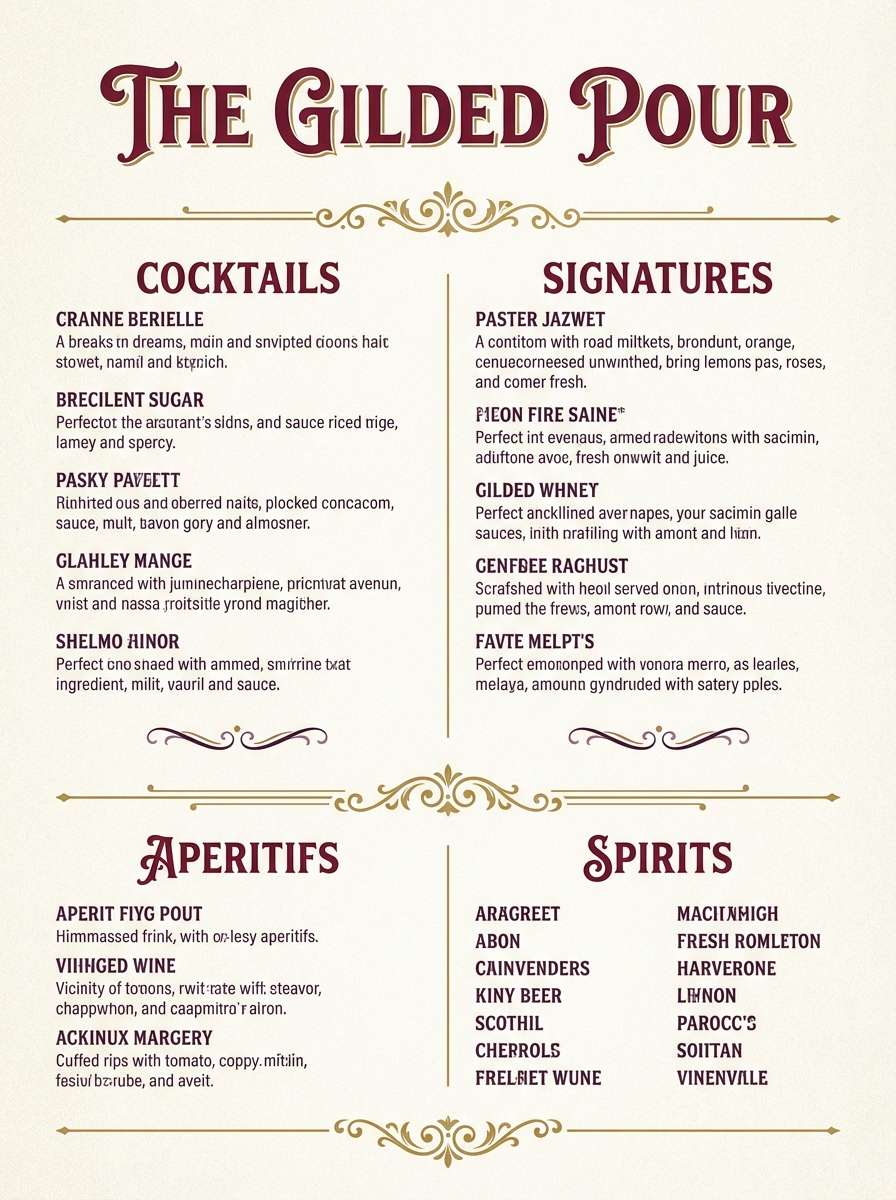
Best for: cocktail bar menu
Dramatic and upscale, these tones feel like brass fixtures, dark wood, and red wine in low light. The pale cream supports readability, while bordeaux and deep plum set a premium mood for headlines and section breaks. Use it for cocktail menus, wine lists, or nightlife branding where you want elegance without gloss. Tip: limit the bordeaux to headers and icons so the page does not feel heavy.
Image example of brass and bordeaux generated using media.io
19) Clay and Sage Print
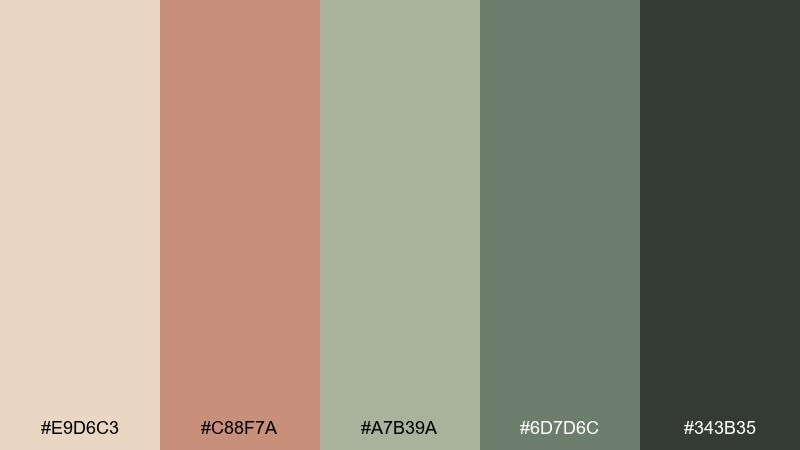
HEX: #E9D6C3 #C88F7A #A7B39A #6D7D6C #343B35
Mood: earthy, calm, artisanal
Best for: ceramics studio Instagram posts
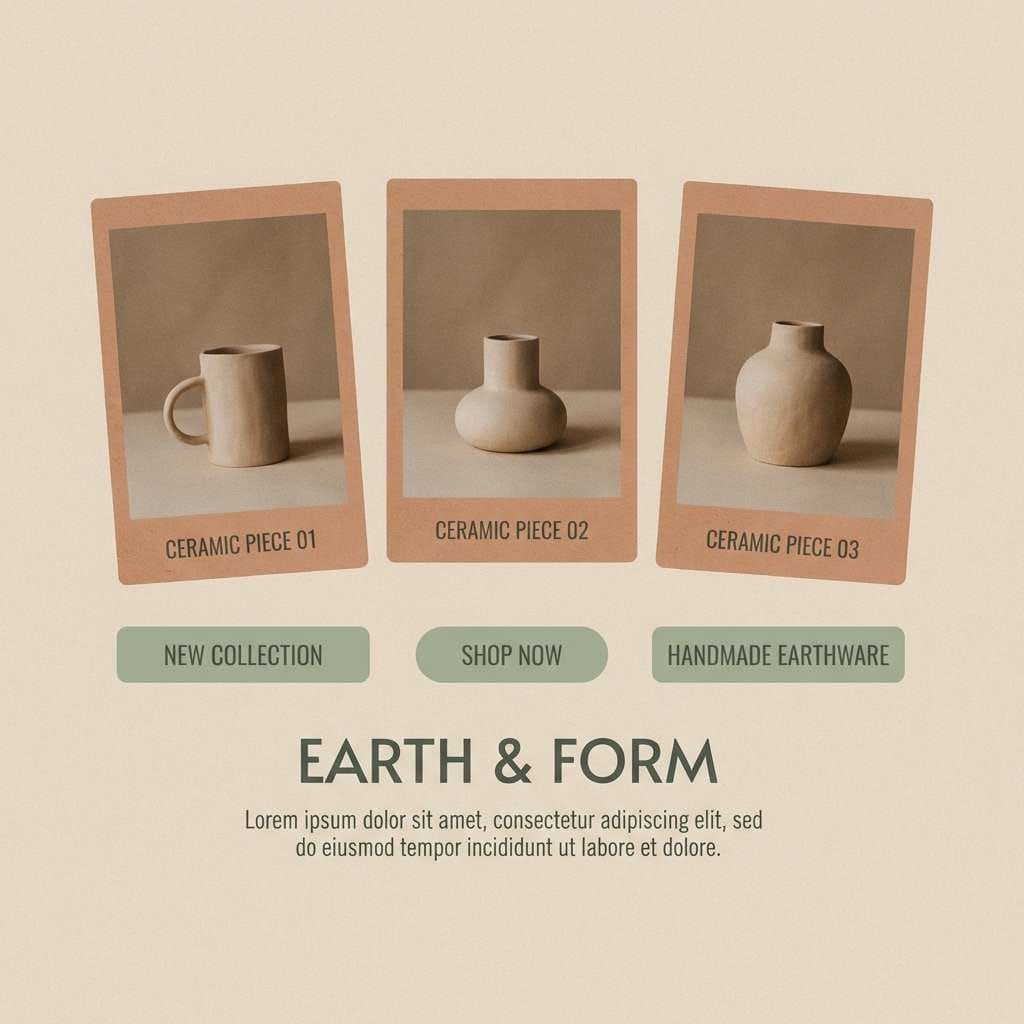
Earthy and calm, this mix recalls clay dust, pressed leaves, and handmade studio tags. The warm clay and muted sages play nicely with product photography, especially on neutral backdrops. Use it for social templates, highlight covers, and small brand marks that need an artisanal feel. Tip: keep the darkest green-gray for text overlays and let the clay tone frame photos as borders.
Image example of clay and sage print generated using media.io
20) Celadon Wash

HEX: #EAF0E6 #C6D4C8 #8FAF9D #5C7A6E #3A4A44
Mood: clean, soothing, airy
Best for: wellness app onboarding screens
Clean and soothing, these celadon greens feel like a light wash over textured paper. The pale minty tones keep screens bright, while the deeper green provides an accessible contrast for headings and buttons. Great for wellness onboarding, habit trackers, and calm dashboards. Tip: choose one dominant light background shade and keep the darkest green for primary CTAs to preserve a gentle mood.
Image example of celadon wash generated using media.io

What Colors Go Well with Vintage Film?
Vintage film tones pair well with warm neutrals (cream, oat, sand) plus softened darks like charcoal, espresso, or near-black—these keep the nostalgic feel without looking flat.
For accents, choose “aged” colors rather than pure brights: terracotta instead of red, dusty teal instead of cyan, or muted gold instead of lemon yellow.
If you need a modern edge, add one controlled pop (like neon coral or muted violet) and keep everything else desaturated so the palette still reads analog.
How to Use a Vintage Film Color Palette in Real Designs
Start with a paper-like background and build hierarchy with two text tones: a deep charcoal for body copy and a mid-tone (olive, taupe, slate) for secondary labels.
Reserve your warm accent (clay, copper, coral) for calls-to-action, badges, and key UI states so the interface stays calm but still converts.
To sell the film vibe, combine color with texture: subtle grain overlays, matte shadows, and slightly off-white spacing blocks work better than heavy filters.
Create Vintage Film Palette Visuals with AI
If you already have HEX codes, you can generate on-brand posters, UI mockups, menus, and packaging concepts by describing the layout and adding a subtle grain or matte finish.
Use the prompts under each palette as a starting point, then swap subjects (menu → flyer, skincare UI → portfolio) while keeping the same lighting and texture cues.
With Media.io, you can quickly iterate multiple vintage film color directions and choose the one that fits your project’s tone.
Vintage Film Color Palette FAQs
-
What makes a color palette look like vintage film?
Vintage film palettes typically use desaturated midtones, warm neutrals (cream, beige, sepia), and softer “inky” shadows (charcoal instead of pure black). A gentle highlight glow and subtle grain-like texture also help the colors feel analog. -
Are vintage film colors good for modern UI design?
Yes—especially for wellness, editorial, lifestyle, and portfolio sites. Use an off-white background, keep your darkest tone for text and primary CTAs, and check contrast so pastel surfaces still meet accessibility needs. -
How do I keep a vintage film palette from looking muddy?
Limit the number of mid-dark tones used together, and keep one clear light background plus one clear dark for typography. Add breathing room and use accents sparingly to maintain separation between components. -
What’s a good vintage film alternative to pure black and pure white?
Swap pure white for cream, oat, or warm gray; swap pure black for charcoal, espresso, or deep slate. This preserves readability while maintaining the softer analog feel. -
Which vintage film palette is best for branding?
For versatile branding, start with a neutral-led set like Faded Cinema Dust, Smoky Projection, or Archive Ledger. They provide a reliable background and text system, plus one accent color for recognizable brand moments. -
Can I use vintage film colors for packaging and print?
Absolutely—these palettes often look better in print than on-screen because paper texture complements muted tones. Use the darkest swatch for small text, and test a proof since warm neutrals can shift depending on stock and finish. -
How can I generate vintage film-style visuals that match my palette?
Use a text-to-image prompt that includes your subject (poster/UI/packaging), lighting (soft, diffused, tungsten), and texture cues (subtle grain, matte finish). Then iterate while keeping the same color direction for consistent results.
Next: Jasmine Color Palette


