Traditional color palettes bring an immediate sense of heritage—think ink, parchment, leather, stone, and brass. They’re dependable choices for brands and designs that need to feel established, warm, and credible.
Below are 20 heritage-inspired traditional color palette ideas (with HEX codes), plus quick tips on contrast, accents, and how to generate matching visuals with AI.
In this article
- Why Traditional Palettes Work So Well
-
- heirloom burgundy
- colonial blue
- gilded olive
- hearthstone neutrals
- tapestry jewel
- farmhouse sage
- library leather
- porcelain and ink
- antique rose
- copper and clay
- maritime heritage
- renaissance gold
- autumn orchard
- victorian parlor
- prairie dusk
- cathedral stone
- spice market
- laurel and linen
- inked teal
- classic holiday
- What Colors Go Well with Traditional?
- How to Use a Traditional Color Palette in Real Designs
- Create Traditional Palette Visuals with AI
Why Traditional Palettes Work So Well
Traditional palettes feel “proven” because they mirror materials people already associate with quality—aged paper, natural dyes, wood finishes, stone, and metals. That familiarity makes designs feel trustworthy and long-lasting.
They also create strong hierarchy without looking loud. Deep anchors (navy, burgundy, charcoal, forest) pair naturally with warm neutrals (cream, parchment, linen), making text, borders, and layout structure easy to read.
Finally, traditional color combinations are flexible across print and digital. The muted saturation and warm neutrals tend to reproduce well in CMYK and still feel premium on screen.
20+ Traditional Color Palette Ideas (with HEX Codes)
1) Heirloom Burgundy
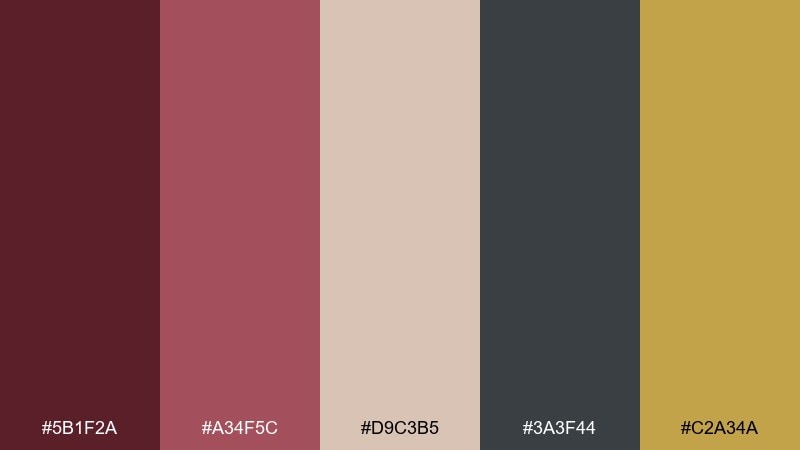
HEX: #5b1f2a #a34f5c #d9c3b5 #3a3f44 #c2a34a
Mood: rich, ceremonial, timeless
Best for: wine label and premium packaging
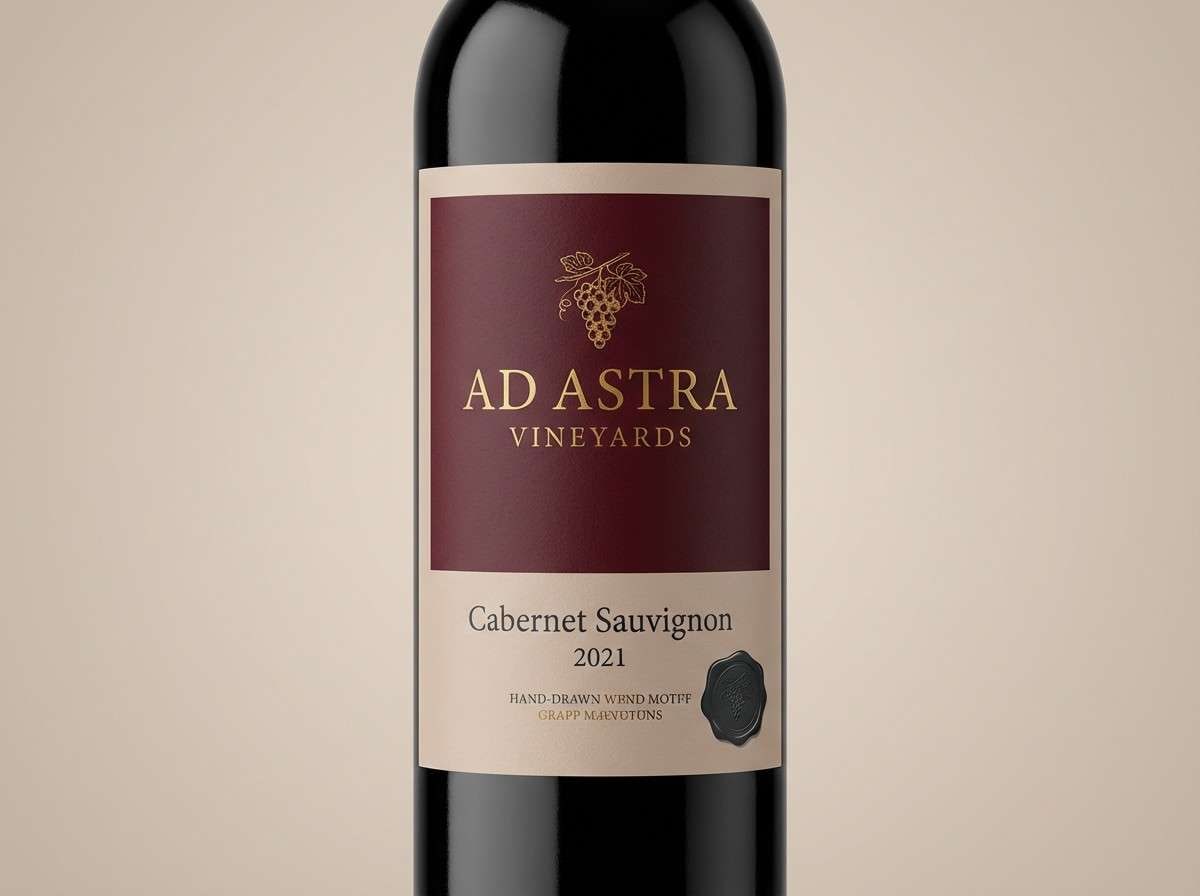
Rich, ceremonial tones evoke velvet drapes, aged wood, and candlelit dinners. Use the deep burgundy as the anchor, then lift the layout with warm parchment and a touch of antique gold. It works beautifully on labels, boxes, and seal-style badges where you want heritage without looking dated. Tip: keep body text in charcoal instead of pure black to maintain the warm, classic feel.
Image example of heirloom burgundy generated using media.io
Media.io is an online AI studio for creating and editing video, image, and audio in your browser.


2) Colonial Blue
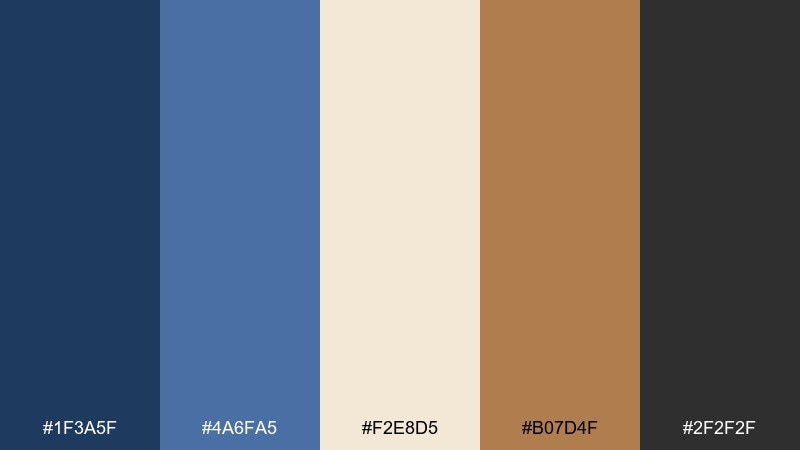
HEX: #1f3a5f #4a6fa5 #f2e8d5 #b07d4f #2f2f2f
Mood: steadfast, nautical, archival
Best for: editorial layouts and history content
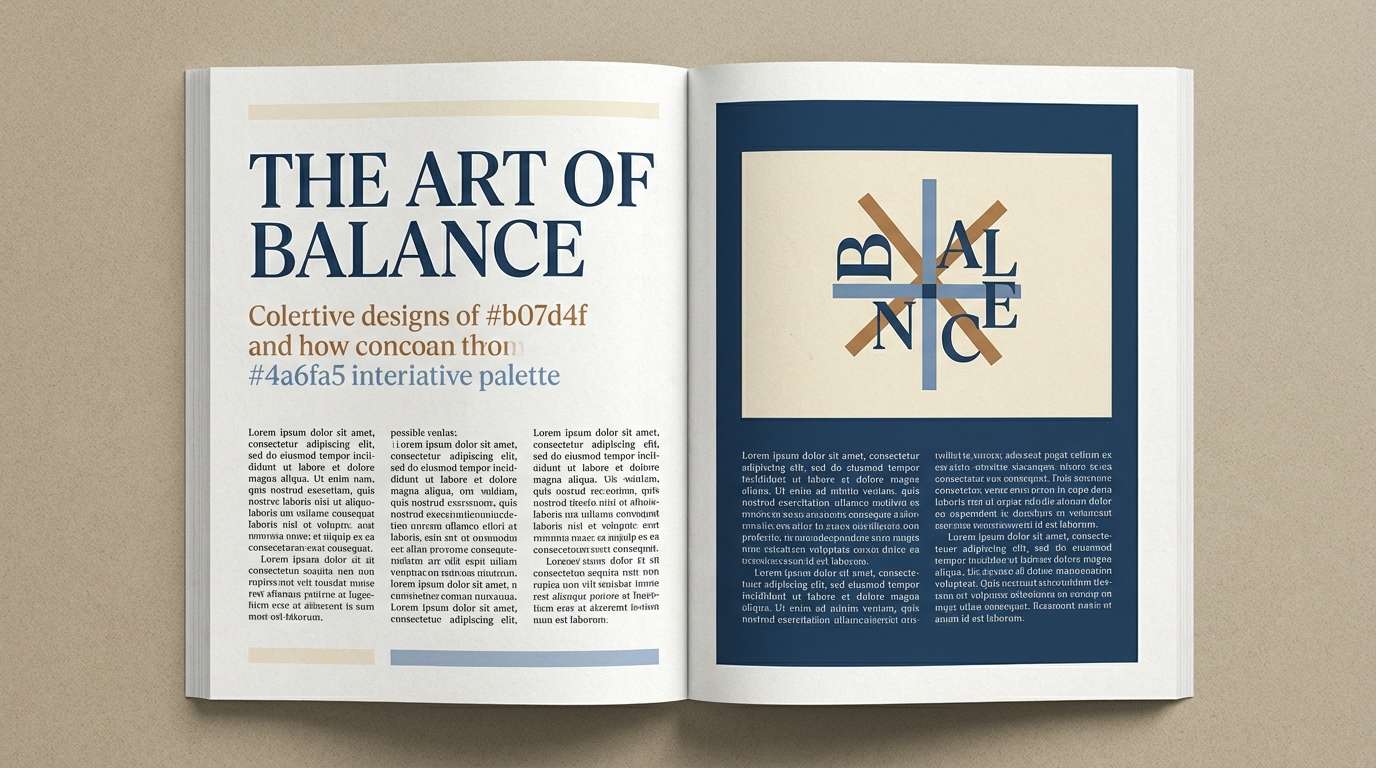
Steadfast blues and parchment cream bring to mind map rooms, inked letters, and coastal wind. Lean on the navy for headers and navigation, then let the cream breathe as a generous background. The warm tan keeps spreads from feeling too cold and pairs well with engraved illustrations or subtle paper textures. Tip: reserve the lighter blue for callouts so hierarchy stays crisp.
Image example of colonial blue generated using media.io
3) Gilded Olive
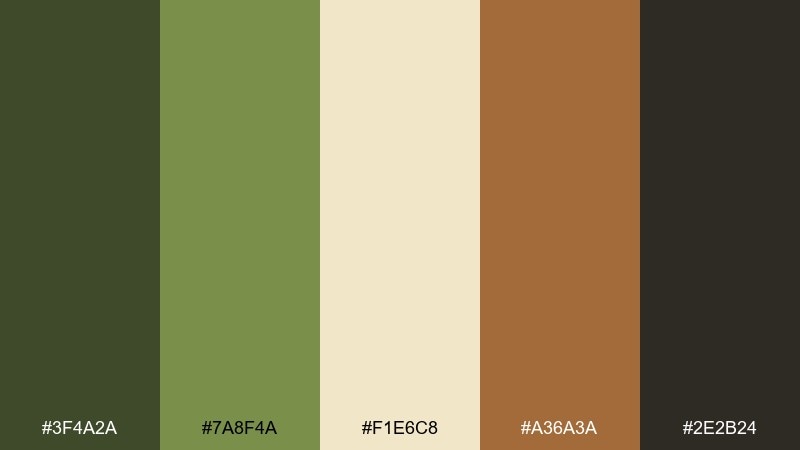
HEX: #3f4a2a #7a8f4a #f1e6c8 #a36a3a #2e2b24
Mood: earthy, refined, old-world
Best for: artisan food branding
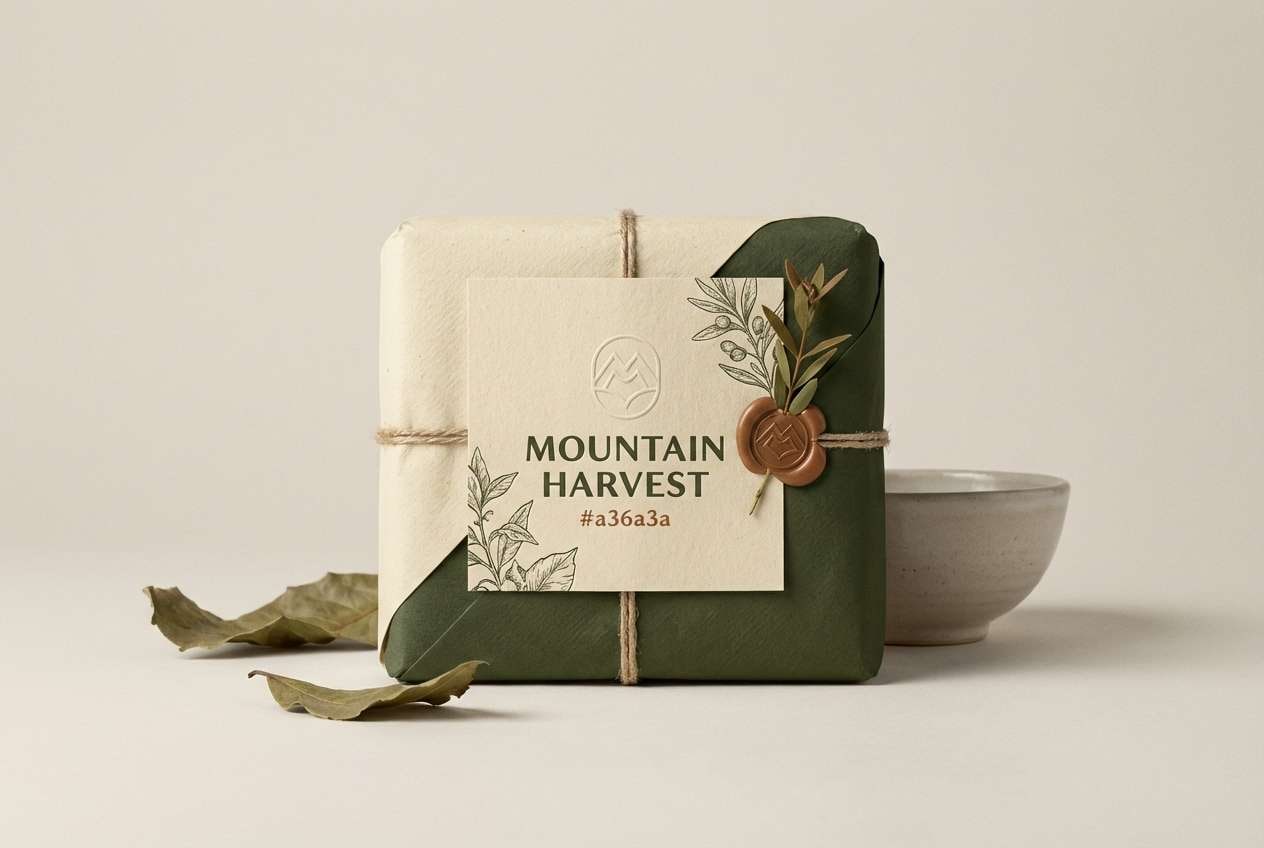
Earthy greens and toasted browns suggest herb bundles, brass tools, and pantry shelves. As a traditional color palette, it shines when you keep the light cream dominant and let olive act as a grounding frame. Use coppery brown for stamps, icons, or small flourishes to add craft energy without noise. Tip: try matte finishes and subtle grain textures to amplify the handmade vibe.
Image example of gilded olive generated using media.io
4) Hearthstone Neutrals
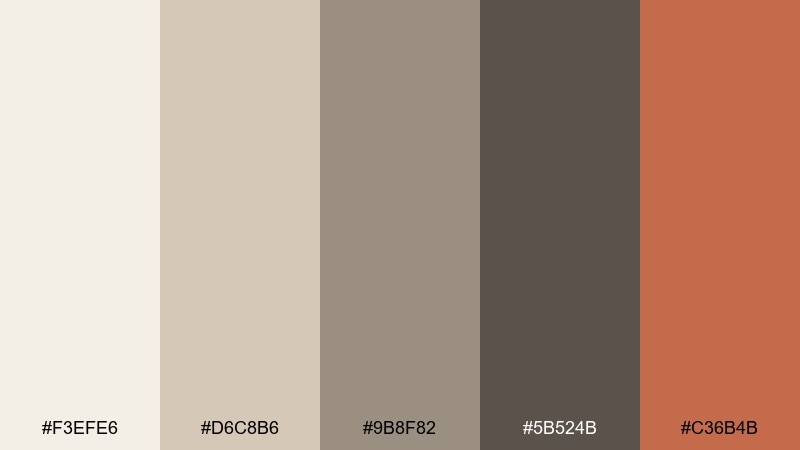
HEX: #f3efe6 #d6c8b6 #9b8f82 #5b524b #c36b4b
Mood: cozy, grounded, welcoming
Best for: home decor moodboards and interior guides
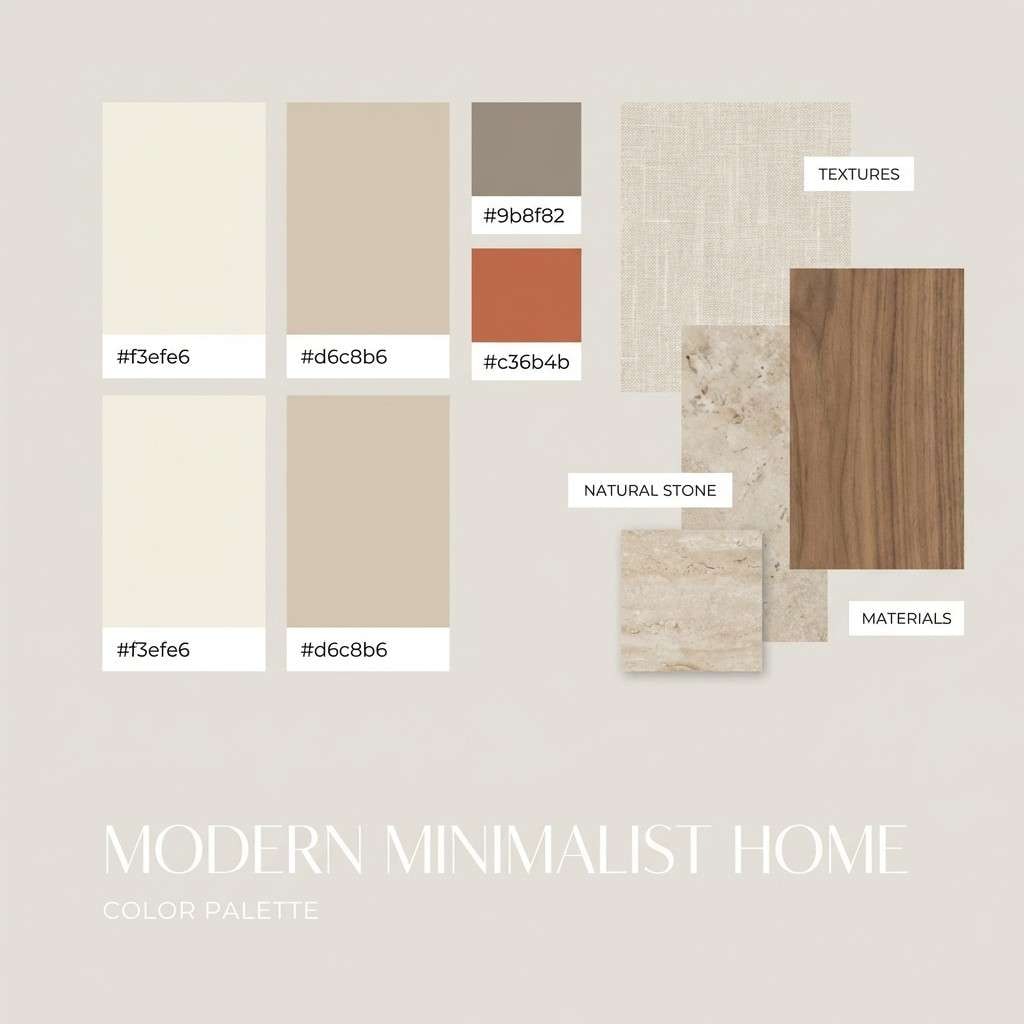
Cozy stone and linen shades feel like warm plaster walls and sunlit rugs. Keep the lightest cream as the primary canvas, then build depth with taupe and charcoal-brown in headings and dividers. The terracotta accent is perfect for buttons, highlights, or small decor details. Tip: use large blocks of neutrals and sprinkle the warm accent sparingly for a calm, curated look.
Image example of hearthstone neutrals generated using media.io
5) Tapestry Jewel
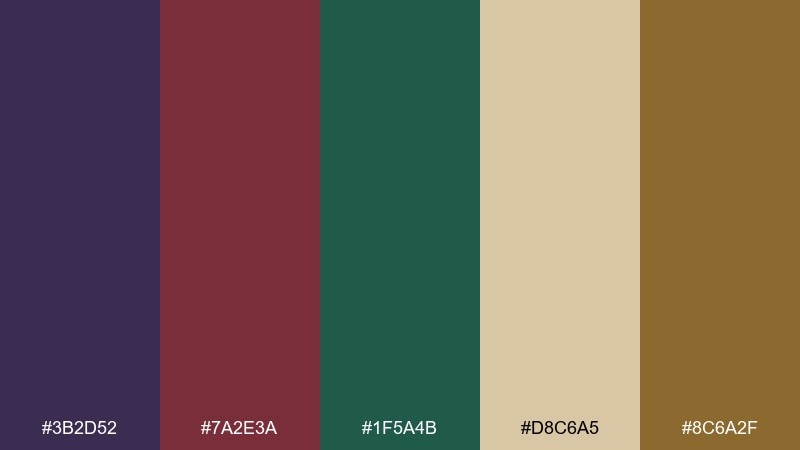
HEX: #3b2d52 #7a2e3a #1f5a4b #d8c6a5 #8c6a2f
Mood: opulent, artistic, dramatic
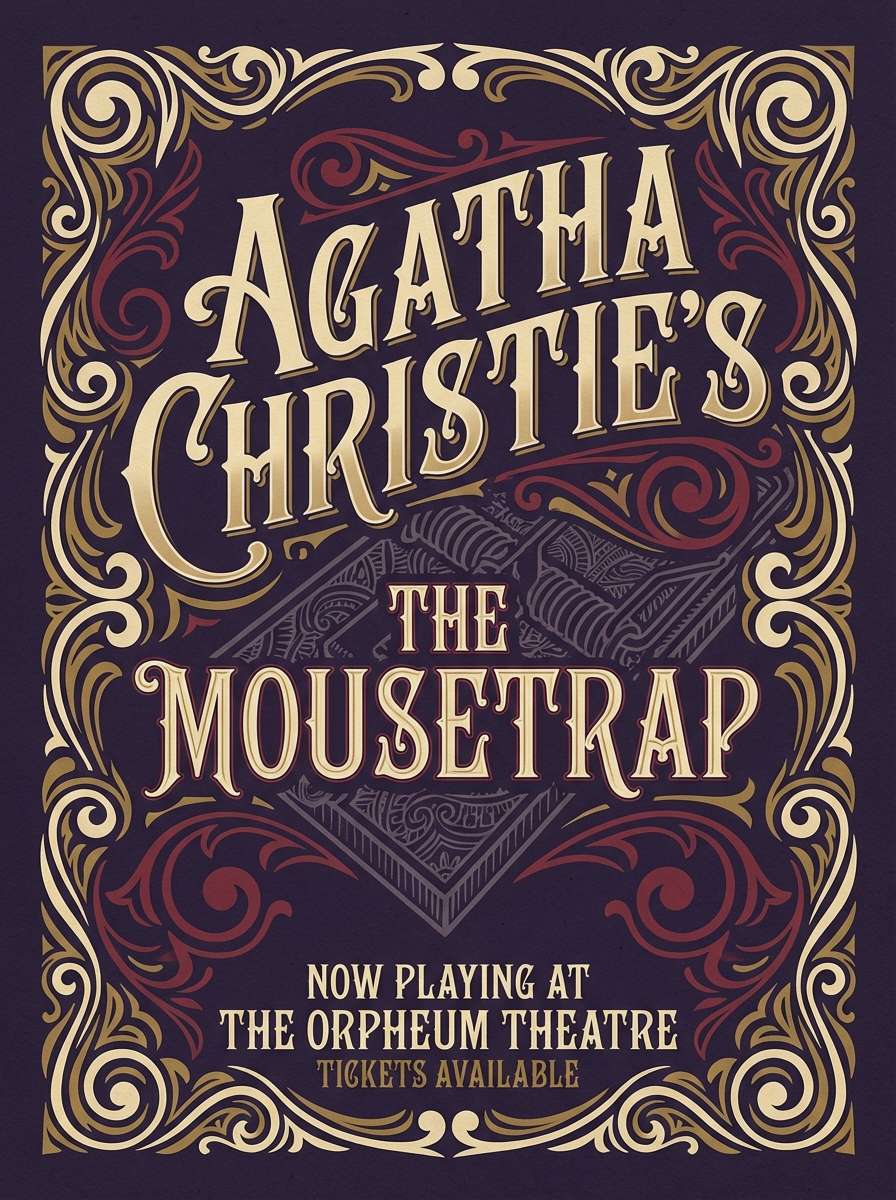
Best for: theater posters and cultural events
Opulent jewel tones recall embroidered fabric, gallery lighting, and antique frames. Use the parchment beige to keep type legible and to balance the deeper hues. The gold-brown works well for ornamental borders, emblems, or line art that nods to classic printmaking. Tip: pick one jewel color as the hero and let the others appear only in secondary blocks or small accents.
Image example of tapestry jewel generated using media.io
6) Farmhouse Sage
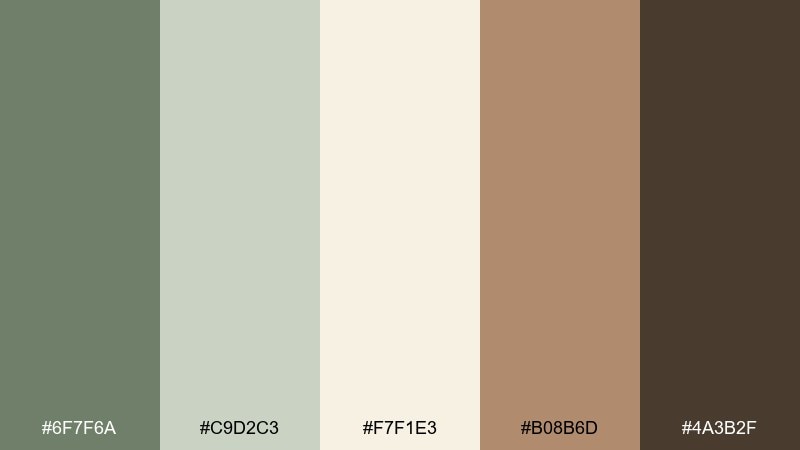
HEX: #6f7f6a #c9d2c3 #f7f1e3 #b08b6d #4a3b2f
Mood: fresh, rustic, calm
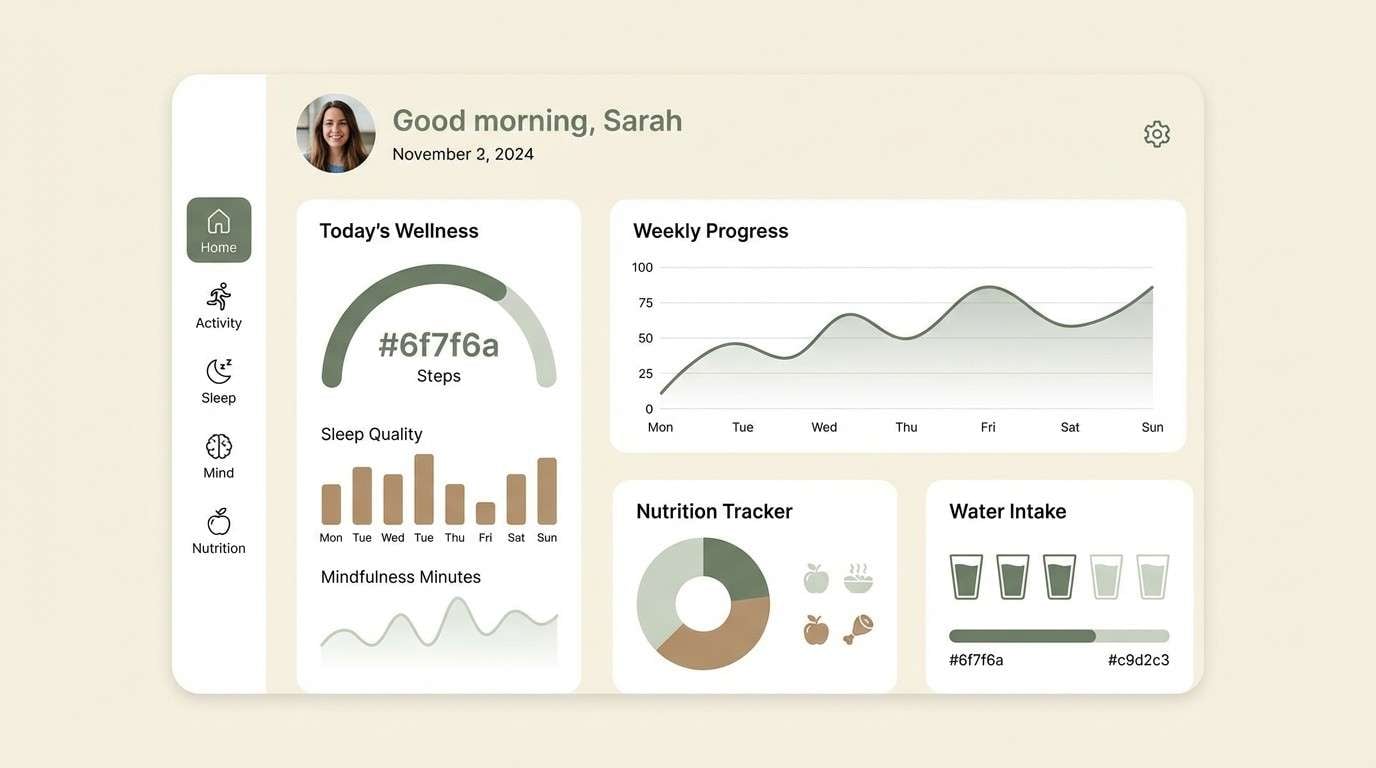
Best for: wellness UI and lifestyle blogs
Fresh sage and creamy neutrals evoke herb gardens, painted cabinets, and soft morning light. In a traditional color scheme, the off-white should lead while sage supports navigation and UI surfaces. Warm wood brown makes a reliable accent for icons or selected states without looking overly modern. Tip: avoid pure gray shadows and use warmer, softer elevation to keep the interface gentle.
Image example of farmhouse sage generated using media.io
7) Library Leather
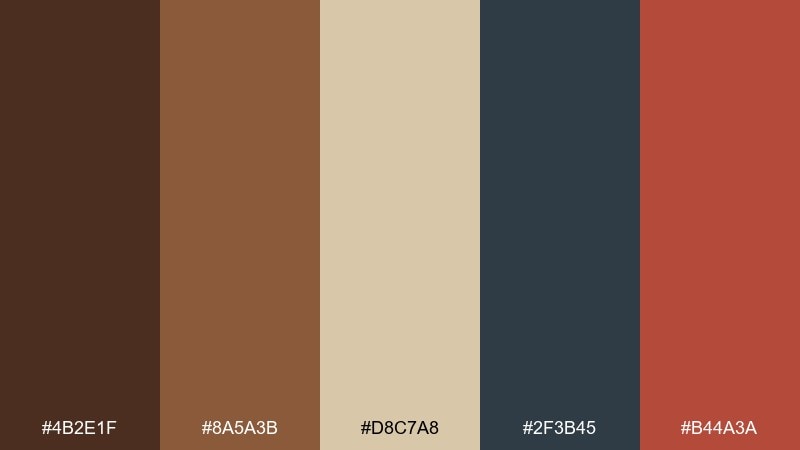
HEX: #4b2e1f #8a5a3b #d8c7a8 #2f3b45 #b44a3a
Mood: scholarly, warm, classic
Best for: book covers and academic branding
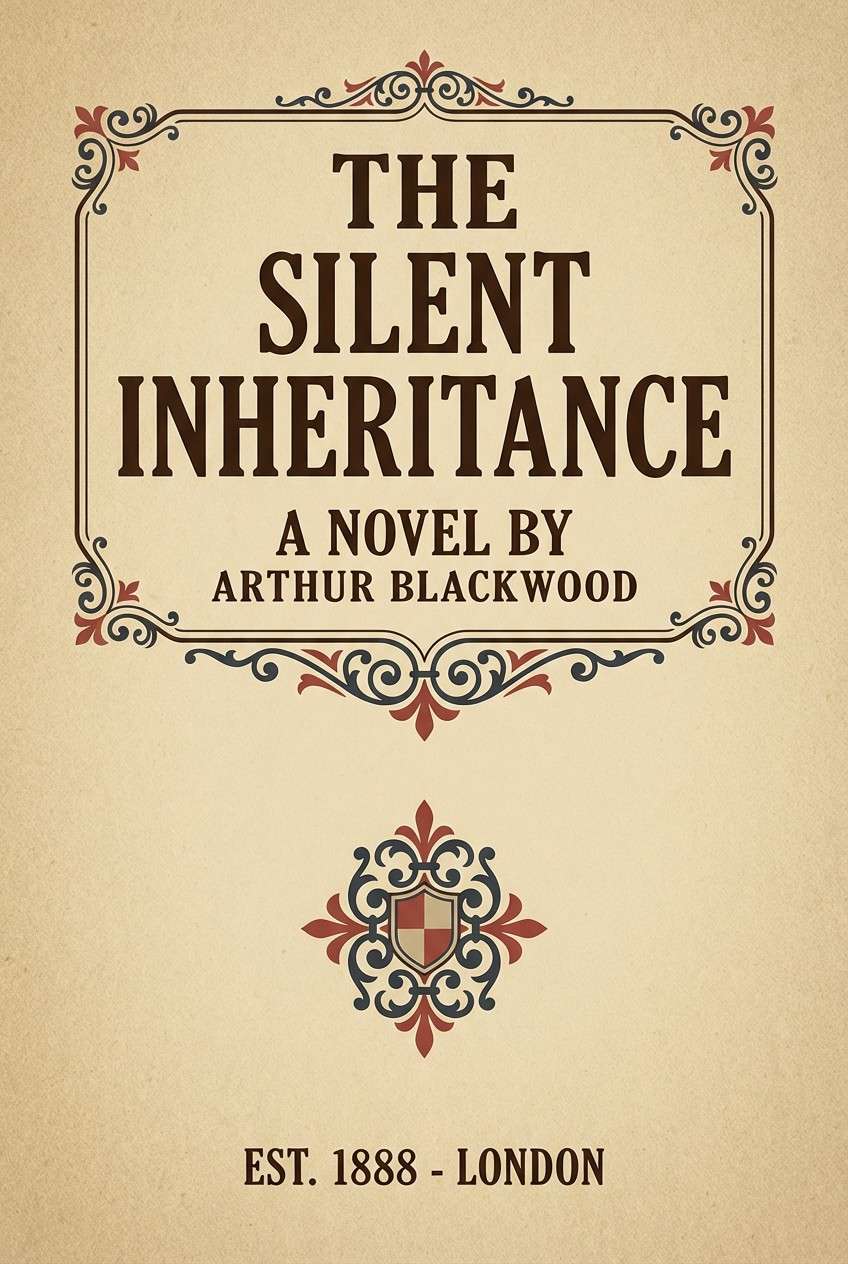
Scholarly browns and inky blue-gray feel like leather bindings, oak desks, and handwritten notes. Use the parchment tone as negative space for titles and subtitles, then build contrast with the deep brown. The brick-red accent is ideal for a small mark, series label, or pull-quote highlight. Tip: pair with a classic serif and generous tracking to amplify the archival mood.
Image example of library leather generated using media.io
8) Porcelain and Ink
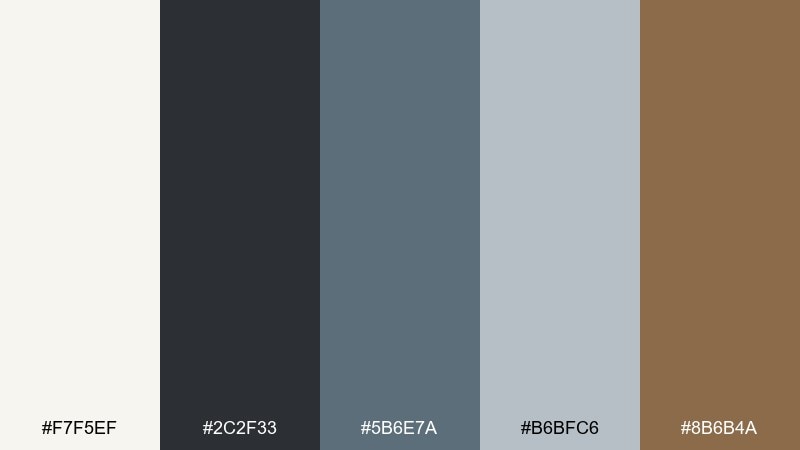
HEX: #f7f5ef #2c2f33 #5b6e7a #b6bfc6 #8b6b4a
Mood: clean, composed, understated
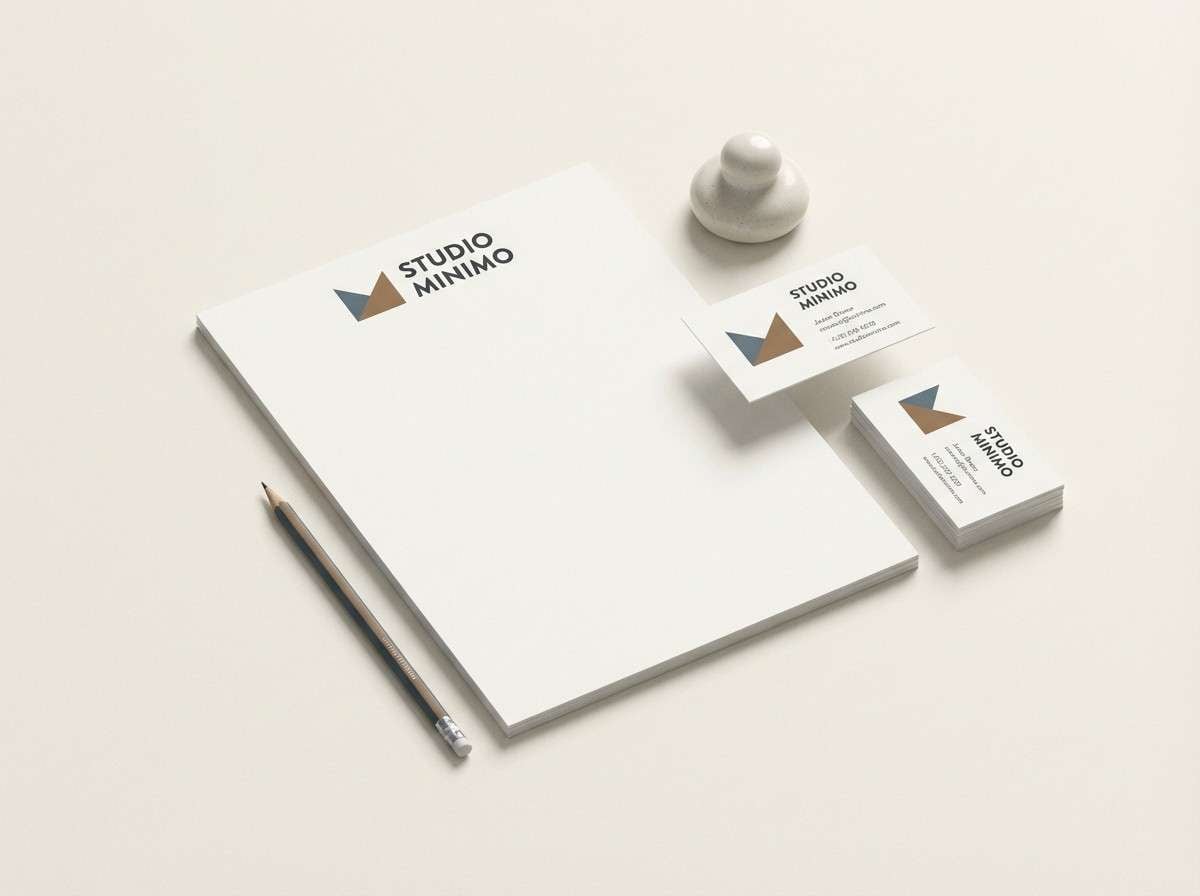
Best for: minimal brand systems and stationery
Clean porcelain whites and inked grays evoke fine ceramics, sketchbooks, and quiet studios. Keep the off-white dominant to let typography breathe, then use charcoal for structure and contrast. The muted slate and soft gray-blue add depth without pushing the palette into trendy territory. Tip: use the warm tan sparingly for signatures, seals, or micro-accents.
Image example of porcelain and ink generated using media.io
9) Antique Rose
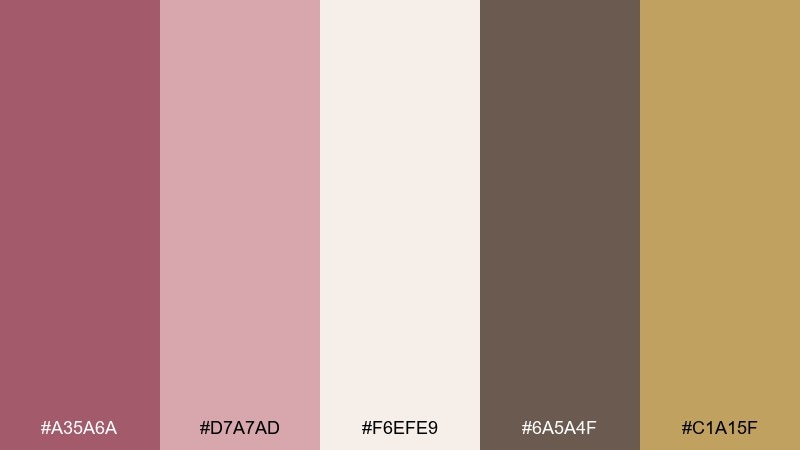
HEX: #a35a6a #d7a7ad #f6efe9 #6a5a4f #c1a15f
Mood: romantic, gentle, nostalgic
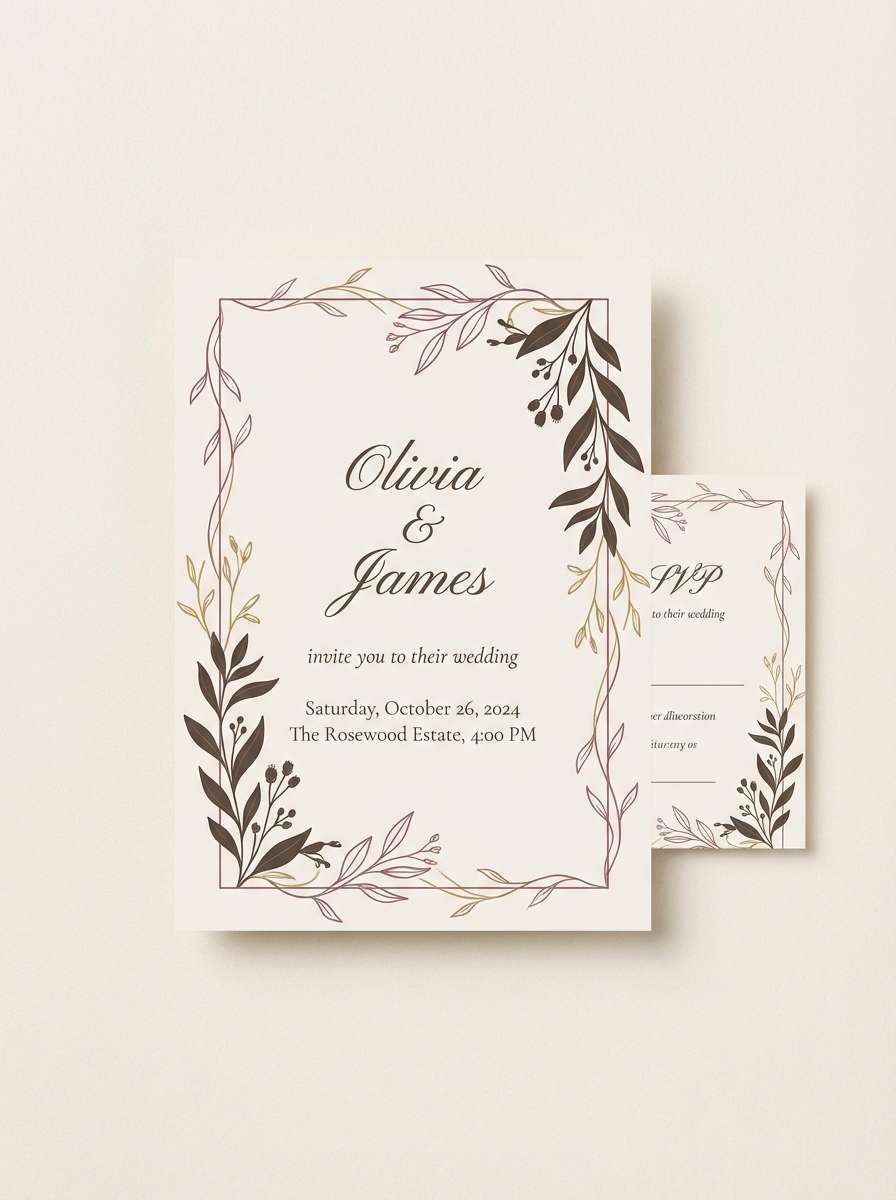
Best for: wedding invitations and anniversary cards
Romantic rose and soft cream feel like pressed petals, lace, and heirloom photographs. For a traditional color combination that still feels airy, set the cream as your base and keep rose to headings and key ornaments. The muted brown grounds the typography, while the warm gold reads beautifully in foil or emboss effects. Tip: avoid heavy borders and use delicate line art to keep it elegant.
Image example of antique rose generated using media.io
10) Copper and Clay
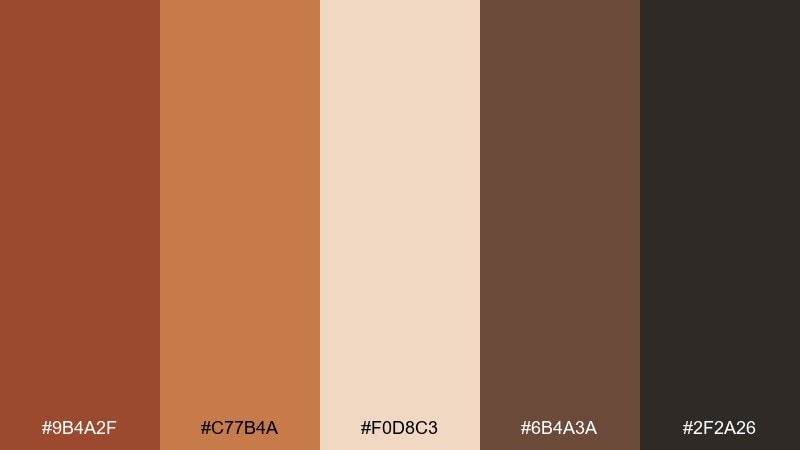
HEX: #9b4a2f #c77b4a #f0d8c3 #6b4a3a #2f2a26
Mood: handmade, warm, tactile
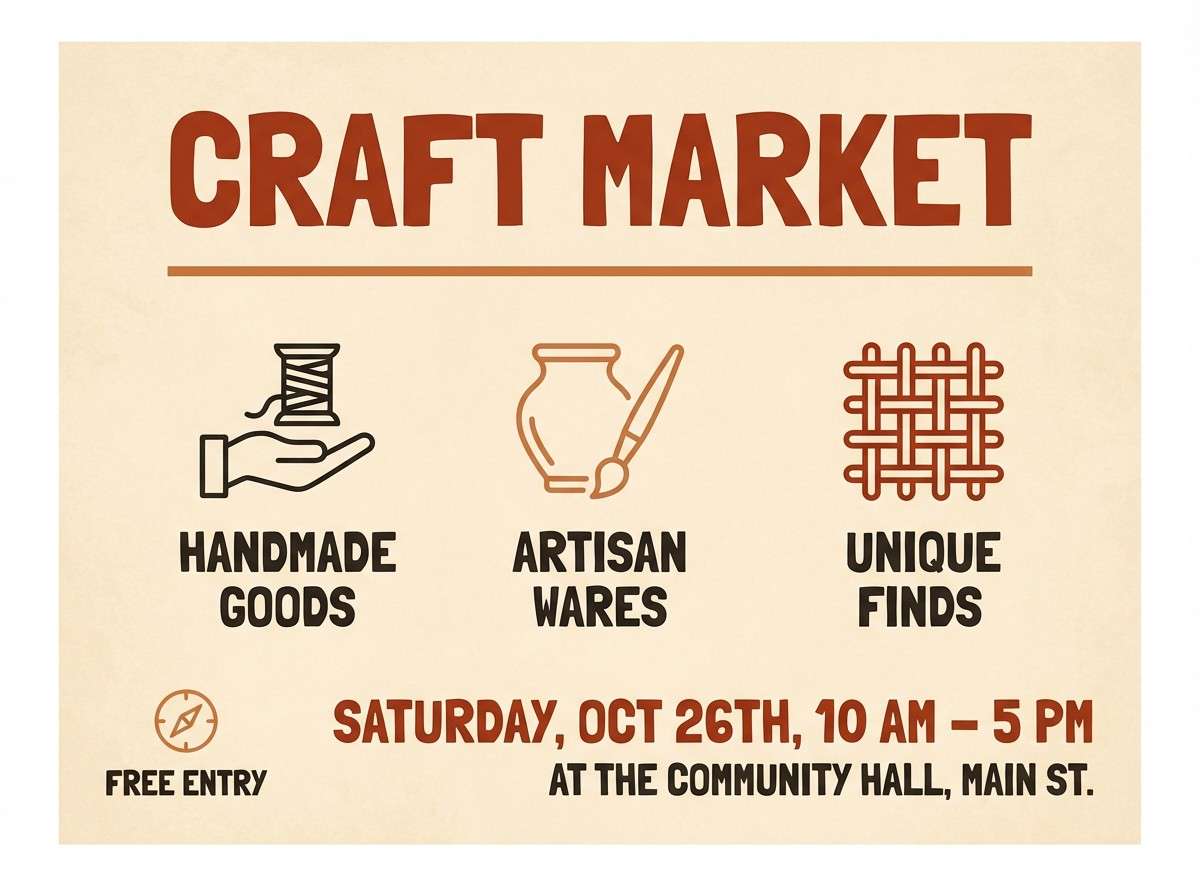
Best for: ceramics shops and craft market promos
Handmade copper and clay tones evoke kiln heat, terracotta pots, and dusty studio shelves. Use the pale clay color for backgrounds and let the copper shades lead on headlines, price tags, or product names. Deep brown-black gives you strong contrast for small text and barcode areas without feeling harsh. Tip: add subtle speckle texture to reinforce the artisanal feel while keeping layouts simple.
Image example of copper and clay generated using media.io
11) Maritime Heritage
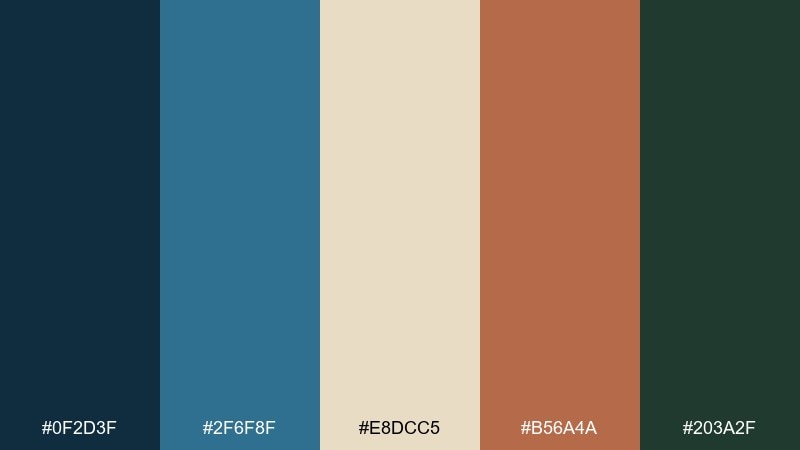
HEX: #0f2d3f #2f6f8f #e8dcc5 #b56a4a #203a2f
Mood: seafaring, sturdy, weathered
Best for: outdoor brands and travel editorials
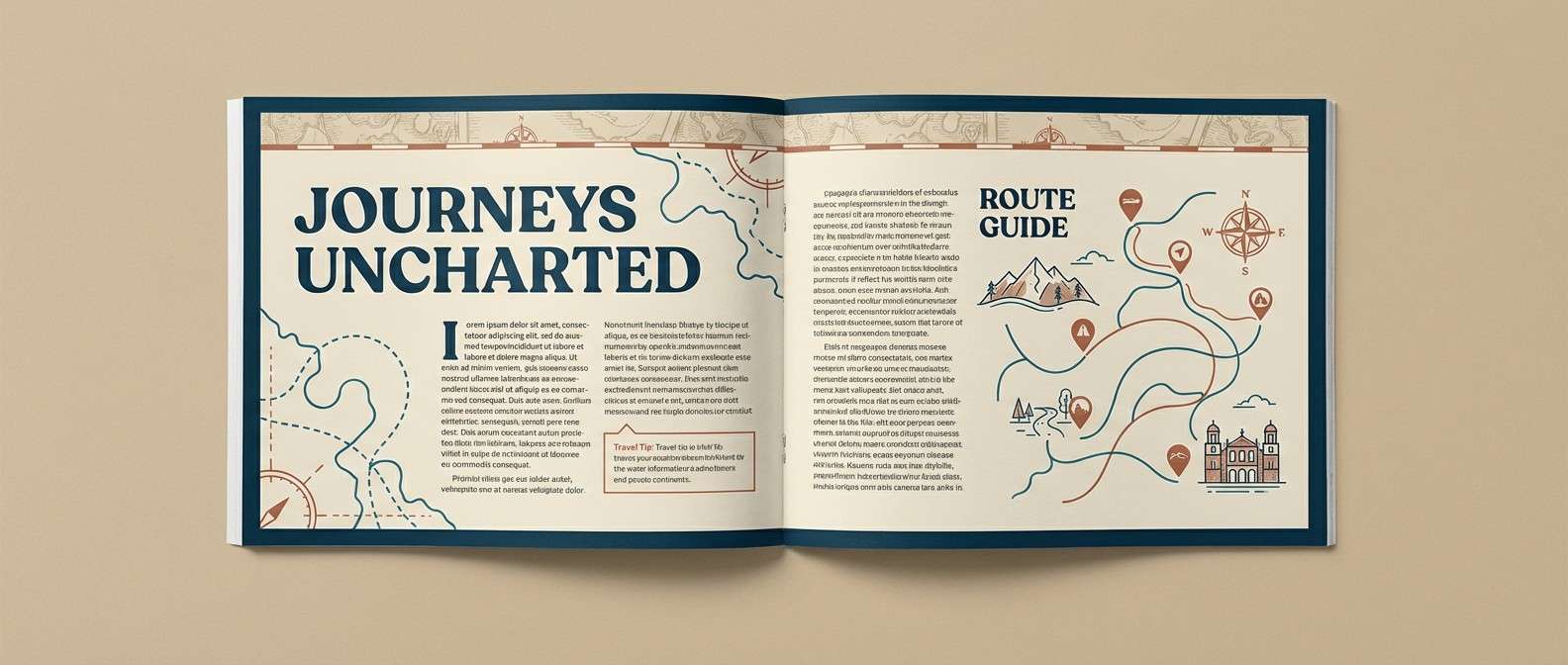
Seafaring blues and weathered neutrals suggest dock ropes, old charts, and salt air. Keep the deep blue for strong headers and section breaks, then lean on the sandy beige to keep pages readable. The rust accent adds warmth for CTAs, badges, or route markers on maps. Tip: pair with rough paper textures or subtle grain to echo a well-traveled story.
Image example of maritime heritage generated using media.io
12) Renaissance Gold
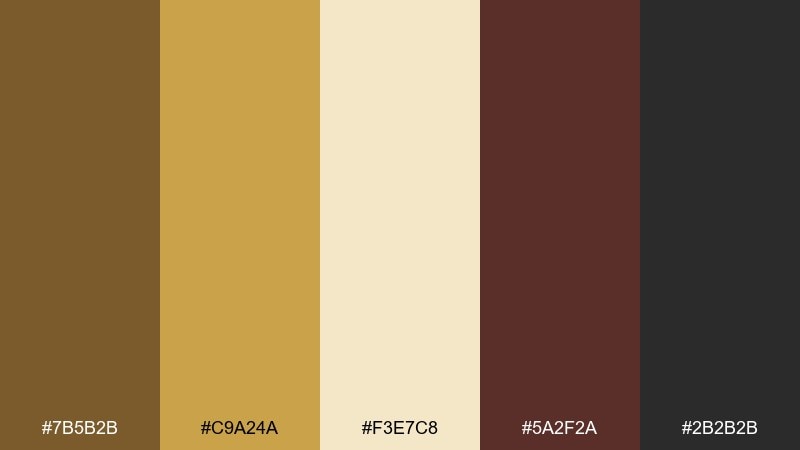
HEX: #7b5b2b #c9a24a #f3e7c8 #5a2f2a #2b2b2b
Mood: regal, luminous, museum-like
Best for: museum event posters
Regal golds and deep umber evoke gilded frames, painted ceilings, and quiet galleries. Use the pale parchment tone to keep copy readable and to make metallic accents feel intentional. The dark brown-red provides dramatic contrast for titles and date blocks. Tip: apply gold as a highlight, not a fill, so the design stays sophisticated instead of flashy.
Image example of renaissance gold generated using media.io

13) Autumn Orchard
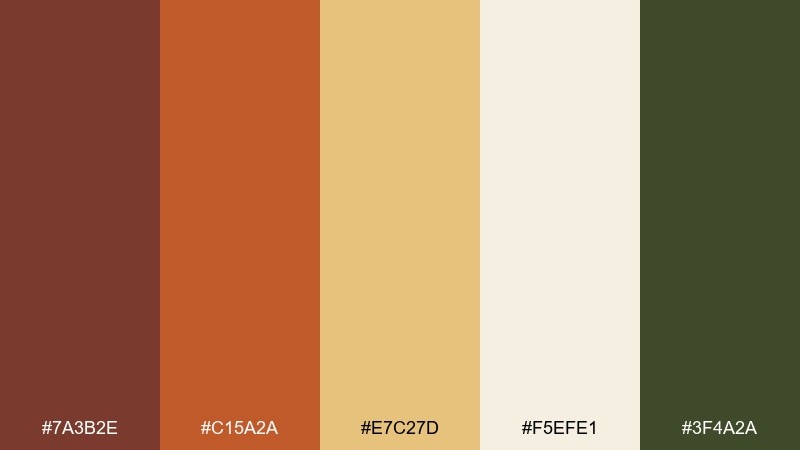
HEX: #7a3b2e #c15a2a #e7c27d #f5efe1 #3f4a2a
Mood: harvest, cheerful, rustic
Best for: seasonal product ads and farmers markets
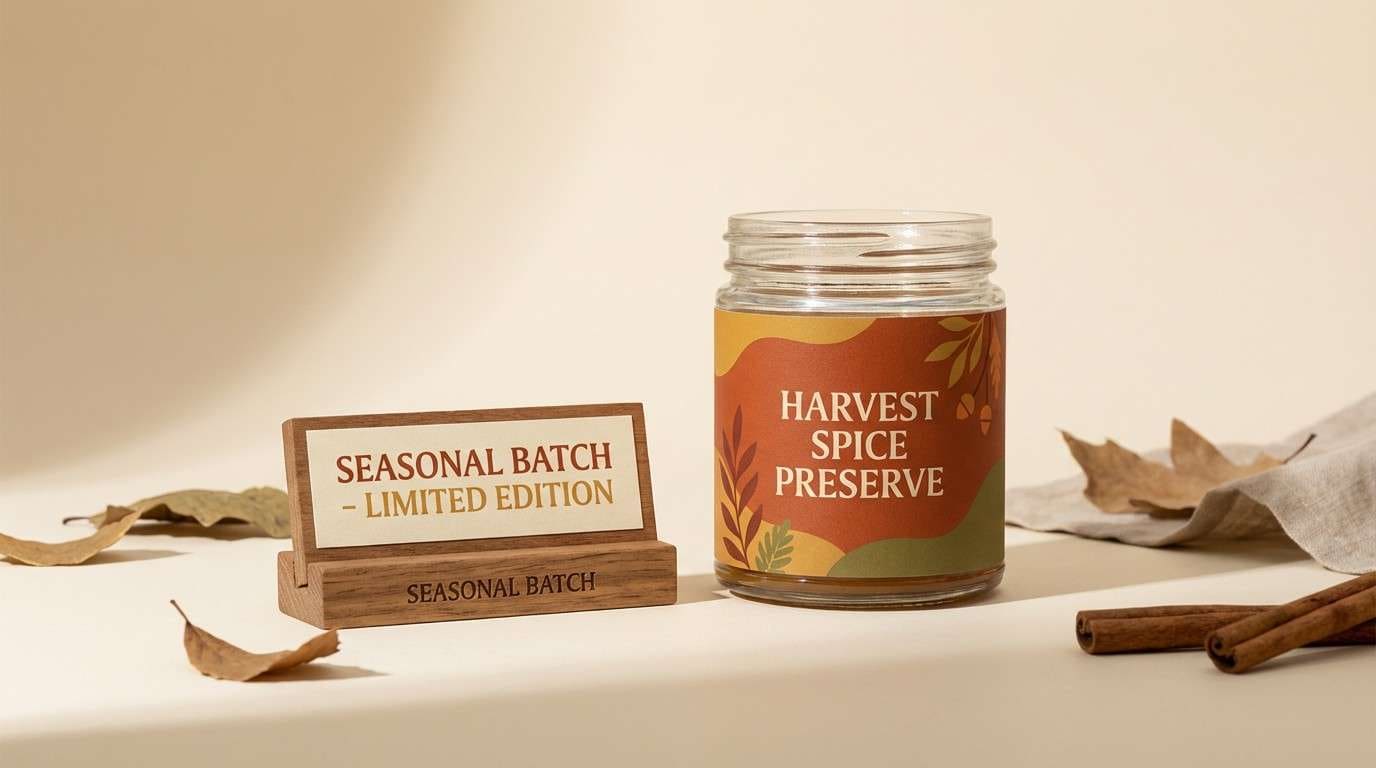
Harvest reds and golden wheat tones feel like cider stands, knitted scarves, and late-afternoon sun. For traditional color combinations that pop on screen, keep cream as the base and let orange lead in focal areas like headings or price tags. The deep green is best used as a stabilizing accent for icons, separators, or small labels. Tip: keep gradients subtle and lean on flat color blocks to avoid a modern neon look.
Image example of autumn orchard generated using media.io
14) Victorian Parlor
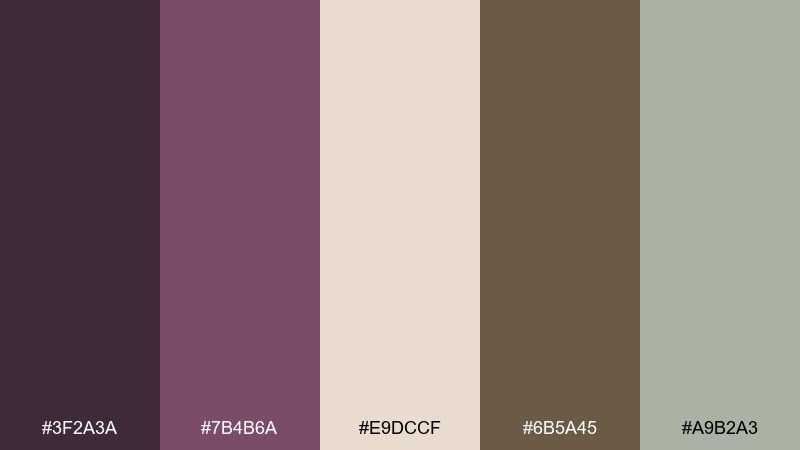
HEX: #3f2a3a #7b4b6a #e9dccf #6b5a45 #a9b2a3
Mood: ornate, soft, storybook
Best for: boutique branding and gift sets
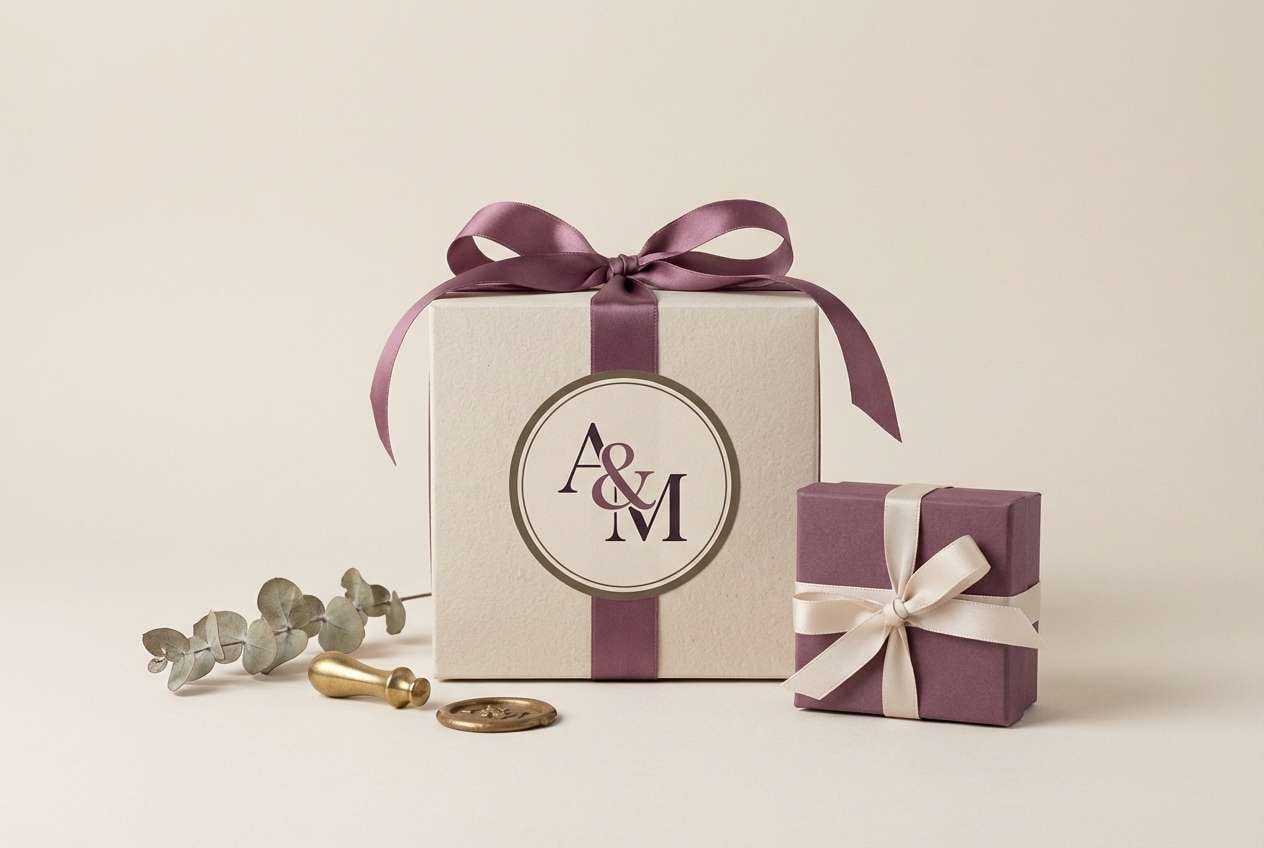
Ornate mauves and warm cream recall velvet settees, patterned wallpaper, and afternoon tea. Keep the cream and soft sage as your breathing room, then bring in plum for logos, monograms, and hero typography. The warm brown grounds the palette and pairs well with botanical illustrations or engraved motifs. Tip: use thin strokes and subtle flourishes rather than heavy fills for a refined finish.
Image example of victorian parlor generated using media.io
15) Prairie Dusk
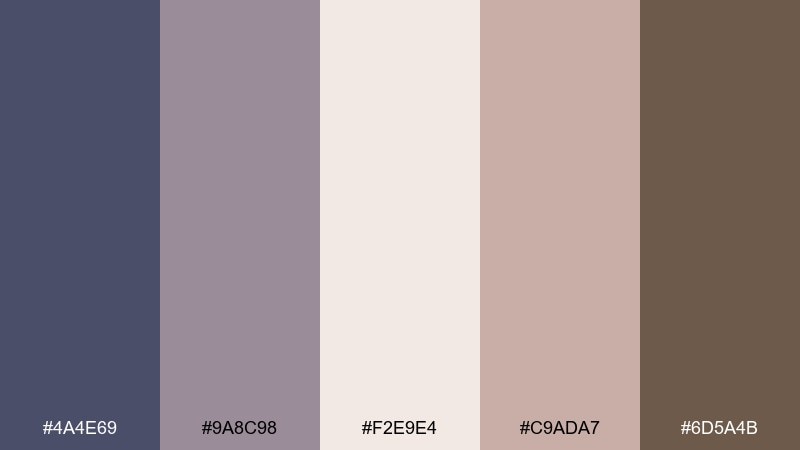
HEX: #4a4e69 #9a8c98 #f2e9e4 #c9ada7 #6d5a4b
Mood: quiet, dusty, reflective
Best for: poetry zines and minimalist posters
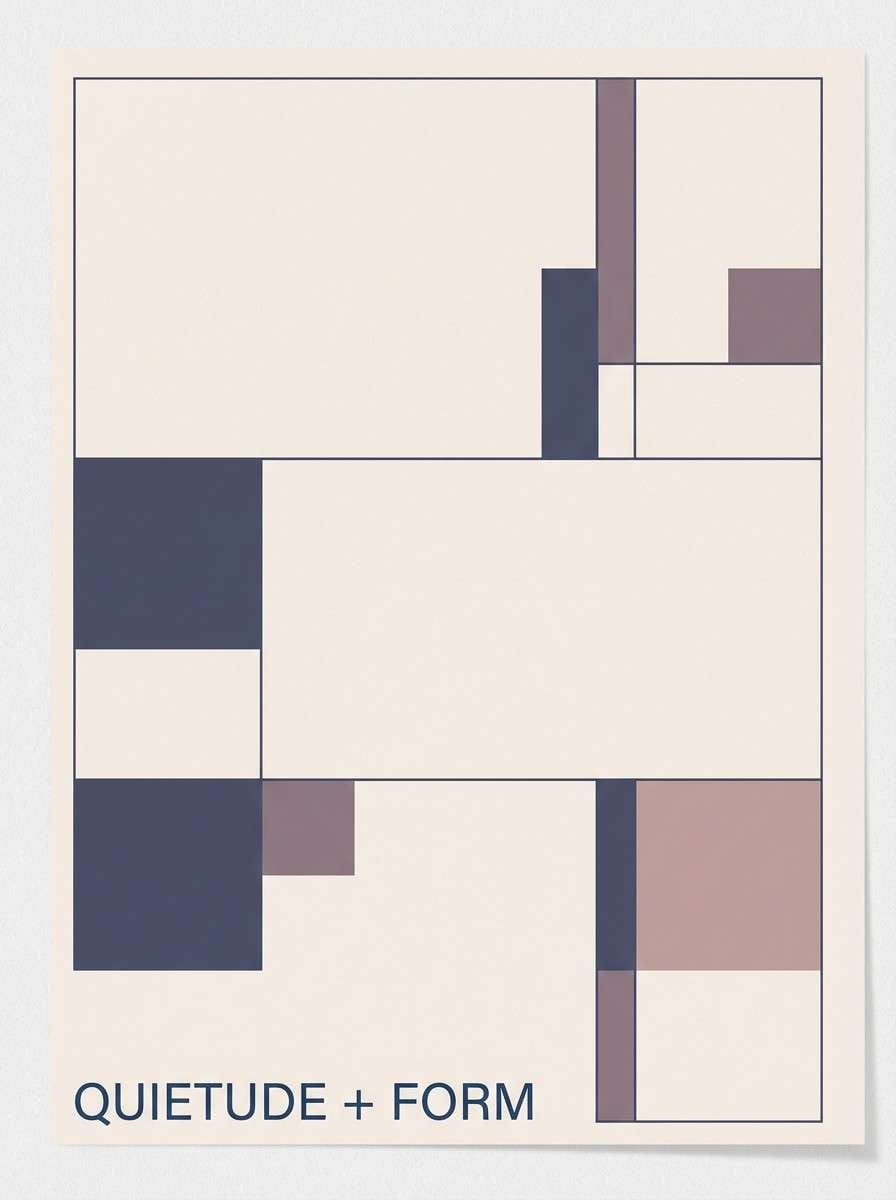
Quiet mauve-grays and soft cream evoke open fields at dusk and worn paper edges. Use the deep slate for titles and strong rules, then soften body sections with blush-taupe blocks. The warm brown works well for small stamps, issue numbers, or subtle iconography. Tip: keep layouts airy and let negative space do most of the work.
Image example of prairie dusk generated using media.io
16) Cathedral Stone
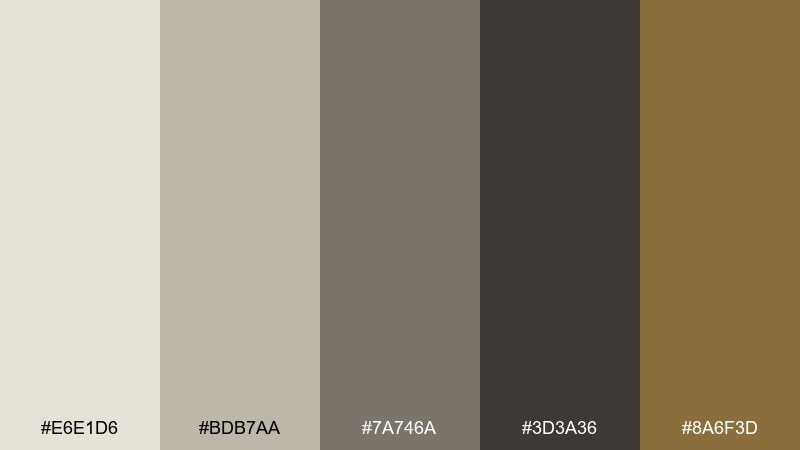
HEX: #e6e1d6 #bdb7aa #7a746a #3d3a36 #8a6f3d
Mood: solemn, architectural, refined
Best for: law firms and formal corporate sites
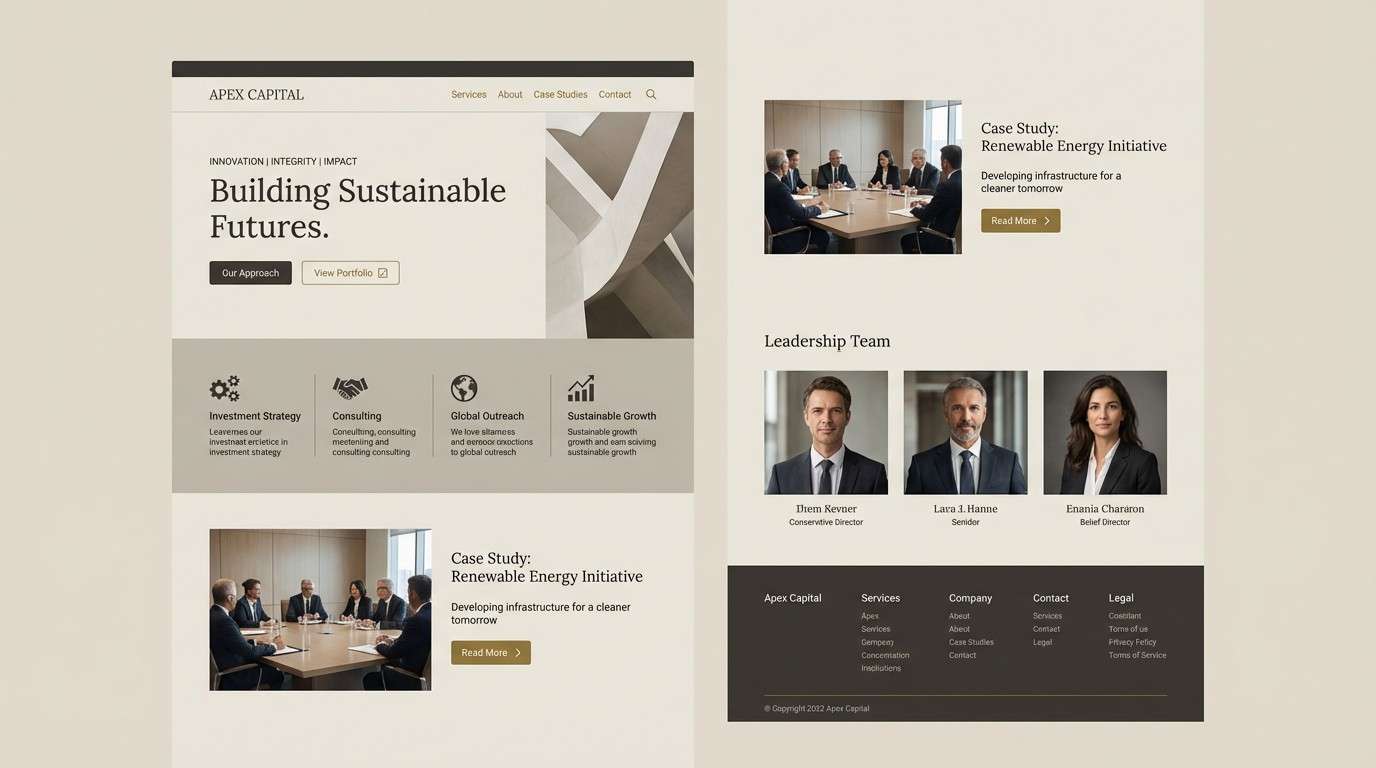
Solemn stone grays and warm brass hints bring to mind carved columns and quiet hallways. As a traditional color palette, it works best with strong typographic hierarchy and restrained accent use. Use the darkest charcoal for headings and navigation, then lean on the lighter stones for sections and cards. Tip: keep the brass as a single highlight color for buttons or key metrics to maintain authority.
Image example of cathedral stone generated using media.io
17) Spice Market
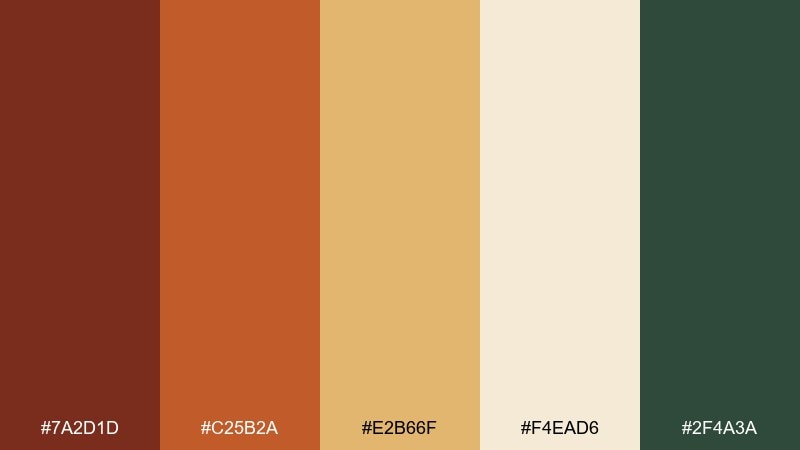
HEX: #7a2d1d #c25b2a #e2b66f #f4ead6 #2f4a3a
Mood: lively, warm, aromatic
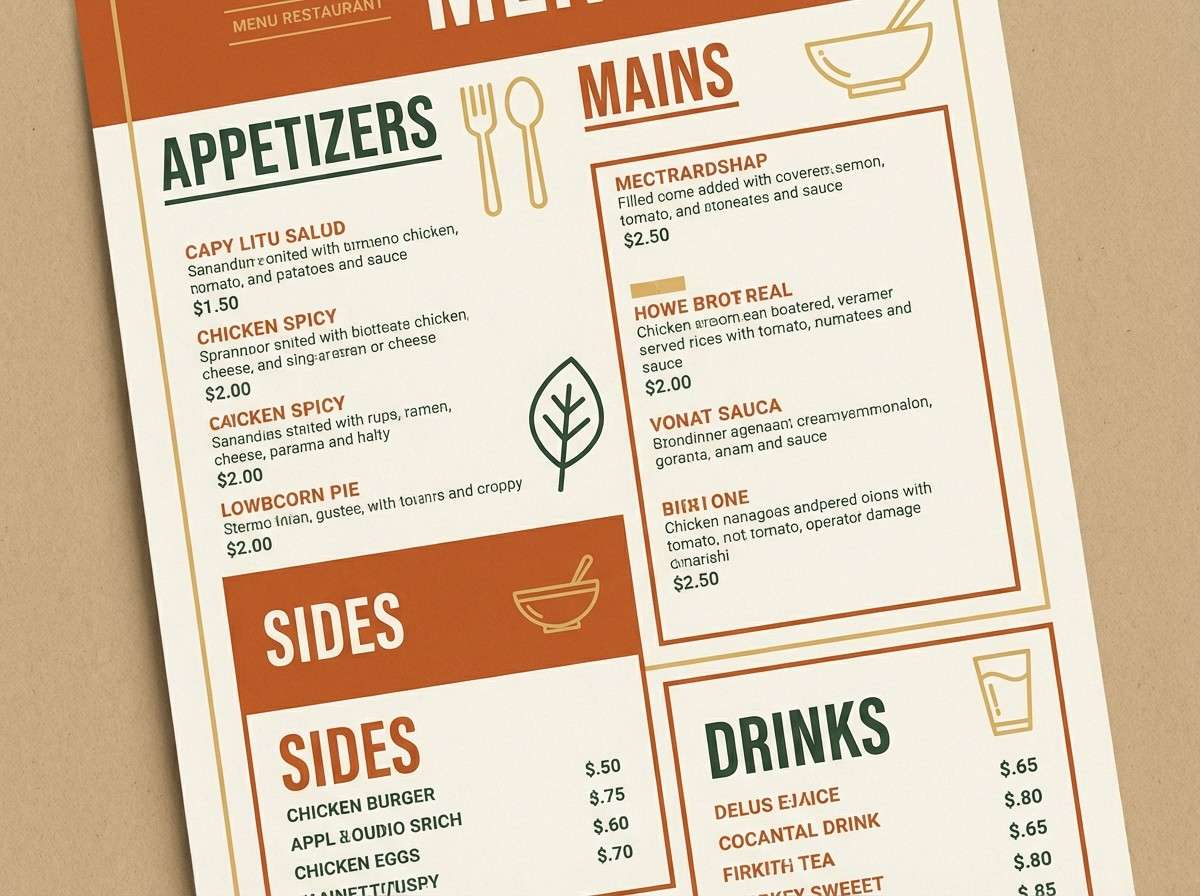
Best for: restaurant menus and food posters
Lively spice reds and saffron golds feel like bustling stalls and toasted aromas. Build your menu layout with the creamy base, then use the warm orange for section headers and highlights. The deep green balances the heat and works well for small icons, allergy labels, or vegetarian markers. Tip: keep photos minimal or duotone them so the palette stays the star.
Image example of spice market generated using media.io
18) Laurel and Linen
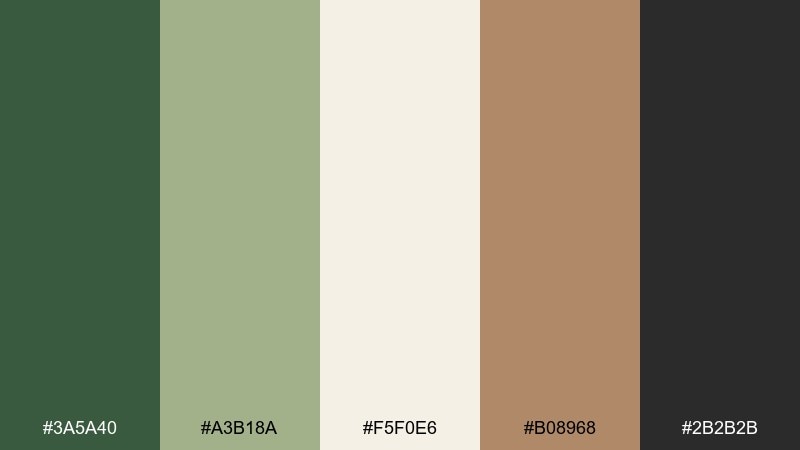
HEX: #3a5a40 #a3b18a #f5f0e6 #b08968 #2b2b2b
Mood: natural, composed, trustworthy
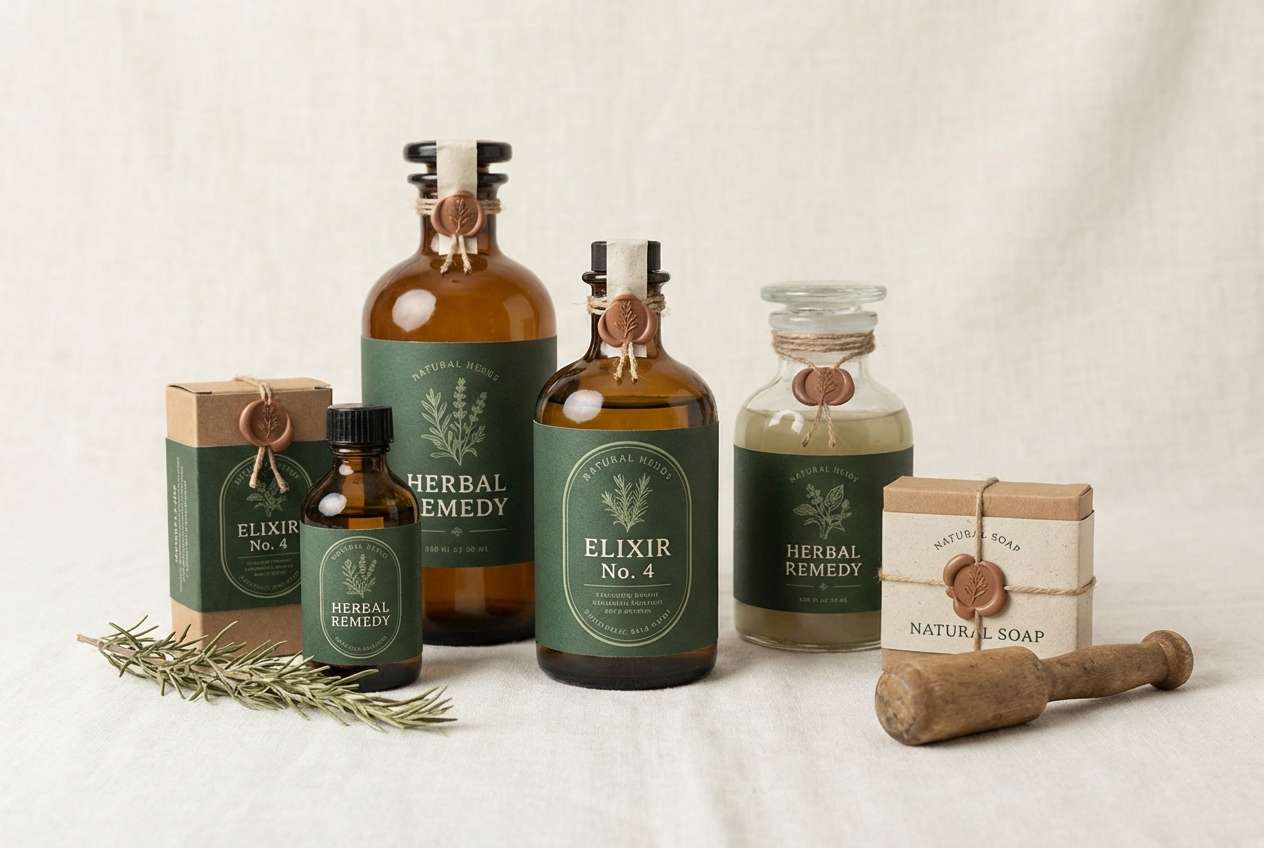
Best for: apothecary labels and wellness packaging
Natural greens and soft linen tones evoke pressed leaves, paper wraps, and quiet rituals. Use linen as the dominant field and let forest green carry the logo and key label text. The warm tan adds a handcrafted note for seals, batch numbers, or small decorative rules. Tip: choose one green for primary use and keep the other for secondary panels to avoid a muddy look.
Image example of laurel and linen generated using media.io
19) Inked Teal
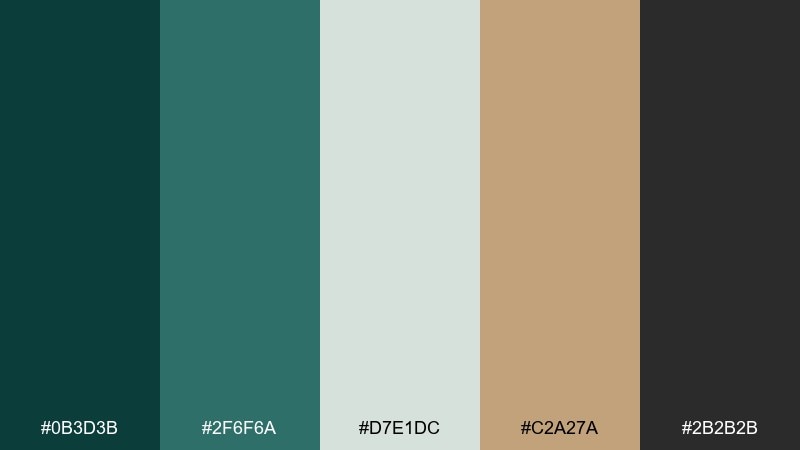
HEX: #0b3d3b #2f6f6a #d7e1dc #c2a27a #2b2b2b
Mood: calm, scholarly, slightly modern
Best for: university departments and research reports
Calm teals and soft mineral gray feel like fountain-pen ink, lab notebooks, and quiet focus. In a traditional color scheme, teal can replace navy while still reading mature and dependable. Use the pale gray-green as the main background and reserve the warm sand for highlights and small charts. Tip: keep charts to two dominant series colors and use neutral gridlines for clarity.
Image example of inked teal generated using media.io

20) Classic Holiday
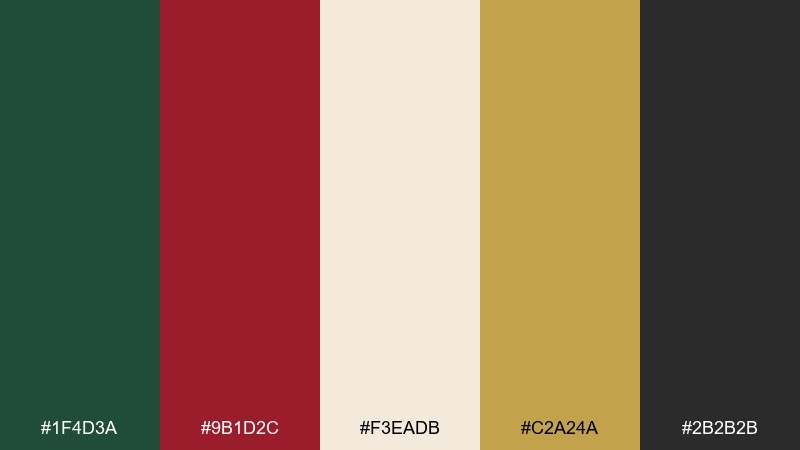
HEX: #1f4d3a #9b1d2c #f3eadb #c2a24a #2b2b2b
Mood: festive, traditional, cozy
Best for: holiday cards and seasonal promos
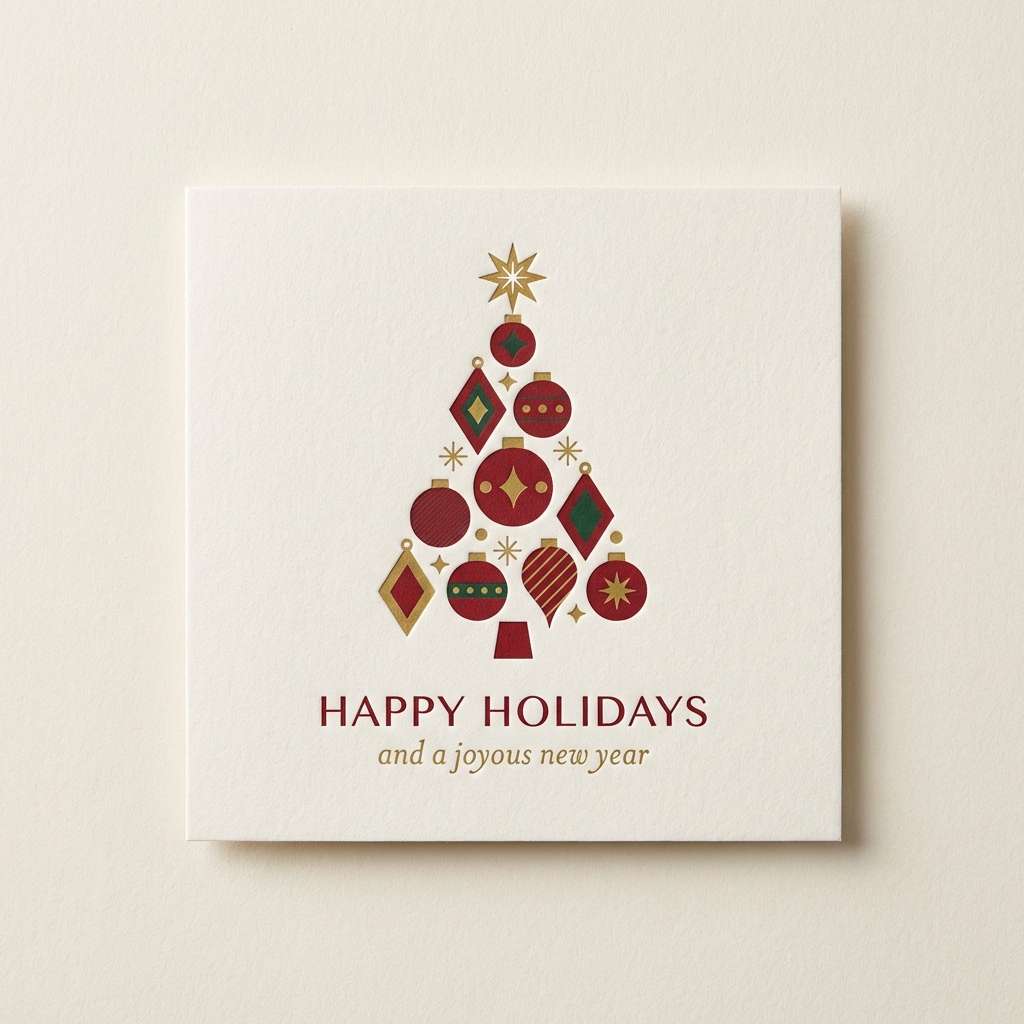
Festive evergreen and deep cranberry evoke wreaths, ribbon, and warm gatherings. As a traditional color palette, it looks best when the cream stays dominant and red appears in tight, high-impact moments. The muted gold adds a celebratory touch for borders, stars, or small ornaments without going glittery. Tip: keep typography simple and let color blocks and spacing deliver the warmth.
Image example of classic holiday generated using media.io
What Colors Go Well with Traditional?
Traditional palettes pair best with warm neutrals (cream, parchment, linen, taupe) because they soften contrast and keep layouts feeling archival rather than stark. They’re ideal for backgrounds, large content sections, and print-like spacing.
For anchors, choose one dark “heritage” tone like navy, burgundy, charcoal, or forest green. Then add a single metallic-inspired accent (antique gold, brass, copper) for emphasis—buttons, stamps, rules, or small icons.
If you need a fresher twist, add a muted secondary (slate blue, sage, dusty rose). Keep saturation controlled so the palette stays timeless instead of trendy.
How to Use a Traditional Color Palette in Real Designs
Start with a clear role system: one background neutral, one dark text/structure color, one supporting mid-tone, and one accent. Traditional combinations look best when the neutral does most of the work and the accent is used sparingly.
For readability, avoid pure black on warm backgrounds; charcoal or blue-gray often looks more refined. In print or packaging, subtle texture (paper grain, emboss, matte finishes) helps the colors feel more authentic.
In UI, keep surfaces warm and shadows soft. Use the darkest tone for navigation and headings, and reserve the metallic or terracotta accent for primary CTAs and selected states.
Create Traditional Palette Visuals with AI
If you’re building a brand board, label mockup, menu, or poster, AI image generation can help you test how a traditional color palette feels in context—without setting up a full photoshoot.
Use prompts that describe the medium (stationery, packaging, editorial layout), lighting (soft studio), and typography (serif, engraved, classic). Then paste the HEX codes into the prompt so the output stays on-palette.
Media.io lets you generate multiple variations quickly, so you can compare mood shifts (more parchment vs. more navy, brass accents vs. copper accents) before you commit.
Traditional Color Palette FAQs
-
What is a traditional color palette?
A traditional color palette is a set of classic, heritage-leaning colors—often warm neutrals plus deep anchors like navy, burgundy, forest, and charcoal—chosen to feel timeless, established, and trustworthy. -
What are the best background colors for traditional designs?
Warm off-whites such as cream, parchment, and linen are the most reliable. They keep layouts readable, soften contrast, and make darker inks (navy/charcoal) look more refined than on pure white. -
Do traditional palettes work for modern websites and apps?
Yes. Use a neutral-led layout with one dark structural color for navigation and headings, then reserve a single warm accent (brass, terracotta, brick red) for CTAs and highlights. -
How do I keep a traditional palette from looking dated?
Limit accents, keep spacing generous, and use clean typography hierarchy. Avoid overusing ornate borders; instead, use subtle rules, light texture, and one “hero” color with supporting tones. -
What accent colors pair well with navy and cream?
Antique gold, warm tan, brick red, and muted slate blue are strong choices. Keep the accent usage tight (badges, buttons, small icons) so the design stays classic. -
Is black okay in a traditional color scheme?
Charcoal is usually better than pure black because it preserves warmth and feels less harsh against parchment-style backgrounds. Use true black only when you need maximum small-text contrast. -
How can I generate images that match my traditional palette?
Use a text-to-image tool and include your HEX codes in the prompt along with the medium (poster, label, stationery) and styling notes (soft studio lighting, serif type, paper texture) for consistent results.
Next: Cerulean Color Palette