

A Sleeping Beauty color palette blends tranquil teals, soft blush pinks, and creamy neutrals for a look that feels romantic yet clean.
Below are 20+ ready-to-use Sleeping Beauty color palette ideas (with HEX codes), plus practical tips for branding, UI, invitations, and more.
In this article
- Why Sleeping Beauty Palettes Work So Well
-
- aurora teal whisper
- enchanted lagoon
- rosewood velvet
- moonlit mint
- satin sand
- dusk orchid
- castle stone
- pixie coral
- forest veil
- opal haze
- gilded chamomile
- dreamy denim
- frosted lilac
- storybook plum
- luminous pearl
- cinnamon blush
- evergreen drapes
- twilight brass
- petal smoke
- nightfall ink
- seaglass bouquet
- royal taffeta
- What Colors Go Well with Sleeping Beauty?
- How to Use a Sleeping Beauty Color Palette in Real Designs
- Create Sleeping Beauty Palette Visuals with AI
Why Sleeping Beauty Palettes Work So Well
Sleeping Beauty palettes feel instantly harmonious because they balance cool teals (fresh, calming) with blush pinks (warm, human), then ground everything with moonlit creams and charcoal grays.
This mix is flexible: push teal forward for a modern, spa-like tone, or let blush lead for a more romantic, storybook vibe. Either way, the neutrals keep the result polished rather than overly sweet.
They’re also practical for real projects: teal and charcoal provide reliable contrast for text and UI, while blush stays effective as a controlled accent for highlights, badges, and details.
20+ Sleeping Beauty Color Palette Ideas (with HEX Codes)
1) Aurora Teal Whisper
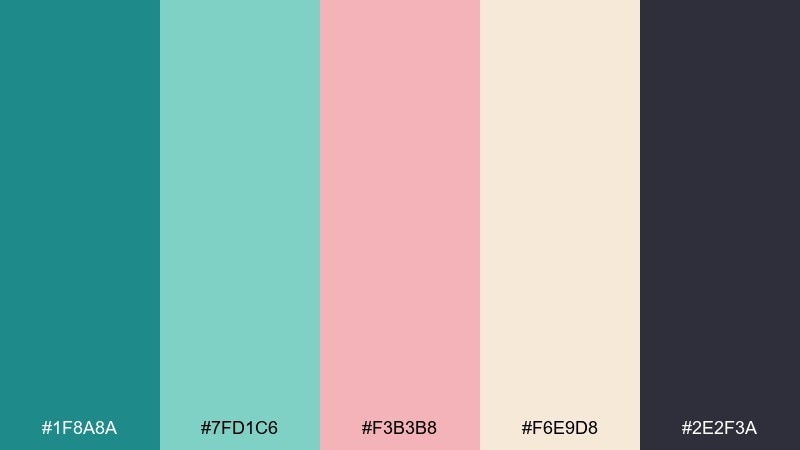
HEX: #1F8A8A #7FD1C6 #F3B3B8 #F6E9D8 #2E2F3A
Mood: dreamy, calm, storybook
Best for: brand identity kit
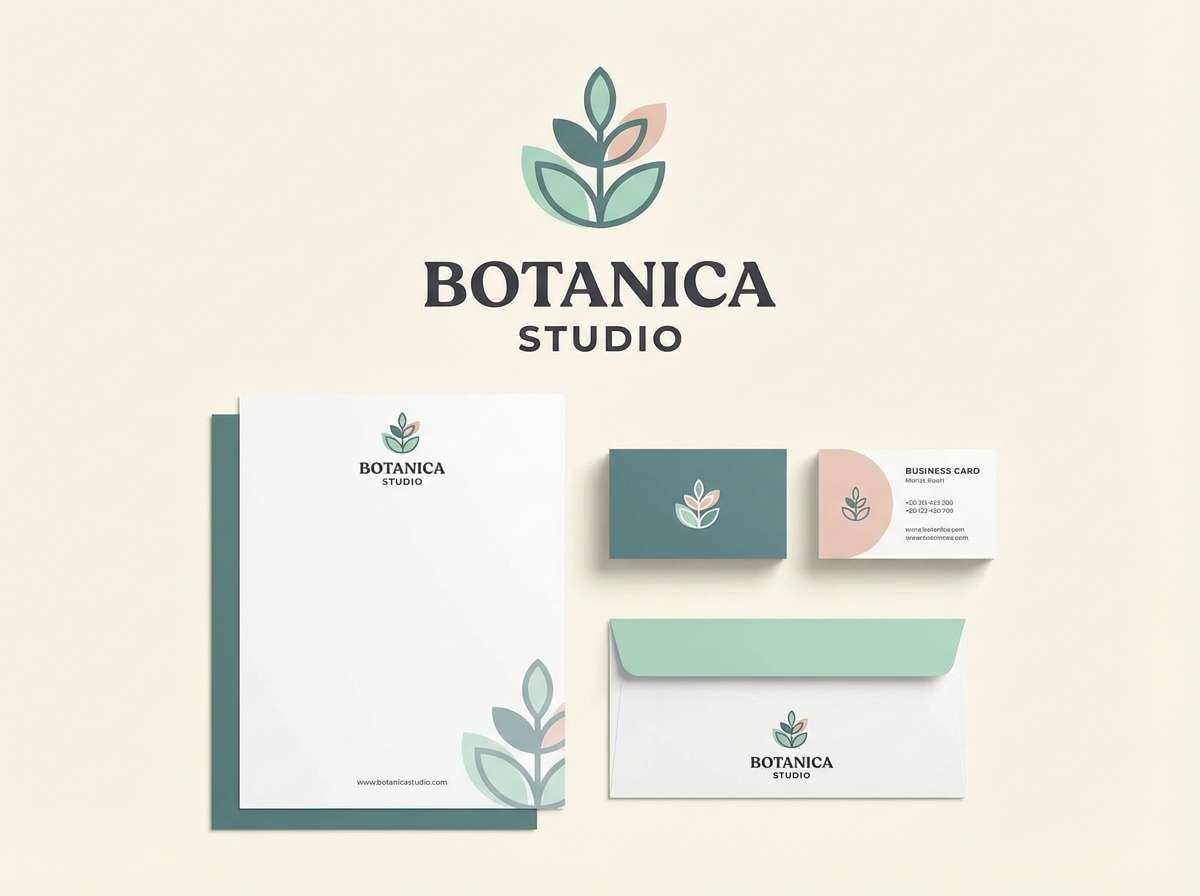
Dreamy and calm, this mix feels like mist over a quiet lagoon with a blush sunrise. The teal and mint set a fresh foundation, while the soft pink keeps it romantic without turning sugary. Use the deeper charcoal as your type and logo anchor for clean contrast. For a modern look, keep backgrounds creamy and let teal carry the primary brand blocks.
Image example of aurora teal whisper generated using media.io
Media.io is an online AI studio for creating and editing video, image, and audio in your browser.


2) Enchanted Lagoon
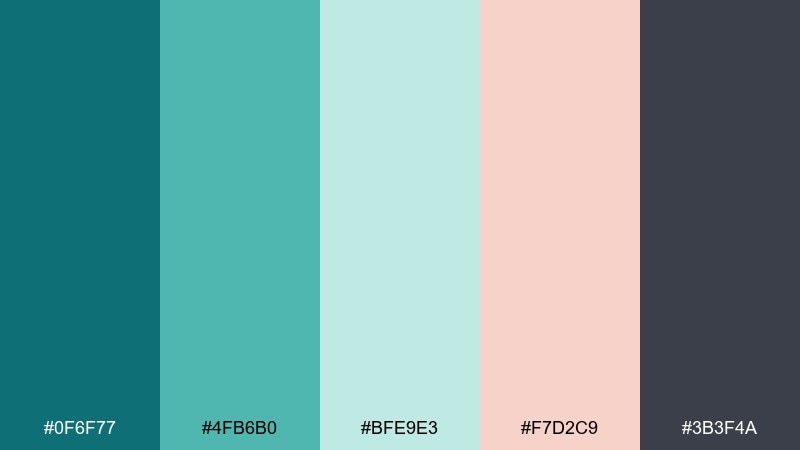
HEX: #0F6F77 #4FB6B0 #BFE9E3 #F7D2C9 #3B3F4A
Mood: fresh, aquatic, polished
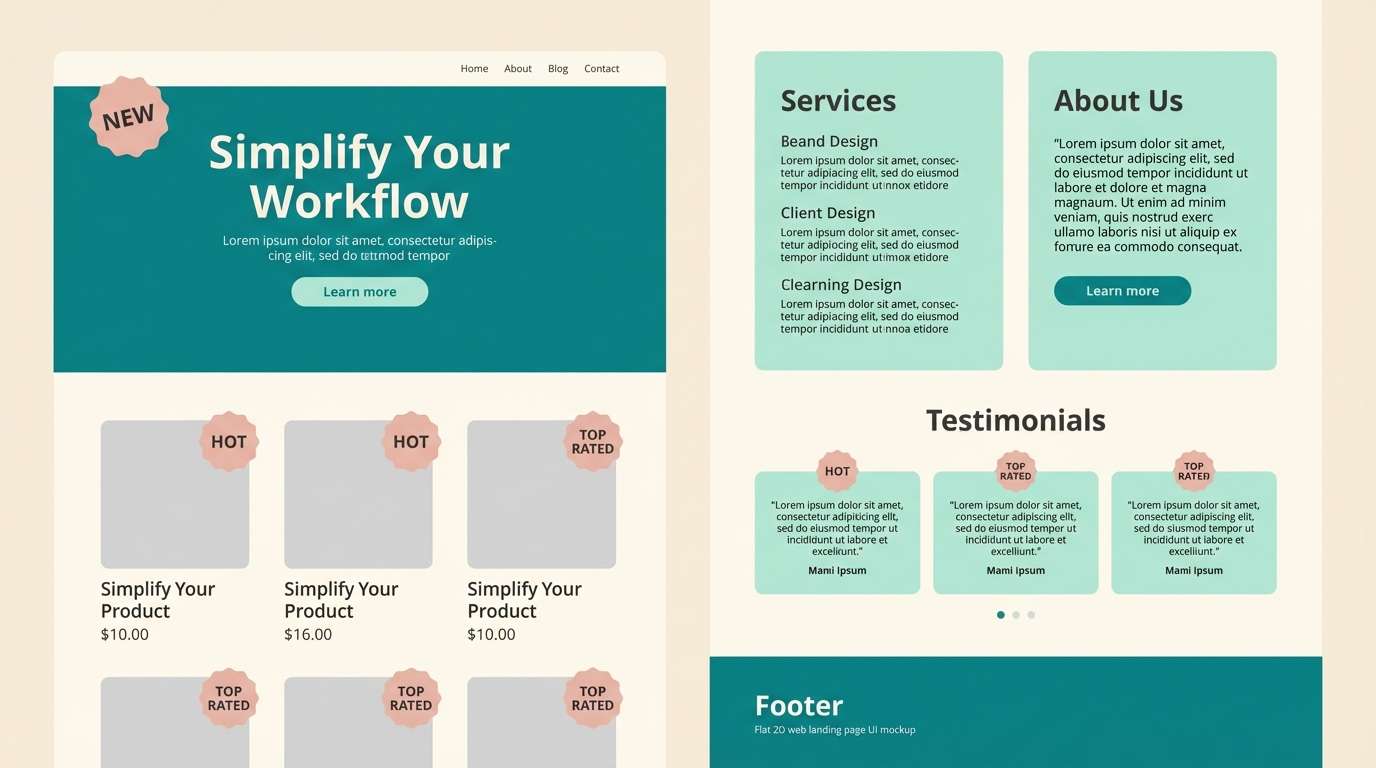
Best for: web landing page UI
Fresh and aquatic, these tones read like clear water, sea glass, and a hint of warm dawn. The mid-teal works beautifully for buttons and key sections, while the pale aqua keeps layouts airy. Add the soft blush only for highlights such as badges, charts, or micro-illustrations. Keep the dark gray for navigation and headings to maintain crisp readability.
Image example of enchanted lagoon generated using media.io
3) Rosewood Velvet
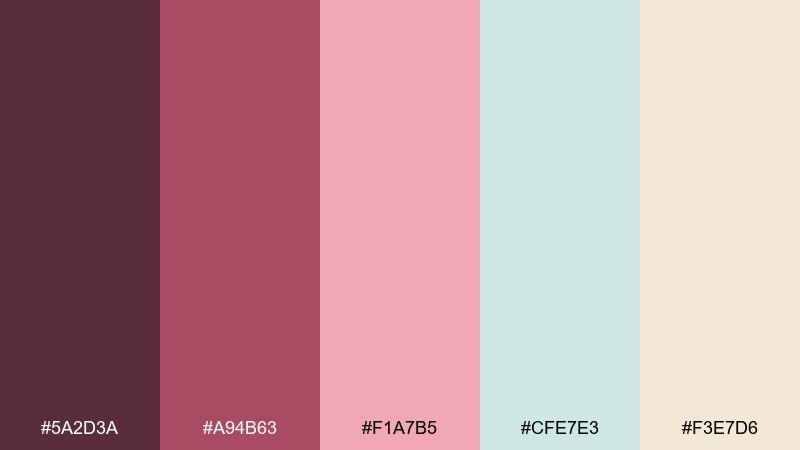
HEX: #5A2D3A #A94B63 #F1A7B5 #CFE7E3 #F3E7D6
Mood: romantic, vintage, luxe
Best for: wedding invitation suite
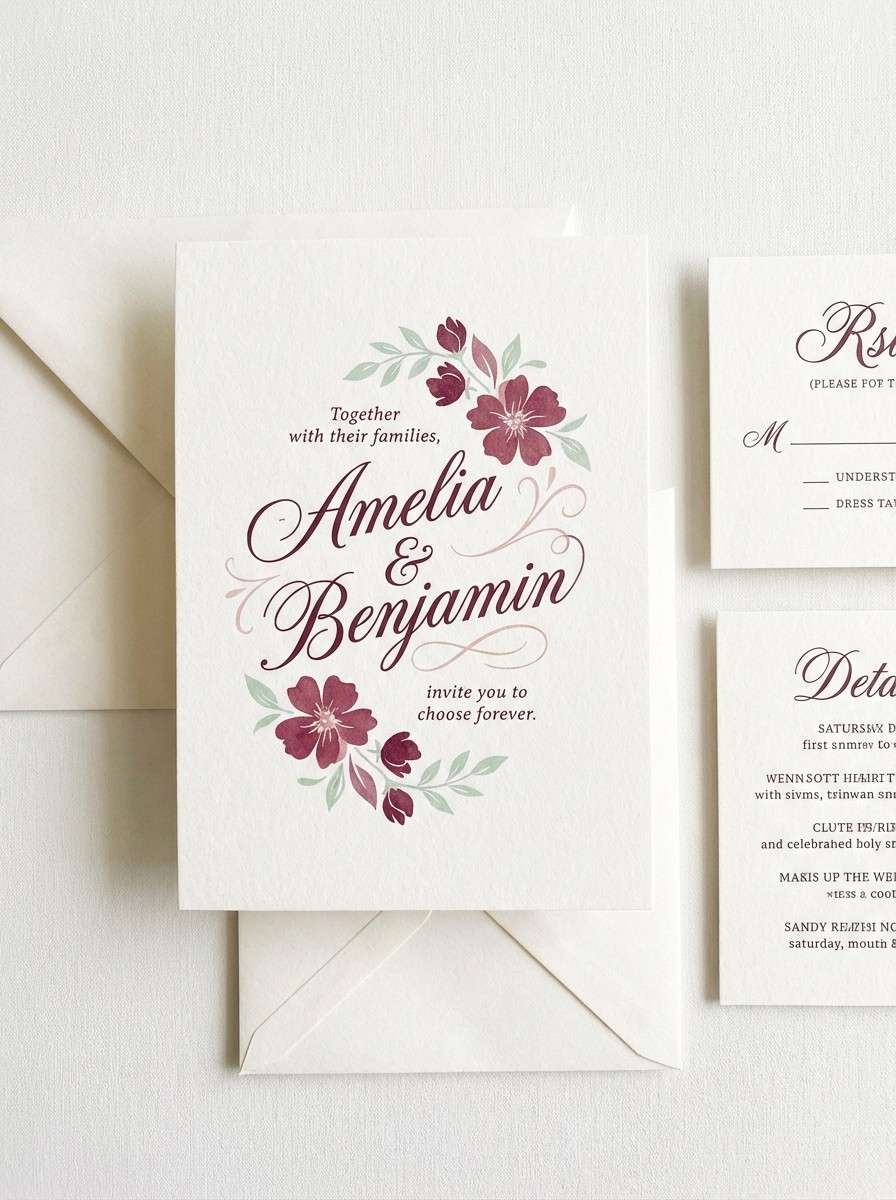
Romantic and luxe, it evokes velvet ribbons, pressed roses, and soft candlelight. The wine and berry shades bring depth, while the blush and airy aqua keep the page feeling light. This sleeping beauty color palette shines on invitations when you use the darkest tone for names and the blush for flourishes. Tip: choose warm white paper stock so the cream reads intentional and not yellow.
Image example of rosewood velvet generated using media.io
4) Moonlit Mint
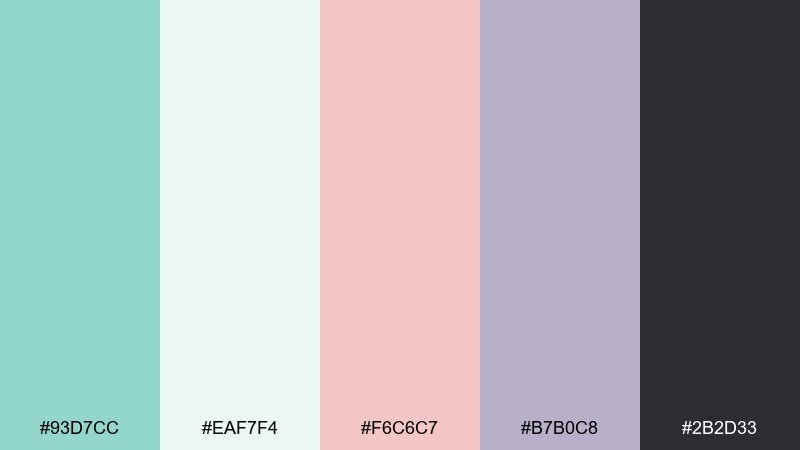
HEX: #93D7CC #EAF7F4 #F6C6C7 #B7B0C8 #2B2D33
Mood: soft, airy, modern
Best for: mobile app onboarding screens
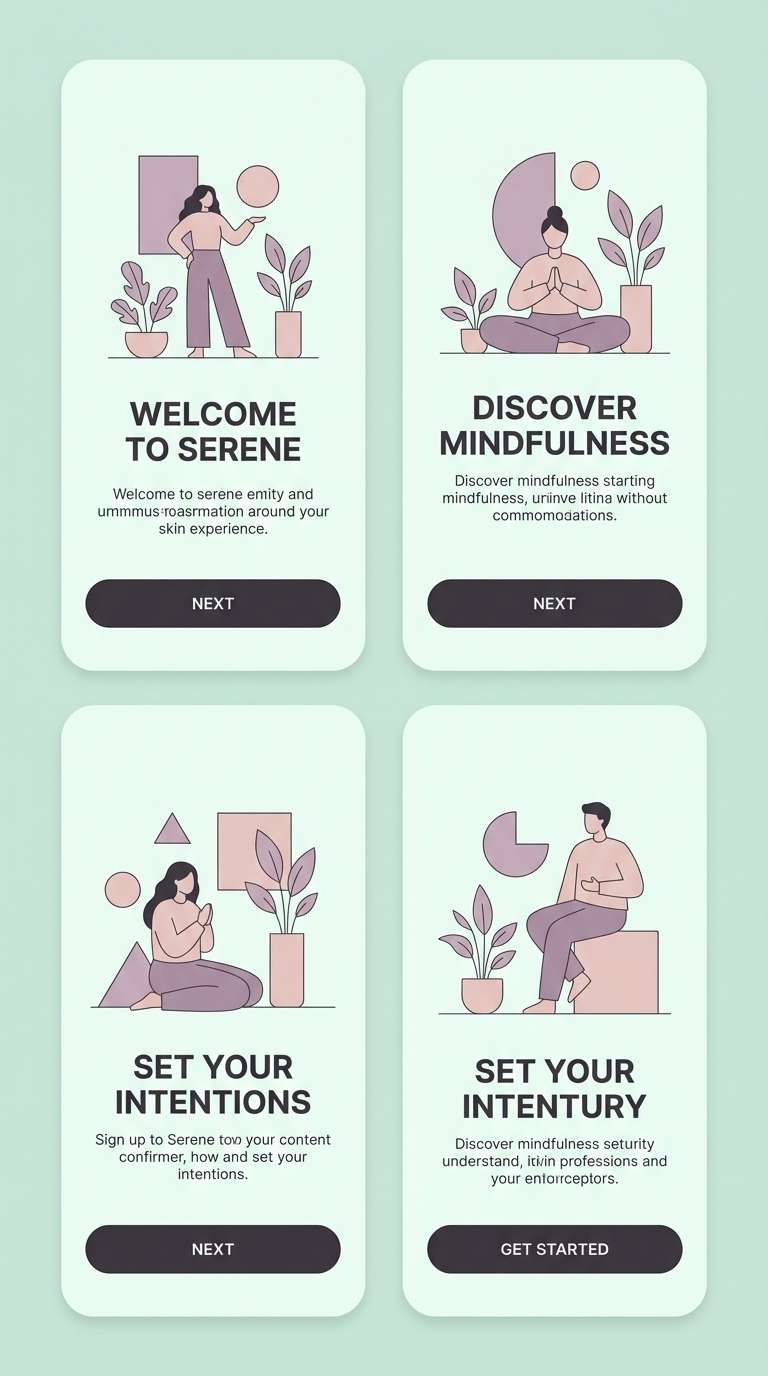
Soft and airy, these colors feel like moonlight on satin with a cool mint breeze. Use the near-white mint as your canvas, then layer dusty lilac and blush for gentle step-by-step emphasis. The deep charcoal gives your onboarding headings a modern, legible edge. Keep gradients subtle and reserve the blush for the primary call-to-action.
Image example of moonlit mint generated using media.io
5) Satin Sand
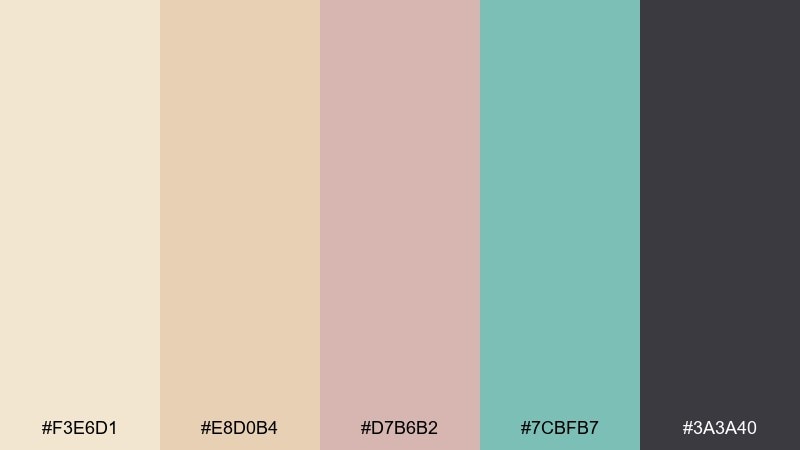
HEX: #F3E6D1 #E8D0B4 #D7B6B2 #7CBFB7 #3A3A40
Mood: warm, understated, elegant
Best for: interior design mood board
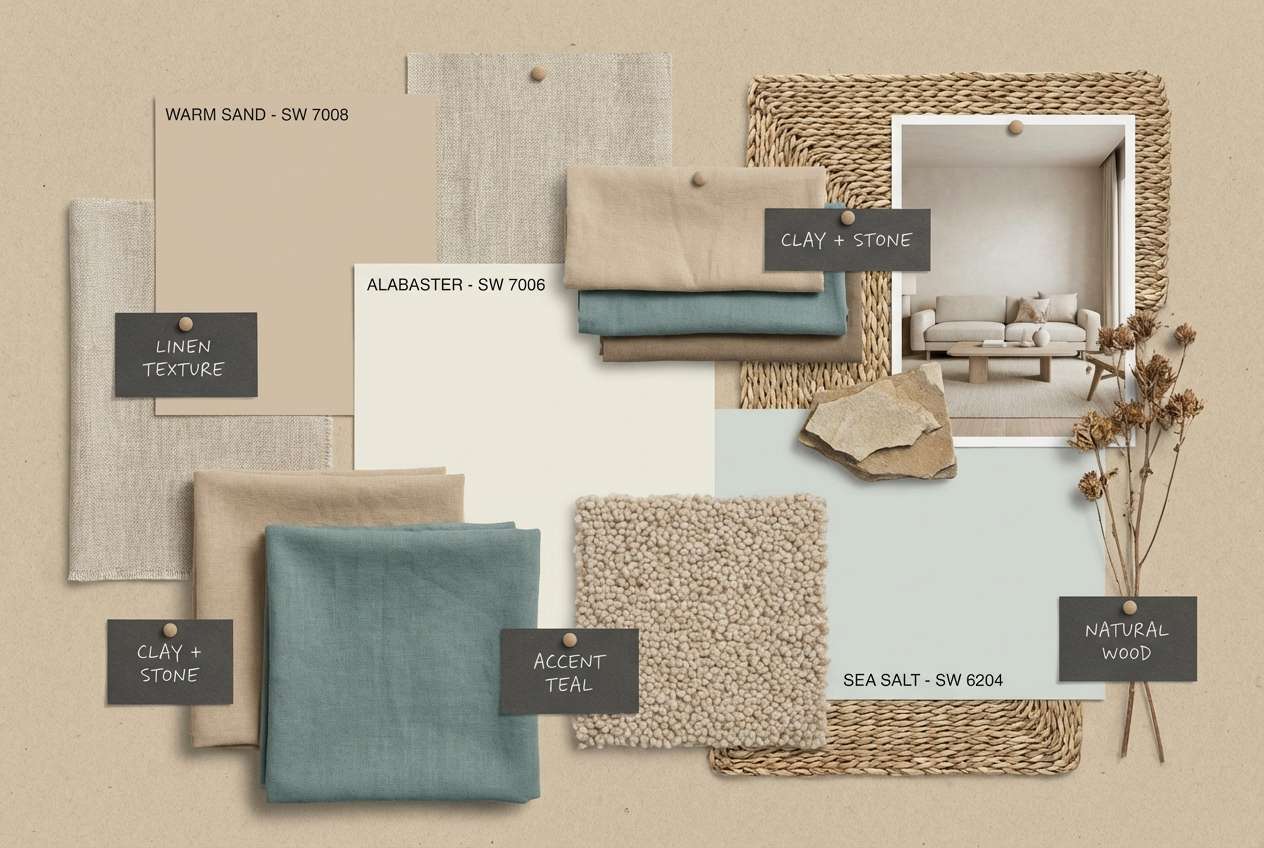
Warm and understated, it suggests linen drapes, pale sand, and a spa-like teal accent. The beige range is perfect for large surfaces, while the muted blush keeps things soft instead of flat. Use the teal as a restrained statement in pillows, artwork, or a single cabinet panel. For balance, repeat the charcoal in hardware and thin lines so the neutrals stay intentional.
Image example of satin sand generated using media.io
6) Dusk Orchid
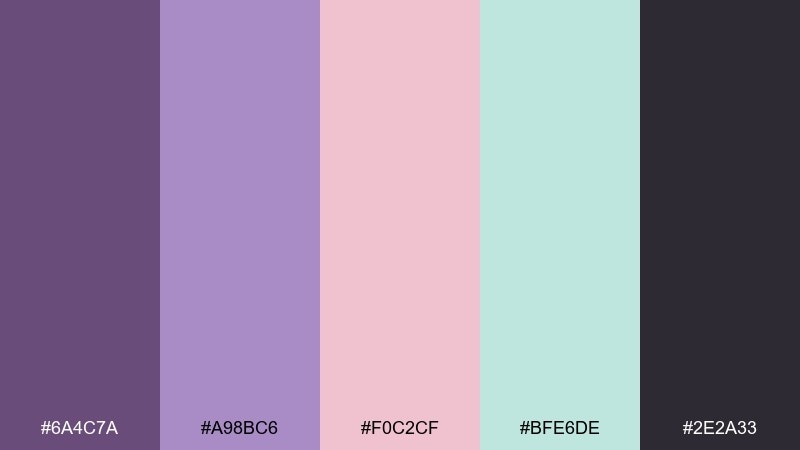
HEX: #6A4C7A #A98BC6 #F0C2CF #BFE6DE #2E2A33
Mood: mysterious, floral, refined
Best for: book cover design
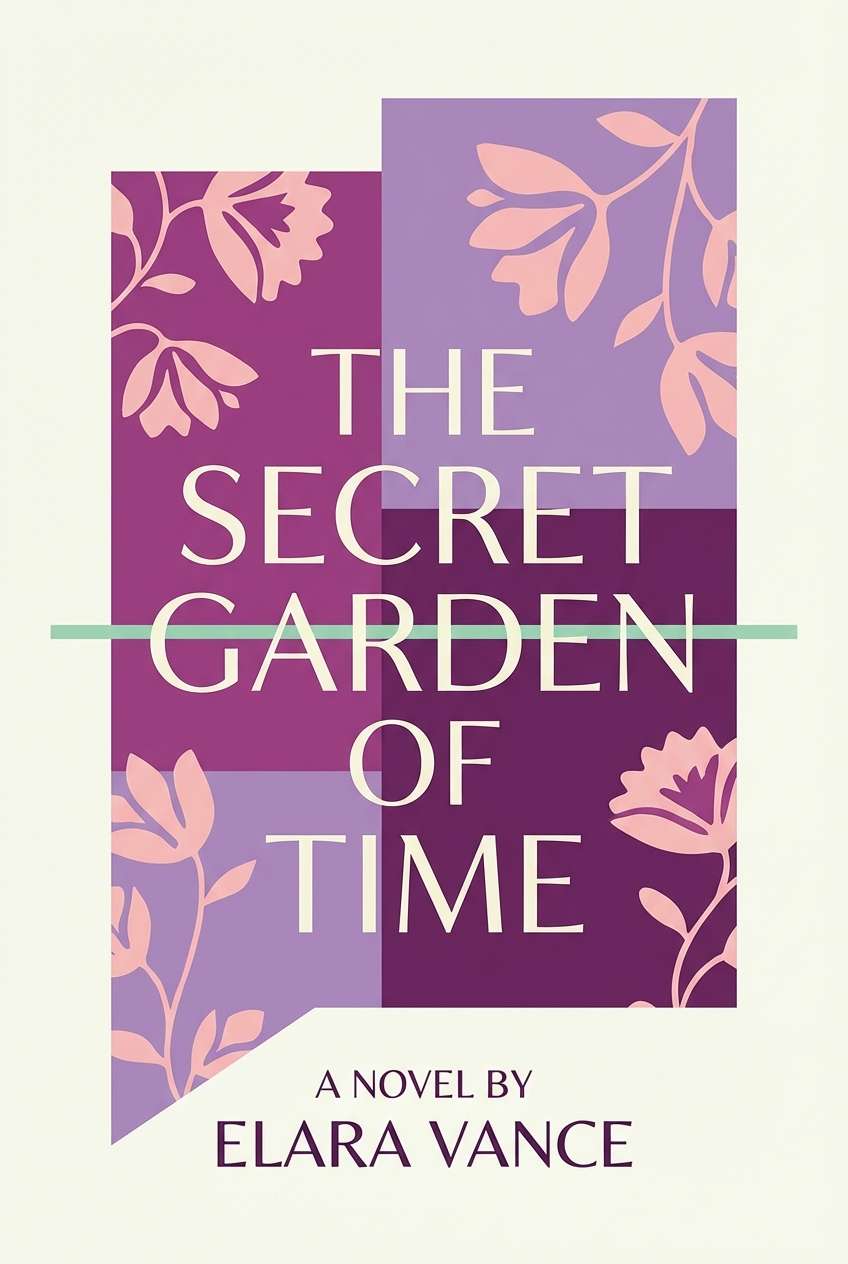
Mysterious and floral, this set feels like orchids at dusk with cool air drifting through a garden. The deep purple makes a strong title field, while lavender and blush soften the composition for romance genres or fairytale retellings. Minty teal adds freshness when used sparingly in small motifs or a subtitle bar. Tip: use foil or spot gloss on the darkest tone to elevate the finish.
Image example of dusk orchid generated using media.io
7) Castle Stone
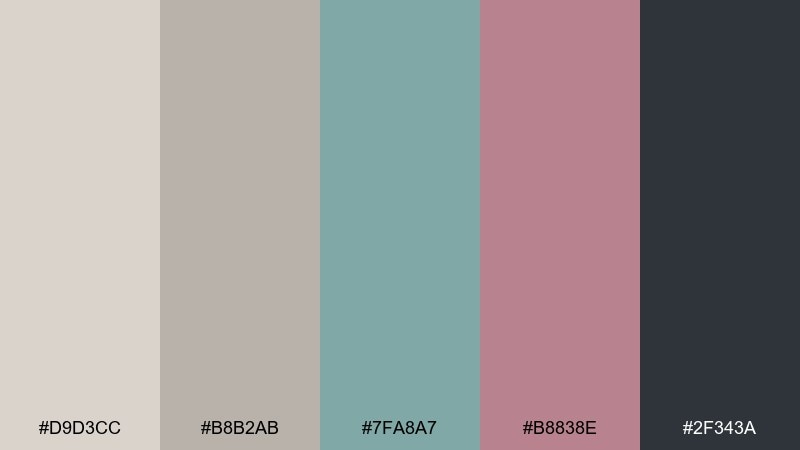
HEX: #D9D3CC #B8B2AB #7FA8A7 #B8838E #2F343A
Mood: classic, grounded, heritage
Best for: corporate presentation template
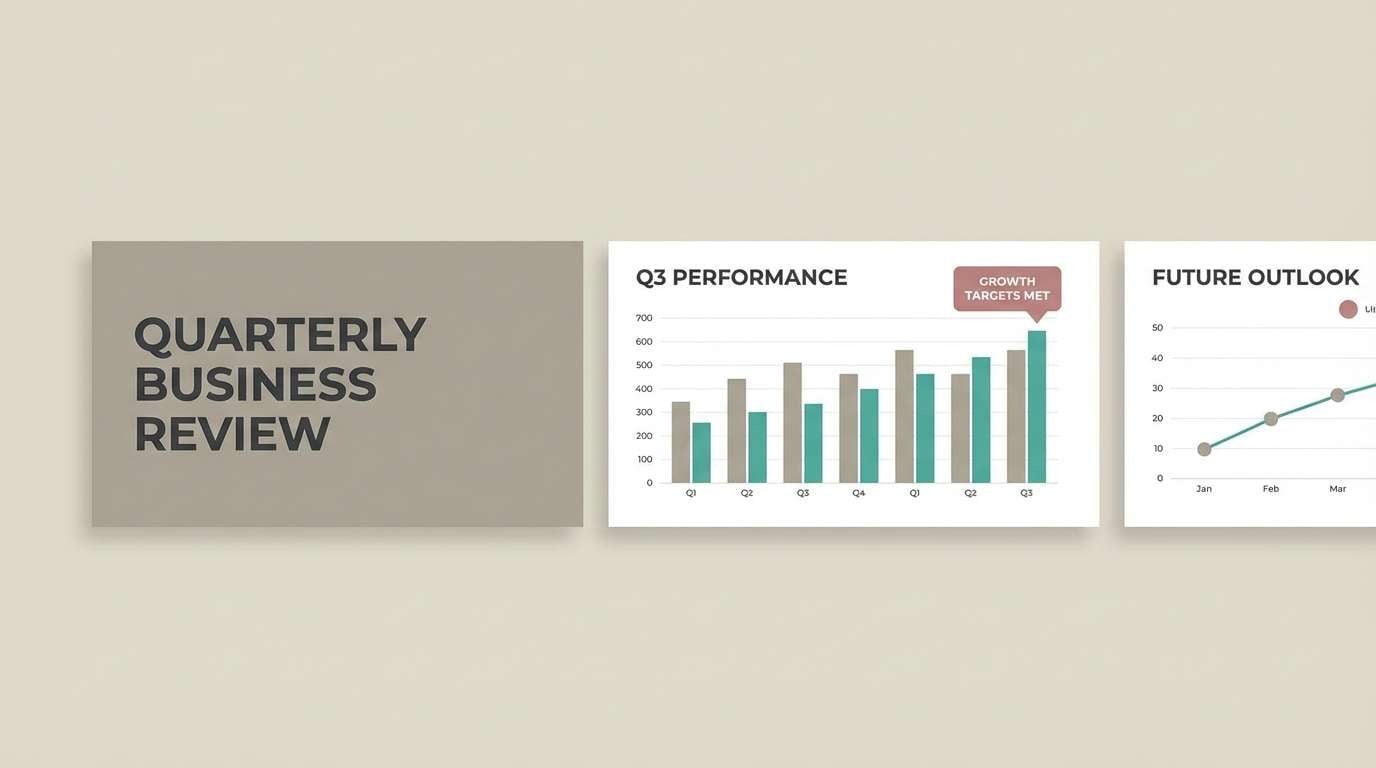
Classic and grounded, it brings to mind stone walls, aged parchment, and a muted rose seal. The gray-beige neutrals make slides feel professional, while the teal and dusty rose keep it from looking generic. Use the darkest tone for headings and data labels to keep charts readable. A good trick is to reserve rose for key callouts so important numbers pop without shouting.
Image example of castle stone generated using media.io
8) Pixie Coral
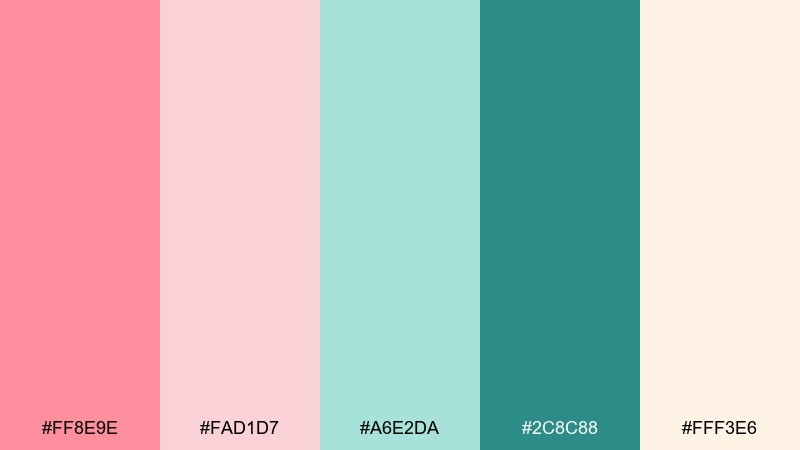
HEX: #FF8E9E #FAD1D7 #A6E2DA #2C8C88 #FFF3E6
Mood: playful, bright, charming
Best for: social media promo post
Playful and bright, it feels like coral candy, mint sorbet, and sunlit paper. Use the vivid coral for headlines and stickers, then balance it with the soft blush for large shapes. Teal works best as a stabilizer in icons and borders so the design stays crisp. Keep the cream background generous to avoid turning the post into a loud block of color.
Image example of pixie coral generated using media.io

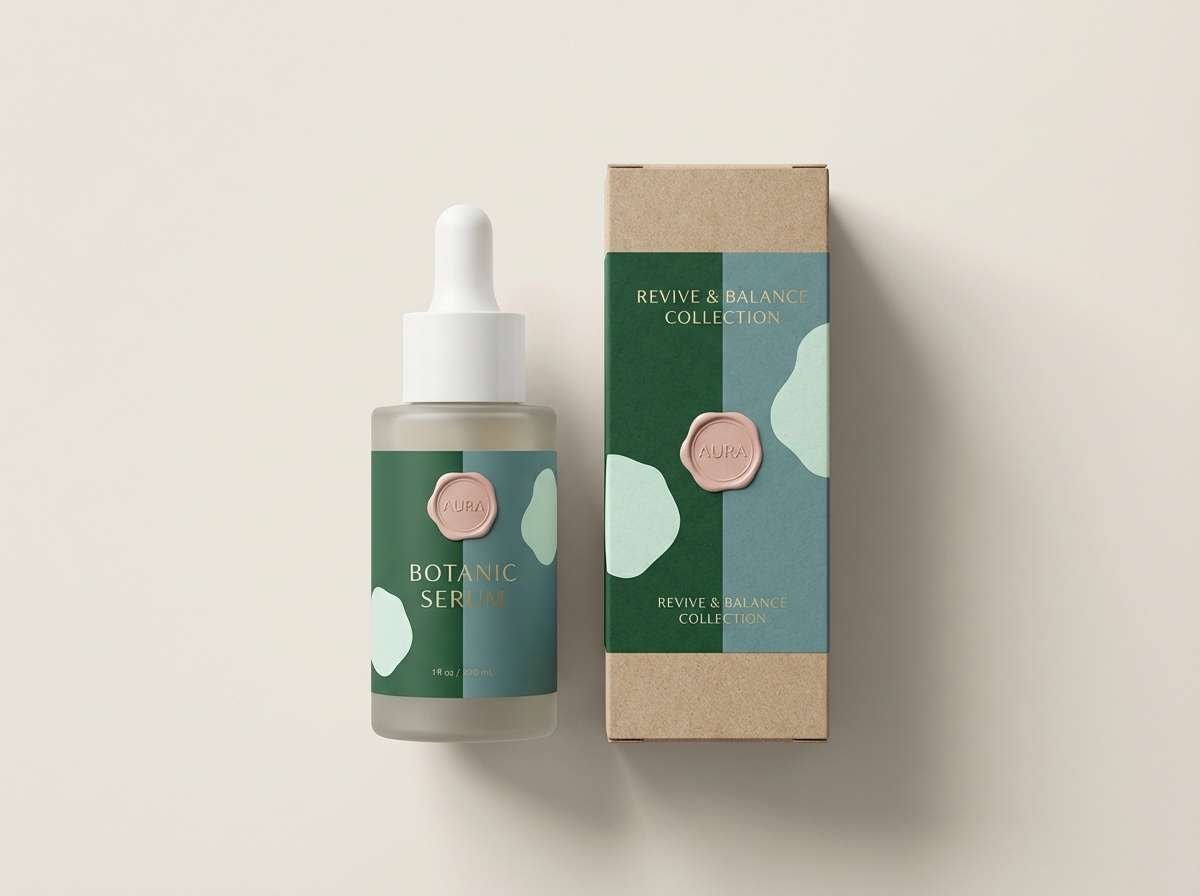
9) Forest Veil
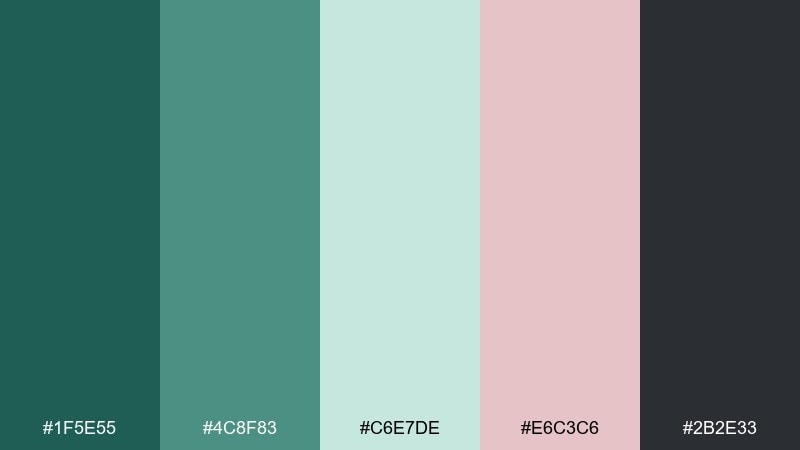
HEX: #1F5E55 #4C8F83 #C6E7DE #E6C3C6 #2B2E33
Mood: earthy, quiet, sophisticated
Best for: skincare product packaging
Earthy and quiet, it suggests shaded evergreens with a soft blush bloom hidden underneath. The deeper greens feel premium on labels, while the pale mint keeps packaging clean and airy. Add blush only as a small seal or ingredient highlight for a gentle, human touch. Usage tip: choose matte finishes for the greens and a subtle gloss on the blush accent for contrast.
Image example of forest veil generated using media.io
10) Opal Haze
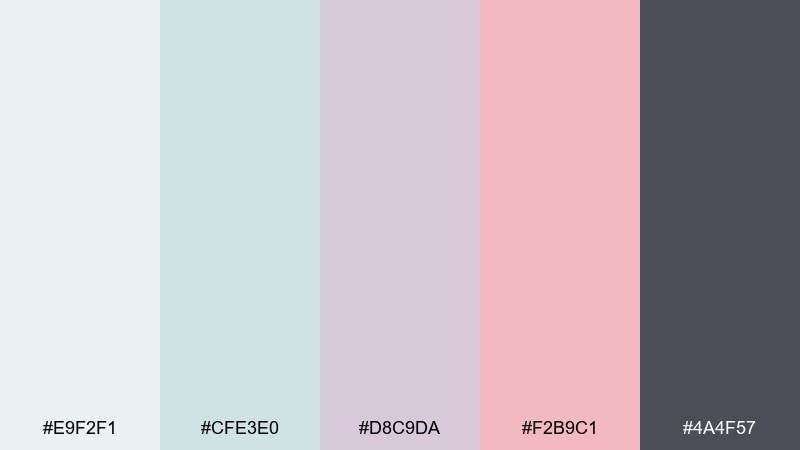
HEX: #E9F2F1 #CFE3E0 #D8C9DA #F2B9C1 #4A4F57
Mood: delicate, luminous, calm
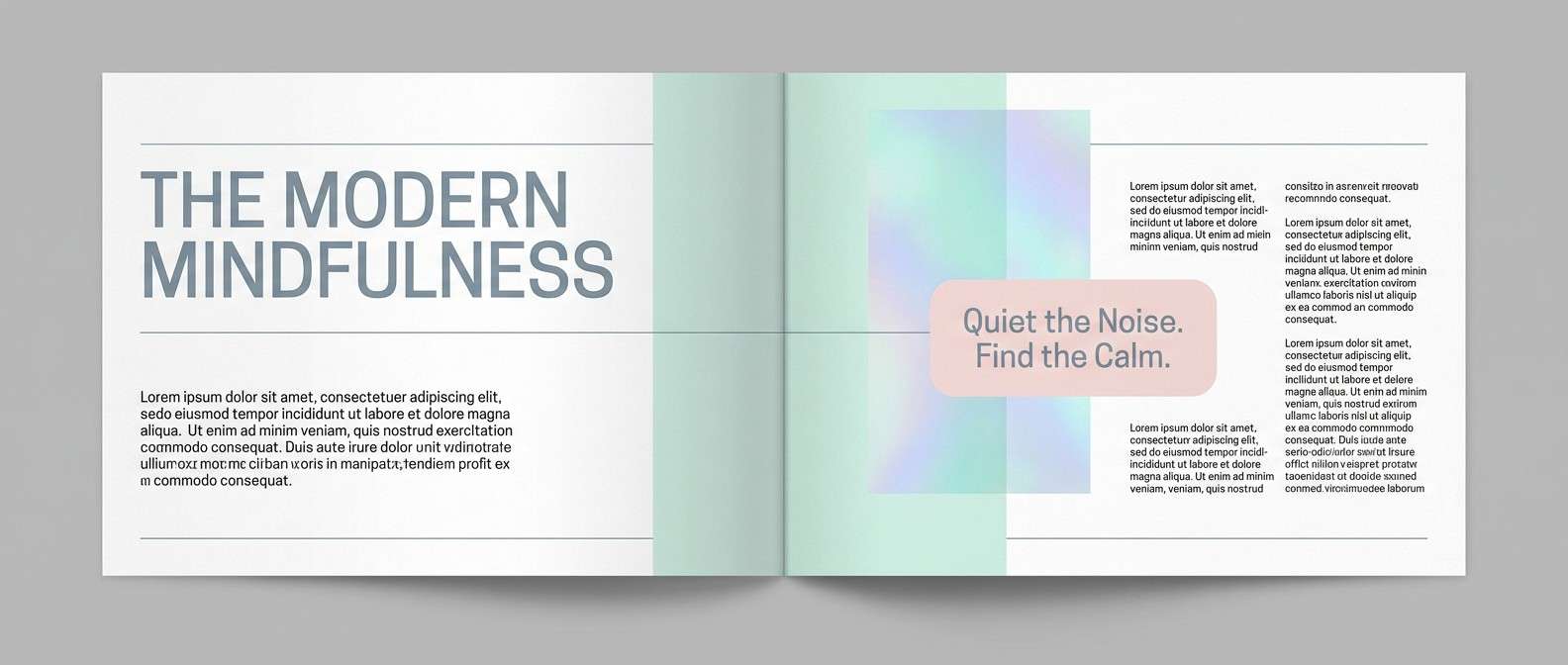
Best for: editorial magazine spread
Delicate and luminous, these shades read like opal shimmer, cool fog, and a blush reflection. Use the pale tones as expansive negative space so photography or headlines can breathe. The gray keeps type sharp without the harshness of pure black. For an elevated look, repeat the blush in small page markers and pull quotes only.
Image example of opal haze generated using media.io
11) Gilded Chamomile
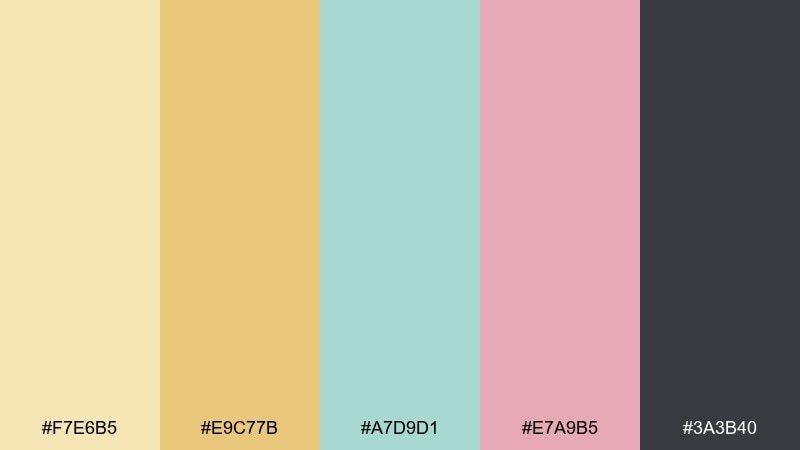
HEX: #F7E6B5 #E9C77B #A7D9D1 #E7A9B5 #3A3B40
Mood: sunlit, cozy, boutique
Best for: cafe menu design
Sunlit and cozy, it feels like chamomile tea with a mint sprig and a rosy pastry on the side. The warm golds are ideal for section headers, while the teal keeps the layout fresh and contemporary. If you want sleeping beauty color combinations that feel less pastel and more boutique, let gold dominate and use pink only for specials. Tip: keep body text dark and simple so the warm tones do not reduce readability.
Image example of gilded chamomile generated using media.io
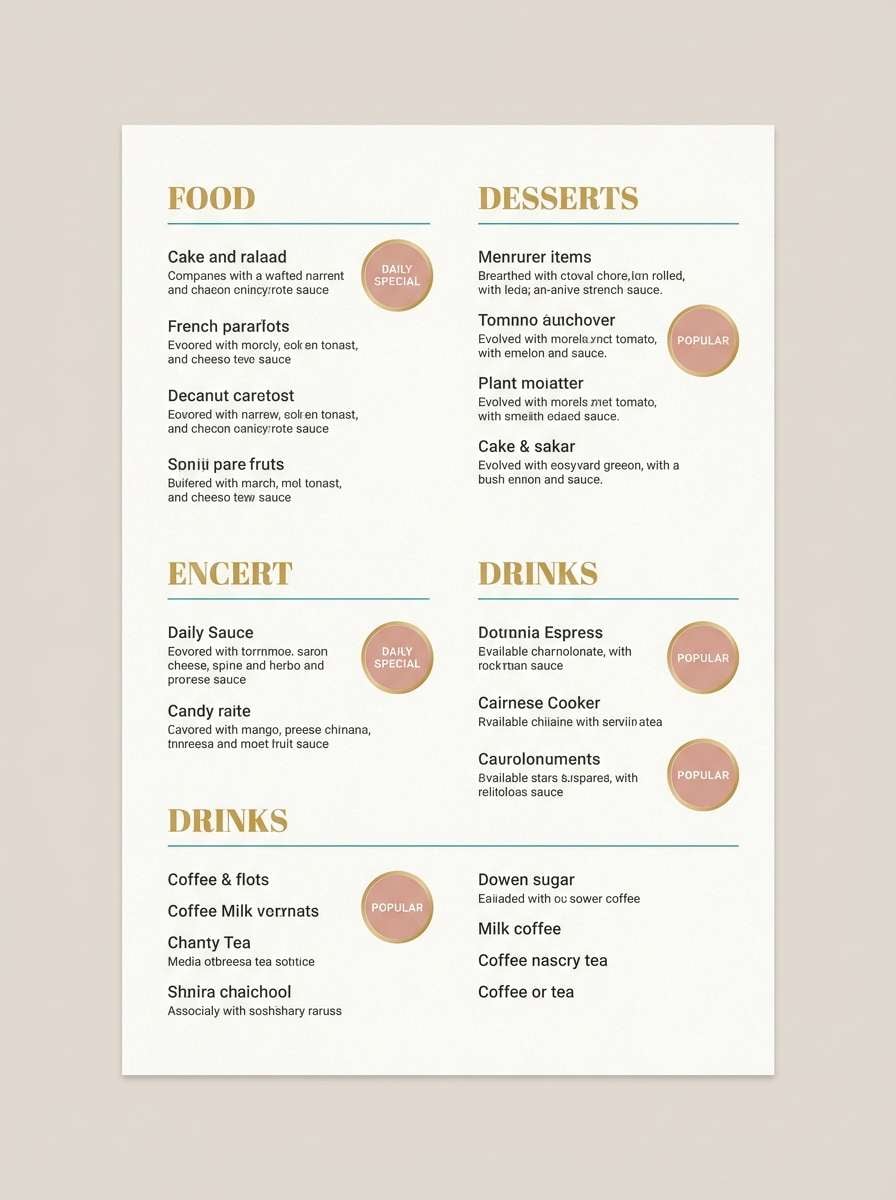
12) Dreamy Denim
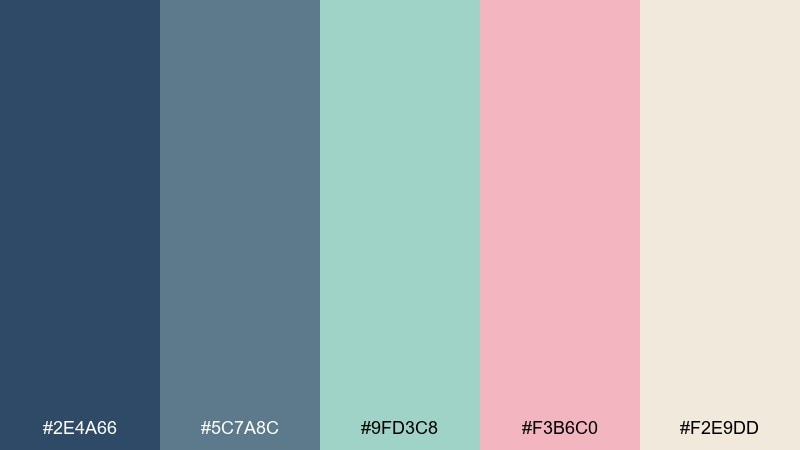
HEX: #2E4A66 #5C7A8C #9FD3C8 #F3B6C0 #F2E9DD
Mood: cool, casual, balanced
Best for: ecommerce product page UI
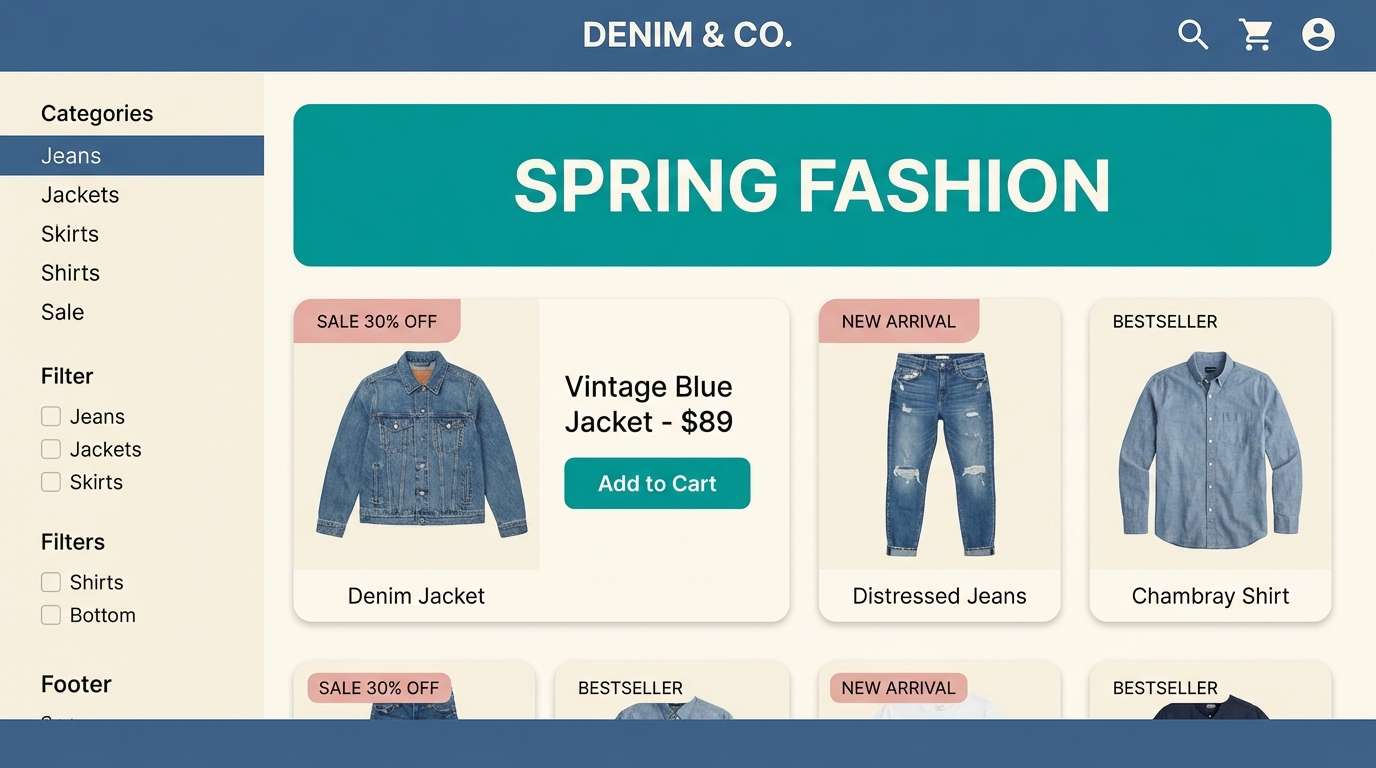
Cool and balanced, it brings together worn denim, sea-glass teal, and a soft blush accent. The navy-denim pair is excellent for headers, filters, and pricing sections without feeling overly corporate. Mint and blush work best as small UI signals like selected states, ratings, or tags. Tip: keep buttons either teal or denim, then use blush only for limited-time badges.
Image example of dreamy denim generated using media.io
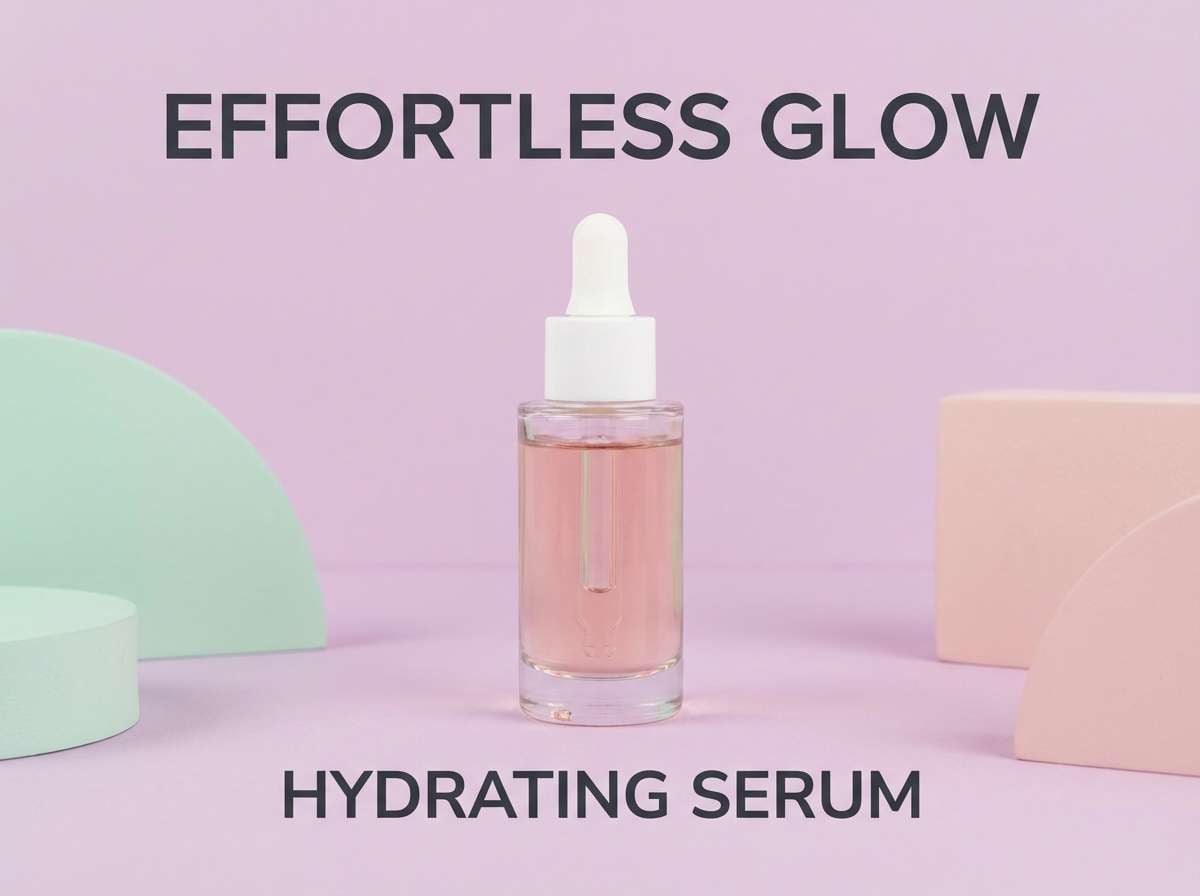
13) Frosted Lilac
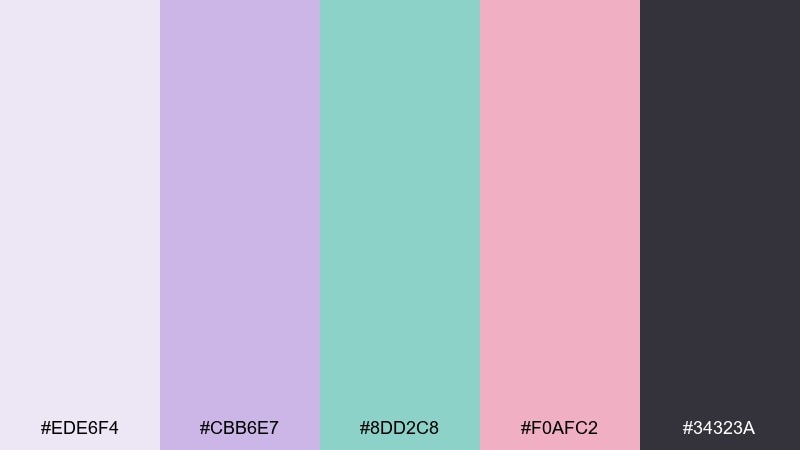
HEX: #EDE6F4 #CBB6E7 #8DD2C8 #F0AFC2 #34323A
Mood: sweet, frosty, whimsical
Best for: beauty product ad
Sweet and frosty, it looks like lilac icing, cool mint, and a rosy glow. The pale lilac is perfect for a soft backdrop, while the darker violet can frame product names and claims. Teal keeps the ad fresh and prevents the pink from skewing too candy-like. Usage tip: choose one dominant pastel and keep the others as accents so the layout stays premium.
Image example of frosted lilac generated using media.io
14) Storybook Plum
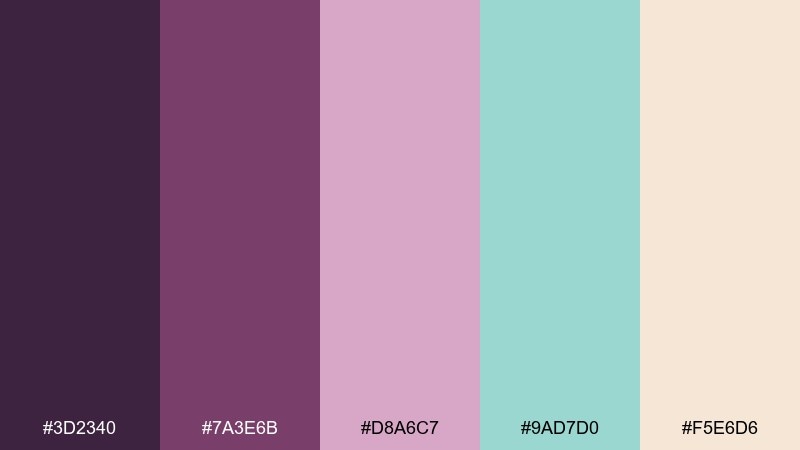
HEX: #3D2340 #7A3E6B #D8A6C7 #9AD7D0 #F5E6D6
Mood: dramatic, magical, elegant
Best for: event poster design
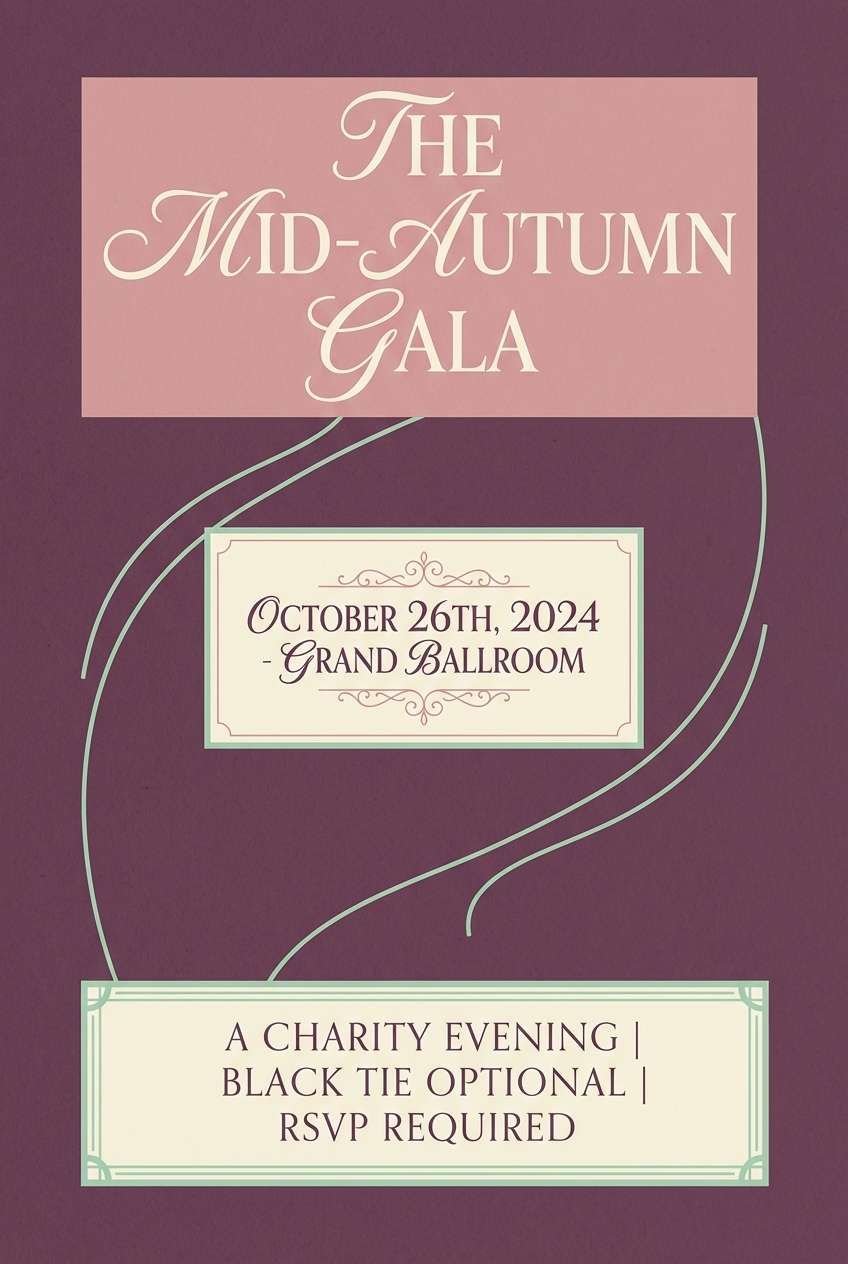
Dramatic and magical, it feels like plum velvet curtains opening to a soft blush spotlight. Use the deep plum as a bold background for posters, then bring in blush for large type blocks that need to stand out. The minty teal works best for secondary details like dates, tickets, or divider lines. Tip: keep margins generous so the dark tones look intentional and cinematic.
Image example of storybook plum generated using media.io
15) Luminous Pearl
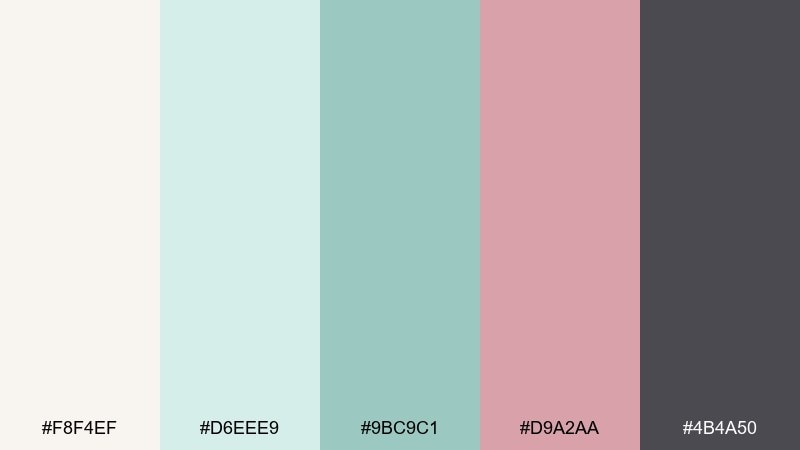
HEX: #F8F4EF #D6EEE9 #9BC9C1 #D9A2AA #4B4A50
Mood: clean, luminous, serene
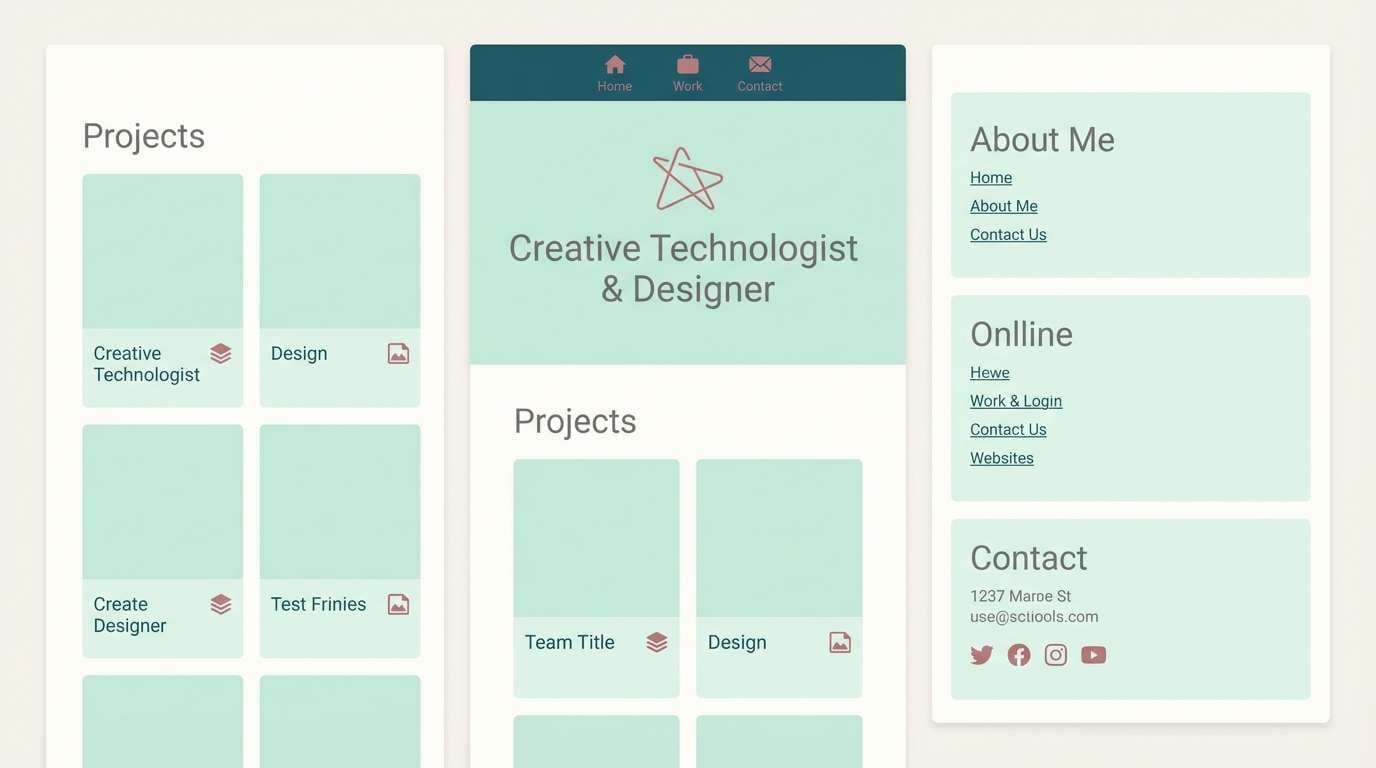
Best for: portfolio website theme
Clean and serene, these tones resemble pearl sheen with seafoam shadows and a muted rose touch. Use the off-white as the main canvas, then build sections with pale mint to keep pages structured but light. The darker teal is great for links and hover states because it reads sophisticated. A small rose accent on icons or separators adds warmth without distracting from work samples.
Image example of luminous pearl generated using media.io
16) Cinnamon Blush
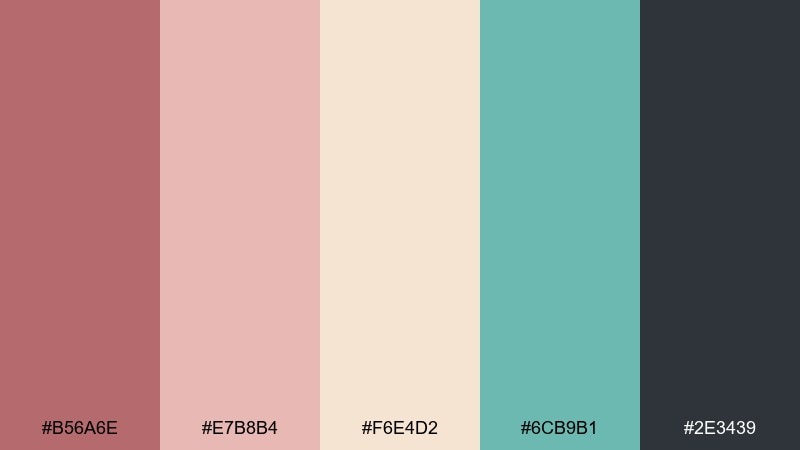
HEX: #B56A6E #E7B8B4 #F6E4D2 #6CB9B1 #2E3439
Mood: warm, welcoming, artisanal
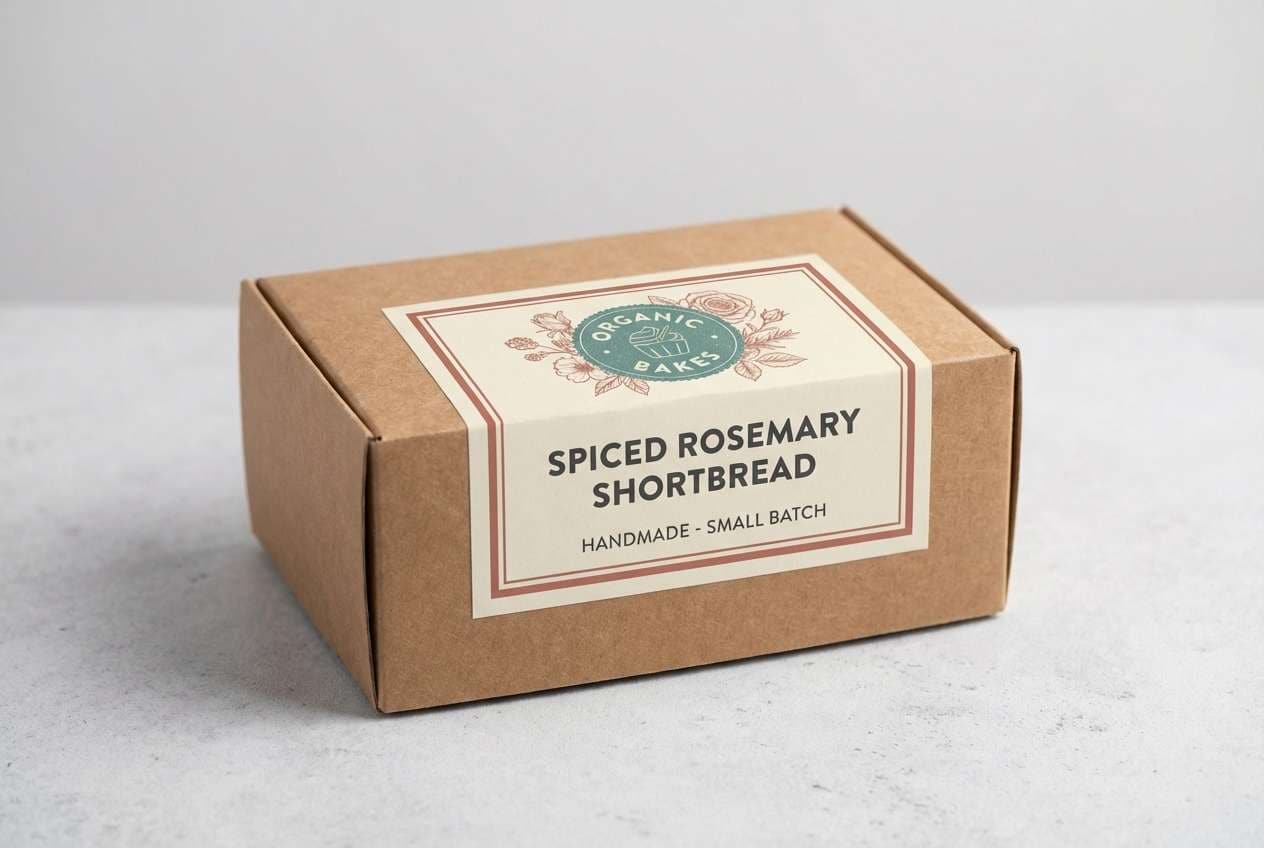
Best for: bakery packaging label
Warm and welcoming, it evokes cinnamon dust, blush frosting, and a cool teal ribbon tied around a box. The rosy browns feel handcrafted on labels, while the cream keeps typography readable and premium. Use teal as a signature stamp color so the package looks cohesive from a distance. Tip: pair with simple serif type to lean into the artisanal vibe.
Image example of cinnamon blush generated using media.io
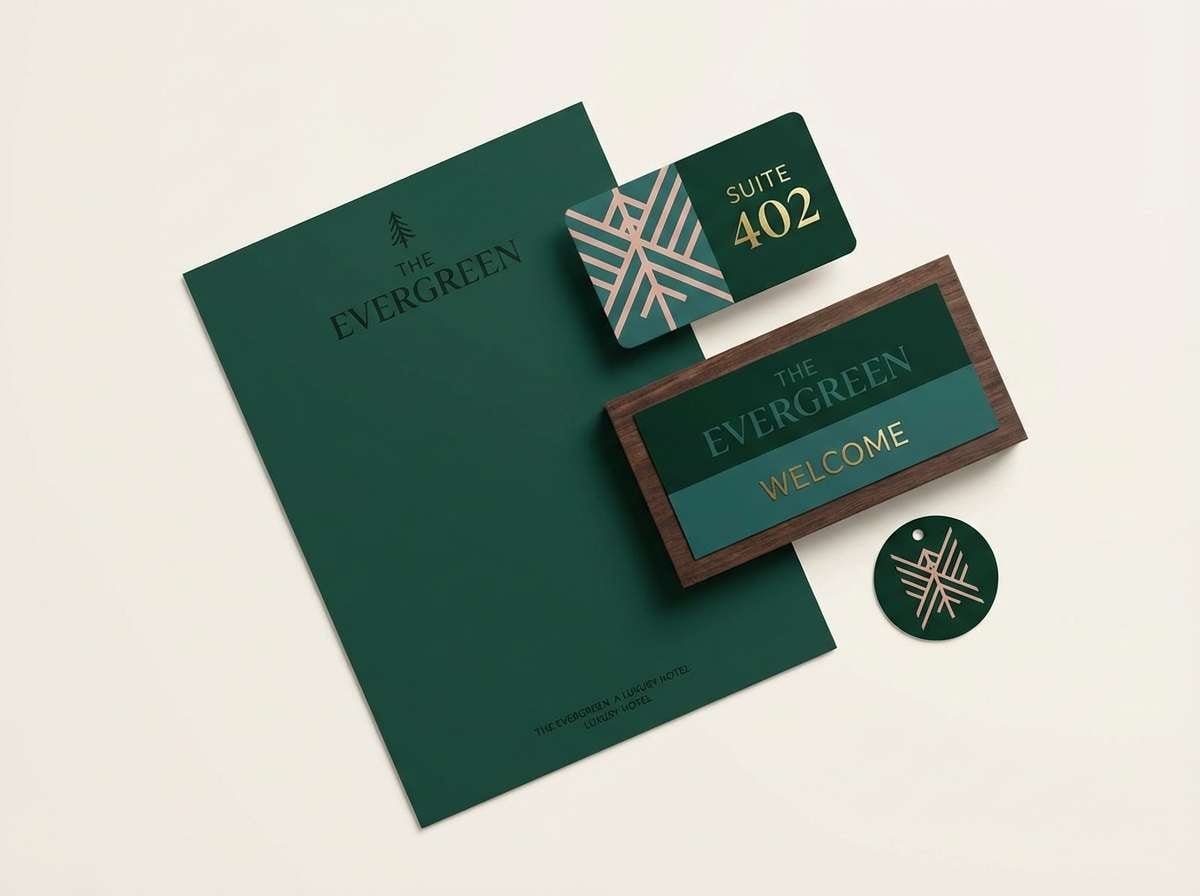
17) Evergreen Drapes
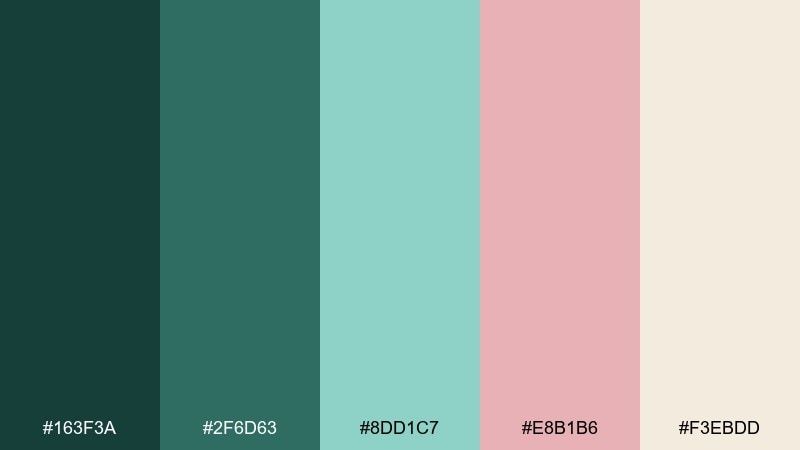
HEX: #163F3A #2F6D63 #8DD1C7 #E8B1B6 #F3EBDD
Mood: rich, composed, luxurious
Best for: luxury hotel branding
Rich and composed, it feels like evergreen drapes against soft blush florals in a grand lobby. The dark green instantly signals luxury and works well for logos, signage, and key stationery elements. Mint and cream keep the system breathable, especially on web and printed collateral. Usage tip: let the blush appear only in secondary patterns or spa-related touchpoints to keep the brand refined.
Image example of evergreen drapes generated using media.io
18) Twilight Brass
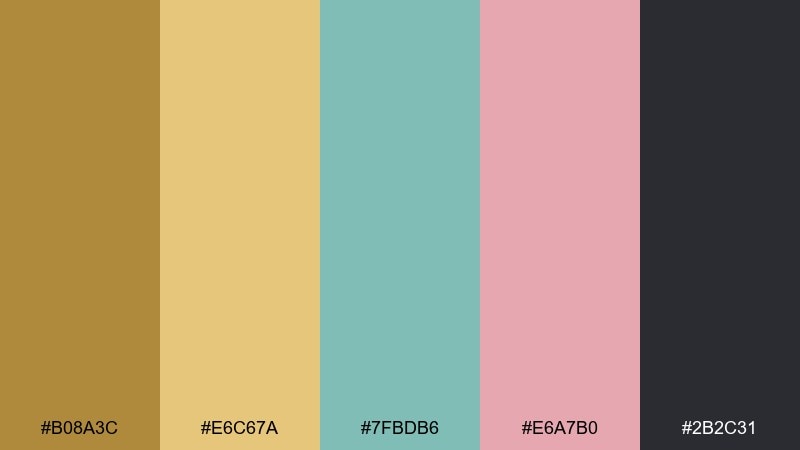
HEX: #B08A3C #E6C67A #7FBDB6 #E6A7B0 #2B2C31
Mood: glam, warm, evening
Best for: product launch flyer
Glam and warm, it brings to mind brass details at twilight with a cool teal counterpoint. Use the gold-brass tones for large hero shapes and headlines to create instant energy. The teal adds modern balance, while blush can soften corners and small badges. Tip: keep backgrounds dark or creamy, but avoid mid-gray so the brass stays luminous.
Image example of twilight brass generated using media.io

19) Petal Smoke
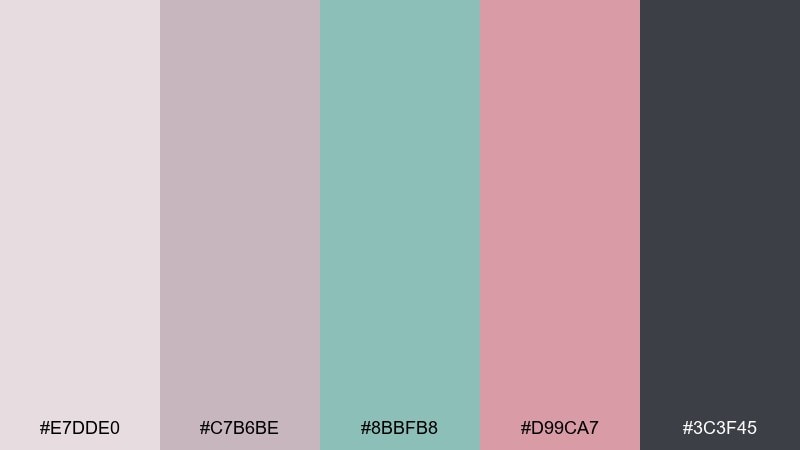
HEX: #E7DDE0 #C7B6BE #8BBFB8 #D99CA7 #3C3F45
Mood: muted, romantic, modern
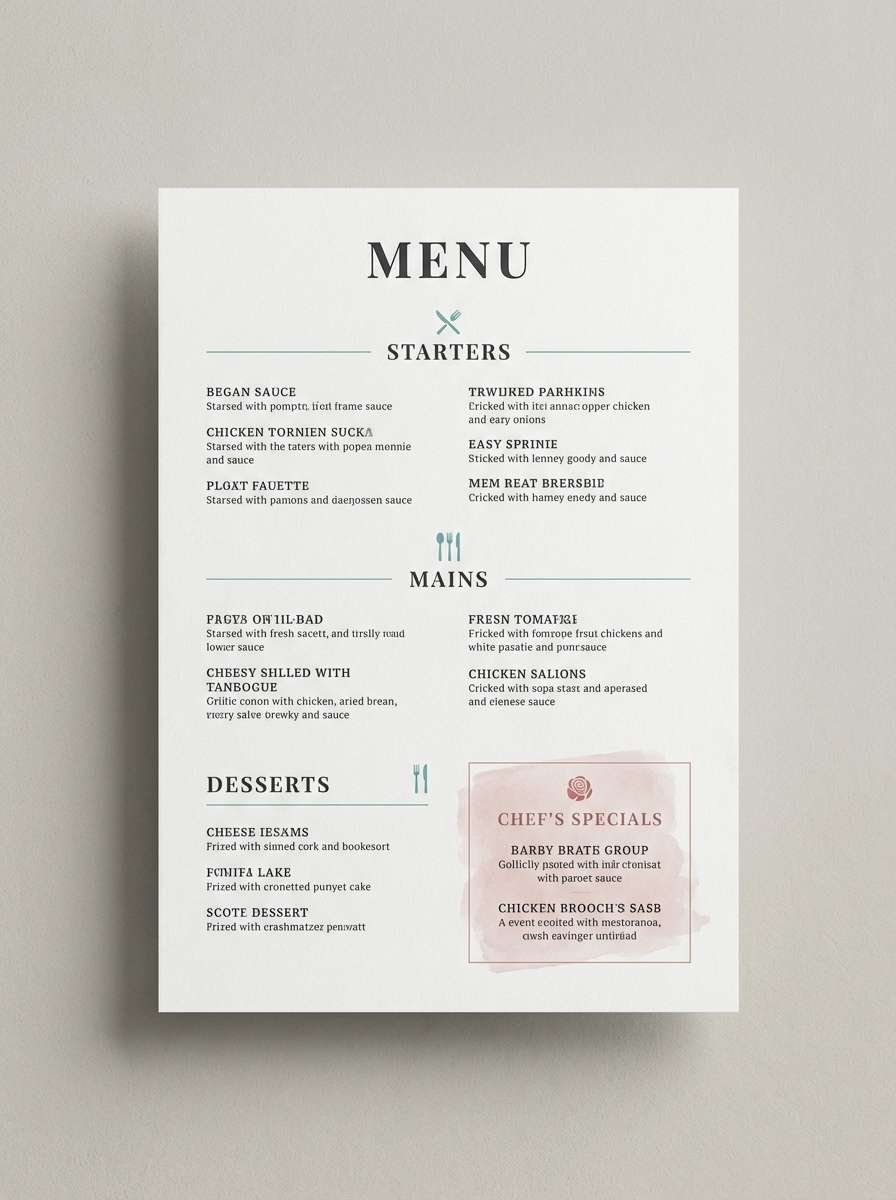
Best for: restaurant menu redesign
Muted and romantic, it feels like petals caught in soft smoke with a cool teal breeze. The dusty neutrals make menus look high-end and easy to read under low light. Use teal for section dividers and icons, and reserve the rose for chef specials or signature cocktails. Tip: choose one accent per page to keep the layout calm and premium.
Image example of petal smoke generated using media.io
20) Nightfall Ink
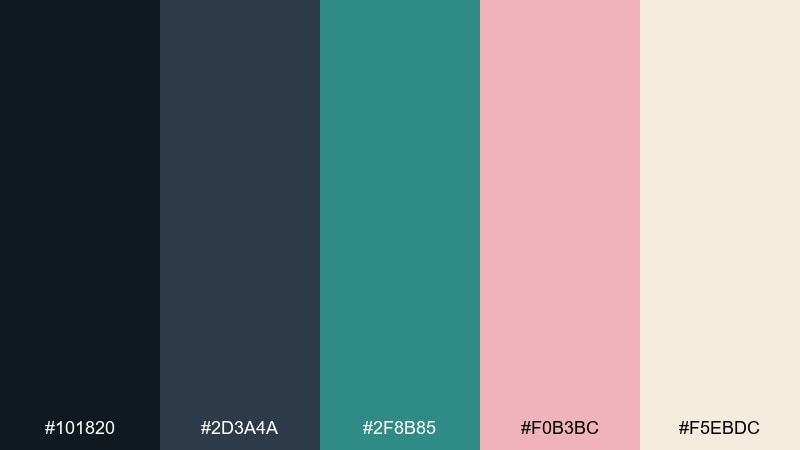
HEX: #101820 #2D3A4A #2F8B85 #F0B3BC #F5EBDC
Mood: bold, modern, high-contrast
Best for: SaaS dashboard UI
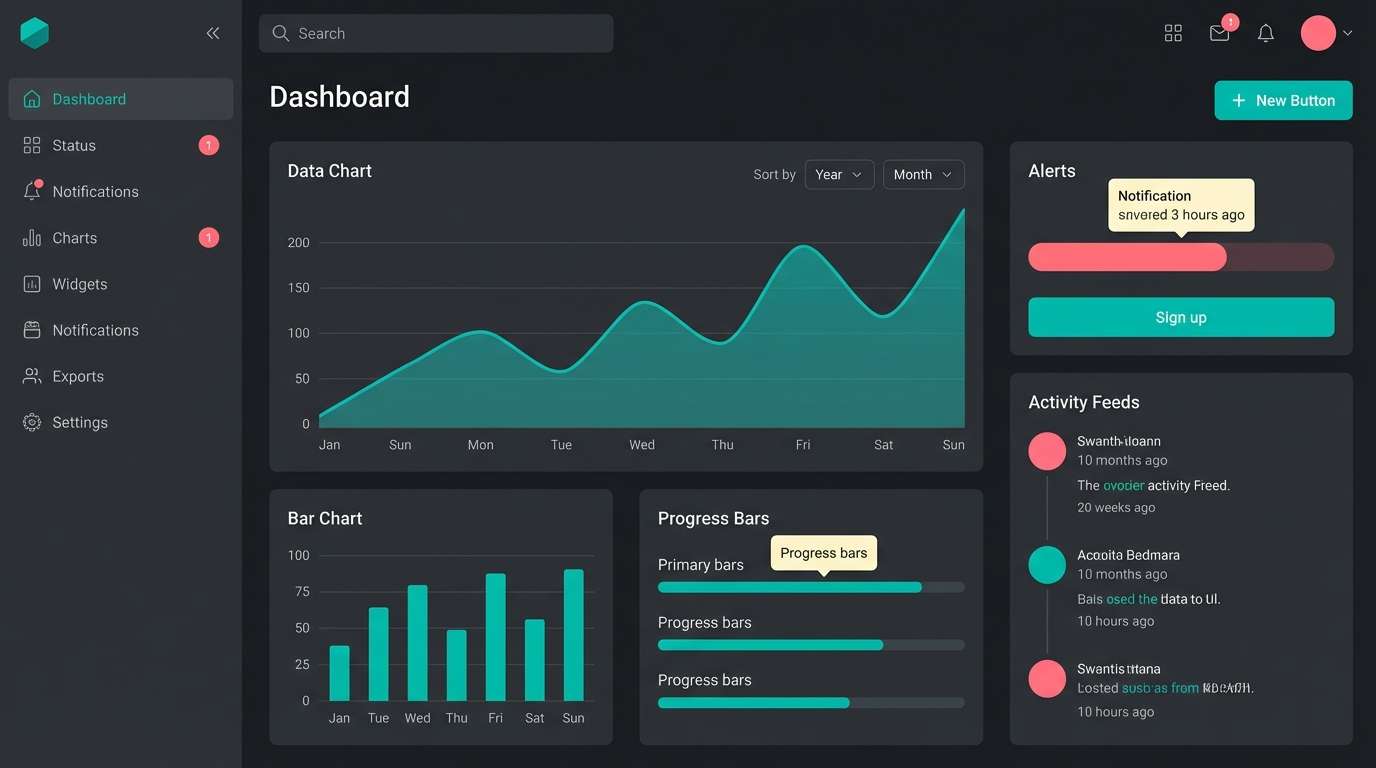
Bold and modern, it reads like nightfall ink with a teal glow and a blush notification light. The near-black and slate are ideal for a dark-mode dashboard, while teal handles primary actions cleanly. If you want sleeping beauty color combinations that still feel technical, keep blush for alerts and small status chips. Tip: use the warm cream only for cards and tooltips to reduce glare.
Image example of nightfall ink generated using media.io
21) Seaglass Bouquet
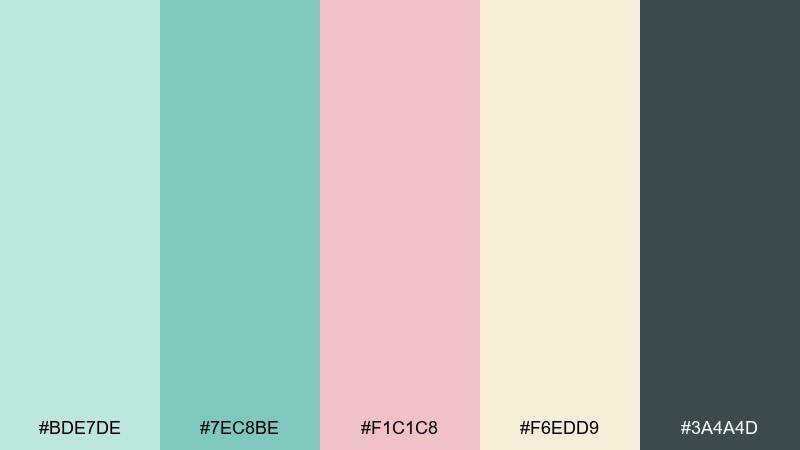
HEX: #BDE7DE #7EC8BE #F1C1C8 #F6EDD9 #3A4A4D
Mood: spring, gentle, uplifting
Best for: watercolor botanical illustration
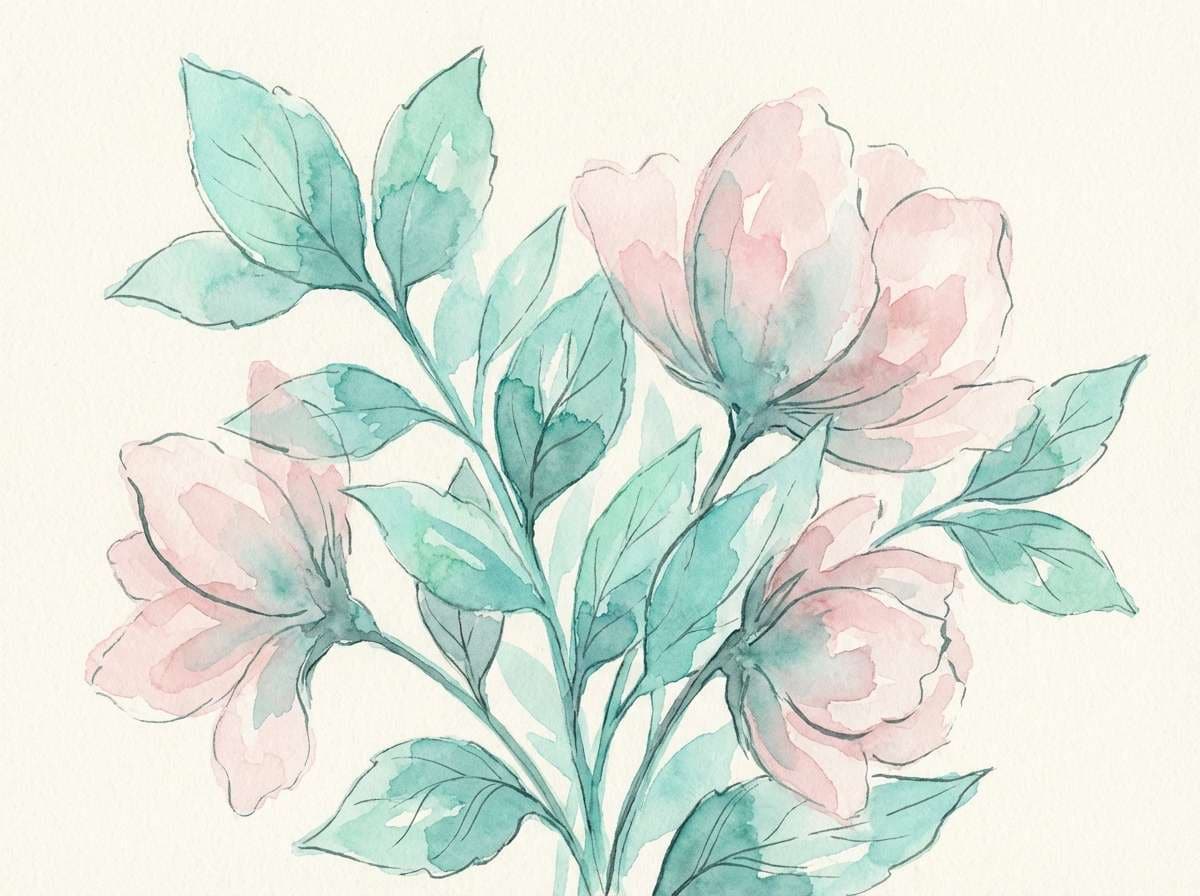
Springy and gentle, it suggests sea-glass leaves wrapped around a blush bouquet. The mint and teal are perfect for foliage washes, while the pink adds soft petals without overpowering. Use the cream as paper tone and the deep gray-green only for fine stems or handwritten labels. Tip: keep edges loose and translucent so the palette stays airy.
Image example of seaglass bouquet generated using media.io
22) Royal Taffeta
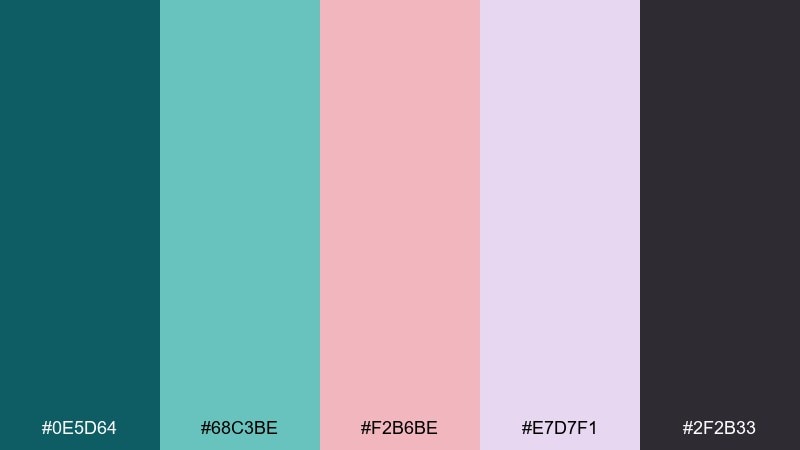
HEX: #0E5D64 #68C3BE #F2B6BE #E7D7F1 #2F2B33
Mood: regal, soft, polished
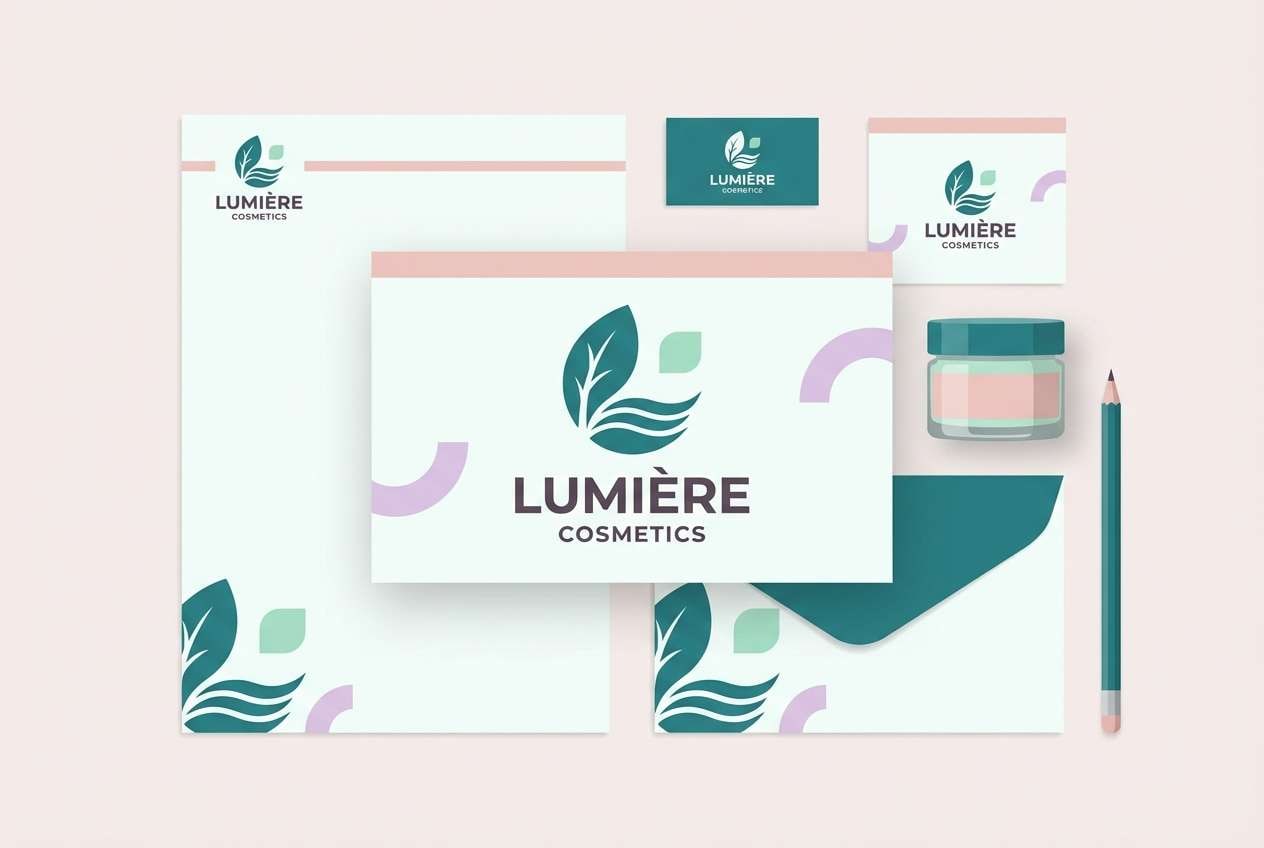
Best for: cosmetics brand logo and stationery
Regal yet soft, it feels like teal taffeta with a blush veil and a hint of lilac shimmer. The teal tones build a confident base for a cosmetics mark, while lilac adds an editorial twist. This sleeping beauty color palette works best when you keep backgrounds pale and let the dark plum-gray handle typography. Tip: try embossing the logo and using teal ink for the most premium finish.
Image example of royal taffeta generated using media.io
What Colors Go Well with Sleeping Beauty?
Sleeping Beauty colors pair best with soft neutrals and grounded darks: warm creams, parchment beiges, and charcoal/ink tones help teal and blush look intentional and readable.
If you want a fresher, modern direction, add sea-glass mint or pale aqua to expand negative space and keep layouts airy. For a richer, more “storybook” feel, bring in plum, orchid, or wine as a deep supporting shade.
Metallic accents also fit naturally: brass and soft gold elevate the palette for menus, event posters, and boutique branding without overpowering the calm base.
How to Use a Sleeping Beauty Color Palette in Real Designs
Start with roles: pick one dominant background (cream, off-white, or pale mint), one primary brand/UI color (teal), and one accent (blush). Then reserve a dark charcoal or ink tone for text so accessibility stays strong.
For invitations and print, let the deepest shade handle names and key details, then use blush for ornaments or borders. For UI, keep blush to status chips, badges, or micro-illustrations so it reads as “highlight,” not “noise.”
To keep the look cohesive across assets, repeat the same teal and charcoal in every layout, then swap only the secondary pastels (lilac, sand, or opal tones) by campaign or page type.
Create Sleeping Beauty Palette Visuals with AI
If you already have HEX codes, you can turn them into on-brand mockups fast by generating matching visuals (UI screens, flyers, packaging, or mood boards) with a consistent prompt style.
In Media.io, describe the layout you need, name the dominant colors (teal, blush, cream, charcoal), and specify a clean background and flat or realistic style depending on your use case.
When you find a palette above that fits, reuse its prompt and swap the format (poster, landing page, invitation suite) to keep your creative direction consistent.
Sleeping Beauty Color Palette FAQs
-
What is a Sleeping Beauty color palette?
A Sleeping Beauty color palette is a dreamy mix of teal/seafoam tones, blush pink accents, and soft neutrals (cream, sand, opal) often grounded by charcoal or deep plum for contrast. -
Are teal and blush good for branding?
Yes. Teal signals calm and trust, while blush adds warmth and approachability. Pair them with a dark neutral (charcoal/ink) for professional contrast and readable typography. -
How do I keep a teal-and-blush palette from looking too pastel?
Add a stronger anchor color like deep evergreen, denim navy, plum, or near-black, and use blush as a small accent (badges, seals, dividers) instead of a large background. -
What background color works best with Sleeping Beauty colors?
Creamy off-white, warm parchment, or very pale mint works best because it keeps the palette soft while preserving clean separation for UI blocks and printed layouts. -
Which Sleeping Beauty palette is best for UI design?
For light UI, try Enchanted Lagoon, Dreamy Denim, or Luminous Pearl. For dark-mode products, Nightfall Ink gives strong contrast with teal actions and blush alerts. -
Which palette is best for wedding invitations?
Rosewood Velvet is ideal for invitations because it combines romantic wine/berry depth with blush and light neutrals, making names and details feel elegant and readable. -
Can I generate matching mockups for these palettes with AI?
Yes. Use Media.io text-to-image, paste a prompt similar to the examples above, and specify your dominant colors (teal, blush, cream) plus the design format (UI, menu, poster, packaging) for consistent results.
Next: Hospital Color Palette


