

A strong pharmacy color palette balances two things people care about most in healthcare: trust and clarity. The right mix of clean neutrals and calm greens/blues makes labels easier to scan, interfaces easier to navigate, and brands feel more credible.
Below are curated pharmacy colors (with HEX codes) you can use for packaging, apps, signage, and patient materials—plus AI-ready prompts to visualize each palette fast.
In this article
- Why Pharmacy Palettes Work So Well
-
- sterile mint
- clean counter white
- aloe ice
- clinical teal
- vitamin citrus
- seafoam label
- sage capsule
- calm lavender
- rose syrup
- night shift navy
- graphite receipt
- herbal tonic
- cool slate
- pearl gel
- copper dispenser
- sunlit waiting room
- emerald prescription
- pastel pillbox
- minimalist mint
- warm sand counter
- ink stamp
- What Colors Go Well with Pharmacy?
- How to Use a Pharmacy Color Palette in Real Designs
- Create Pharmacy Palette Visuals with AI
Why Pharmacy Palettes Work So Well
Pharmacy branding often needs to communicate safety, hygiene, and professionalism at a glance. Cool whites, mints, teals, and slates naturally support that “clean and controlled” perception without looking sterile when paired with warm neutrals.
These palettes also perform well in information-dense layouts. High-contrast dark anchors (navy, charcoal, deep green) keep text readable on labels, receipts, and UI forms, while soft tints reduce fatigue during repeated scanning.
Finally, pharmacy colors are flexible across physical and digital touchpoints—from packaging and signage to patient portals and onboarding screens—so your brand can stay consistent even as the medium changes.
20+ Pharmacy Color Palette Ideas (with HEX Codes)
1) Sterile Mint
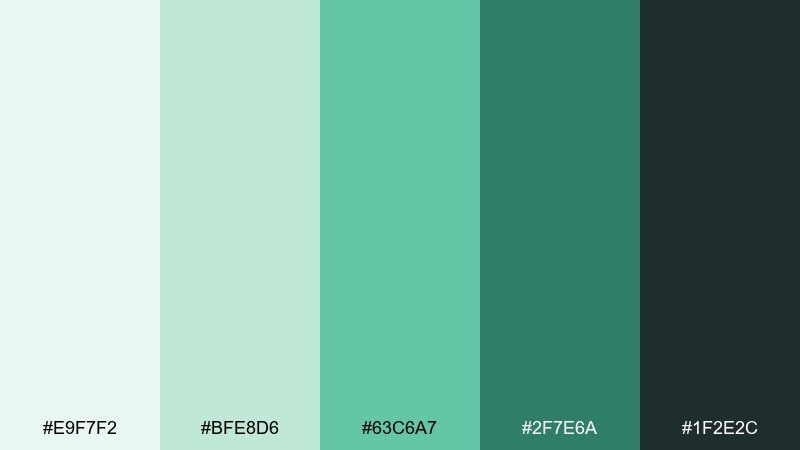
HEX: #E9F7F2 #BFE8D6 #63C6A7 #2F7E6A #1F2E2C
Mood: clean, reassuring, modern
Best for: health app dashboard UI
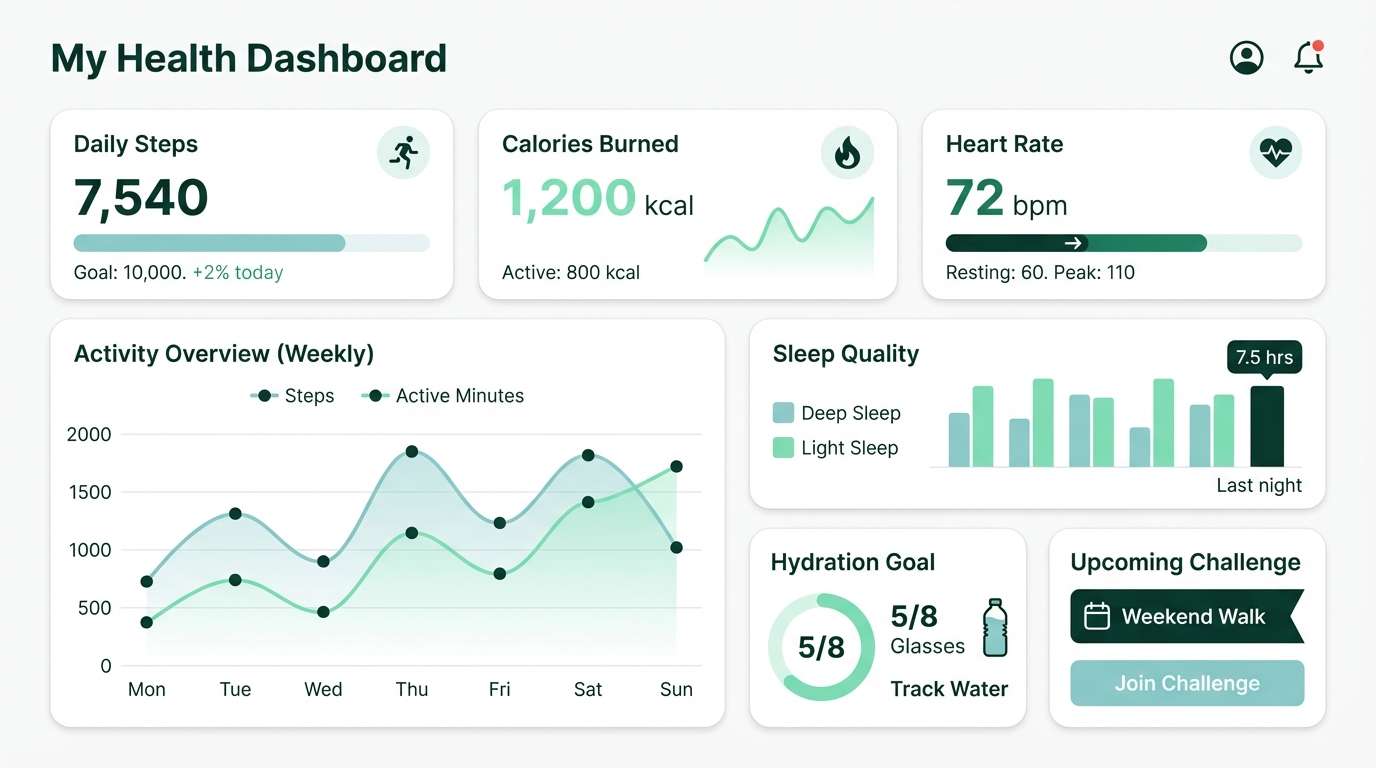
Clean and airy like a freshly wiped counter, these mint-teal tones feel calm and trustworthy. They work beautifully for health app dashboards, patient portals, and dosage trackers where clarity matters. Pair the deeper green with lots of white space and light gray dividers to keep content readable. Usage tip: reserve the darkest shade for primary buttons so calls-to-action never compete with data.
Image example of sterile mint generated using media.io
Media.io is an online AI studio for creating and editing video, image, and audio in your browser.


2) Clean Counter White
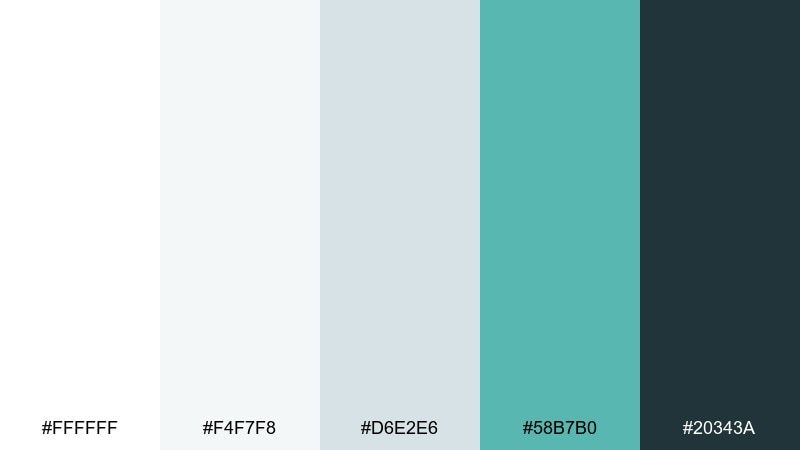
HEX: #FFFFFF #F4F7F8 #D6E2E6 #58B7B0 #20343A
Mood: clinical, minimal, polished
Best for: pharmacy website landing page UI
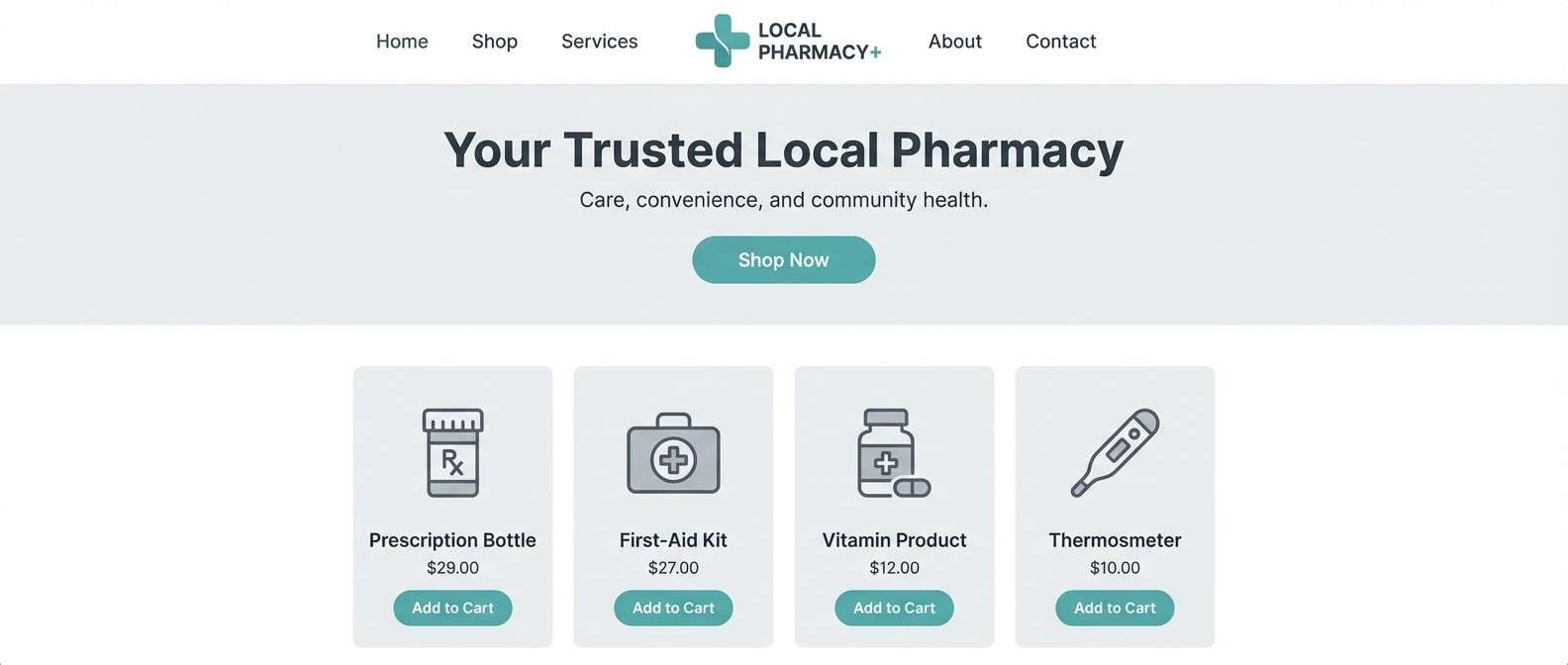
Bright whites and cool blue-grays evoke spotless shelves and crisp receipts. The color balance supports a pharmacy website where navigation, forms, and product listings need to feel simple and dependable. Pair the teal accent with charcoal text for contrast, and keep secondary elements in the pale grays. Usage tip: use the teal only for links and key highlights to maintain a premium, uncluttered look.
Image example of clean counter white generated using media.io
3) Aloe Ice
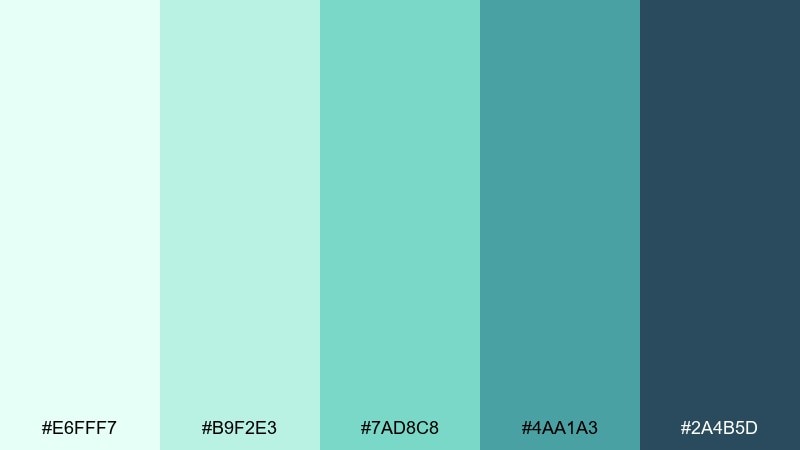
HEX: #E6FFF7 #B9F2E3 #7AD8C8 #4AA1A3 #2A4B5D
Mood: cool, refreshing, soothing
Best for: skincare product packaging
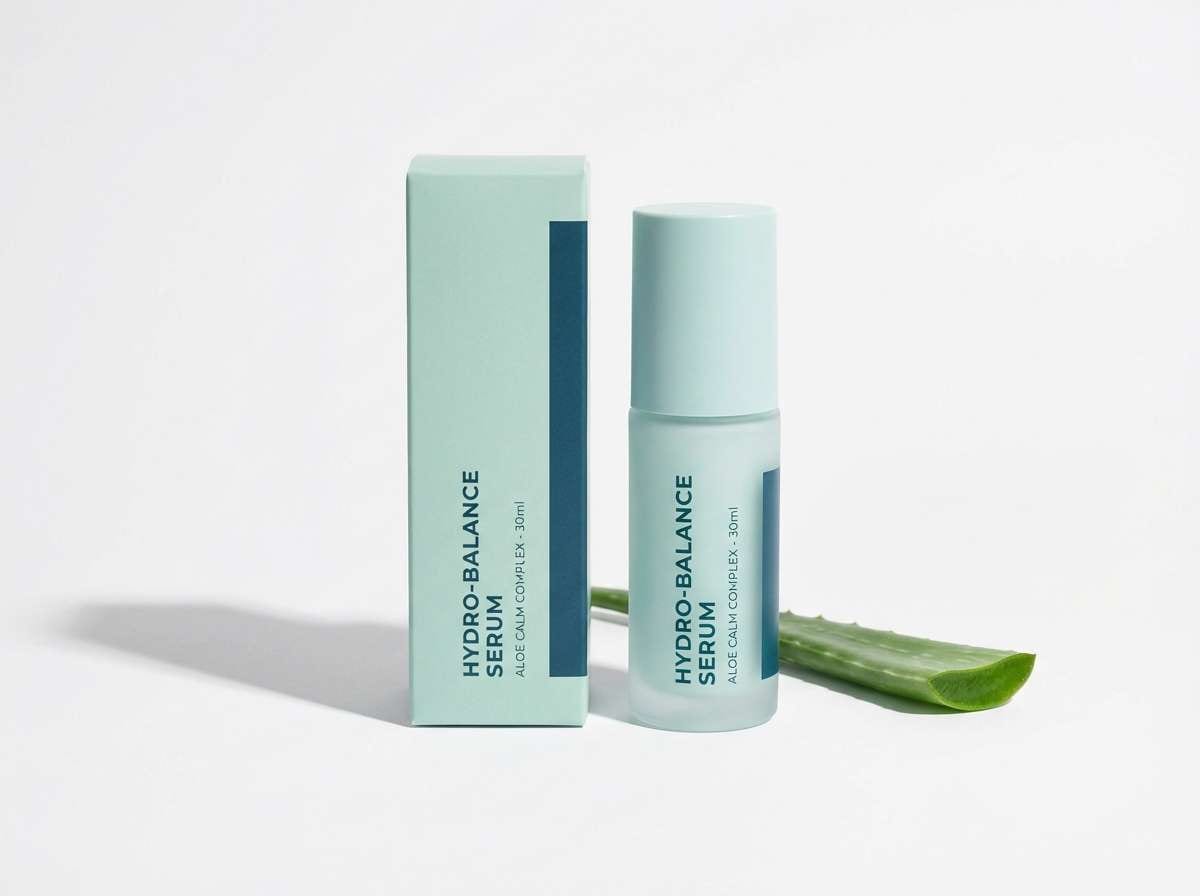
Cool aqua and aloe greens feel like gel cream and chilled hydration. These tones suit skincare packaging that needs to communicate gentle formulas and daily use. Pair the deeper teal with matte white labels for a clean, clinical edge without looking cold. Usage tip: keep typography in the dark blue-teal to avoid pure black, which can feel harsh on soft packaging.
Image example of aloe ice generated using media.io
4) Clinical Teal
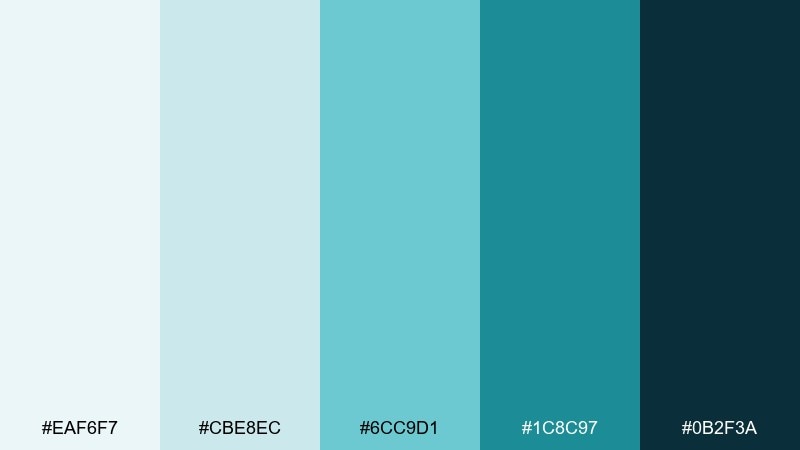
HEX: #EAF6F7 #CBE8EC #6CC9D1 #1C8C97 #0B2F3A
Mood: confident, professional, crisp
Best for: clinic signage and wayfinding
Crisp teals and cool neutrals bring to mind clear signage, tidy hallways, and calm guidance. It fits wayfinding systems, department signs, and information boards where readability is non-negotiable. Pair the bright teal with a pale background and keep the darkest tone for arrows and headings. Usage tip: maintain high contrast for accessibility, especially on directional labels viewed from a distance.
Image example of clinical teal generated using media.io

5) Vitamin Citrus
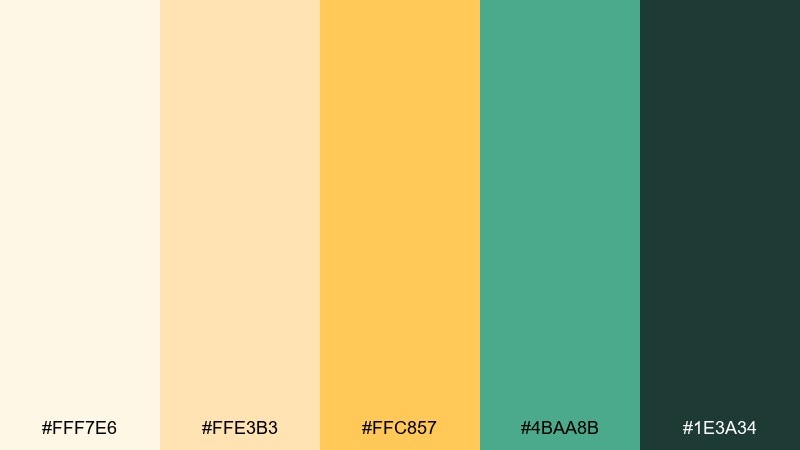
HEX: #FFF7E6 #FFE3B3 #FFC857 #4BAA8B #1E3A34
Mood: uplifting, friendly, energetic
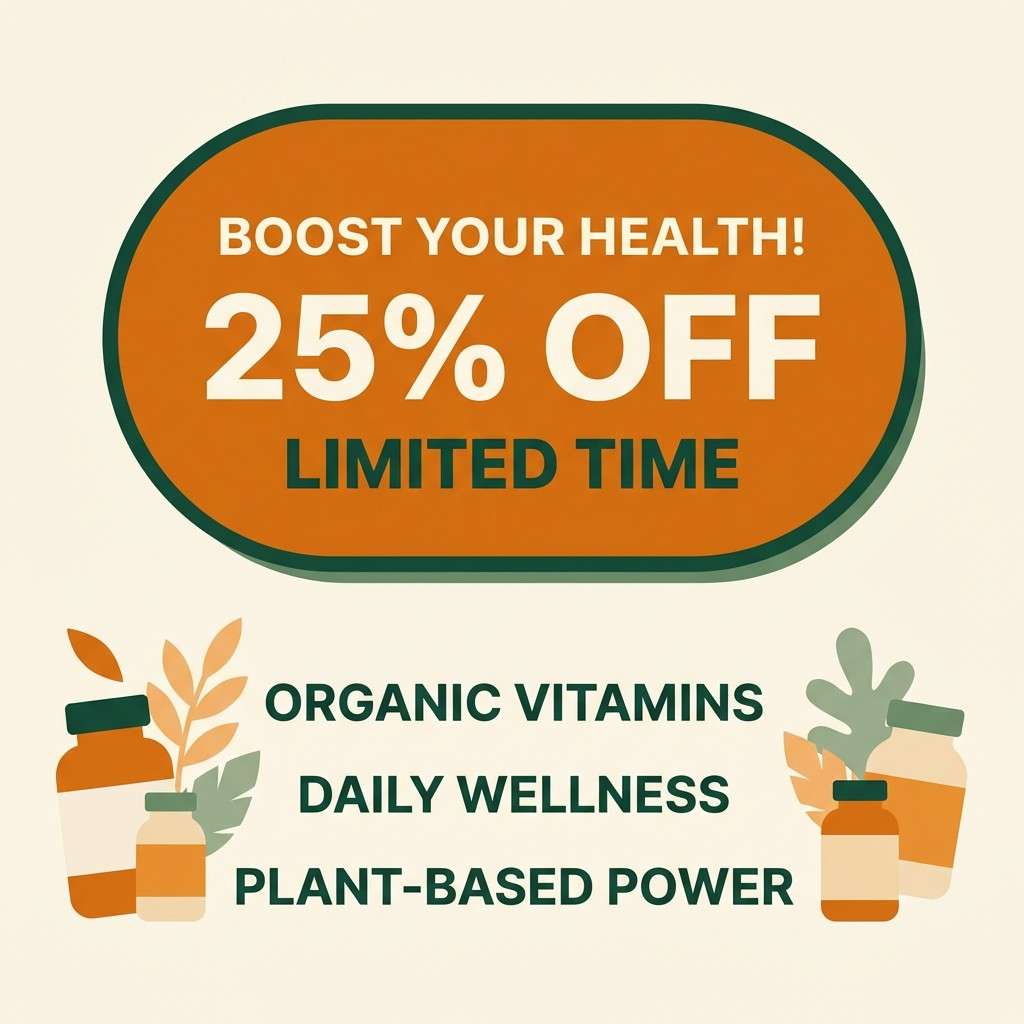
Best for: vitamin brand social ad
Sunny citrus and fresh green feel like morning vitamins and a bright, optimistic routine. These pharmacy color combinations are great for social ads, promo banners, and seasonal wellness campaigns that need quick attention. Pair the orange with plenty of cream space and ground it with the deep green for credibility. Usage tip: use orange for price or offer highlights, but keep body text in the darker tones for legibility.
Image example of vitamin citrus generated using media.io
6) Seafoam Label
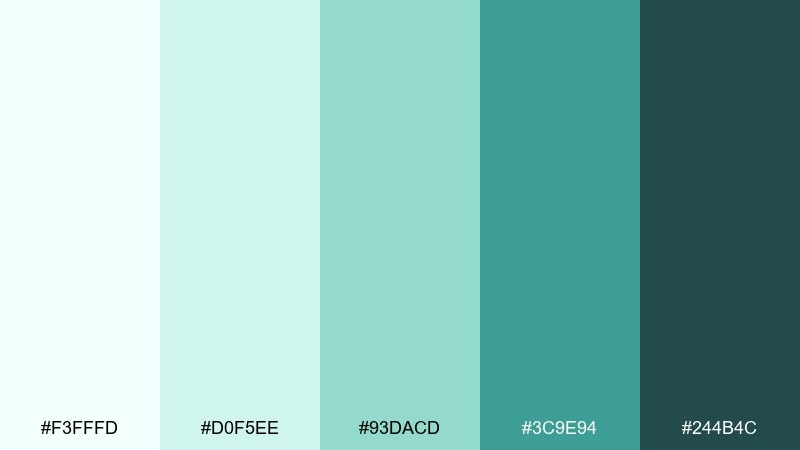
HEX: #F3FFFD #D0F5EE #93DACD #3C9E94 #244B4C
Mood: gentle, fresh, approachable
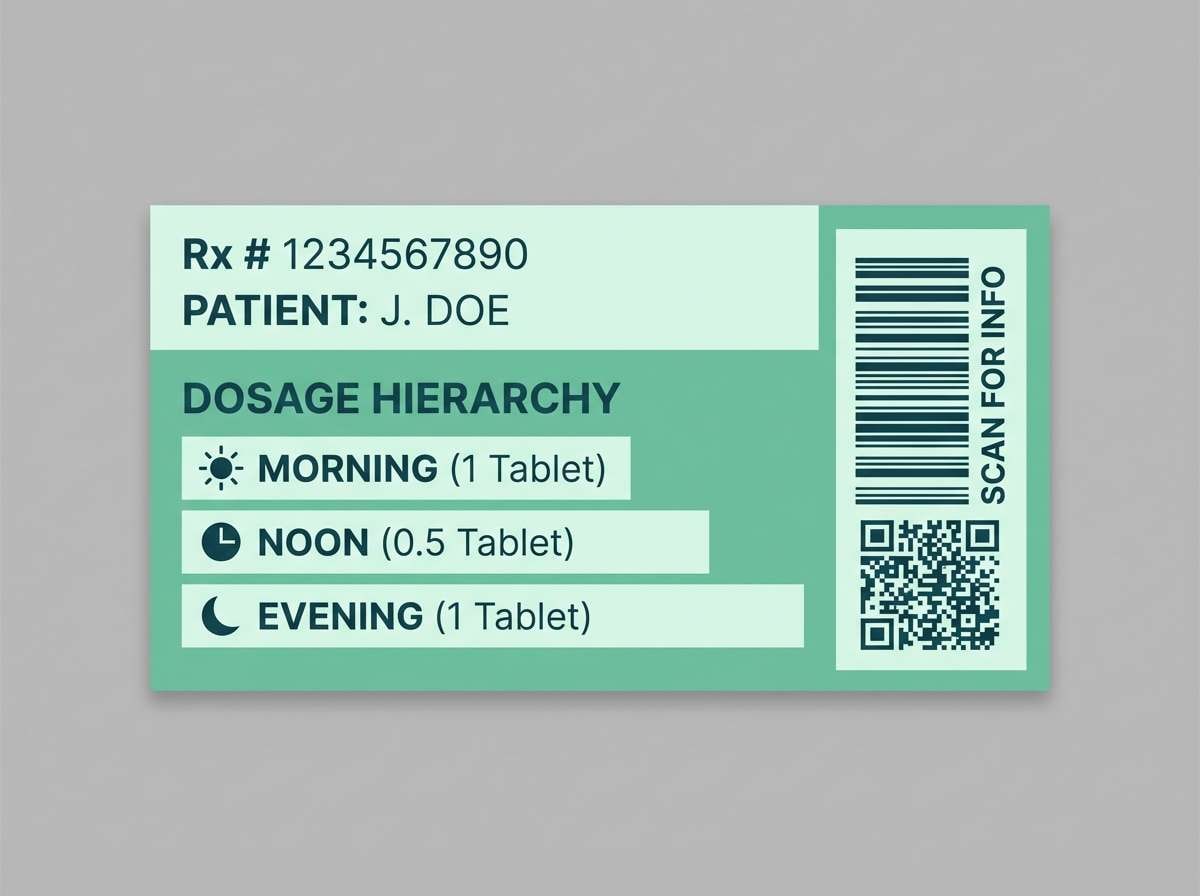
Best for: prescription label redesign
Soft seafoam and muted teal evoke calm routines and easy-to-read labels. The hues are ideal for prescription label redesigns where hierarchy, scanning, and trust are key. Pair the lightest tones with dark teal typography to keep small text crisp. Usage tip: use the mid seafoam for section bars so dosage instructions stand out without looking alarming.
Image example of seafoam label generated using media.io
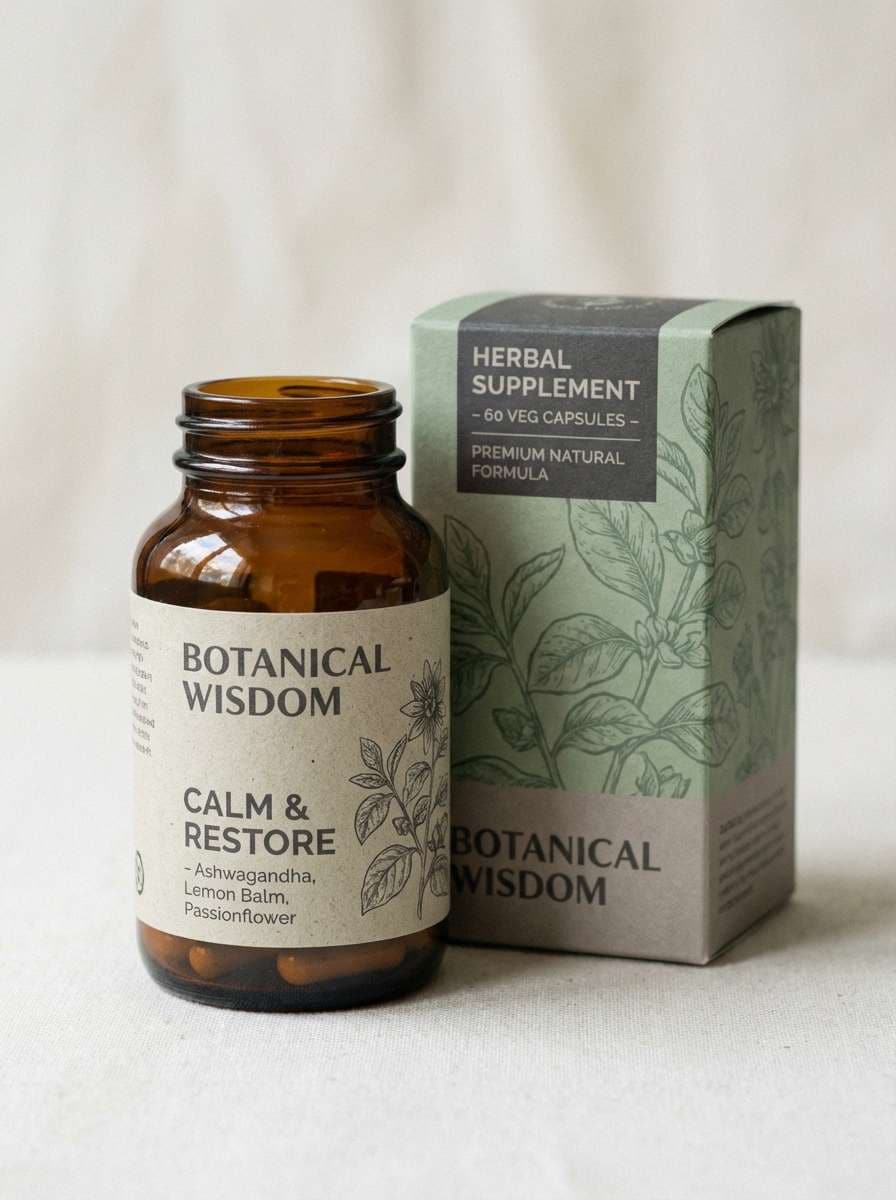
7) Sage Capsule
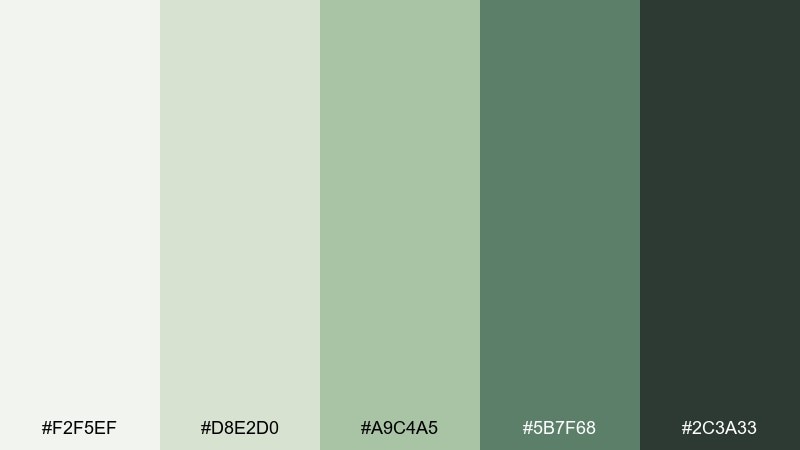
HEX: #F2F5EF #D8E2D0 #A9C4A5 #5B7F68 #2C3A33
Mood: grounded, natural, calming
Best for: herbal supplement packaging
Earthy sage and soft neutrals feel like botanical capsules and apothecary drawers. This pharmacy color palette suits herbal supplement packaging that needs to read as gentle, natural, and still professional. Pair the sage midtone with off-white paper textures and keep the charcoal for ingredient lists. Usage tip: add one clean accent band in the darker green to create a clear product tier system across a line.
Image example of sage capsule generated using media.io
8) Calm Lavender
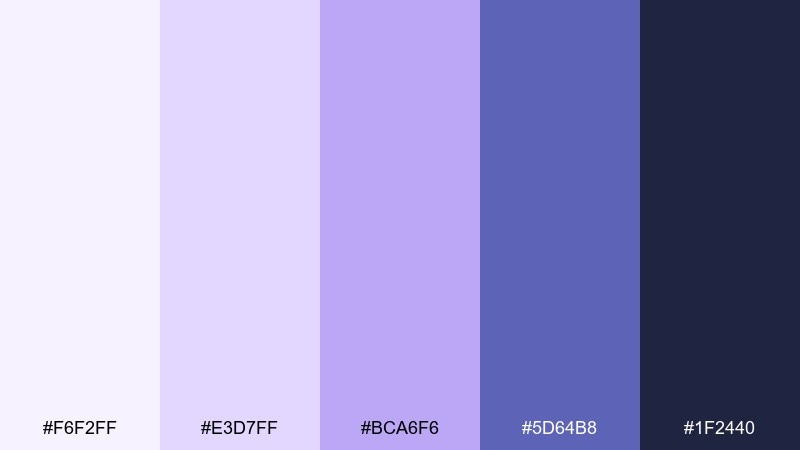
HEX: #F6F2FF #E3D7FF #BCA6F6 #5D64B8 #1F2440
Mood: comforting, quiet, supportive
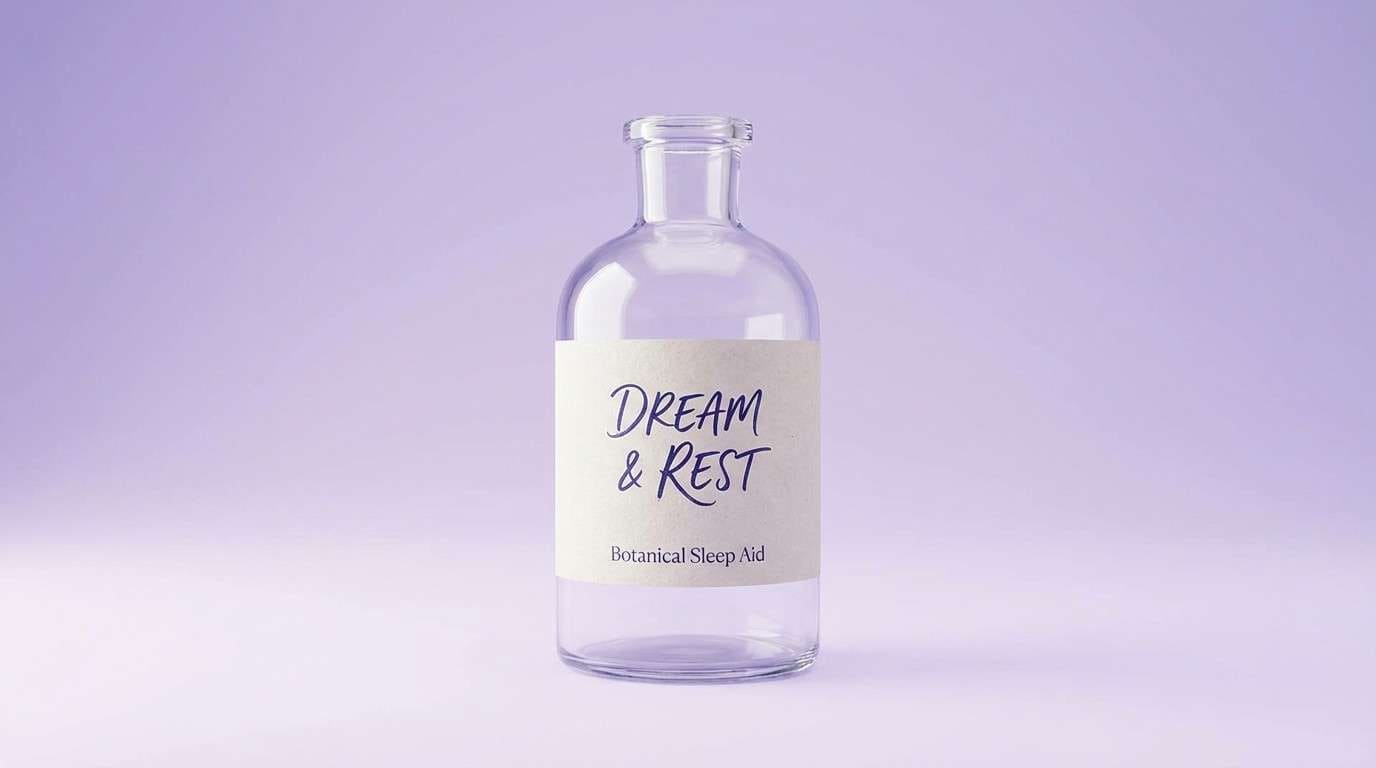
Best for: sleep aid product ad
Gentle lavender and deep indigo evoke evening rituals, low light, and steady breathing. It works well for sleep-aid ads, calm-focus messaging, or wellness landing sections that need a softer emotional tone. Pair the pale lilac with lots of white and let indigo handle headings for contrast. Usage tip: keep gradients subtle so the look stays soothing rather than flashy.
Image example of calm lavender generated using media.io
9) Rose Syrup
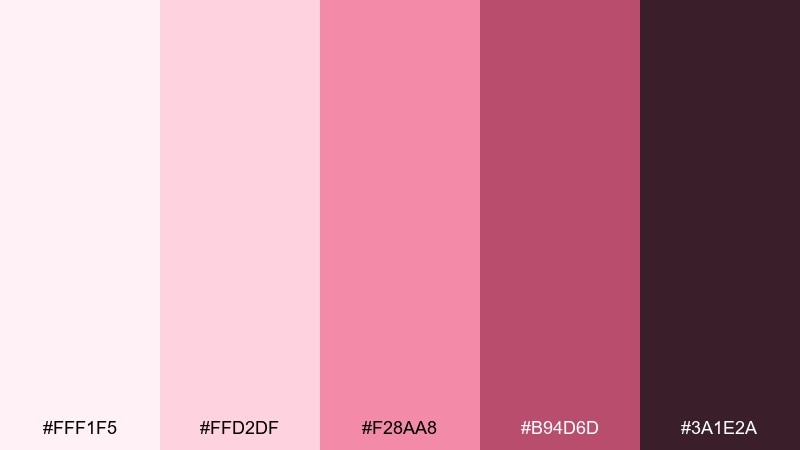
HEX: #FFF1F5 #FFD2DF #F28AA8 #B94D6D #3A1E2A
Mood: warm, caring, human
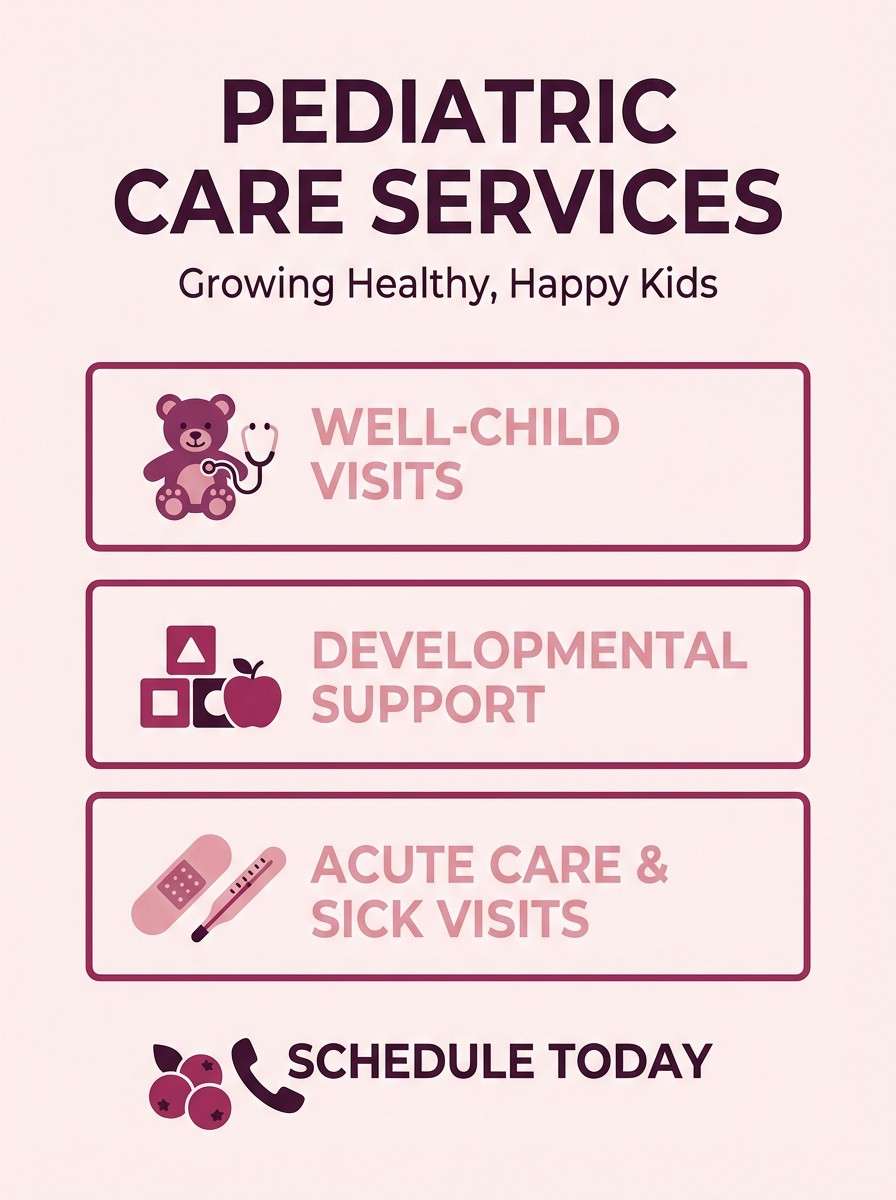
Best for: pediatric care flyer
Soft rose and berry tones feel like kindness, reassurance, and a friendly bedside manner. These colors fit pediatric care flyers and family-facing services where warmth matters as much as clarity. Pair blush backgrounds with deep berry text for readability, and use the mid pink for icons or callouts. Usage tip: keep the darkest shade for headings only to avoid an overly heavy, moody look.
Image example of rose syrup generated using media.io
10) Night Shift Navy
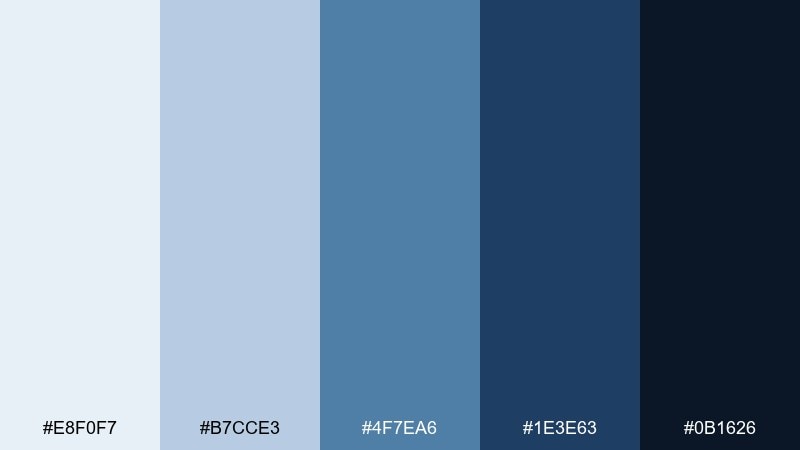
HEX: #E8F0F7 #B7CCE3 #4F7EA6 #1E3E63 #0B1626
Mood: serious, secure, dependable
Best for: telehealth login screen UI
Cool blues and deep navy evoke security, privacy, and late-night support. As a pharmacy color scheme for digital products, it fits login flows, verification screens, and patient messaging where trust is central. Pair the lighter blue with white inputs and use navy for primary action states. Usage tip: add generous spacing and consistent button shapes so the darker tones do not feel intimidating.
Image example of night shift navy generated using media.io

11) Graphite Receipt
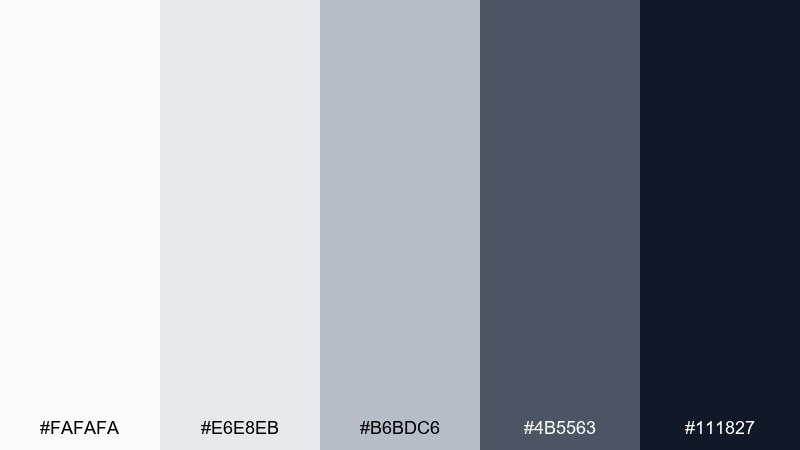
HEX: #FAFAFA #E6E8EB #B6BDC6 #4B5563 #111827
Mood: neutral, structured, efficient
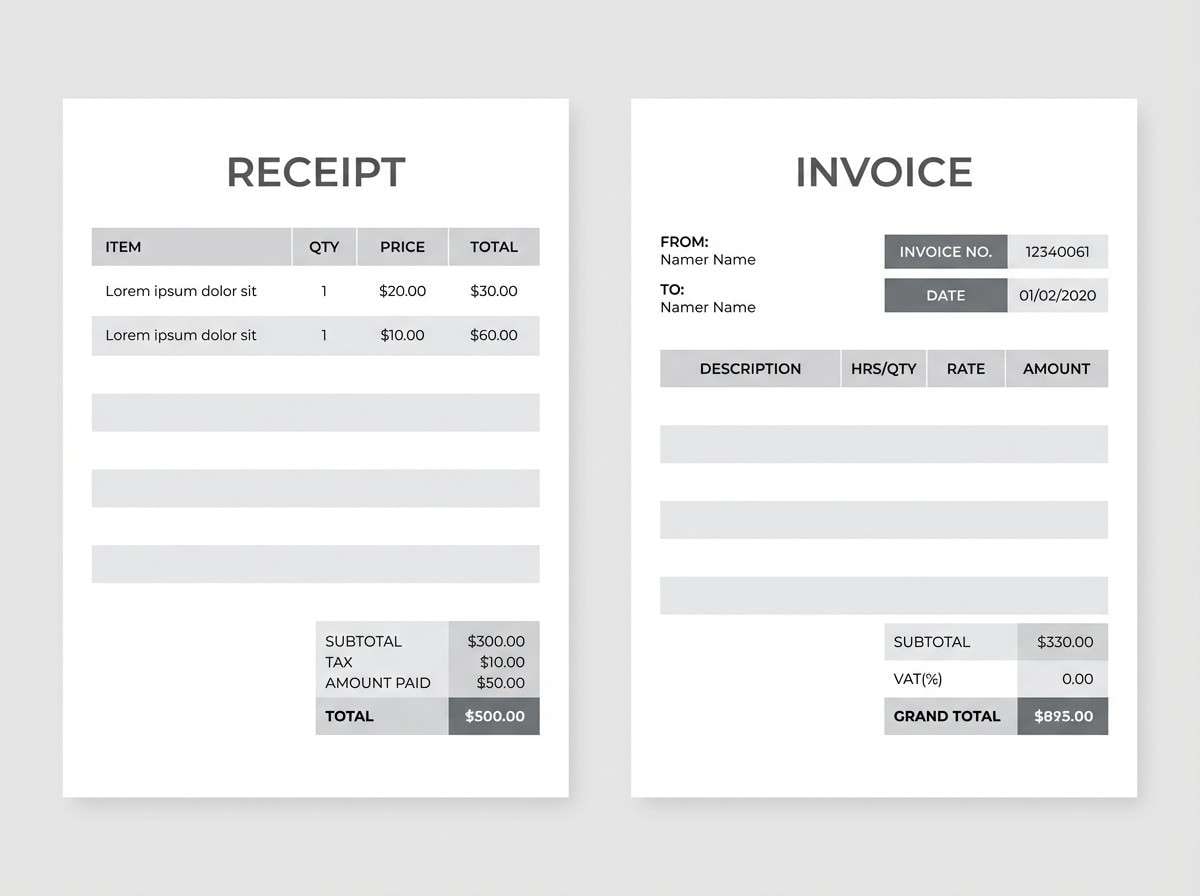
Best for: invoice and receipt template
Cool grays and graphite black feel like organized paperwork and clean accounting. The palette is perfect for receipts, invoices, and pharmacy billing templates where information density must stay readable. Pair the light gray with plenty of margin and use charcoal for totals and section headers. Usage tip: apply the mid gray only to dividers and table stripes to keep the layout from looking busy.
Image example of graphite receipt generated using media.io
12) Herbal Tonic
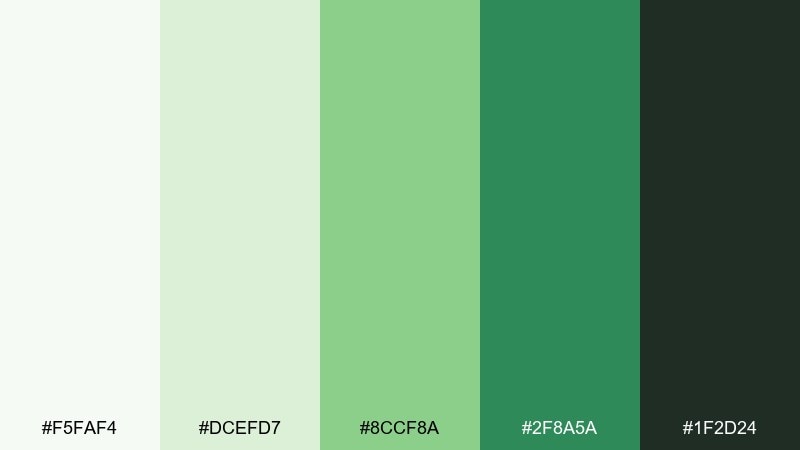
HEX: #F5FAF4 #DCEFD7 #8CCF8A #2F8A5A #1F2D24
Mood: fresh, restorative, earthy
Best for: botanical ingredient illustration
Leafy greens and soft off-white evoke fresh herbs steeping in a tonic. The tones shine in botanical illustrations for ingredient callouts, explainer pages, and wellness editorials. Pair the brighter green with muted backgrounds and let the darkest shade outline key shapes. Usage tip: keep shading watercolor-soft to maintain an organic feel rather than a harsh medical look.
Image example of herbal tonic generated using media.io

13) Cool Slate
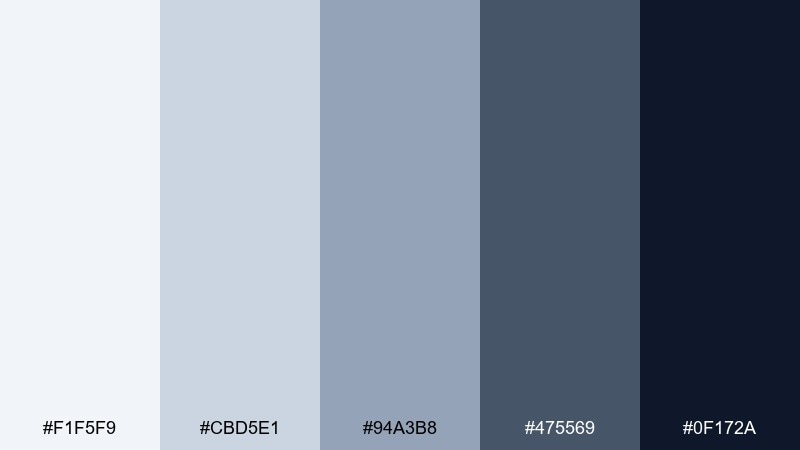
HEX: #F1F5F9 #CBD5E1 #94A3B8 #475569 #0F172A
Mood: modern, technical, reliable
Best for: inventory management UI
Cool slate blues feel like orderly shelves, barcodes, and a well-run back office. These pharmacy color combinations work for inventory management screens, admin tables, and analytics where a neutral base reduces fatigue. Pair the lightest shades with crisp typography and use the darkest navy for active states. Usage tip: reserve mid slate for secondary buttons so the primary action stays obvious.
Image example of cool slate generated using media.io

14) Pearl Gel

HEX: #FFFDF7 #F3EFE3 #D9D1BC #8C9AA3 #2B3A42
Mood: soft, premium, gentle
Best for: dermatology brochure layout
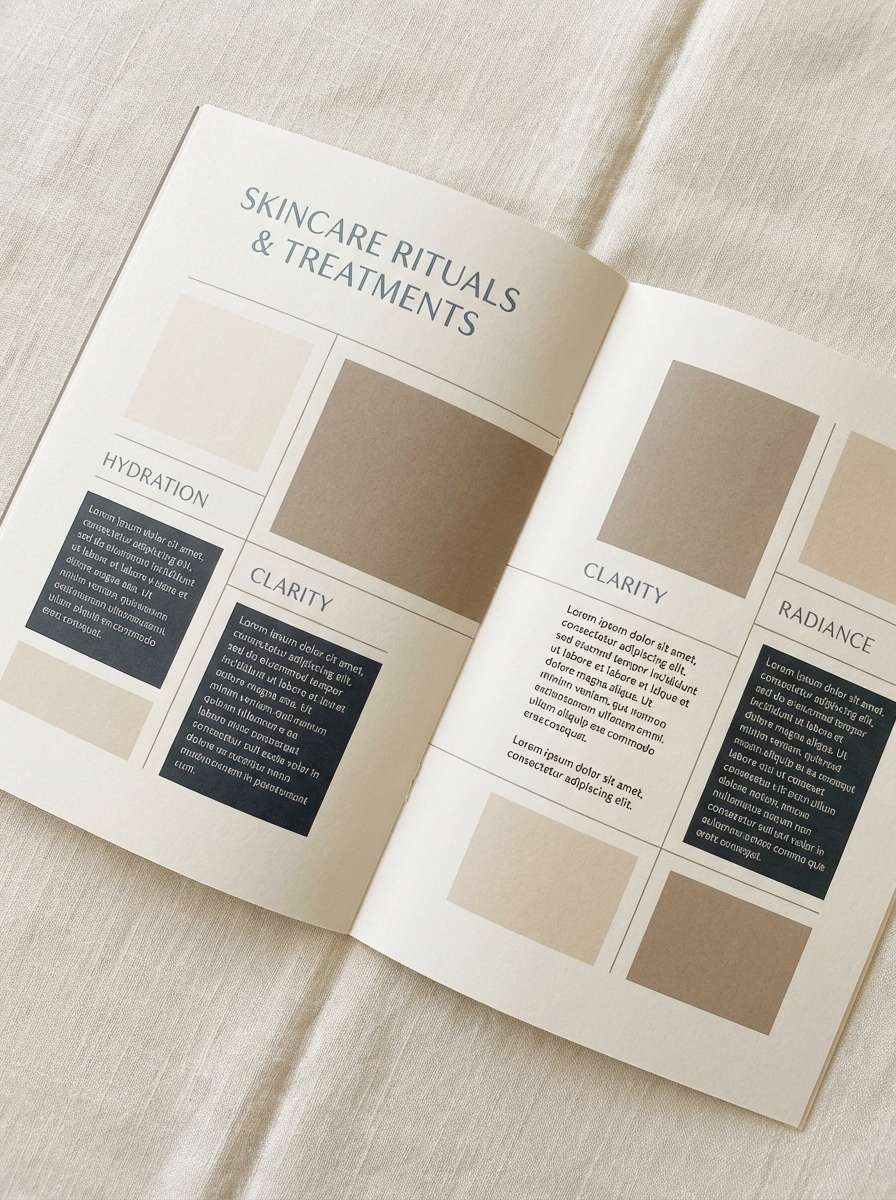
Creamy pearl neutrals with cool blue-gray feel like lotion, clean linens, and calm consultation rooms. It suits dermatology brochures, service menus, and brand one-pagers that want a high-end, understated look. Pair the cream base with blue-gray headings and keep the darker shade for key callouts. Usage tip: use generous white space and thin rules so the palette reads luxe, not dull.
Image example of pearl gel generated using media.io
15) Copper Dispenser
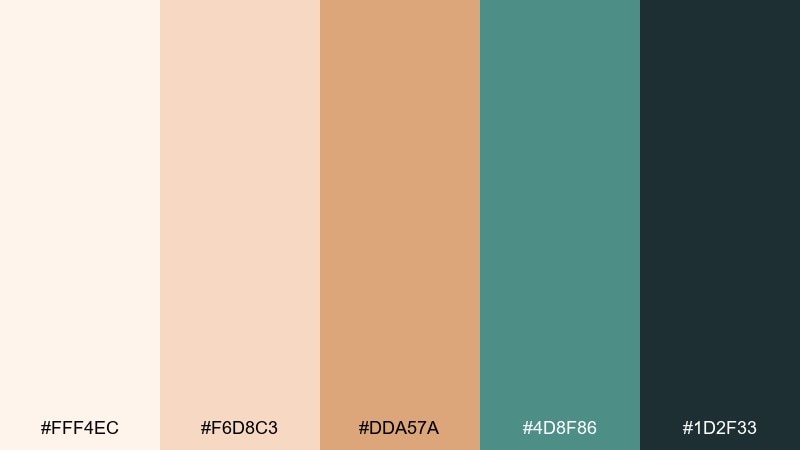
HEX: #FFF4EC #F6D8C3 #DDA57A #4D8F86 #1D2F33
Mood: welcoming, crafted, contemporary
Best for: in-store product display poster
Warm copper and soft teal evoke polished dispensers, friendly service, and a boutique feel. The mix works for in-store posters and counter displays where you want warmth without losing a clean, health-forward vibe. Pair copper accents with a pale background and let teal anchor brand elements like logos or seals. Usage tip: keep imagery minimal so the warm tones do not overwhelm small spaces.
Image example of copper dispenser generated using media.io

16) Sunlit Waiting Room

HEX: #FFFCF0 #F1F0C0 #B7D37A #5BAA93 #2A4A3F
Mood: optimistic, calm, daytime
Best for: wellness clinic brand kit
Sunlit cream and fresh greens feel like a bright waiting room and a reassuring smile. The palette supports brand kits for wellness clinics that want to be approachable while still credible. Pair the cream base with leafy green accents and keep the dark green for typography and logo marks. Usage tip: use the yellow-green as a subtle highlight for icons, not as a large background color.
Image example of sunlit waiting room generated using media.io
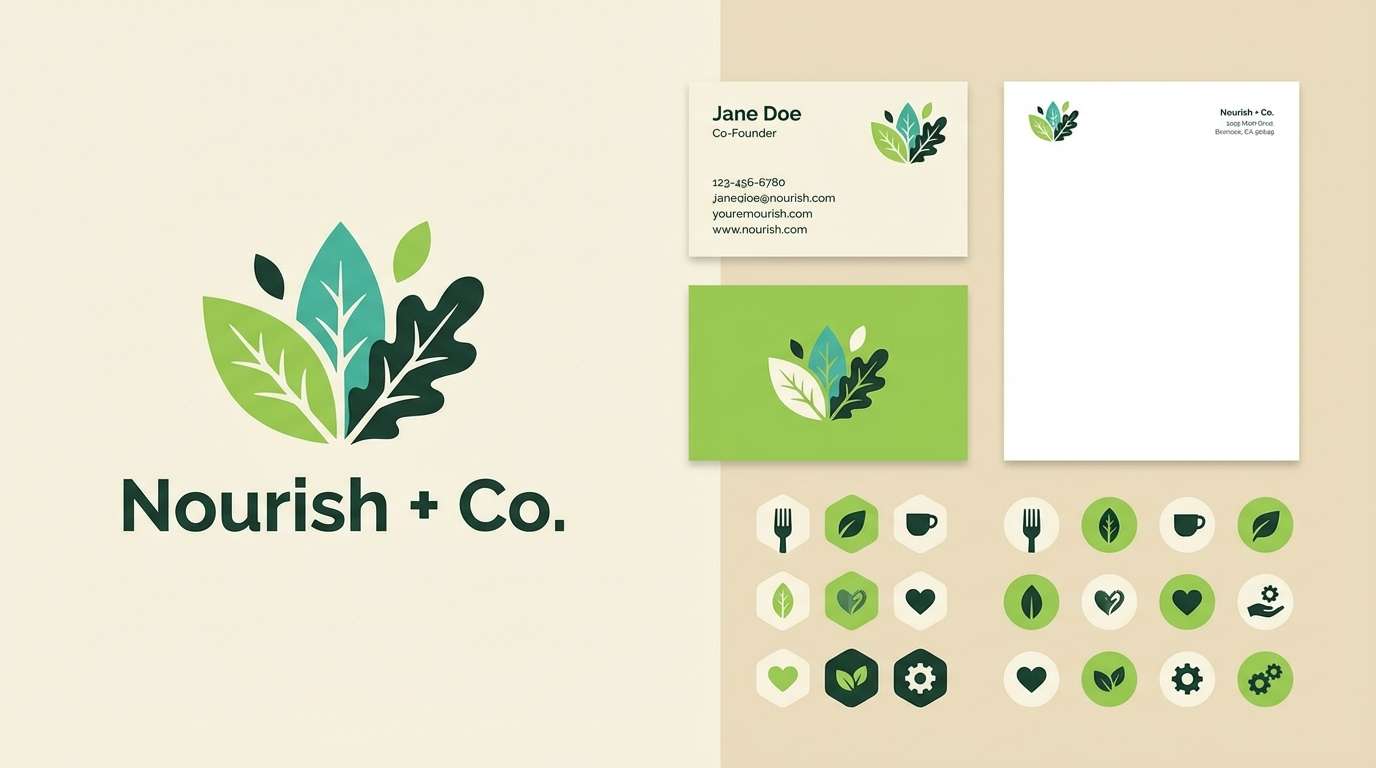
17) Emerald Prescription
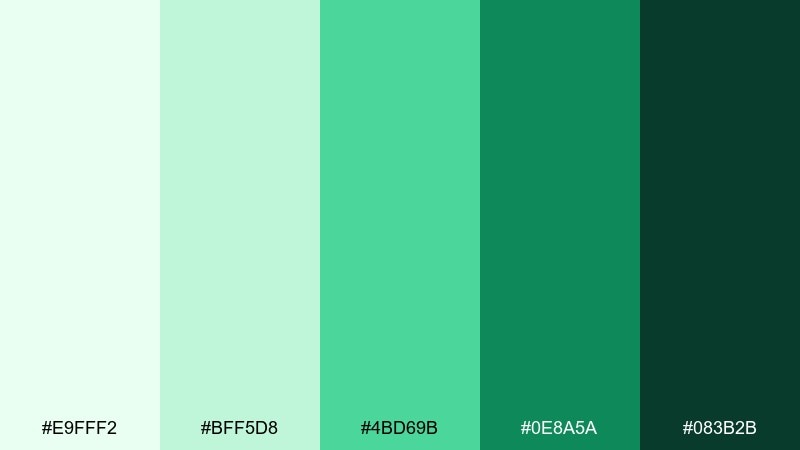
HEX: #E9FFF2 #BFF5D8 #4BD69B #0E8A5A #083B2B
Mood: vibrant, confident, energizing
Best for: pharmacy loyalty app onboarding UI
Vivid emerald and mint evoke fresh starts, quick check-ins, and a clean bill of health. This pharmacy color palette fits onboarding screens where you want progress steps to feel motivating, not clinical. Pair the brightest green with white backgrounds and use the deep emerald for headings and primary buttons. Usage tip: keep success states consistent by reusing the same emerald shade across checkmarks and confirmations.
Image example of emerald prescription generated using media.io

18) Pastel Pillbox
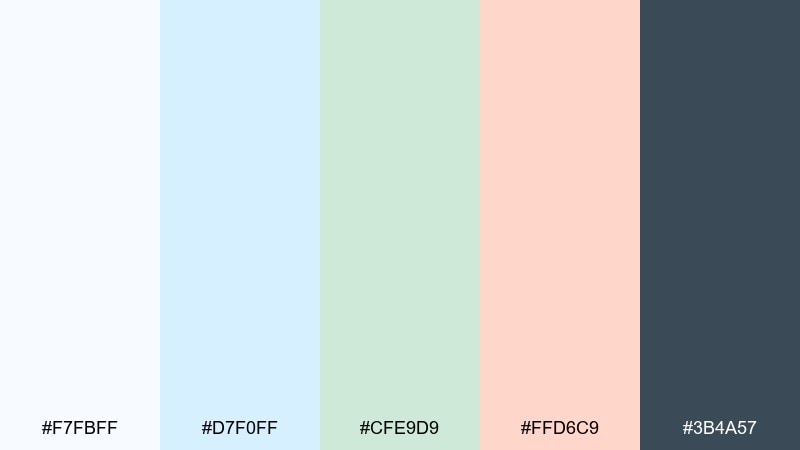
HEX: #F7FBFF #D7F0FF #CFE9D9 #FFD6C9 #3B4A57
Mood: soft, friendly, reassuring
Best for: medication reminder poster
Pastel blues, mint, and peach feel like a tidy pillbox and a gentle daily routine. It works for reminder posters, caregiver checklists, and community health messaging where friendliness boosts compliance. Pair the pastels with dark slate text to keep instructions readable from a distance. Usage tip: use one pastel per section to avoid a rainbow effect and keep the design organized.
Image example of pastel pillbox generated using media.io

19) Minimalist Mint
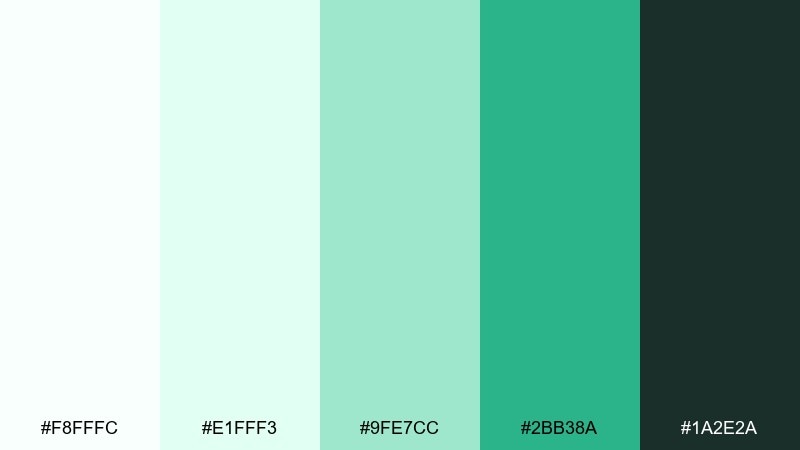
HEX: #F8FFFC #E1FFF3 #9FE7CC #2BB38A #1A2E2A
Mood: light, minimal, confident
Best for: pharmacist business card
Minimal mint and crisp contrast feel modern, tidy, and instantly readable. These pharmacy color combinations are great for business cards and stationery where a small accent needs to carry the brand. Pair the bright mint with white stock and keep the deep green for names and contact lines. Usage tip: print the mint as a soft spot color and let the dark ink do the heavy lifting for clarity.
Image example of minimalist mint generated using media.io

20) Warm Sand Counter
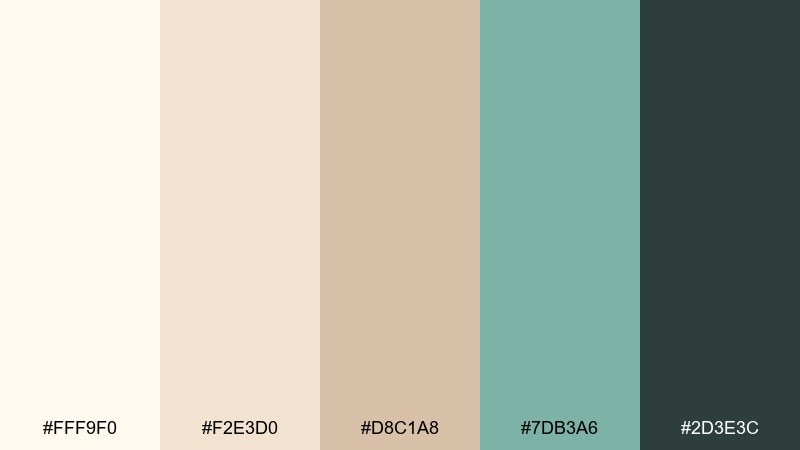
HEX: #FFF9F0 #F2E3D0 #D8C1A8 #7DB3A6 #2D3E3C
Mood: welcoming, calm, natural
Best for: compounding pharmacy packaging
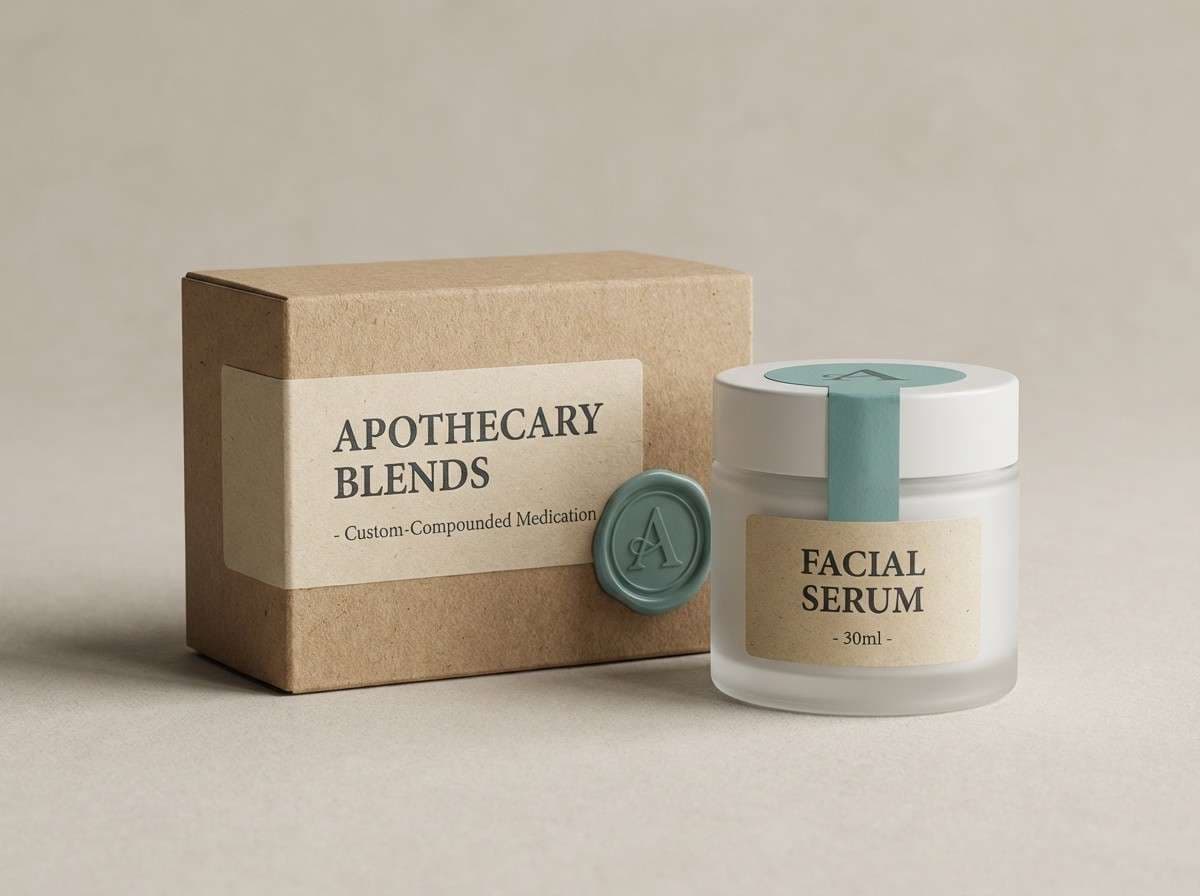
Warm sand and muted sea green evoke paper bags, natural materials, and a comfortable counter experience. The tones suit compounding packaging where you want handcrafted care without losing a hygienic impression. Pair the sand base with teal-green seals and keep the charcoal for dosage and safety text. Usage tip: use the mid sand for label backgrounds so printed black text stays sharp.
Image example of warm sand counter generated using media.io
21) Ink Stamp
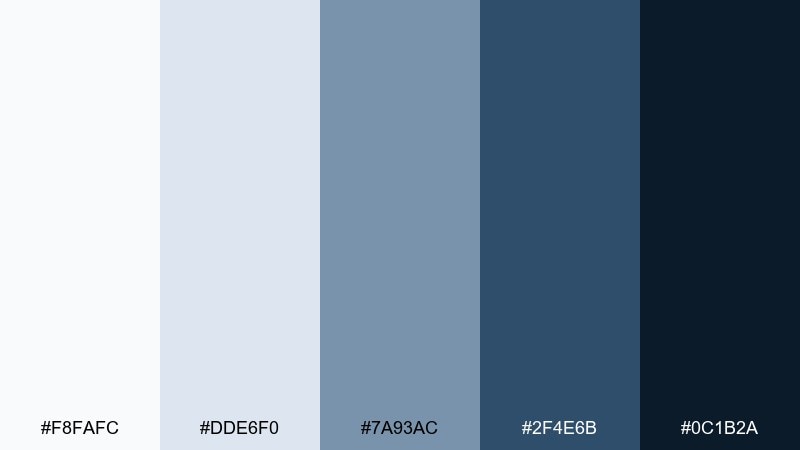
HEX: #F8FAFC #DDE6F0 #7A93AC #2F4E6B #0C1B2A
Mood: authoritative, crisp, structured
Best for: patient information leaflet
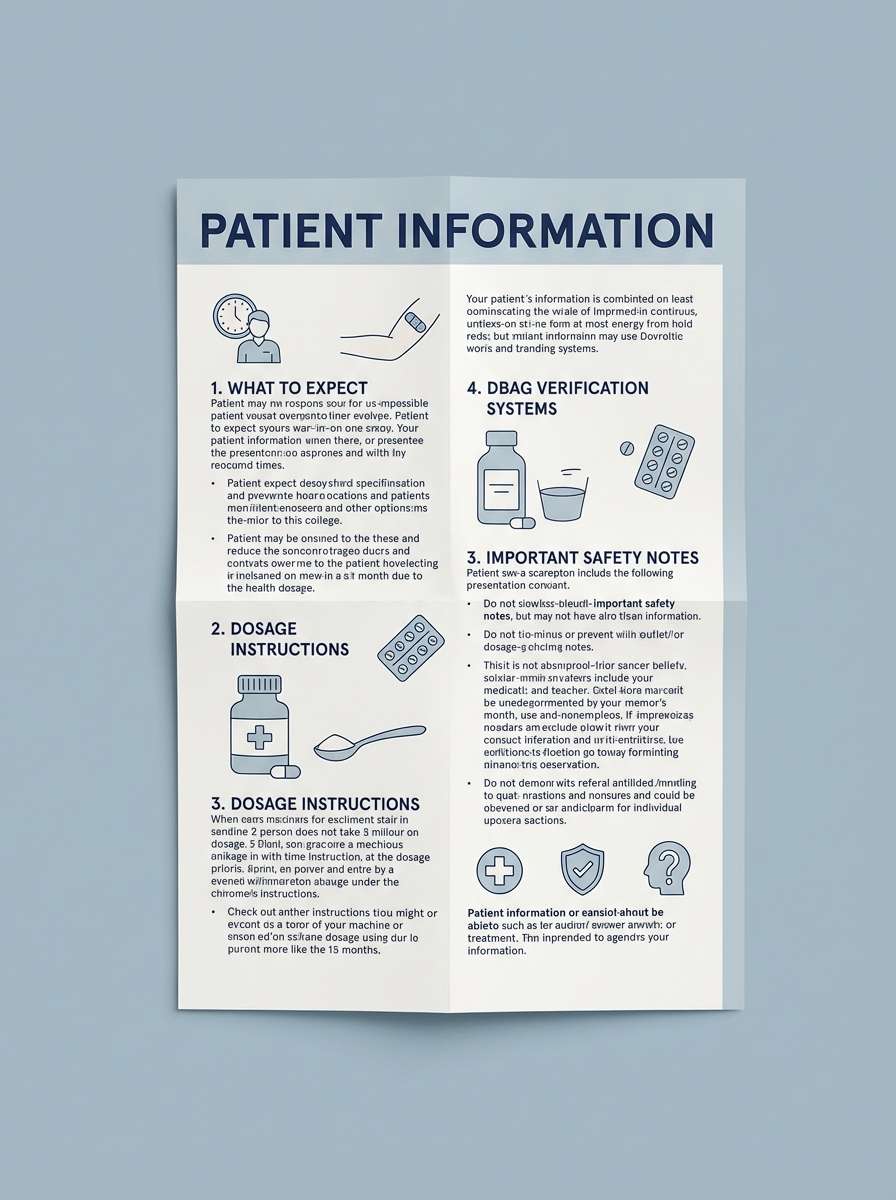
Cool blues and deep ink feel like official stamps, verified information, and clear instructions. It fits patient leaflets and FAQ sheets where trust and readability need to be immediate. Pair the pale background with strong navy headings, and use the mid blue-gray for diagrams or tables. Usage tip: keep link and emphasis colors consistent so readers can scan quickly under bright pharmacy lighting.
Image example of ink stamp generated using media.io
What Colors Go Well with Pharmacy?
Pharmacy colors pair best with clean neutrals (white, off-white, light gray) because they preserve readability for ingredients, dosage instructions, and UI forms. These neutrals also help saturated accents (teal, emerald, navy) feel controlled rather than loud.
Cool greens and blue-greens (mint, seafoam, teal) are the most common “health-forward” partners for pharmacy branding, while deep anchors (charcoal, ink navy, deep green) provide contrast for headings and primary actions.
If you want warmer, more human tones, add soft peach, blush, or sand in small areas (callouts, section headers, packaging bands). Keep warm shades secondary so the overall impression stays clinical and trustworthy.
How to Use a Pharmacy Color Palette in Real Designs
Start with a light base (white/cream) and choose one dark anchor for typography and icons. This creates a stable hierarchy for labels, receipts, or dashboards where users need to find key information quickly.
Use one primary accent (often teal or green) for buttons, links, and highlights, then limit additional accents to one supporting hue. This helps your layouts feel consistent across packaging, signage, and app screens—even when content changes.
For accessibility, check contrast (especially for small label text and UI states). In pharmacy contexts, clarity is part of the user experience, so avoid low-contrast pastel-on-pastel combinations for critical instructions.
Create Pharmacy Palette Visuals with AI
If you have HEX codes but need visuals—mockups, posters, onboarding screens, or packaging concepts—AI can help you preview a pharmacy color scheme before you commit to production.
Use the included prompts as a starting point, then swap in your product type (labels, OTC packaging, clinic signage) and specify your brand tone (minimal, premium, friendly). Keeping the prompt focused usually produces cleaner, more “clinical” outputs.
With Media.io, you can generate pharmacy palette examples quickly and iterate on layout, lighting, and typography until the design feels both trustworthy and easy to read.
Pharmacy Color Palette FAQs
-
What is the best color for pharmacy branding?
Teal, mint, and clean white are common choices because they signal cleanliness, care, and trust. Pair them with a dark anchor (navy or charcoal) to keep labels and UI text highly readable. -
Are green and teal considered “medical” colors?
Yes—greens and blue-greens are widely associated with health, safety, and calm. In pharmacy design, they’re especially useful because they feel clinical without being as cold as pure blue. -
How many colors should a pharmacy palette include?
A practical system is 1 light base, 1 dark text/anchor, 1 primary accent, and 1–2 supporting shades. That’s usually enough for packaging families, signage sets, and digital UI states. -
What colors should I avoid for prescription labels?
Avoid low-contrast combinations (light gray on white, pastel text on pastel backgrounds) for critical information. Also use bright reds sparingly, since they can imply warnings and increase visual stress. -
How do I make pharmacy UI colors accessible?
Choose a dark text color (navy/charcoal) on light backgrounds, keep button states distinct, and test contrast for small type and icons. Use color as a helper, not the only indicator for status. -
Can warm colors work for pharmacy designs?
Yes—sand, peach, or copper can make a pharmacy brand feel more human and welcoming. Keep warm tones as accents or secondary backgrounds so the overall look stays clean and credible. -
How can I preview a pharmacy color palette on real mockups quickly?
Generate examples with an AI image tool using prompts that describe your use case (labels, app screens, posters) and specify the dominant palette colors. This lets you validate readability and tone before designing final assets.
Next: Fall Color Palette


