

Raspberry pink is bold, modern, and instantly expressive—perfect when you want a design to feel energetic without going full neon. It can read sweet, luxe, editorial, or futuristic depending on the supporting tones.
Below are 20+ raspberry pink color palette ideas with HEX codes, plus practical tips for UI, branding, and print so you can apply each scheme confidently.
In this article
- Why Raspberry Pink Palettes Work So Well
-
- berry gelato
- rose jam and cream
- neon raspberry pop
- raspberry and sage balance
- blush mocha minimal
- berry noir luxe
- raspberry sunrise
- soft peony nursery
- raspberry mint sorbet
- vintage raspberry velvet
- raspberry clay and linen
- berry punch gradient
- raspberry orchid glam
- raspberry and denim casual
- raspberry frost winter
- raspberry terracotta garden
- raspberry cyberpunk
- raspberry champagne toast
- raspberry stone spa
- raspberry citrus picnic
- raspberry editorial bloom
- raspberry monochrome studio
- raspberry harbor night
- raspberry quartz calm
- What Colors Go Well with Raspberry Pink?
- How to Use a Raspberry Pink Color Palette in Real Designs
- Create Raspberry Pink Palette Visuals with AI
Why Raspberry Pink Palettes Work So Well
Raspberry pink sits in a “high-impact” zone: it’s saturated enough to grab attention, but it’s more sophisticated than primary red. That makes it a strong choice for brands and interfaces that need personality, clarity, and memorable accents.
It also adapts easily. Pair it with warm creams and blush for romantic or playful vibes, with noir/charcoal for luxury contrast, or with greens and blue-grays for a balanced, modern feel.
Most importantly, raspberry pink is excellent for hierarchy. Used selectively, it naturally highlights CTAs, prices, section headers, and key moments—without forcing you to rely on heavy borders or extra UI chrome.
20+ Raspberry Pink Color Palette Ideas (with HEX Codes)
1) Berry Gelato
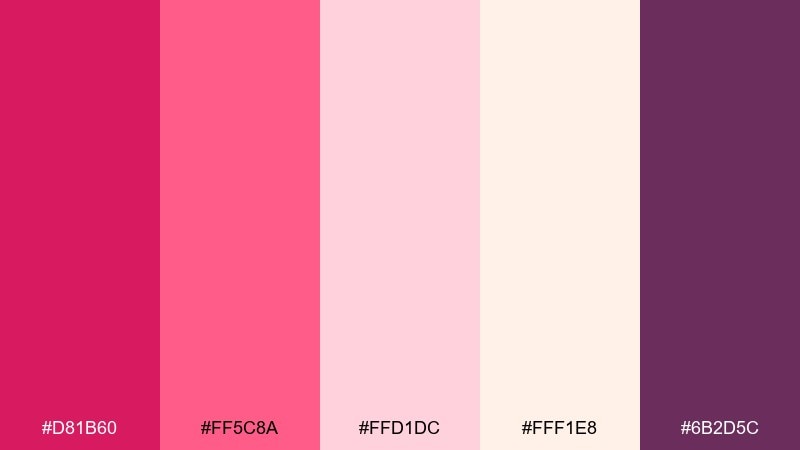
HEX: #d81b60 #ff5c8a #ffd1dc #fff1e8 #6b2d5c
Mood: playful, sweet, upbeat
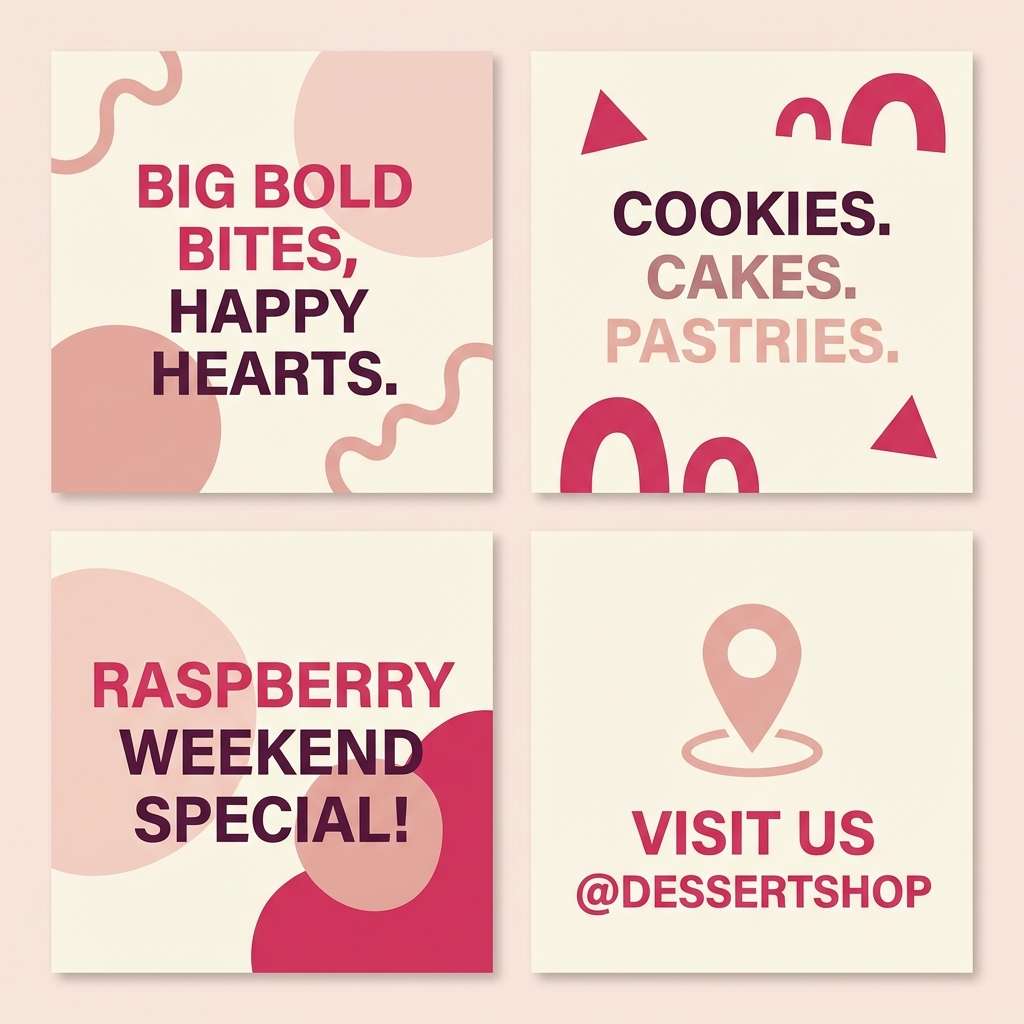
Best for: instagram carousel graphics for a dessert shop
Playful and candy-bright, these tones feel like berry gelato melting into whipped cream. Use the hot raspberry as your headline color and let the blush and cream keep layouts airy. For punchy raspberry pink color combinations, pair the deep plum with the vivid pink for buttons and price tags. Tip: keep text in plum on cream for clean readability.
Image example of berry gelato generated using media.io
Media.io is an online AI studio for creating and editing video, image, and audio in your browser.


2) Rose Jam and Cream
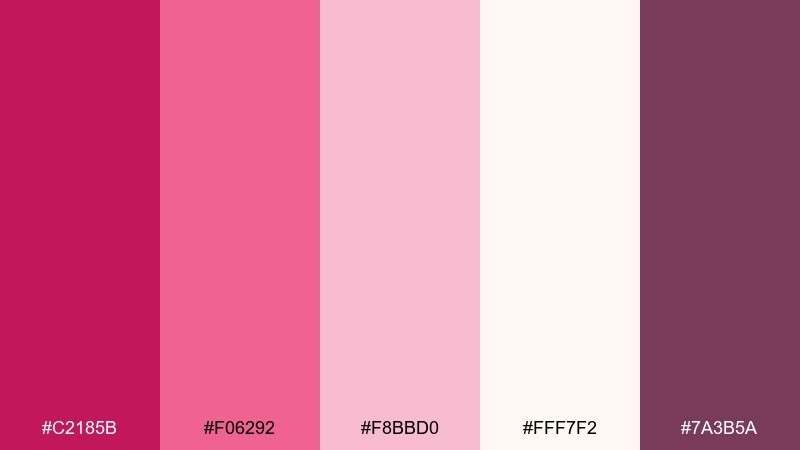
HEX: #c2185b #f06292 #f8bbd0 #fff7f2 #7a3b5a
Mood: romantic, soft, classic
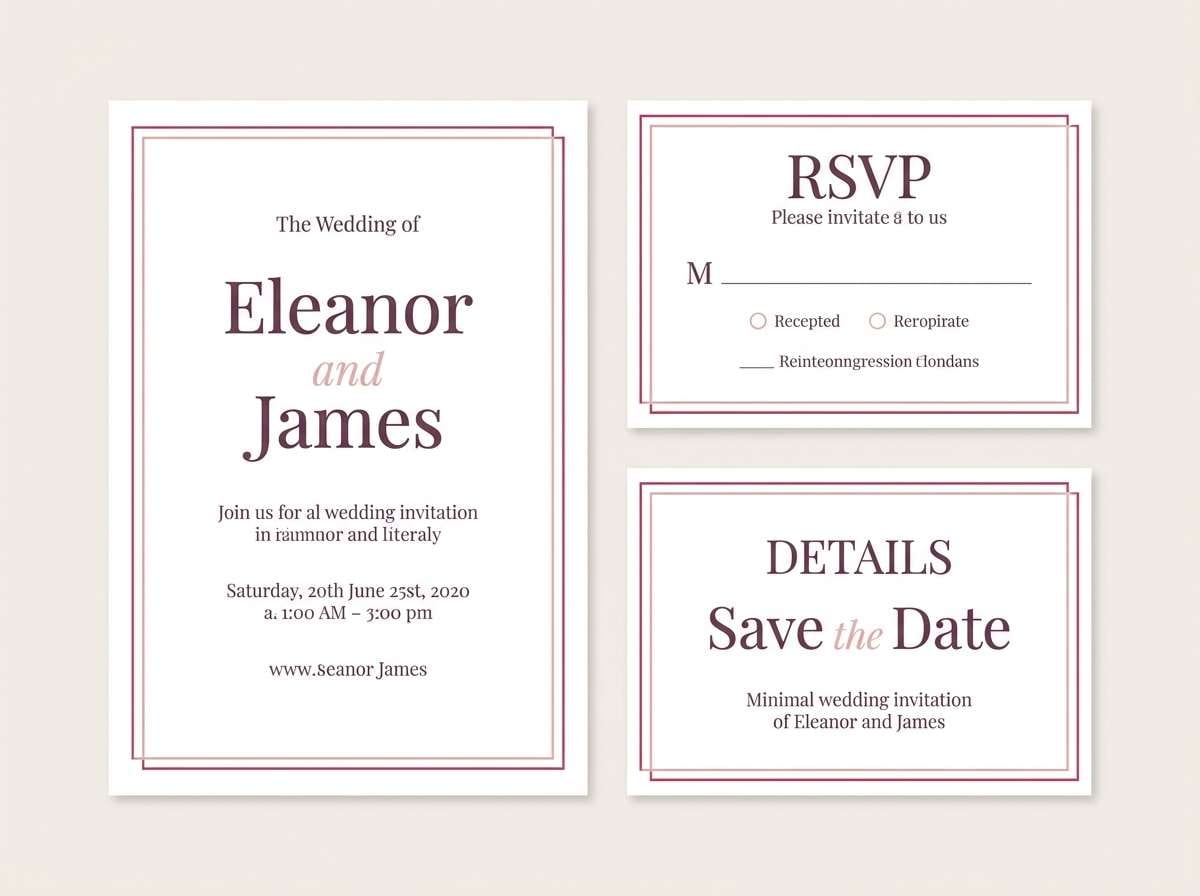
Best for: wedding invitation suite
Romantic and airy, this mix reads like rose jam swirled into fresh cream. Keep the background near-white and let the mid pink carry monograms, borders, and key lines. The mauve-plum works beautifully for body text and adds a grown-up finish. Tip: use the light blush as a subtle panel behind the ceremony details to guide the eye.
Image example of rose jam and cream generated using media.io
3) Neon Raspberry Pop
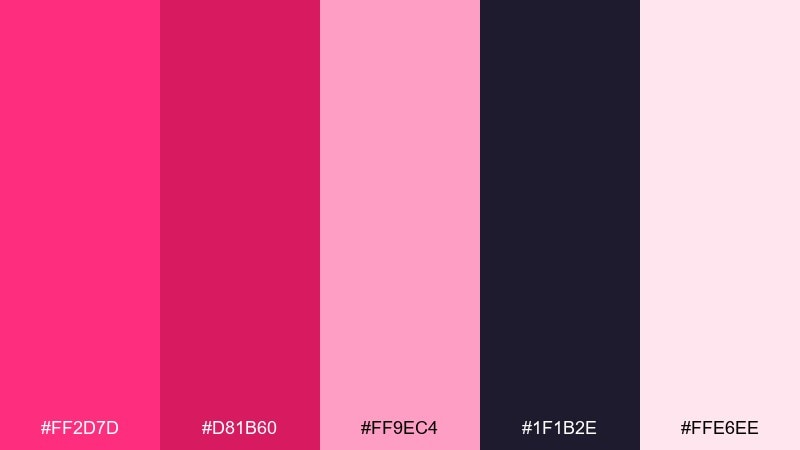
HEX: #ff2d7d #d81b60 #ff9ec4 #1f1b2e #ffe6ee
Mood: electric, bold, nightlife
Best for: music event poster
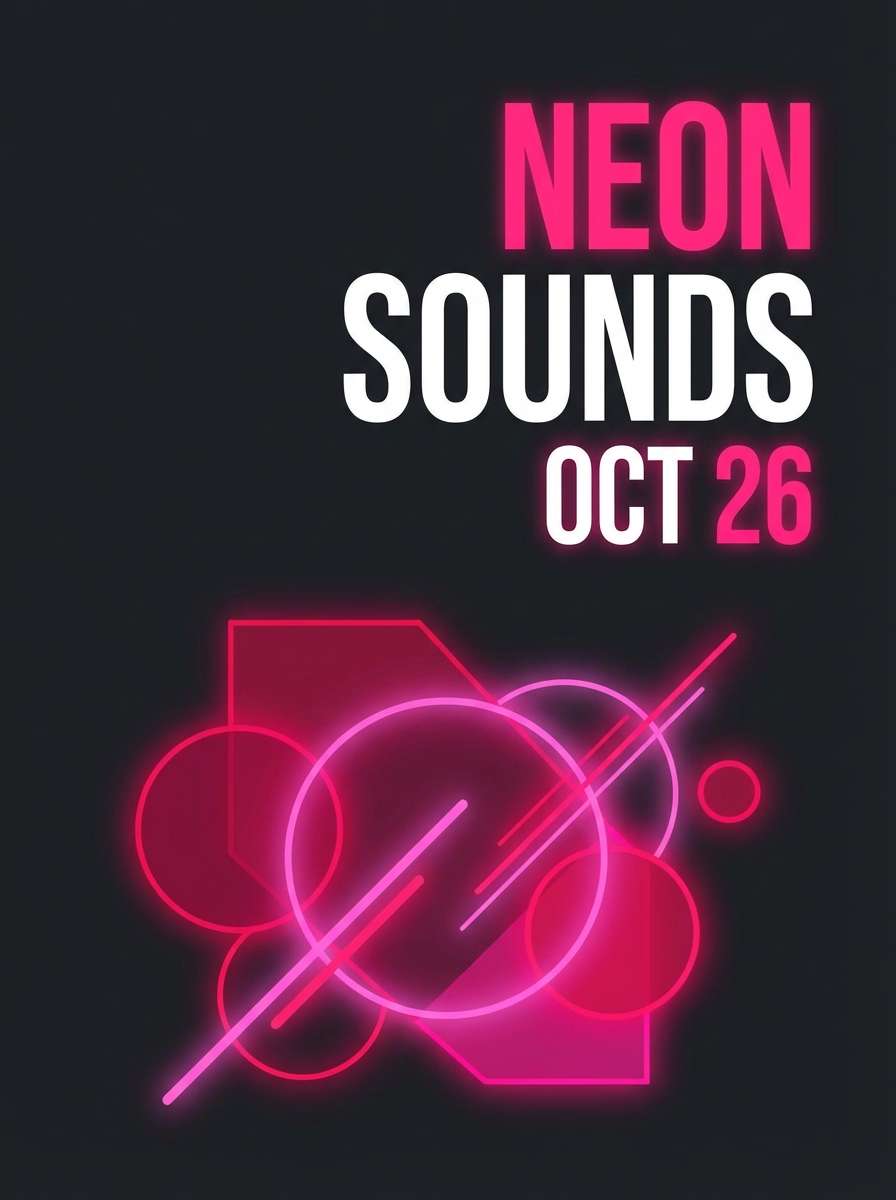
Electric and high-contrast, this palette feels like neon signage against a midnight street. Use the near-black as the stage for typography and let the neon pink and raspberry create the spotlight. Keep the pale pink as a glow effect or secondary label color. Tip: limit neon areas to 20 to 30 percent so the design stays punchy instead of noisy.
Image example of neon raspberry pop generated using media.io
4) Raspberry and Sage Balance
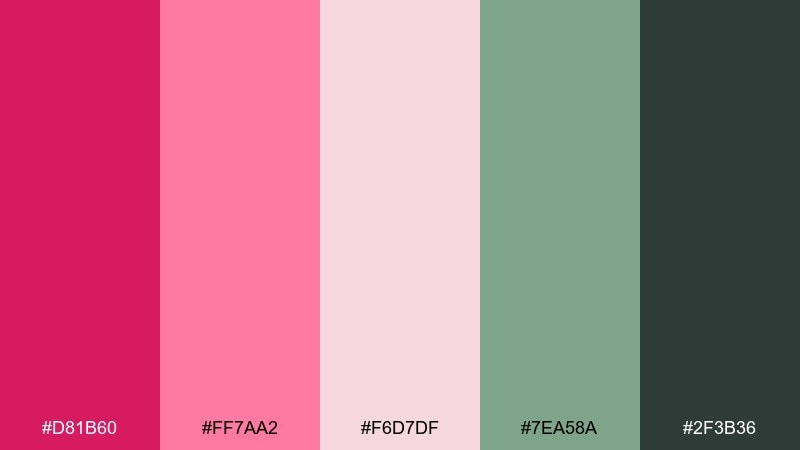
HEX: #d81b60 #ff7aa2 #f6d7df #7ea58a #2f3b36
Mood: fresh, modern, grounded
Best for: wellness brand identity
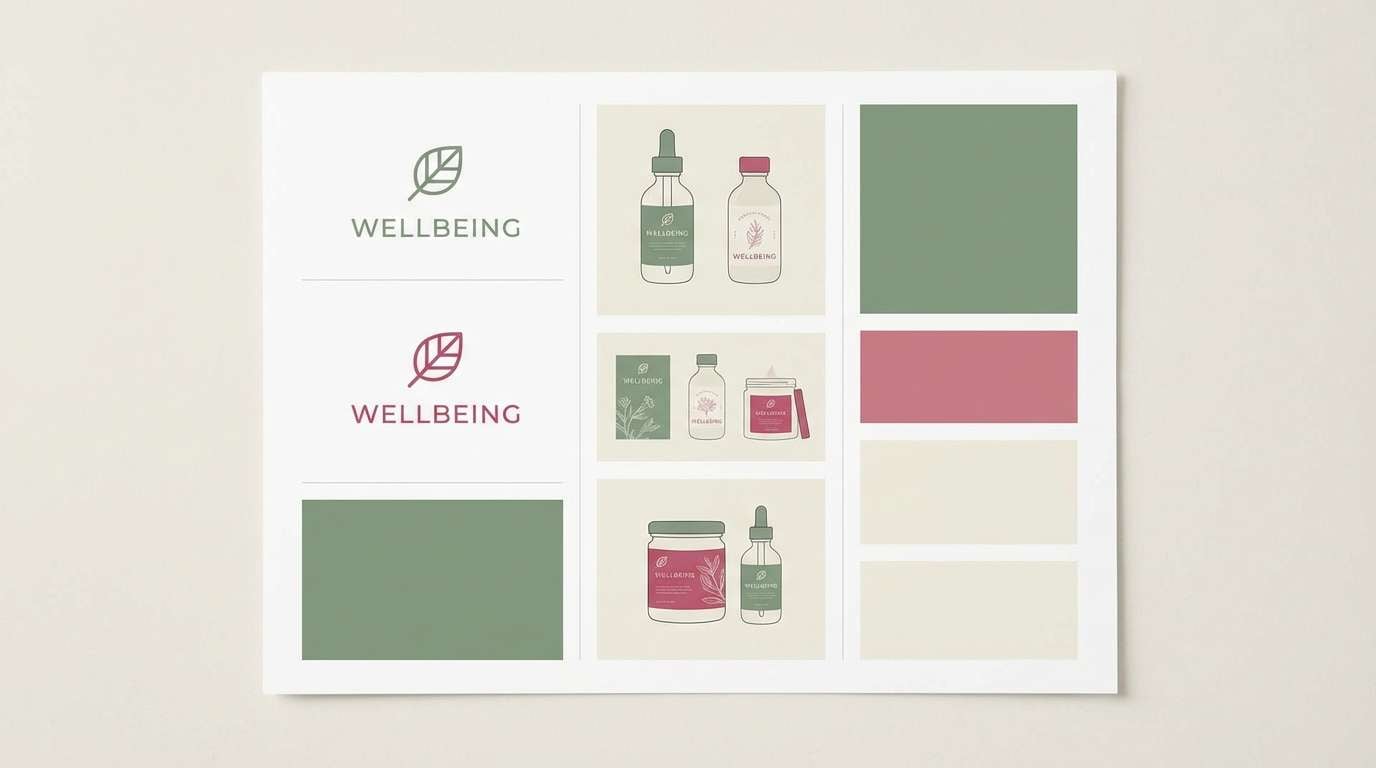
Fresh and grounded, the berry tones feel instantly calmer when set beside soft sage. The contrast gives you flexible raspberry pink color combinations for logos, labels, and social templates without going overly sweet. Use charcoal-green for copy and outlines, then reserve raspberry for calls to action. Tip: keep sage as the dominant field color to make the pink read as a thoughtful accent.
Image example of raspberry and sage balance generated using media.io
5) Blush Mocha Minimal
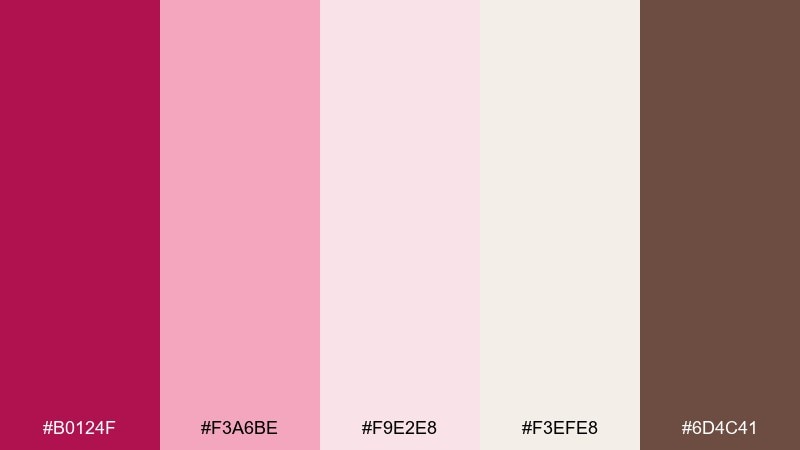
HEX: #b0124f #f3a6be #f9e2e8 #f3efe8 #6d4c41
Mood: calm, minimal, cozy
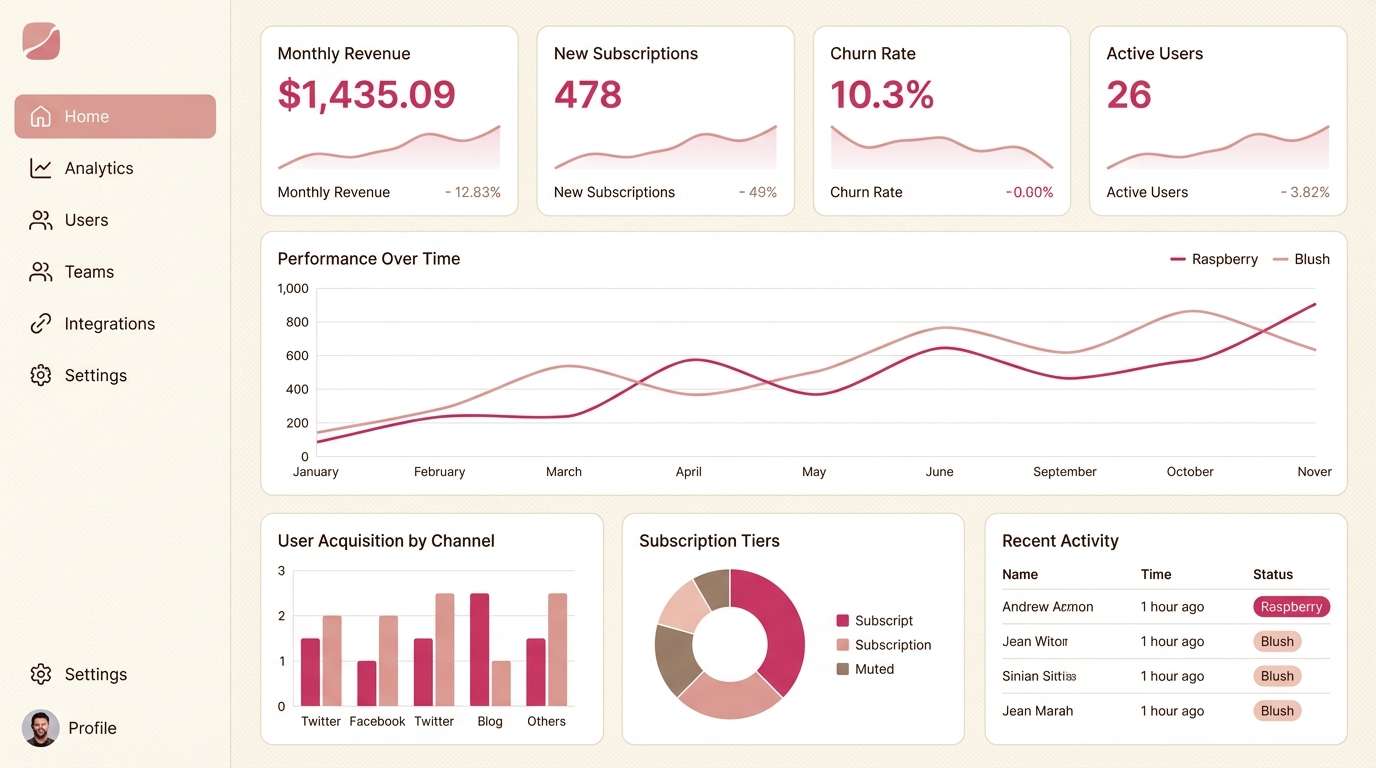
Best for: saas dashboard UI
Calm and cozy, these tones look like blush petals against warm mocha. Use the creams for background and cards, then apply raspberry as the primary action color for buttons and toggles. Mocha makes a strong text color that feels softer than pure black. Tip: keep charts to two pink steps plus mocha for a clean, readable dashboard.
Image example of blush mocha minimal generated using media.io
6) Berry Noir Luxe
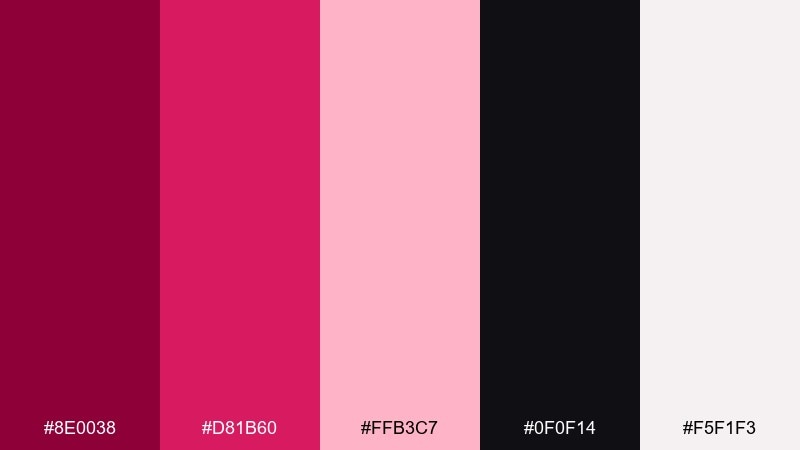
HEX: #8e0038 #d81b60 #ffb3c7 #0f0f14 #f5f1f3
Mood: luxurious, dramatic, editorial
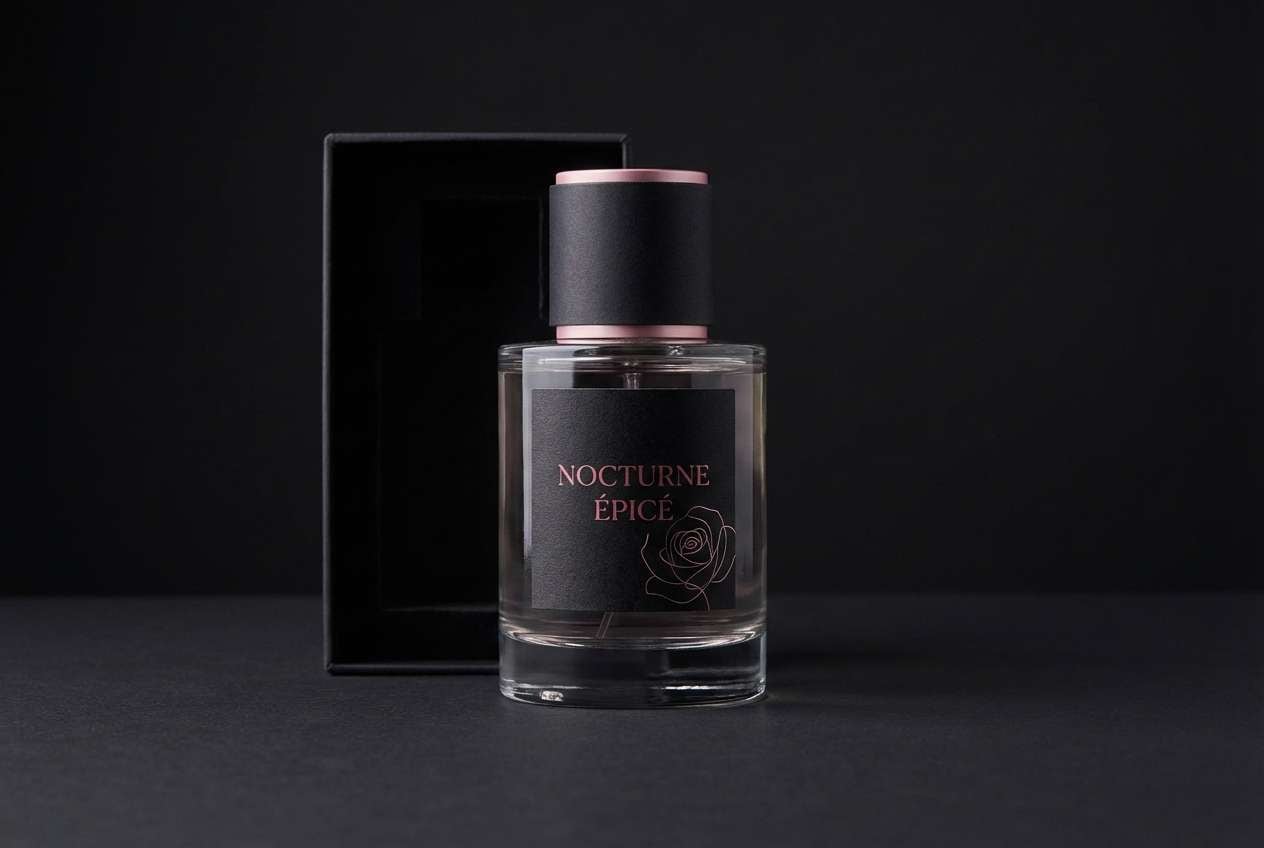
Best for: perfume packaging design
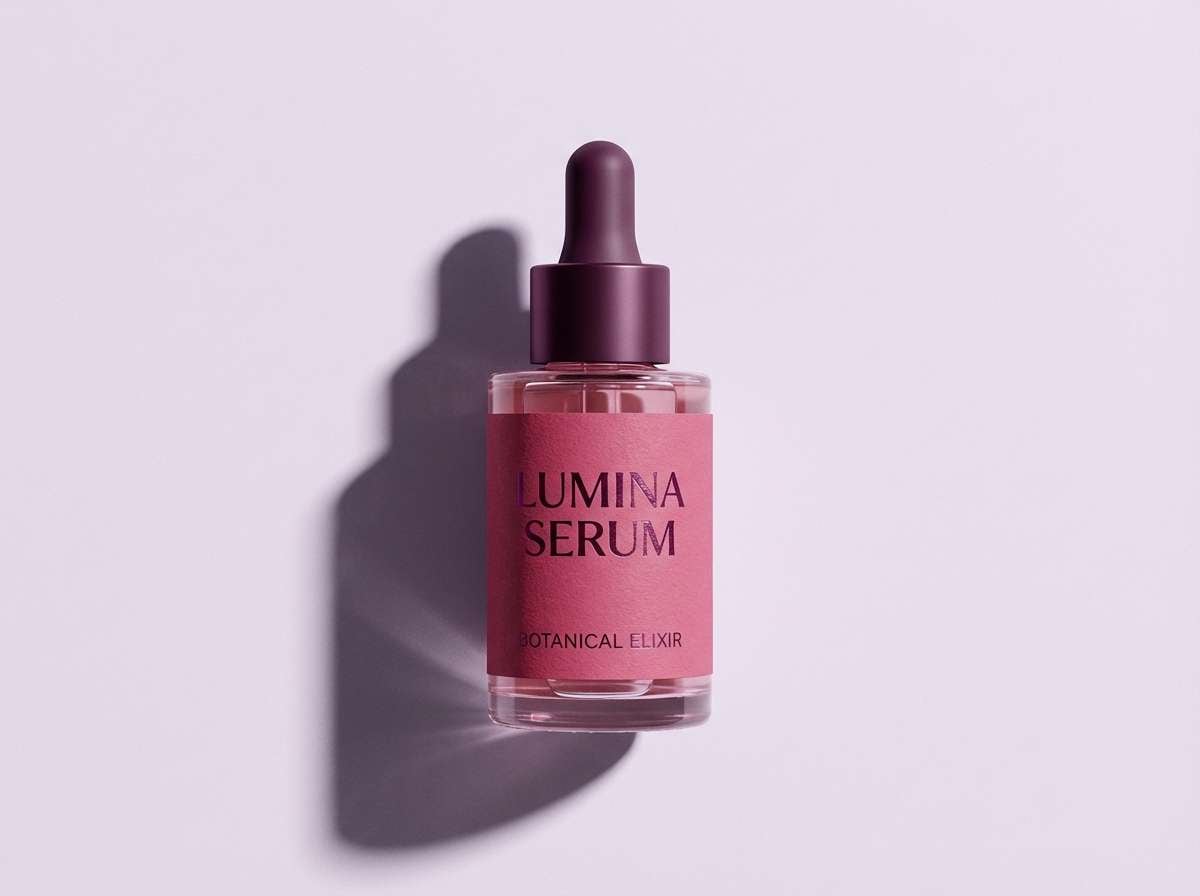
Luxurious and dramatic, the deep noir base makes the berry tones look instantly premium. This raspberry pink color palette works especially well for fragrance, cosmetics, and limited-edition drops where contrast sells the story. Use the near-black for the bottle label and let raspberry highlight the brand mark or cap detail. Tip: add the pale blush only as a small foil-like accent to keep the look high-end.
Image example of berry noir luxe generated using media.io
7) Raspberry Sunrise
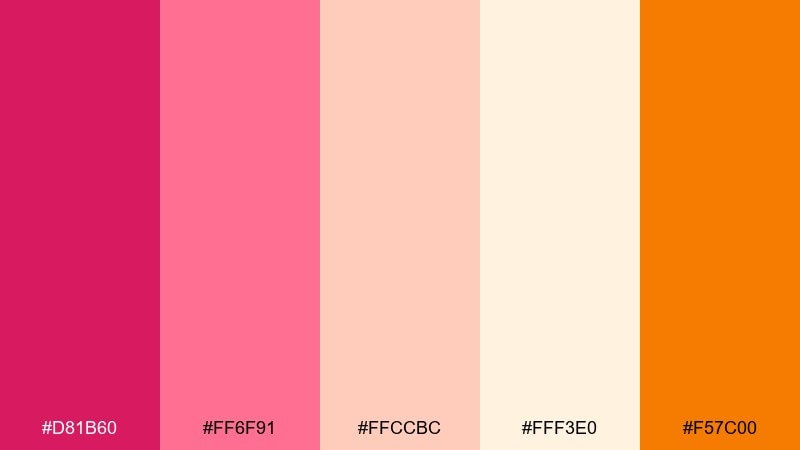
HEX: #d81b60 #ff6f91 #ffccbc #fff3e0 #f57c00
Mood: optimistic, warm, energetic
Best for: travel promo banner
Optimistic and warm, these shades feel like sunrise spilling over soft clouds. Use the orange as a sparing highlight for badges while raspberry handles key CTAs and headers. Peach and cream make friendly background gradients for banners and landing pages. Tip: place white text only on the deeper raspberry to avoid low contrast over peach tones.
Image example of raspberry sunrise generated using media.io

8) Soft Peony Nursery
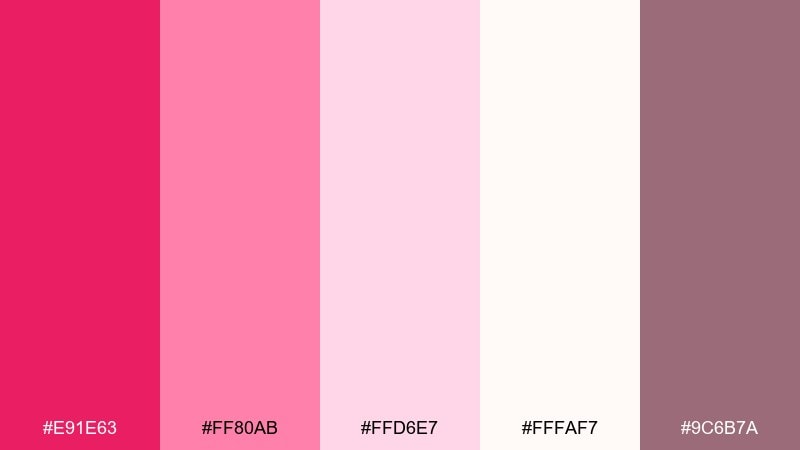
HEX: #e91e63 #ff80ab #ffd6e7 #fffaf7 #9c6b7a
Mood: gentle, tender, dreamy
Best for: baby shower invitation
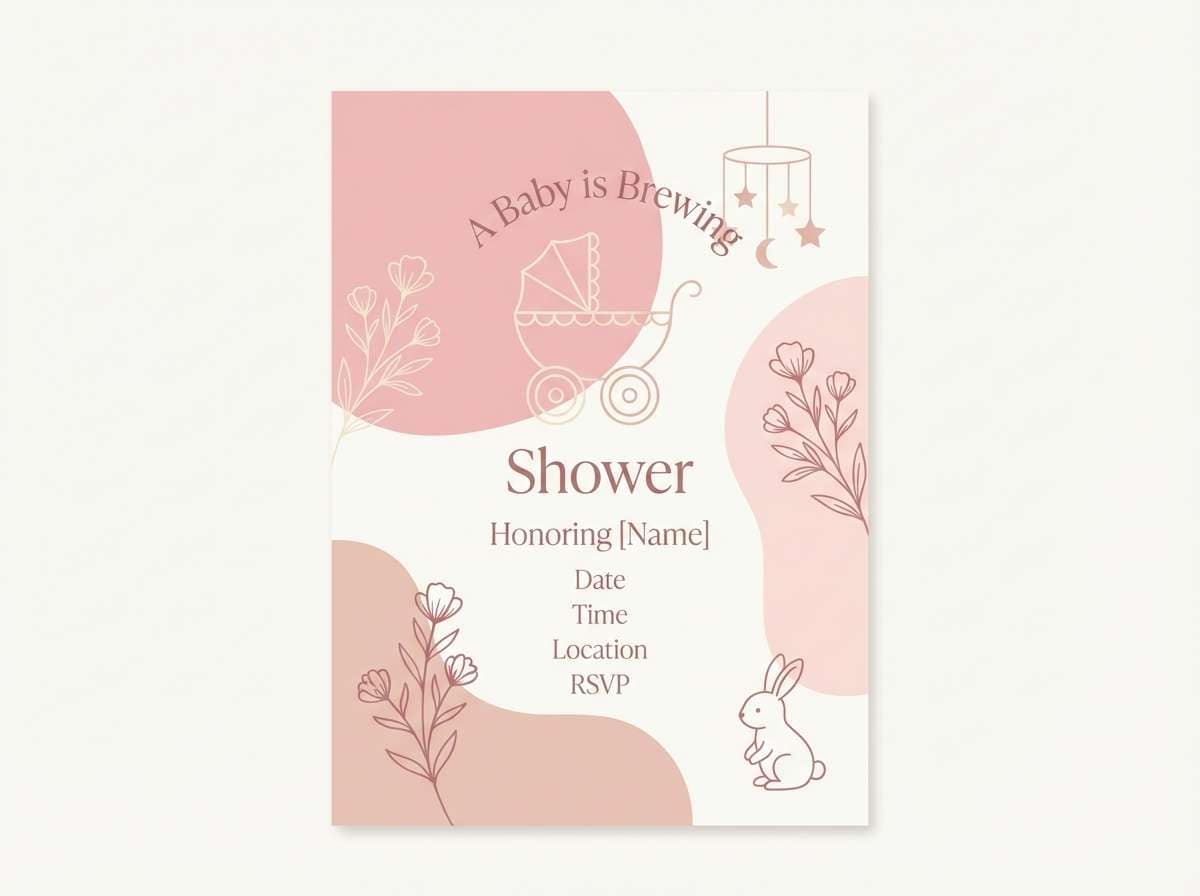
Gentle and dreamy, these tones evoke peony petals, cotton blankets, and soft lullabies. Use the lightest blush as the main paper color, with raspberry for names and small icons. The dusty mauve is ideal for body copy because it stays readable without feeling harsh. Tip: add tiny berry-colored stars or dots to create texture without clutter.
Image example of soft peony nursery generated using media.io
9) Raspberry Mint Sorbet
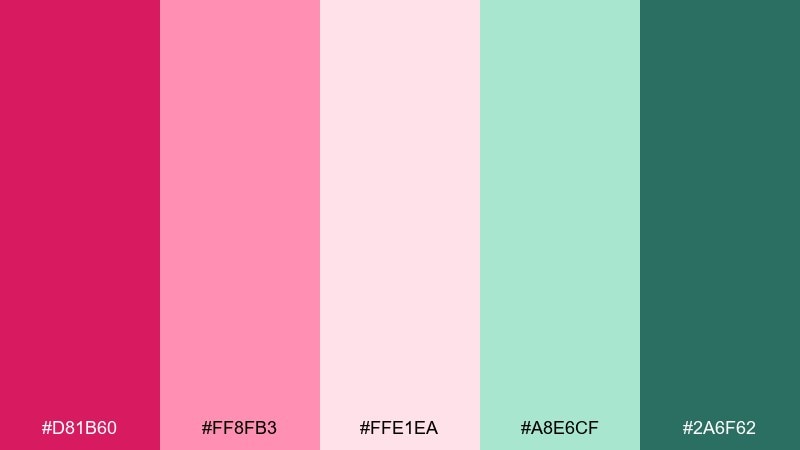
HEX: #d81b60 #ff8fb3 #ffe1ea #a8e6cf #2a6f62
Mood: fresh, playful, clean
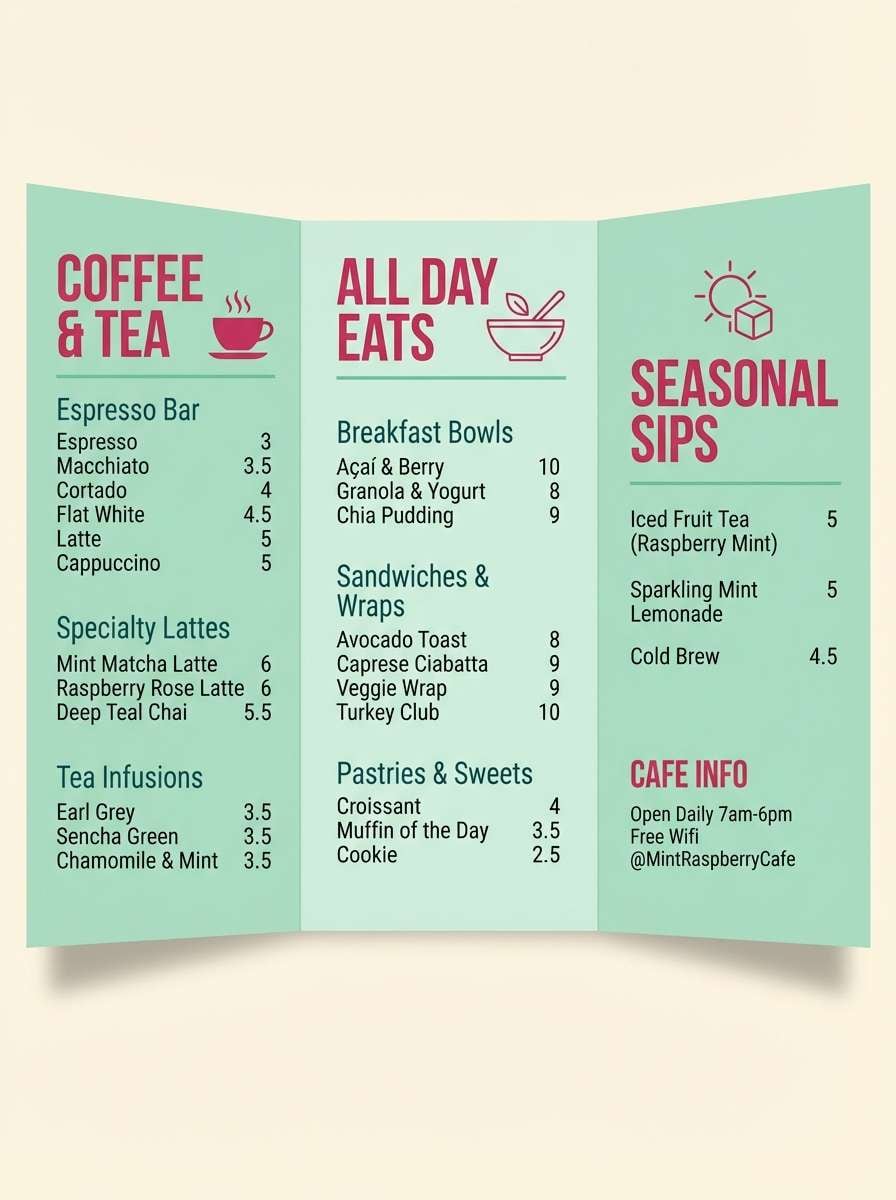
Best for: cafe menu design
Fresh and playful, the mint notes cut through the sweetness like sorbet on a sunny day. Use mint as a background panel color and keep raspberry for section headers and prices. Deep teal is a strong anchor for small text and icons. Tip: pick one dominant accent per page, then swap mint and raspberry between sections for variety.
Image example of raspberry mint sorbet generated using media.io
10) Vintage Raspberry Velvet
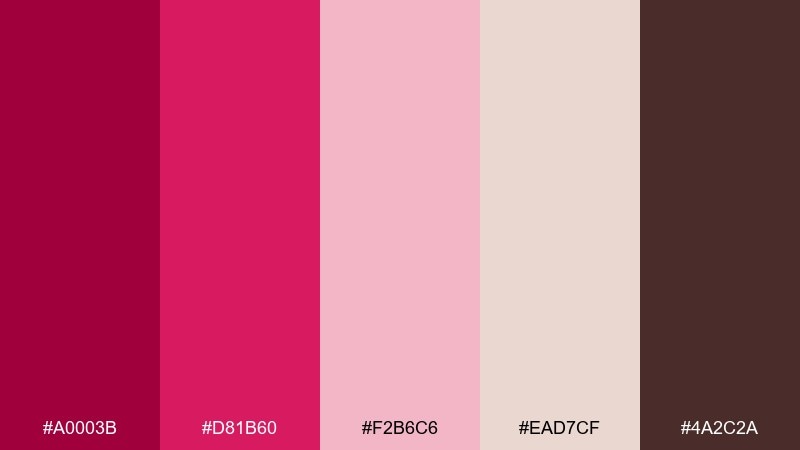
HEX: #a0003b #d81b60 #f2b6c6 #ead7cf #4a2c2a
Mood: vintage, tactile, boutique
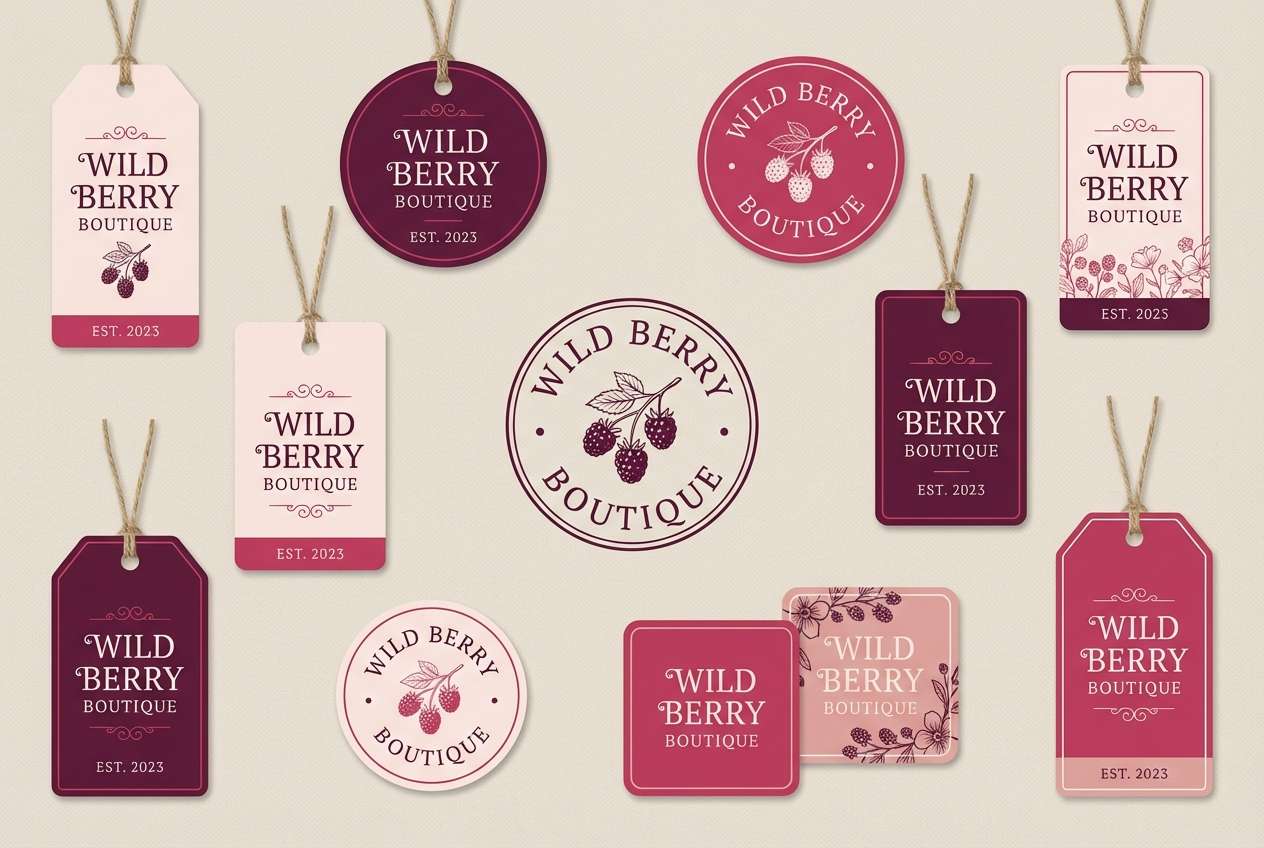
Best for: boutique logo and tags
Vintage and tactile, this mix reads like velvet fabric and warm paper tags. Use the deep brown for typography and the dark berry for stamp-like logo marks. The blush and beige soften the set so it feels curated rather than loud. Tip: add subtle grain or letterpress-style texture to match the nostalgic vibe.
Image example of vintage raspberry velvet generated using media.io
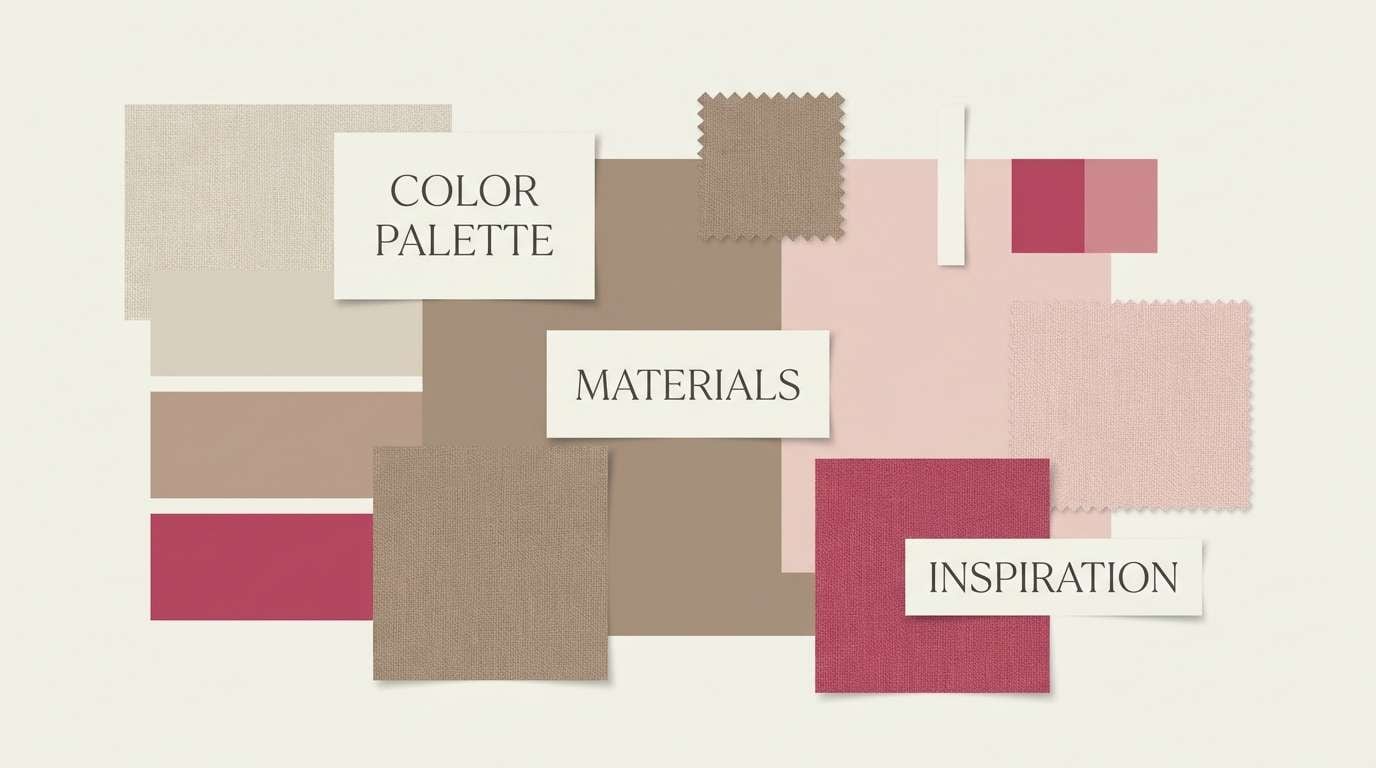
11) Raspberry Clay and Linen
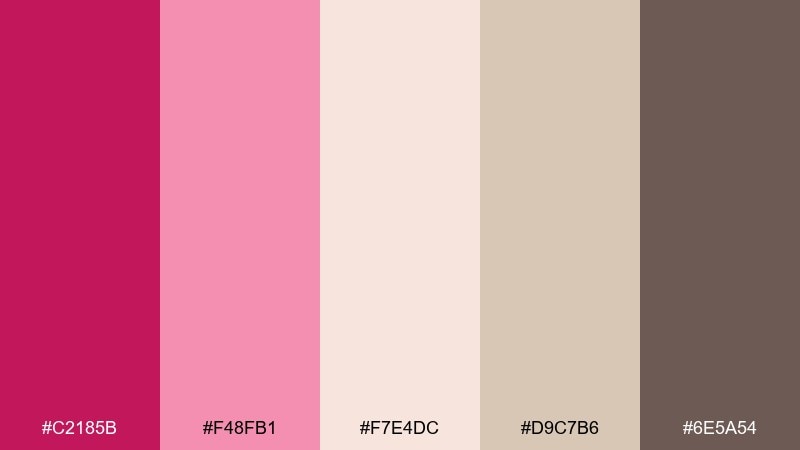
HEX: #c2185b #f48fb1 #f7e4dc #d9c7b6 #6e5a54
Mood: earthy, soft, refined
Best for: interior design mood board
Earthy and refined, these shades feel like linen drapes with a pop of berry lipstick. The warm neutrals make the pink look more sophisticated and less sugary. If you want a raspberry pink color scheme that still feels natural, keep clay and linen as the base and use raspberry in small decor accents. Tip: repeat the muted brown in text labels to unify the board.
Image example of raspberry clay and linen generated using media.io
12) Berry Punch Gradient
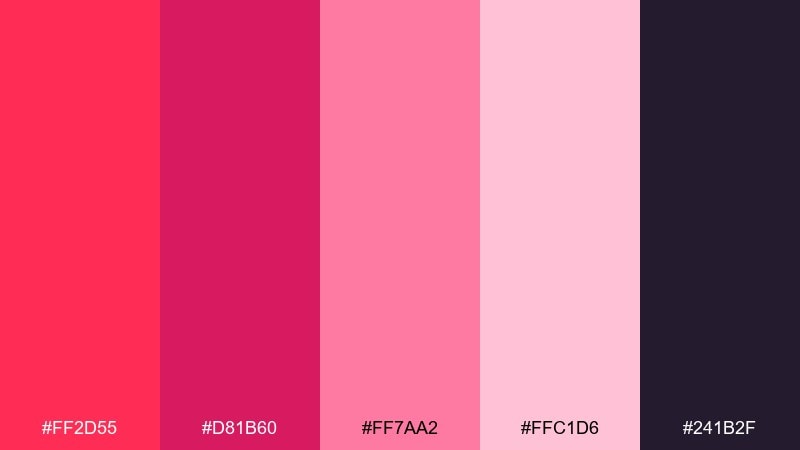
HEX: #ff2d55 #d81b60 #ff7aa2 #ffc1d6 #241b2f
Mood: bold, modern, dynamic
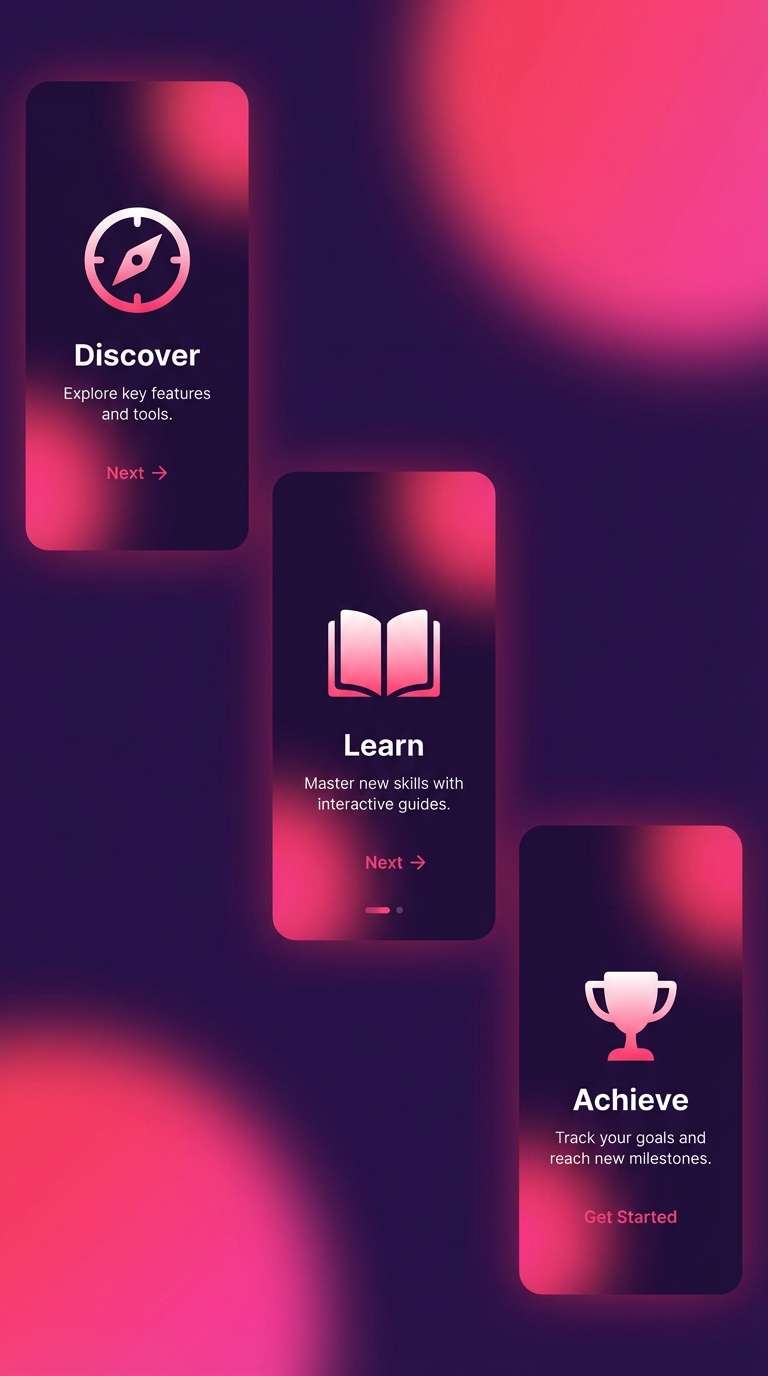
Best for: app onboarding screens
Bold and dynamic, these tones are made for punchy gradients and confident type. Use the dark violet as the canvas, then layer pink-to-raspberry gradients for hero panels. Keep the light blush for secondary screens and progress states. Tip: apply a single gradient direction across all steps so the onboarding feels cohesive.
Image example of berry punch gradient generated using media.io
13) Raspberry Orchid Glam
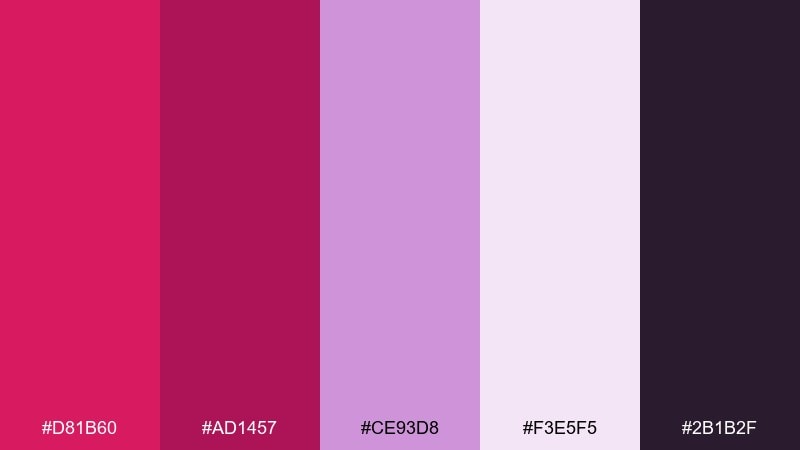
HEX: #d81b60 #ad1457 #ce93d8 #f3e5f5 #2b1b2f
Mood: glamorous, feminine, night-out
Best for: beauty product ad
Glamorous and a little mysterious, this set feels like orchid petals under nightclub lights. Pair raspberry with lilac for a high-impact headline, then use the soft lavender as breathing room. The deep plum-black grounds the layout and makes the brights look more luminous. Tip: keep product copy in deep plum on pale lavender to stay legible and elegant.
Image example of raspberry orchid glam generated using media.io
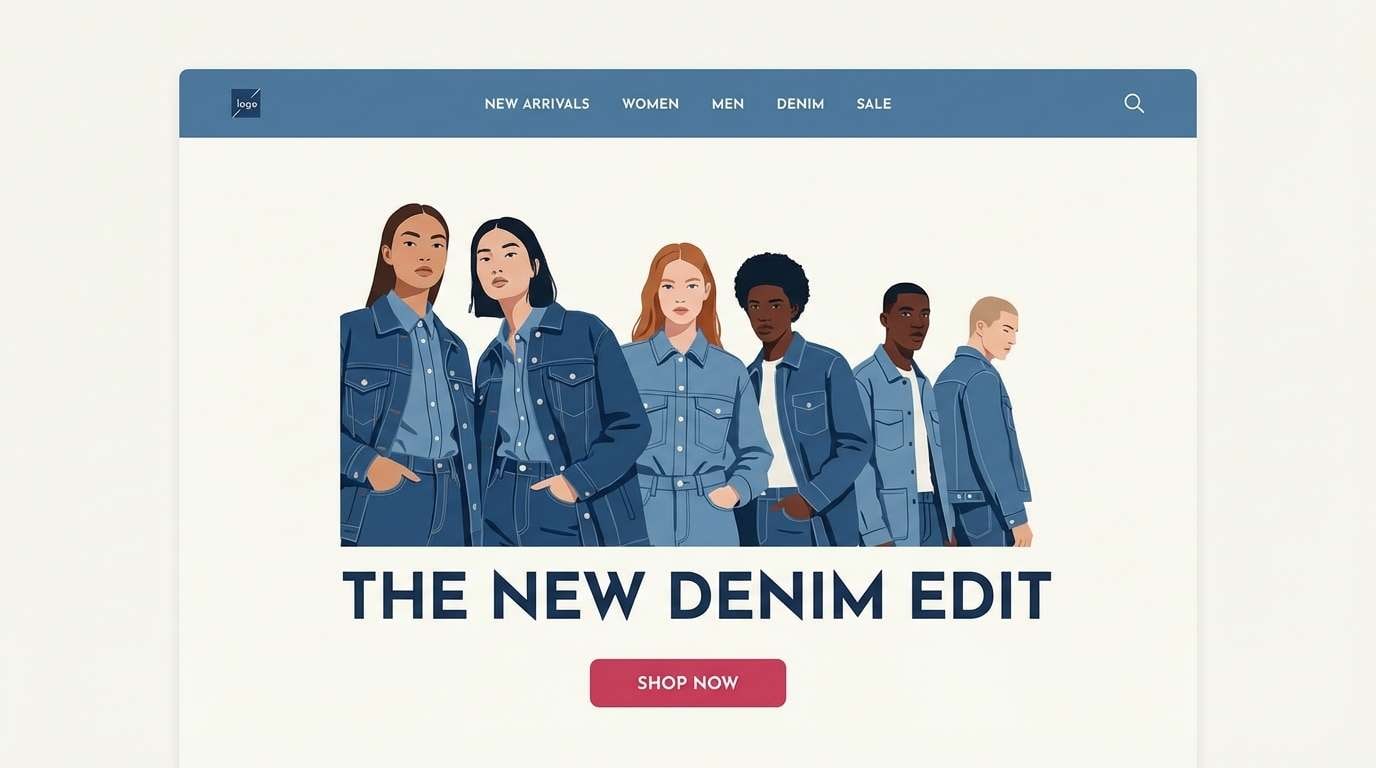
14) Raspberry and Denim Casual
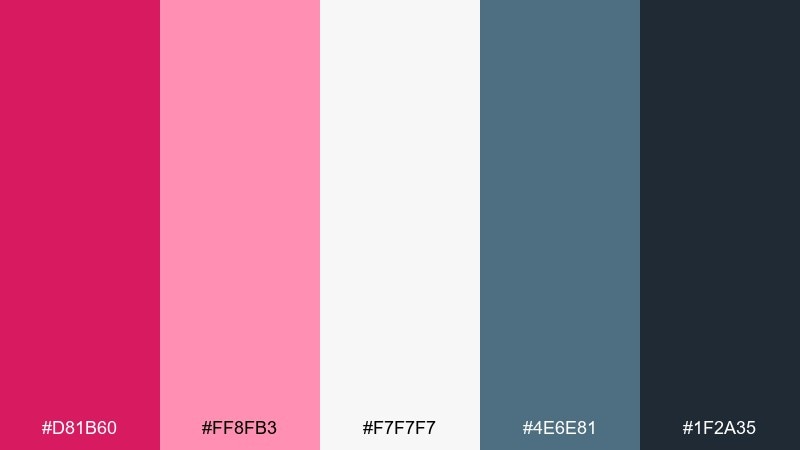
HEX: #d81b60 #ff8fb3 #f7f7f7 #4e6e81 #1f2a35
Mood: casual, friendly, modern
Best for: fashion ecommerce homepage hero
Casual and confident, these tones feel like a favorite denim jacket with a bright lip tint. The blue-grays keep the overall look grounded while the pinks bring personality to CTAs. For an easy raspberry pink color combination, pair raspberry with the darker denim for buttons, badges, and navigation states. Tip: use the off-white as the main page background so imagery and UI elements stay crisp.
Image example of raspberry and denim casual generated using media.io
15) Raspberry Frost Winter
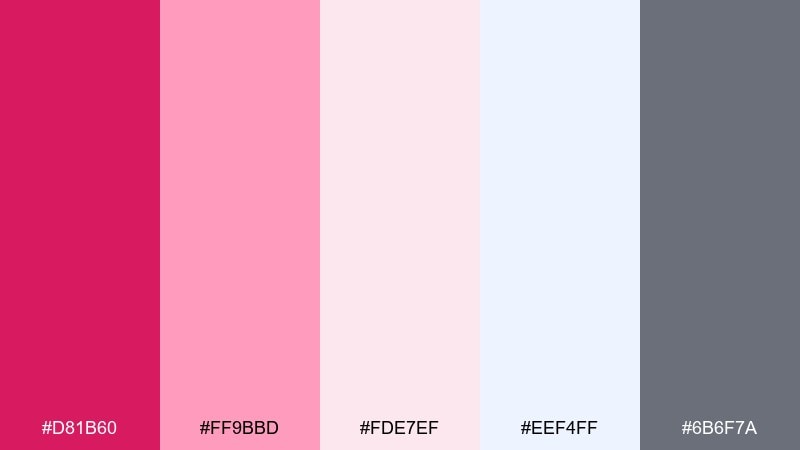
HEX: #d81b60 #ff9bbd #fde7ef #eef4ff #6b6f7a
Mood: crisp, cool, festive
Best for: holiday greeting card
Crisp and cool, the icy tints make raspberry feel like a winter berry on fresh snow. Use the pale blue-gray as the background and save raspberry for the greeting and small decorative elements. The neutral gray keeps typography refined and avoids an overly sugary look. Tip: add thin line art in gray and only one bold raspberry focal point for a modern card.
Image example of raspberry frost winter generated using media.io

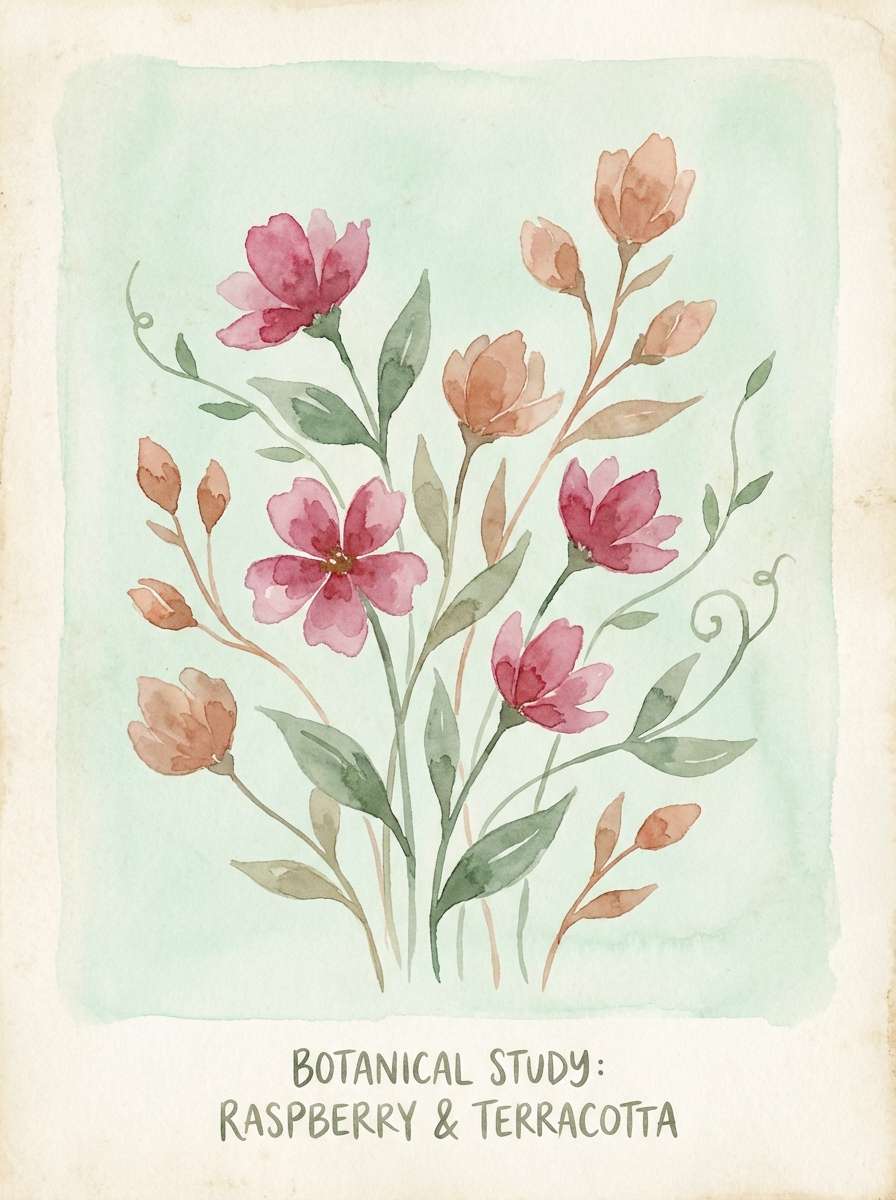
16) Raspberry Terracotta Garden
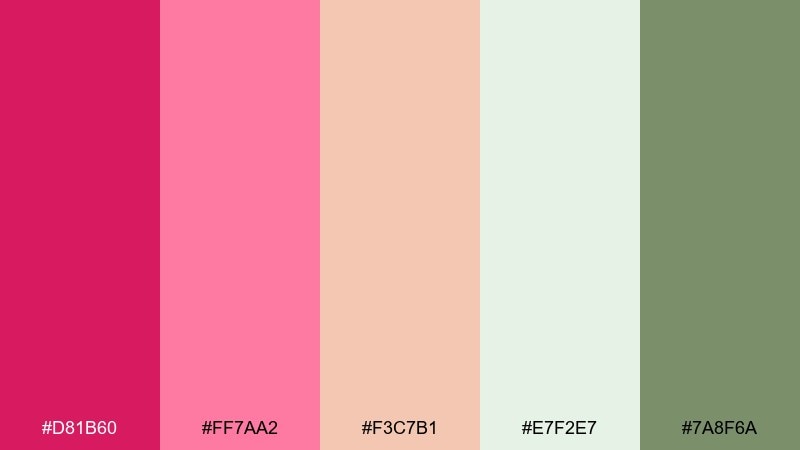
HEX: #d81b60 #ff7aa2 #f3c7b1 #e7f2e7 #7a8f6a
Mood: botanical, warm, handmade
Best for: spring botanical poster illustration
Botanical and handmade, the warm terracotta blush reads beautifully with soft garden greens. Let raspberry act as a floral pop while muted green supports stems, leaves, and borders. The pale minty background keeps the illustration light and airy. Tip: repeat the terracotta tone in small details to connect pink blooms with earthy elements.
Image example of raspberry terracotta garden generated using media.io
17) Raspberry Cyberpunk
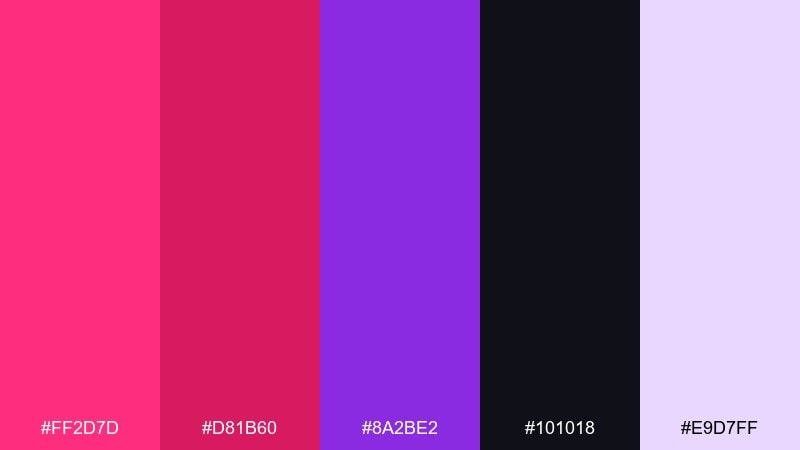
HEX: #ff2d7d #d81b60 #8a2be2 #101018 #e9d7ff
Mood: edgy, futuristic, high-contrast
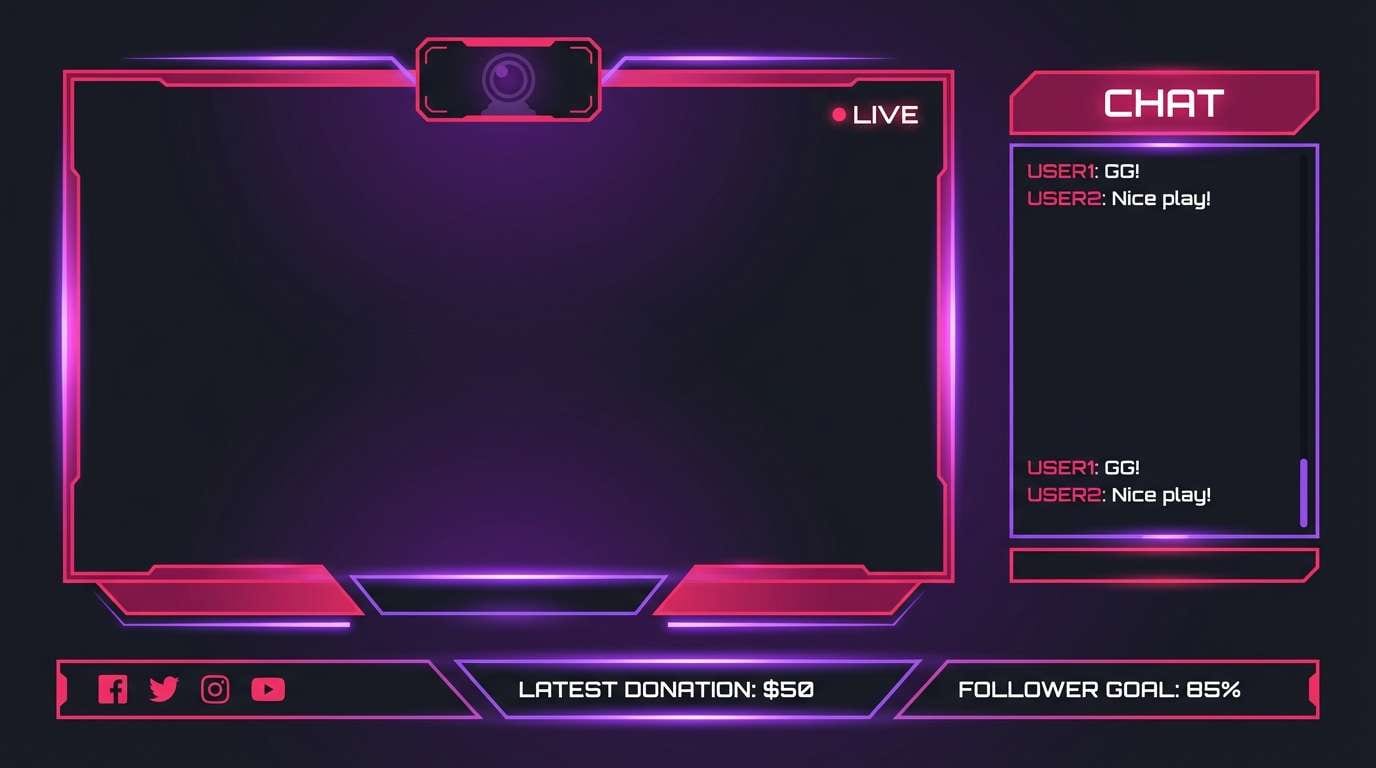
Best for: gaming stream overlay UI
Edgy and futuristic, this mix feels like neon signage in a dark arcade. Use near-black as the base and apply raspberry and violet for panels, badges, and animated alerts. Keep the pale lavender only for highlights and small UI separators. Tip: use consistent stroke weights and a single glow intensity to avoid visual chaos.
Image example of raspberry cyberpunk generated using media.io
18) Raspberry Champagne Toast
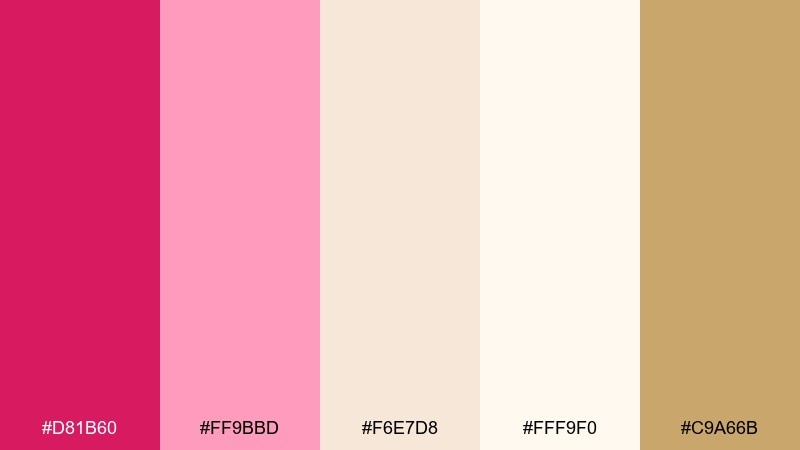
HEX: #d81b60 #ff9bbd #f6e7d8 #fff9f0 #c9a66b
Mood: celebratory, elegant, warm
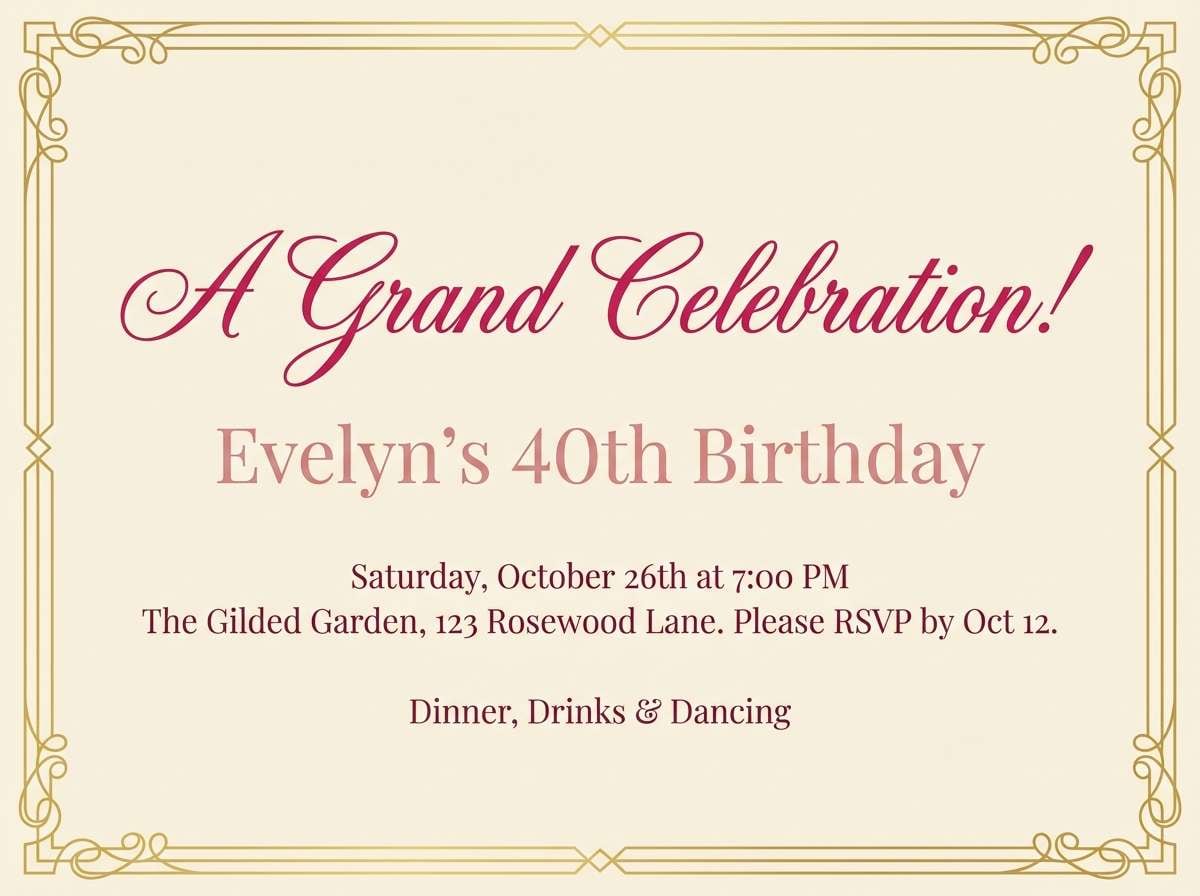
Best for: birthday party invitation
Celebratory and elegant, these shades evoke champagne bubbles and berry macarons. Use the warm cream as the base, then add raspberry for the name and key details. The muted gold works well as a thin border or icon color without turning gaudy. Tip: keep gold accents small and repeat them in two spots to feel intentional.
Image example of raspberry champagne toast generated using media.io
19) Raspberry Stone Spa
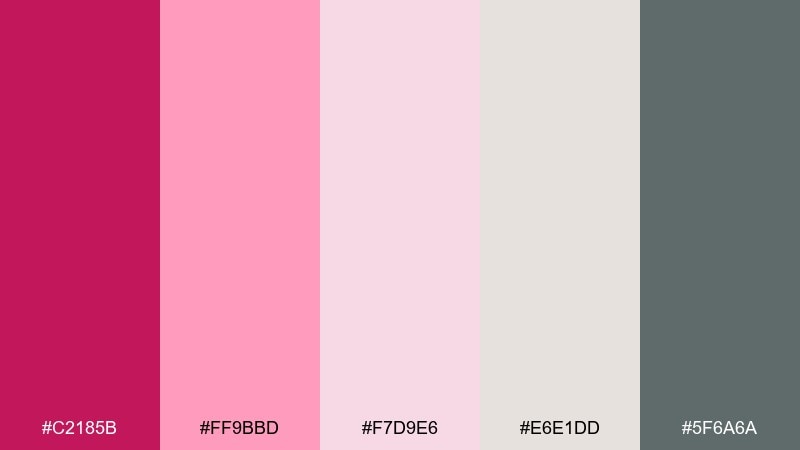
HEX: #c2185b #ff9bbd #f7d9e6 #e6e1dd #5f6a6a
Mood: serene, clean, soothing
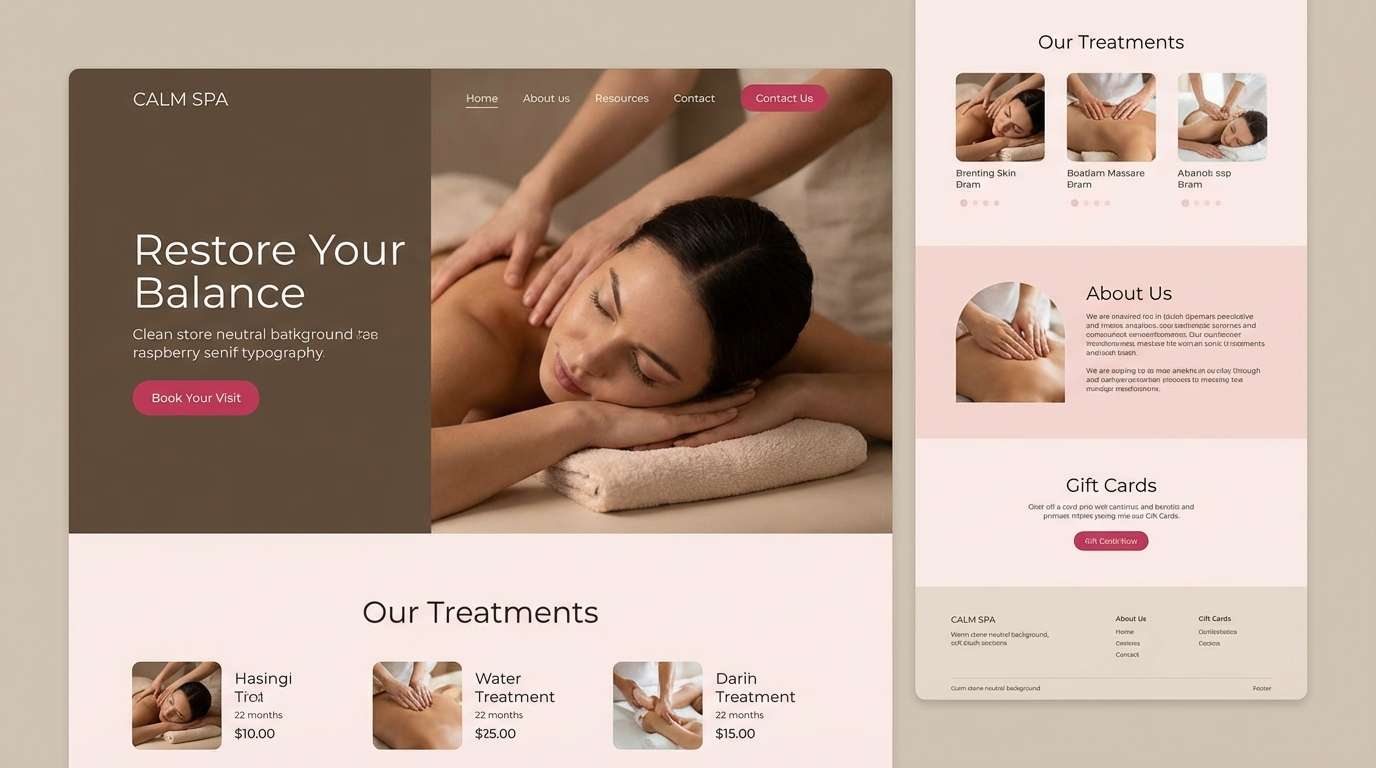
Best for: spa website landing page
Serene and clean, the soft blushes sit comfortably with warm stone neutrals. Use the gray-green as your primary text and icon color, then bring in raspberry sparingly for booking buttons. The palette supports plenty of white space, so the design can feel quiet and premium. Tip: keep imagery desaturated so the UI colors stay in control.
Image example of raspberry stone spa generated using media.io
20) Raspberry Citrus Picnic
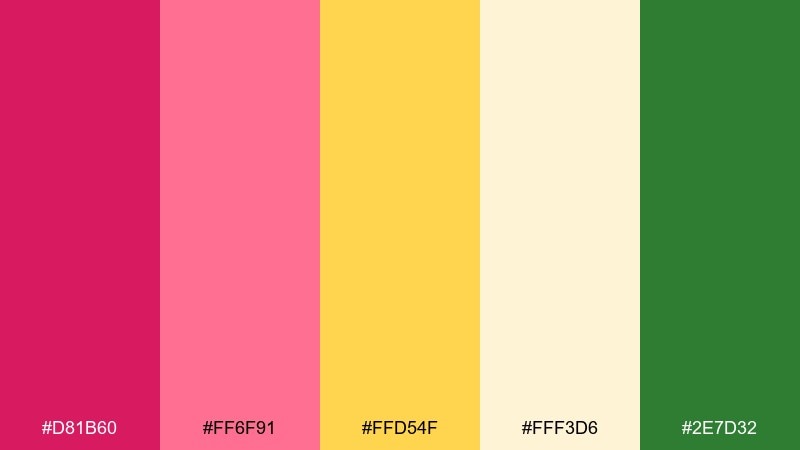
HEX: #d81b60 #ff6f91 #ffd54f #fff3d6 #2e7d32
Mood: sunny, lively, appetizing
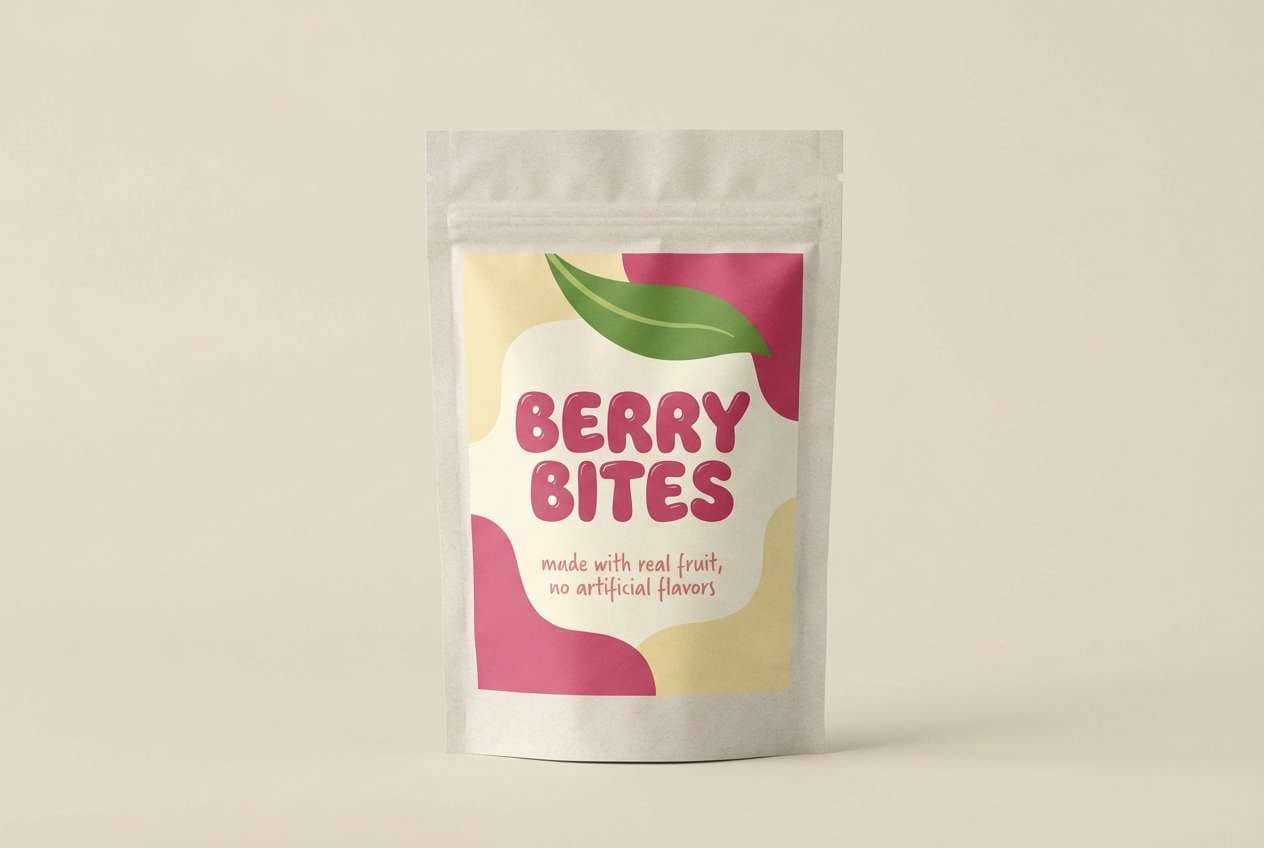
Best for: snack label packaging
Sunny and lively, this set feels like a picnic blanket with citrus slices and berry punch. Use the creamy yellow as the main label field, then let raspberry handle the flavor name for instant shelf impact. The green is best as a tiny freshness cue for badges or ingredient icons. Tip: keep the yellow and raspberry dominant, and treat green as a 5 percent accent so it does not overpower.
Image example of raspberry citrus picnic generated using media.io
21) Raspberry Editorial Bloom
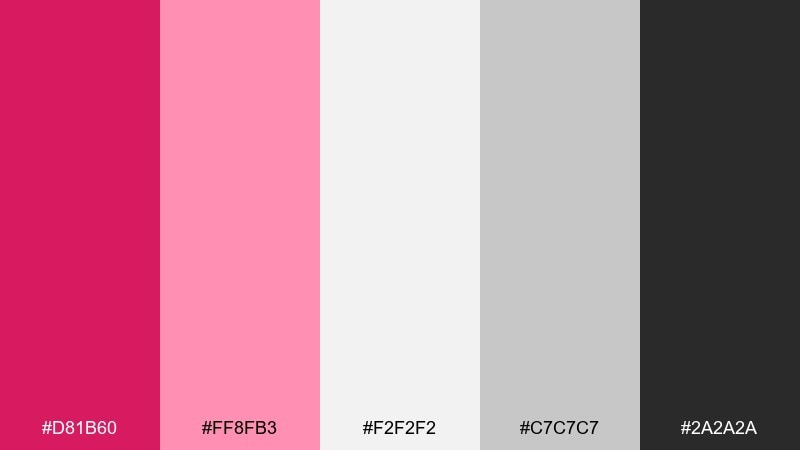
HEX: #d81b60 #ff8fb3 #f2f2f2 #c7c7c7 #2a2a2a
Mood: editorial, clean, modern
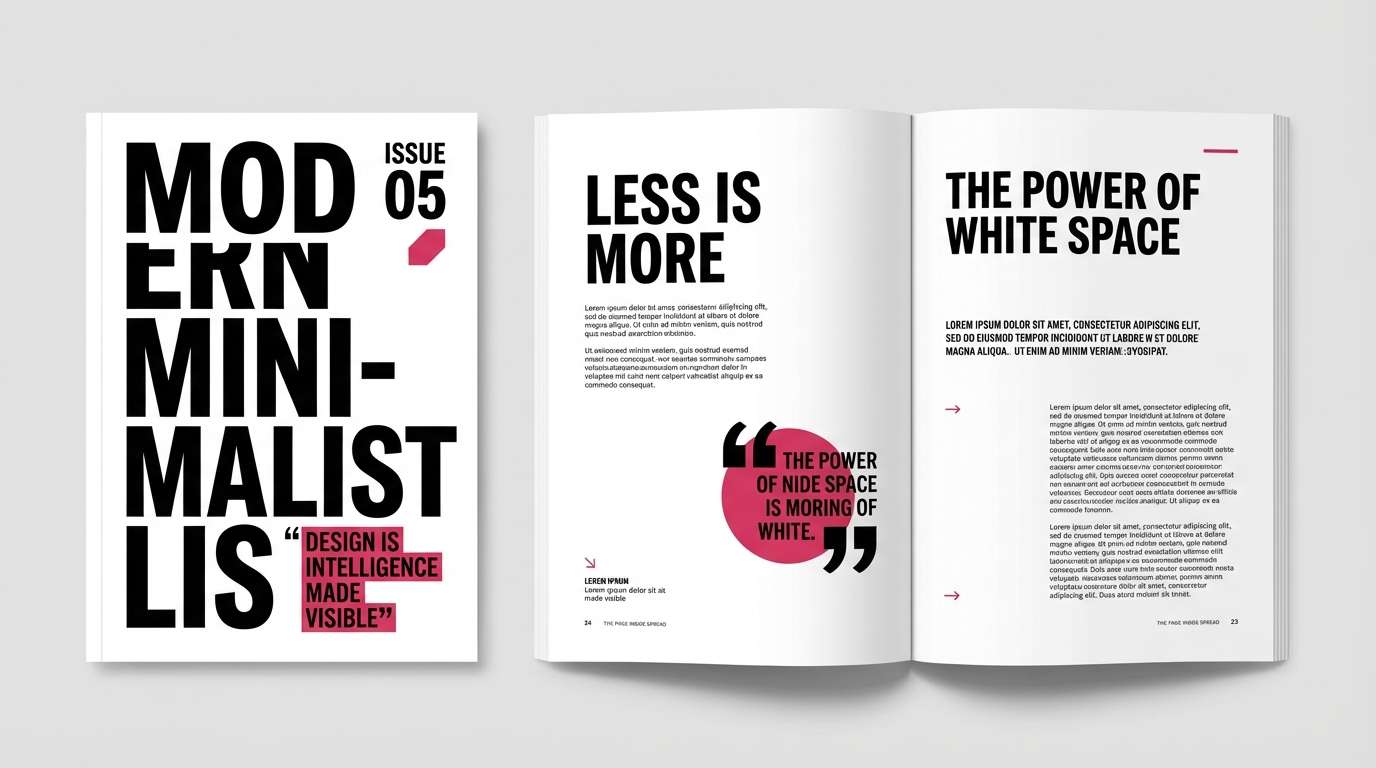
Best for: magazine layout cover and spread
Editorial and clean, the grayscale base makes the berry accents feel intentional and modern. Use raspberry for pull quotes and section markers, then rely on charcoal for headlines and body text. The soft pink can tint small blocks or highlight a key statistic without shouting. Tip: keep margins generous and use the pink only where you want the reader to pause.
Image example of raspberry editorial bloom generated using media.io
22) Raspberry Monochrome Studio
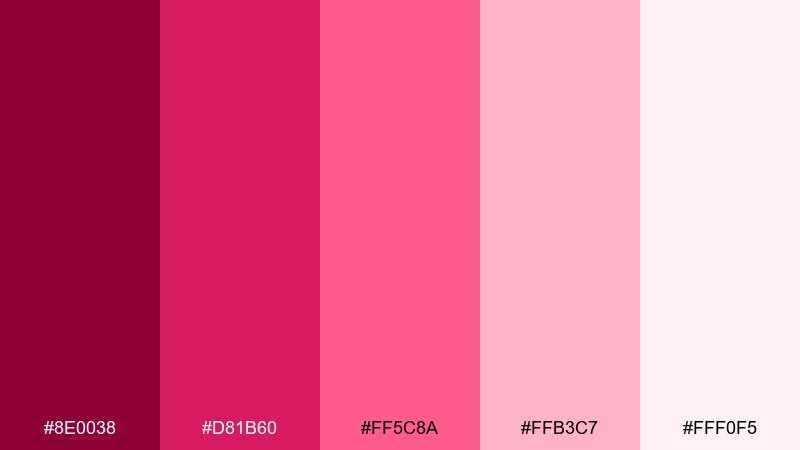
HEX: #8e0038 #d81b60 #ff5c8a #ffb3c7 #fff0f5
Mood: cohesive, confident, stylish
Best for: brand social templates
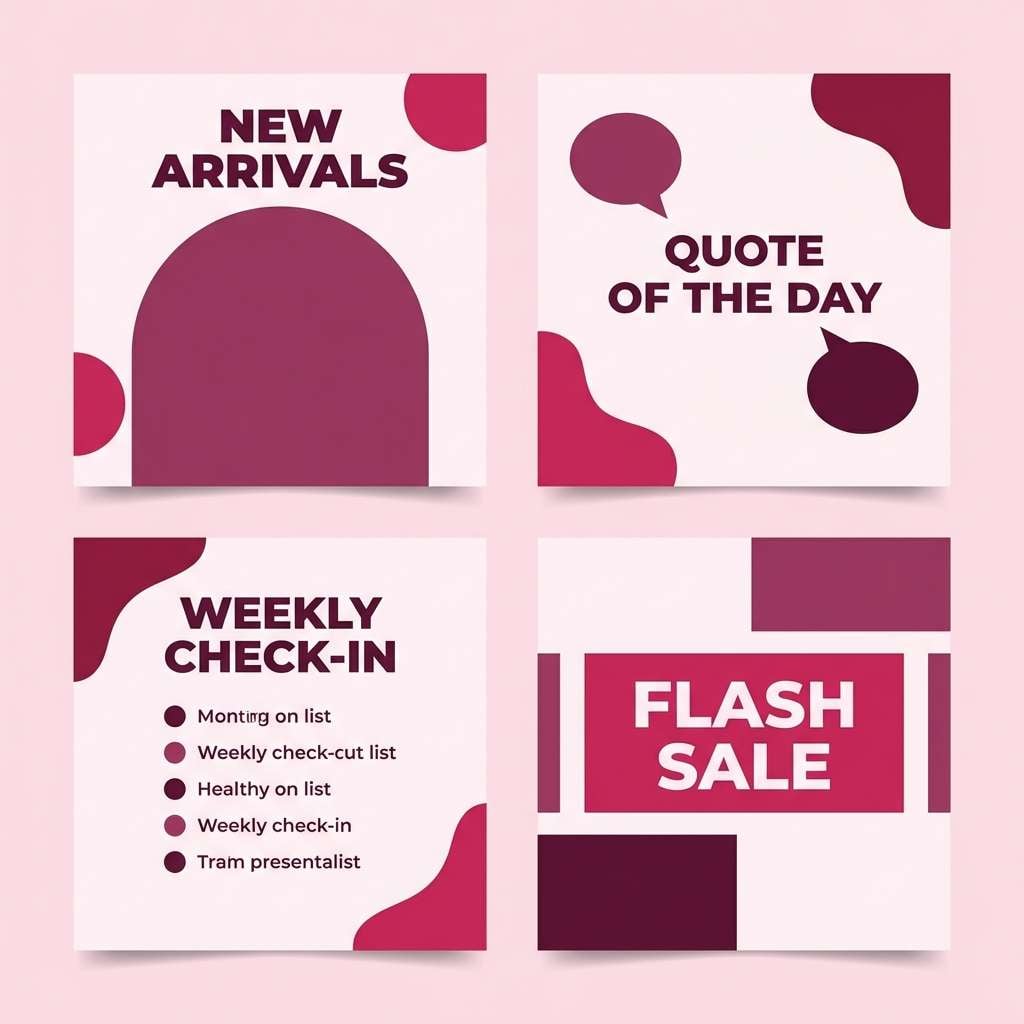
Cohesive and stylish, this mono-berry set feels polished without needing extra hues. Use the darkest shade for type and outlines, then build depth with two mid pinks for panels and stickers. The lightest tint is perfect for backgrounds that still feel on-brand. Tip: use one accent shade consistently for CTAs so every template looks connected.
Image example of raspberry monochrome studio generated using media.io
23) Raspberry Harbor Night
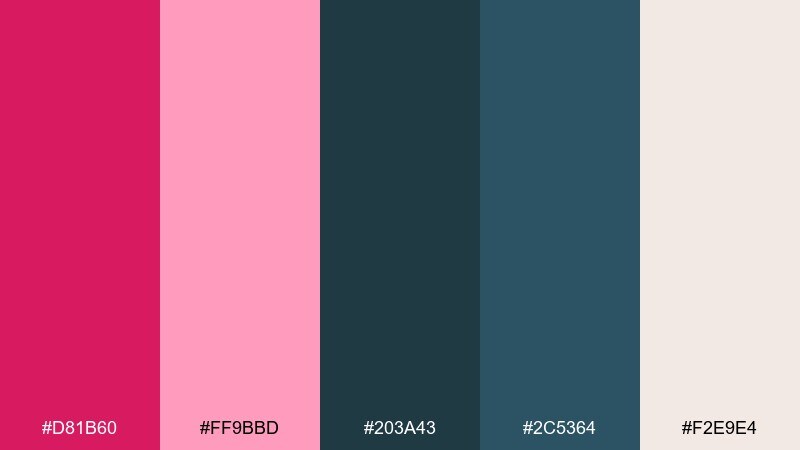
HEX: #d81b60 #ff9bbd #203a43 #2c5364 #f2e9e4
Mood: moody, coastal, sophisticated
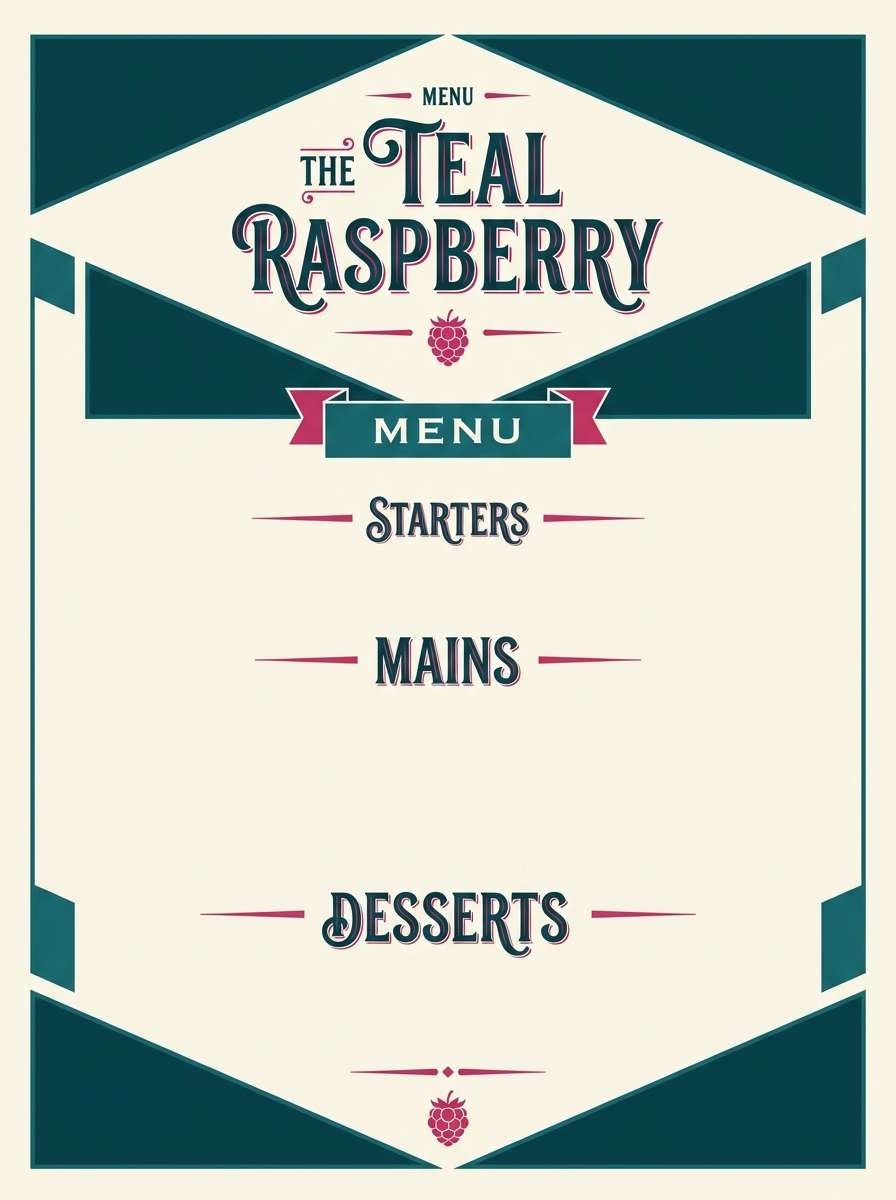
Best for: restaurant menu cover
Moody and coastal, the deep harbor blues make the pinks feel like a refined accent rather than the main act. Use the teal-blues for large panels and headers, with raspberry reserved for dish callouts and section dividers. Cream keeps the layout readable and adds a hint of paper warmth. Tip: avoid using both blues at the same weight in one area; pick one as primary and one as secondary for clarity.
Image example of raspberry harbor night generated using media.io
24) Raspberry Quartz Calm
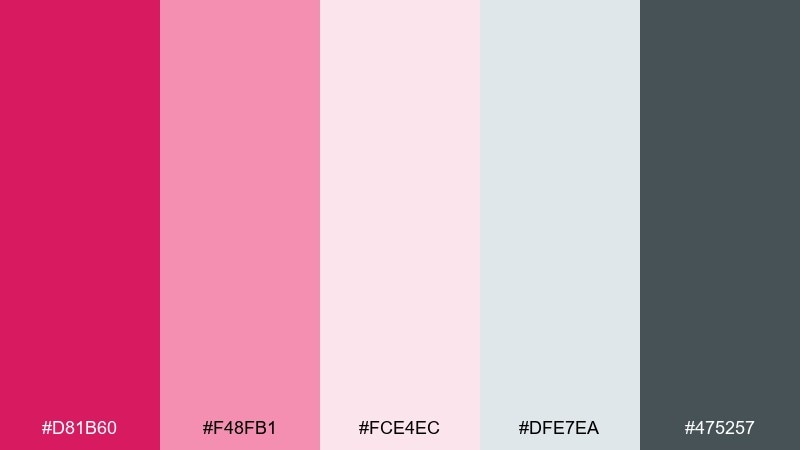
HEX: #d81b60 #f48fb1 #fce4ec #dfe7ea #475257
Mood: calm, airy, balanced
Best for: health app UI kit
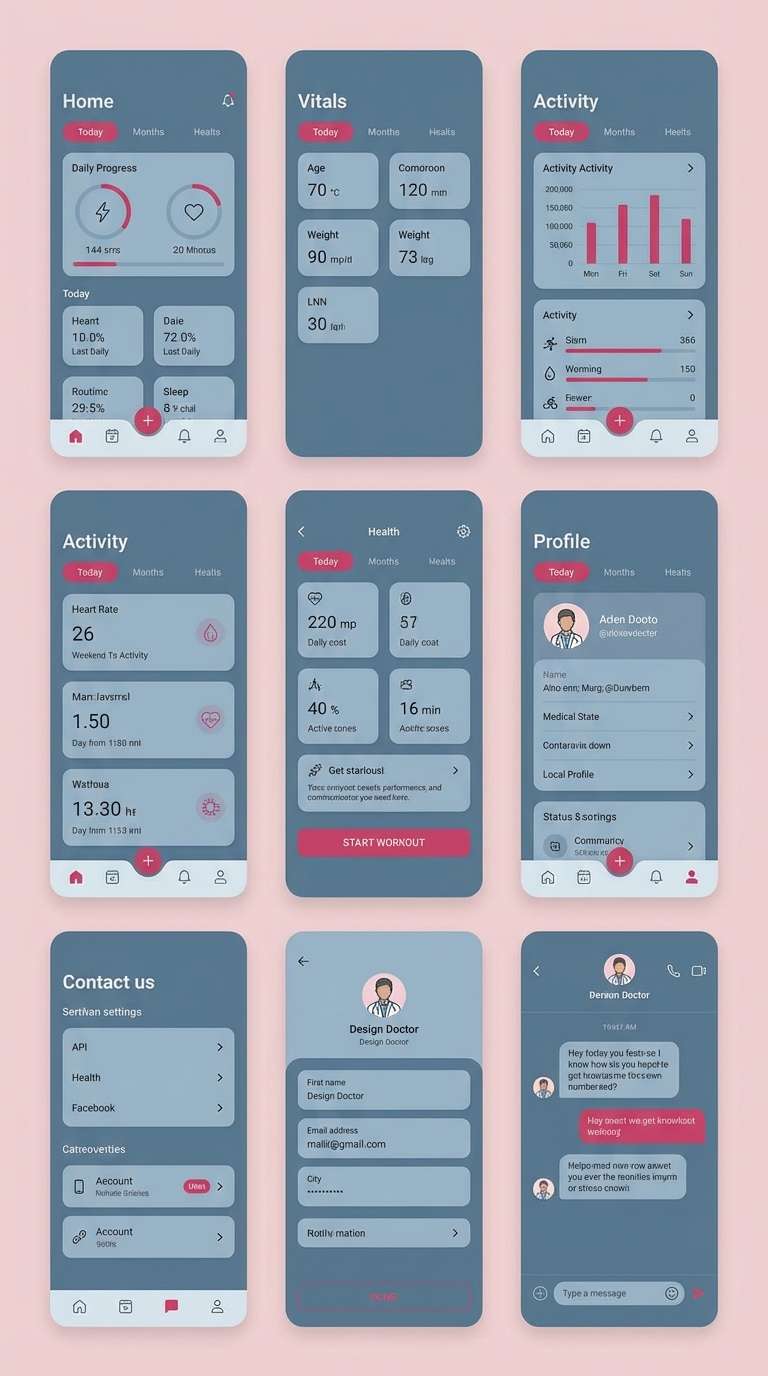
Calm and airy, these tones feel like rose quartz beside cool stone. This raspberry pink color palette is ideal when you want warmth without losing a clinical sense of clarity. Use the blue-gray for surfaces and cards, then apply raspberry to highlights, active states, and progress indicators. Tip: keep error and warning states in neutrals so the raspberry remains the hero accent.
Image example of raspberry quartz calm generated using media.io
What Colors Go Well with Raspberry Pink?
Raspberry pink pairs beautifully with warm neutrals (cream, linen, beige) when you want softness and approachability. These bases make raspberry feel elevated and prevent layouts from looking overly sugary.
For contrast and premium impact, combine raspberry with deep tones like charcoal, near-black, plum, or dark violet. This is a reliable formula for luxury packaging, editorial layouts, and high-contrast UI components.
If you want a fresher, modern balance, add greens and blue-grays—sage, mint, teal, denim, or cool stone. These hues temper the pink and create a more “grown-up” raspberry pink color scheme.
How to Use a Raspberry Pink Color Palette in Real Designs
In UI design, treat raspberry as an action color: primary buttons, active states, highlights, and key badges. Keep backgrounds light (cream, blush, or blue-gray) and use a dark neutral for body text to maintain accessibility.
In branding, pick one “hero” raspberry and one supporting tint, then rely on neutrals or a single contrasting hue (sage, navy, plum) to avoid visual noise. Consistency in where the pink appears—logo, CTA, price, or pull quote—builds instant recognition.
For print, raspberry can shift under different papers and finishes. Test a proof if possible, and consider using deeper berry tones for small text while reserving the brightest raspberry for headers or spot accents.
Create Raspberry Pink Palette Visuals with AI
If you’re pitching concepts or building a mood board, generating quick palette-based visuals can save hours. Start with your palette’s mood (luxury, playful, serene, cyberpunk), then describe the layout type (poster, UI kit, label, invitation) and your dominant background color.
To keep results cohesive, reuse a consistent prompt structure and only swap the palette words (e.g., “raspberry pink + sage,” “raspberry pink + noir,” “raspberry pink gradient”). This makes variations easier to compare and refine.
When you land on a direction, generate a small set: one hero visual, one close-up detail, and one alternate layout. That trio is usually enough to validate a raspberry pink palette in real contexts.
Raspberry Pink Color Palette FAQs
-
What is a common HEX code for raspberry pink?
A widely used raspberry pink HEX is #d81b60. It’s a saturated berry pink that works well for CTAs, headlines, and accent elements. -
Is raspberry pink warm or cool?
Raspberry pink is typically a warm-leaning pink with red undertones, but it can feel cooler when paired with blue-grays, violets, or icy tints. -
What colors complement raspberry pink the best?
Great complements include sage or mint greens, deep plum/violet, charcoal/near-black, denim blues, and warm neutrals like cream and linen. -
How do I keep raspberry pink from looking too sweet?
Anchor it with darker neutrals (charcoal, deep teal, plum) and use raspberry as an accent rather than the background. Reducing the percentage of bright pink also helps. -
What’s the best background color for raspberry pink in UI?
For clean UI, use off-white, warm cream, light blush, or cool blue-gray backgrounds. Pair with dark text (charcoal, deep green-gray) for readable contrast. -
Can I use raspberry pink for luxury branding?
Yes—combine raspberry with near-black/noir, soft blush, and lots of negative space. A small touch of muted gold can add a premium finish without feeling flashy.


