

A peacock color palette is all about confident teal, deep blue-green shadows, and warm metallic accents that feel instantly elevated. It’s a go-to choice when you want designs to look premium without relying on neon brights.
Below are 20 curated peacock color combinations (each with HEX codes) plus quick, practical tips for branding, UI, and decor. You can also generate matching visuals with Media.io using the included prompts.
In this article
Why Peacock Color Combinations Work So Well
Peacock colors sit in a “jewel-tone sweet spot”: teals and blue-greens feel saturated and luxurious, but still natural enough to be easy on the eyes. That balance makes them versatile across print, web, and interiors.
They also create instant depth. A dark teal or ink base provides strong contrast for typography, while lighter sea-glass tones keep layouts breathable and modern.
Finally, peacock palettes love accents. Gold, brass, copper, coral, or apricot can be used in tiny doses to guide attention, add hierarchy, and make the overall scheme feel designed—not flat.
20+ Peacock Color Palette Ideas (with HEX Codes)
1) Regal Feather
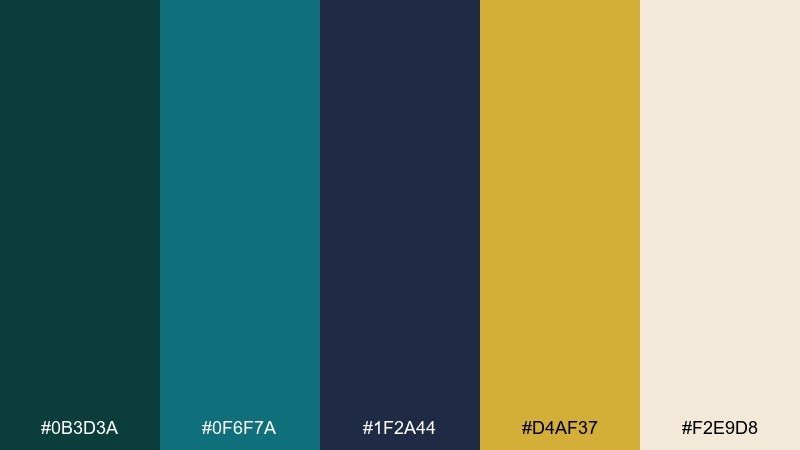
HEX: #0B3D3A #0F6F7A #1F2A44 #D4AF37 #F2E9D8
Mood: opulent and dramatic
Best for: luxury branding and logos
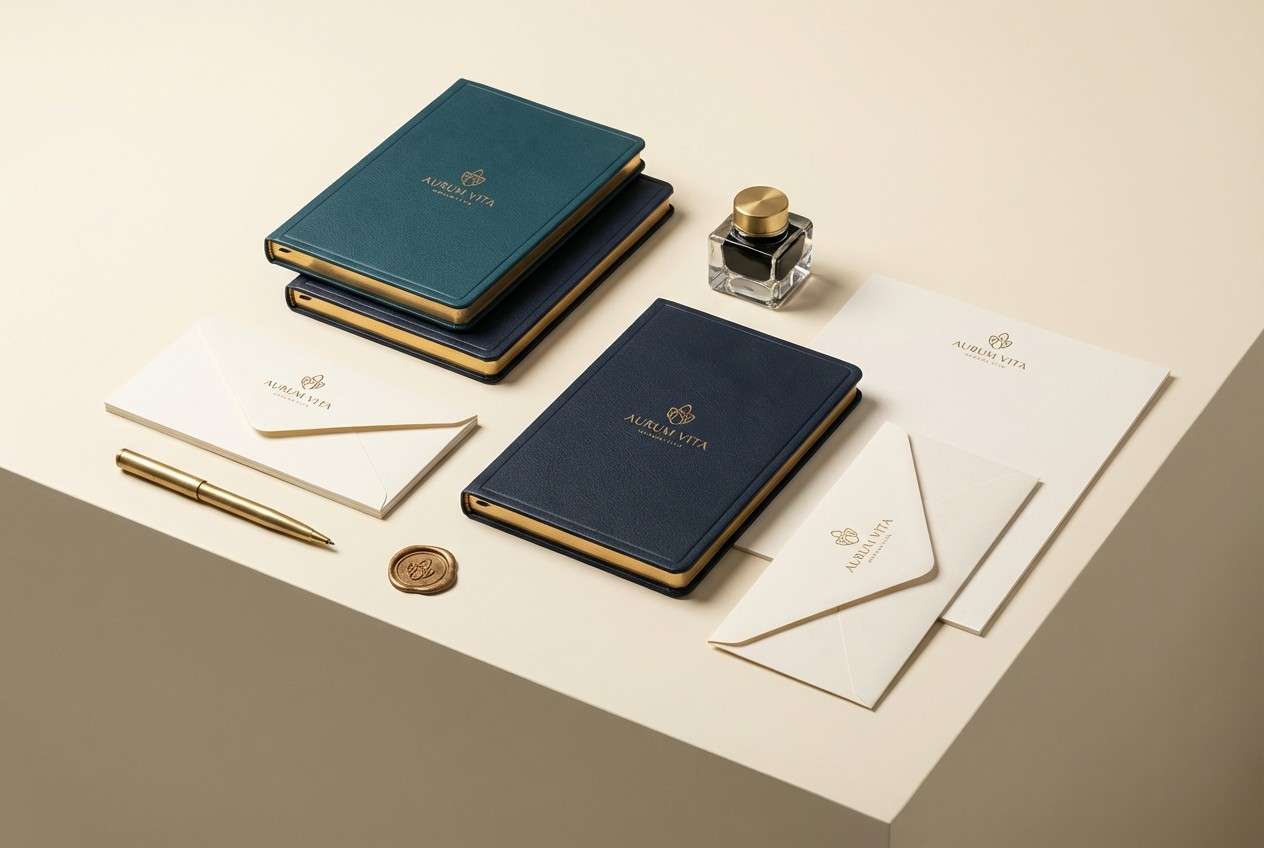
Opulent and dramatic, it evokes iridescent feathers under low light with a flash of antique gold. These peacock color combinations shine on premium brand marks, boutique packaging, and high-end service sites. Pair the deep teal with ivory for readability, then reserve gold for small highlights like rules, icons, and foil accents. Usage tip: keep gold to under 10 percent of the layout so the peacock color palette stays refined rather than flashy.
Image example of regal feather generated using media.io
Media.io is an online AI studio for creating and editing video, image, and audio in your browser.


2) Emerald Lagoon
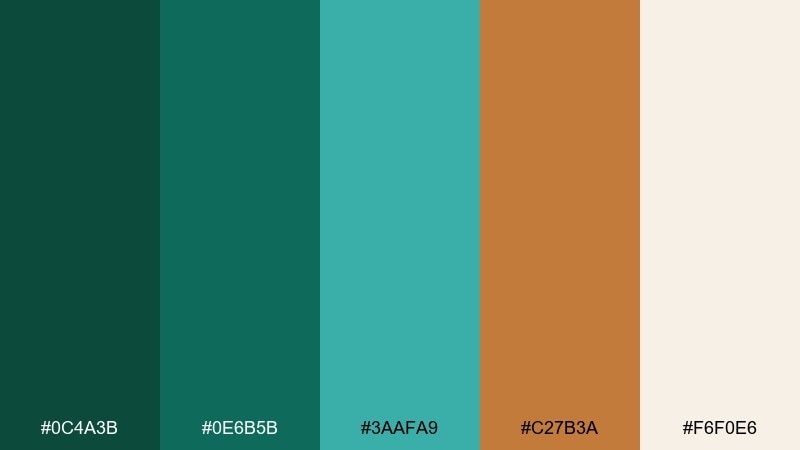
HEX: #0C4A3B #0E6B5B #3AAFA9 #C27B3A #F6F0E6
Mood: fresh and restorative
Best for: spa website UI
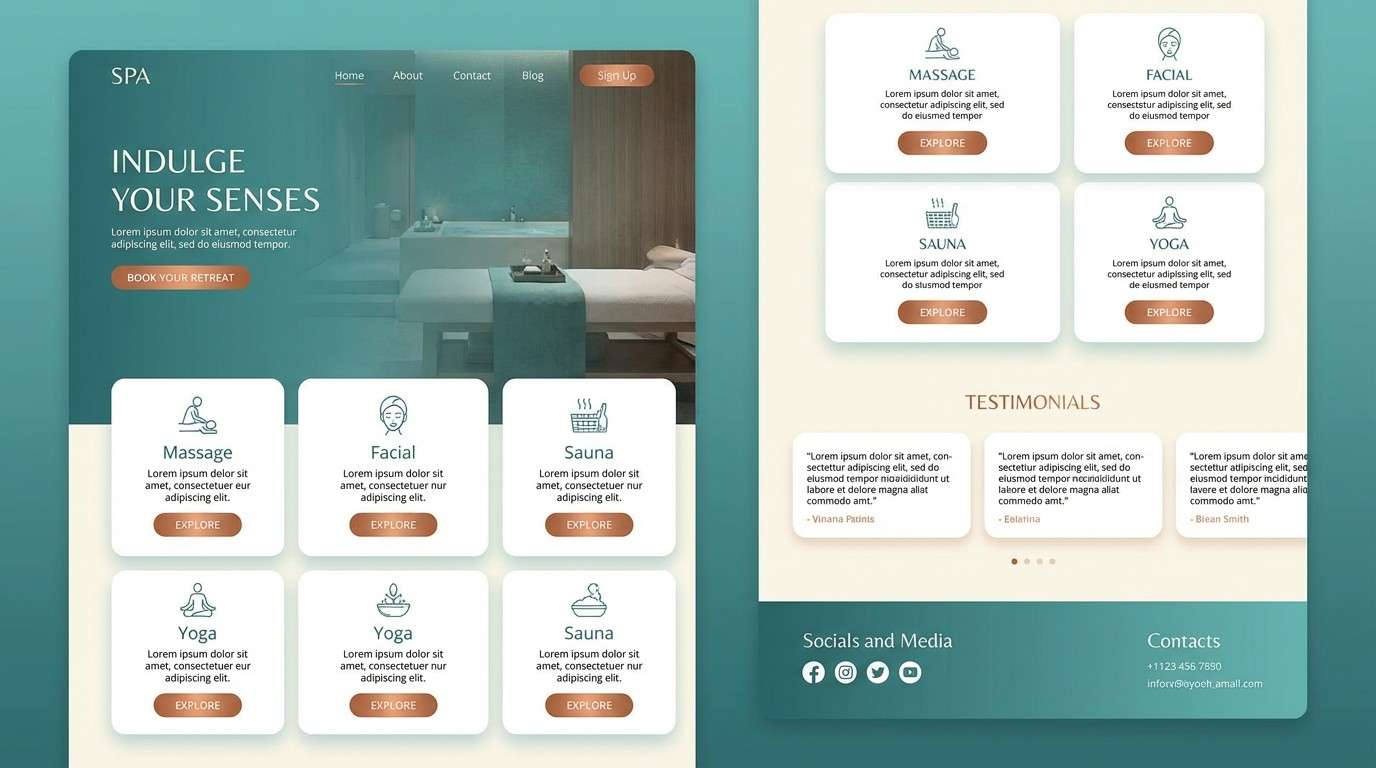
Fresh and restorative, it feels like a quiet lagoon with warm copper sun glints. The teal range works beautifully for calming UI sections such as hero areas, pricing cards, and review modules. Pair the copper as a single call-to-action color against the light cream to keep conversions clear. Usage tip: use the darkest green-teal for navigation text to improve contrast without going harsh-black.
Image example of emerald lagoon generated using media.io
3) Midnight Iris
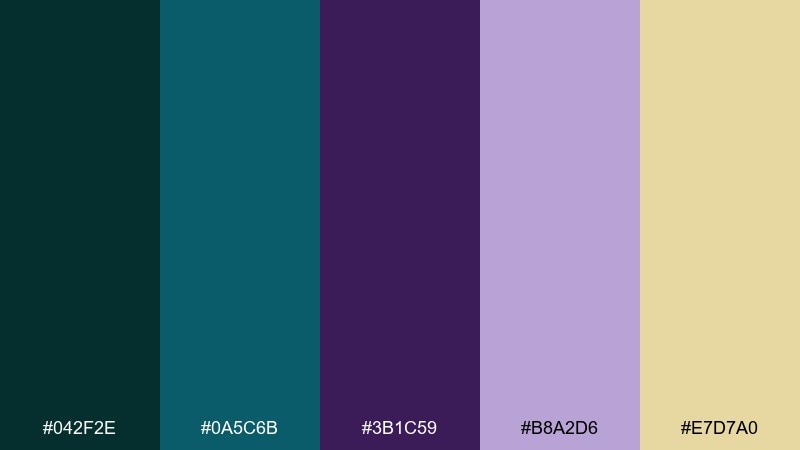
HEX: #042F2E #0A5C6B #3B1C59 #B8A2D6 #E7D7A0
Mood: moody and editorial
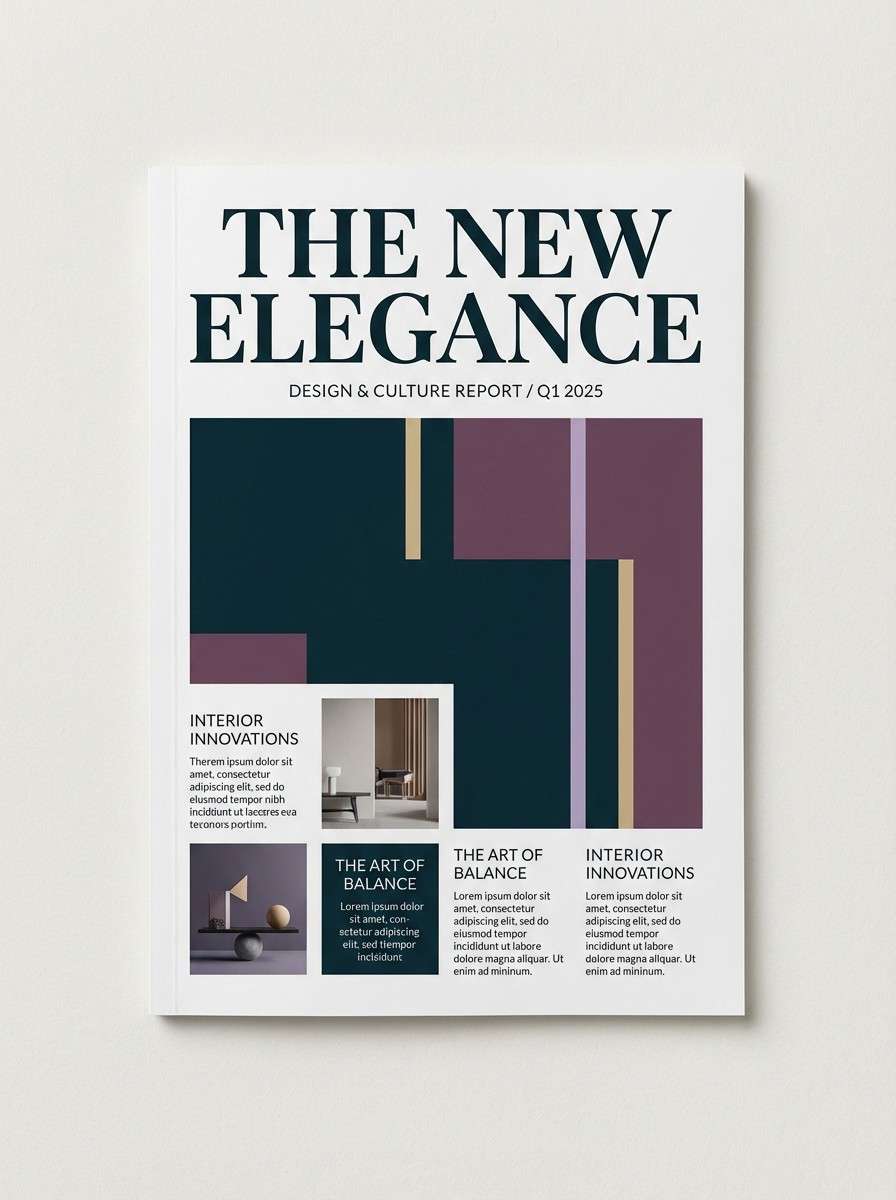
Best for: magazine features and covers
Moody and editorial, this peacock color scheme suggests twilight teal with a soft iris-purple haze. The deep base colors give typography a confident, high-contrast stage, while lavender keeps the layout from feeling heavy. Pair champagne as a warm counterbalance for pull quotes, section markers, or subtle textures. Usage tip: set body text in the near-black teal and use lavender only for secondary headers to maintain hierarchy.
Image example of midnight iris generated using media.io
4) Peacock Garden
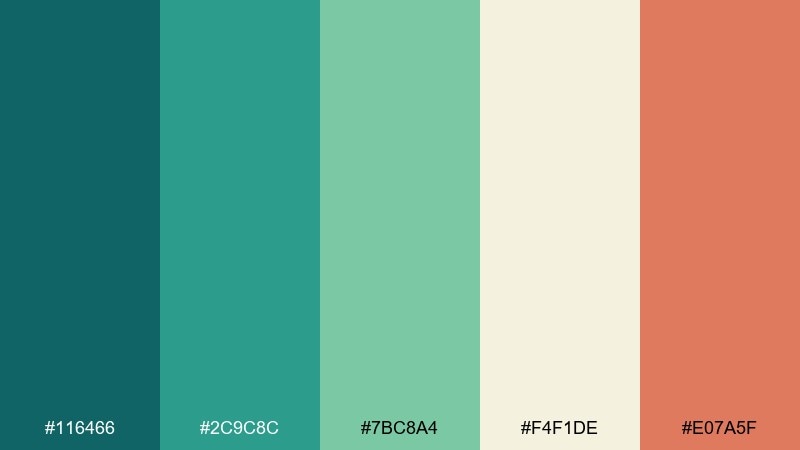
HEX: #116466 #2C9C8C #7BC8A4 #F4F1DE #E07A5F
Mood: airy and botanical
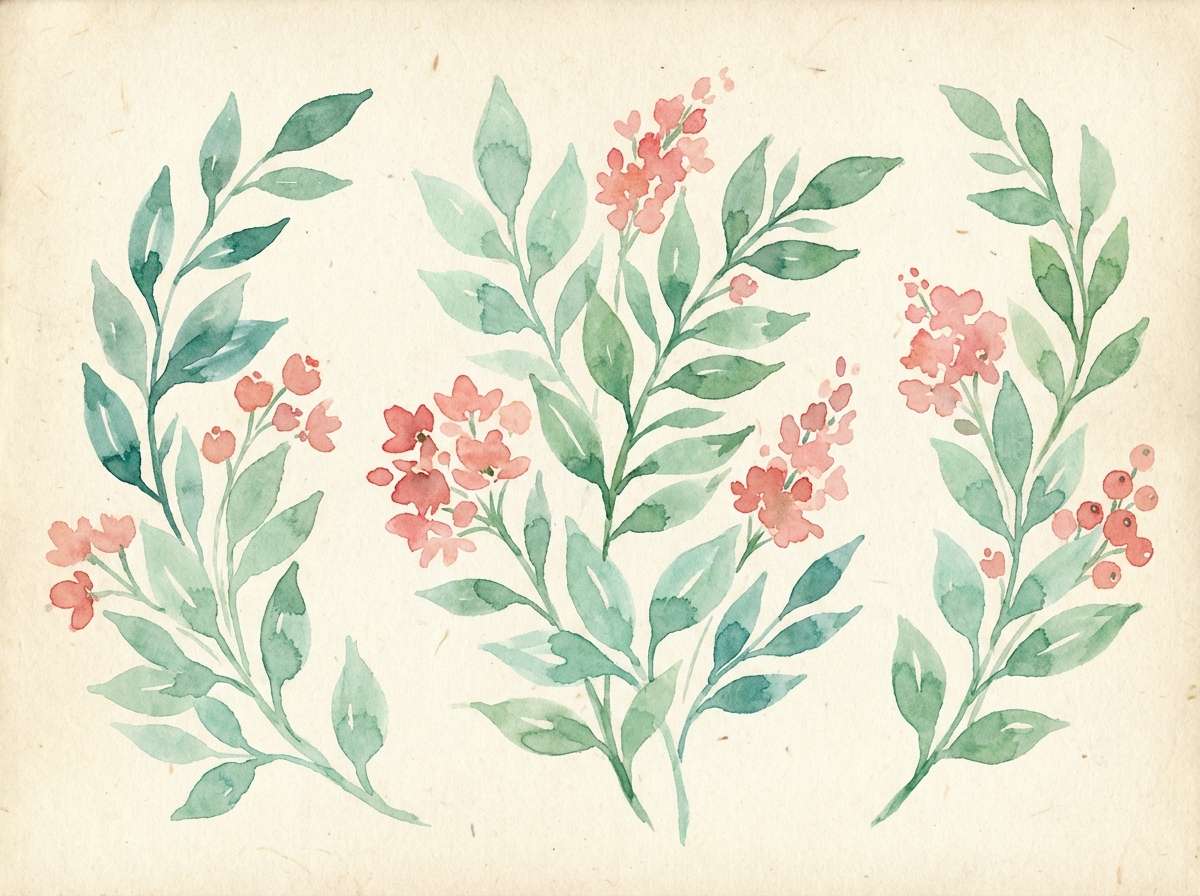
Best for: watercolor florals and spring graphics
Airy and botanical, it feels like dew on greenery with a playful coral bloom. The soft cream and minty greens are perfect for illustrated headers, pattern work, and gentle seasonal promos. Pair coral sparingly for focal points such as flower centers, badges, or small UI chips. Usage tip: keep backgrounds cream and let the greens do the heavy lifting so the coral stays sweet, not loud.
Image example of peacock garden generated using media.io
5) Gold-Edged Teal
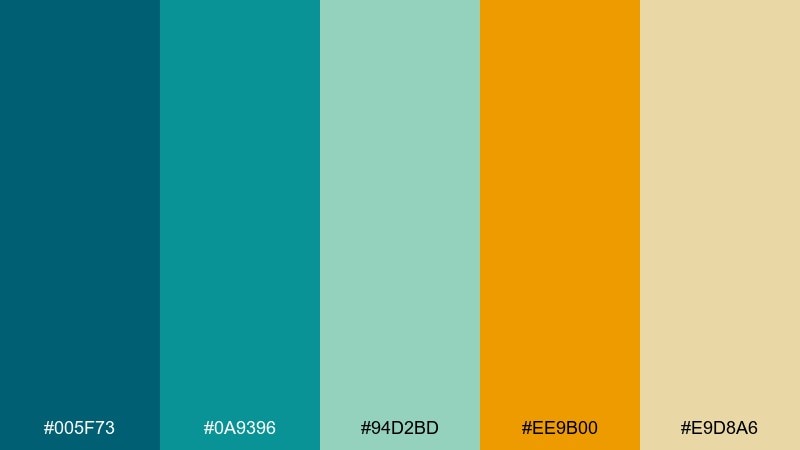
HEX: #005F73 #0A9396 #94D2BD #EE9B00 #E9D8A6
Mood: bright and premium
Best for: cosmetics packaging and product ads
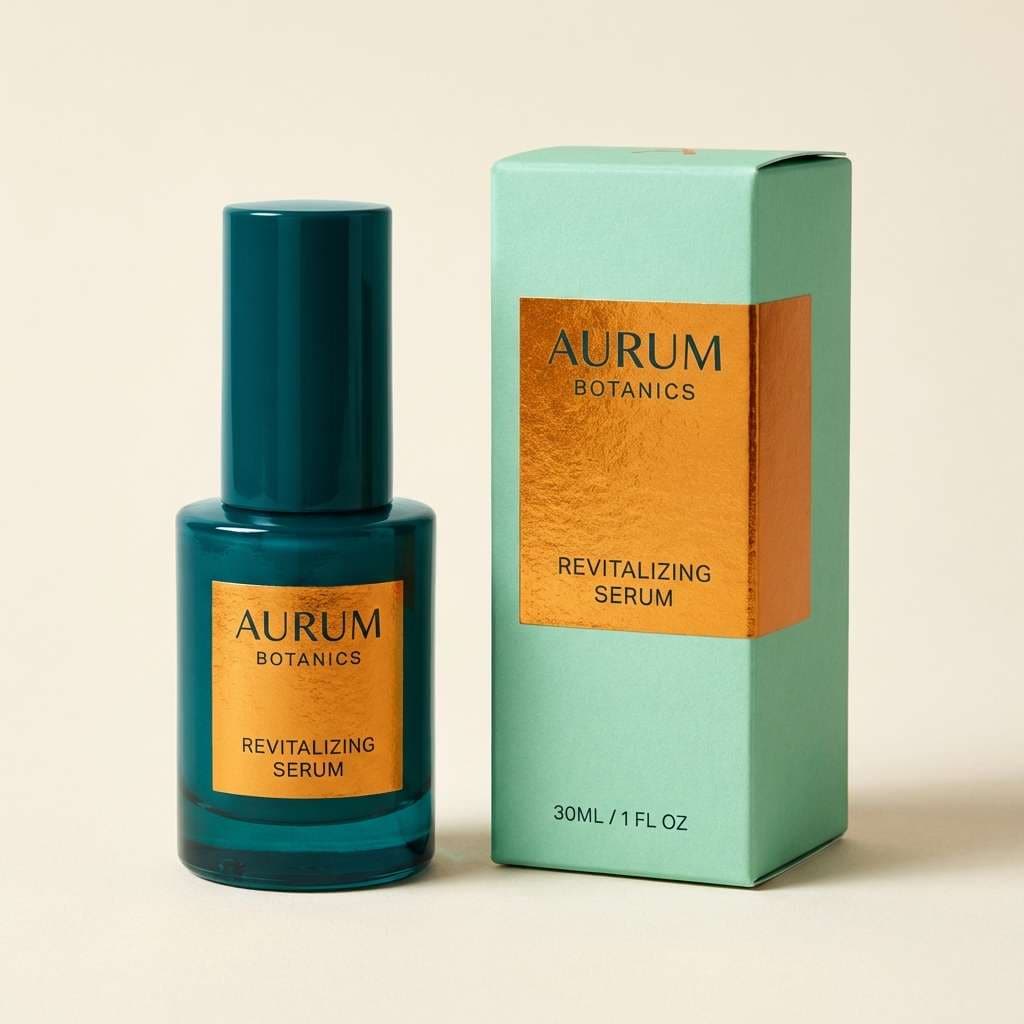
Bright and premium, it brings to mind polished teal enamel with a confident amber glow. These peacock color combinations work especially well on tubes, bottles, and boxed sets where you want impact without neon. Pair the darker teal for typography and ingredient panels, then let amber own the seal, cap, or hero badge. Usage tip: print the light mint as a matte field so the amber accent reads richer and more metallic.
Image example of gold-edged teal generated using media.io
6) Velvet Sapphire
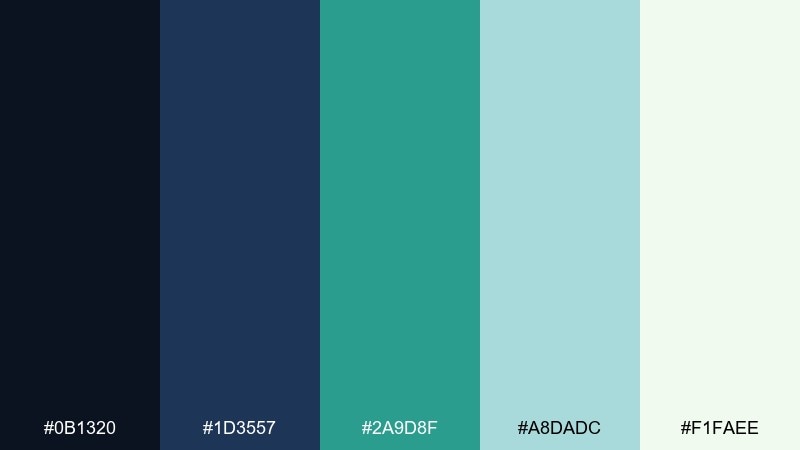
HEX: #0B1320 #1D3557 #2A9D8F #A8DADC #F1FAEE
Mood: sleek and confident
Best for: dashboard UI and data tools
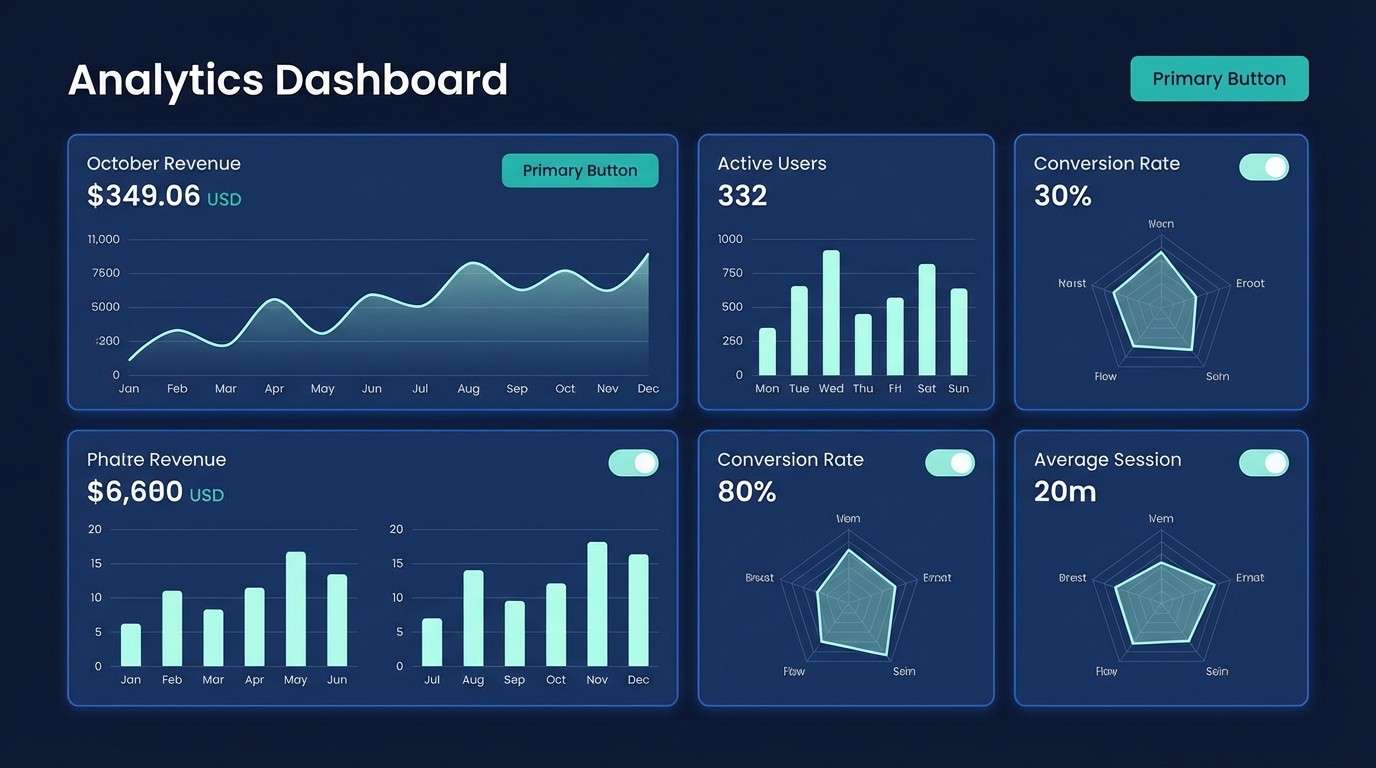
Sleek and confident, it looks like sapphire shadows with a clean teal signal. The dark base makes charts, cards, and sidebars feel organized, while the pale blue-green keeps spacing breathable. Pair teal as the primary action color and keep the lightest tone for table rows or subtle states. Usage tip: use the navy for background and reserve true black only for micro text to avoid a harsh contrast jump.
Image example of velvet sapphire generated using media.io
7) Brass and Pine
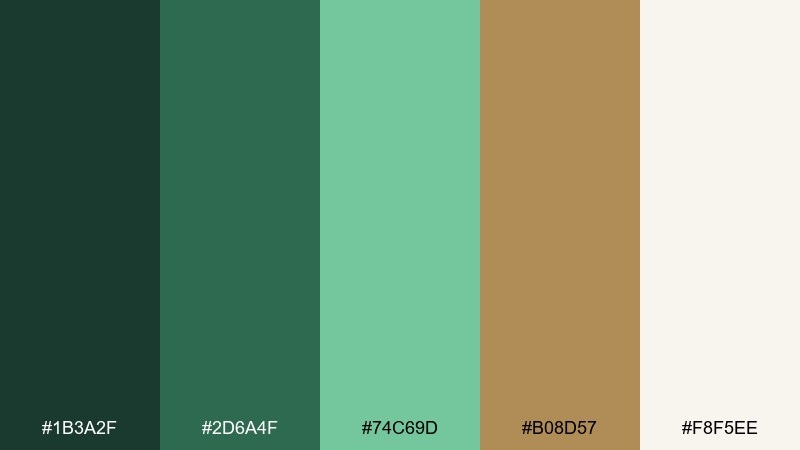
HEX: #1B3A2F #2D6A4F #74C69D #B08D57 #F8F5EE
Mood: grounded and artisanal
Best for: rustic wedding invitations
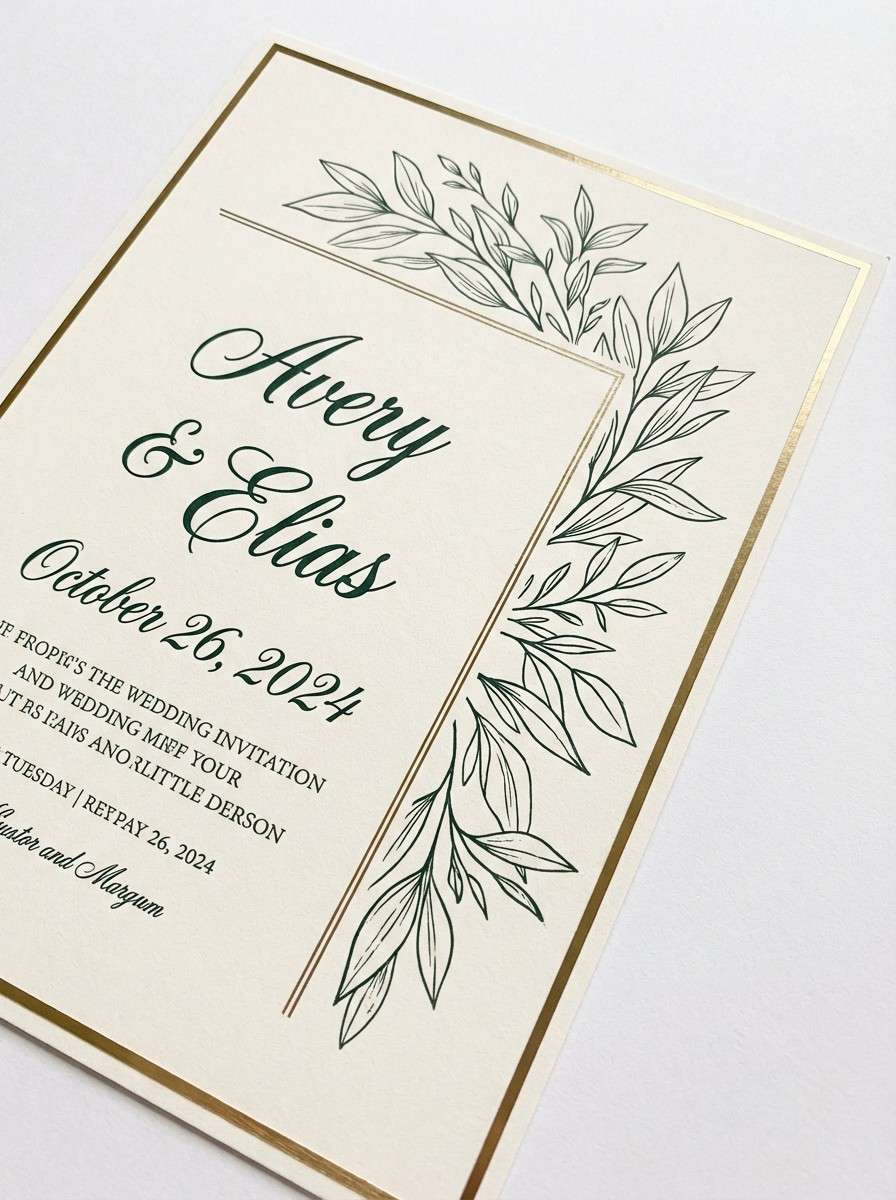
Grounded and artisanal, this peacock color palette feels like pine needles, vintage brass, and soft linen paper. The green range creates a natural frame for names and dates, while the warm brass adds a timeless touch. Pair the light cream as the main stock color and keep the deepest pine for type. Usage tip: use brass as a thin border or monogram fill so the design stays elegant, not heavy.
Image example of brass and pine generated using media.io
8) Tropical Plumage
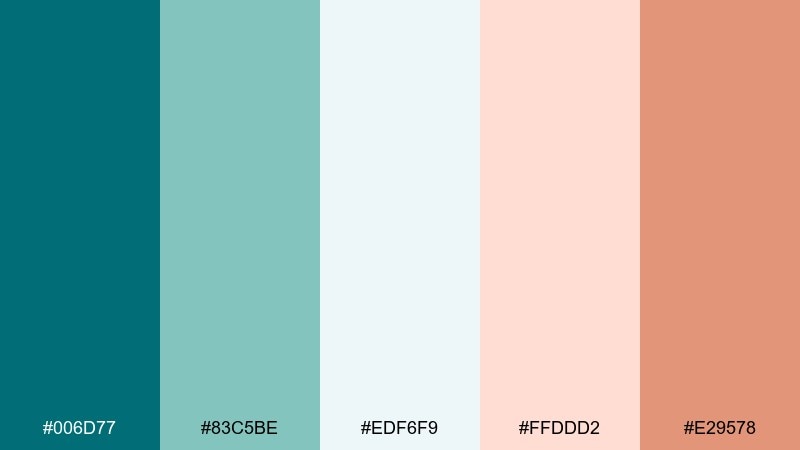
HEX: #006D77 #83C5BE #EDF6F9 #FFDDD2 #E29578
Mood: playful and sunny
Best for: social posts and creator templates
Playful and sunny, it reads like ocean glass and warm peach sand. The pale background tones help photos and text overlays stay clean, while teal anchors the layout. Pair peach for stickers, underline strokes, and small headline blocks to add energy. Usage tip: keep teal for titles and icons, then use the peach range only where you want the eye to stop scrolling.
Image example of tropical plumage generated using media.io

9) Ink and Jade
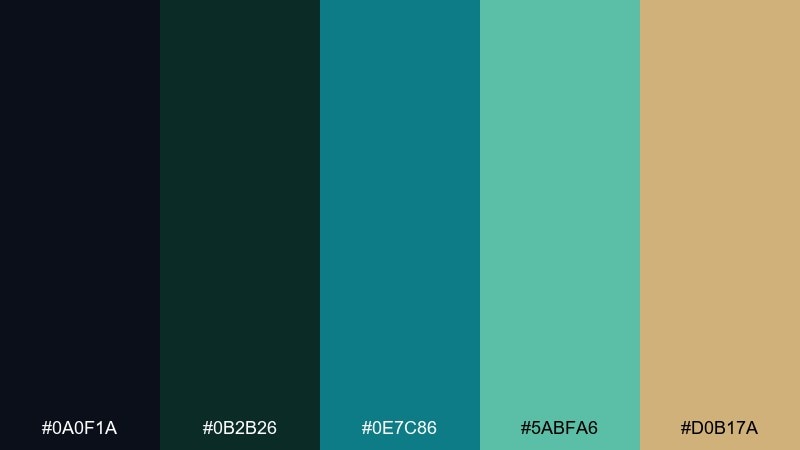
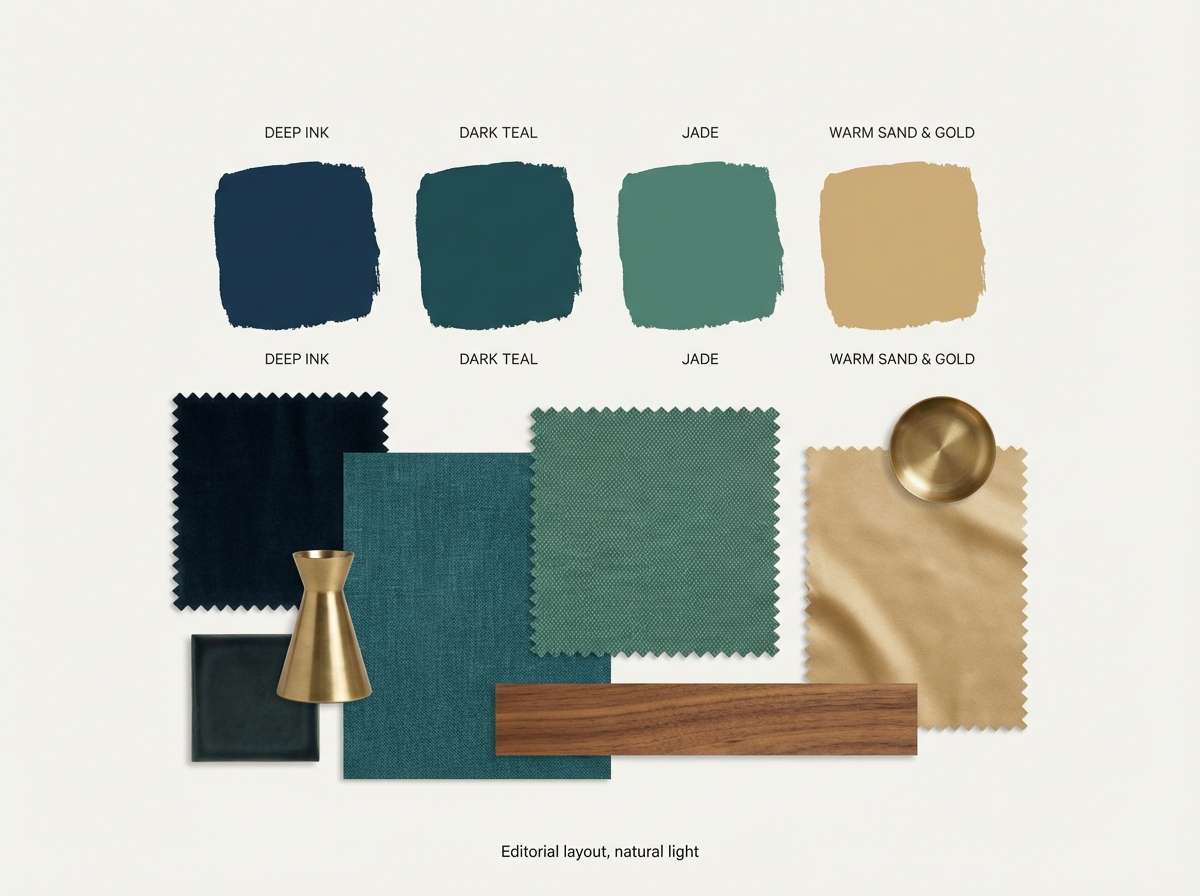
HEX: #0A0F1A #0B2B26 #0E7C86 #5ABFA6 #D0B17A
Mood: rich and atmospheric
Best for: interior decor moodboards
Rich and atmospheric, this peacock color scheme feels like dark ink walls softened by jade ceramics and a hint of aged brass. Use the near-black tones for grounding surfaces such as cabinetry, frames, or large text blocks. Pair jade and teal for textiles and artwork, then bring in the warm sand-gold through hardware or lighting. Usage tip: repeat the sand-gold in at least two spots to keep the room from skewing too cool.
Image example of ink and jade generated using media.io
10) Stormy Teal
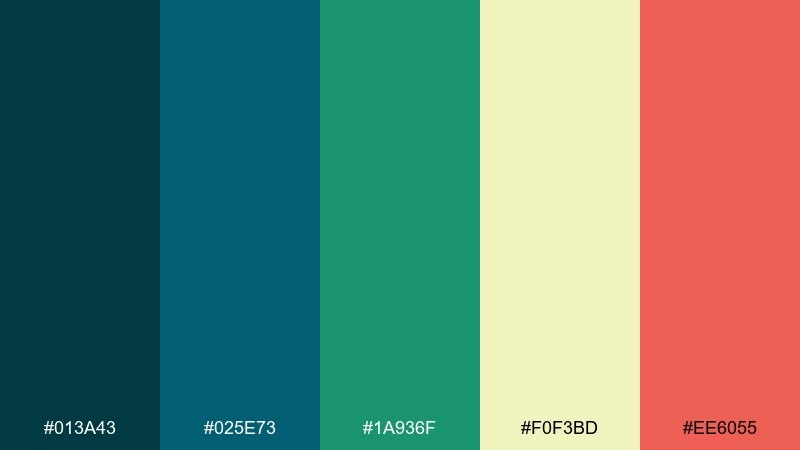
HEX: #013A43 #025E73 #1A936F #F0F3BD #EE6055
Mood: bold and kinetic
Best for: event posters and announcements
Bold and kinetic, it looks like a stormy sea with a warm coral flare. The layered teals create depth for big type, while the pale yellow-green keeps negative space friendly. Pair coral for the date, venue, or one punchy graphic element so the hierarchy stays obvious. Usage tip: set body copy in the mid-teal and avoid coral for paragraphs to protect legibility.
Image example of stormy teal generated using media.io
11) Art Deco Peacock
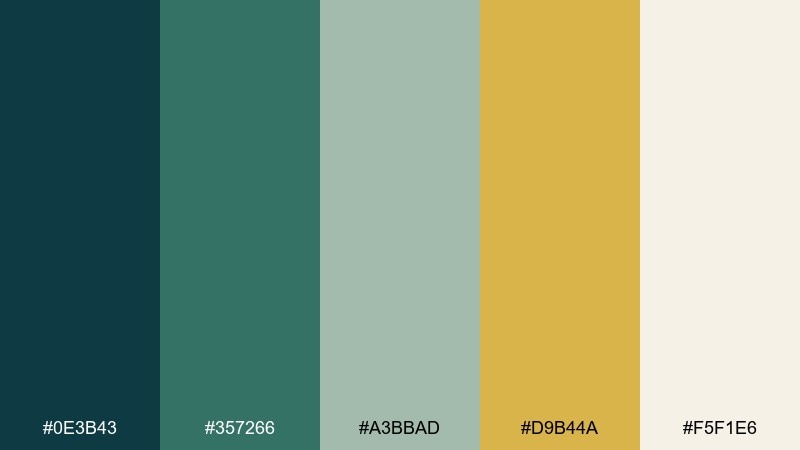
HEX: #0E3B43 #357266 #A3BBAD #D9B44A #F5F1E6
Mood: glamorous and structured
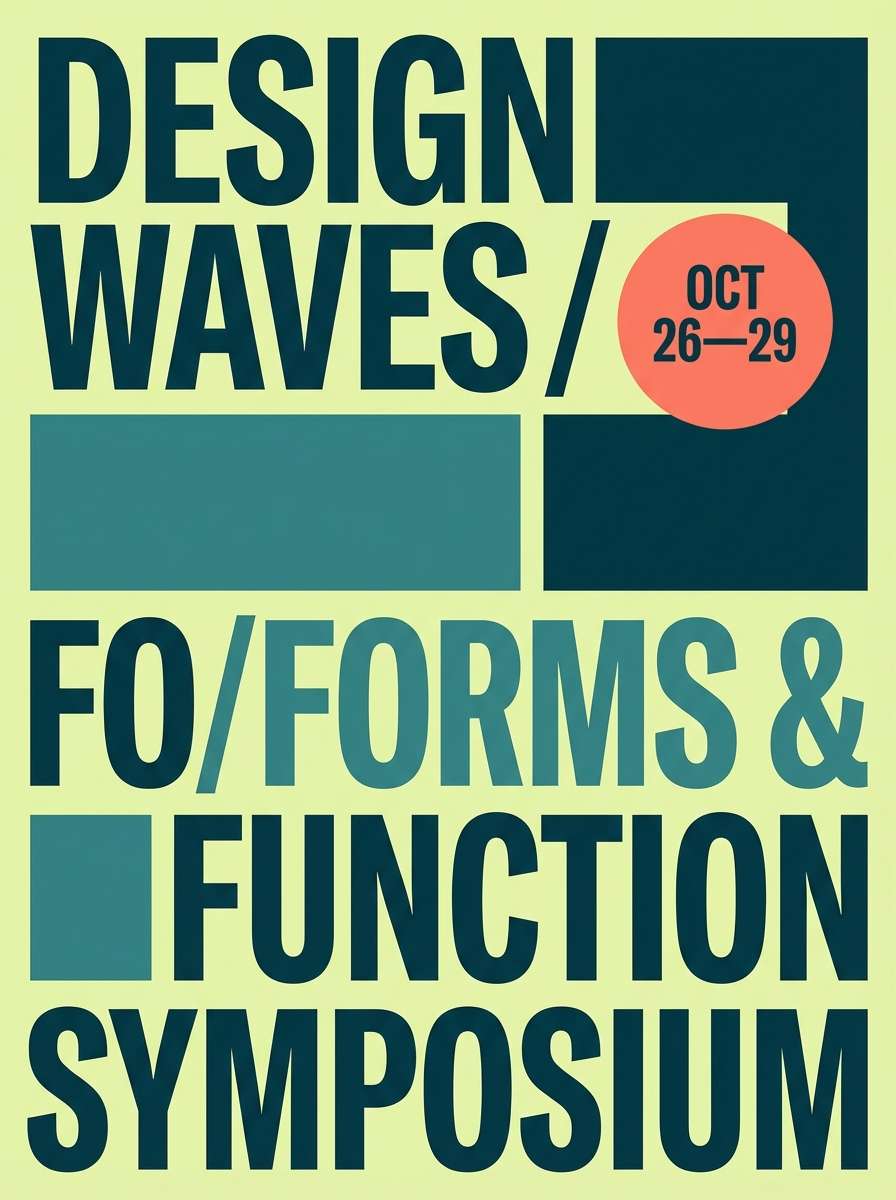
Best for: restaurant menus and signage
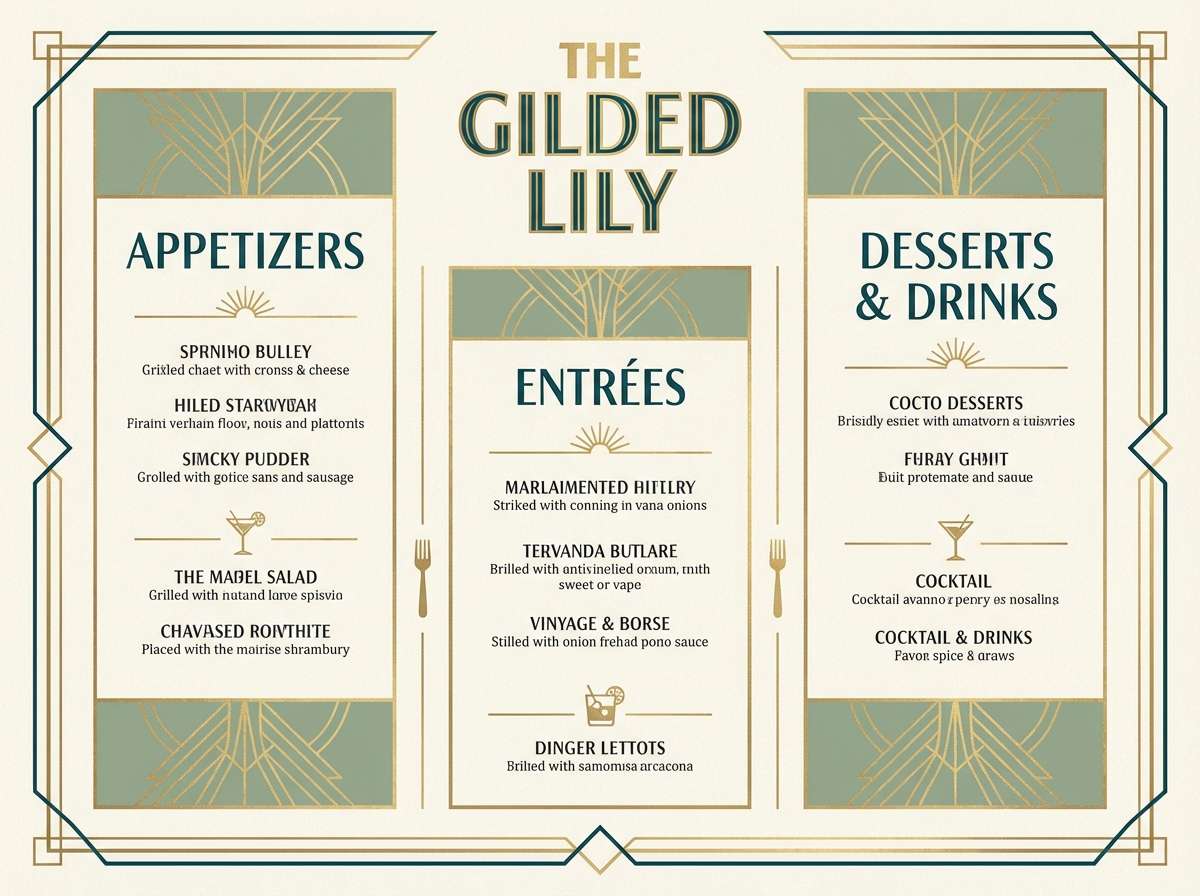
Glamorous and structured, it channels art deco geometry with a soft champagne finish. The mix of dark teal and muted green gives menus a polished backbone without feeling cold. Pair gold for dividers, icons, and section headers, and keep the cream for plenty of breathing room. Usage tip: use consistent line weights in gold to make the design feel intentionally deco, not randomly decorative.
Image example of art deco peacock generated using media.io
12) Opal Wing
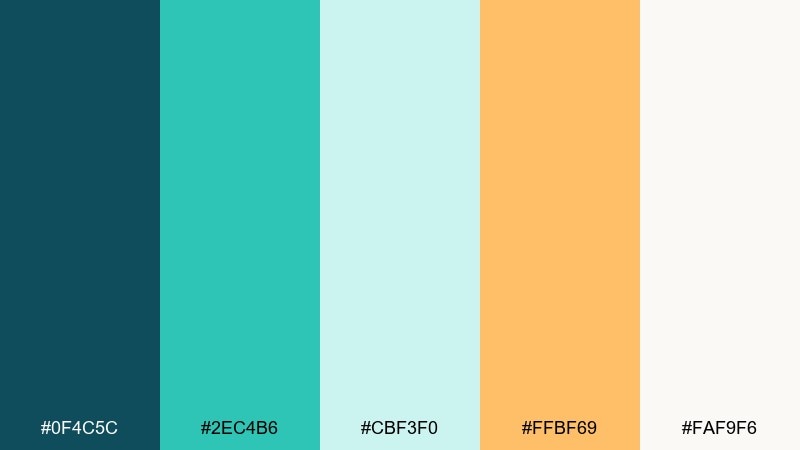
HEX: #0F4C5C #2EC4B6 #CBF3F0 #FFBF69 #FAF9F6
Mood: light and optimistic
Best for: minimal landing pages and startups
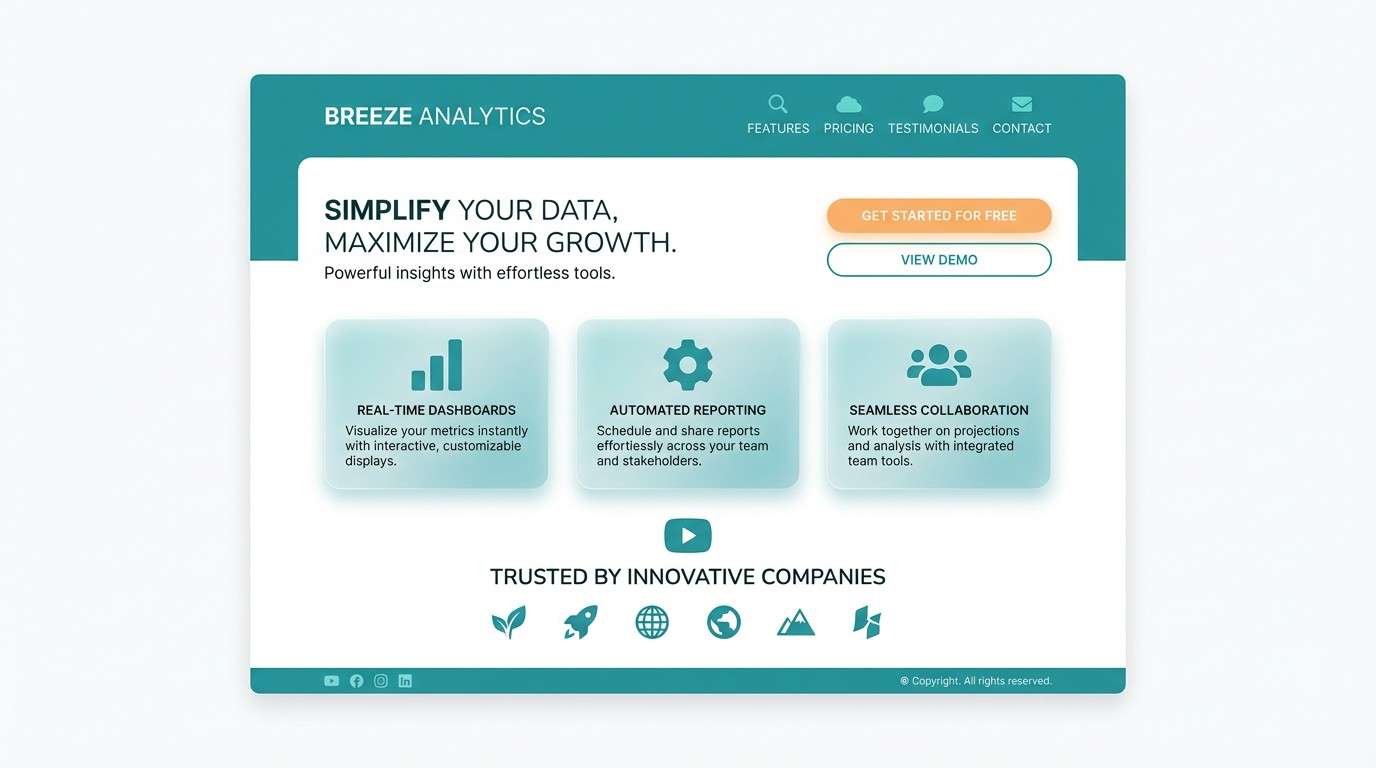
Light and optimistic, these peacock color combinations feel like opal shimmer over clean sea-glass tones. The airy mints keep interfaces friendly, while the deeper teal adds enough contrast for navigation and headings. Pair the warm apricot as a single standout for sign-up buttons and notifications. Usage tip: on white-heavy layouts, add a thin teal rule or header band so the peacock color palette stays present without overwhelming the page.
Image example of opal wing generated using media.io
13) Deep Sea Jewel
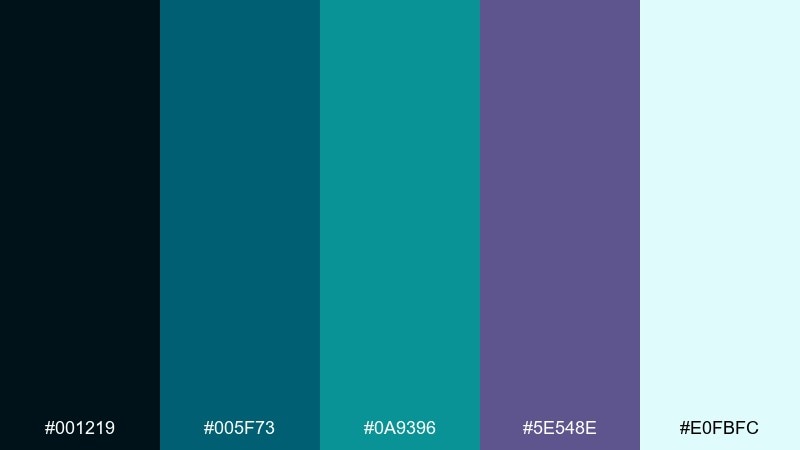
HEX: #001219 #005F73 #0A9396 #5E548E #E0FBFC
Mood: mysterious and modern
Best for: tech branding and pitch decks
Mysterious and modern, it suggests deep water teal with a flash of amethyst glass. The cool palette supports a sharp, credible brand voice for AI, fintech, or analytics tools. Pair the pale ice tone for slide backgrounds and use amethyst for emphasis on key metrics or section breaks. Usage tip: keep gradients subtle and short so the dark teal remains the primary anchor.
Image example of deep sea jewel generated using media.io

14) Peacock Noir
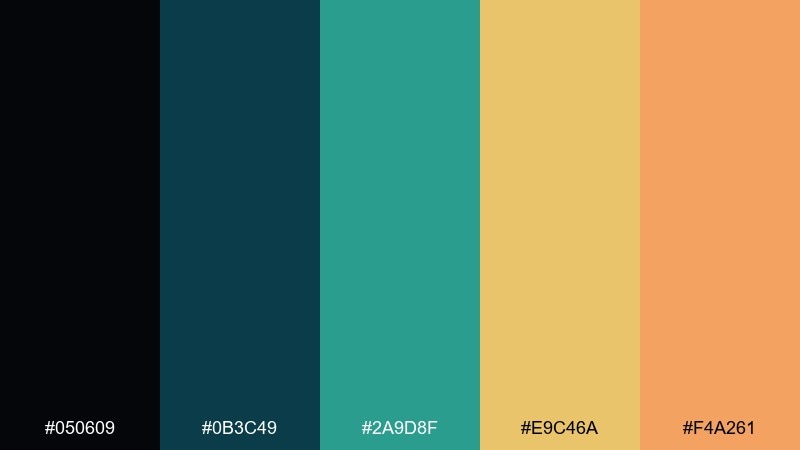
HEX: #050609 #0B3C49 #2A9D8F #E9C46A #F4A261
Mood: dark and cinematic
Best for: cocktail bar flyers and nightlife promos
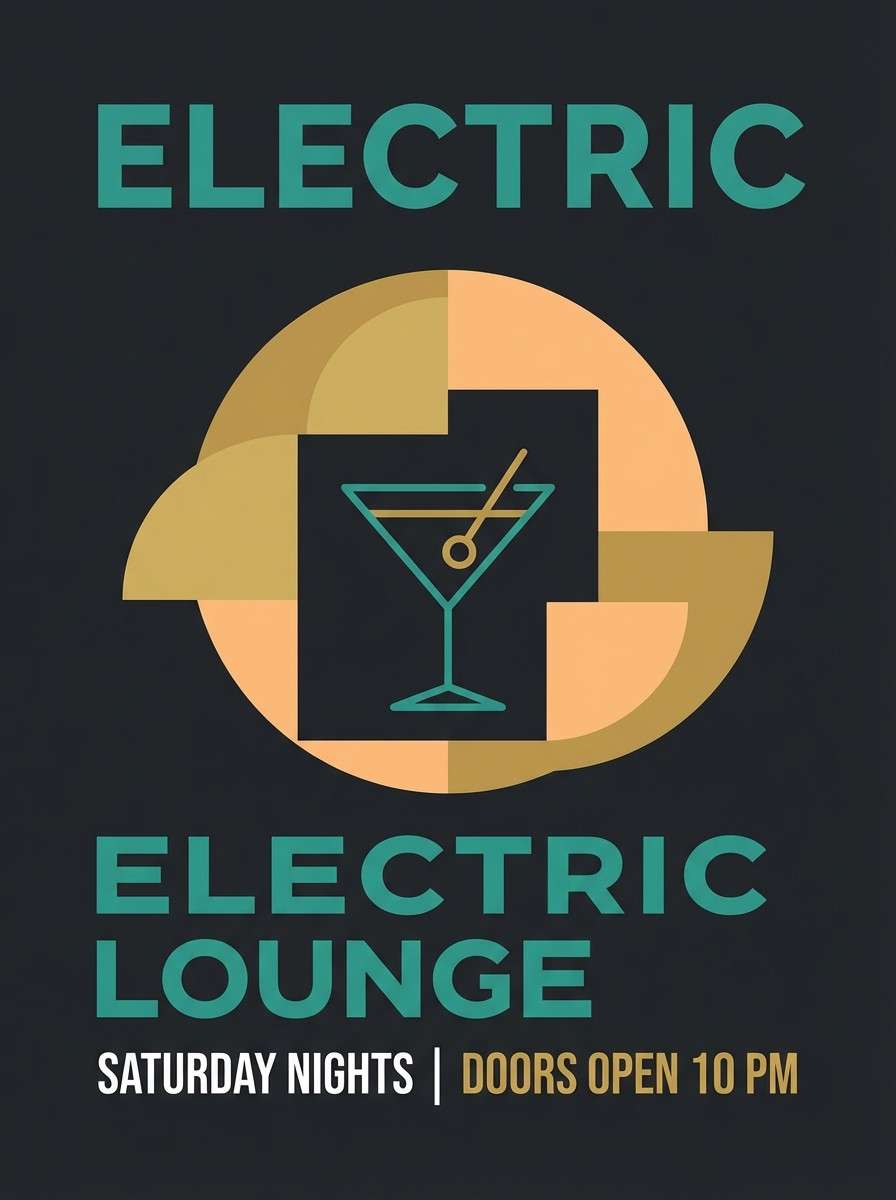
Dark and cinematic, it feels like a dim lounge lit by teal glass and warm amber spirits. The near-black base makes headlines pop, while the gold and apricot feel like real highlights rather than random brights. Pair teal for the main title and use gold for icons, drink names, or a small badge. Usage tip: keep the apricot as a secondary accent only, so the flyer reads premium instead of playful.
Image example of peacock noir generated using media.io
15) Celadon and Copper
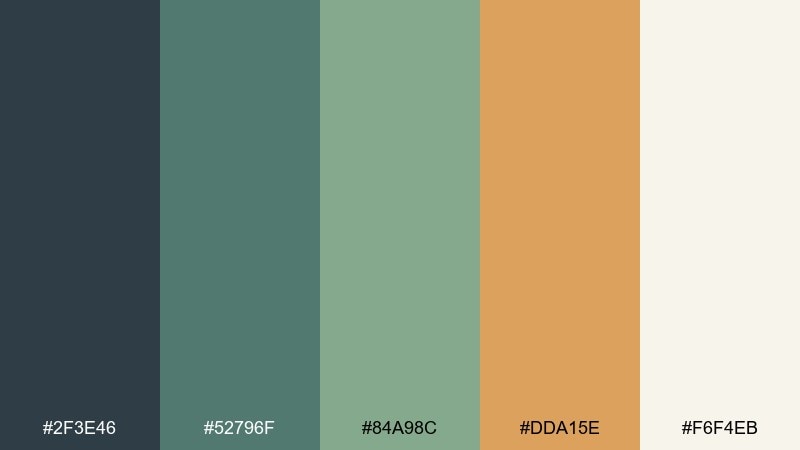
HEX: #2F3E46 #52796F #84A98C #DDA15E #F6F4EB
Mood: soft and earthy
Best for: home goods packaging
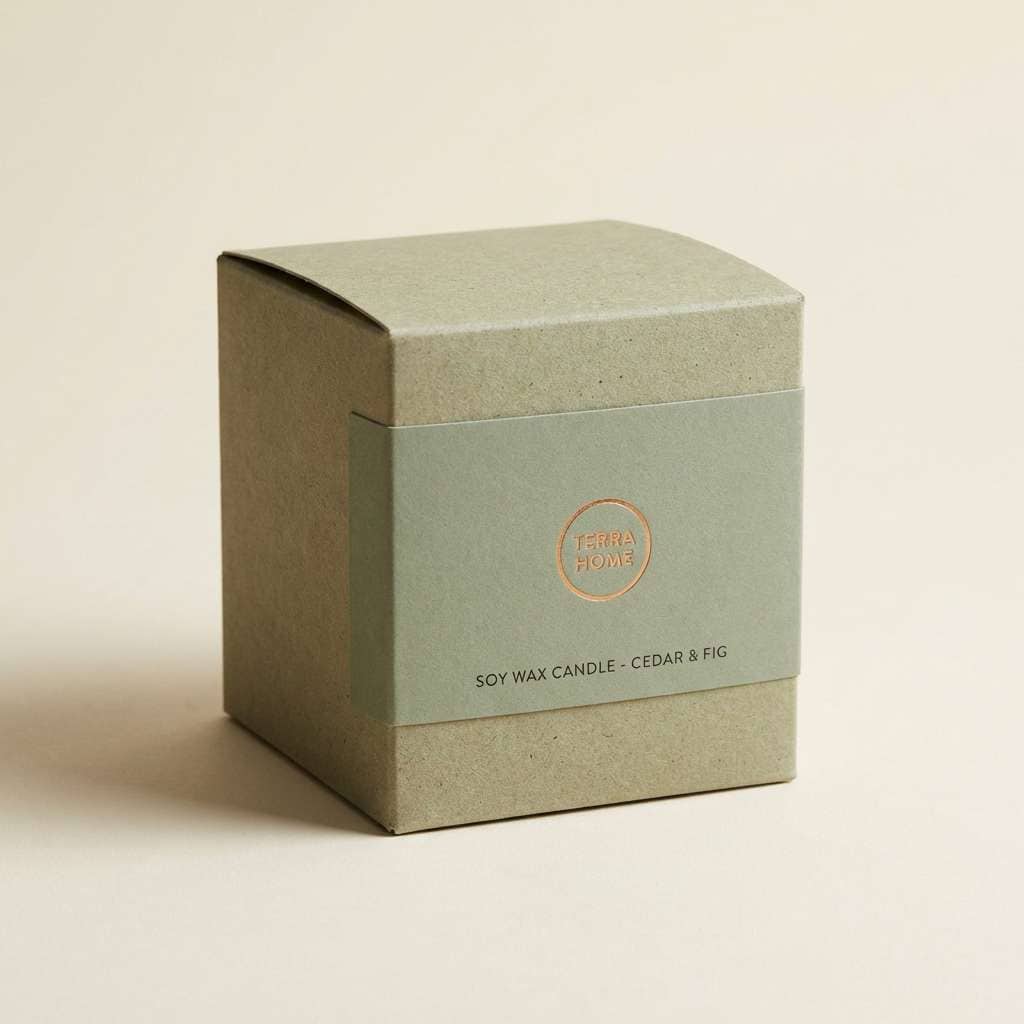
Soft and earthy, it evokes celadon ceramics with a cozy copper glow. The muted greens feel approachable for handmade or sustainable products, while copper adds a crafted premium note. Pair the dark slate for product names and the cream for the main label field to keep text crisp. Usage tip: add a small copper stamp mark or foil strip to create a focal point without crowding the design.
Image example of celadon and copper generated using media.io
16) Neon Feather Pop
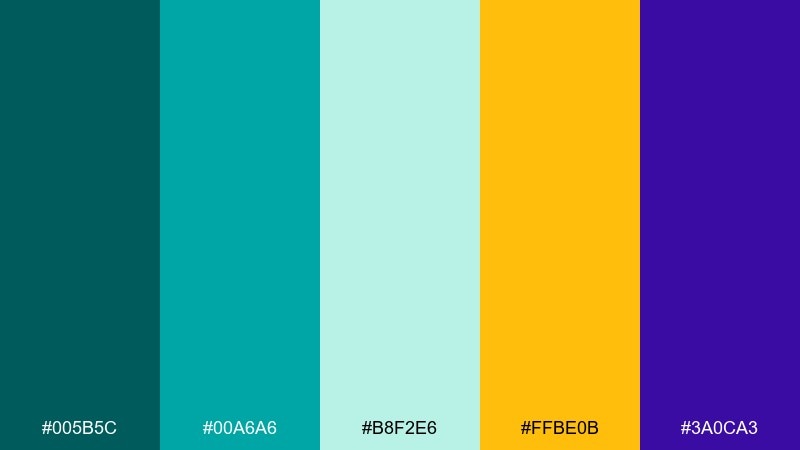
HEX: #005B5C #00A6A6 #B8F2E6 #FFBE0B #3A0CA3
Mood: electric and youthful
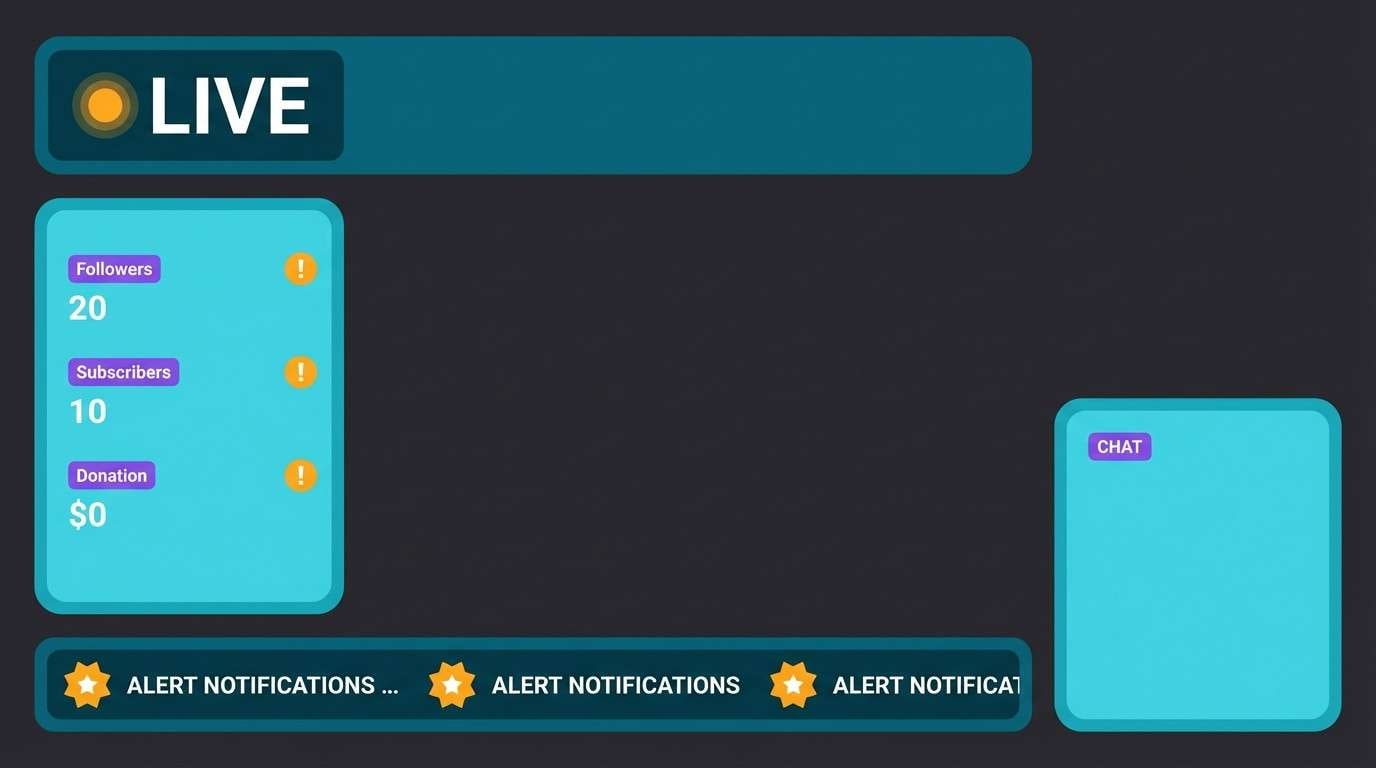
Best for: gaming stream overlays
Electric and youthful, it looks like bright aqua LEDs against a deep arcade glow. The teal range carries most panels cleanly, while violet and amber add punch for alerts and labels. This peacock color combination works best when you pick one accent for each function, like amber for notifications and violet for secondary tags. Usage tip: keep text and UI lines in teal or near-white, and reserve violet for small blocks so it does not overpower the layout.
Image example of neon feather pop generated using media.io
17) Museum Teal
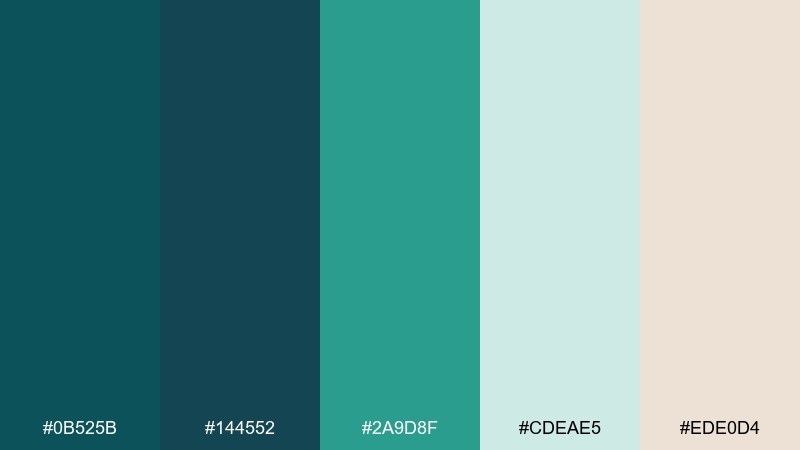
HEX: #0B525B #144552 #2A9D8F #CDEAE5 #EDE0D4
Mood: calm and cultured
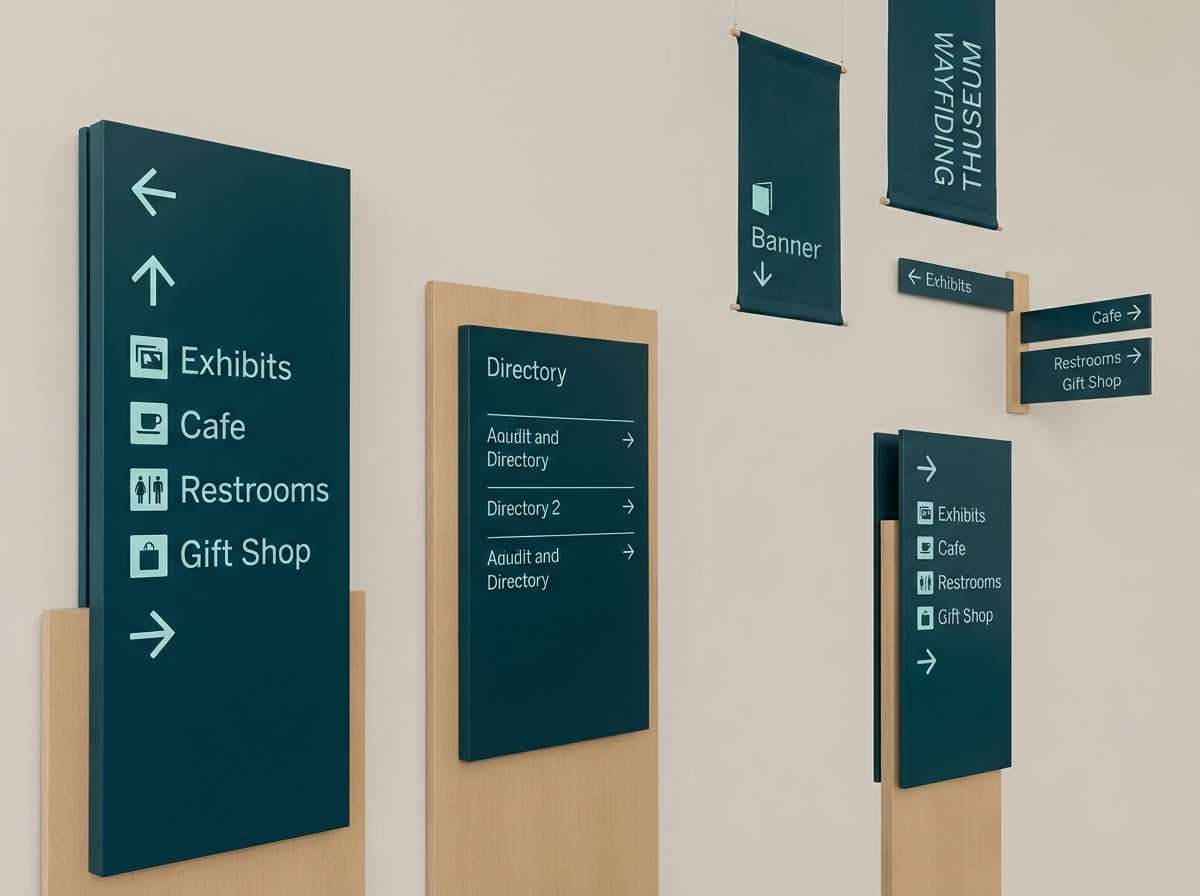
Best for: exhibit signage and wayfinding
Calm and cultured, these peacock hues recall patinaed metal plaques and quiet gallery walls. The darker teals are ideal for directional panels and headings, while the pale aqua supports body copy and maps. Pair the warm beige as a background alternative when you need a softer, less clinical feel. Usage tip: standardize icon fills in the mid-teal to keep a cohesive wayfinding system across rooms.
Image example of museum teal generated using media.io
18) Royal Orchid
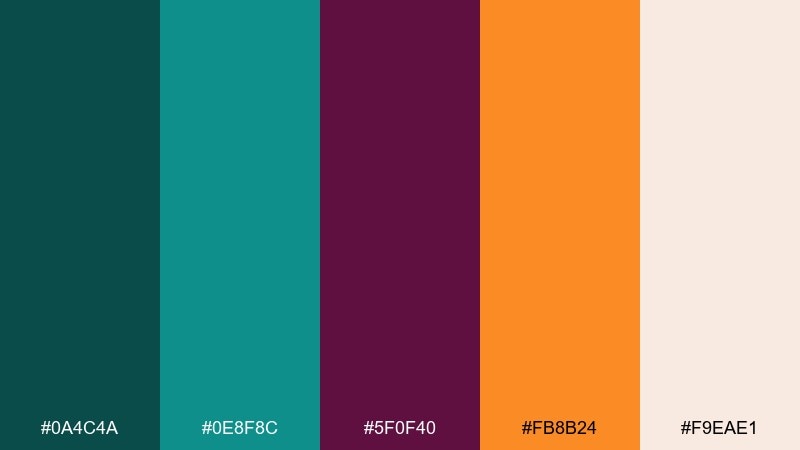
HEX: #0A4C4A #0E8F8C #5F0F40 #FB8B24 #F9EAE1
Mood: fashion-forward and bold
Best for: lookbooks and style editorials
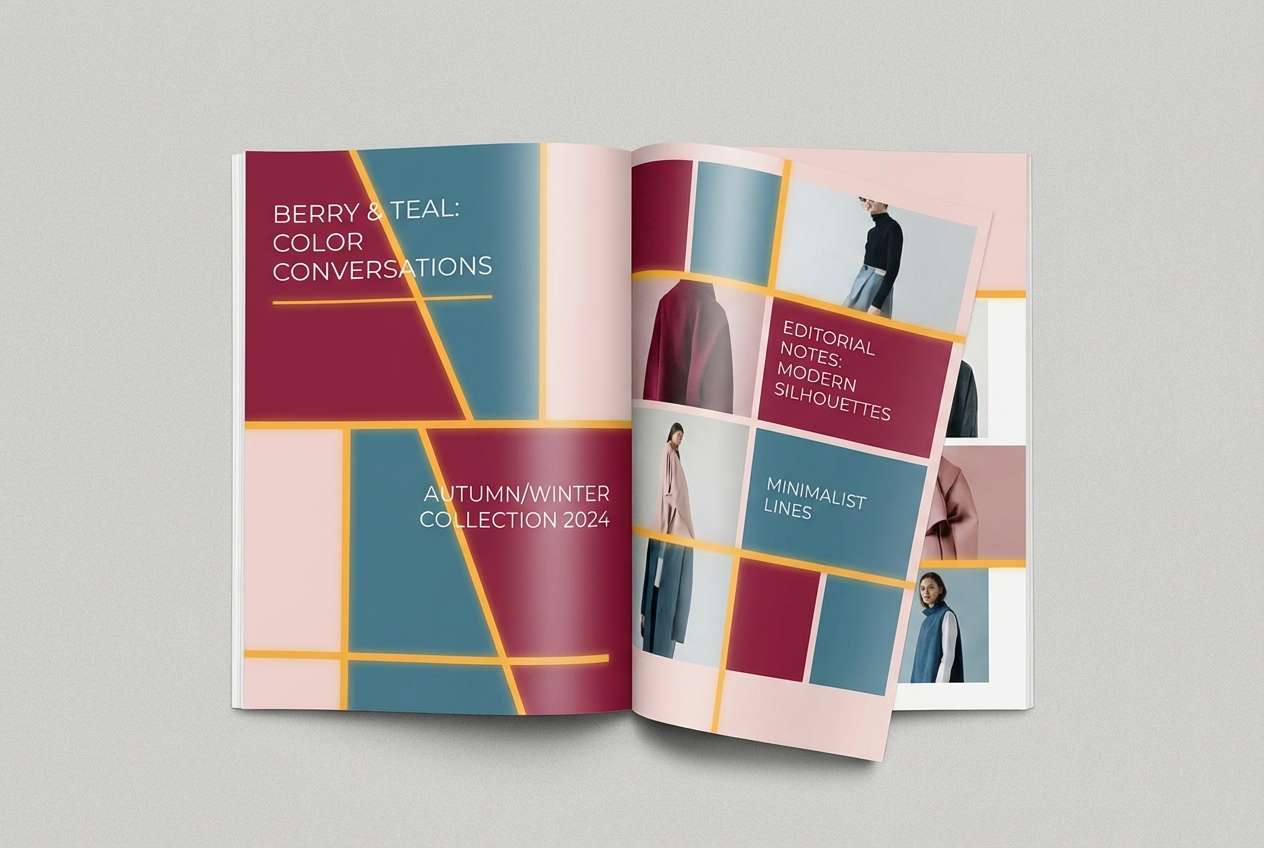
Fashion-forward and bold, it blends tropical teal with orchid berry and a hit of saffron. The contrast feels energetic, making it great for hero spreads, section dividers, and statement typography. Pair the light blush as negative space so the berry can read as luxurious rather than heavy. Usage tip: use saffron only for micro accents like page numbers or small tags to avoid stealing attention from the editorial imagery.
Image example of royal orchid generated using media.io
19) Seafoam Silk
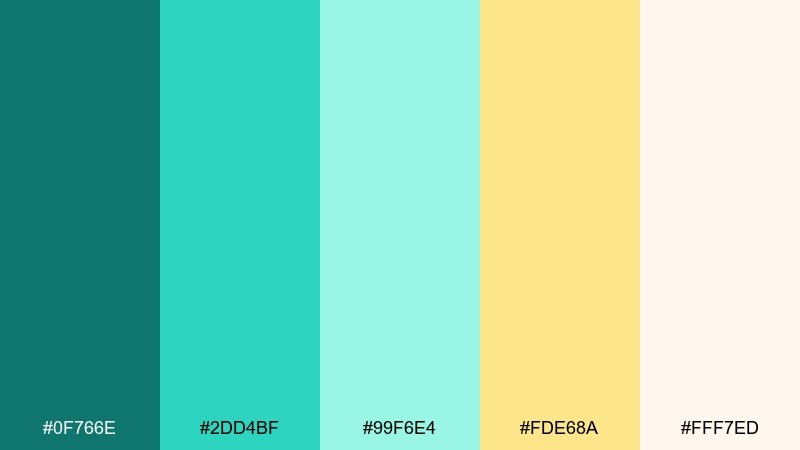
HEX: #0F766E #2DD4BF #99F6E4 #FDE68A #FFF7ED
Mood: gentle and cheerful
Best for: baby shower invitations
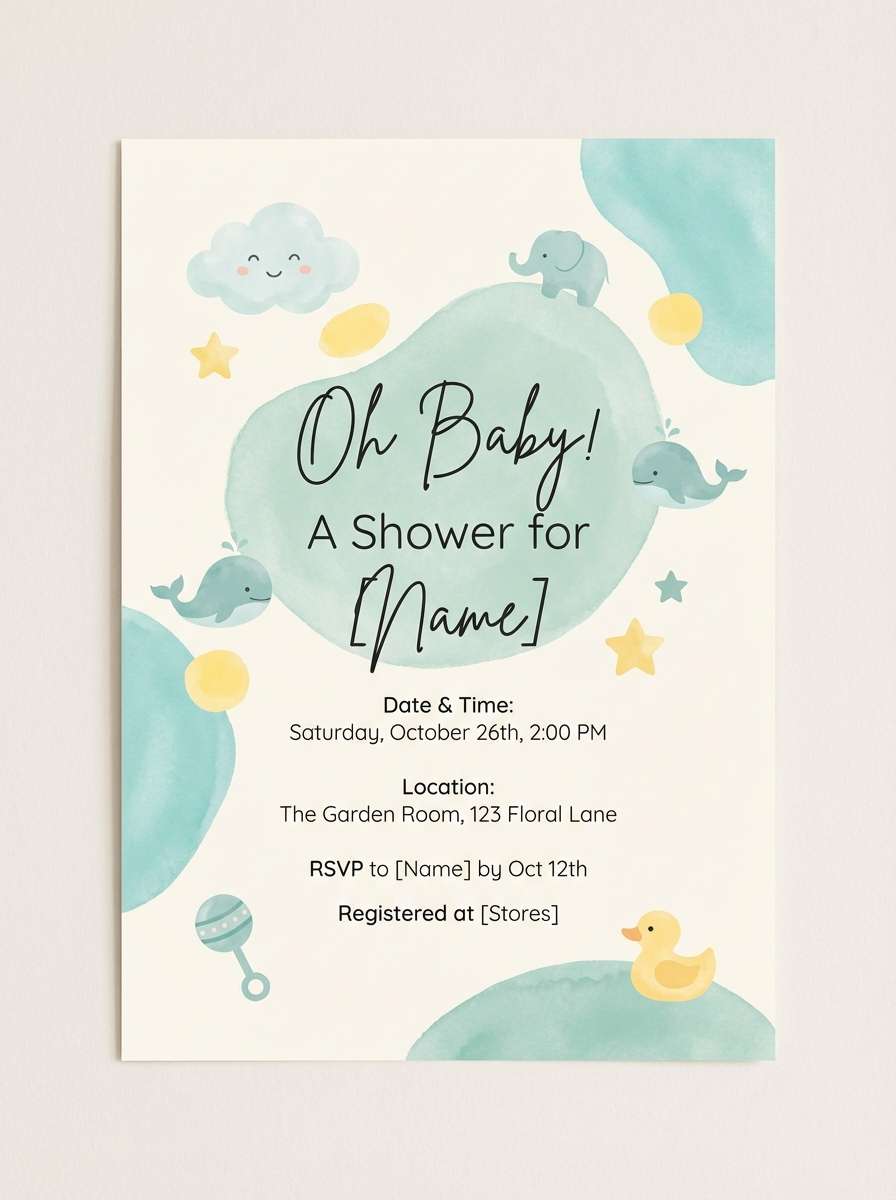
Gentle and cheerful, it feels like seafoam ribbons and soft sunlight. The light aqua tones keep invitation layouts airy, while the warm butter yellow adds a friendly glow. Pair the cream as the main background and use the deeper teal for names and details. Usage tip: add small yellow stars or dots around the header to create a sweet focal cluster without clutter.
Image example of seafoam silk generated using media.io
20) Bronze Lagoon
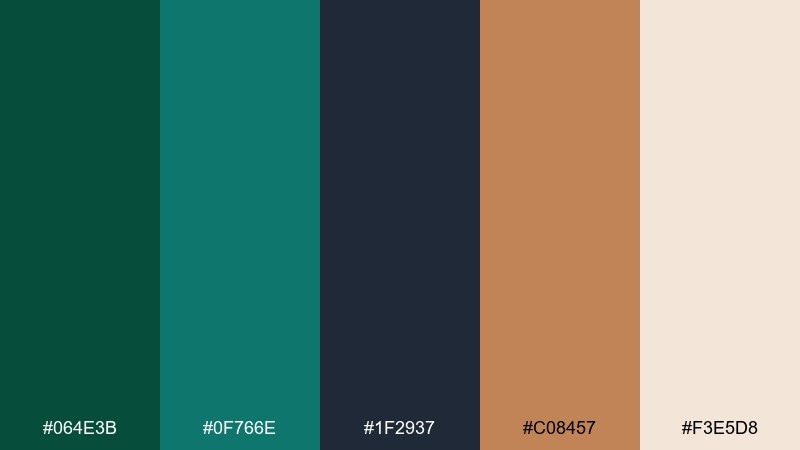
HEX: #064E3B #0F766E #1F2937 #C08457 #F3E5D8
Mood: architectural and warm
Best for: architecture portfolios
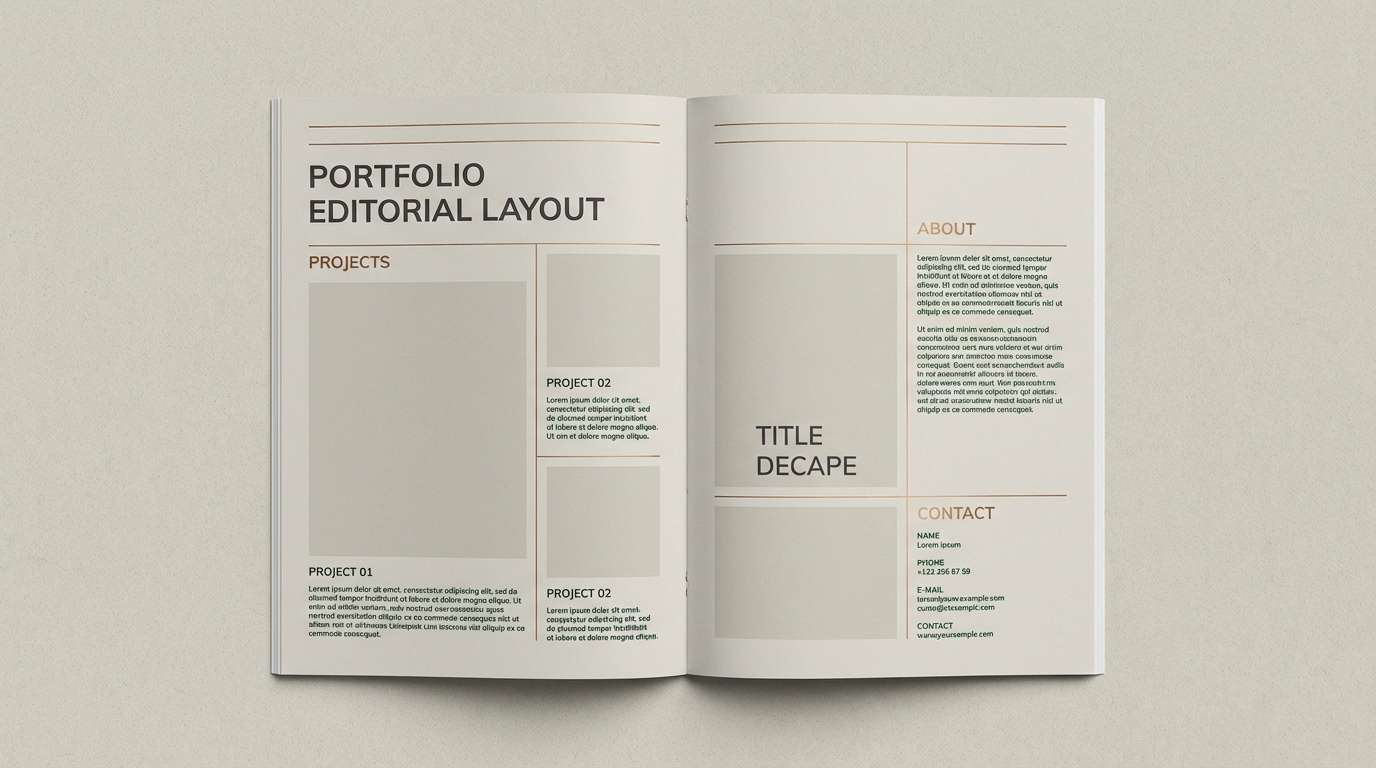
Architectural and warm, it suggests shadowy green marble with bronze hardware and soft stone. The mix of deep green and charcoal supports strong grids, captions, and project data without competing with photography. Pair bronze for section headers and small rules to guide the eye through case studies. Usage tip: keep the background stone-light and use the darkest tones only for frames and type so the portfolio feels spacious.
Image example of bronze lagoon generated using media.io
What Colors Go Well with Peacock?
Peacock tones pair naturally with warm metallics like gold, brass, copper, and amber—these accents add “light” and make teals feel richer. Use metallic-inspired hues for icons, borders, and small highlights to avoid overpowering the base.
For a softer look, match peacock teal with creamy neutrals (ivory, warm beige, blush) to keep contrast comfortable and readable. This is especially effective in UI and editorial layouts where whitespace matters.
If you want more drama, add deep companions like ink navy, charcoal, plum, or amethyst. These darker supports keep the palette cinematic and help peacock greens look even more luminous.
How to Use a Peacock Color Palette in Real Designs
Start with a clear role system: pick one deep teal for primary text/nav, one mid-teal for components, one light mint/cream for backgrounds, and one accent (gold/coral/apricot) for actions. This prevents the palette from becoming “all accents” and losing hierarchy.
In branding, use the darkest shade for logos and wordmarks, then let metallic-like accents appear in secondary assets (patterns, packaging details, social templates). The result feels premium and consistent across touchpoints.
For interiors or decor moodboards, repeat your warm accent at least twice (for example: hardware + lighting) so the room doesn’t skew too cool. Peacock works best when balanced with a warm anchor.
Create Peacock Palette Visuals with AI
If you’re pitching a concept or building a style guide, visuals sell the palette faster than swatches alone. With Media.io, you can turn the prompts above into on-brand mockups—menus, posters, landing pages, packaging, and more.
Keep your results consistent by reusing the same palette name, lighting style, and composition notes (like “clean grid” or “studio shot”), then only swapping the subject (UI, stationery, moodboard). This makes your peacock color scheme feel like a complete system.
When you find an image you like, generate a few variations with small prompt tweaks (paper texture, line weight, camera angle) to build a cohesive set for your deck or campaign.
Peacock Color Palette FAQs
-
What is a peacock color palette?
A peacock color palette is a set of colors inspired by peacock feathers—typically teal and blue-green as the core, supported by deep navy/ink shades and accented with gold, copper, coral, or soft neutrals. -
Is peacock color more teal or blue?
Most “peacock” tones lean teal (blue-green). Depending on the mix, it can shift cooler toward blue (navy/sapphire pairings) or greener (emerald/jade pairings). -
What neutral colors work best with peacock teal?
Ivory, warm cream, beige, stone, and soft blush are the easiest neutrals to pair with peacock because they soften the saturation while keeping contrast readable. -
Does teal and gold always look luxury?
It often reads premium, but the key is restraint: use gold as a small highlight (rules, icons, badges) and let teal/ivory carry most of the layout to avoid a flashy look. -
What’s a good peacock palette for UI design?
Try palettes like Velvet Sapphire, Emerald Lagoon, or Opal Wing: they provide a dark anchor, a mid-teal for actions, and light background tones that keep interfaces clean. -
How do I keep peacock color combinations readable for text?
Use the darkest teal/ink shade for body text, place long copy on cream or very light aqua backgrounds, and reserve bright accents (gold/coral/apricot) for short labels and CTAs. -
Can I generate peacock-themed mockups for my brand quickly?
Yes—paste one of the included prompts into Media.io Text to Image, then iterate by keeping the same color cues (teal/ink/gold) while changing the design type (packaging, UI, posters, signage).
Next: 90s Grunge Color Palette


