

Industrial color palettes blend factory-inspired neutrals, metals, and worksite accents into combinations that feel clear, functional, and modern. They’re especially useful when you want design systems that stay readable and consistent across screens, print, and real spaces.
Below are 20 ready-to-use industrial color schemes with HEX codes, plus practical guidance for pairing, hierarchy, and accents.
In this article
- Why Industrial Palettes Work So Well
-
- steelworks neutral
- foundry rust
- concrete sage
- machine oil blue
- warehouse beige
- rivet copper
- graphite mustard
- smoked teal
- brick ash
- zinc blush
- toolbelt navy
- sanded aluminum
- kiln terracotta
- factory olive
- signal orange accent
- blueprint gray
- charred wood linen
- metro purple smoke
- dusty burgundy steel
- safety lime slate
- What Colors Go Well with Industrial?
- How to Use a Industrial Color Palette in Real Designs
- Create Industrial Palette Visuals with AI
Why Industrial Palettes Work So Well
Industrial tones are built around dependable neutrals—charcoal, graphite, concrete, steel, and off-white—so they naturally support typography, grids, and clean UI hierarchy. That makes them a go-to choice for interfaces and layouts where clarity is the priority.
They also handle “accent discipline” well. A single warm rust, safety orange, or lime highlight reads instantly against grays, which helps buttons, tags, and key information stand out without turning the overall design loud.
Finally, industrial color schemes translate smoothly across media. The same restrained palette tends to look consistent on screens, in print, and in interiors because the colors are grounded in real-world materials people already trust.
20+ Industrial Color Palette Ideas (with HEX Codes)
1) Steelworks Neutral
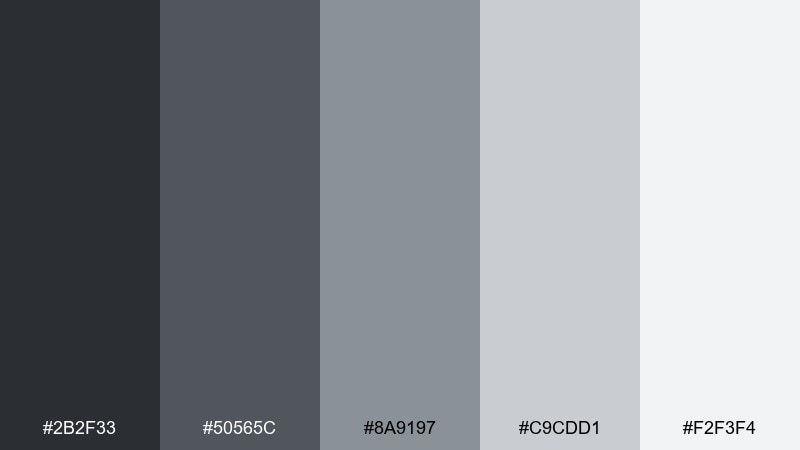
HEX: #2b2f33 #50565c #8a9197 #c9cdd1 #f2f3f4
Mood: sturdy, clean, utilitarian
Best for: saas dashboard ui
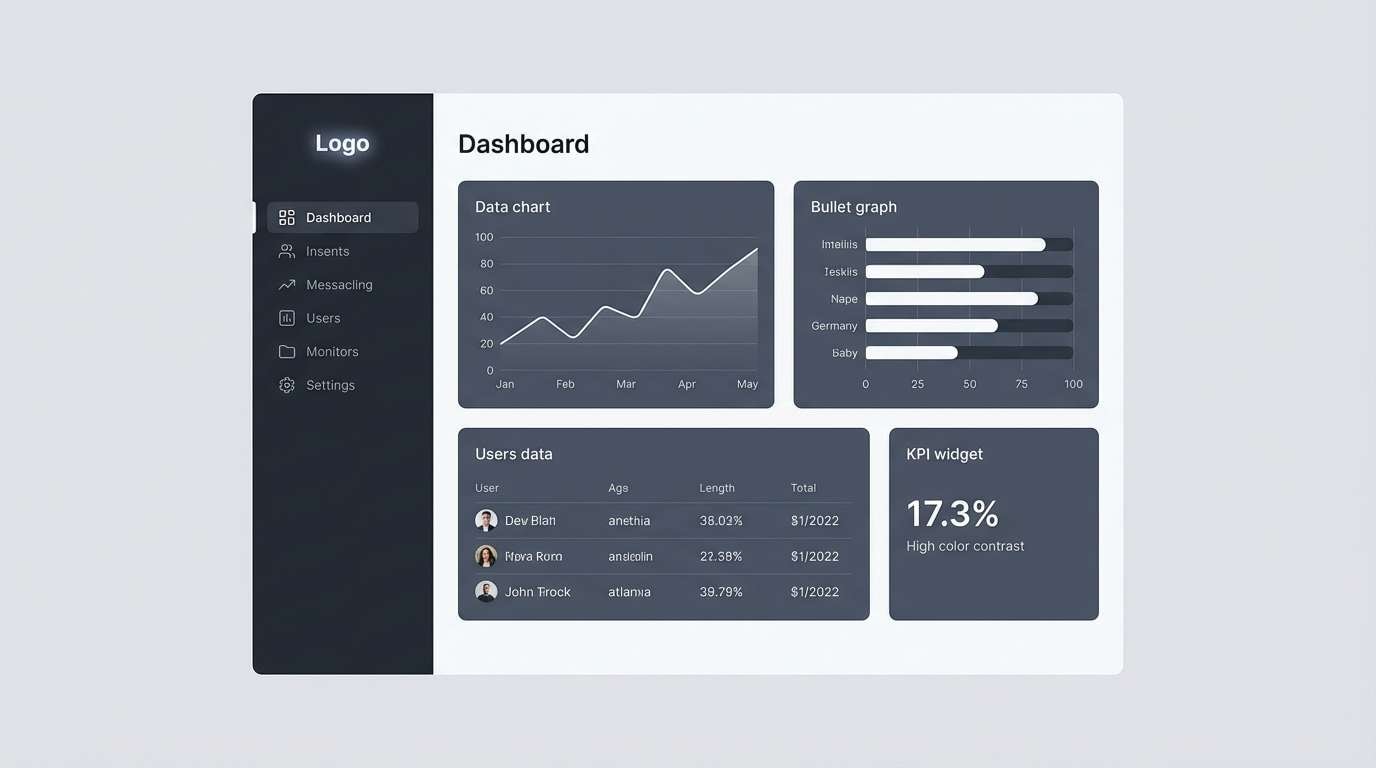
Sturdy and matter-of-fact, these tones feel like brushed steel, concrete floors, and bright task lighting. It works beautifully for data-heavy dashboards, admin panels, and B2B sites where clarity matters most. Use the dark charcoals for navigation, mid grays for cards, and the pale gray as breathing room for charts. As an industrial color scheme, it pairs well with a single warm accent (amber or rust) to highlight CTAs without adding noise.
Image example of steelworks neutral generated using media.io
Media.io is an online AI studio for creating and editing video, image, and audio in your browser.


2) Foundry Rust
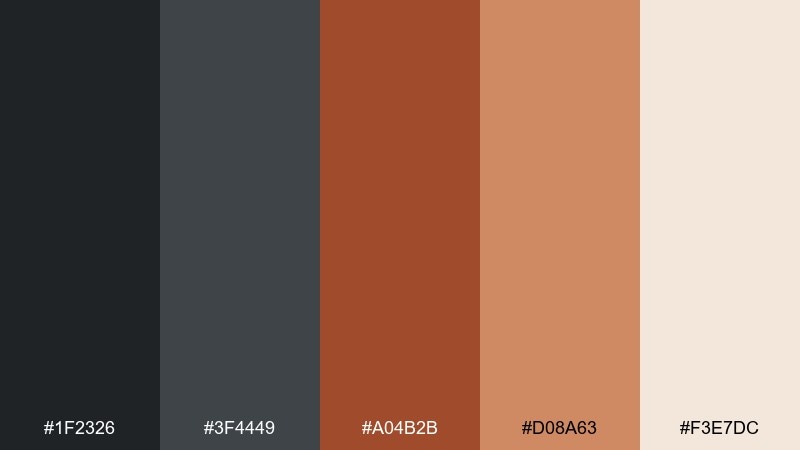
HEX: #1f2326 #3f4449 #a04b2b #d08a63 #f3e7dc
Mood: gritty, warm, hardworking
Best for: craft coffee packaging
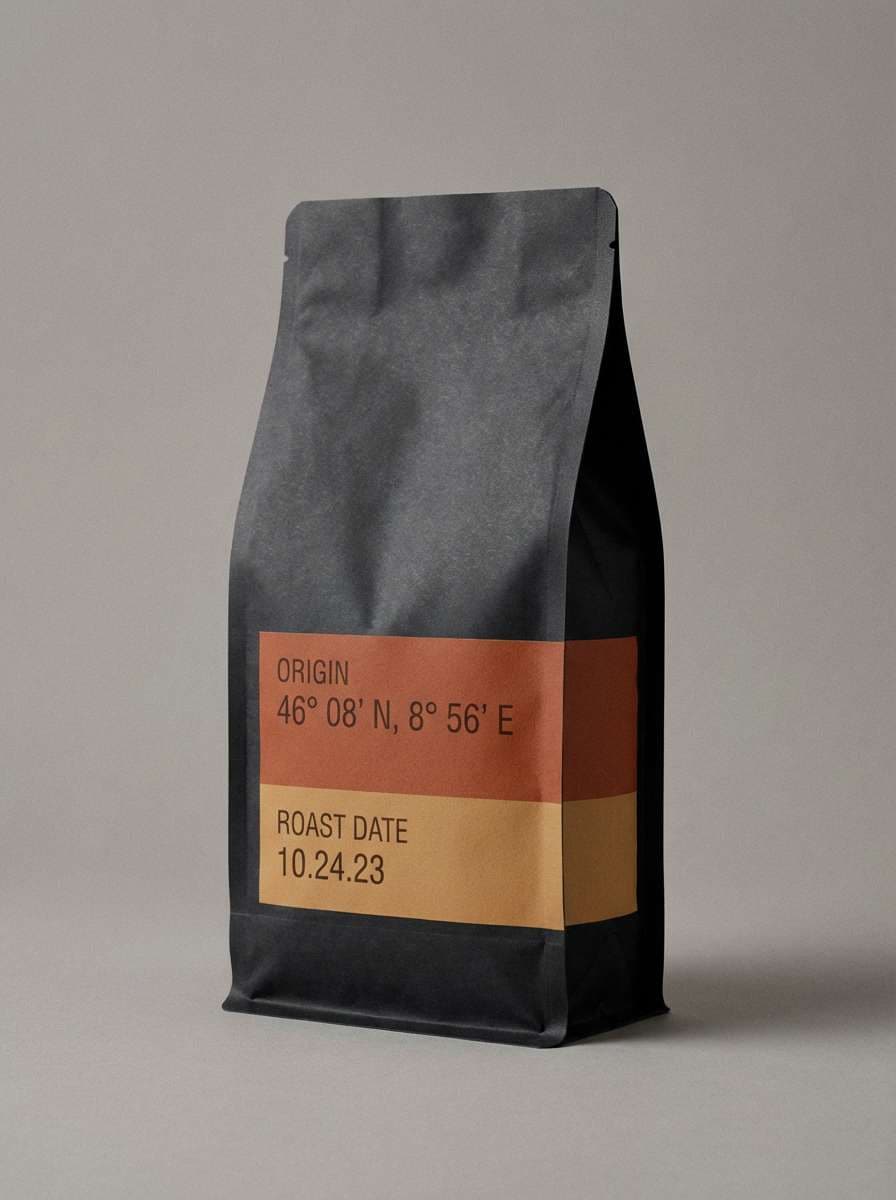
Gritty warmth comes through like oxidized metal, old brick, and a heat glow from the shop floor. These industrial color combinations are ideal for packaging that needs to feel hands-on and authentic, especially coffee, spirits, or hardware-inspired goods. Keep the dark grays for typography and brand marks, then use rust as the hero color on labels. Tip: print the rust tone on uncoated stock to enhance the textured, workshop feel.
Image example of foundry rust generated using media.io
3) Concrete Sage
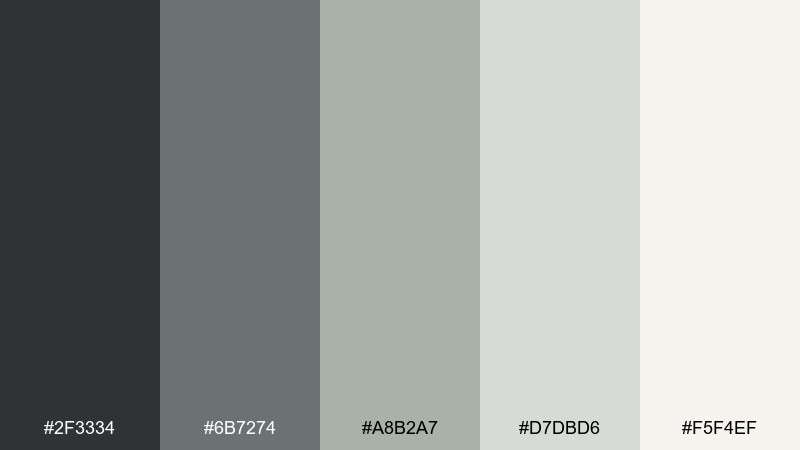
HEX: #2f3334 #6b7274 #a8b2a7 #d7dbd6 #f5f4ef
Mood: calm, grounded, airy
Best for: minimal interior mood boards
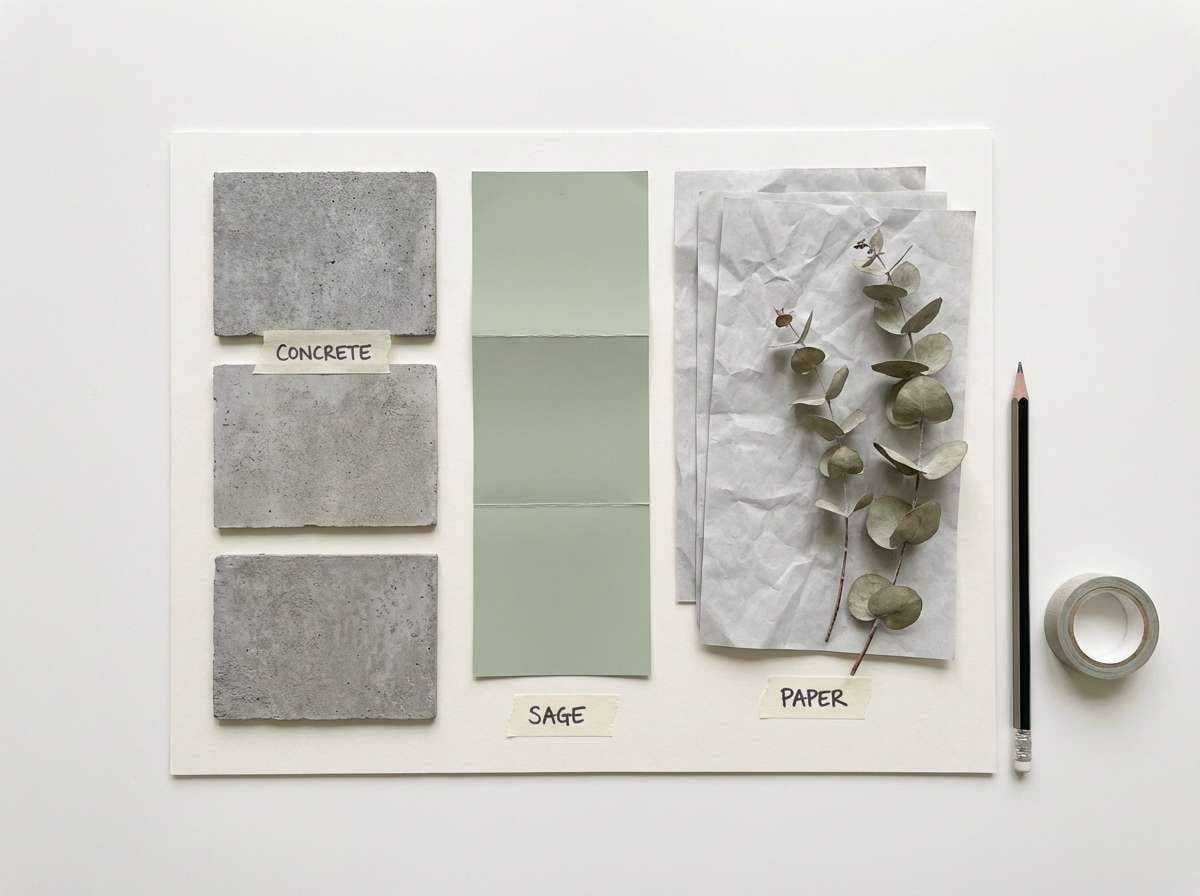
Calm and grounded, it evokes poured concrete, dusty greenery, and soft daylight filtering through large windows. The muted sage brings freshness without turning the look too delicate, making it great for interiors, architecture decks, or sustainable brand visuals. Pair it with natural textures like linen, oak, and matte ceramics for a believable finish. Usage tip: keep the sage to 10 to 20 percent of the layout so the neutrals stay dominant.
Image example of concrete sage generated using media.io
4) Machine Oil Blue
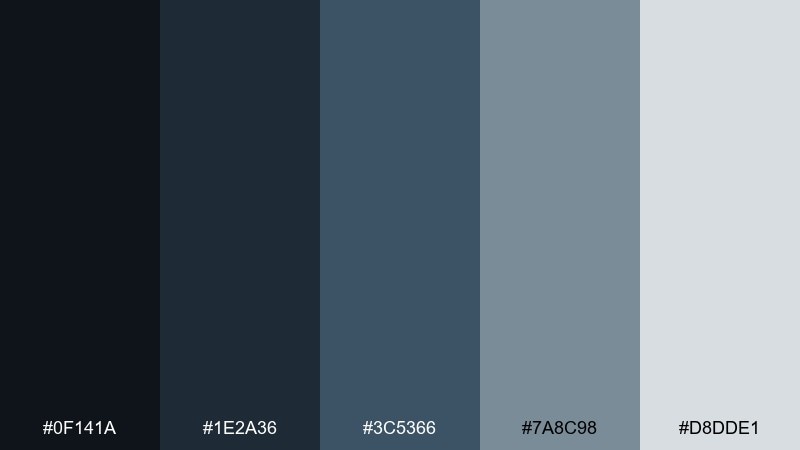
HEX: #0f141a #1e2a36 #3c5366 #7a8c98 #d8dde1
Mood: cool, technical, nocturnal
Best for: cybersecurity landing pages
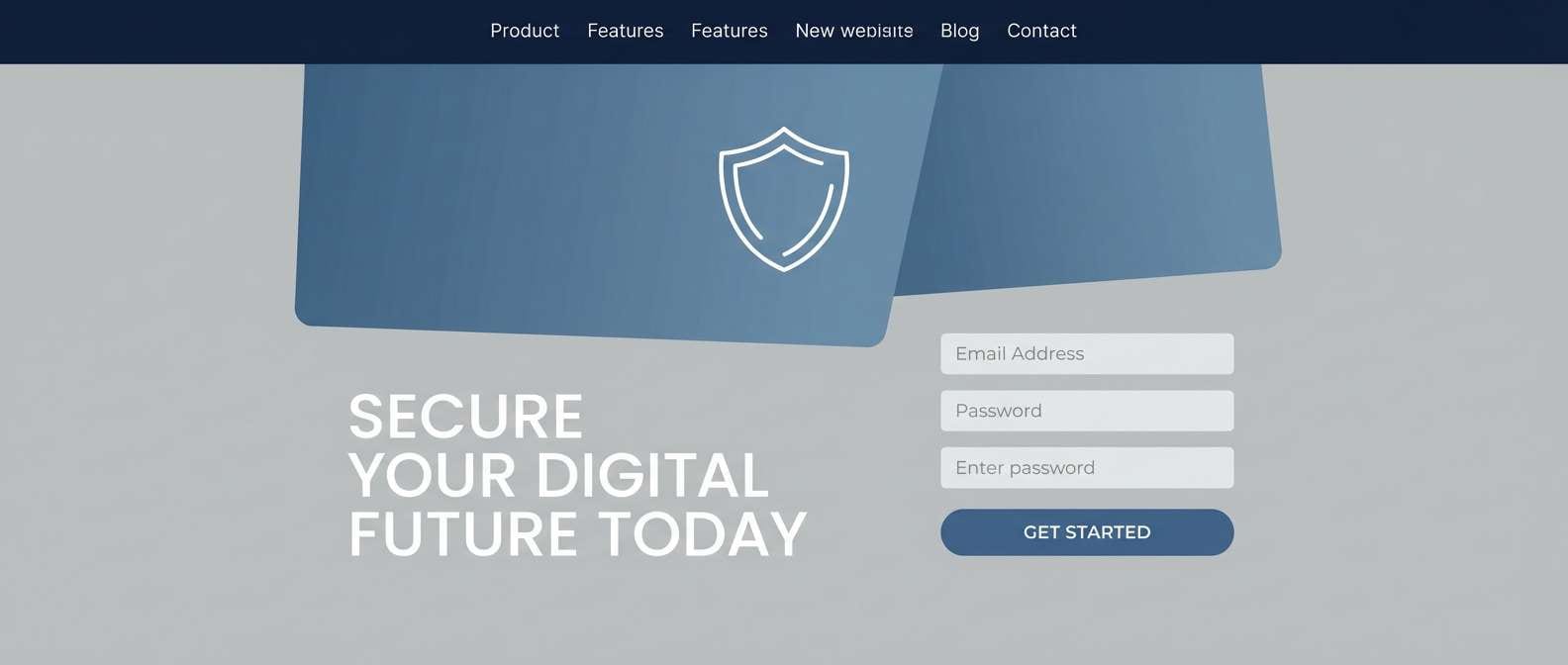
Cool and technical, it feels like midnight machinery, lubricated parts, and blueprint shadows. The deep navy tones build trust for security or fintech, while the steel blue keeps screens from feeling flat. Pair with crisp white space and thin-line icons for a precise, engineered look. Tip: reserve the light gray for form fields and error states so it stays readable on dark backgrounds.
Image example of machine oil blue generated using media.io
5) Warehouse Beige
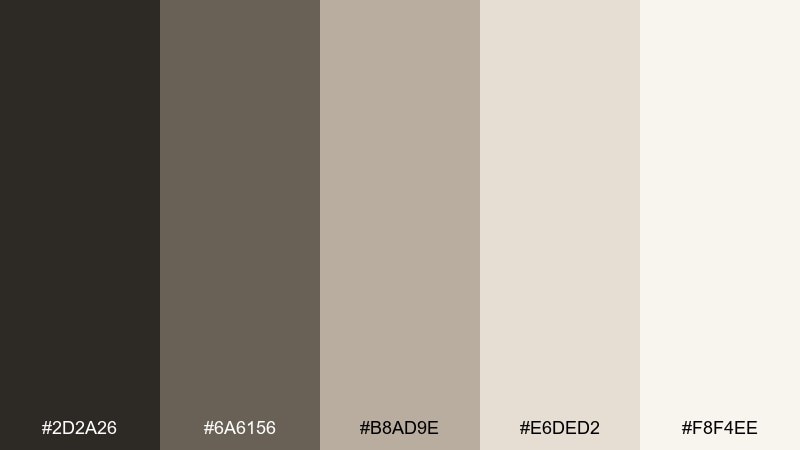
HEX: #2d2a26 #6a6156 #b8ad9e #e6ded2 #f8f4ee
Mood: warm, practical, vintage
Best for: workwear brand identity
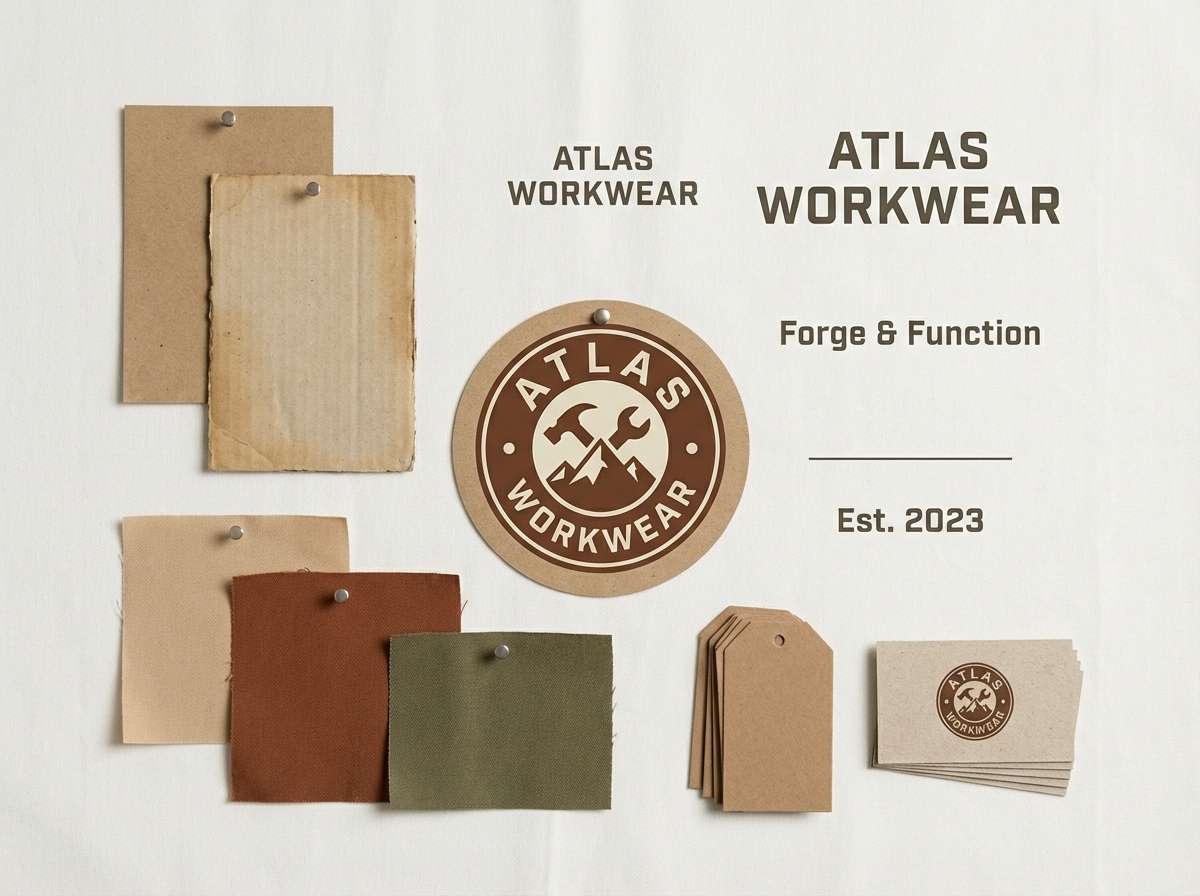
Warm and practical, these shades recall canvas aprons, cardboard cartons, and sunlit loading docks. An industrial color palette like this suits workwear branding, tool catalogs, or heritage product lines that want to feel dependable. Pair it with black ink illustration, stamped textures, and simple badge logos for instant authenticity. Tip: use the creamy off-white as the main background to keep the darker browns from feeling heavy.
Image example of warehouse beige generated using media.io
6) Rivet Copper
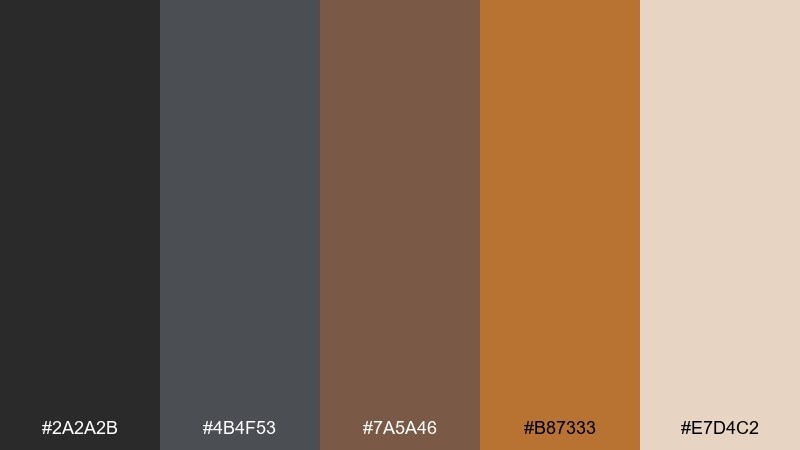
HEX: #2a2a2b #4b4f53 #7a5a46 #b87333 #e7d4c2
Mood: bold, metallic, crafted
Best for: product ad for headphones
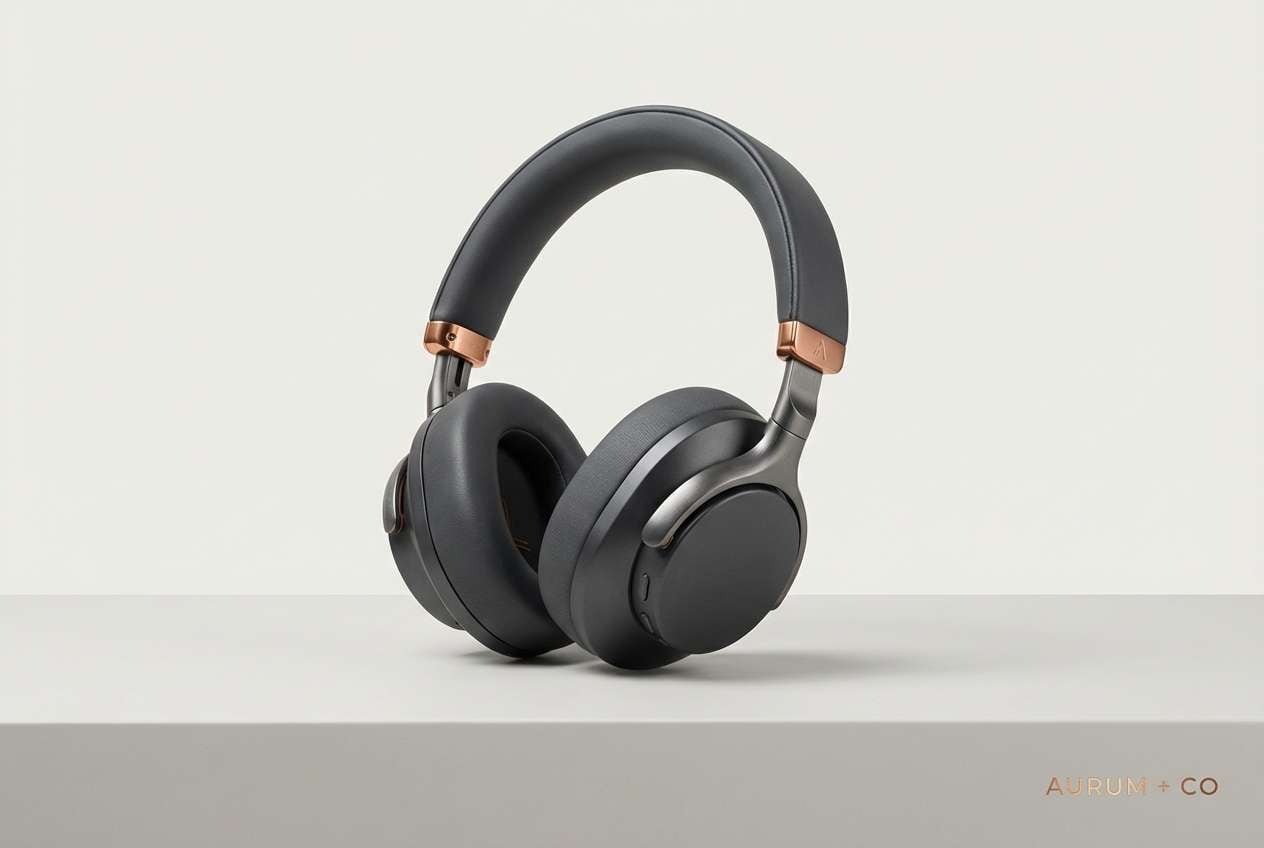
Bold and metallic, it brings to mind riveted panels, copper piping, and polished hardware details. The copper accent adds premium energy while the grays keep everything grounded and modern. Use it for product ads where the hero item needs contrast against a clean studio backdrop. Tip: light the scene with a single soft key light so the copper tone reads rich instead of orange.
Image example of rivet copper generated using media.io
7) Graphite Mustard
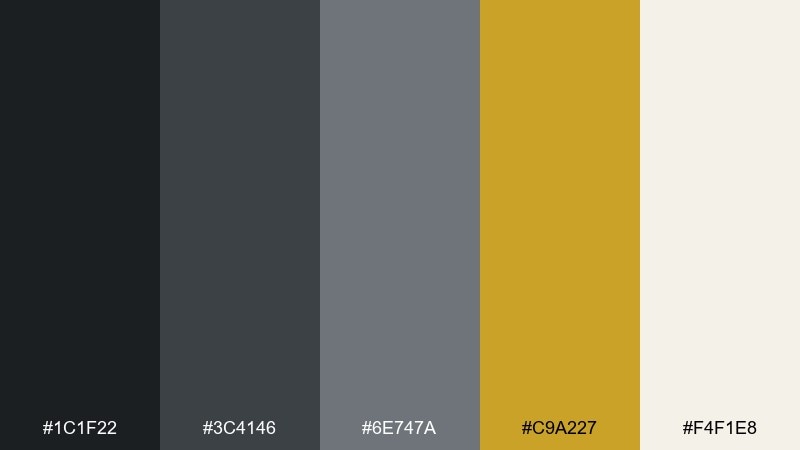
HEX: #1c1f22 #3c4146 #6e747a #c9a227 #f4f1e8
Mood: confident, modern, high-contrast
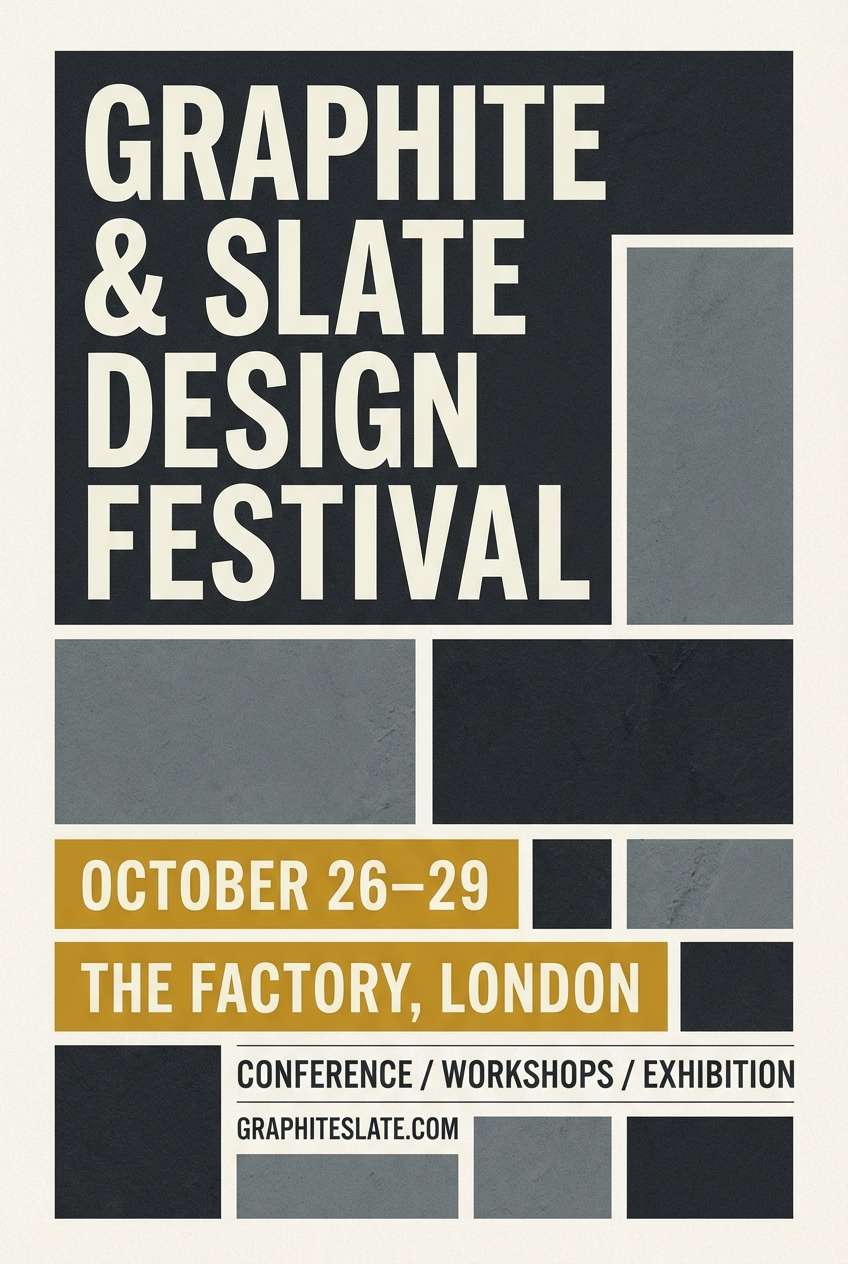
Best for: event poster design
Confident and modern, it feels like dark graphite walls punctuated by hazard signage and warm lamp light. The mustard works best as a selective highlight for dates, prices, or key calls, while the grays carry the typography. This pairing is strong for posters, workshops, and maker events that need fast readability from a distance. Tip: set large type in off-white rather than pure white for a softer, more premium contrast.
Image example of graphite mustard generated using media.io
8) Smoked Teal
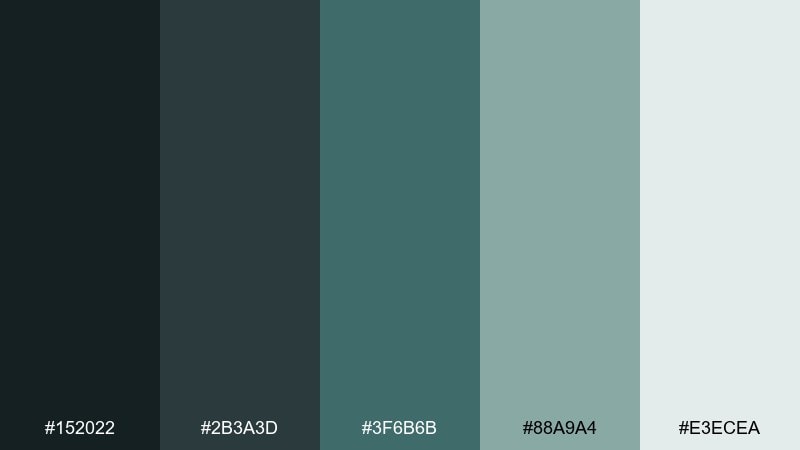
HEX: #152022 #2b3a3d #3f6b6b #88a9a4 #e3ecea
Mood: moody, coastal, refined
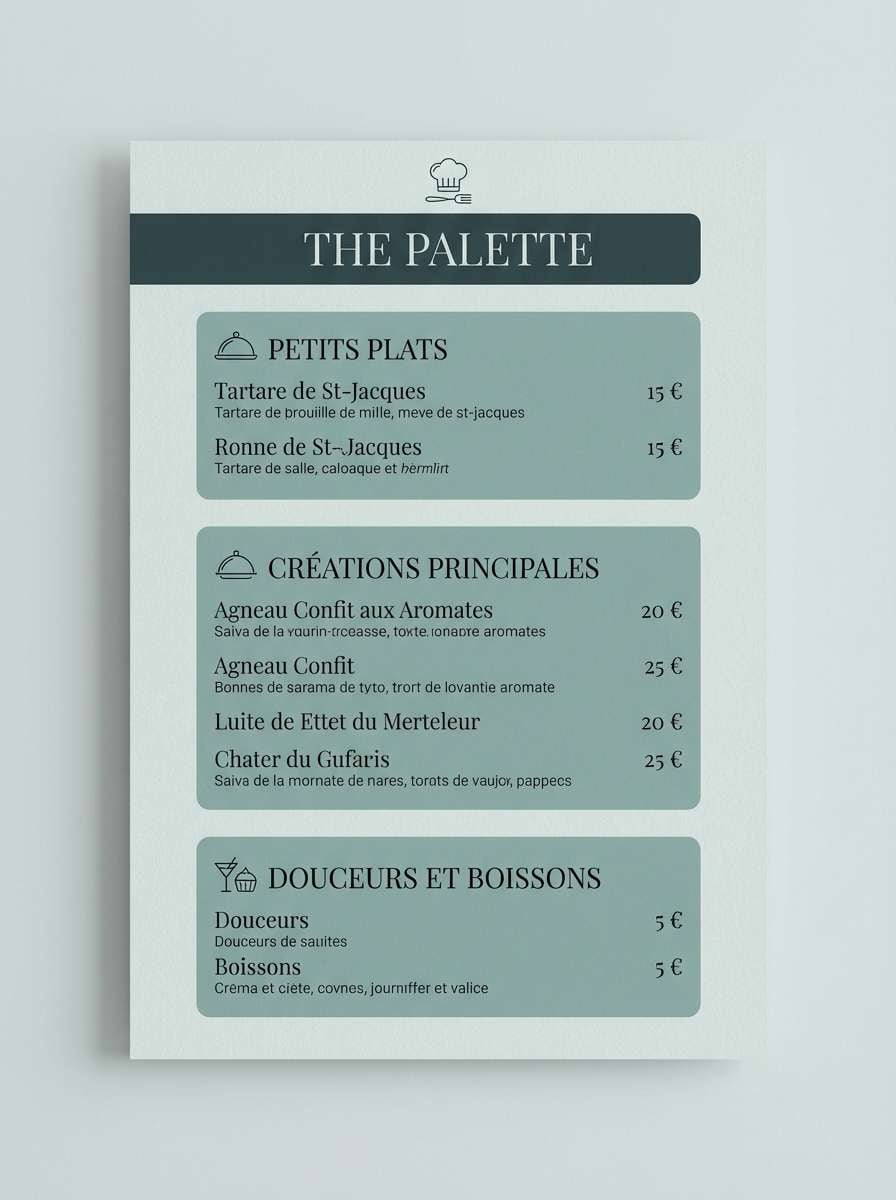
Best for: restaurant menu layout
Moody and refined, these colors evoke sea-worn steel, patina, and foggy glass. The teal range adds personality without drifting into bright, playful territory, making it perfect for menus and hospitality branding. These industrial color schemes shine when you pair them with cream paper textures and subtle line dividers. Tip: keep the darkest tone for headings and use the pale minty gray to create generous margins.
Image example of smoked teal generated using media.io
9) Brick Ash
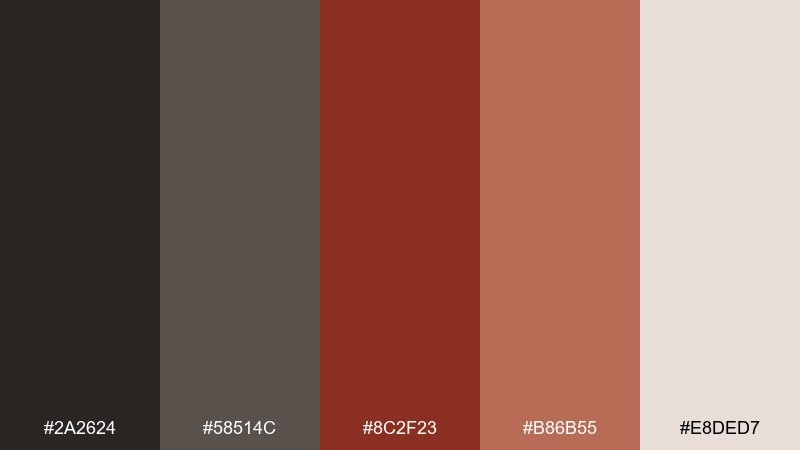
HEX: #2a2624 #58514c #8c2f23 #b86b55 #e8ded7
Mood: urban, earthy, resilient
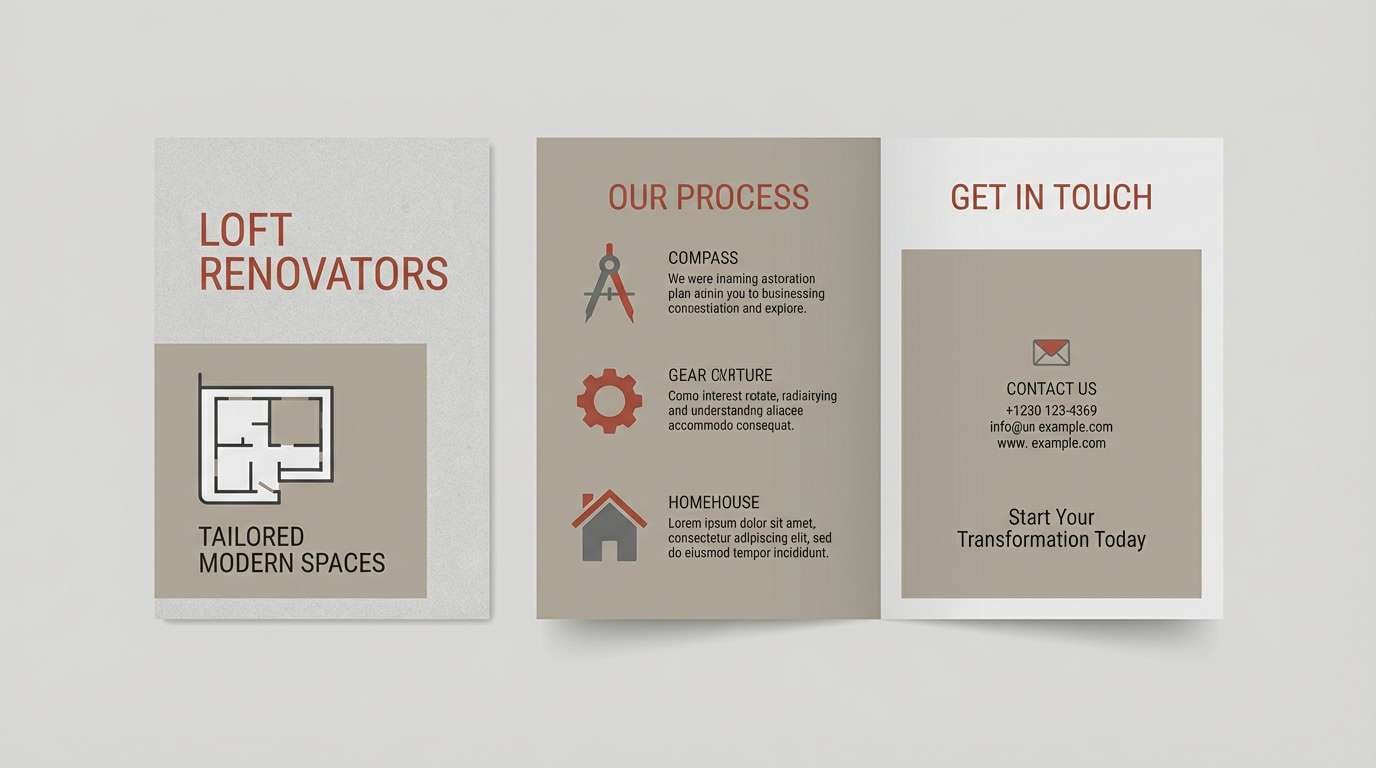
Best for: loft renovation brochure
Urban and resilient, it calls up aged brick, soot-washed beams, and warm plaster. The brick red reads as a grounded accent rather than a loud statement, especially against ash and taupe. Use it for renovation brochures, real estate decks, or neighborhood guides where texture matters. Tip: apply the red to section headers and icons, then let the light neutral handle long paragraphs.
Image example of brick ash generated using media.io
10) Zinc Blush
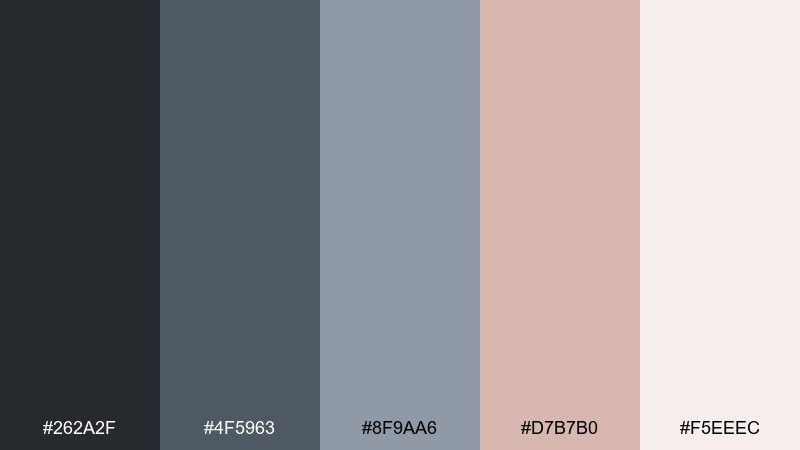
HEX: #262a2f #4f5963 #8f9aa6 #d7b7b0 #f5eeec
Mood: soft, modern, approachable
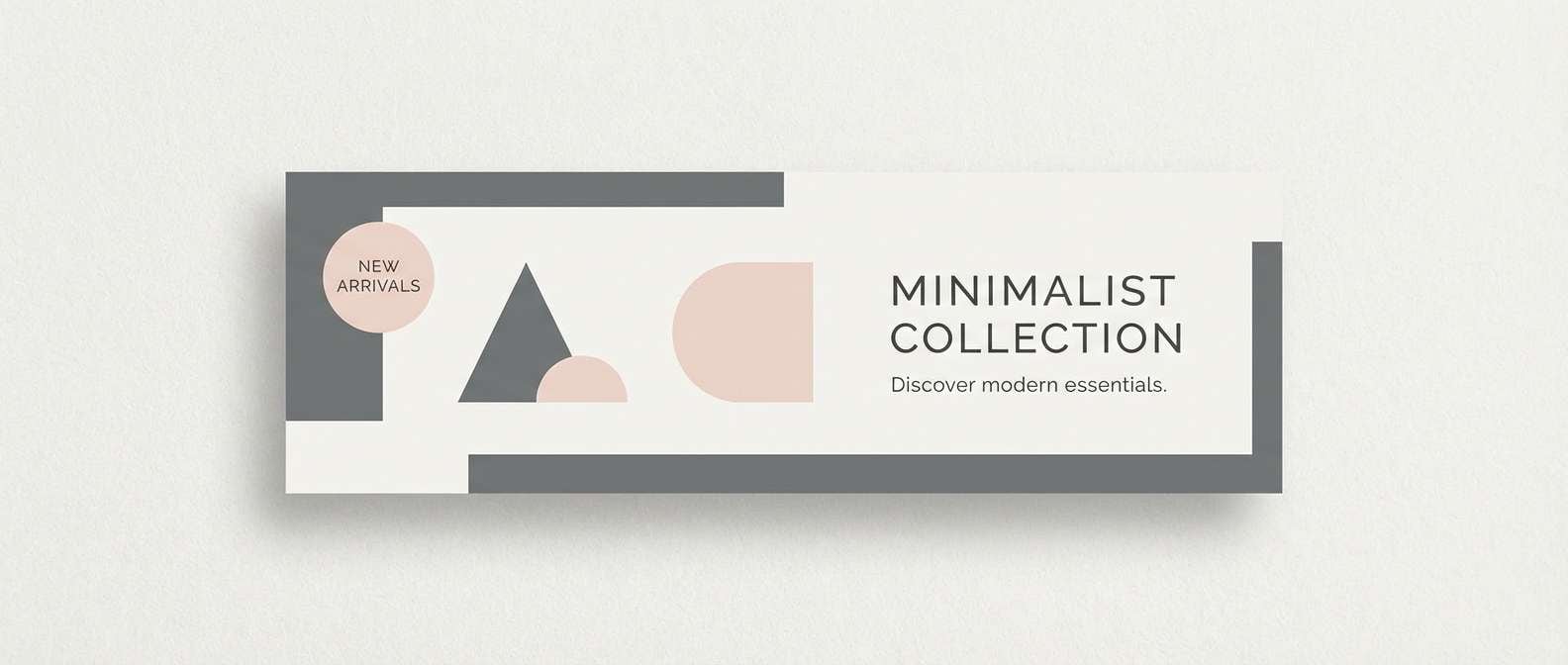
Best for: beauty brand web banner
Soft and modern, it feels like cool zinc with a subtle blush tint from warm skin tones. The pinkish neutral adds friendliness while keeping the overall look sleek and minimal. It works well for beauty, skincare, or lifestyle banners that want a clean edge without looking cold. Tip: use blush for badges and micro-CTAs, and keep body text in the deepest gray for clarity.
Image example of zinc blush generated using media.io
11) Toolbelt Navy
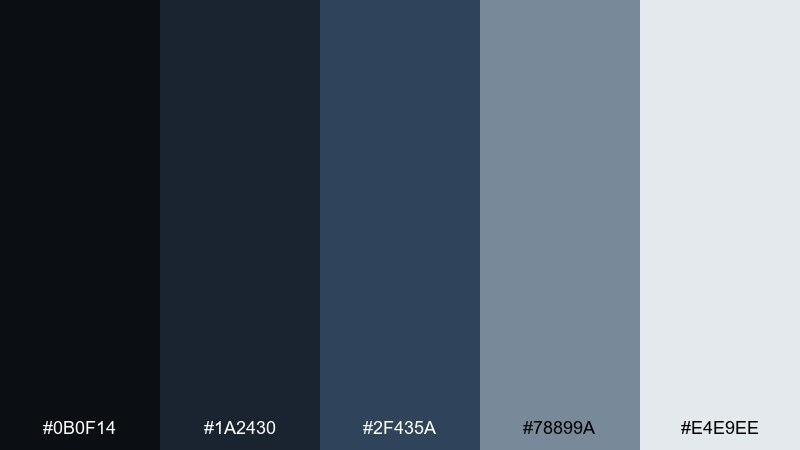
HEX: #0b0f14 #1a2430 #2f435a #78899a #e4e9ee
Mood: serious, dependable, sharp
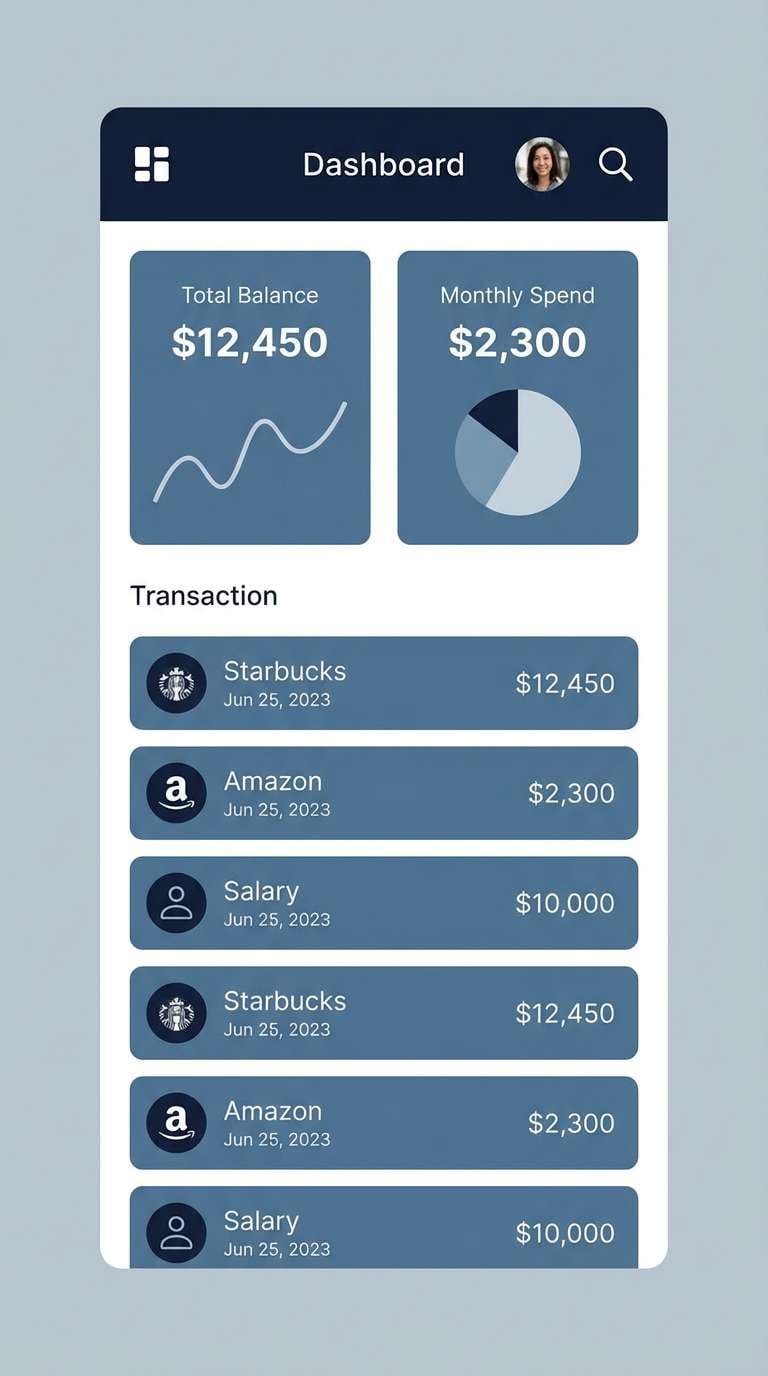
Best for: financial app ui
Serious and dependable, these blues read like a well-worn toolbelt and a crisp blueprint table. The range supports strong hierarchy in apps, from navigation to cards and secondary states. Pair it with thin outlines and restrained shadows to keep screens feeling precise. Tip: use the pale gray-blue for empty states so the UI stays calm even when content is missing.
Image example of toolbelt navy generated using media.io
12) Sanded Aluminum
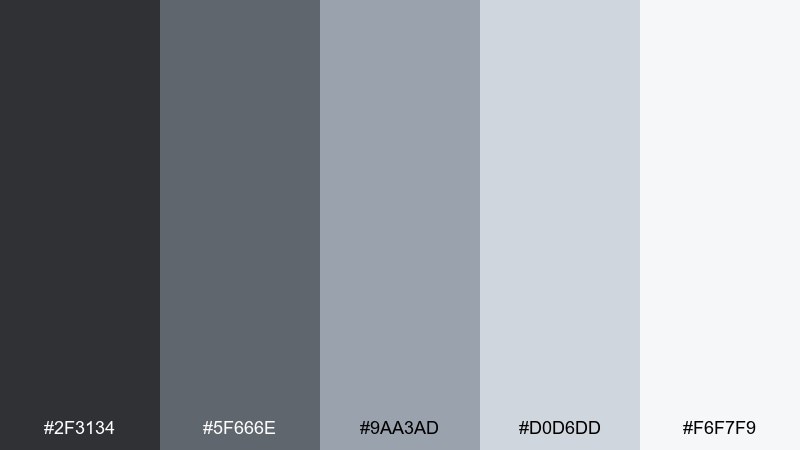
HEX: #2f3134 #5f666e #9aa3ad #d0d6dd #f6f7f9
Mood: bright, minimal, precision
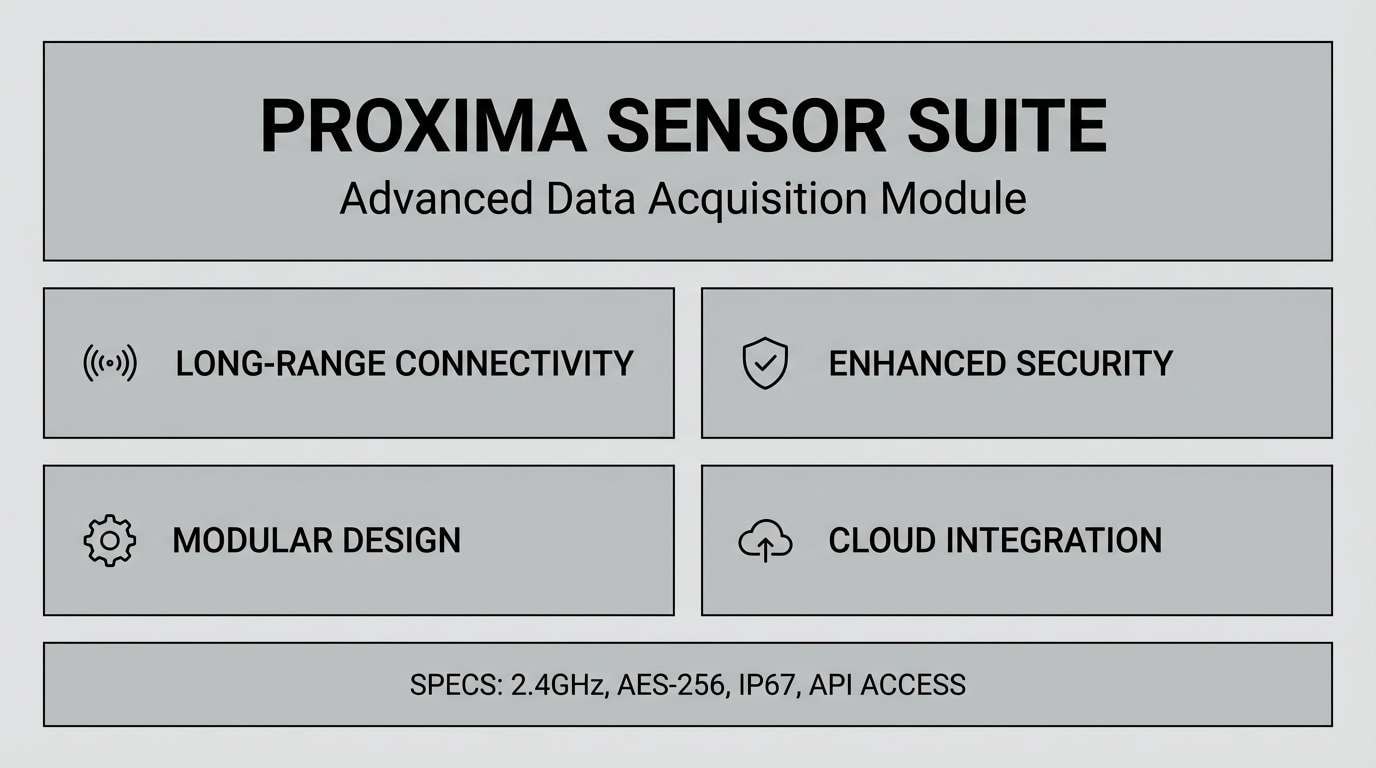
Best for: tech product one-pager
Bright and precise, this set resembles sanded aluminum, clean seams, and fresh-cut sheet metal. It is a great industrial color palette for product one-pagers where you want a premium, engineered look without harsh contrast. Pair it with black or deep charcoal type and a single saturated accent color if you need extra energy. Tip: rely on spacing and grid alignment for structure instead of adding more colors.
Image example of sanded aluminum generated using media.io
13) Kiln Terracotta
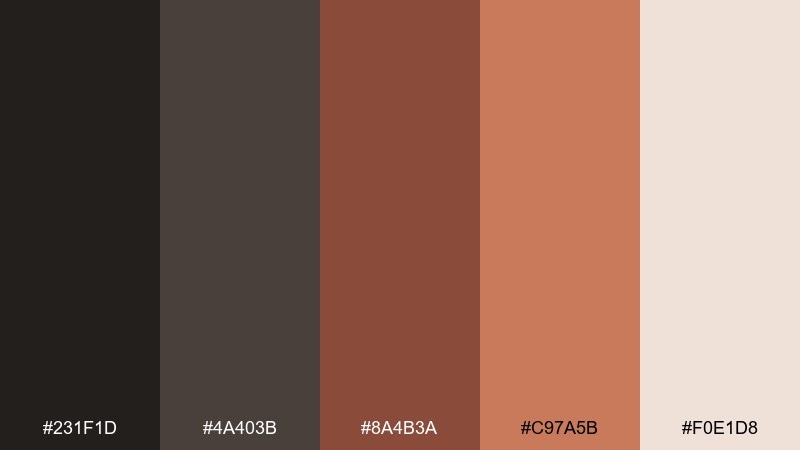
HEX: #231f1d #4a403b #8a4b3a #c97a5b #f0e1d8
Mood: earthy, handmade, warm
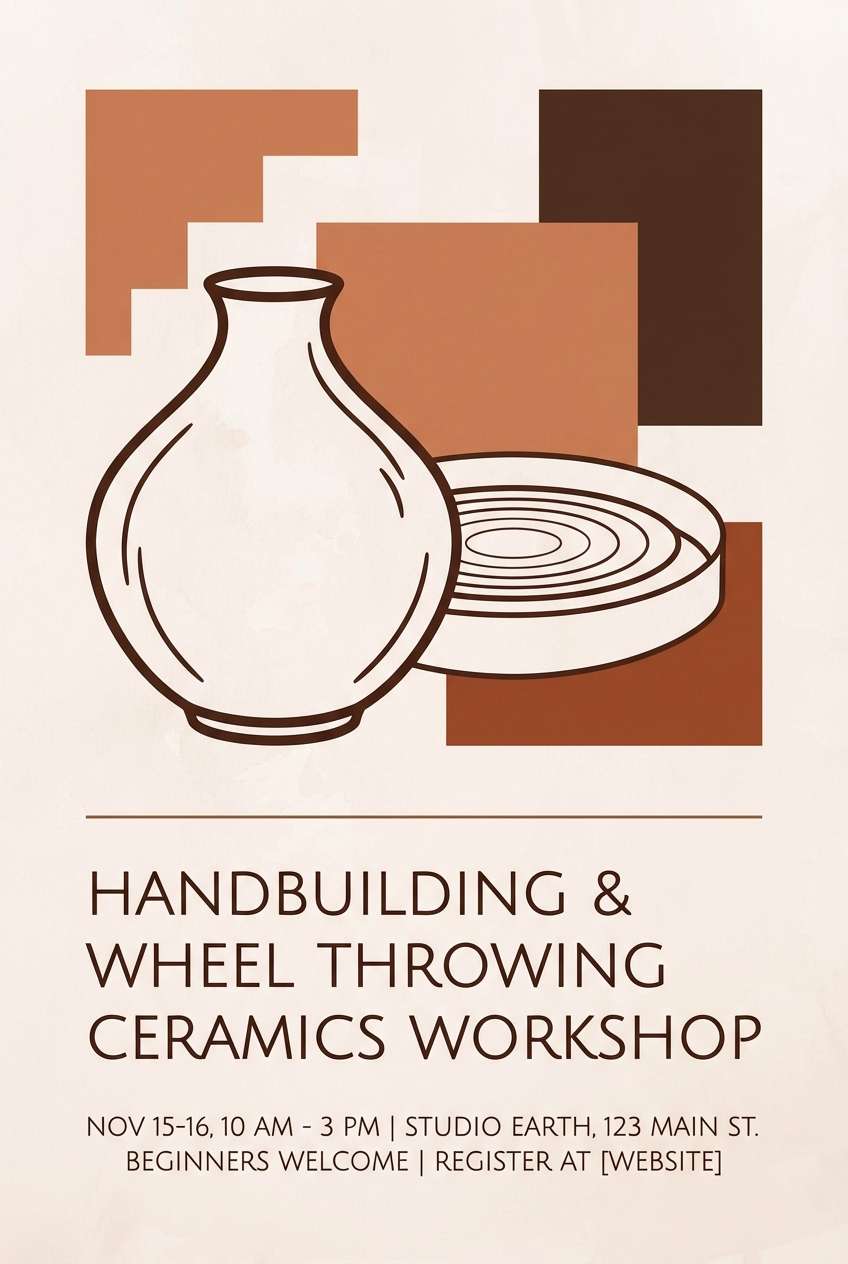
Best for: ceramics studio flyer
Earthy and handmade, it suggests kiln heat, clay dust, and worn wooden worktables. The terracotta range feels inviting while still staying grounded thanks to the deep browns. Use it for flyers, workshop promos, or studio sites where craft is the story. Tip: add subtle grain or paper texture so the warm tones feel tactile rather than flat.
Image example of kiln terracotta generated using media.io
14) Factory Olive
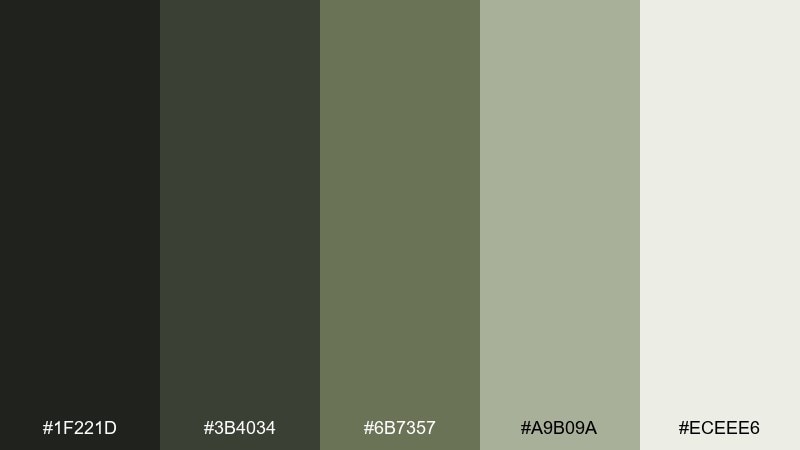
HEX: #1f221d #3b4034 #6b7357 #a9b09a #eceee6
Mood: rugged, muted, outdoorsy
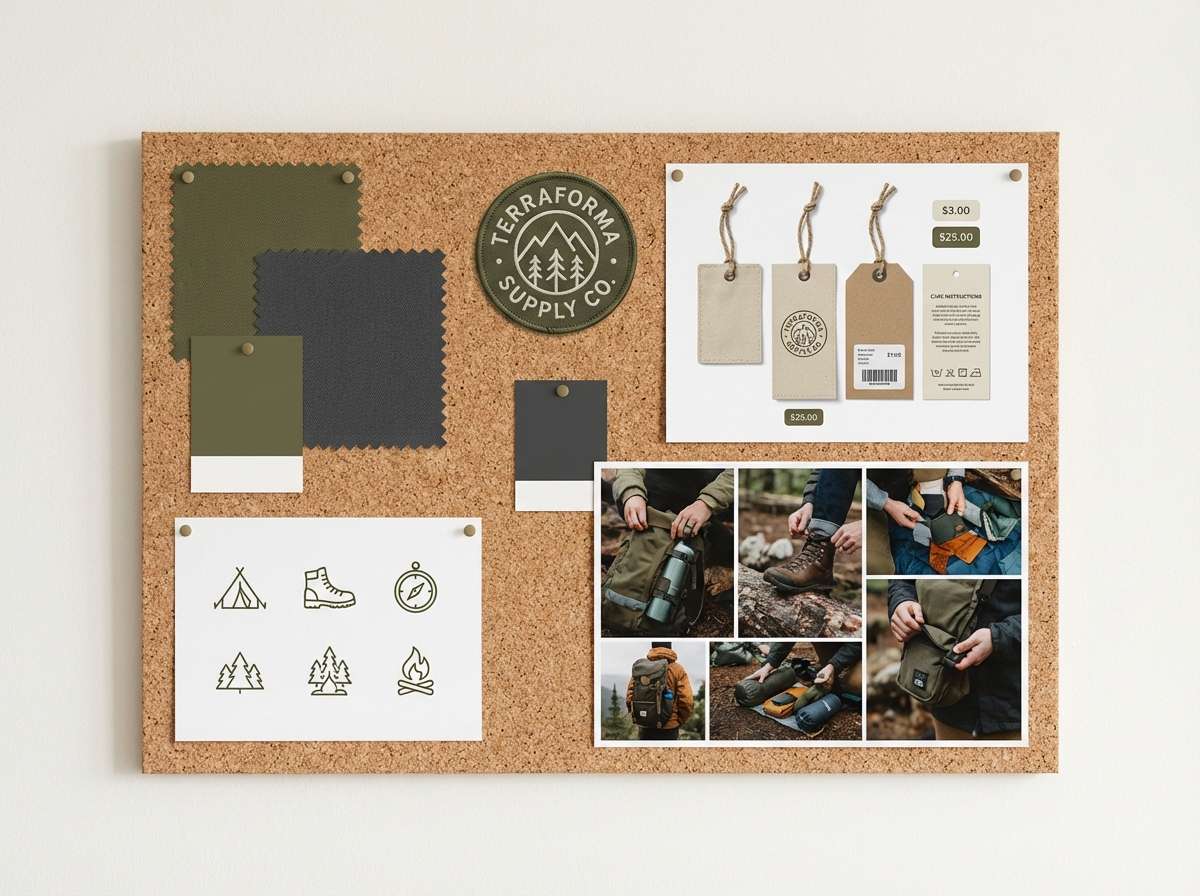
Best for: outdoor gear branding
Rugged and muted, these greens feel like painted metal lockers, field jackets, and dusty warehouse shelves. The olive tones bring a practical, outdoorsy edge while the pale neutral keeps layouts breathable. Great for outdoor gear, utility products, or editorial spreads about makers and design. Tip: use the mid olive for secondary buttons and tags so primary actions can stay high-contrast in dark charcoal.
Image example of factory olive generated using media.io
15) Signal Orange Accent
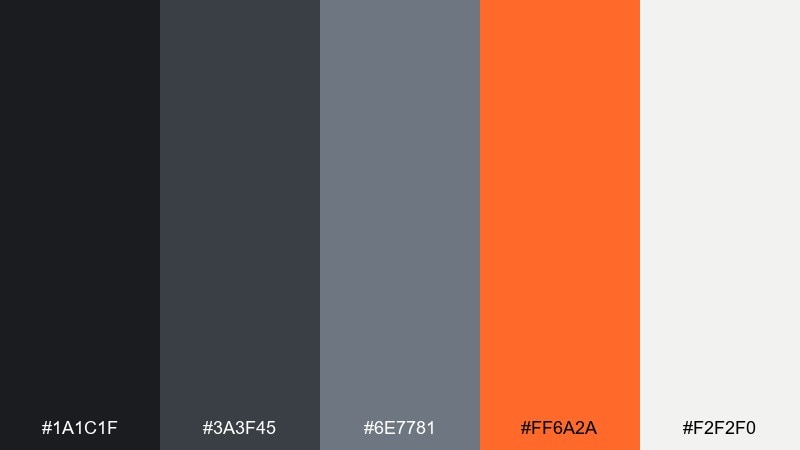
HEX: #1a1c1f #3a3f45 #6e7781 #ff6a2a #f2f2f0
Mood: energetic, high-visibility, modern
Best for: cta-focused ecommerce banner
Energetic and high-visibility, it channels safety markings, fresh asphalt, and bright warning labels. The orange is best used as a deliberate punch, not a background color, so the layout stays sharp. Use it for ecommerce banners, promos, and UI states where you need instant attention. Tip: keep the orange to one or two elements per screen (CTA and price) to avoid visual fatigue.
Image example of signal orange accent generated using media.io

16) Blueprint Gray
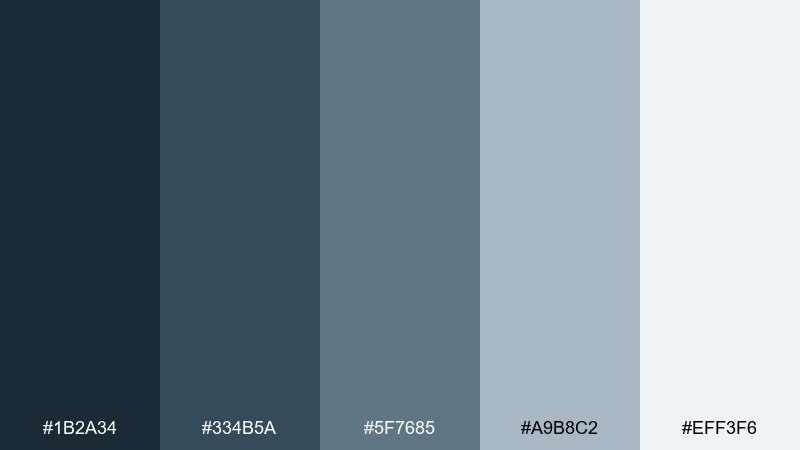
HEX: #1b2a34 #334b5a #5f7685 #a9b8c2 #eff3f6
Mood: structured, cool, technical
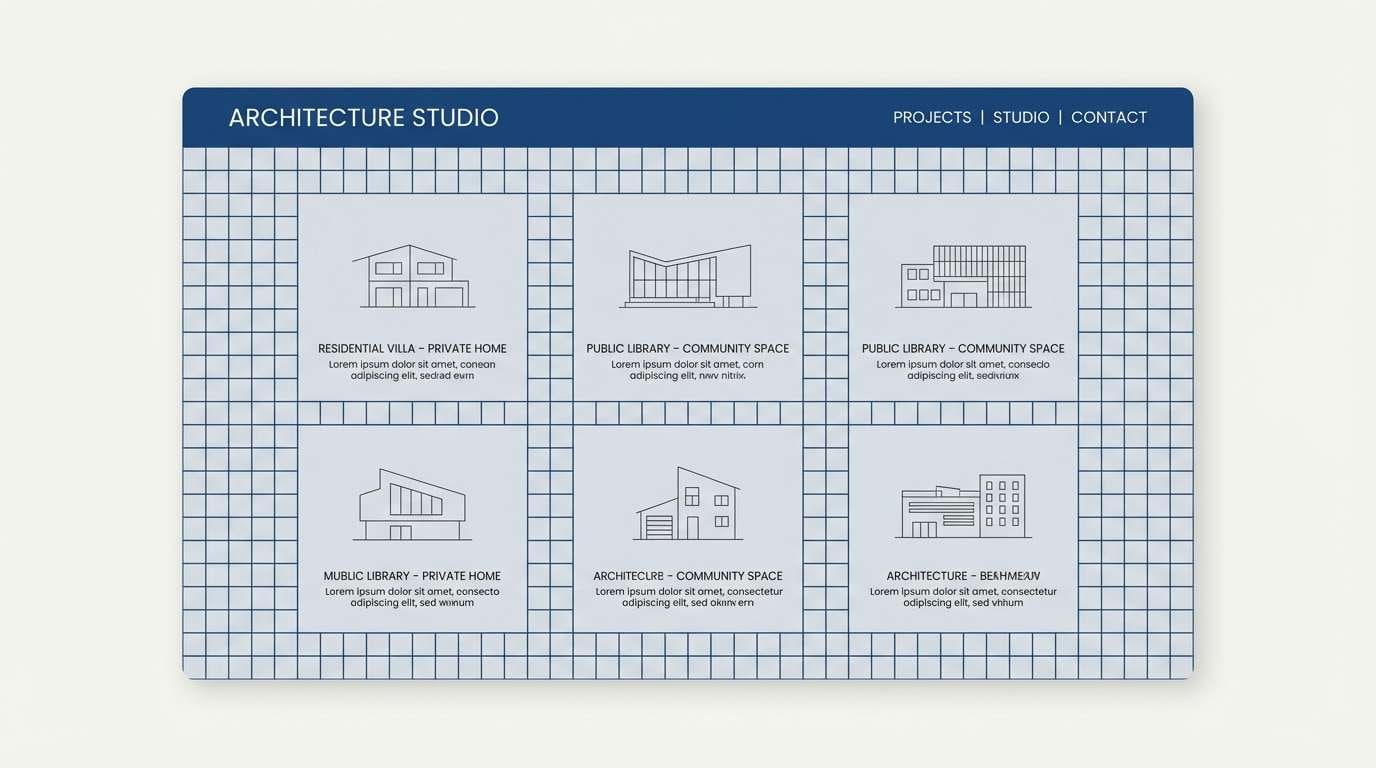
Best for: architecture portfolio website
Structured and cool, it evokes blueprint paper, drafting lines, and tidy annotations. These shades are ideal for portfolios, architecture studios, or engineering presentations where form and hierarchy matter. Pair with crisp grids, thin rules, and plenty of whitespace to keep the work front and center. Tip: set captions in the mid blue-gray to reduce contrast and give images more authority.
Image example of blueprint gray generated using media.io
17) Charred Wood Linen
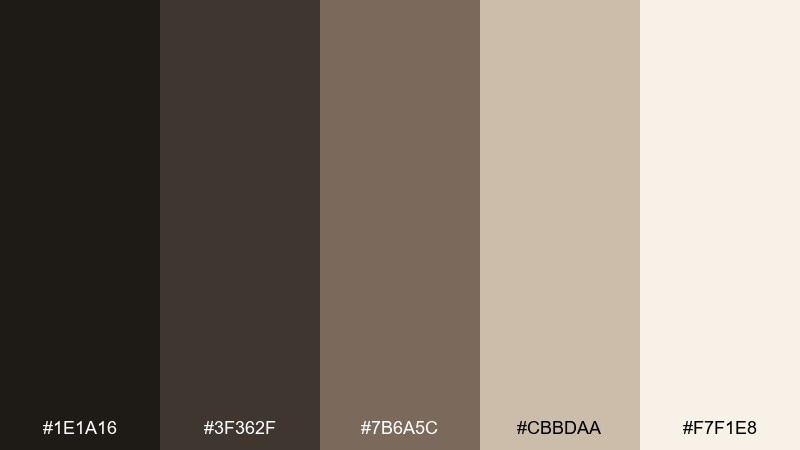
HEX: #1e1a16 #3f362f #7b6a5c #cbbdaa #f7f1e8
Mood: cozy, tactile, understated
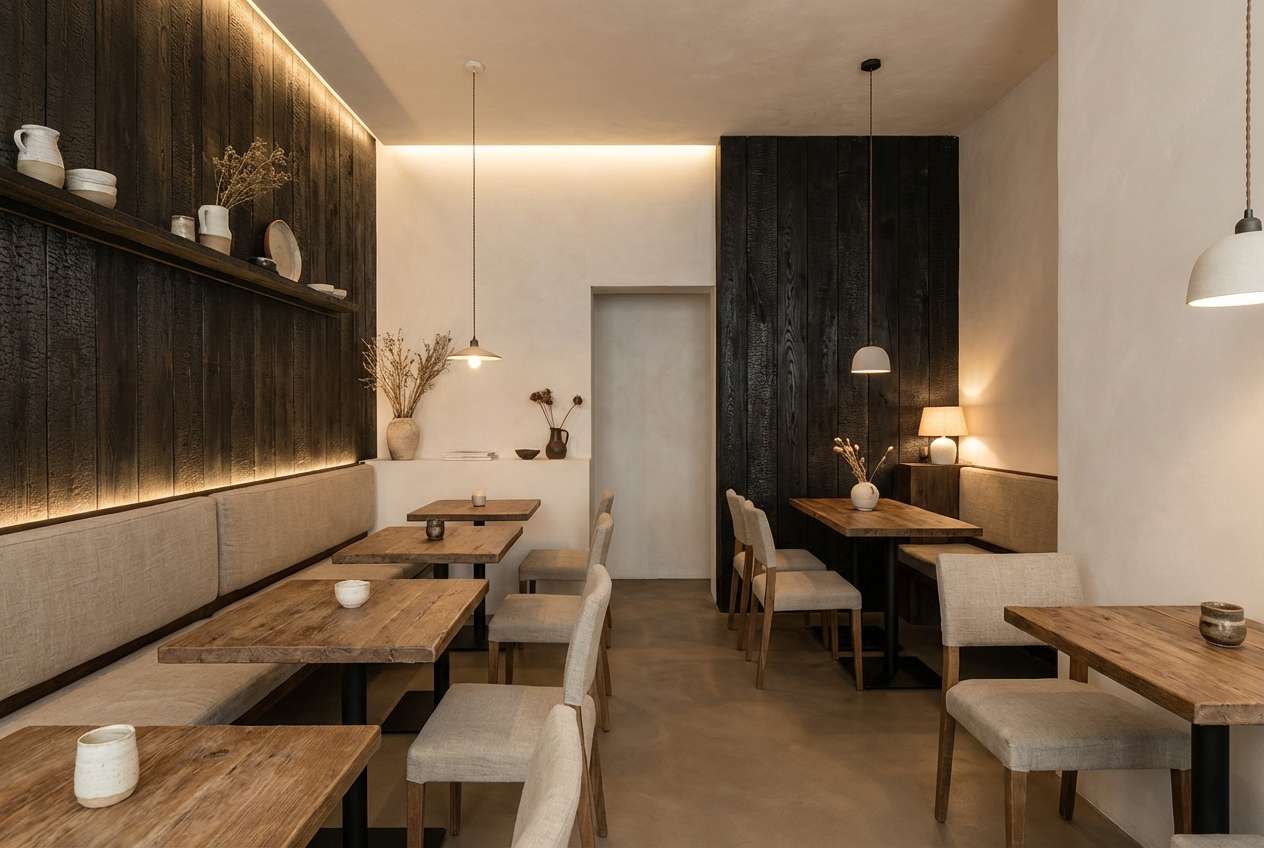
Best for: cafe interior concept
Cozy and tactile, it suggests charred timber, leather, and linen upholstery under warm bulbs. The browns and creams create a welcoming base that still feels modern and grounded. Use it for cafe concepts, boutique hospitality, or lifestyle branding that leans natural rather than glossy. Tip: introduce black only in small doses (menu type or fixtures) to keep the palette soft.
Image example of charred wood linen generated using media.io
18) Metro Purple Smoke
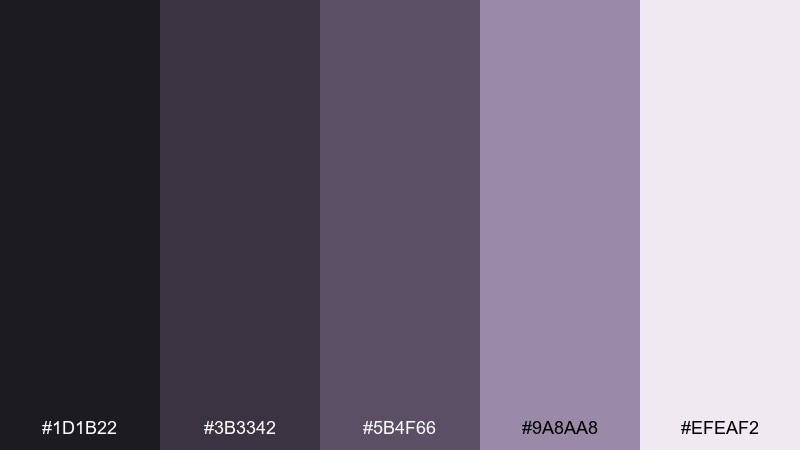
HEX: #1d1b22 #3b3342 #5b4f66 #9a8aa8 #efeaf2
Mood: urban, creative, atmospheric
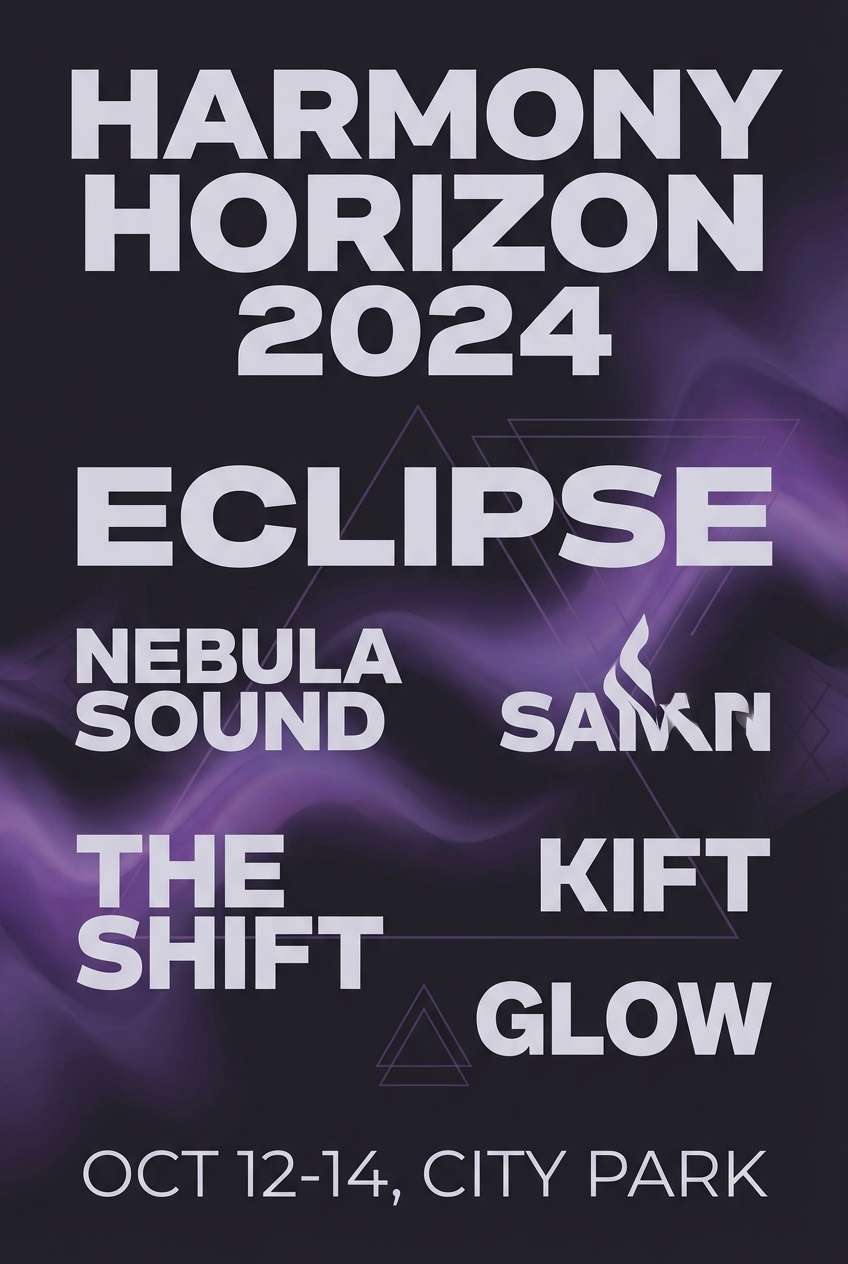
Best for: music festival line-up poster
Urban and atmospheric, it feels like subway shadows, stage haze, and late-night neon softened through fog. The purple-grays add a creative twist while staying muted enough for sophisticated type. Great for music line-ups, gallery events, or editorial graphics that need mood without chaos. Tip: use the pale lavender-gray as negative space so the darker tones can carry the headline.
Image example of metro purple smoke generated using media.io
19) Dusty Burgundy Steel
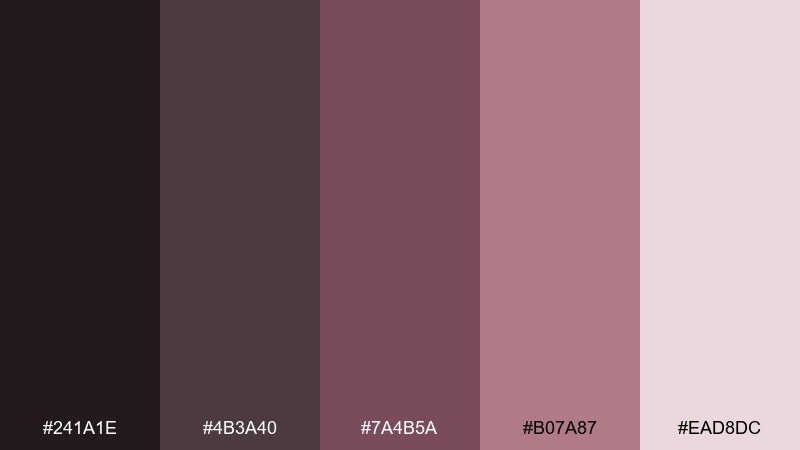
HEX: #241a1e #4b3a40 #7a4b5a #b07a87 #ead8dc
Mood: moody, elegant, vintage-industrial
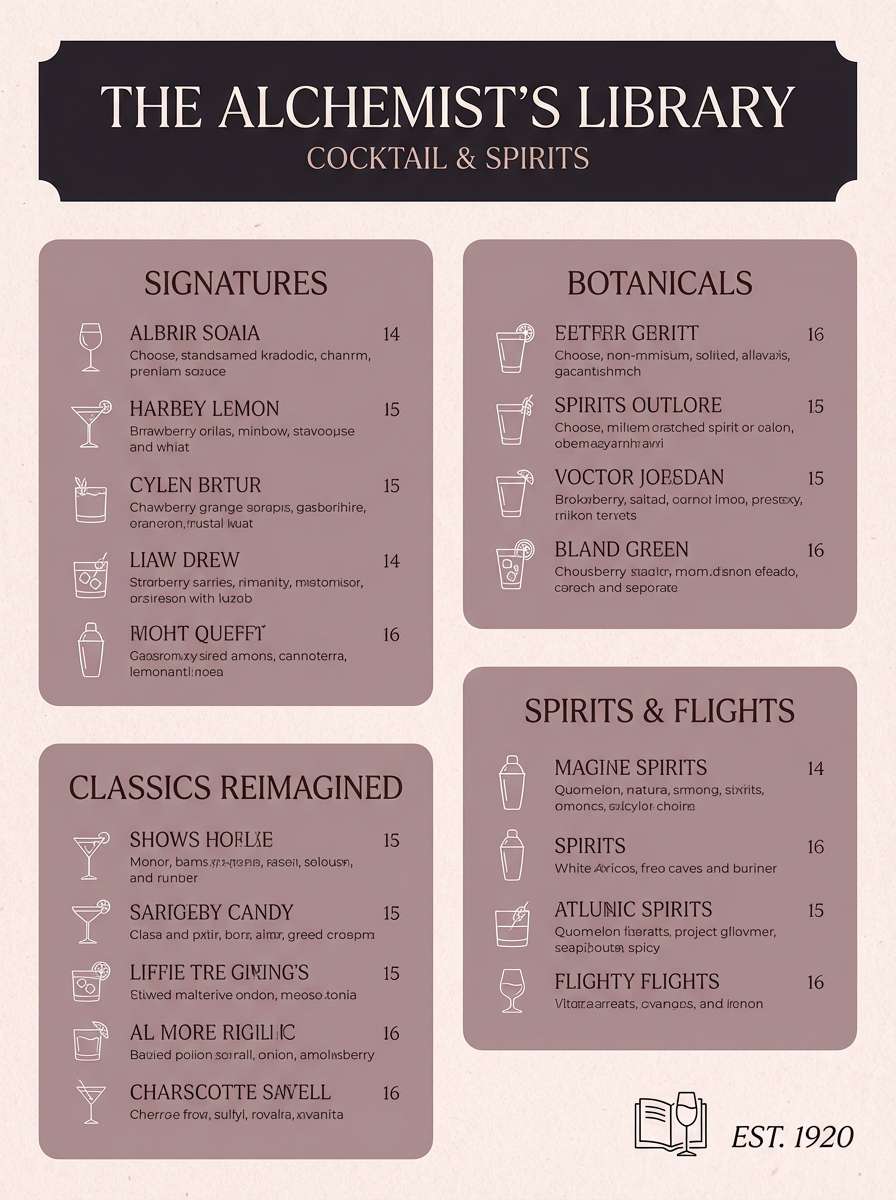
Best for: cocktail bar menu
Moody and elegant, it brings up burgundy-stained leather, dark metal rails, and candlelit corners. The dusty pink-lilac highlight keeps the palette from feeling too heavy, especially in print. Use it for cocktail menus, wine labels, or brand systems that want a refined nocturne vibe. Tip: print the darkest tone as rich black and let burgundy handle section dividers and icons.
Image example of dusty burgundy steel generated using media.io
20) Safety Lime Slate
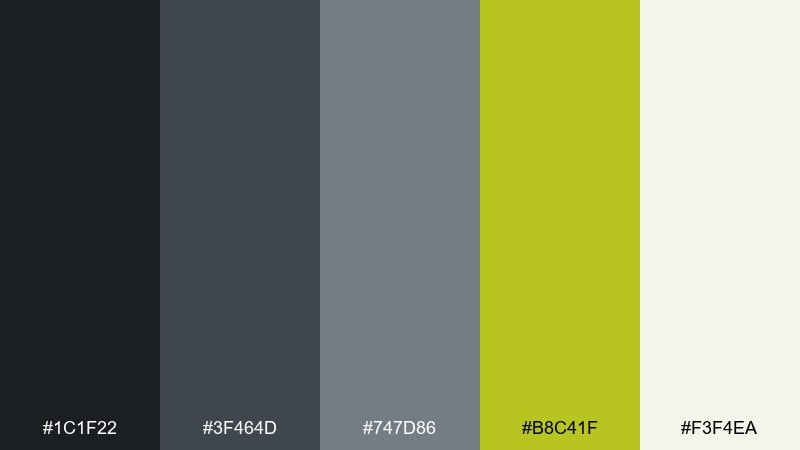
HEX: #1c1f22 #3f464d #747d86 #b8c41f #f3f4ea
Mood: fresh, functional, alert
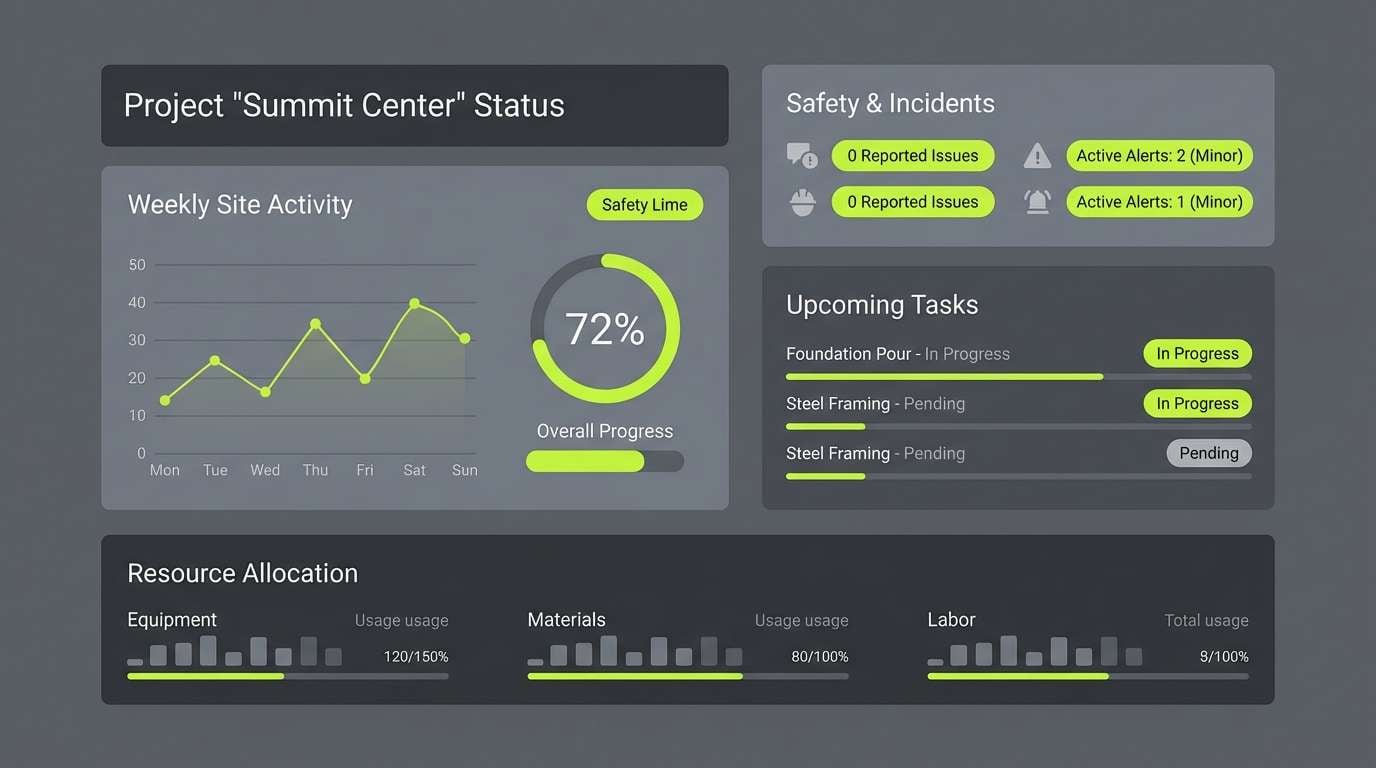
Best for: construction project dashboard
Fresh and functional, it reads like slate signage with a pop of safety lime tape. The bright accent is perfect for statuses, progress indicators, and priority tags, while the grays keep the interface professional. Use it for project dashboards, logistics tools, or operational reports where scanning speed matters. Tip: reserve the lime for one meaning only (like on track) so users learn it instantly.
Image example of safety lime slate generated using media.io
What Colors Go Well with Industrial?
Industrial palettes pair best with “material neutrals” like charcoal, graphite, concrete gray, off-white, and muted taupe. These create a stable base that keeps layouts readable and helps photos, diagrams, or product renders feel more premium.
For accents, choose one high-signal color (rust, mustard, safety orange, lime, or copper) and use it sparingly for interactive states, badges, or section markers. This keeps the industrial mood intact while adding clear wayfinding.
If you want a softer industrial look, introduce a desaturated tint such as sage, blush, or dusty mauve. These keep the palette modern while reducing the “cold metal” feel.
How to Use a Industrial Color Palette in Real Designs
Start with a dominant neutral background (light gray or warm off-white) and assign the darkest tone to navigation, headings, or key UI rails. Then use mid-tones for cards, dividers, and secondary surfaces to create depth without heavy shadows.
Keep your accent color tied to a single job: primary CTA, status, or highlight. Industrial color schemes look best when the accent is intentional—like safety markings—rather than spread across many elements.
For print and interiors, lean into texture. Uncoated paper, matte finishes, concrete grain, brushed metal, and linen-like surfaces make industrial tones feel believable and less flat than pure digital color blocks.
Create Industrial Palette Visuals with AI
If you already have HEX codes, you can quickly generate matching visuals—posters, UI mockups, menus, packaging, and mood boards—by describing your layout and referencing the palette mood. Industrial styles respond well to prompts that mention materials (steel, concrete, kraft paper) and lighting (soft studio, task lighting).
To keep results consistent, reuse the same prompt structure and only swap the palette name and use-case. That way, your brand explorations stay cohesive while you test different accents like rust, mustard, or safety lime.
With Media.io, you can create image concepts directly in the browser and iterate fast until the industrial tone feels exactly right.
Industrial Color Palette FAQs
-
What is an industrial color palette?
An industrial color palette is a set of tones inspired by factories and materials like steel, concrete, charcoal, and oxidized metals, usually paired with one functional accent color (rust, safety orange, lime, mustard) for highlights. -
Which industrial colors are best for UI design?
Charcoal + slate + light gray (with one accent) is the most reliable mix for UI because it supports hierarchy and readability. Palettes like Steelworks Neutral, Toolbelt Navy, and Sanded Aluminum are strong starting points. -
How do I choose an accent color for an industrial scheme?
Pick one accent that matches the tone you want: rust/terracotta for warmth, mustard for bold contrast, safety orange for urgency, lime for status and scanning, or copper for premium product highlights. Use it sparingly so it stays meaningful. -
Do industrial color schemes work for branding?
Yes—industrial palettes can feel trustworthy and durable for B2B, tools, workwear, architecture, and tech. They also work for hospitality when softened with warm neutrals (like Warehouse Beige or Charred Wood Linen). -
How can I make an industrial palette feel less cold?
Use warmer off-whites and browns, add a muted organic tint (sage or blush), and incorporate texture (kraft paper, matte coatings, wood grain). This keeps the industrial structure while adding comfort. -
What’s a good industrial palette for print projects?
Foundry Rust, Brick Ash, and Dusty Burgundy Steel print especially well because their warm accents hold up on uncoated stocks. Keep dark tones for type and use the light neutral for long text areas. -
Can I generate industrial-style mockups with AI using these HEX codes?
Yes. Use the palette HEX set as your color reference, then describe the layout and materials (steel, concrete, brushed metal, kraft paper) in your prompt. Media.io makes it easy to generate and iterate industrial visuals quickly.


