

Apricot sits right between peach and orange, so it reads warm, friendly, and modern without feeling too loud. It’s a go-to choice for brands and interfaces that want a soft “sunlit” vibe while still staying professional.
Below are 20+ apricot color palette ideas with HEX codes—each with a real-world use case and an AI prompt you can reuse to generate matching visuals fast.
In this article
- Why Apricot Palettes Work So Well
-
- sunlit orchard
- creamsicle minimal
- desert bloom
- coral linen
- apricot and ink
- saffron apricot
- peach stone neutrals
- apricot breeze
- citrus clay
- blush copper
- apricot latte
- rose apricot sage
- sunset sorbet
- apricot noir
- tangerine apricot pop
- apricot moss
- powder apricot sky
- harvest apricot olive
- apricot petal pastels
- spiced apricot cocoa
- apricot glacier
- What Colors Go Well with Apricot?
- How to Use a Apricot Color Palette in Real Designs
- Create Apricot Palette Visuals with AI
Why Apricot Palettes Work So Well
Apricot is a warm, optimistic hue that feels approachable—making it perfect for lifestyle brands, food, wellness, and any design that needs a “human” touch. Compared with bright orange, it’s softer and more versatile on backgrounds and large UI surfaces.
It also plays nicely with both neutrals (cream, taupe, charcoal) and cool contrasts (navy, teal, slate). That balance makes apricot palettes easy to tune: more minimal with off-whites, more energetic with saffron or tangerine, or more premium with deep ink tones.
Most importantly, apricot supports clear hierarchy when paired with a dark anchor color. Use the warm shades for emphasis and the deep shades for text, charts, and key UI labels to keep accessibility strong.
20+ Apricot Color Palette Ideas (with HEX Codes)
1) Sunlit Orchard
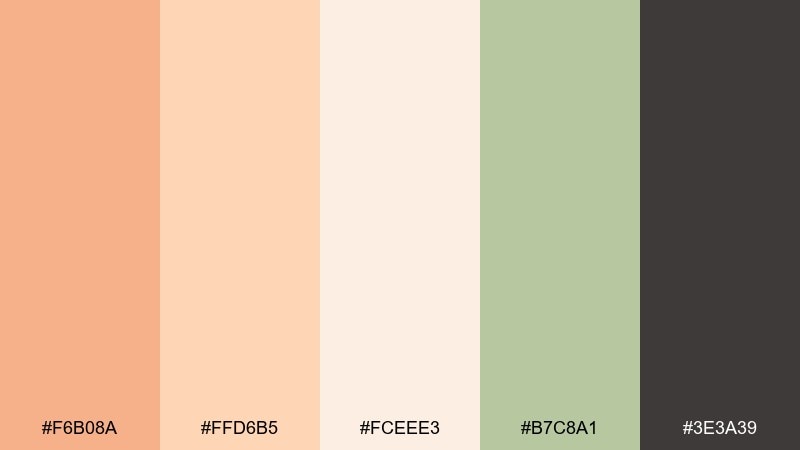
HEX: #F6B08A #FFD6B5 #FCEEE3 #B7C8A1 #3E3A39
Mood: warm, fresh, welcoming
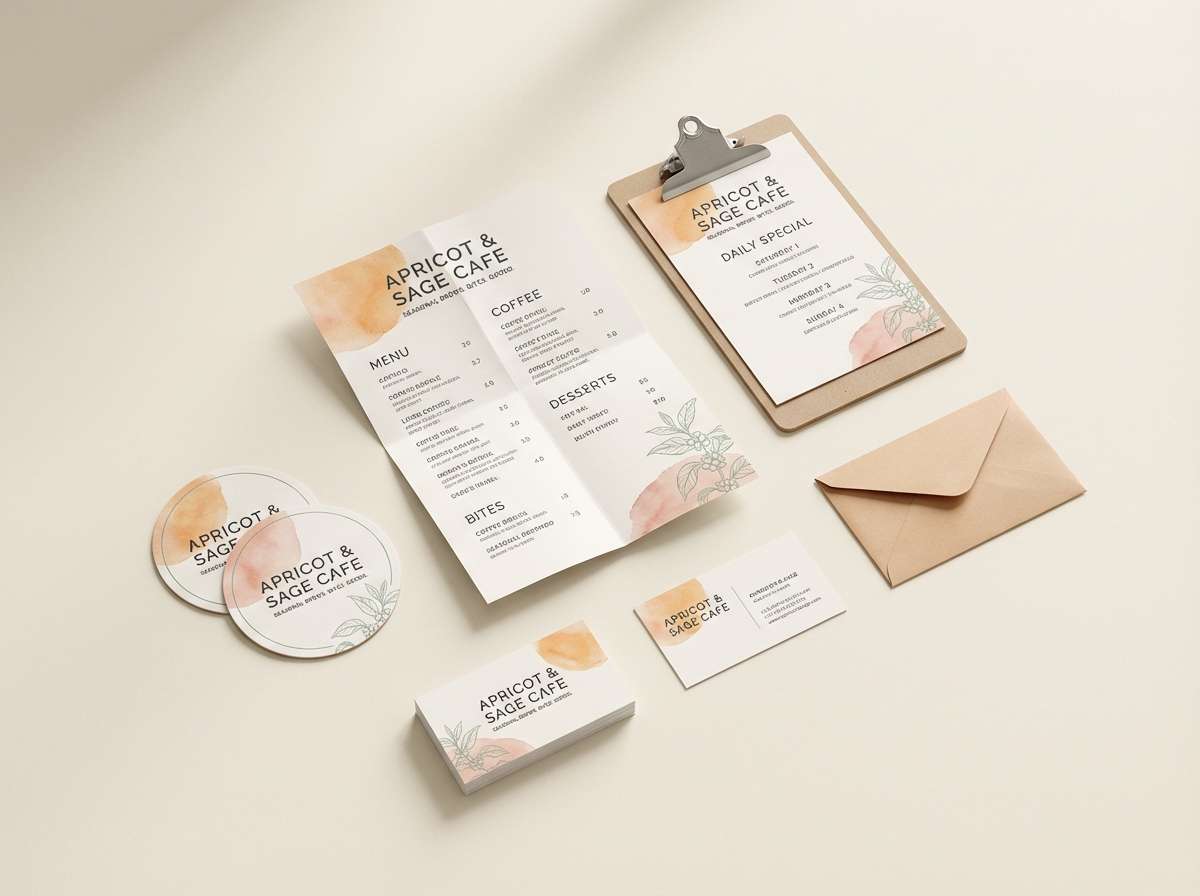
Best for: cafe branding and menu design
Warm morning light and ripe fruit tones set a welcoming, friendly vibe. The soft apricot and cream handle big background areas, while sage brings a calm, organic counterpoint. Use charcoal for readable type and line icons to keep menus crisp. Tip: reserve the deepest shade for prices and headings to guide scanning.
Image example of sunlit orchard generated using media.io
Media.io is an online AI studio for creating and editing video, image, and audio in your browser.


2) Creamsicle Minimal
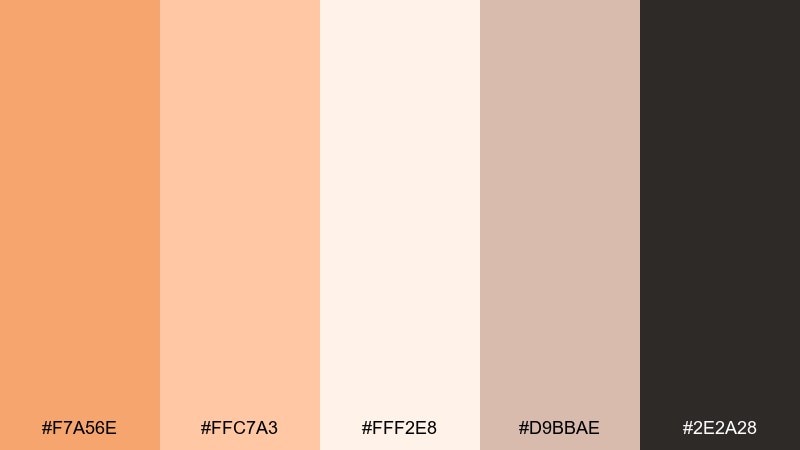
HEX: #F7A56E #FFC7A3 #FFF2E8 #D9BBAE #2E2A28
Mood: clean, sweet, modern
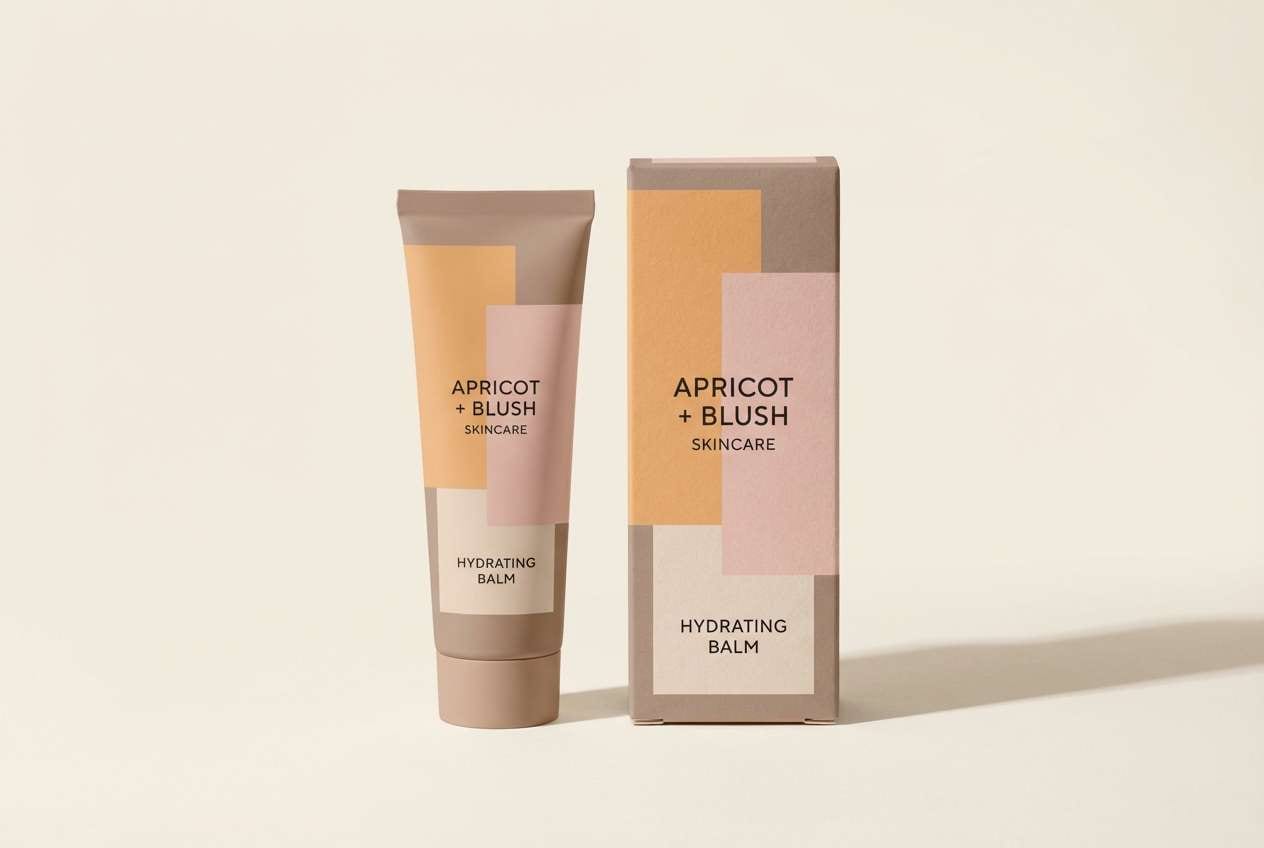
Best for: beauty product packaging
Clean sweetness with a polished, contemporary finish, like a silky lotion with a citrus note. Apricot and blush create the hero surfaces, while warm taupe keeps the look premium rather than playful. Use near-black for ingredient panels and small legal text to protect readability. Tip: apply the lightest cream as a matte background to make the apricot pop.
Image example of creamsicle minimal generated using media.io
3) Desert Bloom
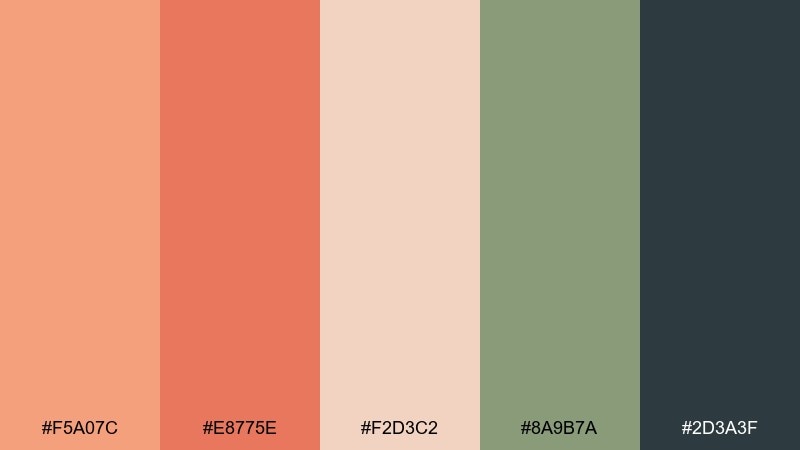
HEX: #F5A07C #E8775E #F2D3C2 #8A9B7A #2D3A3F
Mood: earthy, sunbaked, grounded
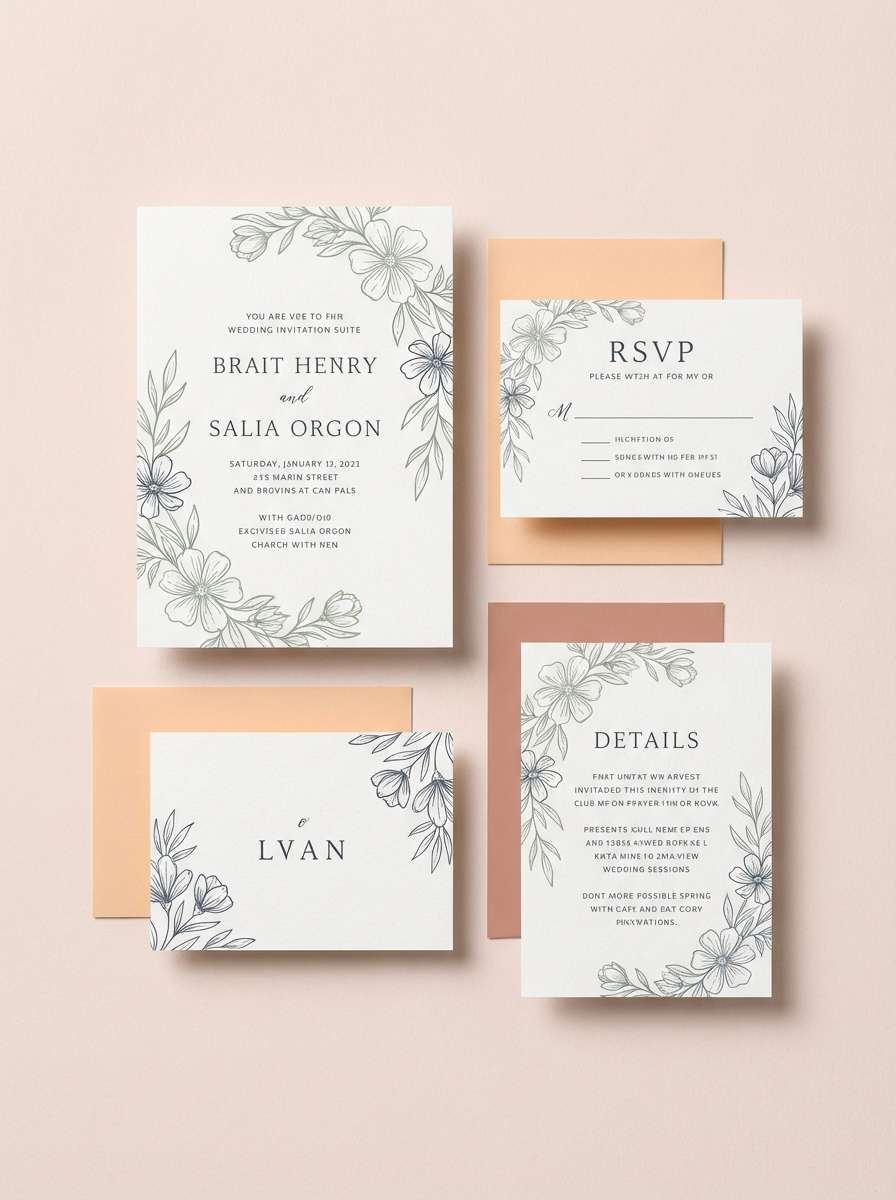
Best for: boho wedding invitations
Sunbaked florals and clay hills give this set a grounded, romantic feel. These apricot color combinations work beautifully with textured paper, deckled edges, and airy line art. Pair the sage and deep slate for stems, monograms, and RSVP details to avoid an overly sweet look. Tip: print the darkest tone in small caps for names so it reads sharp on blush stock.
Image example of desert bloom generated using media.io
4) Coral Linen
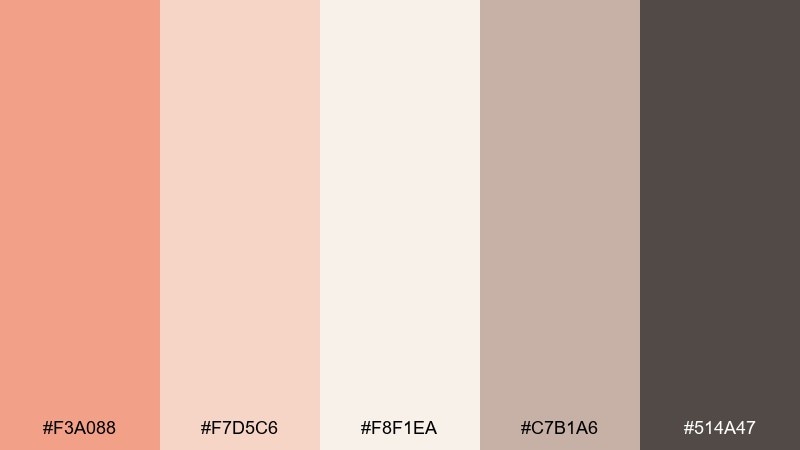
HEX: #F3A088 #F7D5C6 #F8F1EA #C7B1A6 #514A47
Mood: soft, airy, understated
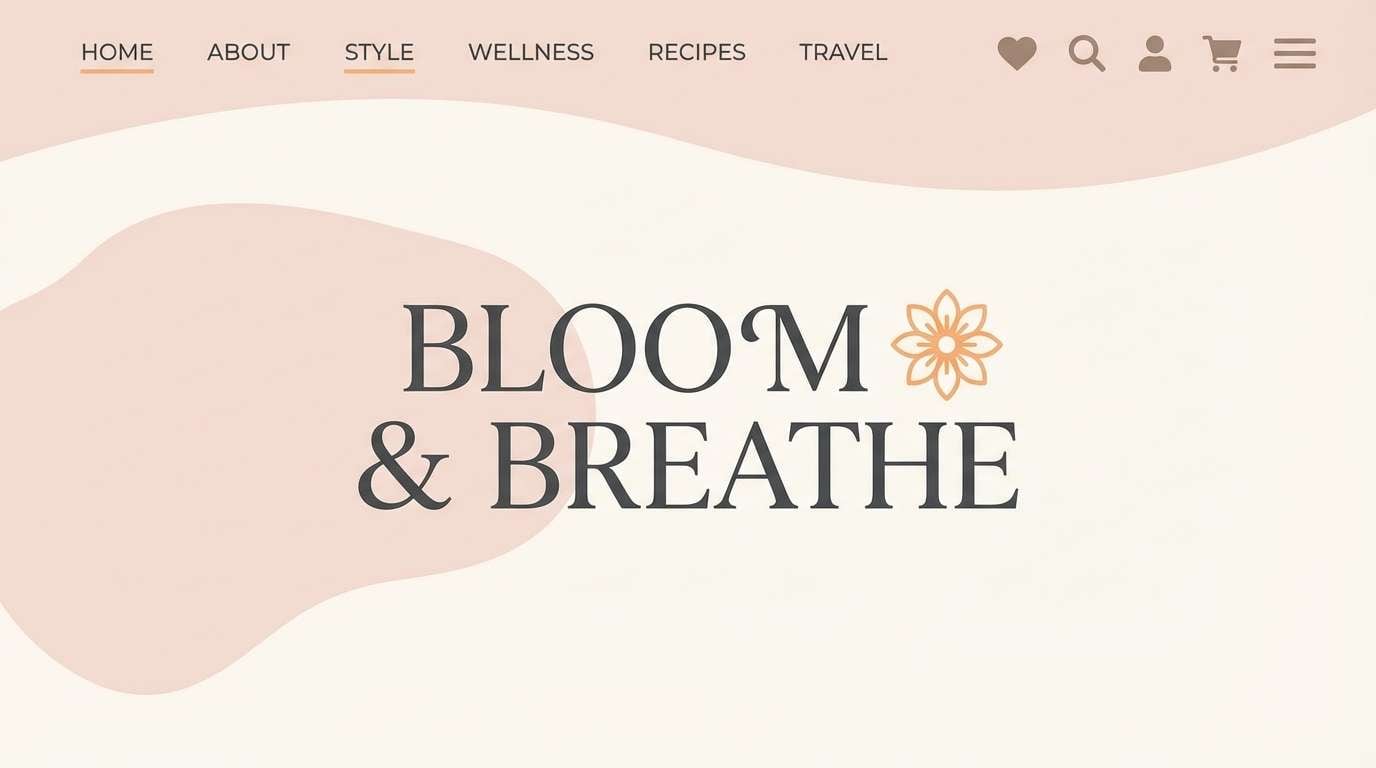
Best for: lifestyle blog header and icons
Soft coral-linen tones feel airy and calm, like a sunlit apartment with sheer curtains. Use the pale neutrals for generous whitespace and let apricot carry buttons, highlights, and hover states. The warm gray-brown is ideal for icon strokes and navigation text. Tip: keep apricot accents under 15 percent to preserve that minimal editorial look.
Image example of coral linen generated using media.io
5) Apricot and Ink
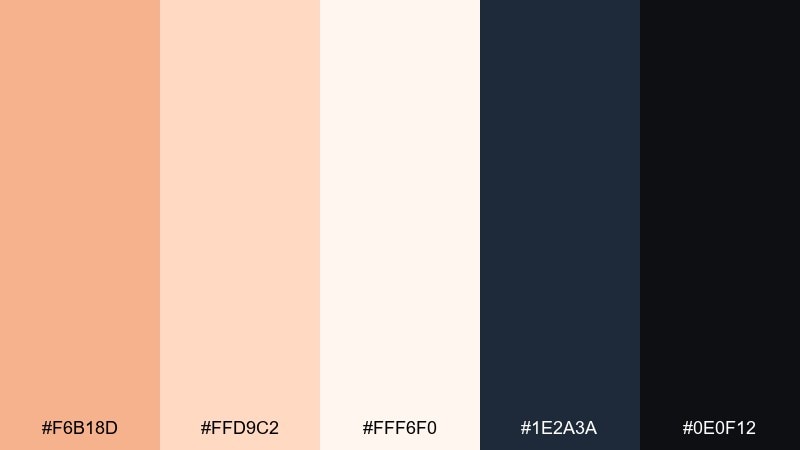
HEX: #F6B18D #FFD9C2 #FFF6F0 #1E2A3A #0E0F12
Mood: bold, elegant, high-contrast
Best for: startup pitch deck slides
Bright fruit warmth against inky blues creates a confident, high-contrast mood. Use the deep navy and near-black for charts, headlines, and data labels, then bring apricot in as the single highlight color. Cream and blush keep slide backgrounds soft without reducing legibility. Tip: apply apricot only to key metrics and callouts so the deck feels disciplined.
Image example of apricot and ink generated using media.io

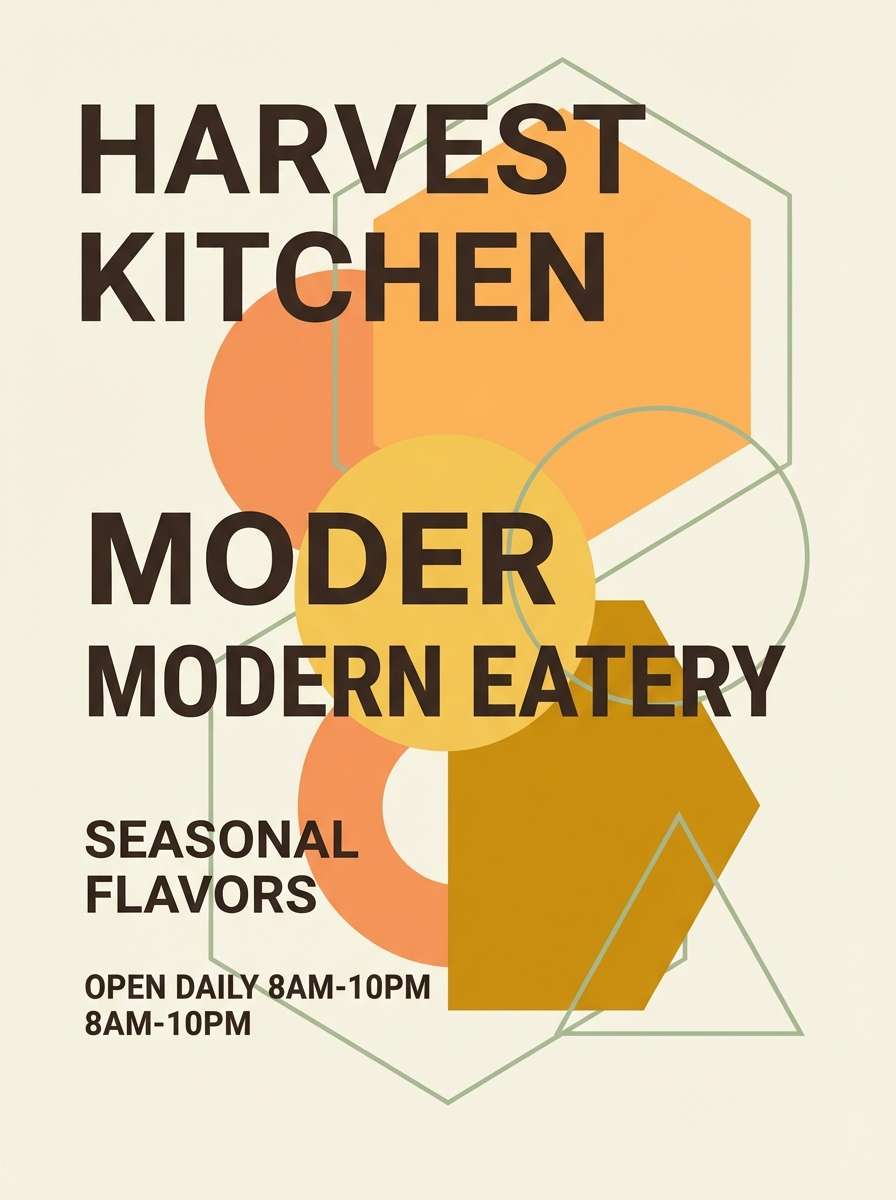
6) Saffron Apricot
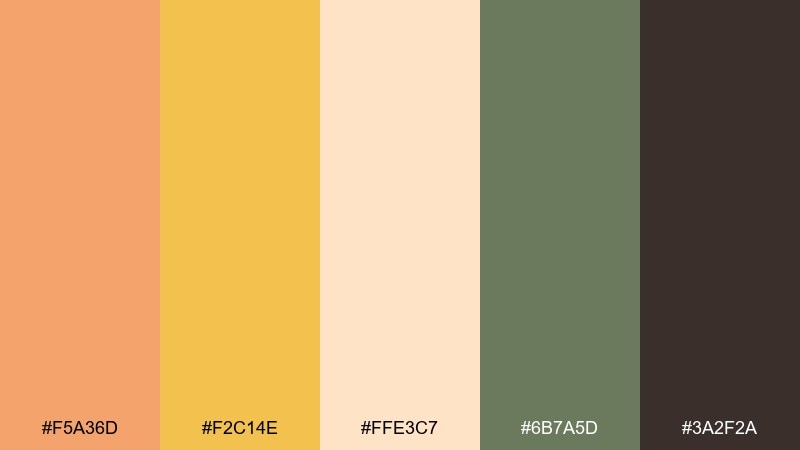
HEX: #F5A36D #F2C14E #FFE3C7 #6B7A5D #3A2F2A
Mood: spiced, sunny, inviting
Best for: restaurant poster design
Spiced sunshine with a hint of rustic warmth, like market citrus and toasted grains. The saffron yellow boosts energy, while sage grounds the palette for a more refined feel. Use the dark espresso tone for strong poster typography and clear hierarchy. Tip: keep the yellow for badges or specials so it supports rather than overwhelms.
Image example of saffron apricot generated using media.io
7) Peach Stone Neutrals
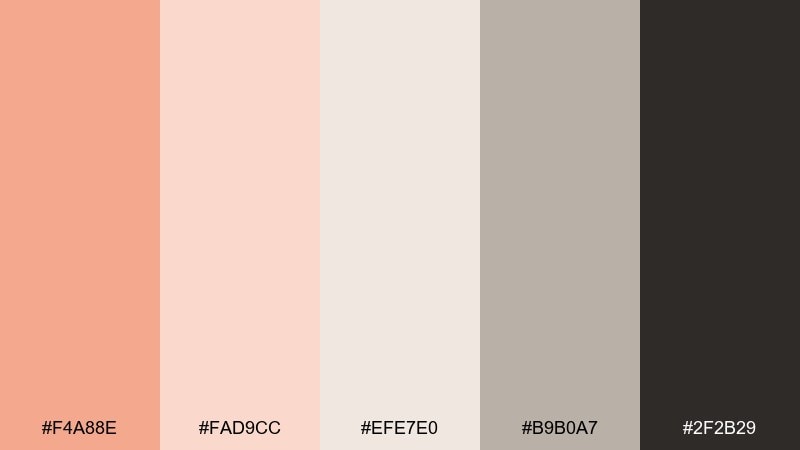
HEX: #F4A88E #FAD9CC #EFE7E0 #B9B0A7 #2F2B29
Mood: calm, neutral, timeless
Best for: interior mood board
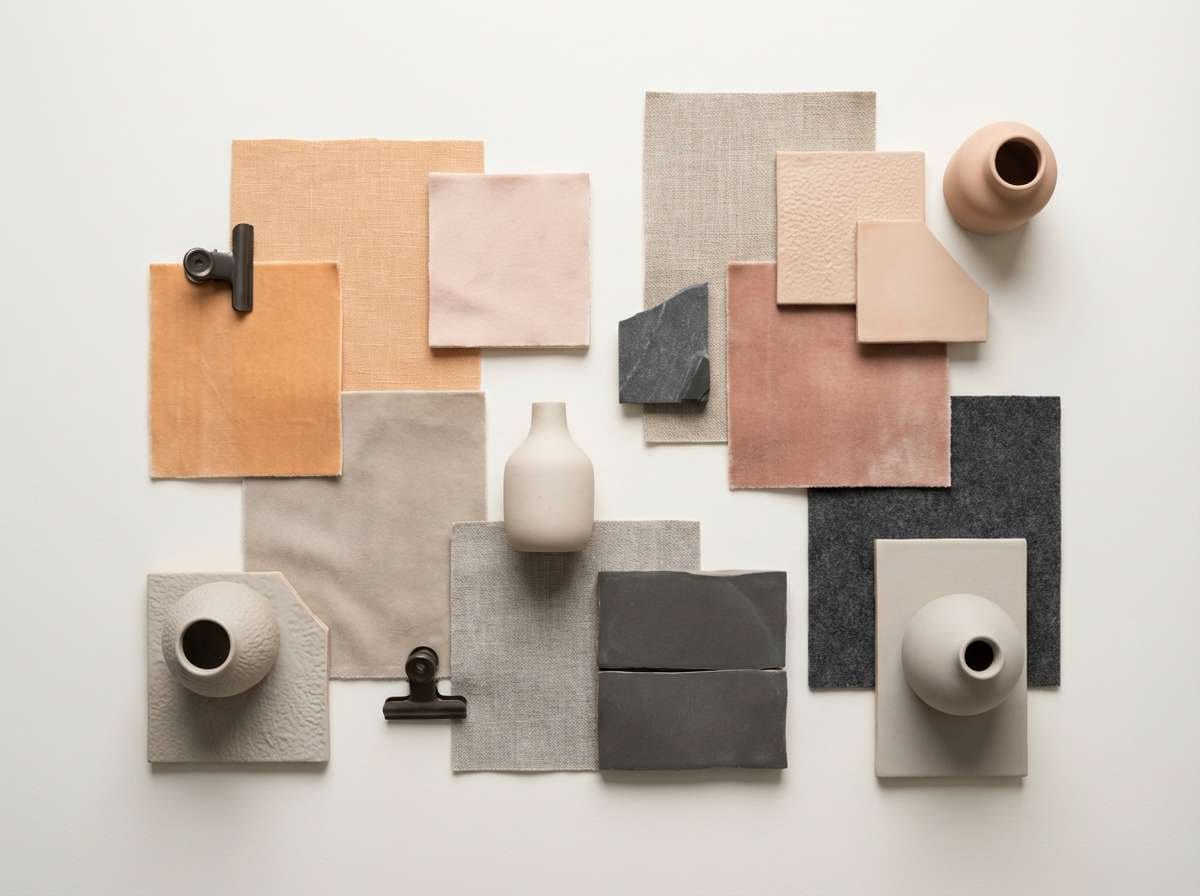
Quiet and timeless, like sun-warmed plaster and pale terracotta tile. These neutrals work well for a layered interior mood board with natural fabrics, light woods, and matte ceramics. Use the darkest tone sparingly for labels and focal points so the board stays soft. Tip: repeat the mid greige in multiple materials to make the scheme feel intentional.
Image example of peach stone neutrals generated using media.io
8) Apricot Breeze
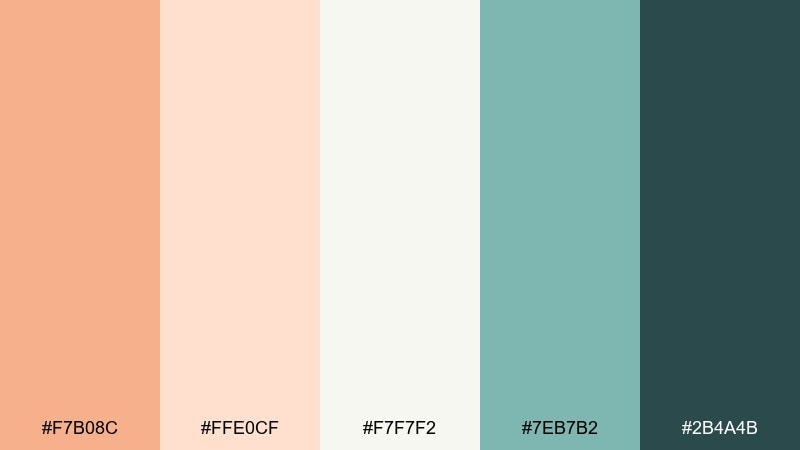
HEX: #F7B08C #FFE0CF #F7F7F2 #7EB7B2 #2B4A4B
Mood: coastal, light, refreshing
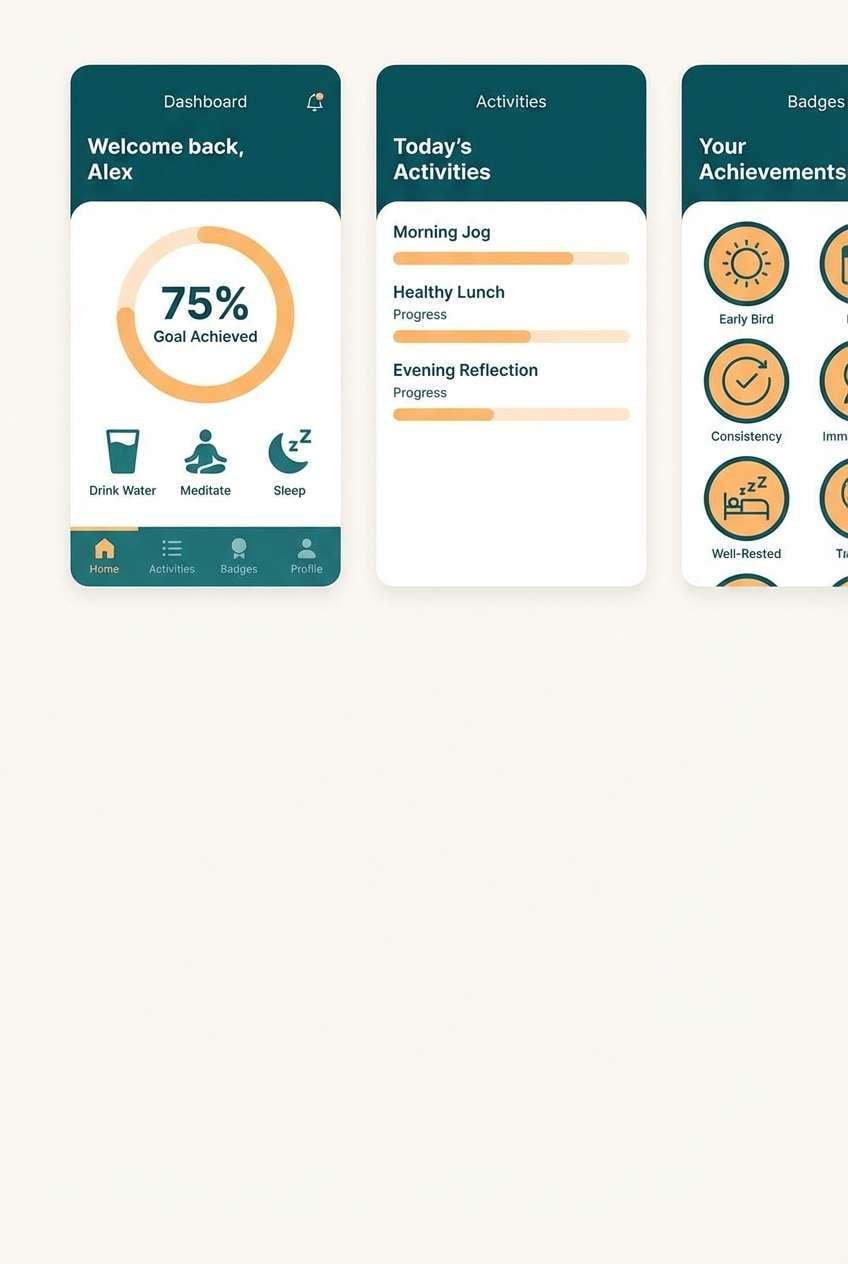
Best for: wellness app UI
A light coastal breeze comes through with airy creams, soft fruit, and sea-glass teal. Use teal for navigation and secondary buttons, letting apricot highlight streaks, streak counters, or progress dots. The deep teal-black keeps text accessible on pale screens. Tip: pair apricot with the lightest background for alerts to avoid harsh red.
Image example of apricot breeze generated using media.io
9) Citrus Clay
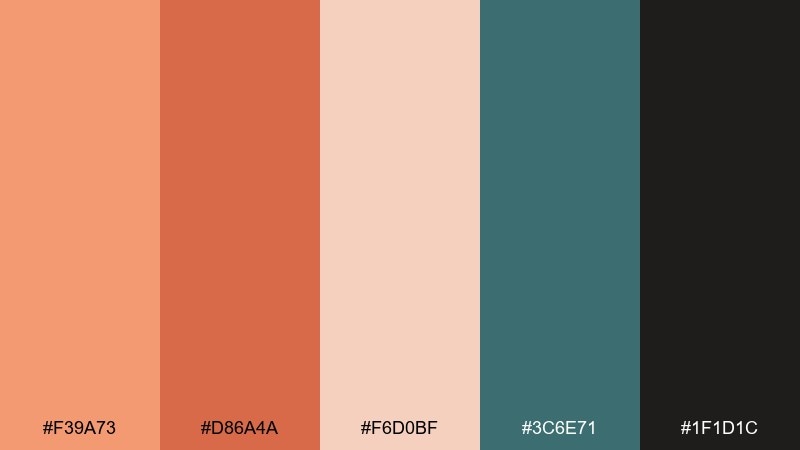
HEX: #F39A73 #D86A4A #F6D0BF #3C6E71 #1F1D1C
Mood: artisanal, bold, confident
Best for: ceramics brand identity
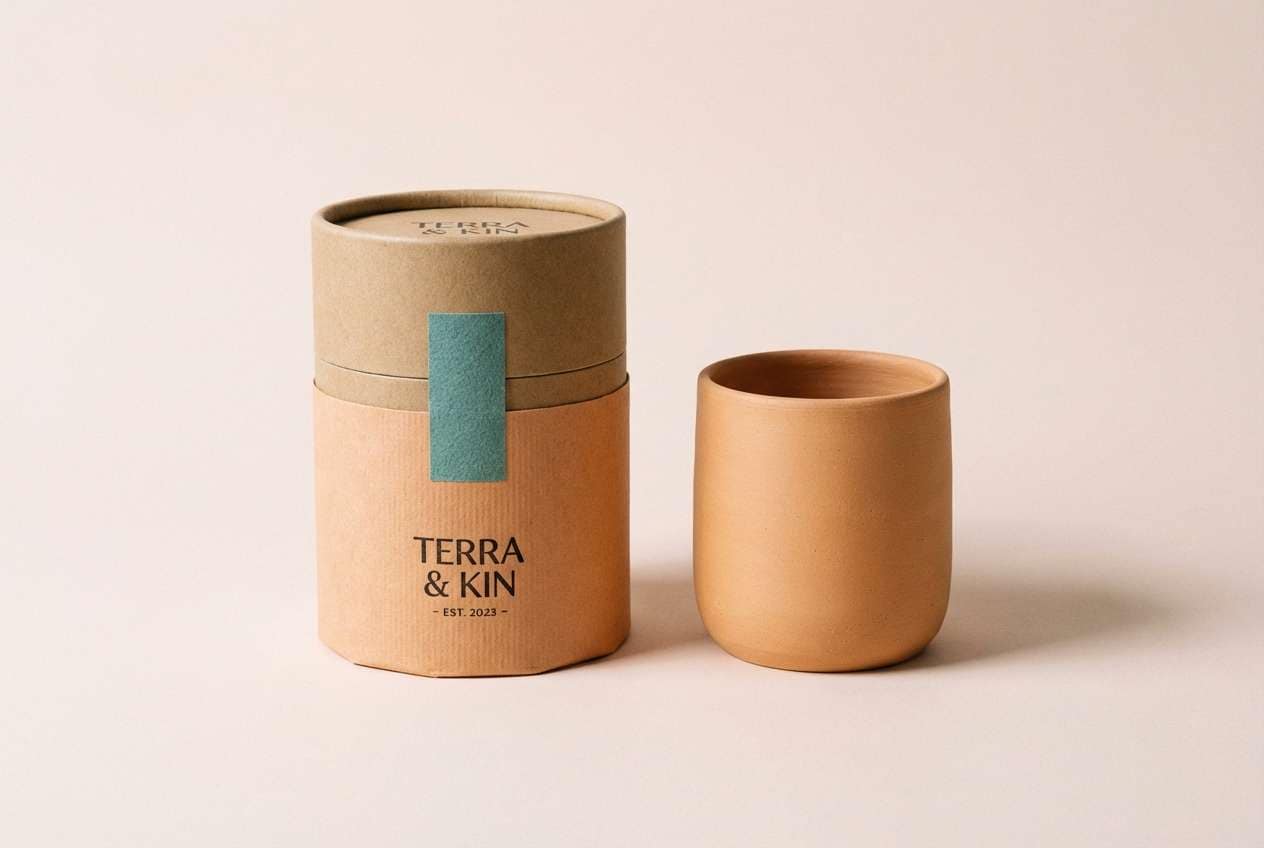
Artisanal clay and citrus peel make this mix feel handcrafted and confident. As an apricot color palette, it shines when you balance the warm hues with a cool teal accent for contrast. Use the deep near-black for logo marks and stamp-style typography. Tip: keep teal to small touches like seals, links, or social icons so the clay tones stay dominant.
Image example of citrus clay generated using media.io
10) Blush Copper
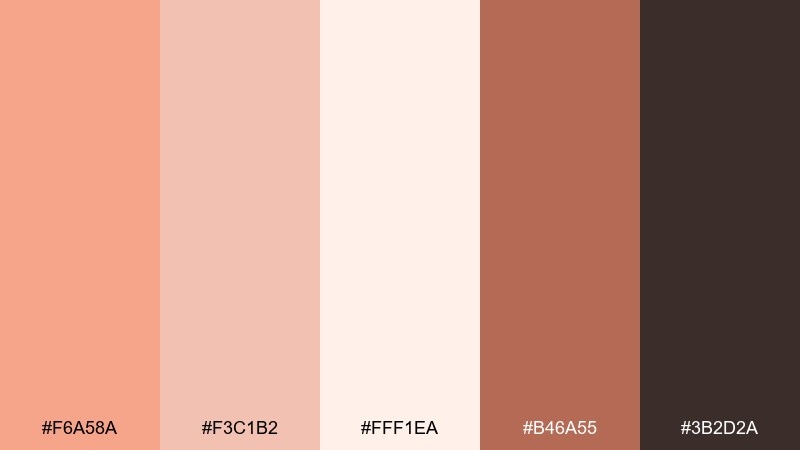
HEX: #F6A58A #F3C1B2 #FFF1EA #B46A55 #3B2D2A
Mood: romantic, luxe, glowing
Best for: jewelry product ads
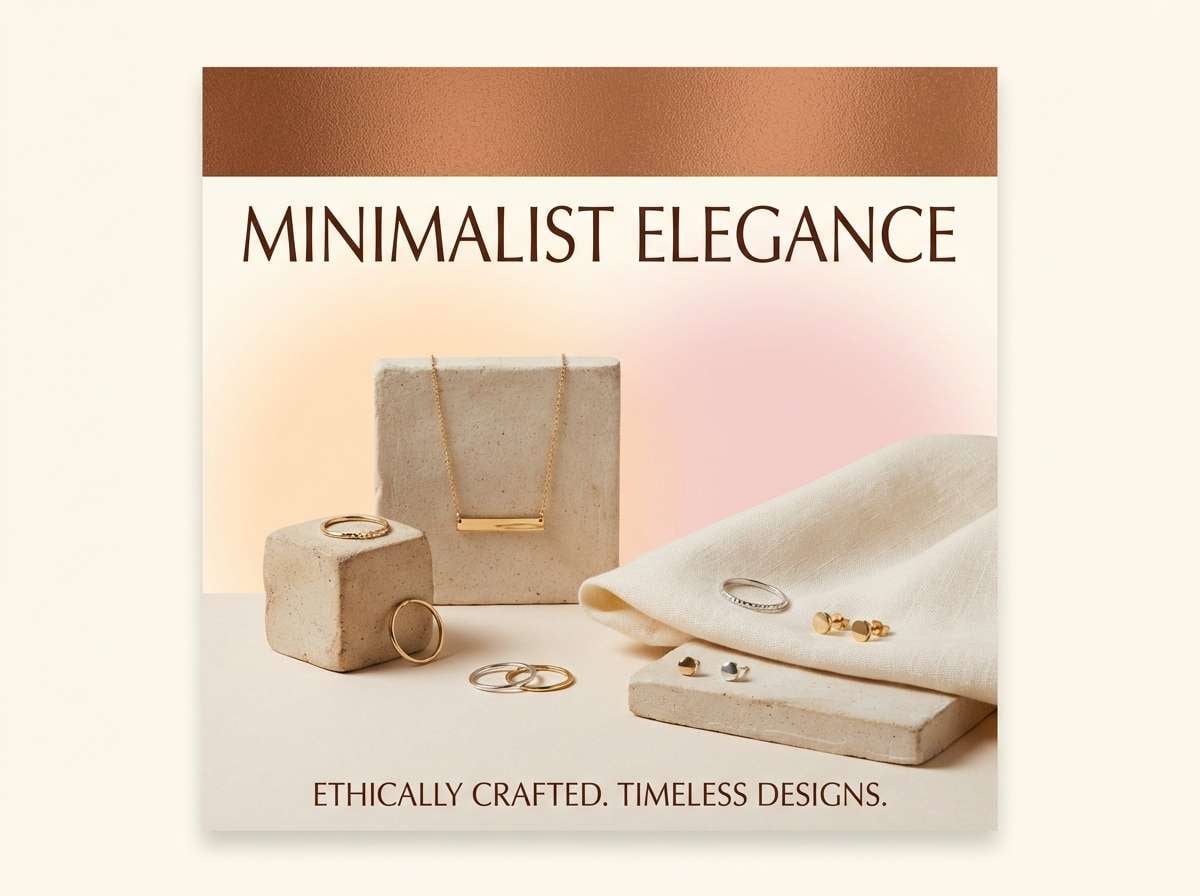
A rosy copper glow feels luxe and romantic, like sunset reflected on metal. Use the copper-brown as the anchor for frames, borders, or product name bars, while cream keeps the spotlight on the jewelry. Apricot and blush can tint gradients and soft shadows without looking heavy. Tip: set text in the deepest brown for contrast, and keep blush for background vignettes.
Image example of blush copper generated using media.io
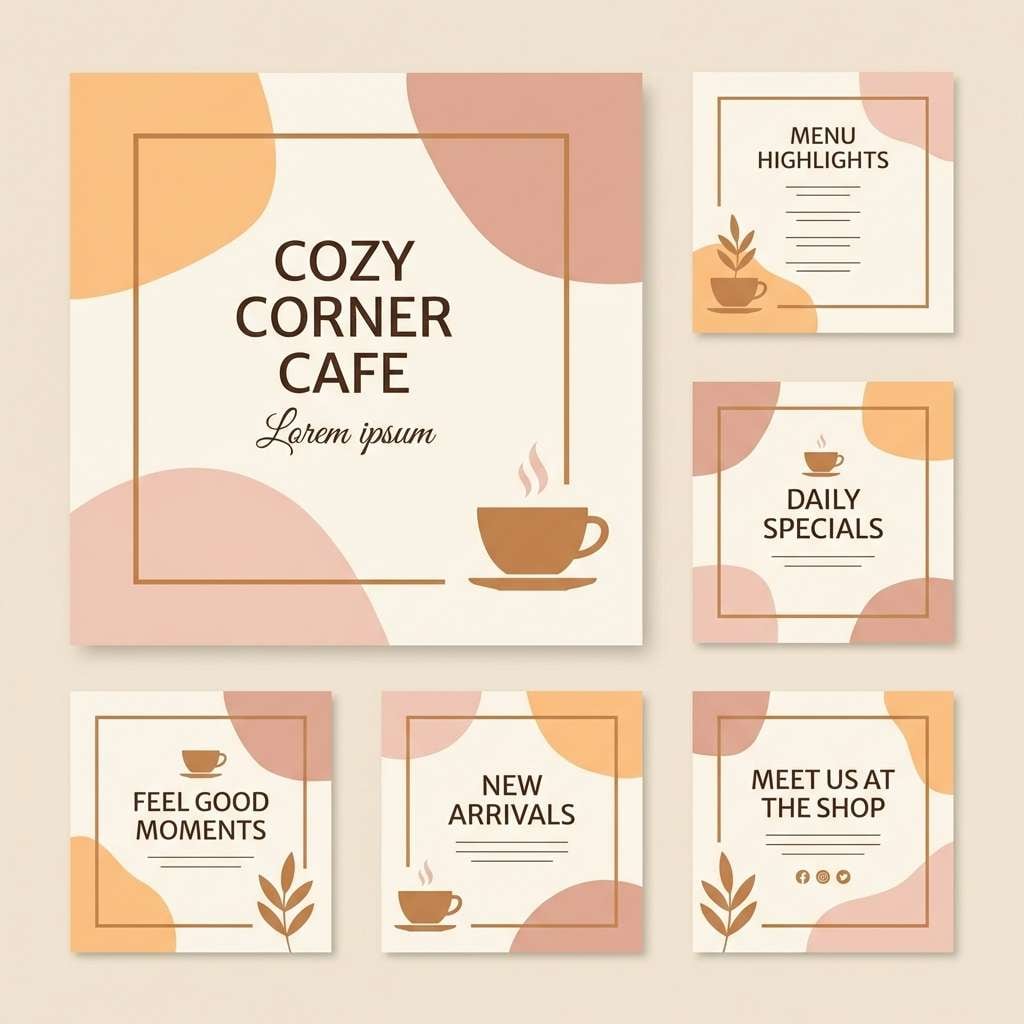
11) Apricot Latte
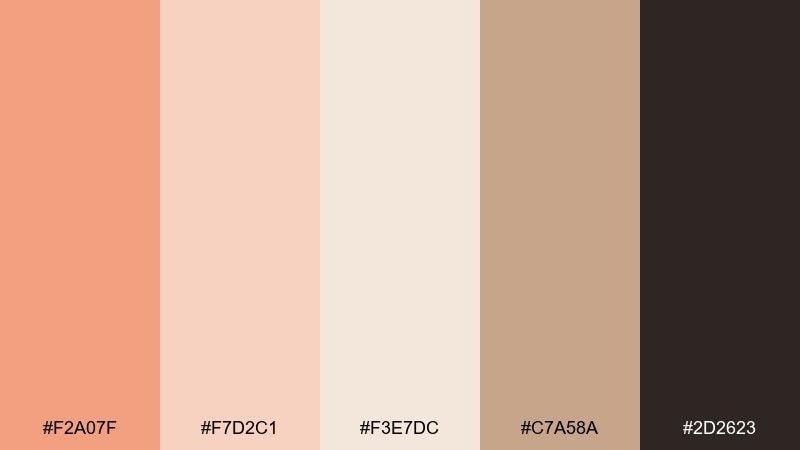
HEX: #F2A07F #F7D2C1 #F3E7DC #C7A58A #2D2623
Mood: cozy, soft, comforting
Best for: coffee shop social templates
Cozy latte tones feel comforting and slow, like foam art and warm pastries. The mid caramel shade supports frames and sticker shapes, while soft blush keeps posts bright. Use the darkest espresso for captions and dates so templates stay legible on mobile. Tip: keep backgrounds cream and use apricot only for the featured offer badge.
Image example of apricot latte generated using media.io
12) Rose Apricot Sage
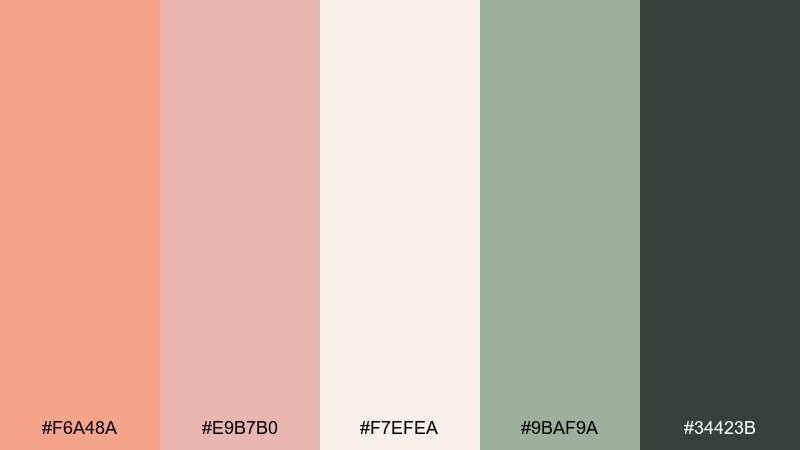
HEX: #F6A48A #E9B7B0 #F7EFEA #9BAF9A #34423B
Mood: soft, botanical, balanced
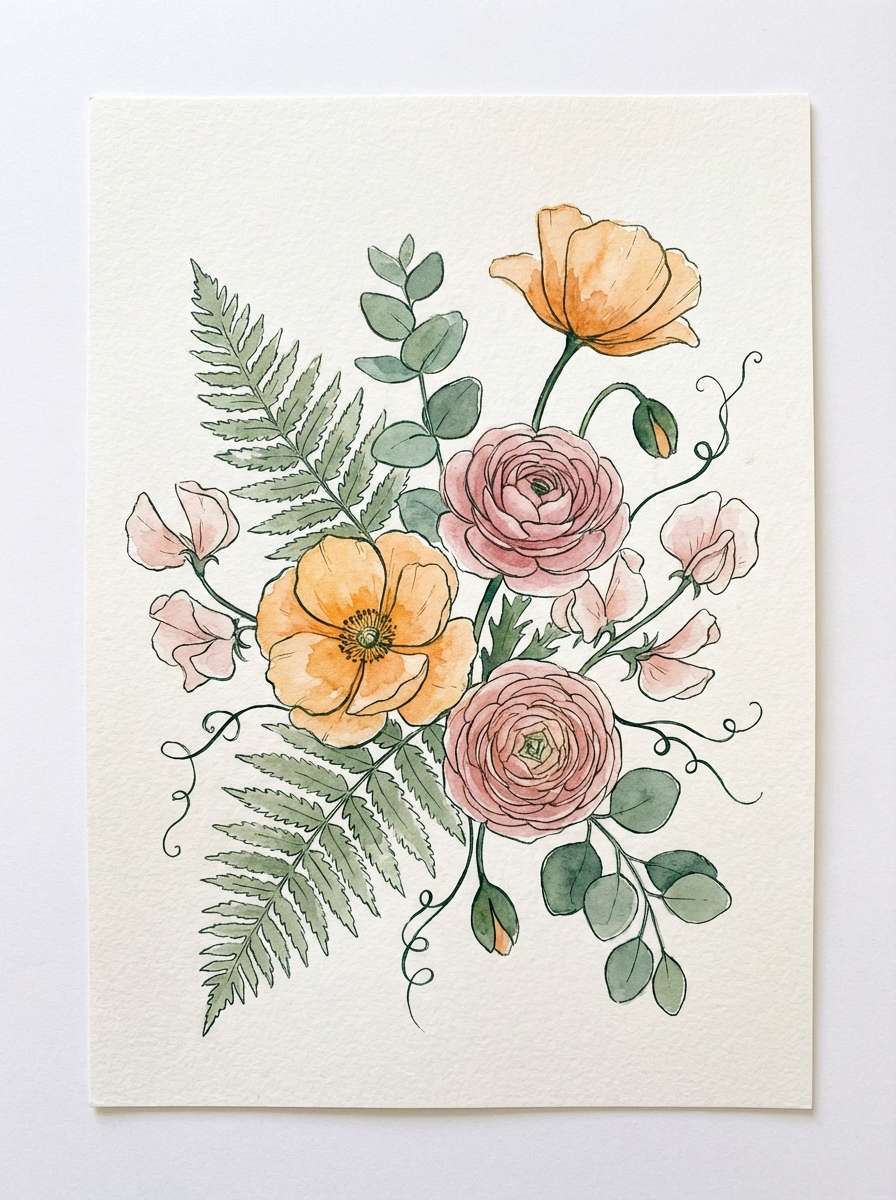
Best for: spring floral illustration
Soft petals and fresh stems create a balanced, botanical mood. Rose and apricot harmonize with sage, making it easy to build gentle gradients and watercolor washes. Use the deep forest tone for linework, labels, or small details like berries and veins. Tip: dilute the blush into the background wash so the blossoms stay airy.
Image example of rose apricot sage generated using media.io
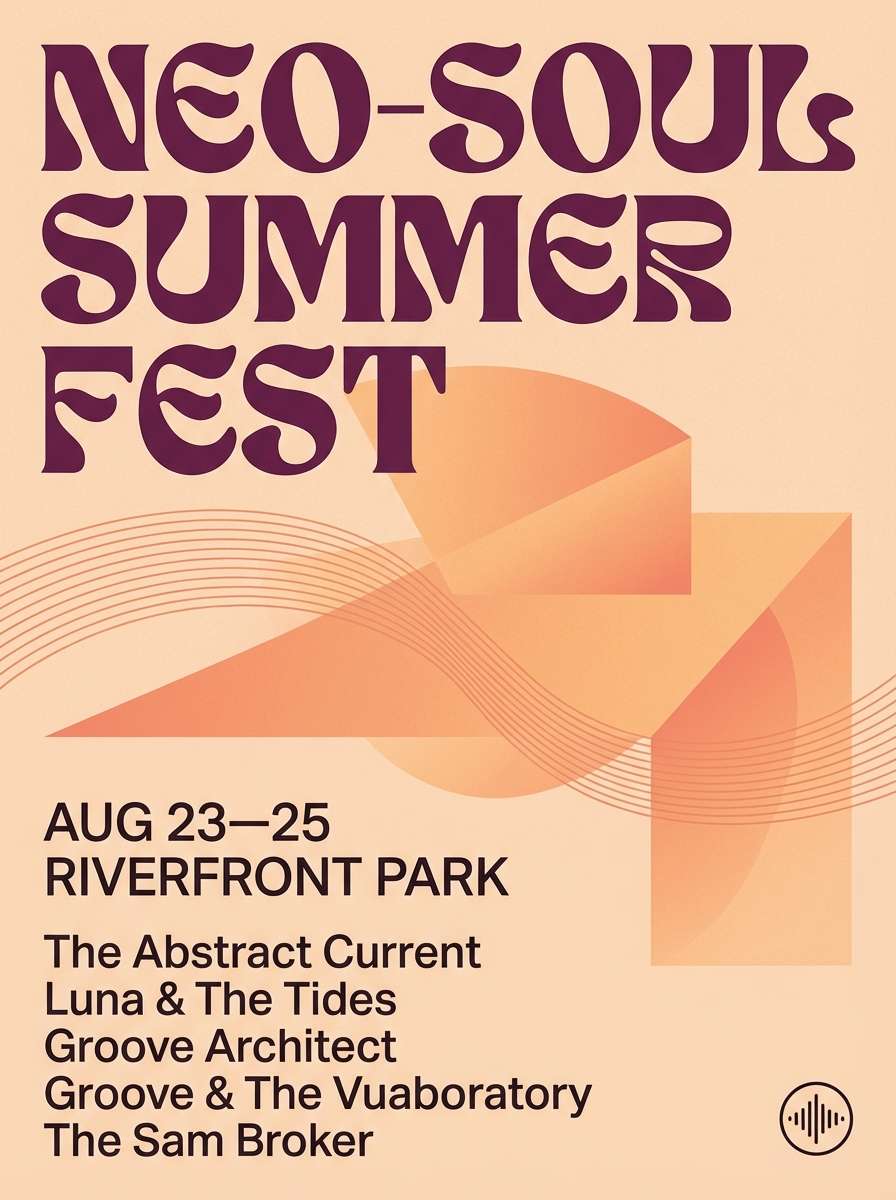
13) Sunset Sorbet
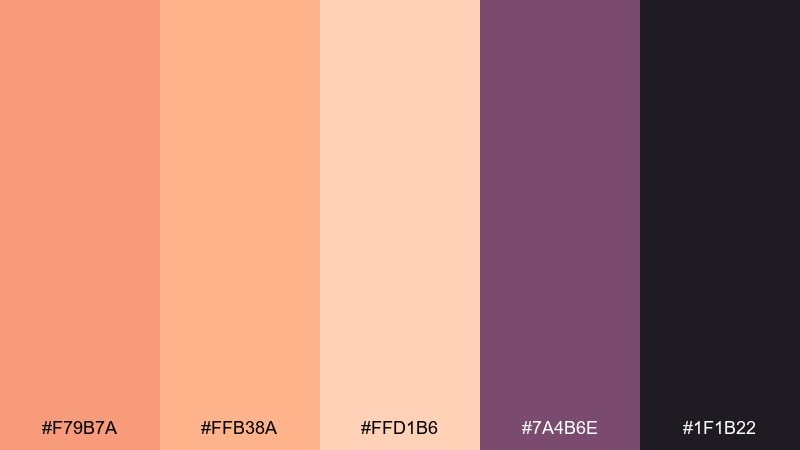
HEX: #F79B7A #FFB38A #FFD1B6 #7A4B6E #1F1B22
Mood: playful, dreamy, bold
Best for: music festival flyer
Dreamy sorbet hues with a plum twist feel playful and bold, like a neon sunset without the glare. Use the plum as the headline color to ground the warm tints and keep the layout readable. Apricot and peach can build soft gradients behind schedules or artist names. Tip: keep type in near-black for body copy and reserve plum for titles only.
Image example of sunset sorbet generated using media.io
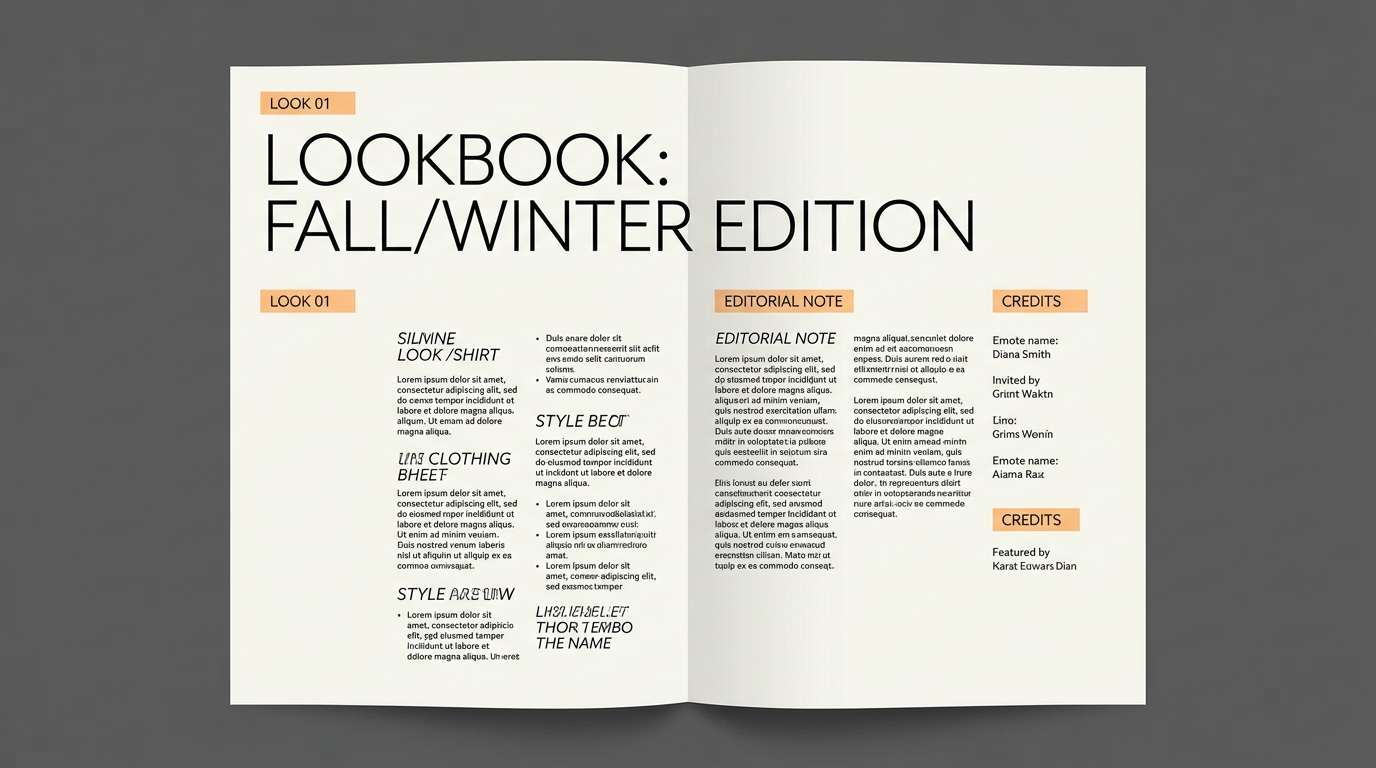
14) Apricot Noir
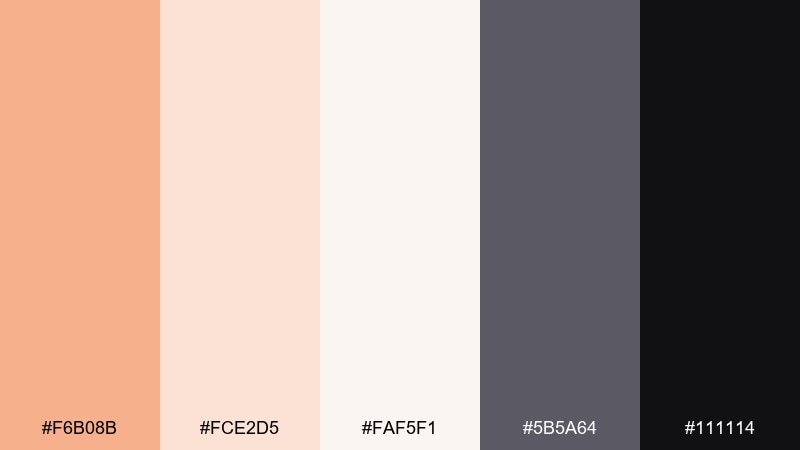
HEX: #F6B08B #FCE2D5 #FAF5F1 #5B5A64 #111114
Mood: sleek, editorial, modern
Best for: fashion lookbook layout
Sleek editorial contrast pairs soft warmth with moody noir, like a minimalist studio shoot. The pale tones keep pages bright, while charcoal and black define grids, captions, and section dividers. An apricot color scheme like this works best when you treat apricot as an accent rather than the full background. Tip: add thin black rules and plenty of margin to make the layout feel premium.
Image example of apricot noir generated using media.io
15) Tangerine Apricot Pop
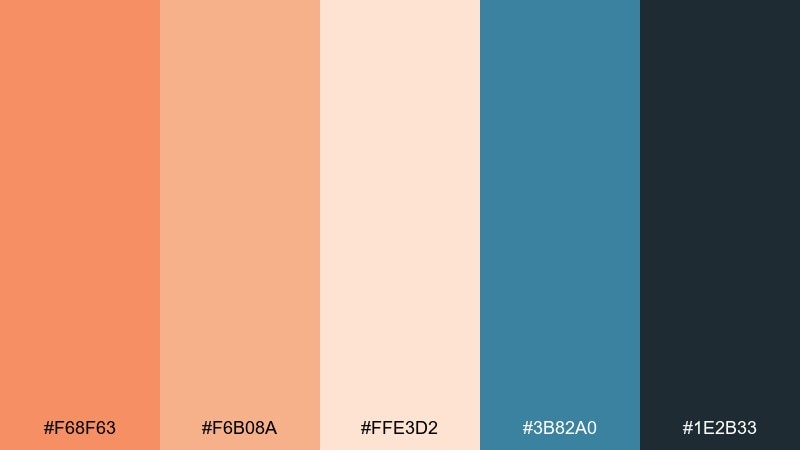
HEX: #F68F63 #F6B08A #FFE3D2 #3B82A0 #1E2B33
Mood: energetic, sporty, modern
Best for: fitness app onboarding screens
Energetic and sporty, like a quick burst of cardio with fresh air. These apricot color combinations feel modern when you contrast warm oranges with a clear blue-teal for buttons and links. Use the dark slate for headlines and progress labels to maintain accessibility. Tip: keep the brightest tangerine for one primary CTA per screen so the flow stays focused.
Image example of tangerine apricot pop generated using media.io

16) Apricot Moss
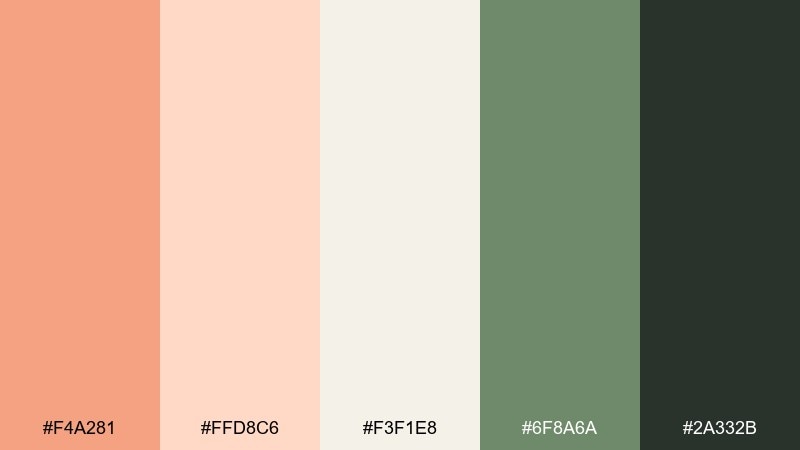
HEX: #F4A281 #FFD8C6 #F3F1E8 #6F8A6A #2A332B
Mood: natural, calm, outdoorsy
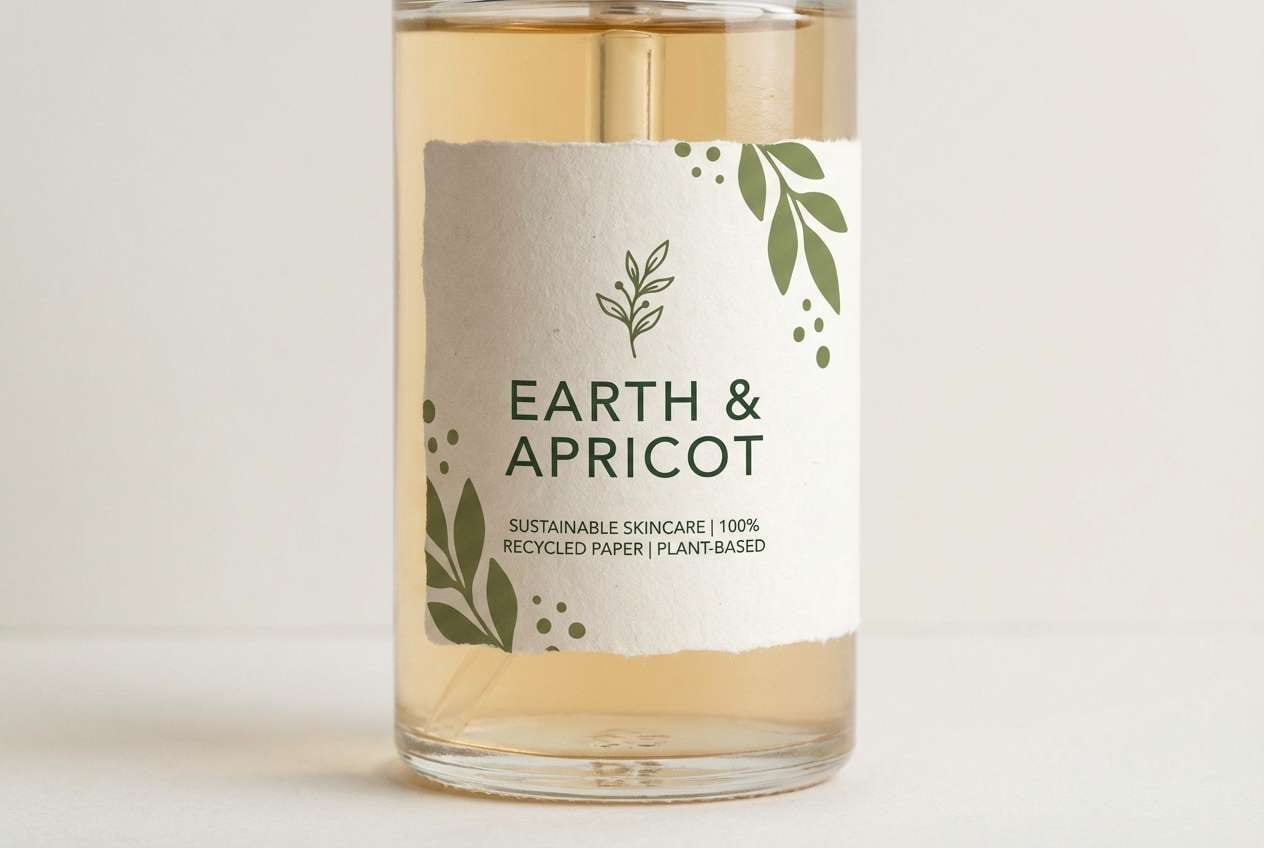
Best for: eco product label design
Natural warmth and mossy greens evoke hiking trails and handmade soaps. Use apricot for the main label field, then layer moss tones for ingredient badges and sustainability claims. The deepest green works well for barcodes and small print without looking harsh. Tip: add subtle off-white texture to the label background to reinforce the eco feel.
Image example of apricot moss generated using media.io
17) Powder Apricot Sky
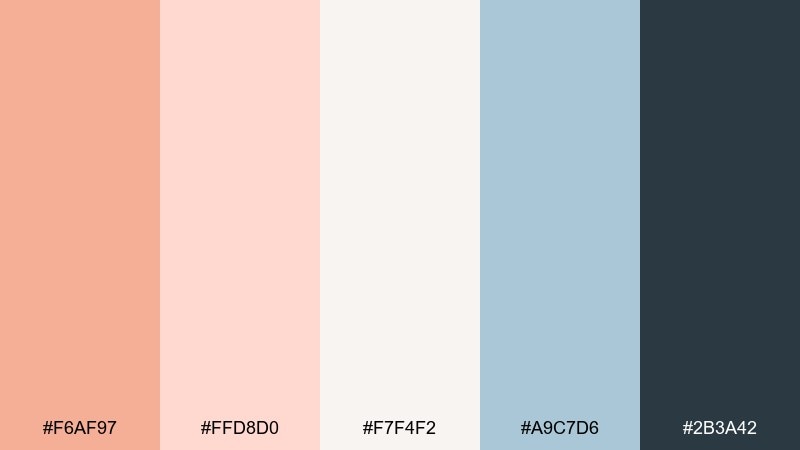
HEX: #F6AF97 #FFD8D0 #F7F4F2 #A9C7D6 #2B3A42
Mood: soft, airy, optimistic
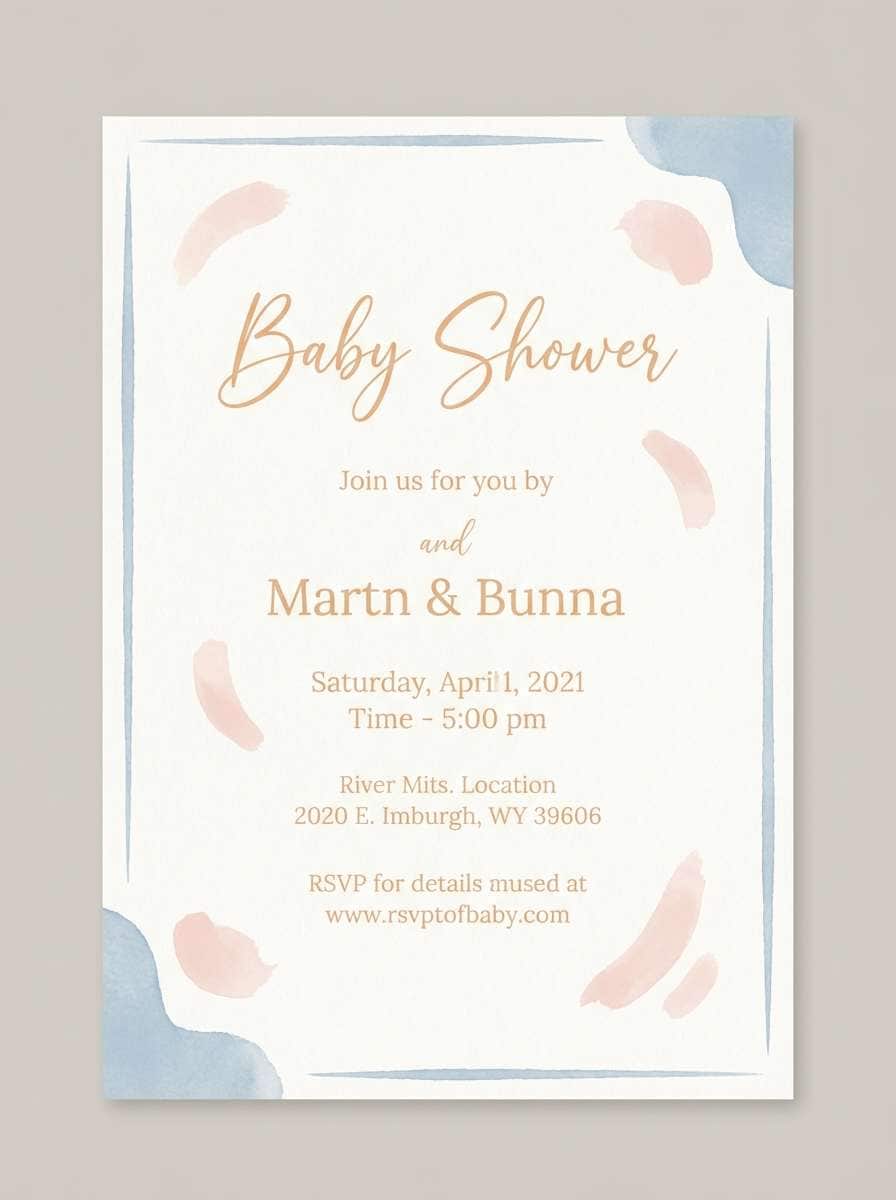
Best for: baby shower invitation
Powdery warmth and light sky blue feel airy and optimistic, like a gentle morning. Keep the background near-white and use apricot for names, icons, and small decorative shapes. The muted blue is perfect for borders and secondary details that add freshness. Tip: choose one dominant accent, then repeat it consistently across the invitation suite for cohesion.
Image example of powder apricot sky generated using media.io
18) Harvest Apricot Olive
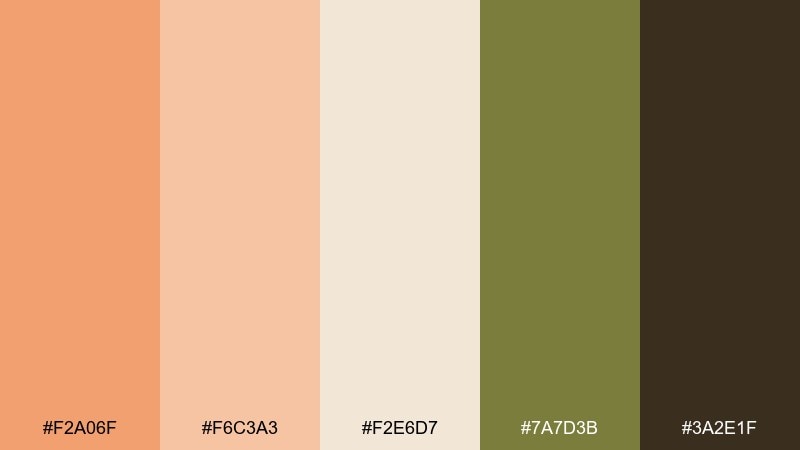
HEX: #F2A06F #F6C3A3 #F2E6D7 #7A7D3B #3A2E1F
Mood: autumnal, rustic, rich
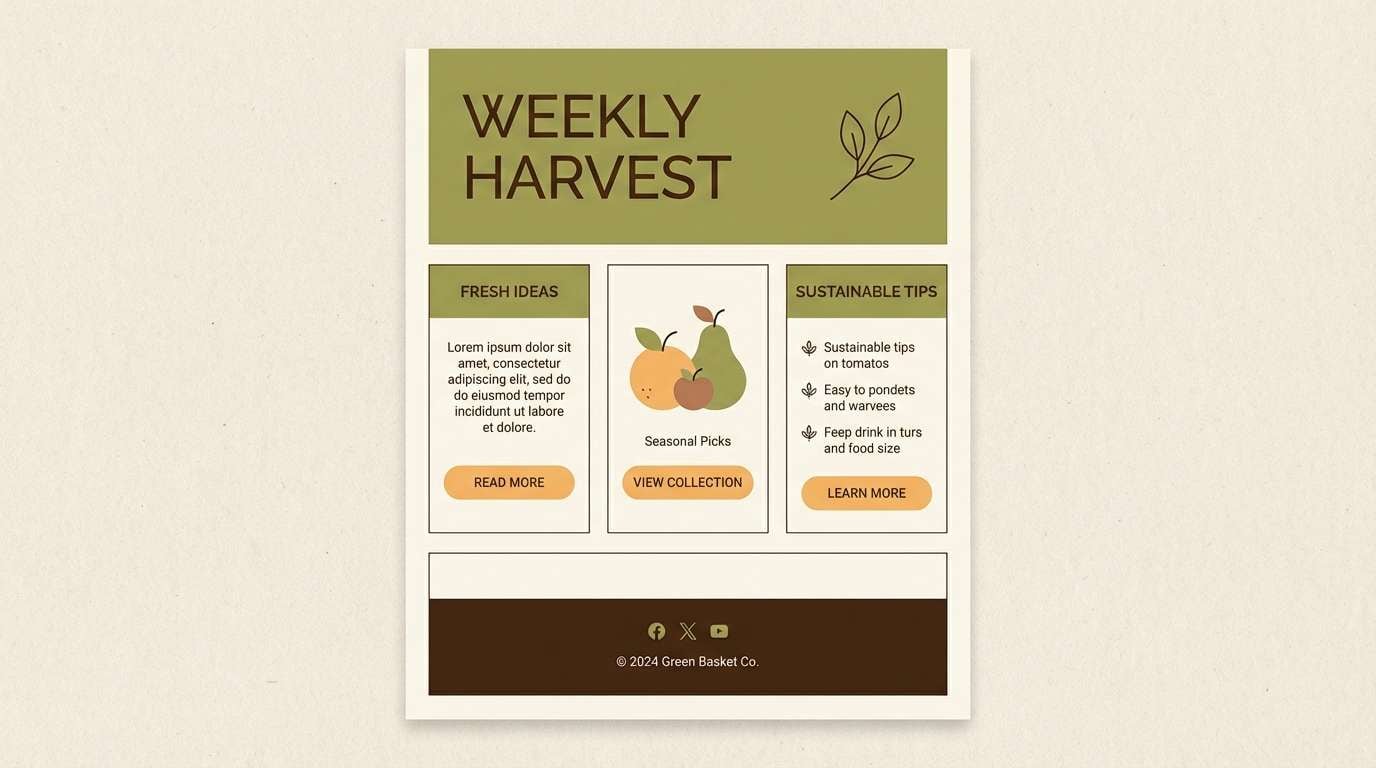
Best for: seasonal email newsletter
Autumn harvest warmth feels rustic and rich, like dried leaves and spiced desserts. Olive adds a savory counterbalance, keeping the warm tones from becoming too sugary. Use the deep brown for headers and dividers, and reserve apricot for buttons and key links. Tip: place CTAs on the lightest beige so they stand out without shouting.
Image example of harvest apricot olive generated using media.io
19) Apricot Petal Pastels
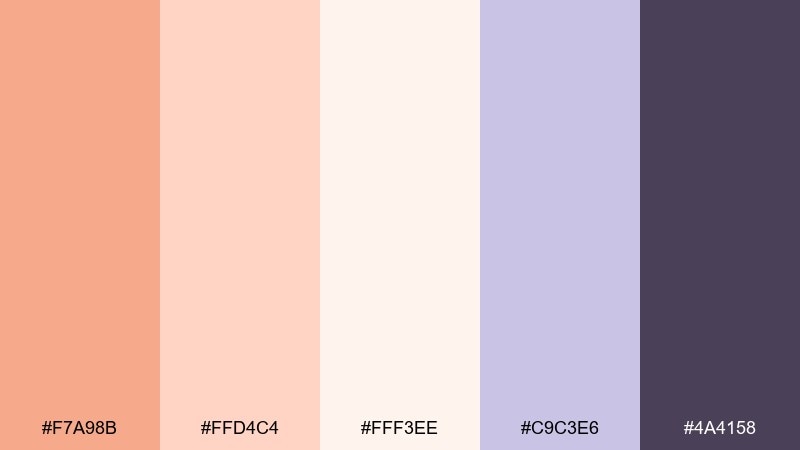
HEX: #F7A98B #FFD4C4 #FFF3EE #C9C3E6 #4A4158
Mood: gentle, dreamy, creative
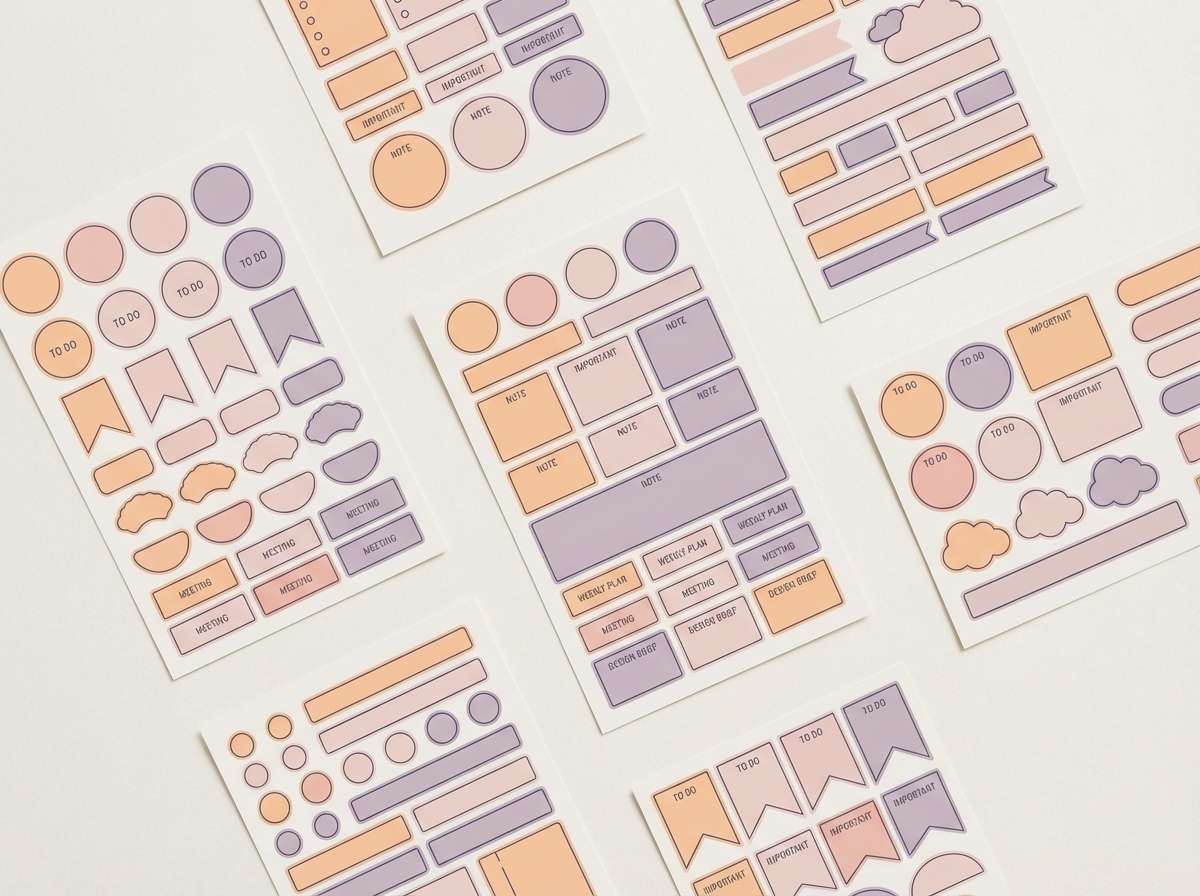
Best for: planner sticker pack
Gentle pastels with a lilac twist feel dreamy and creative, like stationery you want to collect. The soft neutrals keep sticker sheets clean, while lilac adds a cool accent for labels and tabs. Use the deep purple-gray for tiny text and outlines so details stay crisp. Tip: limit heavy fills and rely on outlines to avoid muddy overlaps on small stickers.
Image example of apricot petal pastels generated using media.io
20) Spiced Apricot Cocoa
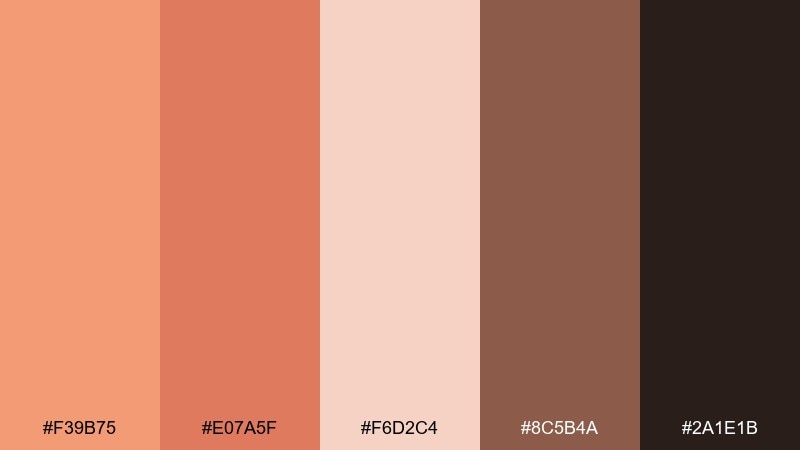
HEX: #F39B75 #E07A5F #F6D2C4 #8C5B4A #2A1E1B
Mood: warm, indulgent, cozy
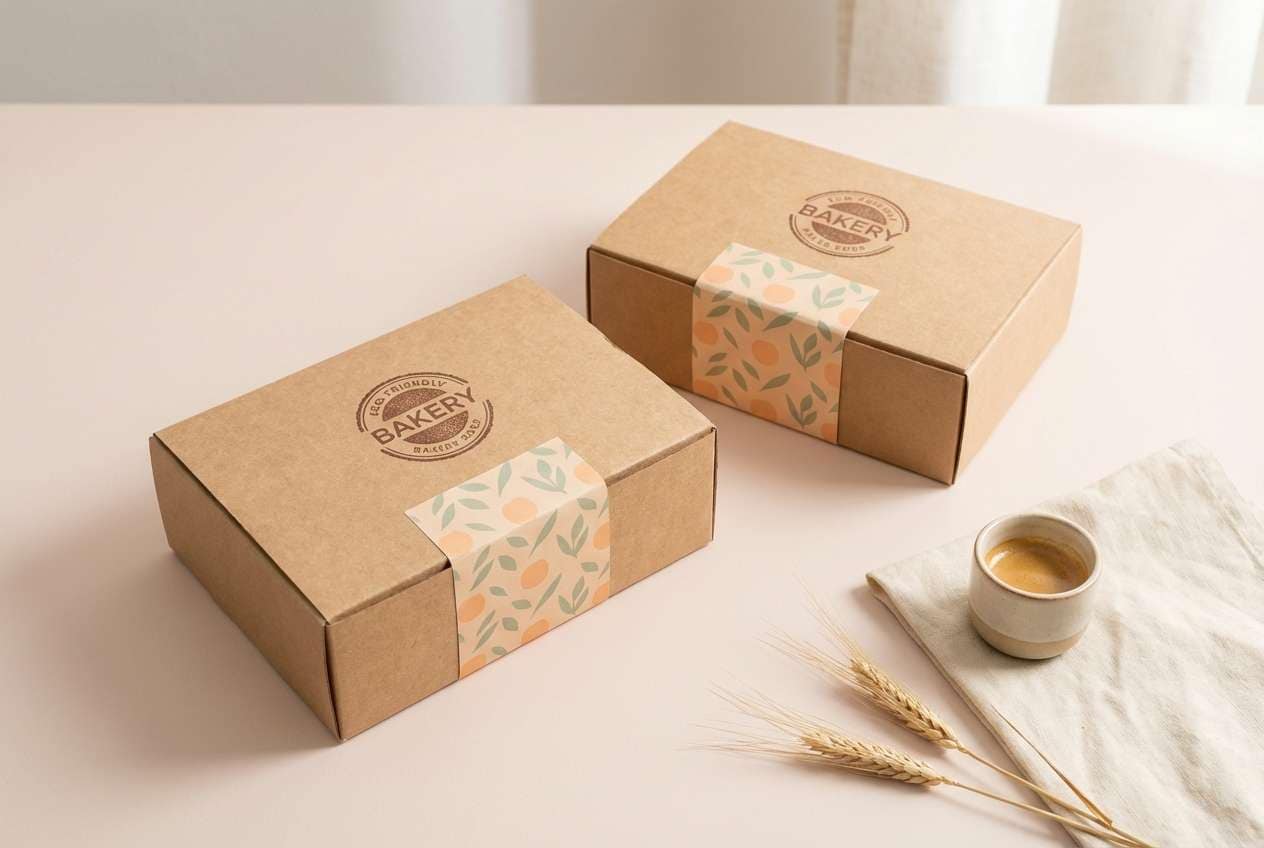
Best for: bakery box packaging
Warm spice and cocoa notes feel indulgent and cozy, like fresh cookies in a kraft box. Use the deeper browns for logos and stamps, then let the lighter blush carry patterns or liners. A well-balanced apricot color combination here pairs beautifully with kraft textures and matte finishes. Tip: print one-color stamps in the cocoa shade to keep costs down while staying on brand.
Image example of spiced apricot cocoa generated using media.io
21) Apricot Glacier
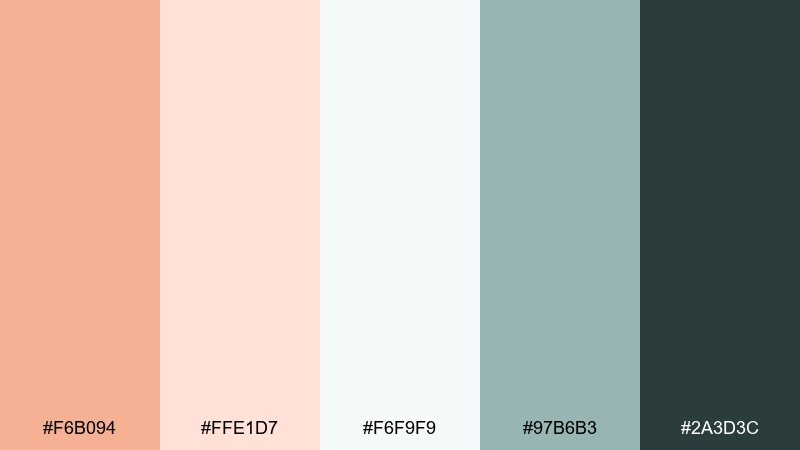
HEX: #F6B094 #FFE1D7 #F6F9F9 #97B6B3 #2A3D3C
Mood: cool, clean, calming
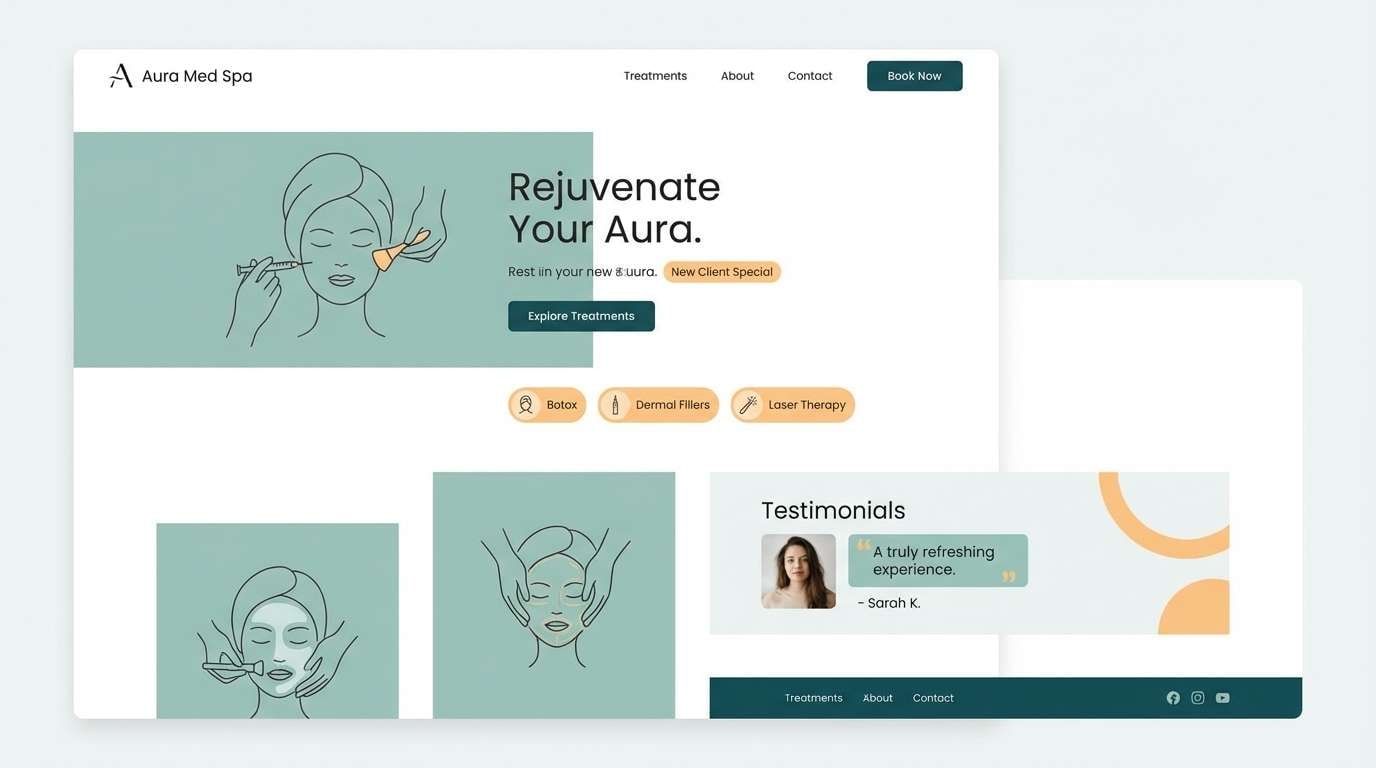
Best for: med spa landing page
Cool clarity with a warm blush undertone feels calming and clinical in the best way. Use the icy near-white for page backgrounds, then bring apricot in for trust-building highlights like testimonials or feature tags. The muted seafoam supports icons and section headers without stealing focus. Tip: keep CTAs in the deeper teal so they read clearly against light sections.
Image example of apricot glacier generated using media.io
What Colors Go Well with Apricot?
Apricot pairs naturally with soft neutrals like cream, warm beige, and greige—great for backgrounds, whitespace, and calm branding systems. For typography and structure, charcoal and near-black keep the warmth from feeling washed out.
If you want contrast, lean into cool tones: navy, deep teal, slate, and sage green. These shades create a clean warm-vs-cool balance that works especially well in UI, pitch decks, and modern packaging.
For more energy, add a sunny accent like saffron or a deeper clay/copper tone. This creates punch without pushing apricot into overly bright orange territory.
How to Use a Apricot Color Palette in Real Designs
Start with roles: use a light cream/blush as your base, apricot as the primary accent (buttons, highlights, key shapes), and a deep anchor (navy/charcoal) for text. This keeps hierarchy clear and avoids “too much warm” across the page.
In print and packaging, apricot looks best with tactile finishes—matte, uncoated stock, kraft textures, or soft gradients. In UI, reserve the brightest apricot for one primary CTA per screen and keep alerts on pale apricot instead of harsh reds.
When in doubt, cap apricot coverage (around 10–20%) and let neutrals do the heavy lifting. You’ll get the warmth and personality without losing readability.
Create Apricot Palette Visuals with AI
If you already have HEX codes, you can turn them into on-brand mockups (packaging, invitations, UI screens, posters) by reusing the prompts above and swapping the subject. This is a quick way to test how apricot behaves across different materials and layouts.
With Media.io’s text-to-image tool, you can generate multiple style directions—minimal, editorial, rustic, or playful—then pick the one that matches your project’s mood and audience.
Apricot Color Palette FAQs
-
What is the best accent color for apricot?
Deep navy or charcoal is a reliable accent for apricot because it adds strong contrast for type and UI elements while keeping the palette modern and balanced. -
Is apricot closer to peach or orange?
Apricot usually sits between peach and orange, with more warmth than peach but less intensity than orange—making it easier to use on large surfaces. -
Can I use apricot as a background color?
Yes, but choose a light apricot tint (or a cream/blush companion) for backgrounds and keep a dark anchor color for text to maintain readability. -
What colors go well with apricot for a wedding theme?
Sage, dusty rose, clay, and warm neutrals (cream, beige) pair beautifully with apricot for wedding stationery and florals, especially on textured paper. -
How do I keep an apricot palette from looking too “sweet”?
Add a grounding shade like slate, espresso brown, olive, or deep teal, and limit the brightest apricot to accents instead of full backgrounds. -
Does apricot work for UI and app design?
Yes—use it for highlights, badges, and secondary emphasis, while relying on deep teal/navy/charcoal for navigation and text to keep accessibility strong. -
What is a good complementary contrast to apricot?
Cool blue-green tones like teal and muted seafoam create an effective warm-vs-cool contrast with apricot, especially for buttons and links.


