

A good travel color palette feels like a postcard: instantly recognizable, easy to read, and packed with mood. Whether you’re designing a booking UI, a tour poster, or a brand kit, the right mix of neutrals and accents helps your content feel trustworthy and adventurous at the same time.
Below are 20+ travel color scheme ideas with HEX codes, plus practical tips for pairing warm neutrals with bold highlights and using contrast in real layouts.
In this article
- Why Travel Palettes Work So Well
-
- passport teal
- sunlit terminal
- desert atlas
- city layover
- island ferry
- mountain hostel
- vintage postcard
- rainy platform
- tropical market
- glacier lodge
- safari dusk
- coastal ceramics
- northern lights
- canal morning
- carnival pier
- heritage railway
- lagoon bungalow
- street food night
- cabin journal
- coral reef map
- museum weekend
- rose compass
- What Colors Go Well with Travel?
- How to Use a Travel Color Palette in Real Designs
- Create Travel Palette Visuals with AI
Why Travel Palettes Work So Well
Travel-themed color palettes work because they mirror what people already associate with getting away: deep ocean blues, sunlit creams, sandy neutrals, and bright accents that feel like signage, stamps, and tickets.
They’re also versatile by nature. A travel color scheme typically includes at least one dependable dark for typography, one light for breathing room, and a few mid-tones that can shift from calm editorial layouts to energetic promos.
Most importantly, travel palettes support clarity. Booking flows, maps, itineraries, and posters all depend on fast scanning—so contrast, hierarchy, and restraint matter as much as “vibe.”
20+ Travel Color Palette Ideas (with HEX Codes)
1) passport teal
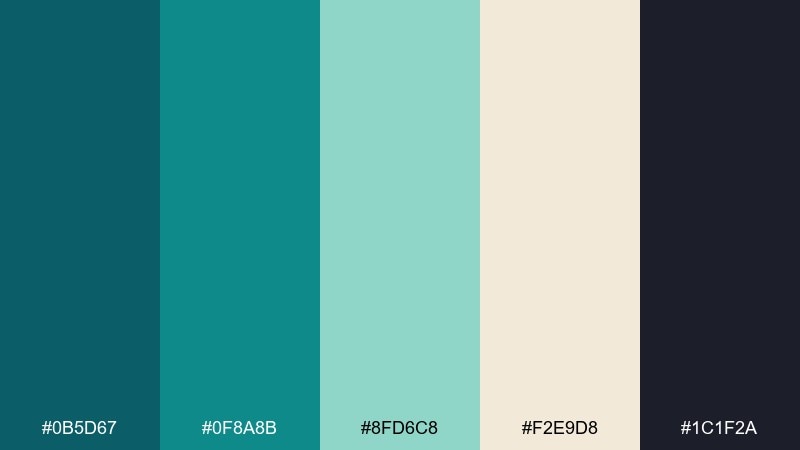
HEX: #0B5D67 #0F8A8B #8FD6C8 #F2E9D8 #1C1F2A
Mood: cool, confident, coastal
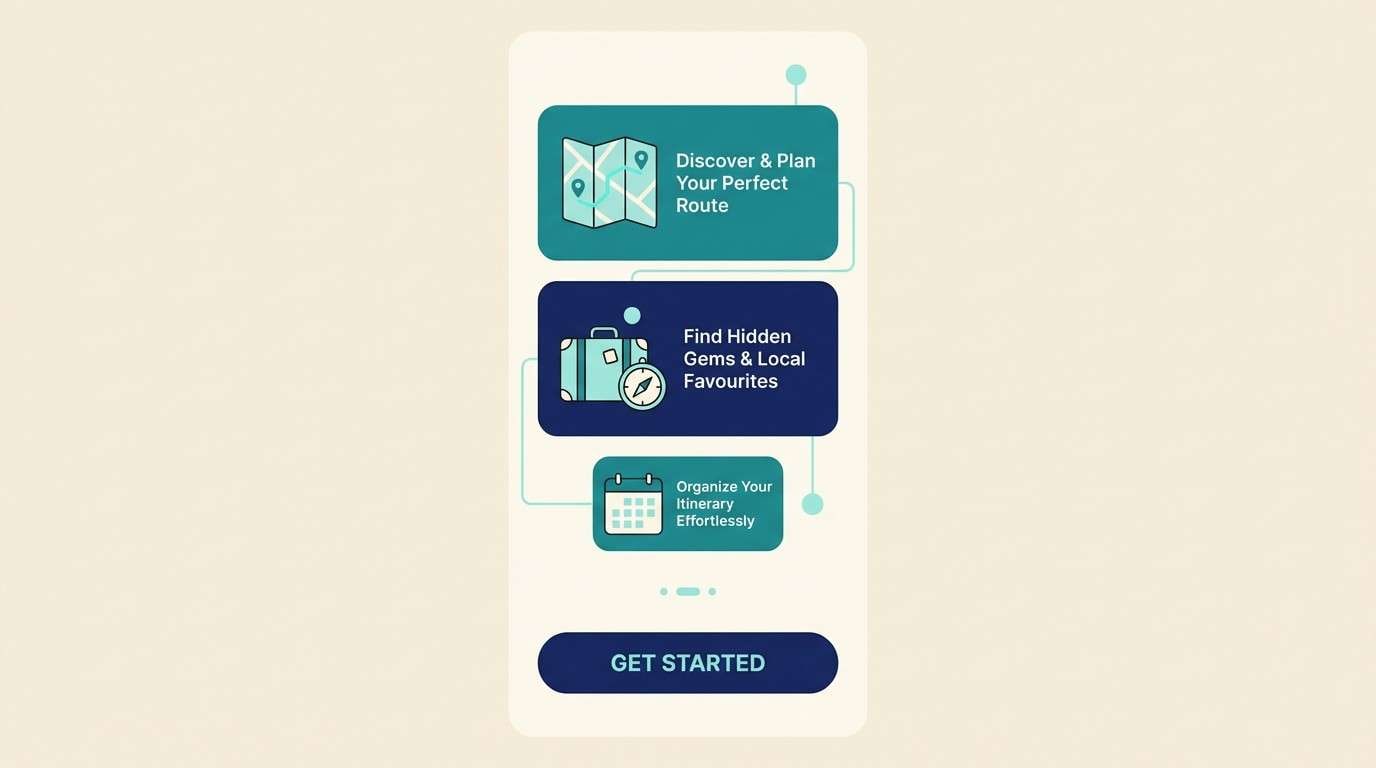
Best for: onboarding UI for a trip planner app
Cool and confident like glossy passport stamps and sea glass on a shoreline. Use the teal pair as your primary surfaces, then let the cream keep layouts breathable and readable. The near-black works well for headings, icons, and button text without feeling harsh. Tip: reserve the light aqua for progress states and highlights so the interface feels guided, not busy.
Image example of passport teal generated using media.io
Media.io is an online AI studio for creating and editing video, image, and audio in your browser.


2) sunlit terminal
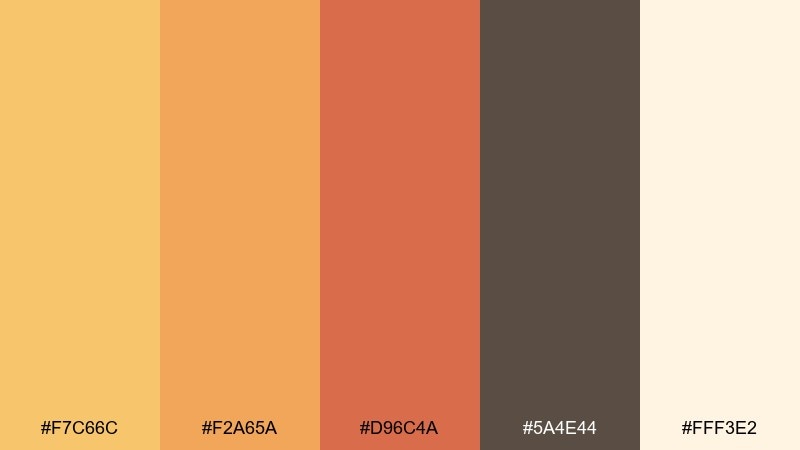
HEX: #F7C66C #F2A65A #D96C4A #5A4E44 #FFF3E2
Mood: warm, optimistic, bustling
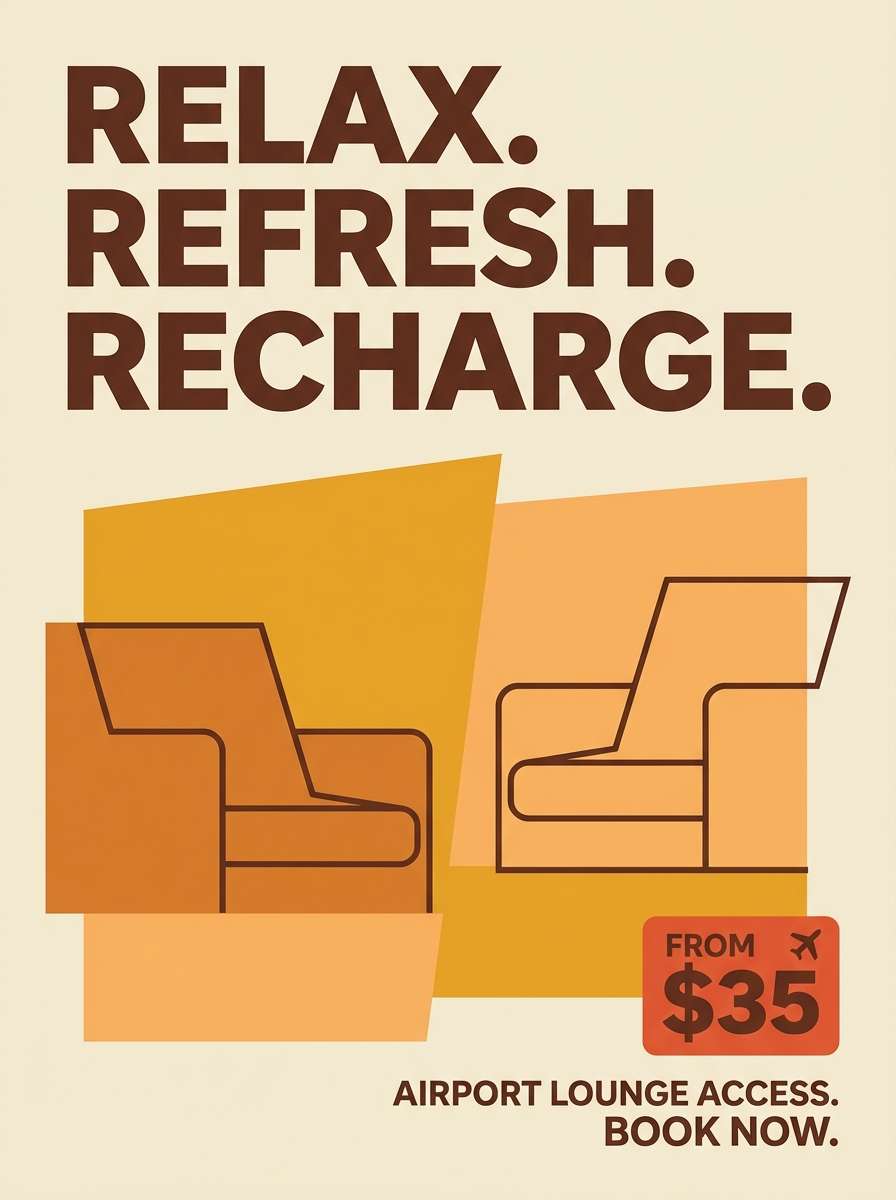
Best for: airport lounge promo poster
Warm and optimistic like sunlight cutting through a busy terminal window. Build the headline in the cocoa brown and keep the background airy with the soft cream to avoid over-saturation. Use amber and apricot for blocks, badges, and callouts that need to pop from a distance. Tip: keep the red-orange as a small accent for price or date so it feels premium, not loud.
Image example of sunlit terminal generated using media.io
3) desert atlas
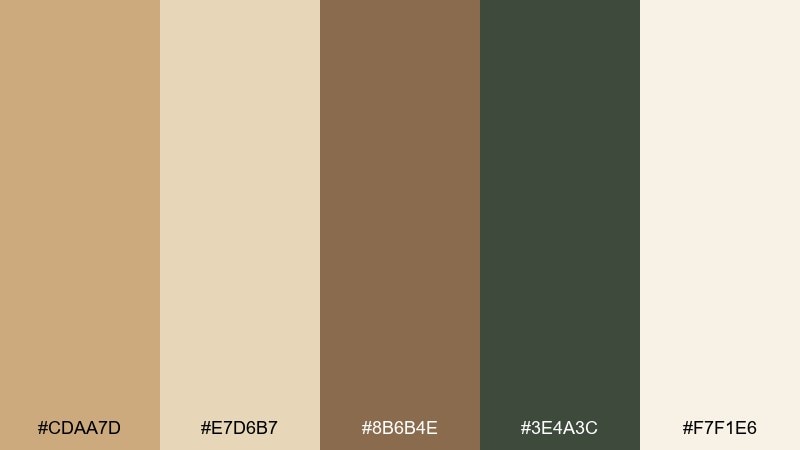
HEX: #CDAA7D #E7D6B7 #8B6B4E #3E4A3C #F7F1E6
Mood: earthy, grounded, exploratory
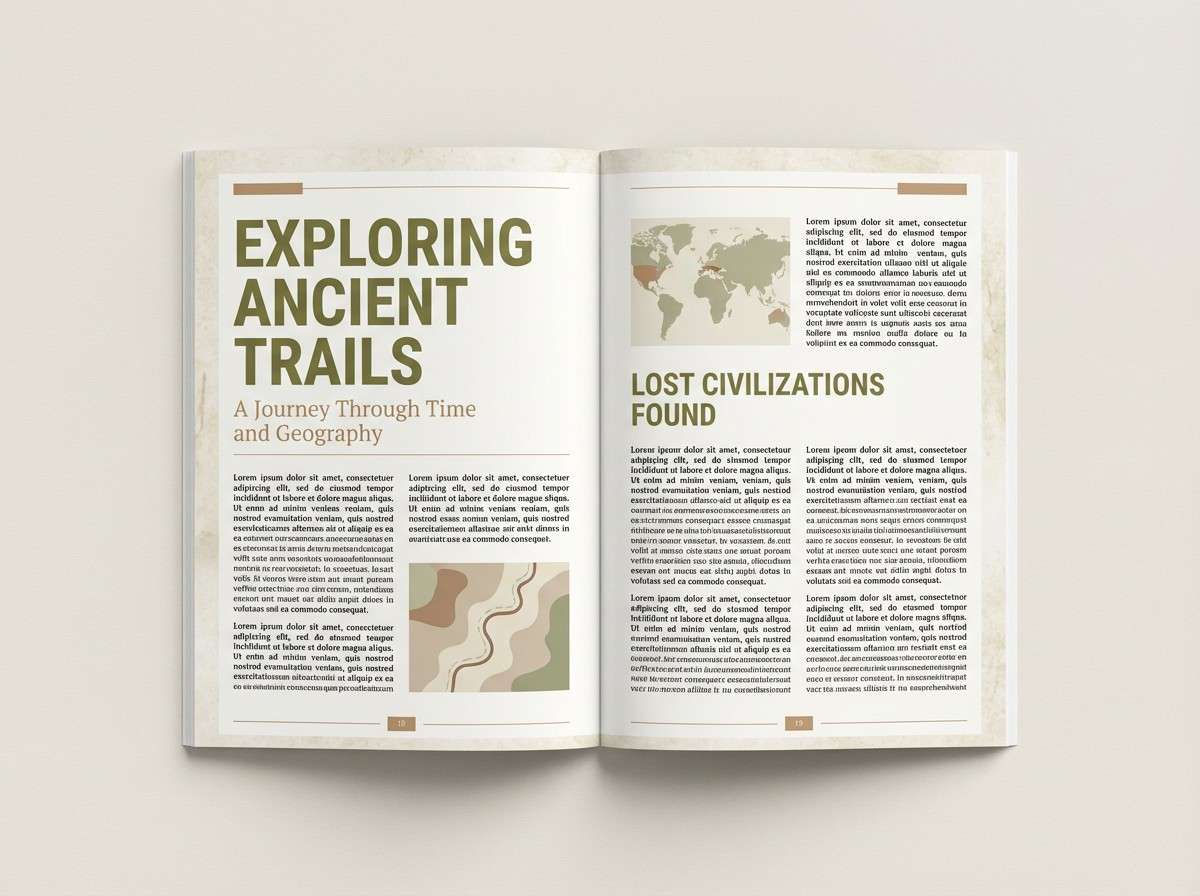
Best for: editorial spread for a travel magazine
Earthy and exploratory like folded maps, sandstone trails, and worn leather bindings. Let the off-white carry the page, then layer tan and parchment tones for margins and pull quotes. Deep olive makes a strong anchor for section headers and small infographics. Tip: use the darkest brown sparingly for body text to keep long reads comfortable.
Image example of desert atlas generated using media.io
4) city layover
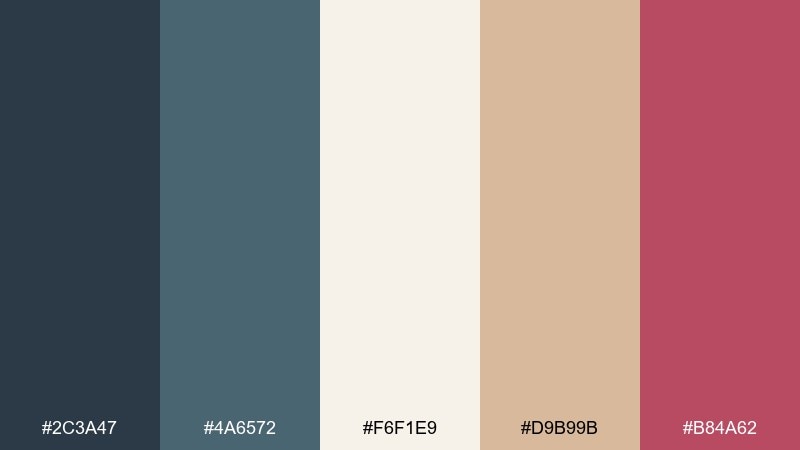
HEX: #2C3A47 #4A6572 #F6F1E9 #D9B99B #B84A62
Mood: urban, polished, slightly romantic
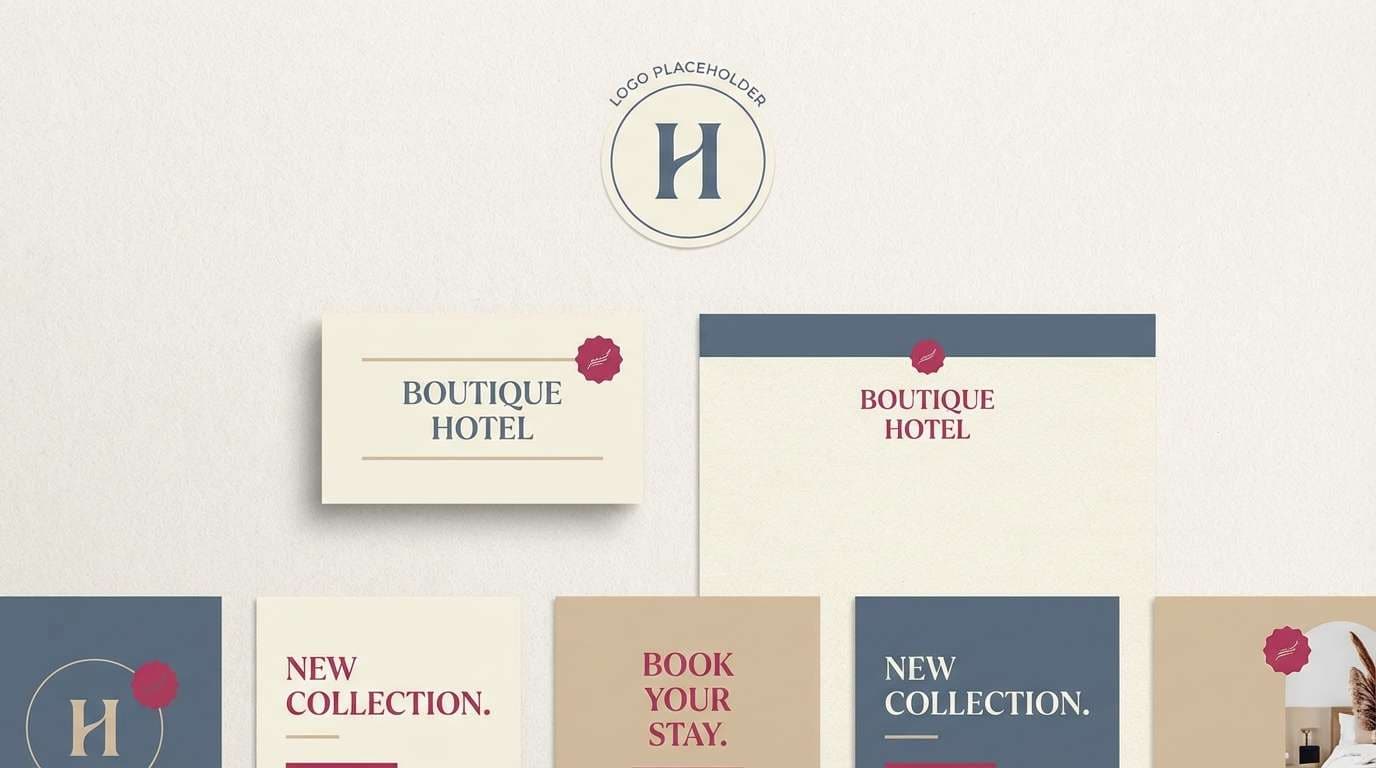
Best for: brand kit for a boutique hotel
Urban and polished like a quick layover turned into an evening skyline stroll. This travel color palette balances cool slate blues with a soft cream base and a warm sand neutral for depth. The raspberry note brings just enough personality for buttons, stamps, and social highlights. Tip: keep the pink accent under 10 percent of a layout to preserve the upscale feel.
Image example of city layover generated using media.io
5) island ferry
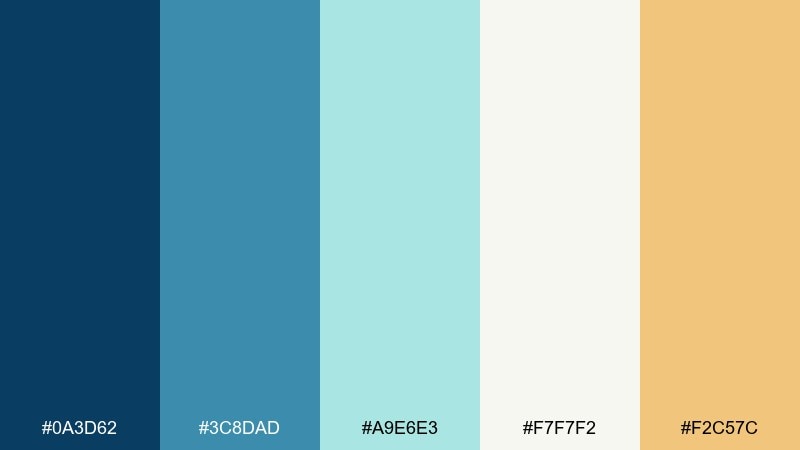
HEX: #0A3D62 #3C8DAD #A9E6E3 #F7F7F2 #F2C57C
Mood: fresh, breezy, sunlit
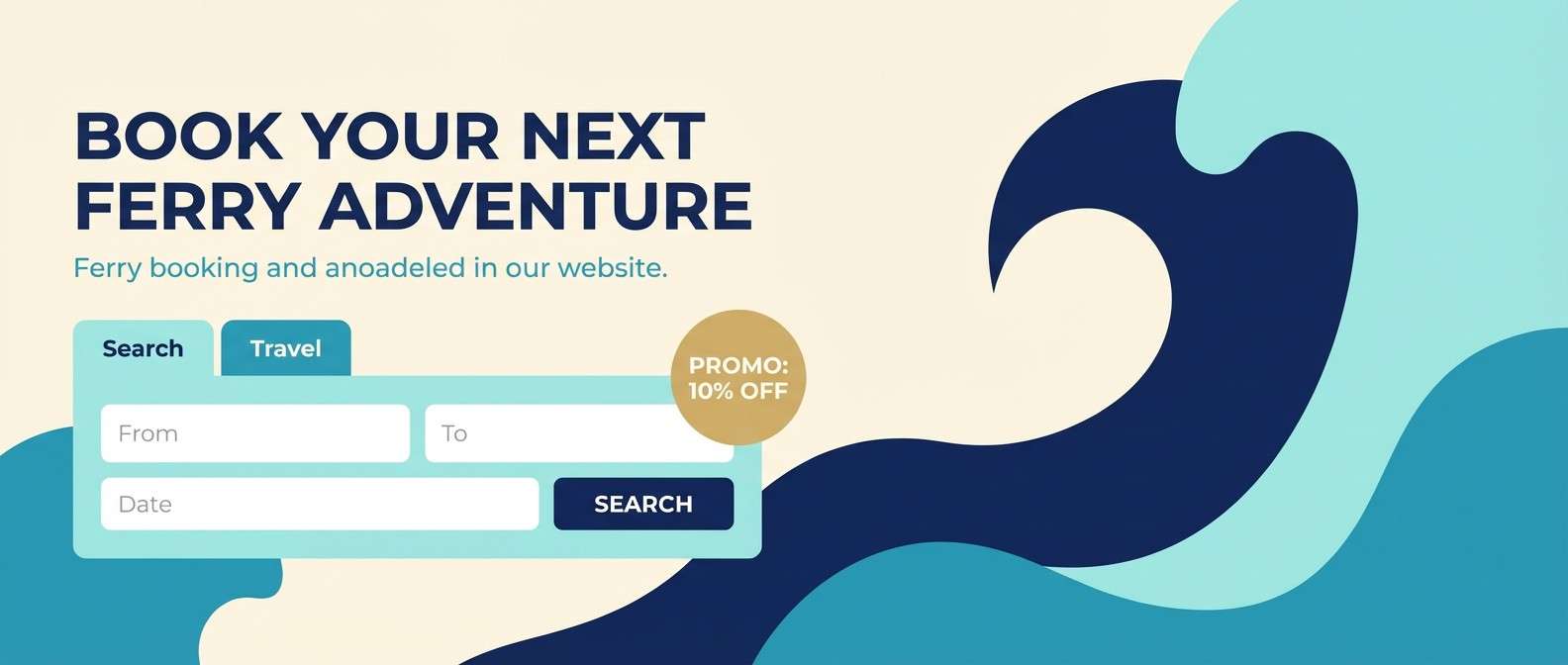
Best for: hero banner for a ferry booking site
Fresh and breezy like salt air, painted docks, and a bright horizon line. Use navy for navigation and key CTAs, then let the aqua tones carry the main panels and illustrations. Cream keeps text crisp while the golden sand adds a friendly highlight for badges or offers. Tip: pair navy text with the light aqua background for accessibility without losing the coastal vibe.
Image example of island ferry generated using media.io
6) mountain hostel
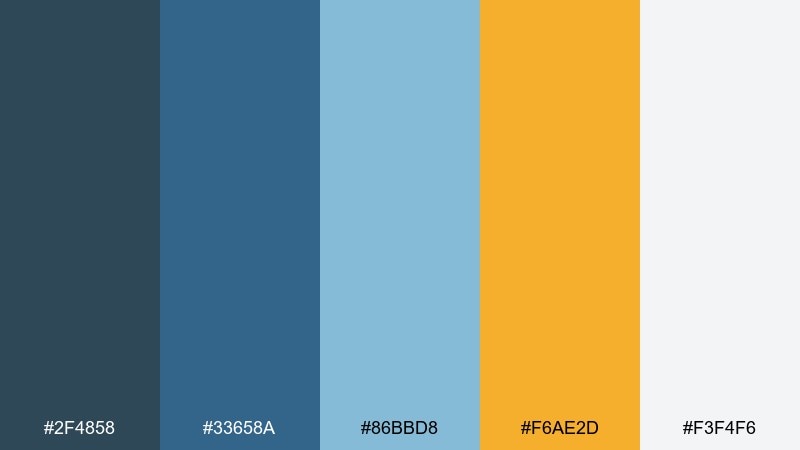
HEX: #2F4858 #33658A #86BBD8 #F6AE2D #F3F4F6
Mood: adventurous, friendly, energetic
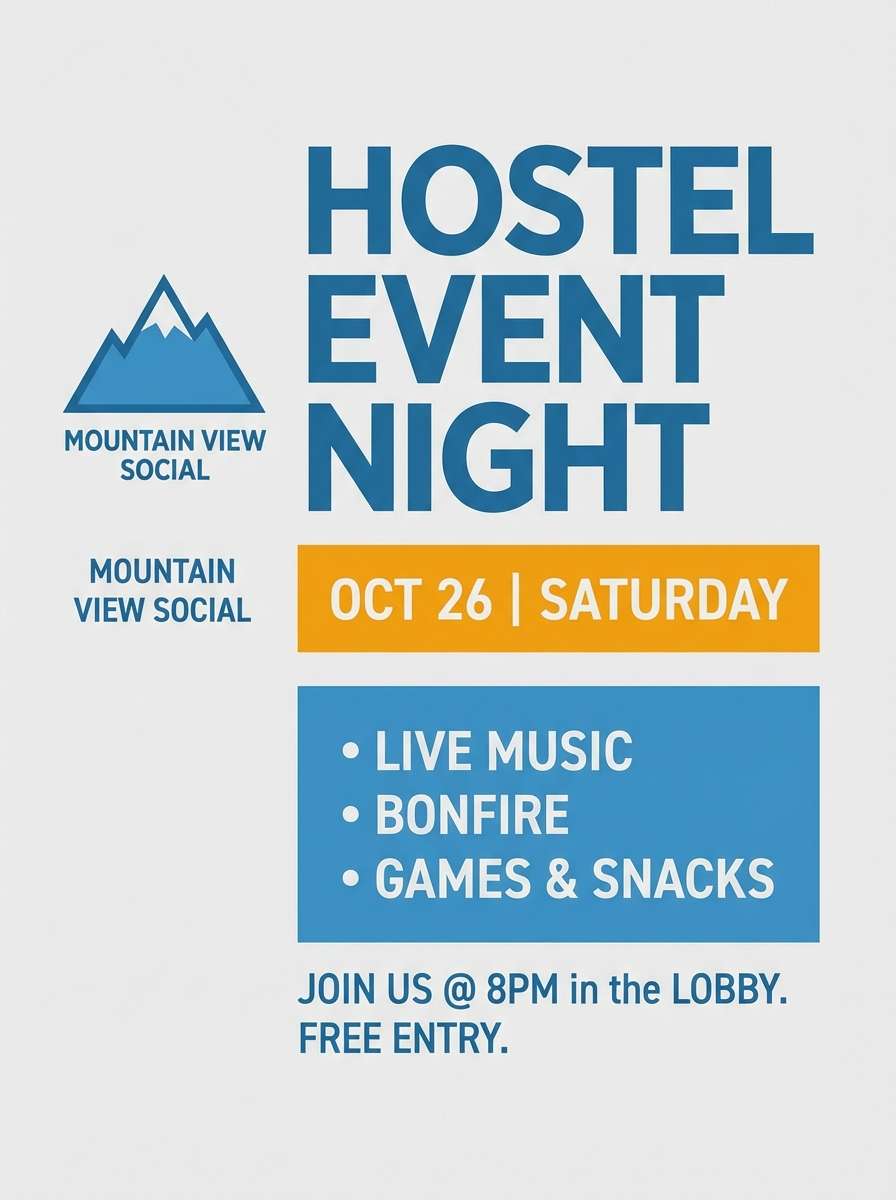
Best for: hostel event flyer
Adventurous and friendly like a common room buzzing after a day on the trail. Let the light gray act as clean negative space, then layer the blues for headers, icons, and section bands. The warm amber is ideal for dates, ticket info, and small badges that need fast scanning. Tip: keep the darkest blue for typography so the flyer stays readable from a distance.
Image example of mountain hostel generated using media.io
7) vintage postcard
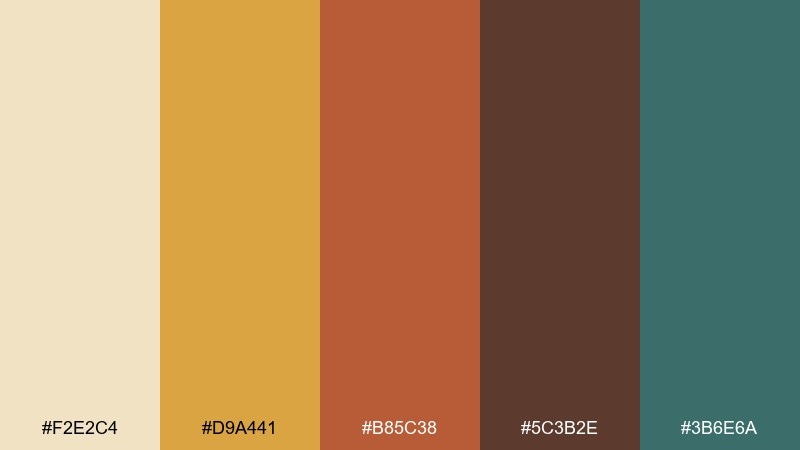
HEX: #F2E2C4 #D9A441 #B85C38 #5C3B2E #3B6E6A
Mood: nostalgic, warm, handmade
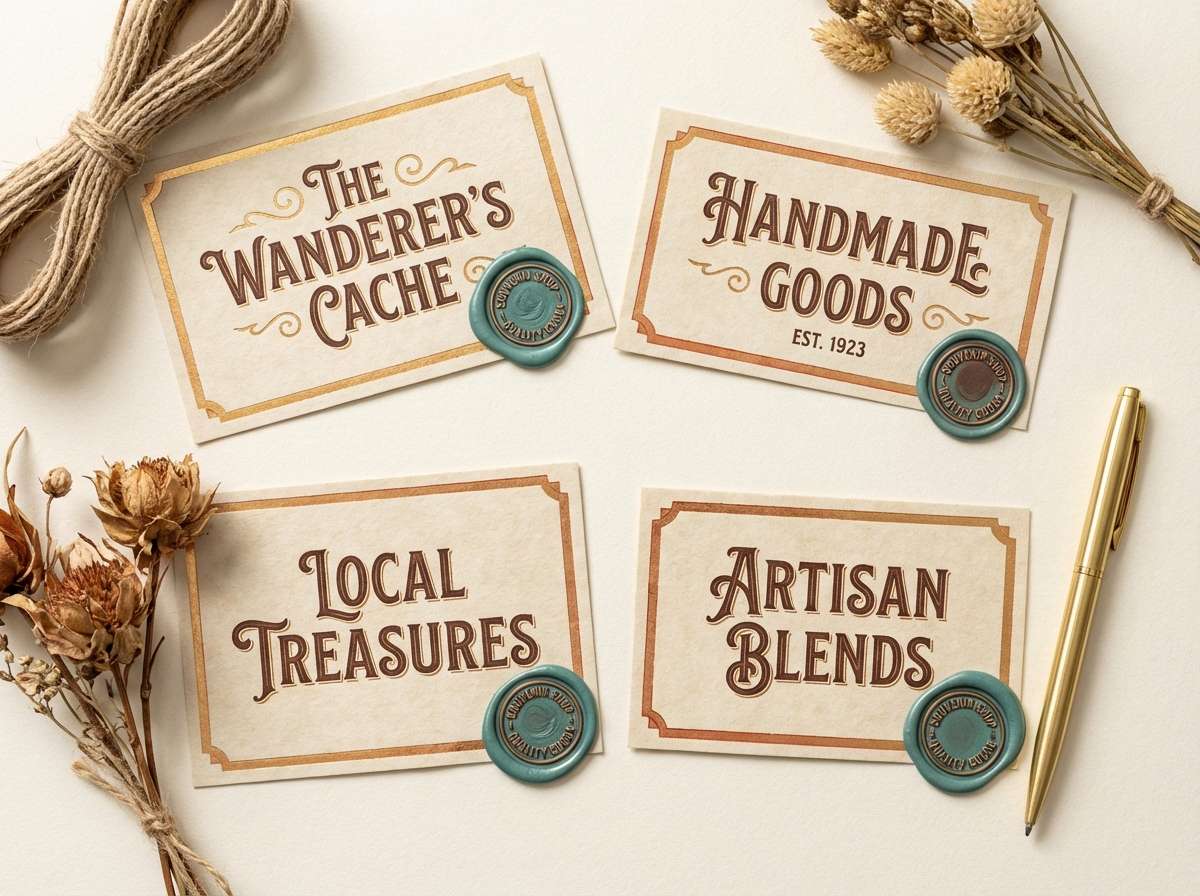
Best for: souvenir shop packaging label
Nostalgic and handmade like a vintage postcard with faded inks and sun-warmed edges. These travel color combinations shine on kraft paper, labels, and stamp-style graphics where texture matters. Use the teal as a cool counterpoint to the browns so the design does not feel too sepia. Tip: print the darkest cocoa for small text and outlines to keep details crisp.
Image example of vintage postcard generated using media.io
8) rainy platform
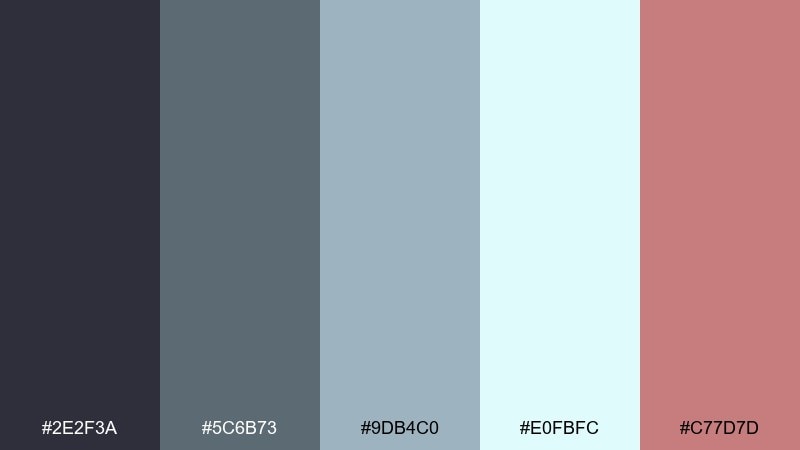
HEX: #2E2F3A #5C6B73 #9DB4C0 #E0FBFC #C77D7D
Mood: moody, calm, reflective
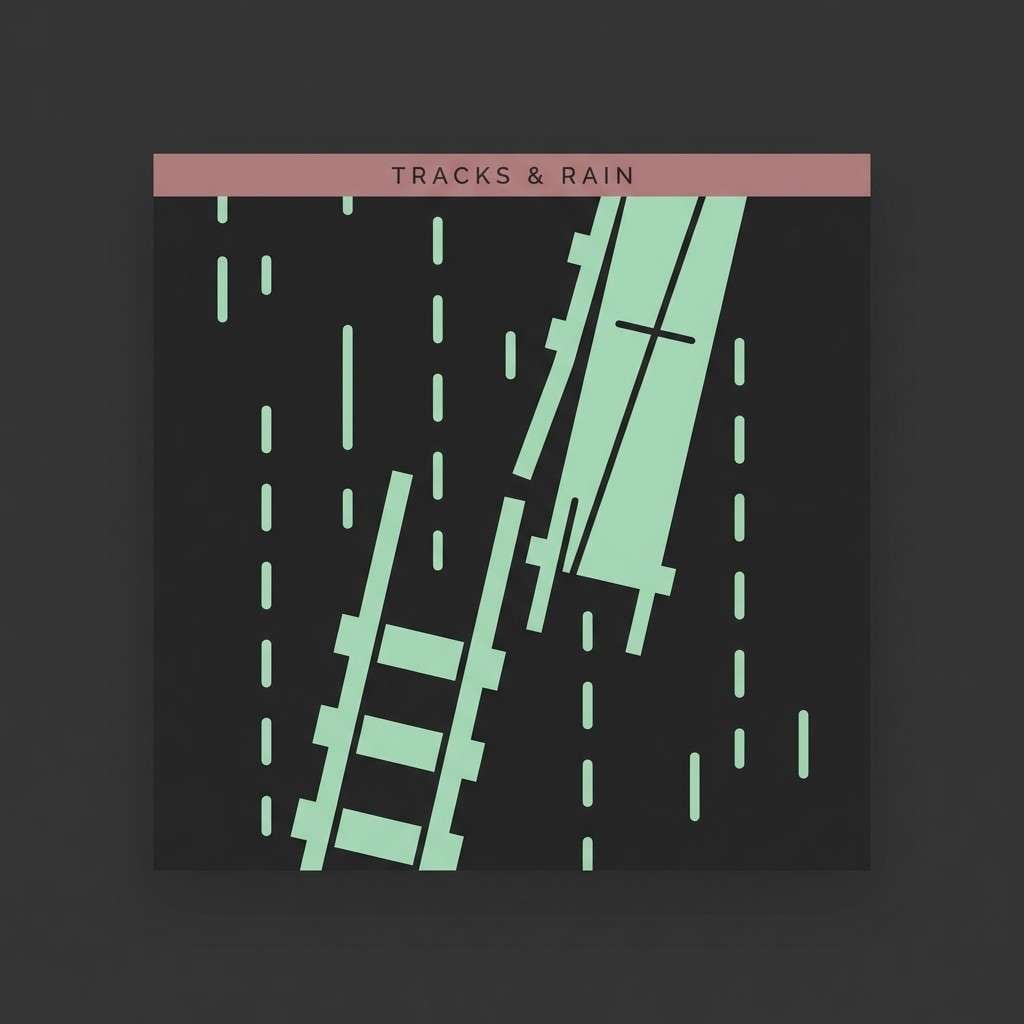
Best for: music playlist cover for train rides
Moody and reflective like rain tapping a platform roof while the train idles. Lean on the charcoal and steel tones for typography and main shapes, then soften the composition with the pale mint background. The dusty rose works best as a small focal point for titles or a single icon. Tip: keep gradients subtle so the cover still reads clearly at thumbnail size.
Image example of rainy platform generated using media.io
9) tropical market
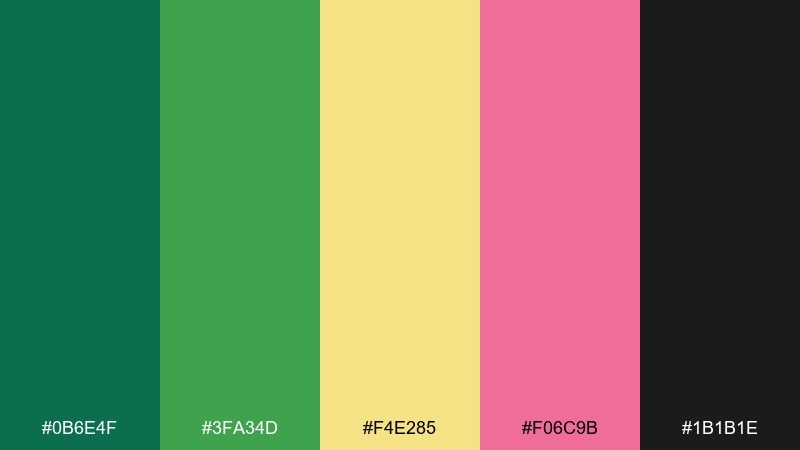
HEX: #0B6E4F #3FA34D #F4E285 #F06C9B #1B1B1E
Mood: playful, vibrant, sunny
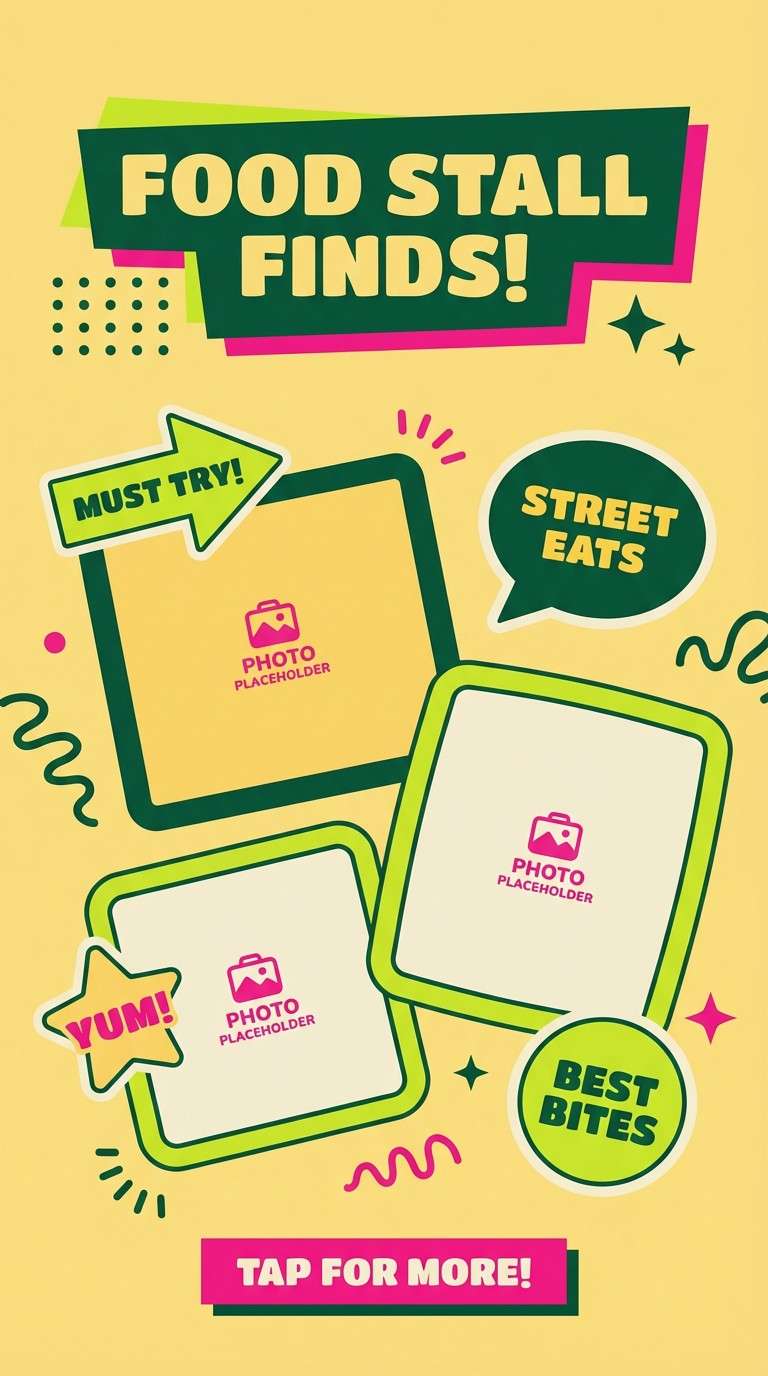
Best for: Instagram story template for food stalls
Playful and vibrant like fruit stacks, handwritten signs, and a loud sunny street. Use deep green as the base for text and UI elements, then bring in lime for energetic blocks and stickers. The buttery yellow keeps the look cheerful, while pink is perfect for limited highlights and price tags. Tip: stick to two dominant colors per slide so the template feels lively, not chaotic.
Image example of tropical market generated using media.io
10) glacier lodge
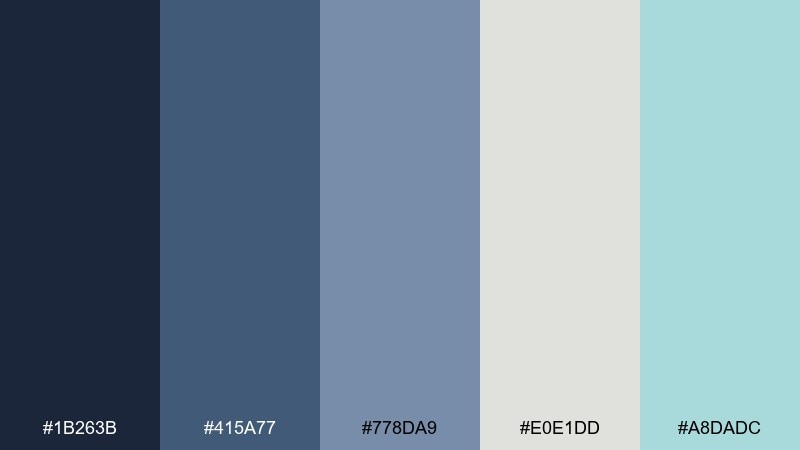
HEX: #1B263B #415A77 #778DA9 #E0E1DD #A8DADC
Mood: crisp, serene, alpine
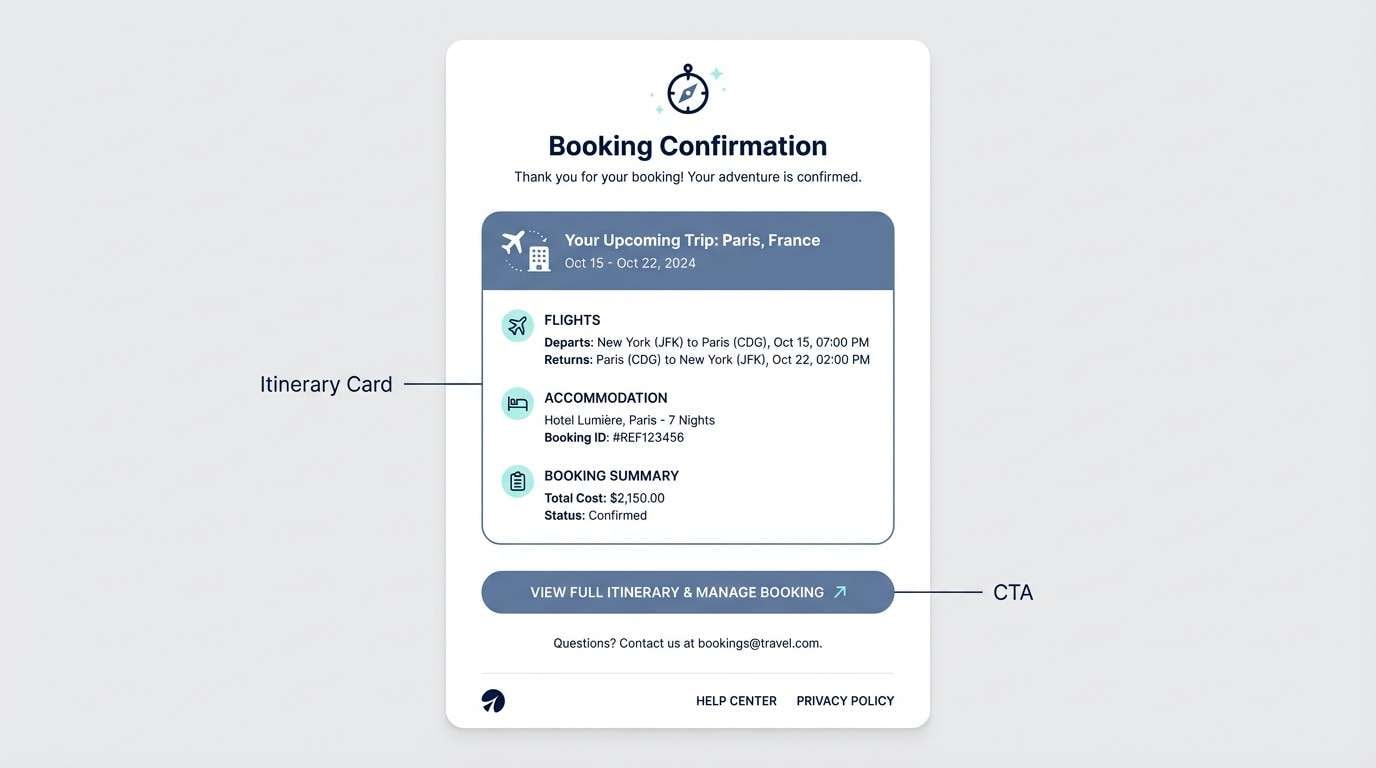
Best for: booking confirmation email design
Crisp and serene like frosted windows and quiet alpine mornings. Use the navy and slate for headers, dividers, and button styles, then let the light gray carry the reading experience. The icy aqua is a clean accent for status chips or check-in reminders. Tip: keep body text dark and backgrounds light to preserve clarity in email clients.
Image example of glacier lodge generated using media.io
11) safari dusk
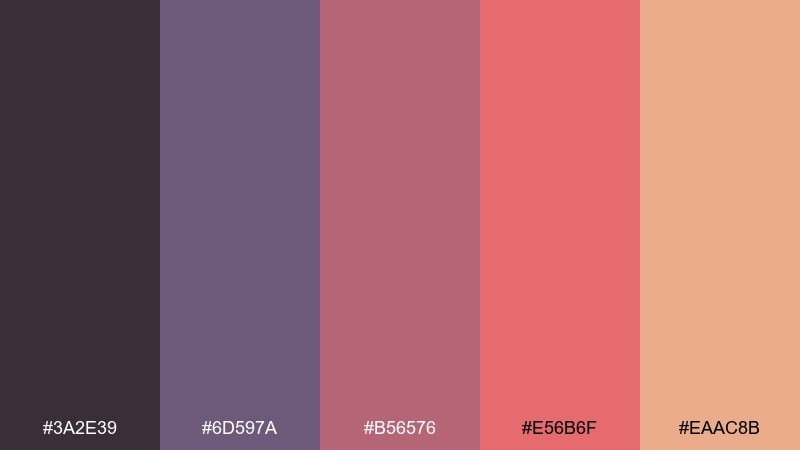
HEX: #3A2E39 #6D597A #B56576 #E56B6F #EAAC8B
Mood: dramatic, warm, cinematic
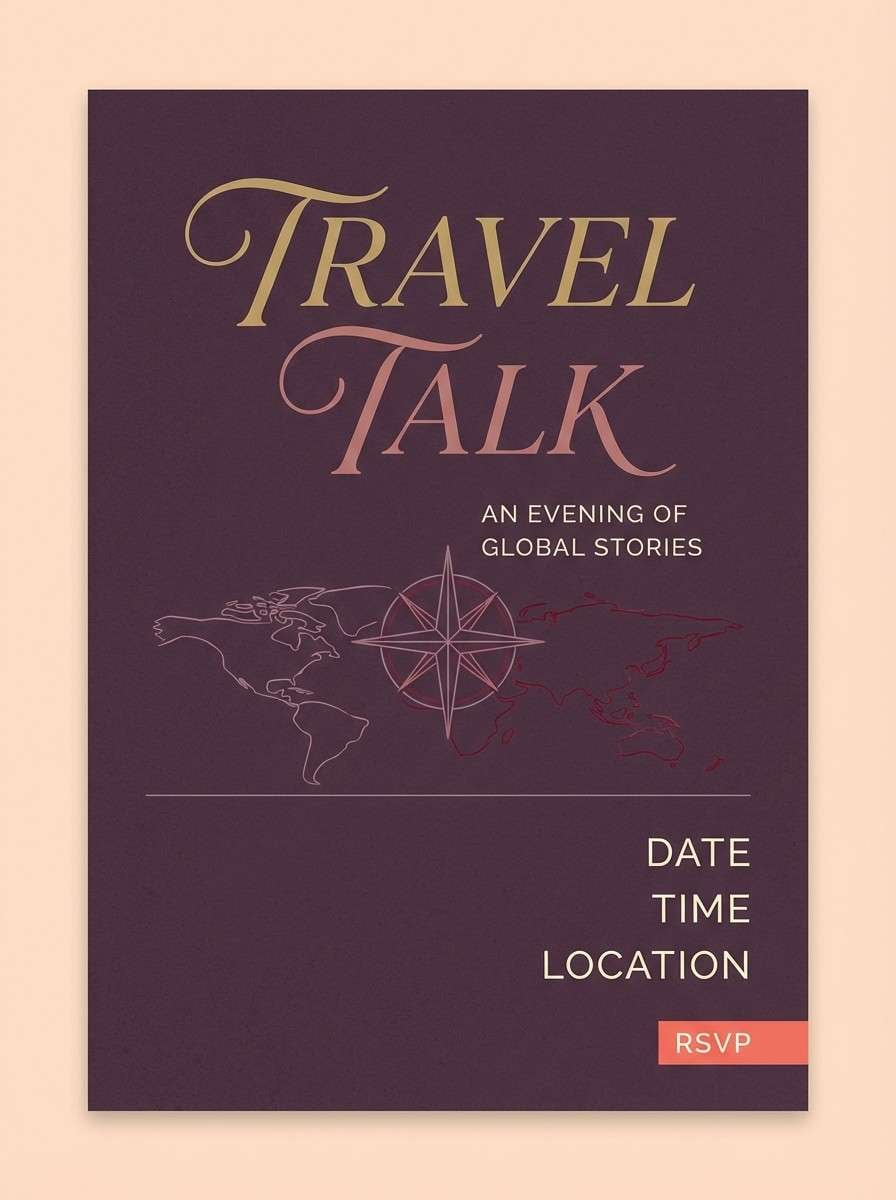
Best for: event invitation for a travel talk
Dramatic and cinematic like dusk settling over a wide horizon. Build the invitation with the deep plum as the background and use peach for generous margins and breathing room. The rose tones work beautifully for headings and dividers, while coral is best kept for RSVP details. Tip: pair high-contrast type with plenty of spacing to keep the mood rich, not heavy.
Image example of safari dusk generated using media.io
12) coastal ceramics
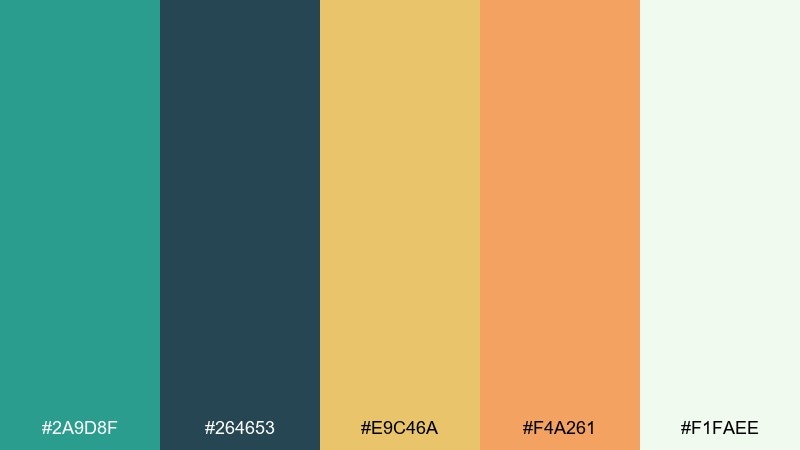
HEX: #2A9D8F #264653 #E9C46A #F4A261 #F1FAEE
Mood: artisanal, relaxed, Mediterranean
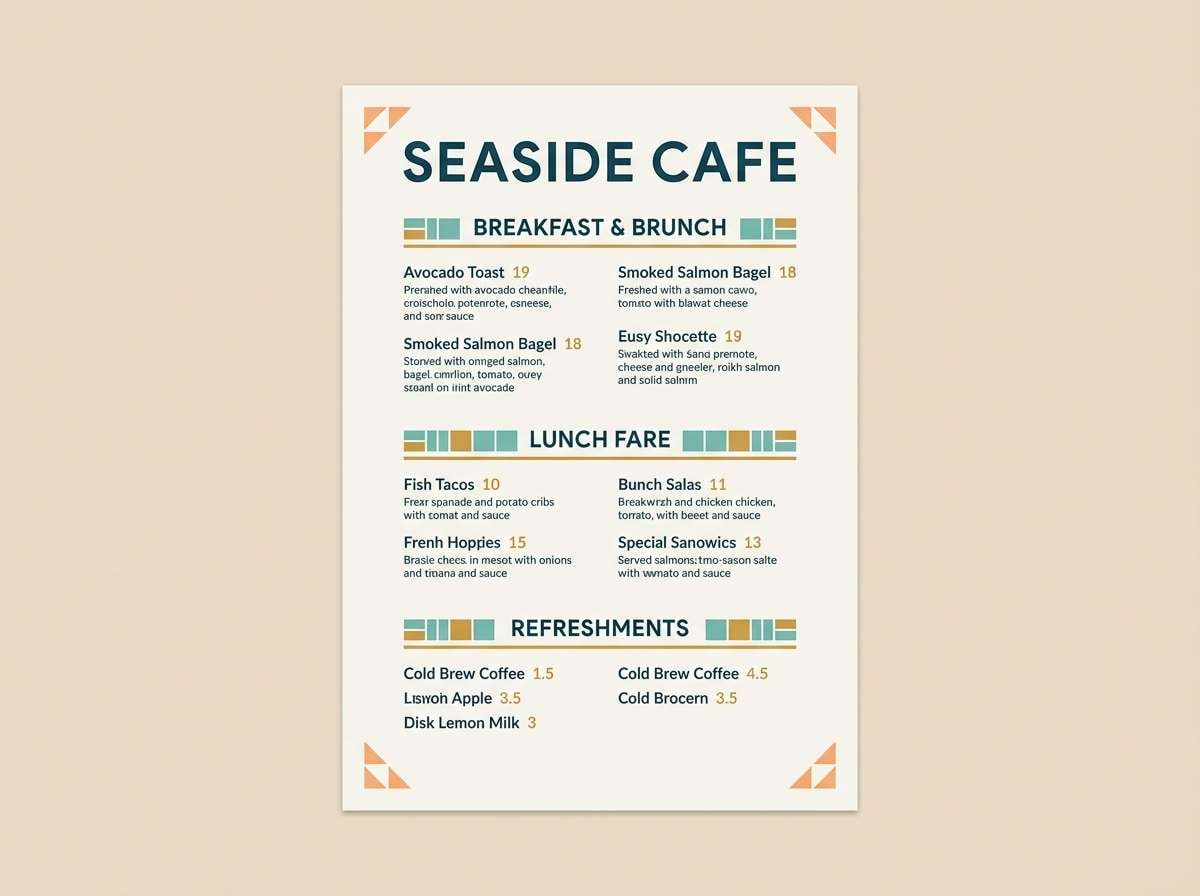
Best for: restaurant menu for a seaside cafe
Artisanal and relaxed like hand-glazed tiles and a late lunch by the water. Use the deep blue-green for section headers and the soft off-white for the main menu body to keep it airy. Gold and apricot add appetite-friendly warmth for highlights, icons, and small illustrations. Tip: keep teal and navy as the core pair, then rotate the warm accents by section for structure.
Image example of coastal ceramics generated using media.io
13) northern lights
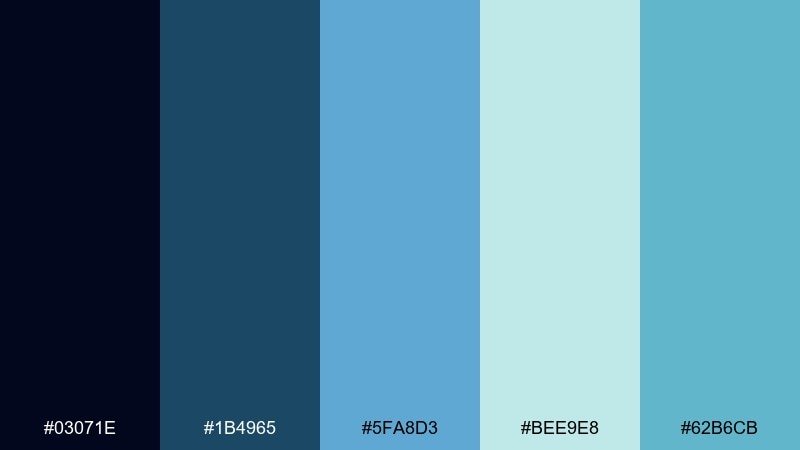
HEX: #03071E #1B4965 #5FA8D3 #BEE9E8 #62B6CB
Mood: mystical, cool, luminous
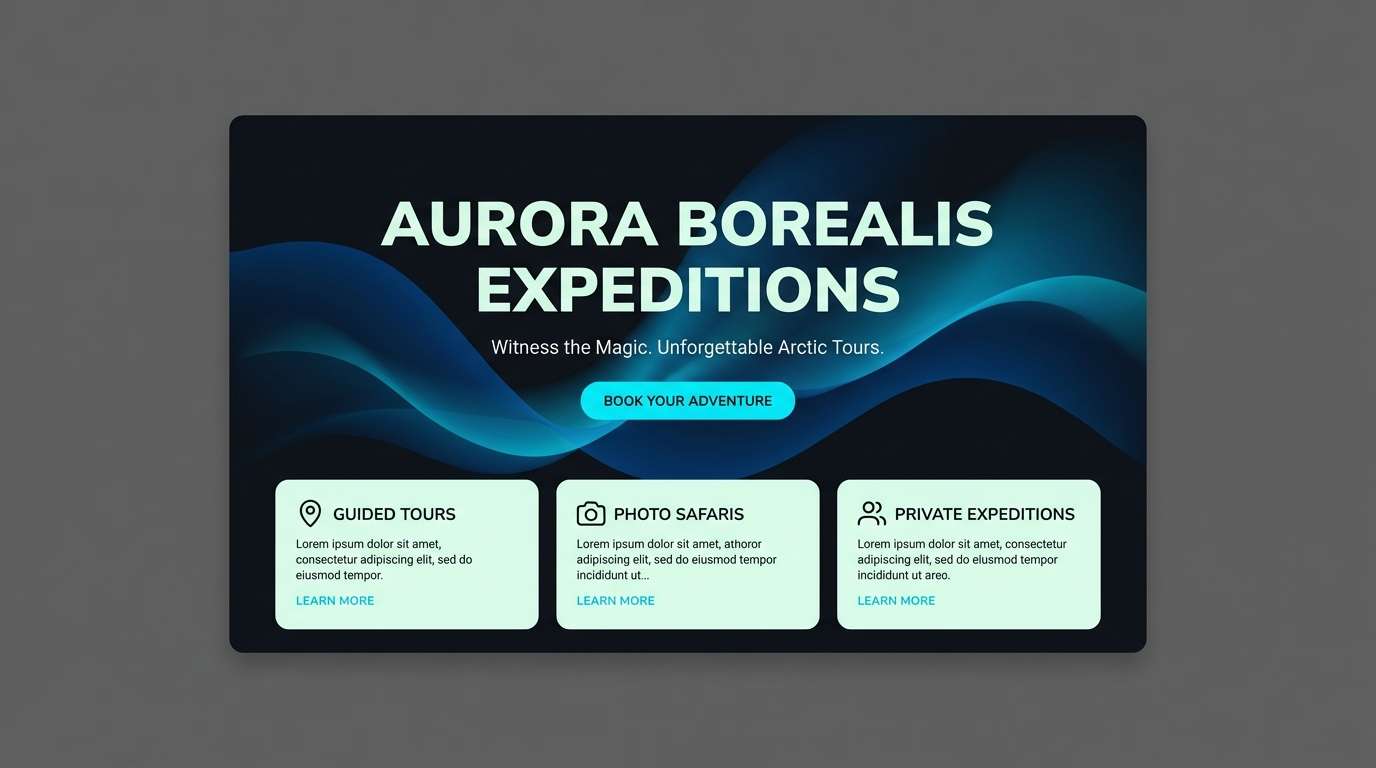
Best for: landing page for an aurora tour
Mystical and luminous like an inky sky lit by drifting ribbons of light. Use the near-black as a dramatic base and layer the blues for gradients, cards, and section breaks. The pale mint keeps content readable and gives the page that glowing chill. Tip: set CTAs in the brighter cyan so they remain obvious against dark hero sections.
Image example of northern lights generated using media.io
14) canal morning
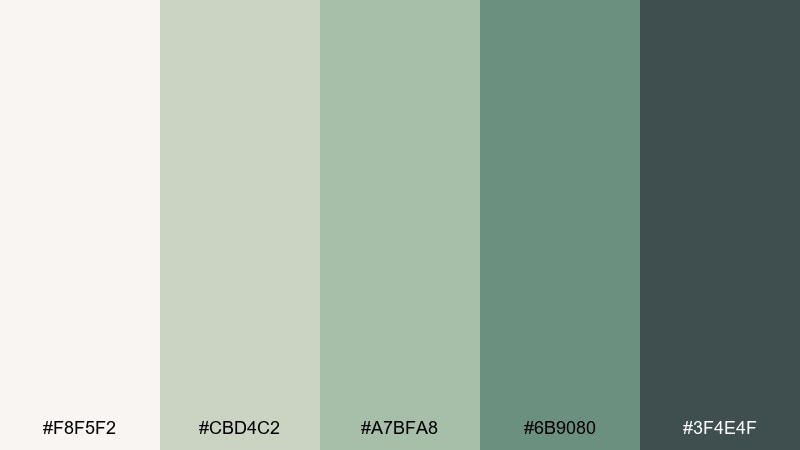
HEX: #F8F5F2 #CBD4C2 #A7BFA8 #6B9080 #3F4E4F
Mood: soft, quiet, refreshing
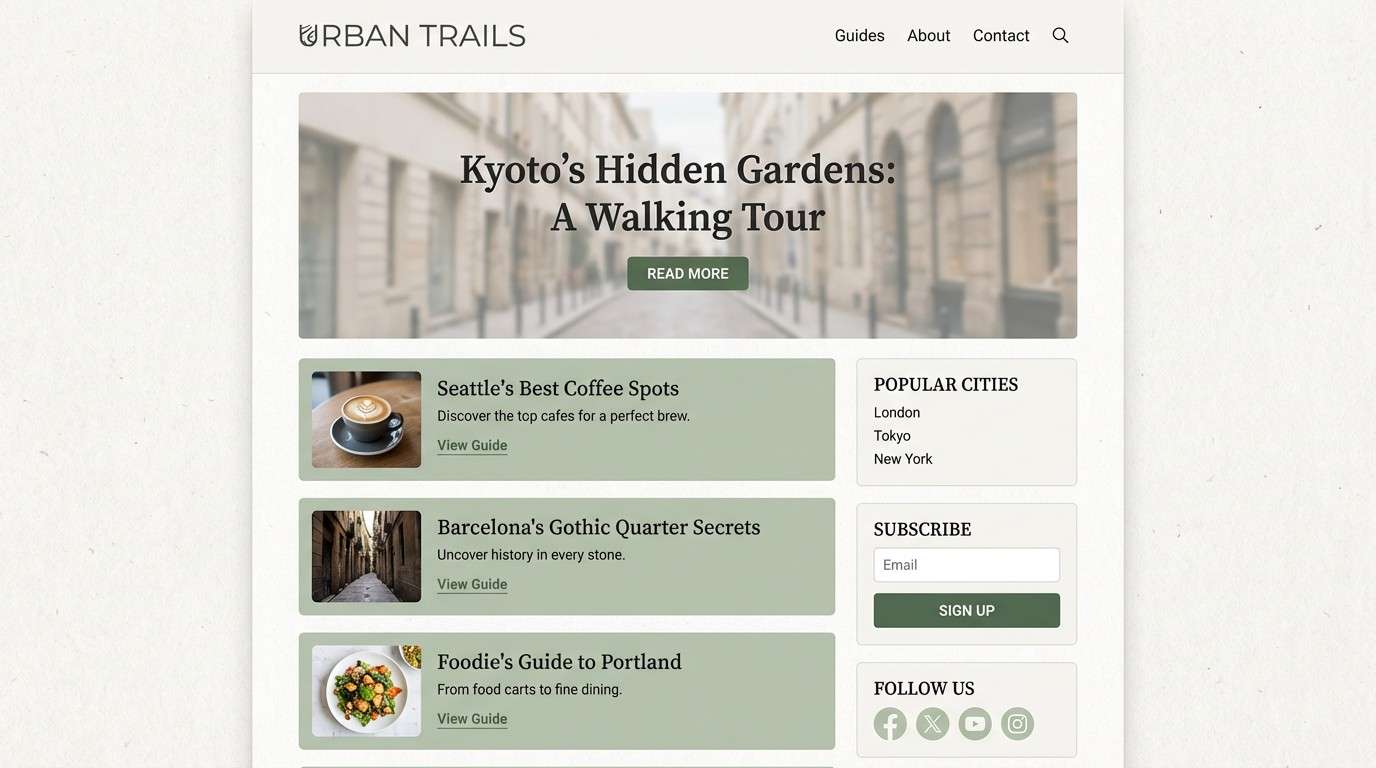
Best for: minimal blog theme for city guides
Soft and quiet like a misty morning walk beside a canal. The off-white and sage tones create a restful reading surface that suits long-form guides. Use the darker greens for navigation and link states, and keep charcoal for body text to avoid a washed-out look. Tip: add generous line height and let the mid-sage mark callout boxes and tips.
Image example of canal morning generated using media.io
15) carnival pier
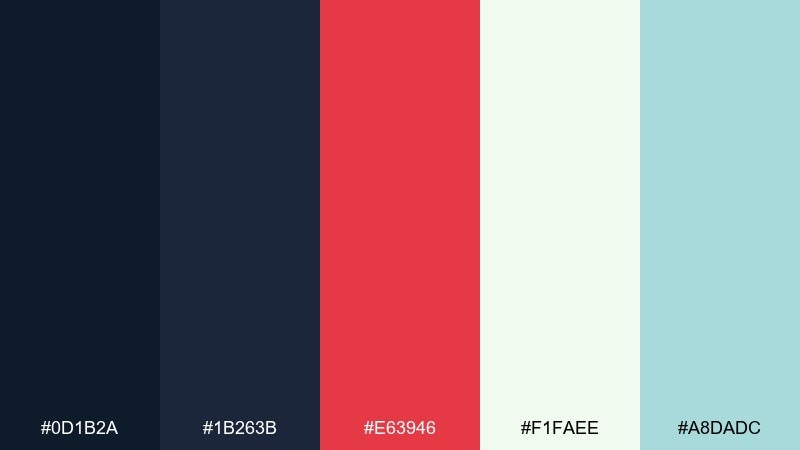
HEX: #0D1B2A #1B263B #E63946 #F1FAEE #A8DADC
Mood: bold, punchy, graphic
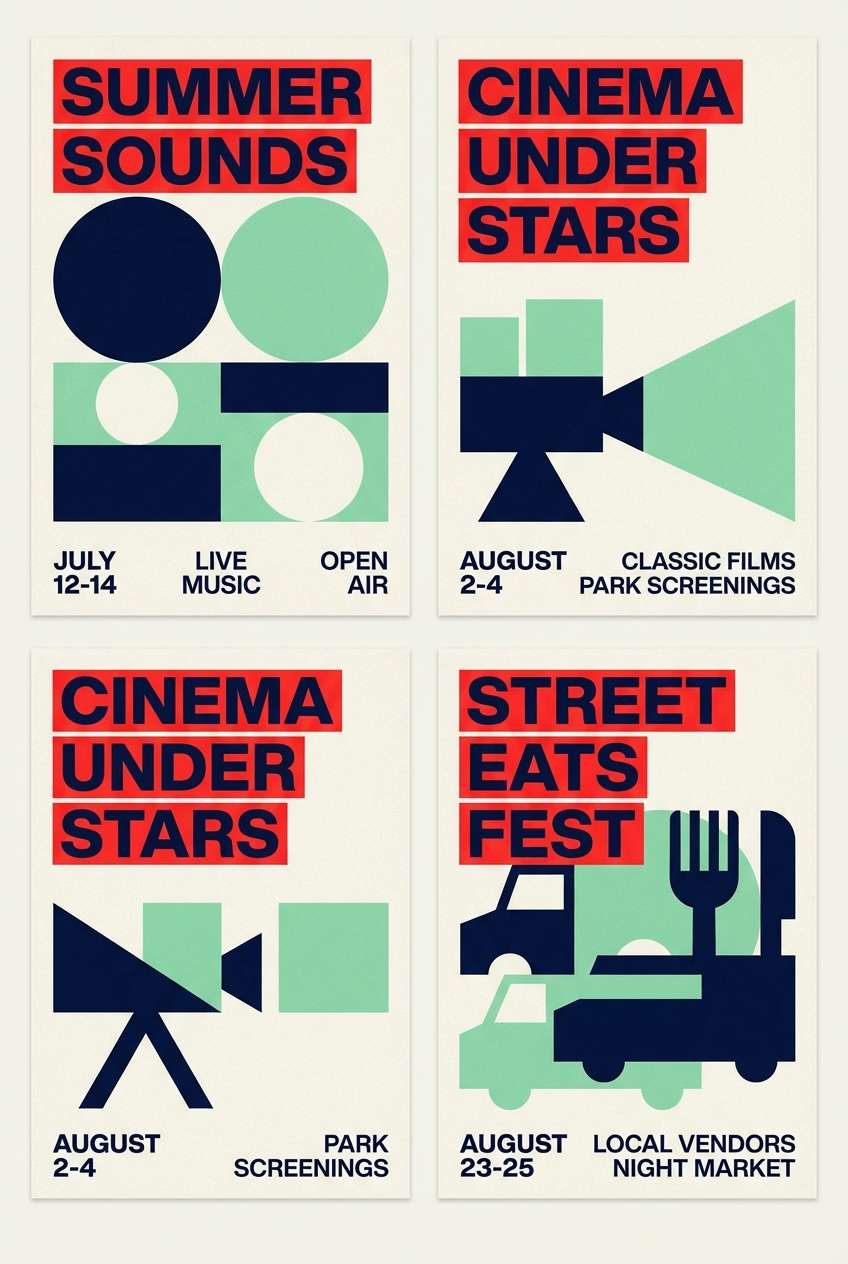
Best for: poster series for summer events
Bold and punchy like neon signs against a night pier. Anchor the design with the deep blues, then let the bright red carry the primary callouts and event titles. The mint and off-white keep the palette from feeling too heavy and help details stand out. Tip: keep the red reserved for one main message per poster so the series stays cohesive.
Image example of carnival pier generated using media.io
16) heritage railway
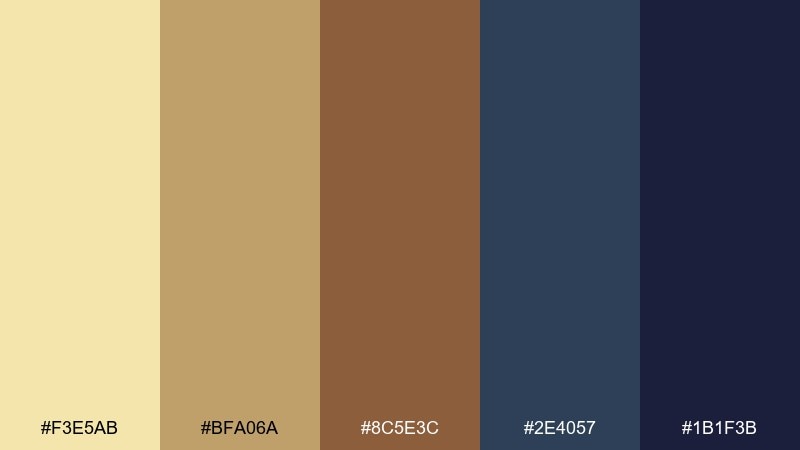
HEX: #F3E5AB #BFA06A #8C5E3C #2E4057 #1B1F3B
Mood: classic, sturdy, nostalgic
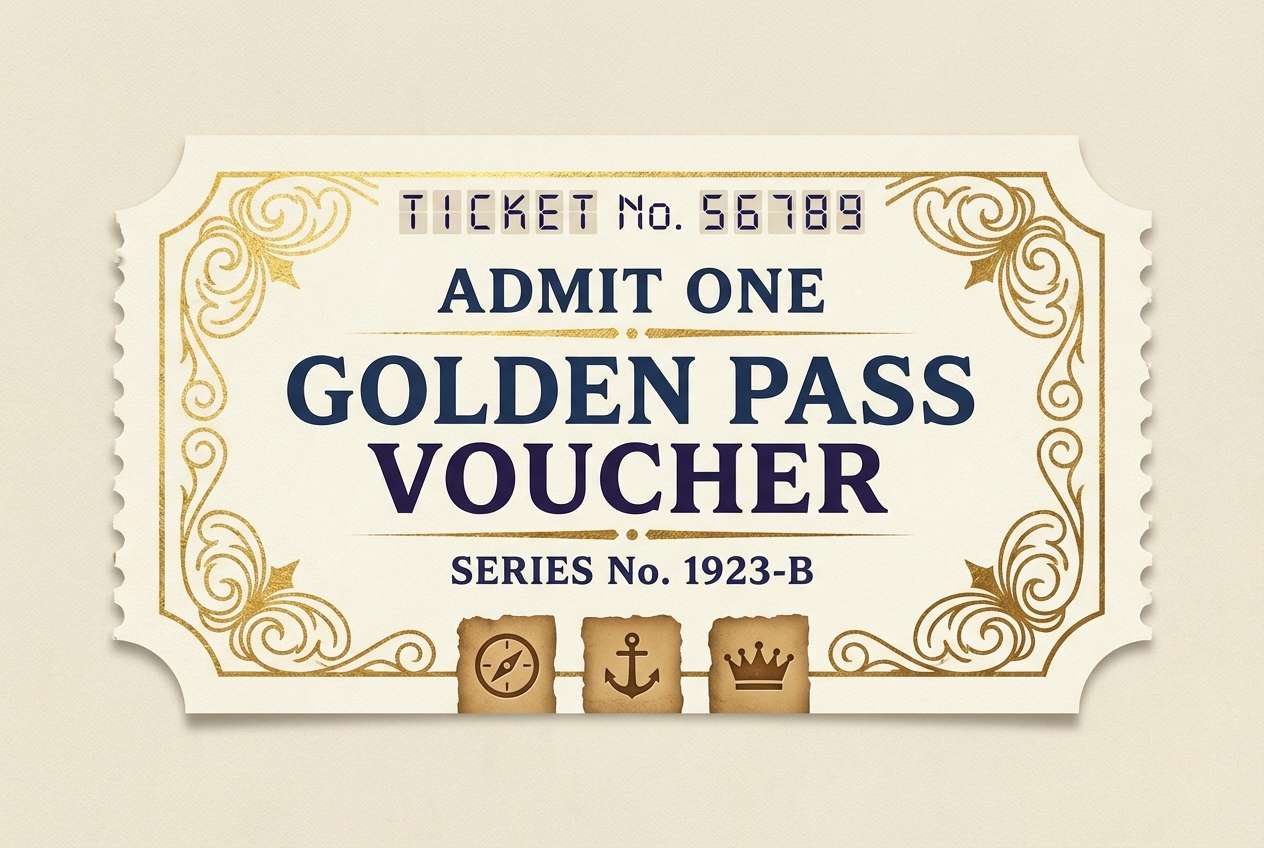
Best for: ticket-style voucher design
Classic and sturdy like embossed tickets and polished brass details. Use the parchment and gold tones for the base ticket stock look, then bring in navy for numbering and fine print. The deep indigo is great for borders and security-pattern elements that add authenticity. Tip: add small blocks of warm brown for seat or date fields to guide the eye.
Image example of heritage railway generated using media.io
17) lagoon bungalow
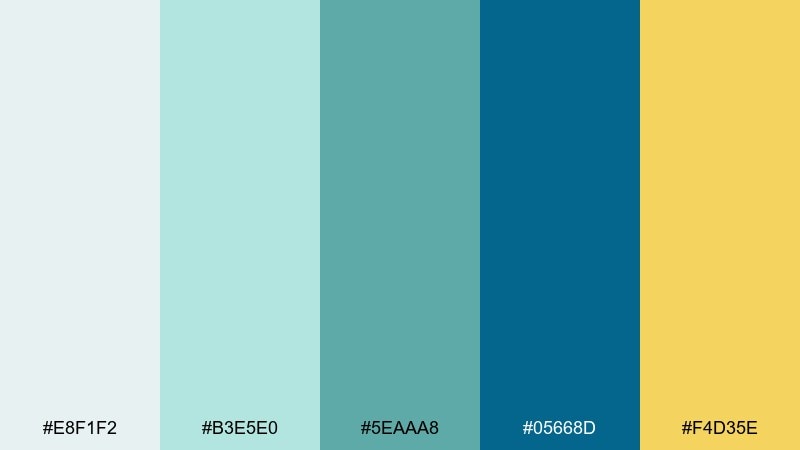
HEX: #E8F1F2 #B3E5E0 #5EAAA8 #05668D #F4D35E
Mood: clean, airy, resort-like
Best for: product ad for waterproof luggage
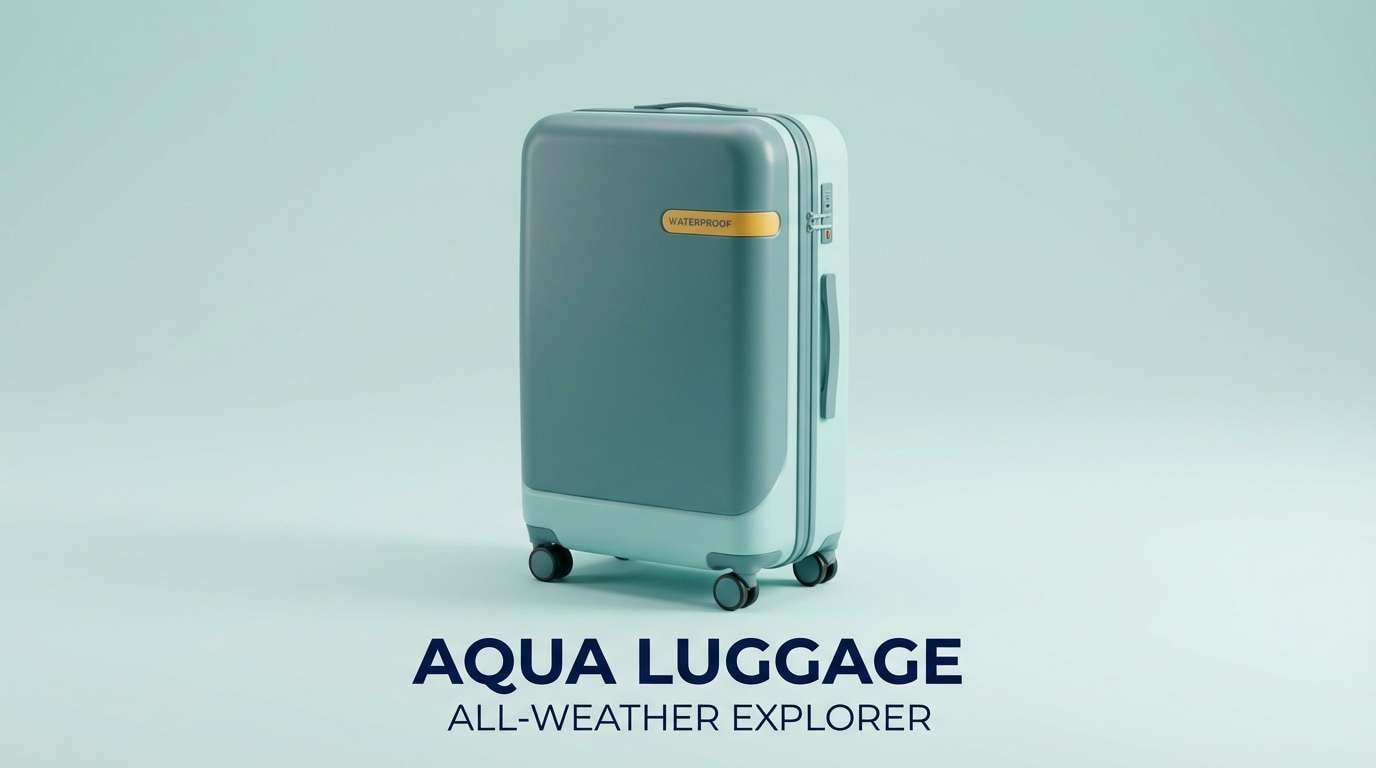
Clean and airy like a bungalow balcony over a clear lagoon. Use the pale aqua and misty gray as the studio backdrop tones to signal freshness and water. The deep blue reads as dependable and works well for product names and feature callouts. Tip: use the warm yellow as a single highlight for badges like durable or new to keep the ad premium.
Image example of lagoon bungalow generated using media.io
18) street food night
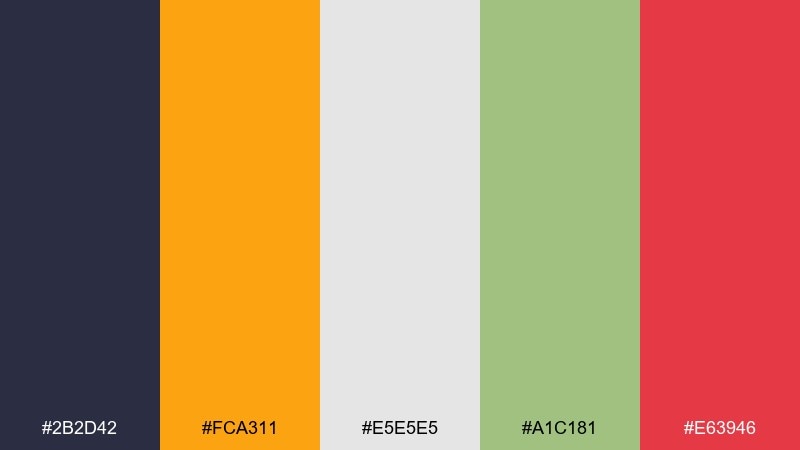
HEX: #2B2D42 #FCA311 #E5E5E5 #A1C181 #E63946
Mood: lively, spicy, high-contrast
Best for: mobile app UI for food discovery
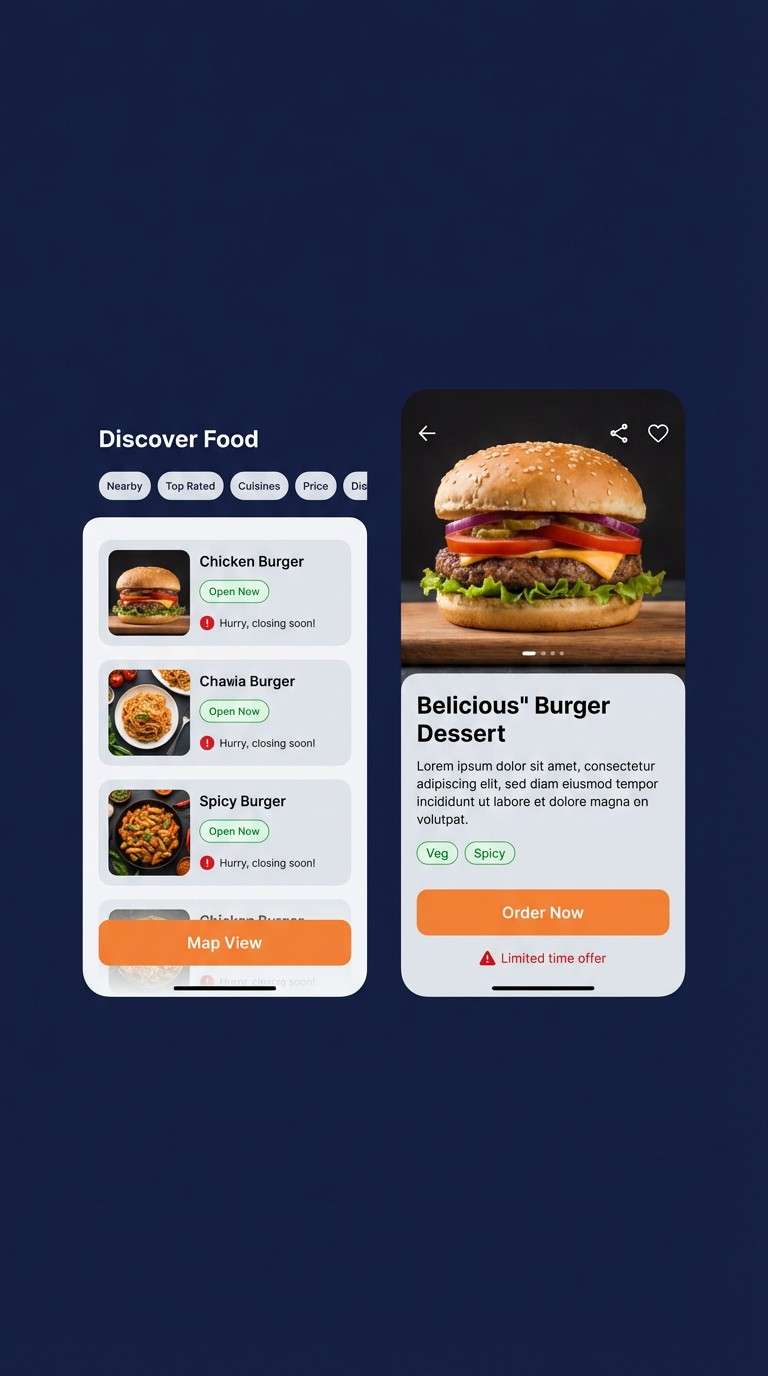
Lively and spicy like street stalls glowing under night lights. The deep navy sets a strong UI foundation, while warm orange signals action states and featured picks. Keep light gray for content cards and add the soft green for filters or tags to balance the heat. Tip: save the bright red for one critical state, like limited time or sold out, so it stays meaningful.
Image example of street food night generated using media.io
19) cabin journal
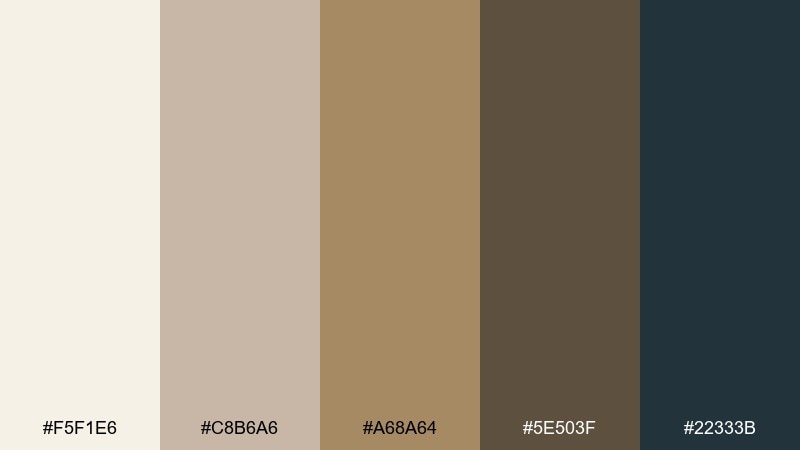
HEX: #F5F1E6 #C8B6A6 #A68A64 #5E503F #22333B
Mood: cozy, thoughtful, natural
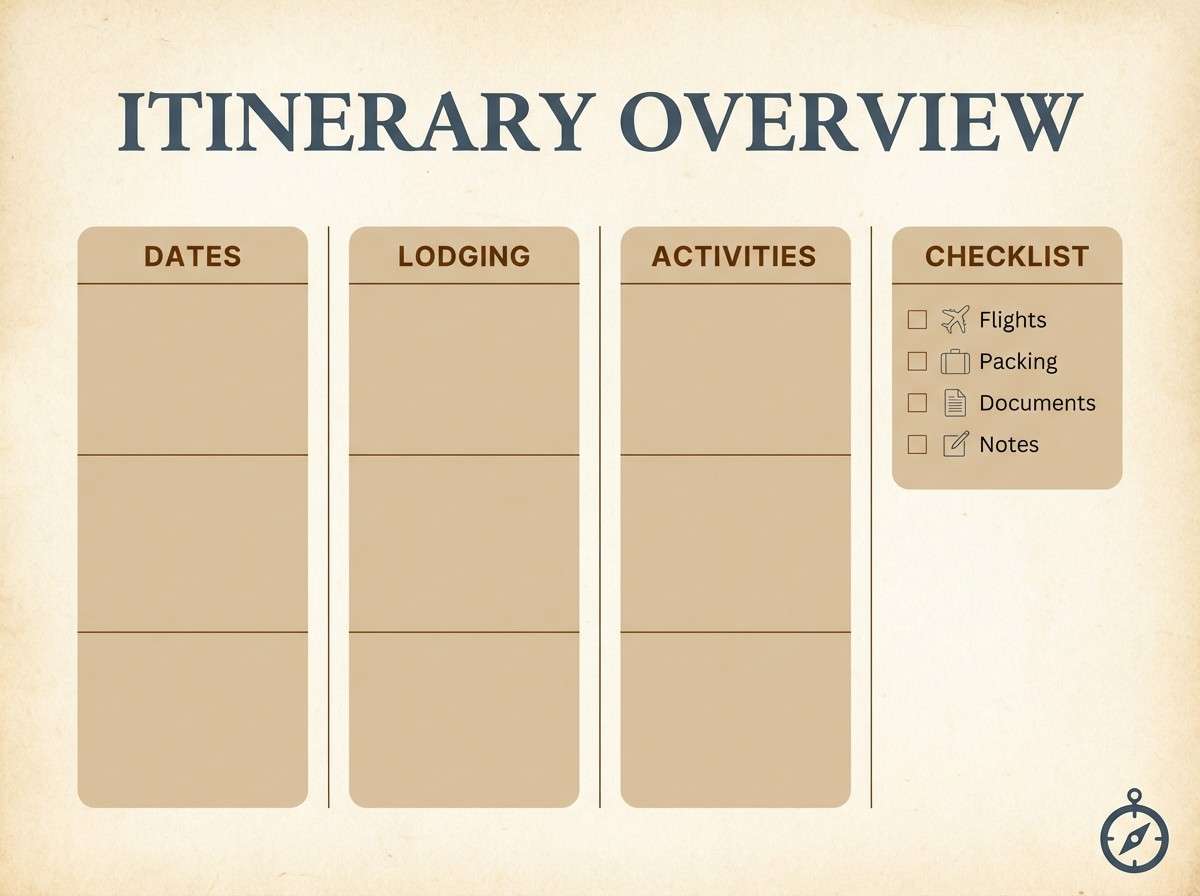
Best for: printable itinerary template
Cozy and thoughtful like a cabin journal filled with notes and pressed leaves. The warm paper base makes lists feel inviting, while the browns create clear structure for headings and section lines. Deep blue-gray adds modern contrast for titles and icons without breaking the natural tone. Tip: use the mid-tan for checkboxes and tables so the page stays easy to print.
Image example of cabin journal generated using media.io
20) coral reef map
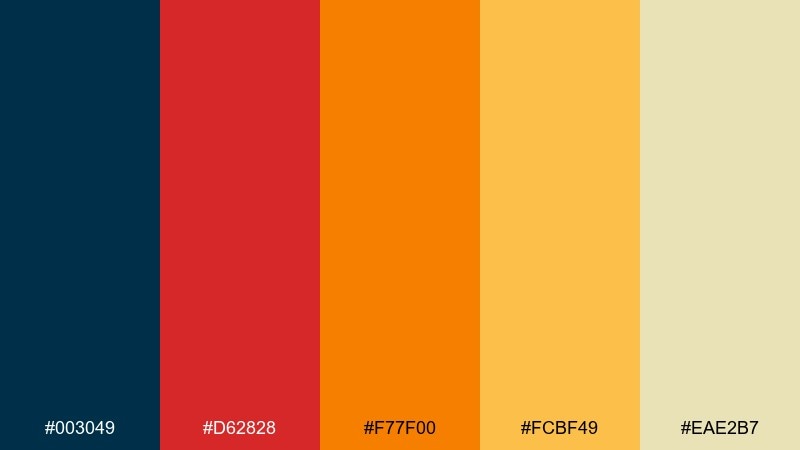
HEX: #003049 #D62828 #F77F00 #FCBF49 #EAE2B7
Mood: bright, summery, adventurous
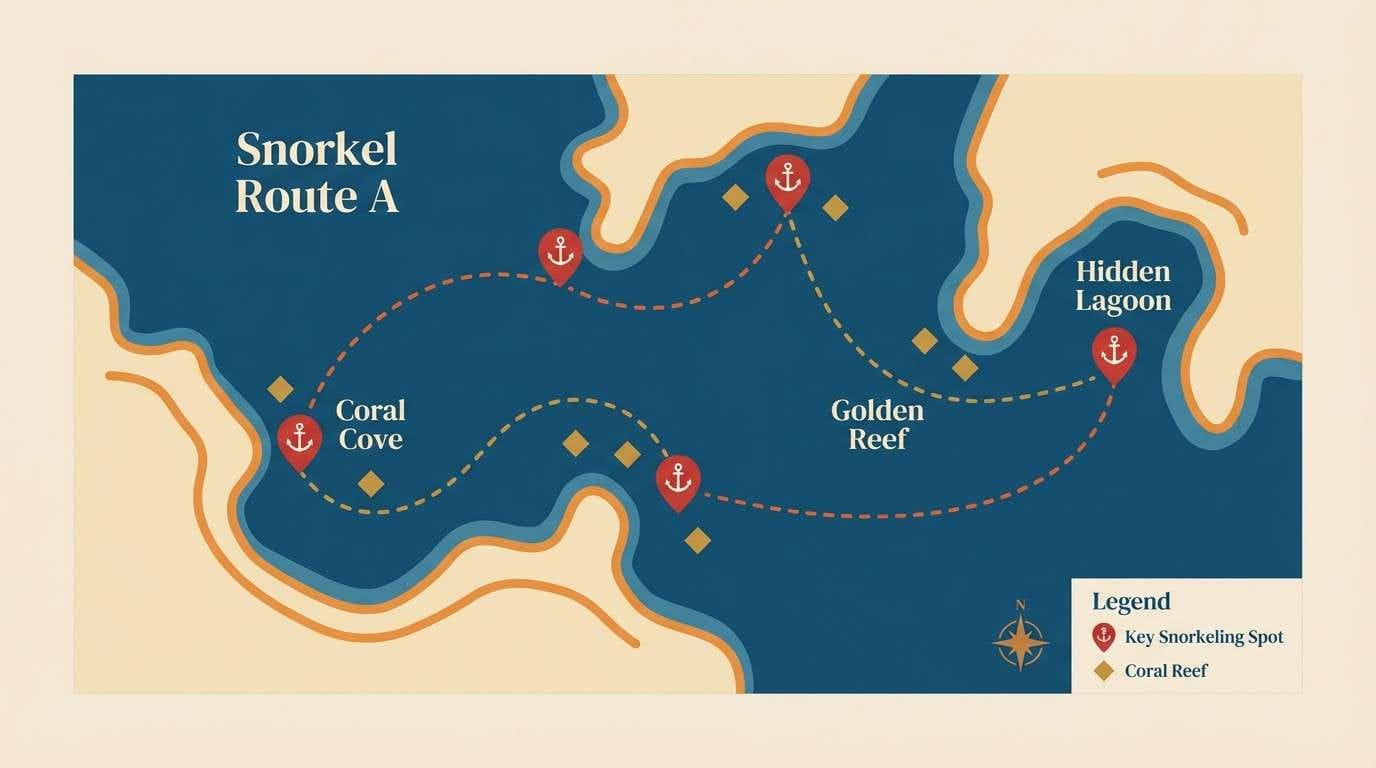
Best for: infographic map for snorkeling spots
Bright and adventurous like reef markers and sunlit waterlines. These travel color combinations work best when the deep blue acts as the ocean base and the warm hues become pins, routes, and legend keys. Use the pale sand for labels and whitespace so the map stays readable. Tip: limit red to the most important callouts, like top spots or safety notes.
Image example of coral reef map generated using media.io
21) museum weekend
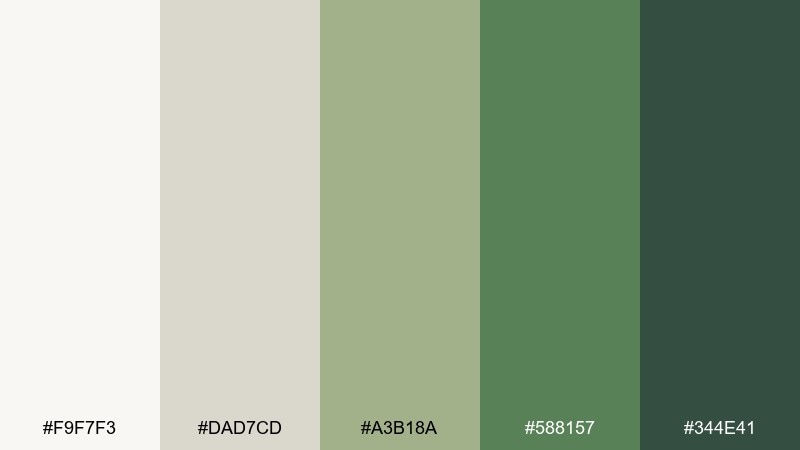
HEX: #F9F7F3 #DAD7CD #A3B18A #588157 #344E41
Mood: quiet, cultured, understated
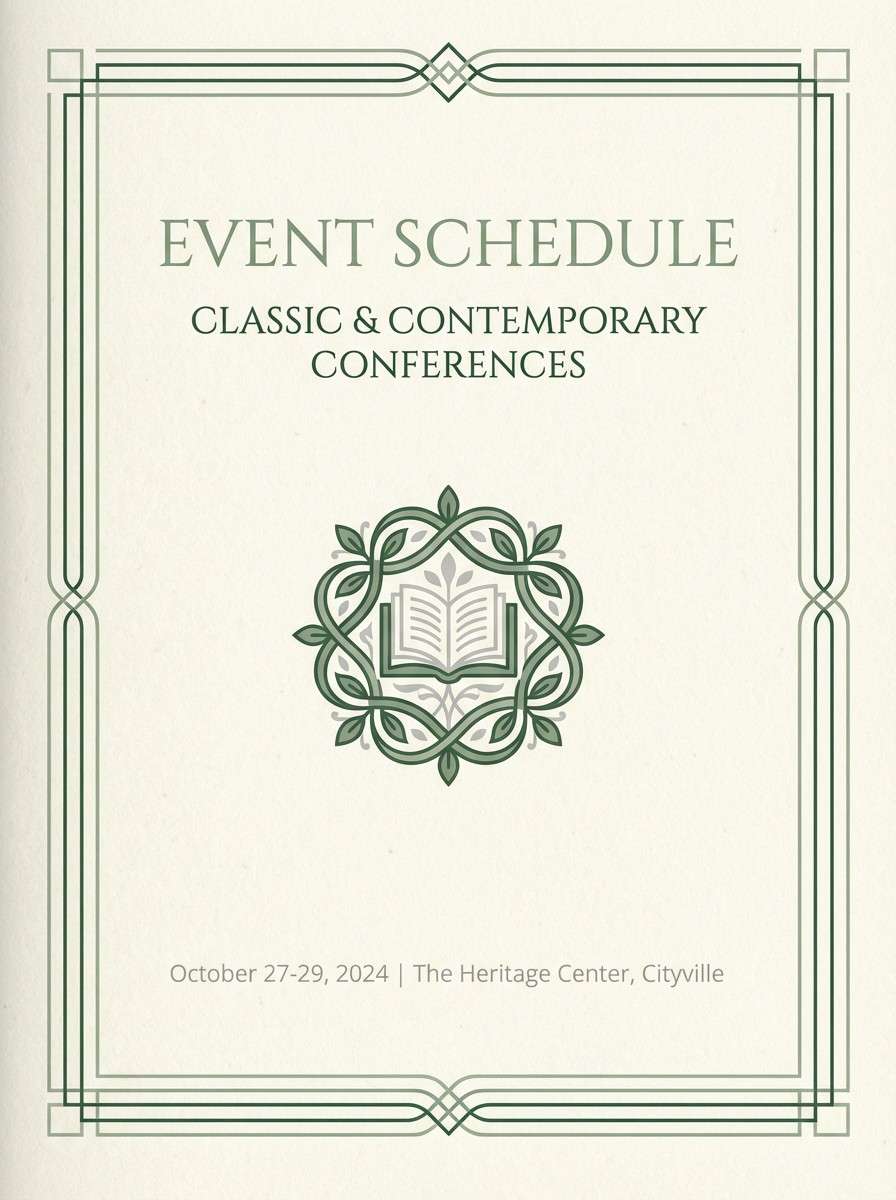
Best for: event schedule booklet cover
Quiet and cultured like museum halls, linen paper, and soft gallery lighting. Use the creamy white for the cover base, then build a calm hierarchy with sage and forest greens. The darkest green is ideal for titles and small ornamental rules that mimic classic print design. Tip: keep imagery minimal and let typography and spacing do the heavy lifting.
Image example of museum weekend generated using media.io
22) rose compass
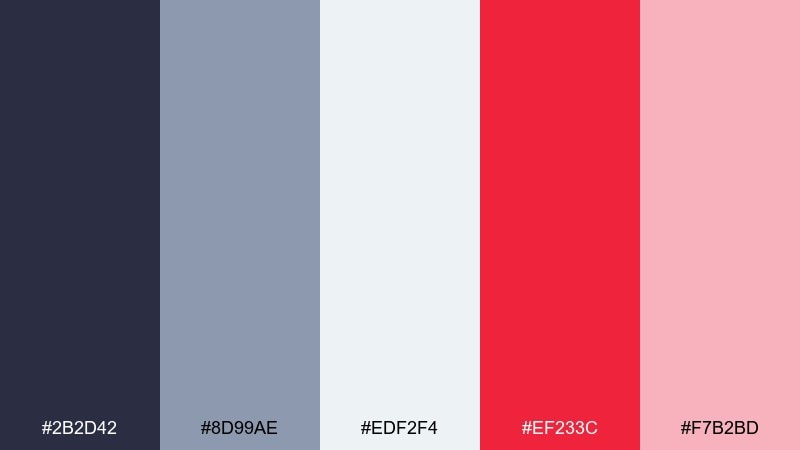
HEX: #2B2D42 #8D99AE #EDF2F4 #EF233C #F7B2BD
Mood: modern, crisp, confident
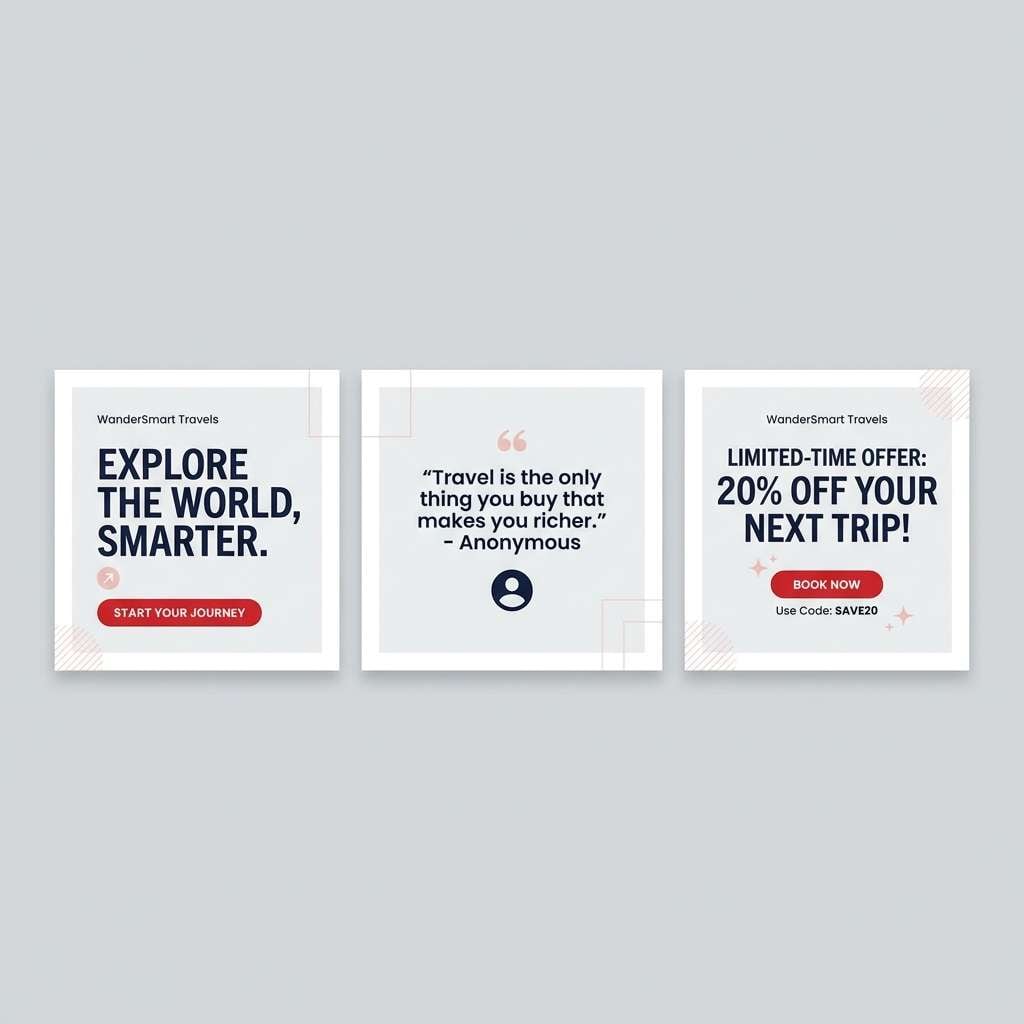
Best for: brand social templates for a travel agency
Modern and crisp like a compass rose drawn with sharp lines and clean margins. This travel color palette feels professional with cool grays, then turns energetic with a precise red accent. Use the blush pink for softer supporting elements like quote cards or secondary buttons. Tip: keep most templates gray-and-white, then apply red only to the main CTA to boost clicks without visual noise.
Image example of rose compass generated using media.io
What Colors Go Well with Travel?
Travel palettes pair well with calm neutrals (cream, warm gray, sand) because they mimic paper, boarding passes, and editorial layouts—perfect for readable pages and flexible backgrounds.
For accents, oceanic blues/teals and nature greens feel instantly “destination,” while sunset tones (amber, coral, terracotta) add energy for prices, dates, and CTAs. A near-black navy often works better than pure black for a softer, premium feel.
If you’re mixing multiple destinations or themes, keep one consistent base (light neutral + dark type color) and rotate only one accent per campaign to maintain a cohesive brand system.
How to Use a Travel Color Palette in Real Designs
Start with roles, not colors: choose one dark for text and navigation, one light for backgrounds, and one accent for actions. This keeps booking flows, itineraries, and promo layouts scannable even when imagery changes.
Use warm neutrals to control intensity. When your palette includes bright coral/orange/pink, let cream or off-white occupy most of the layout so the accent reads as intentional—especially on posters and social templates.
For UI design, reserve the most saturated color for key states (primary CTA, active filter, or progress). Keeping the rest quieter improves accessibility and reduces visual fatigue on long travel-planning sessions.
Create Travel Palette Visuals with AI
If you want to preview a travel color scheme before committing it to a full design, generate quick mockups (posters, UI cards, menus, or brand kits) using text prompts. This makes it easier to test balance, contrast, and how accents behave at different sizes.
With Media.io, you can turn each palette concept into consistent visuals for ads, landing pages, social tiles, and email headers—then iterate fast by changing only the prompt or aspect ratio.
Use your HEX codes as a guide for styling and keep one clear focal point (CTA, headline, or badge) so the design still reads well at thumbnail size.
Travel Color Palette FAQs
-
What is a good travel color palette for websites?
A strong travel color palette for websites usually includes a light neutral background (cream/off-white), a dark navy or charcoal for text, and a single saturated accent (teal, coral, or amber) for CTAs and key highlights. -
Which travel colors feel calm and premium?
Deep navy, slate blue, teal, sage, and warm creams tend to feel calm and premium. They create a “trusted booking brand” look while still suggesting oceans, sky, and natural landscapes. -
How do I keep a travel palette from looking too loud?
Limit bright accents to small areas (often under 10–15% of the layout), and let a neutral carry most surfaces. Save the most saturated color for one main message (CTA, price, or date). -
What are the best accent colors for travel posters?
Coral, amber, and red-orange are great poster accents because they read from a distance. Pair them with a dark anchor (navy/cocoa) and a soft background (cream) to avoid oversaturation. -
Can I use travel color schemes for branding?
Yes. Travel color schemes work well for branding because they’re emotionally familiar and flexible across print and digital. Build a system: 1–2 base colors, 1 neutral set, and 1 accent used consistently. -
How do I choose travel colors for maps and infographics?
Use a deep blue/charcoal as the base, light sand/cream for labels, and warm hues (orange/gold) for routes and pins. Reserve red only for top-priority markers or safety callouts so it stays meaningful. -
What’s the easiest way to visualize a travel palette before designing?
Generate mockups with AI using prompts that match your target format (hero banner, UI screens, poster, or email). This helps you confirm contrast, hierarchy, and mood before production work.


