
Teal blue green sits in that sweet spot between ocean-cool and nature-grounded, making it easy to build designs that feel both modern and calming. It can read fresh and bright in UI, or deep and premium in branding.
Below are 20+ teal blue green color palette ideas with HEX codes, plus practical notes on mood, best use cases, and AI prompts you can reuse to generate matching visuals.
In this article
- Why Teal Blue Green Palettes Work So Well
-
- coastal kelp
- lagoon glass
- minted fjord
- deep reef
- seaglass minimal
- rainy harbor
- tropical canopy
- alpine lake
- retro pool tile
- nordic spruce
- aqua ink
- garden path
- spa serenity
- ocean circuit ui
- emerald tide branding
- sage and teal editorial
- peacock velvet
- blue forest night
- fresh market packaging
- studio gradient poster
- harbor mist
- riverstone calm
- tidepool notes
- What Colors Go Well with Teal Blue Green?
- How to Use a Teal Blue Green Color Palette in Real Designs
- Create Teal Blue Green Palette Visuals with AI
Why Teal Blue Green Palettes Work So Well
Teal blue green palettes naturally balance warmth and coolness: blue adds stability and trust, while green adds freshness and “healthy” energy. That makes them versatile across branding, interiors, and digital product design.
They also scale well from subtle tints (spa-like, airy backgrounds) to deep dark anchors (premium, cinematic, high-contrast layouts). With the right neutral, teal blue green can feel minimal without turning sterile.
Most importantly, these hues support clear hierarchy: darker teals work for navigation and typography, while lighter seafoam and mint tones create calm surfaces for cards, packaging space, or editorial margins.
20+ Teal Blue Green Color Palette Ideas (with HEX Codes)
1) Coastal Kelp
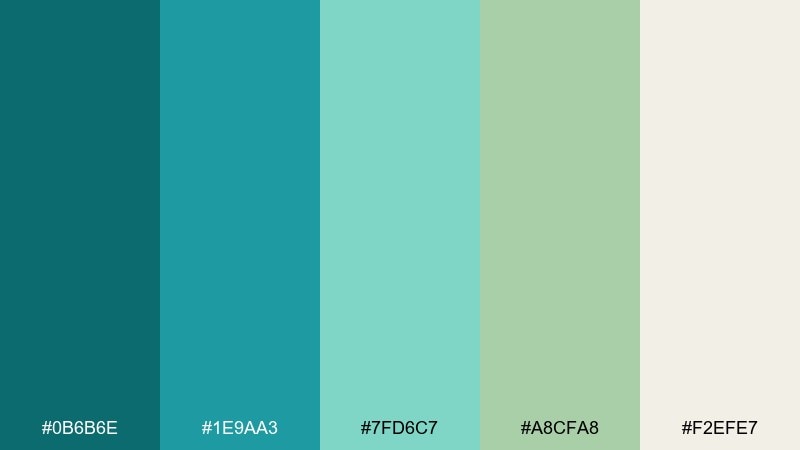
HEX: #0B6B6E #1E9AA3 #7FD6C7 #A8CFA8 #F2EFE7
Mood: clean, coastal, grounded
Best for: bathroom interior moodboard
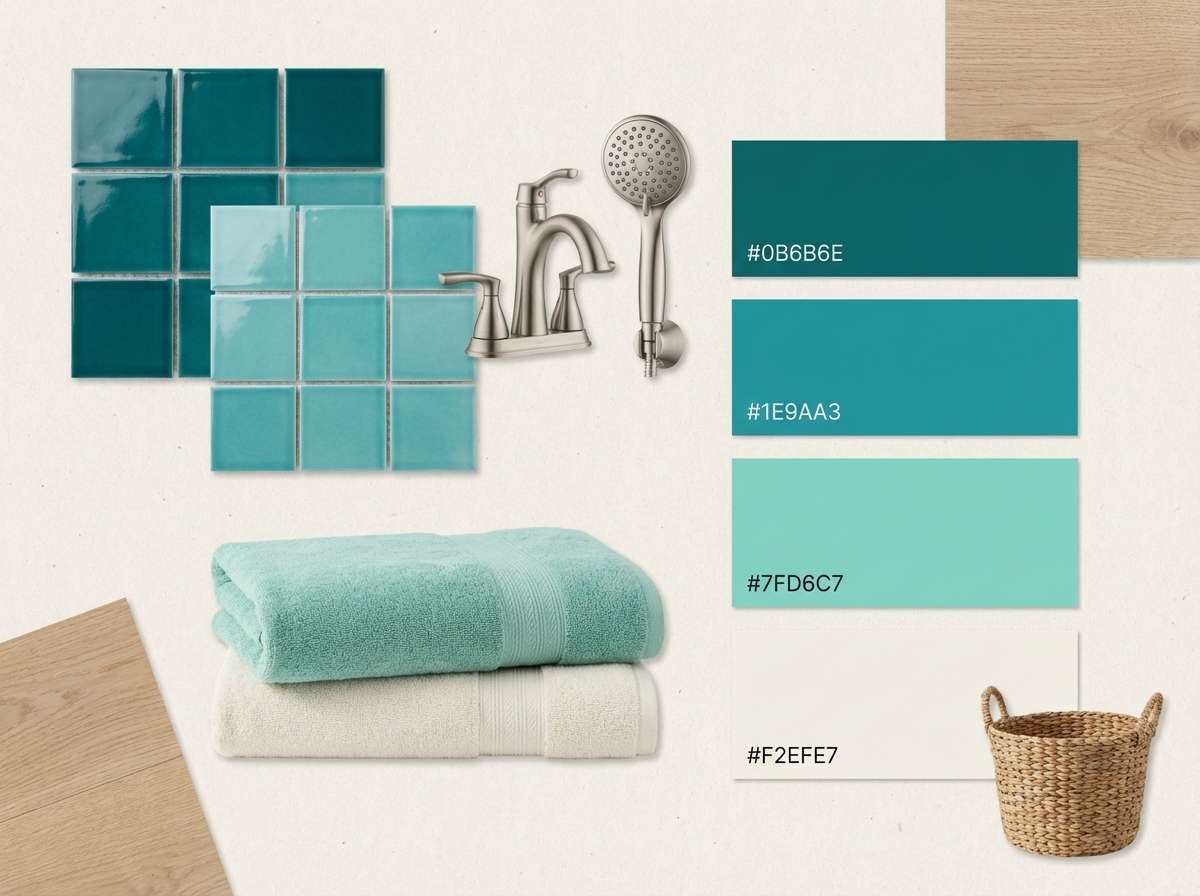
Clean sea air and kelp-draped rocks come to mind, with cool water tones softened by creamy light. Use it for coastal interiors, spa-like bathrooms, or airy hospitality spaces. Pair with pale oak, brushed nickel, and crisp white tile to keep it fresh. Tip: let the cream act as the main background so the teal reads calm, not heavy.
Image example of coastal kelp generated using media.io
Media.io is an online AI studio for creating and editing video, image, and audio in your browser.


2) Lagoon Glass
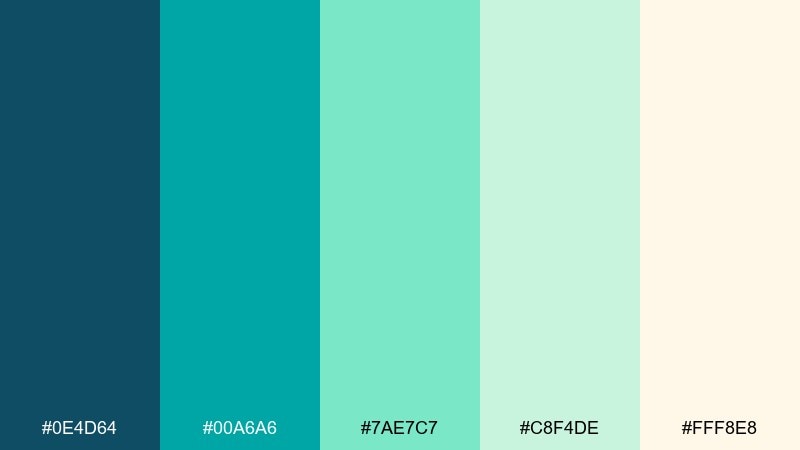
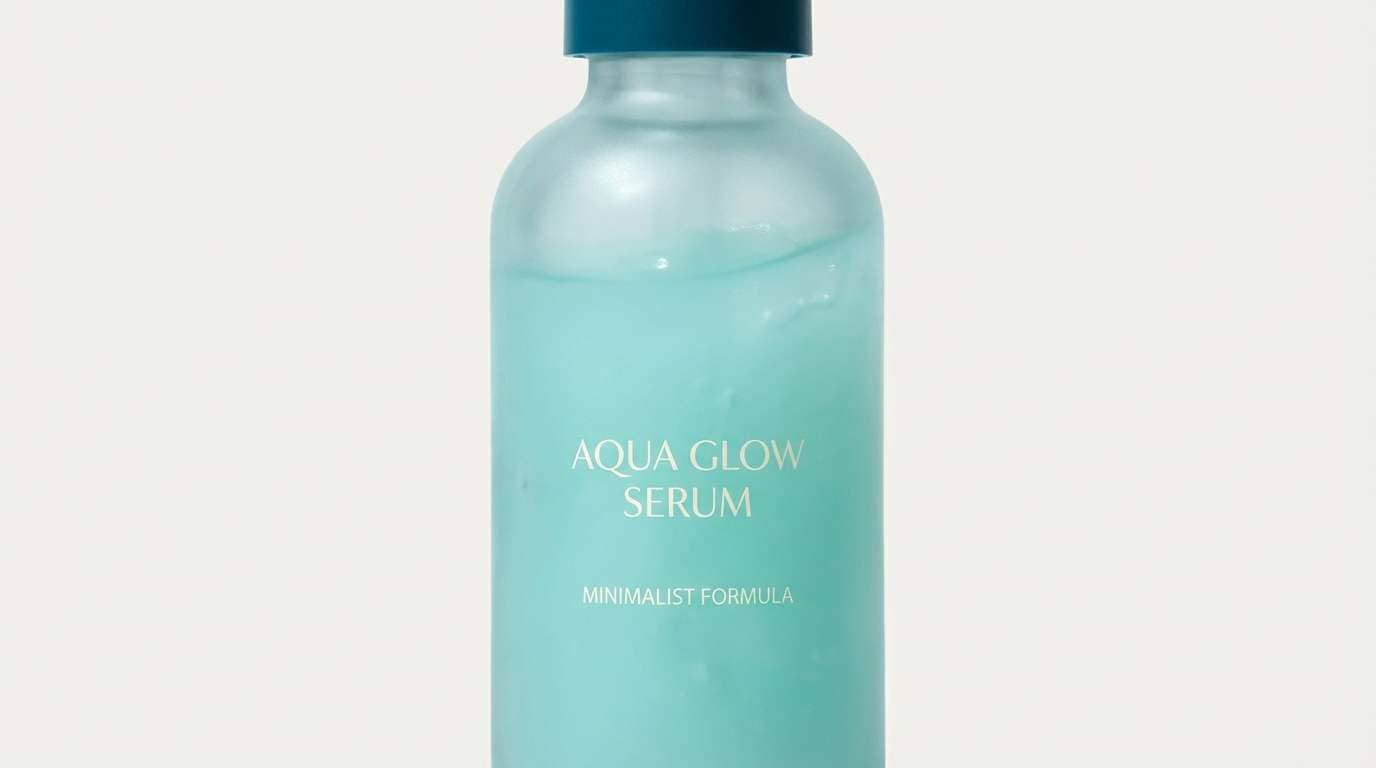
HEX: #0E4D64 #00A6A6 #7AE7C7 #C8F4DE #FFF8E8
Mood: bright, aquatic, uplifting
Best for: skincare product ad
Bright lagoon water and sunlit glass make this set feel crisp and optimistic. It works beautifully for skincare, wellness, and clean product photography where you want freshness without neon. Pair with frosted textures, clear acrylic, and warm off-white to avoid a sterile look. Tip: reserve the deepest blue for small type and shadows to keep the ad light.
Image example of lagoon glass generated using media.io
3) Minted Fjord
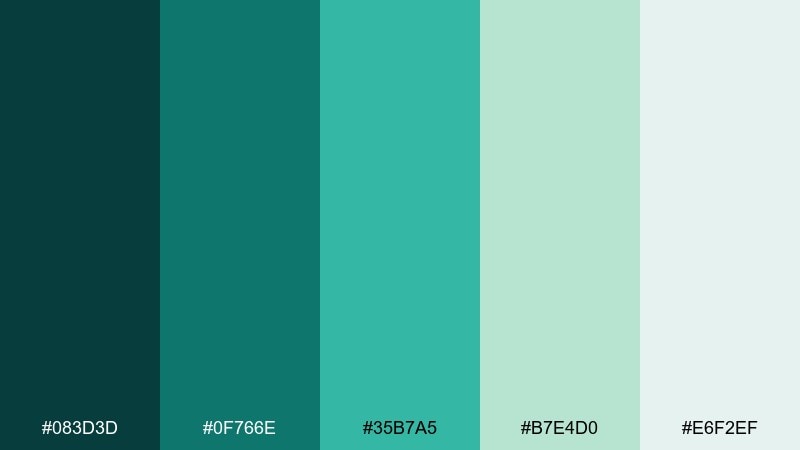
HEX: #083D3D #0F766E #35B7A5 #B7E4D0 #E6F2EF
Mood: cool, minimal, contemporary
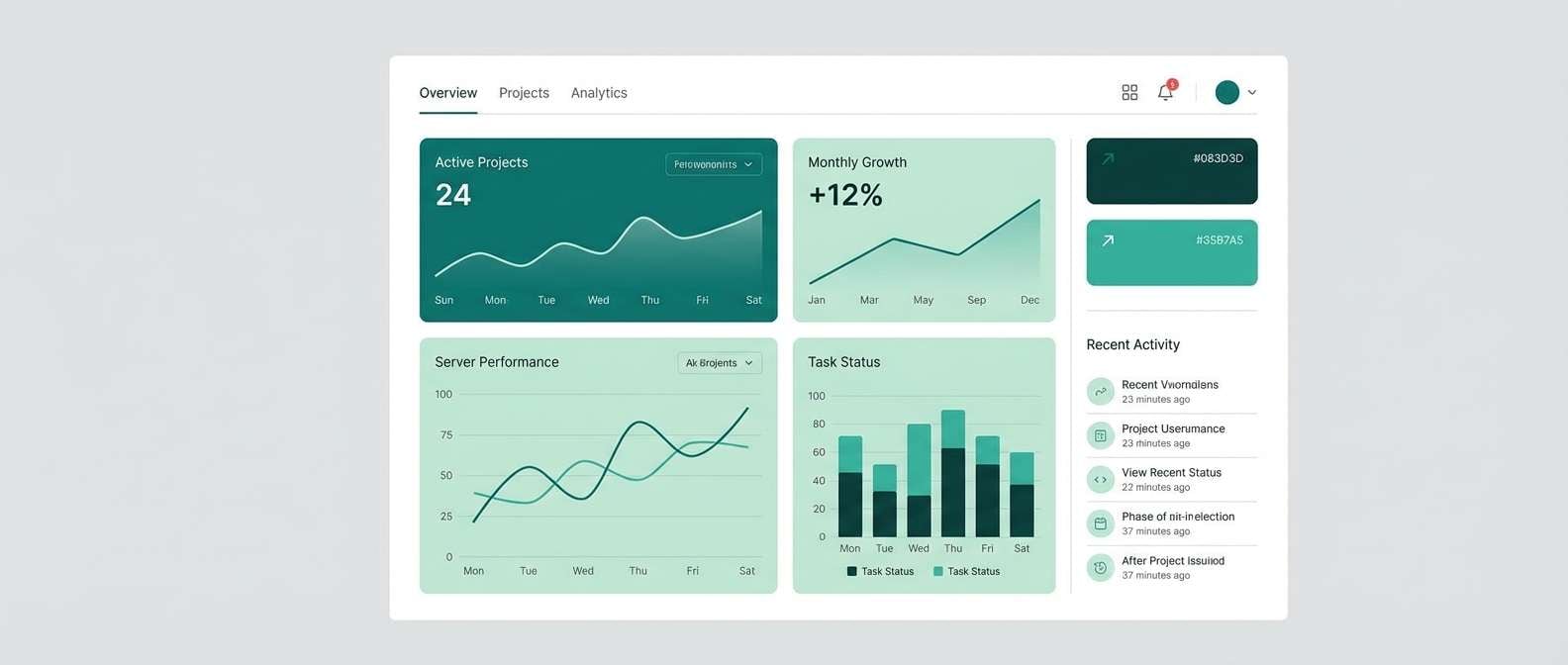
Best for: 2d UI dashboard mockup
Cool fjord shadows meet minty highlights, creating a modern, quietly confident look. It suits dashboards, SaaS settings pages, and data-heavy UI where clarity matters. Pair with thin line icons, soft dividers, and plenty of whitespace to keep the interface breathable. Tip: use the darkest teal for navigation and the pale mint for cards to establish hierarchy fast.
Image example of minted fjord generated using media.io
4) Deep Reef
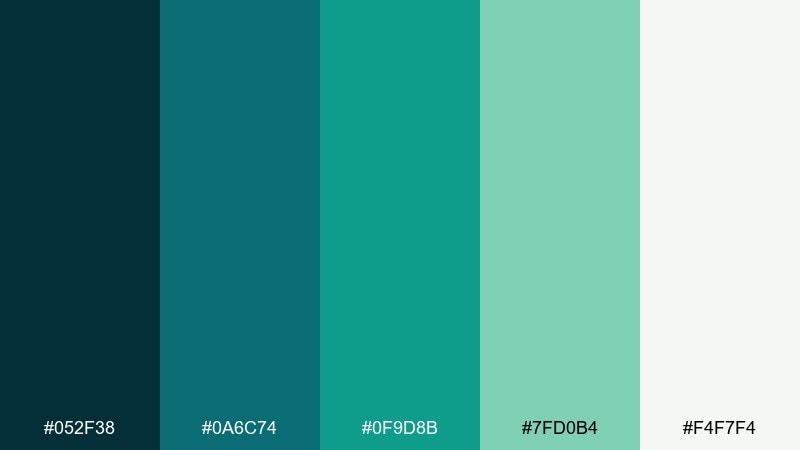
HEX: #052F38 #0A6C74 #0F9D8B #7FD0B4 #F4F7F4
Mood: moody, immersive, ocean-deep
Best for: restaurant brand identity
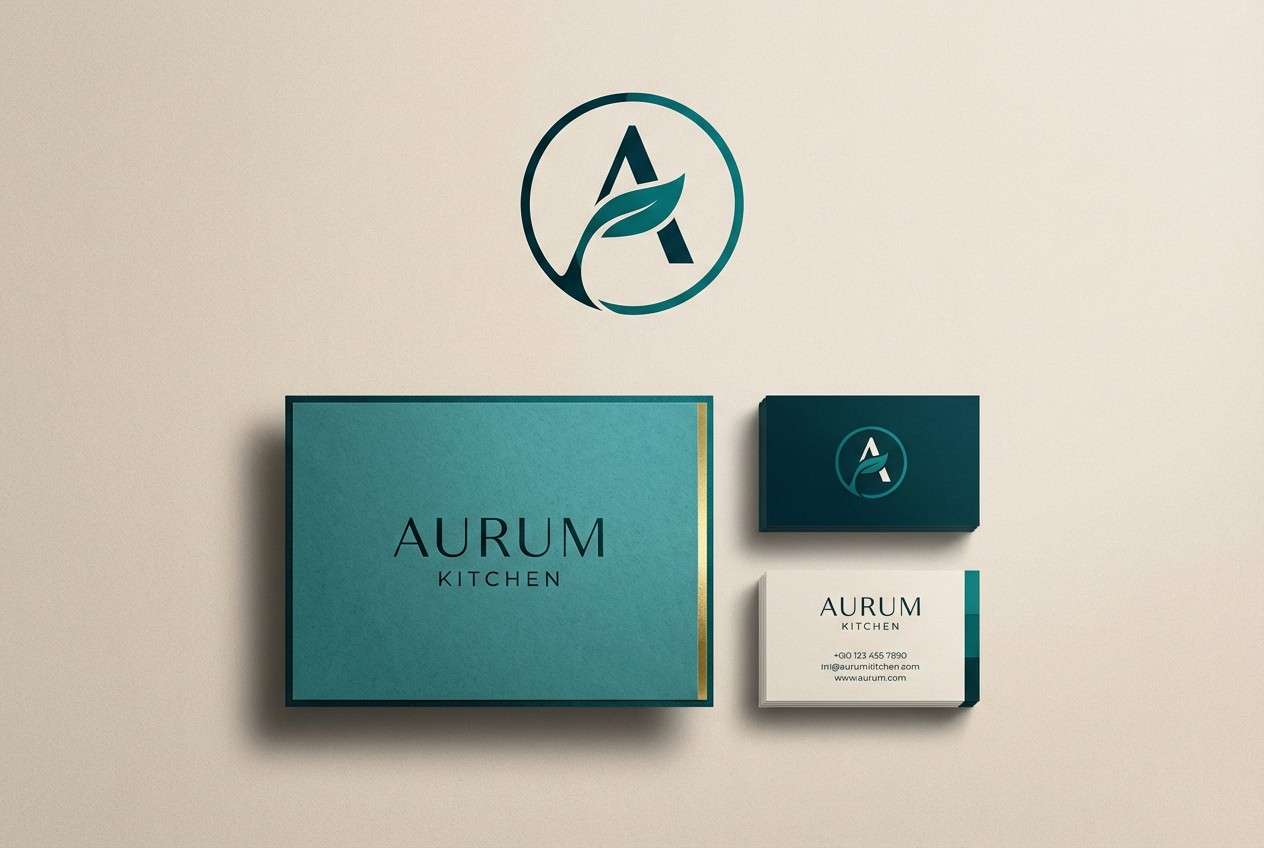
Moody reef depths and bioluminescent hints give a refined, immersive vibe. This teal blue green color palette is ideal for seafood restaurants, cocktail bars, and premium hospitality branding that wants to feel coastal but grown-up. Pair with matte black, textured paper, and subtle foil to elevate the darkest tones. Tip: keep the bright teal for highlights only, like icons or a single line in the logo lockup.
Image example of deep reef generated using media.io
5) Seaglass Minimal
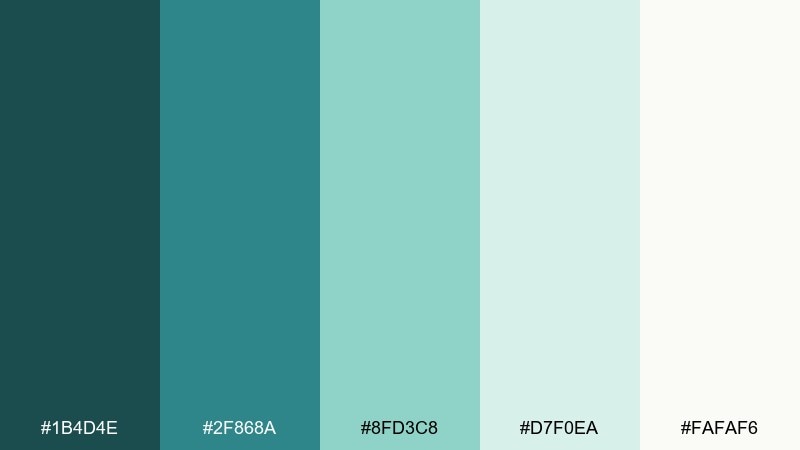
HEX: #1B4D4E #2F868A #8FD3C8 #D7F0EA #FAFAF6
Mood: airy, soft, uncluttered
Best for: minimalist landing page hero
Airy seaglass tones feel clean and gentle, like light passing through frosted shoreline pieces. Use it for minimalist landing pages, lifestyle brands, and calm portfolio sites. Pair with warm gray text and rounded UI elements to keep it approachable. Tip: choose one mid-teal for buttons and let the pale tints do most of the background work.
Image example of seaglass minimal generated using media.io

6) Rainy Harbor
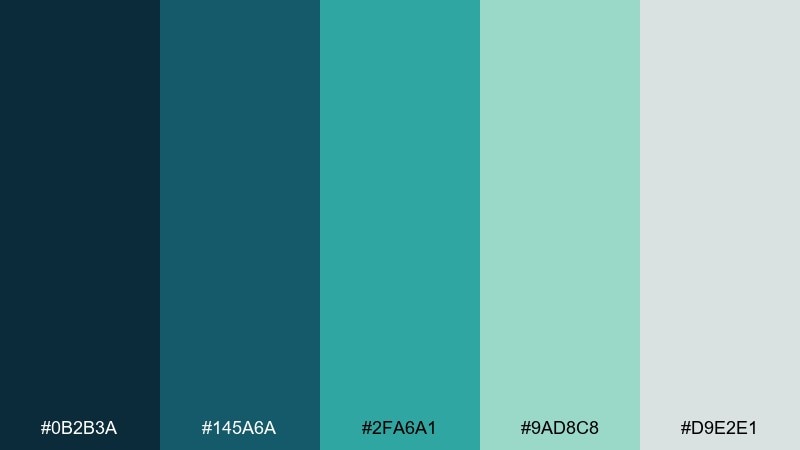
HEX: #0B2B3A #145A6A #2FA6A1 #9AD8C8 #D9E2E1
Mood: stormy, urban, sophisticated
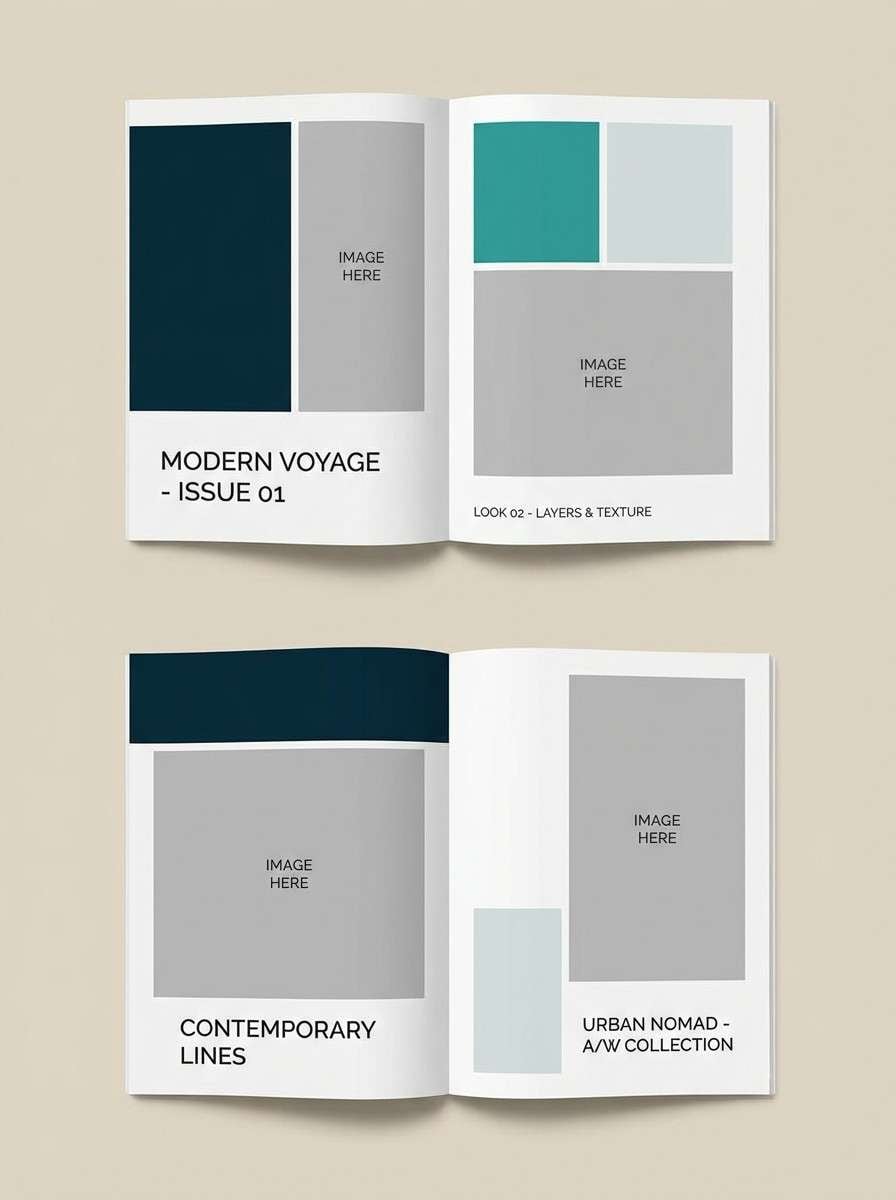
Best for: menswear lookbook layout
Stormy harbor blues and wet-pavement greens bring an urban, sophisticated edge. It fits menswear, tech apparel, and modern editorials where you want cool confidence. Pair with charcoal, steel textures, and restrained typography for a sharper feel. Tip: use the muted gray-green as the page base and let the saturated teal punctuate headings.
Image example of rainy harbor generated using media.io
7) Tropical Canopy
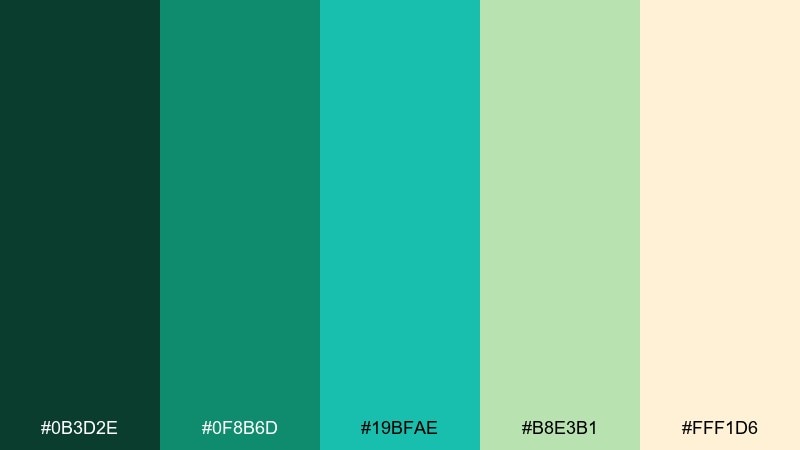
HEX: #0B3D2E #0F8B6D #19BFAE #B8E3B1 #FFF1D6
Mood: lush, energetic, sun-warmed
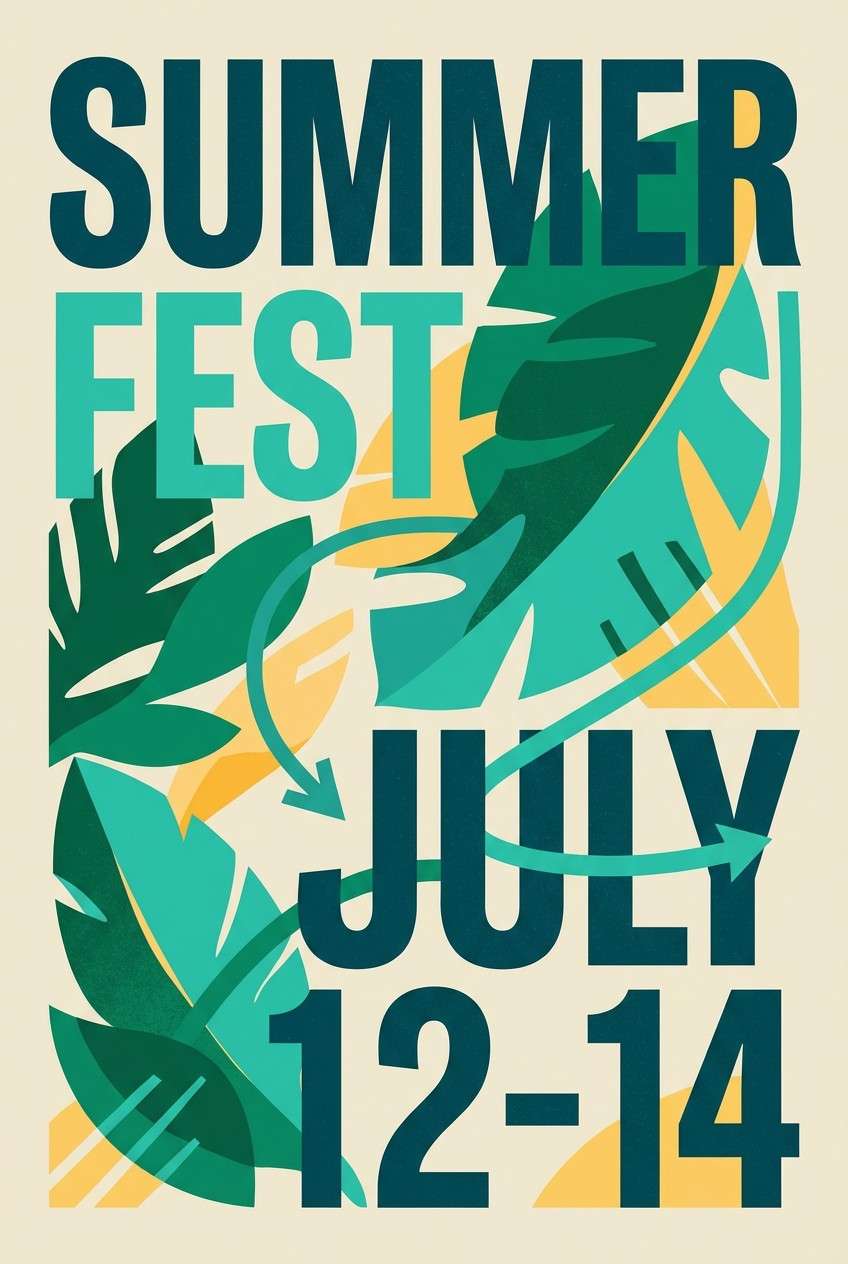
Best for: summer festival poster
Lush canopy greens with a splash of tropical teal feel lively and sun-warmed. Great for summer events, music posters, and bold social graphics that need instant energy. Pair with clean cream space and chunky sans typography for readability at a distance. Tip: let the aqua sit on top of the deeper green to create high-impact contrast without harshness.
Image example of tropical canopy generated using media.io
8) Alpine Lake
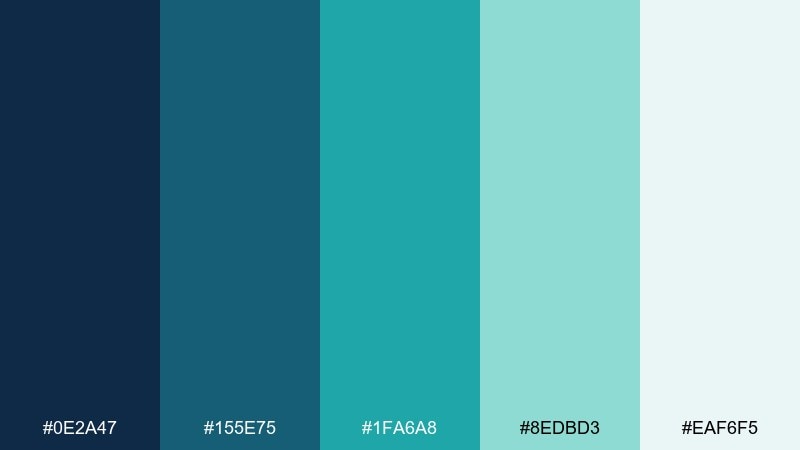
HEX: #0E2A47 #155E75 #1FA6A8 #8EDBD3 #EAF6F5
Mood: fresh, outdoorsy, clear
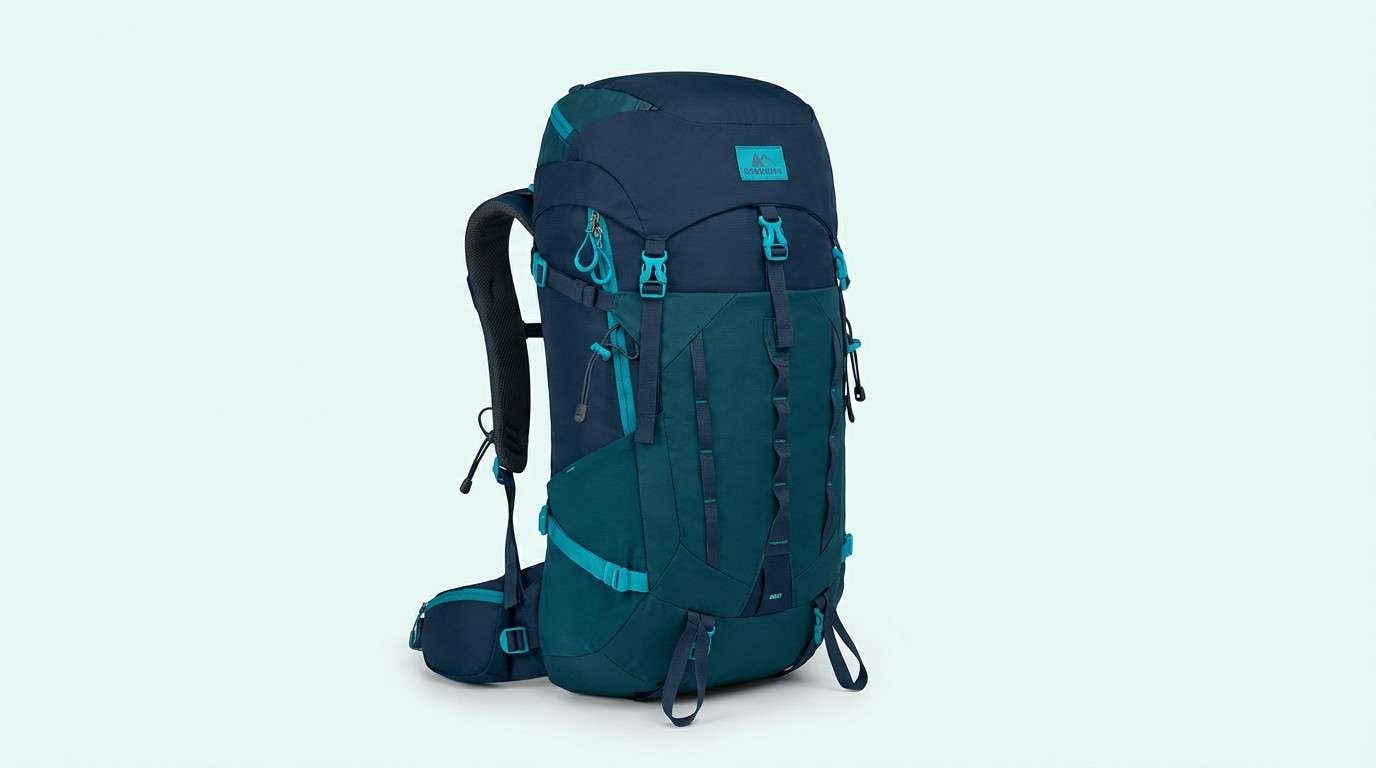
Best for: outdoor gear product banner
Fresh alpine air and clear lake water make this feel invigorating and dependable. These teal blue green color combinations work well for outdoor gear, travel brands, and performance features where trust matters. Pair with crisp photography, dark navy type, and simple iconography to keep it technical. Tip: put the brightest teal on key badges like waterproof or new to guide the eye.
Image example of alpine lake generated using media.io
9) Retro Pool Tile
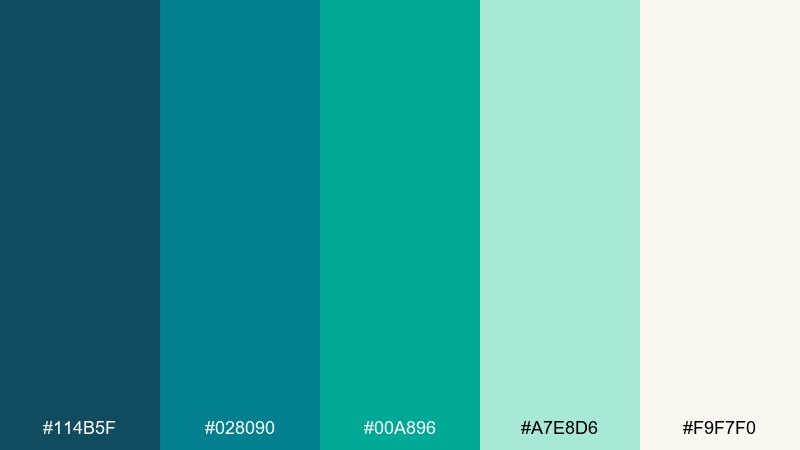
HEX: #114B5F #028090 #00A896 #A7E8D6 #F9F7F0
Mood: playful, retro, clean
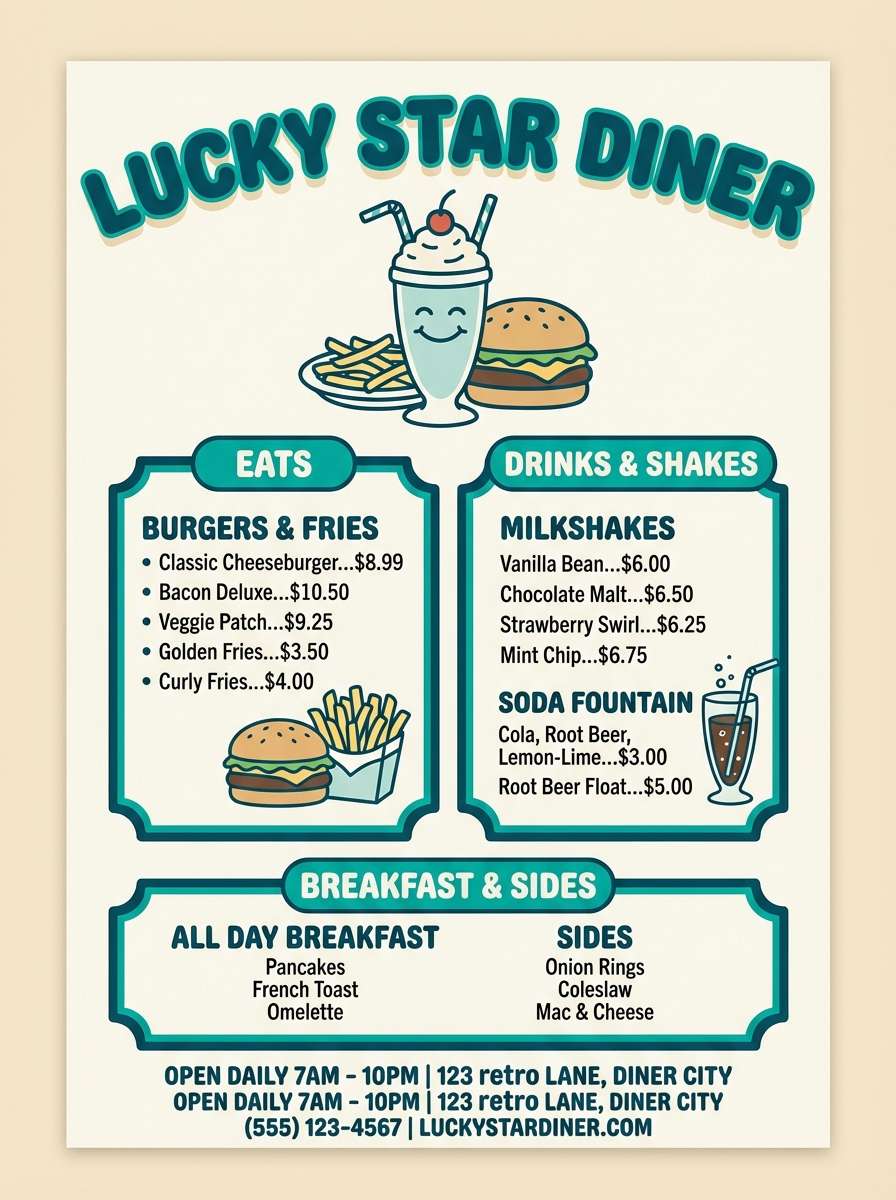
Best for: ice cream shop menu flyer
Playful pool-tile blues and clean minty greens give a retro summer vibe. It suits café menus, ice cream shop flyers, and nostalgic packaging without feeling kitschy. Pair with rounded type, simple icons, and a warm off-white base to keep it friendly. Tip: use the darkest blue-green for prices so they stay readable on lighter blocks.
Image example of retro pool tile generated using media.io
10) Nordic Spruce
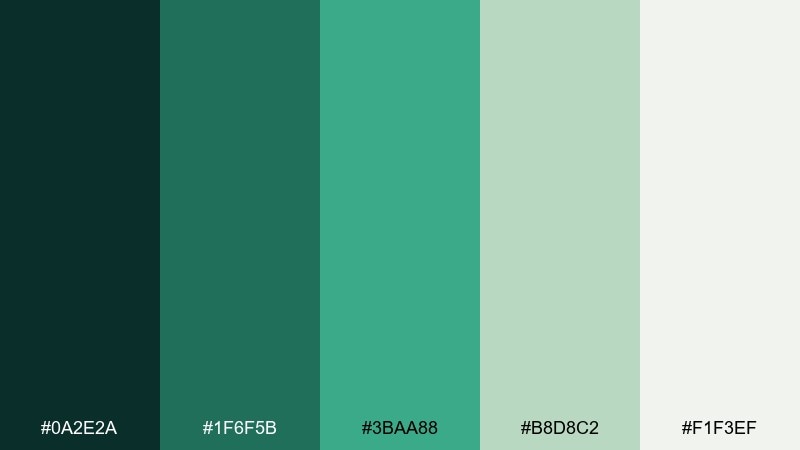
HEX: #0A2E2A #1F6F5B #3BAA88 #B8D8C2 #F1F3EF
Mood: earthy, quiet, Scandinavian
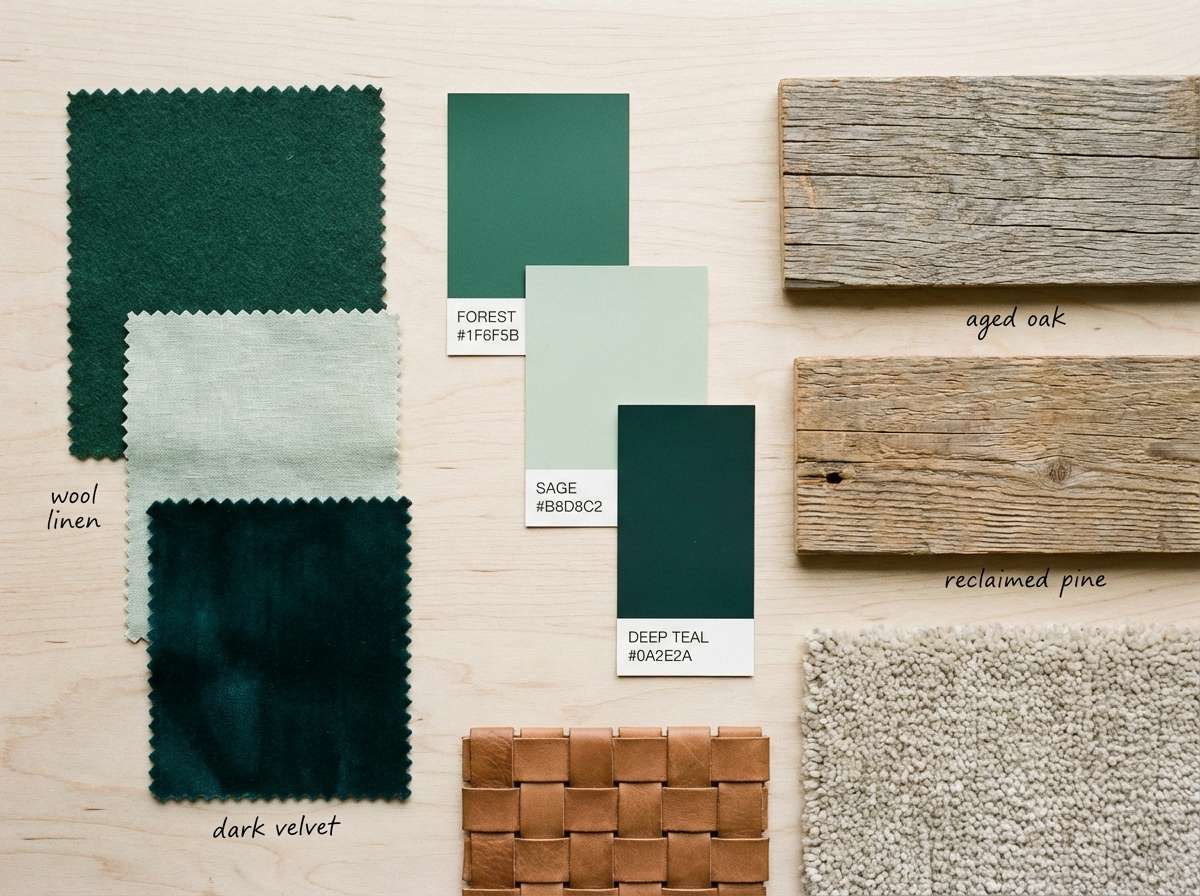
Best for: cabin interior color plan
Quiet spruce greens and cool teals feel grounded, like a calm Scandinavian forest. Use it for cabin interiors, sustainable brands, or packaging that leans natural and trustworthy. Pair with linen textures, light pine, and soft black accents for structure. Tip: keep saturation lower on large walls and bring the richer teal into textiles and art.
Image example of nordic spruce generated using media.io
11) Aqua Ink
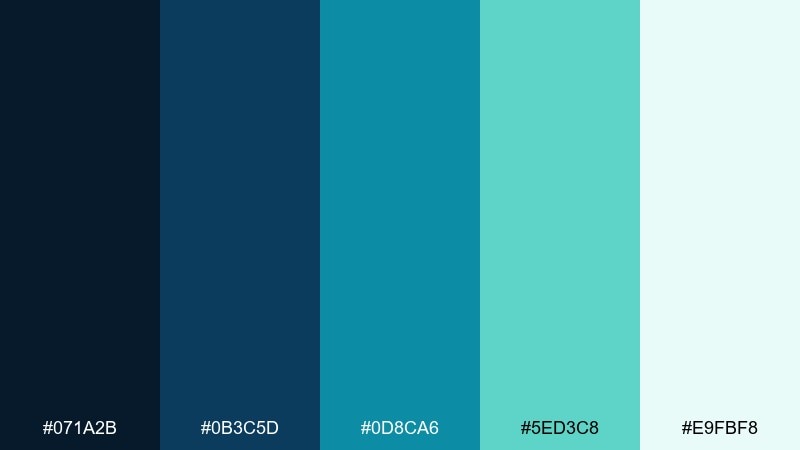
HEX: #071A2B #0B3C5D #0D8CA6 #5ED3C8 #E9FBF8
Mood: sleek, high-contrast, techy
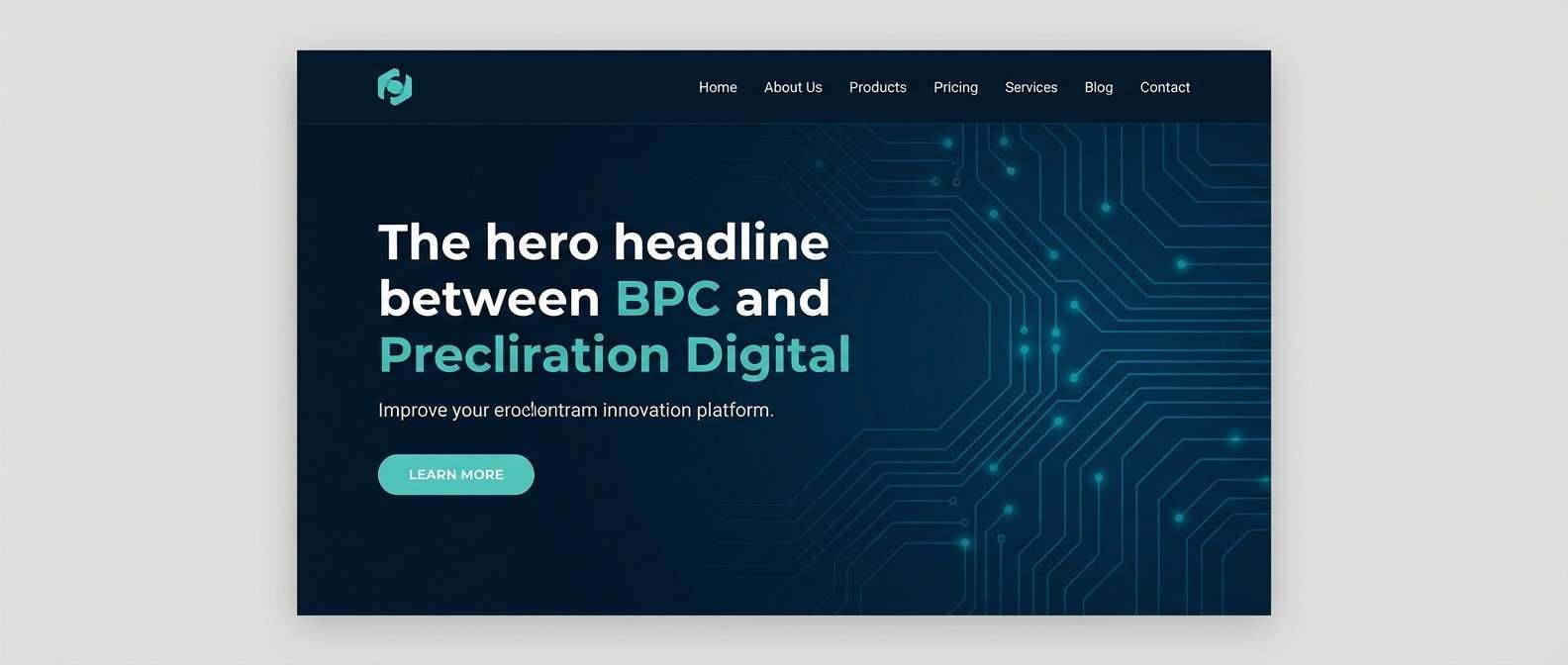
Best for: cybersecurity website header
Sleek ink blues with electric aqua highlights feel technical and secure. Great for cybersecurity, fintech, and B2B sites that need clarity plus a modern edge. Pair with geometric patterns, subtle gradients, and concise messaging to keep it sharp. Tip: use the darkest navy for the header background and let the aqua act as your clickable cue.
Image example of aqua ink generated using media.io
12) Garden Path
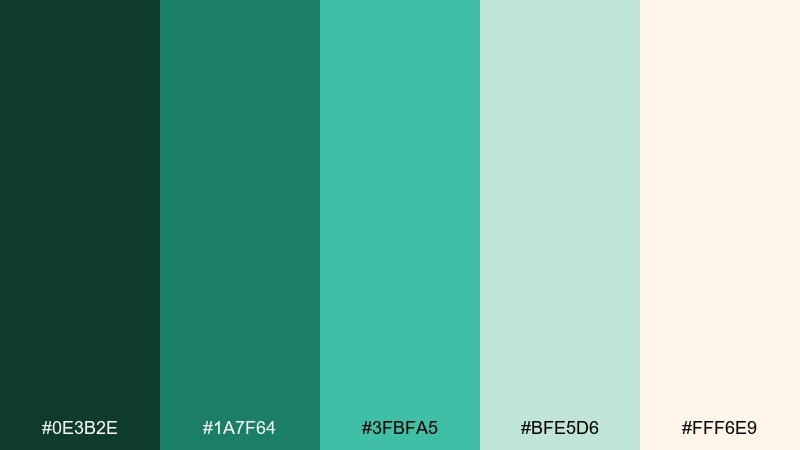
HEX: #0E3B2E #1A7F64 #3FBFA5 #BFE5D6 #FFF6E9
Mood: fresh, botanical, welcoming
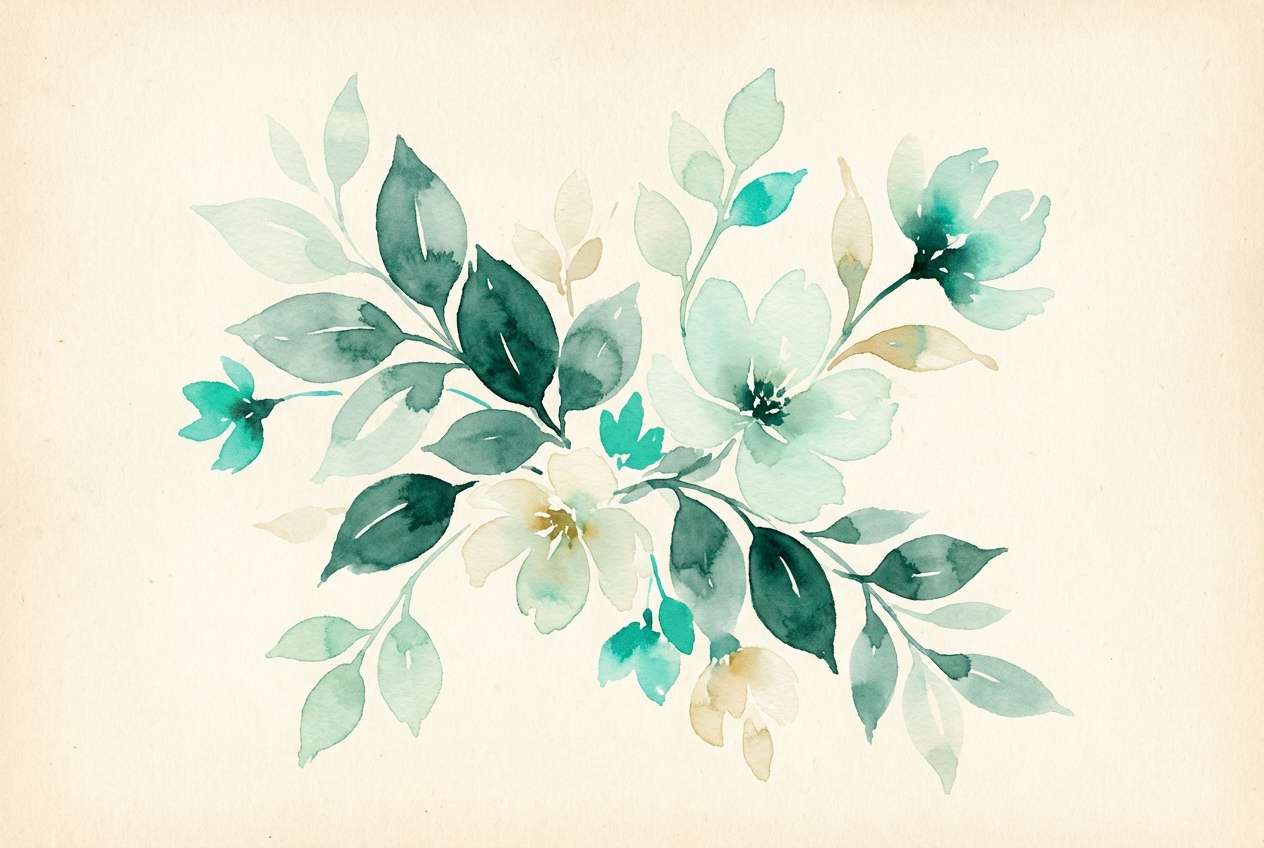
Best for: botanical watercolor illustration
Fresh garden greens and soft teal blooms feel welcoming, like a shaded path after rain. This teal blue green color palette is perfect for botanical illustrations, eco labels, and spring campaigns. Pair with warm paper tones and fine linework to keep it artisanal. Tip: use the cream as negative space so the greens look more vibrant and natural.
Image example of garden path generated using media.io
13) Spa Serenity
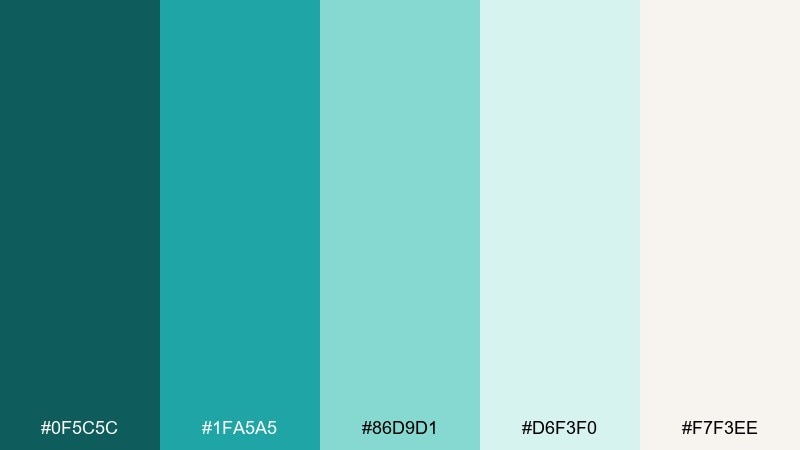
HEX: #0F5C5C #1FA5A5 #86D9D1 #D6F3F0 #F7F3EE
Mood: soothing, clean, restorative
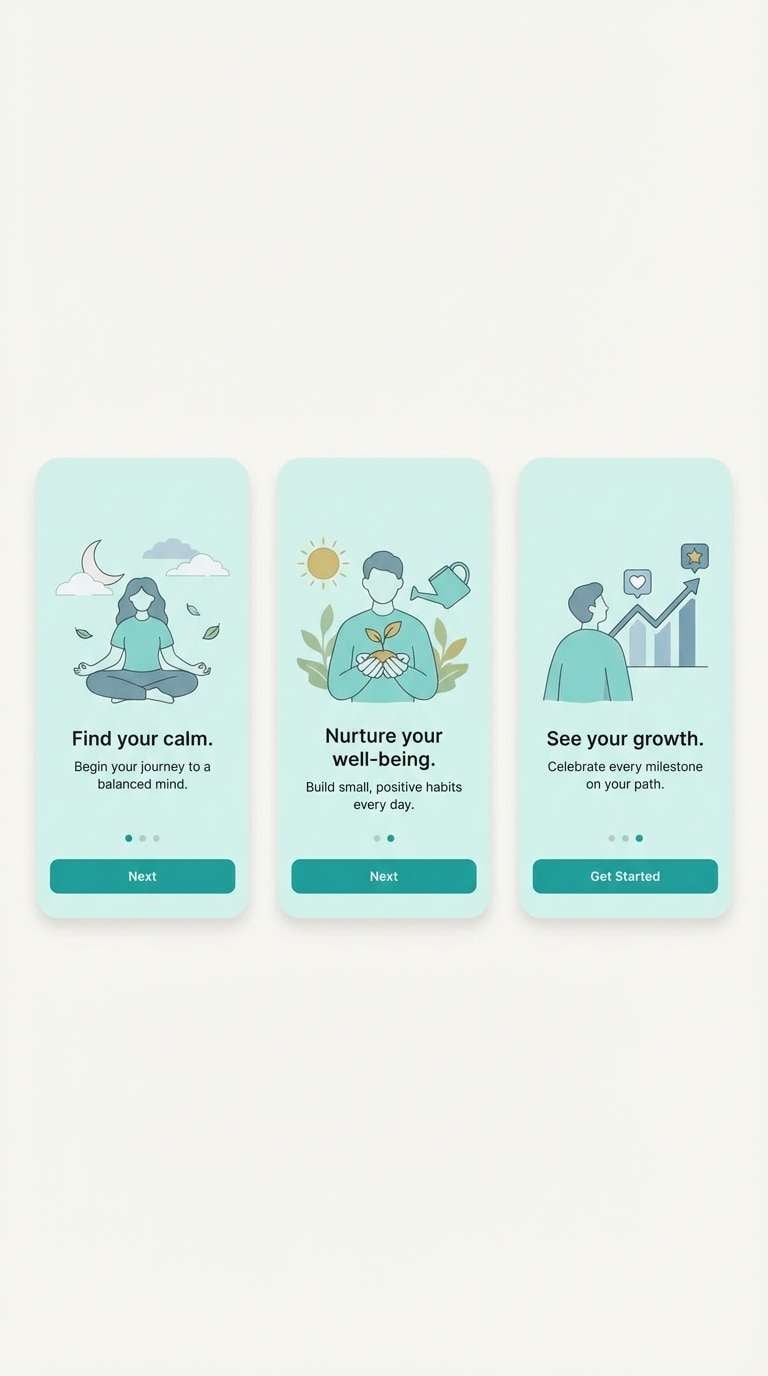
Best for: wellness app onboarding screens
Soothing spa water and soft steam tones make the whole set feel restorative. Ideal for wellness apps, meditation onboarding, and gentle service brands that want calm authority. Pair with rounded cards, subtle shadows, and simple sans typography for an easy read. Tip: keep the brightest teal to one primary action so the flow stays tranquil.
Image example of spa serenity generated using media.io
14) Ocean Circuit UI
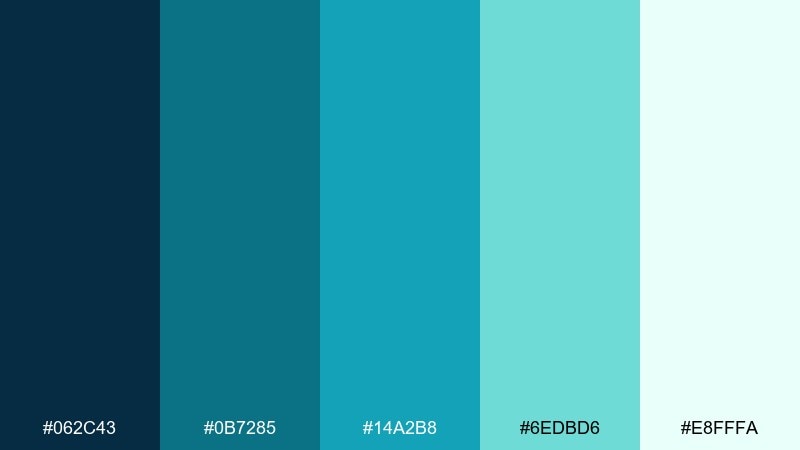
HEX: #062C43 #0B7285 #14A2B8 #6EDBD6 #E8FFFA
Mood: modern, crisp, analytical
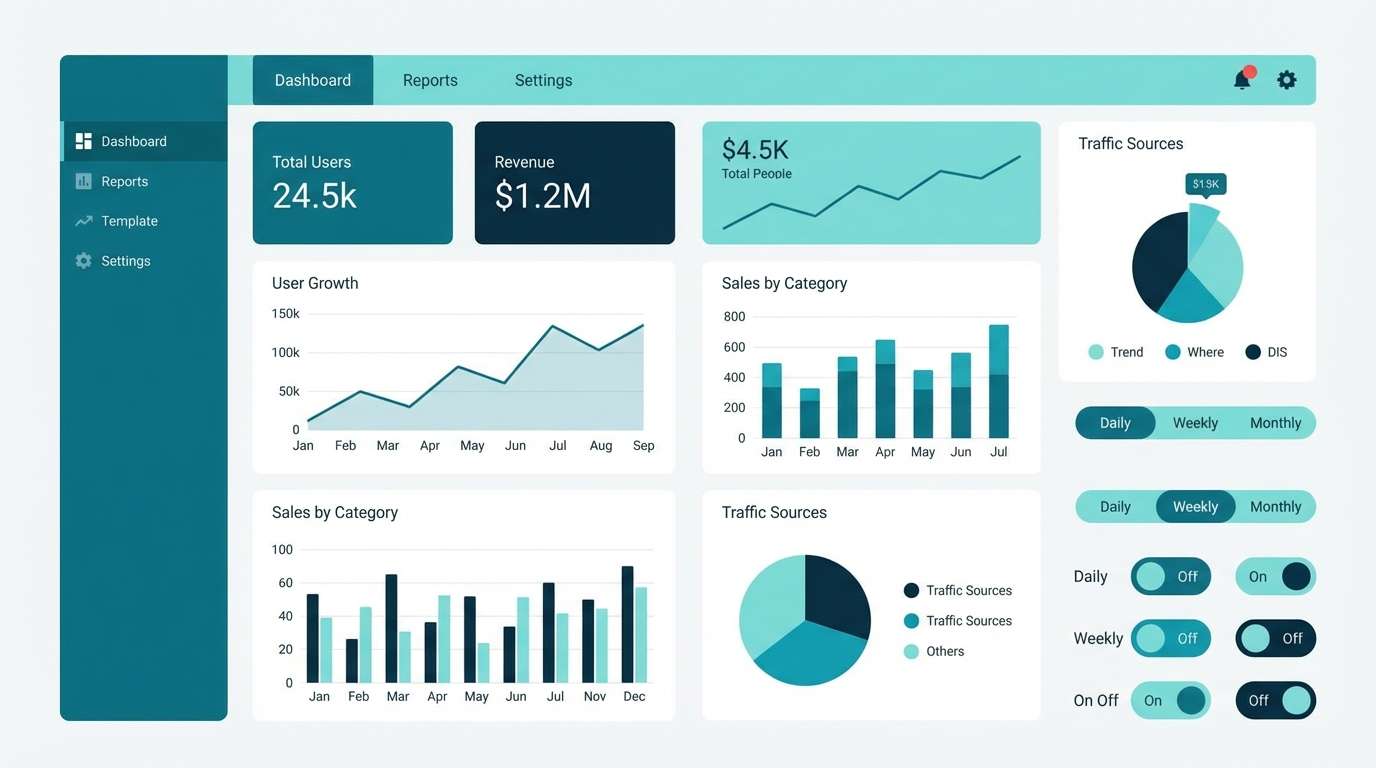
Best for: analytics UI kit
Crisp ocean tones with a circuit-like clarity feel modern and analytical. Use it for dashboards, charts, and UI kits where contrast and legibility need to be predictable. Pair with neutral grays and consistent spacing to keep components reusable. Tip: assign one hue to each data series and keep the lightest mint for backgrounds only.
Image example of ocean circuit ui generated using media.io
15) Emerald Tide Branding
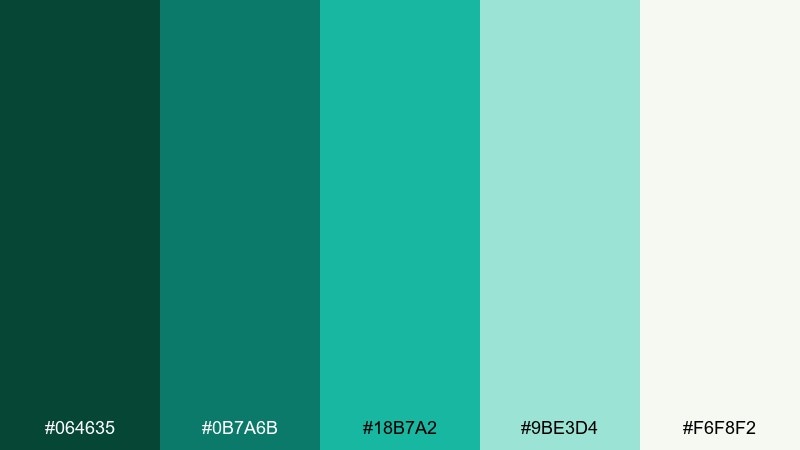
HEX: #064635 #0B7A6B #18B7A2 #9BE3D4 #F6F8F2
Mood: confident, natural, premium
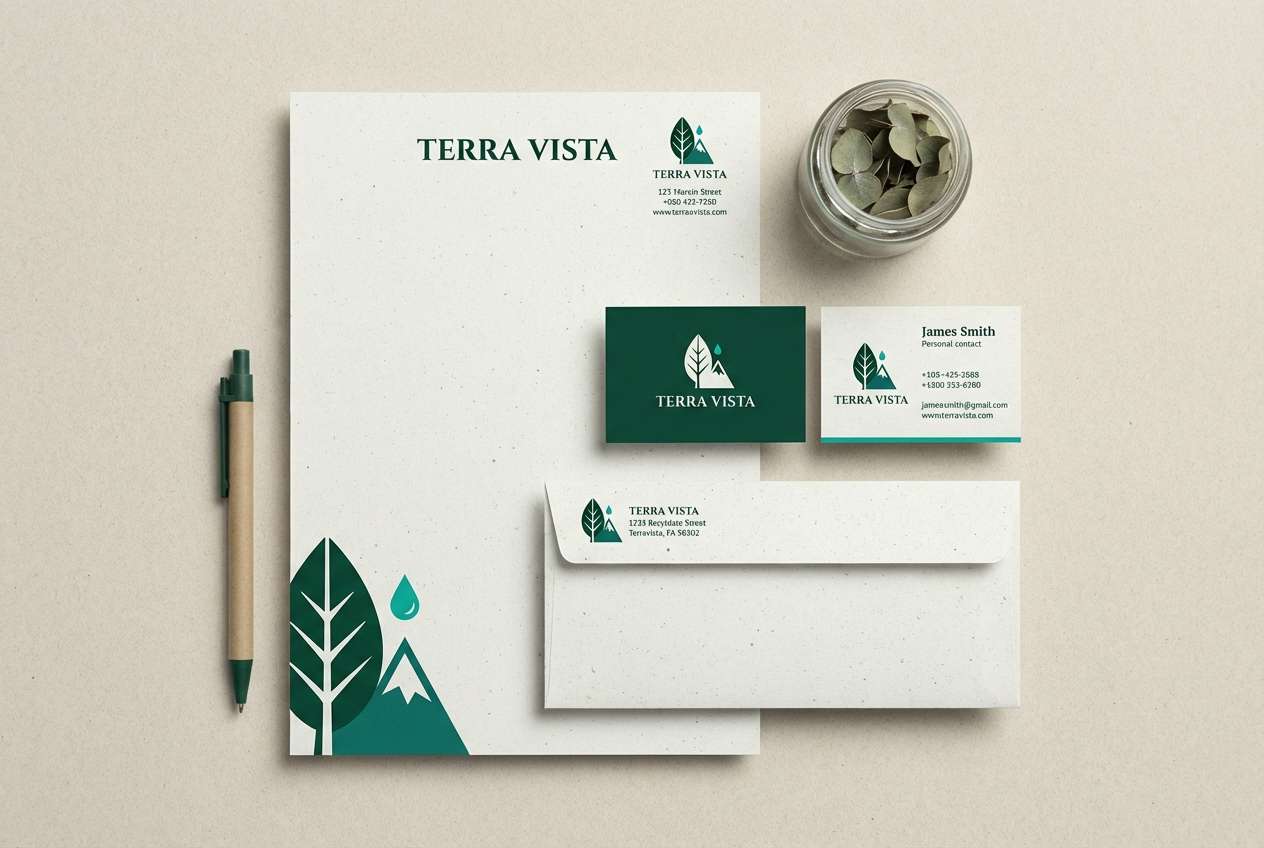
Best for: eco brand logo and stationery
Confident emerald greens with a tidal teal accent feel premium yet natural. These teal blue green color combinations are a strong fit for eco brands, boutique hotels, and sustainable skincare identities. Pair with uncoated paper, embossed details, and restrained layouts for a high-end finish. Tip: keep the deep green as the logo base and use the bright teal only as a signature highlight.
Image example of emerald tide branding generated using media.io
16) Sage and Teal Editorial
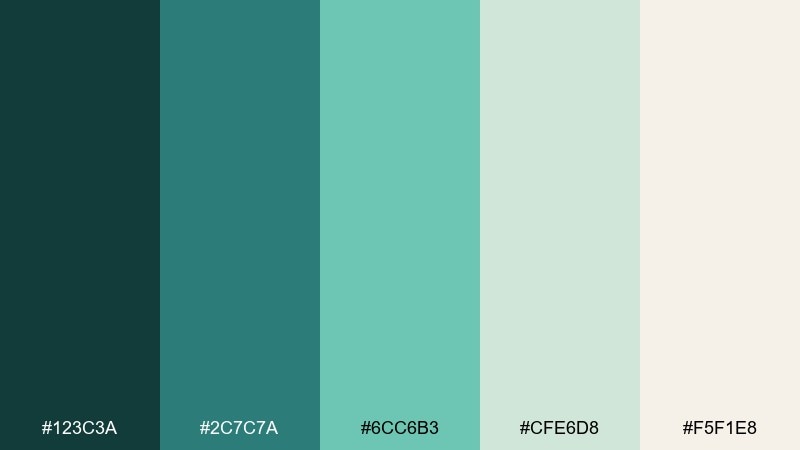
HEX: #123C3A #2C7C7A #6CC6B3 #CFE6D8 #F5F1E8
Mood: calm, refined, story-driven
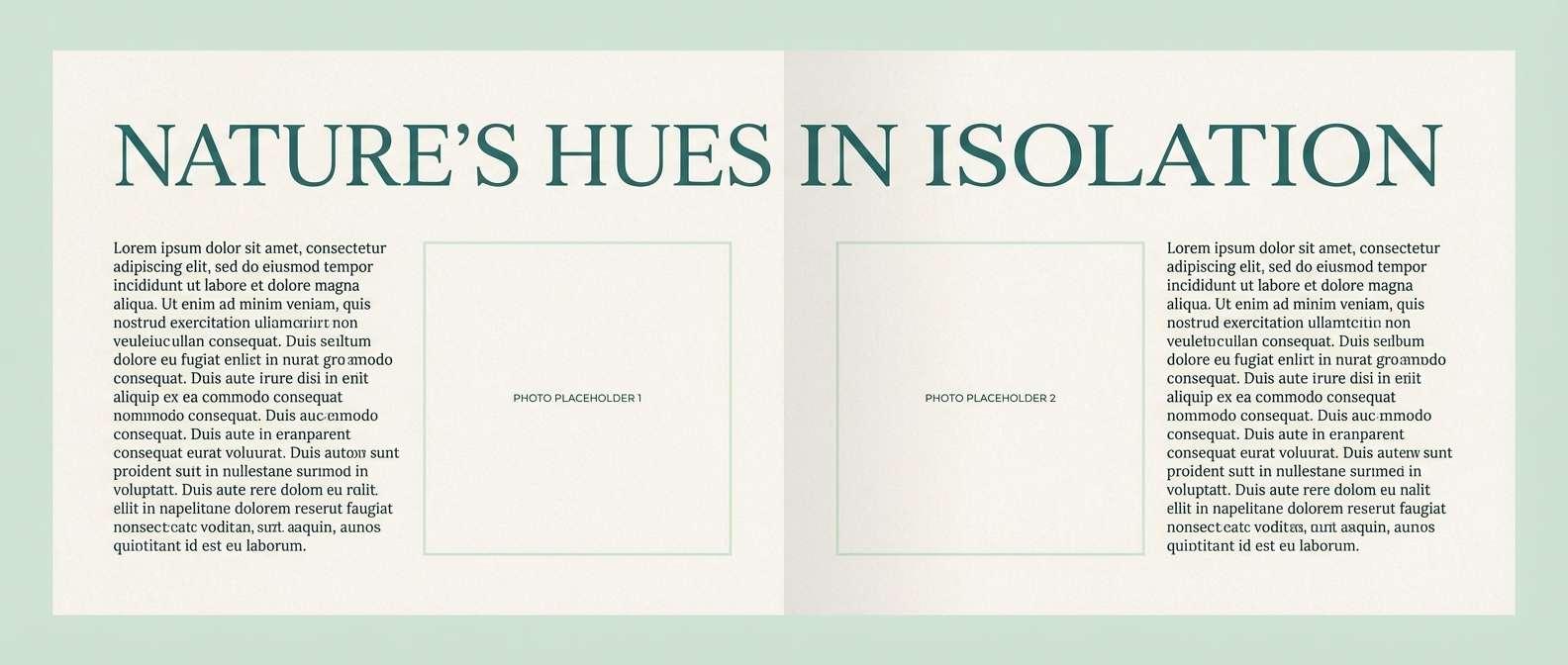
Best for: magazine feature layout
Calm sage undertones and refined teal accents feel story-driven and quietly luxurious. Perfect for magazine features, long-form blog templates, and editorial presentations. Pair with serif headlines, generous margins, and warm cream paper tones for readability. Tip: keep teal for pull quotes and section markers so the pacing feels intentional.
Image example of sage and teal editorial generated using media.io
17) Peacock Velvet
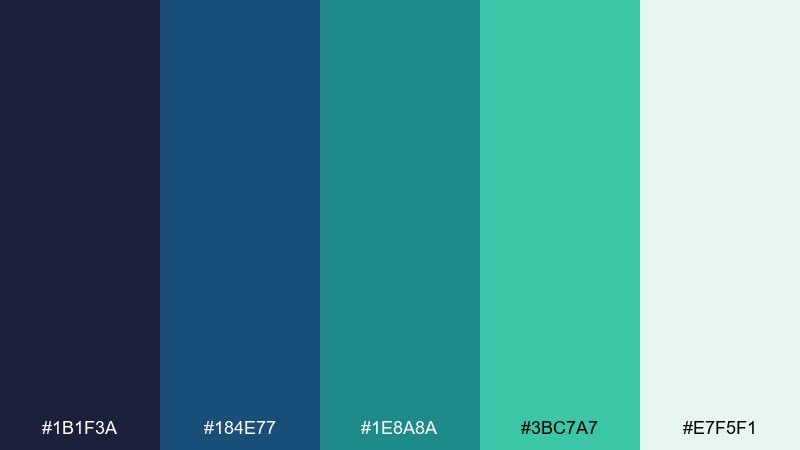
HEX: #1B1F3A #184E77 #1E8A8A #3BC7A7 #E7F5F1
Mood: dramatic, jewel-toned, luxe
Best for: evening event invitation
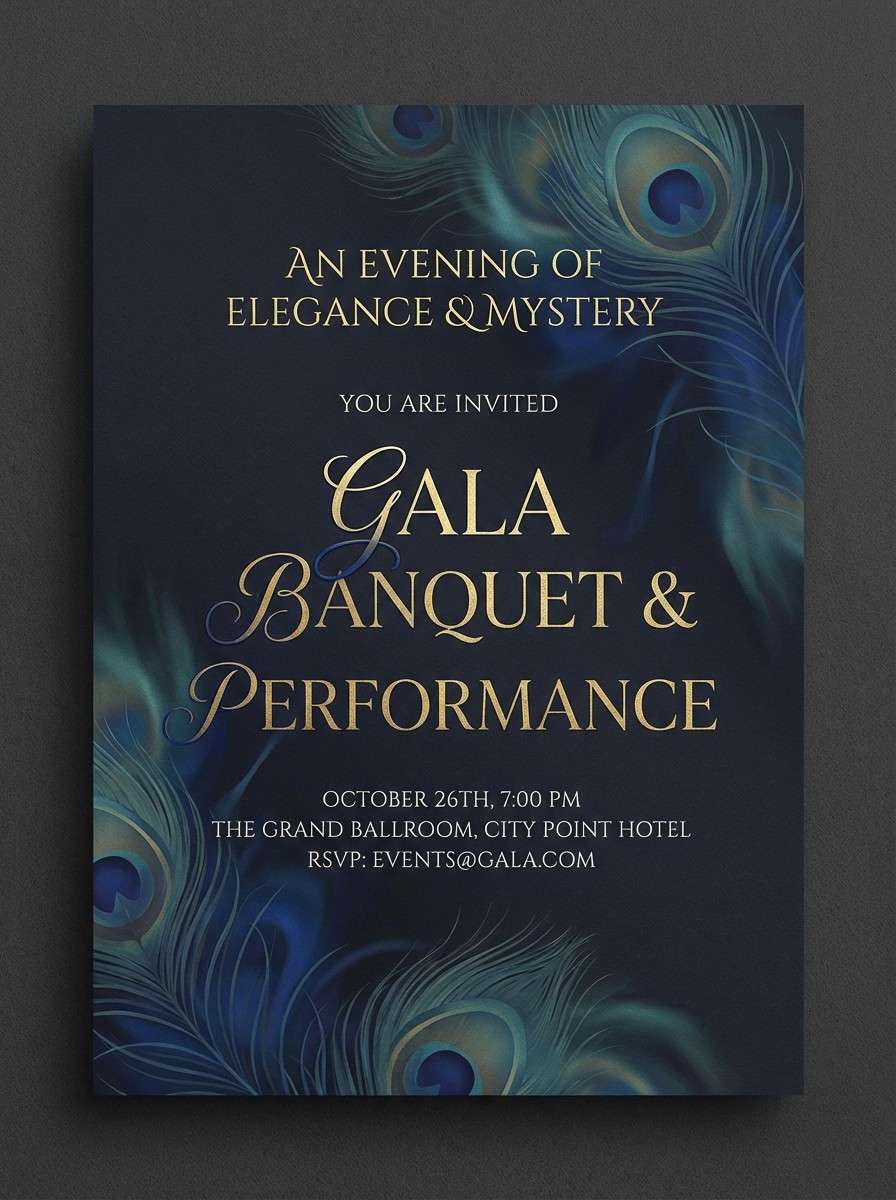
Dramatic jewel tones and velvety depth evoke peacock feathers under low light. Ideal for evening event invitations, gallery openings, and premium launches that want a luxe edge. Pair with deep navy, minimal ornament, and metallic ink details for polish. Tip: print the lighter mint as negative space around type so the darker hues stay rich.
Image example of peacock velvet generated using media.io
18) Blue Forest Night
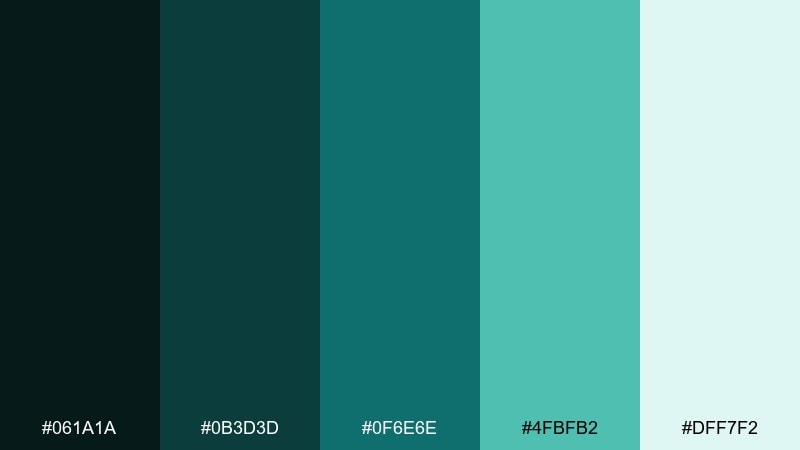
HEX: #061A1A #0B3D3D #0F6E6E #4FBFB2 #DFF7F2
Mood: mysterious, cinematic, cool
Best for: thriller book cover concept
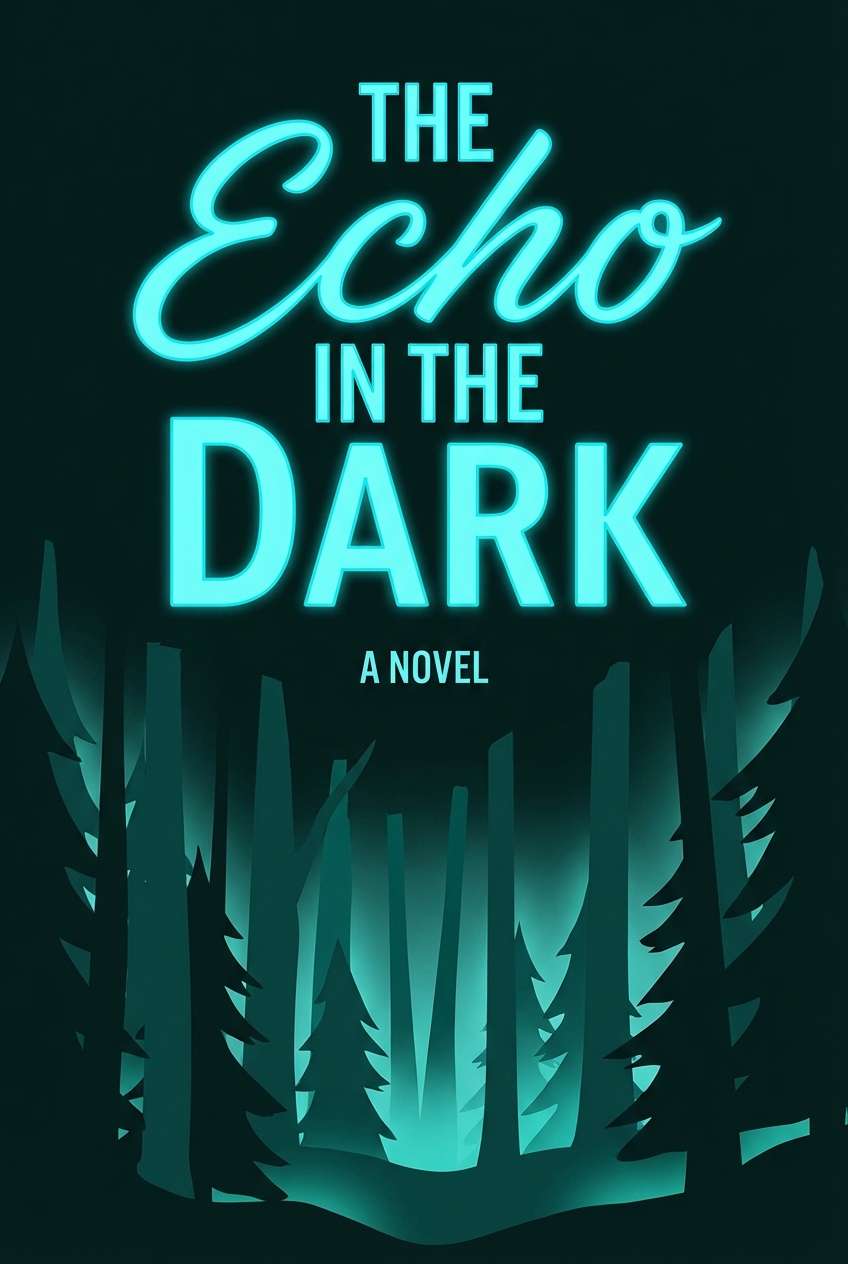
Mysterious forest-night tones feel cinematic and tense, with a cool glow cutting through the dark. Use it for thriller covers, moody album art, or streaming thumbnails where atmosphere matters. Pair with condensed type and high-contrast composition to sharpen the drama. Tip: keep the glow teal small and strategic so it reads like a spotlight, not a wash.
Image example of blue forest night generated using media.io
19) Fresh Market Packaging
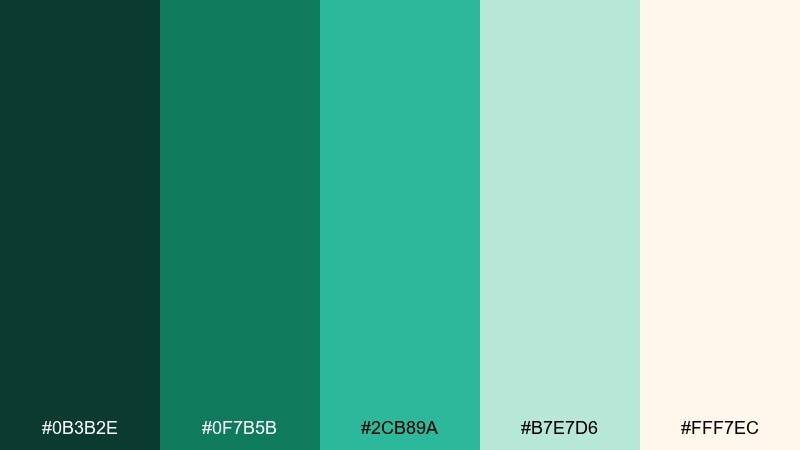
HEX: #0B3B2E #0F7B5B #2CB89A #B7E7D6 #FFF7EC
Mood: fresh, wholesome, approachable
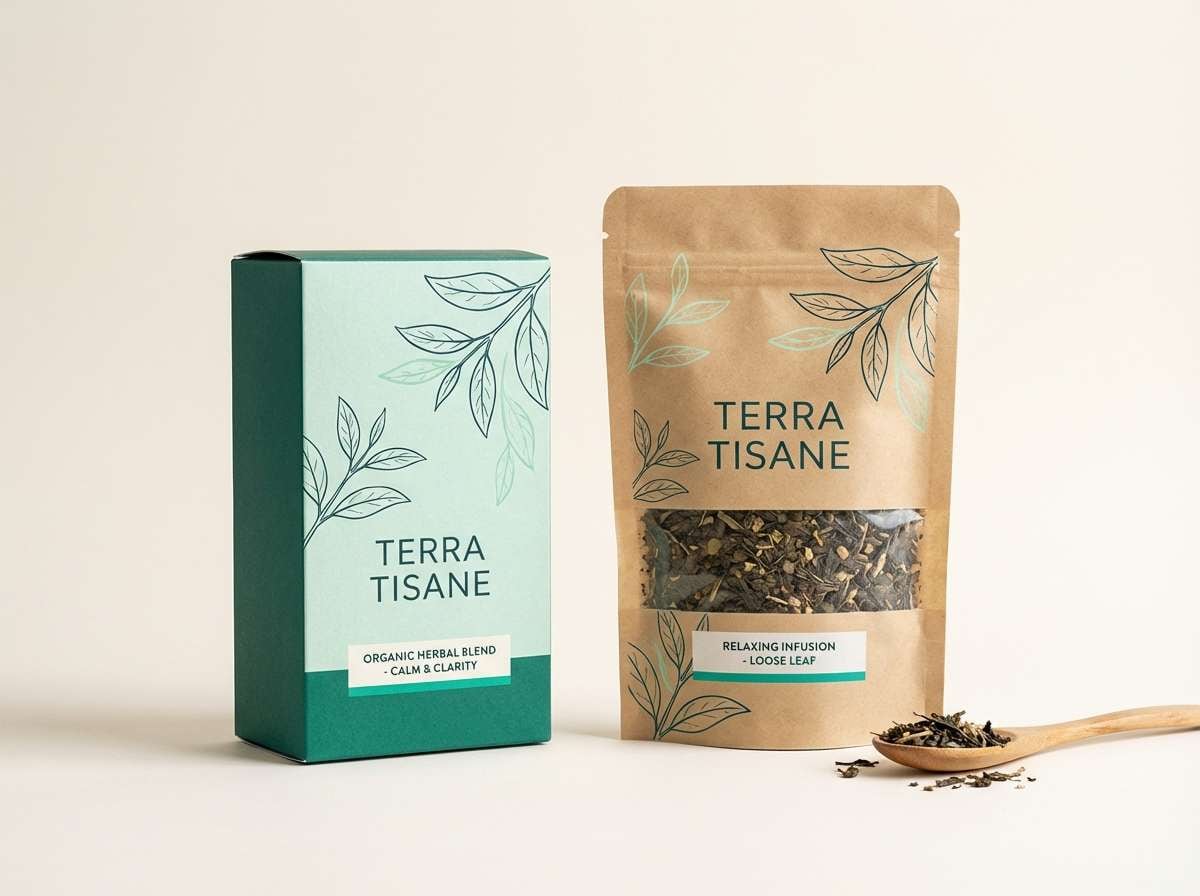
Best for: organic tea packaging
Fresh greens with a creamy base feel wholesome, like a farmer market display in the morning. Great for organic tea, healthy snacks, and clean-label packaging that needs to feel approachable. Pair with kraft textures, simple botanical line art, and dark green type for clarity. Tip: use the cream as the main label background to keep the shelf look bright.
Image example of fresh market packaging generated using media.io
20) Studio Gradient Poster
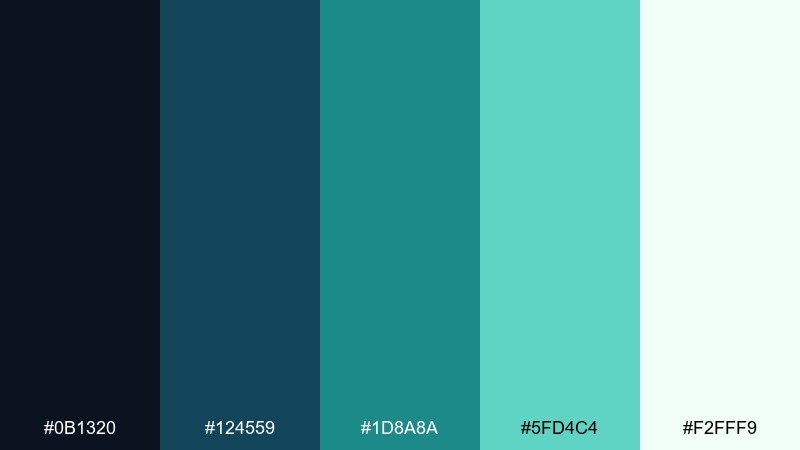
HEX: #0B1320 #124559 #1D8A8A #5FD4C4 #F2FFF9
Mood: modern, glossy, experimental
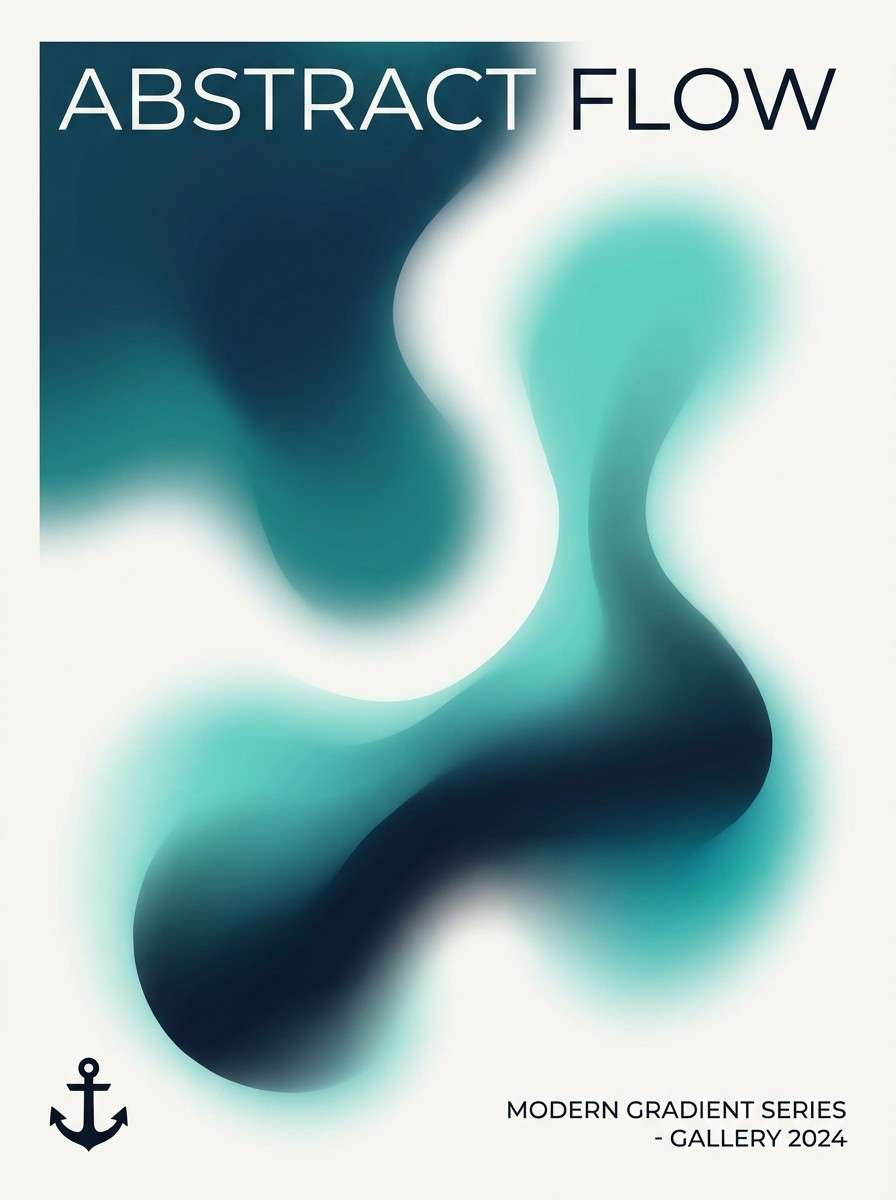
Best for: abstract gradient poster
Modern studio lighting and glossy gradients give this set an experimental, design-forward feel. It works for abstract posters, creative studio branding, and social launches where color does the talking. Pair with sharp sans typography and plenty of breathing room to keep the gradient the hero. Tip: build the gradient from dark blue to teal, then add a small mint highlight for depth.
Image example of studio gradient poster generated using media.io
21) Harbor Mist
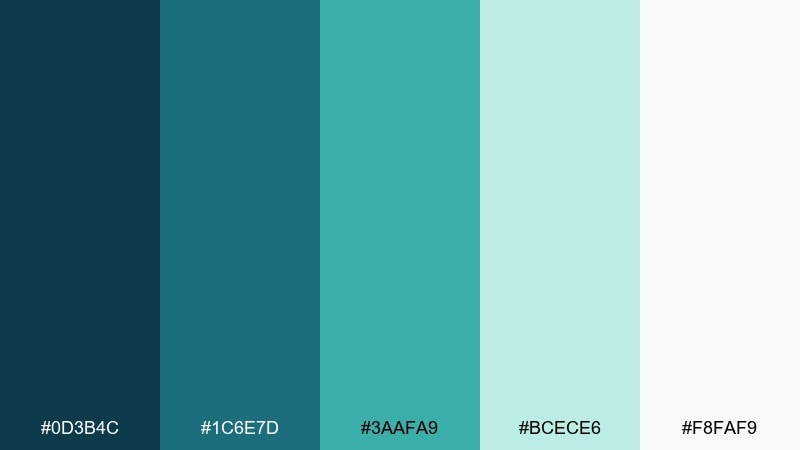
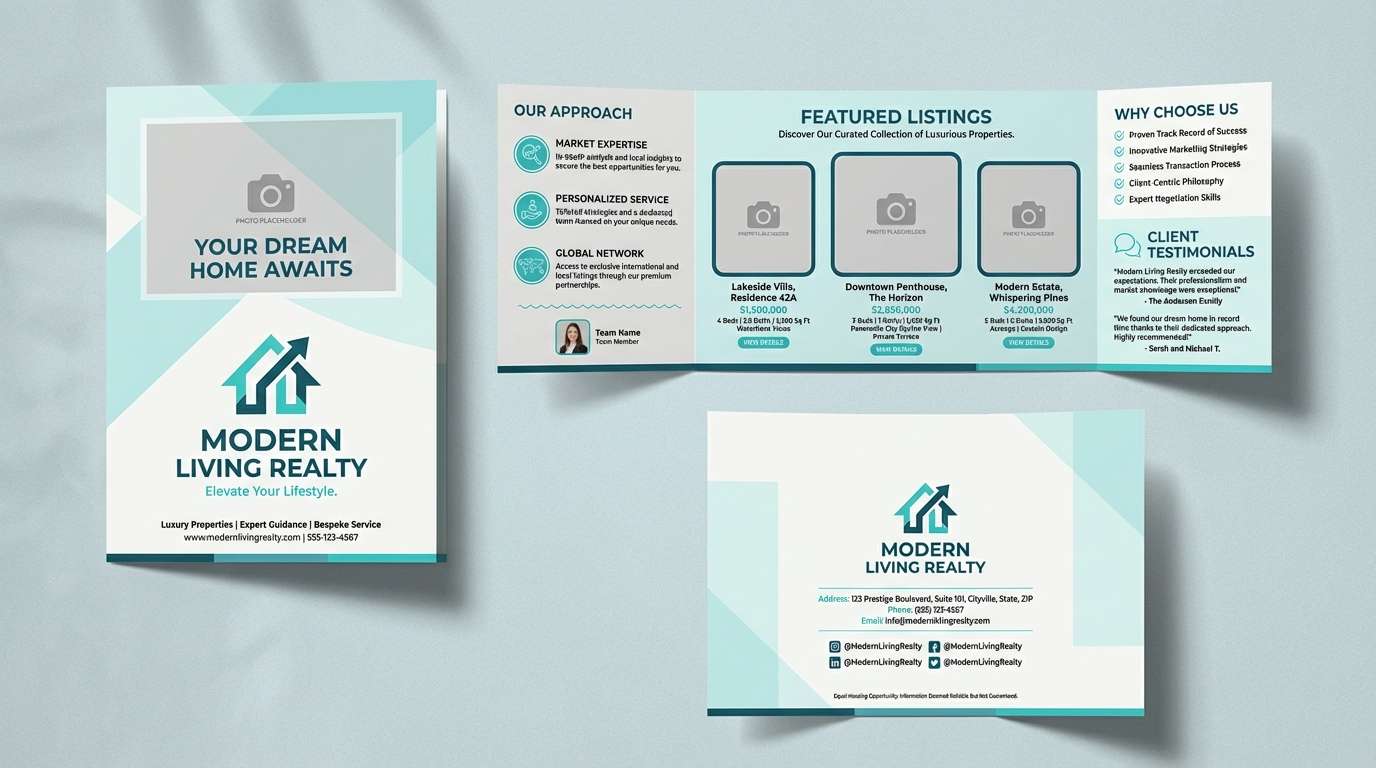
HEX: #0D3B4C #1C6E7D #3AAFA9 #BCECE6 #F8FAF9
Mood: misty, relaxed, coastal-modern
Best for: real estate brochure
Misty harbor air and gentle seafoam tones feel relaxed but polished. Ideal for real estate brochures, coastal developments, and service brands that need trust without stiffness. Pair with clean grids, soft photography overlays, and understated iconography. Tip: let the misty aqua sit behind photos as a translucent panel for a cohesive look.
Image example of harbor mist generated using media.io
22) Riverstone Calm
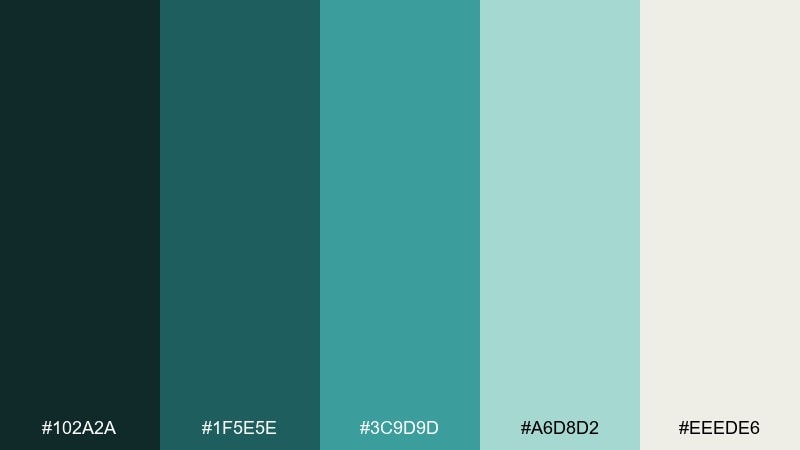
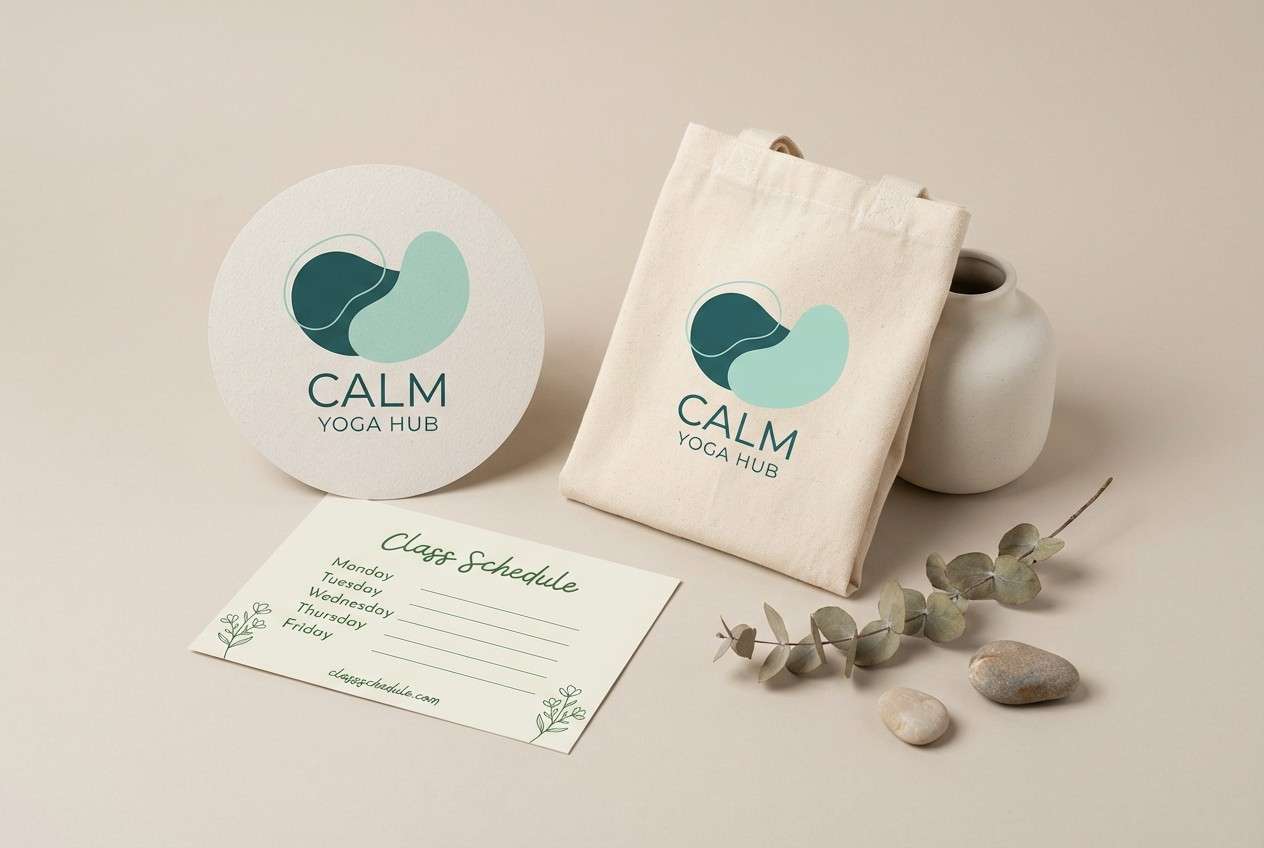
HEX: #102A2A #1F5E5E #3C9D9D #A6D8D2 #EEEDE6
Mood: balanced, grounded, calming
Best for: yoga studio branding
Riverstone calm and steady water tones create a balanced, grounding feel. Use it for yoga studios, mindful workshops, or any brand that wants calm without feeling washed out. Pair with soft beige textiles, natural paper, and simple marks to keep it organic. Tip: keep the mid-teal as your primary brand color and let the beige carry the background.
Image example of riverstone calm generated using media.io
23) Tidepool Notes
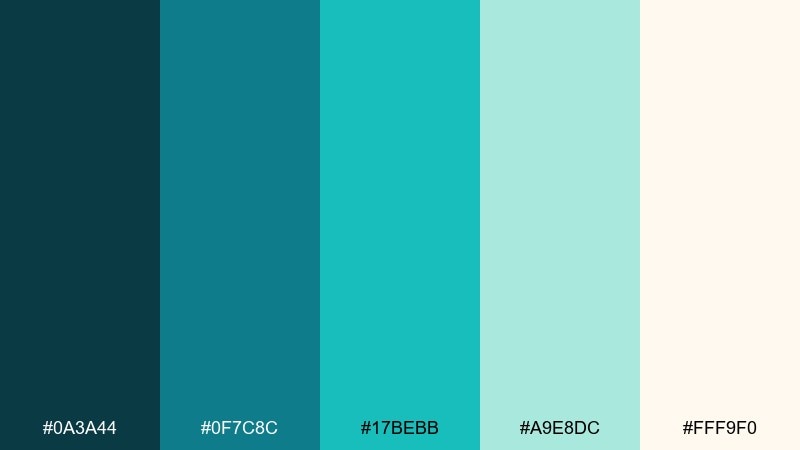
HEX: #0A3A44 #0F7C8C #17BEBB #A9E8DC #FFF9F0
Mood: curious, lively, creative
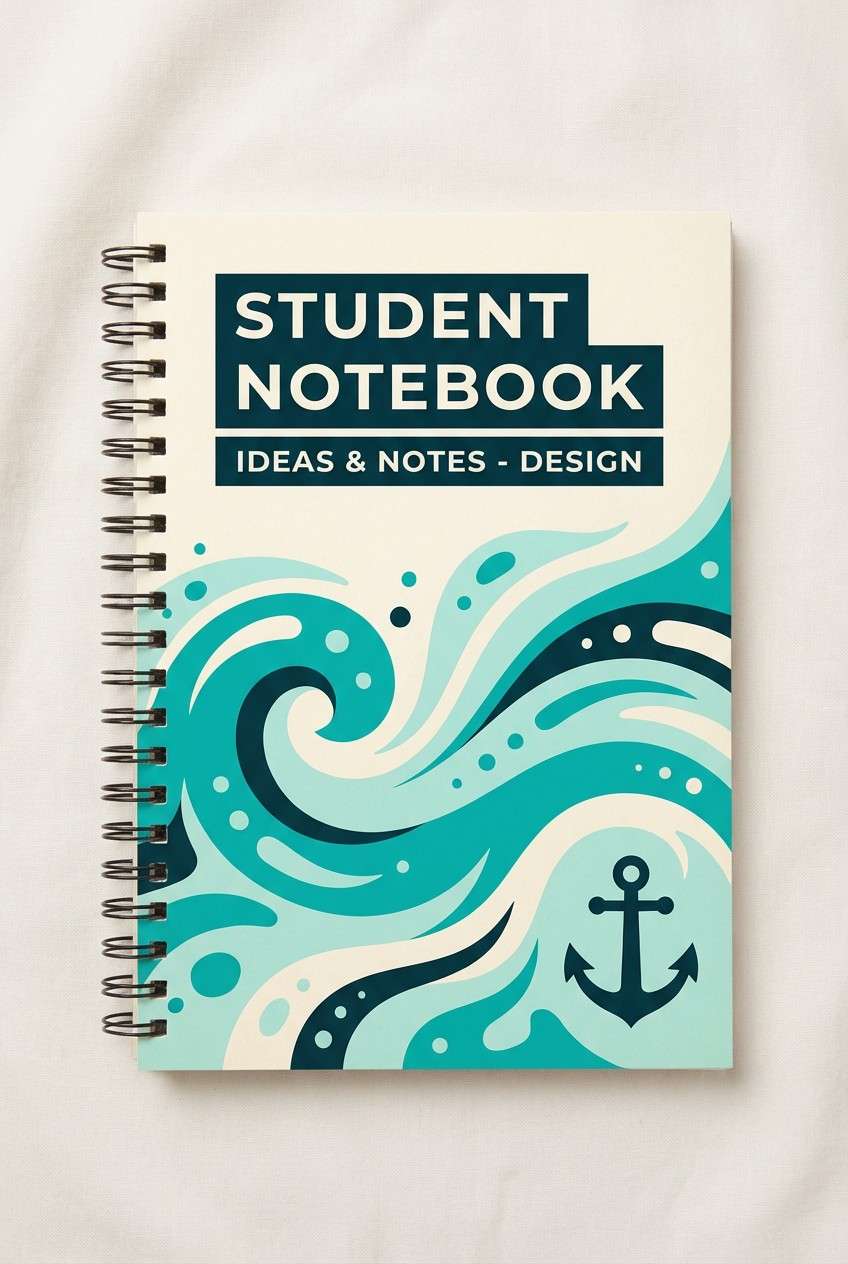
Best for: student notebook cover
Curious tidepool colors feel lively and creative, like sketching by the waterline. Great for student stationery, notebook covers, and fun educational brands. Pair with playful illustrations and strong dark headings so the bright teal does not overpower. Tip: use the aqua as the main pattern and keep the warm cream for margins and title space.
Image example of tidepool notes generated using media.io
What Colors Go Well with Teal Blue Green?
Teal blue green pairs naturally with warm off-whites and creams for a clean, breathable look, and with beiges or light taupes when you want something more organic and “interior-friendly.” These neutrals keep teal from feeling too cold.
For contrast, try deep navies, charcoal grays, or inky blacks to sharpen typography and add a premium edge. If you want a modern accent, soft coral/rose or peach can create a tasteful complementary pop without turning loud.
Metallics also work well: brushed nickel and chrome lean modern, while muted brass or warm gold makes teal feel more luxe and editorial.
How to Use a Teal Blue Green Color Palette in Real Designs
Start by choosing one “anchor” (usually the darkest teal/blue-green) for headers, navigation, or key brand elements. Then assign a mid-tone teal for interactive elements (buttons, highlights), and keep the palest mint/cream as your primary background.
In print and packaging, let the lightest shade do most of the work to avoid heavy coverage, then use rich teal sparingly for logos, borders, and ingredient/feature callouts. Texture (uncoated paper, subtle grain, embossing) helps teal look premium.
In UI, reserve the brightest teal for one primary action and use consistent neutrals for dividers and text. This keeps the interface calm while still giving you clear hierarchy and accessible contrast.
Create Teal Blue Green Palette Visuals with AI
If you want your palette to look “real” fast, generate matching mockups (posters, packaging, UI screens, moodboards) using the exact HEX colors and a clear art direction. Consistent lighting and materials help the teal stay true across outputs.
Use the prompts above as templates: swap the subject (brochure, bottle, dashboard) while keeping the dominant colors and ratio. Then iterate by adjusting keywords like “matte,” “glossy,” “premium,” or “minimal” to fine-tune the vibe.
When you like a result, reuse the same prompt structure for a whole set (hero image, social post, ad banner) to keep your teal blue green scheme cohesive.
Teal Blue Green Color Palette FAQs
-
What does a teal blue green color palette communicate in branding?
It typically signals trust and clarity (from blue) plus health, freshness, and balance (from green). Depending on saturation, it can feel spa-calm, coastal, or premium and tech-forward. -
Is teal blue green a good choice for UI and dashboards?
Yes. Dark teals make strong navigation and header colors, while light mints/seafoam tones create calm surfaces for cards. Use one brighter teal for primary actions to keep hierarchy clear. -
How do I keep teal from feeling too cold?
Pair it with warm neutrals like cream, off-white, sand, or beige. Adding warm materials (kraft paper, oak, linen textures) also makes teal read more inviting. -
What accent color works best with teal blue green?
Soft coral, rose, or peach adds complementary contrast without looking harsh. For a sharper, modern look, use navy, charcoal, or black as the accent instead. -
Which teal shade should I use for text?
Use the darkest teal/navy in the palette for body text and small labels to maintain readability. Save mid and bright teals for headings, icons, links, and highlights. -
How can I build a gradient with teal blue green?
Start with a deep blue/ink tone, blend through mid-teal, then finish with a mint highlight. Keep the lightest mint/cream as a small highlight so the gradient still has depth.
Next: Rose Blush Color Palette


