A tea party color palette is all about soft charm: blush pinks, minty greens, creamy neutrals, and porcelain blues that feel welcoming and refined.
Below are modern tea party color combinations (with HEX codes) you can use for invitations, packaging, social posts, and calm UI layouts—plus AI prompts to generate matching visuals.
In this article
- Why Tea Party Palettes Work So Well
-
- porcelain petals
- lemon shortbread
- garden mint lace
- rosewater macaron
- earl grey linen
- lavender teacup
- strawberry cream
- peony pistachio
- chamomile dust
- blue willow whisper
- apricot jam
- antique gold spoon
- raspberry velvet
- sage scone
- bubblegum buttercream
- cocoa biscuit
- lilac hydrangea
- coral cameo
- pearl blush neutrals
- midnight tea rose
- What Colors Go Well with Tea Party?
- How to Use a Tea Party Color Palette in Real Designs
- Create Tea Party Palette Visuals with AI
Why Tea Party Palettes Work So Well
Tea party colors feel instantly familiar because they borrow from classic table settings: porcelain whites, petal pinks, herb greens, and gentle blues. That mix reads as thoughtful, social, and a little nostalgic without looking dated.
Most tea party color palettes are naturally “design-friendly” because they include light background tones plus one deeper anchor shade for type. You get an airy look while keeping headlines and details readable.
They’re also flexible across mediums—wedding stationery, bakery packaging, and UI can all use the same soft pastels with a grounded neutral to keep the layout polished.
20+ Tea Party Color Palette Ideas (with HEX Codes)
1) Porcelain Petals
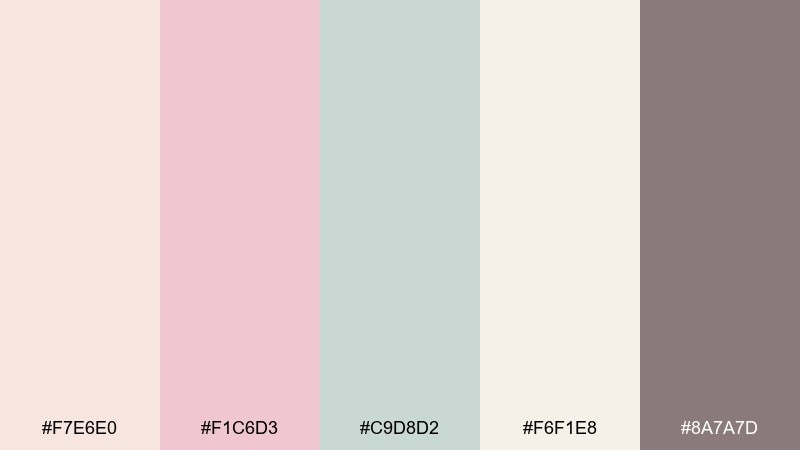
HEX: #f7e6e0 #f1c6d3 #c9d8d2 #f6f1e8 #8a7a7d
Mood: airy, vintage, graceful
Best for: bridal shower invitation design
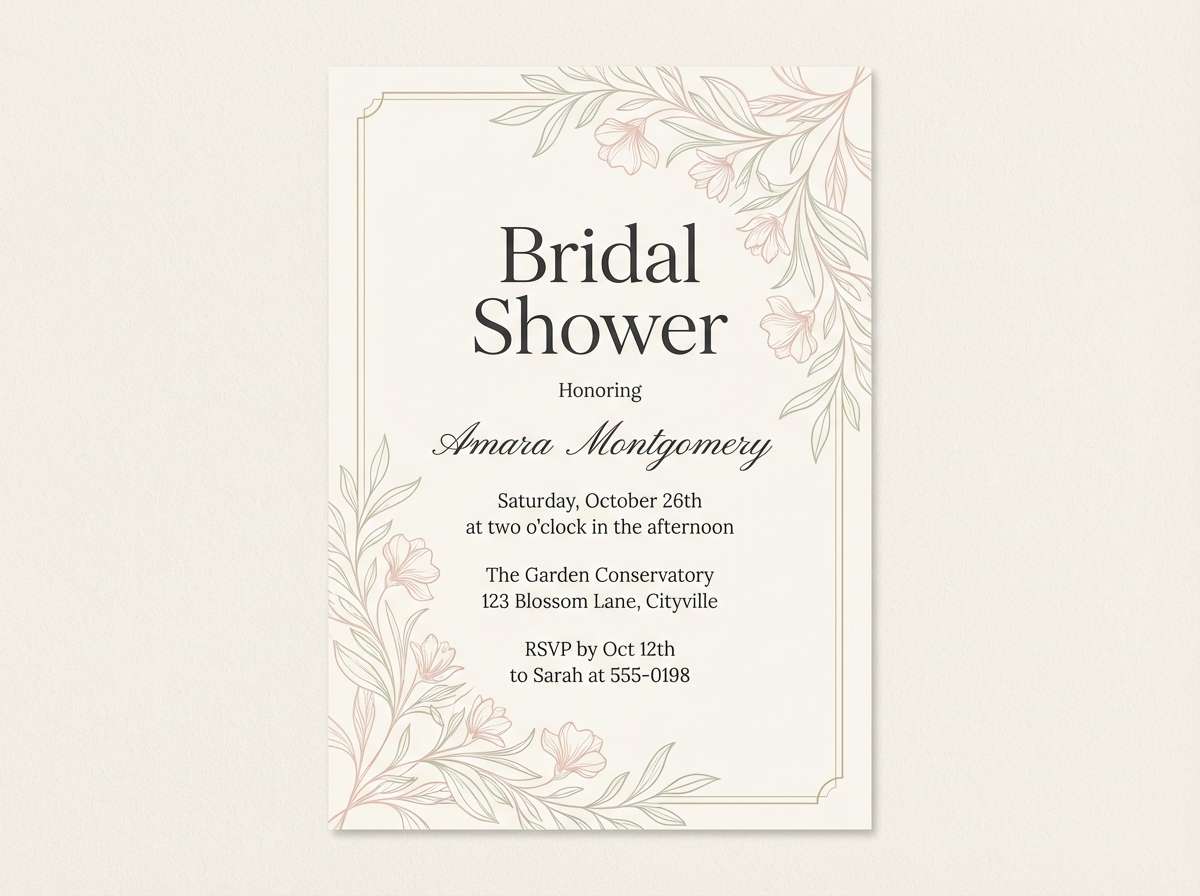
Airy and romantic, like rose petals on fine china and a linen tablecloth. It works beautifully for bridal shower invites, RSVP cards, and delicate monograms where softness matters. Pair the blushes with the sage as a calm accent, then ground everything with the warm taupe for type. Usage tip: keep the cream as the main background so the pink details feel light, not sugary.
Image example of porcelain petals generated using media.io
Media.io is an online AI studio for creating and editing video, image, and audio in your browser.


2) Lemon Shortbread
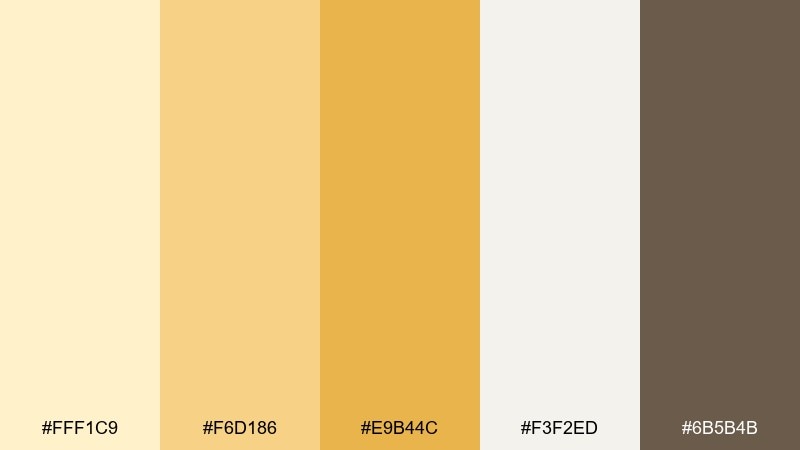
HEX: #fff1c9 #f6d186 #e9b44c #f3f2ed #6b5b4b
Mood: cheerful, warm, comforting
Best for: bakery menu flyer
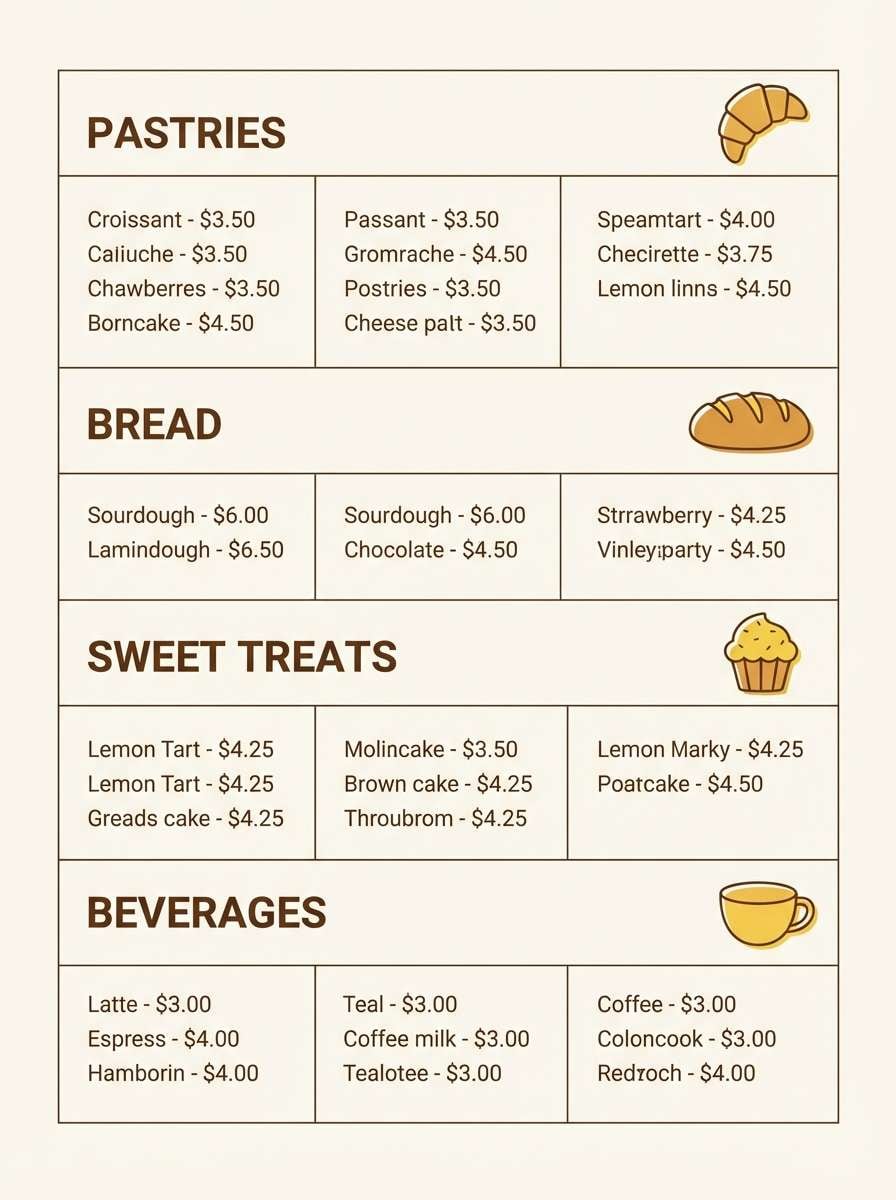
Cheerful and cozy, like buttery biscuits and a sunlit bakery counter. These tea party color combinations shine on menus, chalkboard-style flyers, and pastry labels where warmth boosts appetite. Pair the bright yellows with the off-white for breathing room, then use the brown for headings and pricing. Usage tip: reserve the deepest brown for the smallest text so it stays crisp and readable.
Image example of lemon shortbread generated using media.io
3) Garden Mint Lace
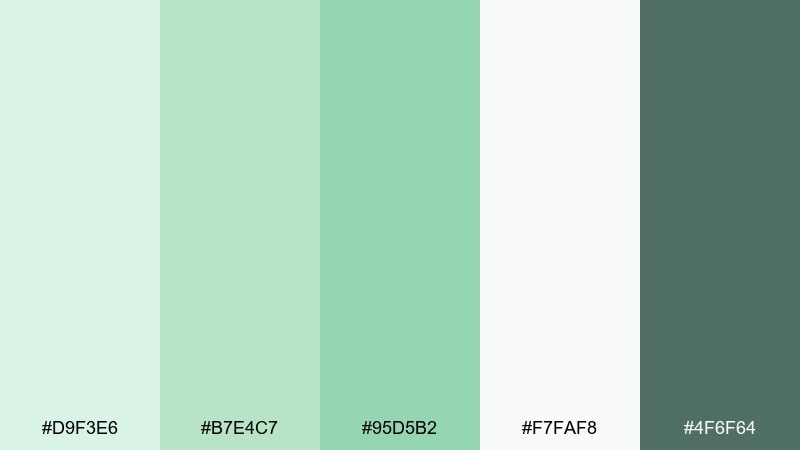
HEX: #d9f3e6 #b7e4c7 #95d5b2 #f7faf8 #4f6f64
Mood: fresh, clean, botanical
Best for: skincare packaging mockup
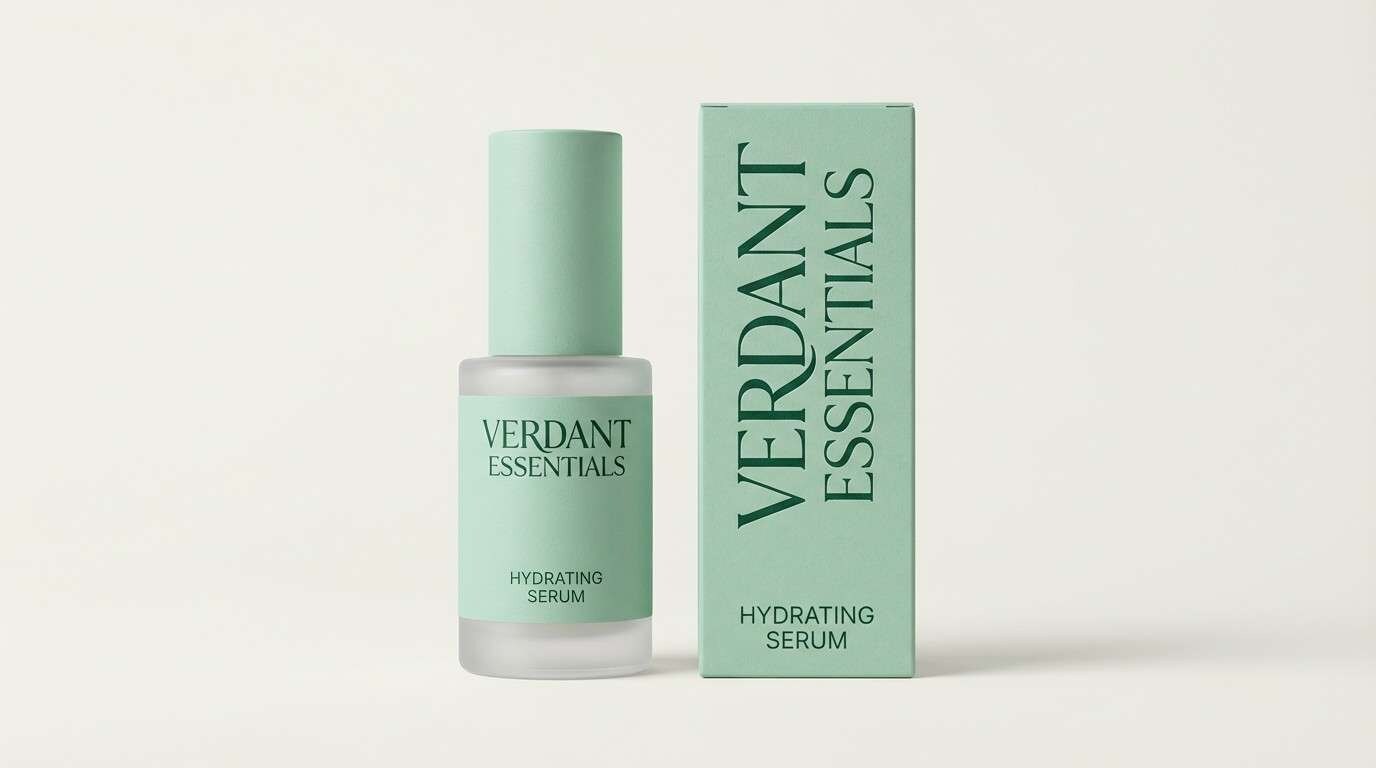
Fresh and clean, like mint leaves tucked into lace-wrapped favors. It fits skincare packaging, wellness labels, and gentle product pages that need a calm, natural tone. Pair the light mint with the near-white for a spa-like base, then use the deep green for ingredient callouts and seals. Usage tip: choose matte finishes so the mints stay soft instead of neon.
Image example of garden mint lace generated using media.io
4) Rosewater Macaron
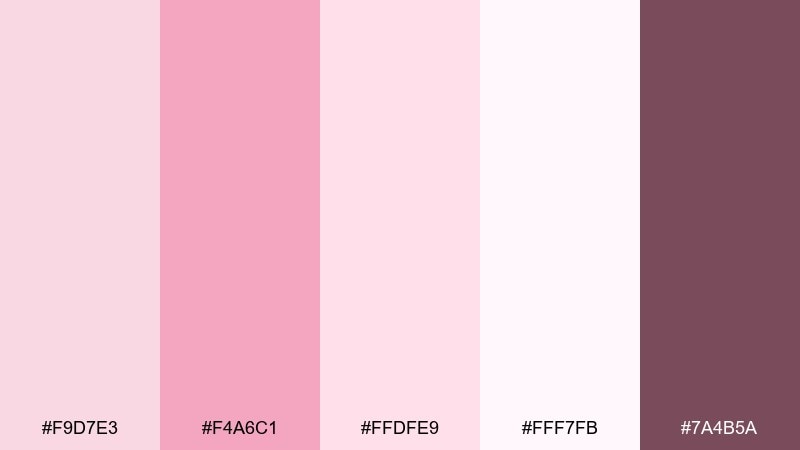
HEX: #f9d7e3 #f4a6c1 #ffdfe9 #fff7fb #7a4b5a
Mood: sweet, delicate, playful
Best for: social media post template
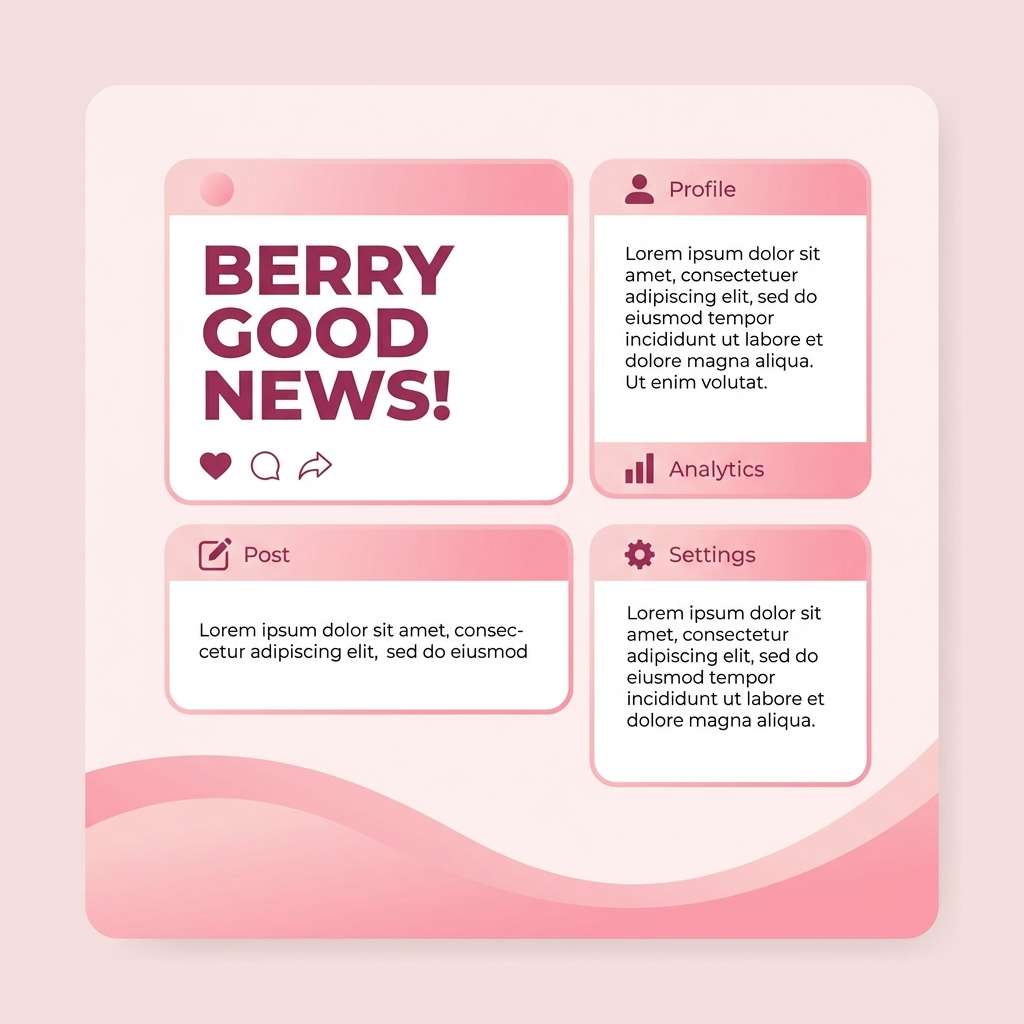
Sweet and delicate, like rosewater frosting piped onto pastel macarons. The tones work well for promo tiles, quote cards, and soft-focus launches where you want instant warmth. Pair the deeper berry for text and buttons, letting the pale pinks do the mood-setting. Usage tip: keep one bold element per post so the light pink background still feels airy.
Image example of rosewater macaron generated using media.io
5) Earl Grey Linen
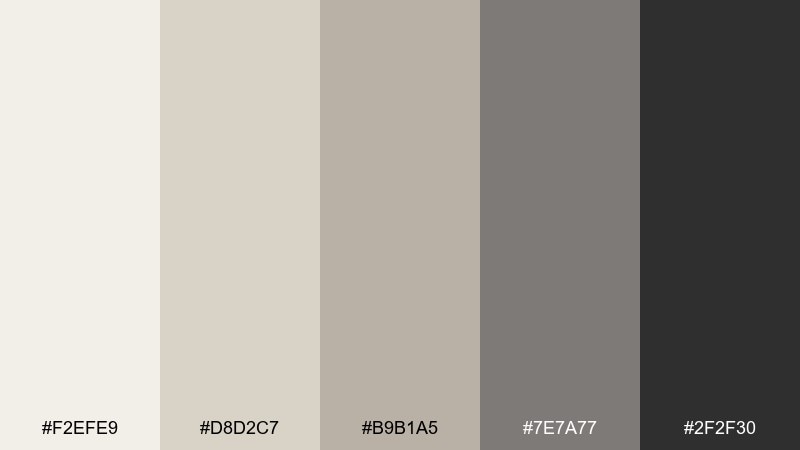
HEX: #f2efe9 #d8d2c7 #b9b1a5 #7e7a77 #2f2f30
Mood: calm, understated, editorial
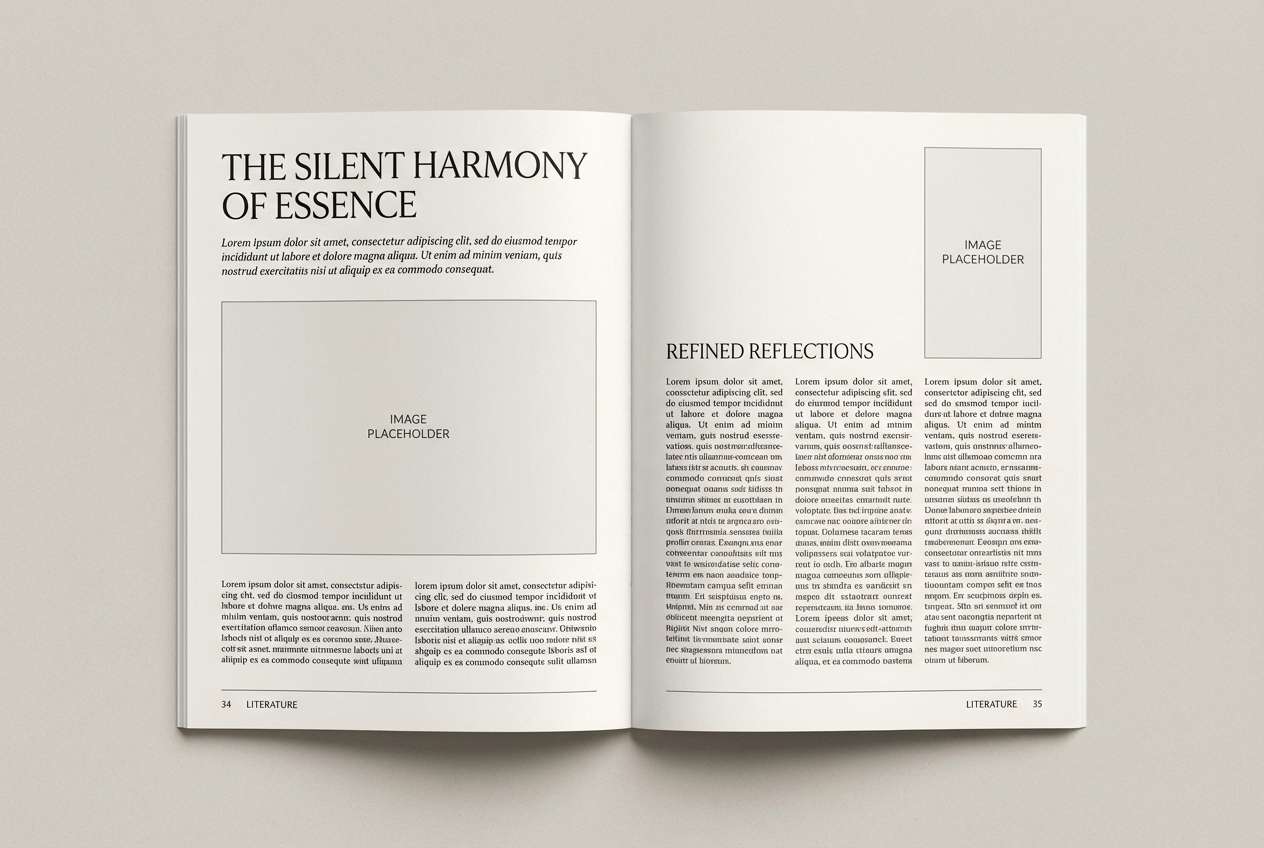
Best for: magazine editorial layout
Calm and understated, like steamed linen and a cup of bergamot tea. It suits editorial spreads, minimalist lookbooks, and brand stories that need texture without loud color. Pair the light neutrals with charcoal for typography and subtle rules, keeping contrast clean. Usage tip: add one soft grain or paper texture to prevent the layout from feeling flat.
Image example of earl grey linen generated using media.io
6) Lavender Teacup
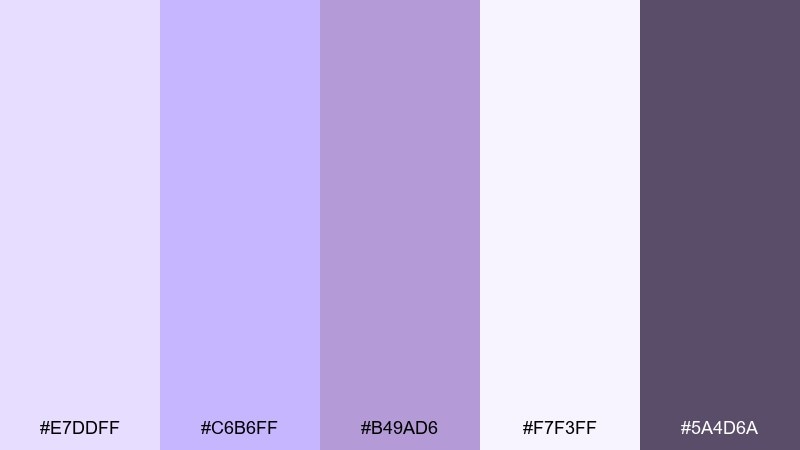
HEX: #e7ddff #c6b6ff #b49ad6 #f7f3ff #5a4d6a
Mood: dreamy, gentle, whimsical
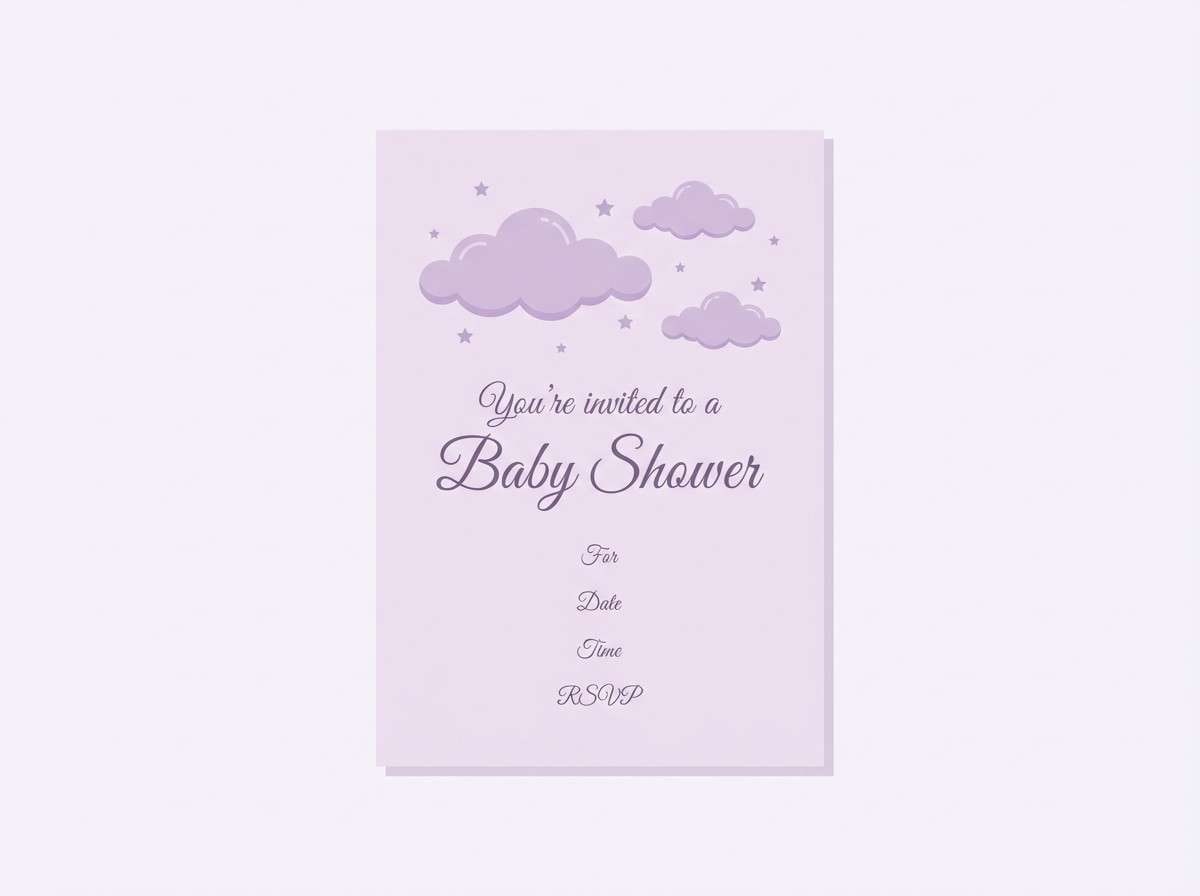
Best for: baby shower invitation design
Dreamy and gentle, like lavender steam curling above a scalloped teacup. As a tea party color scheme, it's ideal for baby shower invitations, thank-you cards, and delicate diaper raffle inserts. Pair the pale lilac with the near-white for a soft base, then use the muted plum for names and key details. Usage tip: keep decorative borders thin so the purple stays elegant, not heavy.
Image example of lavender teacup generated using media.io
7) Strawberry Cream
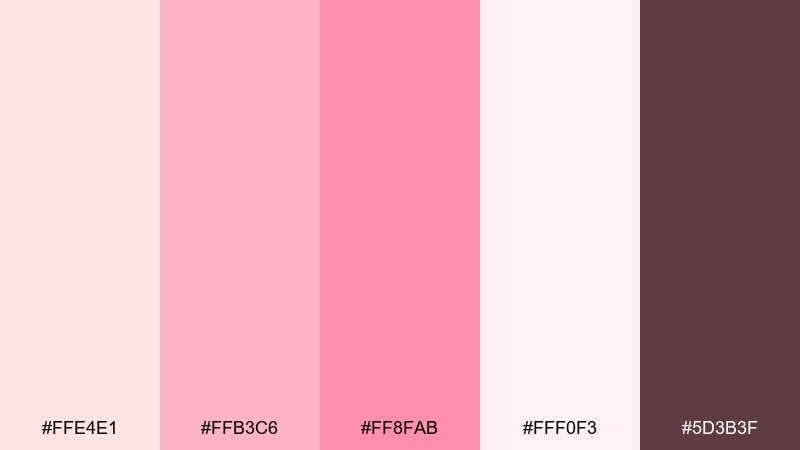
HEX: #ffe4e1 #ffb3c6 #ff8fab #fff0f3 #5d3b3f
Mood: flirty, bright, dessert-like
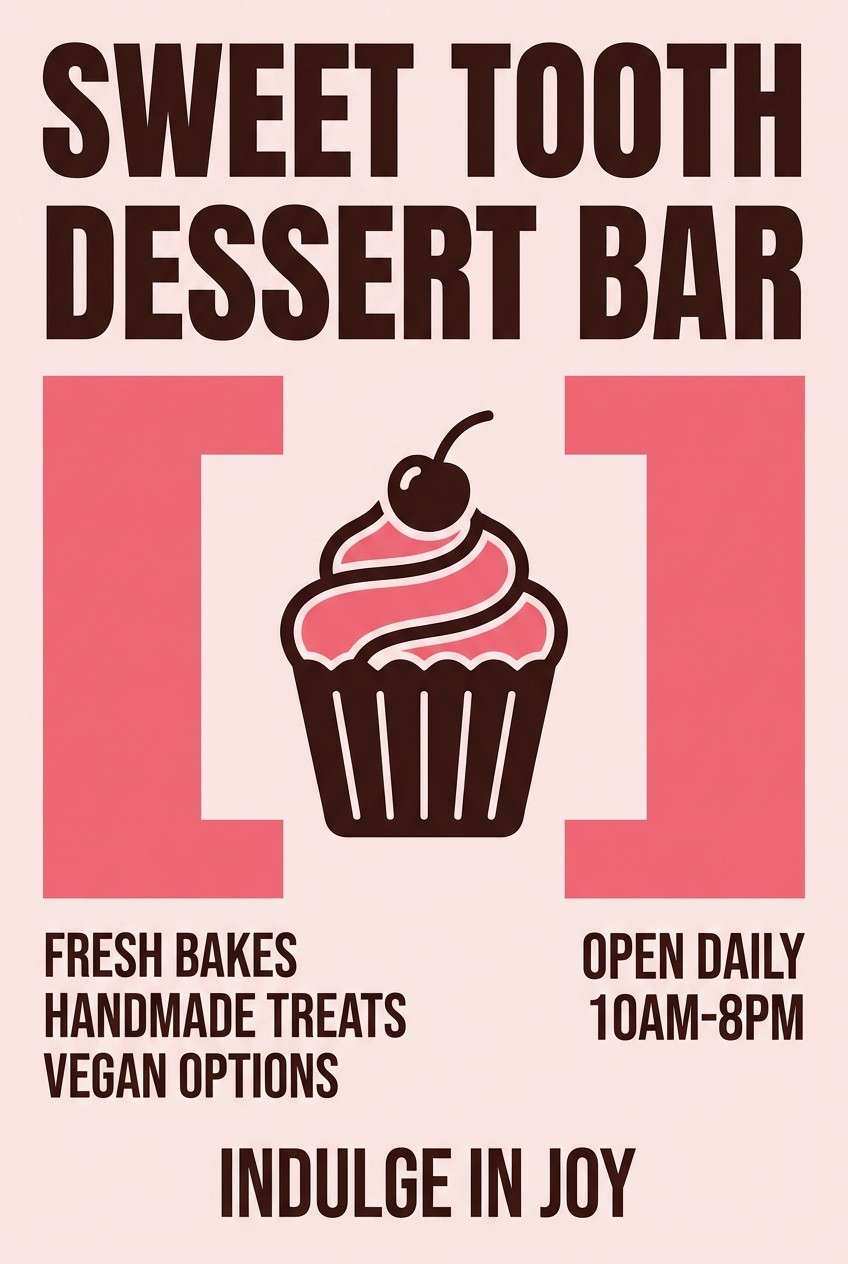
Best for: dessert shop poster
Flirty and bright, like fresh berries folded into whipped cream. This tea party color combination is perfect for dessert shop posters, seasonal specials, and playful sale graphics. Pair the strongest pink with the cocoa tone for punchy headlines, then let the light blushes soften the background. Usage tip: use the darkest color for a single focal element so the pinks stay readable at a distance.
Image example of strawberry cream generated using media.io
8) Peony Pistachio
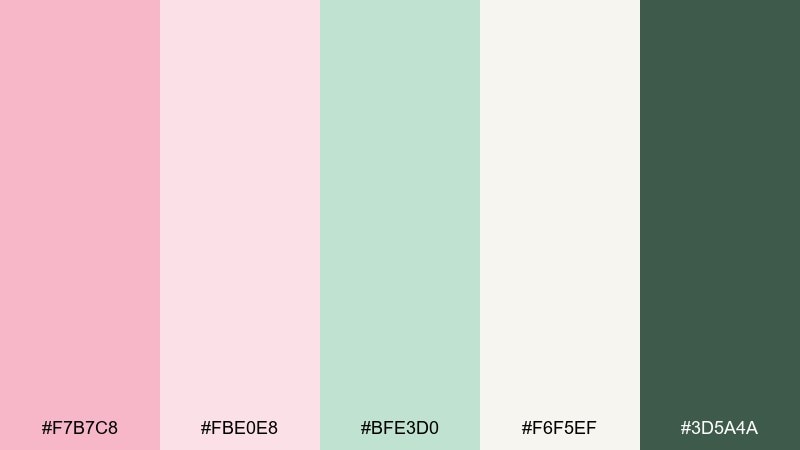
HEX: #f7b7c8 #fbe0e8 #bfe3d0 #f6f5ef #3d5a4a
Mood: romantic, garden-fresh, polished
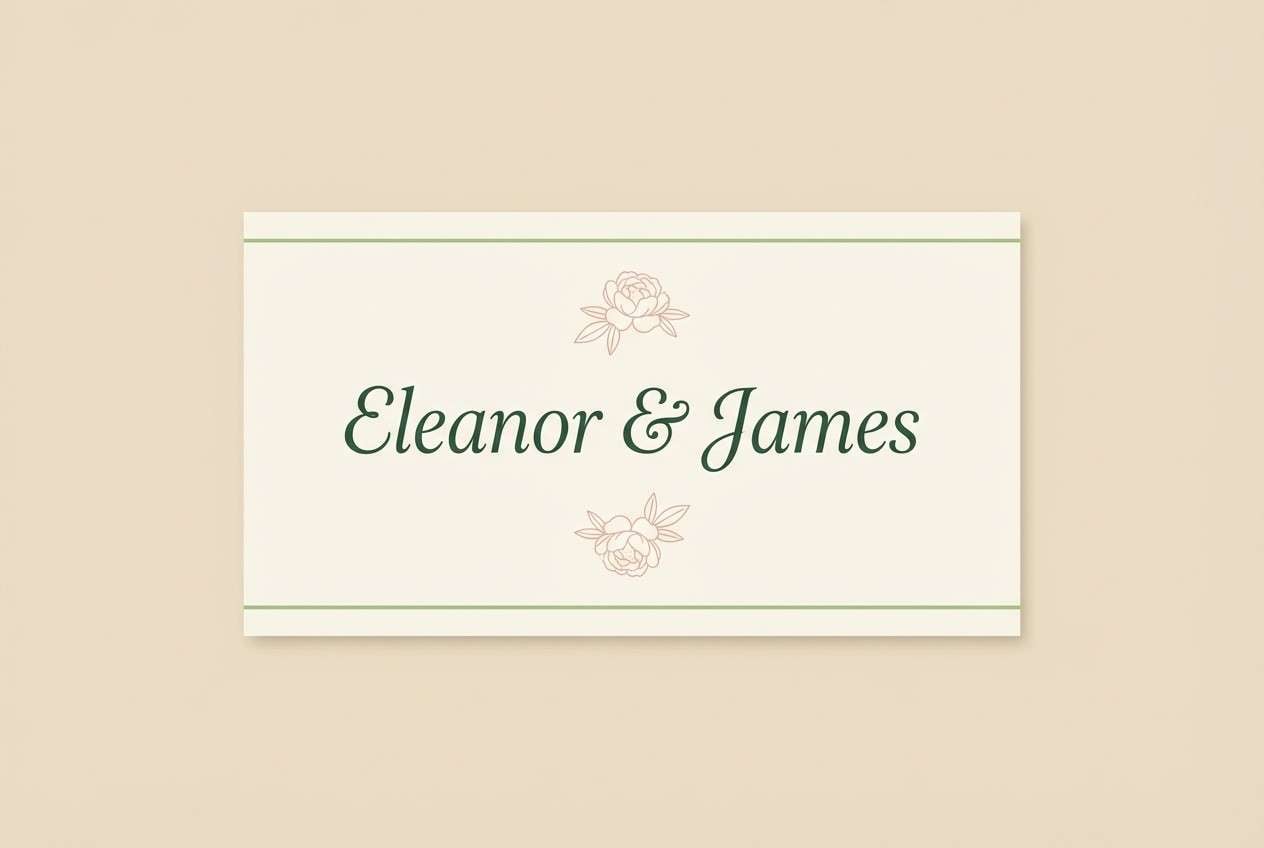
Best for: wedding place card design
Romantic and garden-fresh, like peonies beside a pistachio cake stand. It works beautifully on place cards, seating charts, and small table signage where the details feel personal. Pair the soft pinks with the minty green for gentle contrast, then use the deep green for names and table numbers. Usage tip: keep plenty of cream space so the card feels refined rather than busy.
Image example of peony pistachio generated using media.io
9) Chamomile Dust
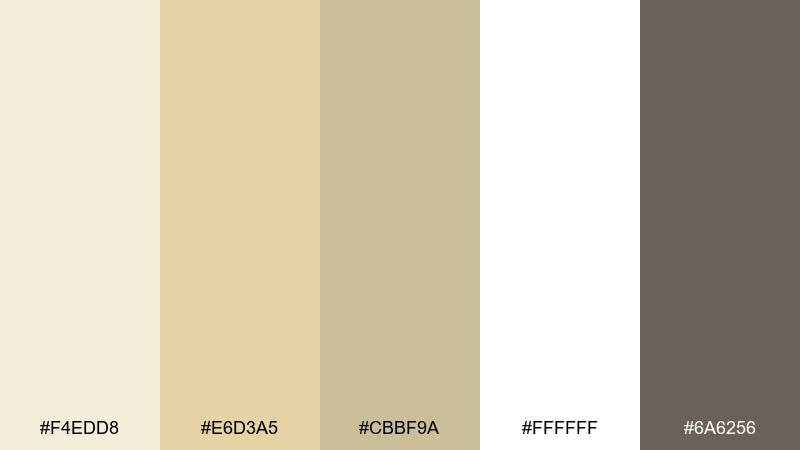
HEX: #f4edd8 #e6d3a5 #cbbf9a #ffffff #6a6256
Mood: soft, calming, sun-washed
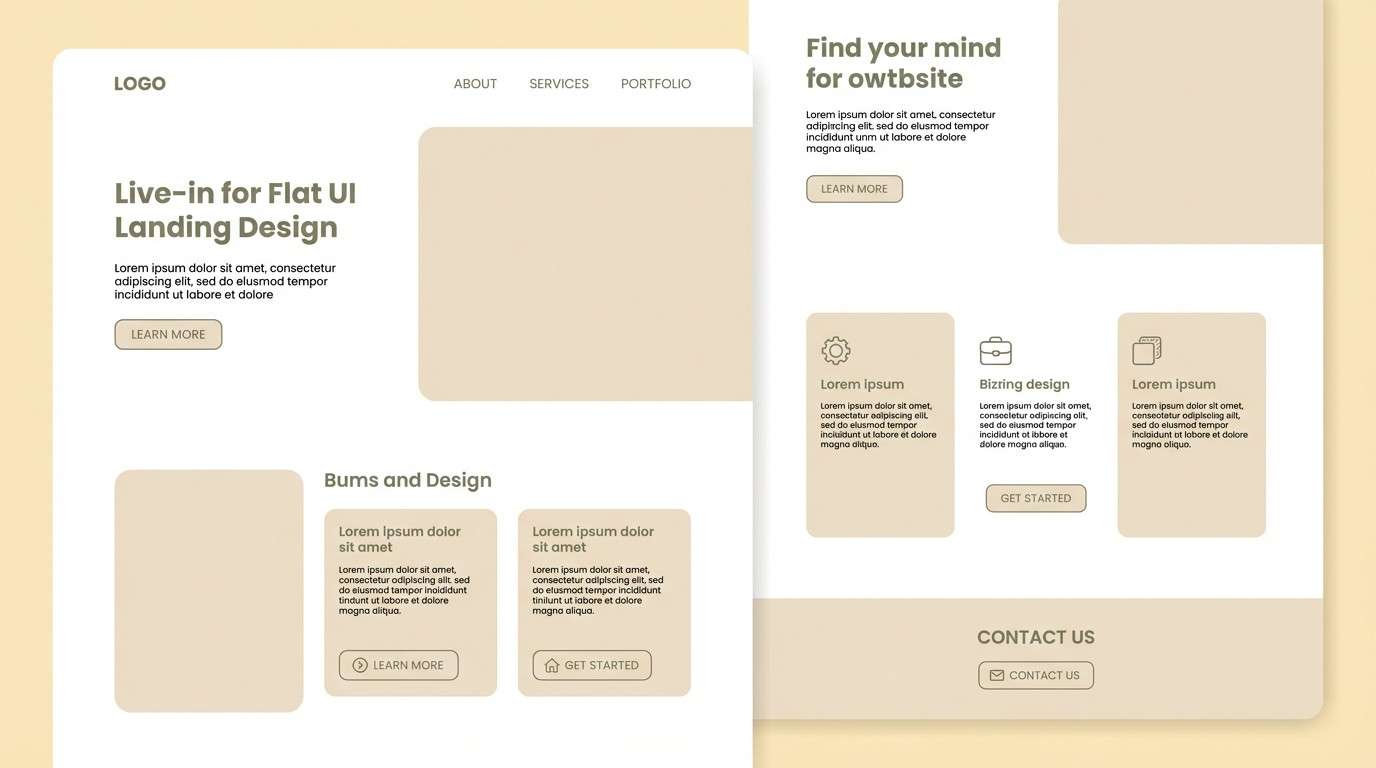
Best for: website landing page UI
Soft and sun-washed, like chamomile petals scattered on parchment. It's a strong fit for calm landing pages, wellness brands, and service sites that want warmth without bright color. Pair the creamy tones with the muted olive-gray for navigation and body text, keeping contrast accessible. Usage tip: use subtle shadows instead of bold borders to preserve the gentle feel.
Image example of chamomile dust generated using media.io
10) Blue Willow Whisper
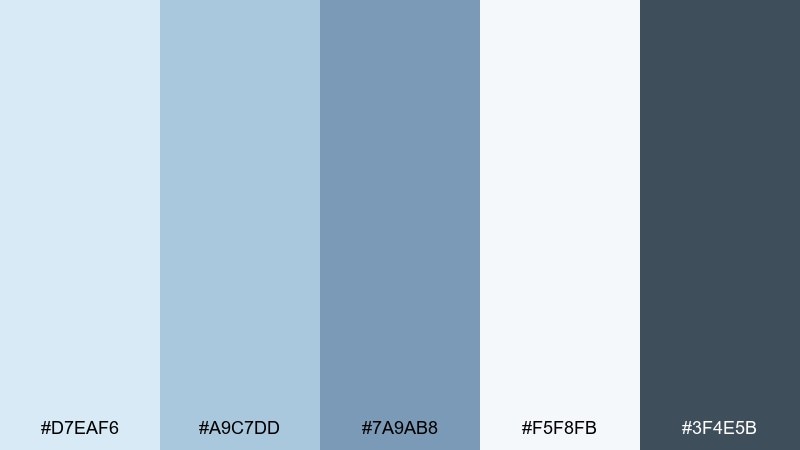
HEX: #d7eaf6 #a9c7dd #7a9ab8 #f5f8fb #3f4e5b
Mood: serene, classic, porcelain-cool
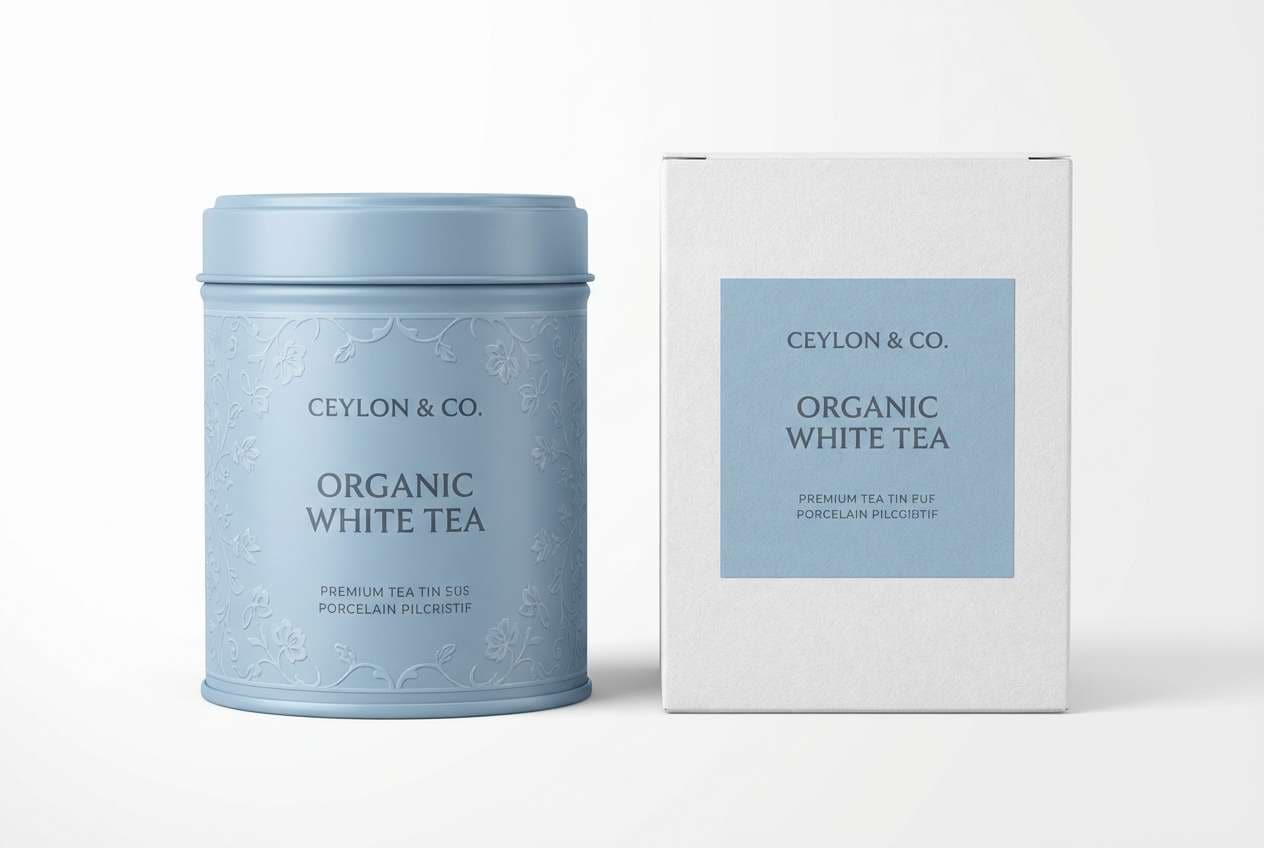
Best for: tea brand packaging
Serene and classic, like blue willow patterns on a vintage teapot. The cool blues make tea packaging feel premium, especially for Earl Grey, oolong, or floral blends. Pair the light blue with white for a clean label base, then use slate for ingredient blocks and barcodes. Usage tip: limit dark slate to small areas so the pack stays airy on shelf.
Image example of blue willow whisper generated using media.io
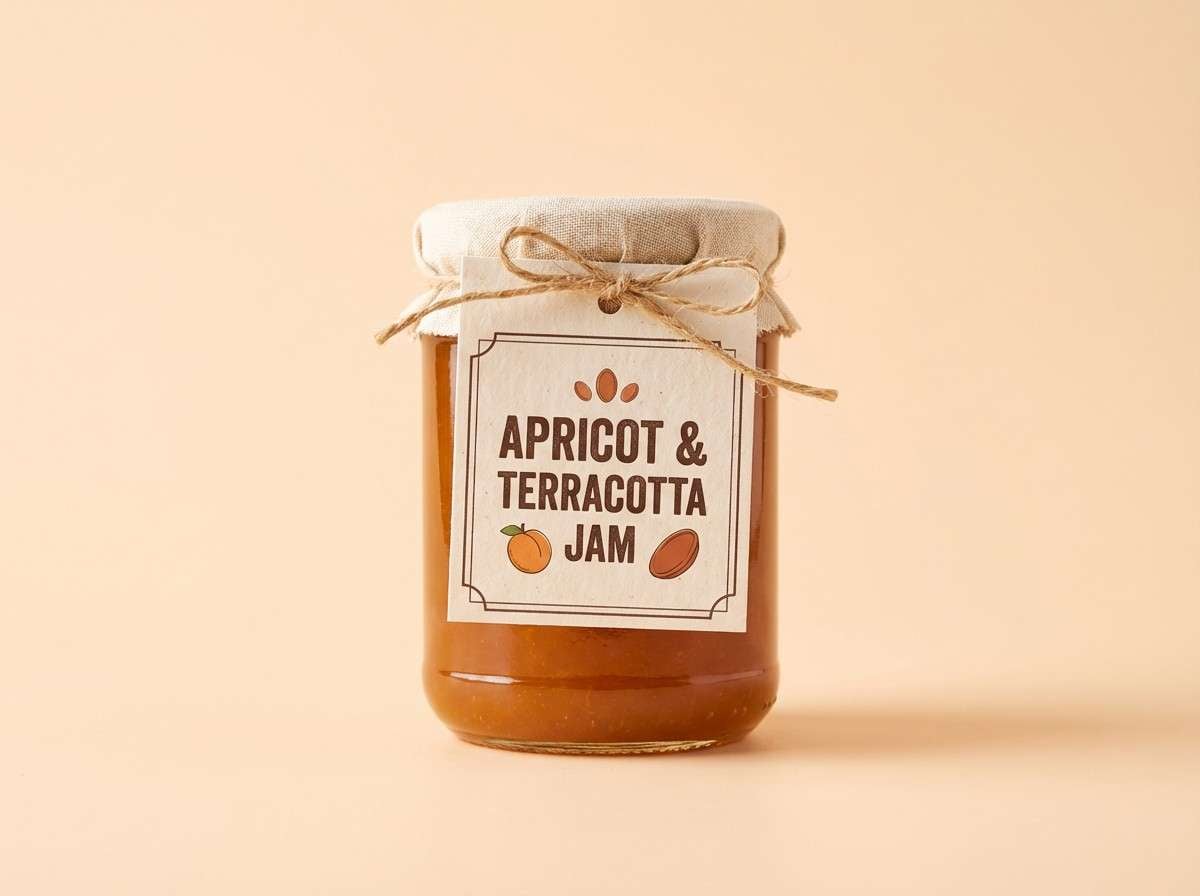
11) Apricot Jam
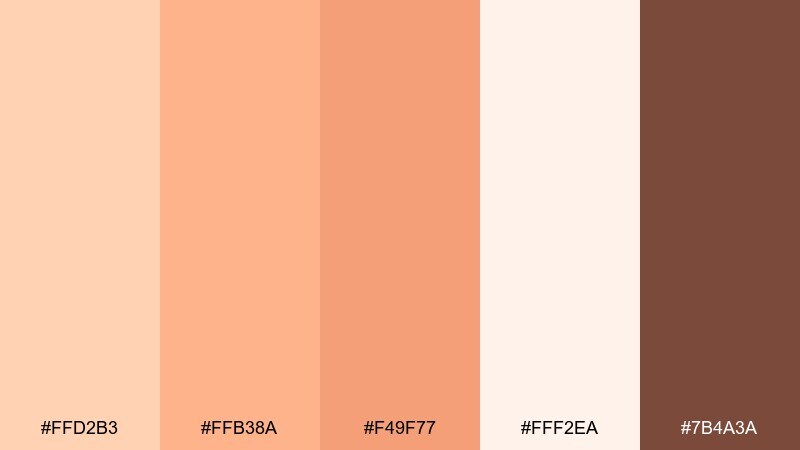
HEX: #ffd2b3 #ffb38a #f49f77 #fff2ea #7b4a3a
Mood: juicy, friendly, nostalgic
Best for: product ad for jam jar
Juicy and friendly, like apricot jam spooned onto warm toast. It's ideal for product ads, artisan food labels, and seasonal promos that want a handmade, nostalgic vibe. Pair the soft peach background with the deeper terracotta for headlines, and use the cocoa brown for fine print. Usage tip: add a single high-contrast badge in terracotta to guide the eye to the offer.
Image example of apricot jam generated using media.io
12) Antique Gold Spoon
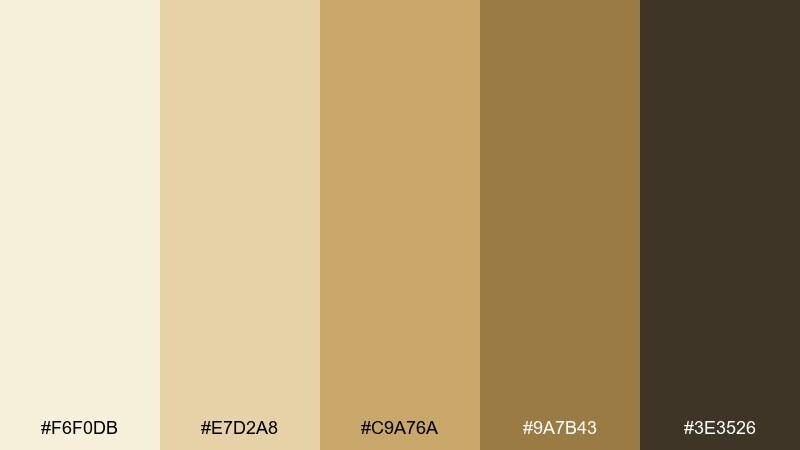
HEX: #f6f0db #e7d2a8 #c9a76a #9a7b43 #3e3526
Mood: heritage, warm, refined
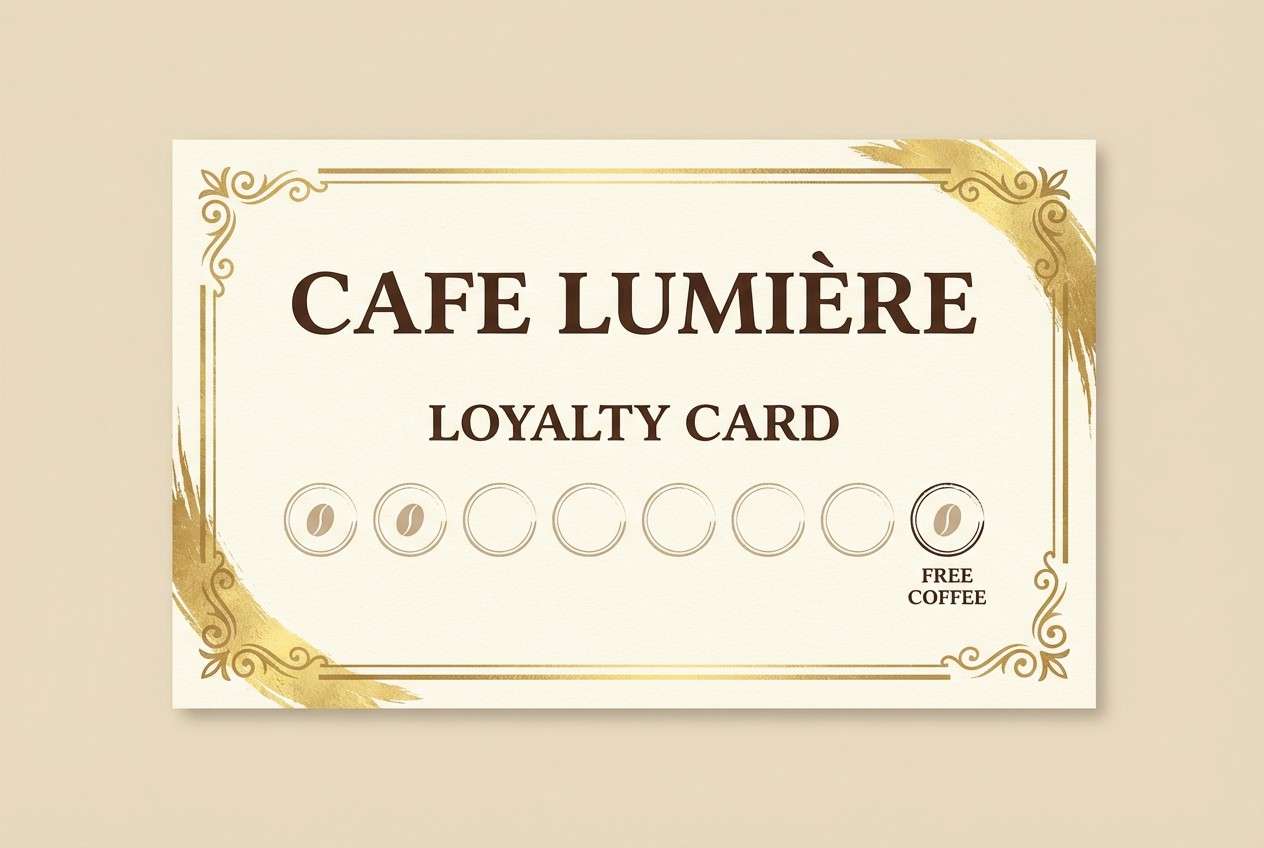
Best for: cafe loyalty card
Heritage and refined, like an antique spoon catching warm afternoon light. It works well for loyalty cards, premium cafe collateral, and embossed-style stamp marks. Pair the pale cream with the mid gold for backgrounds and dividers, then use the deep brown for names, points, and QR text. Usage tip: mimic foil by keeping gold areas flat and letting contrast do the shine.
Image example of antique gold spoon generated using media.io
13) Raspberry Velvet
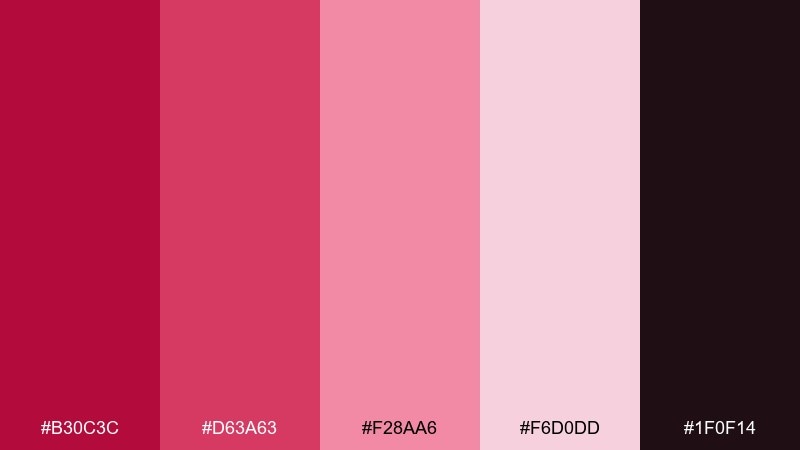
HEX: #b30c3c #d63a63 #f28aa6 #f6d0dd #1f0f14
Mood: bold, romantic, dramatic
Best for: brand identity moodboard
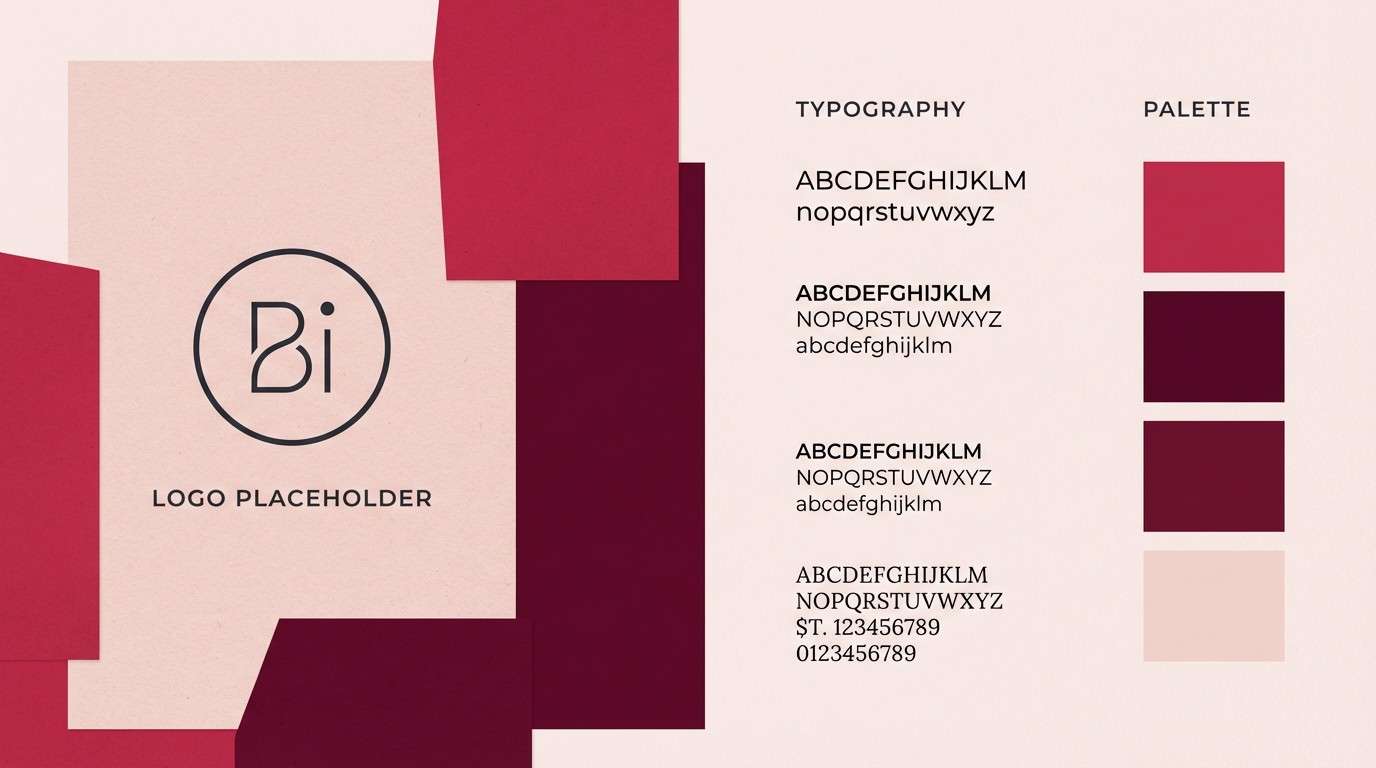
Bold and romantic, like raspberry velvet cake under soft candlelight. It's great for branding moodboards, boutique logos, and hero banners that need a confident, luxe accent. Pair the deepest wine with blush pink for strong contrast, and keep the pale rose as breathing space around marks. Usage tip: use the near-black only for micro text and thin lines to avoid a heavy feel.
Image example of raspberry velvet generated using media.io
14) Sage Scone
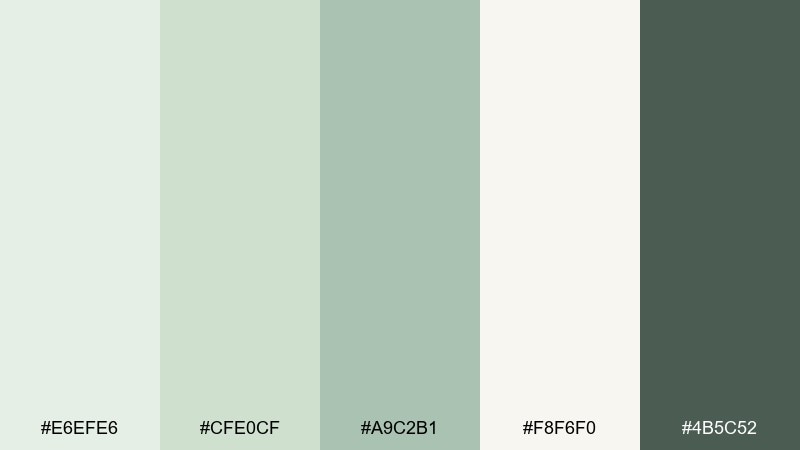
HEX: #e6efe6 #cfe0cf #a9c2b1 #f8f6f0 #4b5c52
Mood: grounded, gentle, homey
Best for: home decor catalog page
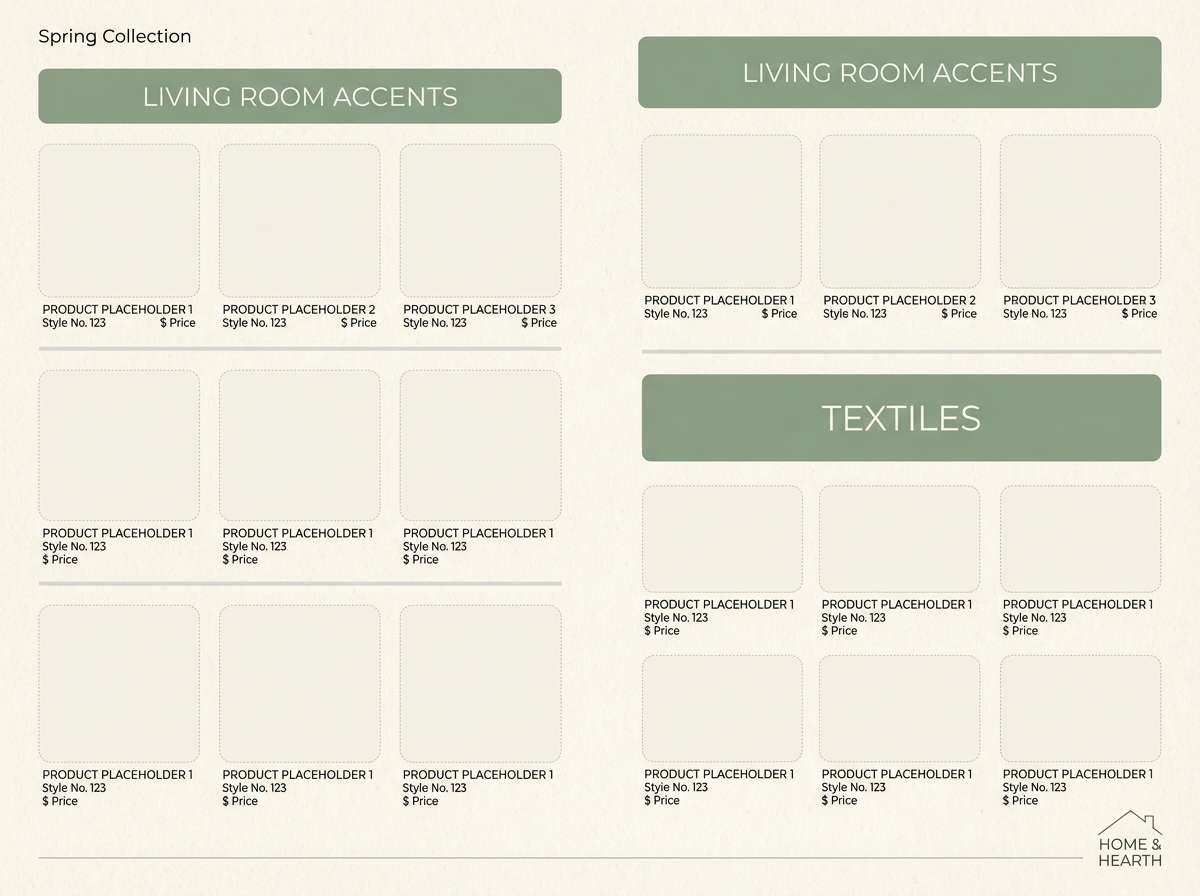
Grounded and gentle, like sage leaves beside a warm scone. The muted greens are perfect for home decor catalogs, lifestyle lookbooks, and calm product collections. Pair the off-white with the light sage for large areas, then use the deep green for headings and section tabs. Usage tip: keep imagery borders soft and thin so the palette stays relaxed.
Image example of sage scone generated using media.io
15) Bubblegum Buttercream
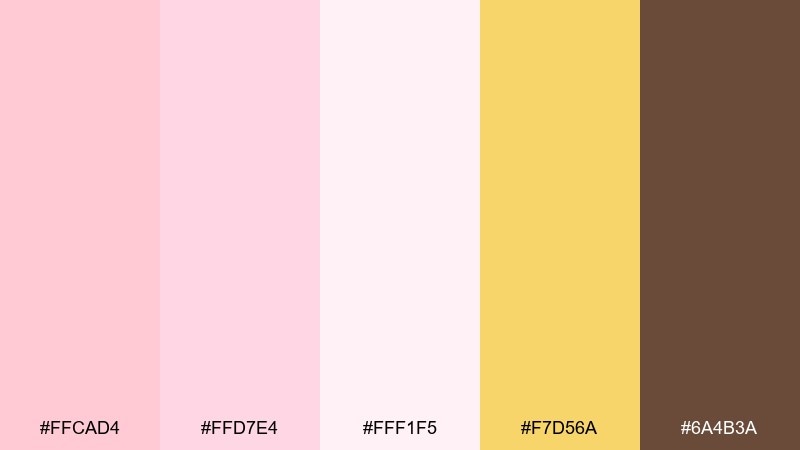
HEX: #ffcad4 #ffd7e4 #fff1f5 #f7d56a #6a4b3a
Mood: playful, sweet, party-ready
Best for: kids birthday invitation
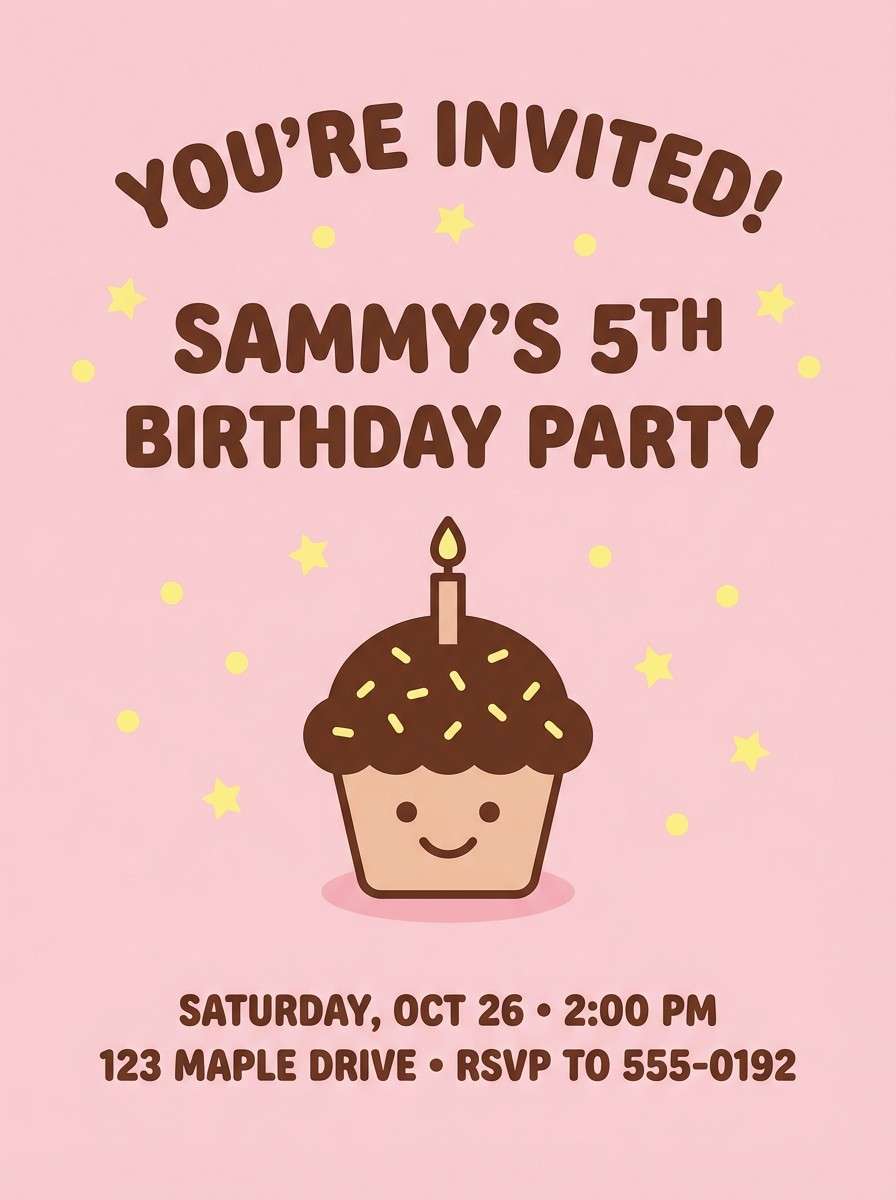
Playful and sweet, like bubblegum frosting with a buttery sponge crumb. This tea party color palette fits kids birthday invitations, party checklists, and fun printable signage without feeling harsh. Pair the pale pinks with buttery yellow for highlights, then use the cocoa brown for legible details and time info. Usage tip: make the yellow a small accent so it reads like sparkle, not a spotlight.
Image example of bubblegum buttercream generated using media.io
16) Cocoa Biscuit
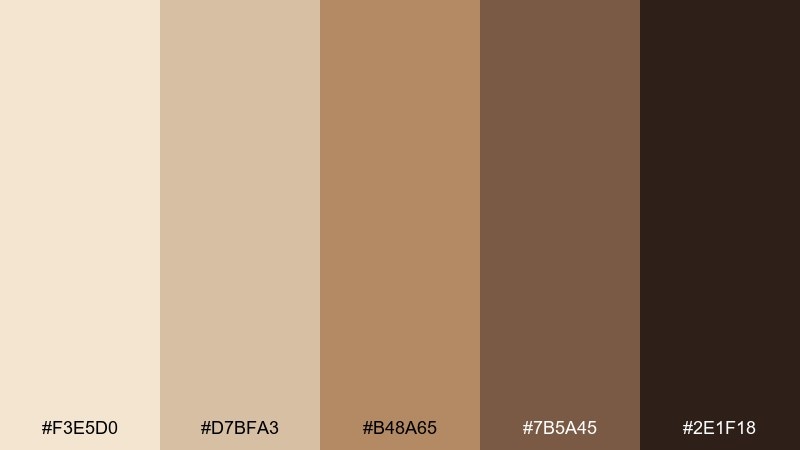
HEX: #f3e5d0 #d7bfa3 #b48a65 #7b5a45 #2e1f18
Mood: toasty, rustic, inviting
Best for: coffee shop packaging
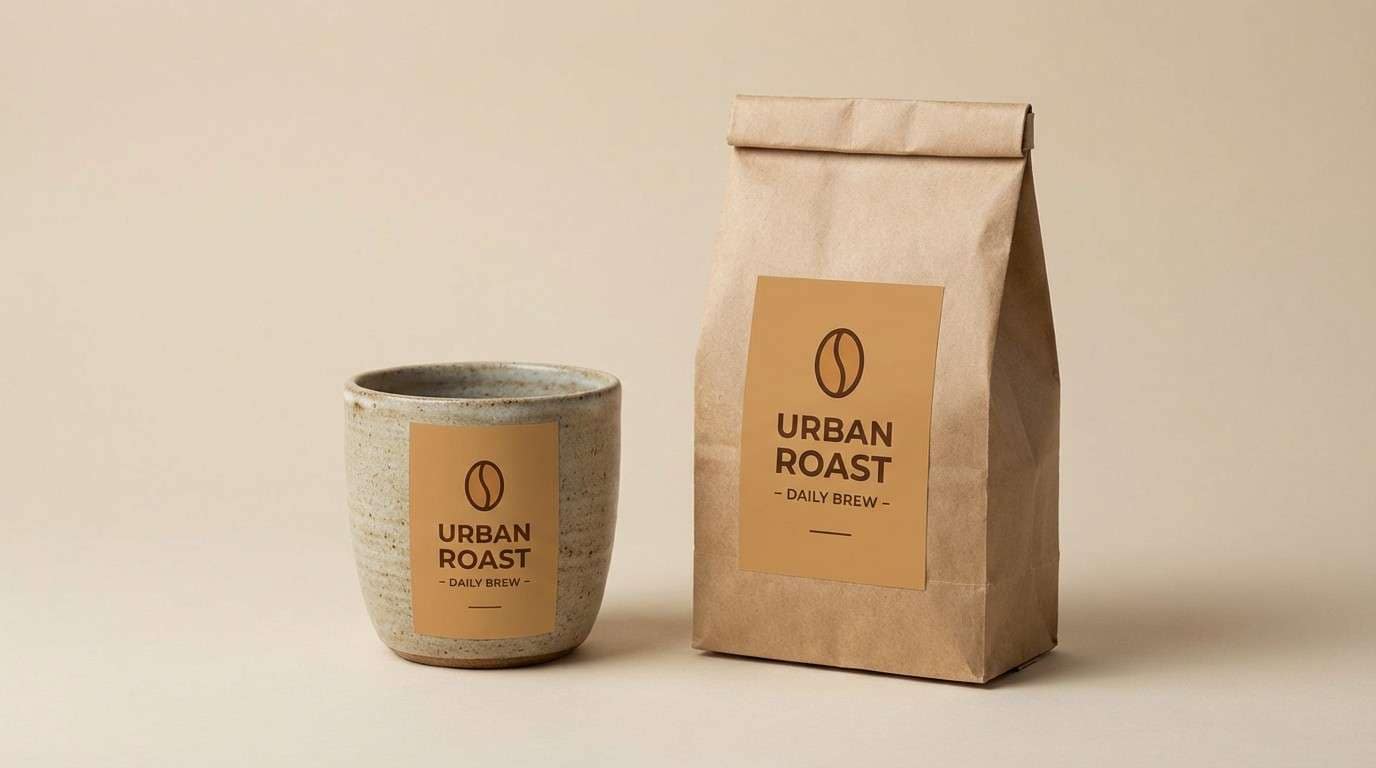
Toasty and rustic, like cocoa powder dusted over a biscuit plate. It works well for coffee shop packaging, kraft-style labels, and takeaway cups where warmth sells comfort. Pair the light beige with the mid caramel for primary surfaces, then use the darkest brown for logos and compliance text. Usage tip: keep type big and simple so the earthy shades feel modern, not old-fashioned.
Image example of cocoa biscuit generated using media.io
17) Lilac Hydrangea
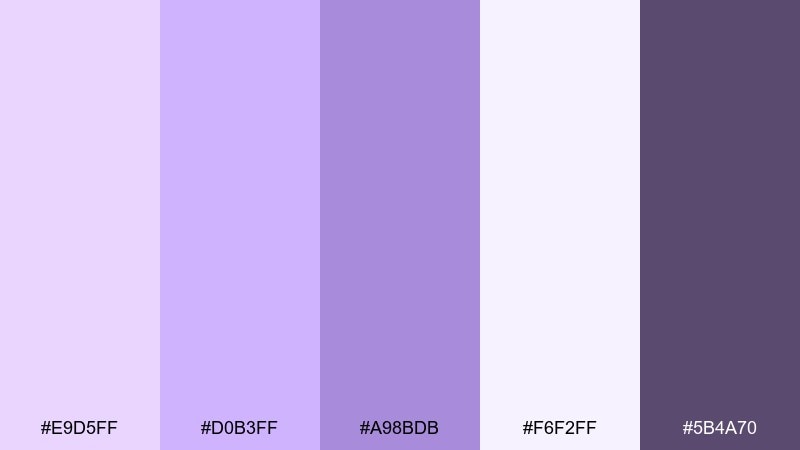
HEX: #e9d5ff #d0b3ff #a98bdb #f6f2ff #5b4a70
Mood: floral, soft, dreamy
Best for: spring watercolor floral print
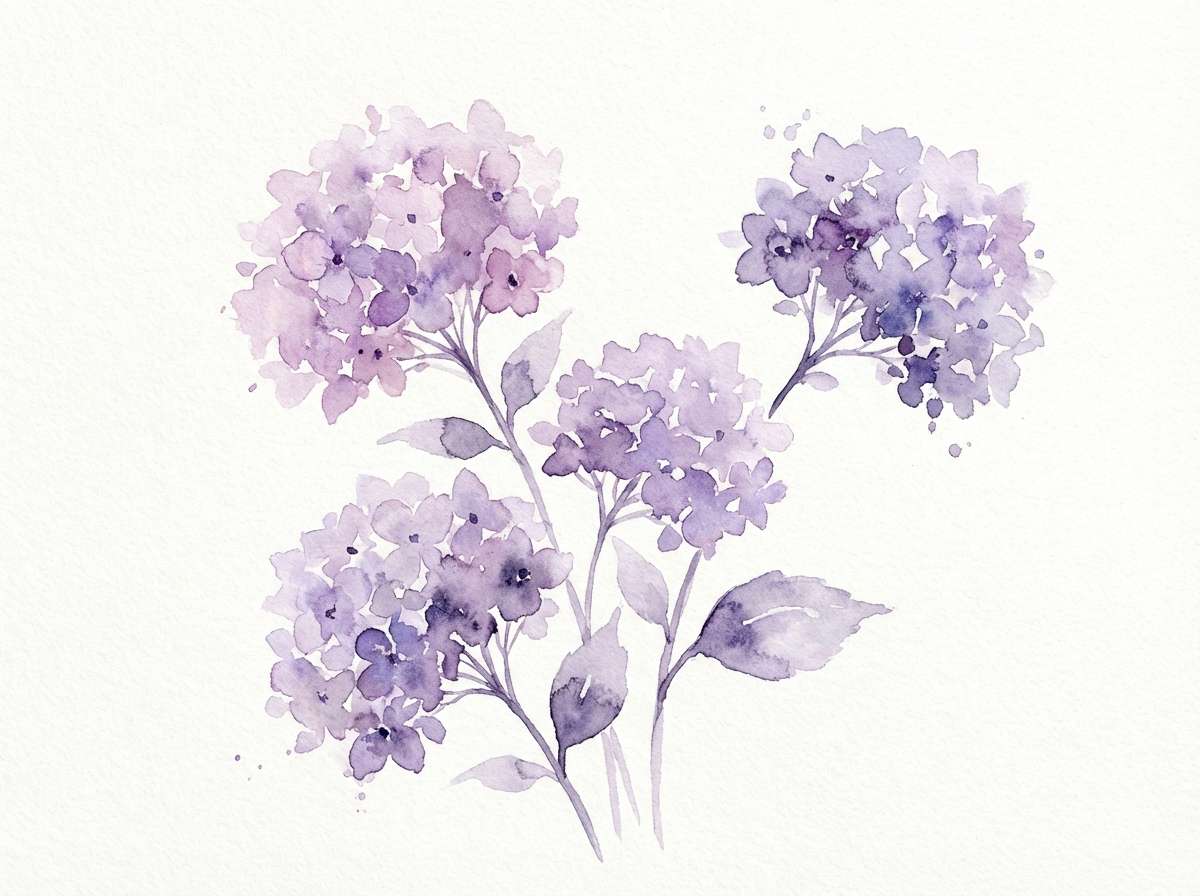
Floral and dreamy, like hydrangea clusters painted in soft lilac wash. These purples are ideal for spring art prints, delicate packaging inserts, and gentle event graphics. Pair the lightest lavender with the near-white for airy paper space, then use the deep violet for signature lines. Usage tip: keep brush edges loose so the palette feels organic rather than digital.
Image example of lilac hydrangea generated using media.io
18) Coral Cameo
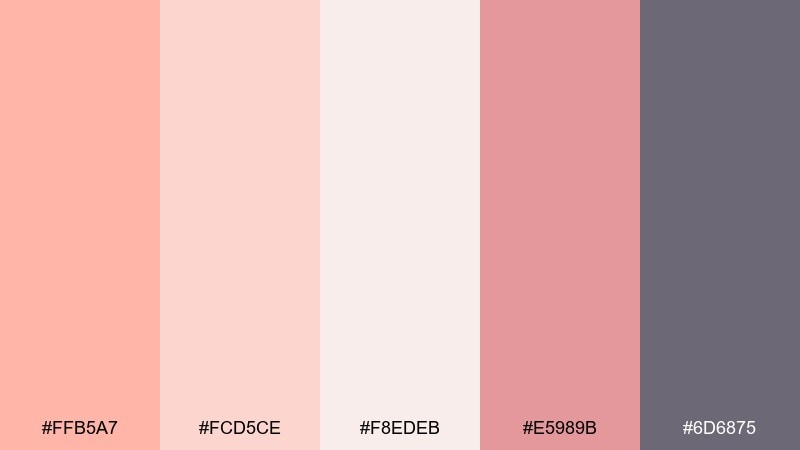
HEX: #ffb5a7 #fcd5ce #f8edeb #e5989b #6d6875
Mood: modern, soft, upbeat
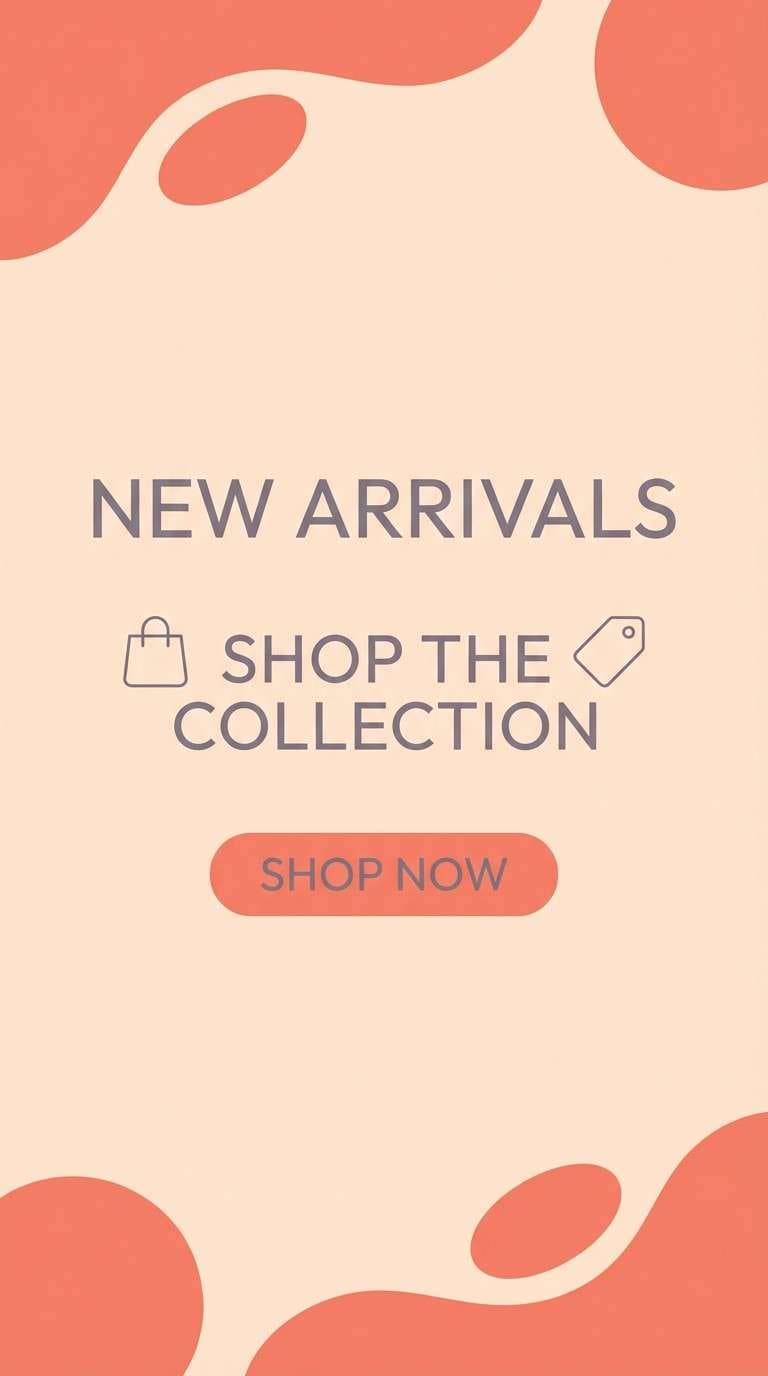
Best for: instagram story promo template
Modern and upbeat, like coral lipstick next to a cameo compact. These tea party color combinations work nicely for story promos, countdown slides, and bite-size announcements that need warmth without neon. Pair the cameo gray-purple with coral for punch, then let the pale peachy tones handle the background layers. Usage tip: keep buttons in the darker tone so tap targets stand out instantly.
Image example of coral cameo generated using media.io
19) Pearl Blush Neutrals
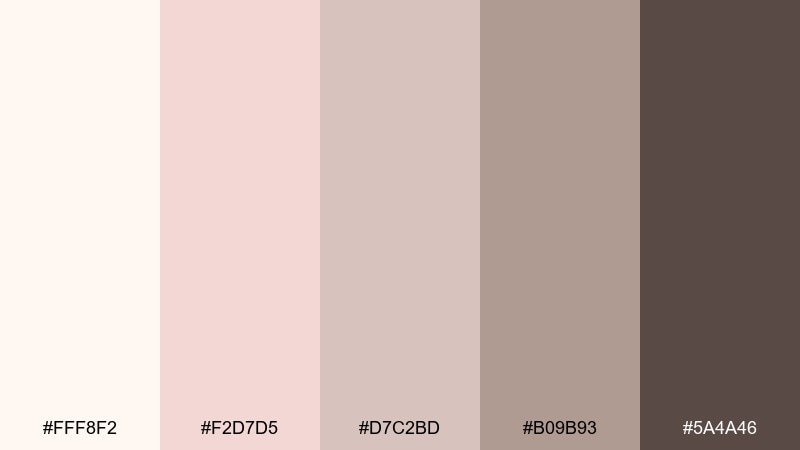
HEX: #fff8f2 #f2d7d5 #d7c2bd #b09b93 #5a4a46
Mood: soft, neutral, elegant
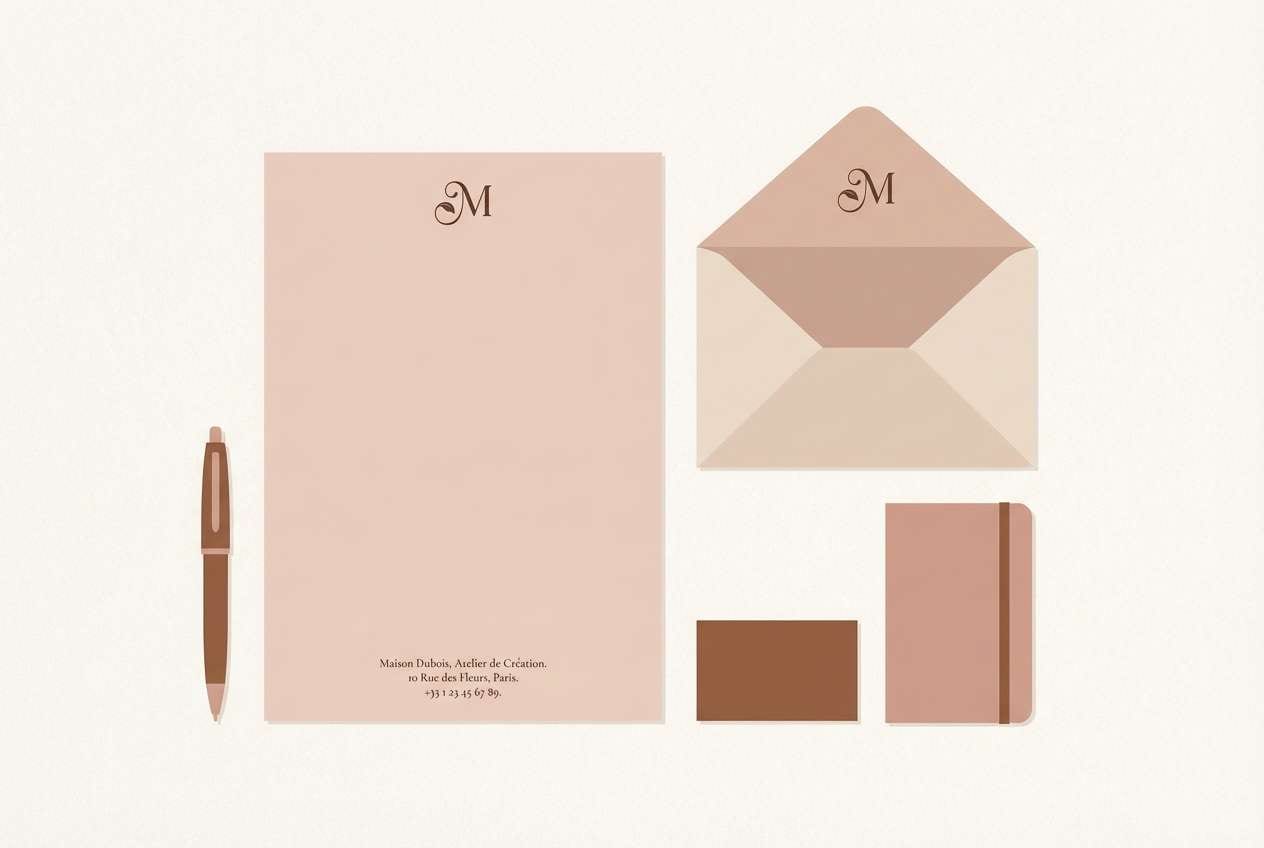
Best for: stationery set mockup
Soft and elegant, like pearls against a blush silk ribbon. The neutral range is perfect for stationery suites, envelope liners, and minimalist monograms that need quiet sophistication. Pair the pearly white with the mid blush for paper layers, then use the warm brown for names and addresses. Usage tip: print the lightest tones on textured stock to make the subtle shifts visible.
Image example of pearl blush neutrals generated using media.io
20) Midnight Tea Rose
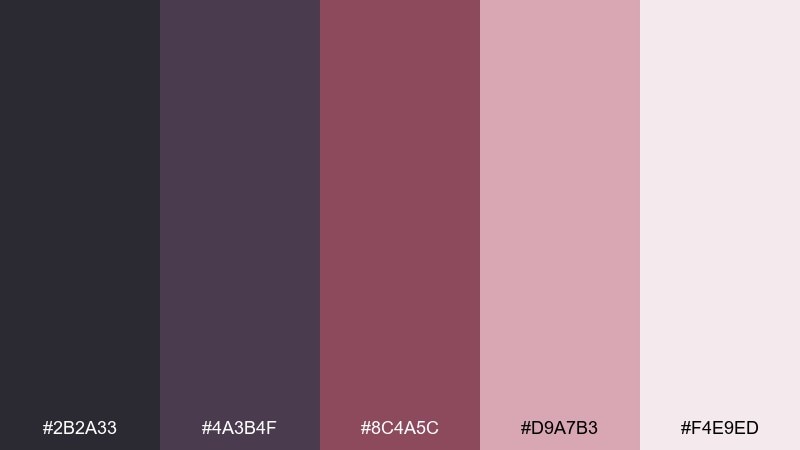
HEX: #2b2a33 #4a3b4f #8c4a5c #d9a7b3 #f4e9ed
Mood: moody, romantic, evening-glam
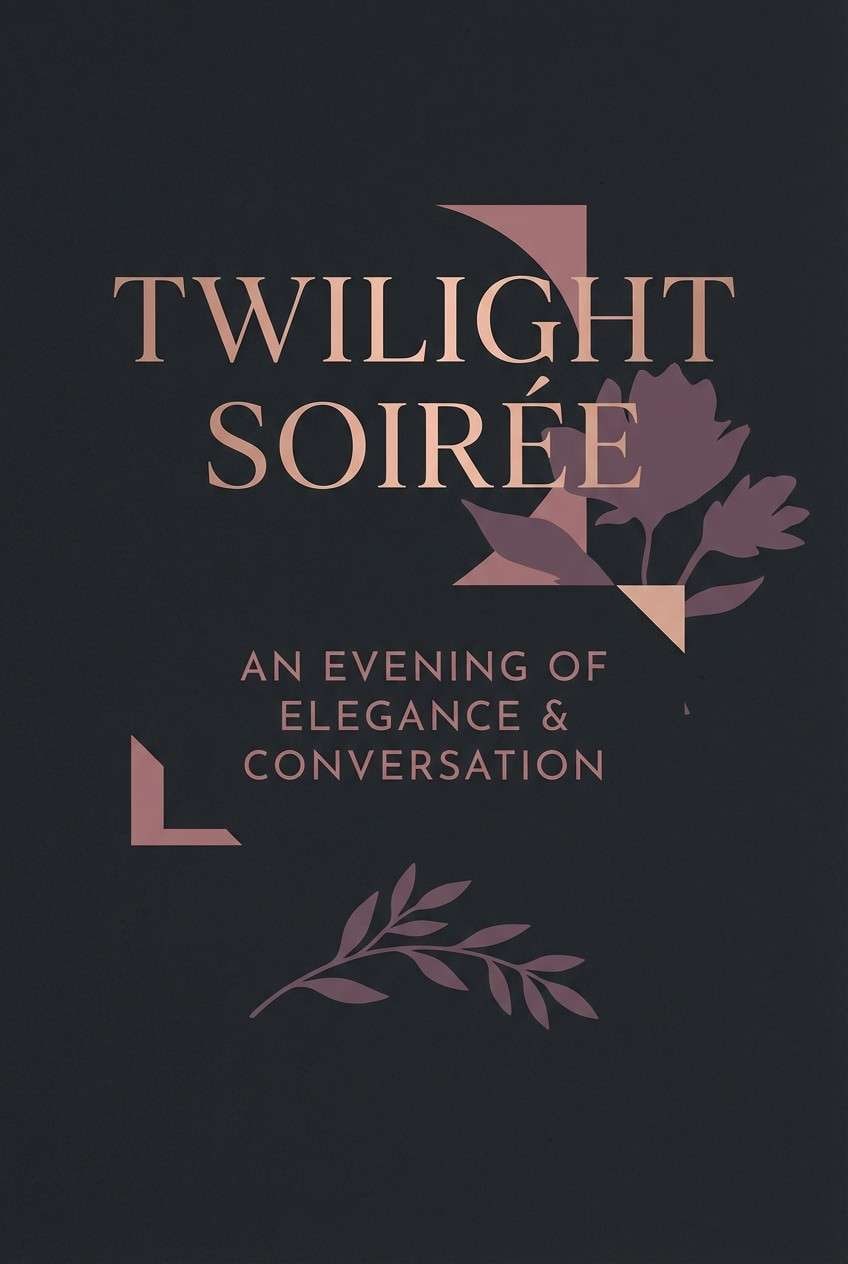
Best for: evening event poster
Moody and romantic, like twilight shadows over rose petals and velvet ribbons. This tea party color palette is made for evening event posters, cocktail-hour menus, and sophisticated RSVP emails. Pair the near-black with dusty rose for high contrast, then keep the pale blush as negative space around key details. Usage tip: use the darkest tone for the background and let rose accents guide the hierarchy.
Image example of midnight tea rose generated using media.io
What Colors Go Well with Tea Party?
Tea party colors pair best when you mix a soft “main” (cream, blush, pale blue, or light lavender) with a botanical accent like sage or mint. That contrast feels fresh but still delicate.
Add one grounded neutral—taupe, cocoa, charcoal, or slate—for typography and structure. This anchor shade keeps invitations, menus, and posts readable while preserving the airy mood.
If you want a more modern edge, introduce a single bold tone (raspberry, terracotta, or deep plum) for buttons, seals, or a headline—then keep the rest of the palette light.
How to Use a Tea Party Color Palette in Real Designs
Start with a light background (cream or near-white), then choose one mid-tone pastel for large shapes like panels, borders, or section blocks. Use your darkest shade for text, icons, and small details so contrast stays clear.
For stationery and packaging, keep color coverage minimal and let negative space do the elegance. A thin line border, wax-seal-style badge, or small floral motif is often enough to communicate the theme.
For UI and social templates, assign roles: background, surface, accent, highlight, and text. That way your tea party color scheme stays consistent across buttons, cards, and headings.
Create Tea Party Palette Visuals with AI
If you have HEX codes but need matching visuals (invites, posters, packaging mockups, or story templates), generate on-theme images quickly with AI. A good prompt plus a consistent palette can keep your brand look cohesive.
Use the sample prompts above as a starting point, then swap in your layout type (invitation, menu, label, UI) and specify details like “clean vector,” “matte packaging,” or “watercolor wash” for the finish you want.
When you find a combo you love, create a few variations (different ratios, typography styles, and background textures) so you have options for print and digital.
Tea Party Color Palette FAQs
-
What is a tea party color palette?
A tea party color palette is a set of soft, welcoming colors—often blush, cream, mint, lavender, or porcelain blue—paired with one darker neutral for readable text and contrast. -
What colors are best for tea party invitations?
Blush pink, cream, and sage are classic for a romantic feel, while lilac and near-white create a dreamy look. Add taupe or deep green for names, dates, and RSVP details. -
How do I keep pastel tea party colors from looking childish?
Use plenty of white/cream space, limit your palette to 3–5 tones, and include a mature anchor shade (charcoal, cocoa, slate, or deep green). Elegant typography also makes pastels feel premium. -
Which tea party colors work for packaging and labels?
Porcelain blues and slates look premium for tea tins, while mint neutrals feel clean for skincare or wellness. Warm apricot or gold tones work well for bakery and cafe packaging. -
What’s the easiest way to choose an accent color?
Pick one stronger tone from your set (like raspberry, terracotta, or cocoa) and use it for a single job—CTA buttons, seals, or headlines—so the design stays airy and organized. -
Can I use a tea party color palette for a website UI?
Yes—choose a light background, use a muted mid-tone for sections/cards, and keep body text in a darker neutral. This preserves the gentle vibe while maintaining accessibility and clarity. -
How can I generate matching visuals for my tea party palette?
Use Media.io’s text-to-image tool with prompts that describe your design type (invitation, menu, packaging, or UI) and style (vector, editorial, watercolor, matte). Keep your palette consistent across variations.
Next: Neutral Color Palette