Red burgundy is a rich, wine-inspired red that instantly adds depth, warmth, and a premium feel to almost any layout. It’s bold enough for standout branding, yet flexible enough to pair with soft neutrals, dusty pinks, earthy greens, and moody darks.
Below are 20+ red burgundy palette ideas with HEX codes, plus AI image prompts you can use to generate on-theme visuals for moodboards, UI, invitations, packaging, and more.
In this article
- Why Red Burgundy Palettes Work So Well
-
- velvet wine
- rosewood candlelight
- garnet and sage
- bordeaux noir
- cranberry cream
- mulberry mist
- antique burgundy library
- brick and oat
- plum velvet night
- cabernet and copper
- burgundy and stone ui
- dusty rose chateau
- pomegranate and ink
- burgundy bloom watercolor
- maroon and mint accent
- rustic burgundy denim
- burgundy clay minimal
- sparkling burgundy gold
- cherrywood neutrals
- deep burgundy botanical
- What Colors Go Well with Red Burgundy?
- How to Use a Red Burgundy Color Palette in Real Designs
- Create Red Burgundy Palette Visuals with AI
Why Red Burgundy Palettes Work So Well
Red burgundy sits in that sweet spot between red and brown, so it reads grounded, mature, and intentional. Compared to bright reds, it feels less urgent and more luxurious—perfect for brands that want confidence without shouting.
It’s also an easy anchor color: deep enough to create strong hierarchy (logos, headers, primary CTAs), but warm enough to pair with creamy neutrals and blush tones for softer layouts. This makes burgundy palettes highly usable across print, digital, and interiors.
Finally, burgundy plays well with both warm and cool companions. You can push it moody with near-black and plum, modern with stone grays, or fresh with muted greens and mint accents.
20+ Red Burgundy Color Palette Ideas (with HEX Codes)
1) Velvet Wine
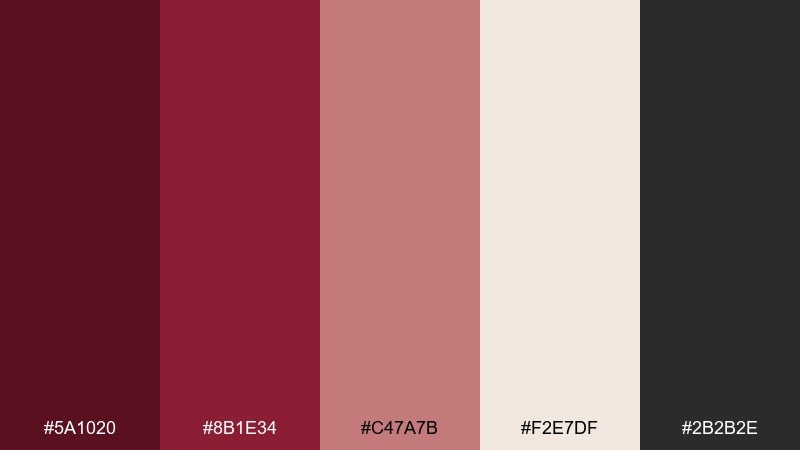
HEX: #5A1020 #8B1E34 #C47A7B #F2E7DF #2B2B2E
Mood: luxe and dramatic
Best for: branding moodboard for a boutique winery
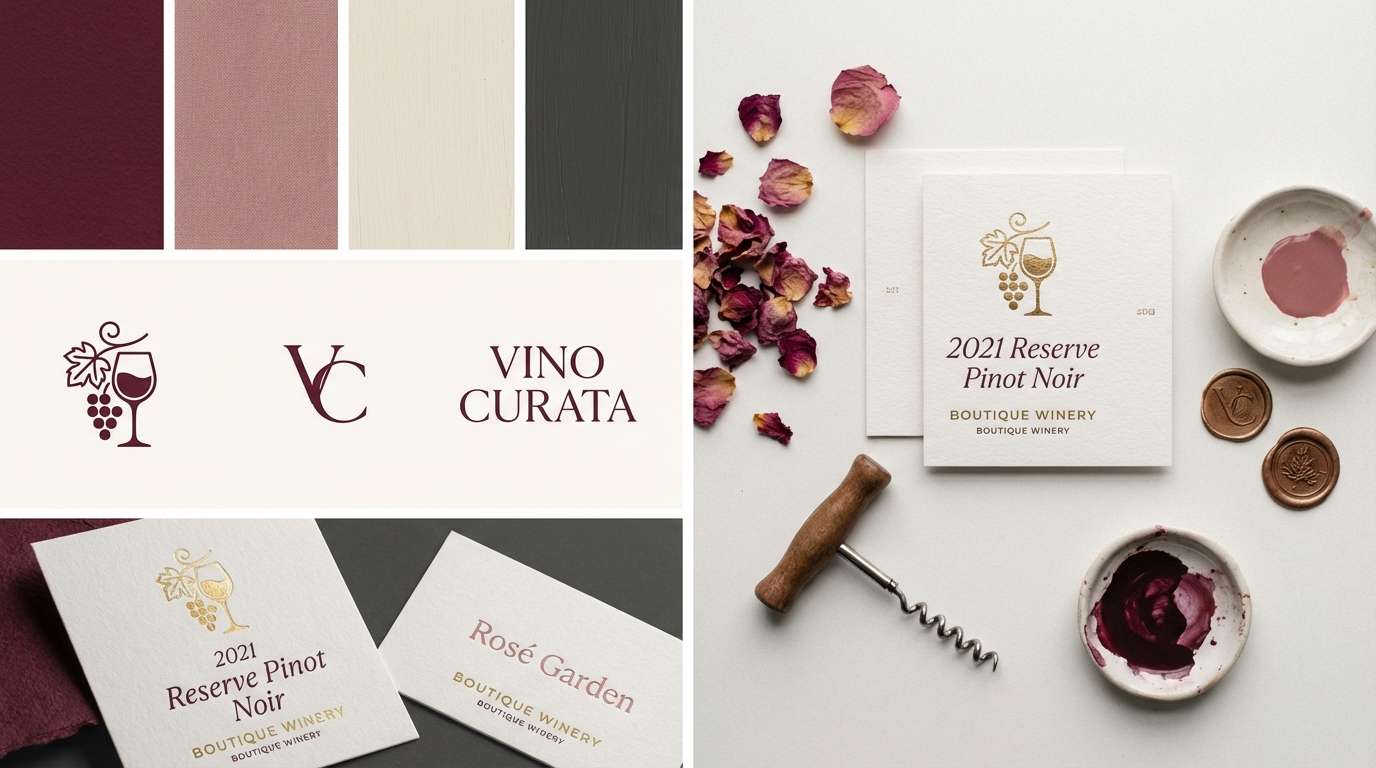
Luxe and dramatic, it feels like velvet curtains, aged barrels, and a candlelit tasting room. Use the deep wine tones for headlines and logos, then soften layouts with the creamy neutral. Charcoal keeps the overall look modern and premium without turning too sweet. Tip: pair with uncoated paper textures to make the burgundy read richer.
Image example of velvet wine generated using media.io
Media.io is an online AI studio for creating and editing video, image, and audio in your browser.


2) Rosewood Candlelight
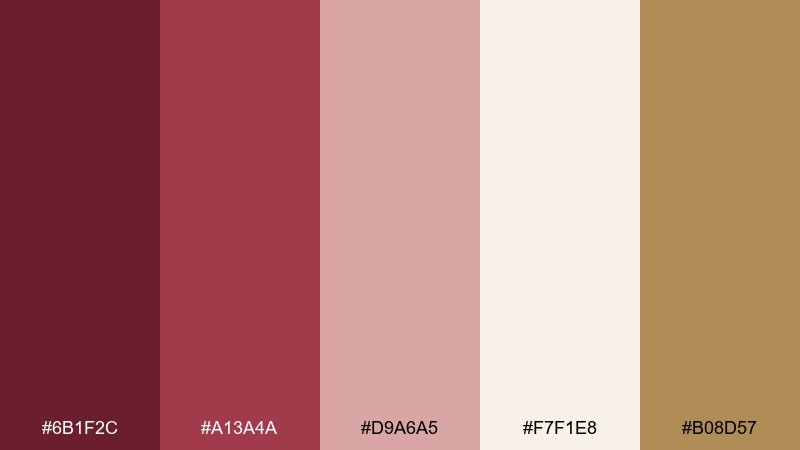
HEX: #6B1F2C #A13A4A #D9A6A5 #F7F1E8 #B08D57
Mood: romantic and warm
Best for: a wedding invitation suite
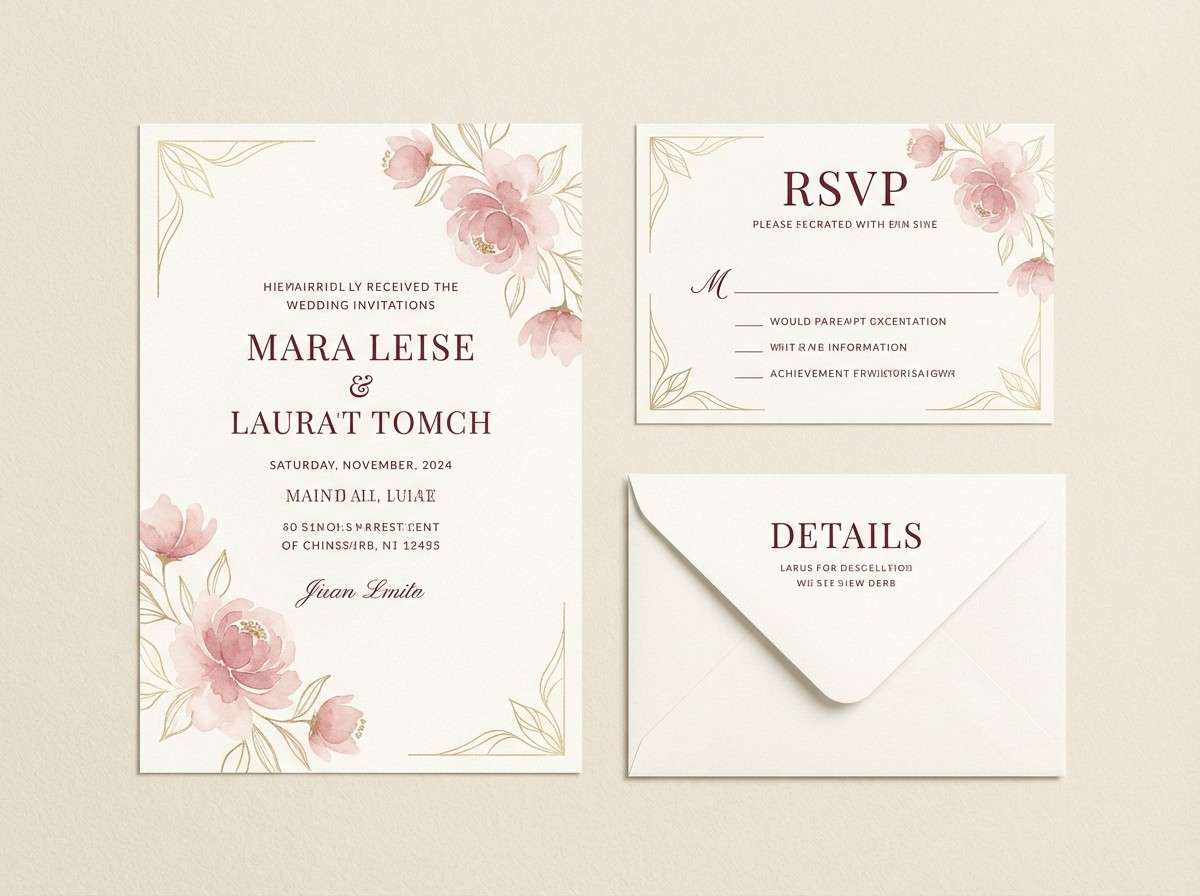
Romantic and warm, it brings to mind rosewood furniture, soft blush petals, and golden candlelight. Lean on the creamy base for readability, then add burgundy for names and key details. The muted gold works best as a thin foil-like accent on borders or icons. Tip: keep gold usage under 10 percent so the set feels elegant, not flashy.
Image example of rosewood candlelight generated using media.io
3) Garnet and Sage
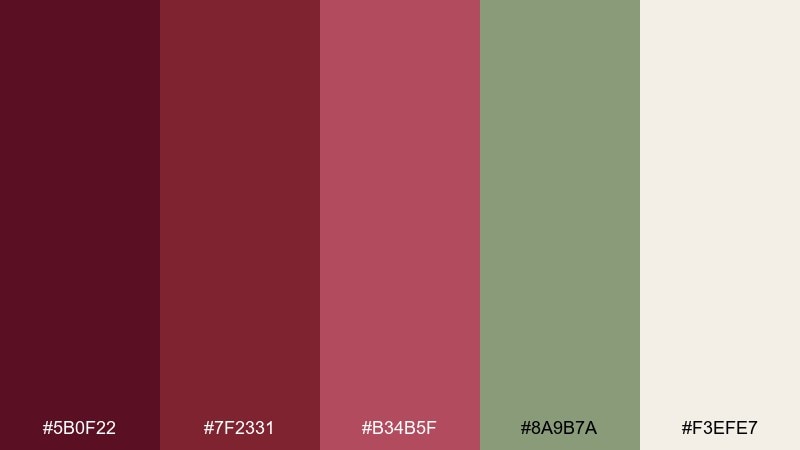
HEX: #5B0F22 #7F2331 #B34B5F #8A9B7A #F3EFE7
Mood: earthy and balanced
Best for: a modern living room color direction
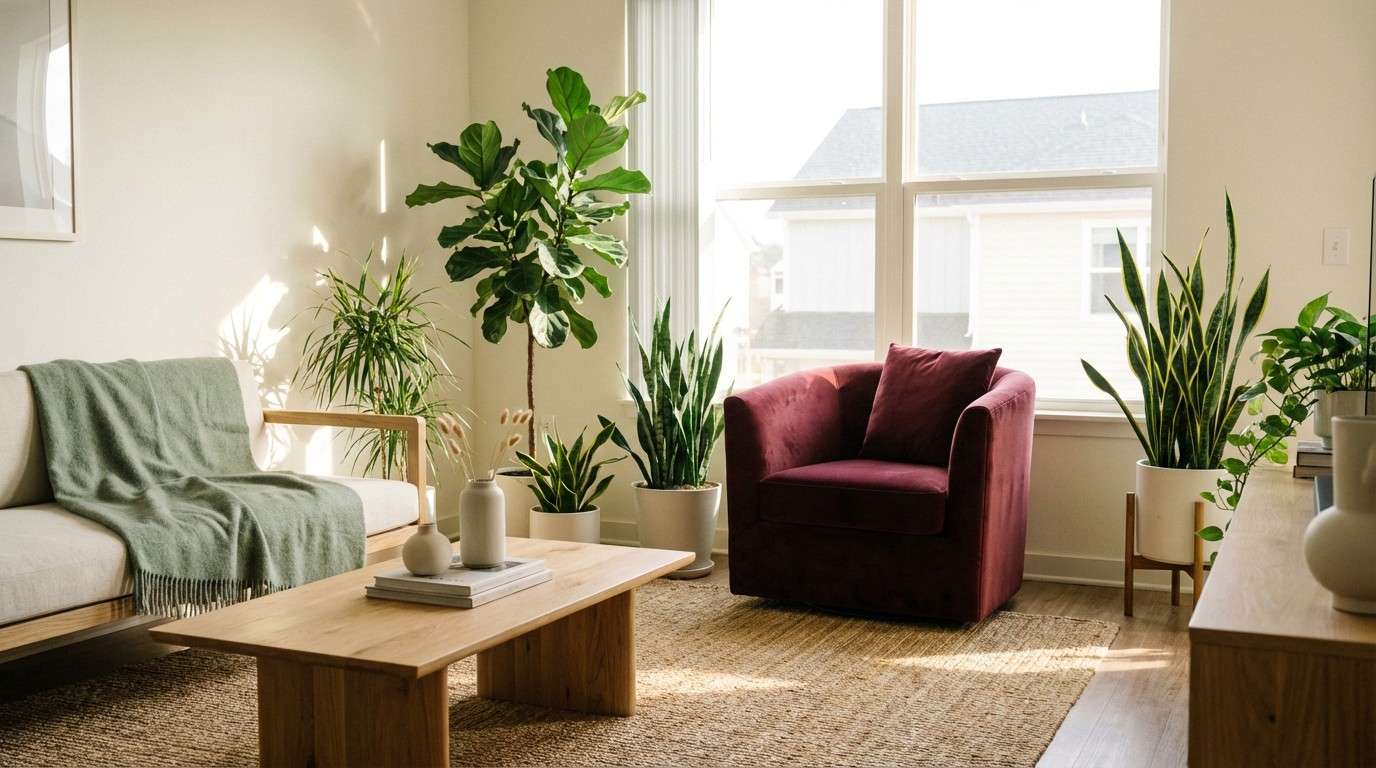
Earthy and balanced, it suggests garnet glass, dried herbs, and calm afternoon light. One of the easiest red burgundy color combinations for interiors is to anchor with deep red-brown accents, then offset with muted sage textiles. The off-white keeps walls and large surfaces airy so the space does not feel heavy. Tip: repeat the sage at least twice across pillows, art, or a rug to make the pairing feel intentional.
Image example of garnet and sage generated using media.io
4) Bordeaux Noir
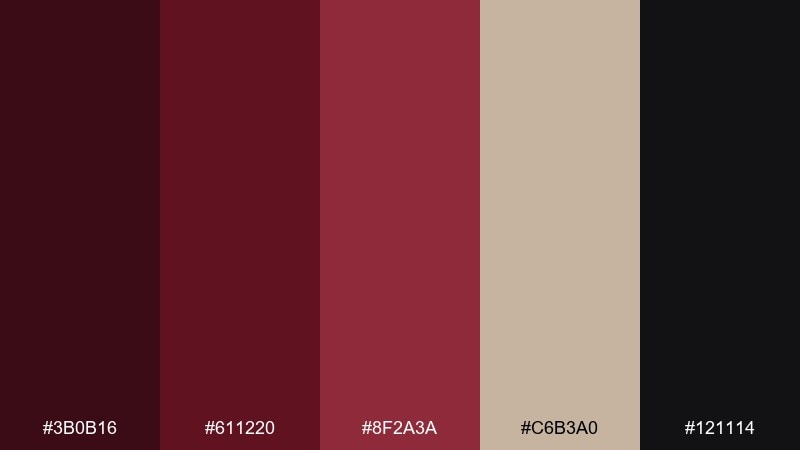
HEX: #3B0B16 #611220 #8F2A3A #C6B3A0 #121114
Mood: moody and high-end
Best for: luxury perfume packaging
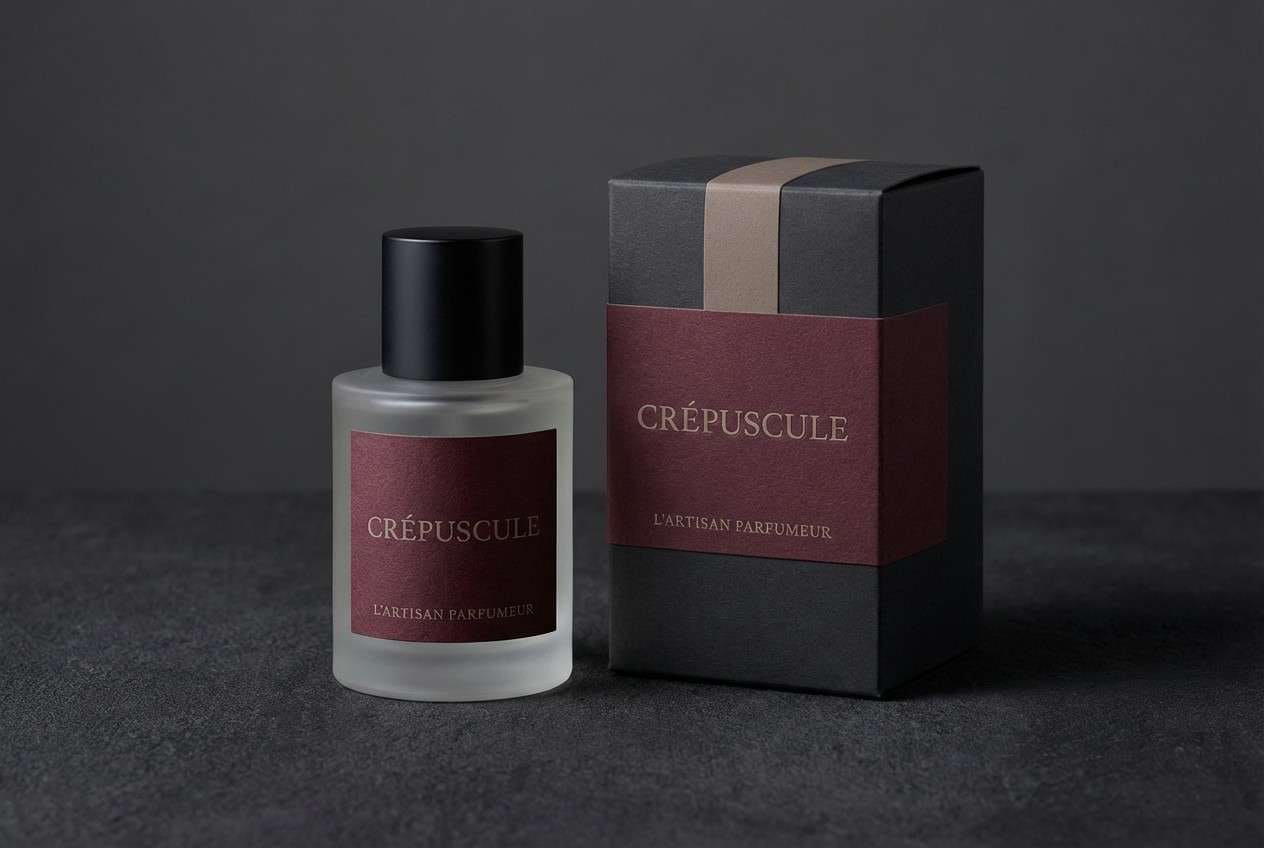
Moody and high-end, it feels like a midnight lounge with velvet shadows and a sharp spotlight on glass. Use the near-black as the primary field color, then bring in bordeaux tones for typography and label blocks. The warm taupe is your secret weapon for contrast without breaking the dark mood. Tip: choose matte finishes for the darks and a small glossy highlight on the bottle silhouette.
Image example of bordeaux noir generated using media.io
5) Cranberry Cream
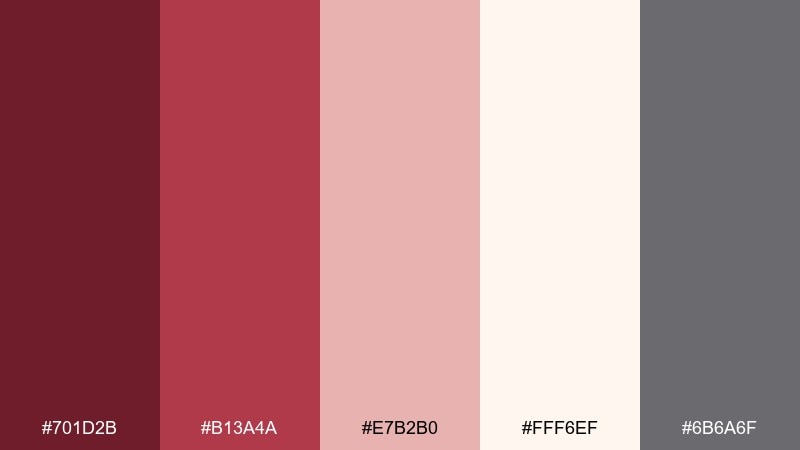
HEX: #701D2B #B13A4A #E7B2B0 #FFF6EF #6B6A6F
Mood: sweet and inviting
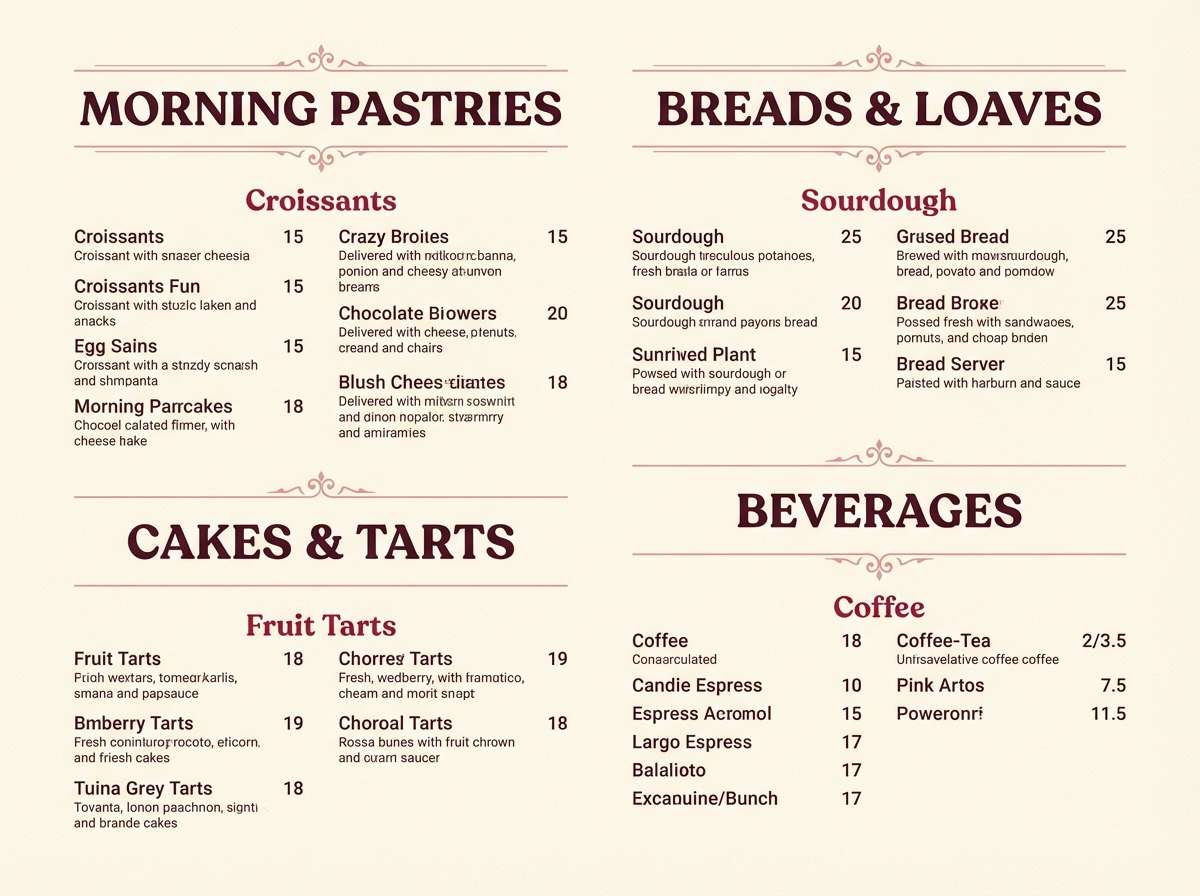
Best for: a bakery menu design
Sweet and inviting, it reads like cranberry glaze, vanilla cream, and soft bakery lighting. Use the creamy tone as the menu background for a clean, appetizing feel. Cranberry and blush work well for section headers and callouts, while the gray keeps prices and body text easy to scan. Tip: add generous line spacing so the warm colors do not crowd the layout.
Image example of cranberry cream generated using media.io
6) Mulberry Mist
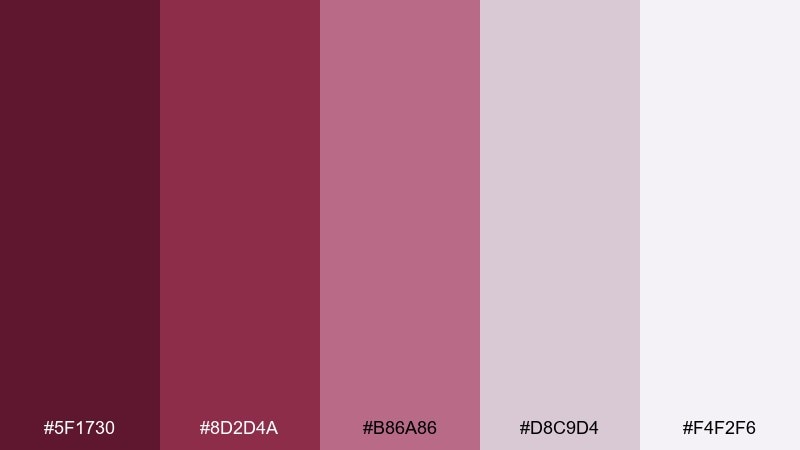
HEX: #5F1730 #8D2D4A #B86A86 #D8C9D4 #F4F2F6
Mood: soft and soothing
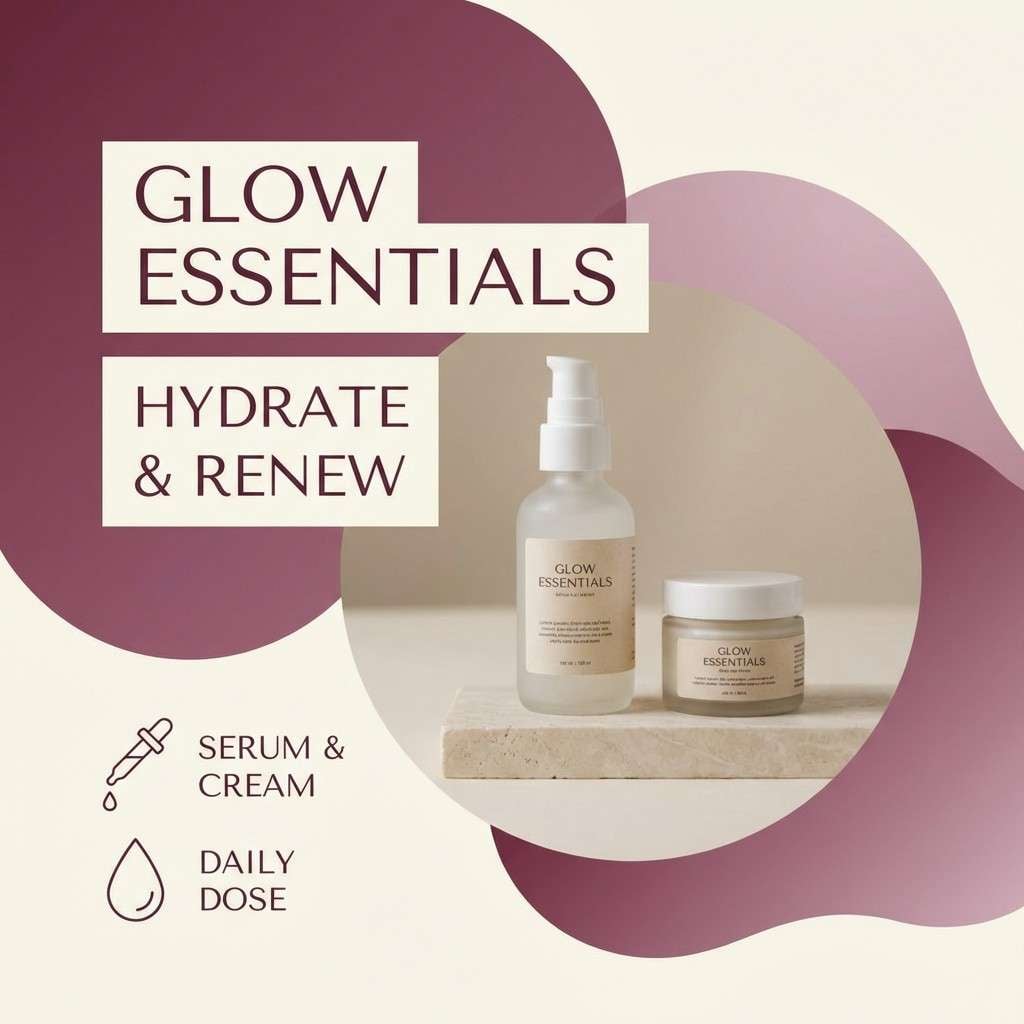
Best for: skincare social media graphics
Soft and soothing, it evokes mulberry tea, a light morning haze, and gentle spa calm. Keep the palest lavender-cream as the canvas, then layer mulberry and dusty mauve for buttons, badges, and product names. The mid-tone mauve is great for gradients that feel modern without turning neon. Tip: use rounded shapes and subtle shadows so the palette stays airy.
Image example of mulberry mist generated using media.io
7) Antique Burgundy Library
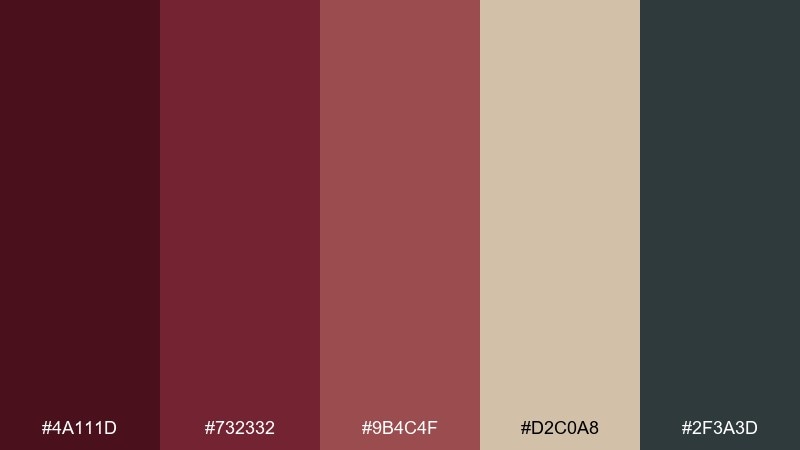
HEX: #4A111D #732332 #9B4C4F #D2C0A8 #2F3A3D
Mood: classic and scholarly
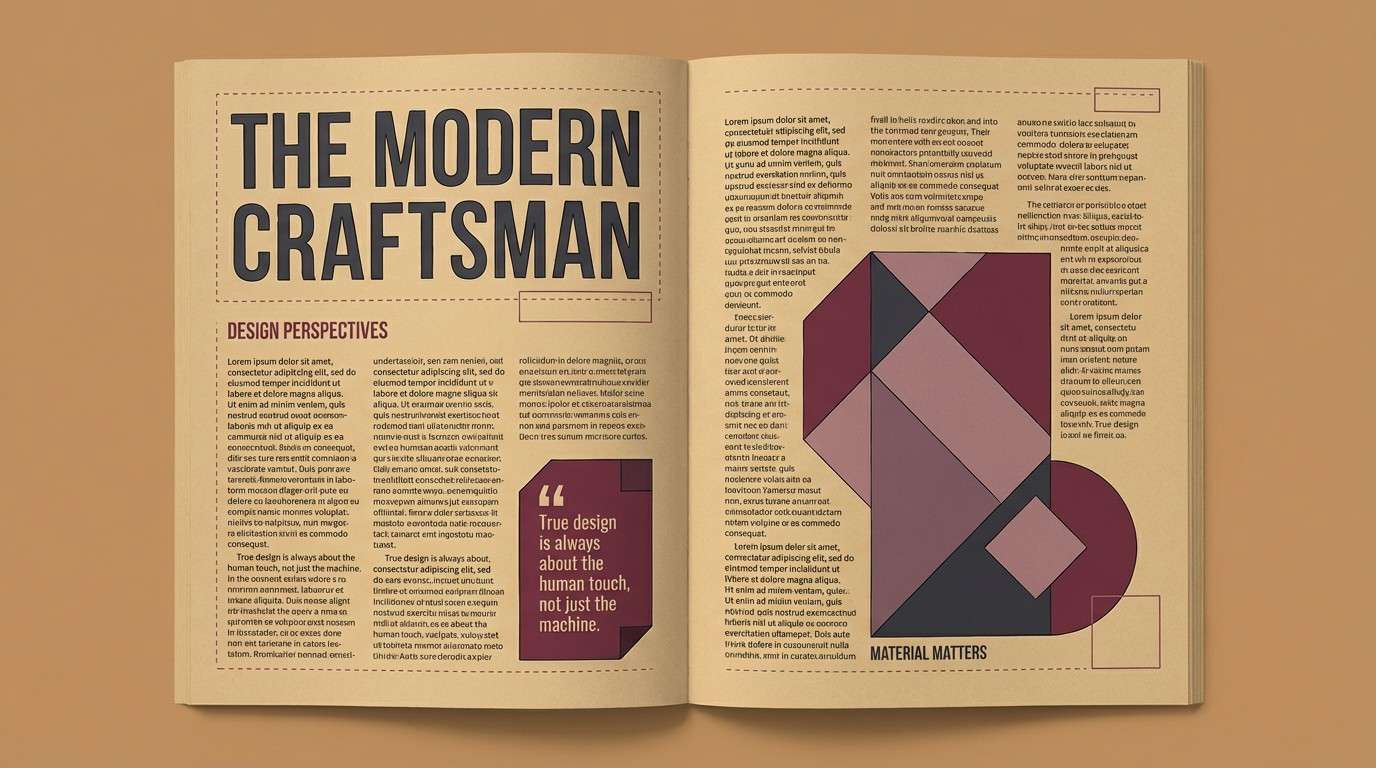
Best for: an editorial magazine layout
Classic and scholarly, it brings up worn leather spines, marbled endpapers, and quiet study halls. In a red burgundy color palette like this, the tan works beautifully as a paper-like background while the deeper reds add authority to headlines. The cool deep gray gives structure for rules, captions, and page numbers. Tip: keep photos warm-toned so the reds feel integrated, not isolated.
Image example of antique burgundy library generated using media.io
8) Brick and Oat
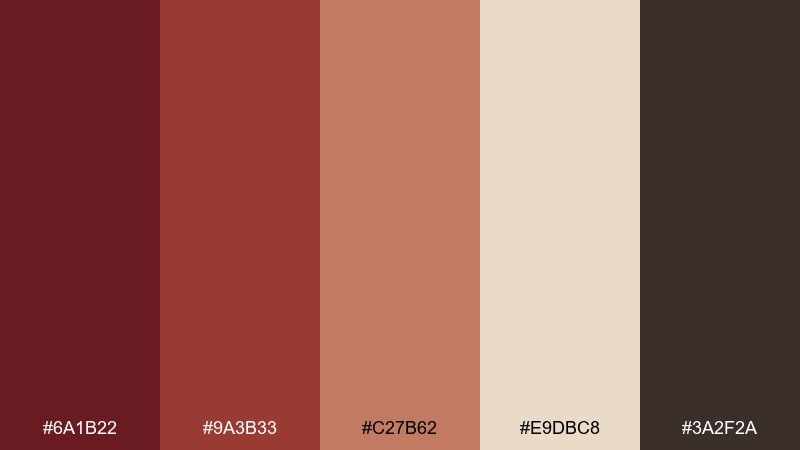
HEX: #6A1B22 #9A3B33 #C27B62 #E9DBC8 #3A2F2A
Mood: rustic and grounded
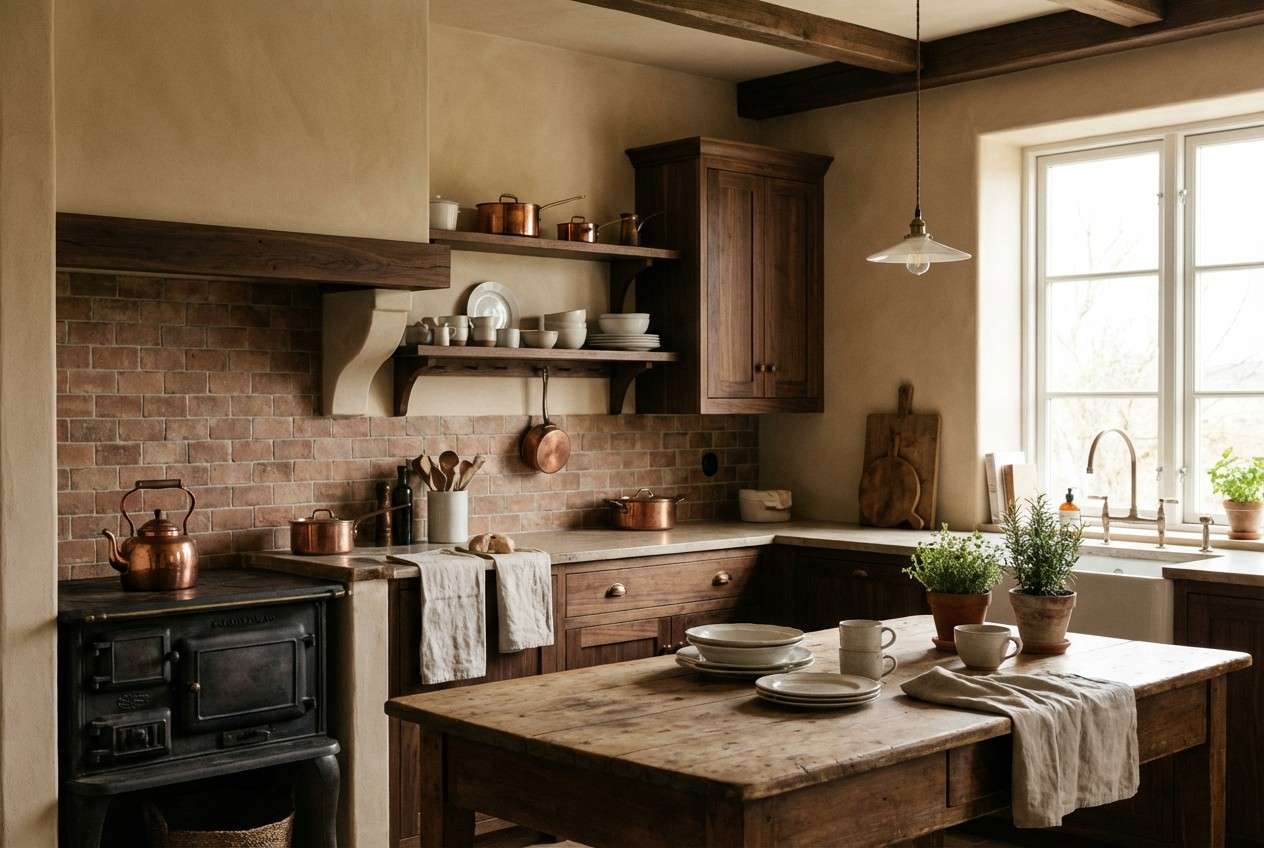
Best for: a cozy kitchen interior look
Rustic and grounded, it feels like brick hearths, toasted oats, and dark wood grain. Use oat and warm beige on the largest surfaces, then bring brick tones into ceramics or cabinet accents. The deep brown works for hardware and frames, keeping the palette from looking washed out. Tip: choose warm bulbs so the mid tones stay caramel, not pink.
Image example of brick and oat generated using media.io
9) Plum Velvet Night
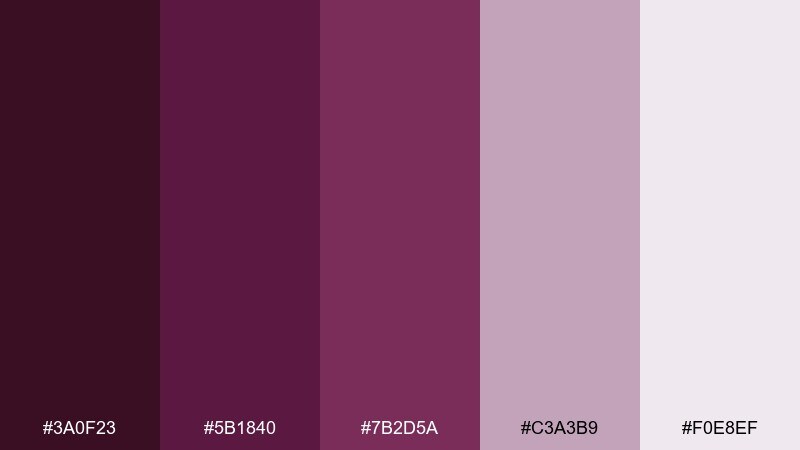
HEX: #3A0F23 #5B1840 #7B2D5A #C3A3B9 #F0E8EF
Mood: mysterious and artistic
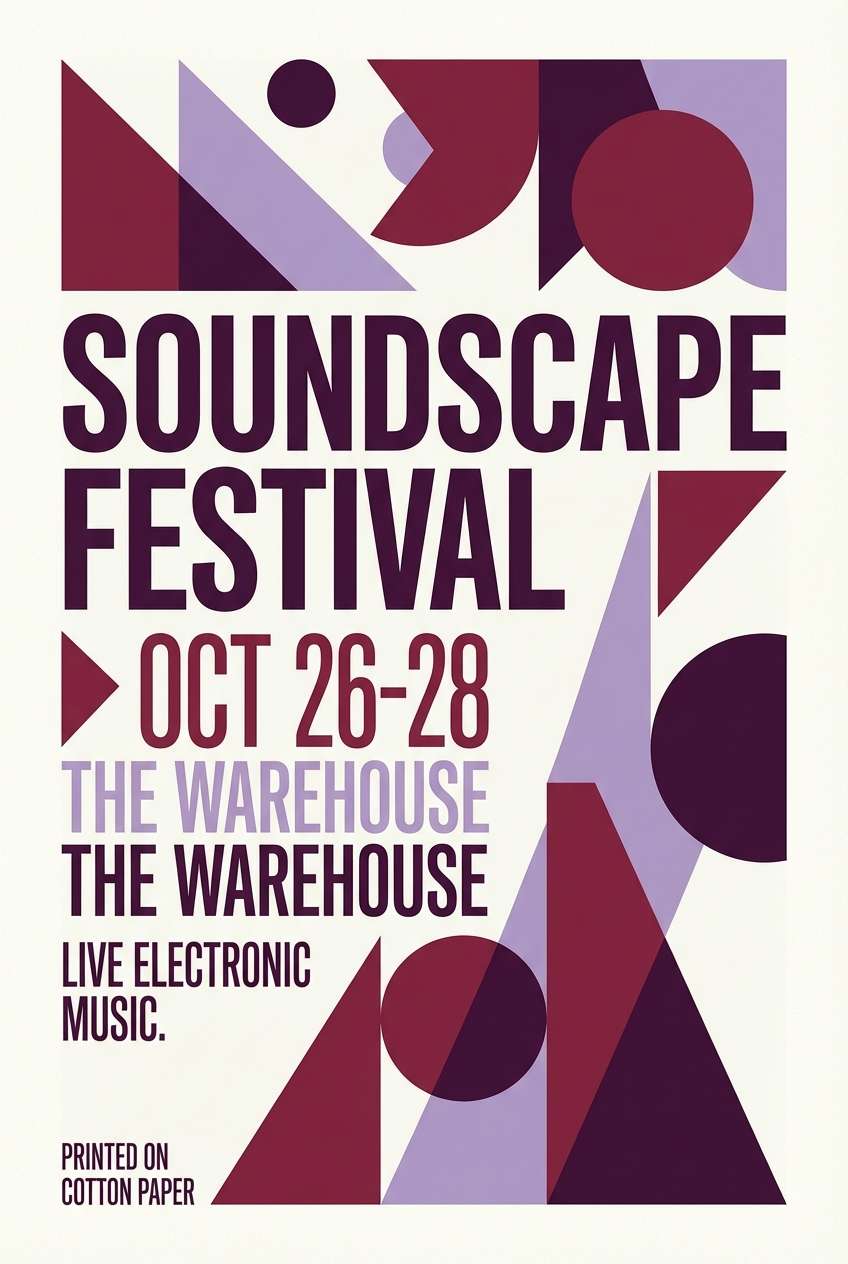
Best for: a music event poster
Mysterious and artistic, it suggests stage lights fading into plum shadows and a soft velvet backdrop. Use the darkest plum for the background to make type and shapes pop. The pale lilac is ideal for secondary details like dates, venue info, and QR codes. Tip: try a subtle grain overlay so the gradients feel cinematic rather than flat.
Image example of plum velvet night generated using media.io
10) Cabernet and Copper
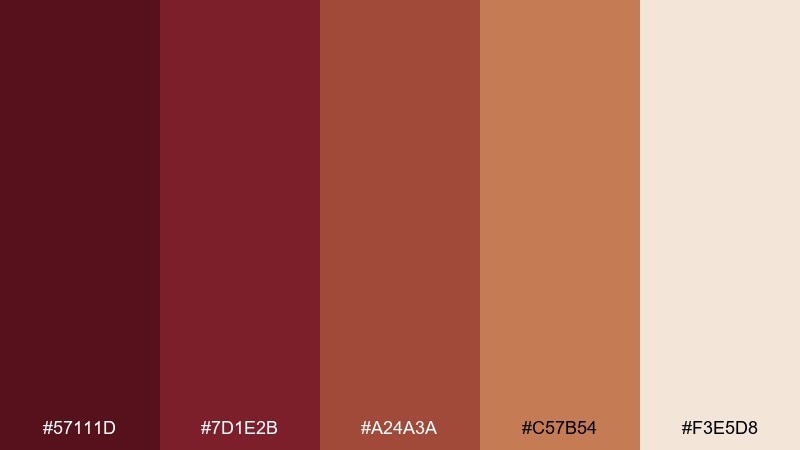
HEX: #57111D #7D1E2B #A24A3A #C57B54 #F3E5D8
Mood: warm and confident
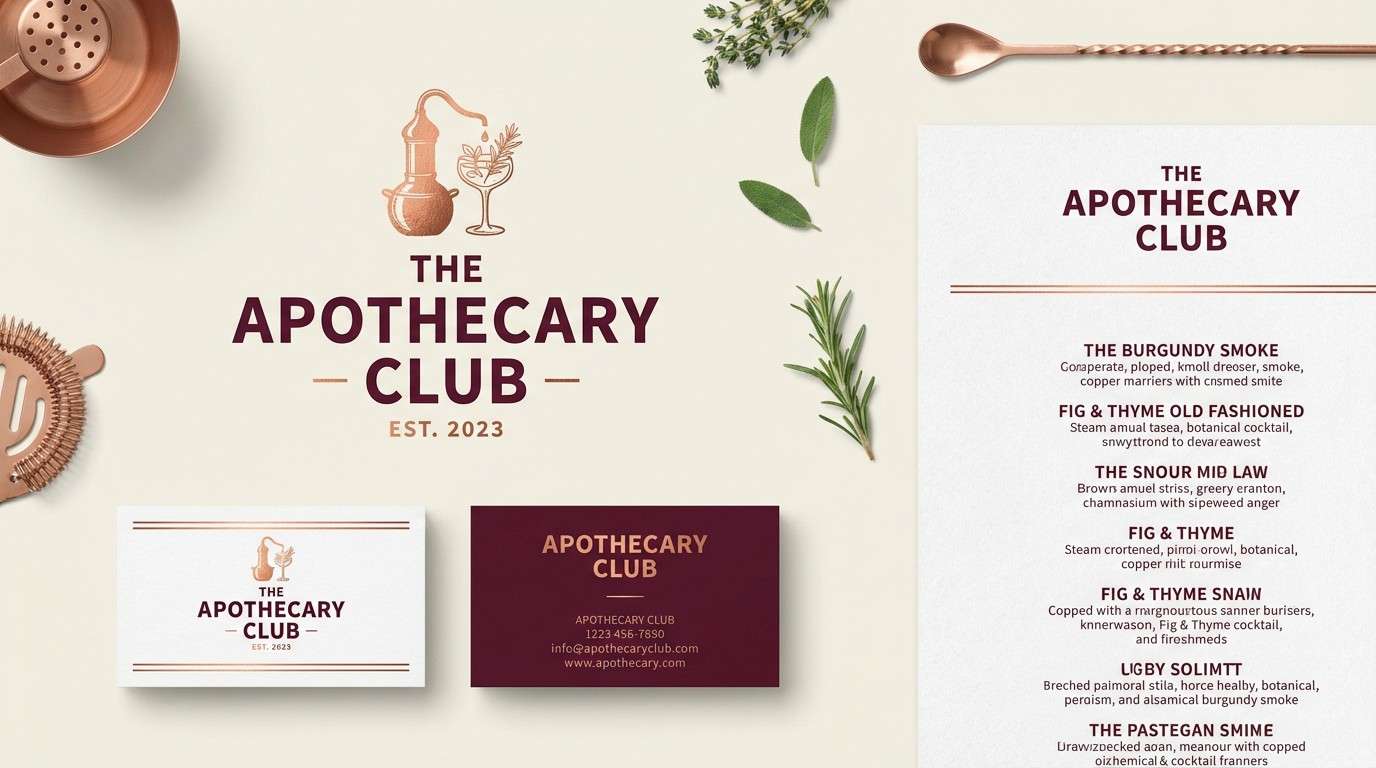
Best for: craft cocktail bar branding
Warm and confident, it feels like cabernet sips, polished copper, and amber bar lighting. Use burgundy for primary marks and menu headers, then reserve copper tones for icons and highlights. The creamy base keeps the brand approachable and helps long menus stay readable. Tip: limit copper to thin strokes and small shapes so it reads refined, not orange-heavy.
Image example of cabernet and copper generated using media.io
11) Burgundy and Stone UI
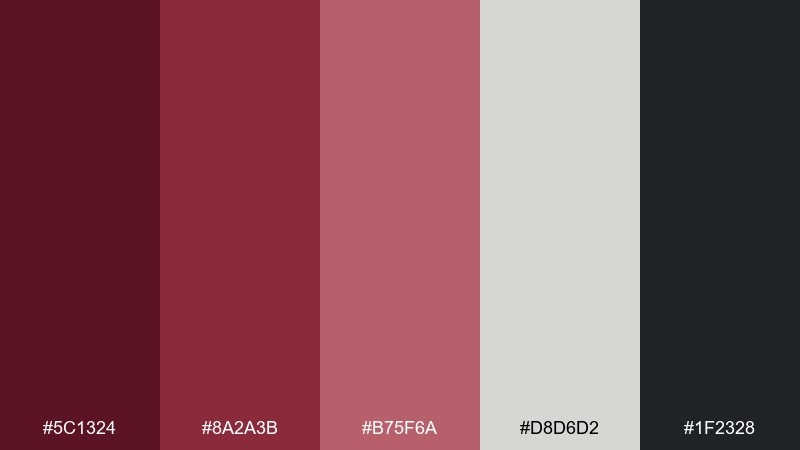
HEX: #5C1324 #8A2A3B #B75F6A #D8D6D2 #1F2328
Mood: modern and dependable
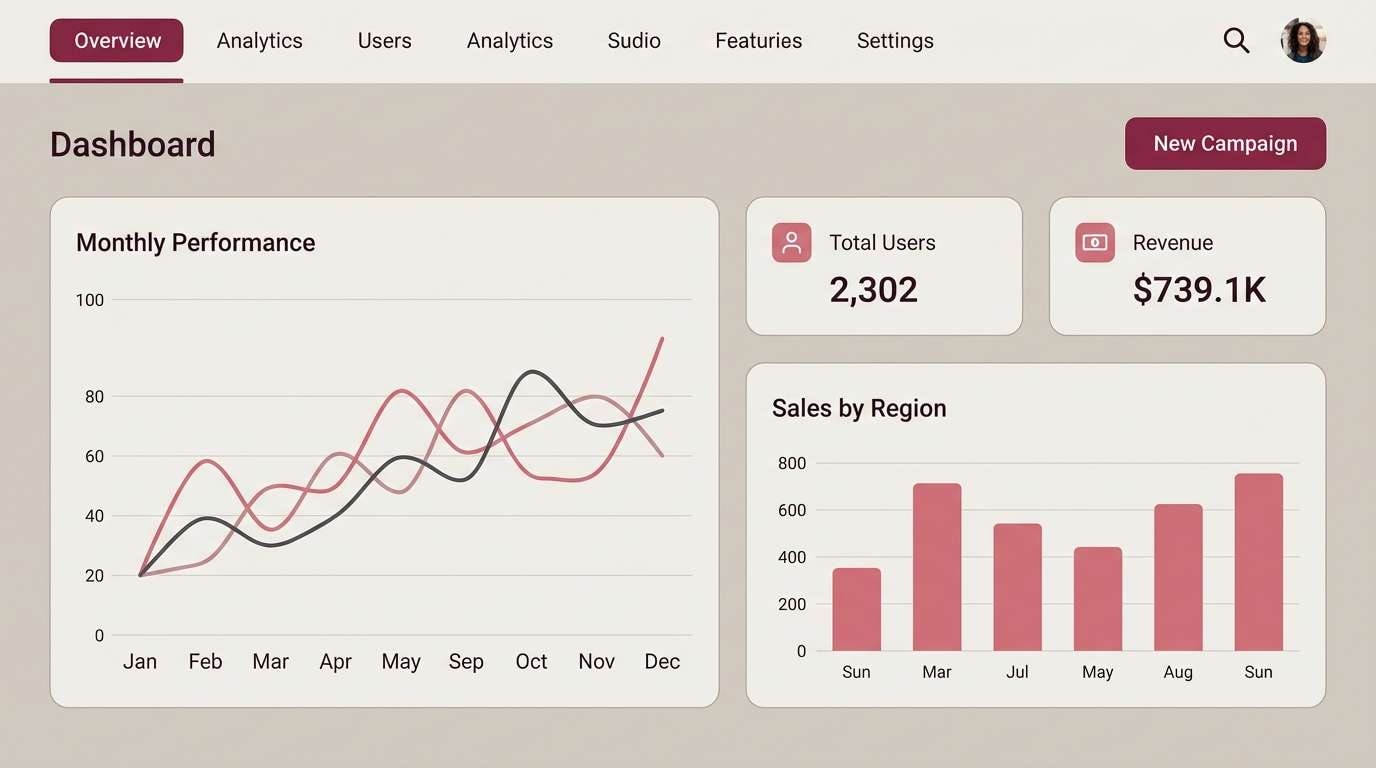
Best for: a SaaS dashboard UI mockup
Modern and dependable, it looks like stone surfaces paired with a bold, confident accent. A red burgundy color scheme like this works well when you keep most panels in warm gray and reserve burgundy for active states and key metrics. The soft rose tone can highlight charts without overwhelming the interface. Tip: keep contrast high for accessibility, especially on the darkest text color.
Image example of burgundy and stone ui generated using media.io
12) Dusty Rose Chateau
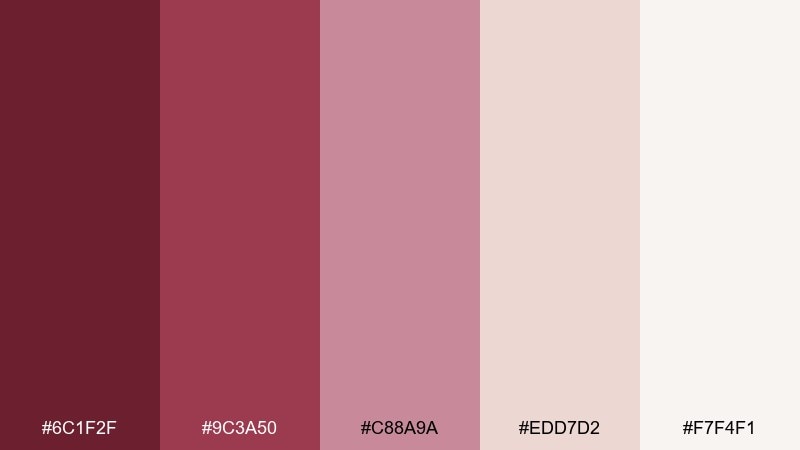
HEX: #6C1F2F #9C3A50 #C88A9A #EDD7D2 #F7F4F1
Mood: elegant and airy
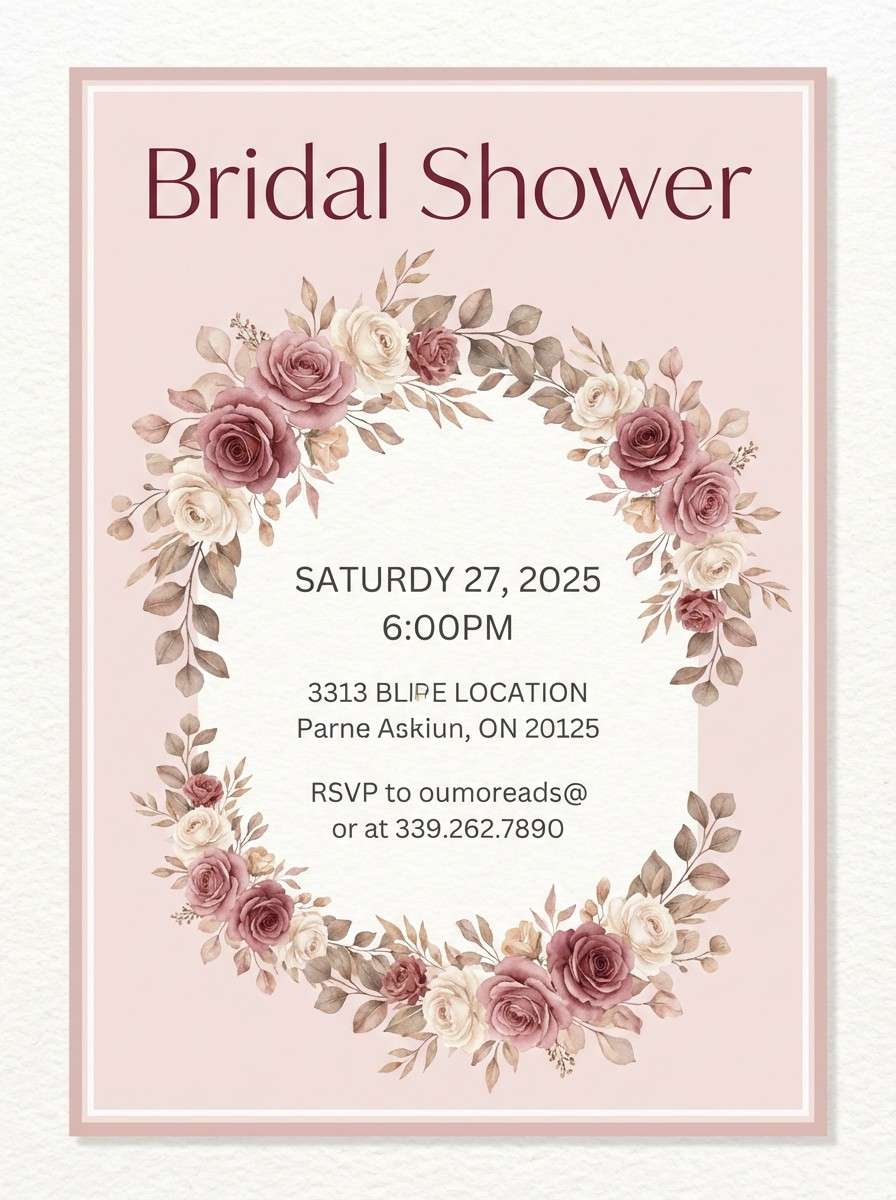
Best for: a bridal shower flyer
Elegant and airy, it feels like vintage chateau walls, silk ribbons, and softly tinted stationery. Use the near-white background to keep everything light, then layer rose and burgundy for hierarchy. The muted blush is perfect for decorative frames, florals, and subtle textures. Tip: choose a serif headline and a simple sans body font to balance romance with clarity.
Image example of dusty rose chateau generated using media.io
13) Pomegranate and Ink
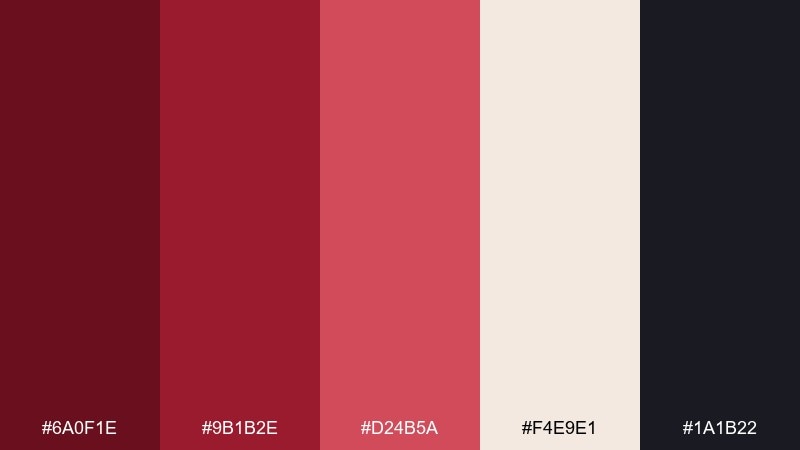
HEX: #6A0F1E #9B1B2E #D24B5A #F4E9E1 #1A1B22
Mood: bold and editorial
Best for: a book cover design
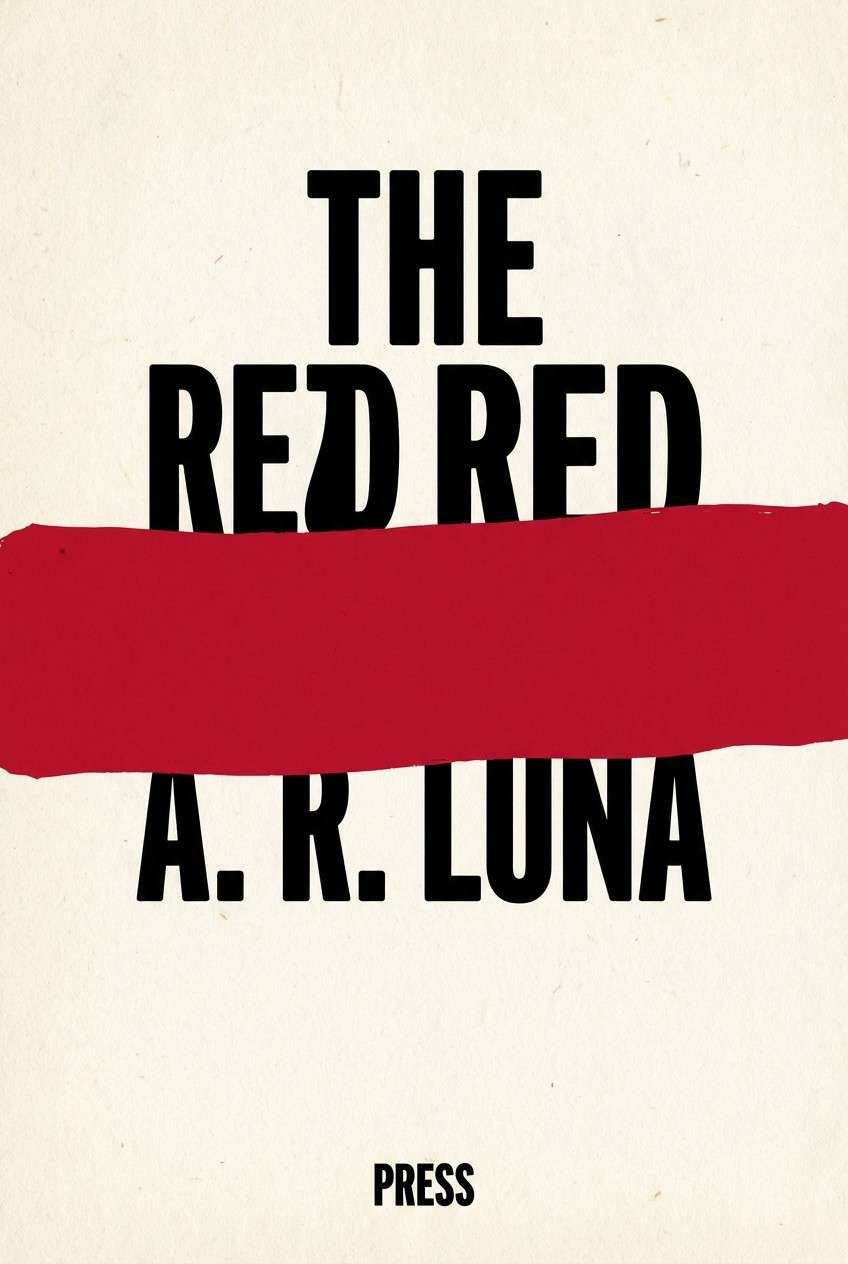
Bold and editorial, it evokes pomegranate seeds against dark ink and bright paper. Use the inky near-black for typography and strong shapes, then let pomegranate red take the spotlight as the hero accent. The pale paper tone keeps the cover readable even with large blocks of color. Tip: try a single oversized title word in red for instant shelf impact.
Image example of pomegranate and ink generated using media.io
14) Burgundy Bloom Watercolor
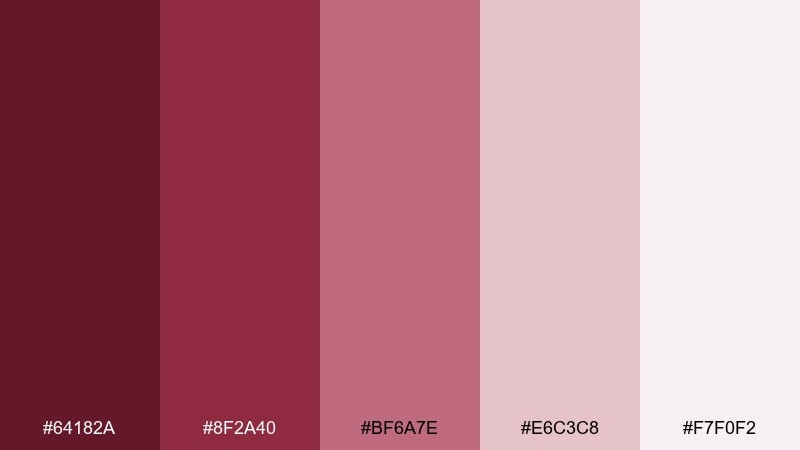
HEX: #64182A #8F2A40 #BF6A7E #E6C3C8 #F7F0F2
Mood: delicate and artistic
Best for: a botanical watercolor illustration
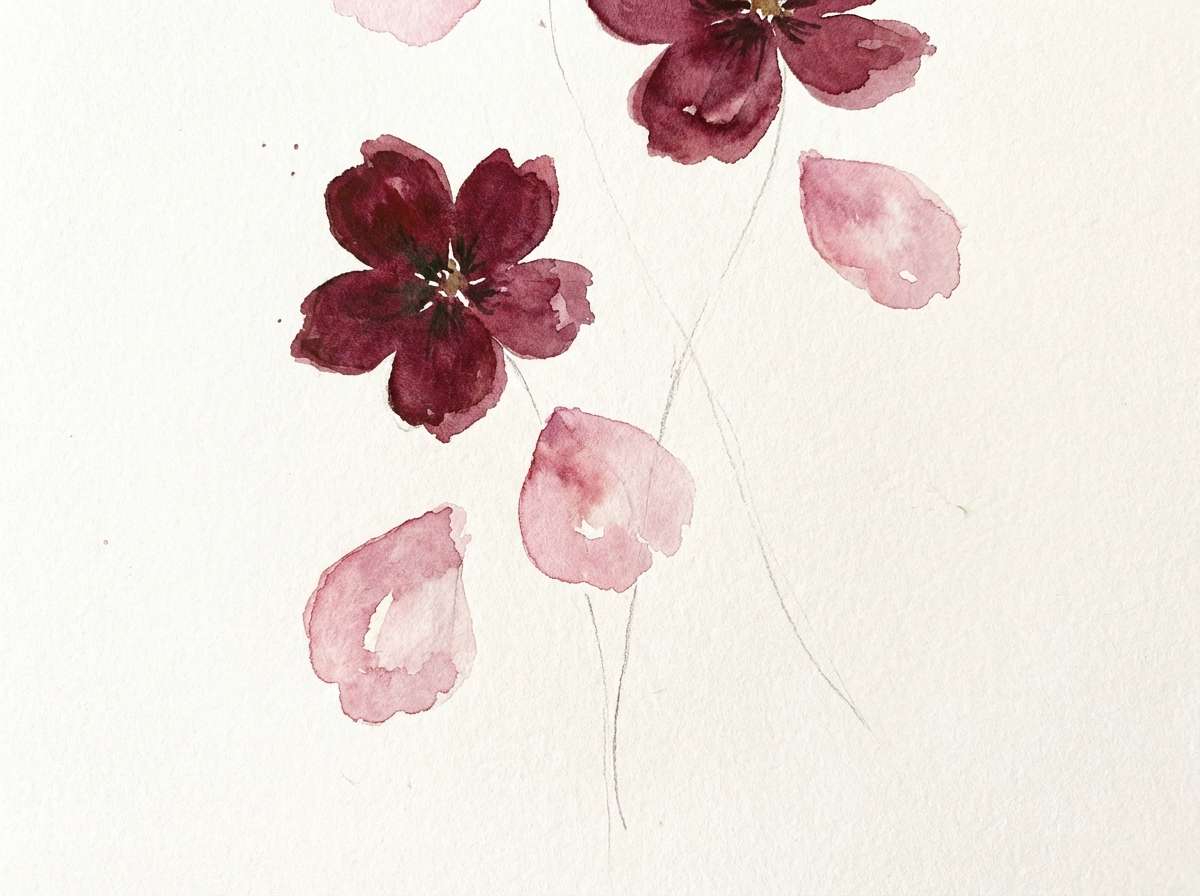
Delicate and artistic, it recalls watercolor petals bleeding softly into textured paper. Use the deepest burgundy for flower centers and thin stems, then wash the pinks outward for depth. The pale blush and off-white make a calm background that still feels romantic. Tip: keep edges slightly imperfect so the painting stays organic and hand-made.
Image example of burgundy bloom watercolor generated using media.io
15) Maroon and Mint Accent
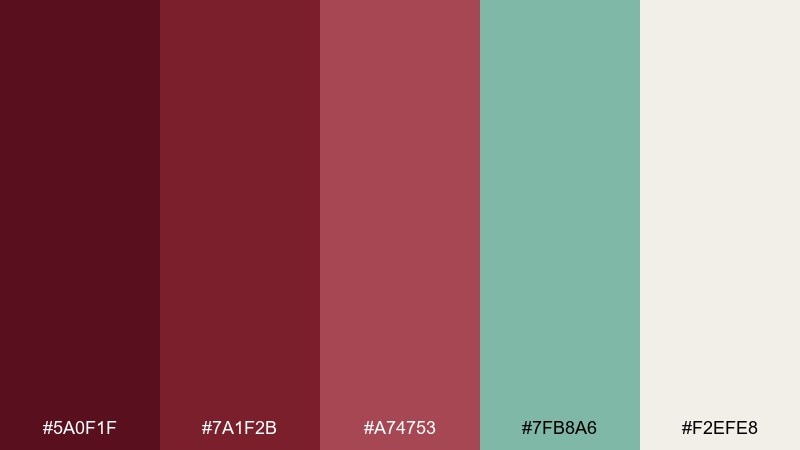
HEX: #5A0F1F #7A1F2B #A74753 #7FB8A6 #F2EFE8
Mood: fresh and unexpected
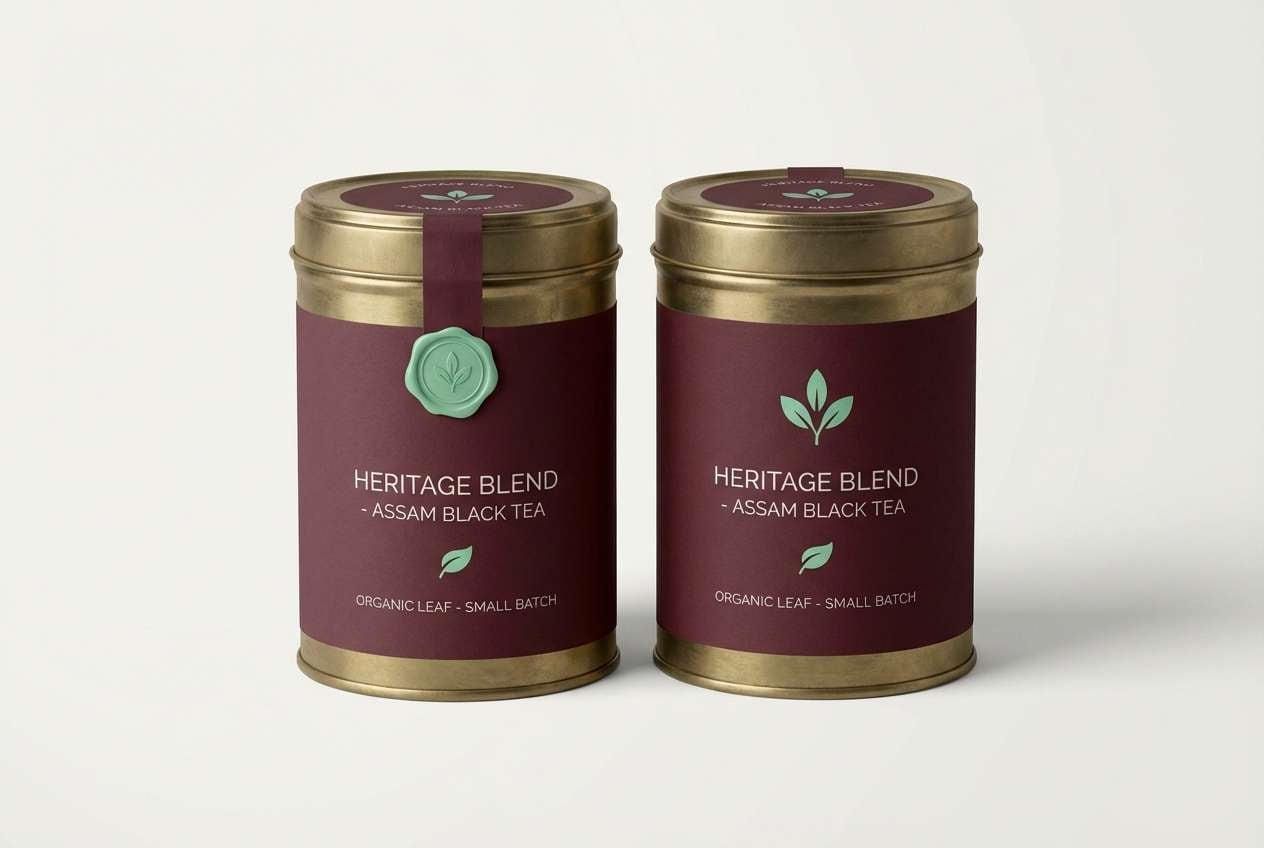
Best for: cafe packaging for tea tins
Fresh and unexpected, it feels like spiced berry tea with a cool mint leaf on top. These red burgundy color combinations shine when mint is used as a small accent on labels, seals, or ingredient icons. Keep the warm off-white dominant to maintain a clean, craft look on shelves. Tip: print mint in a slightly muted ink so it does not overpower the maroon.
Image example of maroon and mint accent generated using media.io
16) Rustic Burgundy Denim
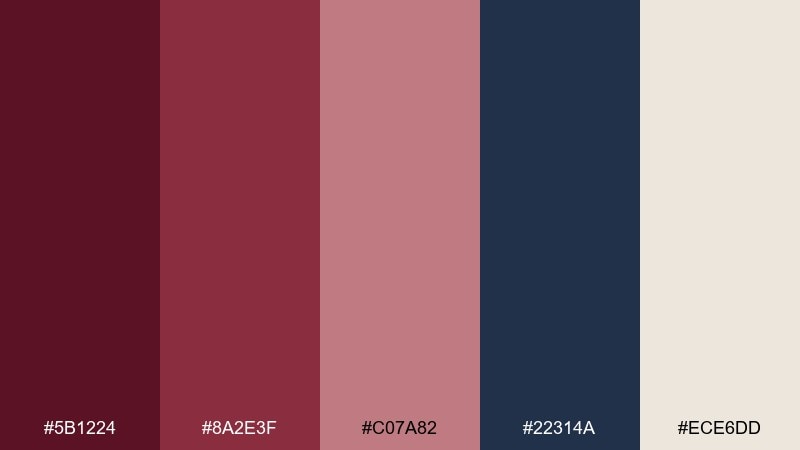
HEX: #5B1224 #8A2E3F #C07A82 #22314A #ECE6DD
Mood: heritage and rugged
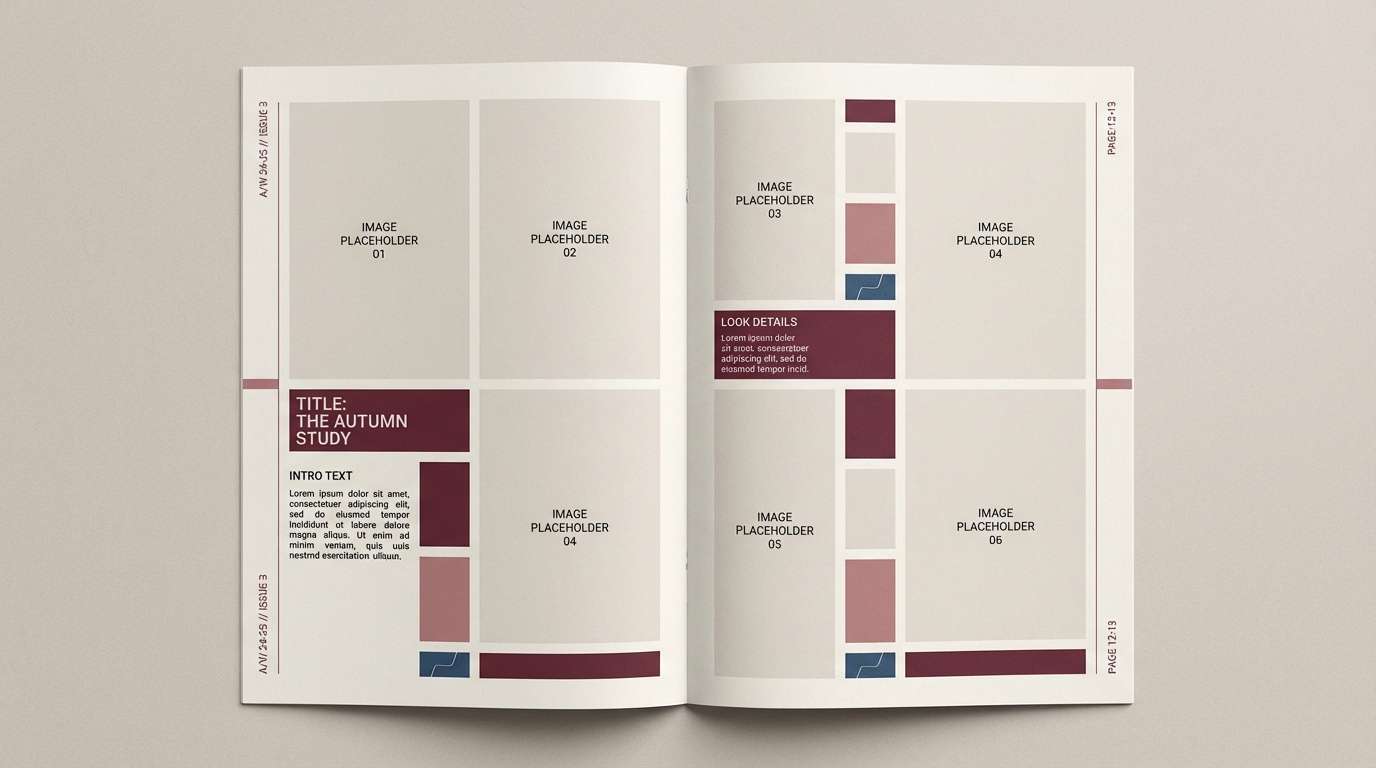
Best for: an autumn fashion lookbook spread
Heritage and rugged, it brings to mind worn denim, burgundy knitwear, and crisp fall air. Use the deep blue as a grounding contrast in small blocks or captions, letting the burgundy stay dominant. The dusty rose helps soften the palette for editorial photography overlays and callouts. Tip: keep the background light and textured so both dark tones remain crisp.
Image example of rustic burgundy denim generated using media.io
17) Burgundy Clay Minimal
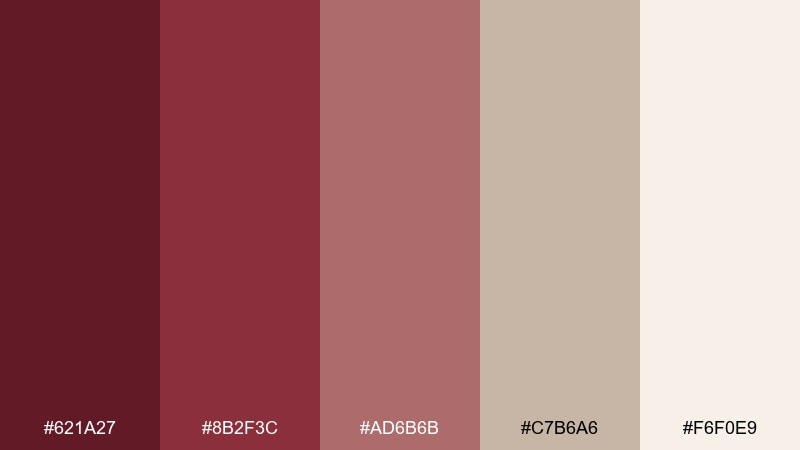
HEX: #621A27 #8B2F3C #AD6B6B #C7B6A6 #F6F0E9
Mood: calm and minimal
Best for: a minimalist bedroom interior direction
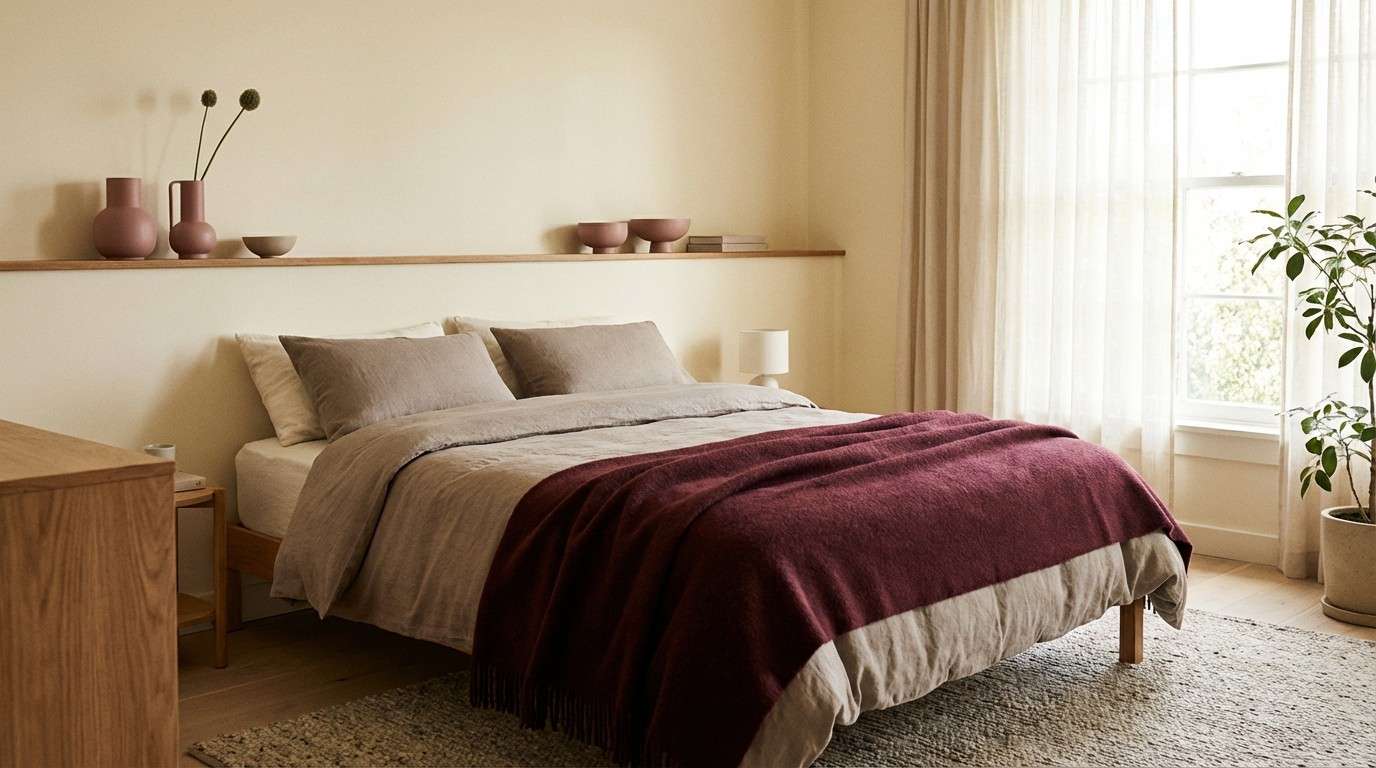
Calm and minimal, it feels like clay pottery, linen bedding, and a quiet Sunday morning. Use the light cream and warm taupe for walls and large textiles, then add burgundy as a single focal point like a throw or artwork. The muted rose bridges the two ends so the accent does not look harsh. Tip: choose matte finishes and natural fibers to keep the palette soft.
Image example of burgundy clay minimal generated using media.io
18) Sparkling Burgundy Gold
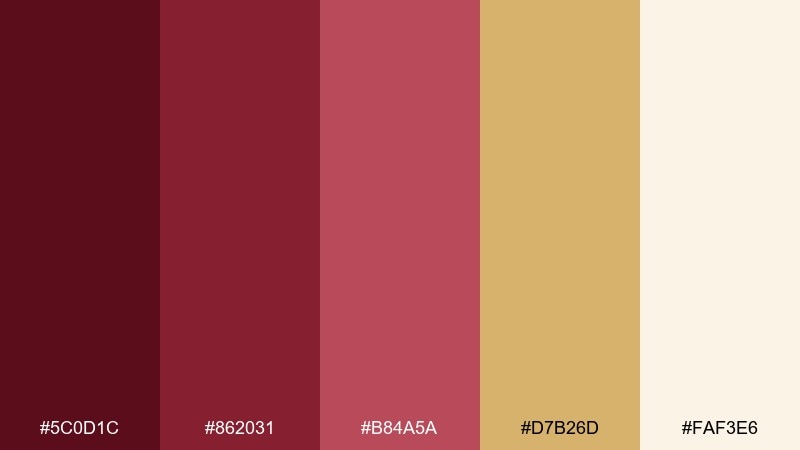
HEX: #5C0D1C #862031 #B84A5A #D7B26D #FAF3E6
Mood: festive and glamorous
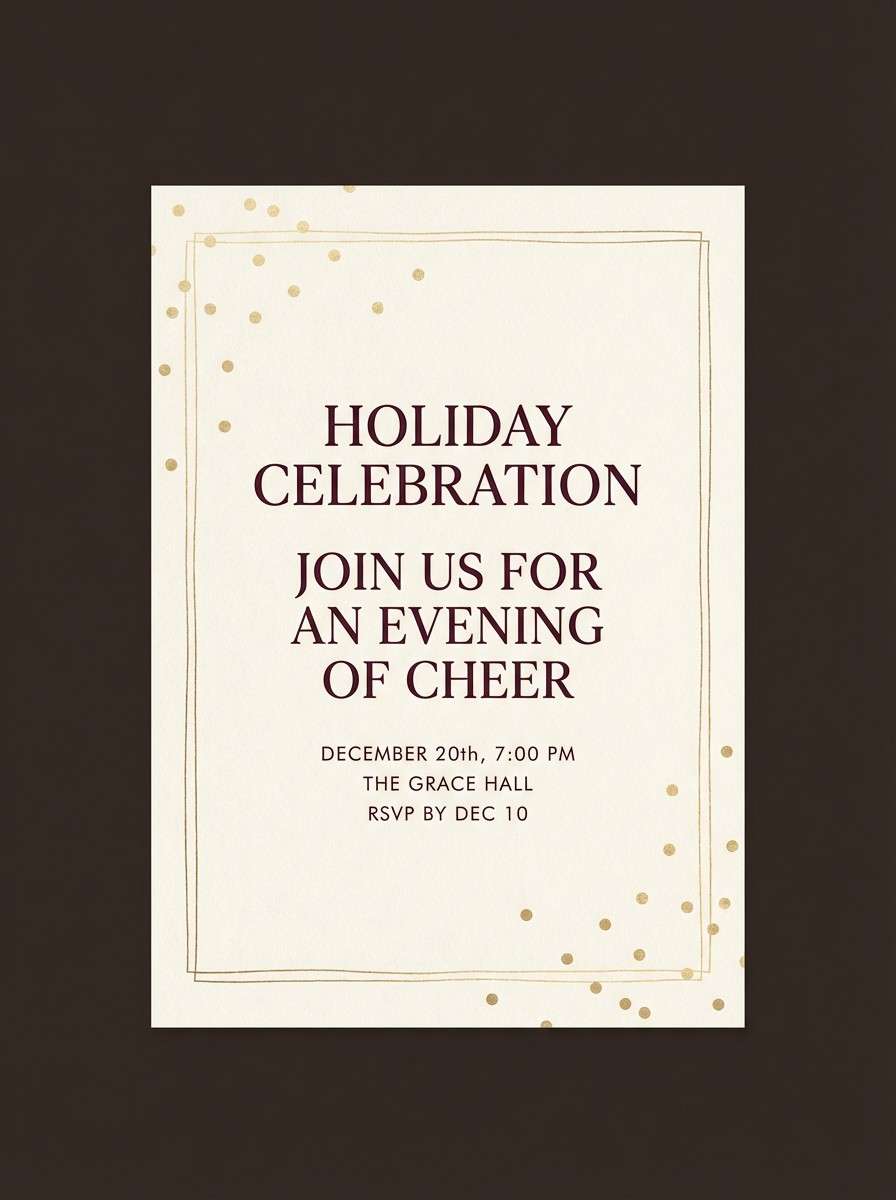
Best for: a holiday party invitation
Festive and glamorous, it suggests champagne sparkle against deep burgundy velvet. Use the pale cream as the base so gold details pop without needing heavy gradients. Burgundy and berry tones work best for the headline and key info blocks. Tip: keep gold to thin borders, stars, or confetti shapes to avoid a metallic overload.
Image example of sparkling burgundy gold generated using media.io
19) Cherrywood Neutrals
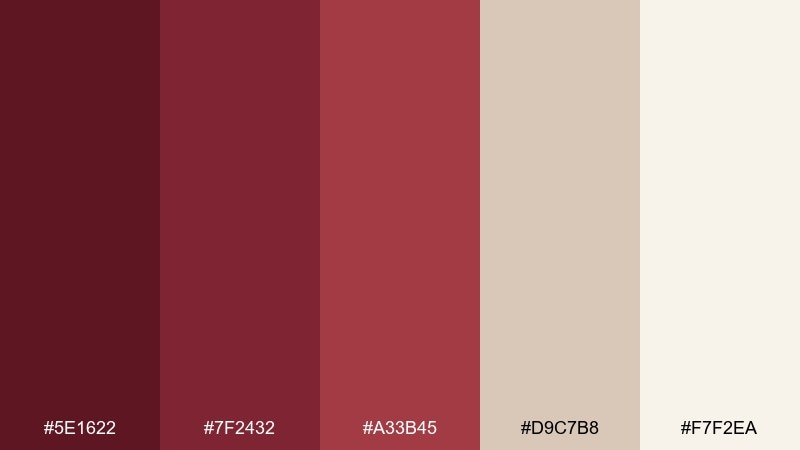
HEX: #5E1622 #7F2432 #A33B45 #D9C7B8 #F7F2EA
Mood: warm and trustworthy
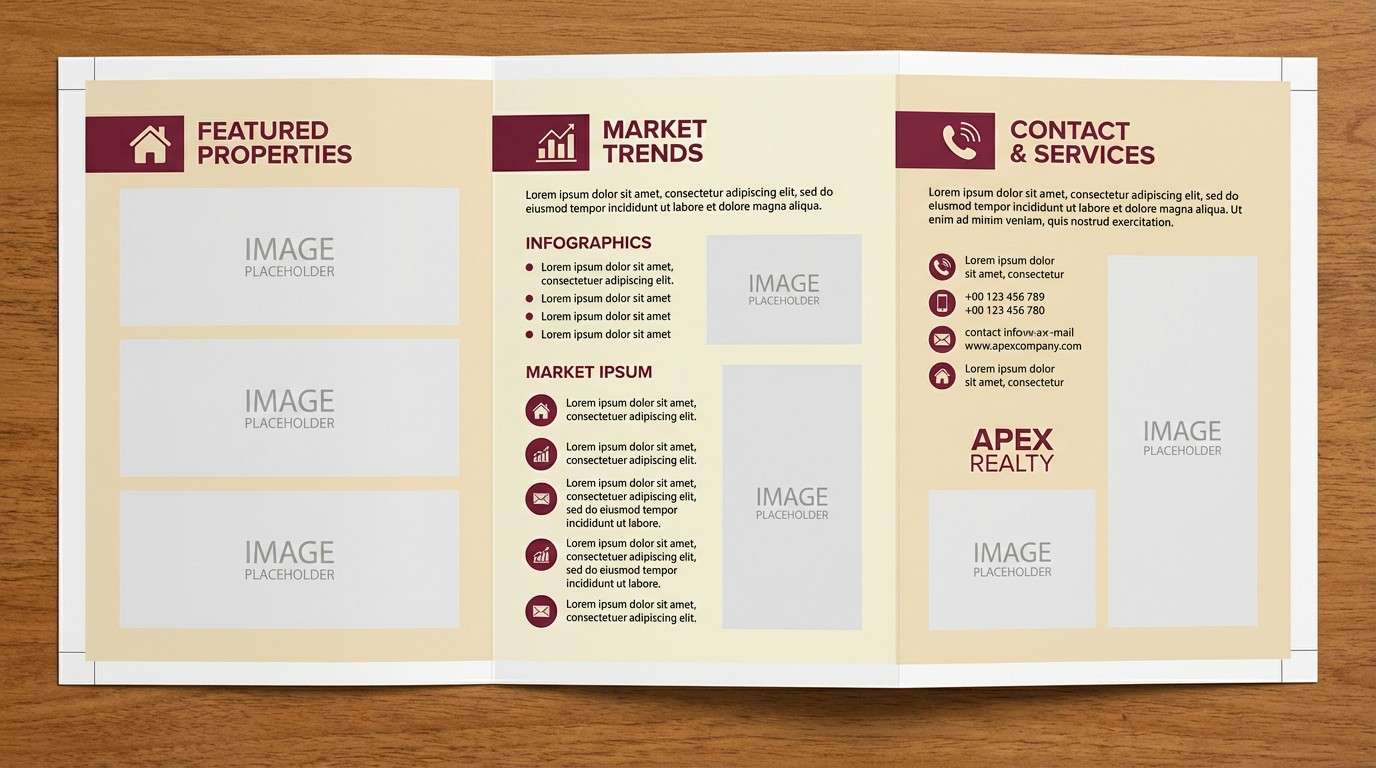
Best for: a real estate brochure template
Warm and trustworthy, it feels like cherrywood trim, natural light, and a clean open house brochure. A red burgundy color palette like this works best when neutrals carry most of the page and the reds mark section headers and highlights. The mid red is ideal for icons and small charts without looking aggressive. Tip: keep photos slightly warm so the brochure feels cohesive from cover to back page.
Image example of cherrywood neutrals generated using media.io
20) Deep Burgundy Botanical
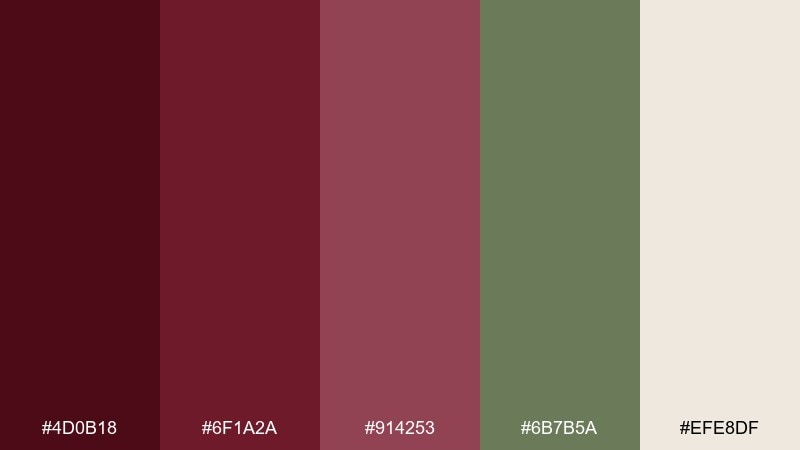
HEX: #4D0B18 #6F1A2A #914253 #6B7B5A #EFE8DF
Mood: vintage and botanical
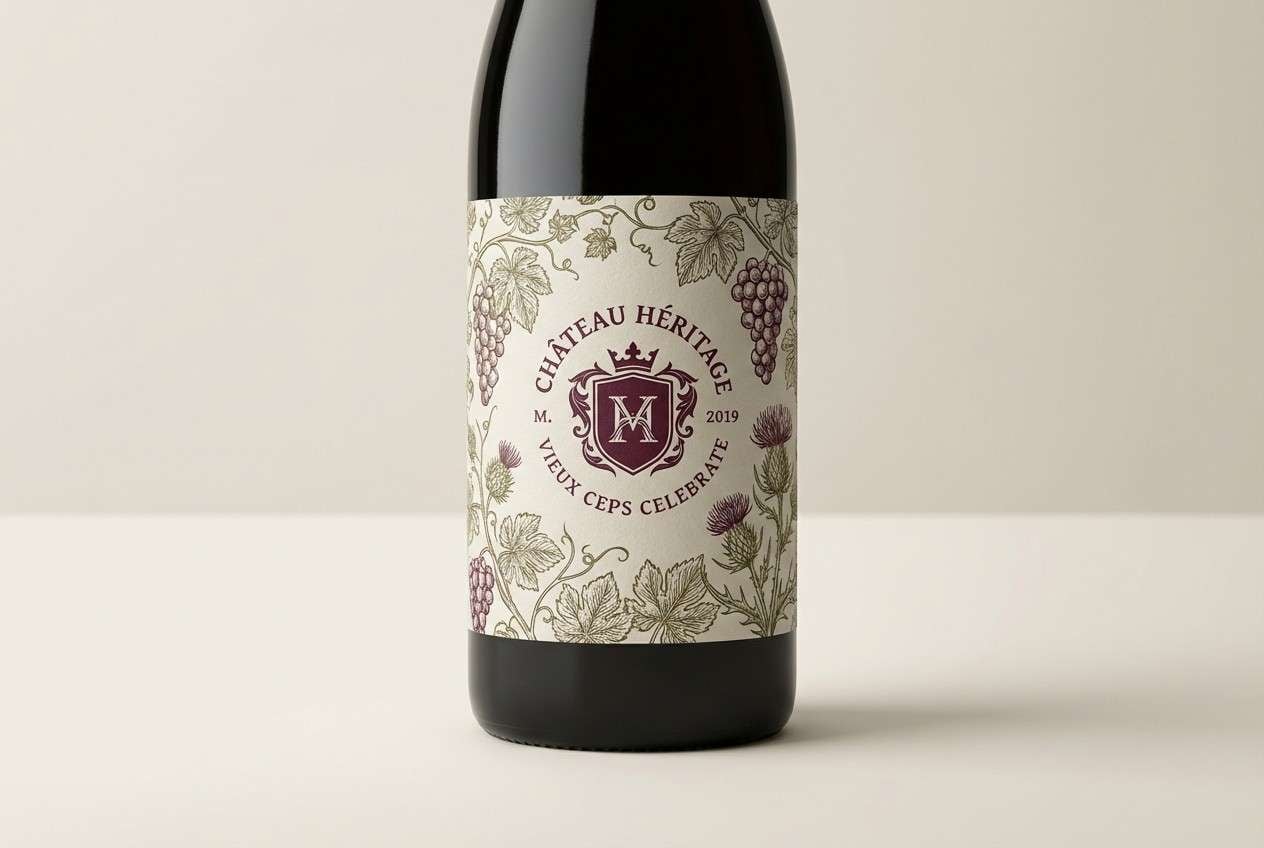
Best for: a wine label illustration with botanical etching
Vintage and botanical, it evokes etched leaves, old-world labels, and deep cellar reds. Use the darkest tone for type and border frames, then add burgundy mids for crest shapes and seals. The muted olive reads as a natural companion for vines and foliage details. Tip: keep the background slightly warm so the greens feel grounded, not chilly.
Image example of deep burgundy botanical generated using media.io
What Colors Go Well with Red Burgundy?
Warm neutrals like cream, oat, beige, and taupe make burgundy feel inviting and readable, especially for stationery, packaging, and editorial layouts. They also prevent deep reds from feeling too heavy across large backgrounds.
For contrast, pair burgundy with near-black, charcoal, or deep navy to create a sleek, high-end mood. If you want a more natural balance, muted greens (sage, olive) add freshness without clashing.
For accents, dusty rose and mauve offer soft harmony, while muted gold and copper add a celebratory, premium finish when used sparingly.
How to Use a Red Burgundy Color Palette in Real Designs
Use burgundy as your “anchor” color: apply it to logos, headings, hero shapes, or primary buttons, then let light neutrals carry the background. This keeps layouts clean while still delivering a strong brand signature.
In UI, reserve burgundy for active states, highlights, and key metrics so the interface stays calm and accessible. In print, burgundy looks especially rich on uncoated or textured papers, with metallic accents kept to thin lines or small icons.
For interiors and lifestyle visuals, repeat burgundy in small moments (textiles, art, décor) and balance it with warm whites or sage greens so the palette feels intentional, not overpowering.
Create Red Burgundy Palette Visuals with AI
If you want matching mockups, posters, invitations, or moodboards, AI can help you generate on-brand images quickly—without hunting for stock photos that fit your exact tones.
Start with one of the prompts above, then tweak the subject (menu, label, UI, flyer) while keeping the same burgundy HEX direction for consistent results. For even better output, keep backgrounds simple and lighting warm to preserve burgundy’s richness.
Use Media.io’s text-to-image tool to create cohesive red burgundy palette visuals in minutes.
Red Burgundy Color Palette FAQs
-
What is the HEX code for a classic red burgundy?
A widely used red burgundy reference is #7A1F2B, a deep wine red that works well for logos, headlines, and premium accents. -
Is burgundy more red or more purple?
Burgundy is primarily a deep red with brown/purple undertones. Compared to maroon, it often leans slightly more wine/plum; compared to pure red, it feels darker and more muted. -
What neutral colors pair best with burgundy?
Warm neutrals like cream, ivory, beige, oat, and warm greige pair best because they keep the palette soft and readable while letting burgundy stay the focal point. -
What accent colors look good with a burgundy palette?
Muted gold/copper for luxury, dusty rose/mauve for romance, and sage/olive for earthy balance are reliable accent choices. Use accents in small doses to keep burgundy dominant. -
Can I use burgundy in UI design without making it feel heavy?
Yes—keep most surfaces light (stone gray or warm off-white) and use burgundy for primary actions, active states, and small highlights. Maintain strong contrast for accessibility. -
Does burgundy print darker than it looks on screen?
Often yes. In print (especially on uncoated paper), burgundy can shift darker and less saturated. Test a proof and consider slightly lifting midtones if the result looks too close to brown. -
How do I generate matching burgundy visuals with AI?
Use prompts that specify “deep wine burgundy” plus supporting tones (cream, taupe, charcoal, sage), and keep the scene lighting warm. Tools like Media.io text-to-image help you iterate quickly while staying on palette.
Next: Blue Rust Color Palette