

Yellow and turquoise is a modern, high-impact pairing that feels both sunny and cooling—perfect for coastal branding, clean UI, and upbeat summer visuals.
In this guide, you’ll get 20 ready-to-use yellow turquoise color palettes with HEX codes, plus practical tips for contrast, accents, and AI-generated mockups.
In this article
- Why Yellow Turquoise Palettes Work So Well
-
- sunlit lagoon
- citrus reef
- retro poolside
- beach umbrella pop
- minty lemonade
- golden tide
- tropical postcard
- soft spa breeze
- modern market signage
- playful kiddo splash
- art deco cabana
- minimal gallery wall
- coastal wedding linen
- techy aqua dashboard
- fresh produce label
- island sunrise poster
- smart home onboarding
- sunny botanicals
- surf shop sticker pack
- eco resort brochure
- What Colors Go Well with Yellow Turquoise?
- How to Use a Yellow Turquoise Color Palette in Real Designs
- Create Yellow Turquoise Palette Visuals with AI
Why Yellow Turquoise Palettes Work So Well
Yellow brings warmth, optimism, and “attention energy,” while turquoise adds calm clarity and a fresh, aquatic feel. Together, they balance hot and cool so designs can look lively without feeling chaotic.
This combo also reads instantly as seasonal and lifestyle-friendly—think beach, wellness, travel, and playful tech. It’s a fast way to signal “bright and modern” in branding, packaging, and UI.
When you anchor the palette with a deep teal, navy, or charcoal, yellow and turquoise become easier to control. That dark base improves legibility and helps the bright tones function as accents instead of noise.
20+ Yellow Turquoise Color Palette Ideas (with HEX Codes)
1) Sunlit Lagoon
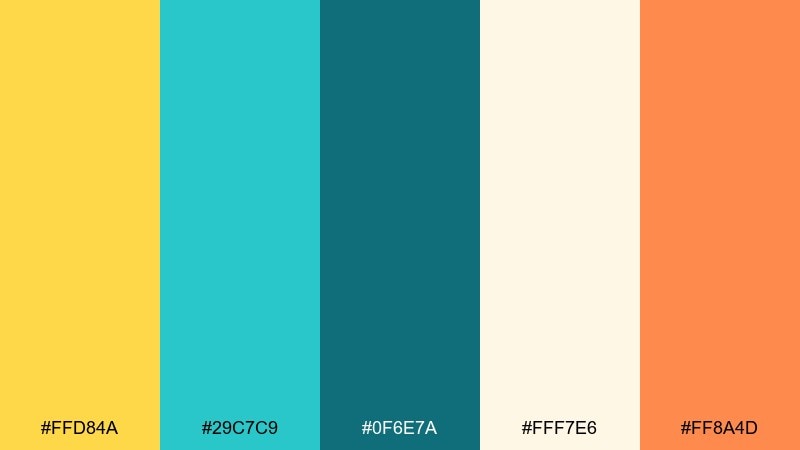
HEX: #ffd84a #29c7c9 #0f6e7a #fff7e6 #ff8a4d
Mood: bright, coastal, welcoming
Best for: brand identity boards for travel or lifestyle
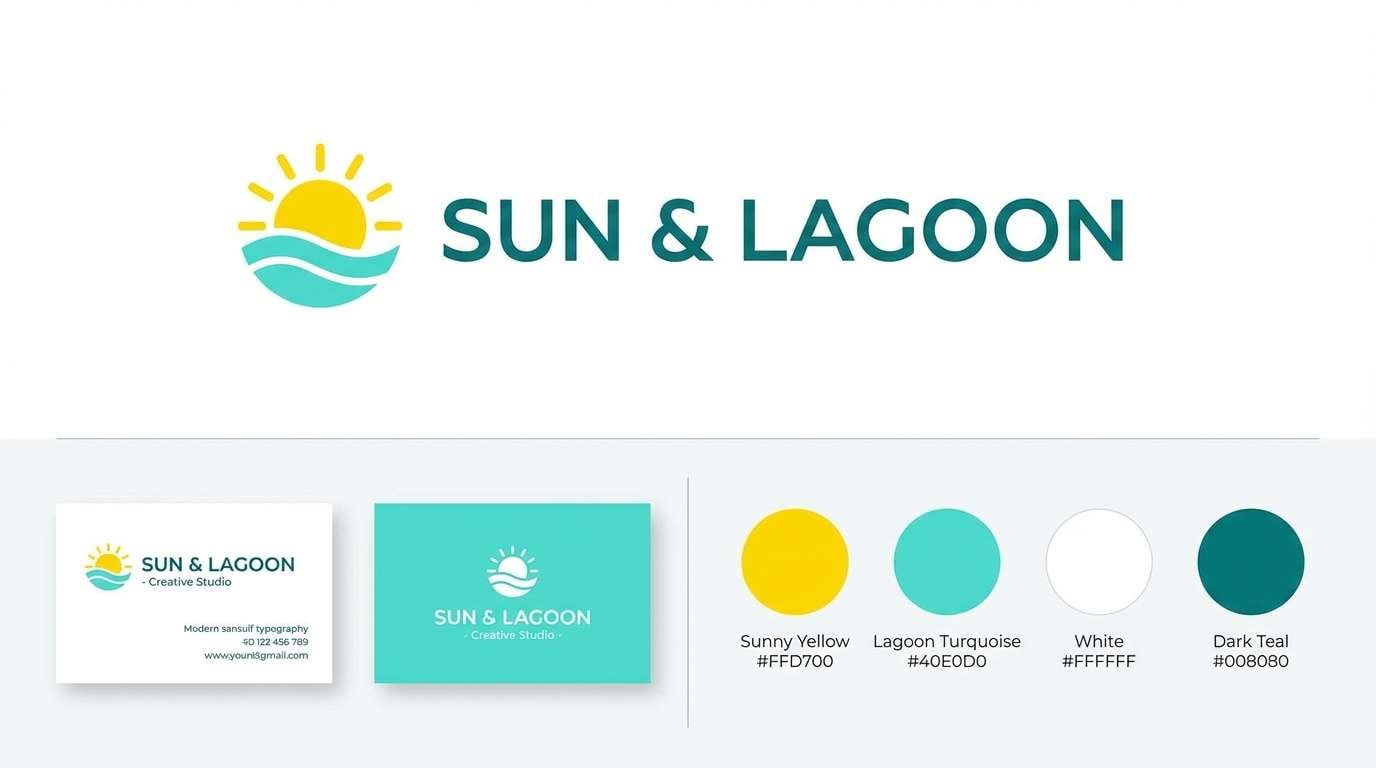
Bright coastal energy comes through like sun on shallow water and warm sand. Use the creamy off-white as breathing room, then let turquoise lead with yellow as the spark. Coral works best as a small call-to-action accent or icon highlight. Usage tip: keep yellow to headlines and badges so the layout stays airy, not loud.
Image example of sunlit lagoon generated using media.io
Media.io is an online AI studio for creating and editing video, image, and audio in your browser.


2) Citrus Reef
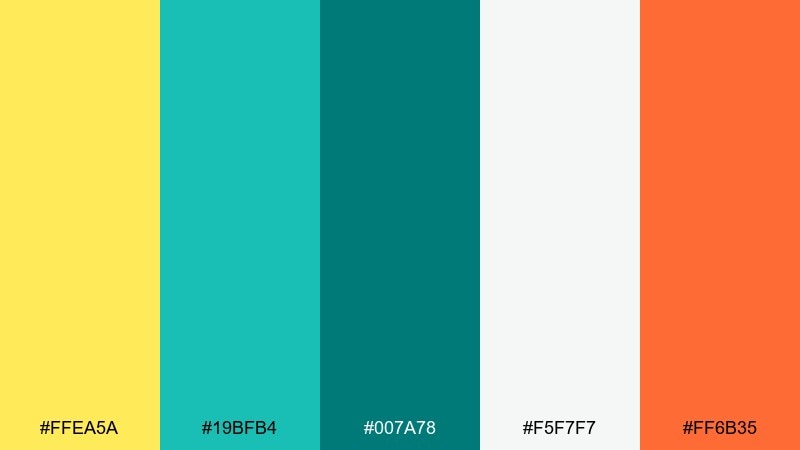
HEX: #ffea5a #19bfb4 #007a78 #f5f7f7 #ff6b35
Mood: zesty, energetic, clean
Best for: sparkling drink packaging and product ads
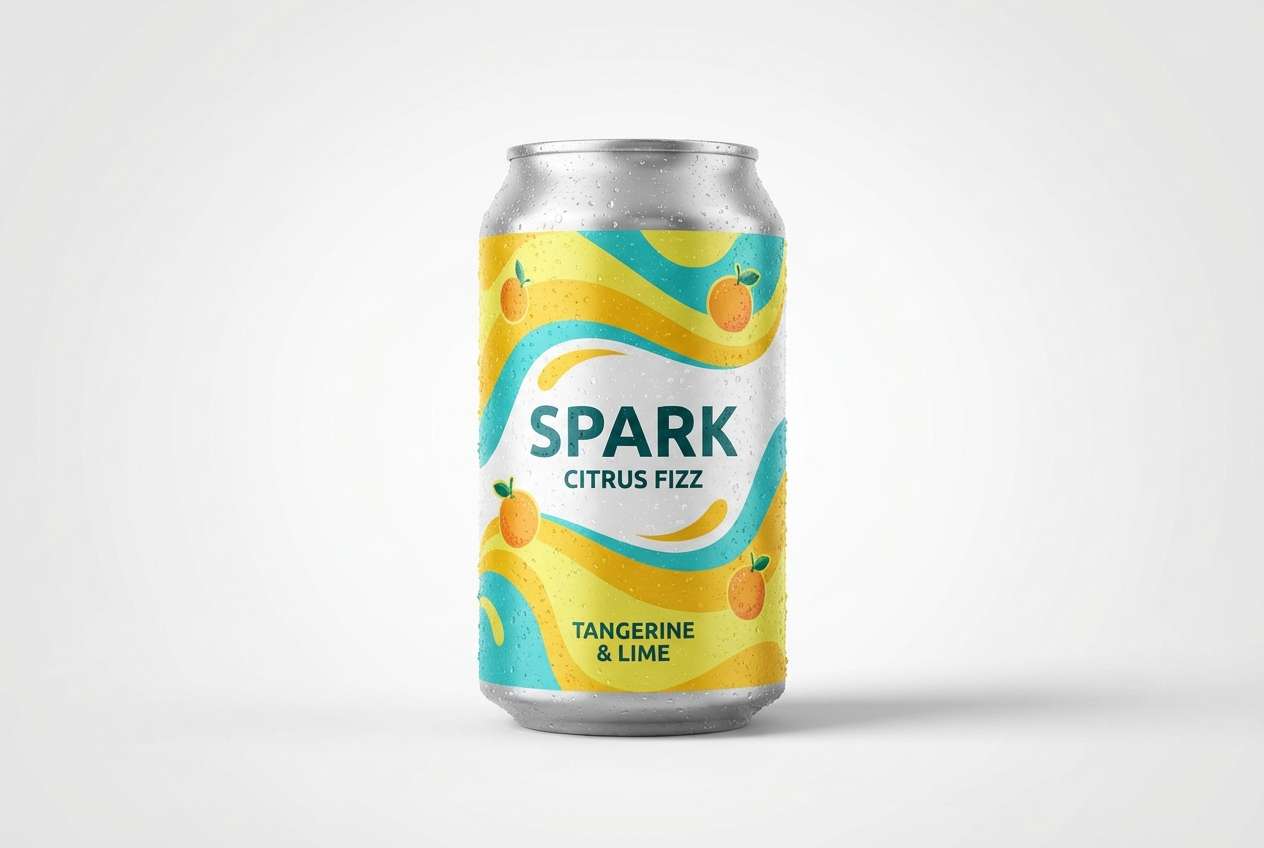
Zesty and bubbly, this mix feels like citrus slices floating in clear water. The bright yellow and tangerine read as flavor cues, while turquoise keeps the look crisp and modern. Pair it with plenty of white space and a dark teal for readable ingredient text. Usage tip: use the deeper teal for barcodes and legal copy to avoid muddy contrast.
Image example of citrus reef generated using media.io
3) Retro Poolside
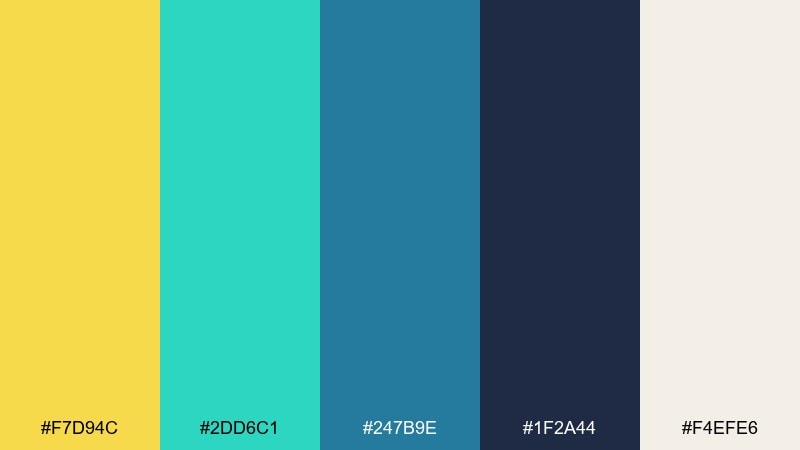
HEX: #f7d94c #2dd6c1 #247b9e #1f2a44 #f4efe6
Mood: retro, playful, summery
Best for: social media promos and summer event posts
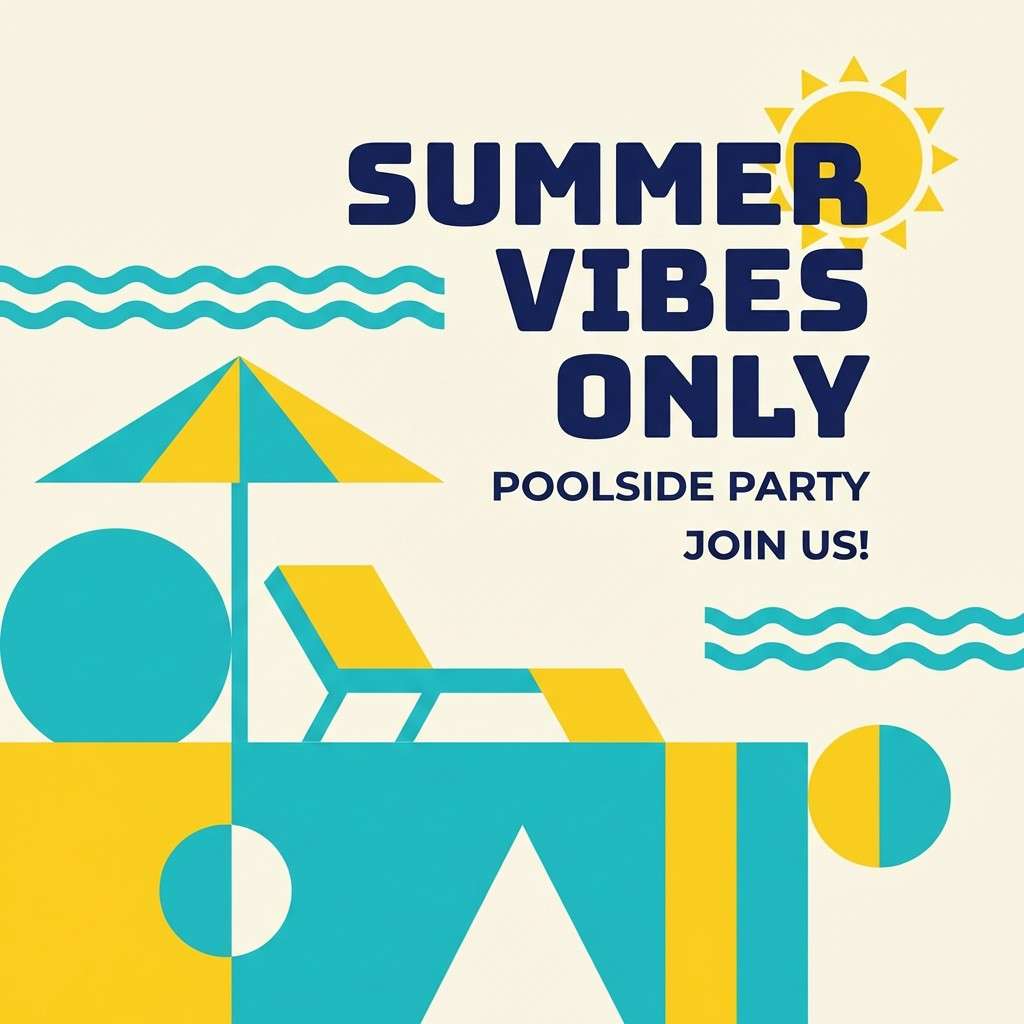
Retro poolside vibes feel like striped loungers, vinyl inflatables, and a late-afternoon swim. These yellow turquoise color combinations stay punchy because navy anchors the brighter tones and keeps type legible. Use the cream as a soft base, then layer geometric shapes in turquoise and yellow for instant motion. Usage tip: set body text in navy and reserve yellow for short, high-impact phrases.
Image example of retro poolside generated using media.io
4) Beach Umbrella Pop
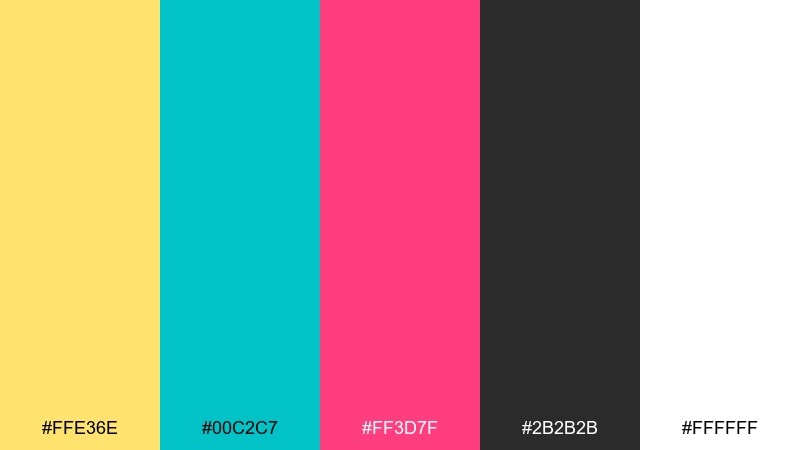
HEX: #ffe36e #00c2c7 #ff3d7f #2b2b2b #ffffff
Mood: bold, beachy, high-contrast
Best for: festival flyers and bold posters
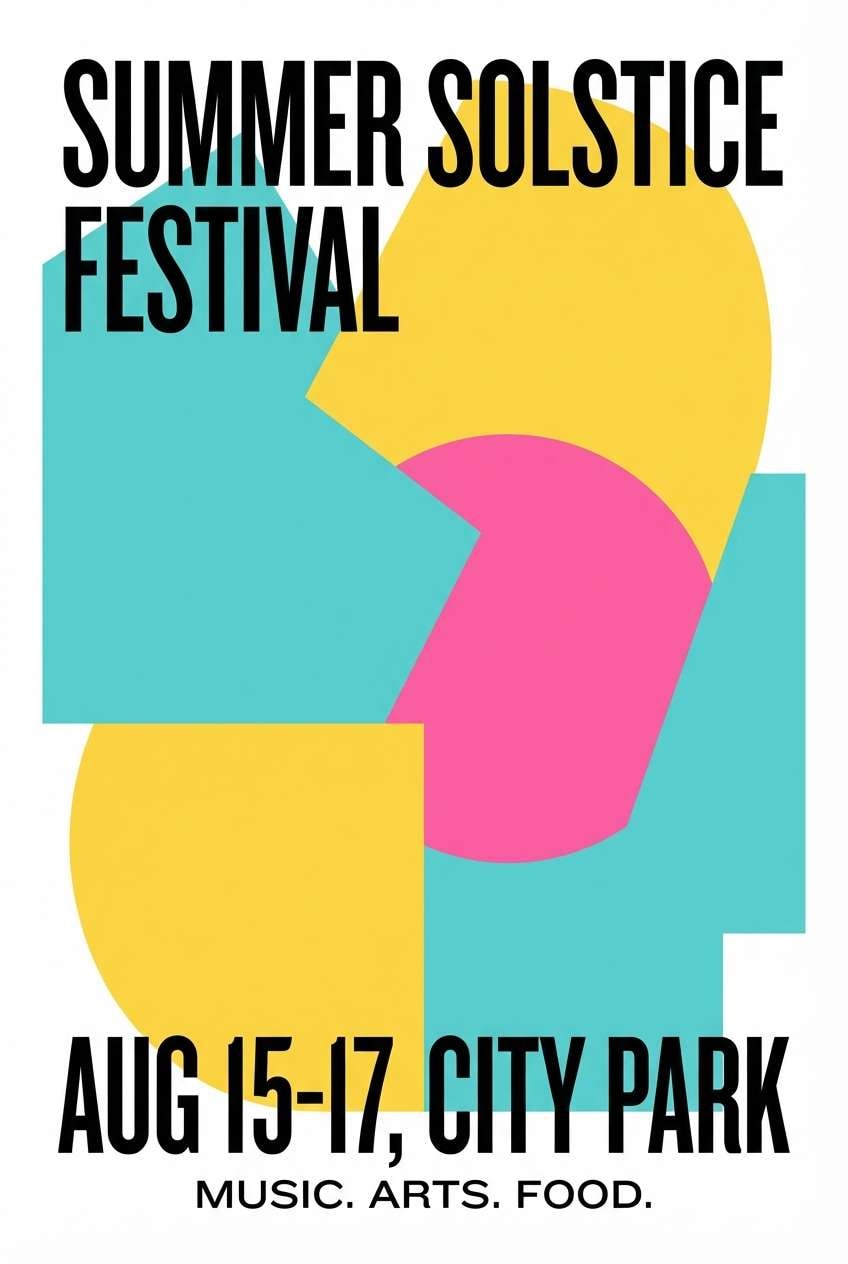
Bold and beachy, it brings to mind candy-colored umbrellas against bright ocean water. The charcoal and white keep the neon-pink accent from overpowering the layout. Pair it with chunky sans-serif type and simple shapes for maximum distance readability. Usage tip: use pink only for one focal element, like the date or a ticket button.
Image example of beach umbrella pop generated using media.io
5) Minty Lemonade
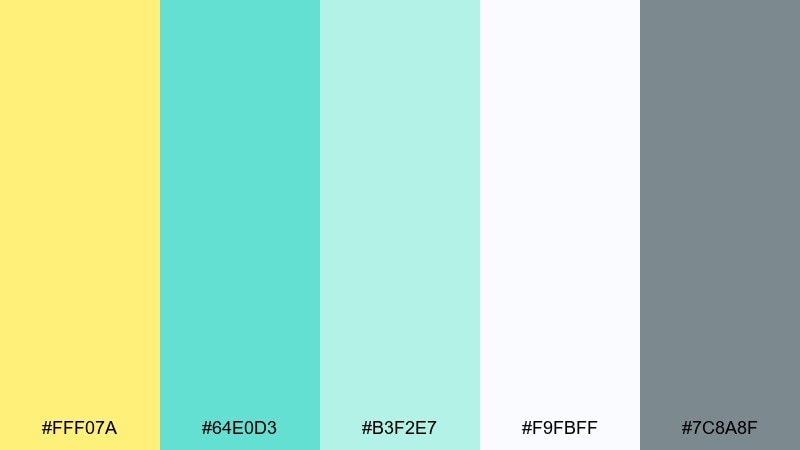
HEX: #fff07a #64e0d3 #b3f2e7 #f9fbff #7c8a8f
Mood: soft, refreshing, light
Best for: wellness landing pages and minimal UI
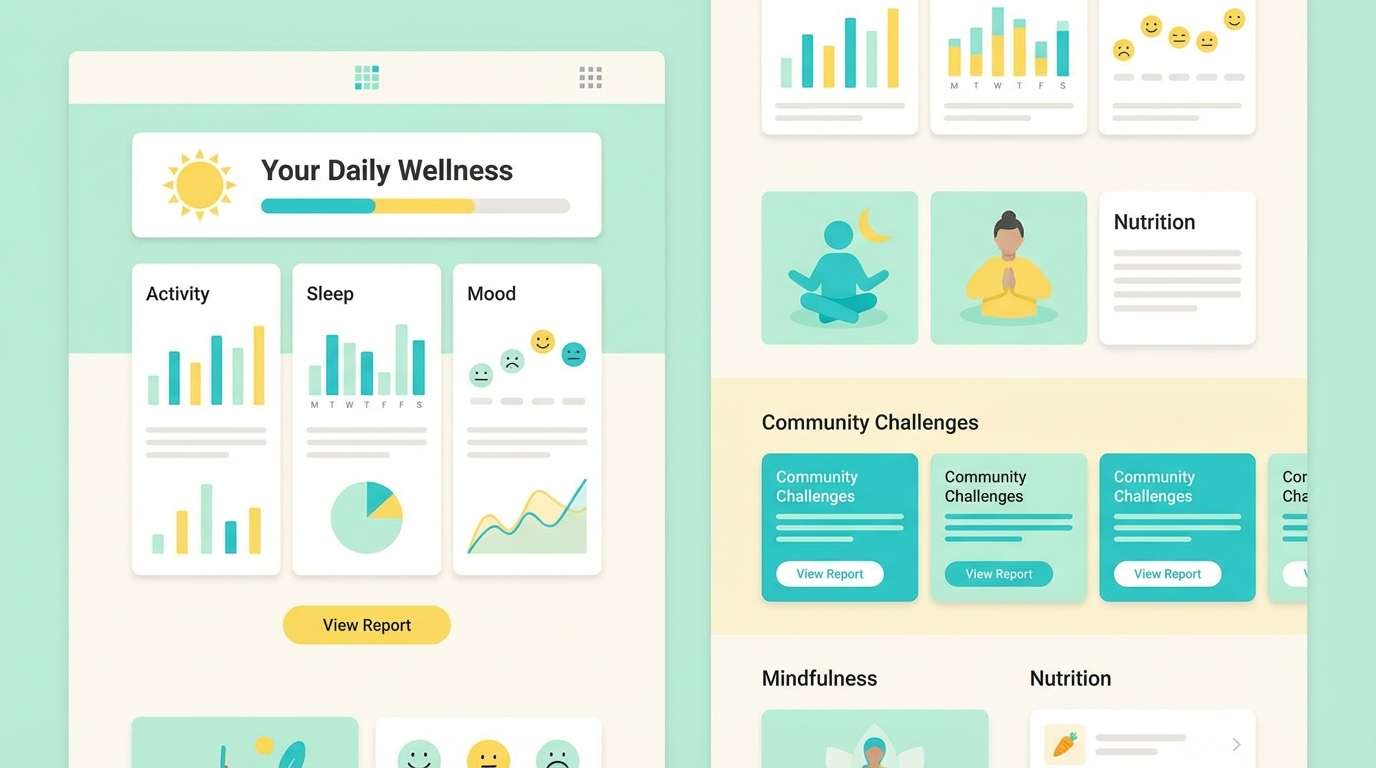
Soft and refreshing, it feels like chilled lemonade with mint leaves and a breeze through linen curtains. Keep the pale mint and off-white dominant, then use yellow for friendly highlights and progress states. The cool gray is ideal for labels, dividers, and secondary buttons. Usage tip: reserve the brightest yellow for one primary action per screen to avoid visual fatigue.
Image example of minty lemonade generated using media.io
6) Golden Tide
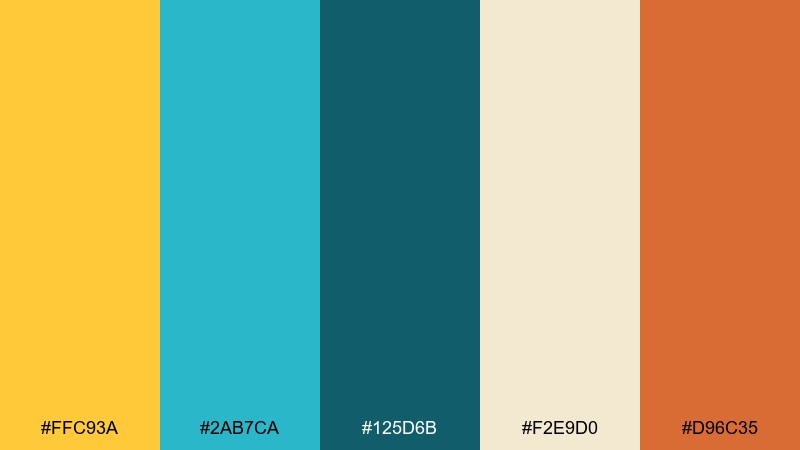
HEX: #ffc93a #2ab7ca #125d6b #f2e9d0 #d96c35
Mood: warm, coastal, grounded
Best for: coastal interiors and hospitality decor
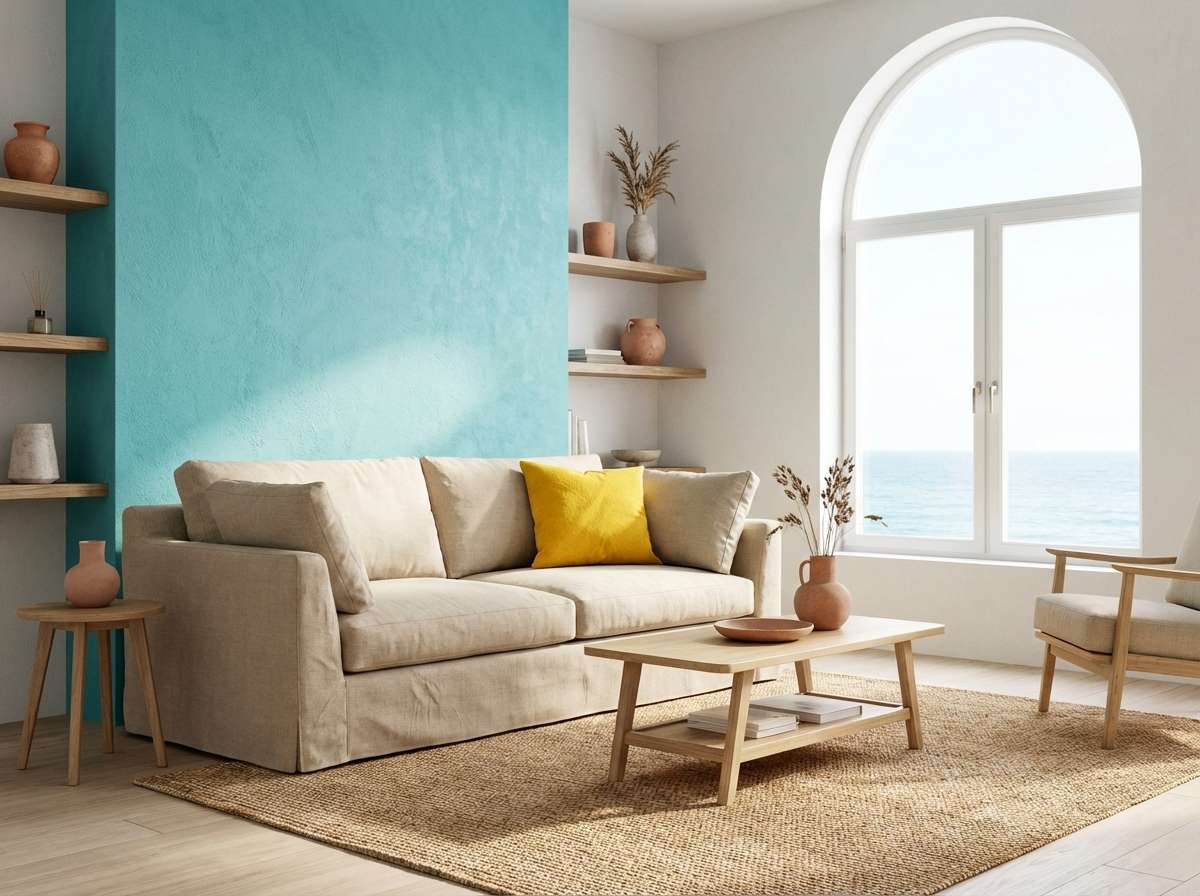
Warm and grounded, it evokes golden-hour light hitting teal water and sunbaked clay. Use sand as the wall or background tone, then bring in turquoise for larger blocks like rugs or feature panels. Terracotta adds a handcrafted touch that pairs beautifully with rattan and light oak. Usage tip: repeat the deep teal in small details like frames and hardware for a cohesive finish.
Image example of golden tide generated using media.io
7) Tropical Postcard
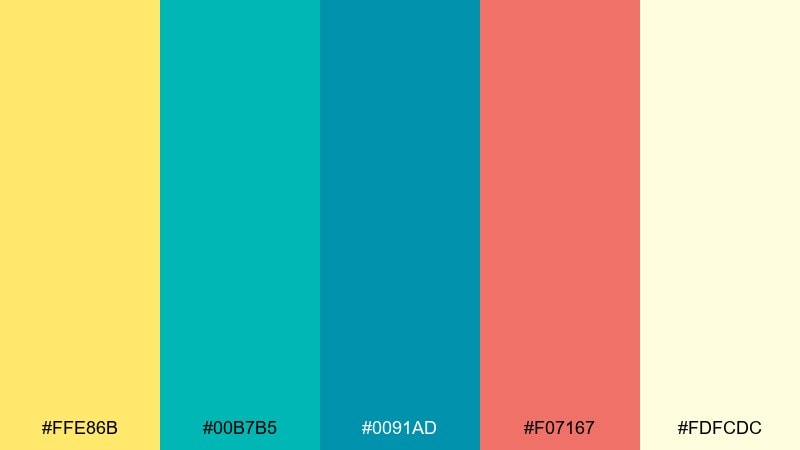
HEX: #ffe86b #00b7b5 #0091ad #f07167 #fdfcdc
Mood: vacation, cheerful, illustrative
Best for: travel postcards and tourism graphics
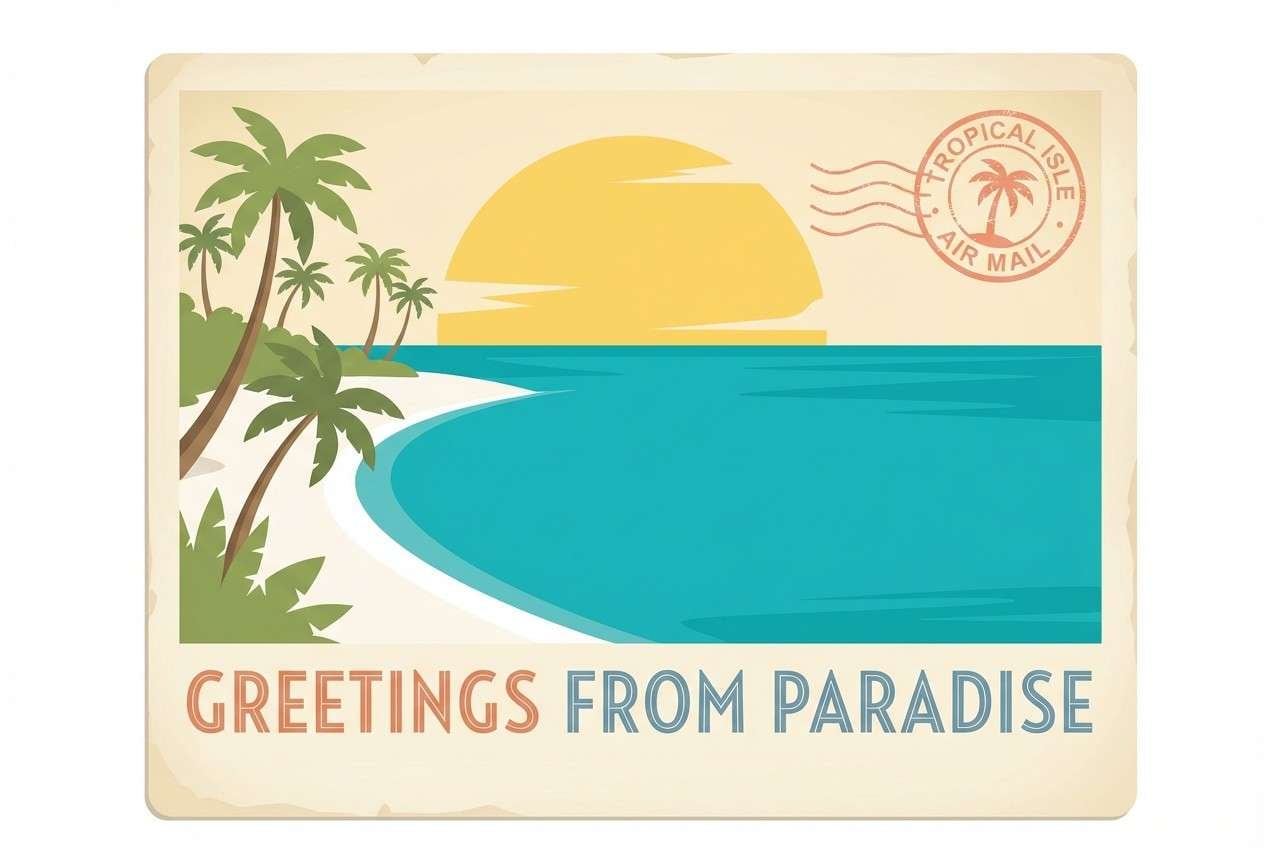
Cheerful and illustrative, it feels like a stamped postcard from a sunny island stop. Let cream act as paper texture, then use turquoise and aqua for the sea and sky blocks. The salmon accent is perfect for stamps, location pins, or small icons. Usage tip: keep outlines in the darker aqua so the artwork stays crisp in print.
Image example of tropical postcard generated using media.io
8) Soft Spa Breeze
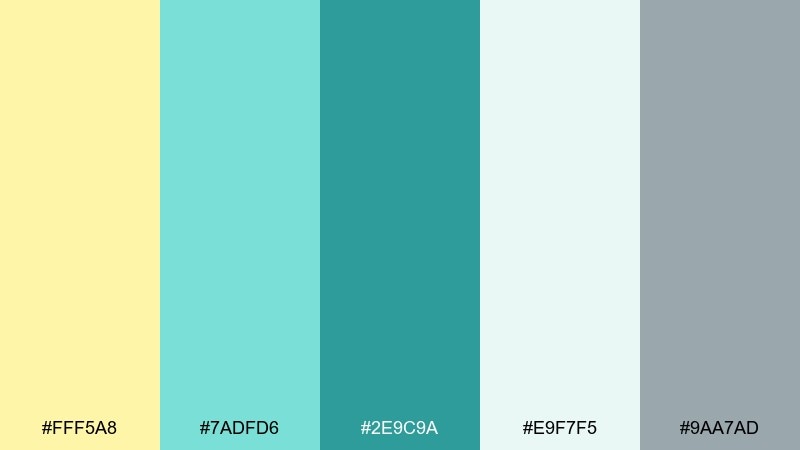
HEX: #fff5a8 #7adfd6 #2e9c9a #e9f7f5 #9aa7ad
Mood: calm, airy, soothing
Best for: skincare product ads and spa branding
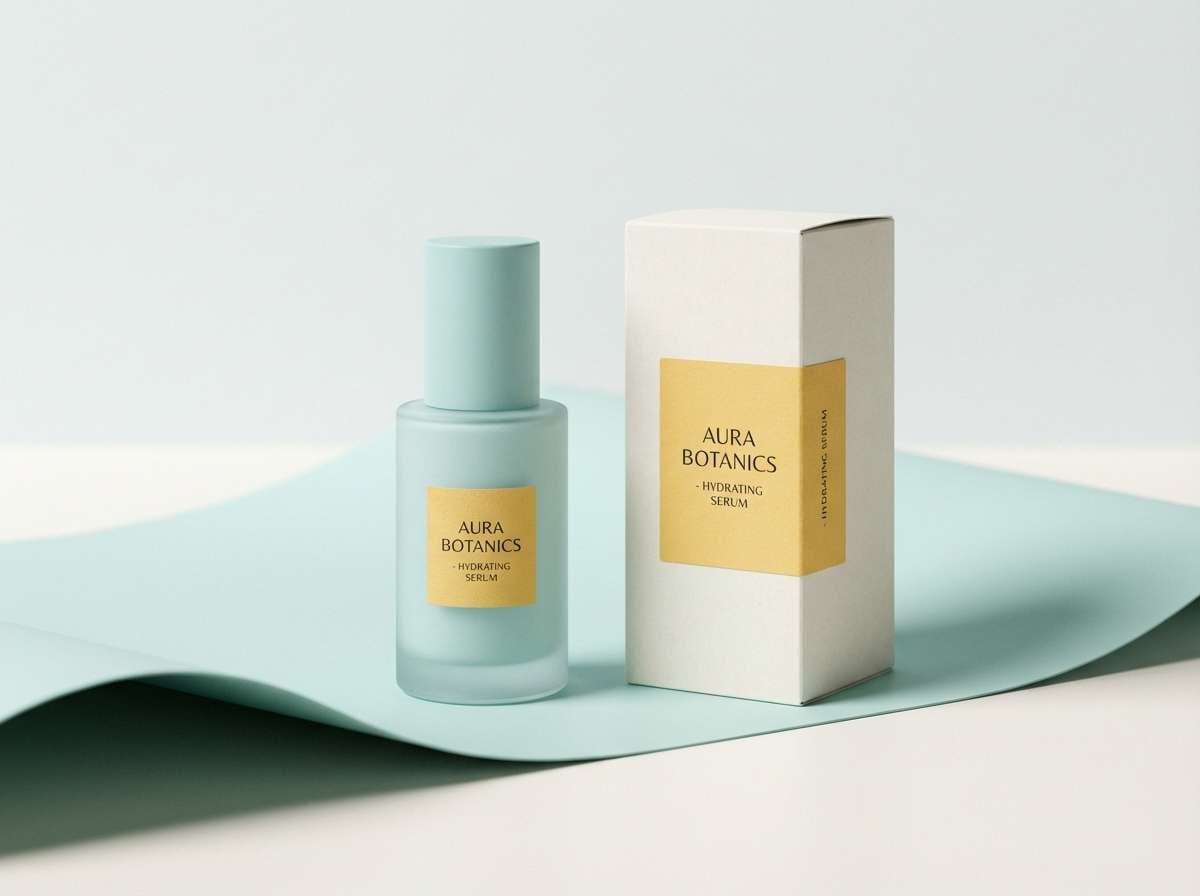
Calm and airy, it suggests steam, eucalyptus, and sunlight filtering through frosted glass. Use the pale aqua as the main fill, then bring in yellow sparingly for a warm, optimistic glow. The deeper teal adds trust and works well for ingredient callouts and seals. Usage tip: keep gradients subtle and matte so the look stays spa-clean, not glossy.
Image example of soft spa breeze generated using media.io
9) Modern Market Signage
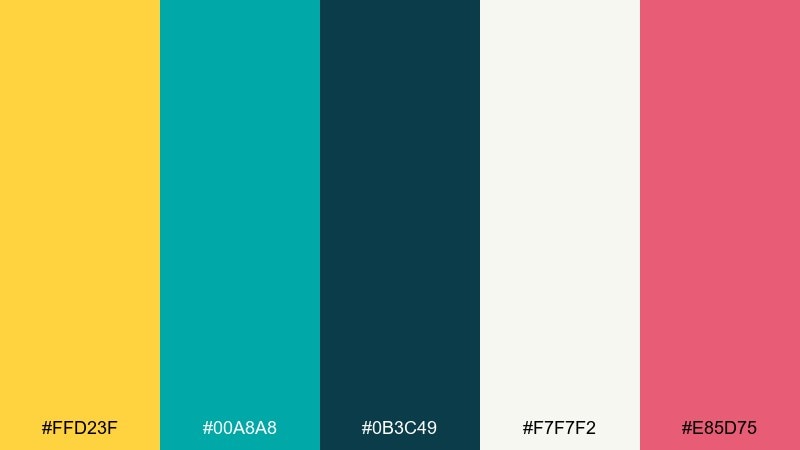
HEX: #ffd23f #00a8a8 #0b3c49 #f7f7f2 #e85d75
Mood: modern, punchy, readable
Best for: store signage and wayfinding systems
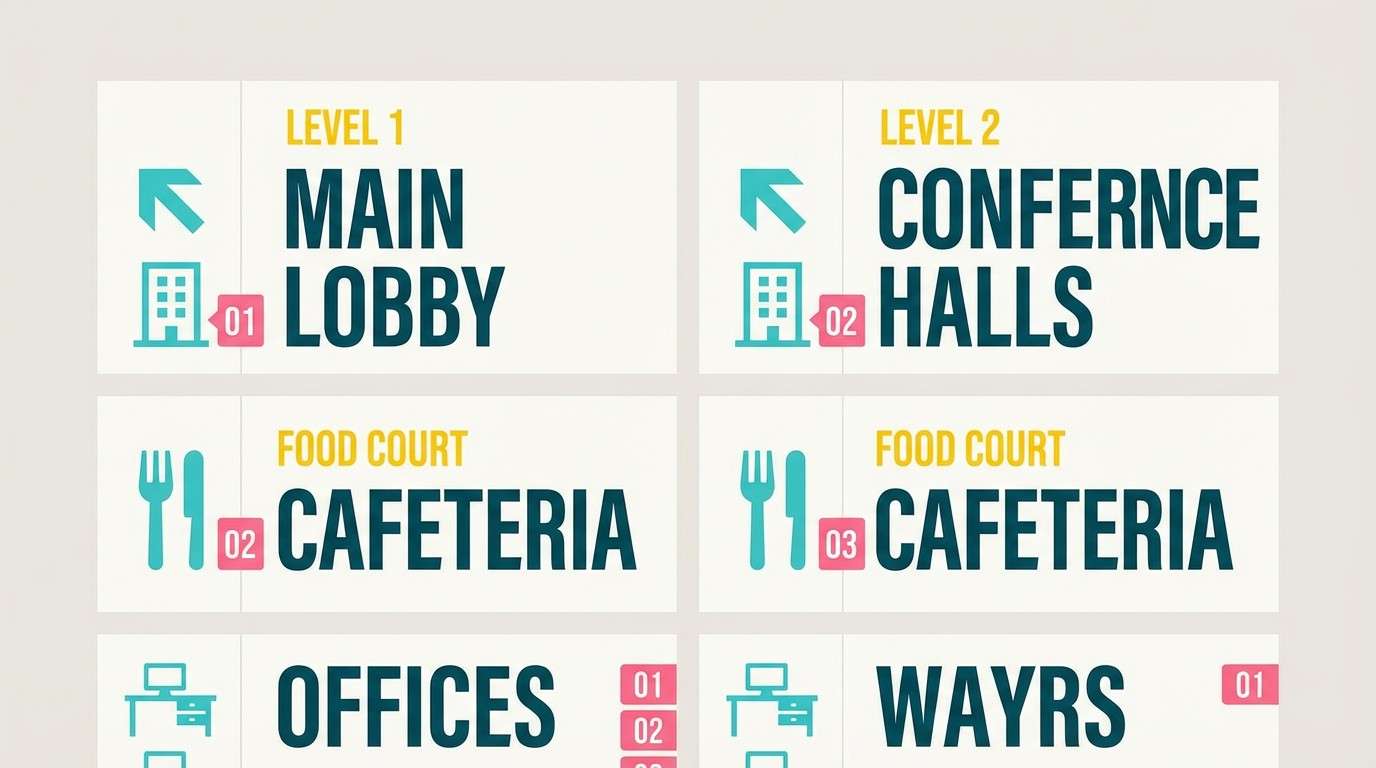
Modern and punchy, it looks like clean street signs against a bright morning sky. Use off-white for panels, then set deep teal typography for legibility at a distance. Yellow works as the attention grabber for headings, while pink can mark special sections or sale tags. Usage tip: keep icon fills in turquoise and outline them with deep teal for clarity on print.
Image example of modern market signage generated using media.io
10) Playful Kiddo Splash
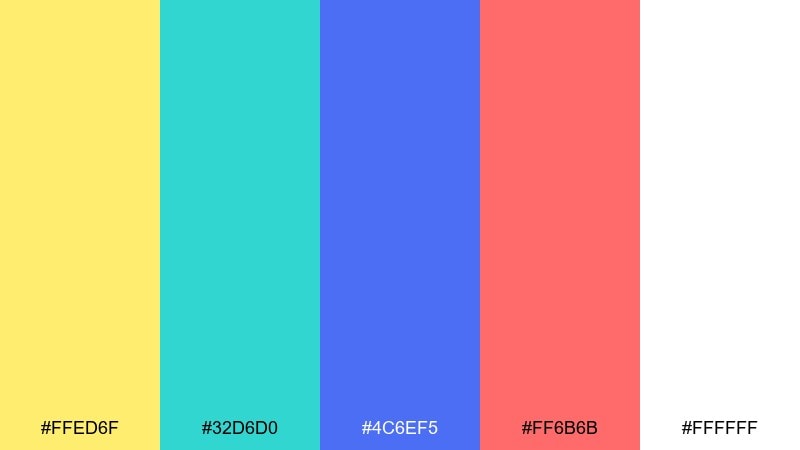
HEX: #ffed6f #32d6d0 #4c6ef5 #ff6b6b #ffffff
Mood: playful, friendly, high-energy
Best for: kids learning apps and gamified UI
Playful and friendly, it feels like water balloons, sticker stars, and a sunny playground. Use white as the main canvas, then assign turquoise and blue to navigation and components for consistency. Yellow and soft red are great for rewards, badges, and friendly prompts. Usage tip: limit the red to success or alert moments so it keeps its meaning.
Image example of playful kiddo splash generated using media.io

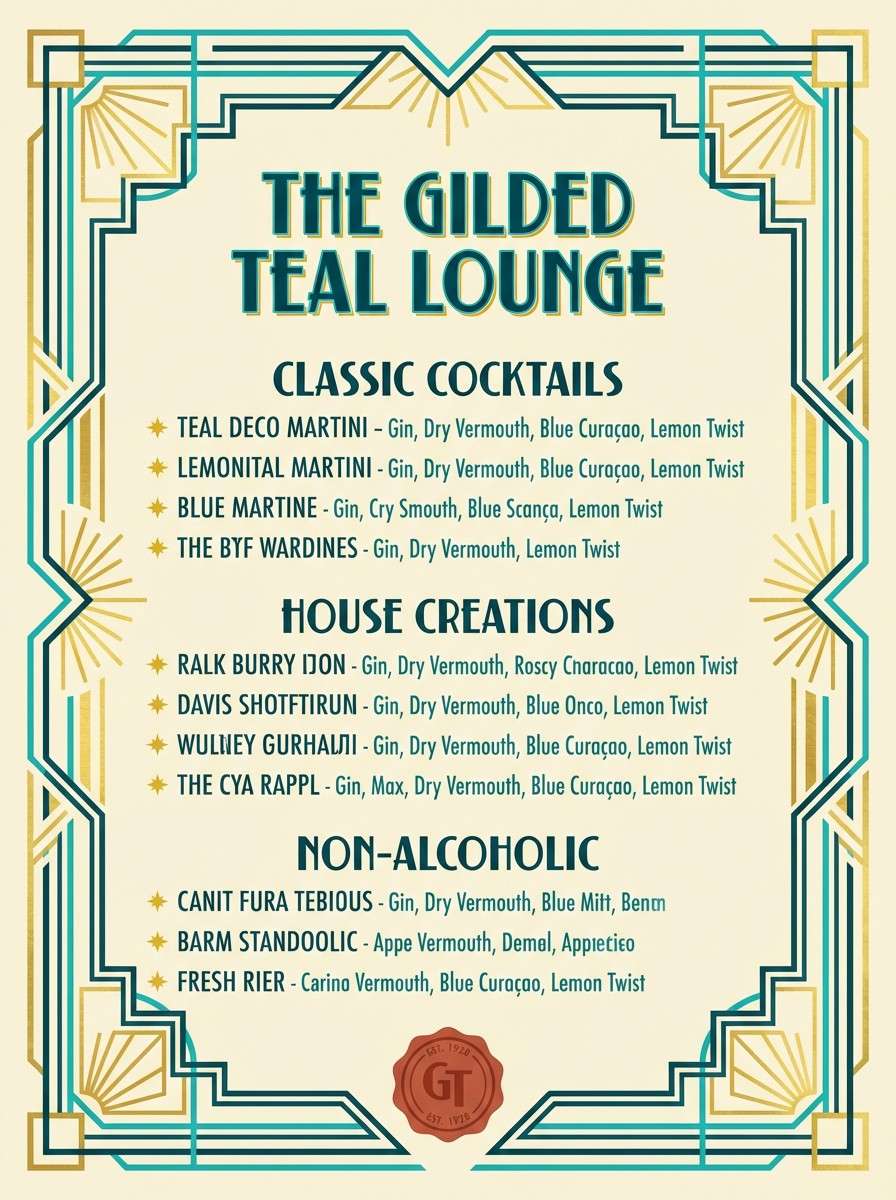
11) Art Deco Cabana
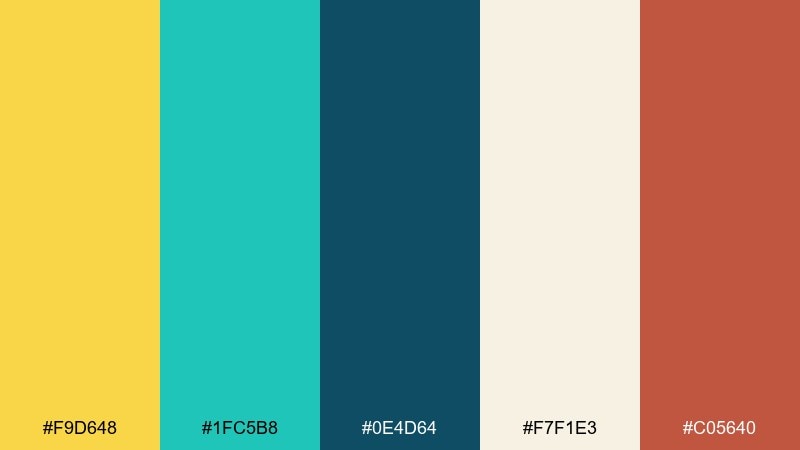
HEX: #f9d648 #1fc5b8 #0e4d64 #f7f1e3 #c05640
Mood: vintage, luxe, structured
Best for: cocktail menus and boutique hotel branding
Vintage-luxe and structured, it hints at art deco tiles and polished brass by the pool. The cream base keeps the palette elegant, while deep teal adds that upscale weight. Use yellow for borders and small motifs, and bring in brick as a tasteful secondary accent. Usage tip: pair it with geometric linework and high-contrast headings to amplify the deco feel.
Image example of art deco cabana generated using media.io
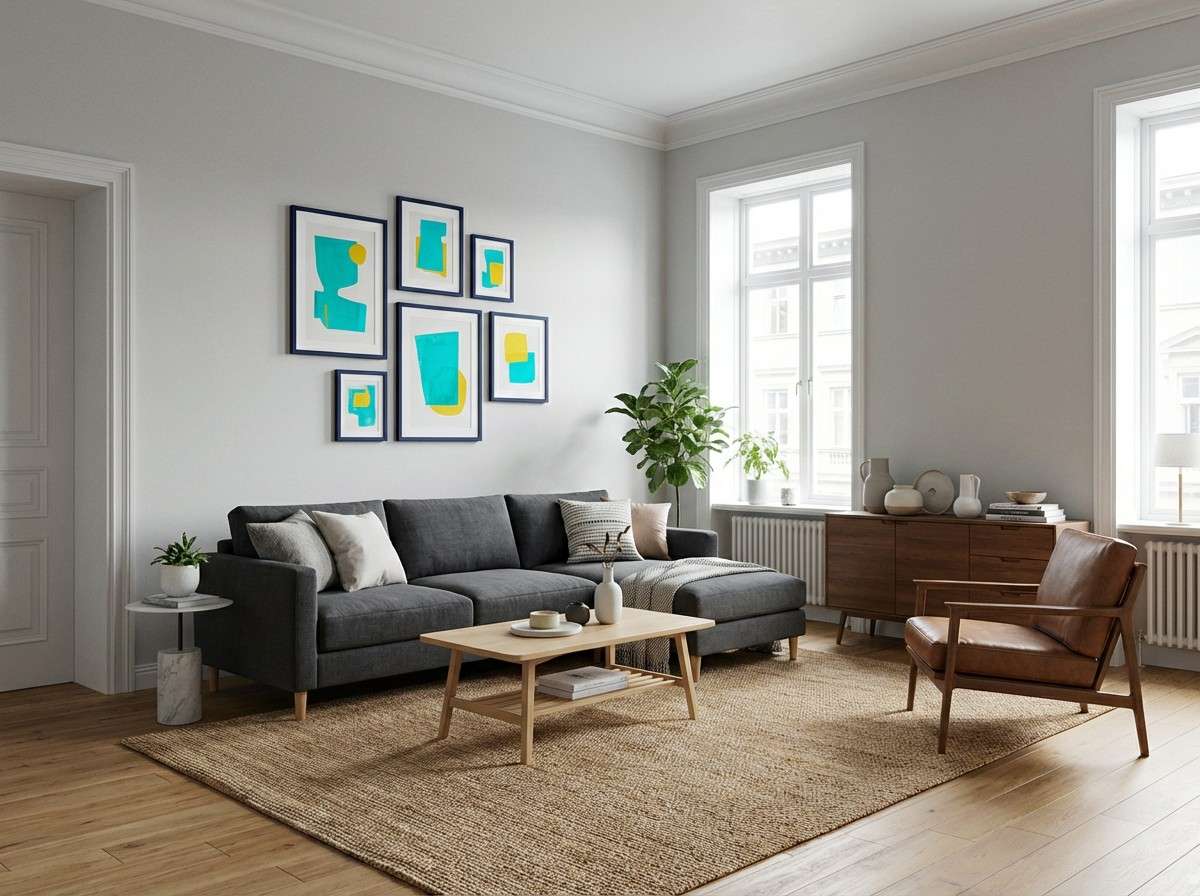
12) Minimal Gallery Wall
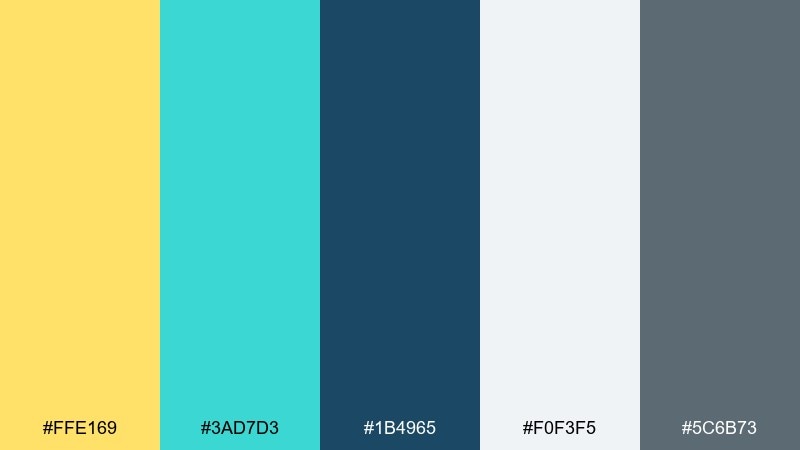
HEX: #ffe169 #3ad7d3 #1b4965 #f0f3f5 #5c6b73
Mood: minimal, modern, curated
Best for: contemporary interiors and portfolio sites
Minimal and curated, it feels like a quiet gallery with a single bold print catching the sun. Keep the light gray as the dominant background, then use navy for structure and typography. Turquoise and yellow work best as accent art pieces, pillows, or a single hero button on a site. Usage tip: repeat turquoise in two small places rather than one large block for a more designed look.
Image example of minimal gallery wall generated using media.io
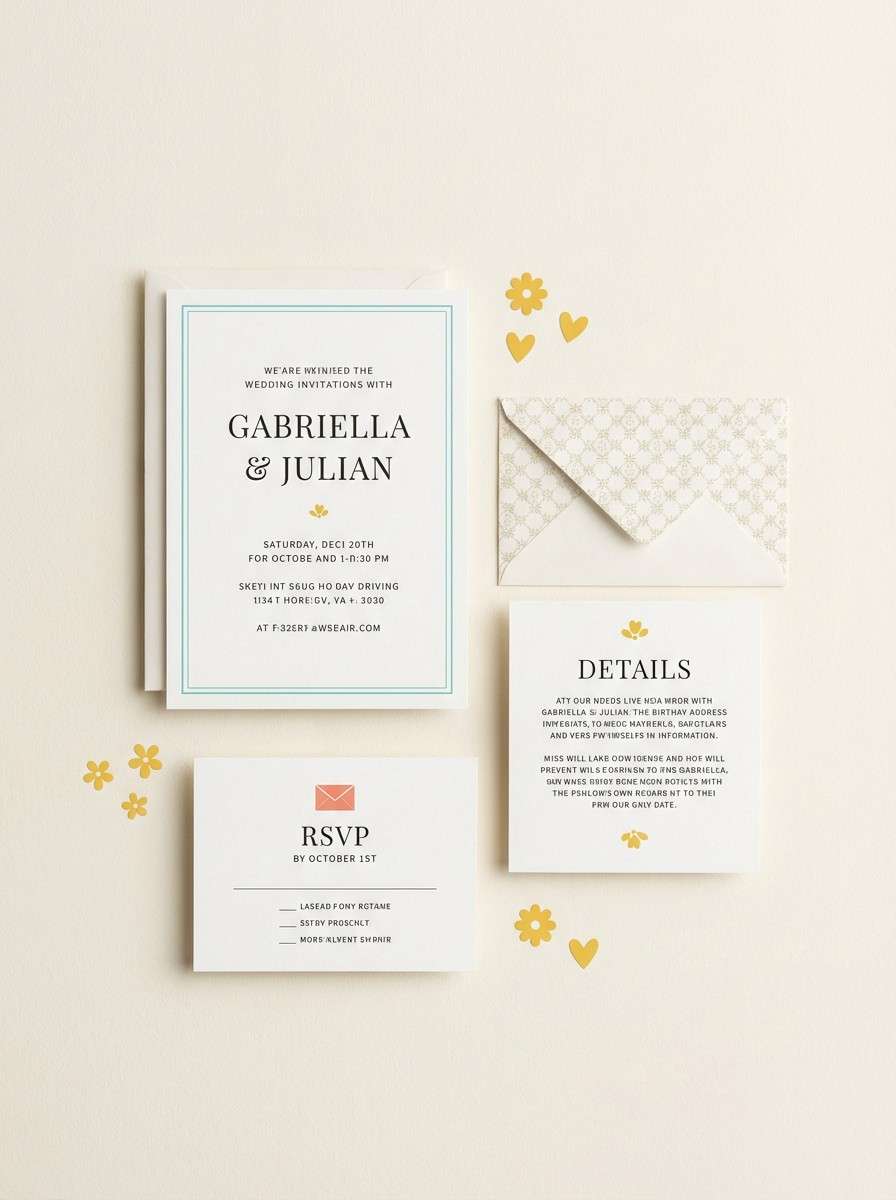
13) Coastal Wedding Linen
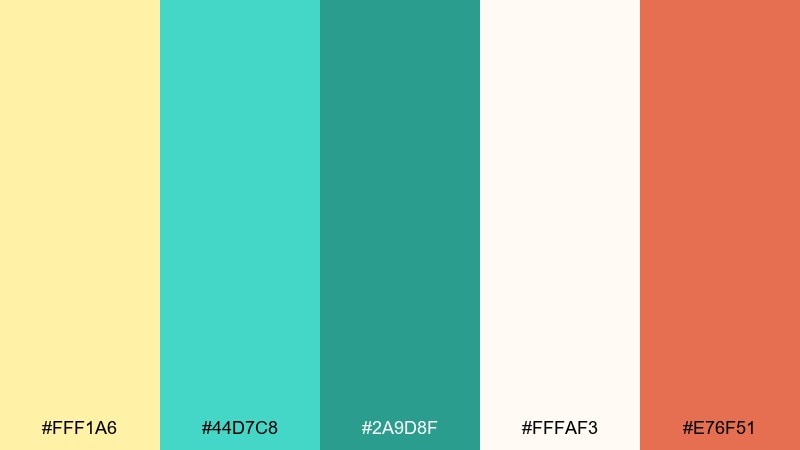
HEX: #fff1a6 #44d7c8 #2a9d8f #fffaf3 #e76f51
Mood: romantic, airy, sun-kissed
Best for: wedding invitations and day-of stationery
Romantic and sun-kissed, it brings to mind linen napkins, sea glass, and soft afternoon light. This yellow turquoise color palette works beautifully when the warm cream stays dominant and turquoise appears in delicate lines or monograms. Coral is best saved for RSVP highlights, wax-seal motifs, or tiny floral accents. Usage tip: print turquoise slightly darker than you think for clean readability on textured paper.
Image example of coastal wedding linen generated using media.io
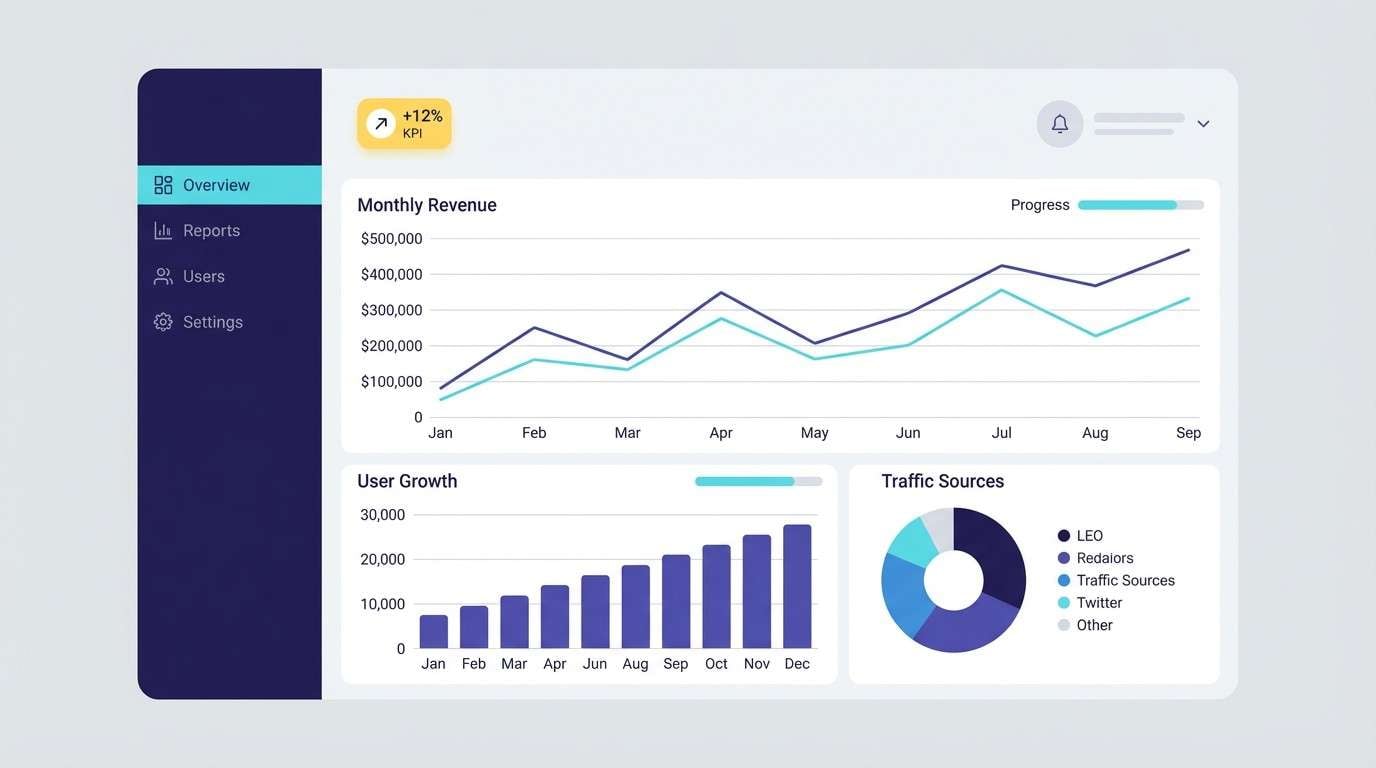
14) Techy Aqua Dashboard
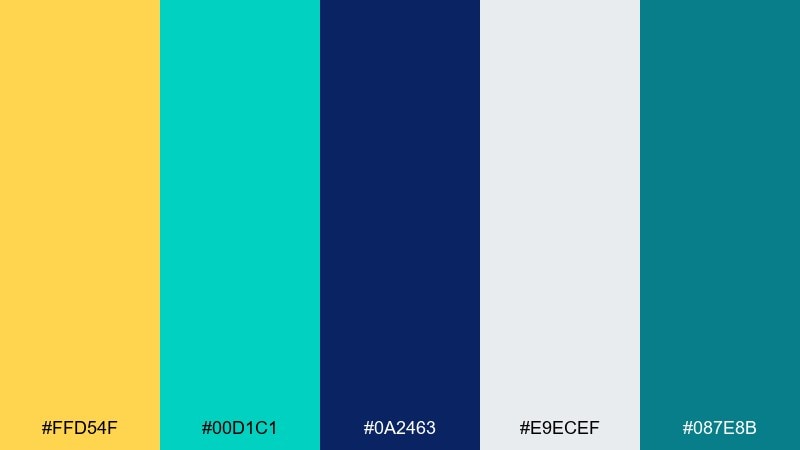
HEX: #ffd54f #00d1c1 #0a2463 #e9ecef #087e8b
Mood: confident, modern, data-driven
Best for: SaaS dashboards and analytics UI
Confident and modern, it feels like crisp charts over a calm, aquatic backdrop. In a yellow turquoise color palette like this, indigo gives the UI authority while aqua keeps it approachable. Use yellow for KPI callouts, tooltips, and key toggles rather than broad fills. Usage tip: keep chart backgrounds light and reserve aqua for active series so the data stays readable.
Image example of techy aqua dashboard generated using media.io
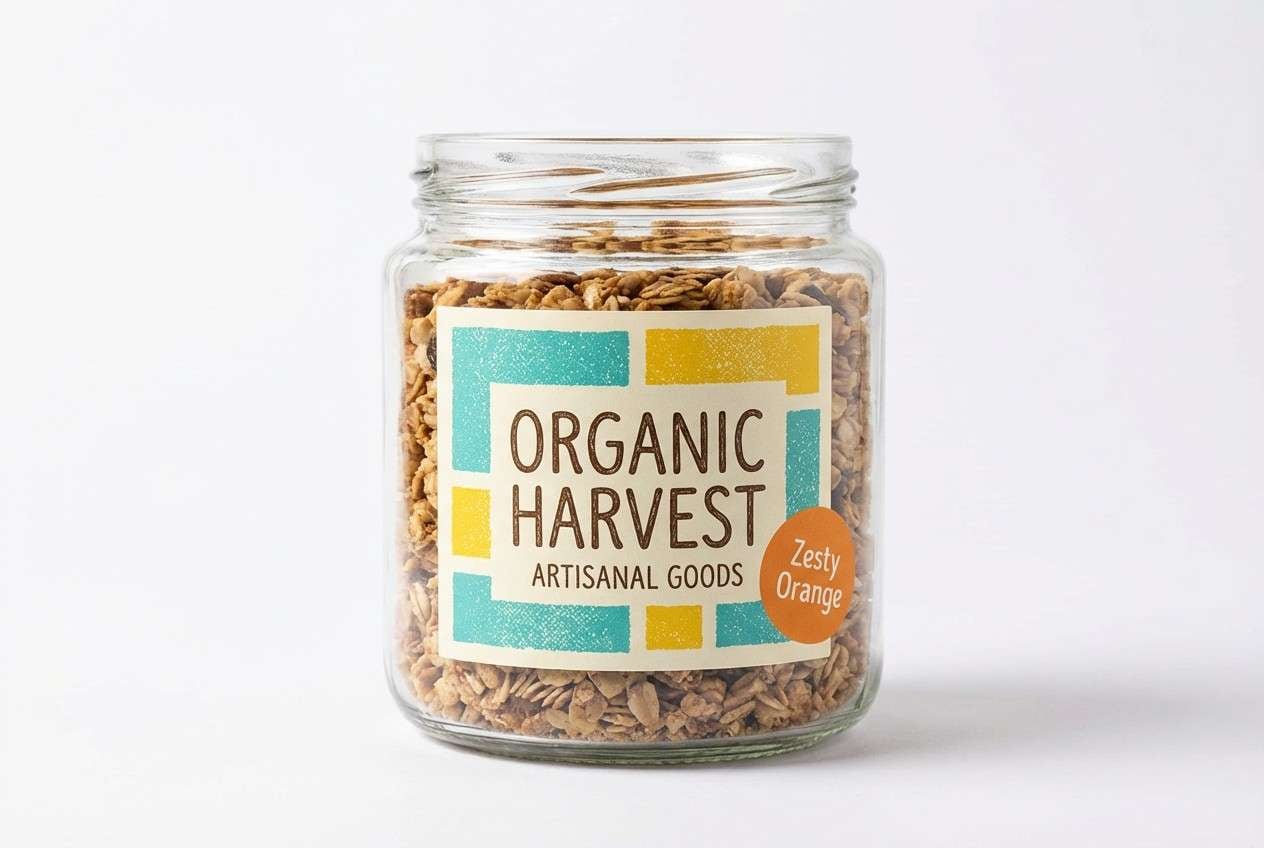
15) Fresh Produce Label
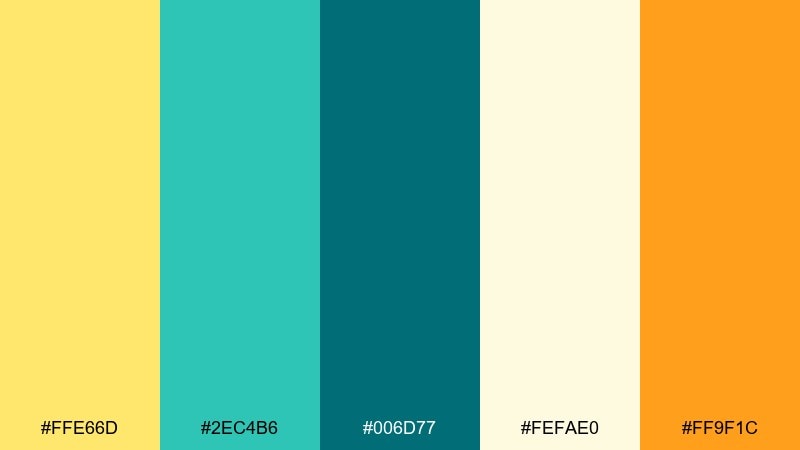
HEX: #ffe66d #2ec4b6 #006d77 #fefae0 #ff9f1c
Mood: fresh, organic, upbeat
Best for: food labels and farmers market packaging
Fresh and organic, it reads like a just-picked harvest with a cool rinse of color. The dark teal is perfect for ingredient lists and nutrition panels, while the creamy base keeps the label friendly. Use yellow and orange to signal flavor notes, then balance with turquoise for a clean, healthy feel. Usage tip: add small teal icons for certifications to keep the layout consistent across SKUs.
Image example of fresh produce label generated using media.io
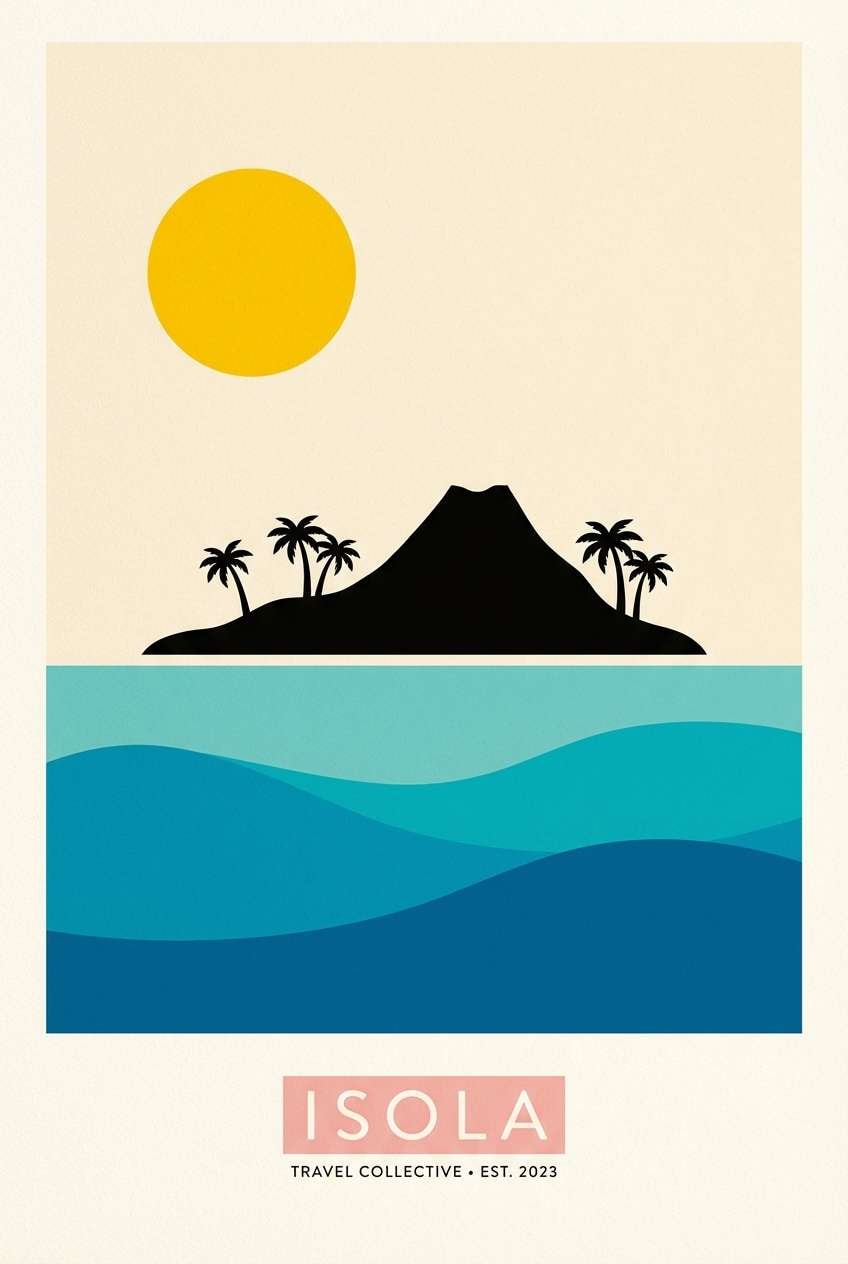
16) Island Sunrise Poster
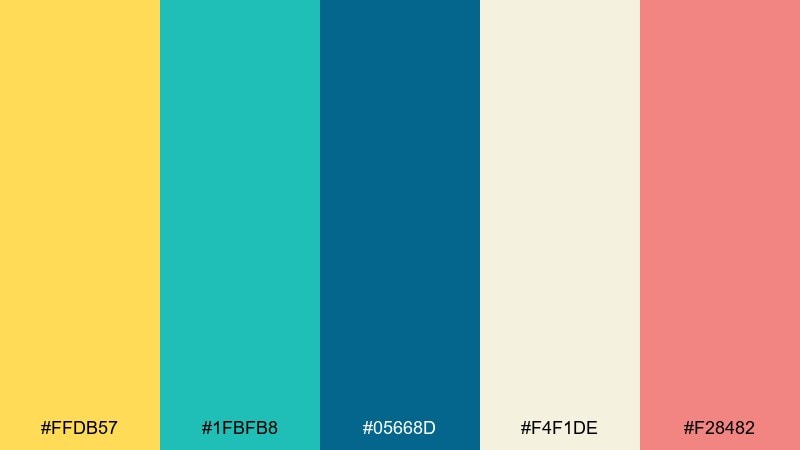
HEX: #ffdb57 #1fbfb8 #05668d #f4f1de #f28482
Mood: optimistic, breezy, artistic
Best for: travel posters and wall art prints
Optimistic and breezy, it feels like sunrise over water with a warm glow on the horizon. Use the cream as the poster paper tone, then let turquoise and deep blue define the main shapes. Pink is a great accent for the sun or a small caption block without stealing the scene. Usage tip: keep gradients minimal and rely on bold silhouettes for a timeless print look.
Image example of island sunrise poster generated using media.io
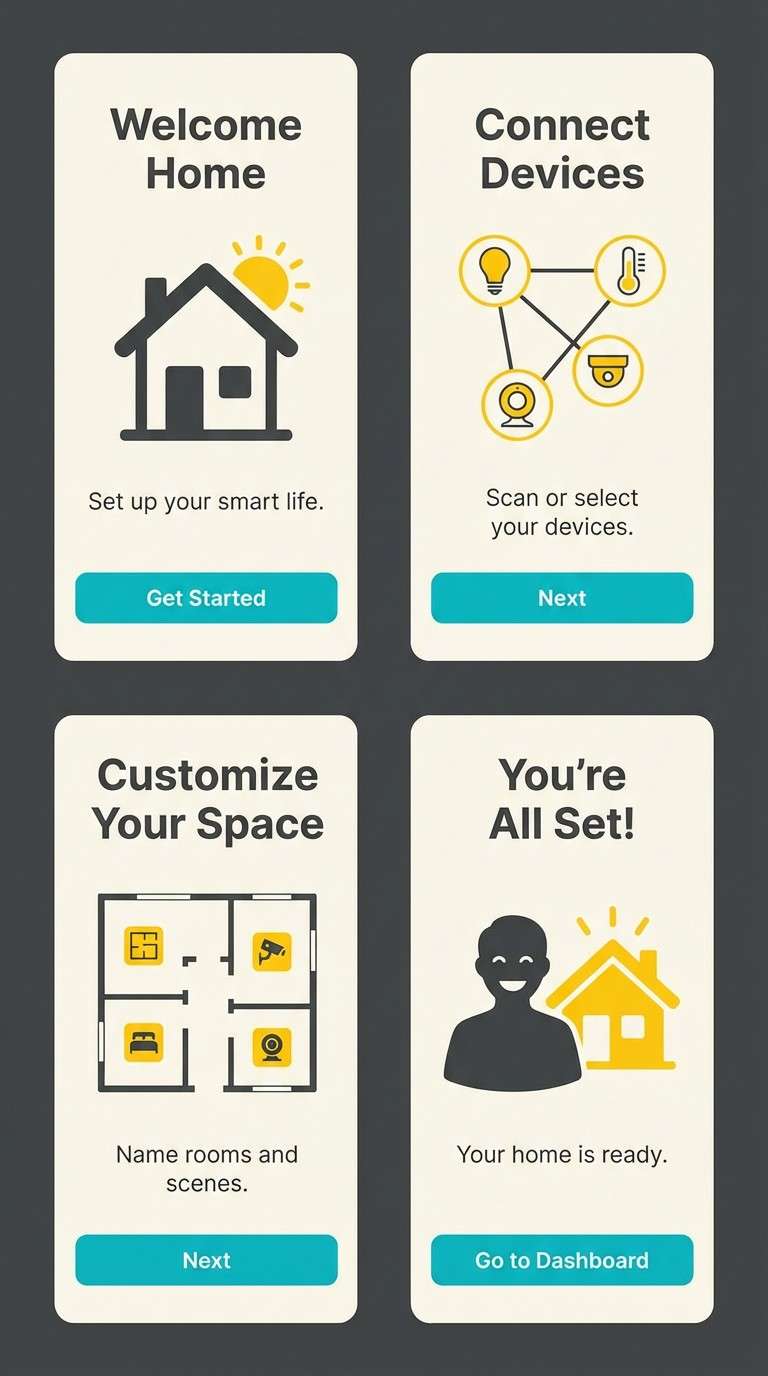
17) Smart Home Onboarding
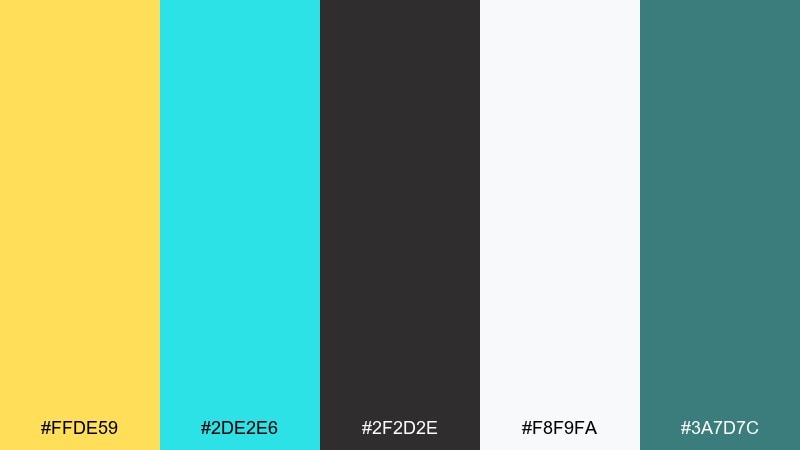
HEX: #ffde59 #2de2e6 #2f2d2e #f8f9fa #3a7d7c
Mood: clean, friendly, trustworthy
Best for: app onboarding screens and setup flows
Clean and friendly, it suggests a sunny morning routine with calm, tech-ready clarity. Use off-white as the main background, then keep dark charcoal for text to ensure accessibility. Turquoise should own the primary buttons and progress indicators, while yellow works as a welcoming highlight. Usage tip: keep icons in the muted teal-green so the interface looks consistent across steps.
Image example of smart home onboarding generated using media.io
18) Sunny Botanicals
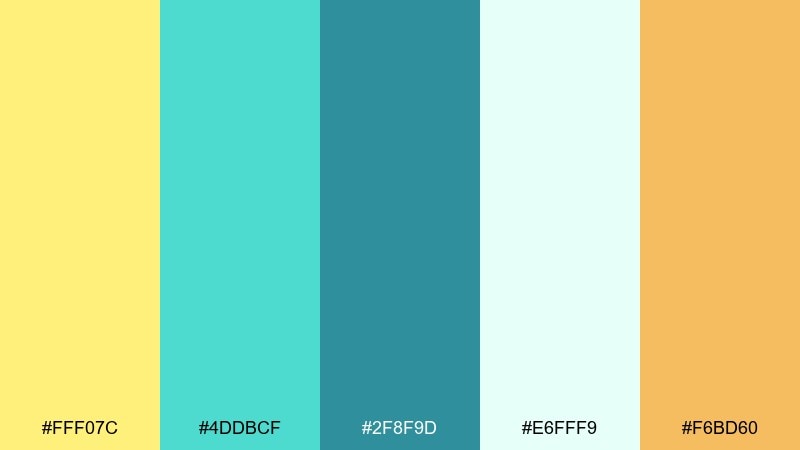
HEX: #fff07c #4ddbcf #2f8f9d #e6fff9 #f6bd60
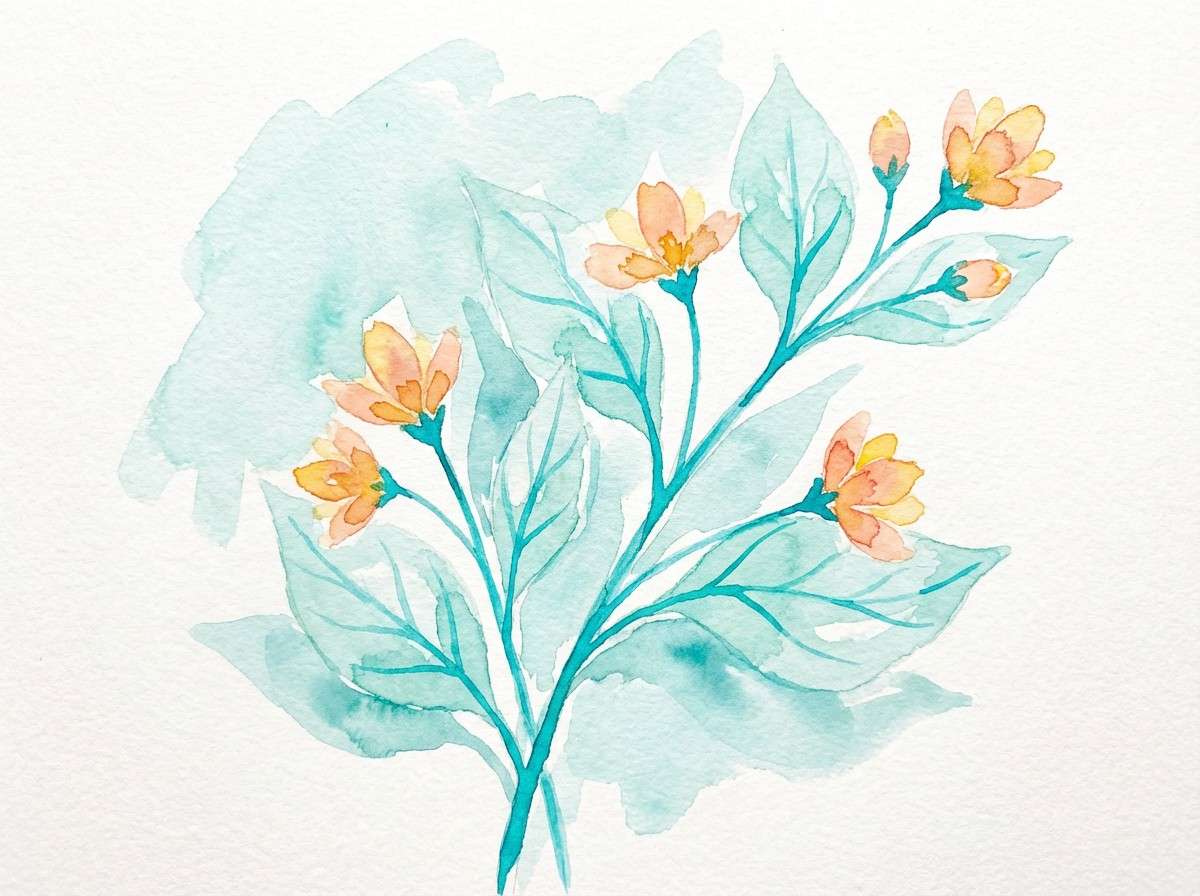
Mood: natural, uplifting, springlike
Best for: botanical illustrations and spring campaigns
Natural and uplifting, it feels like fresh leaves under warm sunlight with cool water nearby. Let the pale aqua wash set the scene, then layer turquoise stems and teal shadows for depth. Yellow and apricot make petals glow without turning overly saturated. Usage tip: keep outlines soft and let the teal do most of the shading so the illustration stays airy.
Image example of sunny botanicals generated using media.io
19) Surf Shop Sticker Pack
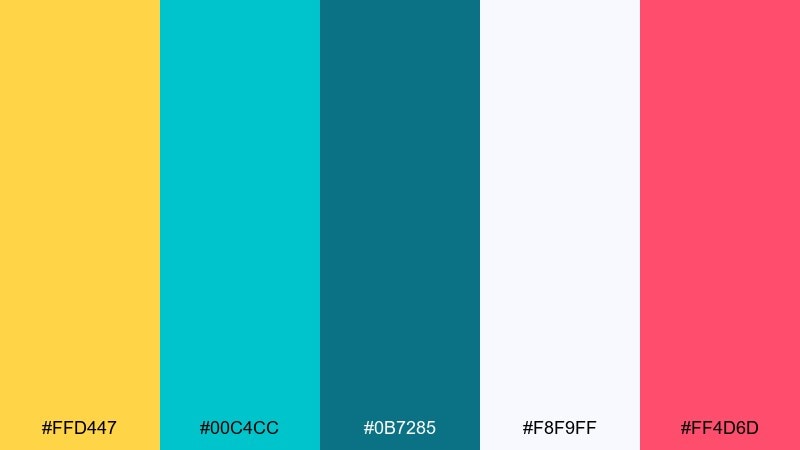
HEX: #ffd447 #00c4cc #0b7285 #f8f9ff #ff4d6d
Mood: fun, youthful, outdoorsy
Best for: sticker packs and merch graphics
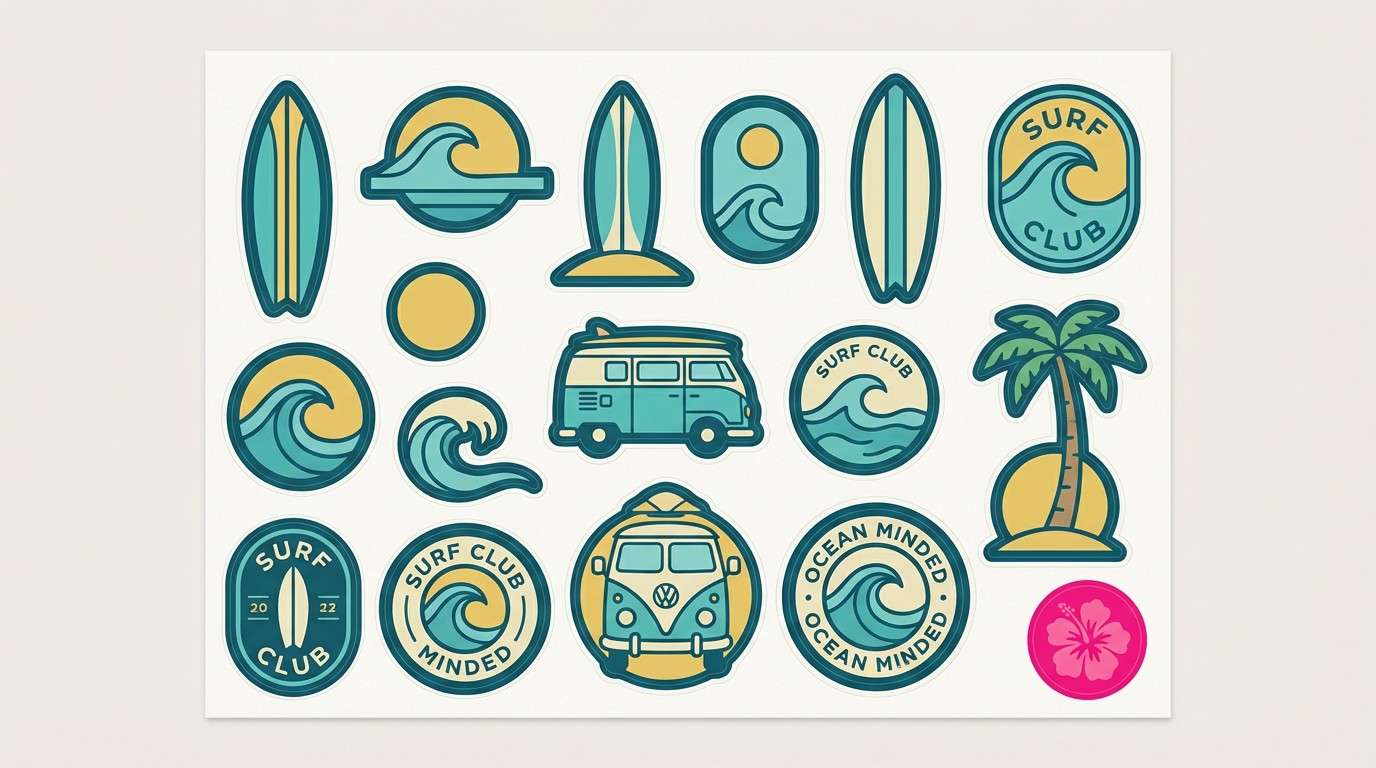
Fun and outdoorsy, it captures surf wax, sun glare, and bright board decals. Use the off-white as a sticker base, then build bold shapes with turquoise and deep teal. Pink is perfect for a single punchy badge or brand mark. Usage tip: keep the deepest teal for outlines so stickers read clearly from a distance.
Image example of surf shop sticker pack generated using media.io
20) Eco Resort Brochure
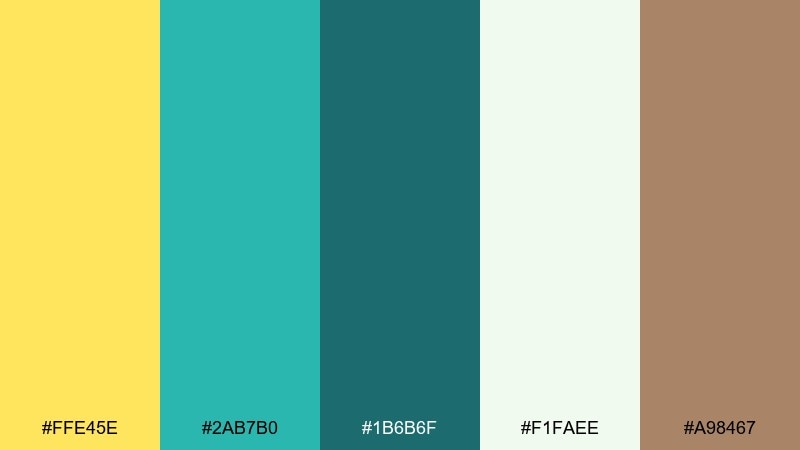
HEX: #ffe45e #2ab7b0 #1b6b6f #f1faee #a98467
Mood: relaxed, natural, refined
Best for: resort brochures and sustainable travel guides
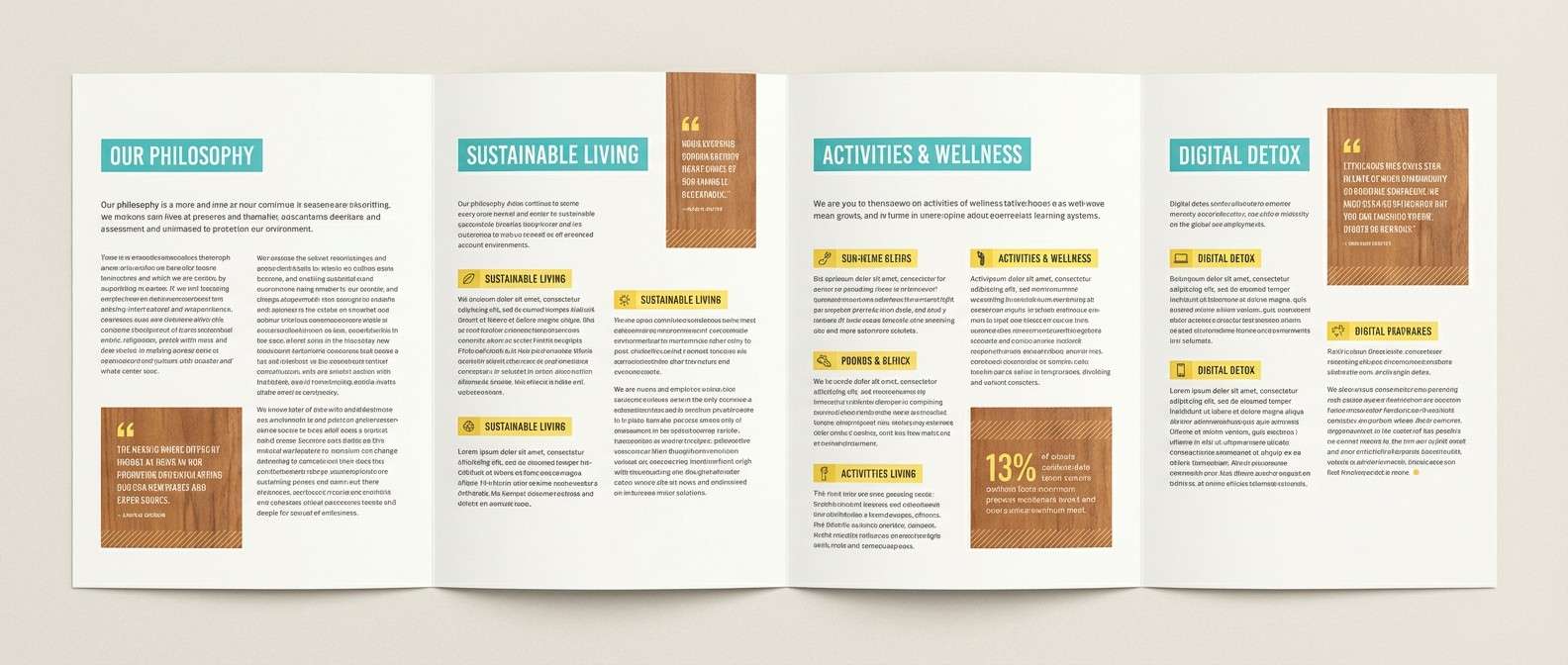
Relaxed and refined, it feels like sun over water with natural wood and linen textures. Use the soft off-white for page backgrounds, then let turquoise carry section headers and maps. The wood tone adds warmth for photo captions and callout boxes without competing with the cool hues. Usage tip: keep yellow for small navigational highlights like page tabs and itinerary markers.
Image example of eco resort brochure generated using media.io
What Colors Go Well with Yellow Turquoise?
Neutrals are the easiest support team: crisp white keeps everything fresh, warm cream softens the contrast, and light gray makes modern UI layouts feel clean. For text and structure, charcoal, deep teal, or navy give the palette strong readability.
For extra energy, add coral, tangerine, or hot pink as a tiny accent (badges, icons, micro-CTAs). These warm pops play well with yellow without making turquoise feel too cold.
If you want a more natural, relaxed look, pair yellow-turquoise with sand, tan, rattan browns, or muted wood tones. It keeps the coastal vibe refined rather than neon.
How to Use a Yellow Turquoise Color Palette in Real Designs
Decide early which color leads: let turquoise cover larger areas (headers, panels, backgrounds) and use yellow as the highlight for emphasis (buttons, tags, key numbers). This keeps the design airy and avoids “highlighter overload.”
Always plan contrast for accessibility. Use dark teal/navy/charcoal for body text, keep yellow for short elements, and test button states so your turquoise doesn’t get too light against white.
In branding and print, repeat one anchor color (usually deep teal) across typography, borders, and icons. Then use yellow sparingly to create focal points that guide the eye.
Create Yellow Turquoise Palette Visuals with AI
If you have HEX codes but need real-world visuals (posters, labels, UI screens, brand boards), generating mockups with AI is a fast way to explore compositions and see balance before you design.
Start with one palette, describe the use case (e.g., “SaaS dashboard,” “wedding invitation suite,” or “eco brochure layout”), and explicitly mention which colors should dominate vs. act as accents.
With Media.io Text-to-Image, you can iterate quickly—try different aspect ratios, styles (flat vector vs. realistic studio), and layouts until the yellow-turquoise contrast feels just right.
Yellow Turquoise Color Palette FAQs
-
What does a yellow and turquoise color scheme communicate?
It usually signals optimism + freshness: yellow adds warmth and attention, while turquoise adds clarity and a clean, coastal calm. Together they feel modern, friendly, and energetic. -
How do I keep yellow turquoise designs from looking too bright?
Use a neutral base (white, cream, or light gray) and add a dark anchor (navy, charcoal, or deep teal) for text and structure. Keep yellow as small highlights instead of large backgrounds. -
What’s the best text color on turquoise backgrounds?
Deep navy, charcoal, or very dark teal typically provides the best readability. For lighter turquoise, avoid white body text unless you verify contrast with an accessibility checker. -
Can yellow and turquoise work for professional branding?
Yes—choose slightly muted tones and include a strong dark anchor color for typography. Palettes like Techy Aqua Dashboard or Modern Market Signage are especially business-friendly. -
What accent colors pair well with yellow turquoise?
Coral, tangerine, and warm pinks add punch for CTAs; sand/tan and wood tones add a natural feel; indigo or navy makes the palette look more premium and stable. -
Is yellow turquoise a good UI palette?
It can be excellent if you control hierarchy: turquoise for primary components, yellow for alerts/KPIs/highlights, and dark text for accessibility. Keep large yellow fills minimal to reduce eye strain. -
How can I generate yellow turquoise mockups quickly?
Use Media.io’s text-to-image tool: paste or reference your HEX colors, specify a layout (poster, label, dashboard, invitation), and iterate prompts to refine balance and contrast.
Next: Blue Peach Color Palette


