

Yellow, orange, and red sit next to each other on the color wheel, so they blend naturally and feel instantly “warm.” That makes them perfect for modern branding, bold UI, and attention-grabbing print layouts.
Below are 20 yellow orange red palettes with HEX codes, plus practical pairing tips and AI prompt examples you can use to generate matching visuals quickly.
In this article
Why Yellow Orange Red Palettes Work So Well
Yellow, orange, and red communicate warmth and movement. Because they’re analogous hues, your designs feel cohesive even when you mix light tints with deep, saturated accents.
These tones are also naturally attention-driven: yellow reads as bright and optimistic, orange as energetic and friendly, and red as urgent and decisive. That’s why they perform well for CTAs, promos, and headline hierarchy.
The key is contrast control. If everything is hot and bright, readability suffers—so you’ll get the best results by adding off-white space and grounding text with charcoal, deep brown, or near-black.
20+ Yellow Orange Red Color Palette Ideas (with HEX Codes)
1) Saffron Sunrise
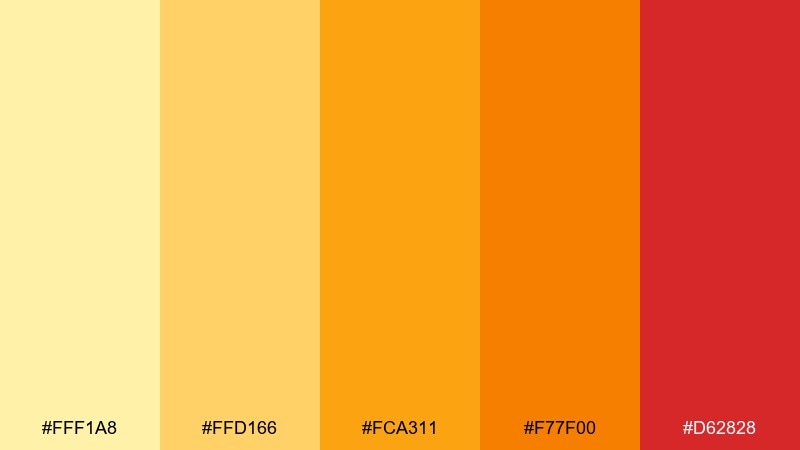
HEX: #FFF1A8 #FFD166 #FCA311 #F77F00 #D62828
Mood: optimistic, radiant, energetic
Best for: brand guidelines, lifestyle logos, campaign moodboards
Optimistic and radiant, these tones feel like early sunlight spilling across warm city streets. Use the brighter yellows for backgrounds and the deeper orange-reds for headlines and calls to action. Pair with off-white and a touch of charcoal for crisp readability. Tip: keep the deepest red for small accents to avoid overpowering the layout.
Image example of saffron sunrise generated using media.io
Media.io is an online AI studio for creating and editing video, image, and audio in your browser.


2) Mango Ember
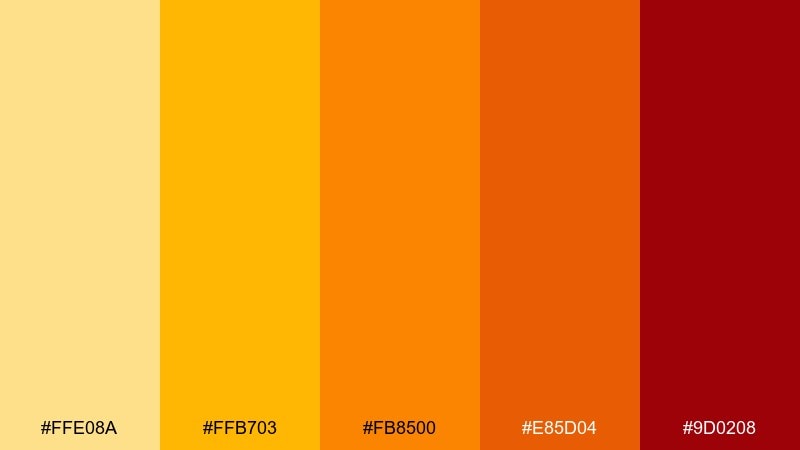
HEX: #FFE08A #FFB703 #FB8500 #E85D04 #9D0208
Mood: bold, sporty, punchy
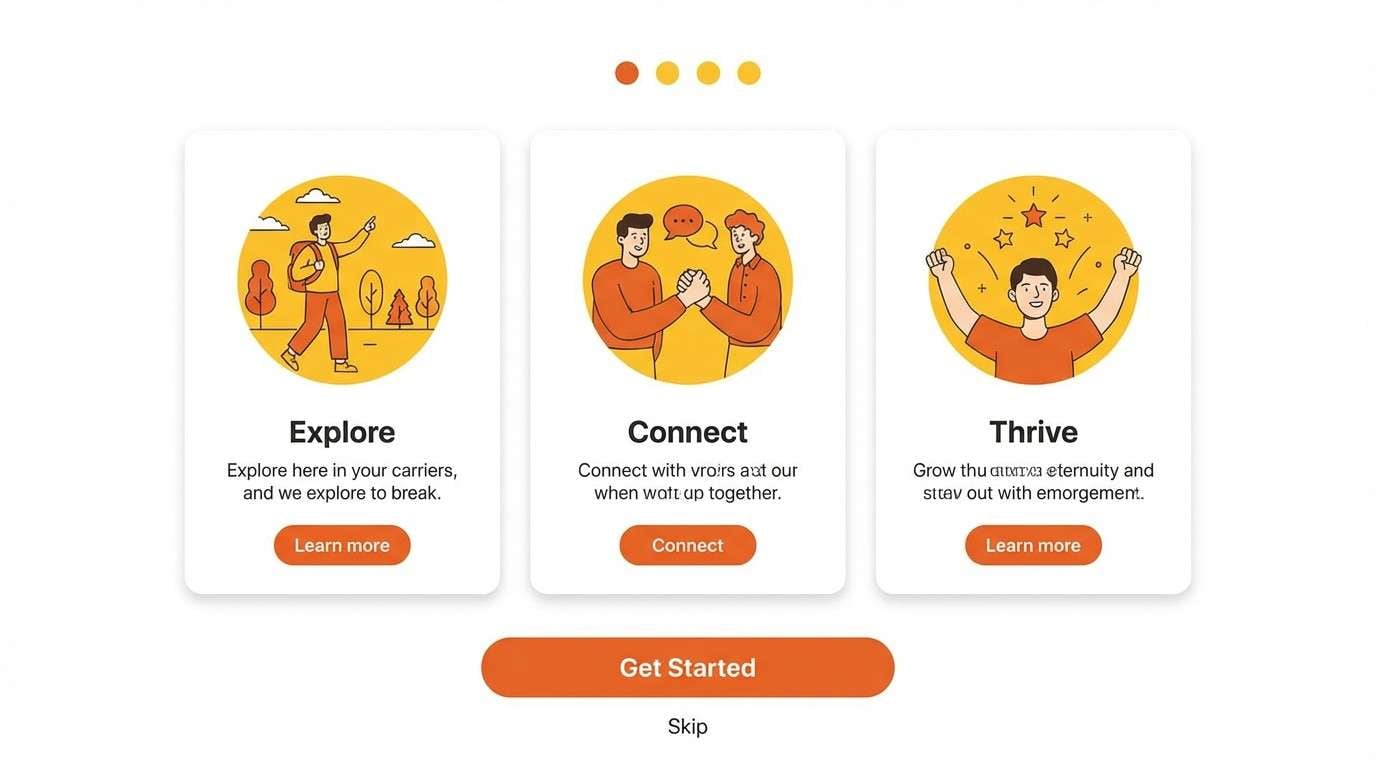
Best for: app onboarding screens, promo banners, CTA sections
Bold and punchy, it reads like ripe mango with a smoldering ember finish. Let the golden tones carry the primary surfaces, then use the darker reds for buttons and key labels. It pairs well with clean white UI and subtle gray dividers. Tip: reserve the deepest shade for focused states and error highlights.
Image example of mango ember generated using media.io
3) Papaya Punch
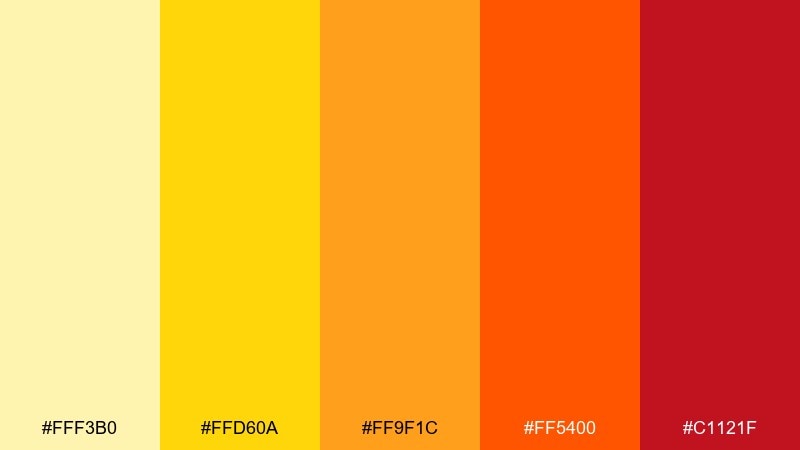
HEX: #FFF3B0 #FFD60A #FF9F1C #FF5400 #C1121F
Mood: playful, youthful, high-energy
Best for: summer event posters, social graphics, music promos
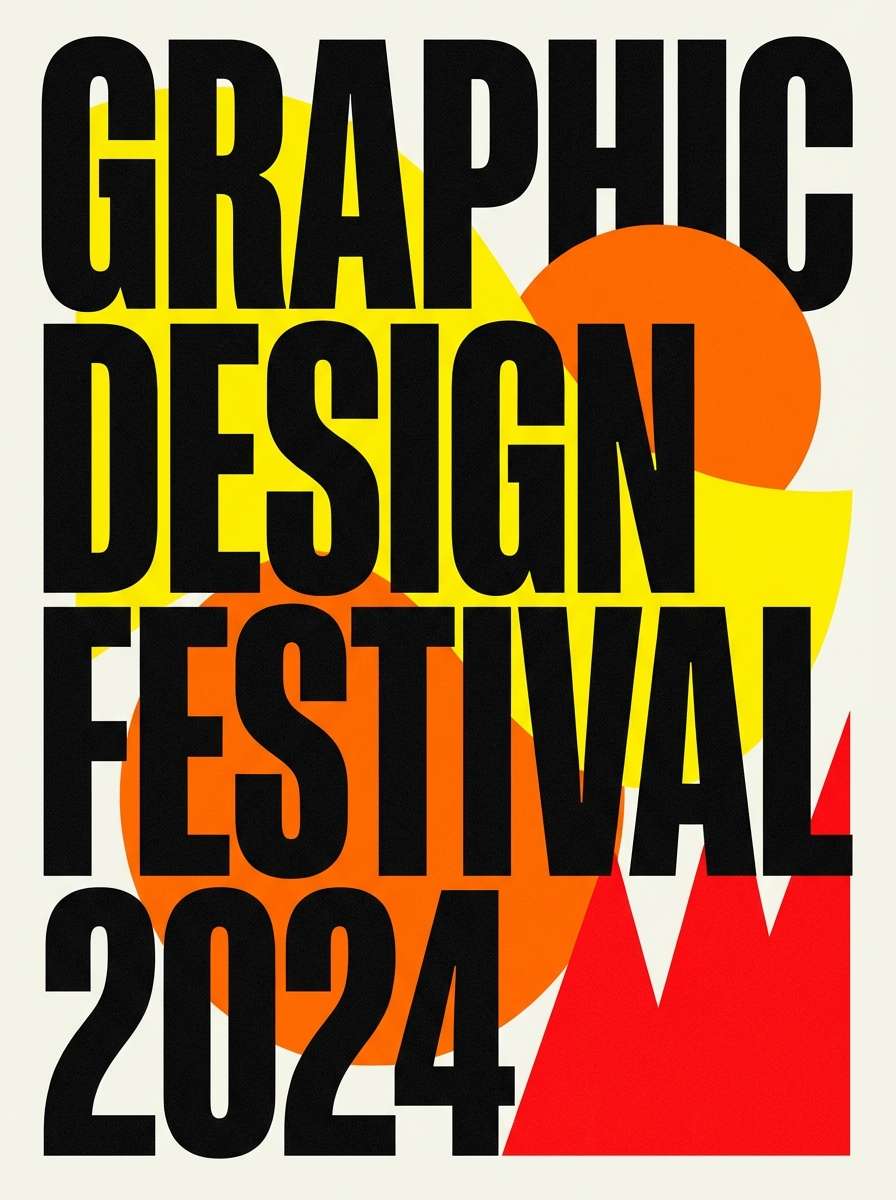
Playful and high-energy, it evokes fruit stands, roller skates, and loud summer playlists. This yellow orange red color palette works best when the bright yellow is the canvas and the reds become your punchy focal points. Pair it with black typography for maximum legibility and a modern edge. Tip: use the mid-orange for gradients to smooth transitions between light and dark.
Image example of papaya punch generated using media.io
4) Golden Poppy
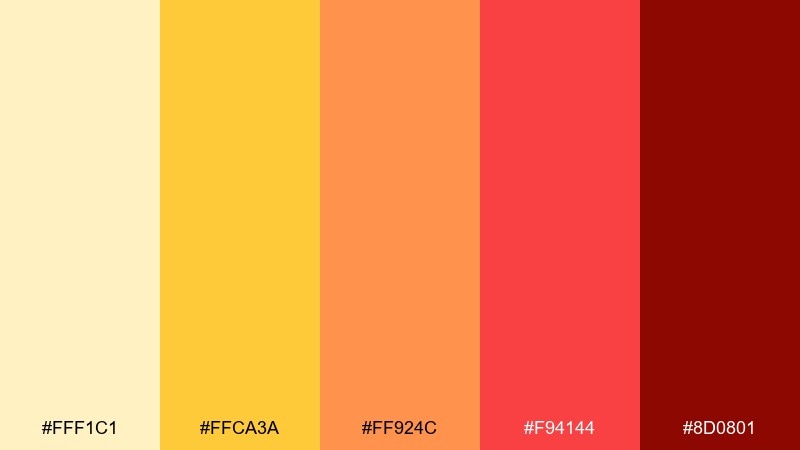
HEX: #FFF1C1 #FFCA3A #FF924C #F94144 #8D0801
Mood: sunny, confident, outdoorsy
Best for: snack packaging, farmers market labels, retail displays
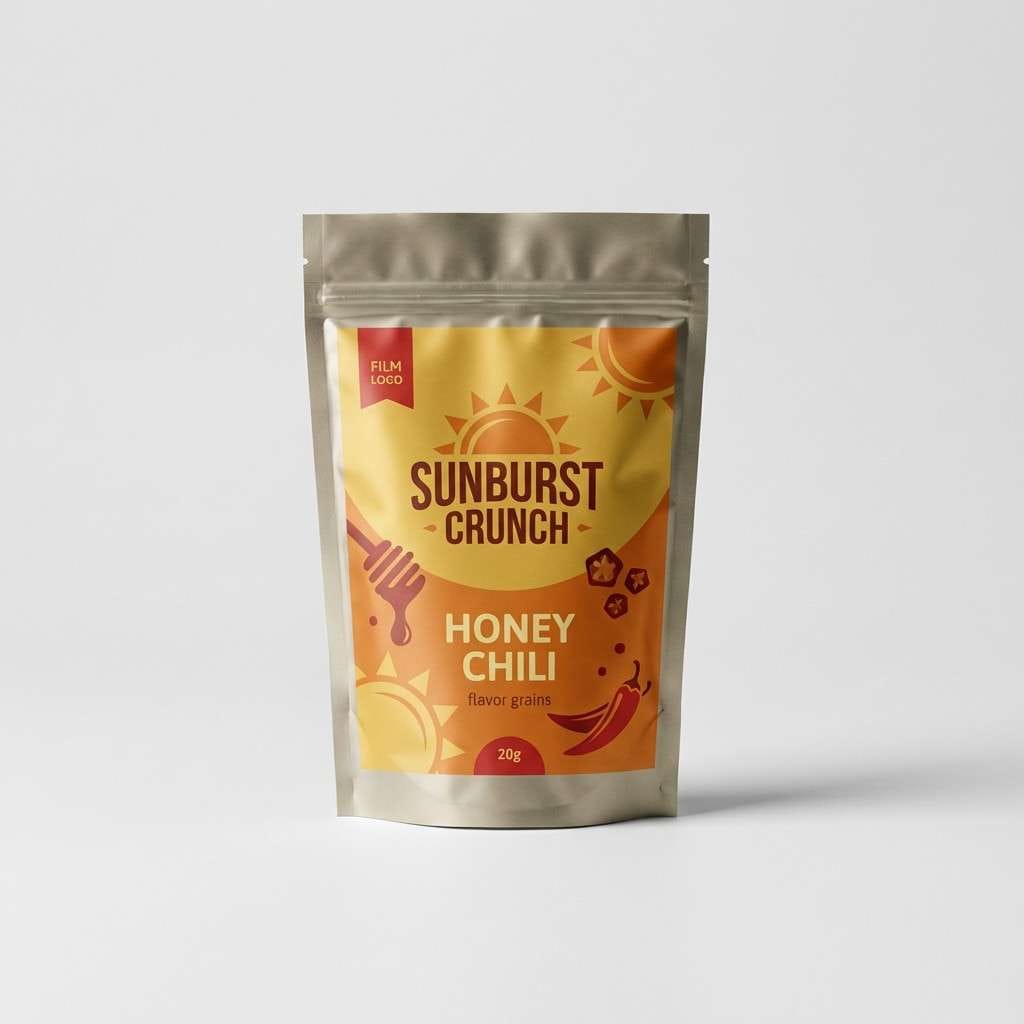
Sunny and confident, these hues feel like poppy fields and roadside fruit stands. Use the golden shades for the main label area and the deeper reds for brand marks and flavor callouts. It pairs naturally with kraft paper textures or clean matte white. Tip: add thin red borders instead of large red blocks to keep the look fresh.
Image example of golden poppy generated using media.io
5) Citrus Carnival
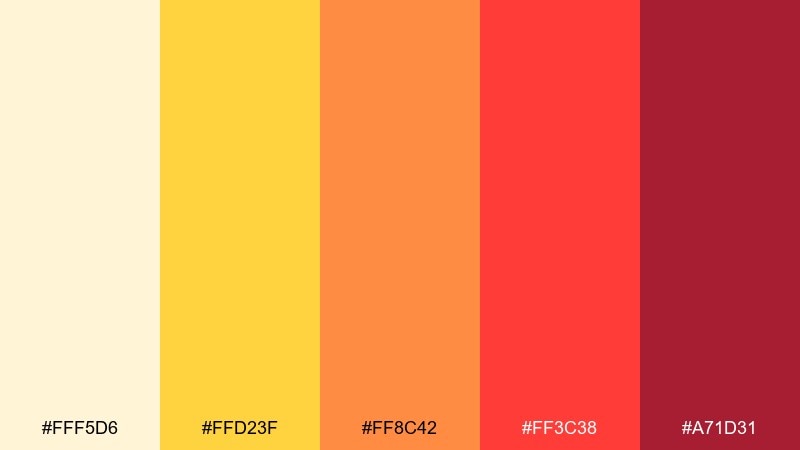
HEX: #FFF5D6 #FFD23F #FF8C42 #FF3C38 #A71D31
Mood: festive, loud, friendly
Best for: instagram promos, launch announcements, festival ads
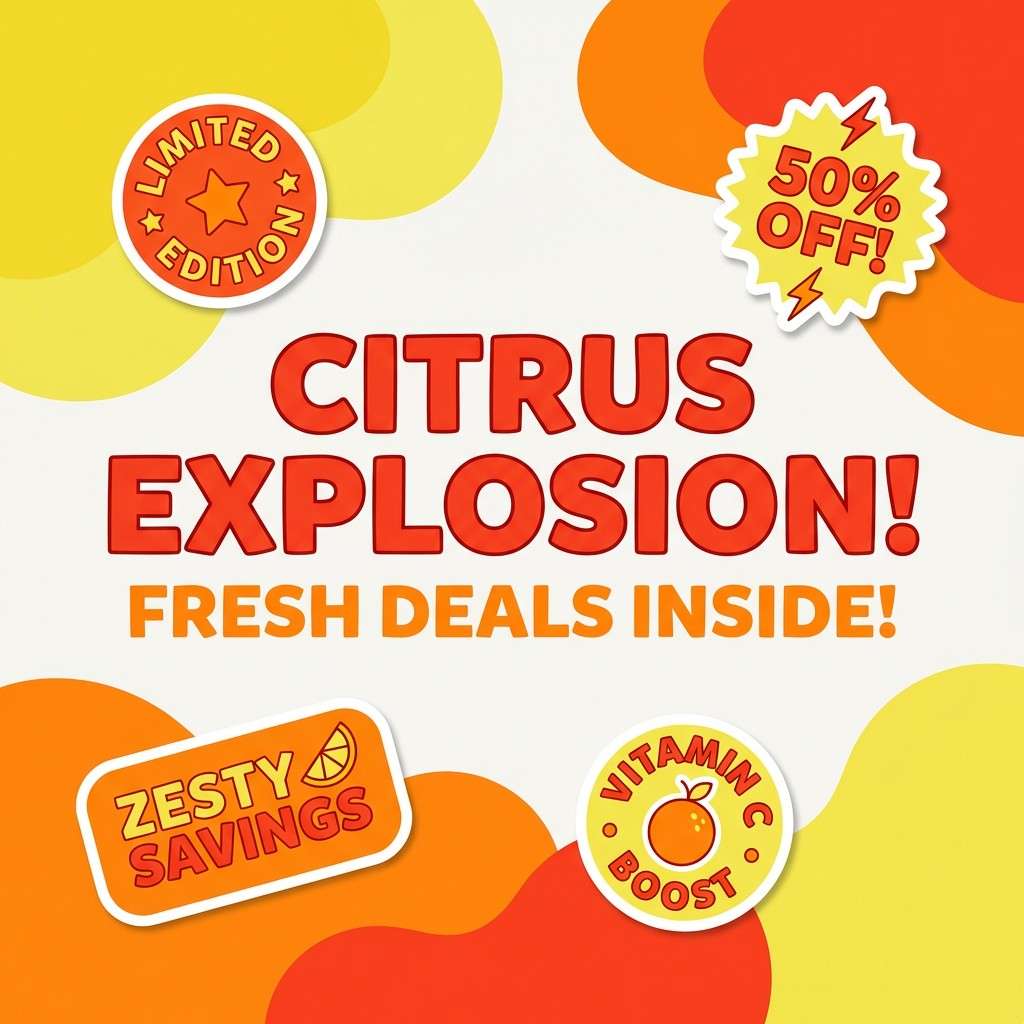
Festive and friendly, it brings to mind confetti, citrus slices, and street parades at sunset. Use the creamier light tone as breathing room, then layer orange and red for bold shapes and badges. Pair with simple sans-serif type and generous spacing so it stays modern. Tip: keep gradients subtle and let flat blocks do most of the work.
Image example of citrus carnival generated using media.io
6) Desert Heat
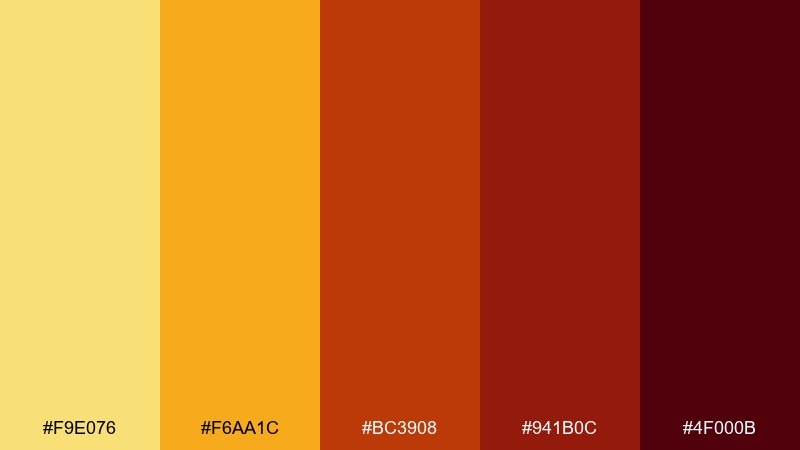
HEX: #F9E076 #F6AA1C #BC3908 #941B0C #4F000B
Mood: rugged, dramatic, cinematic
Best for: bbq menu design, hot sauce branding, outdoor posters
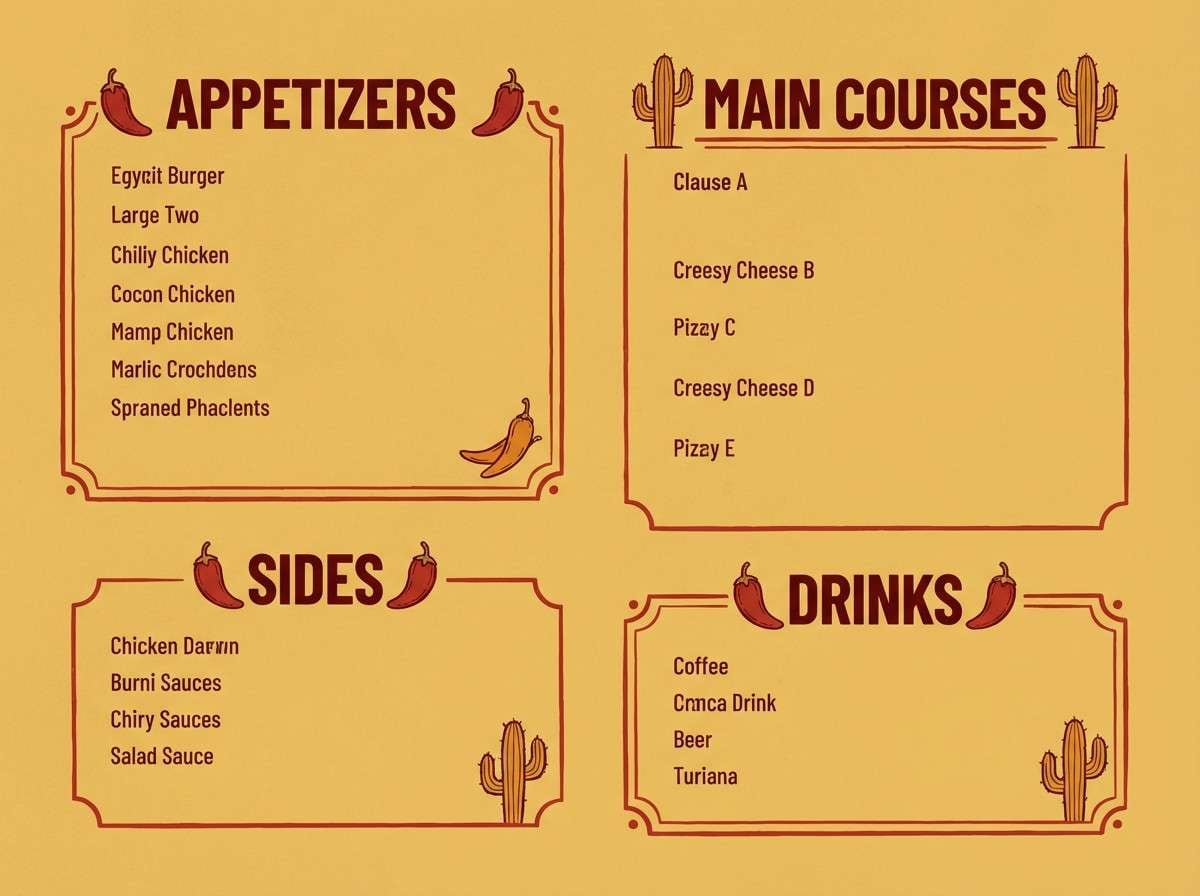
Rugged and cinematic, it feels like sun-baked sand, charred wood, and a distant campfire glow. These yellow orange red color combinations shine on menus and labels where warmth should feel intense but grounded. Pair with textured backgrounds like paper grain and use a light cream for readability. Tip: apply the darkest shade to body text only in small sizes and high contrast areas.
Image example of desert heat generated using media.io
7) Autumn Market
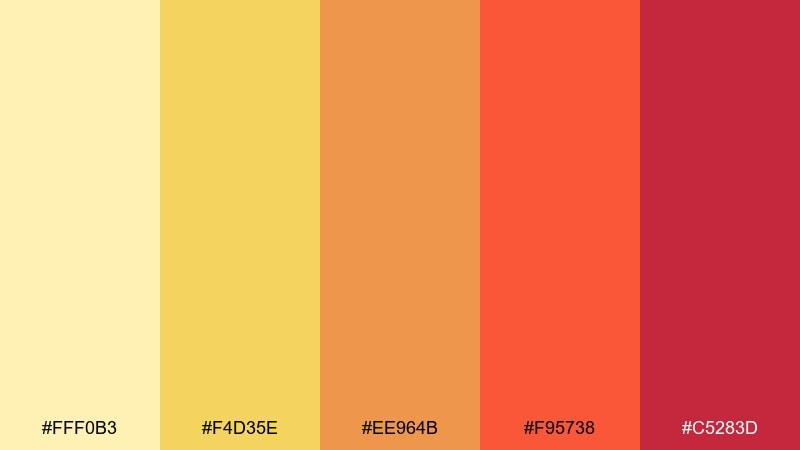
HEX: #FFF0B3 #F4D35E #EE964B #F95738 #C5283D
Mood: cozy, nostalgic, welcoming
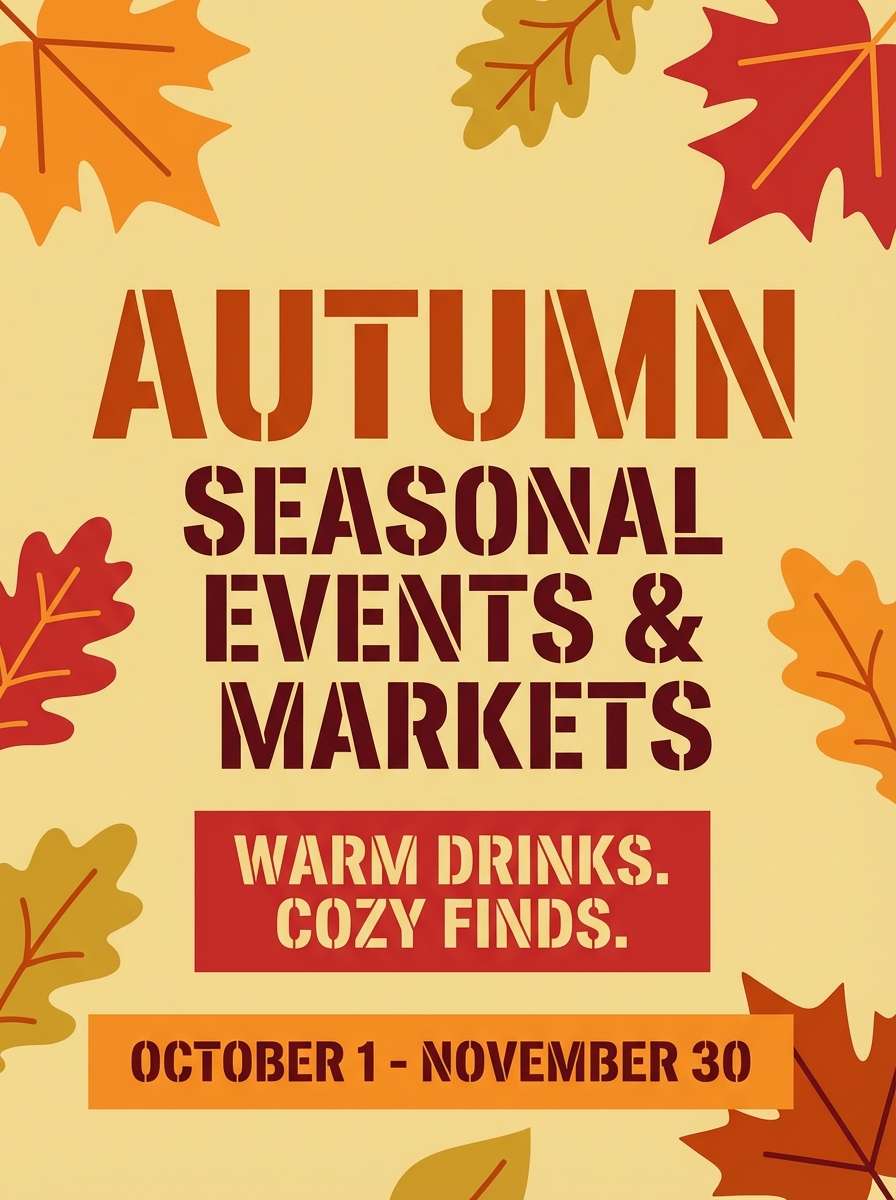
Best for: seasonal flyers, store signage, craft fair posters
Cozy and nostalgic, it evokes pumpkins stacked by the door and warm pastries cooling on a counter. The softer yellows keep the layout welcoming, while the orange-reds make prices and headlines pop. Pair with serif type for a handcrafted feel or clean sans for modern retail. Tip: use the mid-orange as your main accent to avoid an overly loud red.
Image example of autumn market generated using media.io
8) Marigold Glow
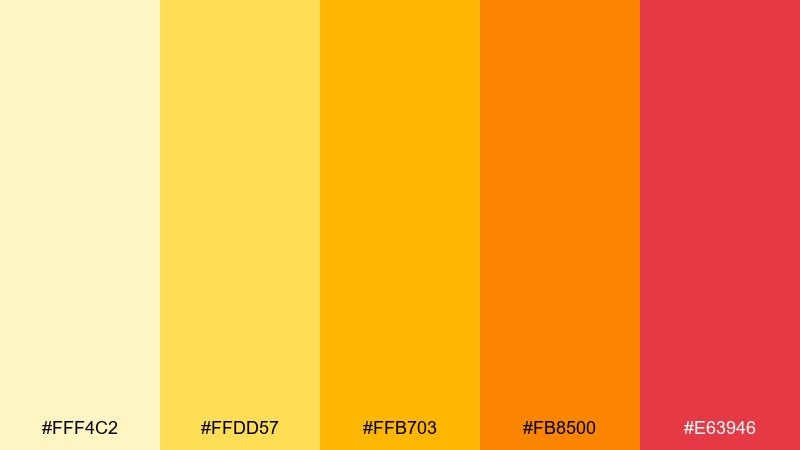
HEX: #FFF4C2 #FFDD57 #FFB703 #FB8500 #E63946
Mood: cheerful, clean, modern
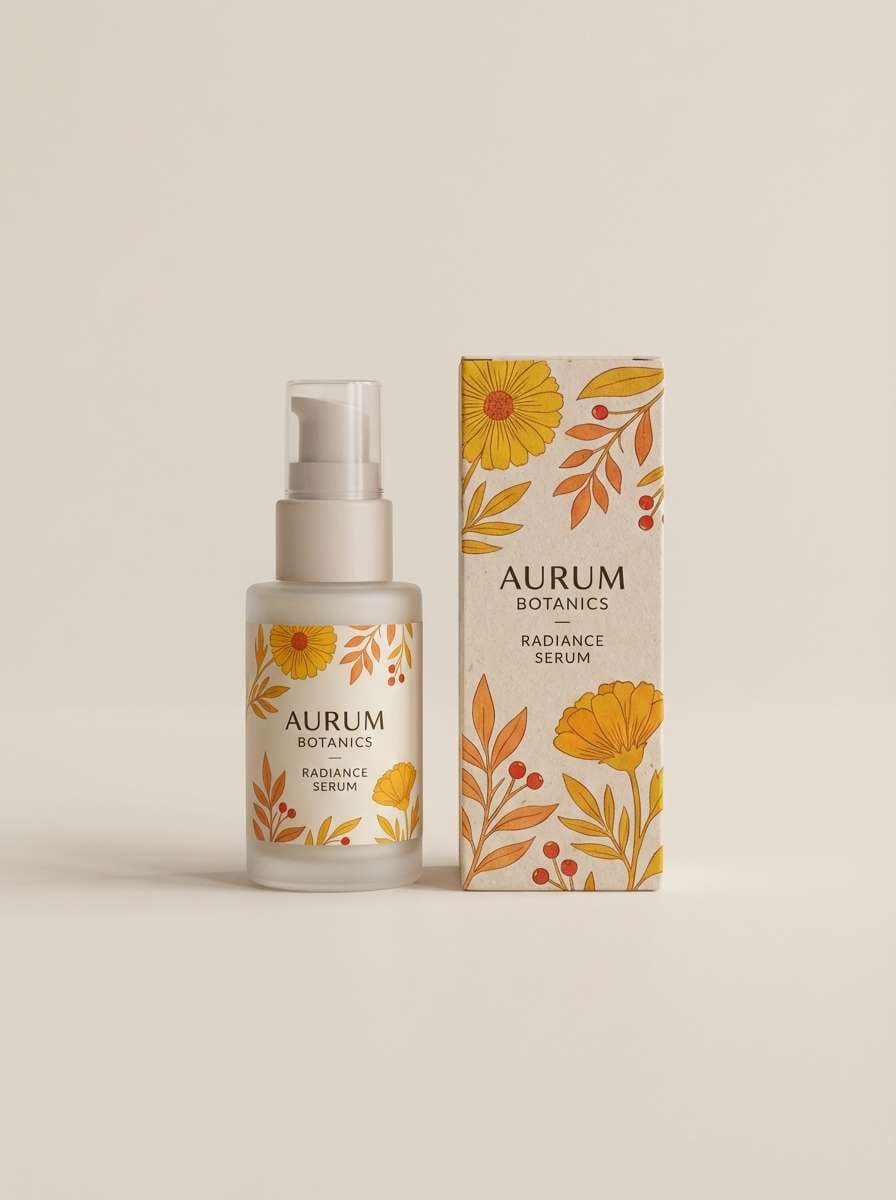
Best for: skincare ads, beauty landing pages, email headers
Cheerful and clean, it feels like marigolds in soft afternoon light with a modern, glossy finish. Use the light yellow for spacious backgrounds and the orange for product highlights. Pair with warm neutrals and minimal line icons for a polished look. Tip: keep the red as a small signature accent on badges or key claims.
Image example of marigold glow generated using media.io
9) Spiced Terracotta
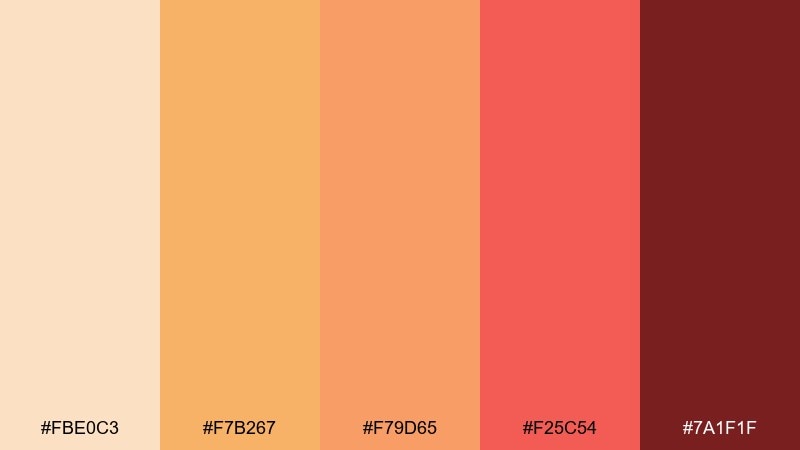
HEX: #FBE0C3 #F7B267 #F79D65 #F25C54 #7A1F1F
Mood: earthy, artisan, warm
Best for: home decor branding, pottery labels, rustic websites
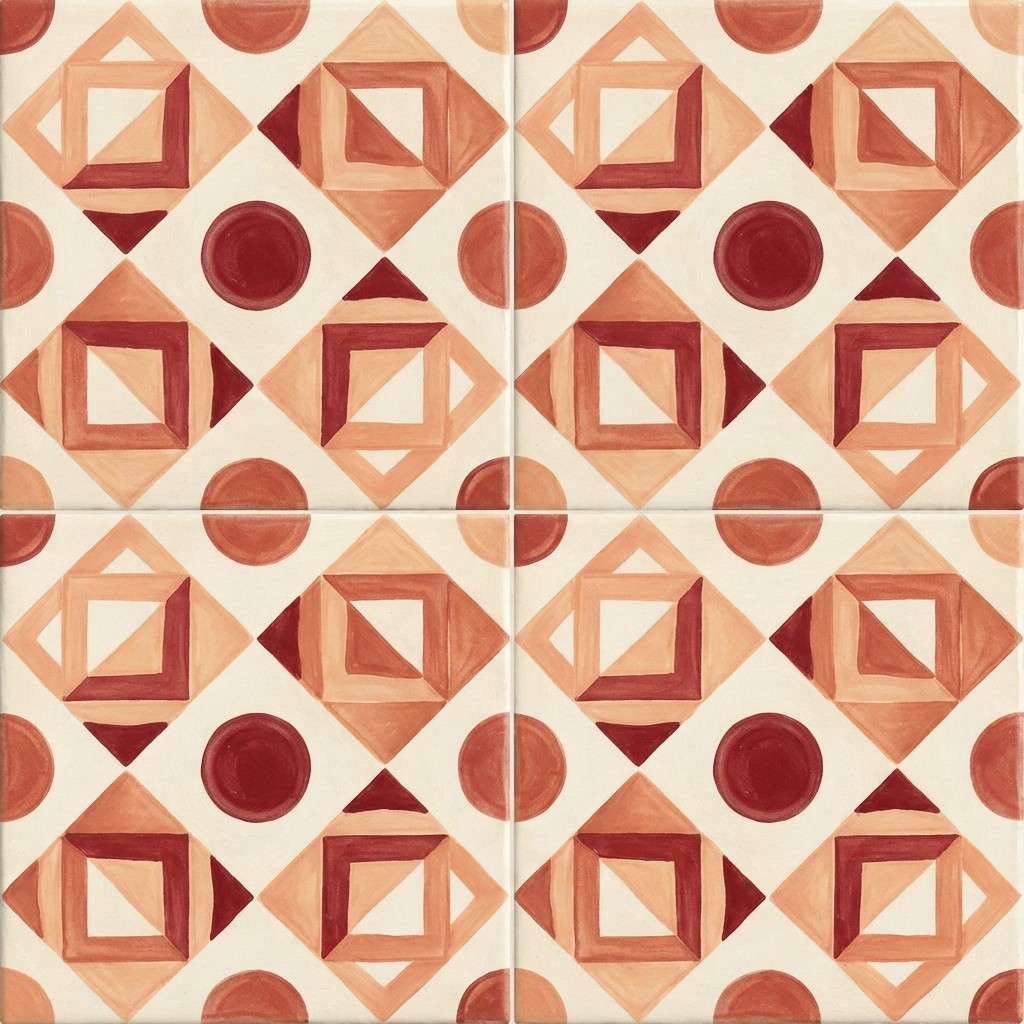
Earthy and artisan, it suggests clay pots, cinnamon dust, and warm stucco walls. Let the pale peach act as a soft base, then layer terracotta shades for depth and texture. Pair with natural paper, wood tones, or simple black line art. Tip: add pattern or grain in the background to make the warm midtones feel richer.
Image example of spiced terracotta generated using media.io
10) Honeyed Flame
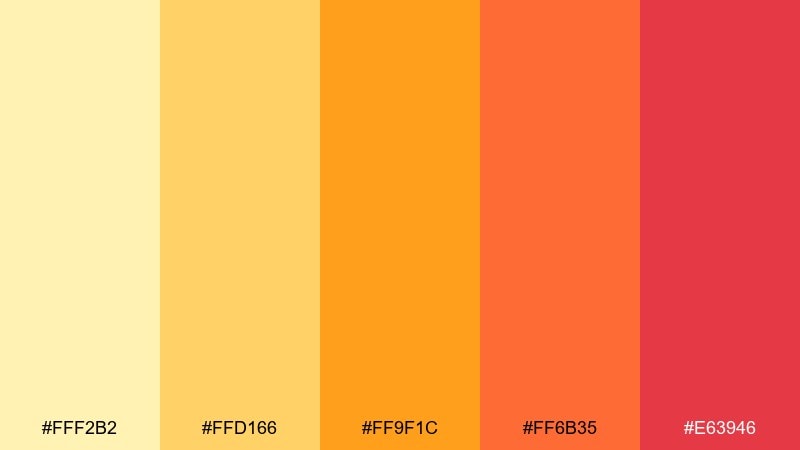
HEX: #FFF2B2 #FFD166 #FF9F1C #FF6B35 #E63946
Mood: bright, friendly, energetic
Best for: beverage ads, fitness promos, hero banners
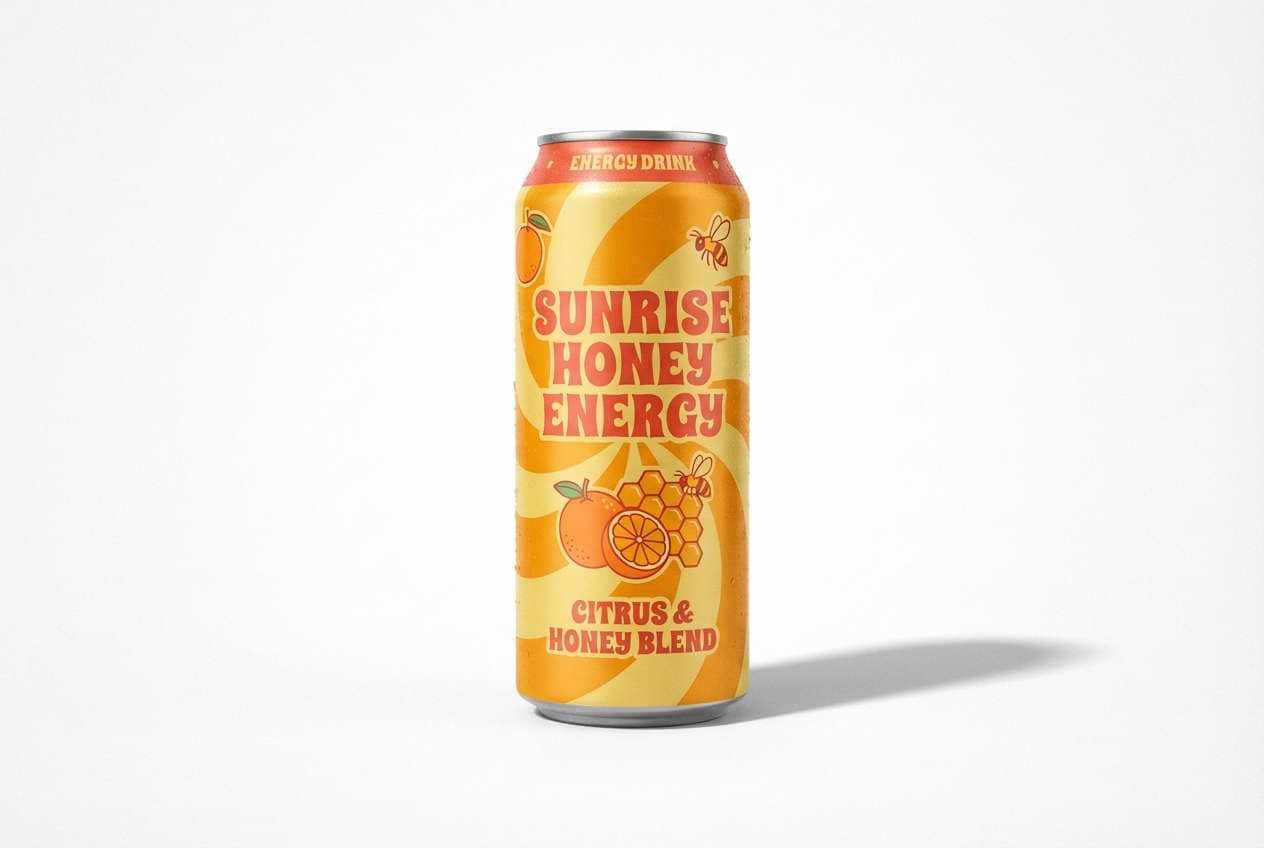
Bright and friendly, it feels like honey drizzle meeting a clean flame edge. The golden base tones keep things approachable, while the orange and coral-red bring motion and excitement. Pair with bold condensed typography and plenty of white space. Tip: use diagonal shapes or angled highlights to amplify the energetic vibe.
Image example of honeyed flame generated using media.io
11) Festival Lanterns
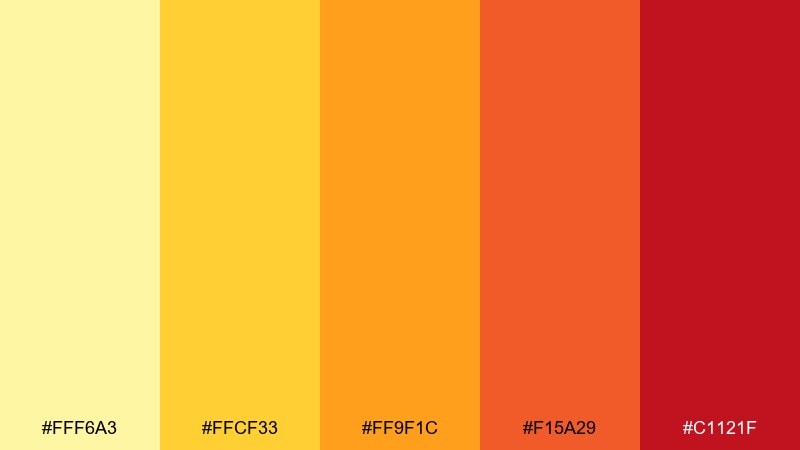
HEX: #FFF6A3 #FFCF33 #FF9F1C #F15A29 #C1121F
Mood: celebratory, warm, glowing
Best for: party invitations, cultural event flyers, greeting cards
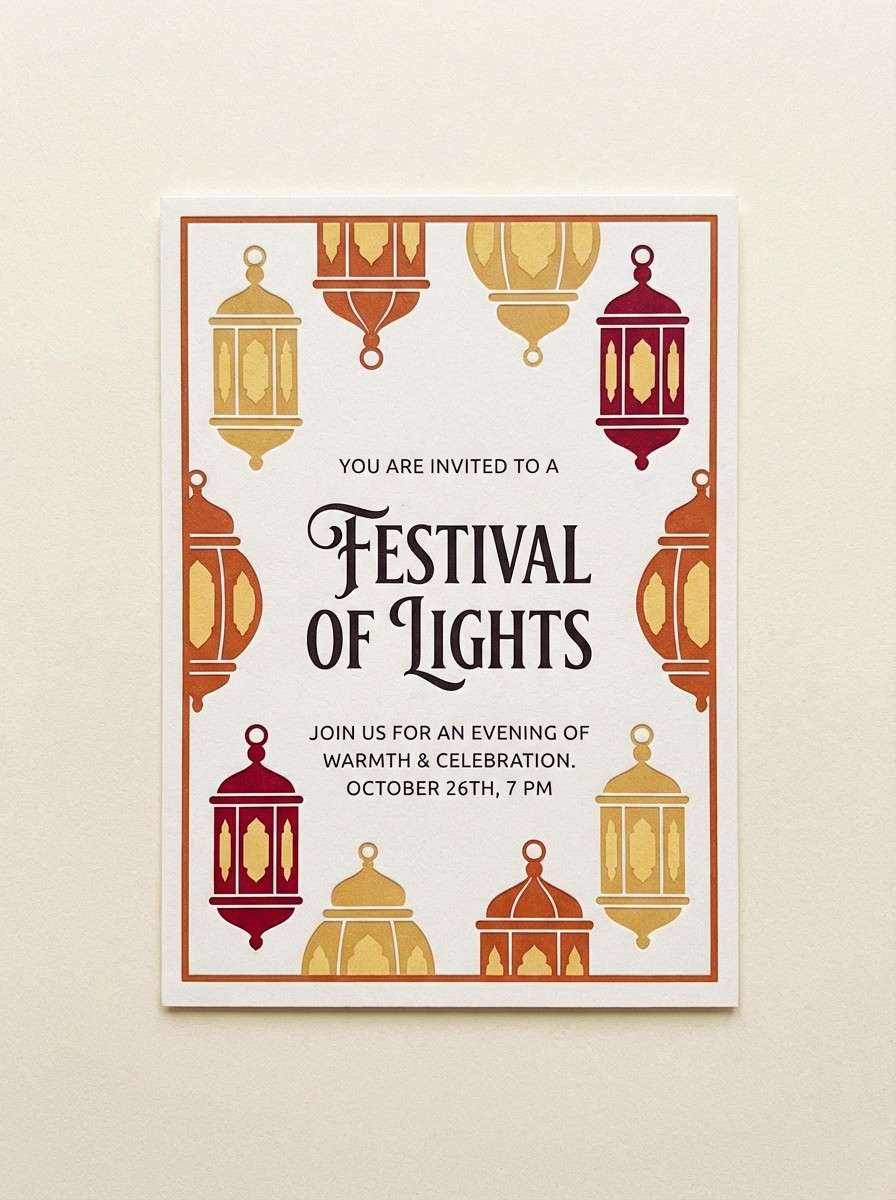
Celebratory and glowing, it brings lantern light and street-food aromas to mind. For a balanced yellow orange red color palette, keep the light yellow as the main paper tone and use red for names, dates, and key highlights. Pair with simple geometric motifs or lantern-inspired icons to reinforce the theme. Tip: avoid heavy gradients and lean on crisp blocks of color for print clarity.
Image example of festival lanterns generated using media.io
12) Coral Chai
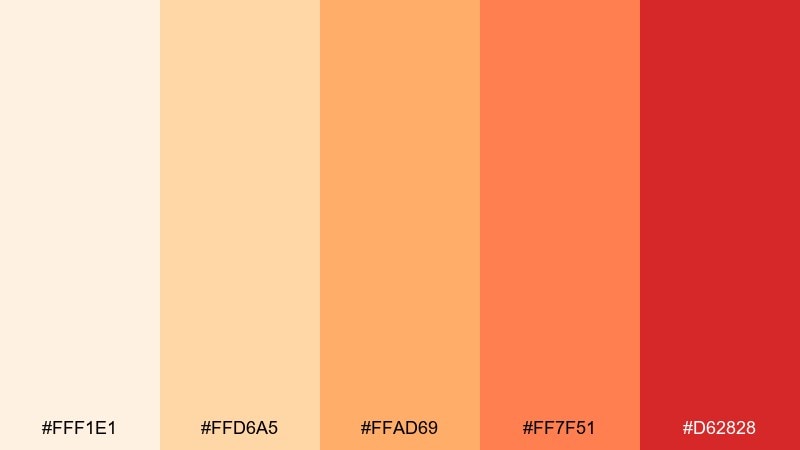
HEX: #FFF1E1 #FFD6A5 #FFAD69 #FF7F51 #D62828
Mood: soft, cozy, approachable
Best for: cafe branding, menu headers, small business logos
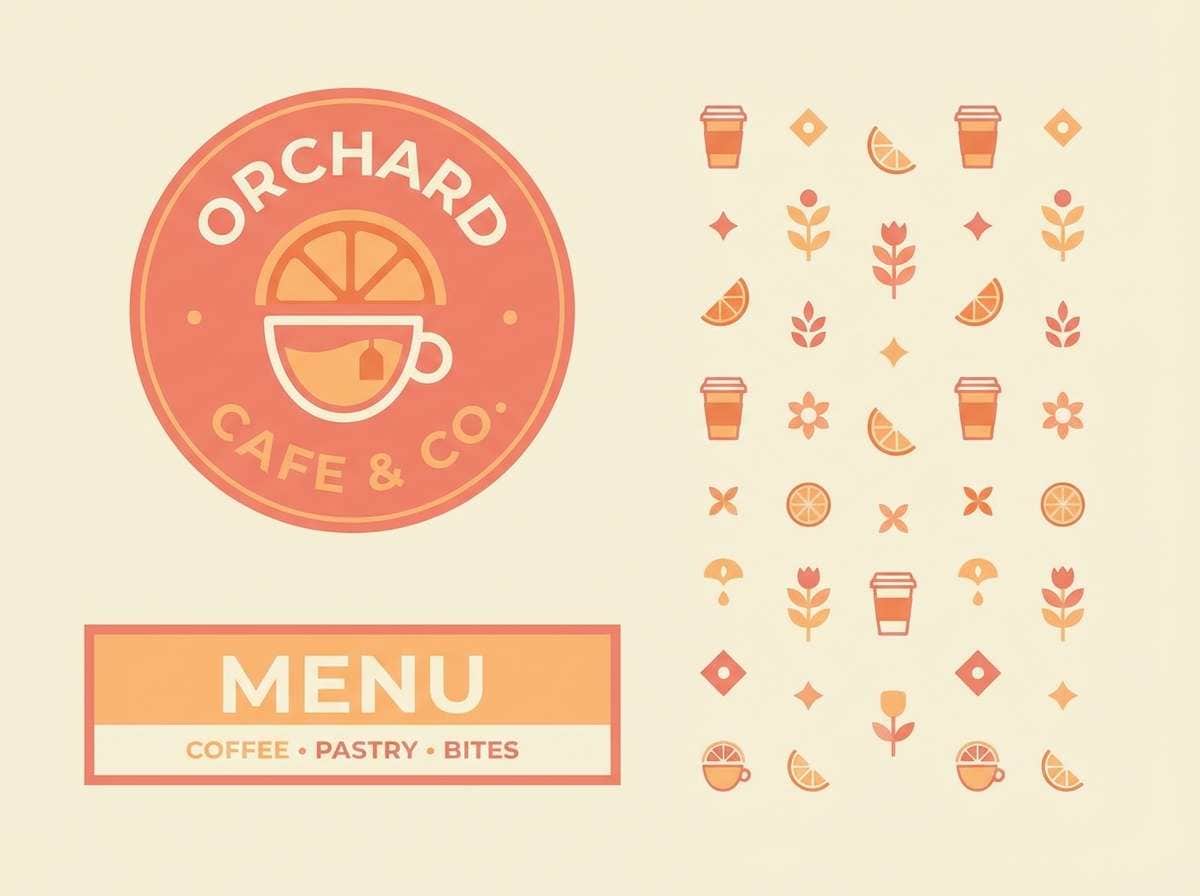
Soft and cozy, it feels like steamed chai with a coral blush. Use the creamy tone to keep layouts airy, then add orange and coral for warmth and personality. Pair with deep brown or charcoal text for a grounded finish. Tip: a thin red underline or stamp mark adds character without overwhelming the softness.
Image example of coral chai generated using media.io
13) Sunbaked Brick
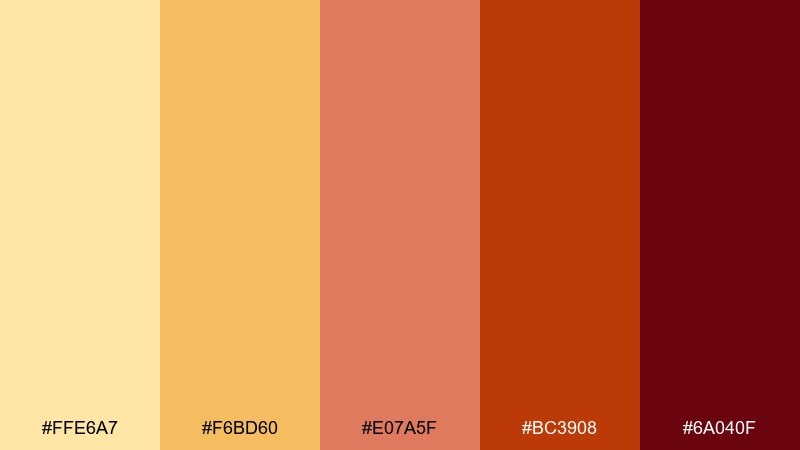
HEX: #FFE6A7 #F6BD60 #E07A5F #BC3908 #6A040F
Mood: heritage, grounded, sturdy
Best for: book covers, architecture brands, artisan packaging
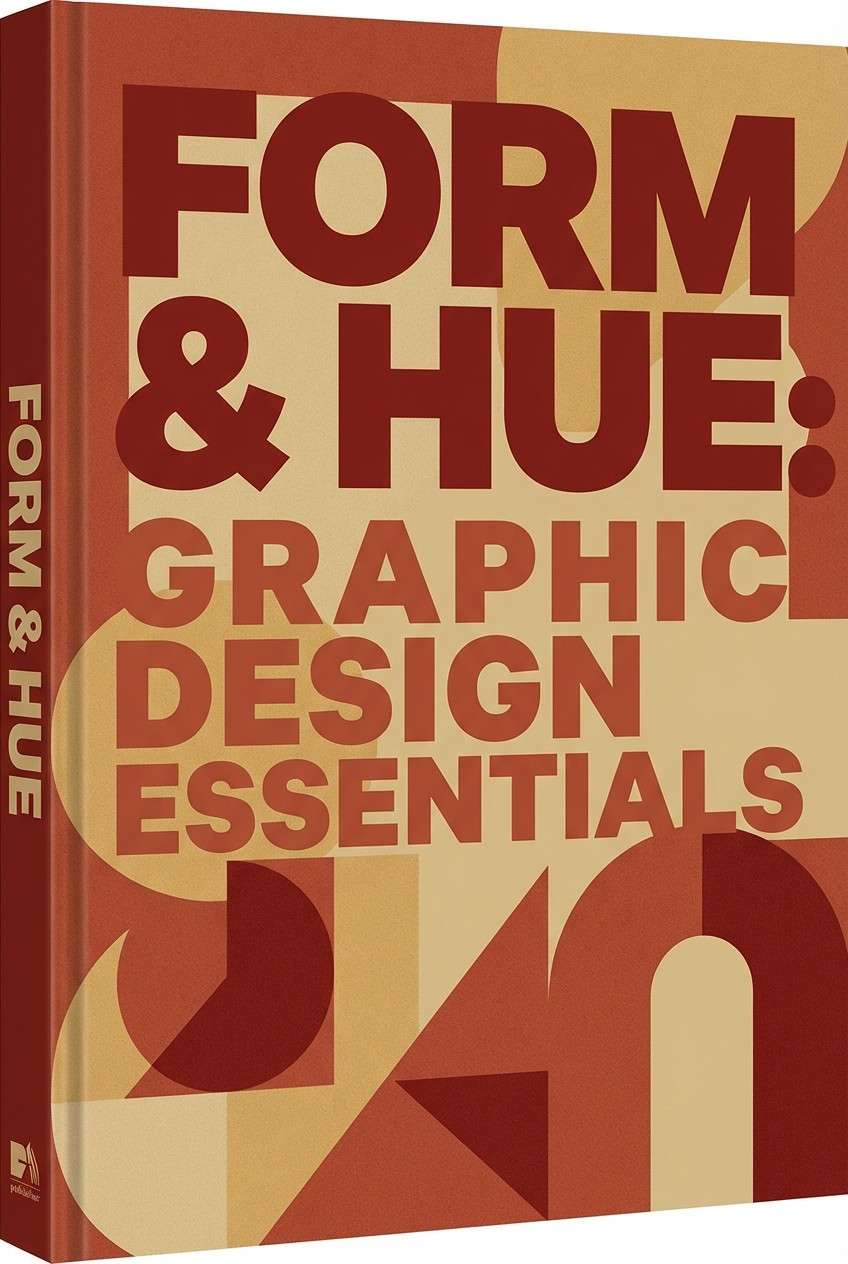
Grounded and sturdy, it echoes brick walls warmed by late-day sun. Let the lighter tones handle large surfaces, then use the brick and wine shades for titles and structural elements. Pair with classic serif typography and plenty of margin for a premium feel. Tip: introduce subtle texture or emboss effects to make the darker colors look less flat.
Image example of sunbaked brick generated using media.io
14) Sunset Gradient
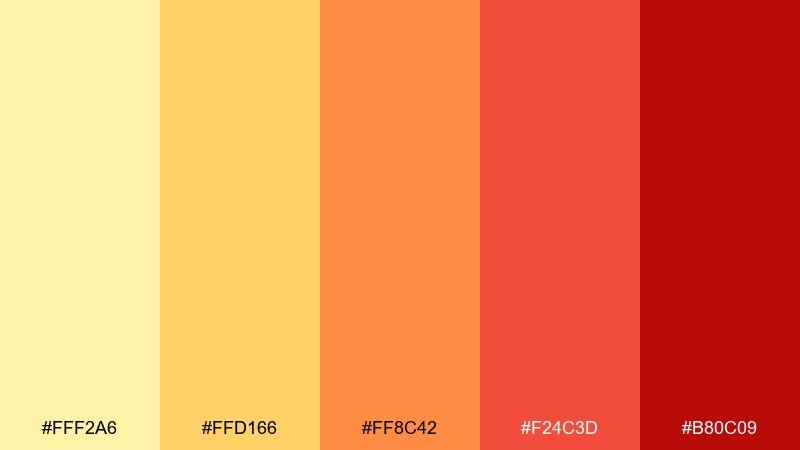
HEX: #FFF2A6 #FFD166 #FF8C42 #F24C3D #B80C09
Mood: sleek, modern, dramatic
Best for: website hero sections, SaaS landing pages, banners
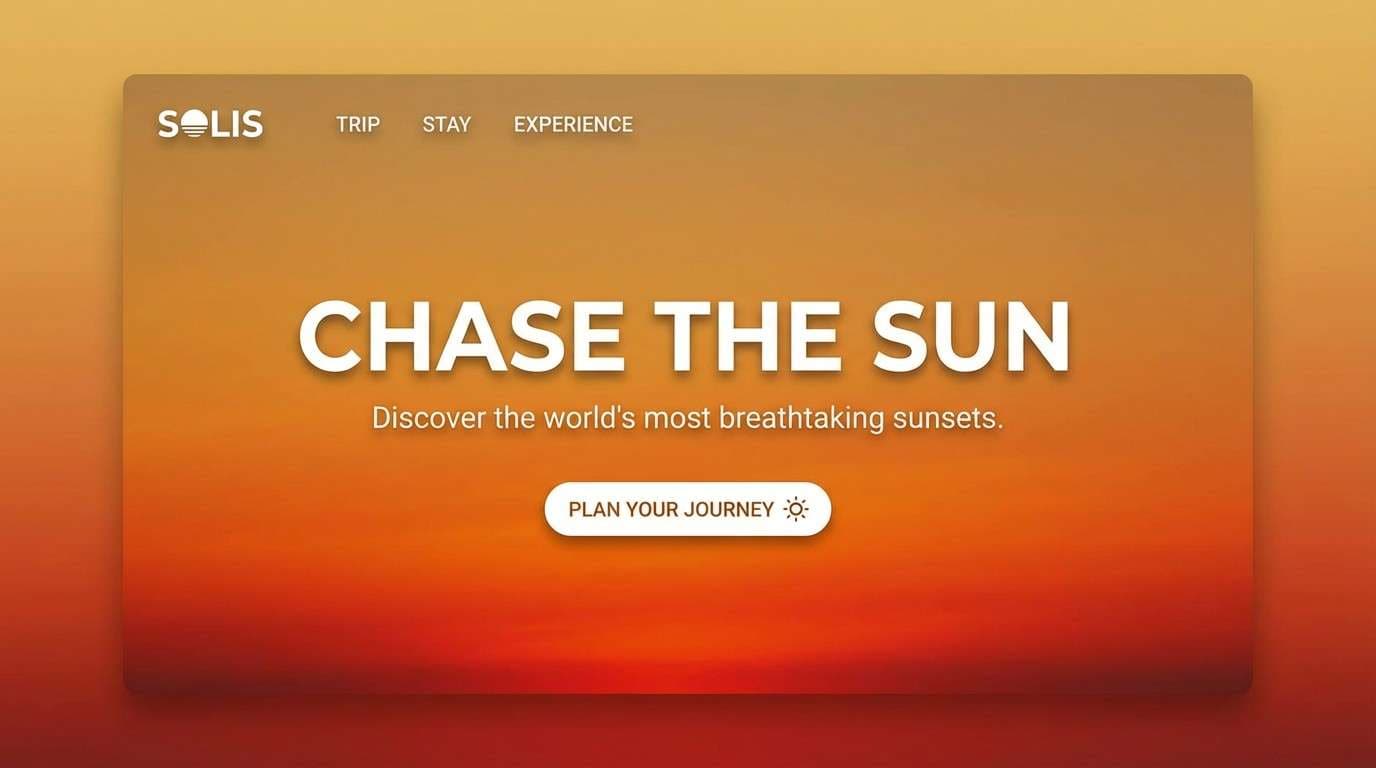
Sleek and dramatic, it looks like a clean horizon fading from gold to deep sunset red. This yellow orange red color scheme works especially well with large gradient hero areas and minimal UI elements. Pair it with white text and subtle shadows to maintain contrast on bright sections. Tip: test accessibility early, since yellow can wash out thin fonts.
Image example of sunset gradient generated using media.io
15) Pumpkin Spice
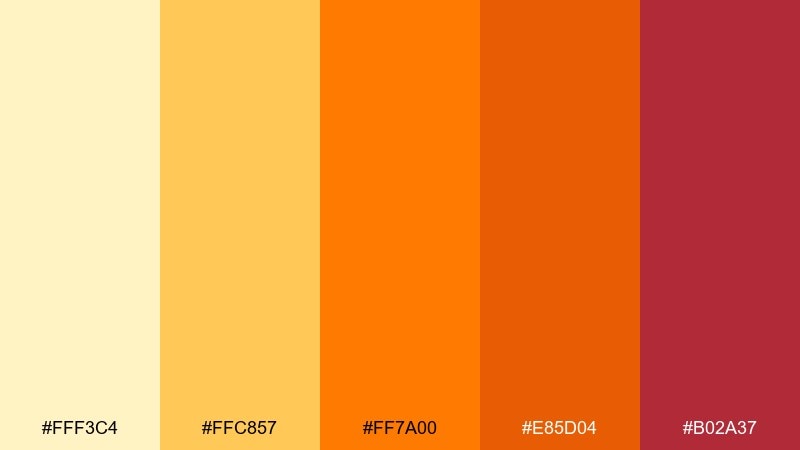
HEX: #FFF3C4 #FFC857 #FF7A00 #E85D04 #B02A37
Mood: seasonal, cozy, inviting
Best for: recipe blog headers, autumn promos, email campaigns
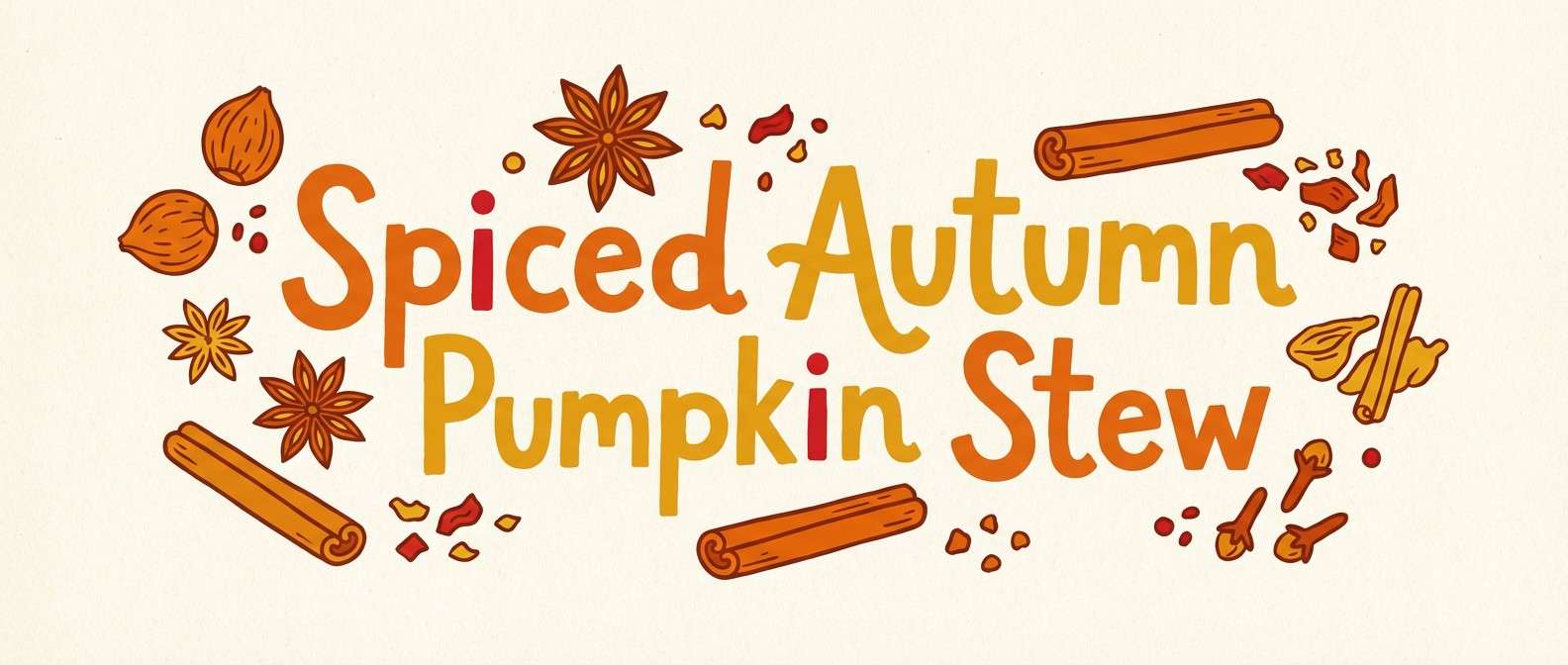
Seasonal and inviting, it feels like pumpkin spice steam and golden leaves in motion. Use the pale tone as a calm backdrop, then build hierarchy with orange headings and warm red highlights. Pair with a muted cream or light gray to keep the page from feeling too saturated. Tip: one strong orange banner is often enough; let the lighter shades do the supporting work.
Image example of pumpkin spice generated using media.io
16) Firelight Neutrals
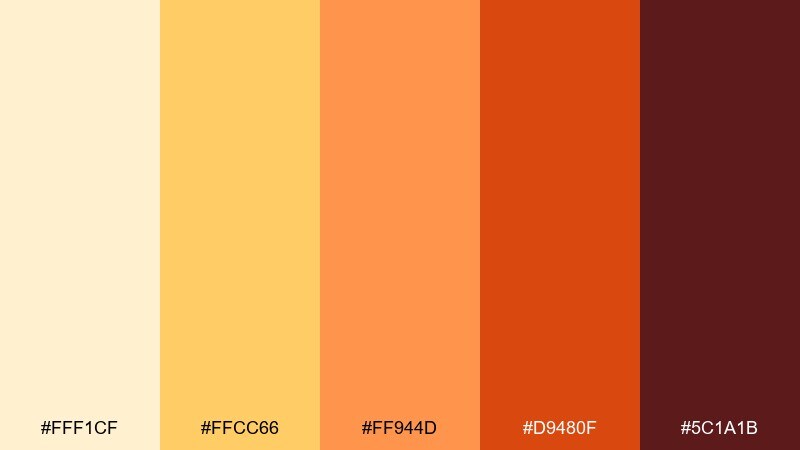
HEX: #FFF1CF #FFCC66 #FF944D #D9480F #5C1A1B
Mood: calm, mature, premium
Best for: product labels, boutique packaging, minimal ads
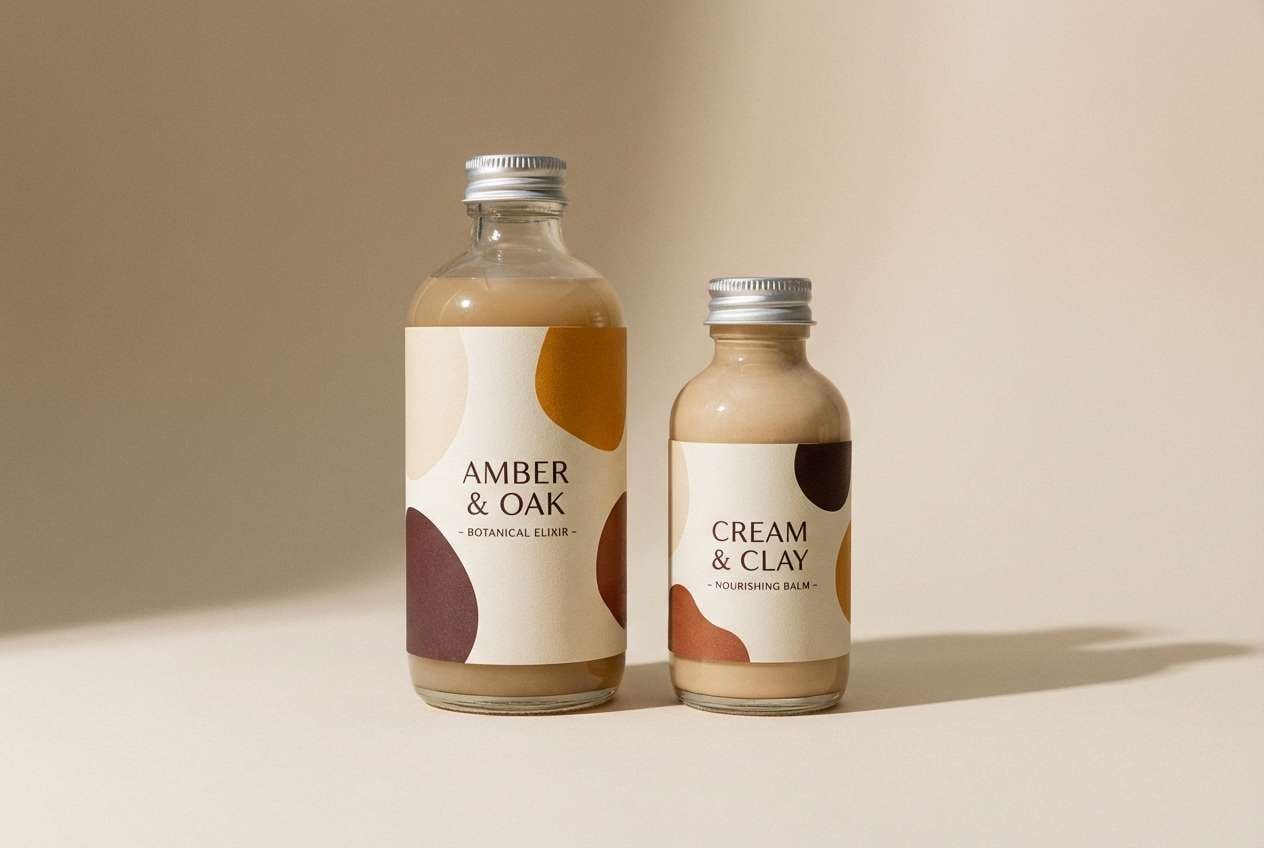
Calm and premium, it reads like candlelight against dark wood. These yellow orange red color combinations feel sophisticated when you let the cream and amber handle most of the space. Pair with matte black type and simple grid layouts for a boutique look. Tip: keep the deepest shade for a small seal or monogram to signal quality.
Image example of firelight neutrals generated using media.io
17) Tangerine Sorbet
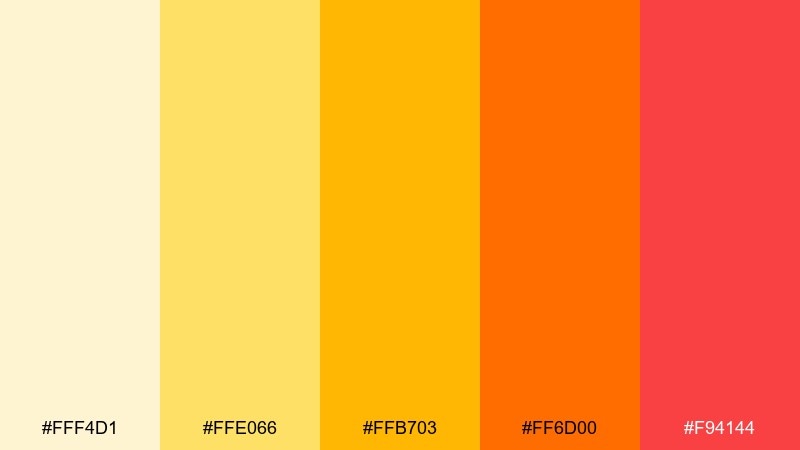
HEX: #FFF4D1 #FFE066 #FFB703 #FF6D00 #F94144
Mood: fresh, zesty, playful
Best for: spring illustrations, kids posters, snack promos
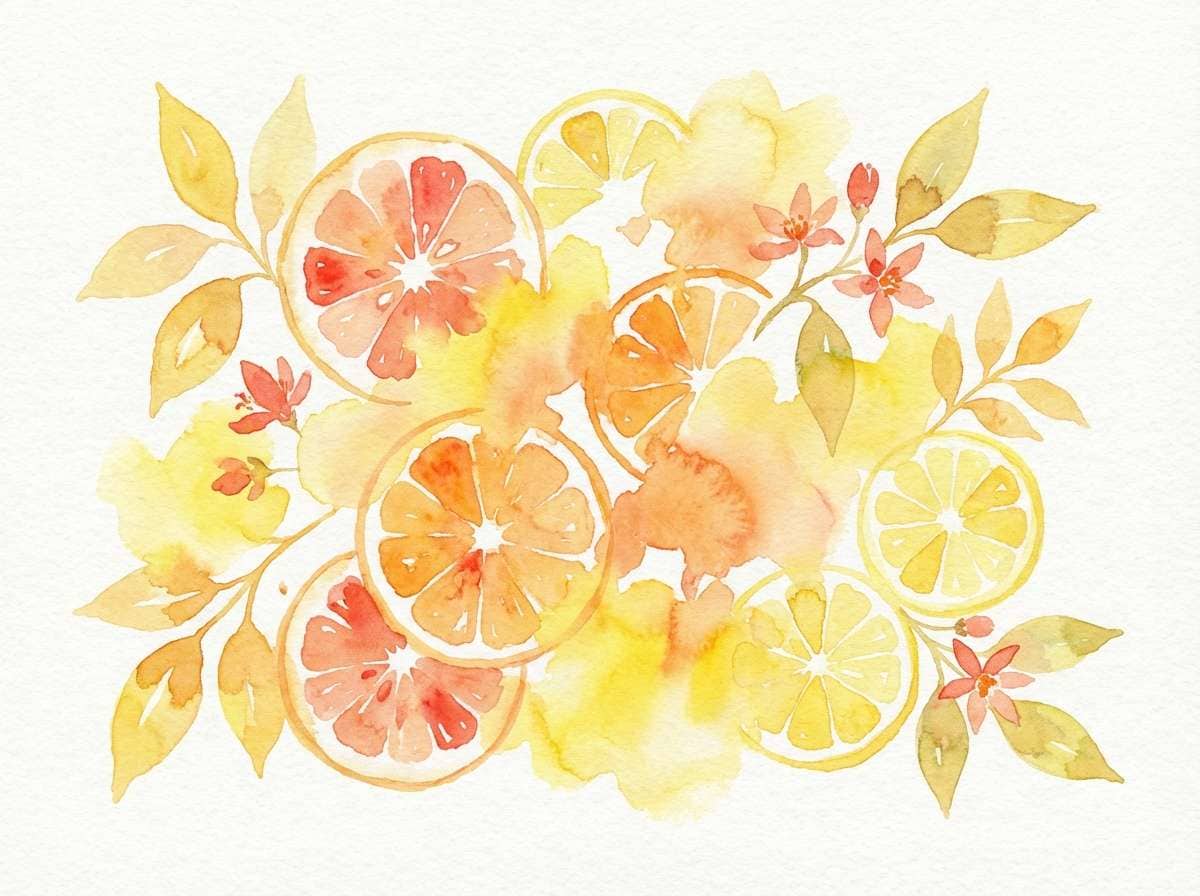
Fresh and zesty, it feels like sorbet melting on a hot sidewalk. Use the lemony yellow as the main wash, then pop in tangerine shapes and a small red accent for contrast. Pair with simple hand-drawn lines and plenty of negative space so it stays airy. Tip: avoid heavy shadows; flat color blocks keep the sorbet vibe light.
Image example of tangerine sorbet generated using media.io
18) Crimson Citrus
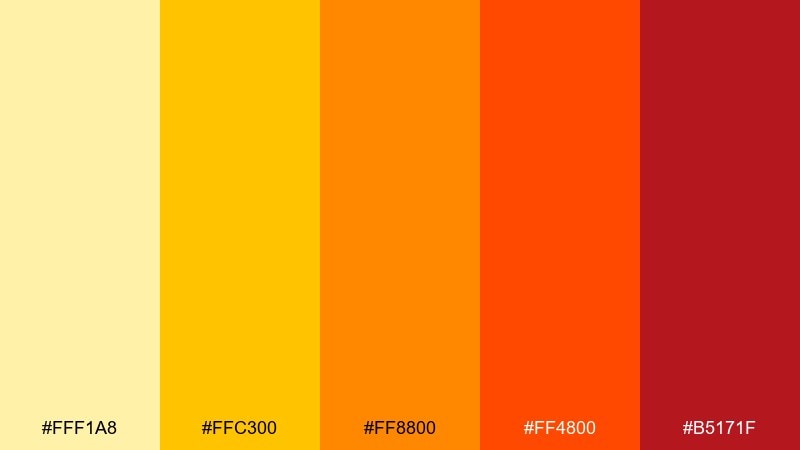
HEX: #FFF1A8 #FFC300 #FF8800 #FF4800 #B5171F
Mood: punchy, edgy, high-contrast
Best for: editorial spreads, album art, statement posters
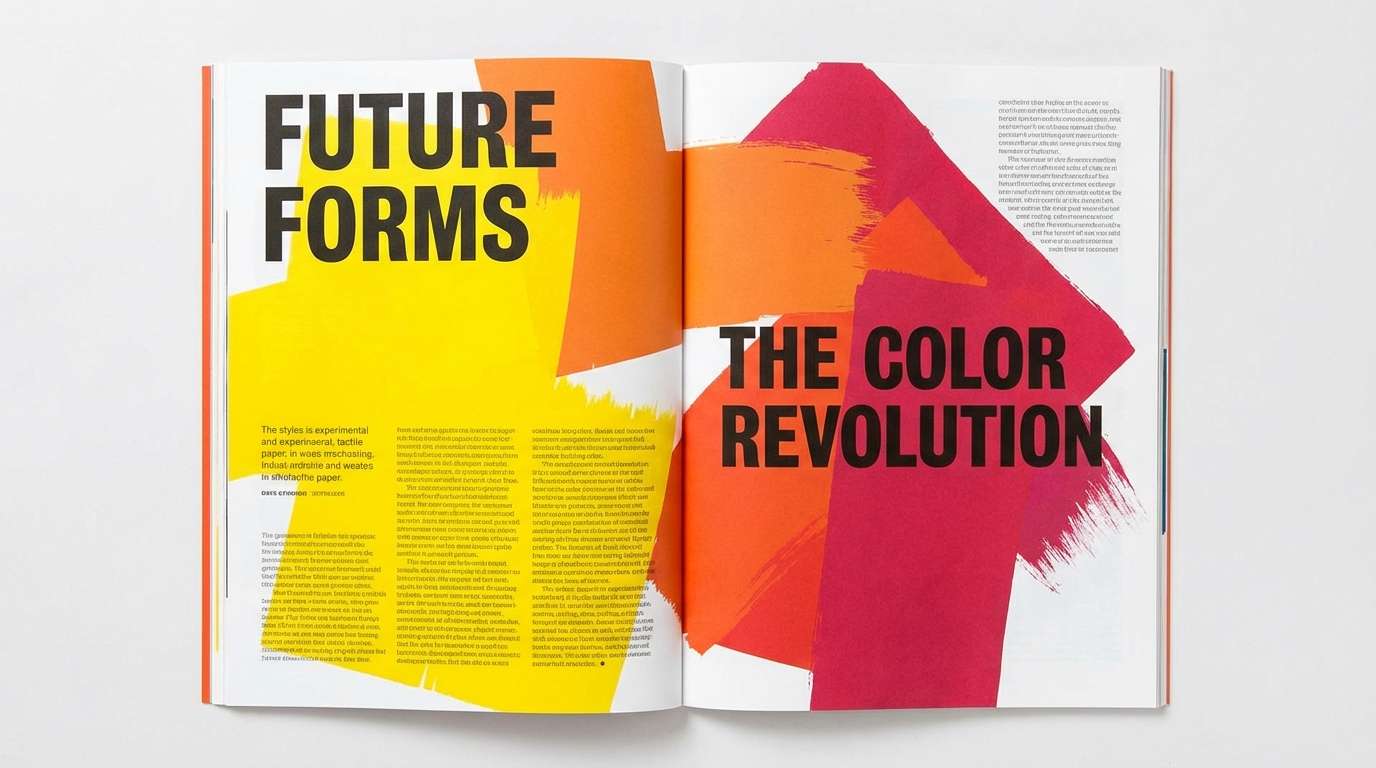
Punchy and edgy, it lands like bright citrus peel with a crimson snap. Use the yellow as a highlight color rather than a full background to keep contrast sharp. Pair with black-and-white photography or simple monochrome shapes for a modern editorial feel. Tip: keep red in large blocks and orange in smaller accents if you want the design to feel less aggressive.
Image example of crimson citrus generated using media.io
19) Amber Harvest
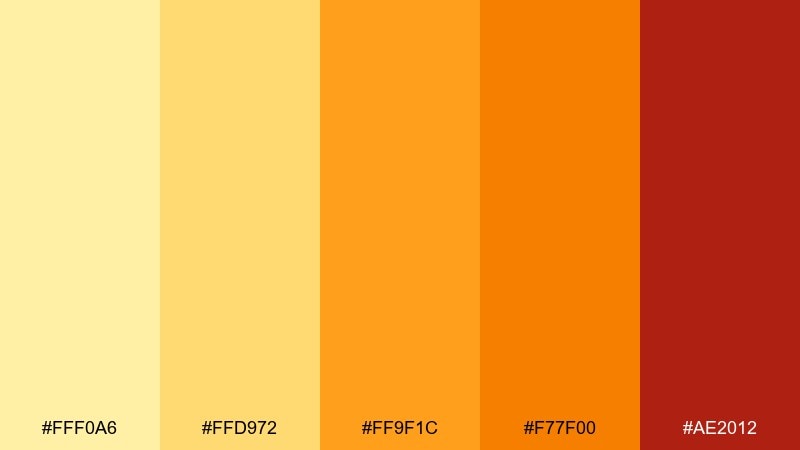
HEX: #FFF0A6 #FFD972 #FF9F1C #F77F00 #AE2012
Mood: warm, abundant, rustic
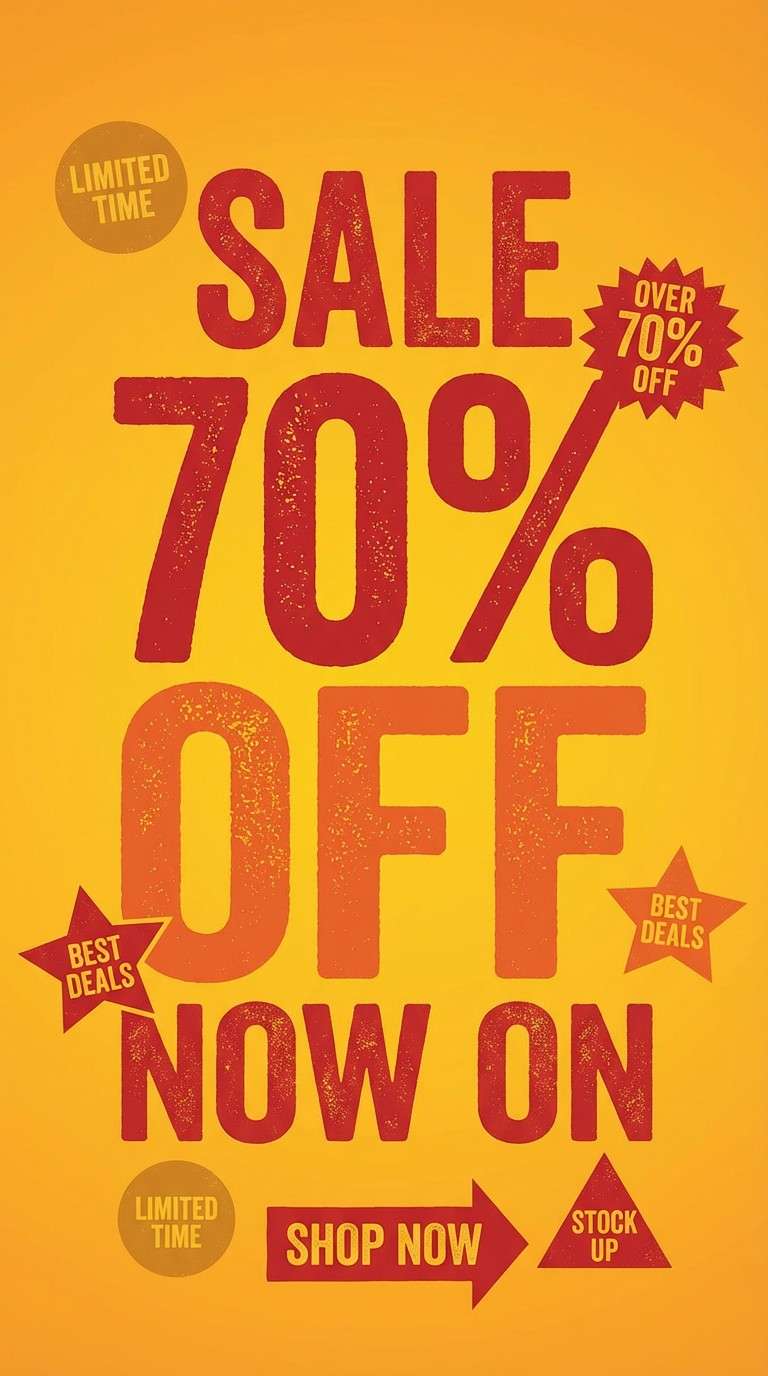
Best for: retail sale posters, storefront banners, signage
Warm and abundant, it recalls harvest baskets, amber syrup, and sunlit produce. Use the softer yellow for large panels and let the stronger orange-red create urgency for discounts and limited-time tags. Pair with dark brown or near-black type for strong readability at a distance. Tip: keep the layout simple and let big color blocks do the selling.
Image example of amber harvest generated using media.io
20) Solar Love Note
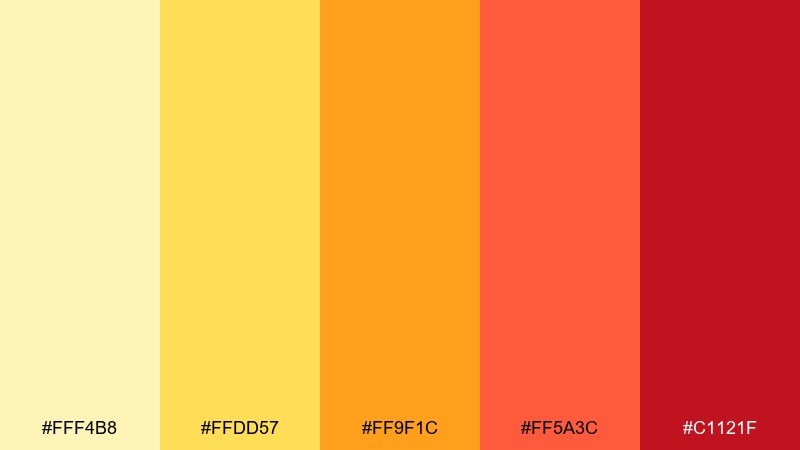
HEX: #FFF4B8 #FFDD57 #FF9F1C #FF5A3C #C1121F
Mood: romantic, sunny, uplifting
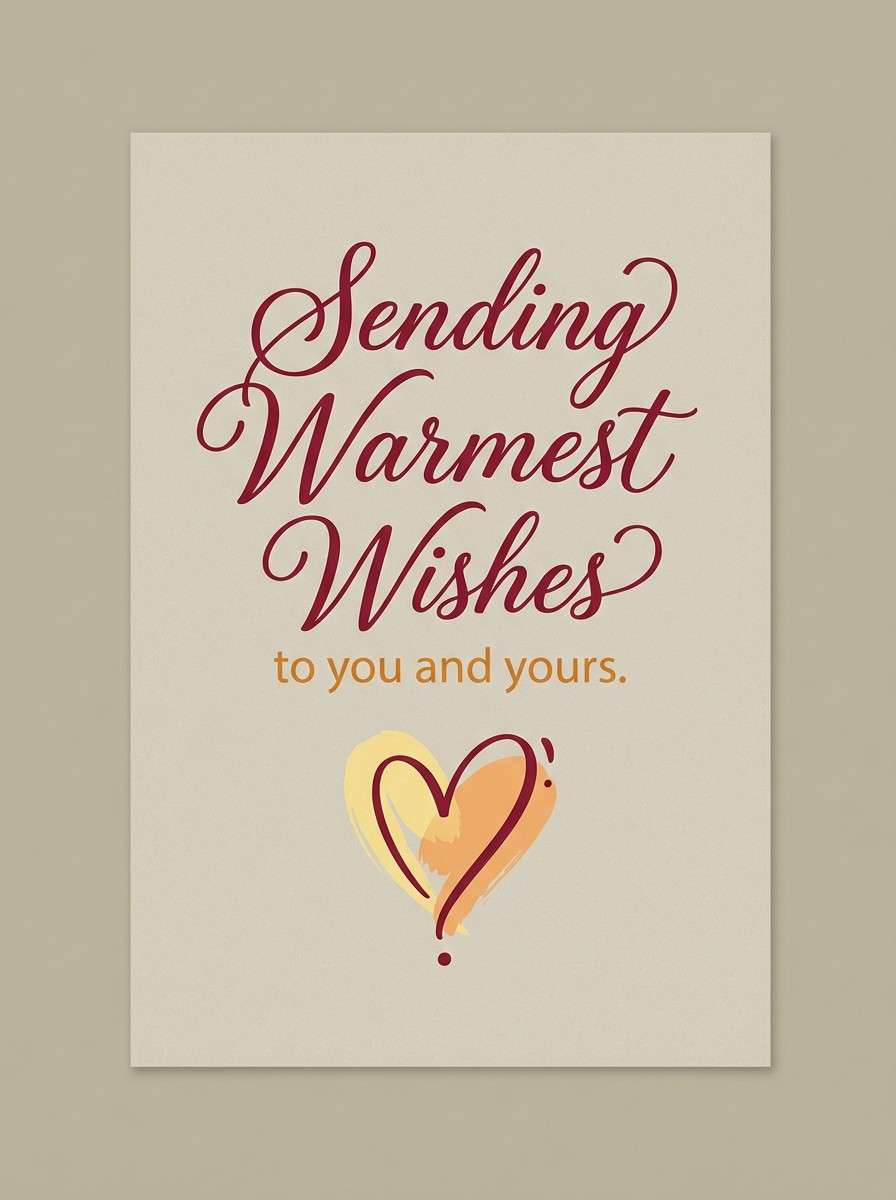
Best for: greeting cards, wedding save the dates, valentines promos
Romantic and sunny, it feels like a handwritten note left in a window of warm light. These yellow orange red color combinations are easy to soften with lots of white space and delicate line art. Pair with an elegant serif and a simple heart or floral motif for a sweet, modern finish. Tip: use the deeper red only for names or a small seal to keep the look airy.
Image example of solar love note generated using media.io
What Colors Go Well with Yellow Orange Red?
For clean contrast, pair warm palettes with crisp neutrals: off-white for breathing room, and charcoal or near-black for typography and UI dividers. This keeps bright yellows from washing out thin text.
If you want a more premium, grounded feel, add earthy companions like cocoa brown, clay beige, or kraft-paper tones. These mute saturation slightly while keeping the warmth.
For a sharper modern edge, introduce cool counterpoints sparingly—deep navy or teal as a “tech” anchor can make orange and red feel even more vibrant without turning chaotic.
How to Use a Yellow Orange Red Color Palette in Real Designs
Start with roles: use pale yellow/cream as your background, mid orange as your secondary accent, and red as the highest-priority attention color (CTA, price, warning, key badge). This avoids the “all-hot” look.
When using gradients, keep them large and simple—hero sections, banners, or posters work best. For smaller UI elements (chips, tags, icons), prefer flat colors so legibility stays consistent.
In print and packaging, watch ink coverage: deep reds can overpower. Use thin borders, stamps, or small seals for red, and let warm yellows/oranges carry most surfaces.
Create Yellow Orange Red Palette Visuals with AI
If you already have HEX codes, you can turn them into on-brand mockups fast by generating posters, packaging, UI sections, or pattern tiles that match your palette’s mood.
Reuse the prompts above, then tweak the subject (menu, landing page, label, invitation) while keeping the color direction consistent. This makes concepting quicker and helps teams align on a visual direction.
Generate a few variations, then pick the one with the cleanest hierarchy and contrast—especially where yellow sits behind text.
Yellow Orange Red Color Palette FAQs
-
What does a yellow orange red palette communicate in design?
It typically signals warmth, energy, optimism, and urgency. Yellow feels bright and positive, orange adds friendliness and motion, and red adds intensity that works well for CTAs and highlights. -
How do I keep yellow from hurting readability?
Use yellow as a background tint (not a text color), increase font weight, and pair it with charcoal/near-black type. Add padding and white space, and test contrast early—especially on mobile screens. -
What neutral colors pair best with yellow, orange, and red?
Off-white/cream for backgrounds and charcoal/black for text are the safest. For a softer look, use warm grays or beige; for a premium look, add deep brown or espresso tones. -
Can I use yellow orange red palettes for professional brands?
Yes—choose slightly muted tones, let cream/amber take most of the layout, and use deep red sparingly as a signature accent. This keeps the palette mature rather than overly loud. -
Which complementary colors work with yellow orange red?
Cool anchors like navy, deep teal, or blue-gray can balance warmth and add contrast. Use them in small doses (navigation, icons, outlines) so the palette still feels cohesive. -
What’s the best way to use this palette in UI design?
Assign roles: light yellow for surfaces, orange for emphasis and illustrations, and red for the highest-priority states (primary buttons, alerts, focused states). Keep dividers and text neutral for clarity. -
How can I generate matching visuals for my palette quickly?
Use an AI text-to-image tool and specify the subject (poster, packaging, landing page) plus the color direction (warm yellow/orange with deep red accents). Iterate with small prompt changes until hierarchy and contrast feel right.
Next: Love Color Palette


