

Pearl is a soft, light-catching neutral that sits between warm cream and cool gray, making it easy to build calm, premium-looking designs. It’s especially effective when you want a clean base color that still feels warmer and more dimensional than plain white.
Below are pearl color palette ideas you can use for branding, interiors, and UI—each with HEX codes and an AI prompt you can reuse to generate matching visuals.
In this article
- Why Pearl Palettes Work So Well
-
- oyster silk
- seafoam pearl
- blush luster
- champagne shell
- moonstone gray
- lavender pearl
- coastal sandbar
- ink and ivory
- rose gold sheen
- alpine pearl
- citrus pearl pop
- minimal studio
- nordic blue pearl
- desert pearl dusk
- pearl noir
- gardenia cream
- soft teal glint
- vintage pearl paper
- winter pearl night
- prism pearl pastels
- porcelain bluewash
- What Colors Go Well with Pearl?
- How to Use a Pearl Color Palette in Real Designs
- Create Pearl Palette Visuals with AI
Why Pearl Palettes Work So Well
Pearl tones are naturally versatile because they behave like a “soft white”: bright enough to feel clean, but muted enough to reduce glare and harsh contrast. That makes pearl a reliable base for layouts, packaging, and interiors where readability and calm matter.
They also pair smoothly with both warm and cool accents. You can push pearl toward cozy (champagne, caramel, rose gold) or toward crisp (slate, teal, Nordic blue) without the palette feeling split.
Finally, pearl palettes look premium with minimal effort. Subtle tonal steps—cream to greige to charcoal—create depth and hierarchy even when you’re using very few colors.
20+ Pearl Color Palette Ideas (with HEX Codes)
1) Oyster Silk
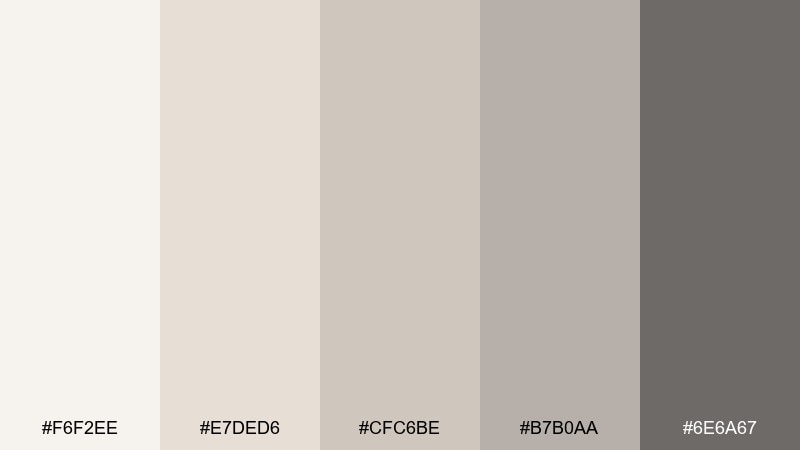
HEX: #F6F2EE #E7DED6 #CFC6BE #B7B0AA #6E6A67
Mood: soft, refined, calming
Best for: luxury skincare packaging
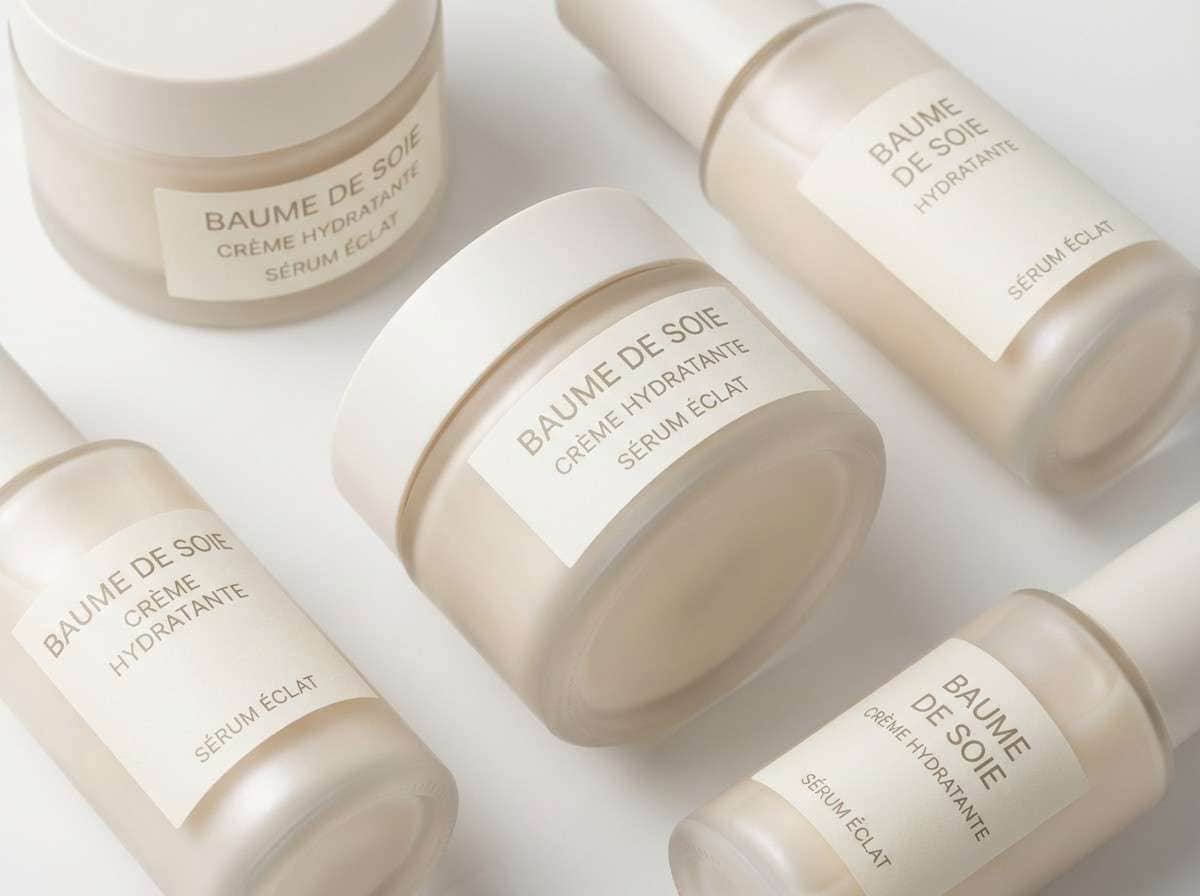
Soft and refined like oyster shells in morning light, these tones feel quiet and expensive. Use the light creams for the base, then bring in warm grays for type and fine lines. It suits minimalist packaging, labels, and uncoated paper textures. Tip: reserve the darkest gray for small typography to keep the look airy.
Image example of oyster silk generated using media.io
Media.io is an online AI studio for creating and editing video, image, and audio in your browser.


2) Seafoam Pearl
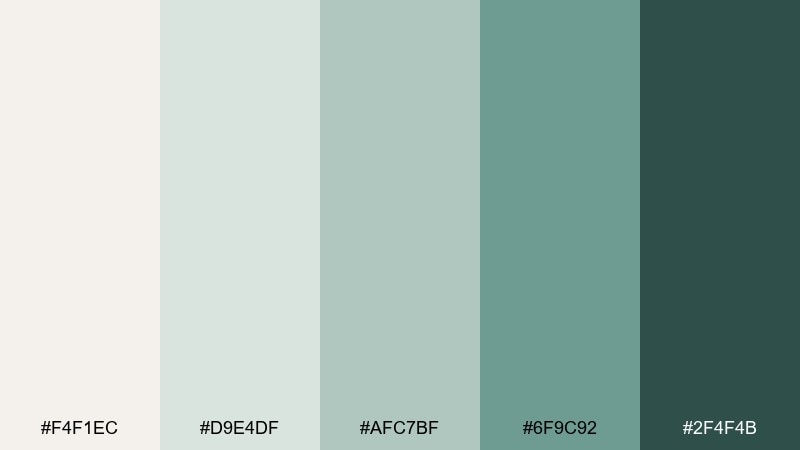
HEX: #F4F1EC #D9E4DF #AFC7BF #6F9C92 #2F4F4B
Mood: coastal, fresh, soothing
Best for: spa website hero section
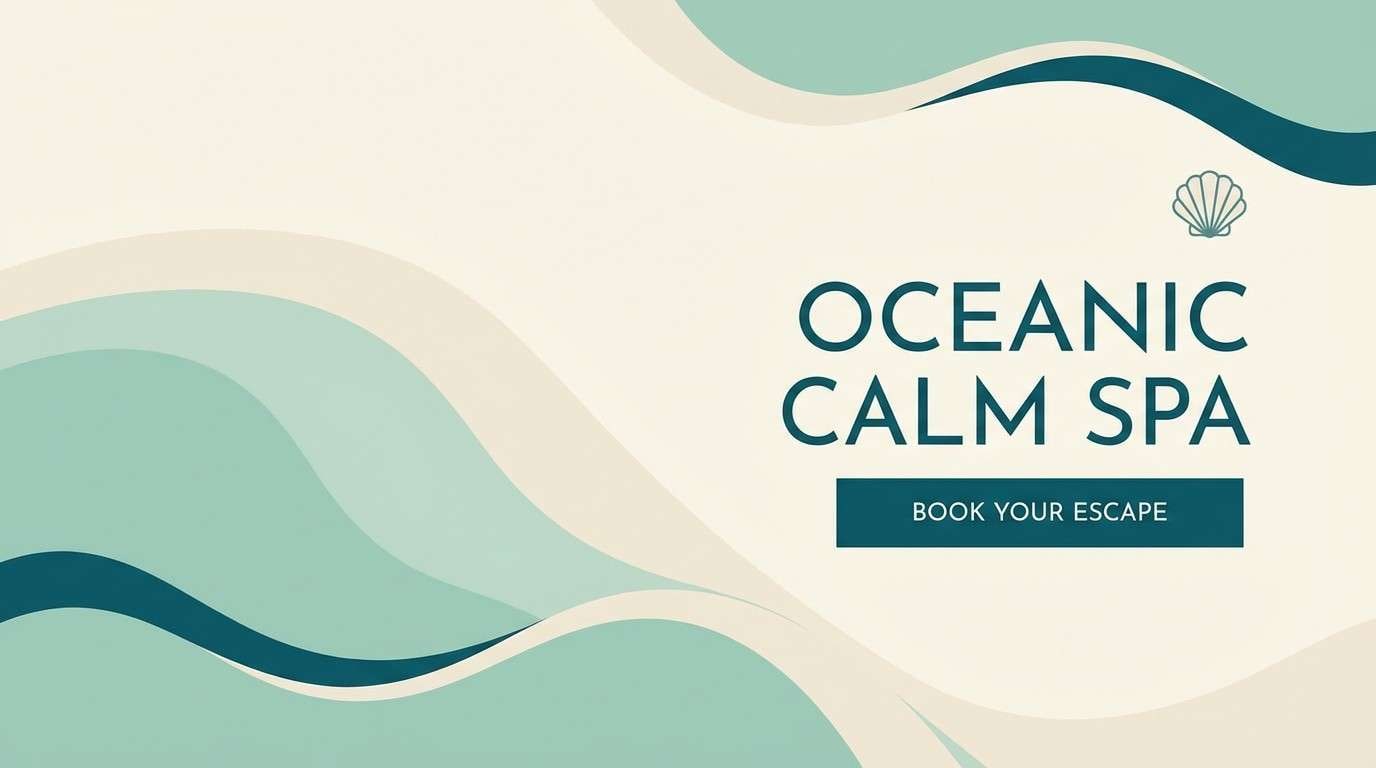
Coastal and fresh, it evokes sea glass, misty air, and a clean shoreline. These pearl color combinations work well when the pale cream leads and the deep teal anchors buttons and headlines. Pair with lots of whitespace and gentle gradients for a modern wellness feel. Tip: keep accents to one teal shade per section to avoid visual noise.
Image example of seafoam pearl generated using media.io
3) Blush Luster
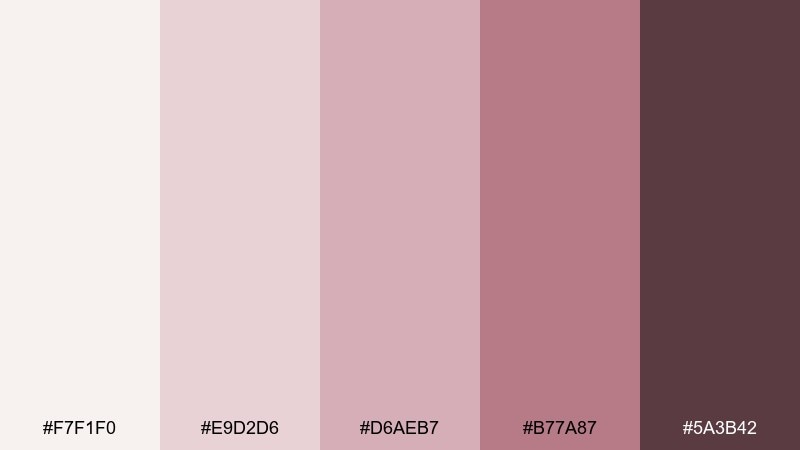
HEX: #F7F1F0 #E9D2D6 #D6AEB7 #B77A87 #5A3B42
Mood: romantic, warm, polished
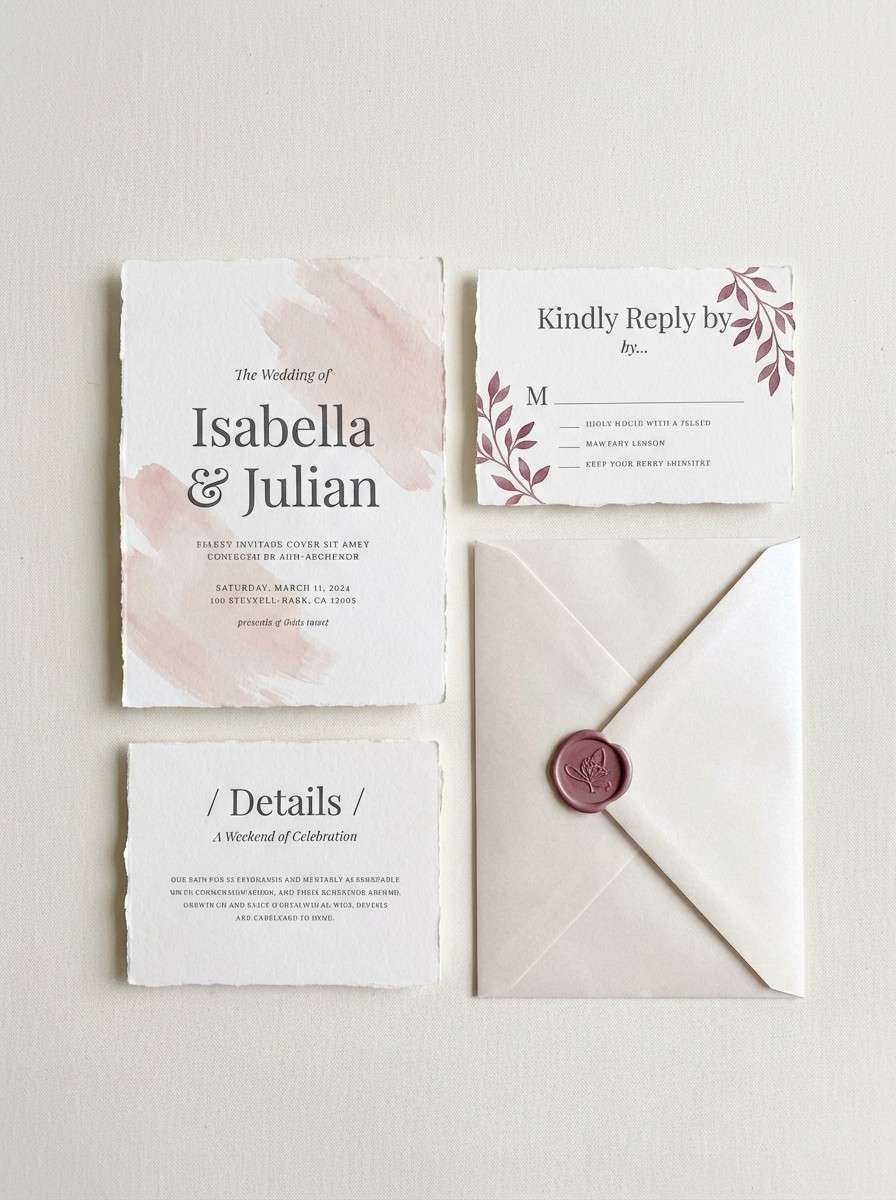
Best for: bridal invitation suite
Romantic and warm, these shades feel like satin ribbon and soft petals. Let the pale blush carry the background, then use the berry tones for monograms and key details. It pairs beautifully with fine serif type and subtle foil textures. Tip: print the darkest shade sparingly for names and dates to keep the suite delicate.
Image example of blush luster generated using media.io
4) Champagne Shell
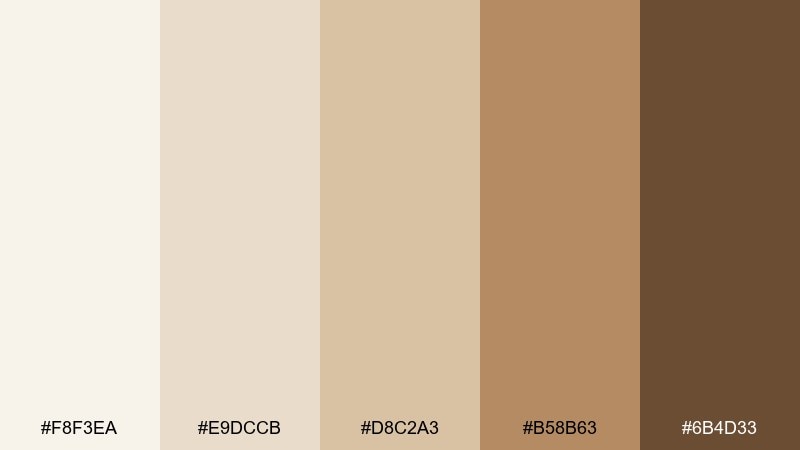
HEX: #F8F3EA #E9DCCB #D8C2A3 #B58B63 #6B4D33
Mood: toasty, celebratory, elegant
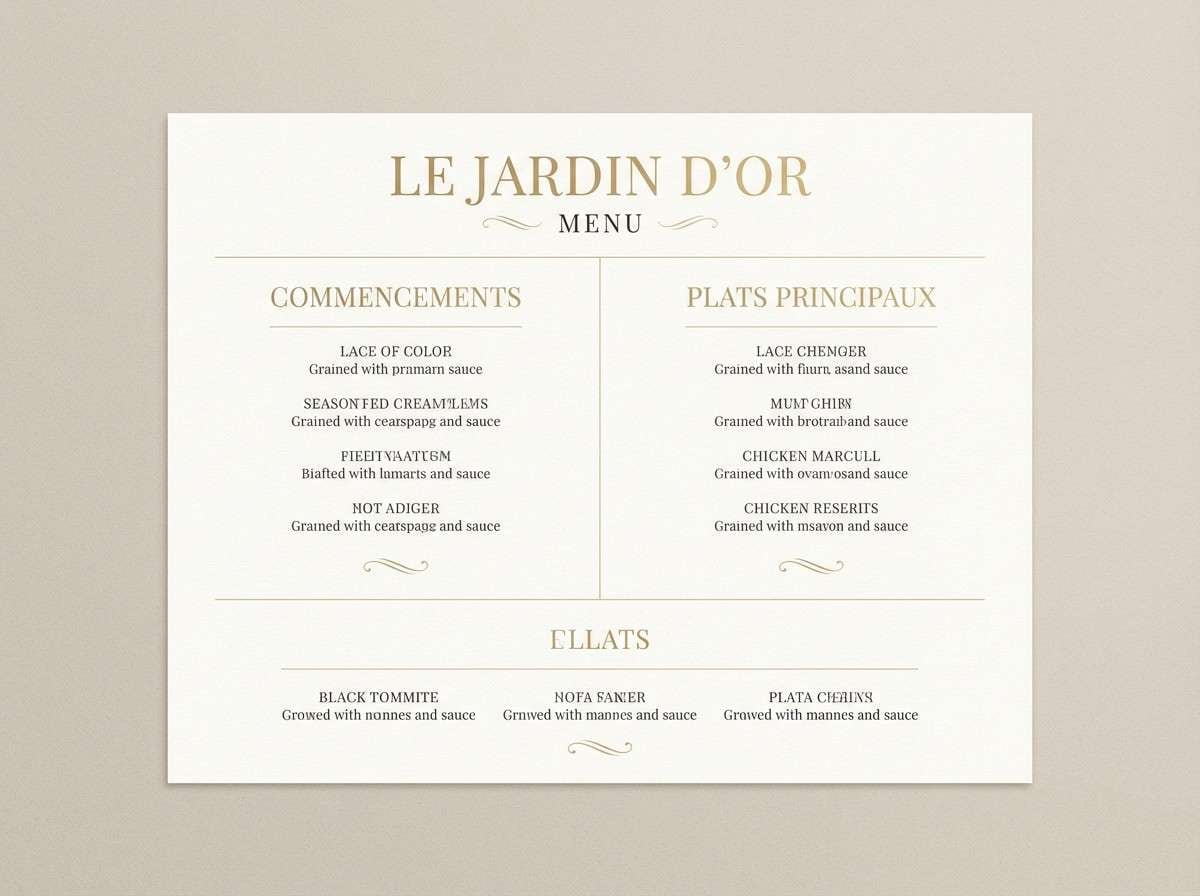
Best for: restaurant menu design
Toasty and celebratory, it brings to mind champagne bubbles and candlelit tables. Use the creamy top tones for the page base, then layer warm tans for section dividers and icons. It pairs well with black-and-white food photography and brass accents. Tip: keep body copy in the deep brown to maintain contrast on the light background.
Image example of champagne shell generated using media.io
5) Moonstone Gray
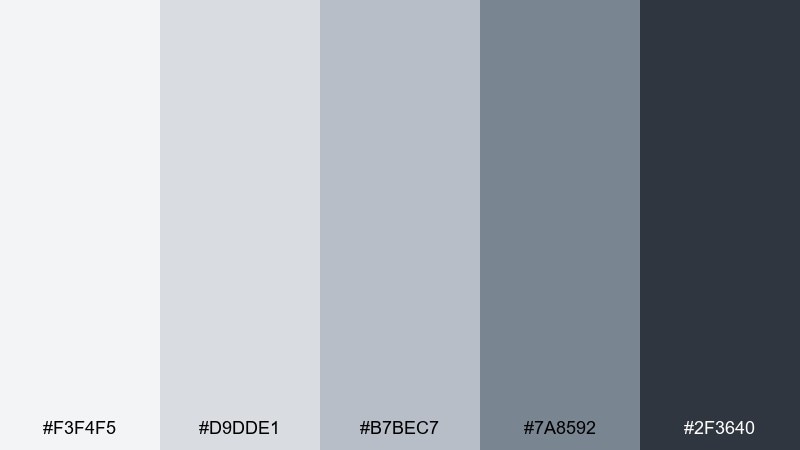
HEX: #F3F4F5 #D9DDE1 #B7BEC7 #7A8592 #2F3640
Mood: modern, cool, focused
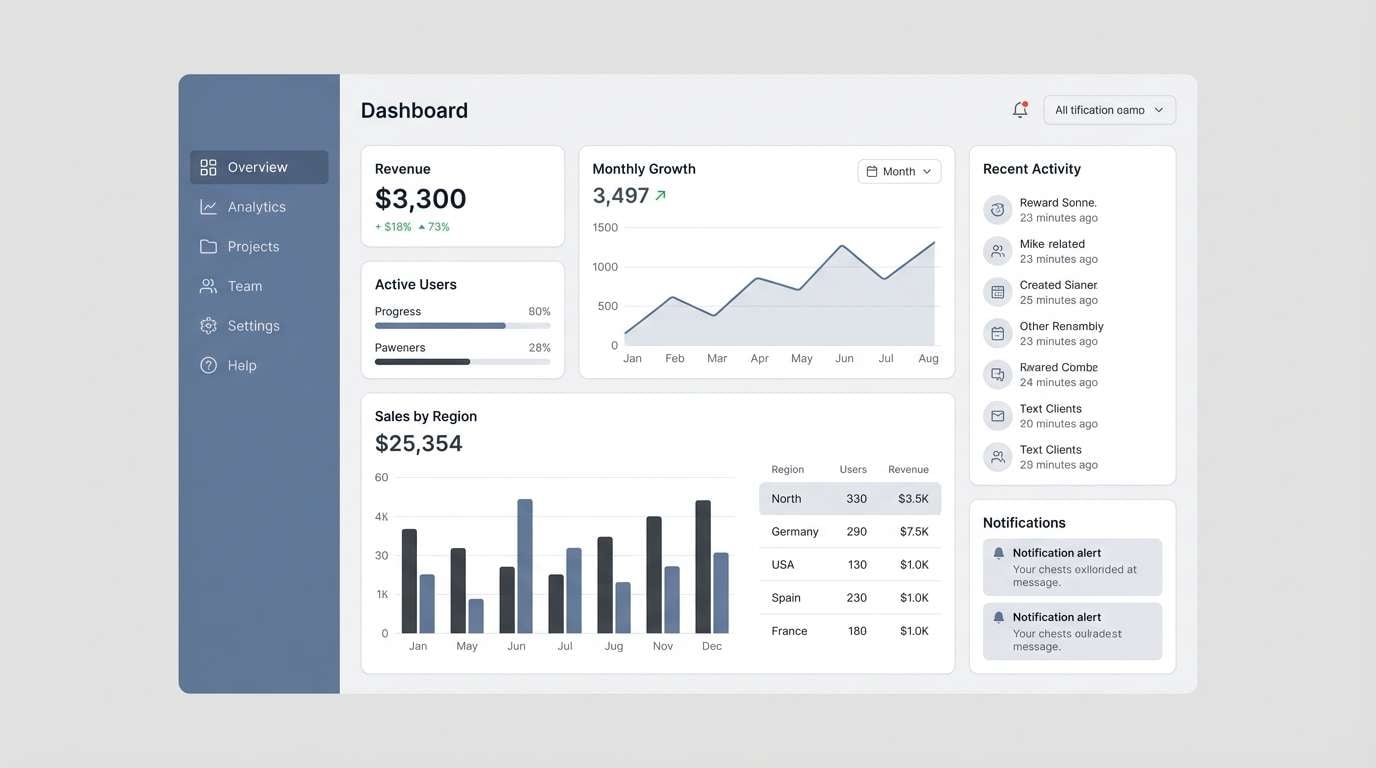
Best for: SaaS dashboard UI
Modern and cool, these grays feel like moonstone under studio lights. Use the lightest shades for surfaces, then introduce slate for navigation and data emphasis. It supports dense information without looking heavy. Tip: add subtle elevation with two adjacent grays instead of shadows for a cleaner UI.
Image example of moonstone gray generated using media.io
6) Lavender Pearl
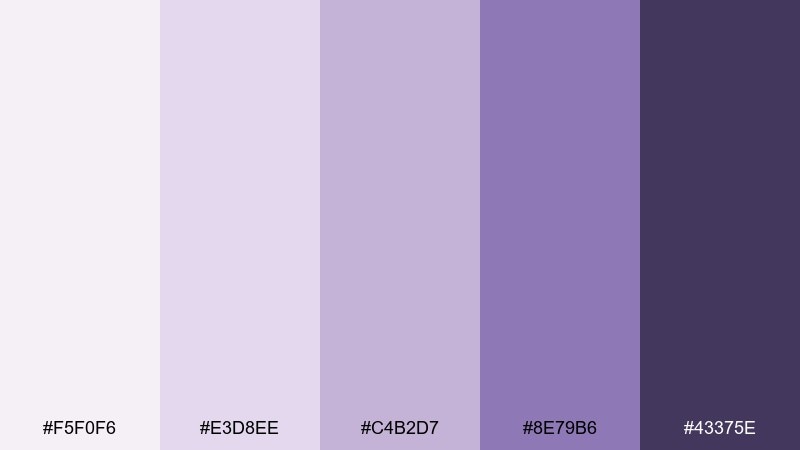
HEX: #F5F0F6 #E3D8EE #C4B2D7 #8E79B6 #43375E
Mood: dreamy, gentle, creative
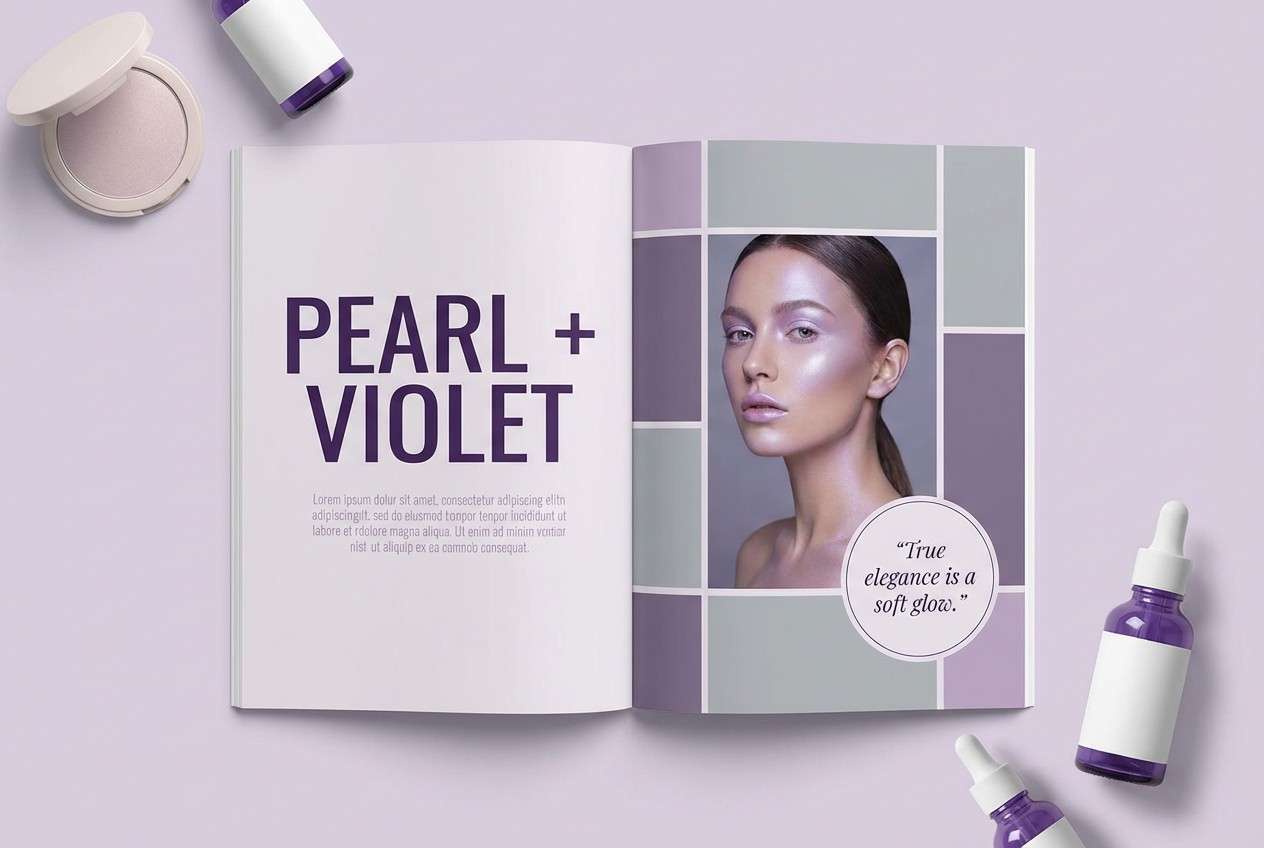
Best for: beauty editorial spread
Dreamy and gentle, it feels like lilac haze over pearly light. Use the pale violet as negative space, then bring in the deeper purple for pull quotes and section titles. It pairs nicely with glossy product cutouts and clean grid layouts. Tip: keep only one strong purple per page so the spread stays airy.
Image example of lavender pearl generated using media.io
7) Coastal Sandbar
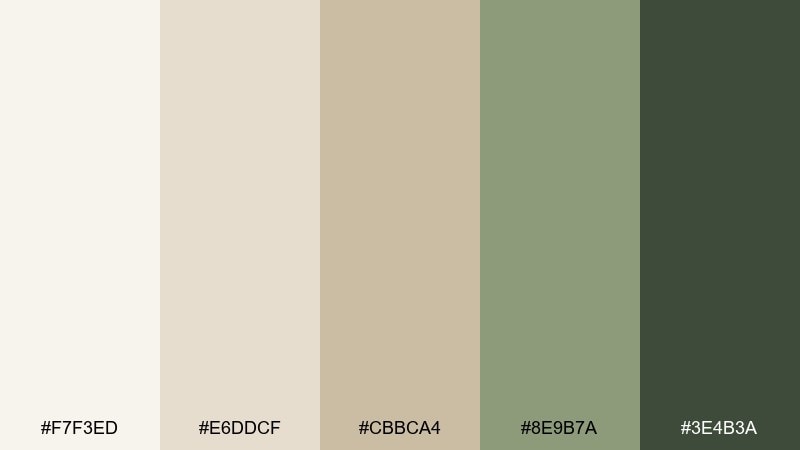
HEX: #F7F3ED #E6DDCF #CBBCA4 #8E9B7A #3E4B3A
Mood: natural, grounded, breezy
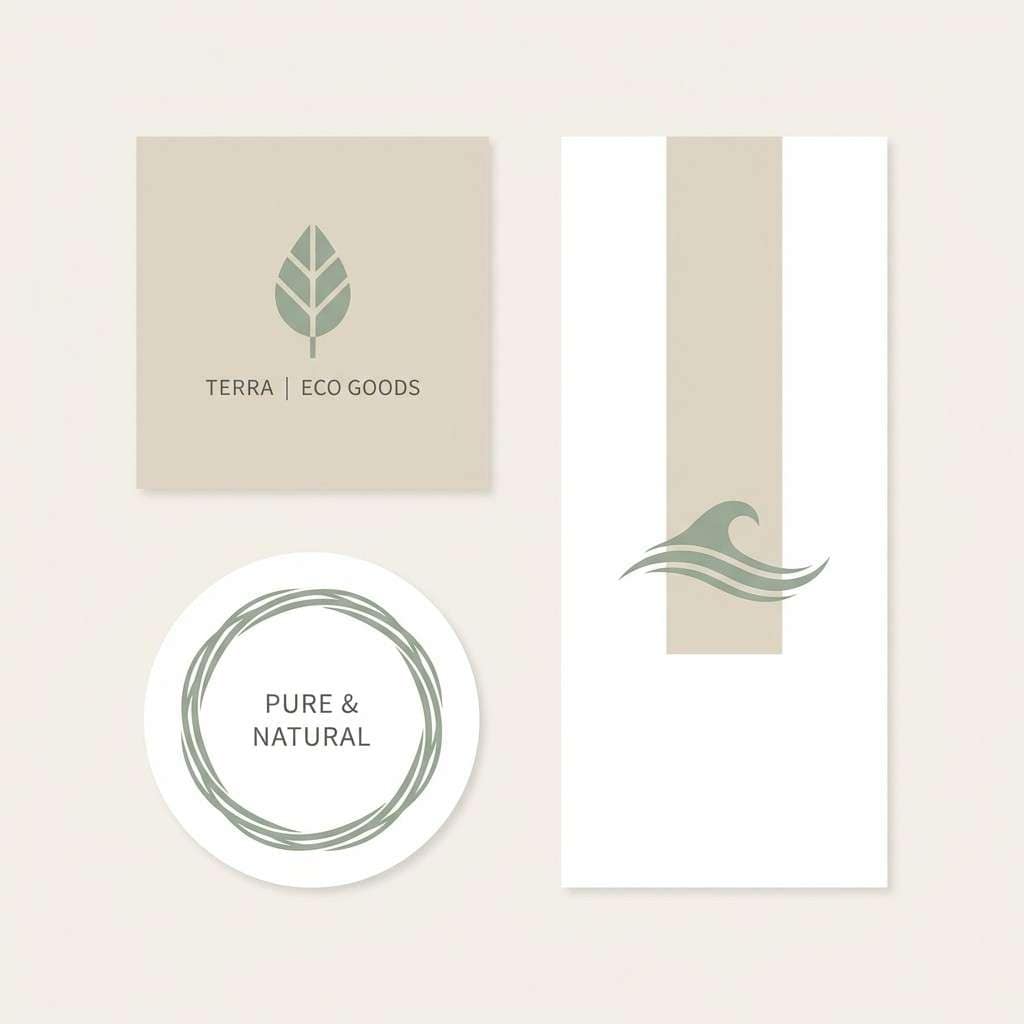
Best for: eco brand identity
Natural and grounded, it suggests dunes, driftwood, and coastal grasses. This pearl color combination shines in logos and packaging where the sage green can act as the signature accent. Pair with recycled paper textures and simple line illustrations. Tip: use the darkest green for stamps and seals to add authenticity.
Image example of coastal sandbar generated using media.io
8) Ink and Ivory
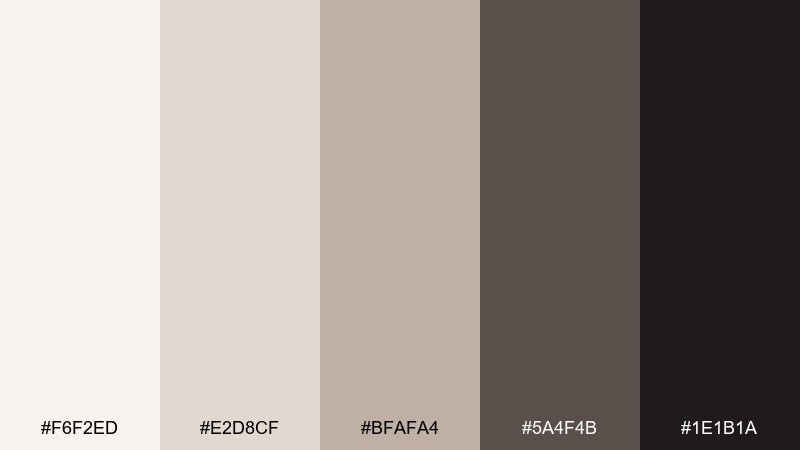
HEX: #F6F2ED #E2D8CF #BFAFA4 #5A4F4B #1E1B1A
Mood: timeless, high-contrast, editorial
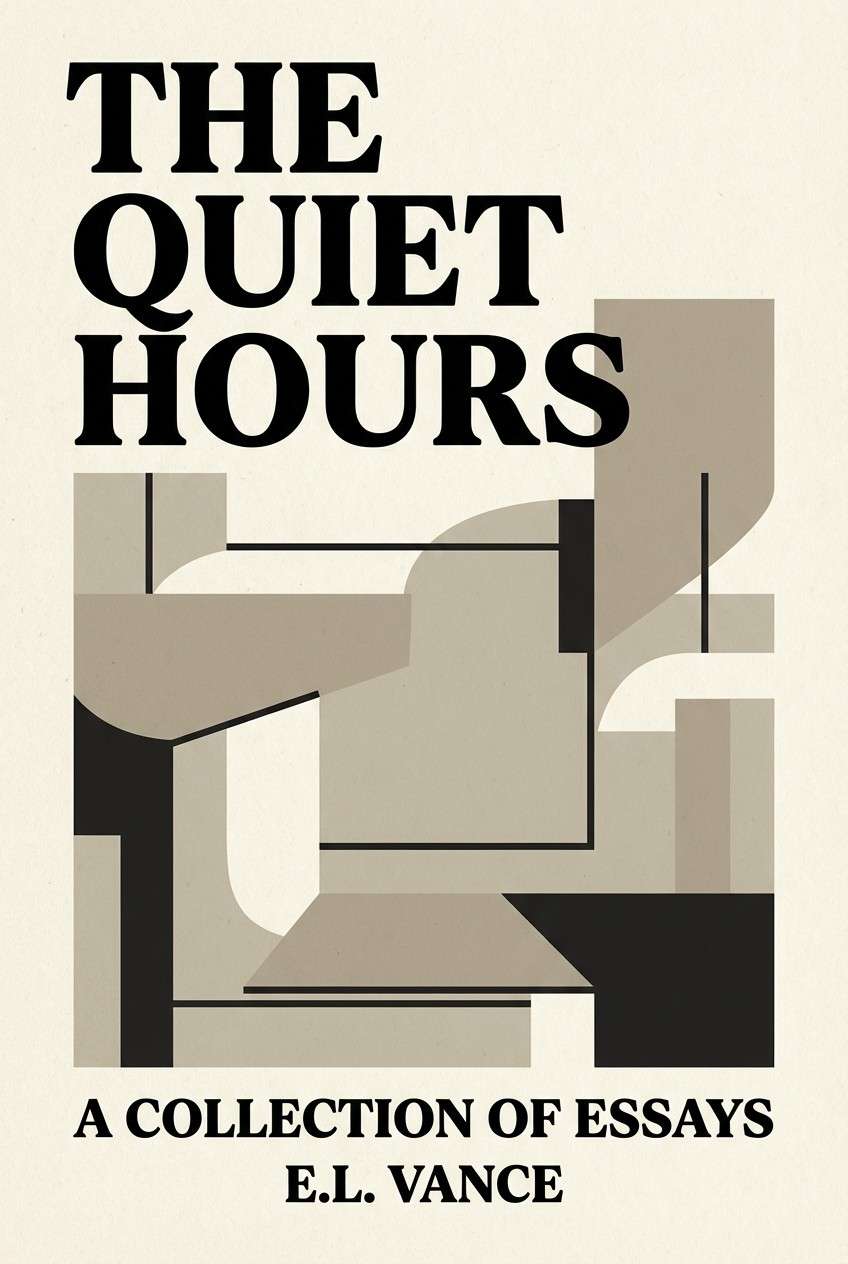
Best for: book cover design
Timeless and editorial, it feels like ivory paper with rich ink and soft shadows. Use the near-black for title typography and the warm neutrals for background blocks and texture. It works especially well with minimalist photography and strong serif fonts. Tip: add a thin greige rule line to separate text elements without adding color noise.
Image example of ink and ivory generated using media.io
9) Rose Gold Sheen
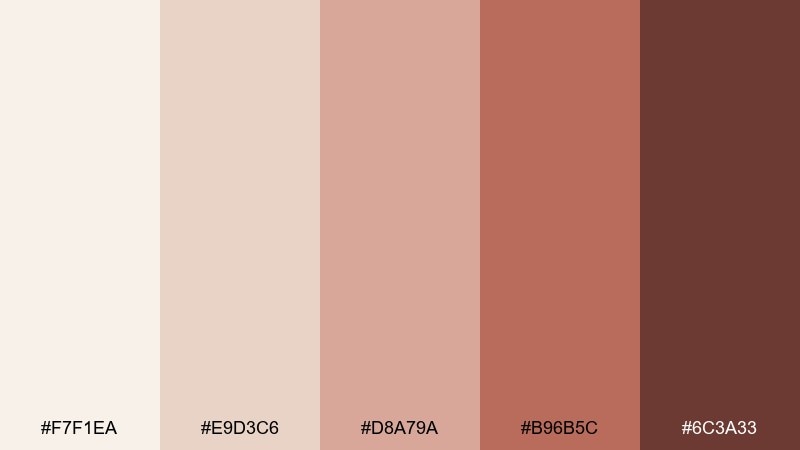
HEX: #F7F1EA #E9D3C6 #D8A79A #B96B5C #6C3A33
Mood: glam, warm, inviting
Best for: jewelry product ad
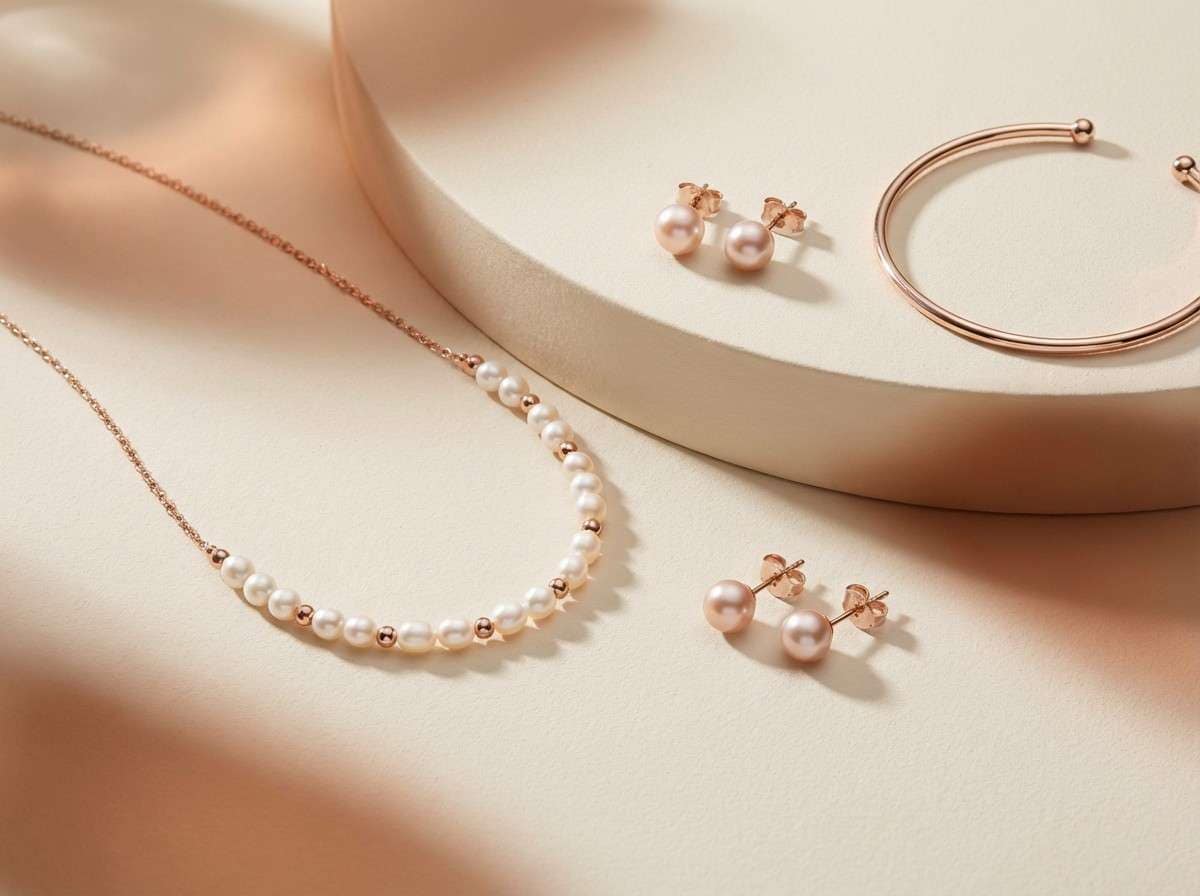
Glam and warm, it reads like rose gold catching light against creamy pearl. These pearl color combinations are ideal for product ads where you want softness without losing depth. Pair with close-up metal textures and plenty of negative space for pricing and CTA. Tip: keep the darkest shade for the smallest text so the ad stays luxurious, not loud.
Image example of rose gold sheen generated using media.io
10) Alpine Pearl
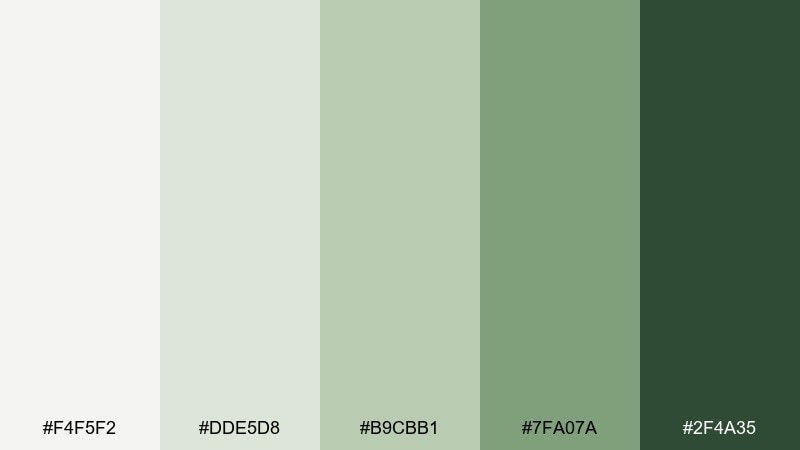
HEX: #F4F5F2 #DDE5D8 #B9CBB1 #7FA07A #2F4A35
Mood: clean, outdoorsy, balanced
Best for: organic food label
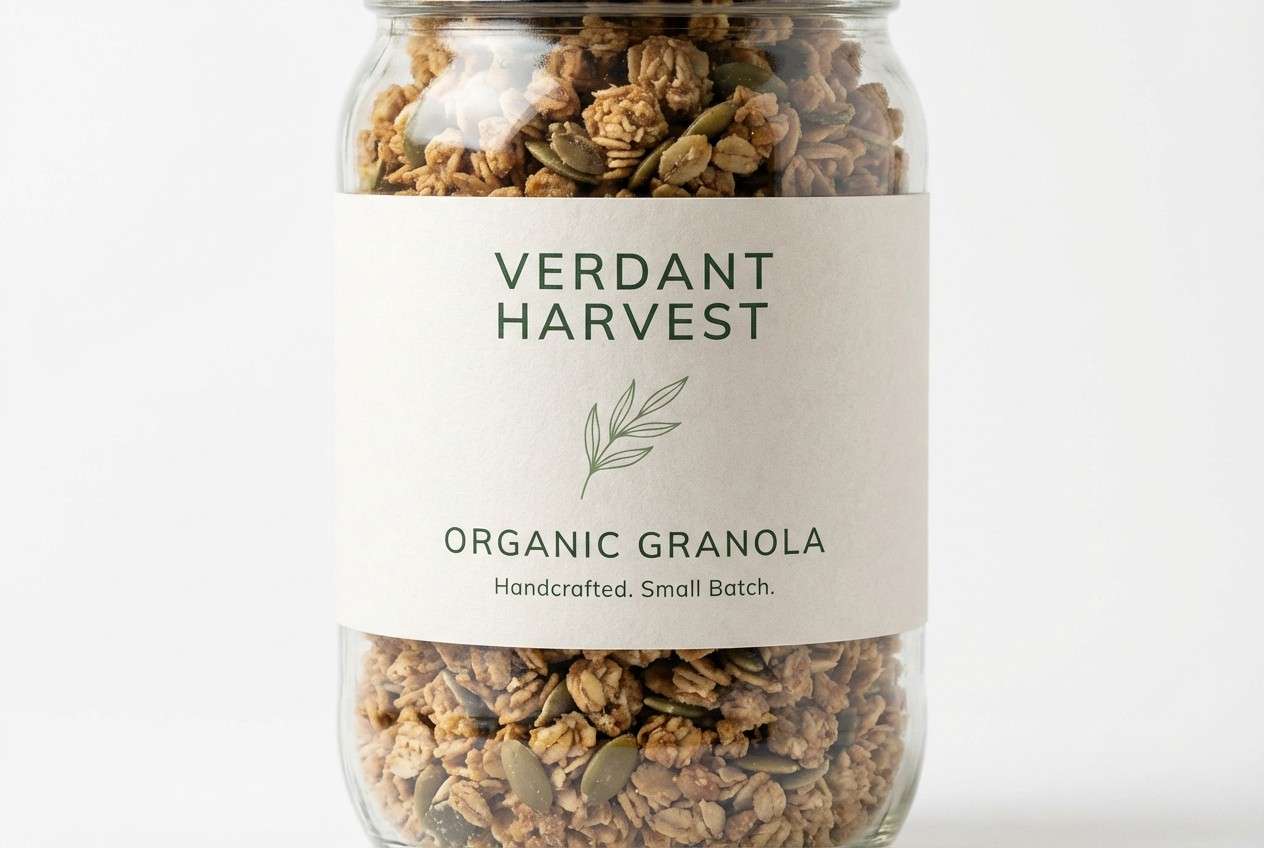
Clean and outdoorsy, it evokes alpine air, herbs, and pale stone. Use the soft off-white as the label base, then lean on the greens for badges, ingredient icons, and borders. It pairs well with simple botanical line art and kraft packaging. Tip: limit the mid green to one highlight element so the label stays readable at a glance.
Image example of alpine pearl generated using media.io
11) Citrus Pearl Pop
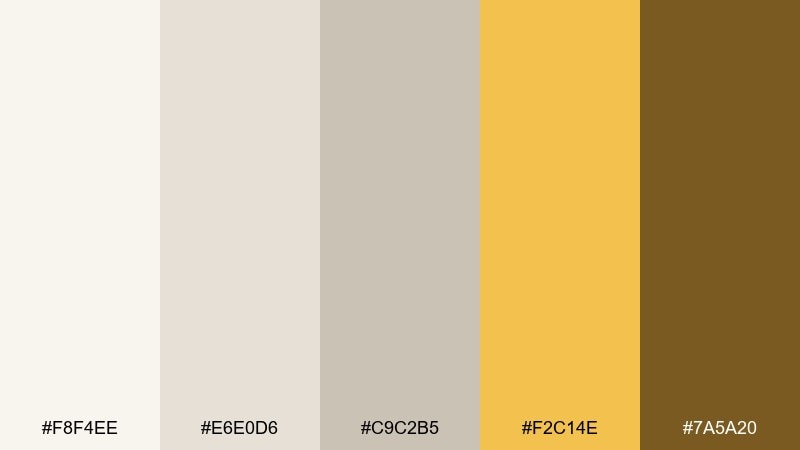
HEX: #F8F4EE #E6E0D6 #C9C2B5 #F2C14E #7A5A20
Mood: cheerful, sunny, modern
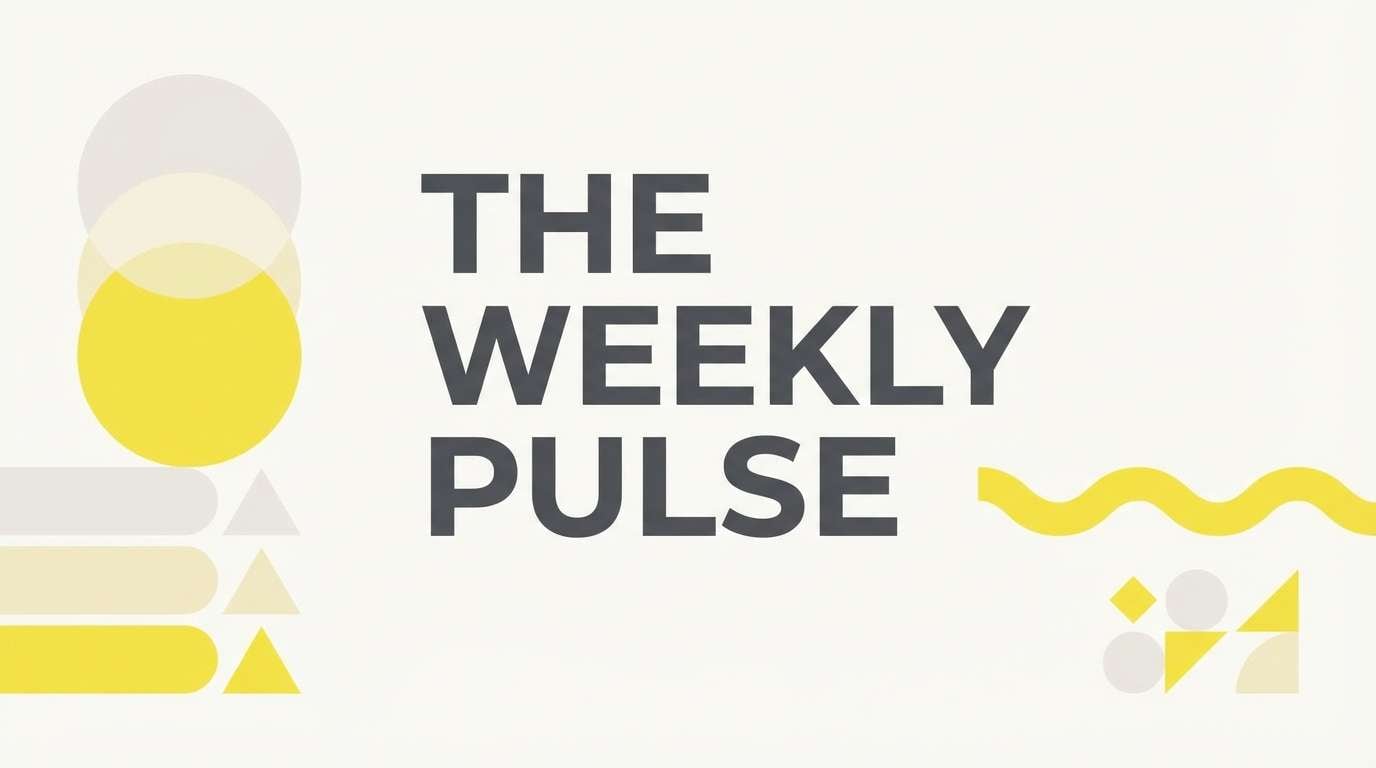
Best for: newsletter header graphics
Cheerful and sunny, it feels like lemon zest on creamy porcelain. Use the pearl neutrals to keep the layout clean, then let the citrus yellow lead for highlights and buttons. It pairs well with friendly sans-serif fonts and simple geometric shapes. Tip: use yellow in short bursts, like badges or underlines, to avoid overwhelming the page.
Image example of citrus pearl pop generated using media.io
12) Minimal Studio
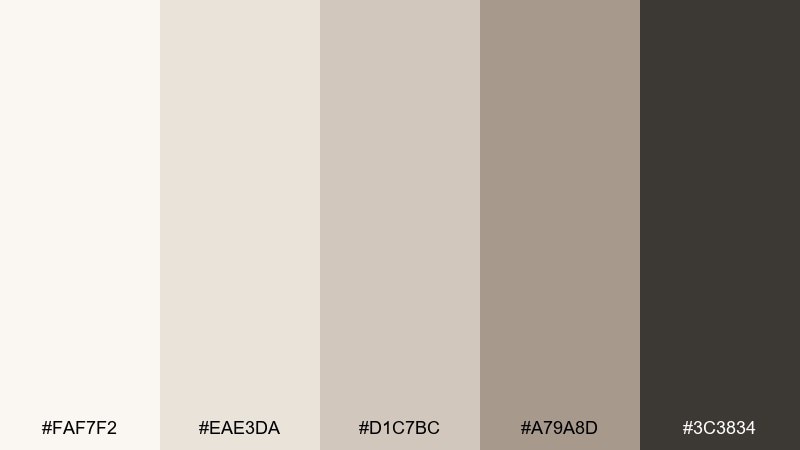
HEX: #FAF7F2 #EAE3DA #D1C7BC #A79A8D #3C3834
Mood: minimal, warm, sophisticated
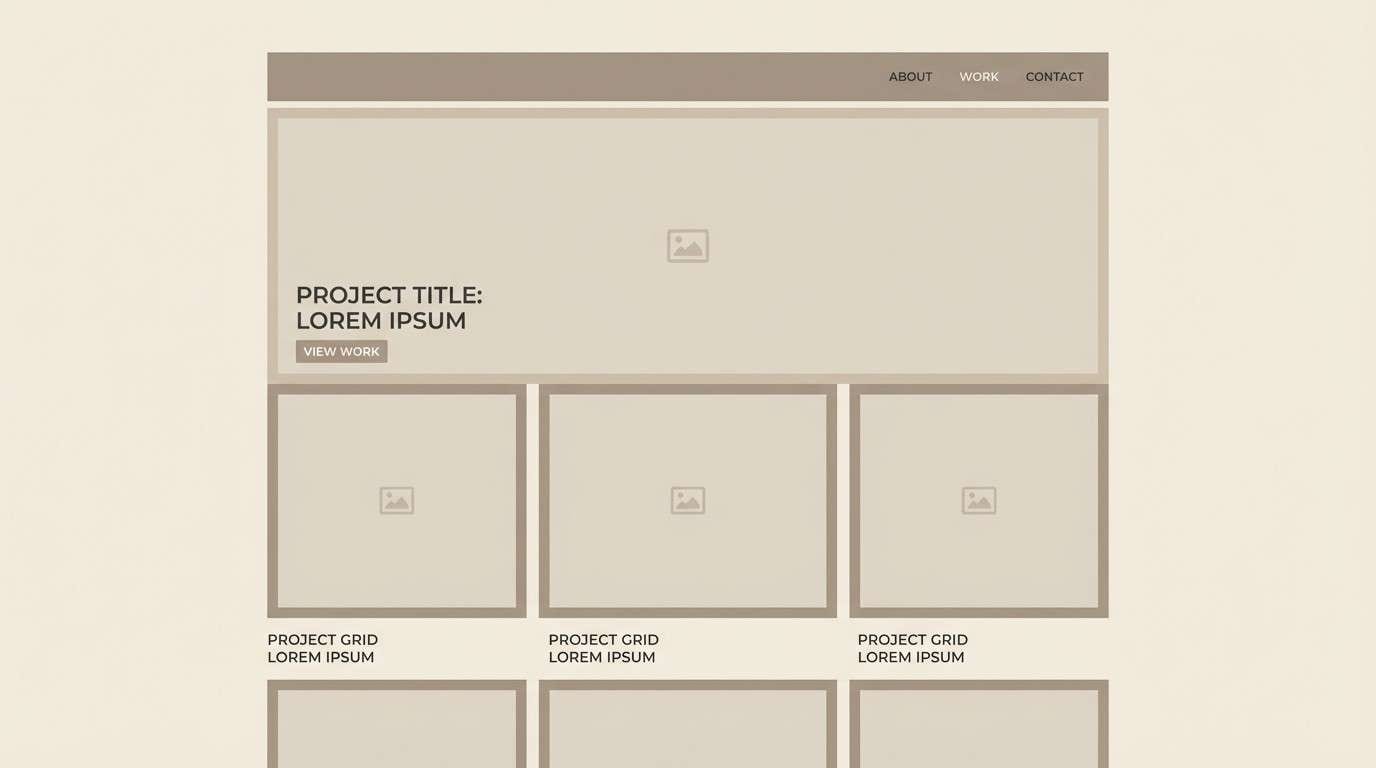
Best for: portfolio website theme
Minimal and warm, it looks like sunlit plaster and clean studio walls. A pearl color palette like this is perfect for portfolios where your work should be the loudest element. Pair with one strong type family and subtle hover states in the mid taupe. Tip: use the charcoal only for headings and primary navigation for a crisp hierarchy.
Image example of minimal studio generated using media.io
13) Nordic Blue Pearl
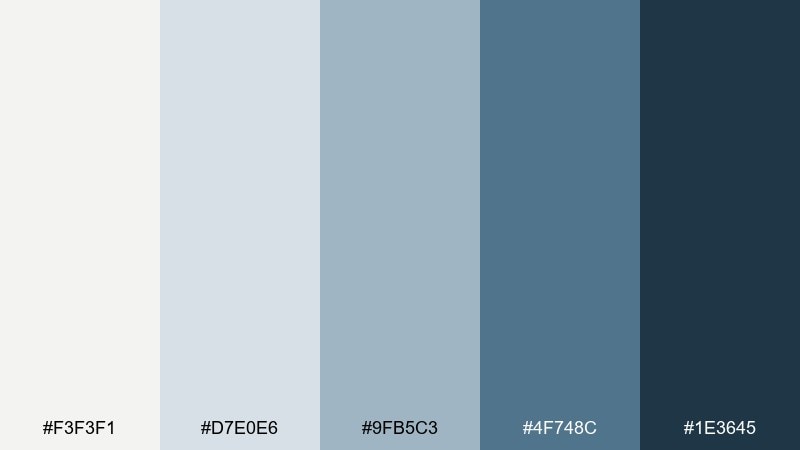
HEX: #F3F3F1 #D7E0E6 #9FB5C3 #4F748C #1E3645
Mood: crisp, intelligent, trustworthy
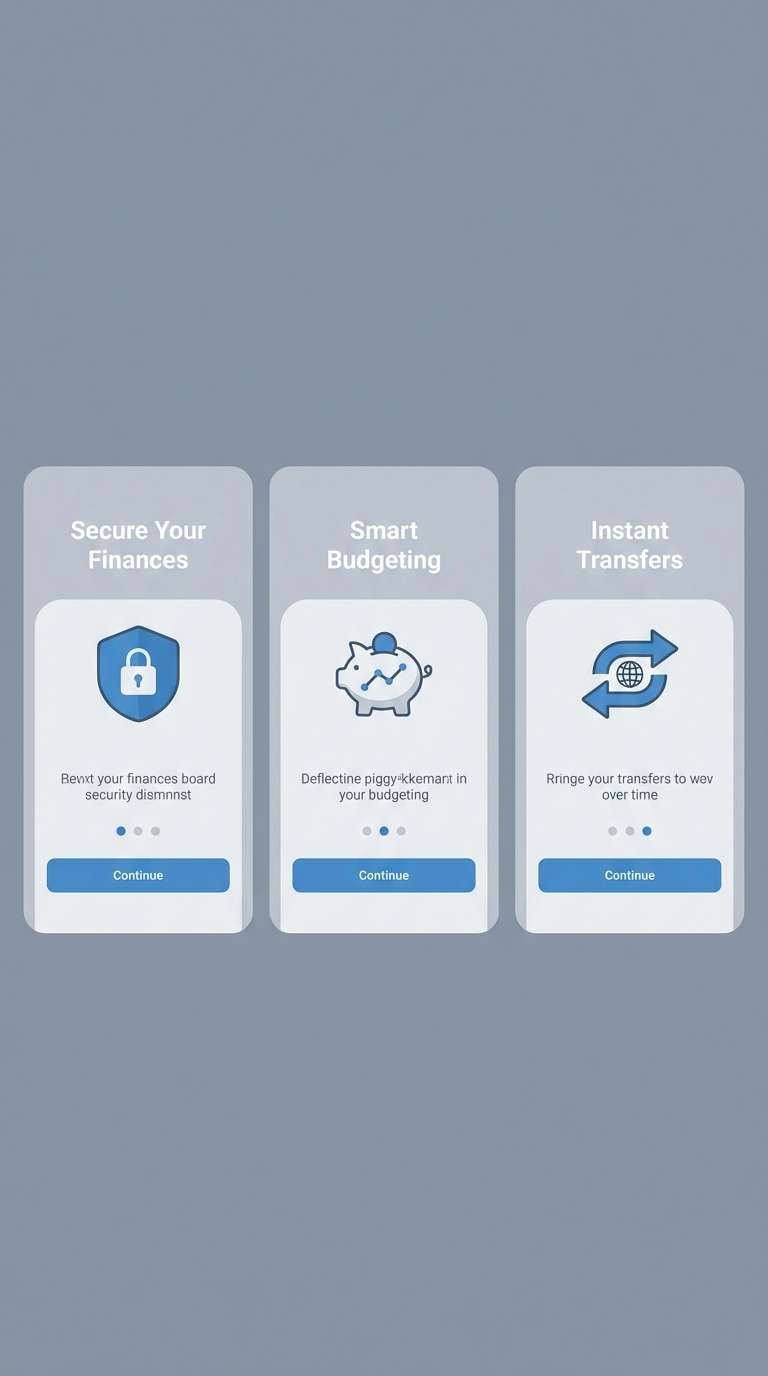
Best for: fintech app onboarding screens
Crisp and intelligent, it recalls winter skies over pale stone. Use the light pearl gray for panels, then bring in blue tones for progress states and highlights. It pairs nicely with clean iconography and concise microcopy. Tip: keep the darkest blue for CTAs so each step feels guided and clear.
Image example of nordic blue pearl generated using media.io
14) Desert Pearl Dusk
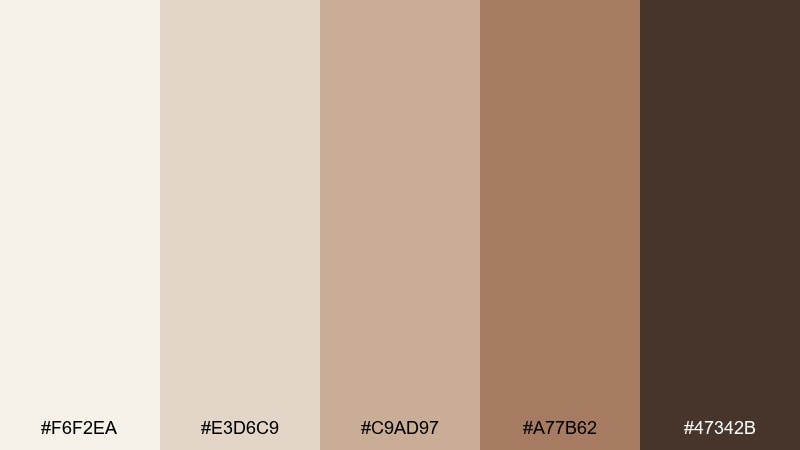
HEX: #F6F2EA #E3D6C9 #C9AD97 #A77B62 #47342B
Mood: earthy, romantic, cinematic
Best for: travel poster design
Earthy and romantic, it feels like desert dusk washing over pale sand. Use the soft pearl beige for the poster base and build depth with clay and cocoa shades in typography and shapes. It pairs well with grainy photography and bold condensed fonts. Tip: add a single warm gradient behind the headline for a cinematic lift.
Image example of desert pearl dusk generated using media.io

15) Pearl Noir
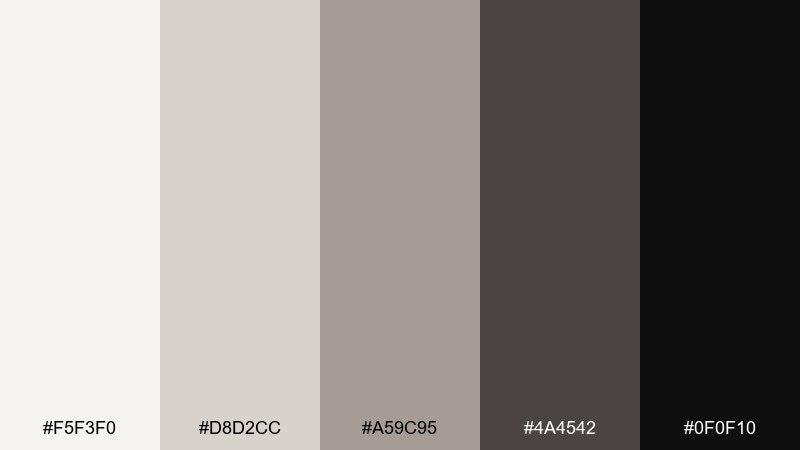
HEX: #F5F3F0 #D8D2CC #A59C95 #4A4542 #0F0F10
Mood: dramatic, sleek, premium
Best for: fashion lookbook layout
Dramatic and sleek, it suggests glossy black ink against pale pearl paper. Use the off-white for margins and negative space, then push contrast with near-black for titles and captions. It pairs well with monochrome photography and sharp grid systems. Tip: keep mid grays for small UI elements like page numbers and dividers.
Image example of pearl noir generated using media.io
16) Gardenia Cream
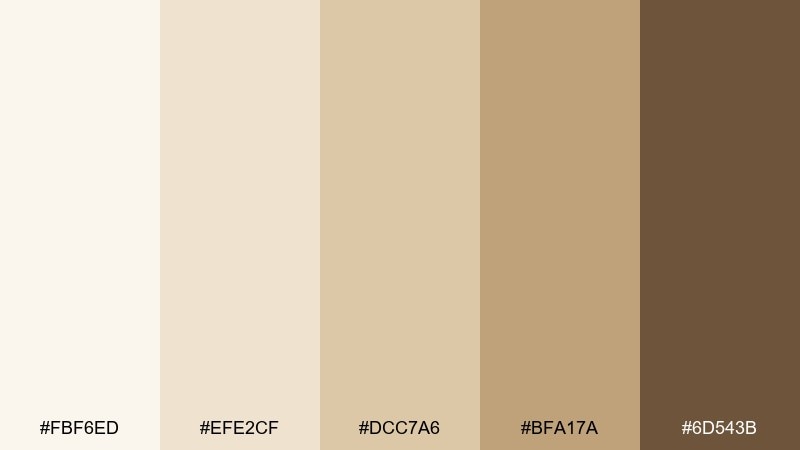
HEX: #FBF6ED #EFE2CF #DCC7A6 #BFA17A #6D543B
Mood: cozy, classic, welcoming
Best for: cafe interior mood board
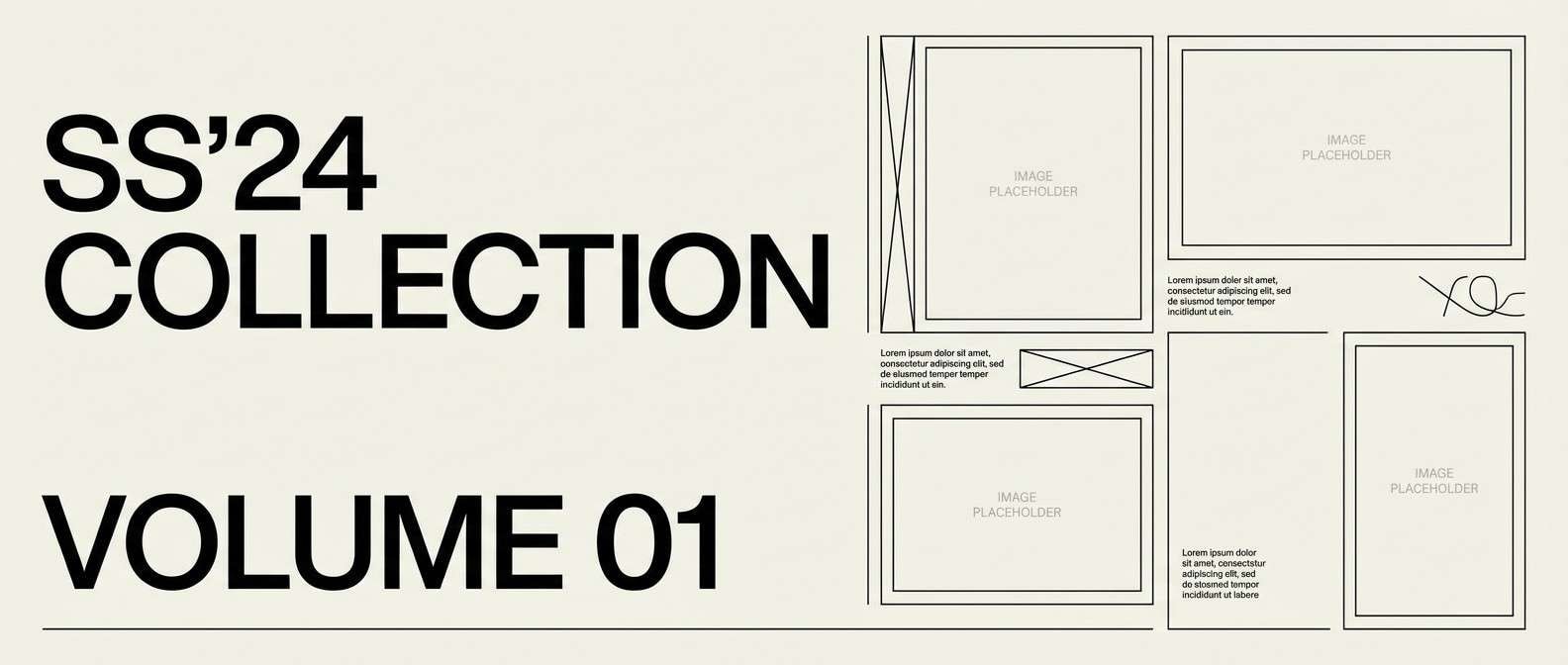
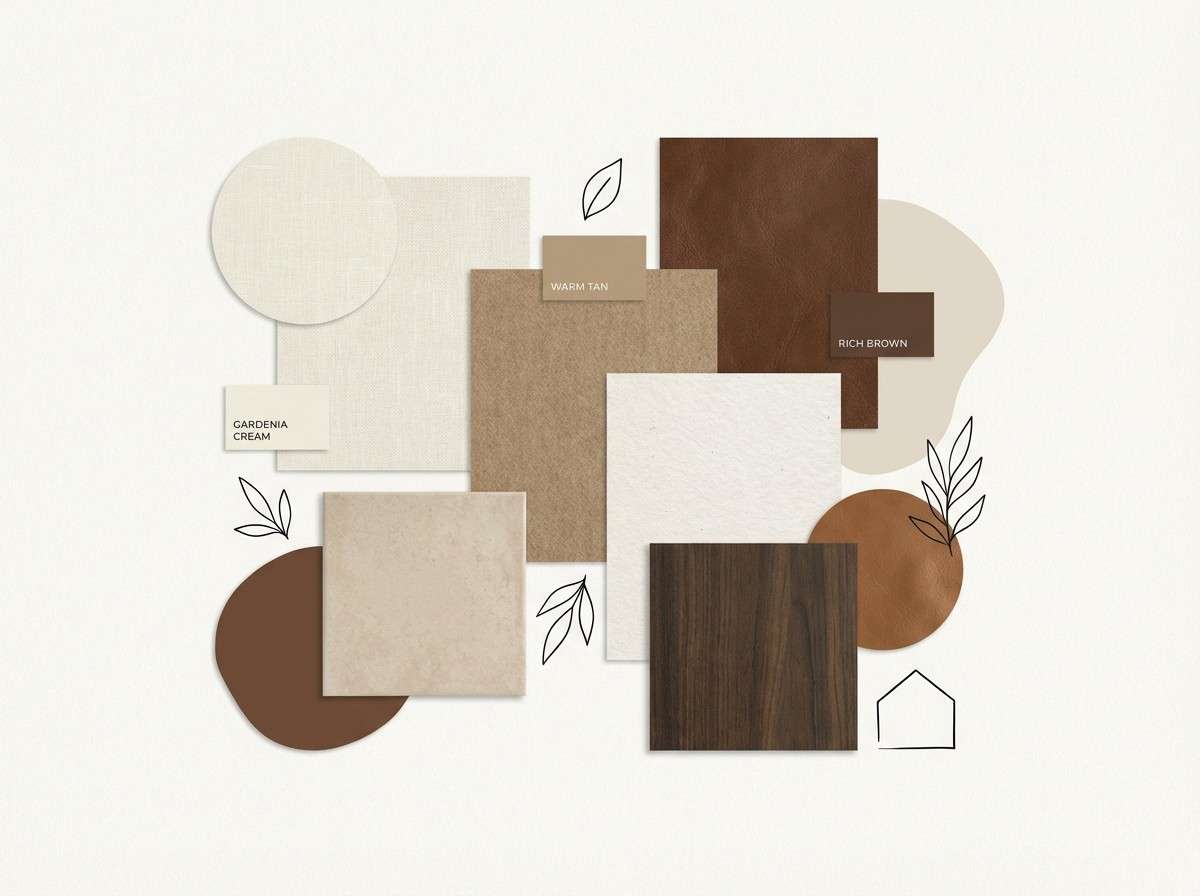
Cozy and classic, it feels like warm cream, baked sugar, and polished wood. Use the light gardenia tones for walls and textiles, then layer caramel browns for wood, menus, and signage. It pairs well with soft lighting and tactile materials like linen and rattan. Tip: repeat the mid tan in two places, like stools and menu headers, to create cohesion.
Image example of gardenia cream generated using media.io
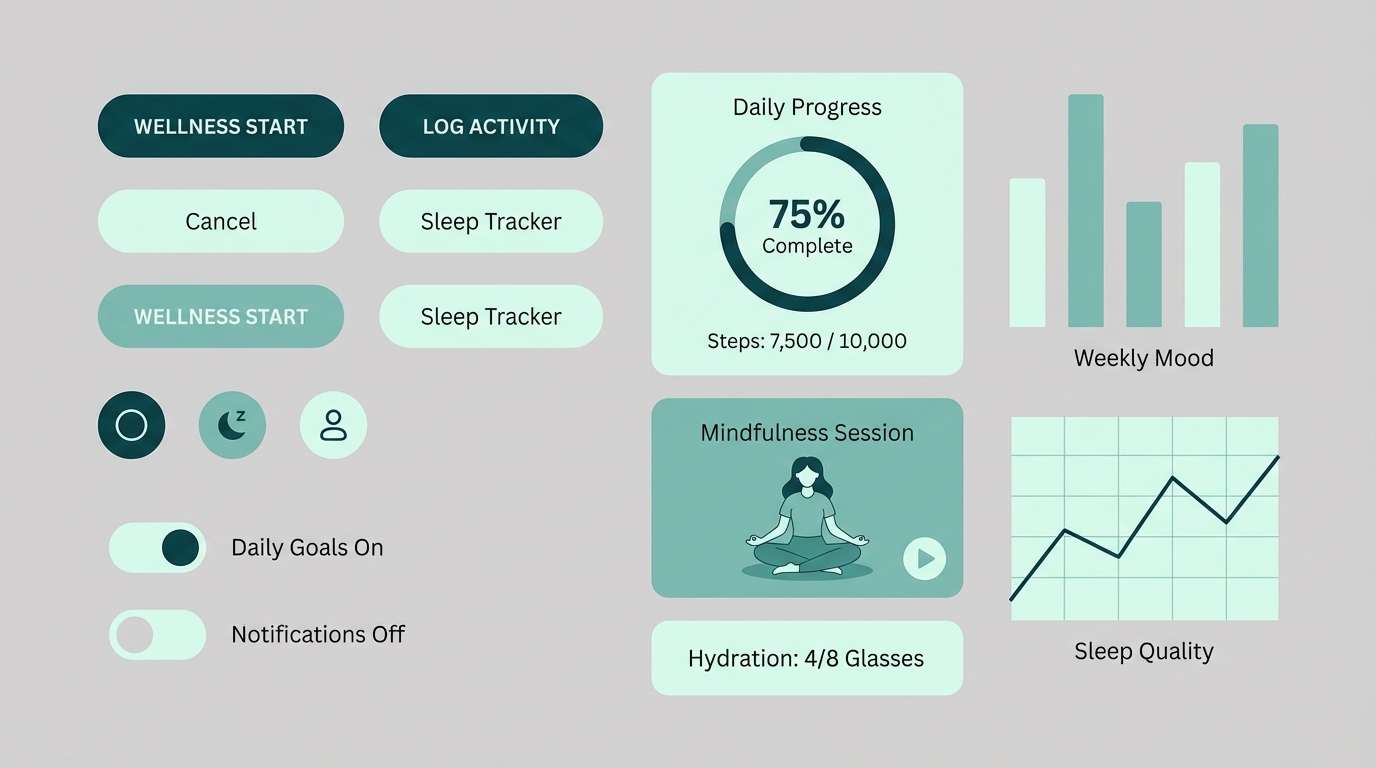
17) Soft Teal Glint
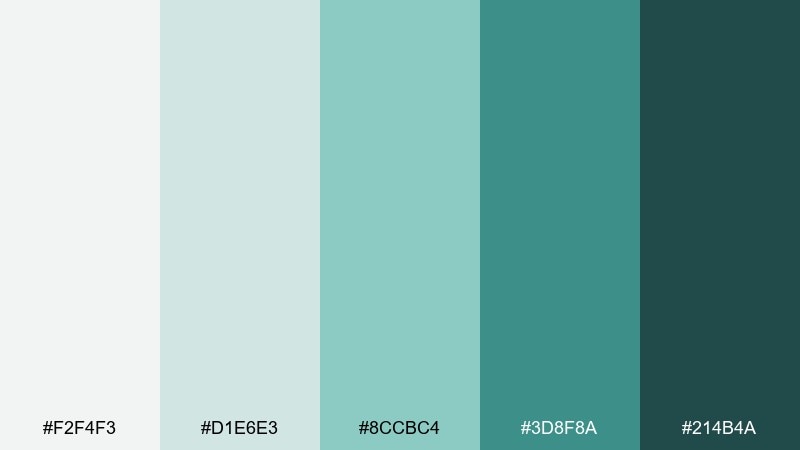
HEX: #F2F4F3 #D1E6E3 #8CCBC4 #3D8F8A #214B4A
Mood: refreshing, clean, lively
Best for: wellness app UI kit
Refreshing and clean, it brings to mind cool water with a pearly shimmer. Let the pale mint-gray handle backgrounds while teal becomes your interactive color for toggles, charts, and success states. It pairs nicely with rounded components and generous spacing. Tip: use the darkest teal only for selected states so the UI feels light, not heavy.
Image example of soft teal glint generated using media.io
18) Vintage Pearl Paper
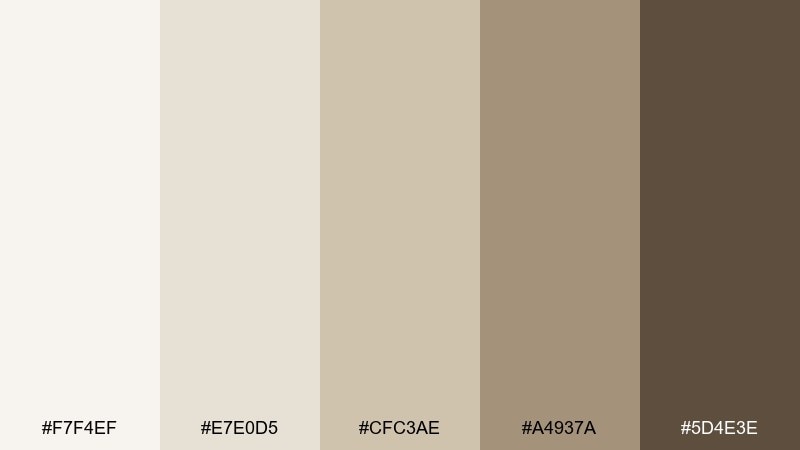
HEX: #F7F4EF #E7E0D5 #CFC3AE #A4937A #5D4E3E
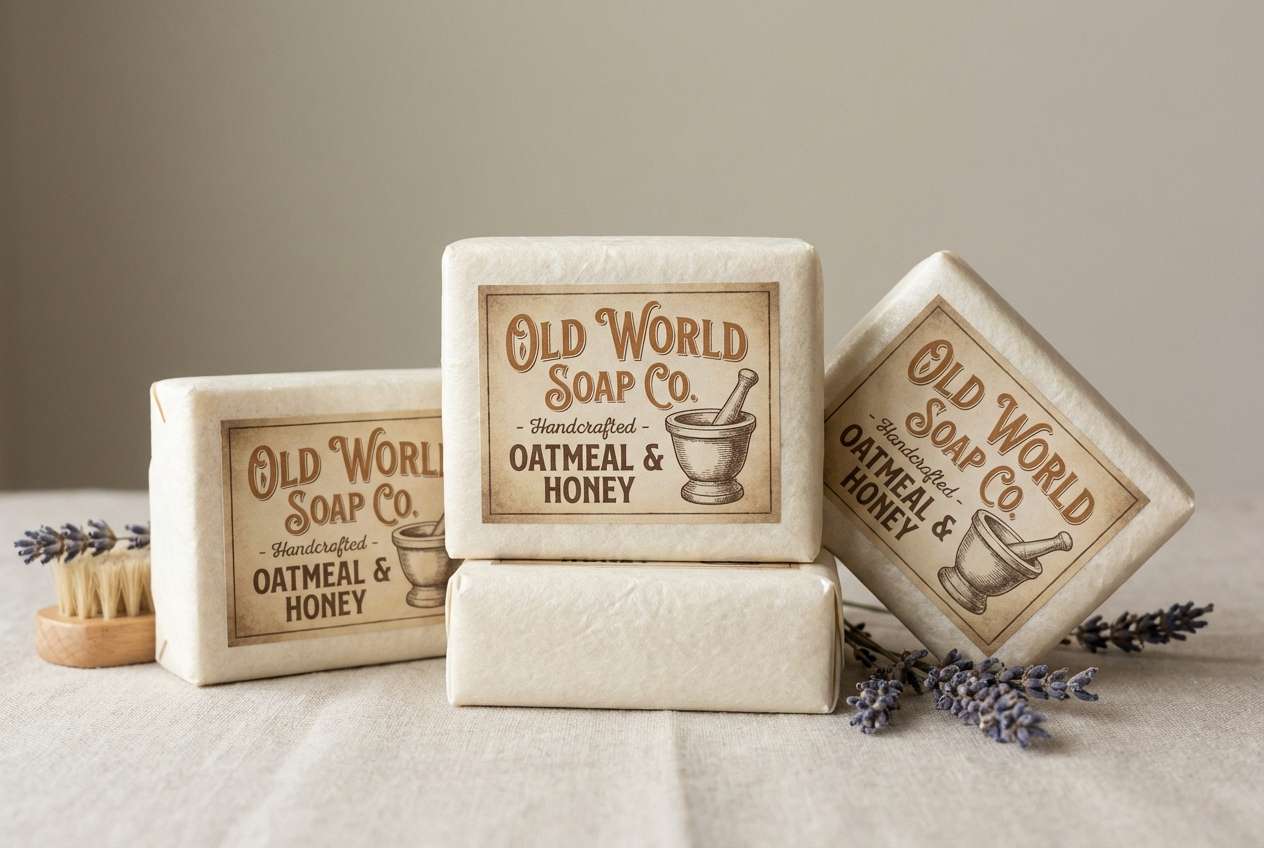
Mood: nostalgic, artisanal, calm
Best for: handmade soap label
Nostalgic and artisanal, it feels like aged paper and soft ink. The pale pearl base keeps labels readable, while the warm browns add that handcrafted charm. Pair with stamped illustrations, botanical line art, and textured stock. Tip: print the logo in the mid brown and reserve the darkest tone for ingredients and small compliance text.
Image example of vintage pearl paper generated using media.io
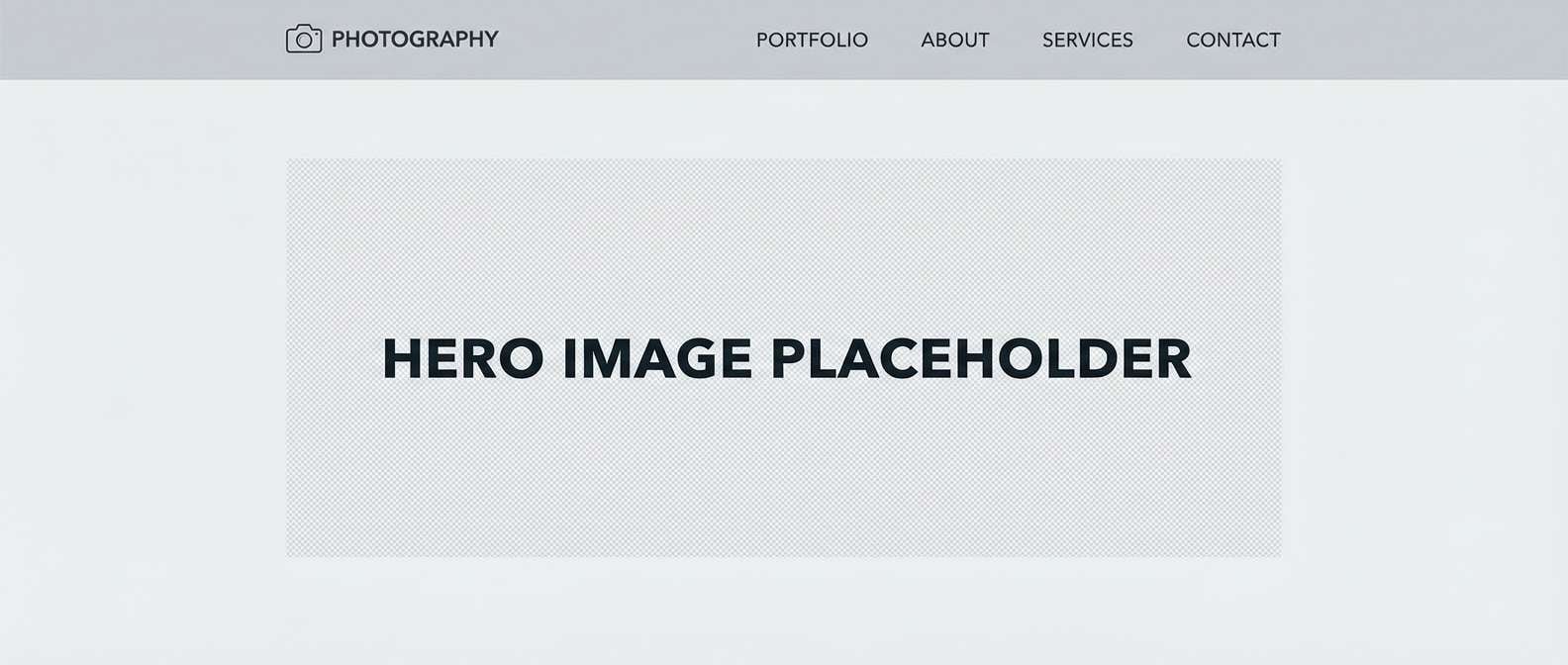
19) Winter Pearl Night
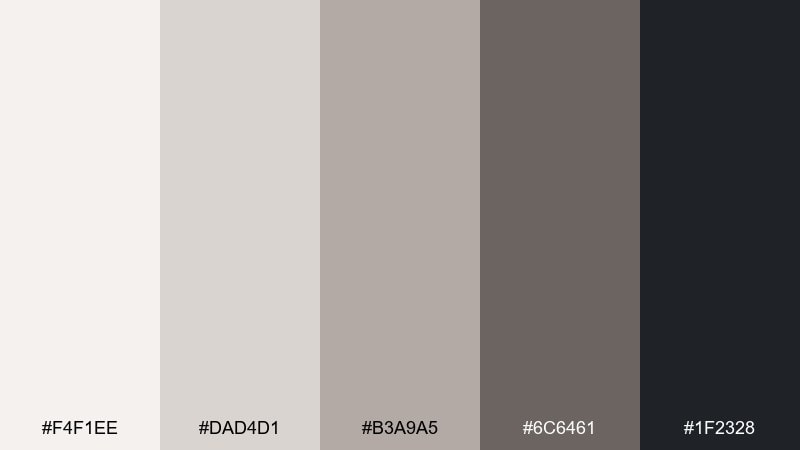
HEX: #F4F1EE #DAD4D1 #B3A9A5 #6C6461 #1F2328
Mood: cool, quiet, atmospheric
Best for: photography website header
Cool and quiet, it evokes winter fog settling over dark stone. A pearl color palette with this much contrast is ideal for photography headers where images need space and the navigation must stay sharp. Pair with thin sans-serif type and subtle overlays for captions. Tip: use the near-black only on hover states and primary links to keep the header understated.
Image example of winter pearl night generated using media.io
20) Prism Pearl Pastels
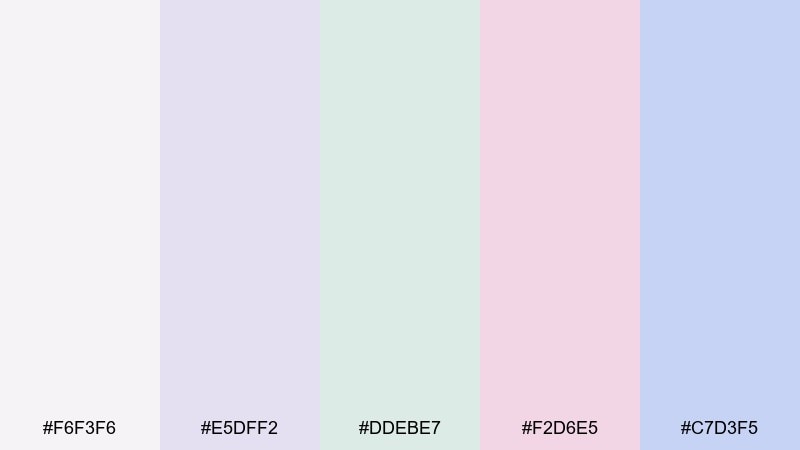
HEX: #F6F3F6 #E5DFF2 #DDEBE7 #F2D6E5 #C7D3F5
Mood: playful, airy, optimistic
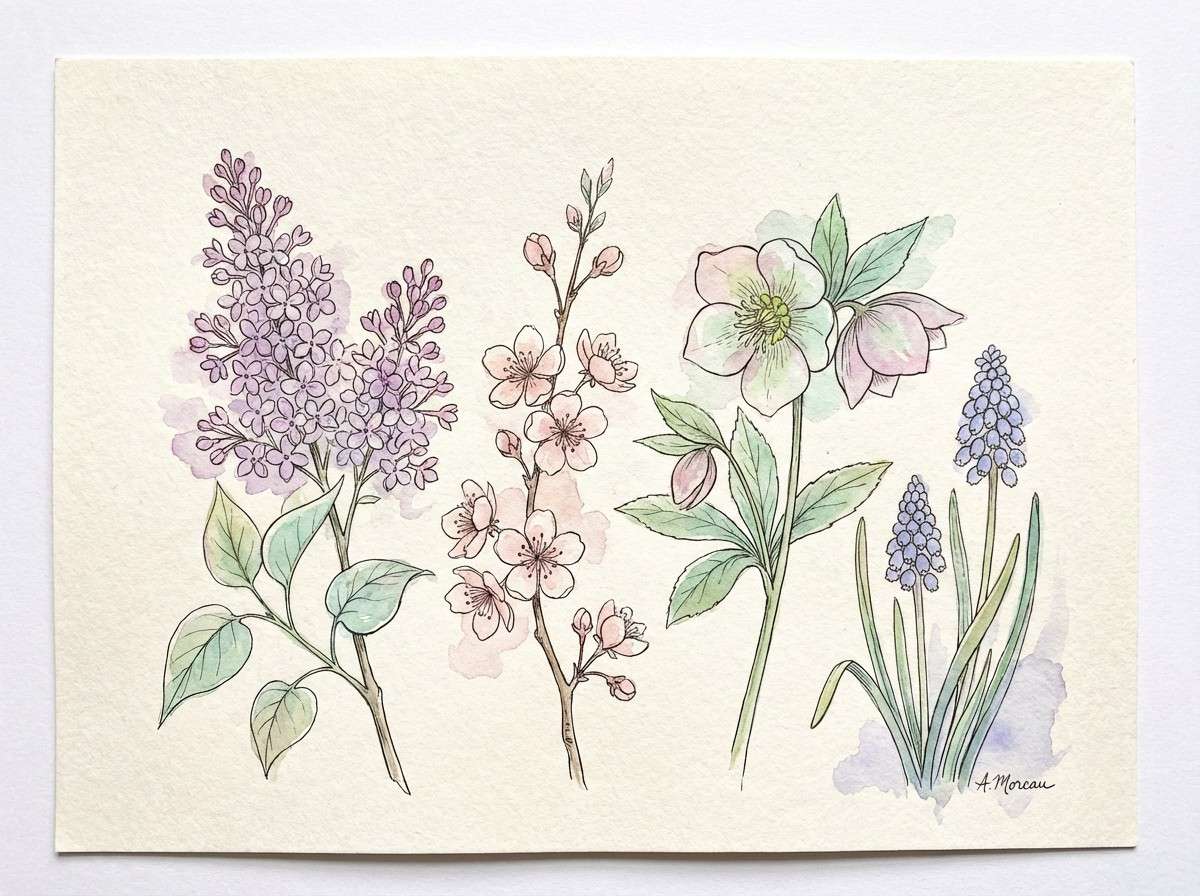
Best for: spring botanical illustration
Playful and airy, it feels like translucent pastels scattered on pearl dust. Use two dominant pastels at a time, then let the softer lavender-gray tie everything together. It pairs beautifully with watercolor textures and light line work. Tip: keep backgrounds nearly white so the pastel shapes stay crisp and fresh.
Image example of prism pearl pastels generated using media.io
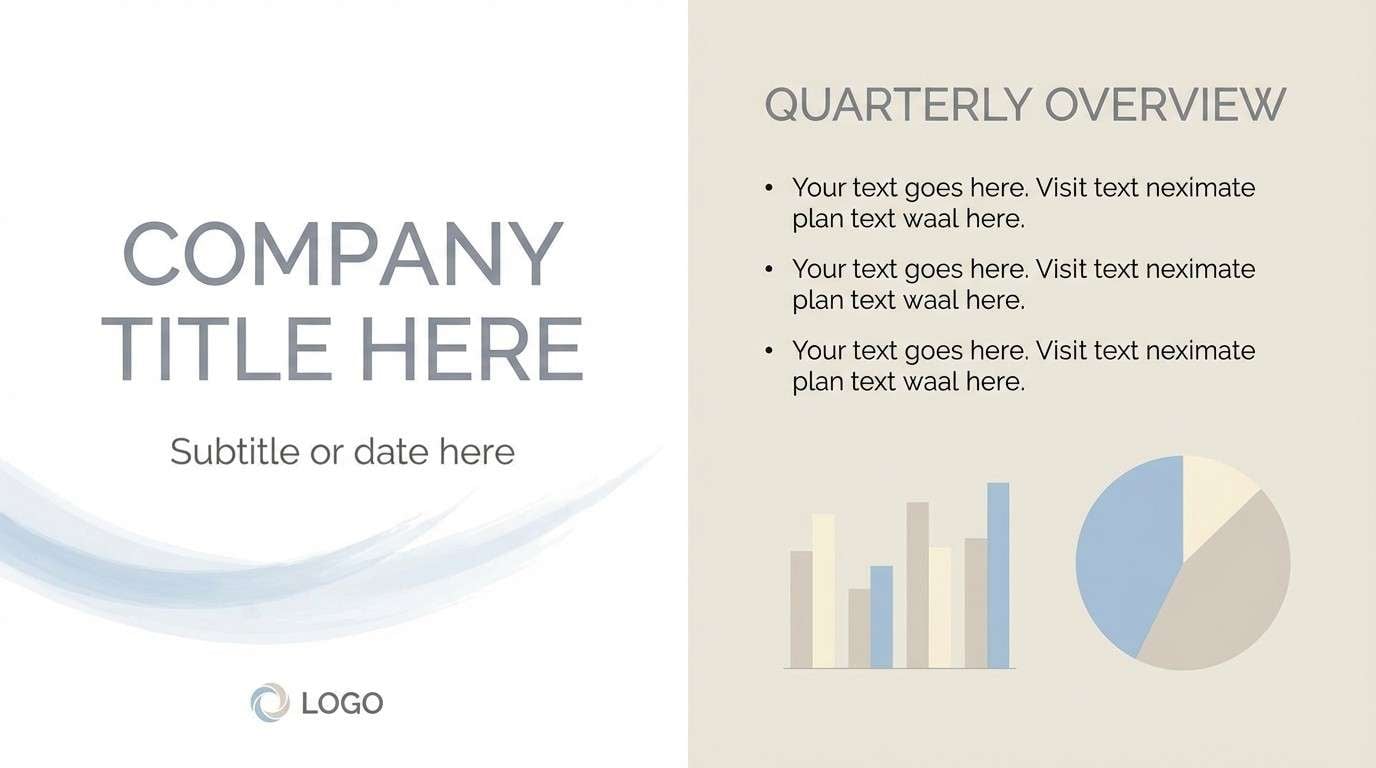
21) Porcelain Bluewash
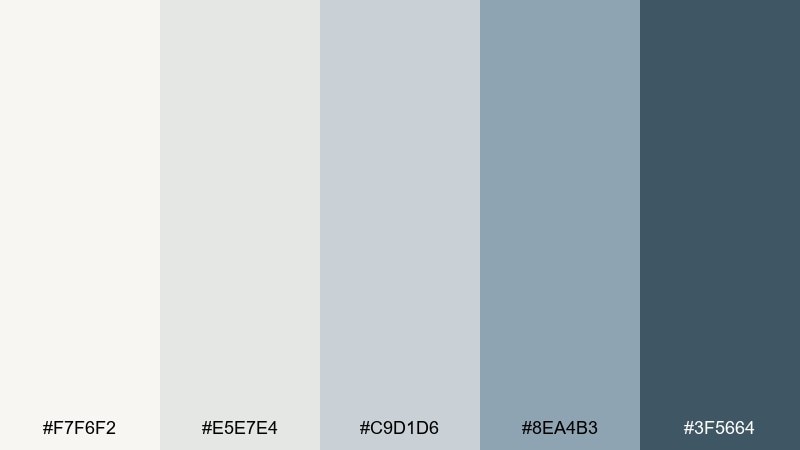
HEX: #F7F6F2 #E5E7E4 #C9D1D6 #8EA4B3 #3F5664
Mood: serene, clean, airy
Best for: corporate slide deck template
Serene and clean, it brings to mind porcelain glazed with a cool blue wash. Use the pale neutrals for slides and the steel blue for charts, callouts, and section titles. It pairs well with thin icons and generous spacing for a modern corporate feel. Tip: keep the darkest blue only for key numbers to direct attention fast.
Image example of porcelain bluewash generated using media.io
What Colors Go Well with Pearl?
Pearl works beautifully with deep neutrals like charcoal, ink black, cocoa, and slate because the contrast feels intentional but still soft. This is a dependable combo for editorial layouts, premium packaging, and clean navigation-heavy UI.
For a fresher look, pair pearl with watery hues like seafoam, teal, and Nordic blue. These accents keep the overall design light while giving you enough saturation for buttons, highlights, and key data points.
If you want warmth, blend pearl with blush, rose gold, champagne, and caramel browns. These combinations are great for hospitality, beauty, wedding stationery, and any brand that needs approachable elegance.
How to Use a Pearl Color Palette in Real Designs
Start by choosing one pearl tone as your primary background and use adjacent light neutrals for surfaces (cards, panels, label blocks). This creates depth without relying on heavy shadows or strong borders.
Then pick one “anchor” color (often the darkest swatch) for typography and high-contrast UI elements. Using a single dark anchor keeps things readable and prevents your palette from feeling washed out.
Finally, limit accents to one featured hue per page or section—teal, blush, yellow, or blue—and repeat it consistently for CTAs, icons, and small highlights. Consistency is what makes pearl palettes feel polished instead of pale.
Create Pearl Palette Visuals with AI
If you want your palette to look cohesive across mockups, ads, and UI concepts, generate a few visuals from the same color story first. With AI, you can quickly test different moods—minimal, coastal, editorial, or warm—before committing to a final direction.
Reuse the prompts above, swap the subject (packaging, landing page, invitation), and keep the pearl base consistent. This helps you produce a unified set of design references for clients, teams, or your own portfolio.
When you find a look you like, generate variations for different formats (square, landscape, portrait) so your pearl palette translates cleanly across channels.
Pearl Color Palette FAQs
-
Is pearl a warm or cool color?
Pearl can read warm or cool depending on its undertone. Creamy, beige-leaning pearls feel warm, while gray-leaning pearls feel cool—so always check whether your pearl base tilts yellow/peach or blue/gray. -
What is the best text color on a pearl background?
Charcoal, deep brown, and near-black are the safest for readability on pearl backgrounds. Mid grays can work for secondary text, but keep contrast high for body copy and small UI labels. -
What accent colors make pearl palettes look modern?
Teal, slate blue, and steel blue give pearl a crisp, contemporary feel. They’re especially effective for UI, dashboards, and corporate templates where clarity matters. -
Do pearl color palettes work for branding?
Yes—pearl palettes are popular for beauty, wellness, luxury goods, and boutique hospitality. Use pearl as the base, add one signature accent color, and keep typography strong so the brand doesn’t feel too quiet. -
How do I keep a pearl palette from looking “washed out”?
Include at least one deep anchor shade (charcoal, cocoa, deep teal, or navy) and use it consistently for headers, buttons, or key details. Pearl looks best when it has clear contrast and defined hierarchy. -
Can I use pearl with pastel colors?
Absolutely. Pearl is an ideal near-white base for pastels because it keeps the overall look airy while still giving the design a soft, premium finish—great for spring visuals, editorial layouts, and gentle branding. -
What finish or texture pairs well with pearl colors in print?
Uncoated stock, soft-touch lamination, subtle foil, and light embossing pair well with pearl tones. These finishes enhance the “sheen” effect without requiring loud colors.
Next: Classic Color Palette


