

Outer space color palettes are built on deep, low-light neutrals—inky blacks, midnight blues, slate grays—then energized with cosmic accents like teal auroras, nebula pinks, and molten oranges.
Below are 20+ outer space color palette ideas with HEX codes, plus practical tips for using them in UI, posters, and branding.
In this article
- Why Outer Space Palettes Work So Well
-
- stellar midnight
- lunar dust
- aurora drift
- meteor ember
- cosmonaut blueprints
- satellite silver
- deep orbit plum
- starlit sand
- comet tail teal
- black hole ink
- cosmic citrus pop
- nebula rose
- plasma violet neon
- galaxy fog
- alien meadow
- solar flare gold
- ringed planet pastels
- vacuum chrome
- rocket cabin warmth
- star map greens
- gravity bloom
- What Colors Go Well with Outer Space?
- How to Use a Outer Space Color Palette in Real Designs
- Create Outer Space Palette Visuals with AI
Why Outer Space Palettes Work So Well
Outer space palettes naturally create depth. Dark bases (navy, charcoal, near-black) behave like “infinite” backgrounds, making foreground elements feel more dimensional and cinematic.
They also give you built-in hierarchy. A small amount of starlight color—mint, periwinkle, gold, neon violet—pops instantly against deep neutrals, which is why space themed design works so well for UI, posters, and branding.
Finally, galaxy tones tend to feel modern and premium. Muted darks keep things serious and readable, while cosmic accents add a futuristic edge without needing complex visuals.
20+ Outer Space Color Palette Ideas (with HEX Codes)
1) Stellar Midnight
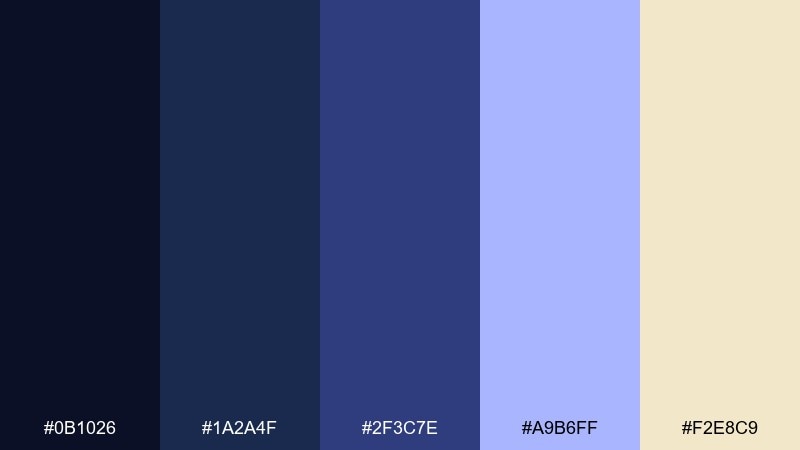
HEX: #0b1026 #1a2a4f #2f3c7e #a9b6ff #f2e8c9
Mood: mysterious, calm, cinematic
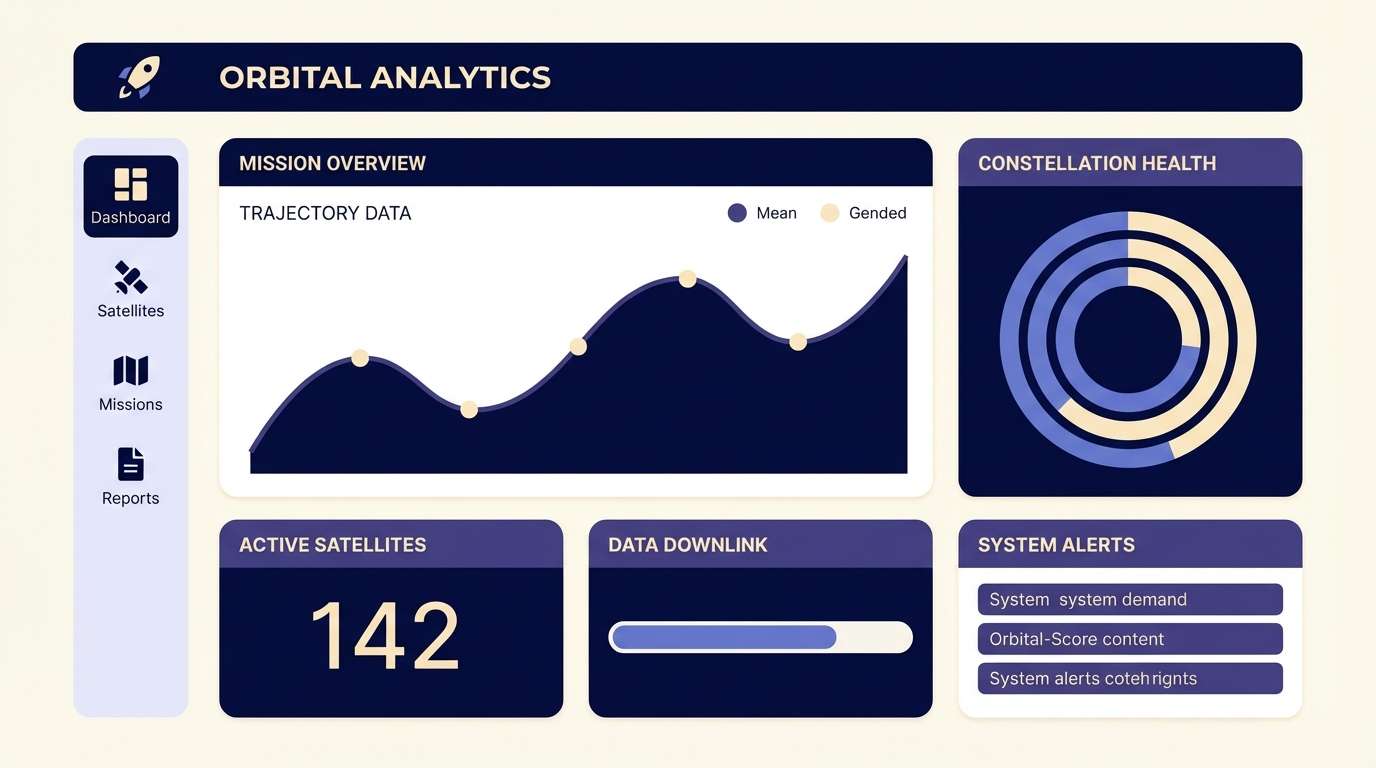
Best for: 2D UI dashboard mockup for a space analytics app
Mysterious midnight blues and soft starlight make it feel like drifting past a quiet constellation. The dark base keeps screens readable, while the periwinkle and cream lift key metrics and labels. Use this outer space color palette for dashboards, SaaS landing sections, or data-heavy widgets that need contrast without harshness. Tip: reserve the cream for 10 to 15 percent of the layout so the interface stays night-sky deep.
Image example of stellar midnight generated using media.io
Media.io is an online AI studio for creating and editing video, image, and audio in your browser.


2) Lunar Dust
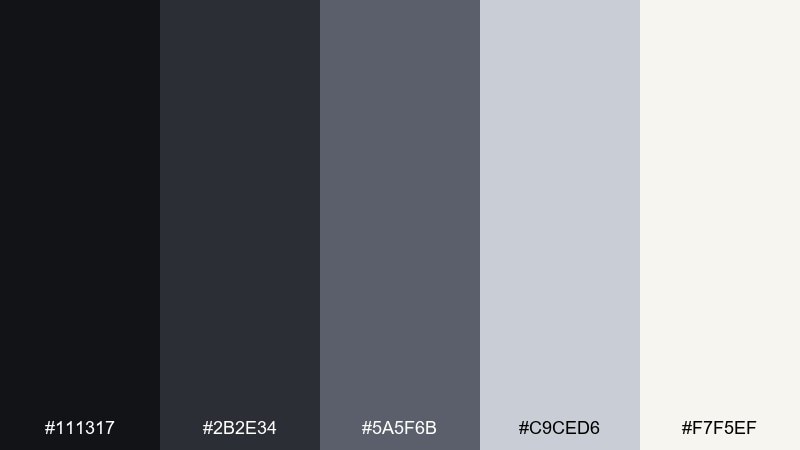
HEX: #111317 #2b2e34 #5a5f6b #c9ced6 #f7f5ef
Mood: minimal, technical, quiet
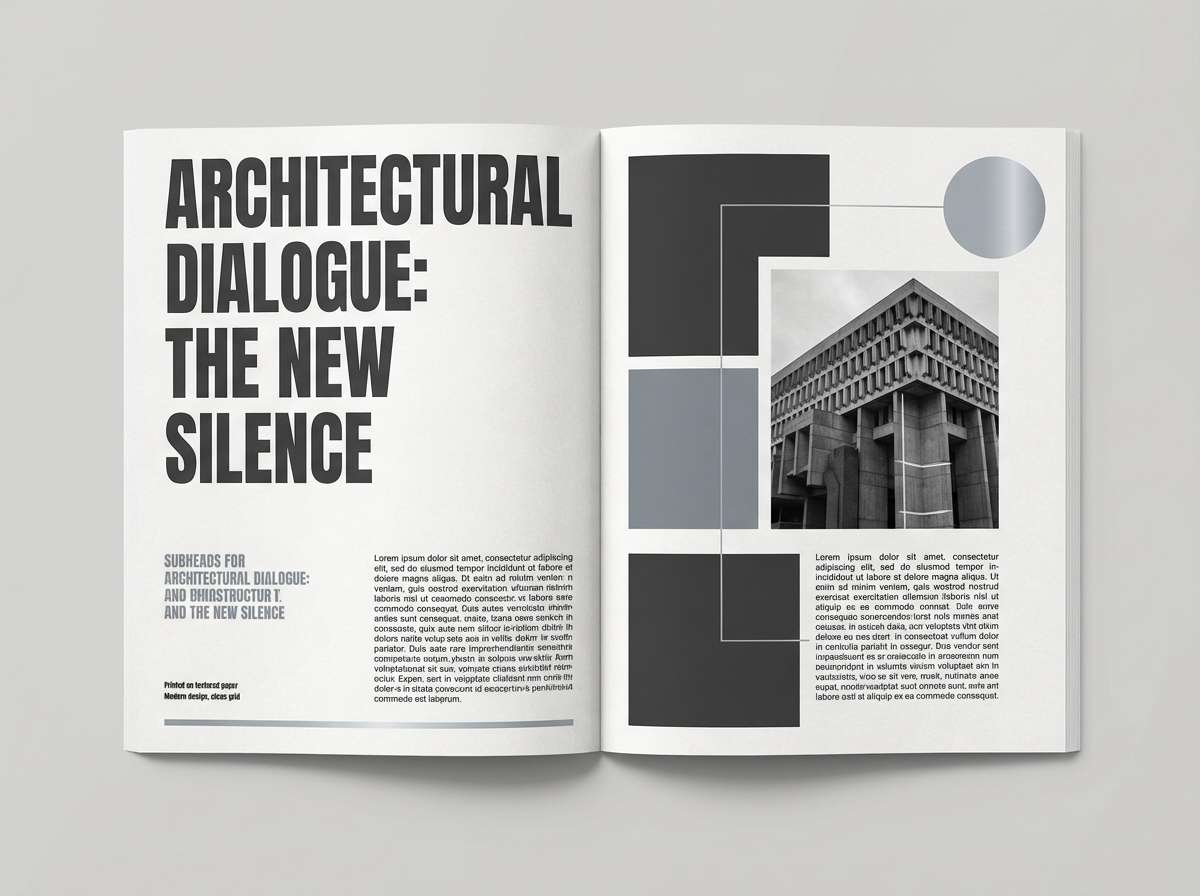
Best for: editorial magazine spread layout
Powdery grays and near-black shadows evoke moon regolith under low light. The palette reads crisp and professional, making typography and grids feel deliberate. It works beautifully for editorial layouts, product spec sheets, and architecture portfolios with lots of white space. Tip: use the lightest tone for margins and captions, and keep body text on the soft off-white to avoid stark glare.
Image example of lunar dust generated using media.io
3) Aurora Drift
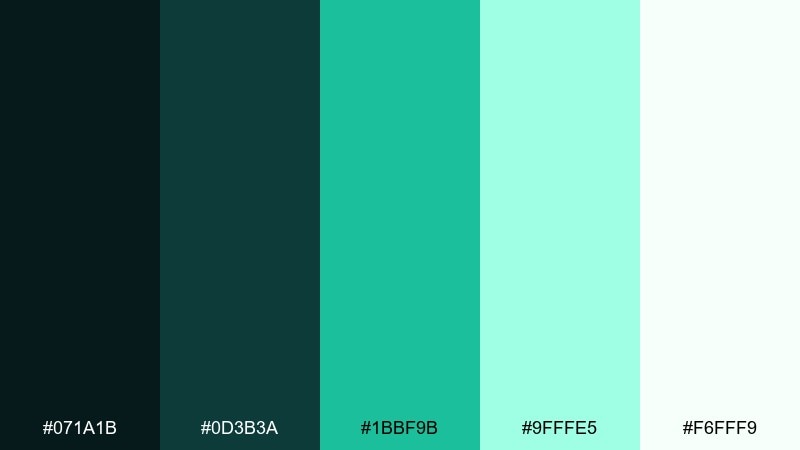
HEX: #071a1b #0d3b3a #1bbf9b #9fffe5 #f6fff9
Mood: fresh, luminous, futuristic
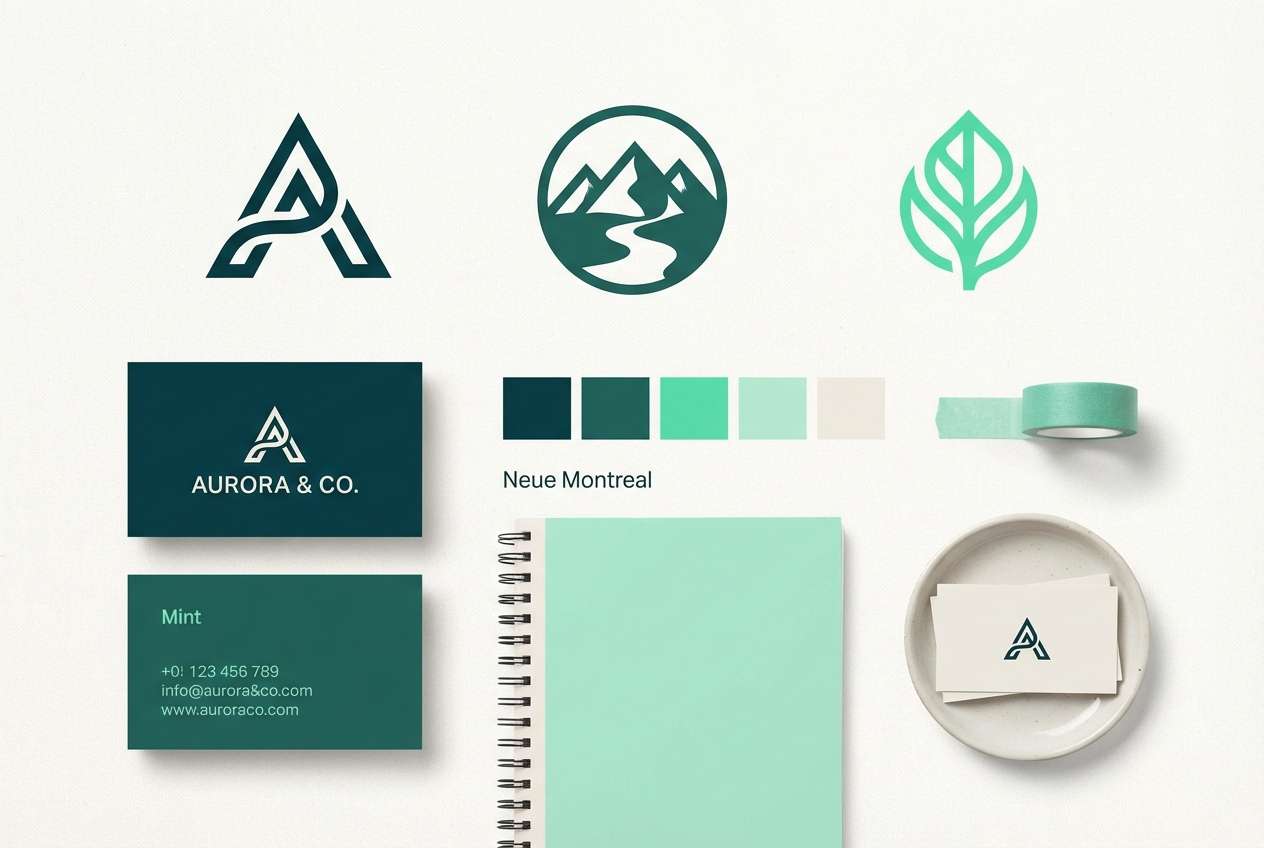
Best for: branding kit for a wellness tech startup
Cool teal shadows and mint light feel like an aurora sliding across a dark horizon. The brighter greens read as clean and optimistic without turning neon. Use it for wellness branding, eco-tech identity, or app onboarding screens where clarity and calm matter. Tip: keep the darkest teal as the primary background and let the mint act as a gentle glow for icons and micro-interactions.
Image example of aurora drift generated using media.io
4) Meteor Ember
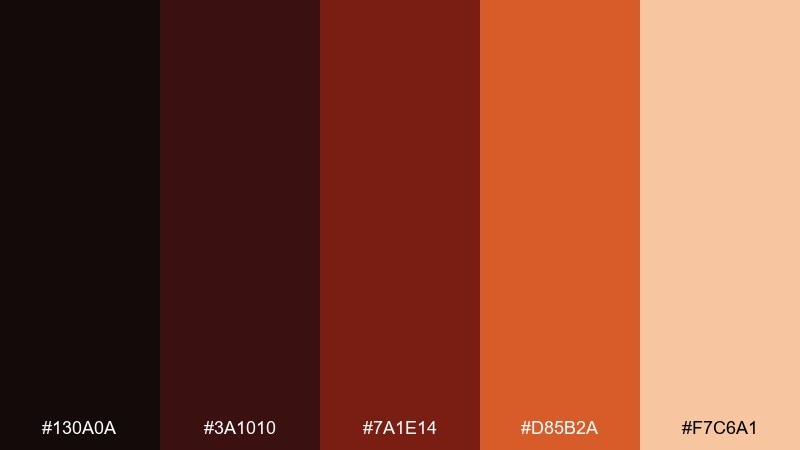
HEX: #130a0a #3a1010 #7a1e14 #d85b2a #f7c6a1
Mood: intense, dramatic, energetic
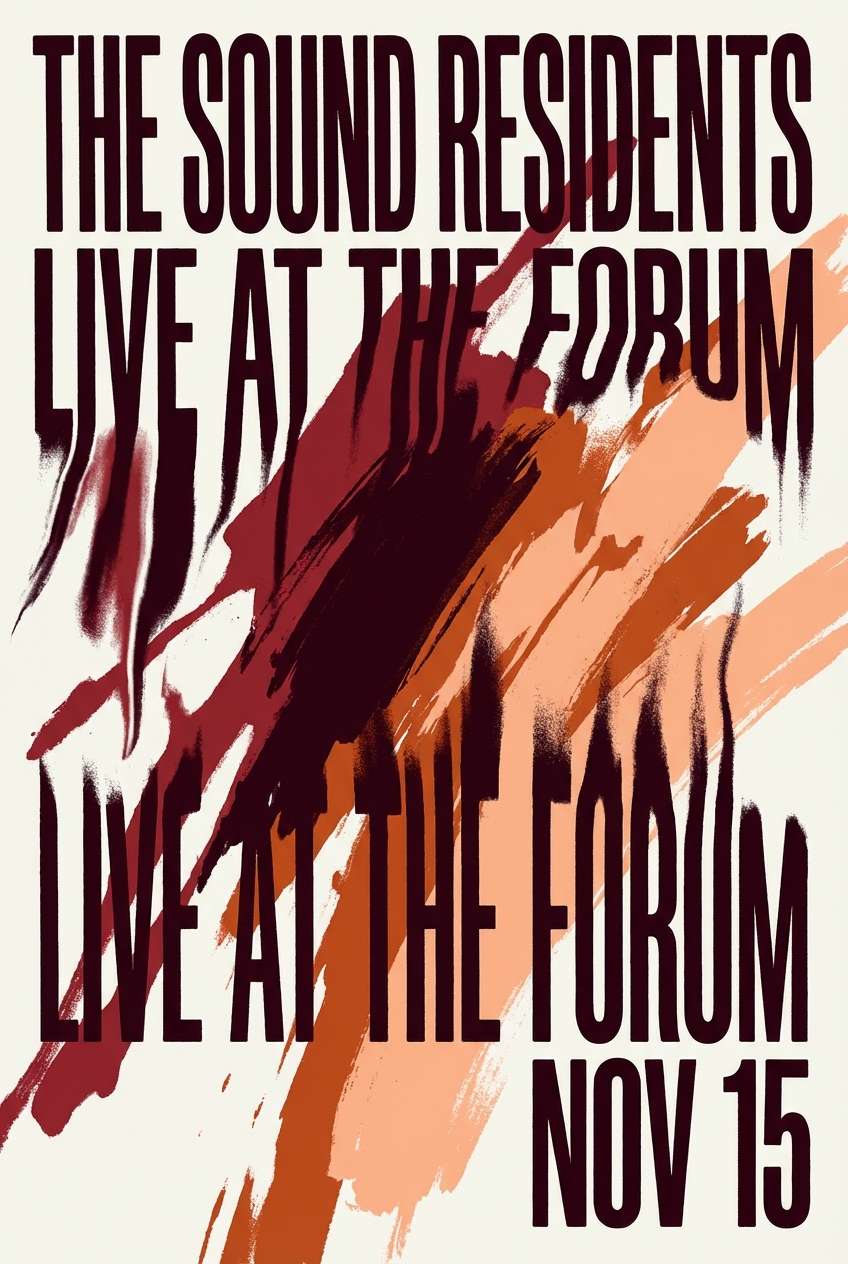
Best for: concert poster graphic design on plain background
Smoky maroons and molten orange look like a meteor burning through a dark sky. The warm ramp gives you instant hierarchy, from deep shadow to hot accent. These outer space color combinations shine on posters, album announcements, and bold social graphics that need urgency. Tip: set type in the pale peach for legibility, and use the orange sparingly as a punchy callout color.
Image example of meteor ember generated using media.io
5) Cosmonaut Blueprints
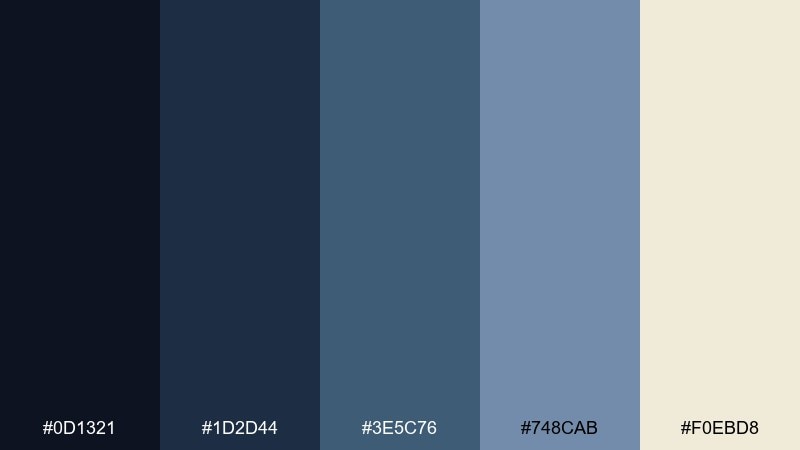
HEX: #0d1321 #1d2d44 #3e5c76 #748cab #f0ebd8
Mood: smart, orderly, dependable
Best for: website hero section for a B2B aerospace firm
Blueprint blues and dusty neutrals feel like schematics laid out under soft lab lighting. The mid-tone steels are ideal for clean gradients and button states without looking overly playful. Use it for corporate sites, pitch decks, and infographics where trust and structure matter. Tip: pair the darkest navy with thin linework in the light beige to keep diagrams crisp.
Image example of cosmonaut blueprints generated using media.io

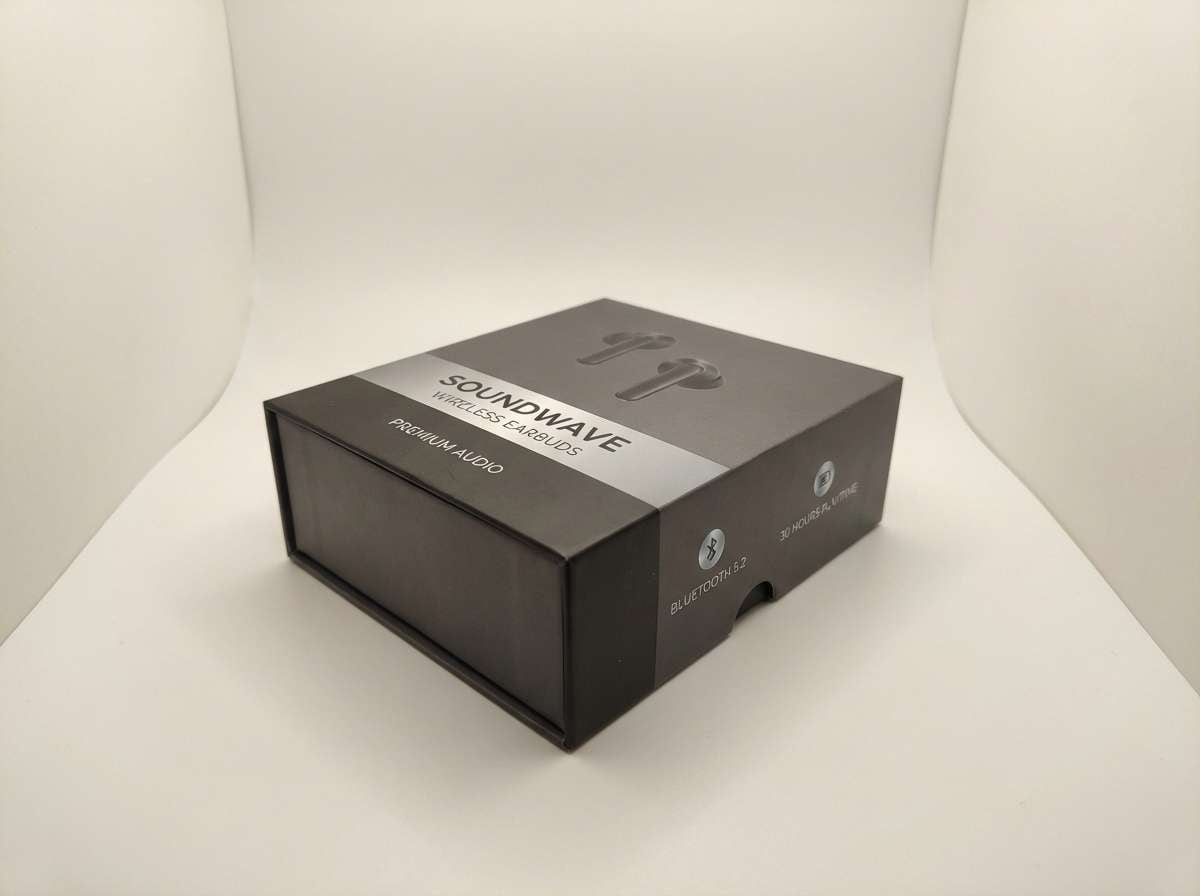
6) Satellite Silver
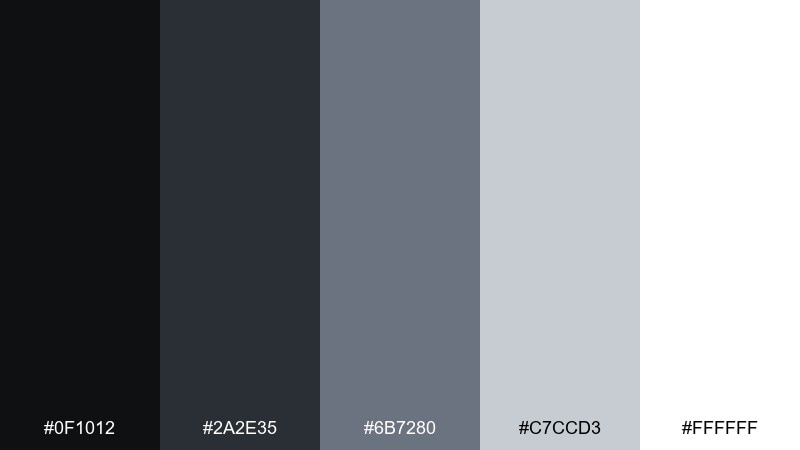
HEX: #0f1012 #2a2e35 #6b7280 #c7ccd3 #ffffff
Mood: sleek, modern, high-tech
Best for: product packaging mockup for wireless earbuds
Polished graphite and clean silver bring to mind satellite panels catching a thin beam of light. The neutral range feels premium and lets form, texture, and type do the talking. It fits consumer electronics packaging, monochrome ads, and minimalist brand systems. Tip: add a single glossy highlight in white on the darkest background to mimic metallic sheen without adding extra colors.
Image example of satellite silver generated using media.io
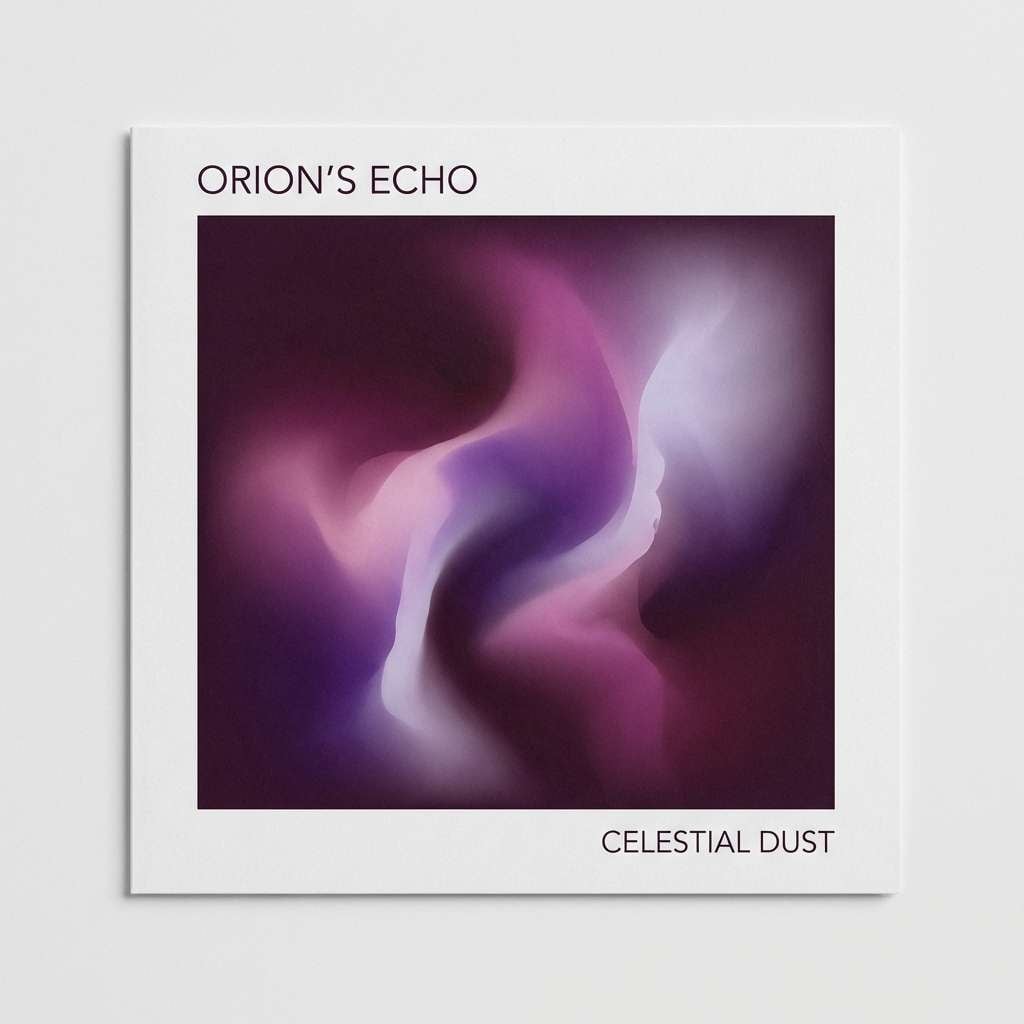
7) Deep Orbit Plum
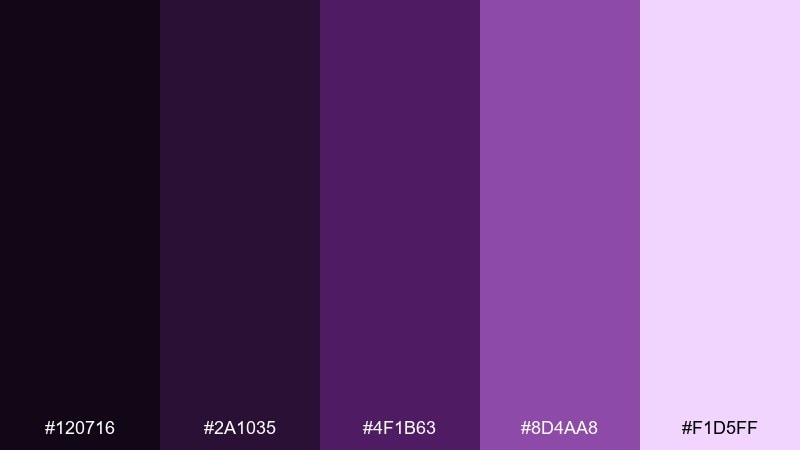
HEX: #120716 #2a1035 #4f1b63 #8d4aa8 #f1d5ff
Mood: dreamy, moody, celestial
Best for: album cover artwork graphic design on plain background
Velvety plums and orchid highlights feel like a nebula blooming in slow motion. The tonal steps make it easy to build depth with gradients and soft glows. Use it for album covers, creator branding, or nighttime event promos where you want romance with edge. Tip: keep the pale lavender for small details like artist names so the cover stays rich and saturated.
Image example of deep orbit plum generated using media.io
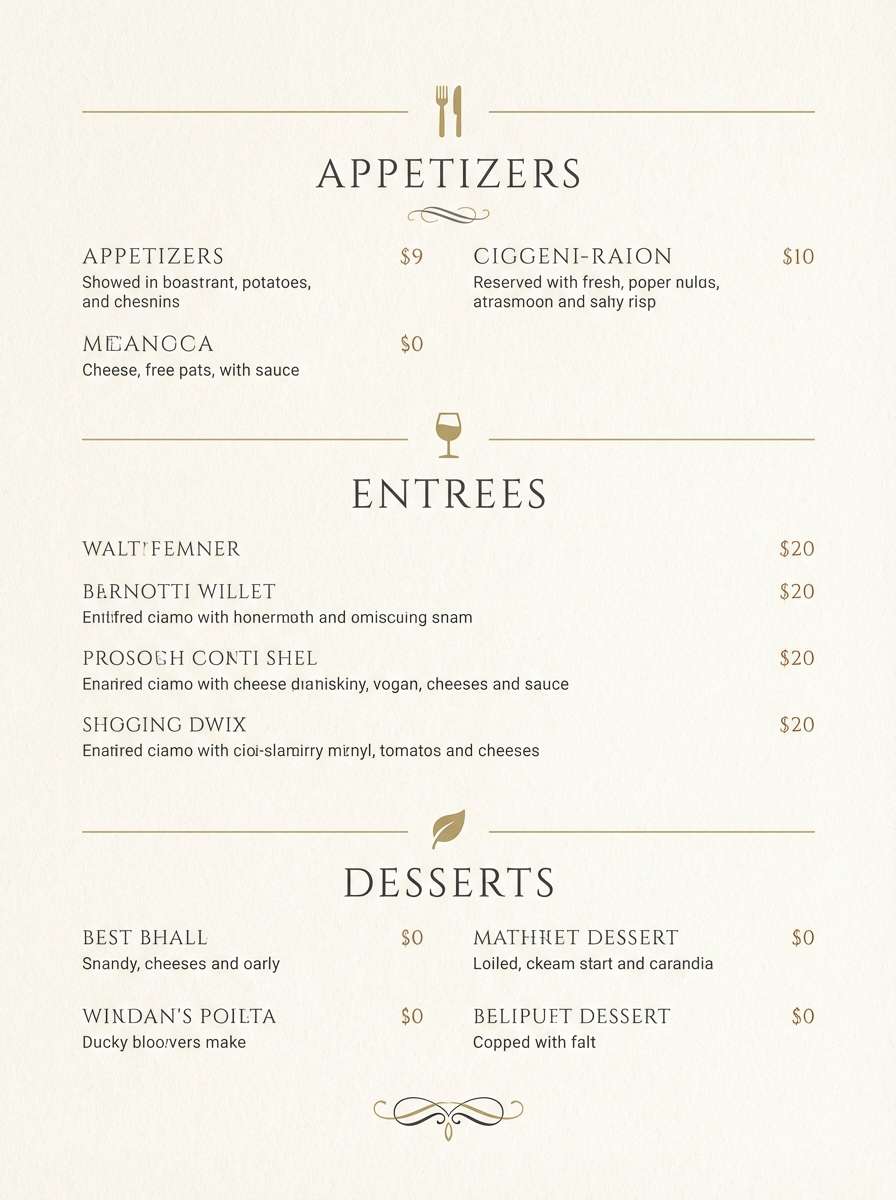
8) Starlit Sand
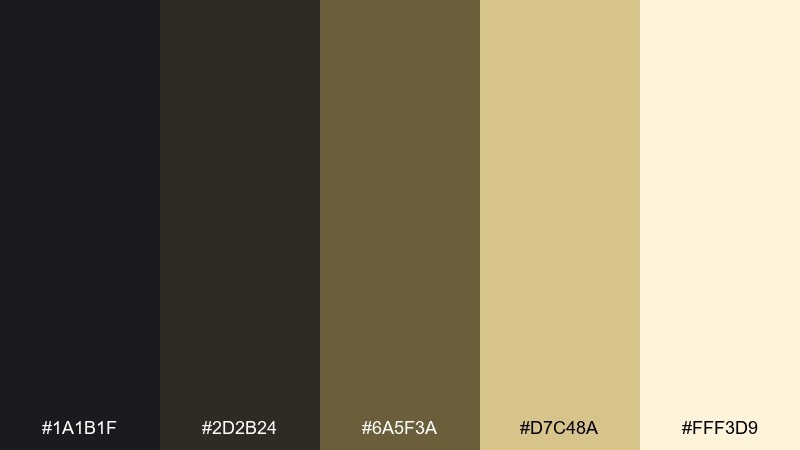
HEX: #1a1b1f #2d2b24 #6a5f3a #d7c48a #fff3d9
Mood: warm, grounded, cinematic
Best for: restaurant menu design layout
Dark charcoal and golden sand feel like starlight falling onto a quiet desert plain. The warm neutrals bring comfort while still reading refined and upscale. It works for menus, packaging, and brand stationery that aims for cozy sophistication. Tip: set headings in the sand-gold and keep body text on the creamy tone for a soft, premium finish.
Image example of starlit sand generated using media.io
9) Comet Tail Teal
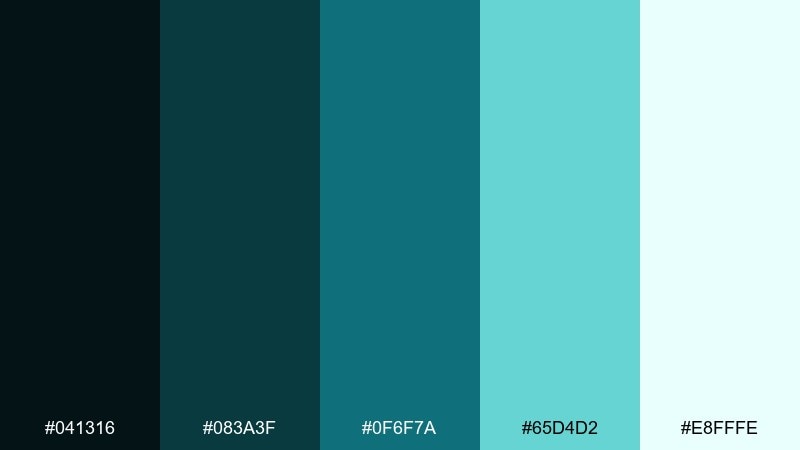
HEX: #041316 #083a3f #0f6f7a #65d4d2 #e8fffe
Mood: crisp, aquatic, kinetic
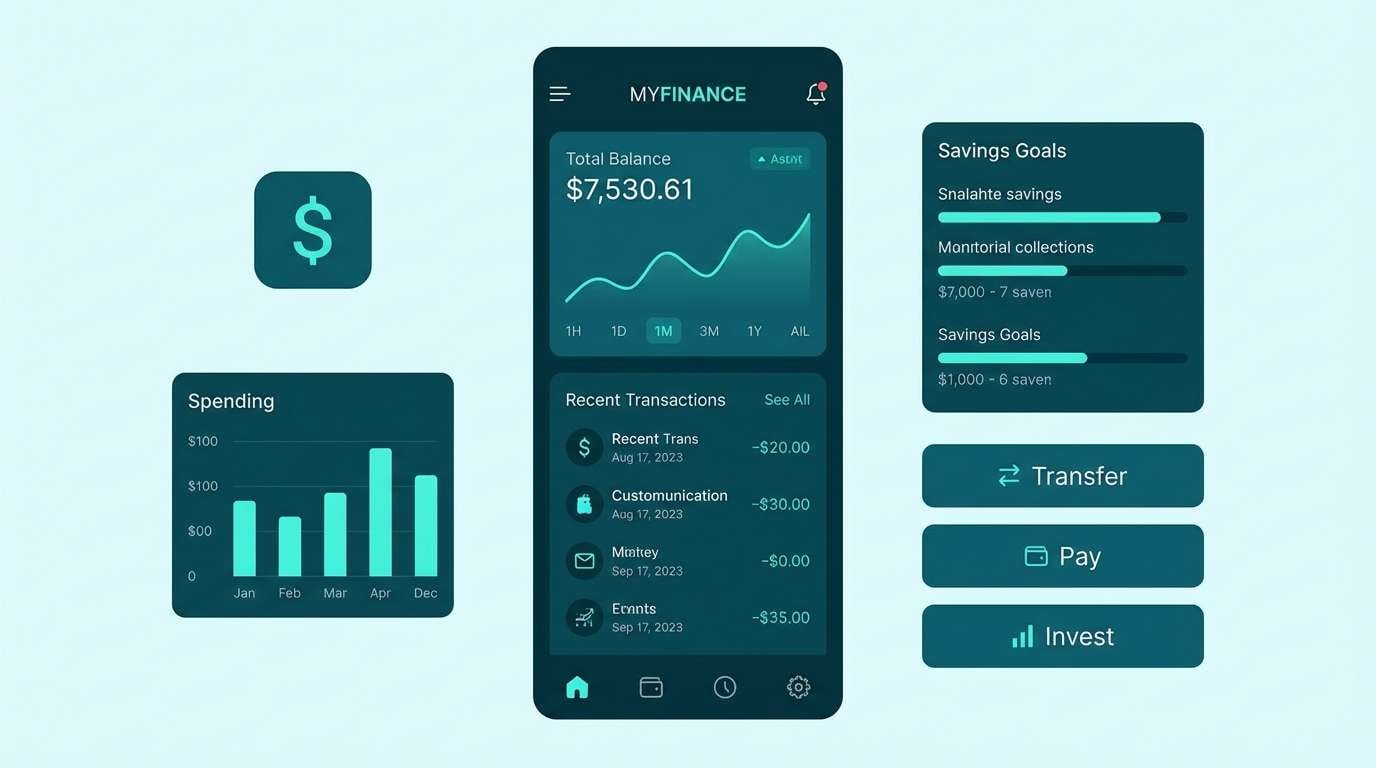
Best for: 2D UI mockup for a finance app
Deep sea teals and bright aqua highlights streak like a comet tail across a black sky. The contrast is sharp enough for charts and alerts without leaning into neon. For an outer space color scheme that stays modern, use the darker tones for navigation and the aqua for key numbers and toggles. Tip: limit the brightest cyan to interactive states so it feels intentional and premium.
Image example of comet tail teal generated using media.io
10) Black Hole Ink
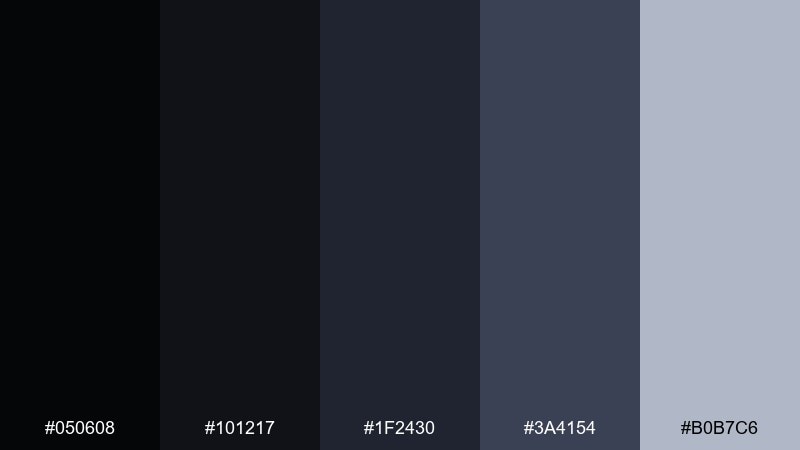
HEX: #050608 #101217 #1f2430 #3a4154 #b0b7c6
Mood: serious, elegant, stealthy
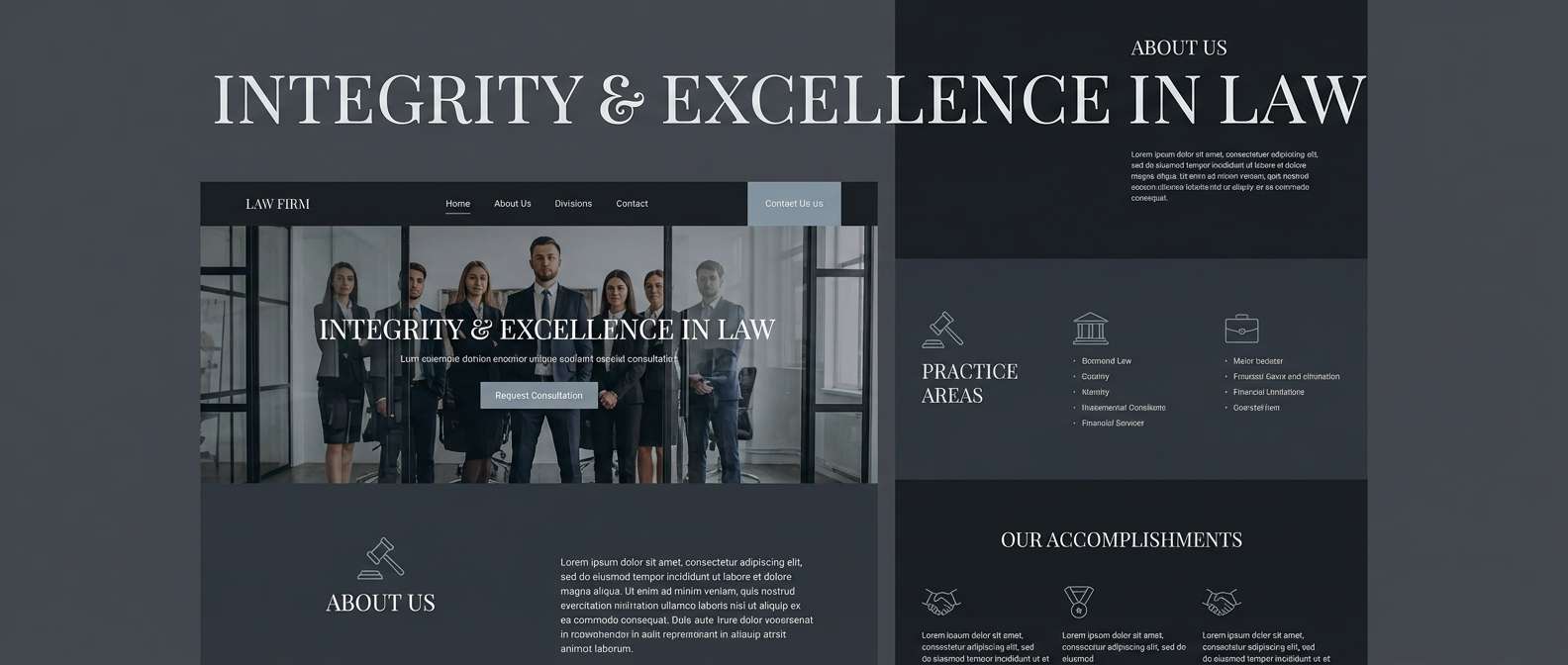
Best for: law firm website landing page design
Inky blacks and cool slate grays feel like light fading at the edge of a black hole. The restrained contrast reads authoritative and keeps layouts feeling uncluttered. It is a strong choice for professional services, luxury tech, and portfolios that rely on typography. Tip: introduce the light gray only for primary CTAs and key links to avoid washing out the dark atmosphere.
Image example of black hole ink generated using media.io
11) Cosmic Citrus Pop
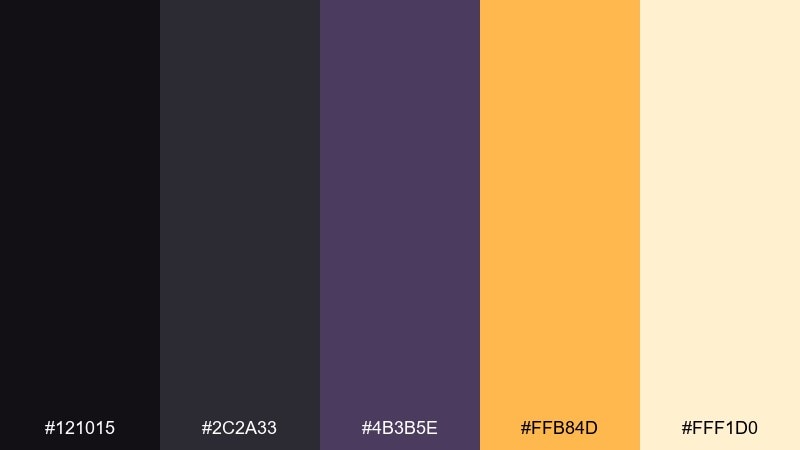
HEX: #121015 #2c2a33 #4b3b5e #ffb84d #fff1d0
Mood: playful, bold, modern
Best for: social media ad graphic on plain background
Dusky purples with a bright citrus flare feel like a quirky spacecraft console lighting up. The orange adds instant energy, while the dark violets keep the overall look grounded. Use it for social ads, app promos, and creator thumbnails where you need contrast at small sizes. Tip: place orange only on one focal element per frame, like a button or badge, so it stays punchy.
Image example of cosmic citrus pop generated using media.io

12) Nebula Rose
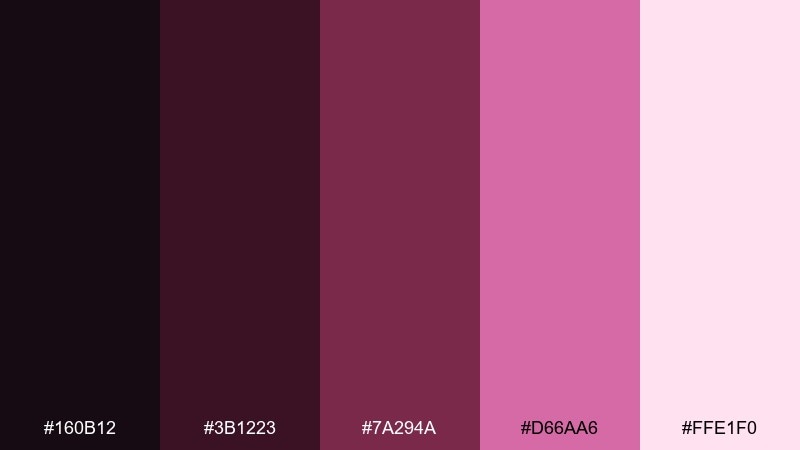
HEX: #160b12 #3b1223 #7a294a #d66aa6 #ffe1f0
Mood: romantic, atmospheric, expressive
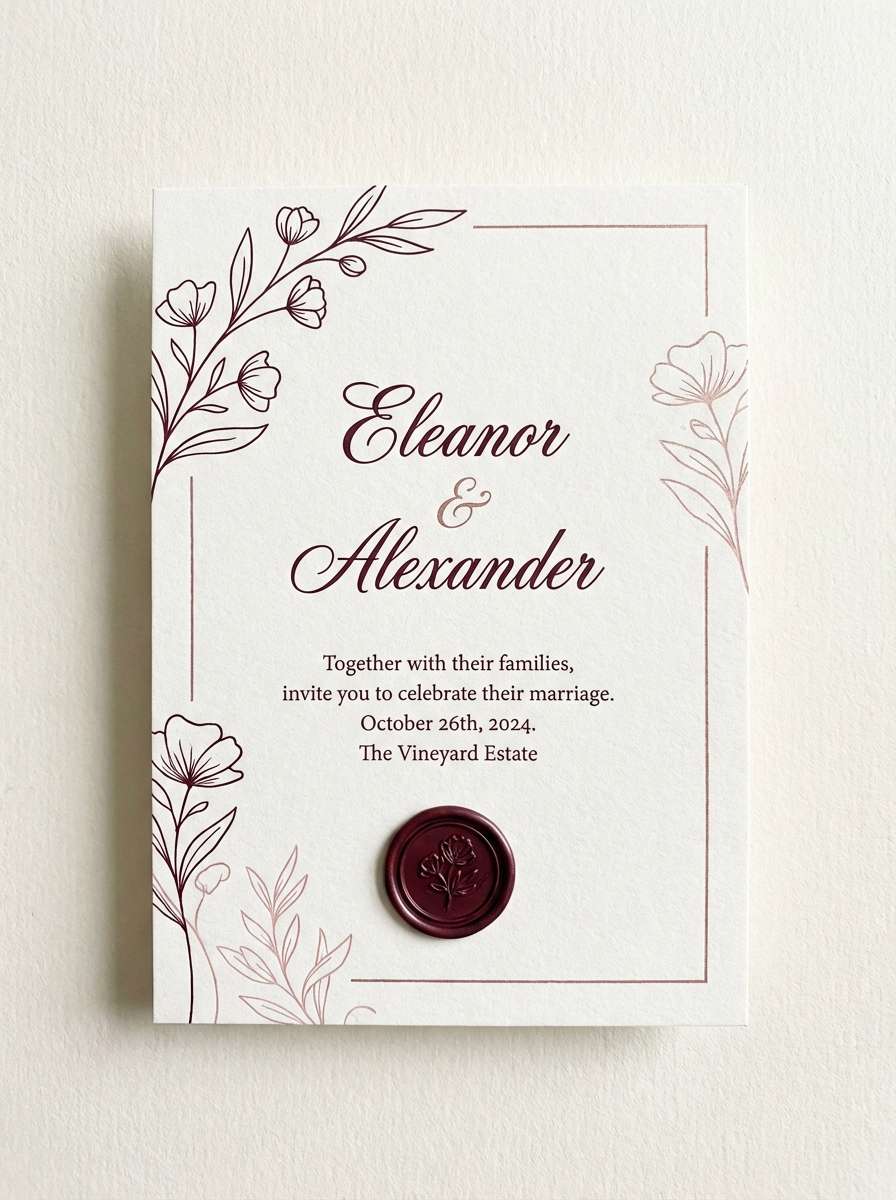
Best for: wedding invitation design on plain background
Velvet rose shadows and blush highlights look like gas clouds swirling into a soft nebula. The palette feels intimate and luxe, especially when paired with elegant serif type. Use this outer space color palette for invitations, beauty branding, or editorial accents that need drama without harsh contrast. Tip: print the dark wine tone for text and keep the pale pink for negative space to maintain readability.
Image example of nebula rose generated using media.io
13) Plasma Violet Neon
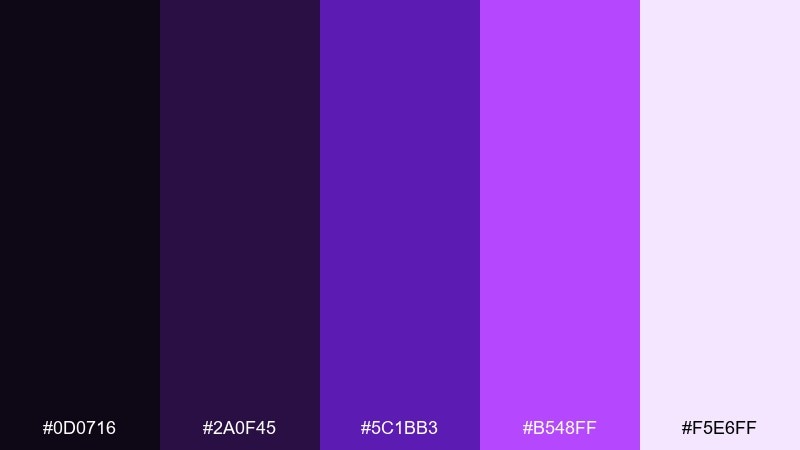
HEX: #0d0716 #2a0f45 #5c1bb3 #b548ff #f5e6ff
Mood: electric, futuristic, nightlife
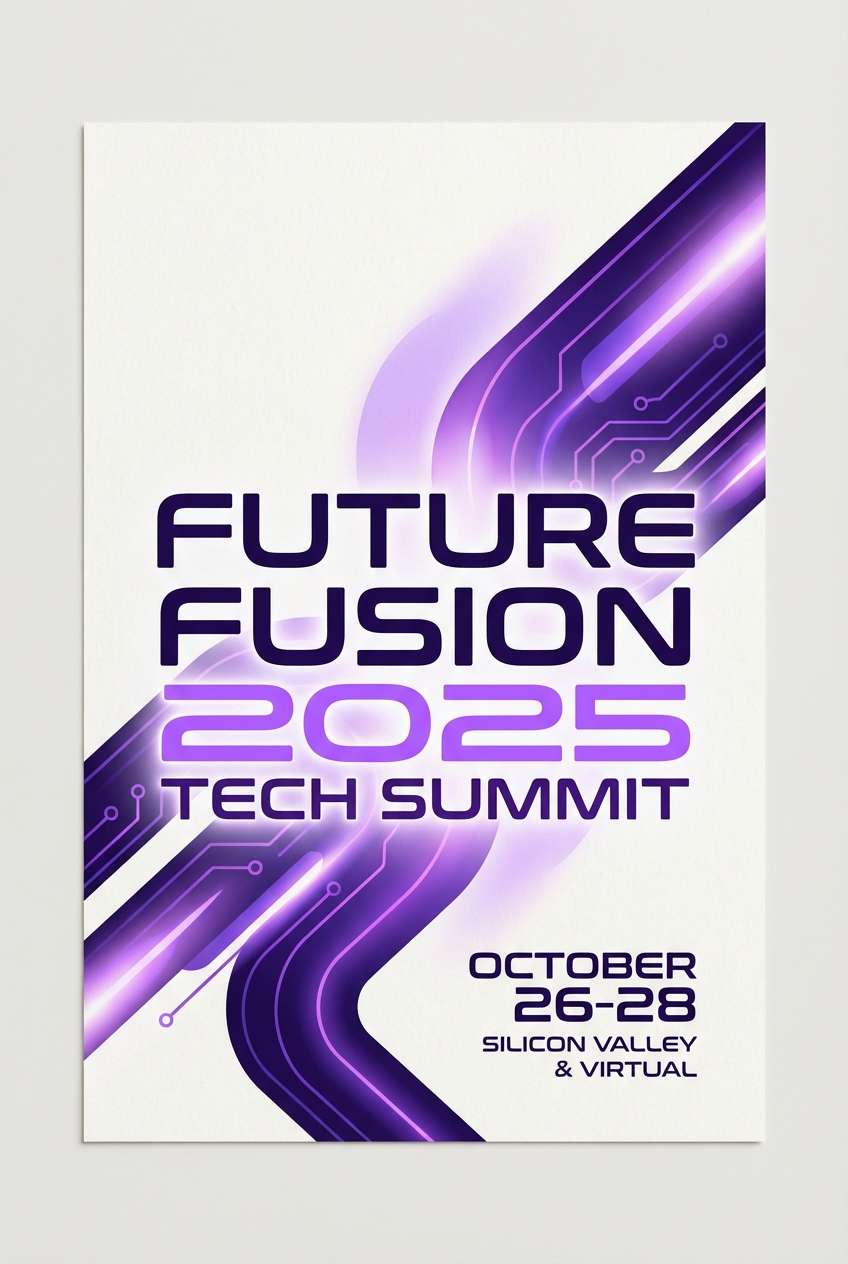
Best for: tech event flyer graphic design on plain background
Charged violets and neon lilac feel like plasma arcs dancing in a lab-dark room. The bright purple is perfect for glowing accents, while the deep indigo keeps layouts anchored. Use it for tech event flyers, gaming banners, or streamer overlays with high energy. Tip: apply the neon tone to outlines and gradients, and keep large blocks in the darkest shade to prevent visual fatigue.
Image example of plasma violet neon generated using media.io
14) Galaxy Fog
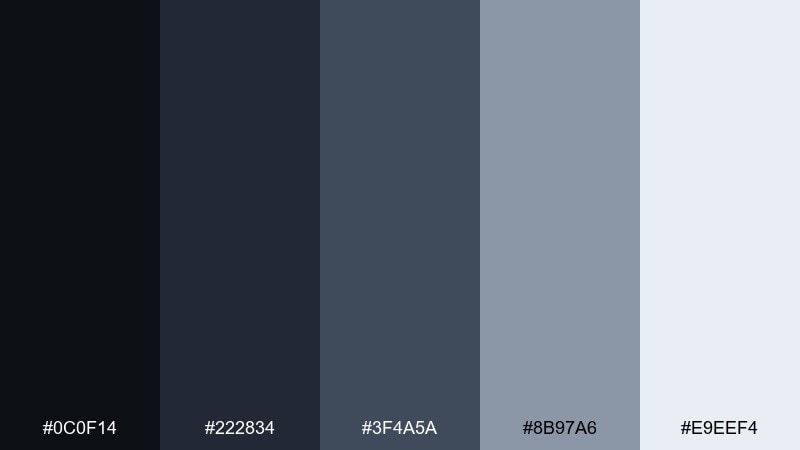
HEX: #0c0f14 #222834 #3f4a5a #8b97a6 #e9eef4
Mood: soft, calm, modern
Best for: SaaS onboarding screen UI mockup
Smoky blue-grays create a foggy galaxy vibe that feels gentle and polished. The progression from dark to light makes onboarding steps and empty states look clean instead of flat. Use it for SaaS UI, product tours, and documentation pages where clarity is everything. Tip: keep the lightest gray for card backgrounds and use the mid gray for secondary text to preserve hierarchy.
Image example of galaxy fog generated using media.io

15) Alien Meadow
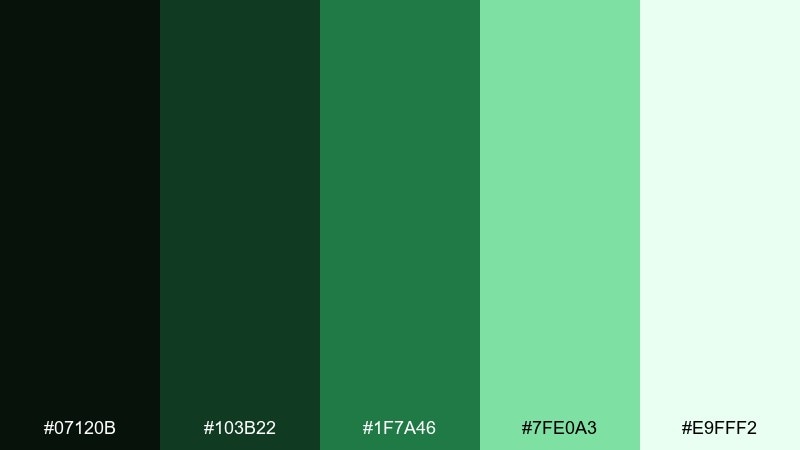
HEX: #07120b #103b22 #1f7a46 #7fe0a3 #e9fff2
Mood: organic, hopeful, otherworldly
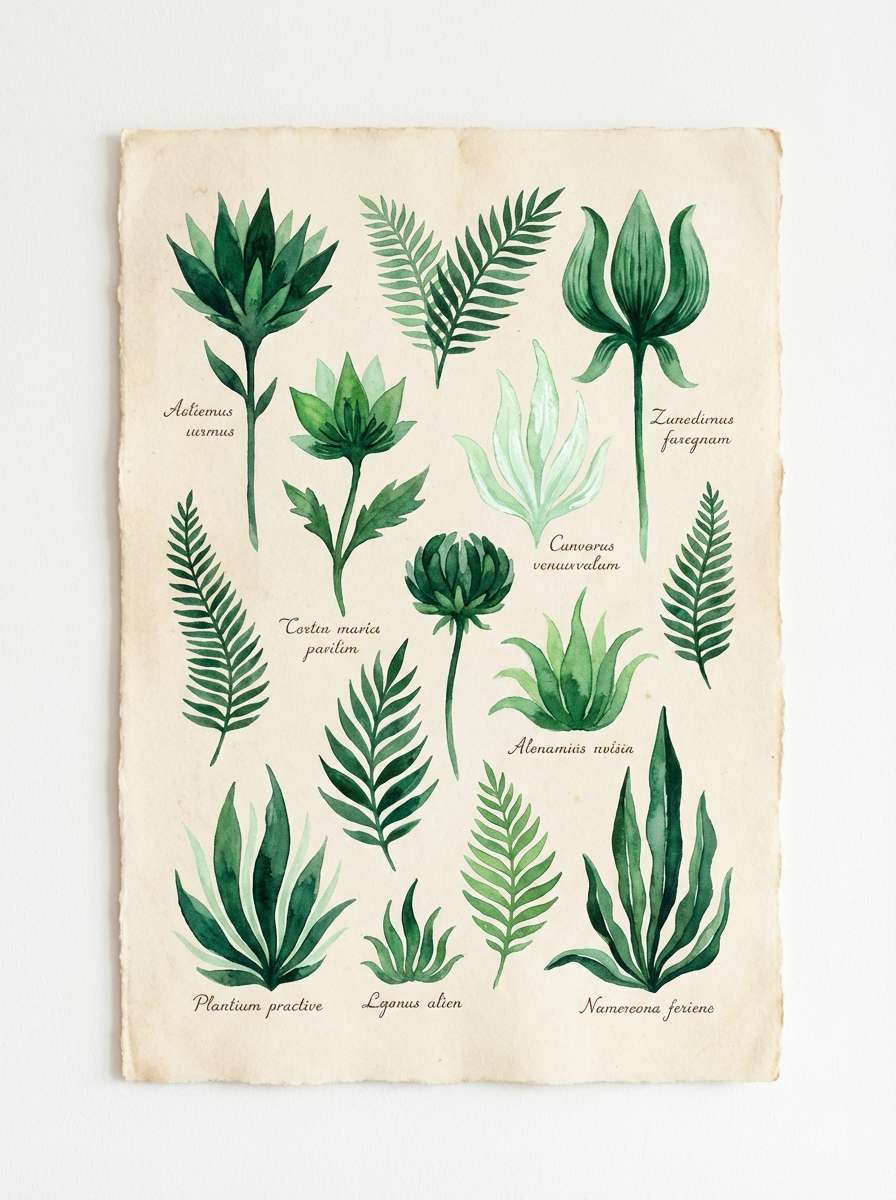
Best for: watercolor botanical illustration poster
Deep greens and minty light suggest an alien meadow growing under a distant star. The palette feels natural but still unusual, thanks to the cool shadows and bright spring-green lift. It suits botanical posters, eco branding, and packaging for clean beauty. Tip: let the darkest green frame the composition, and use the pale mint as a breathable background wash.
Image example of alien meadow generated using media.io
16) Solar Flare Gold
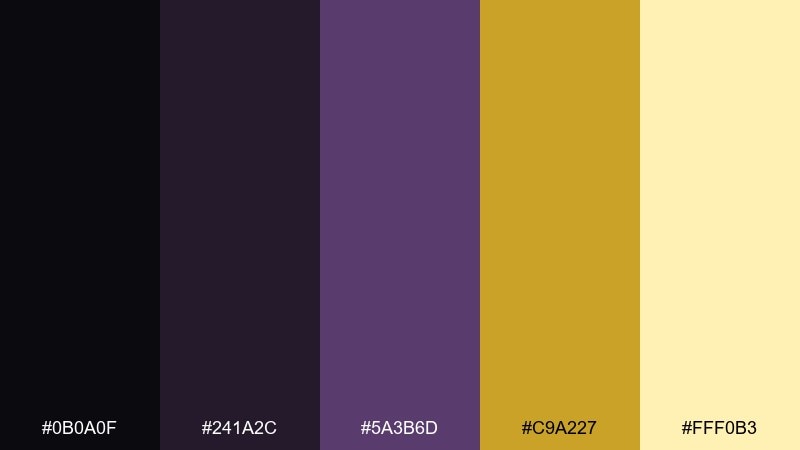
HEX: #0b0a0f #241a2c #5a3b6d #c9a227 #fff0b3
Mood: luxurious, dramatic, radiant
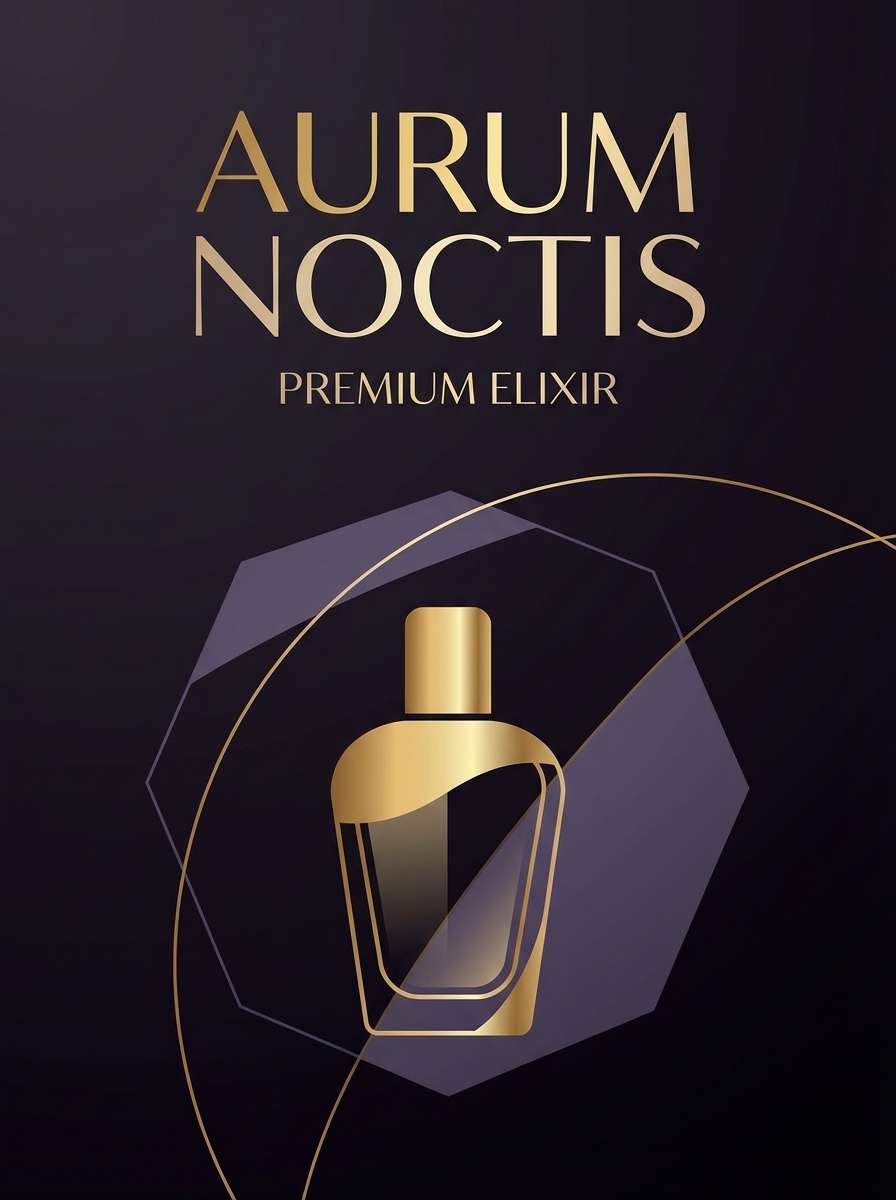
Best for: premium product ad poster on plain background
Dark cosmic purples with flare-like gold feel rich and ceremonial, like sunlight breaking over a distant rim. The gold reads as prestige, while the violet tones keep it cinematic and modern. Use it for premium ads, fashion launches, and elegant brand campaigns. Tip: treat the gold as a metallic accent on edges, icons, or a single headline line for maximum impact.
Image example of solar flare gold generated using media.io
17) Ringed Planet Pastels
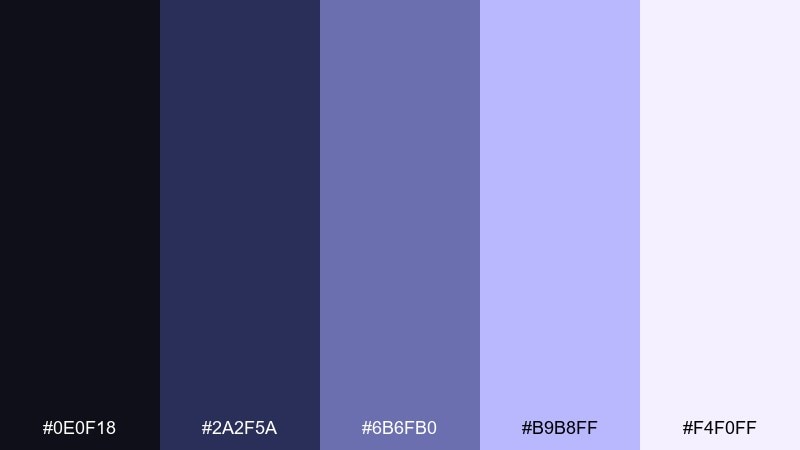
HEX: #0e0f18 #2a2f5a #6b6fb0 #b9b8ff #f4f0ff
Mood: soft, dreamy, airy
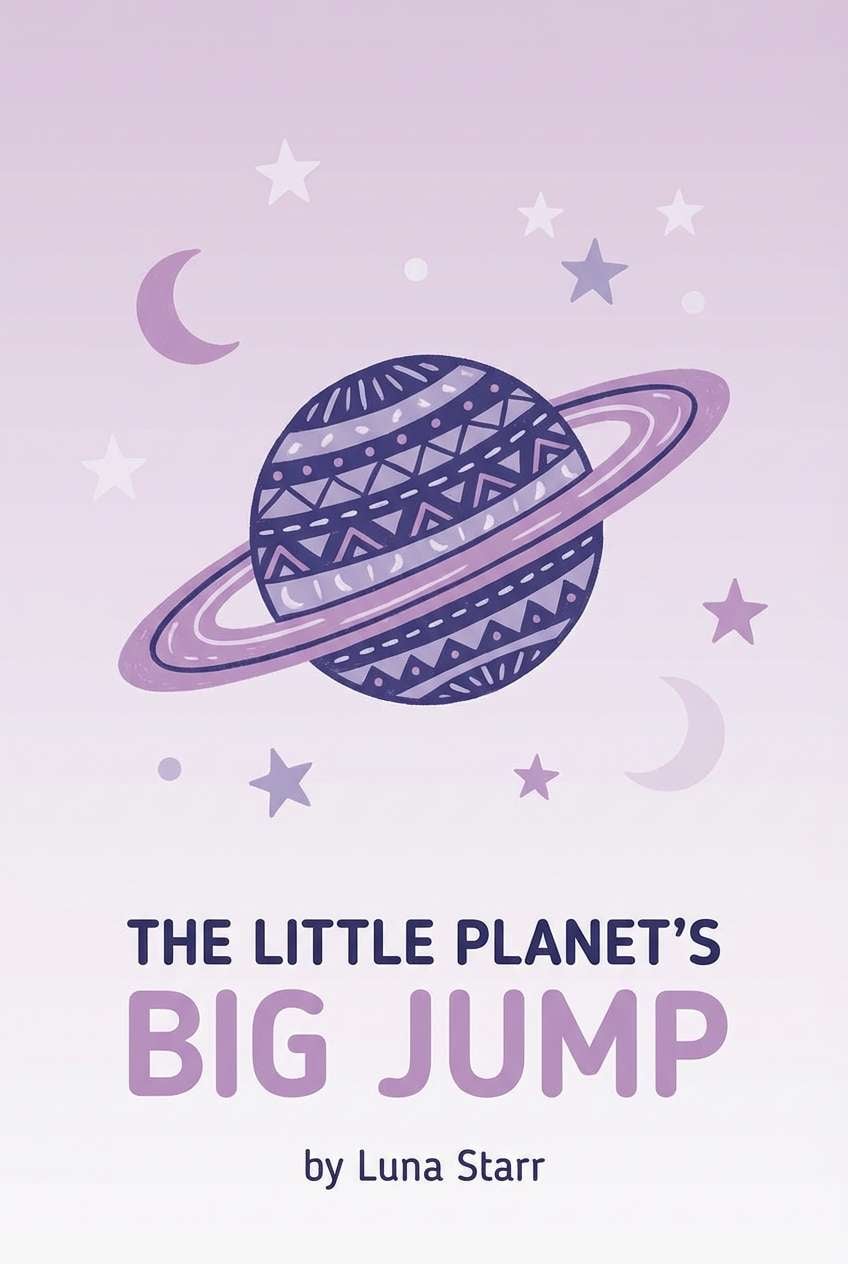
Best for: children book cover illustration on plain background
Lavender pastels and midnight indigo feel like a ringed planet seen through a gentle telescope. The light tones are friendly and imaginative, while the dark base keeps the look cohesive. It works for kids covers, playful branding, and calming app themes. Tip: use the palest shade as the main field color and add the darkest indigo only for outlines and titles.
Image example of ringed planet pastels generated using media.io
18) Vacuum Chrome
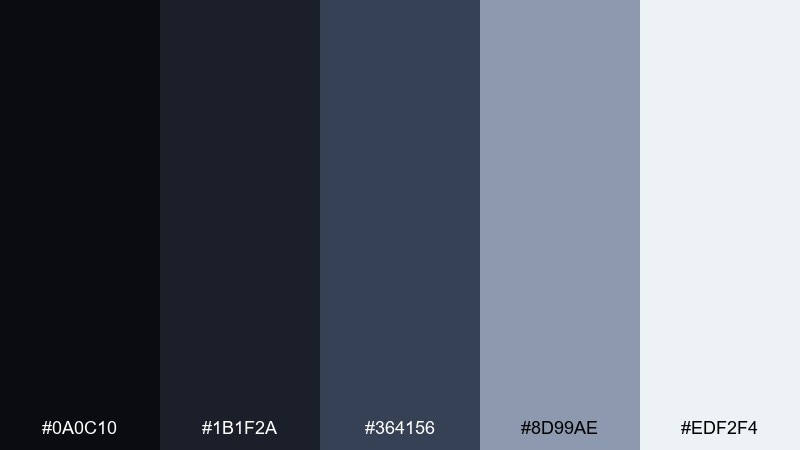
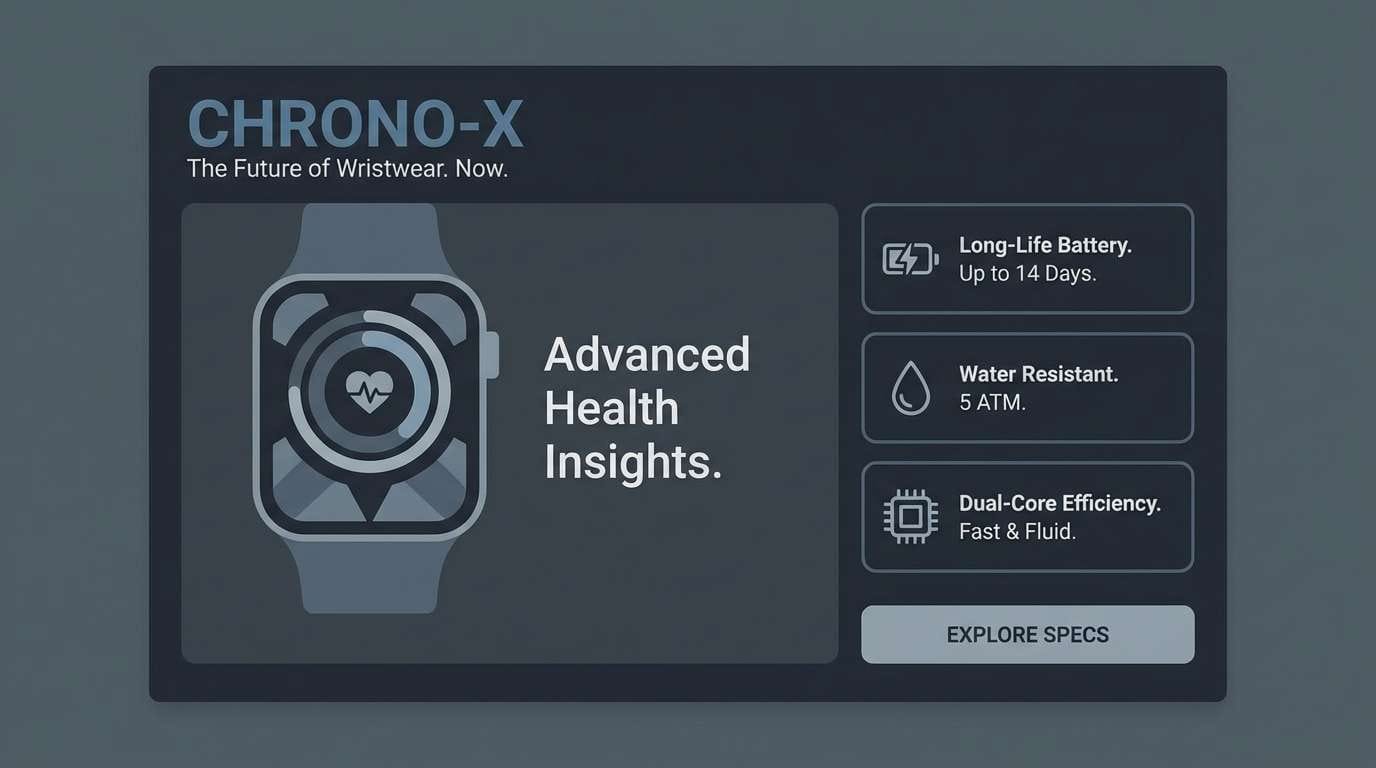
HEX: #0a0c10 #1b1f2a #364156 #8d99ae #edf2f4
Mood: cool, industrial, precise
Best for: product landing page UI mockup for a smartwatch
Cold chromes and blue-gray shadows feel like a capsule interior lit by instrument panels. The mid-tone steel works nicely for UI borders, chips, and neutral gradients. Use it for hardware landing pages, tech reviews, and clean product UI where you want a crisp, engineered look. Tip: keep backgrounds in the pale gray and use the darkest tone for hero headlines to maintain clarity.
Image example of vacuum chrome generated using media.io
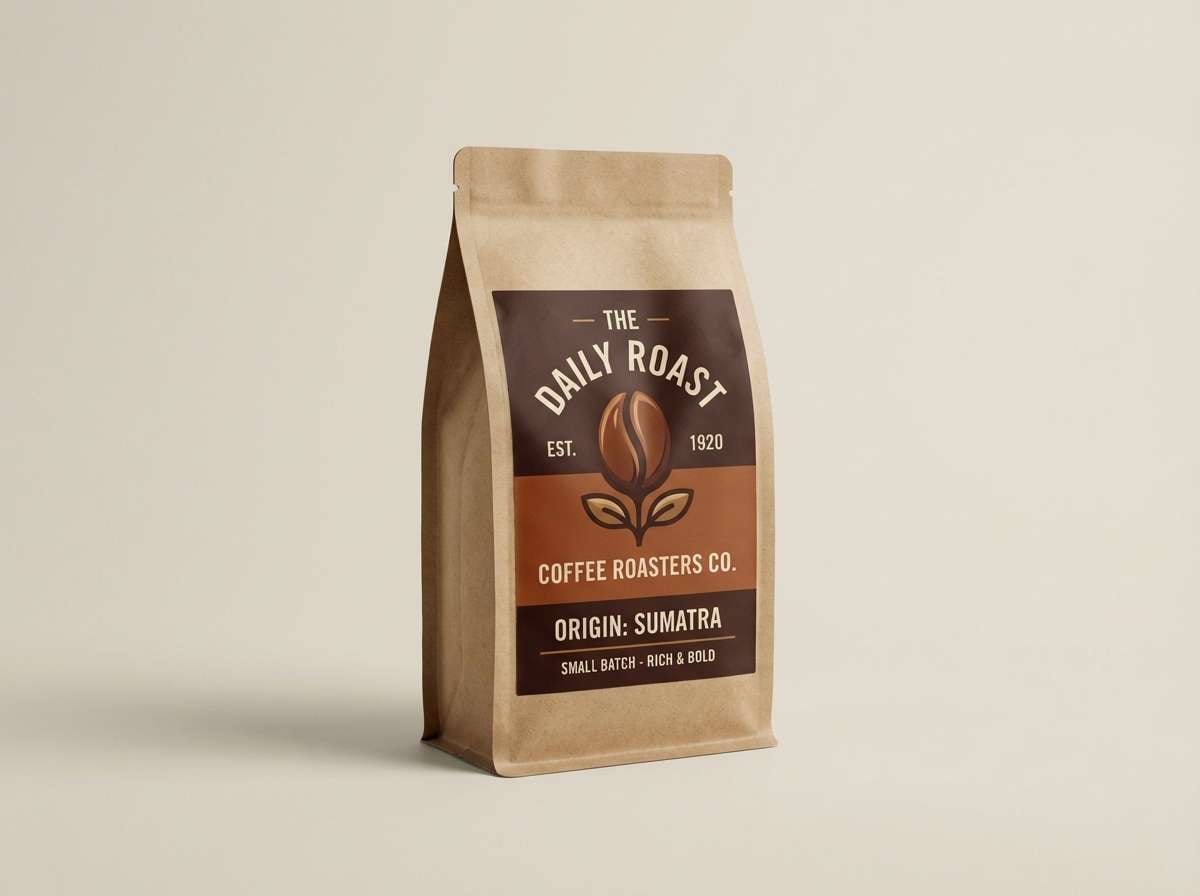
19) Rocket Cabin Warmth
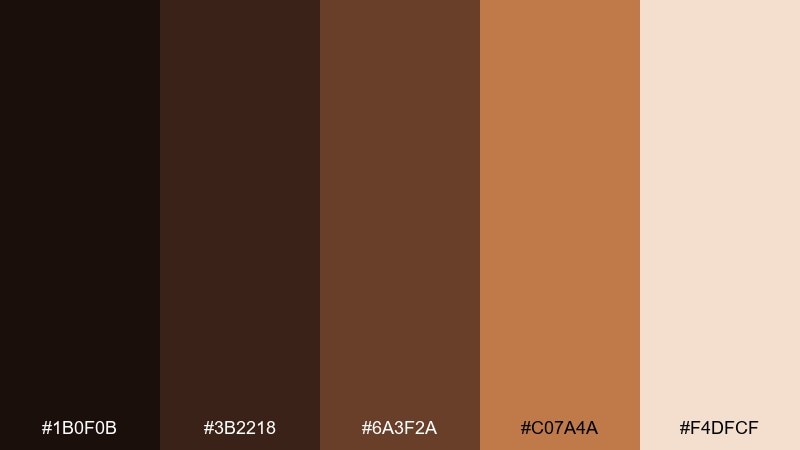
HEX: #1b0f0b #3b2218 #6a3f2a #c07a4a #f4dfcf
Mood: warm, nostalgic, handcrafted
Best for: coffee packaging label design
Toasty browns and soft cream evoke a rocket cabin with warm lights and worn leather seats. The palette feels human and tactile, balancing rugged depth with inviting highlights. It fits coffee labels, artisan goods, and vintage-inspired branding. Tip: choose the cream for background space and use the caramel tone for badges so small print stays readable.
Image example of rocket cabin warmth generated using media.io
20) Star Map Greens
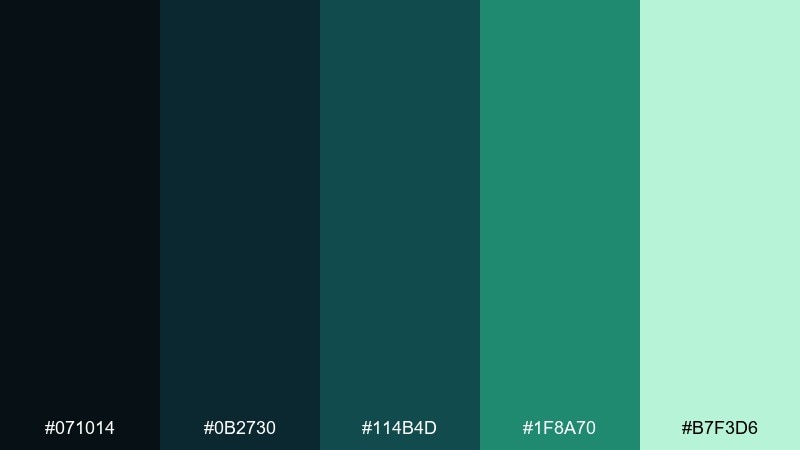
HEX: #071014 #0b2730 #114b4d #1f8a70 #b7f3d6
Mood: exploratory, clean, modern
Best for: infographic poster design on plain background
Inky teal and sea-green accents feel like tracing routes on an old star map. The darker tones create strong structure, while the mint gives you a clear highlight for data points. Use it for infographics, educational posters, and mapping visuals with lots of labels. Tip: keep grids and lines in the mid teal, and reserve the mint for the final layer of emphasis.
Image example of star map greens generated using media.io
21) Gravity Bloom
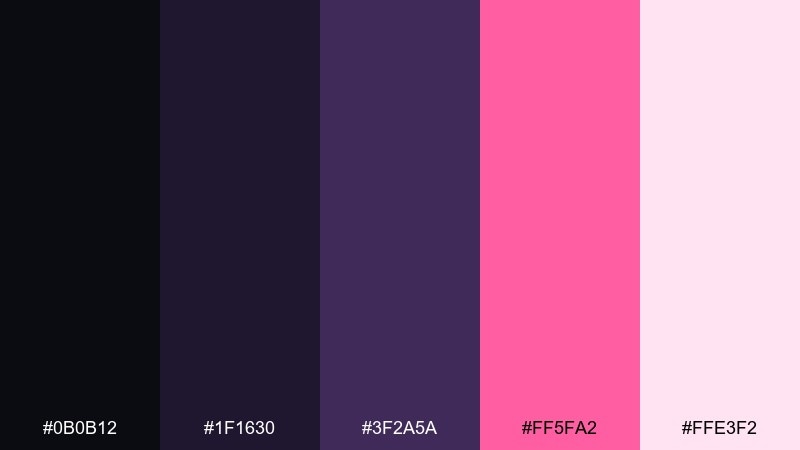
HEX: #0b0b12 #1f1630 #3f2a5a #ff5fa2 #ffe3f2
Mood: bold, artistic, magnetic
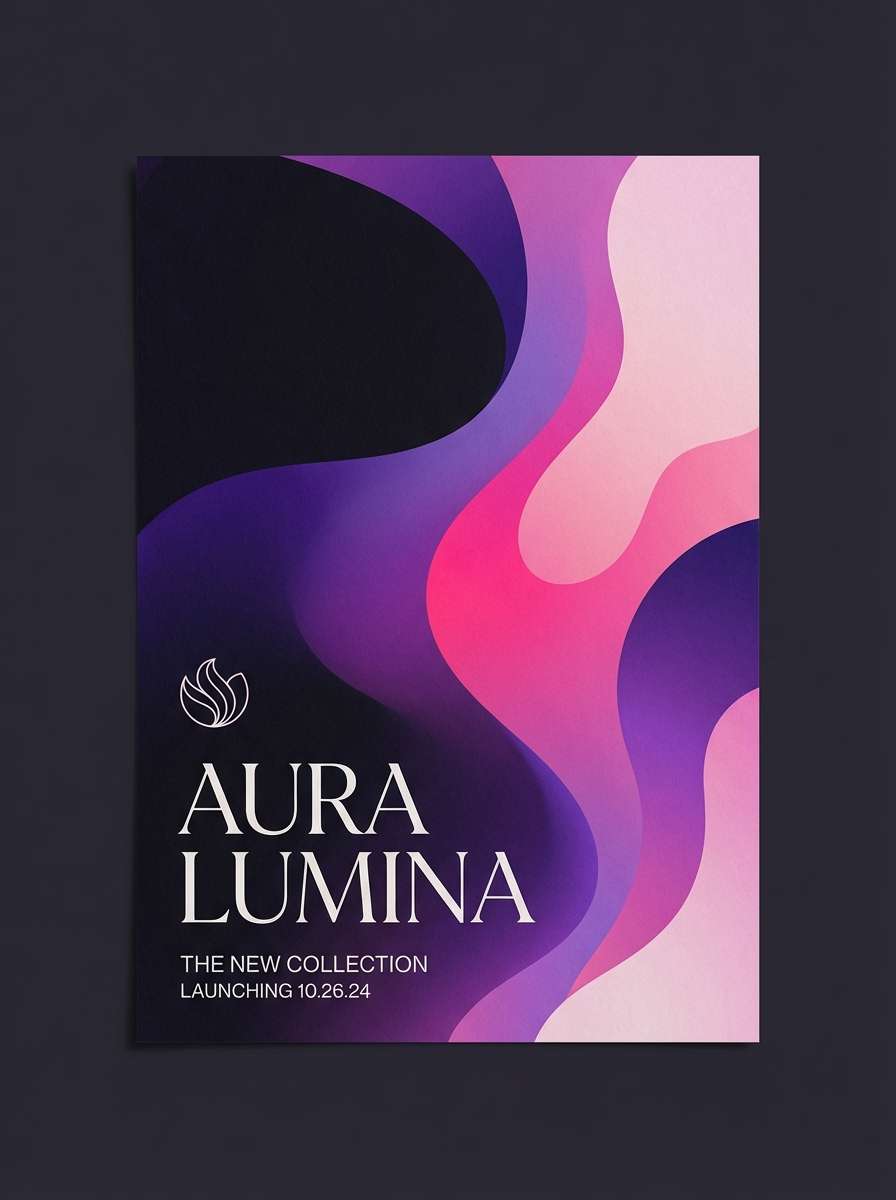
Best for: beauty product launch poster on plain background
Deep violet shadows with hot pink bloom feel like color pulled inward by gravity, then bursting into light. The contrast is perfect for beauty launches that need a confident, modern edge. These outer space color combinations pair well with sleek sans-serif type and simple shapes. Tip: keep pink to one hero element and echo it in small highlights to avoid overpowering the dark base.
Image example of gravity bloom generated using media.io
What Colors Go Well with Outer Space?
Outer space palettes pair best with deep neutrals like starry black, deep navy, charcoal, and blue-gray—these shades keep the “night sky” foundation consistent across UI and print.
For accents, cosmic colors like teal, mint, periwinkle, violet, hot pink, and gold work especially well because they read like auroras, nebula glow, or starlight against dark backgrounds.
If you want a more grounded look, add warm neutrals (cream, sand, peach) as highlight colors. They soften the palette and improve legibility for text-heavy designs.
How to Use a Outer Space Color Palette in Real Designs
Start with a dark base for large surfaces (backgrounds, hero sections, poster fields), then build hierarchy using one mid-tone for components and one light tone for text and cards. This keeps contrast controlled and avoids the “all-black” flatness.
Use cosmic accents as functional signals: CTAs, active states, data highlights, and key badges. In space themed design, a little color goes a long way—too many bright accents can break the cinematic mood.
For print, consider subtle gradients and soft glows instead of adding extra colors. Outer space color combinations often look more premium when depth comes from lighting effects rather than more swatches.
Create Outer Space Palette Visuals with AI
If you already have HEX codes, you can turn them into visuals fast by generating mockups like dashboards, flyers, brand kits, or packaging concepts—without starting from a blank canvas.
With Media.io text-to-image, describe the layout style (UI, poster, editorial, product ad) and include your palette intent (deep navy base, neon violet accents, soft cream highlights) to keep outputs consistent.
Once you get an image you like, iterate by adjusting one variable at a time—accent color intensity, background darkness, or typography style—to refine the space vibe.
Outer Space Color Palette FAQs
-
What is an outer space color palette?
An outer space color palette is a set of colors inspired by space visuals—typically near-black or deep navy foundations with cool gray “metallic” tones and bright accents like teal, violet, pink, or gold to mimic glow and starlight. -
Which background color works best for space themed design?
Deep navy or near-black usually works best because it preserves the night-sky feeling while giving you strong contrast for UI text, icons, and glowing accent colors. -
How do I keep outer space palettes readable for UI?
Use a dark base for large areas, reserve a light neutral (off-white or pale gray) for primary text, and keep your brightest accent color limited to interactive states like buttons, links, and key charts. -
What are good accent colors for an outer space palette?
Teal/mint (aurora vibes), periwinkle/lavender (celestial softness), hot pink (nebula energy), and gold (solar flare luxury) are strong choices that pop cleanly against deep neutrals. -
Can I use outer space color combinations for branding?
Yes. Space palettes are popular for tech, gaming, SaaS, and premium products because they feel modern and cinematic. Pair them with clean typography and consistent accent usage for a strong brand system. -
How many colors should I use from a space palette?
In most real designs, use 2–3 main tones (background + surfaces + text) and 1 accent color. Keep the remaining shades as supportive tints for borders, dividers, or secondary states. -
How can I generate outer space palette visuals quickly?
Use Media.io text-to-image: describe the design type (poster, UI, brand kit), specify the mood (cinematic, futuristic, minimal), and reference your key colors (e.g., deep navy base with teal glow accents) to guide consistent results.


