

Jungle green is a modern “nature neutral”: deep enough to feel premium and stable, yet vibrant enough to keep a design fresh. If you’re building a brand, UI, or interior scheme, it’s an anchor color that pairs easily with both warm and cool accents.
Below are 20 curated jungle green color palettes (with HEX codes), plus quick guidance on what to pair with #0b6b53 and how to turn these combinations into real visuals.
In this article
- Why Jungle Green Palettes Work So Well
-
- rainforest canopy
- tropical mist
- monsoon night
- mossy stone
- citrus understory
- fern and clay
- sea glass jungle
- eucalyptus linen
- emerald ink
- botanical blush
- jungle neon pop
- vintage safari
- bamboo and pearl
- deep lagoon
- spice market green
- urban jungle concrete
- forest berry
- coastal palm
- herb garden pastels
- night garden gold
- What Colors Go Well with Jungle Green?
- How to Use a Jungle Green Color Palette in Real Designs
- Create Jungle Green Palette Visuals with AI
Why Jungle Green Palettes Work So Well
Jungle green sits in a sweet spot between earthy and modern. It carries the “trust” of darker tones while still feeling alive—so it works for premium brands, calm wellness layouts, and energetic campaigns depending on what you pair it with.
It also behaves like a strong structural color: great for navigation, headers, and key UI states. Because it’s naturally associated with plants and sustainability, it instantly adds warmth and credibility—without relying on photography to do all the emotional work.
Most importantly, jungle green supports contrast well. It can be grounded with charcoals and navies, softened with creams and linens, or made playful with citrus, blush, and neon accents.
20+ Jungle Green Color Palette Ideas (with HEX Codes)
1) Rainforest Canopy
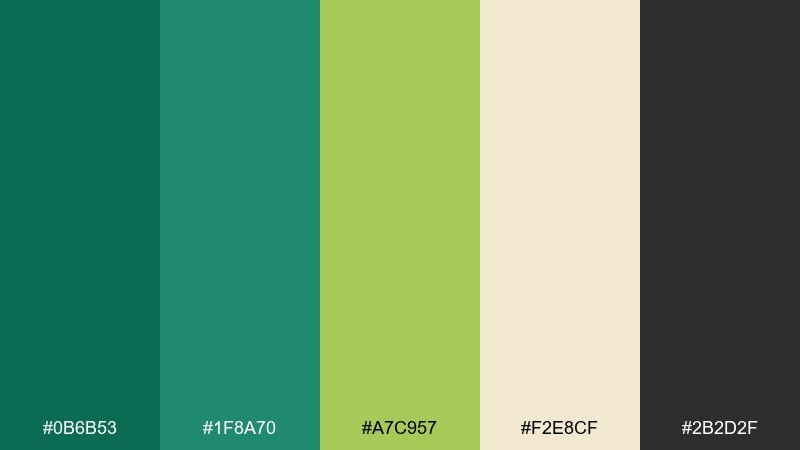
HEX: #0b6b53 #1f8a70 #a7c957 #f2e8cf #2b2d2f
Mood: lush, grounded, adventurous
Best for: eco brand identity and website hero
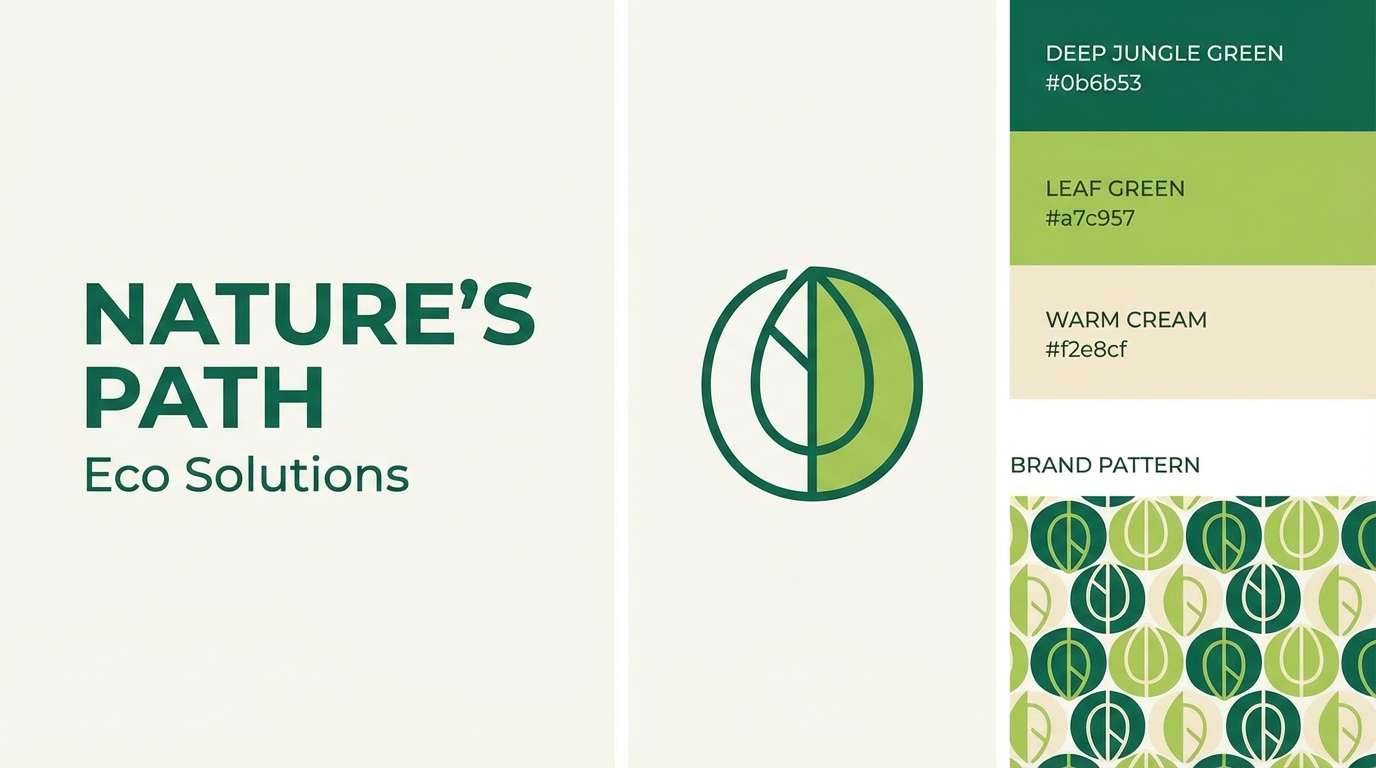
Lush canopy greens and sunlit leaves bring the feeling of a humid trail after rain. Use the deep green as your anchor, then let the lime and cream handle highlights and breathing room. It works beautifully for eco brands, outdoor gear, and wellness sites that need credibility without feeling cold. Pair with clean typography and keep the charcoal for headers so the lighter tones stay crisp.
Image example of rainforest canopy generated using media.io
Media.io is an online AI studio for creating and editing video, image, and audio in your browser.


2) Tropical Mist
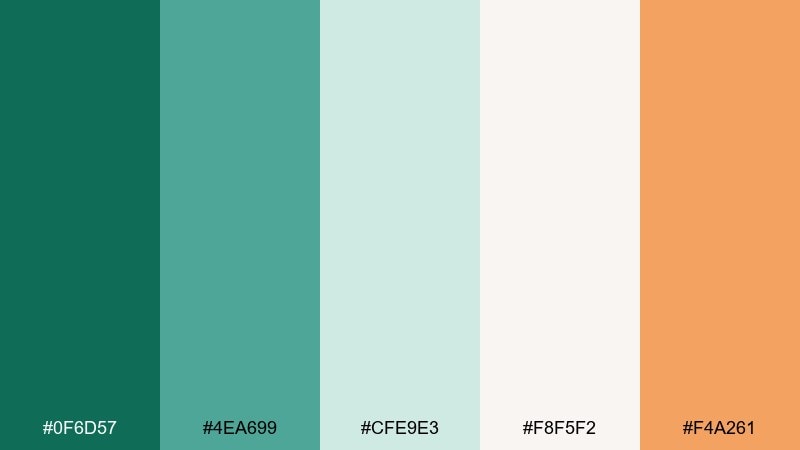
HEX: #0f6d57 #4ea699 #cfe9e3 #f8f5f2 #f4a261
Mood: fresh, airy, friendly
Best for: spa landing page UI
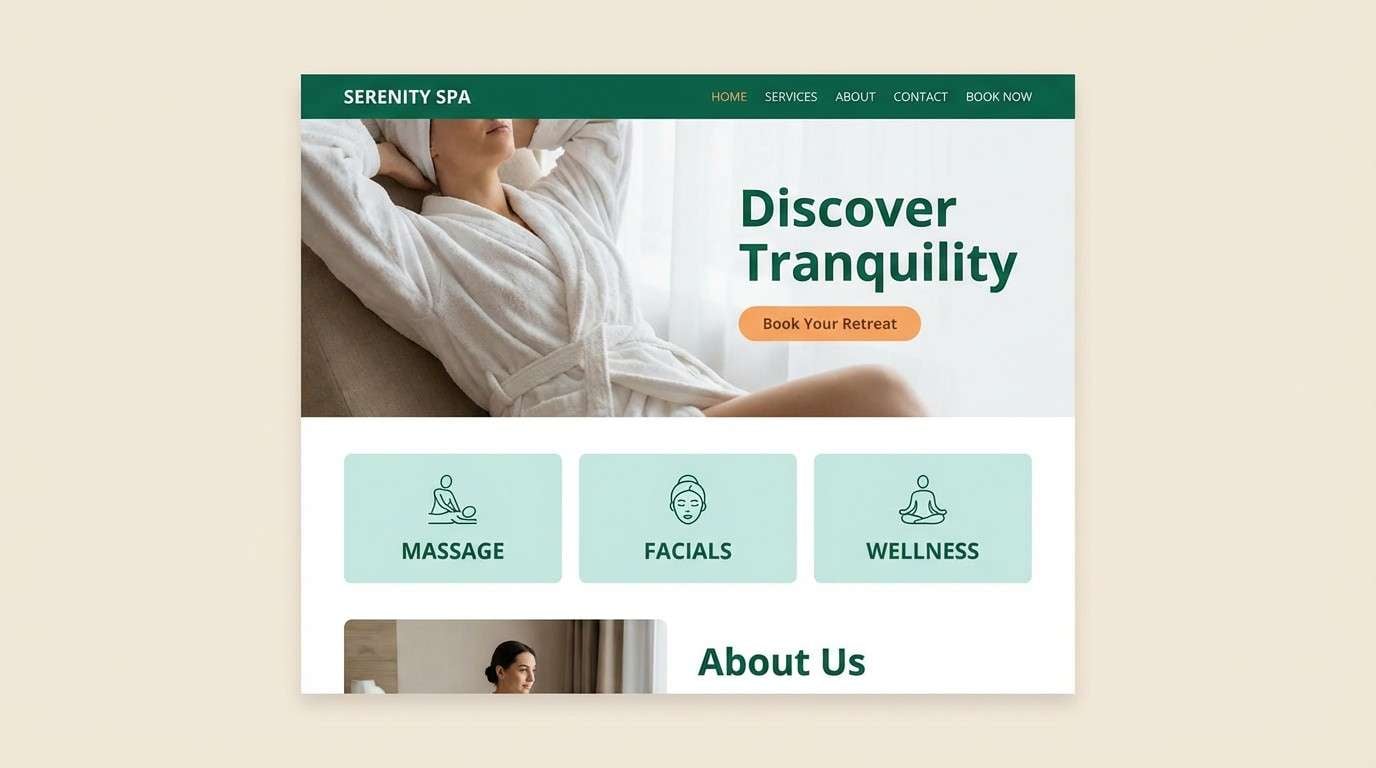
Fresh misty greens feel like morning fog over warm water. The pale aqua and soft off-white keep layouts light, while the orange accent adds a welcoming spark for buttons or badges. This pairing suits spa, skincare, and hospitality pages that need calm with a touch of energy. Use the orange sparingly and keep most surfaces in the lighter tints to avoid visual humidity.
Image example of tropical mist generated using media.io
3) Monsoon Night
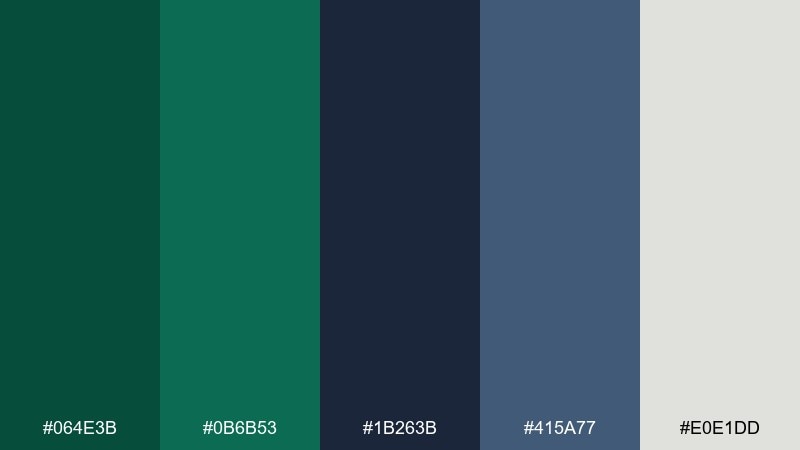
HEX: #064e3b #0b6b53 #1b263b #415a77 #e0e1dd
Mood: moody, cinematic, confident
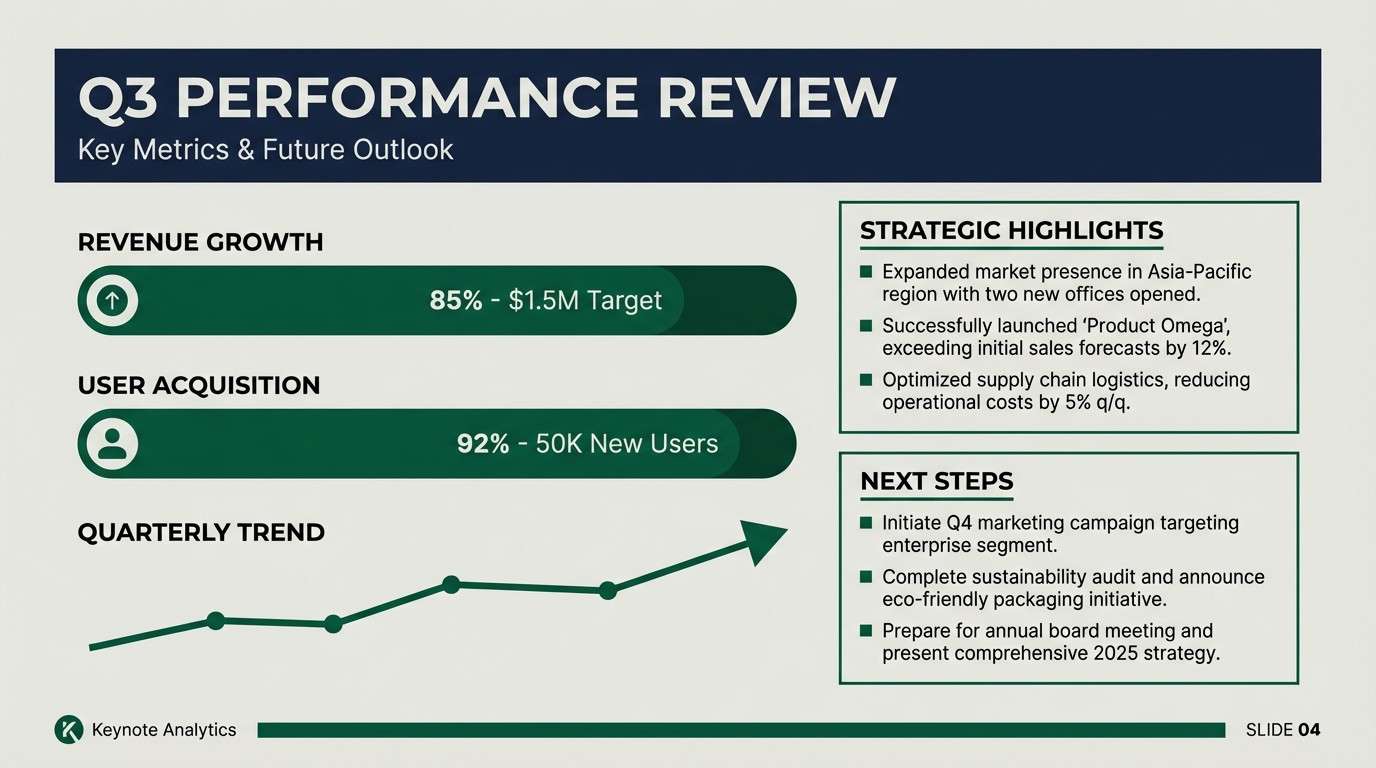
Best for: tech keynote slide deck
Moody greens and inky blues evoke a city skyline under monsoon clouds. The off-white keeps text readable, while the slate tones support charts and dividers without harsh contrast. It is a strong fit for tech decks, fintech reports, and serious product launches. Reserve the darkest navy for backgrounds and use the brighter green only for key data points.
Image example of monsoon night generated using media.io
4) Mossy Stone
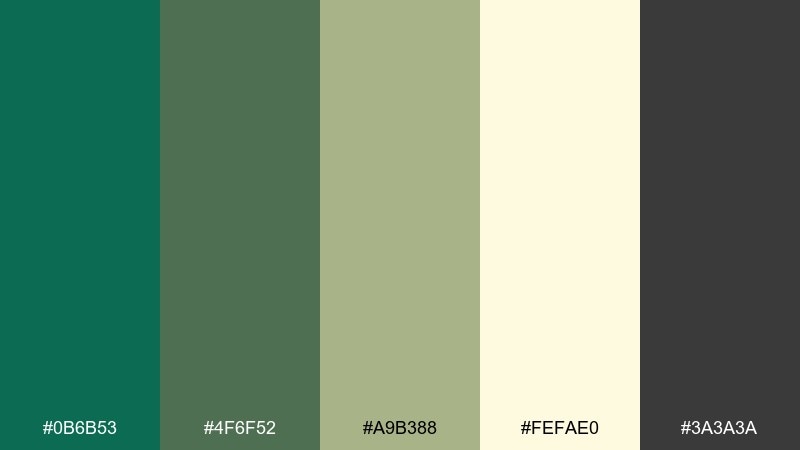
HEX: #0b6b53 #4f6f52 #a9b388 #fefae0 #3a3a3a
Mood: earthy, cozy, timeless
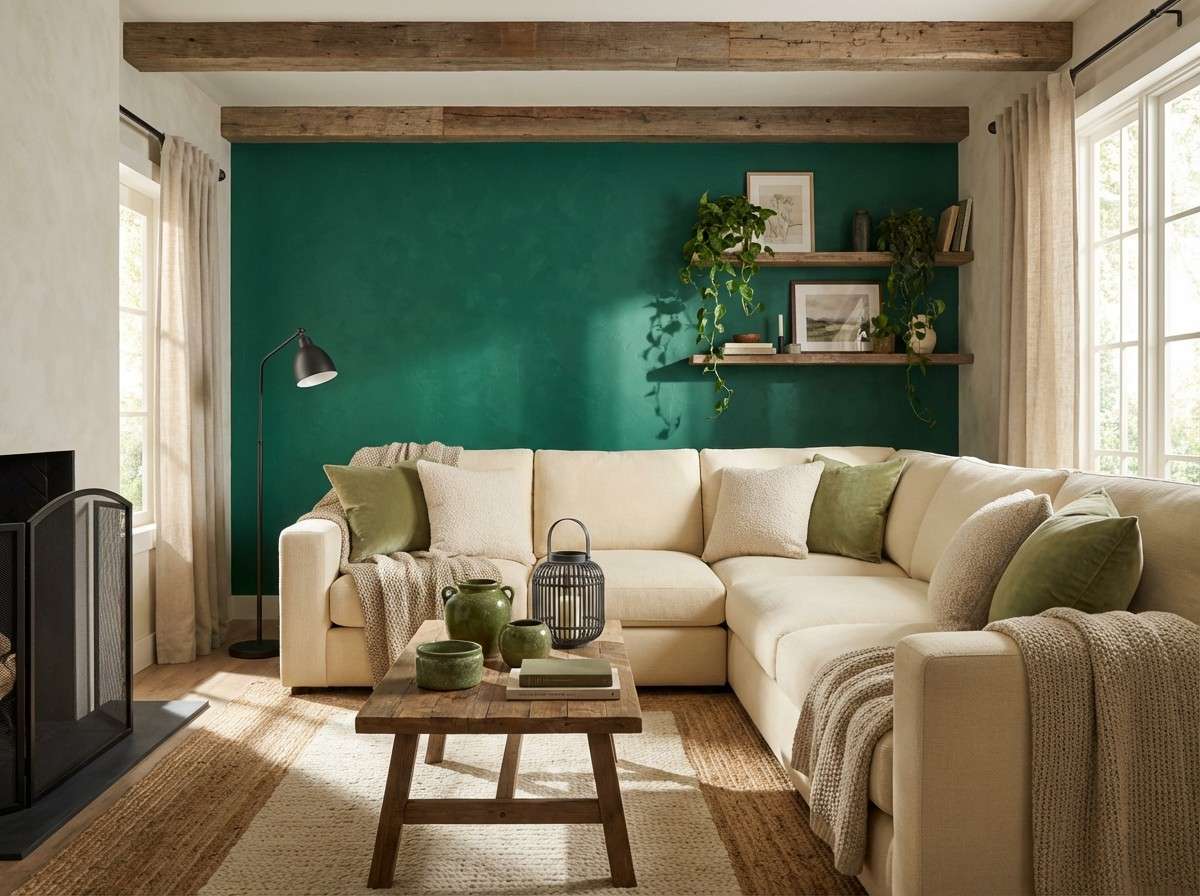
Best for: living room interior styling
Earthy moss and stone neutrals feel like a quiet cabin surrounded by evergreens. The creamy white brightens walls and textiles, while the charcoal keeps fixtures and hardware grounded. It is ideal for living rooms, reading nooks, and rustic-modern spaces. Bring in natural wood and use the mid green on a single accent wall to avoid making the room feel heavy.
Image example of mossy stone generated using media.io
5) Citrus Understory
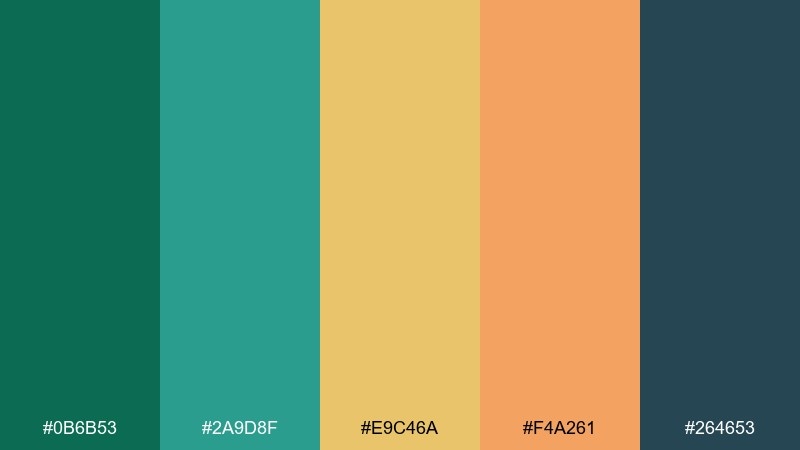
HEX: #0b6b53 #2a9d8f #e9c46a #f4a261 #264653
Mood: playful, vibrant, sunlit
Best for: summer event poster design
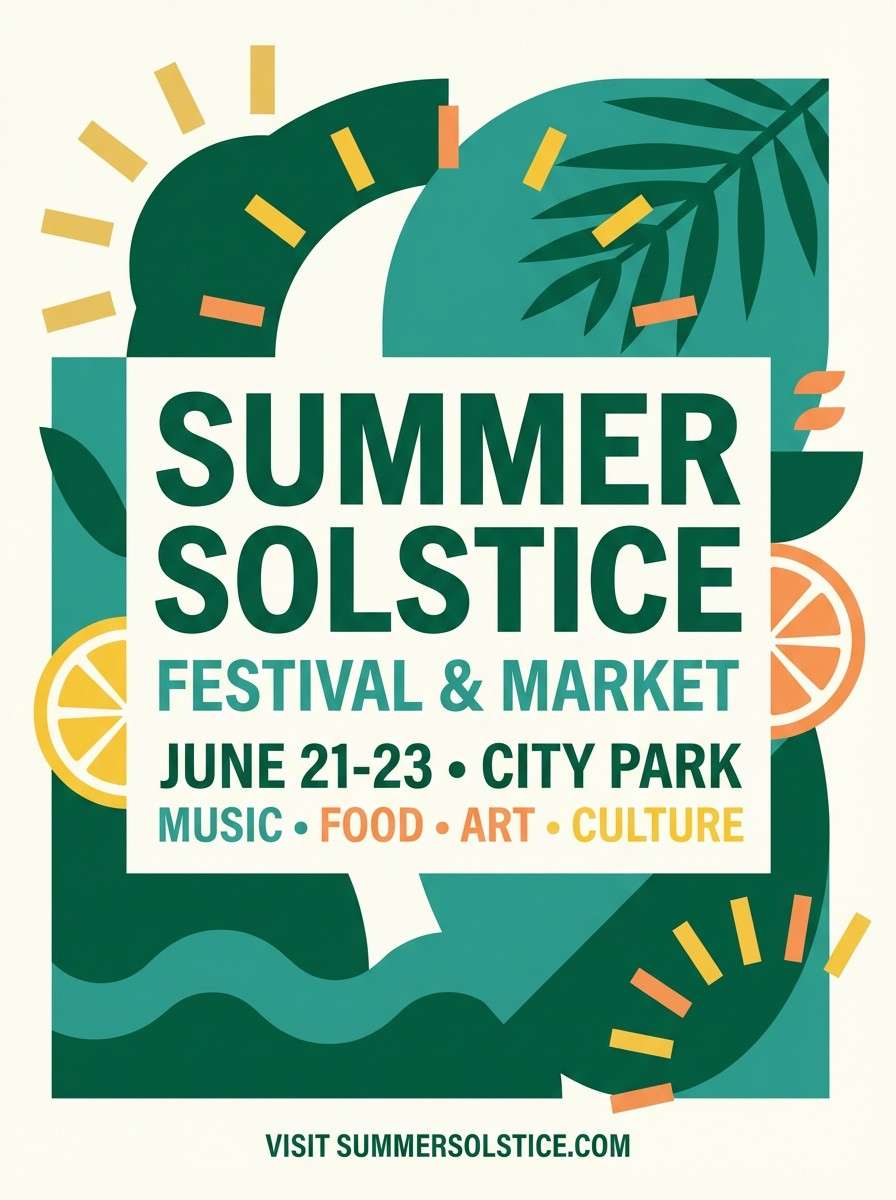
Sunlit greens with citrus warmth bring the vibe of a market stall under palm shade. These jungle green color combinations shine when you keep the teal and deep blue as structure and let the yellow-orange tones pop as highlights. Perfect for summer posters, festival graphics, and social banners. Use large color blocks and limit gradients so the palette stays punchy and readable.
Image example of citrus understory generated using media.io
6) Fern and Clay
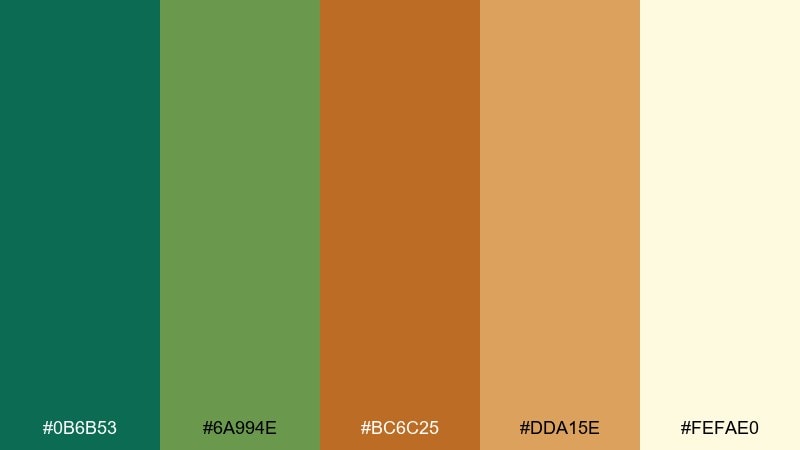
HEX: #0b6b53 #6a994e #bc6c25 #dda15e #fefae0
Mood: warm, artisanal, natural
Best for: ceramic studio branding
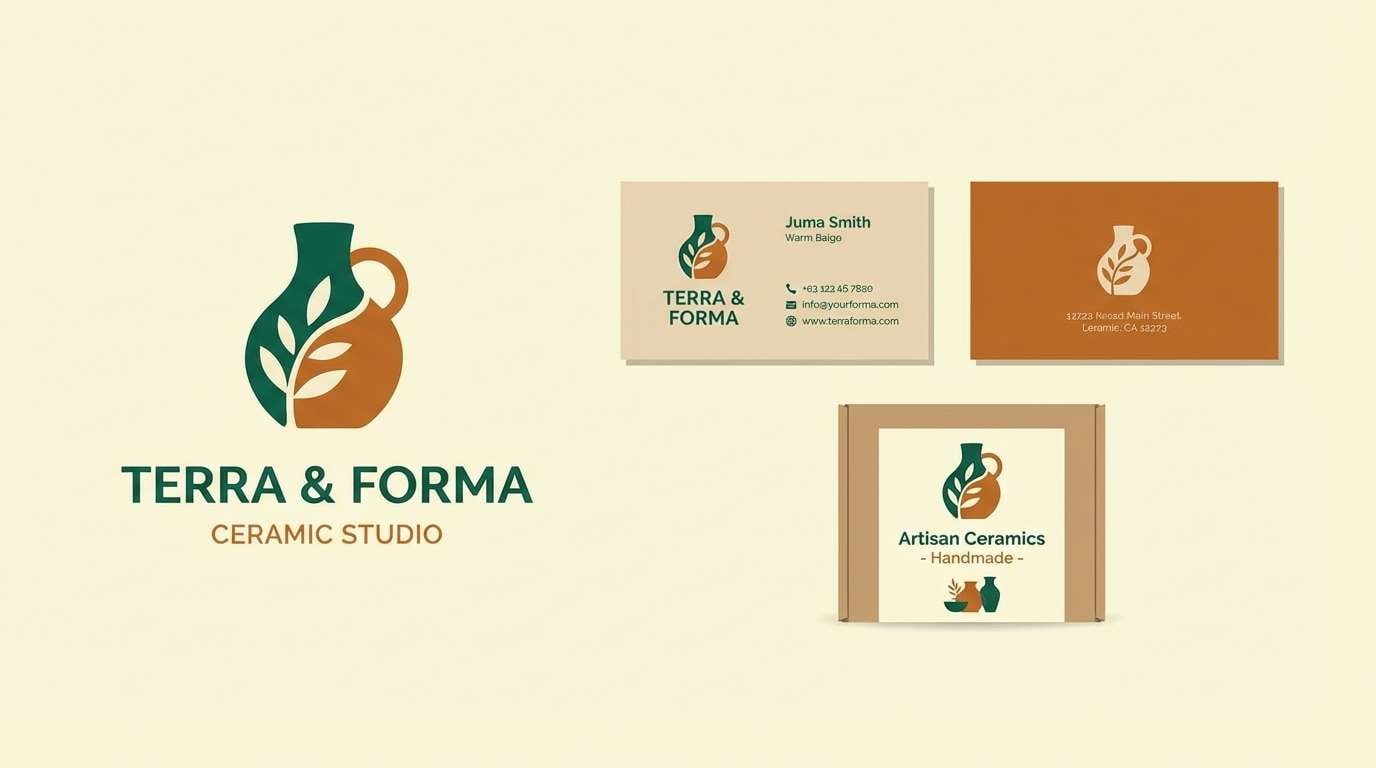
Warm clay tones beside fern greens evoke handmade pottery drying in a sunlit workshop. This jungle green color palette works especially well for craft brands, small-batch packaging, and studio websites because it feels honest and tactile. Pair it with textured paper, simple line icons, and plenty of negative space. Keep the deep green for logos and use the clay orange for seals or callouts.
Image example of fern and clay generated using media.io
7) Sea Glass Jungle
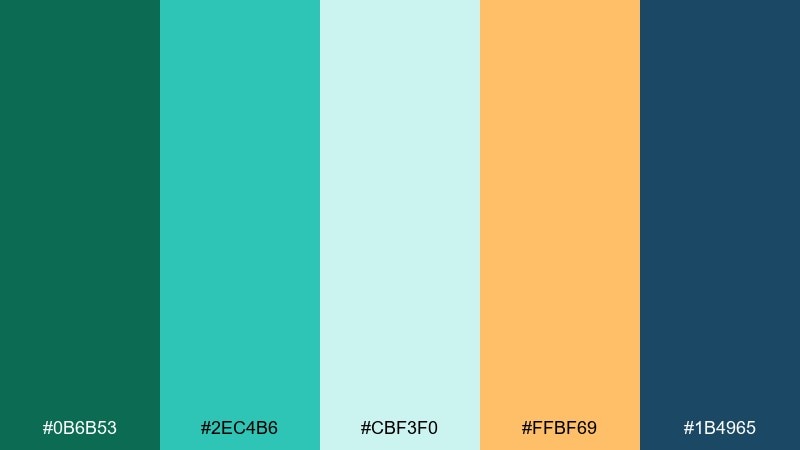
HEX: #0b6b53 #2ec4b6 #cbf3f0 #ffbf69 #1b4965
Mood: bright, breezy, optimistic
Best for: travel blog header and icons
Breezy sea-glass tints paired with deep green feel like coastal jungle trails and clear water. The pale mint keeps backgrounds light, while the warm apricot adds a friendly emphasis color for tags and buttons. Great for travel blogs, destination guides, and playful icon sets. Stick to simple icon fills and let the navy handle text for comfortable contrast.
Image example of sea glass jungle generated using media.io

8) Eucalyptus Linen
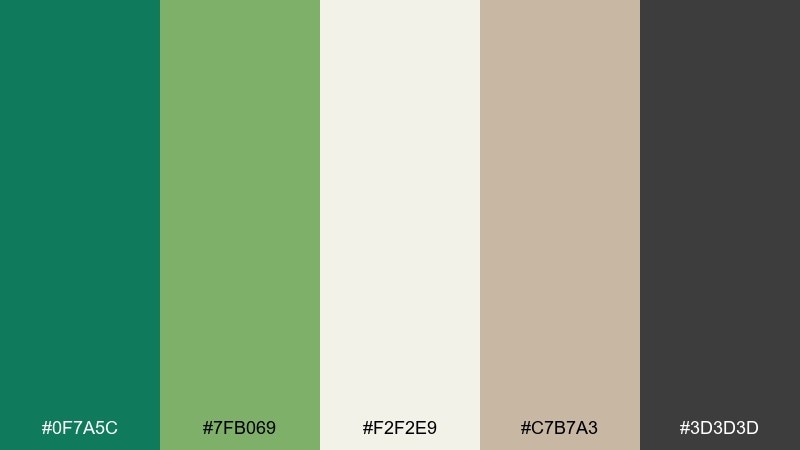
HEX: #0f7a5c #7fb069 #f2f2e9 #c7b7a3 #3d3d3d
Mood: soft, minimal, calming
Best for: wellness newsletter template
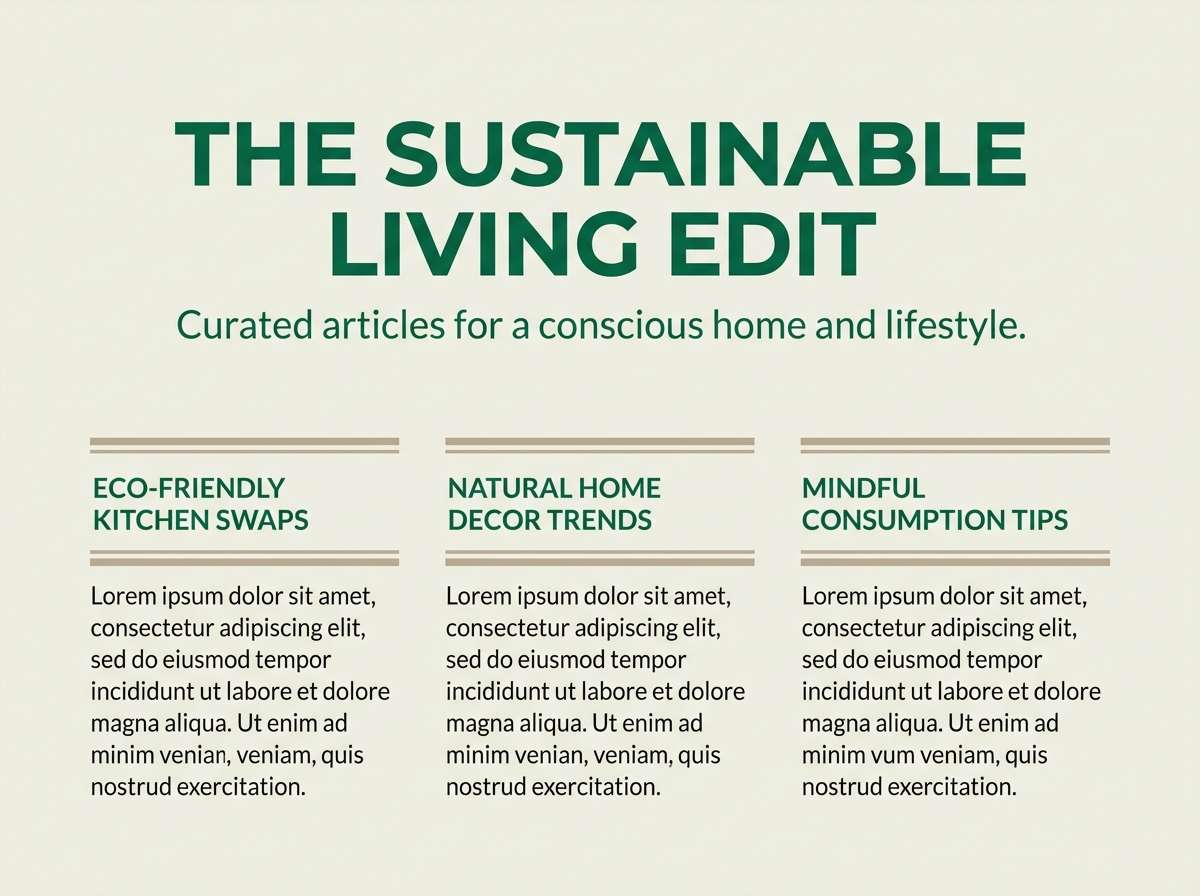
Soft eucalyptus greens and linen neutrals feel clean, airy, and unhurried. The warm taupe adds a subtle editorial touch, making it easy to build sections without harsh borders. Ideal for wellness newsletters, coach updates, and gentle product announcements. Use the near-white as the main canvas and keep the deep green for headings and links.
Image example of eucalyptus linen generated using media.io
9) Emerald Ink
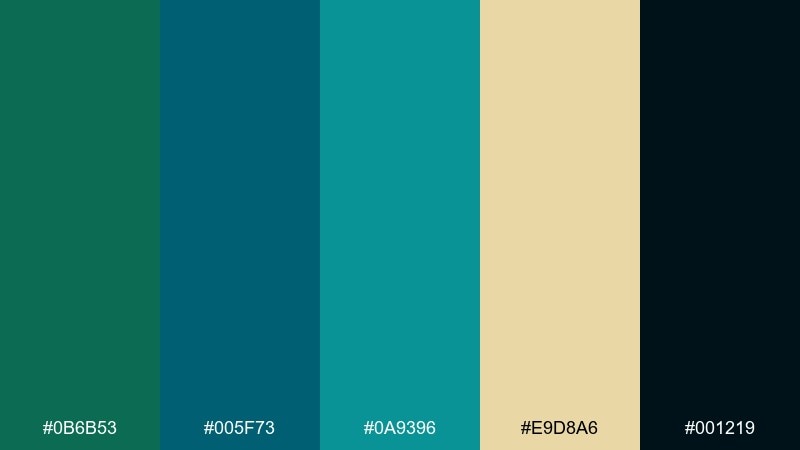
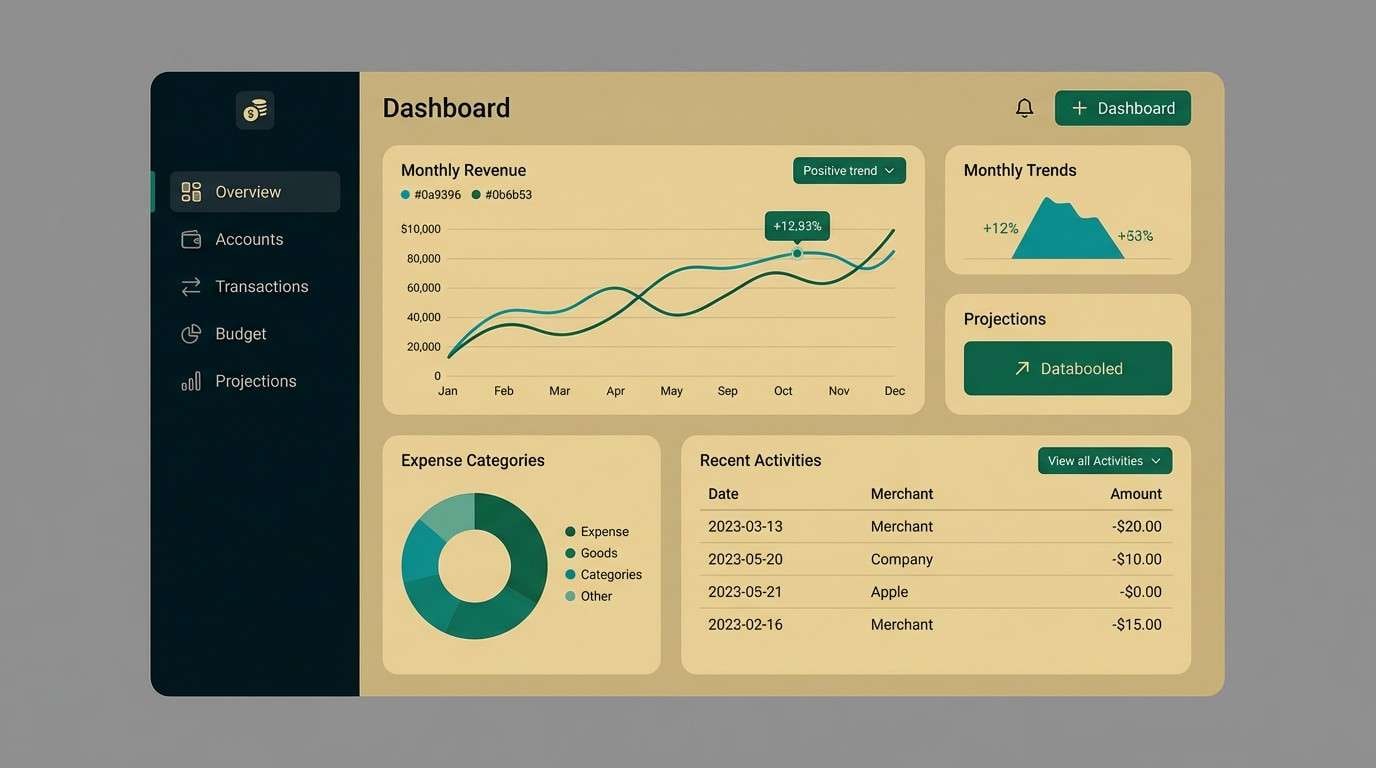
HEX: #0b6b53 #005f73 #0a9396 #e9d8a6 #001219
Mood: sleek, premium, modern
Best for: finance app dashboard UI
Sleek emerald and deep ink tones create a premium, high-trust atmosphere. The sand-like highlight color keeps charts and cards readable without turning stark white. A strong option for finance dashboards, analytics tools, and subscription SaaS. Use the light beige for data panels and reserve the darkest tone for nav so the teal accents feel intentional, not noisy.
Image example of emerald ink generated using media.io
10) Botanical Blush
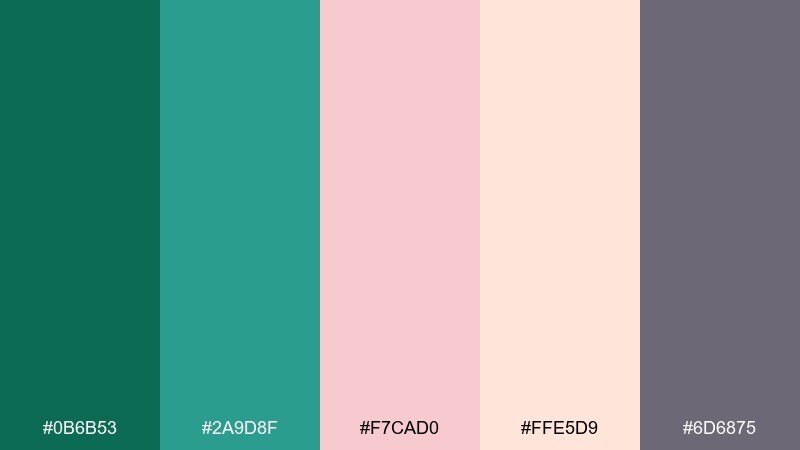
HEX: #0b6b53 #2a9d8f #f7cad0 #ffe5d9 #6d6875
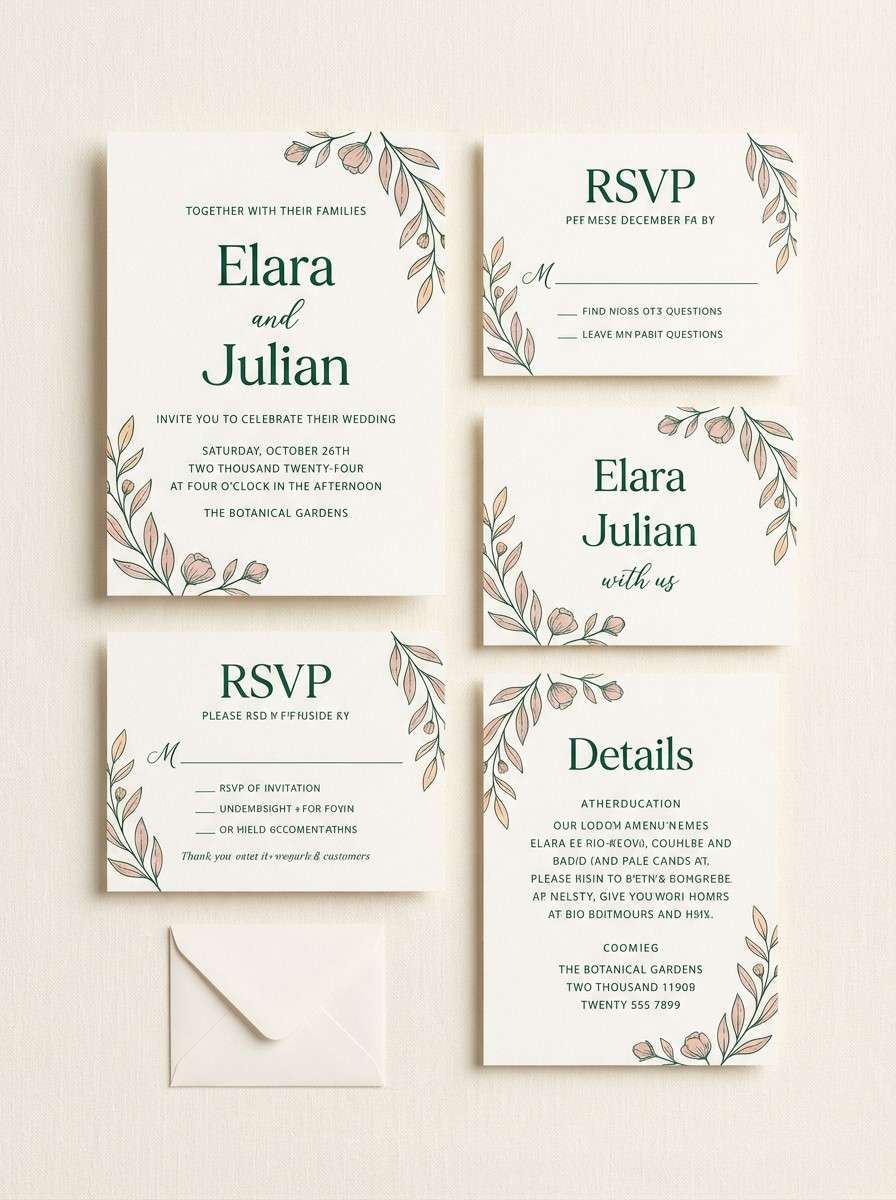
Mood: romantic, modern, soft
Best for: wedding invitation suite
Romantic blush against deep greens feels like garden roses framed by glossy leaves. The mauve-gray adds sophistication, keeping the pinks from drifting too sweet. Perfect for wedding suites, bridal shower stationery, and elegant event collateral. Print tip: let the blush dominate the paper and use the green for monograms and small flourishes.
Image example of botanical blush generated using media.io
11) Jungle Neon Pop
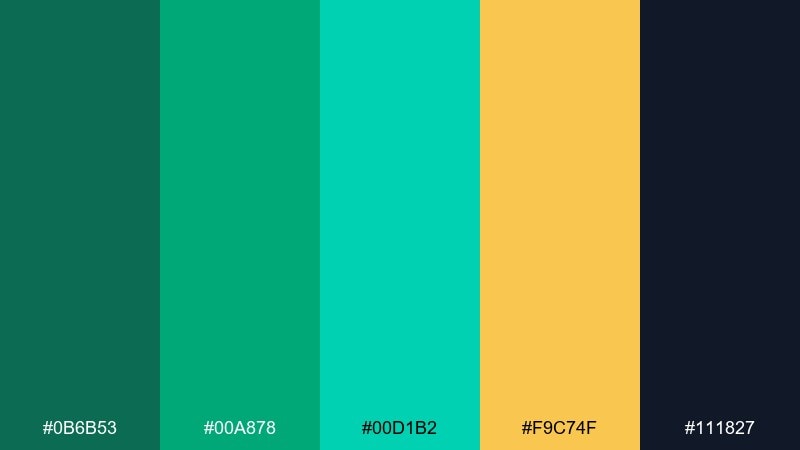
HEX: #0b6b53 #00a878 #00d1b2 #f9c74f #111827
Mood: energetic, bold, youthful
Best for: music app promo banner
Electric greens with a neon-teal edge feel like nightlife glowing through tropical leaves. For a jungle green color combination that stays usable, keep the near-black as the base and use the bright tones only for highlights and motion cues. Ideal for music promos, creator tools, and punchy campaign banners. Add subtle grain or soft gradients in the teal to reduce harsh banding on screens.
Image example of jungle neon pop generated using media.io

12) Vintage Safari
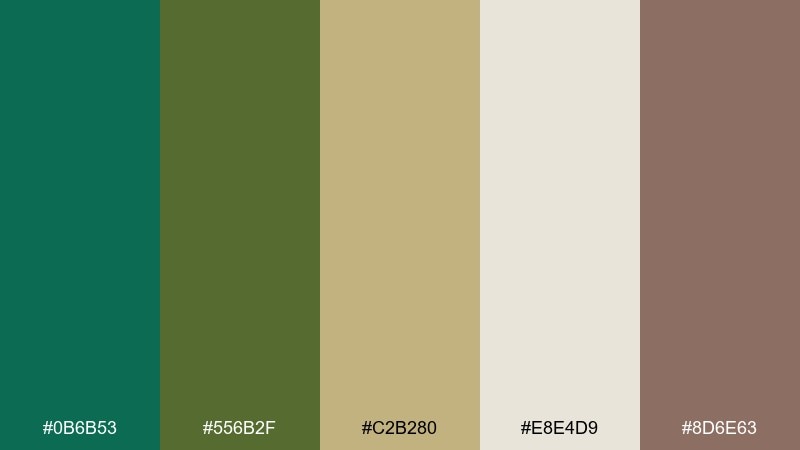
HEX: #0b6b53 #556b2f #c2b280 #e8e4d9 #8d6e63
Mood: nostalgic, earthy, classic
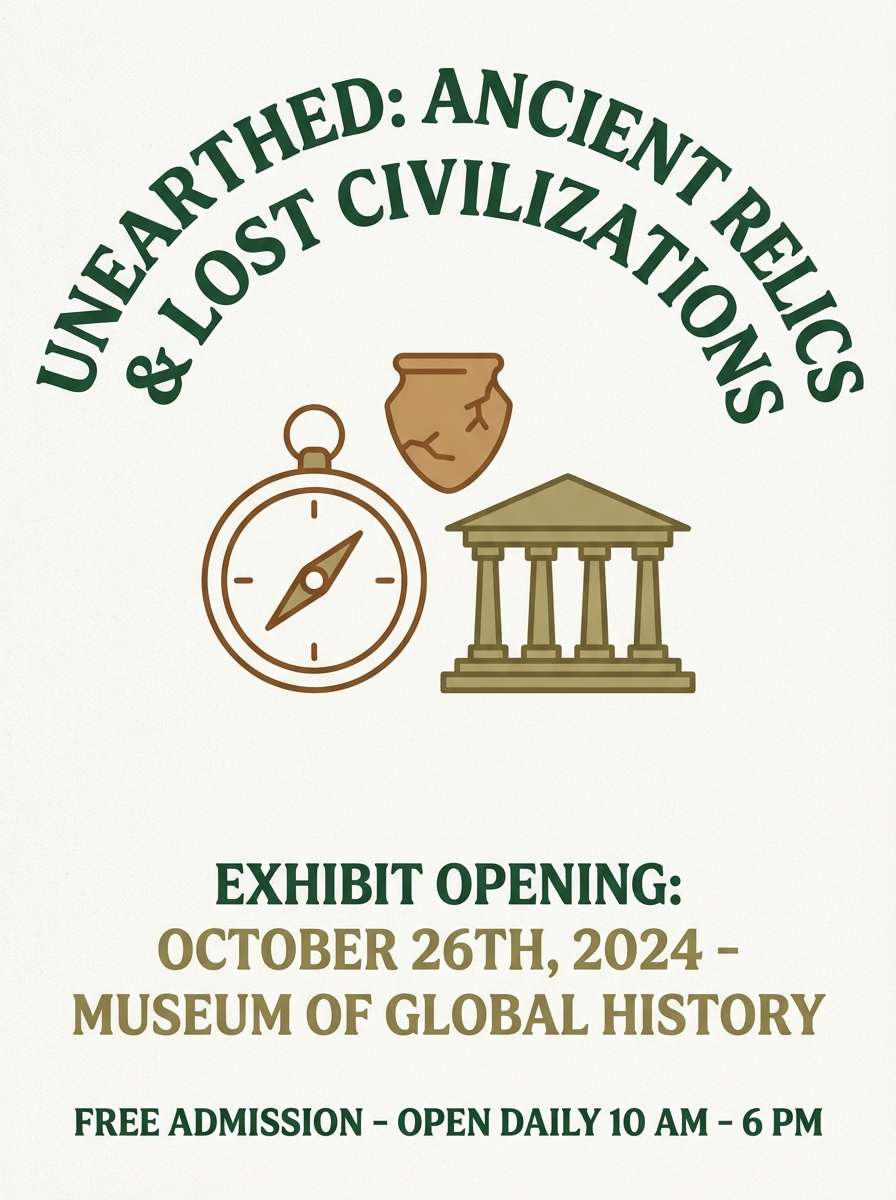
Best for: museum exhibit flyer
Nostalgic safari tones bring to mind worn field journals, canvas tents, and faded maps. The sandy neutrals keep the palette approachable, while the green and brown add authority. Great for museum flyers, heritage brands, and travel retrospectives. Use the beige as the main background and keep the browns for borders, stamps, or small illustrations.
Image example of vintage safari generated using media.io
13) Bamboo and Pearl
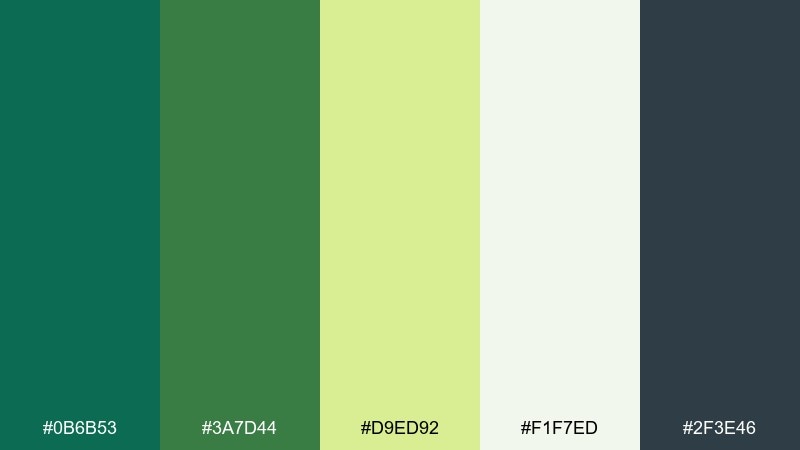
HEX: #0b6b53 #3a7d44 #d9ed92 #f1f7ed #2f3e46
Mood: clean, botanical, uplifting
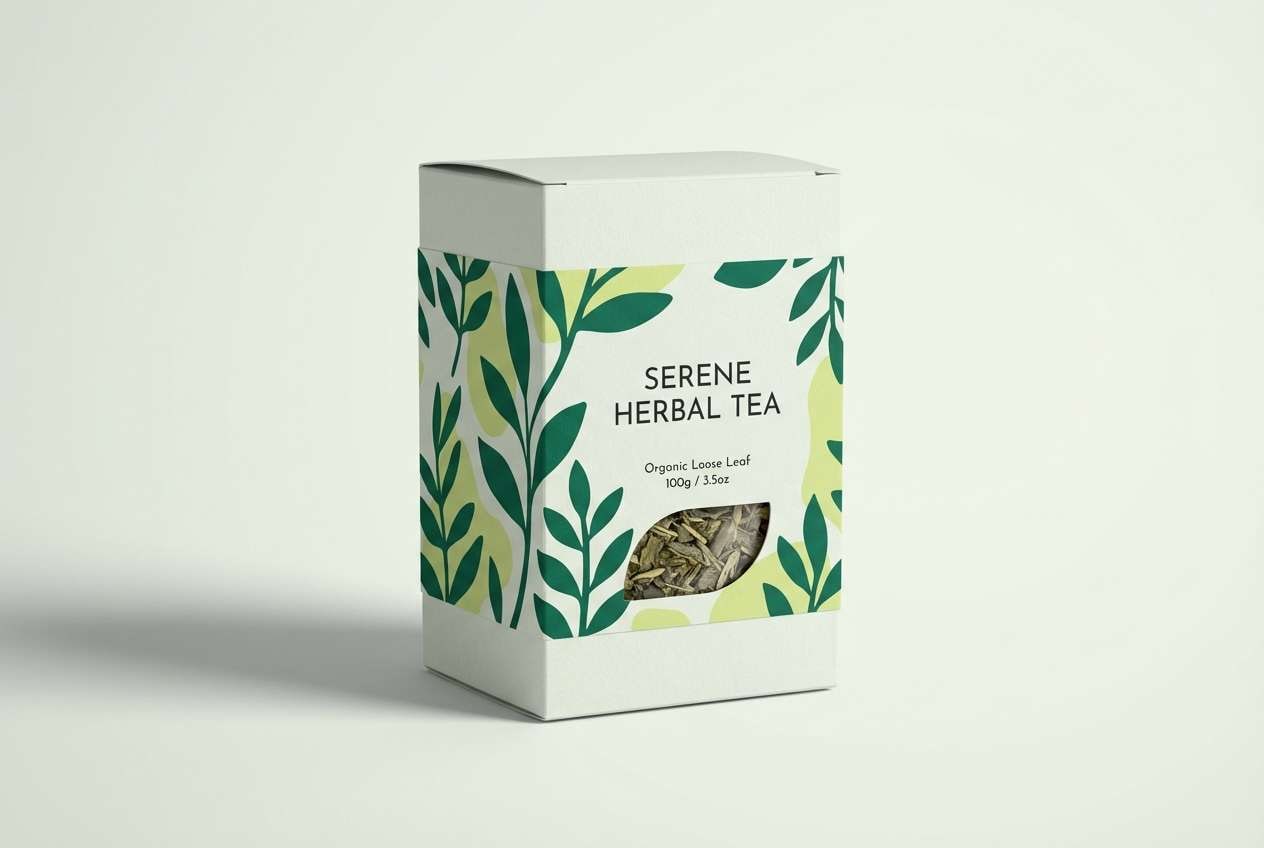
Best for: packaging for herbal tea
Bright bamboo greens and pearly whites feel crisp, healthy, and plant-forward. The yellow-green lifts the mix and helps labels feel fresh without going neon. Ideal for herbal tea, supplements, and natural household goods. Keep the darkest tone for product names and use the light pearl as the label base so the green accents read premium.
Image example of bamboo and pearl generated using media.io
14) Deep Lagoon
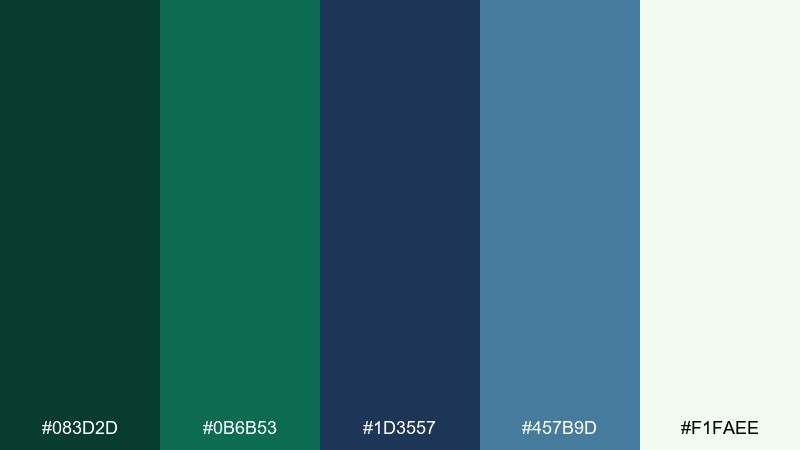
HEX: #083d2d #0b6b53 #1d3557 #457b9d #f1faee
Mood: cool, immersive, refined
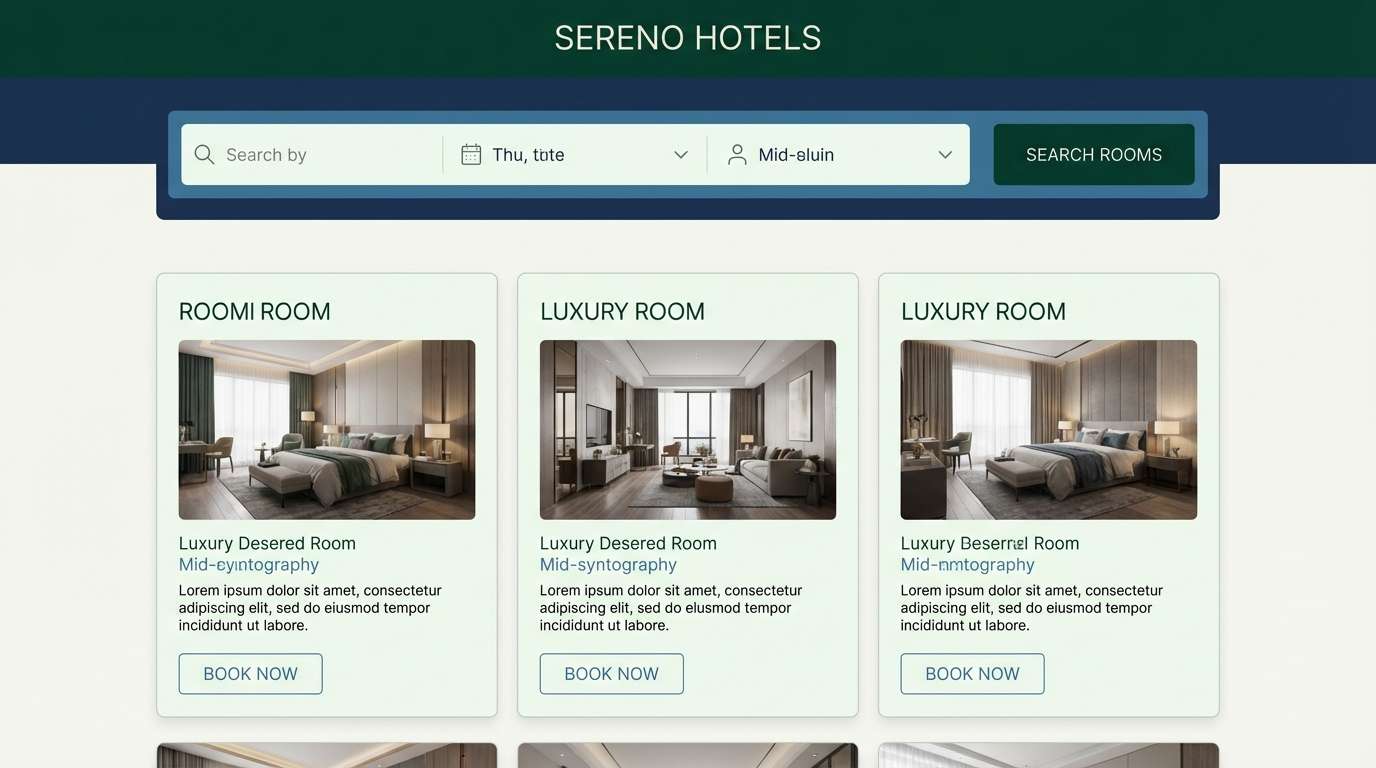
Best for: hotel booking website UI
Cool lagoon depth with oceanic blues evokes quiet luxury and late-night swims. The soft minty white keeps UI surfaces bright, letting the deep tones feel elegant rather than heavy. Strong for hotel booking flows, upscale travel services, and premium memberships. Use the mid blue for secondary buttons and reserve the darkest green for key CTAs to guide attention.
Image example of deep lagoon generated using media.io
15) Spice Market Green
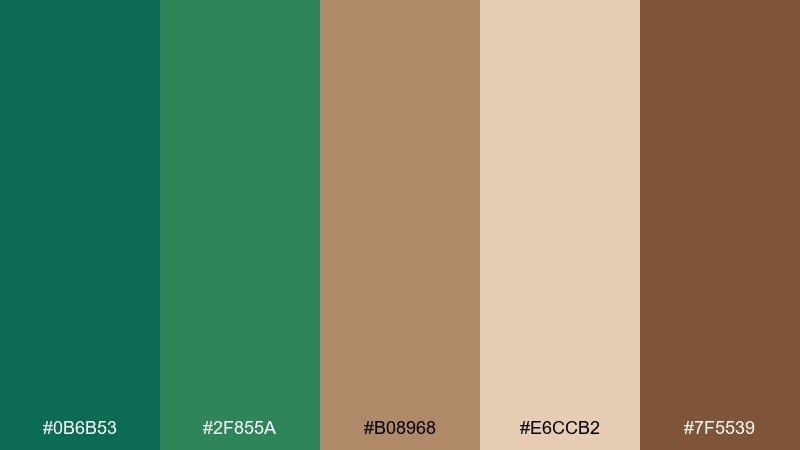
HEX: #0b6b53 #2f855a #b08968 #e6ccb2 #7f5539
Mood: rich, warm, inviting
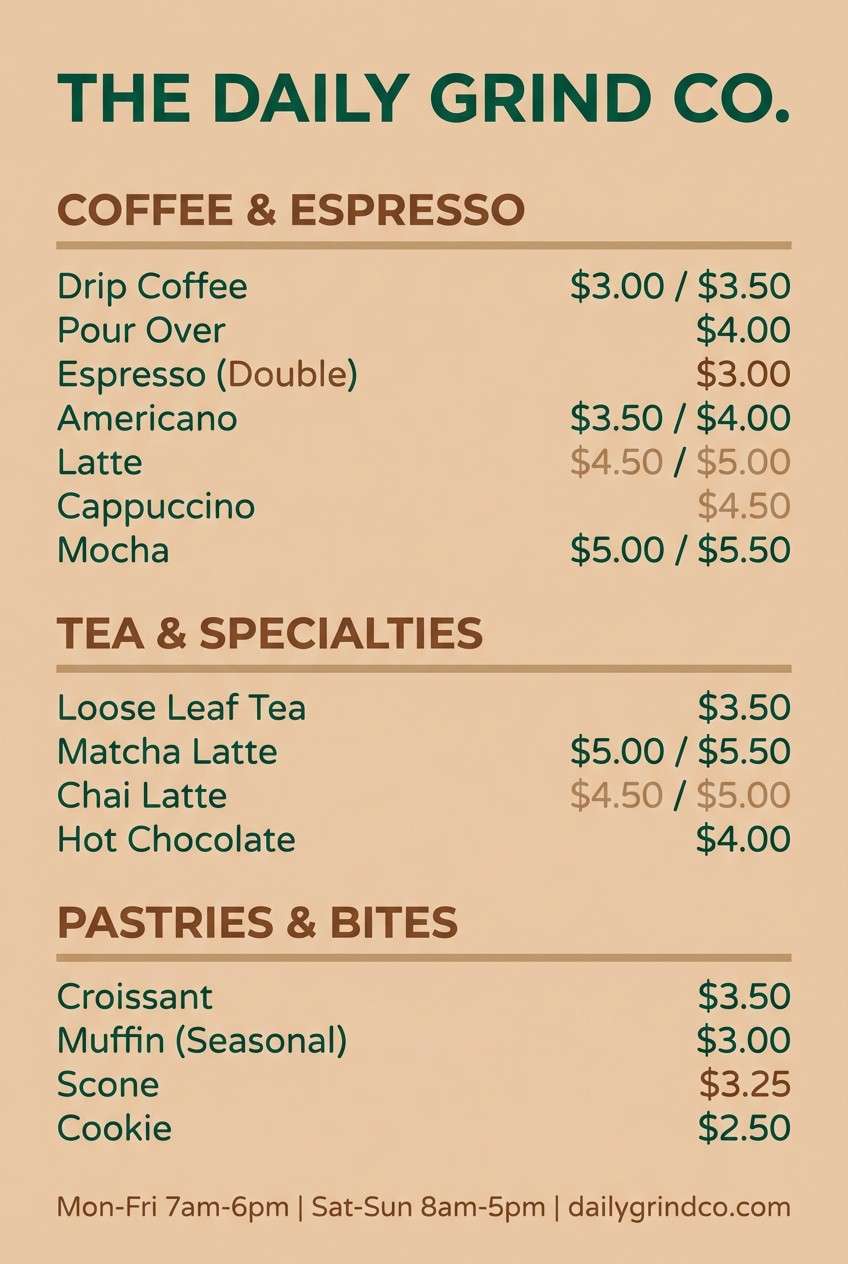
Best for: coffee shop menu design
Rich greens with toasted caramel browns feel like spice jars and roasted beans. The lighter tan keeps menus readable while still warm and cozy. Great for cafes, restaurants, and artisanal food packaging. Set body text on the pale tan and use the darkest brown for section headers to create a clear hierarchy without stark black.
Image example of spice market green generated using media.io
16) Urban Jungle Concrete
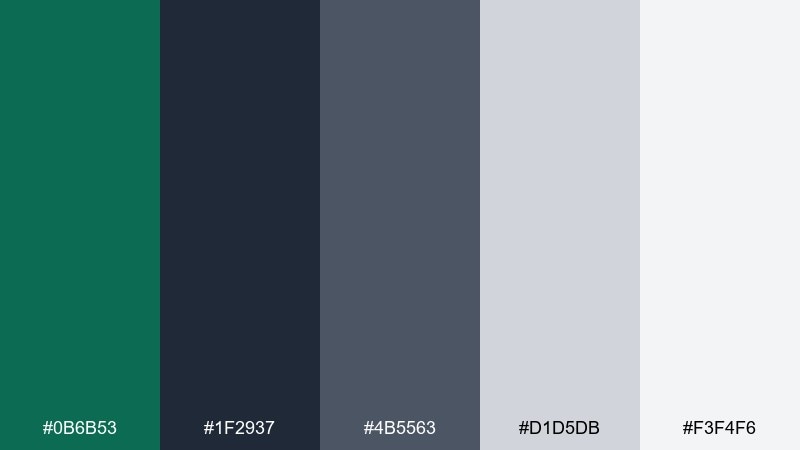
HEX: #0b6b53 #1f2937 #4b5563 #d1d5db #f3f4f6
Mood: modern, neutral, professional
Best for: SaaS web app UI kit
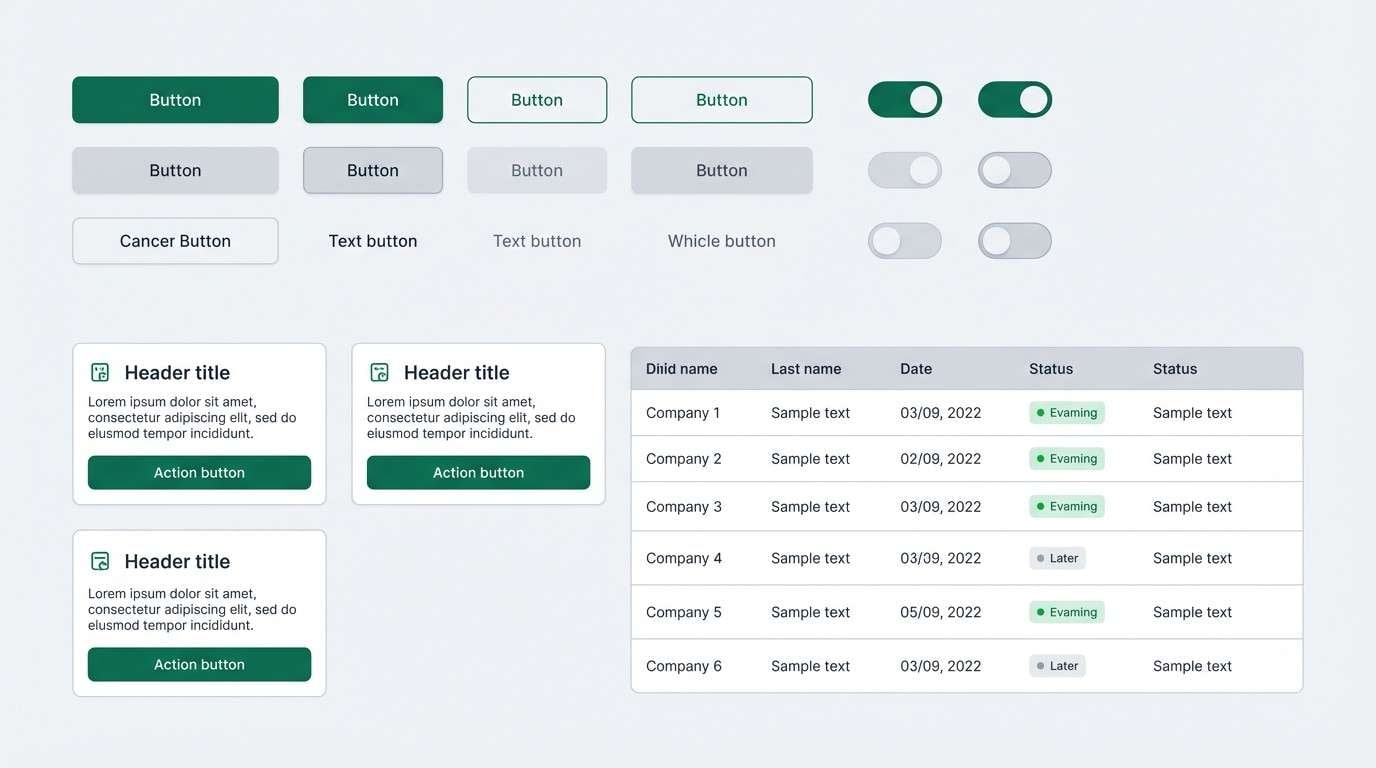
Concrete grays with a clean green accent feel like a modern office softened by indoor plants. A jungle green color palette like this is excellent when you want restraint, with just enough color to signal interactions and success states. Use the light grays for surfaces and the deep gray for text to maintain accessibility. Keep the green for primary actions and status badges so the interface stays focused.
Image example of urban jungle concrete generated using media.io
17) Forest Berry
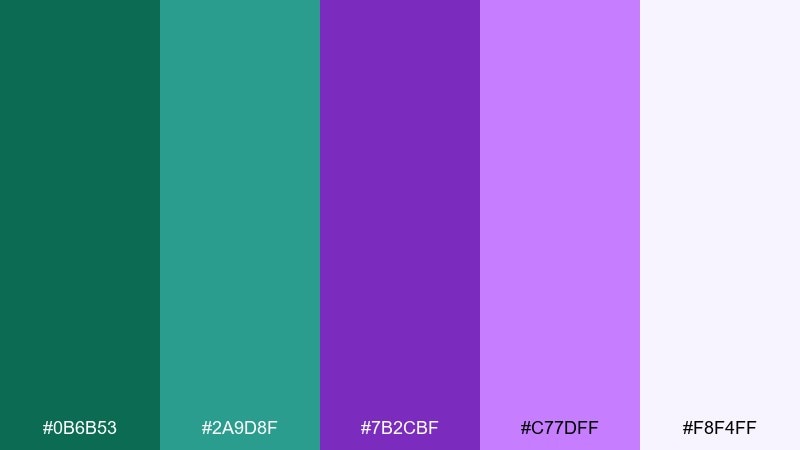
HEX: #0b6b53 #2a9d8f #7b2cbf #c77dff #f8f4ff
Mood: creative, daring, modern
Best for: beauty product launch poster
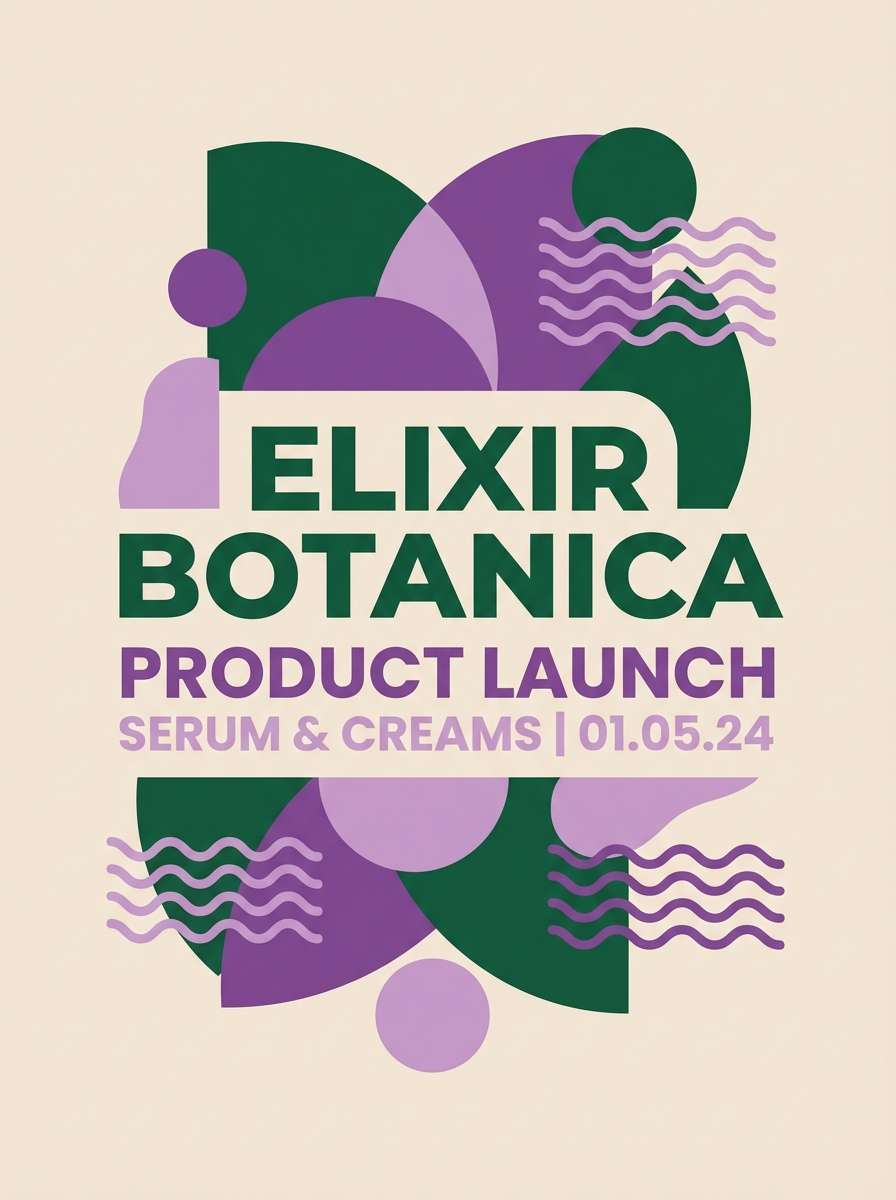
Deep forest green with berry purples feels bold, playful, and fashion-forward. The soft lavender-white gives the eyes a rest and keeps headlines sharp. Great for beauty launches, art events, and influencer campaign graphics. Tip: use green for structure and let purple own the spotlight areas like product names or limited-edition stamps.
Image example of forest berry generated using media.io
18) Coastal Palm
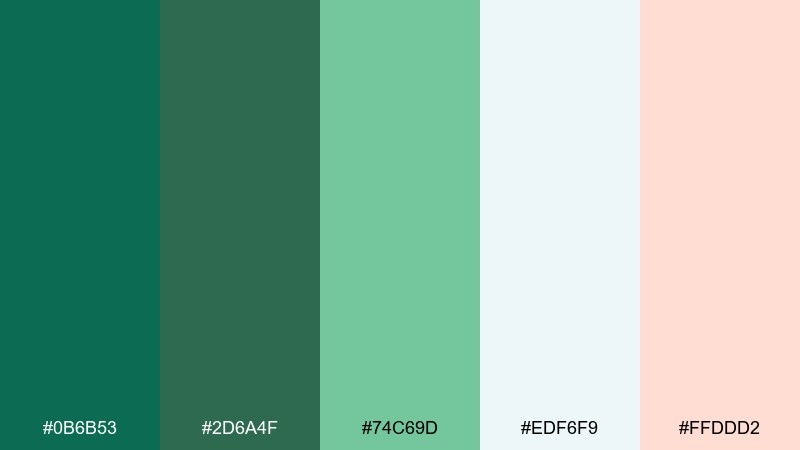
HEX: #0b6b53 #2d6a4f #74c69d #edf6f9 #ffddd2
Mood: relaxed, coastal, refreshing
Best for: spring botanical illustration
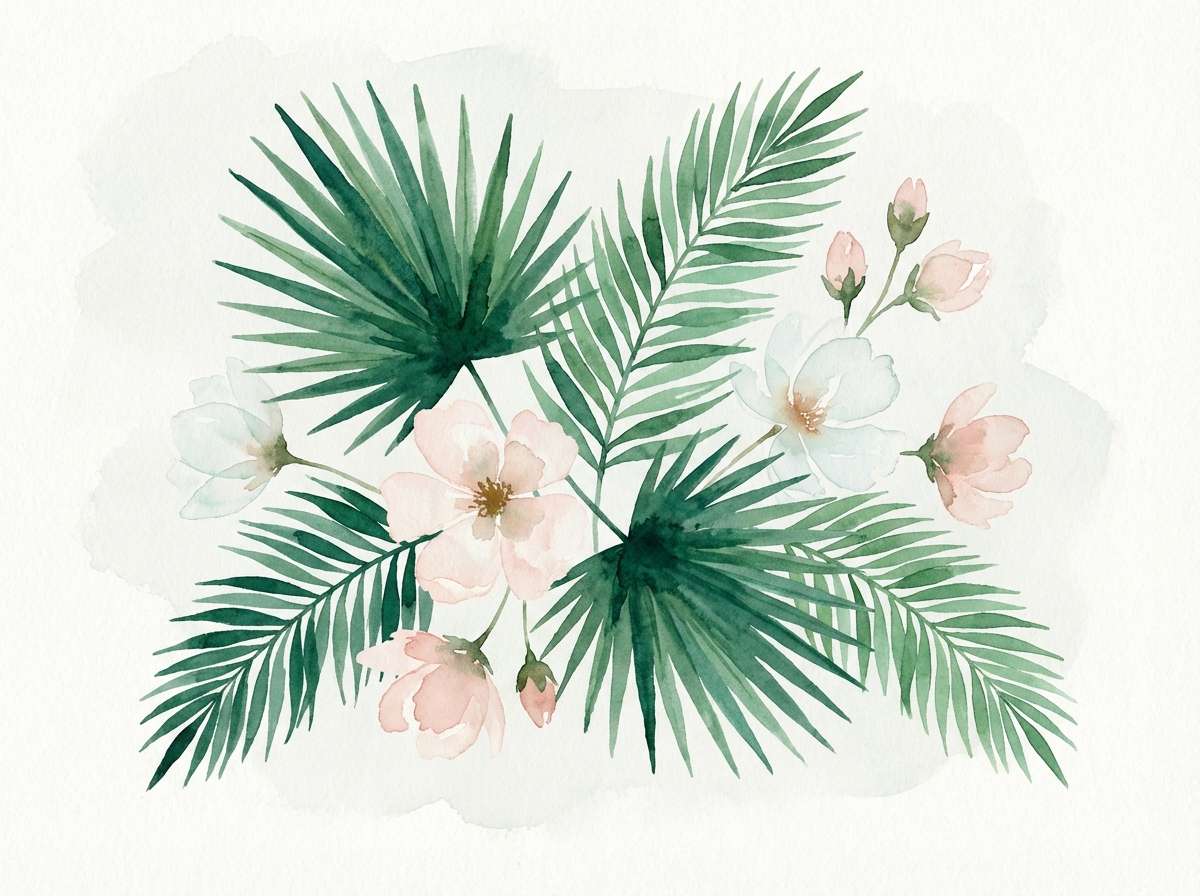
Relaxed palm greens with airy pastels feel like a beach garden in spring. The powdery white-blue and soft blush keep the mix light and friendly, perfect for seasonal content. Great for botanical illustrations, greeting cards, and lifestyle blog graphics. Use watercolor textures and let the mid green handle stems and outlines so the lighter tones can glow.
Image example of coastal palm generated using media.io
19) Herb Garden Pastels
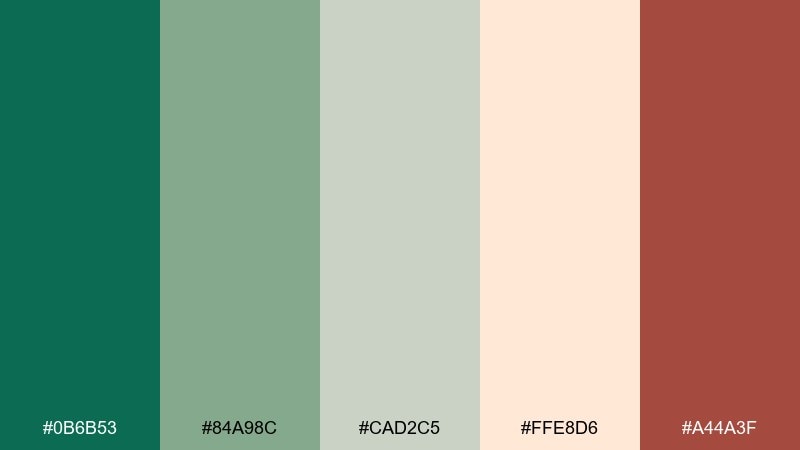
HEX: #0b6b53 #84a98c #cad2c5 #ffe8d6 #a44a3f
Mood: gentle, homey, wholesome
Best for: recipe blog post template
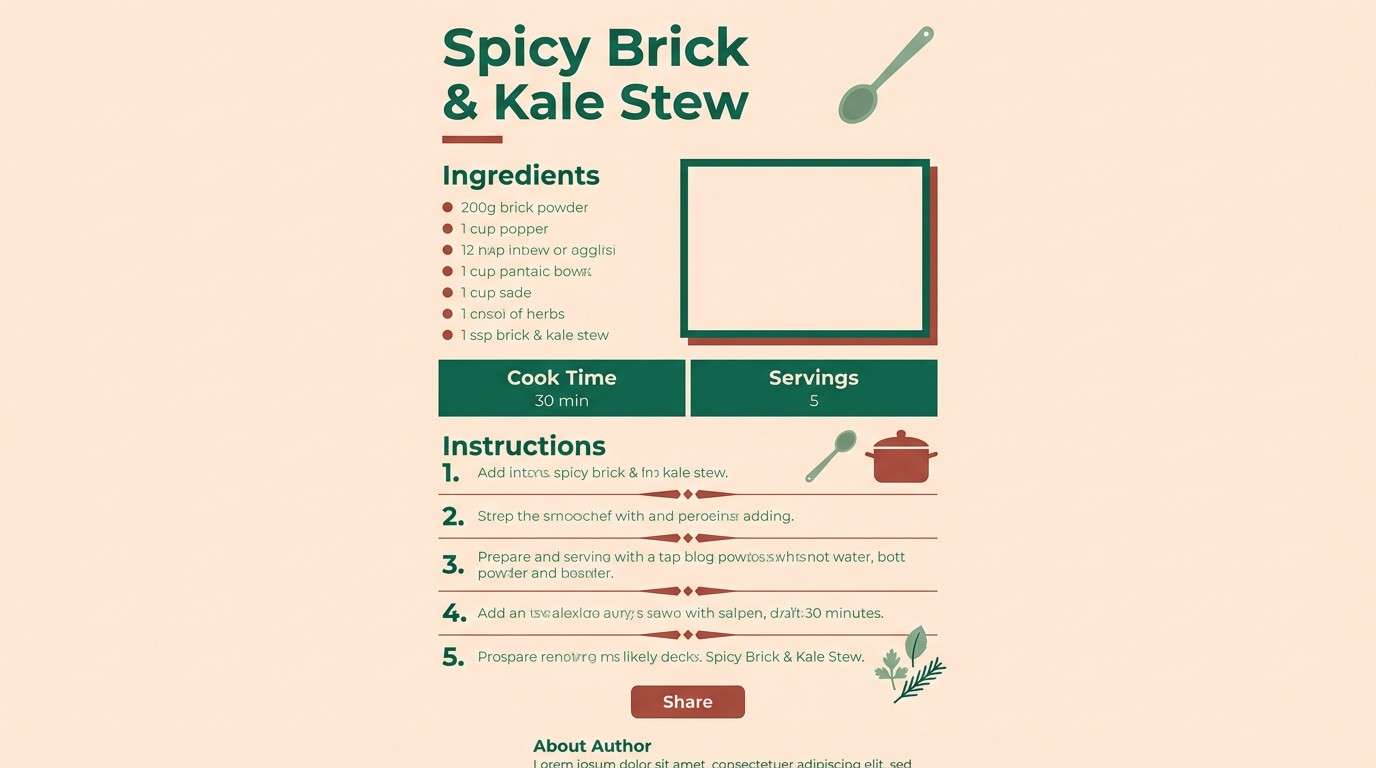
Gentle herb greens and kitchen-friendly neutrals evoke fresh basil on a wooden cutting board. The warm cream keeps pages readable, while the muted brick adds a tasty accent for highlights or callouts. Ideal for recipe blogs, meal plans, and printable cards. Keep photos bright and use the brick tone only for small icons and section headers.
Image example of herb garden pastels generated using media.io
20) Night Garden Gold
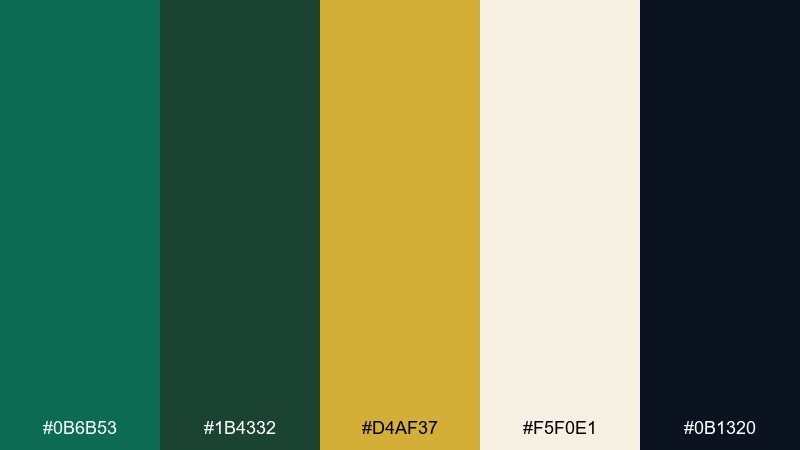
HEX: #0b6b53 #1b4332 #d4af37 #f5f0e1 #0b1320
Mood: luxurious, dramatic, elegant
Best for: premium product ad and packaging
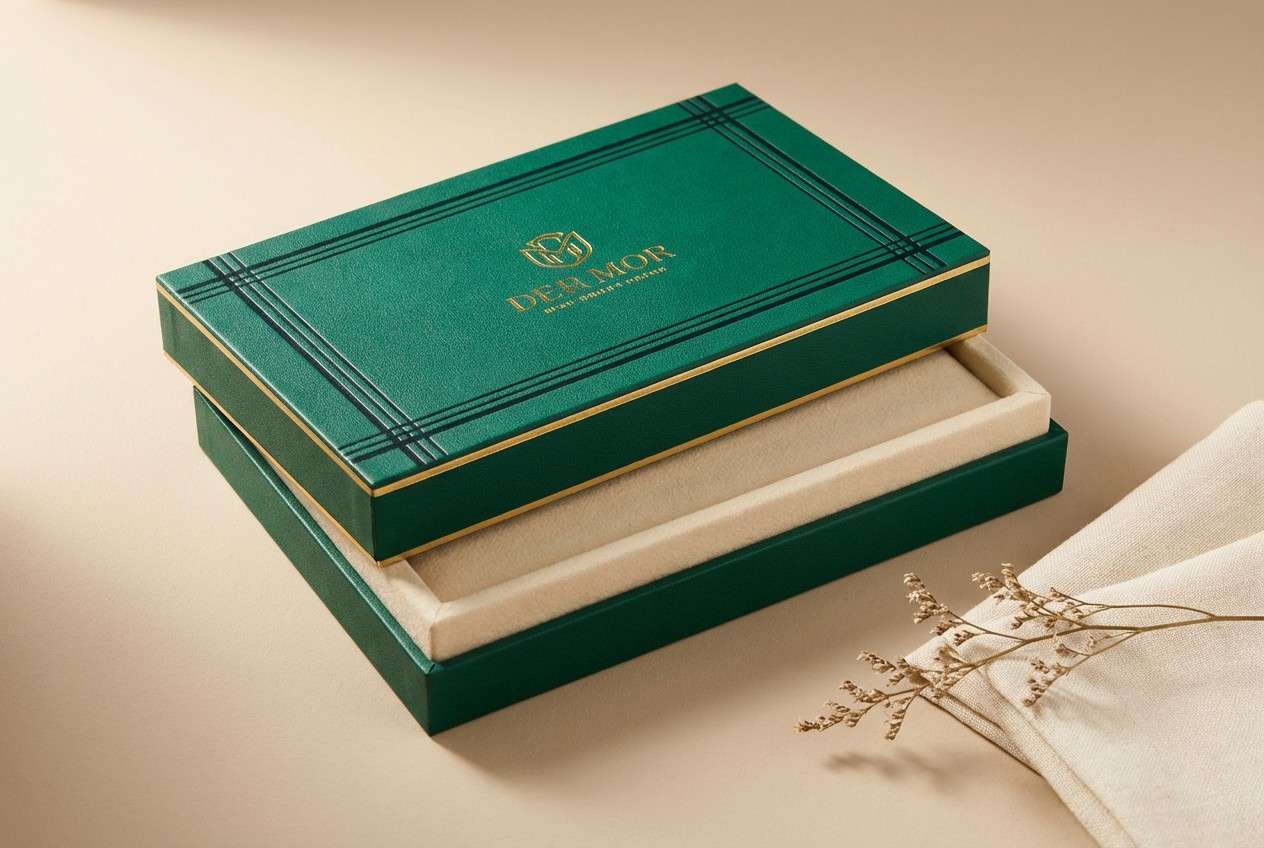
Dramatic greens with soft gold feel like candlelight catching leaves in a midnight garden. The warm ivory keeps the look premium, while the near-black adds instant sophistication. Perfect for fragrance, jewelry, or membership packaging where you want a refined first impression. Use gold as a restrained accent for foil details and let green carry the brand tone across most surfaces.
Image example of night garden gold generated using media.io
What Colors Go Well with Jungle Green?
Jungle green (#0b6b53) pairs naturally with warm neutrals (ivory, cream, linen, sand) to keep it breathable and approachable. This is the safest route for packaging, editorial layouts, and interiors where you want calm sophistication.
For a modern, high-contrast look, combine jungle green with charcoals, near-black, slate gray, or deep navy. These pairings feel premium and tech-forward, especially when you reserve bright accents for CTAs and data highlights.
If you want energy, add citrus (marigold, apricot), blush, or even berry purple—just keep those accents smaller so the green remains the “anchor” and the palette doesn’t become visually noisy.
How to Use a Jungle Green Color Palette in Real Designs
In UI design, treat jungle green as a functional color: primary buttons, active states, success messaging, and key navigation elements. Balance it with off-whites for surfaces and a strong dark gray for body text to maintain accessibility.
In branding, jungle green works best when it has a clear role: logo and core assets (primary), supporting backgrounds (secondary), or accents for seals and highlights (tertiary). Match it with a warm neutral to avoid a “cold” or overly corporate feel.
For interiors, use jungle green on one statement wall, cabinetry, or textiles, then expand the room with cream paint, natural wood, and matte black hardware. The result reads intentional and timeless instead of heavy.
Create Jungle Green Palette Visuals with AI
If you have HEX codes but need finished visuals (brand boards, UI mockups, packaging shots, posters), AI generation is the fastest way to test direction before you commit to production design.
Start with one palette above, paste its colors into your prompt, and describe the layout (flat design vs. realistic studio shot), lighting, and aspect ratio. Iterate by changing only one variable at a time so you can compare results clearly.
Media.io makes it easy to generate consistent palette-based images right in your browser—then export assets for presentations, moodboards, and client reviews.
Jungle Green Color Palette FAQs
-
What is the HEX code for jungle green in this guide?
The anchor jungle green used across these palettes is #0b6b53, a deep green that works well for branding, UI accents, and rich backgrounds. -
Is jungle green warm or cool?
Jungle green is typically a cool-leaning green due to its blue undertone, but it can feel warmer when paired with creams, tans, clay, or gold. -
What are the best neutral colors to pair with jungle green?
Great neutrals include warm ivory/cream, linen off-white, sand/beige, taupe, and charcoal. These keep jungle green balanced and prevent it from overpowering a layout. -
What accent colors make jungle green feel modern?
Teal, aqua, slate blue, and near-black create a sleek, modern look. For a more playful modern style, try apricot/orange or a sharp yellow accent used sparingly. -
How do I use jungle green in UI design without making it too dark?
Use jungle green for navigation, primary CTAs, and small emphasis elements, while keeping most surfaces in off-white or very light gray. Pair with dark gray text for readability and reserve the deepest tones for headers or footers. -
Does jungle green work for luxury branding?
Yes—combine jungle green with near-black, deep navy, ivory, and metallic gold accents (or gold-like tones) to create a premium, dramatic feel suitable for beauty, fragrance, jewelry, and memberships. -
How can I quickly visualize a jungle green palette before designing?
Generate mockups with AI using a prompt that specifies your palette HEX codes, a design type (e.g., packaging, UI, poster), and a clear style (flat vs. realistic). This helps you validate contrast, mood, and hierarchy before production.


