

Dark red wine is a modern classic: rich, moody, and instantly premium without relying on loud saturation. It’s a go-to for luxury branding, editorial layouts, and UI accents where you want depth and confidence.
Below are 20 refined dark red wine color palette ideas (with HEX codes), plus practical pairing tips for neutrals, metallics, and warm woods.
In this article
- Why Dark Red Wine Palettes Work So Well
-
- cellar velvet
- merlot and marble
- garnet nightfall
- spiced bordeaux
- rosewood smoke
- cabernet and cream
- vineyard ui dark
- antique cork
- plum cellar
- cocoa tannin
- velvet ribbon
- museum merlot
- brick and burgundy
- dusky petals
- noir cherry accent
- cranberry and sage
- copper barrel
- minimal wine and stone
- frosted sangria
- deep wine and gold leaf
- What Colors Go Well with Dark Red Wine?
- How to Use a Dark Red Wine Color Palette in Real Designs
- Create Dark Red Wine Palette Visuals with AI
Why Dark Red Wine Palettes Work So Well
Dark red wine tones sit in a sweet spot between dramatic and timeless. They read as premium because they’re deep, restrained, and associated with heritage materials like leather, velvet, and lacquered wood.
These hues also create clear hierarchy in design: deep wines for backgrounds, mid wines for headings and CTAs, and soft blush/stone neutrals for whitespace and readability. That balance makes them versatile across print, packaging, and UI.
Finally, wine reds pair beautifully with both warm and cool accents—from copper and tan to sage and icy gray—so you can steer the mood from cozy to architectural without changing the core identity color.
20+ Dark Red Wine Color Palette Ideas (with HEX Codes)
1) Cellar Velvet
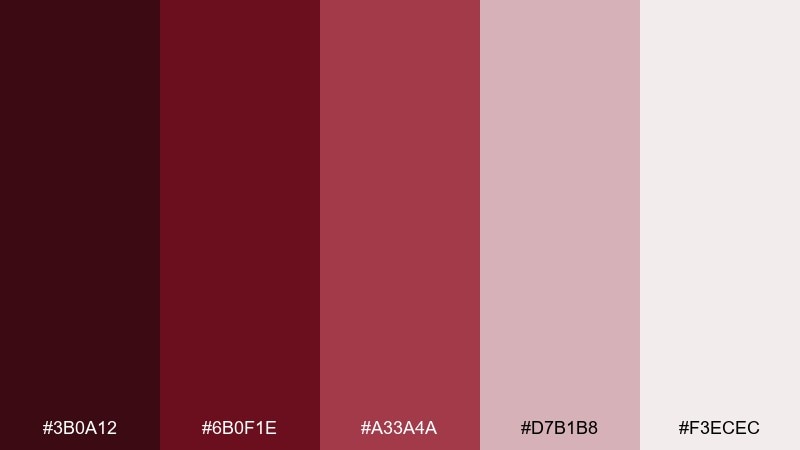
HEX: #3b0a12 #6b0f1e #a33a4a #d7b1b8 #f3ecec
Mood: moody, romantic, luxe
Best for: premium wine label and luxury branding
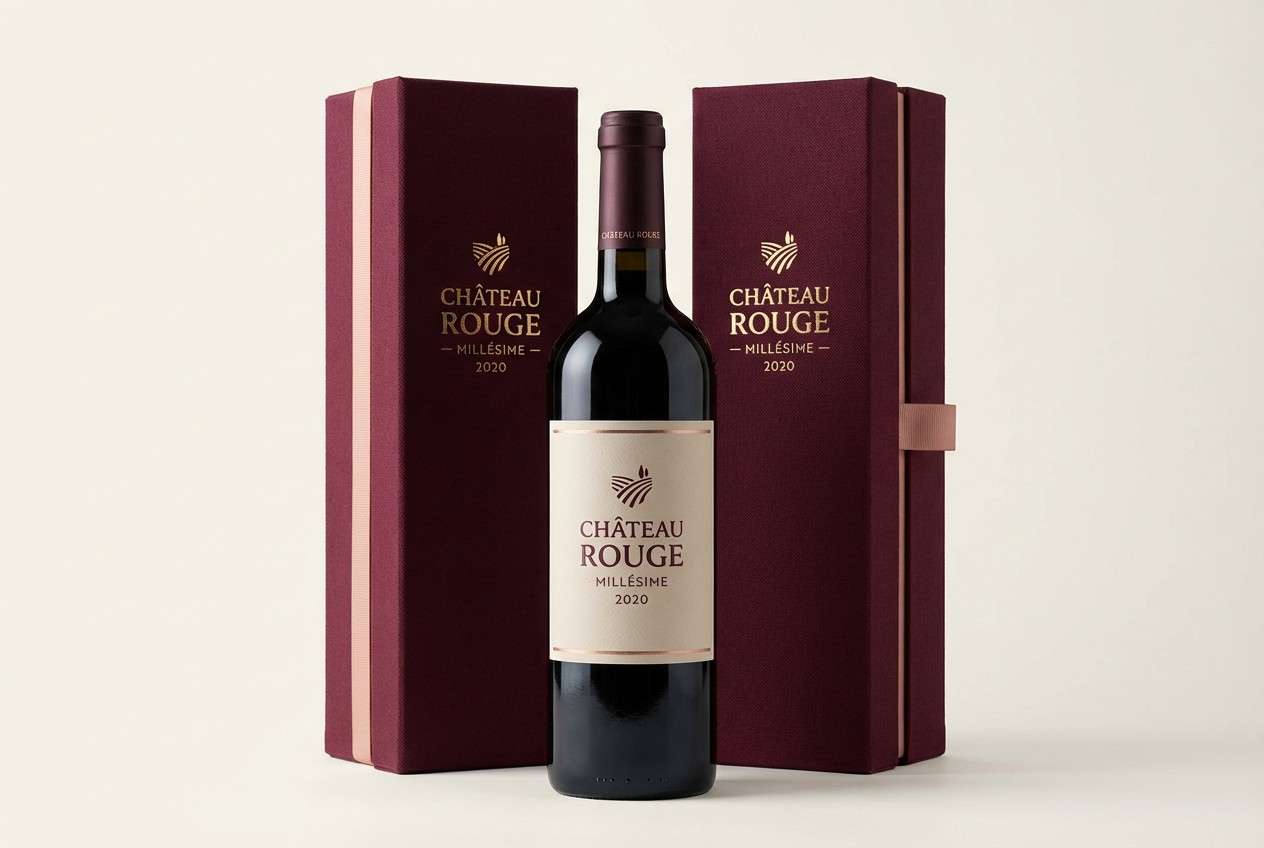
Moody velvet reds and soft blush highlights evoke candlelit cellars and polished glassware. This dark red wine color palette works beautifully for premium labels, boutique hospitality, and elevated packaging. Pair it with warm off-whites and restrained black details to keep the look modern. Usage tip: reserve the light blush for whitespace and emboss-like accents so the deep reds stay dominant.
Image example of cellar velvet generated using media.io
Media.io is an online AI studio for creating and editing video, image, and audio in your browser.


2) Merlot and Marble
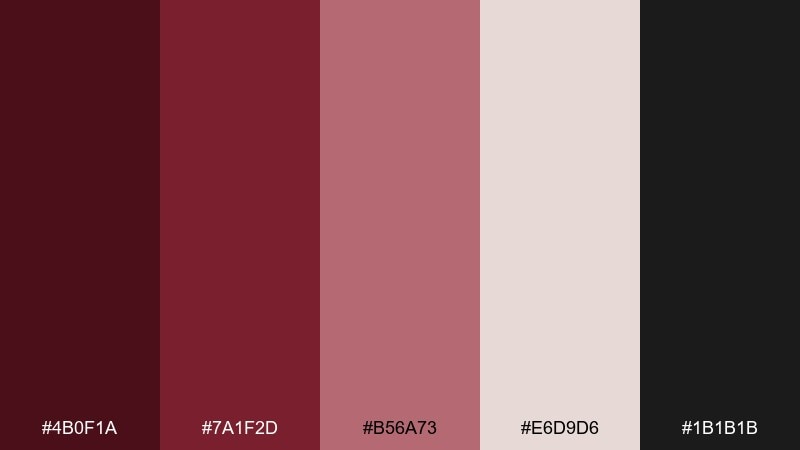
HEX: #4b0f1a #7a1f2d #b56a73 #e6d9d6 #1b1b1b
Mood: elegant, modern, architectural
Best for: interior design mood boards
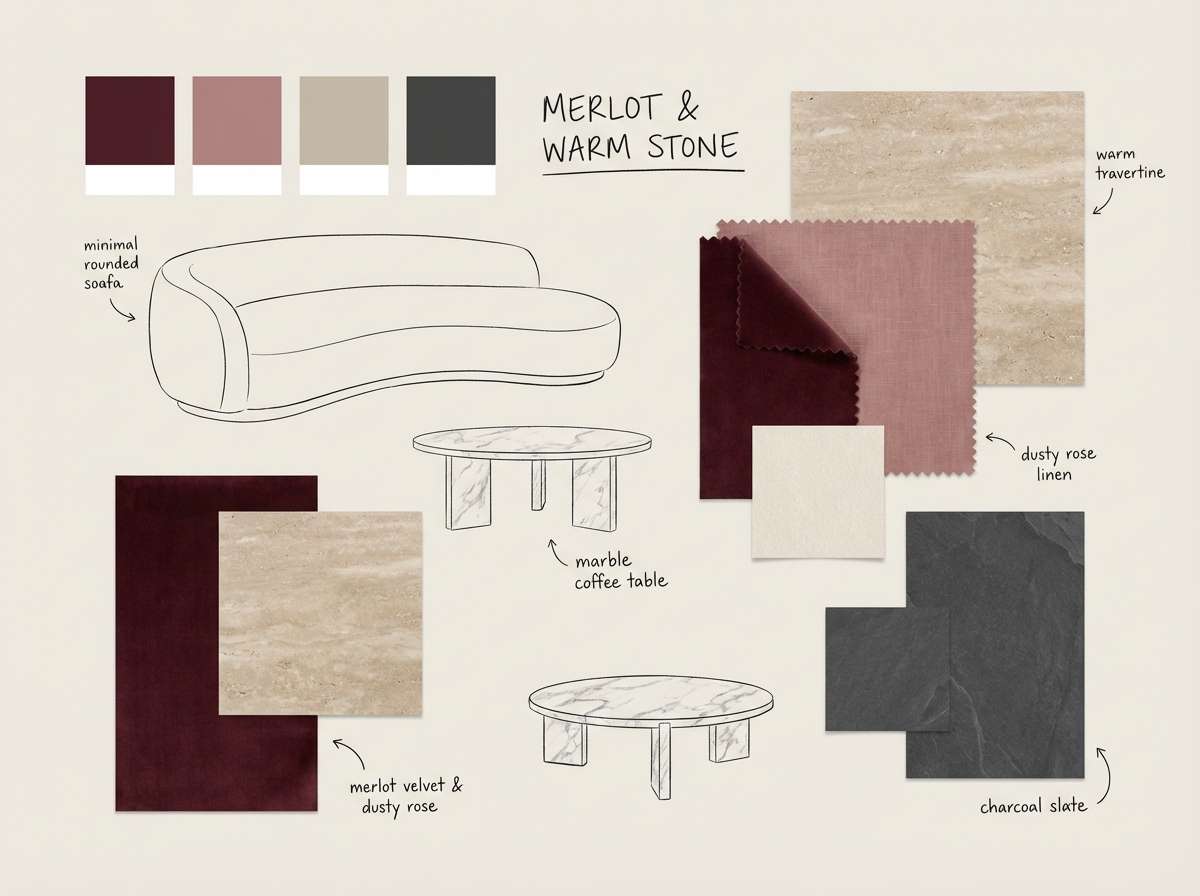
Elegant merlot tones against pale stone neutrals feel like marble countertops and satin drapery. Use the charcoal note to frame layouts or add contrast in typography and trims. These tones fit living rooms, boutique lobbies, and kitchen accents where you want depth without heaviness. Usage tip: keep the light marble shade as the largest area and add wine red in smaller, intentional blocks.
Image example of merlot and marble generated using media.io
3) Garnet Nightfall
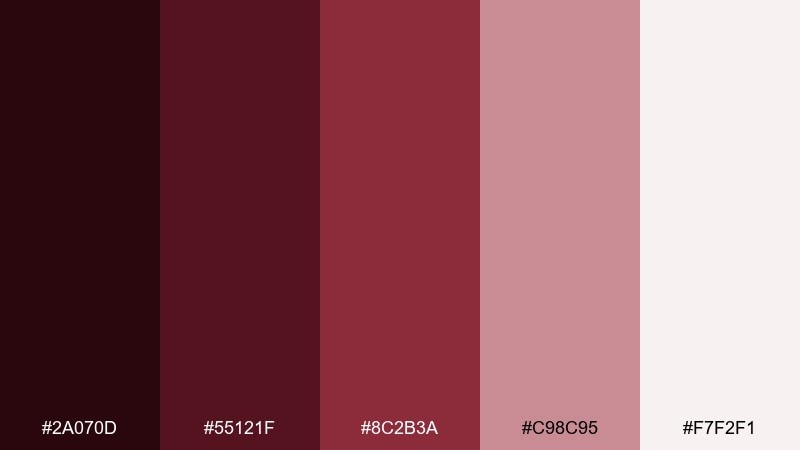
HEX: #2a070d #55121f #8c2b3a #c98c95 #f7f2f1
Mood: dramatic, nocturnal, cinematic
Best for: event poster design
Dark garnet shadows and smoky rose highlights bring a cinematic, after-hours energy. These tones are strong for concert posters, gallery nights, and bold announcement graphics. Pair with crisp near-white space and tight, high-contrast type to keep details readable. Usage tip: use the deepest shade for the background and let the mid garnet carry headlines.
Image example of garnet nightfall generated using media.io

4) Spiced Bordeaux
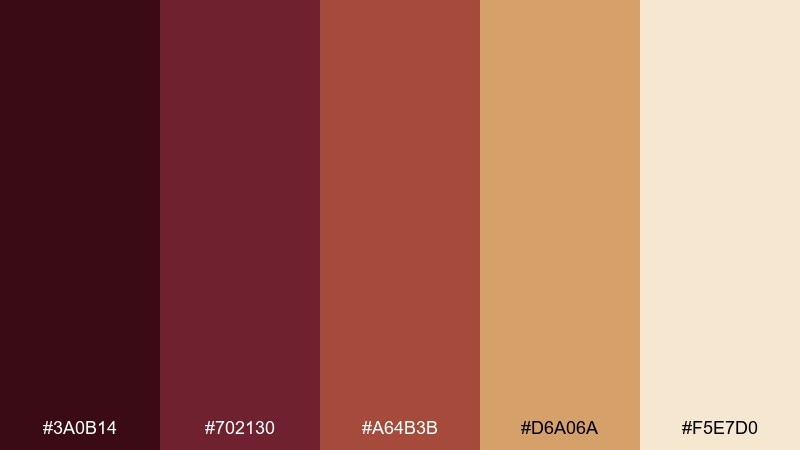
HEX: #3a0b14 #702130 #a64b3b #d6a06a #f5e7d0
Mood: warm, appetizing, autumnal
Best for: restaurant menu design
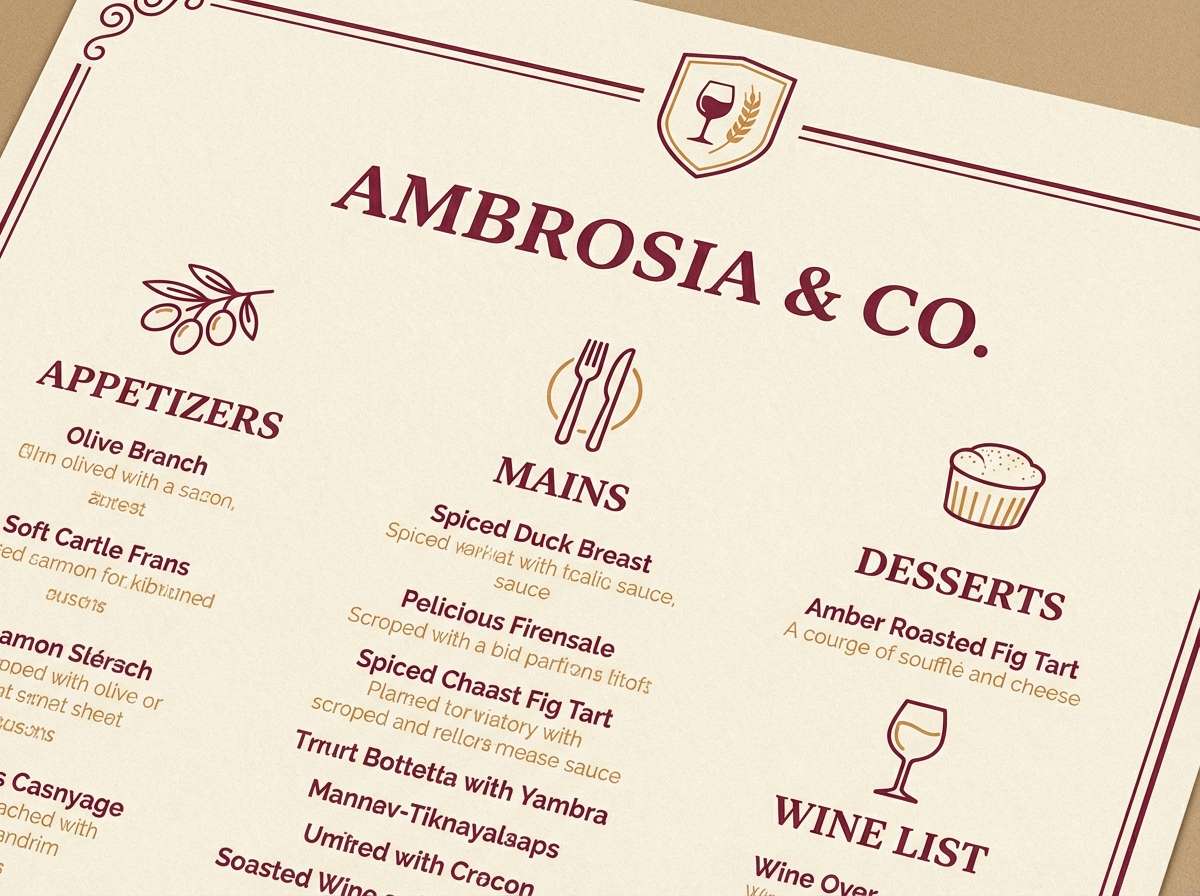
Warm bordeaux reds with a spiced amber note feel like roasted dishes and dim restaurant lighting. The golden tan is ideal for callouts, pricing, and small icon accents. This set shines on menus, tabletop cards, and chef specials where you want richness without looking heavy. Usage tip: keep body text on the cream shade and use the darker reds for section headers.
Image example of spiced bordeaux generated using media.io
5) Rosewood Smoke
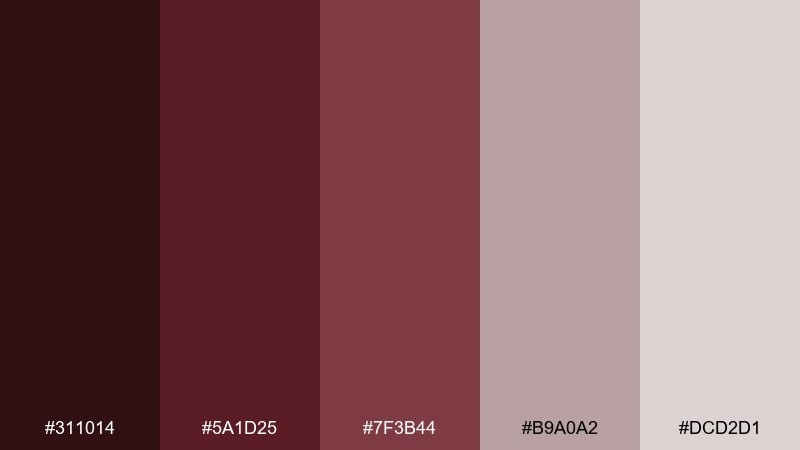
HEX: #311014 #5a1d25 #7f3b44 #b9a0a2 #dcd2d1
Mood: soft, intimate, vintage
Best for: wedding invitation suite
Dusty rosewood and smoky mauves evoke dried florals, ribbon, and heirloom paper. The muted neutrals help keep invitations feeling timeless rather than overly dark. Great for romantic stationery, save-the-dates, and ceremony programs with a classic touch. Usage tip: print the darkest tone for names and use the light mauve as a subtle background wash.
Image example of rosewood smoke generated using media.io
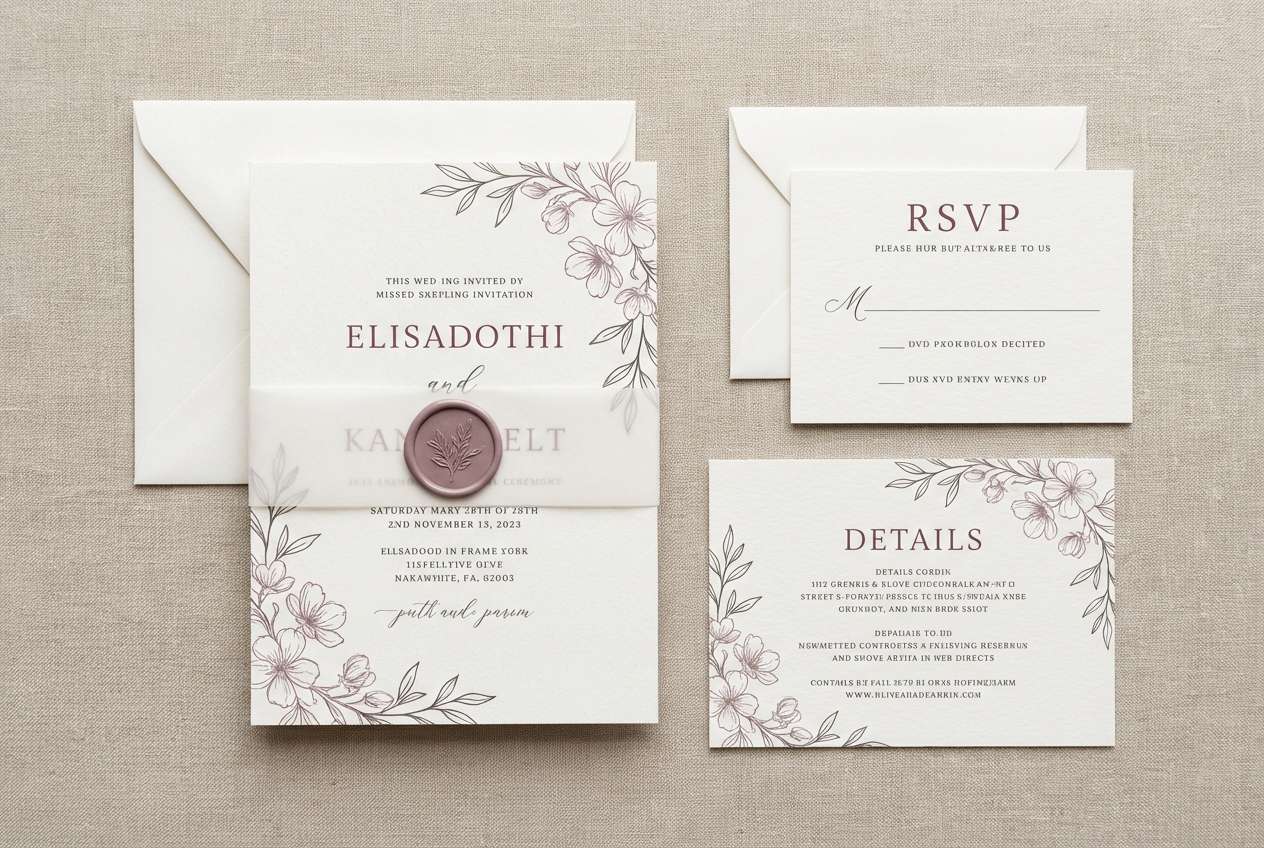
6) Cabernet and Cream
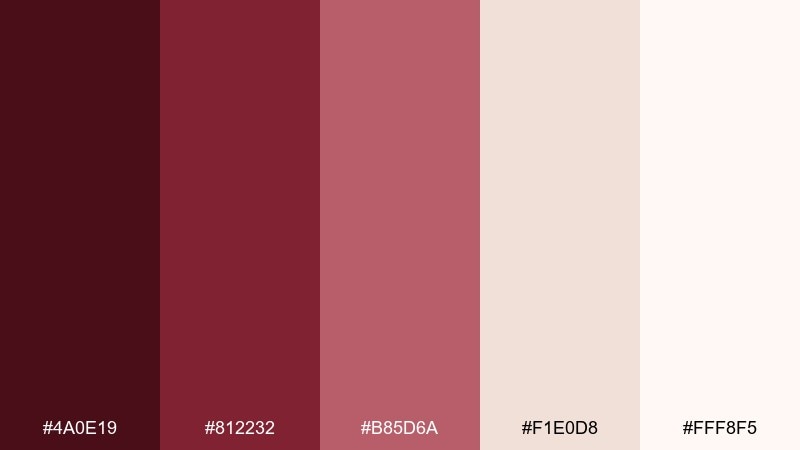
HEX: #4a0e19 #812232 #b85d6a #f1e0d8 #fff8f5
Mood: soft luxe, clean, confident
Best for: skincare packaging
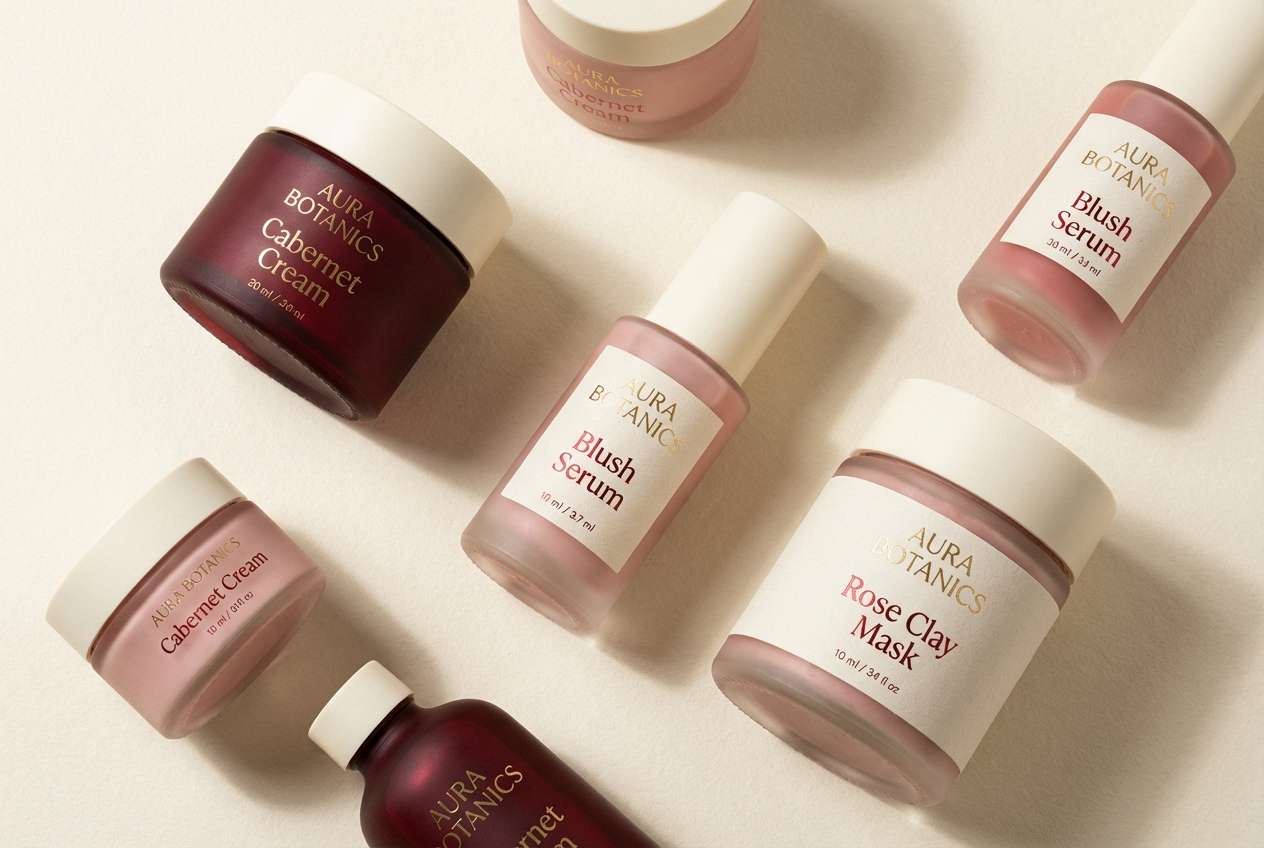
Creamy neutrals with cabernet accents feel polished, calm, and premium. The rosy midtone adds warmth without pushing into bright pink territory. Use it for skincare, fragrance, and boutique wellness brands that need a refined feminine edge. Usage tip: keep the packaging mostly cream and apply cabernet to logos, caps, or thin borders for a high-end finish.
Image example of cabernet and cream generated using media.io
7) Vineyard UI Dark
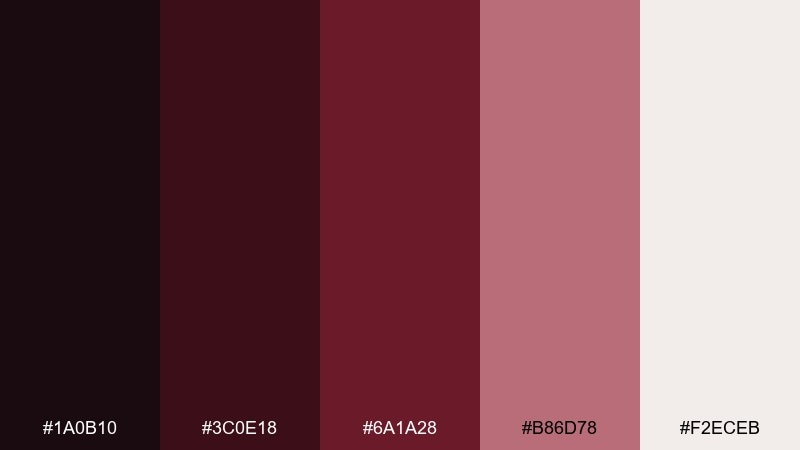
HEX: #1a0b10 #3c0e18 #6a1a28 #b86d78 #f2eceb
Mood: sleek, focused, high-contrast
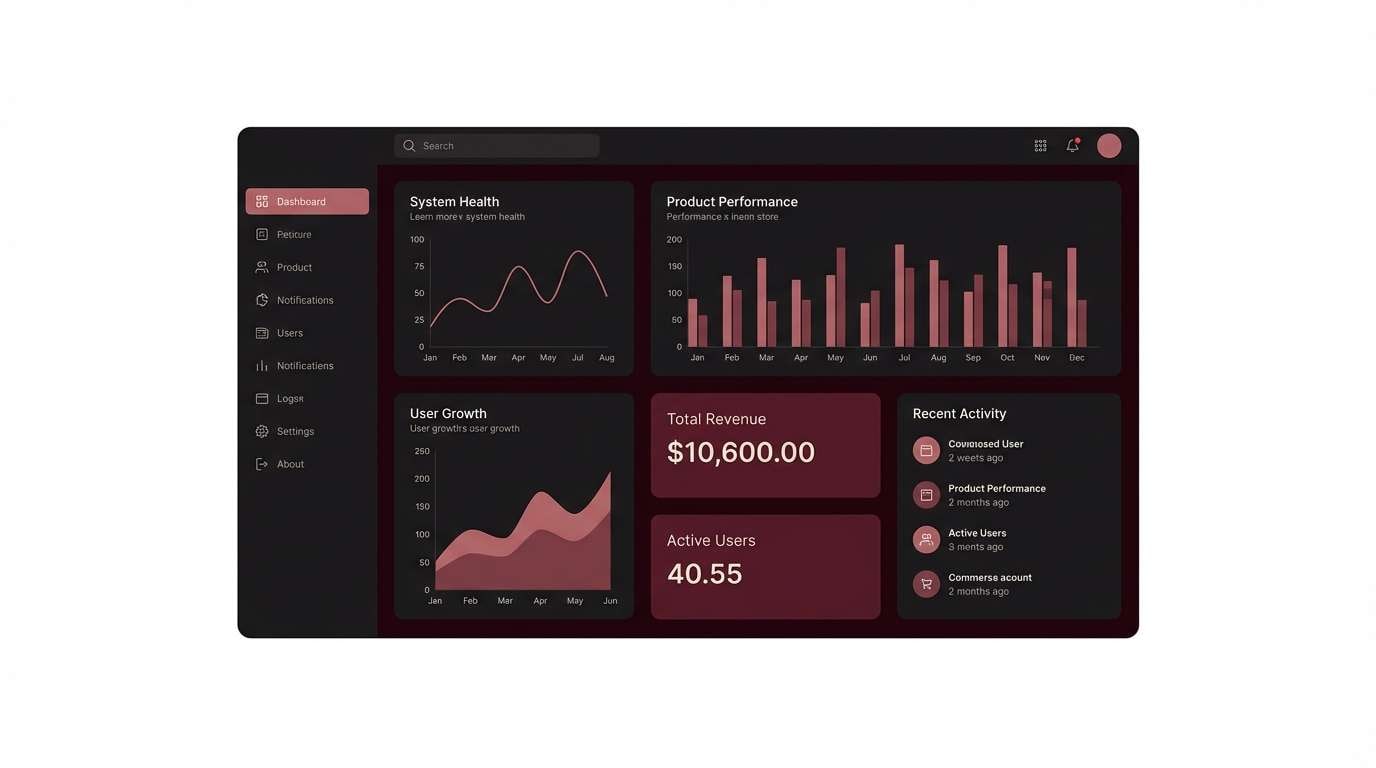
Best for: dashboard UI mockup
Deep vineyard reds and near-black shadows create a sleek, cinematic interface mood. As a dark red wine color scheme, it works well for dashboards, media players, and analytics screens that need strong hierarchy. Pair with soft off-white for readable text and use the muted rose as a hover or active state. Usage tip: limit the brightest accent to primary buttons so calls to action stay unmistakable.
Image example of vineyard ui dark generated using media.io
8) Antique Cork
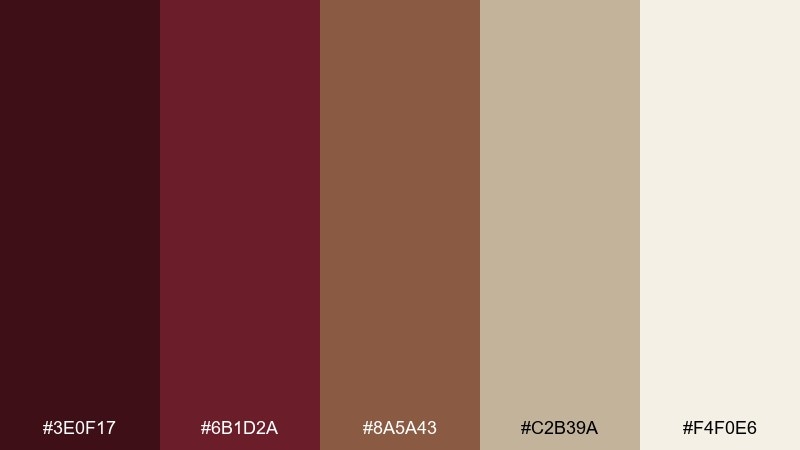
HEX: #3e0f17 #6b1d2a #8a5a43 #c2b39a #f4f0e6
Mood: rustic, grounded, refined
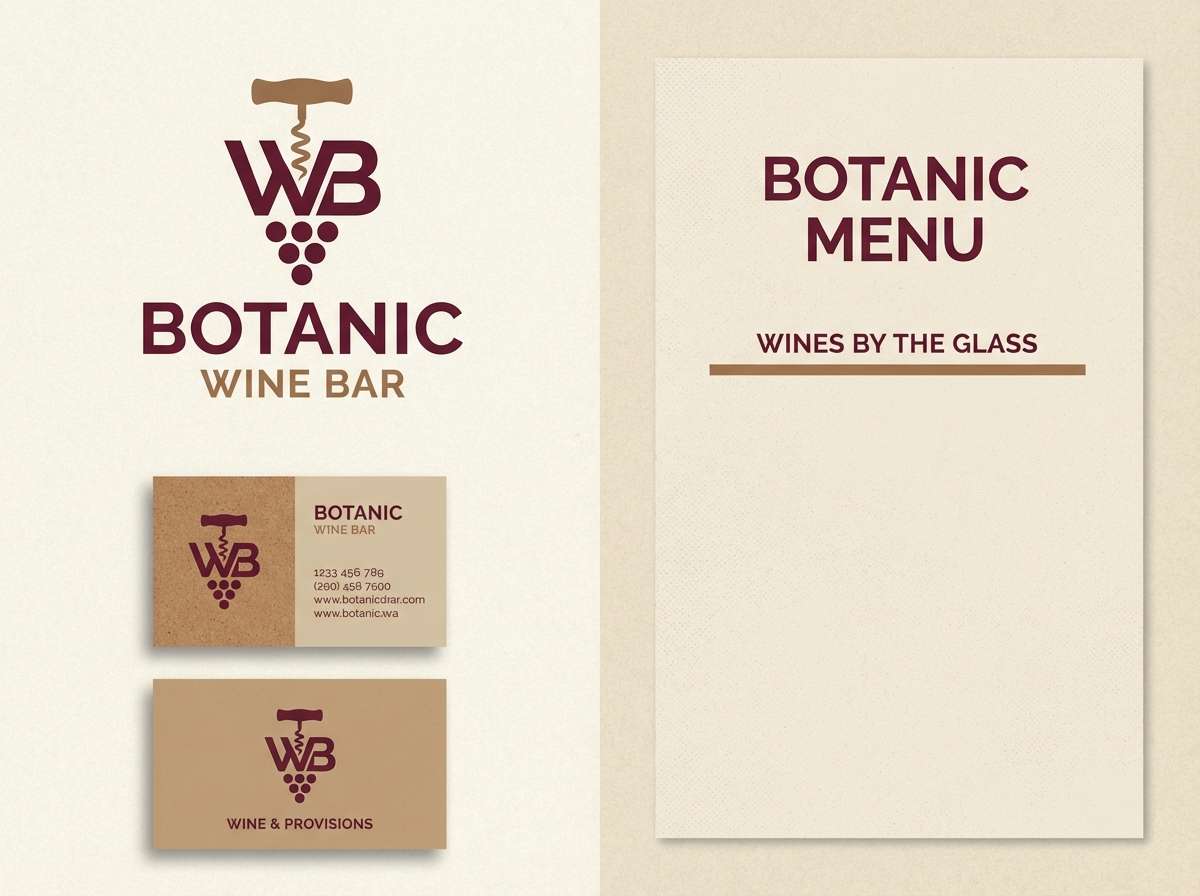
Best for: wine bar branding
Antique reds with cork browns and parchment neutrals feel warm, lived-in, and inviting. The tan shades give you easy room for typography, menus, and signage without harsh contrast. Ideal for wine bars, tasting rooms, and artisanal retail identities. Usage tip: use the cork brown for secondary text and icons to keep the reds from overpowering the layout.
Image example of antique cork generated using media.io
9) Plum Cellar
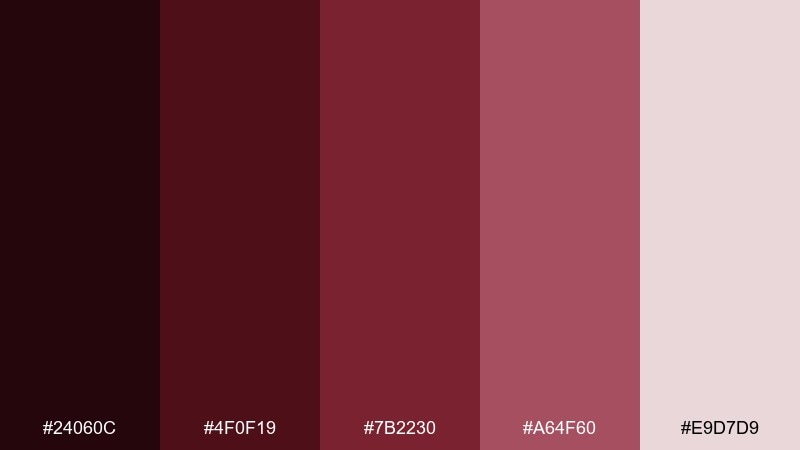
HEX: #24060c #4f0f19 #7b2230 #a64f60 #e9d7d9
Mood: mysterious, literary, rich
Best for: book cover design
Inky plum-wine shadows and muted rose feel like old libraries and late-night chapters. The mid reds are perfect for bold titles, while the pale blush makes a clean backdrop for subtitles and author names. Use this for thrillers, romance, and historical fiction covers that need depth with elegance. Usage tip: keep imagery minimal and let typography carry the drama.
Image example of plum cellar generated using media.io
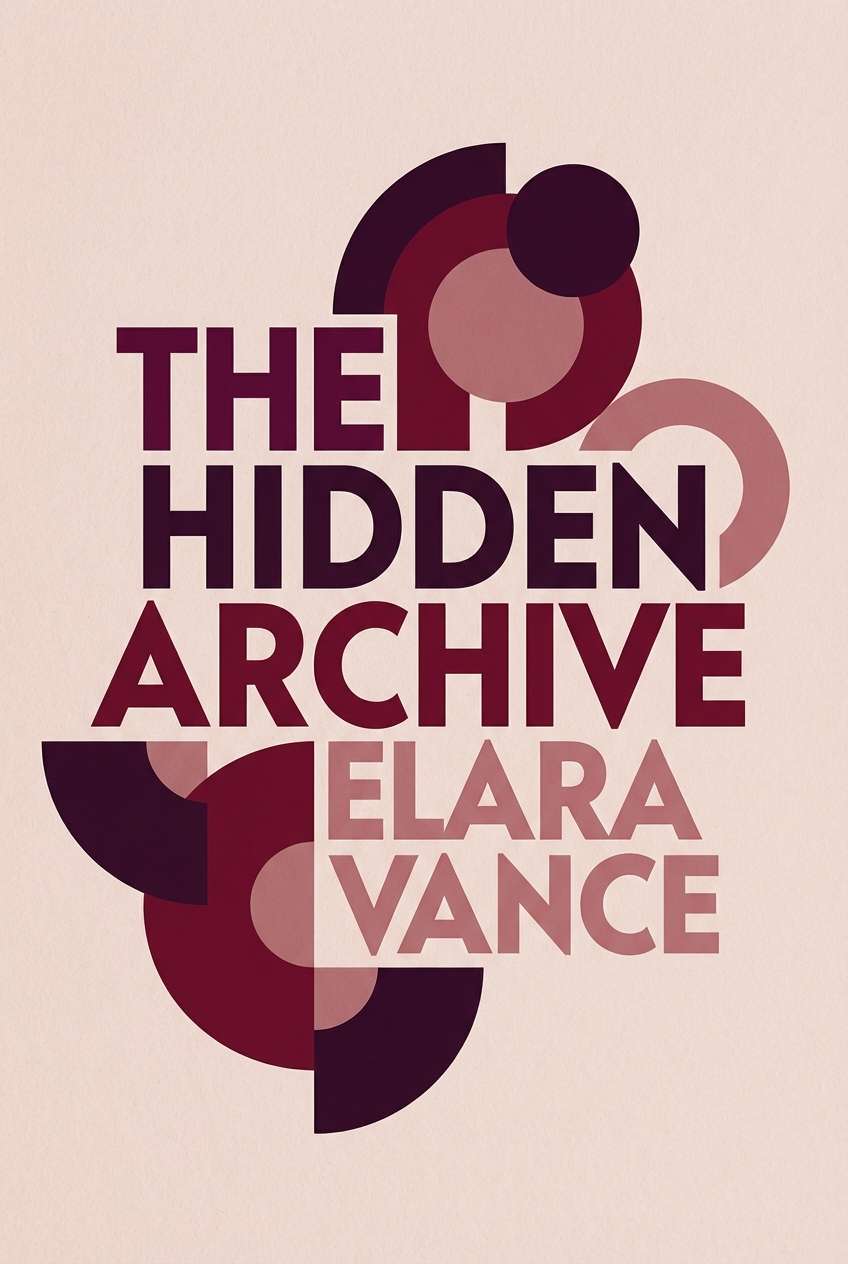
10) Cocoa Tannin
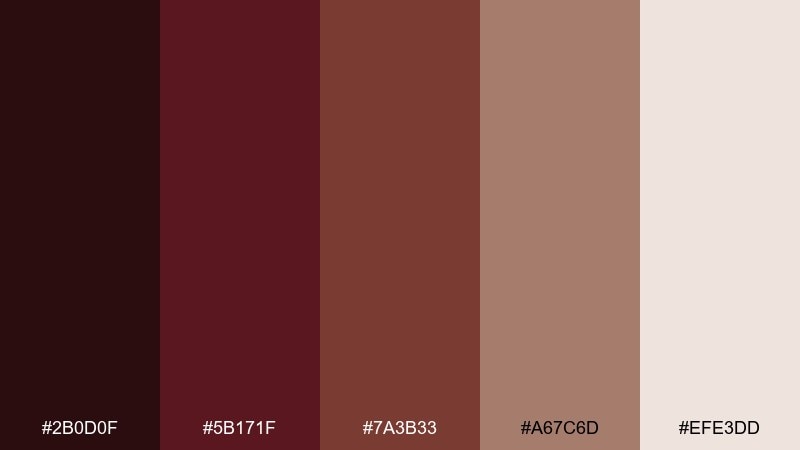
HEX: #2b0d0f #5b171f #7a3b33 #a67c6d #efe3dd
Mood: earthy, cozy, gourmand
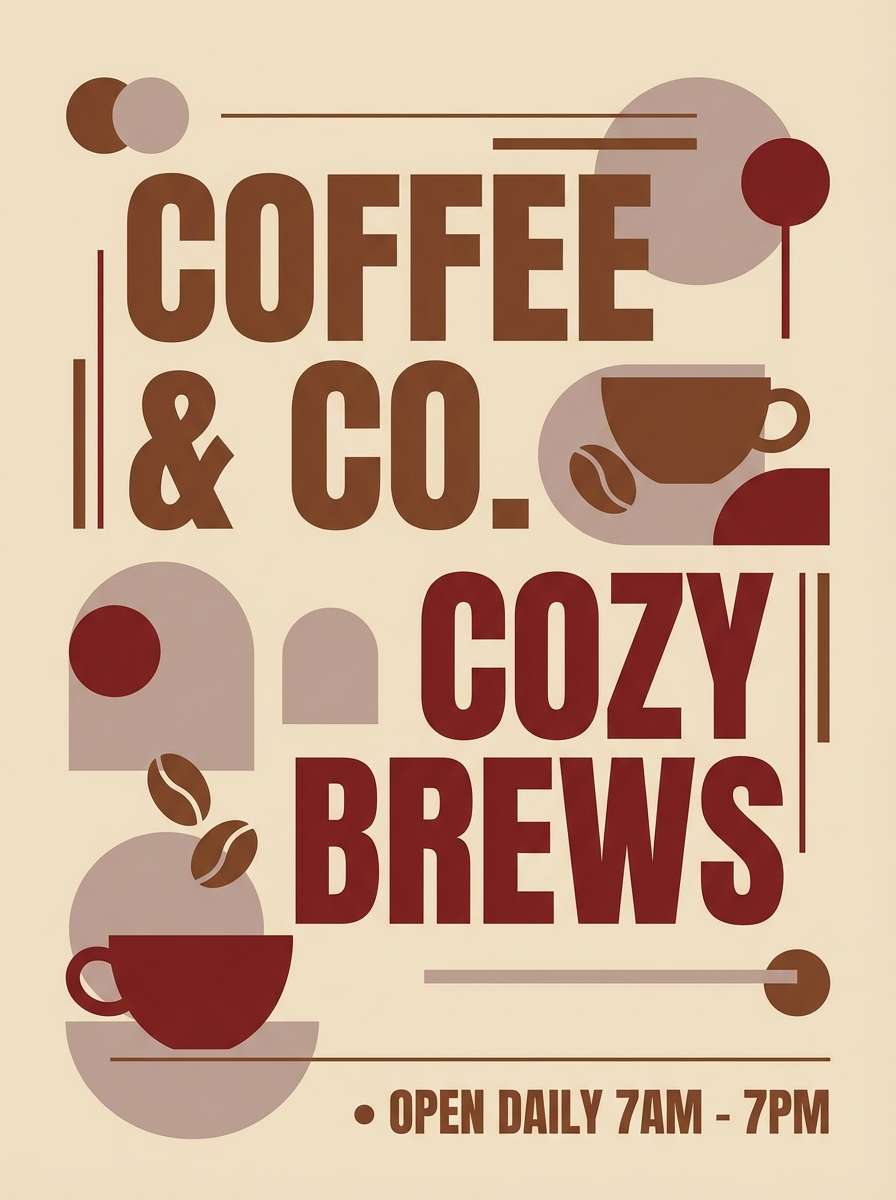
Best for: coffee shop poster
Cocoa browns blended with tannin reds evoke espresso crema and toasted spices. The warm beige makes an easy base for layouts, while the deeper tones add richness to headers and shapes. Great for cafe posters, seasonal promotions, and artisan food brands. Usage tip: use the beige for background and keep the darkest shade reserved for key prices and dates.
Image example of cocoa tannin generated using media.io
11) Velvet Ribbon
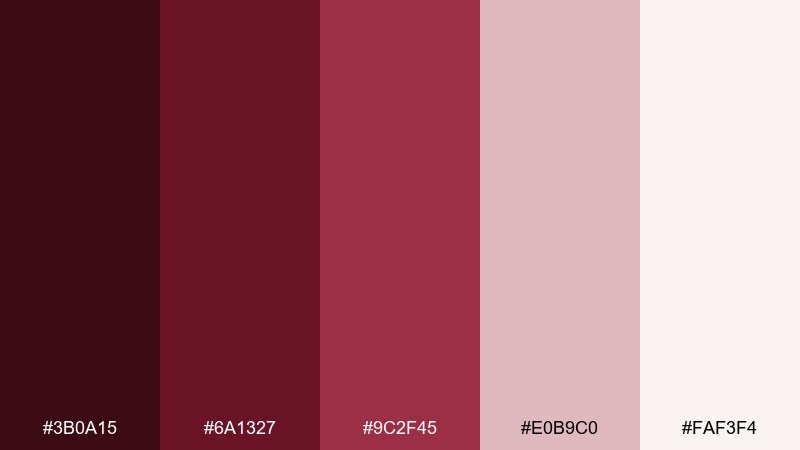
HEX: #3b0a15 #6a1327 #9c2f45 #e0b9c0 #faf3f4
Mood: festive, romantic, brightened
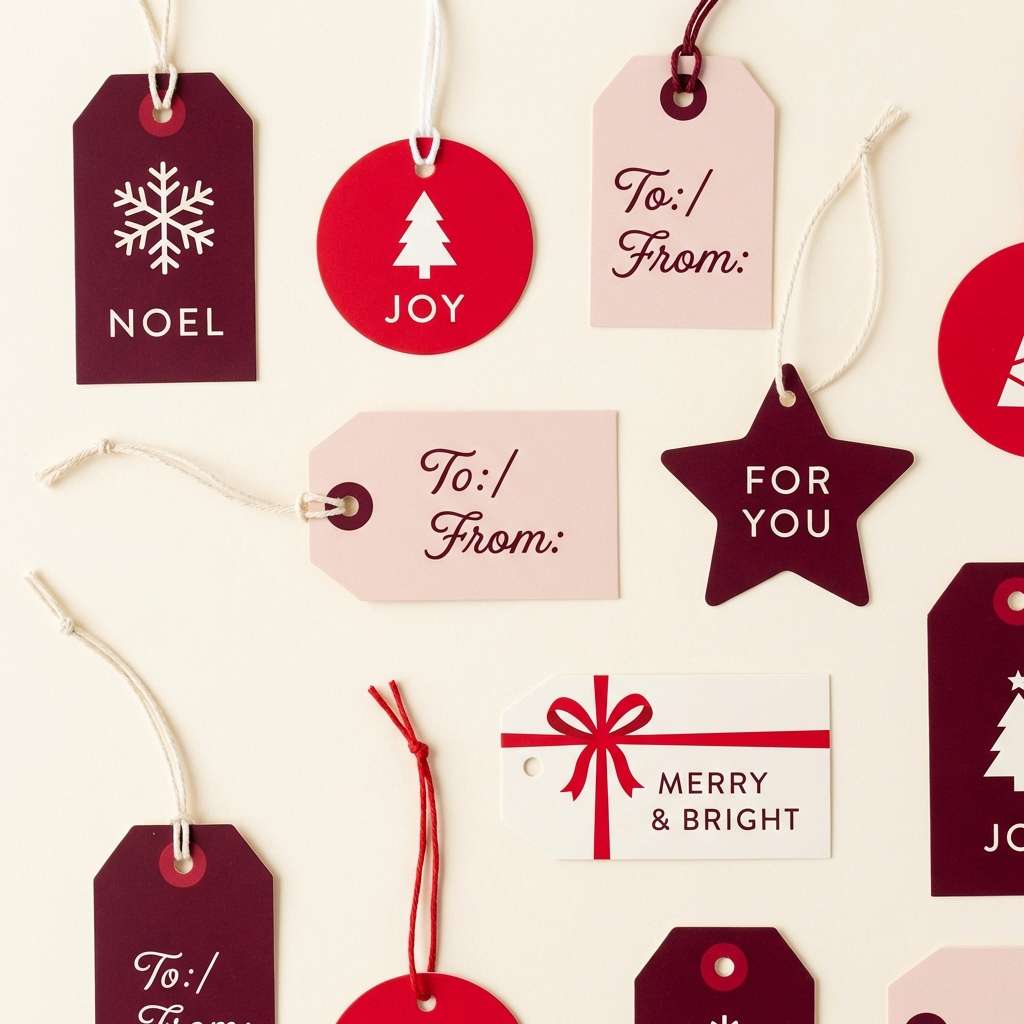
Best for: holiday gift tags
Velvet ribbon reds with airy pink tints feel celebratory and sweet. The pale blush-white makes tags easy to read, while the saturated red adds a gift-ready punch. Use it for seasonal tags, small-format prints, and quick social graphics. Usage tip: add the brightest red only to borders or icons so the text stays crisp on light space.
Image example of velvet ribbon generated using media.io
12) Museum Merlot
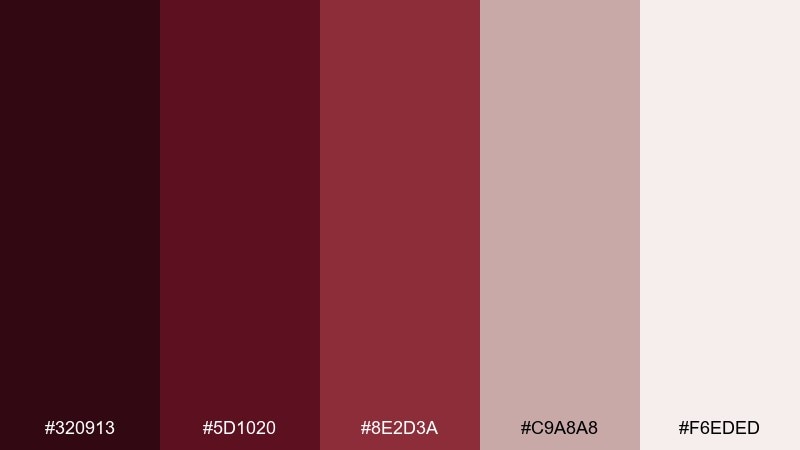
HEX: #320913 #5d1020 #8e2d3a #c9a8a8 #f6eded
Mood: classic, curated, editorial
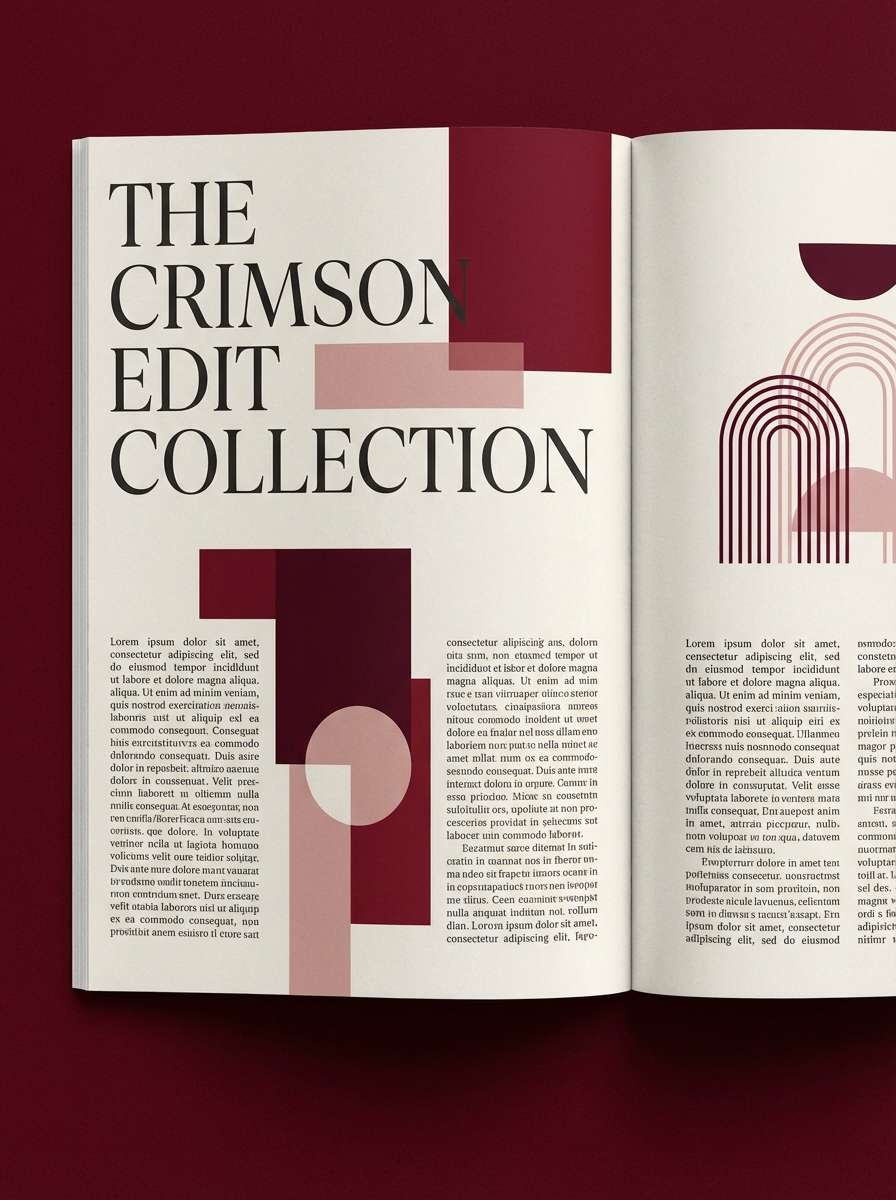
Best for: magazine layout design
Curated merlot tones and soft gallery neutrals evoke museum walls, velvet ropes, and quiet luxury. This dark red wine color palette suits editorial layouts, lookbooks, and cultural campaigns that need sophistication without glare. Pair with generous margins and a serif headline to reinforce the premium feel. Usage tip: let the mid merlot carry pull quotes, keeping body text on the light neutral for readability.
Image example of museum merlot generated using media.io
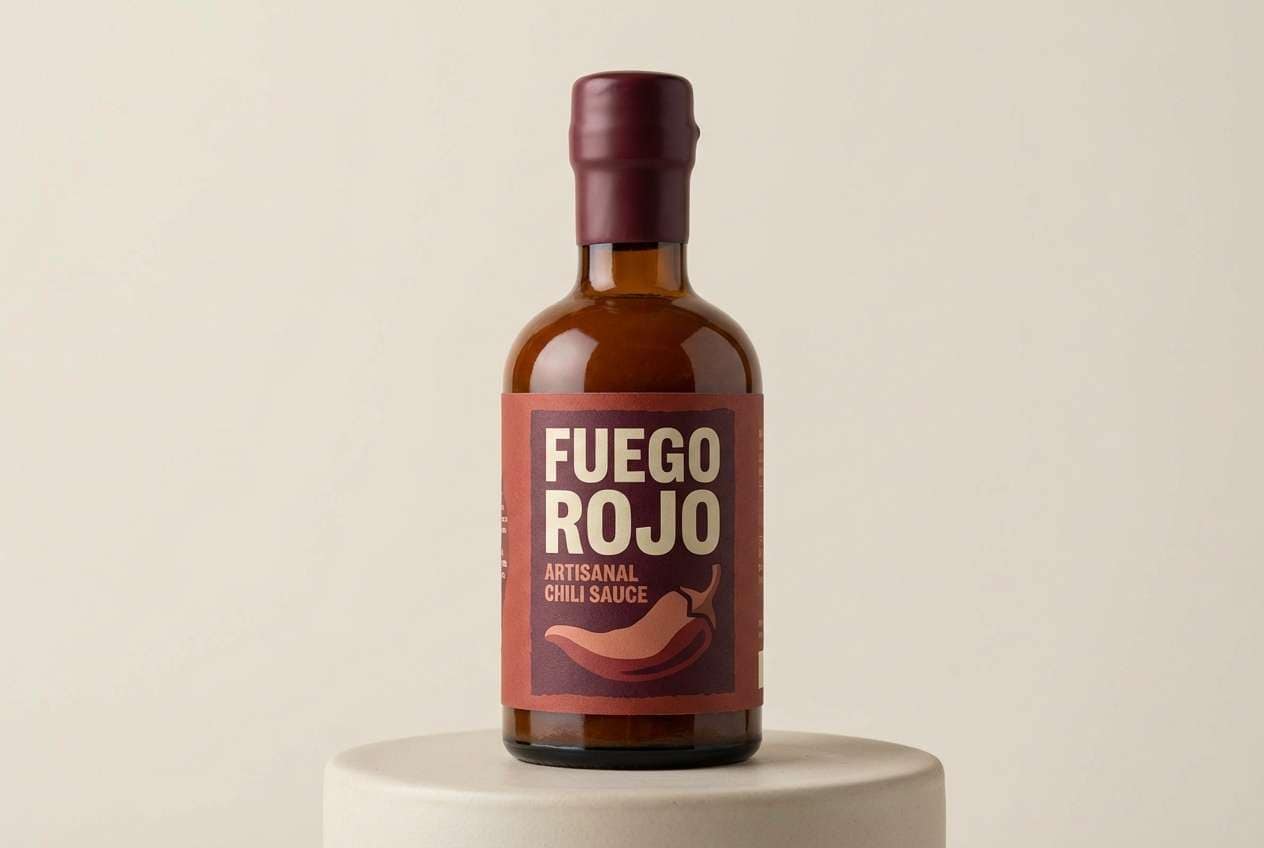
13) Brick and Burgundy
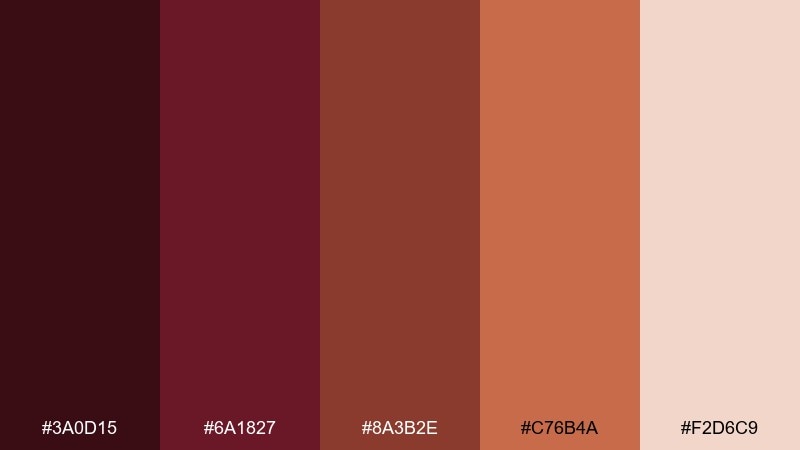
HEX: #3a0d15 #6a1827 #8a3b2e #c76b4a #f2d6c9
Mood: bold, spicy, handcrafted
Best for: hot sauce label packaging
Brick warmth and burgundy depth feel handcrafted, smoky, and a little daring. The orange-terracotta note adds heat and helps calls to action pop on shelves. Use it for sauces, marinades, and street-food brands that want an artisan edge. Usage tip: set the label background in the pale peach and use burgundy for the brand mark so it reads from a distance.
Image example of brick and burgundy generated using media.io
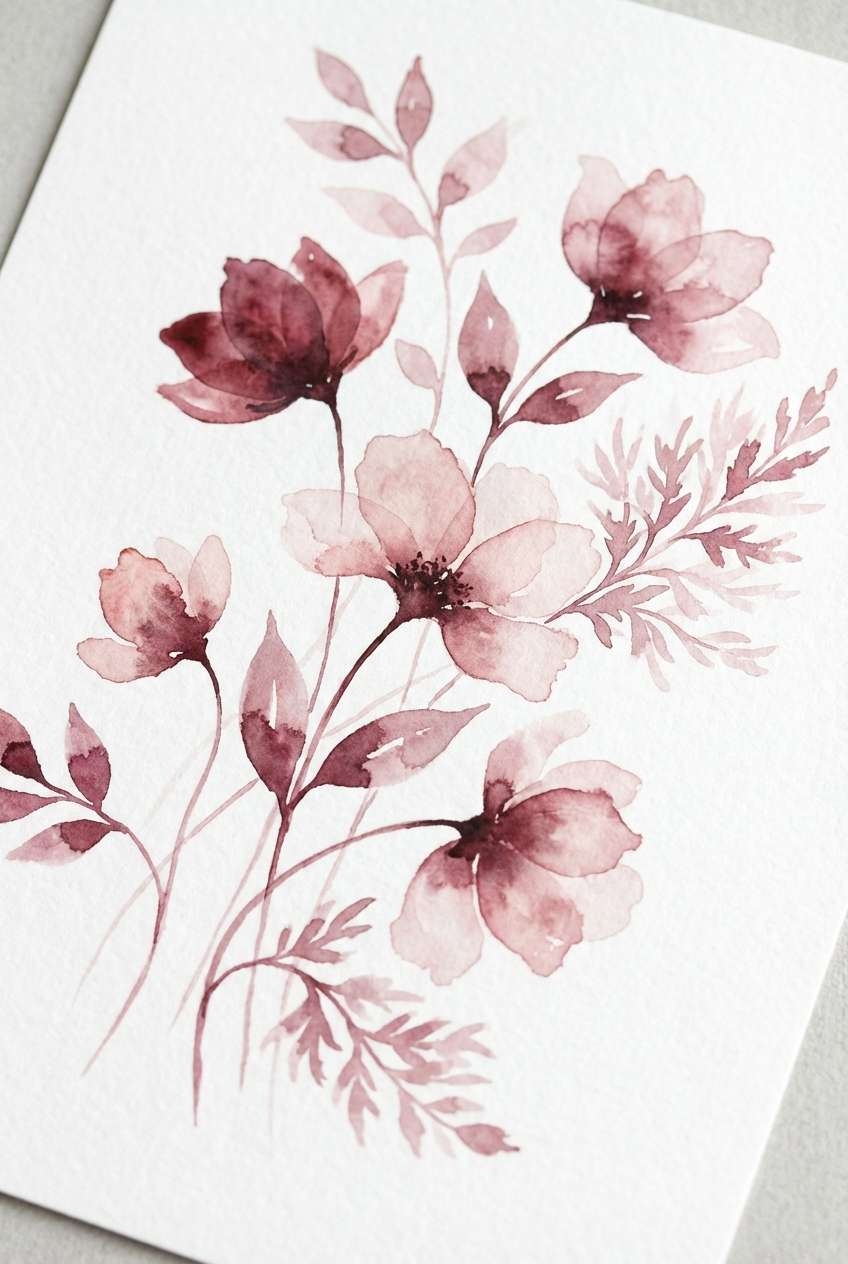
14) Dusky Petals
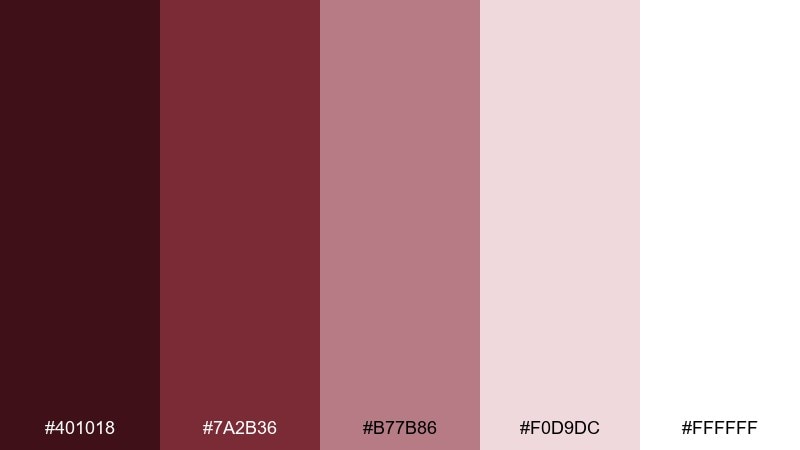
HEX: #401018 #7a2b36 #b77b86 #f0d9dc #ffffff
Mood: delicate, airy, romantic
Best for: watercolor botanical illustration
Dusky petal reds and powdery blush evoke pressed flowers and soft morning light. The clean white keeps the palette breathable and ideal for watercolor spacing. Use it for botanical prints, spring stationery, and gentle lifestyle branding. Usage tip: paint the darkest tone sparingly in centers and stems, letting the blushes do most of the work.
Image example of dusky petals generated using media.io
15) Noir Cherry Accent
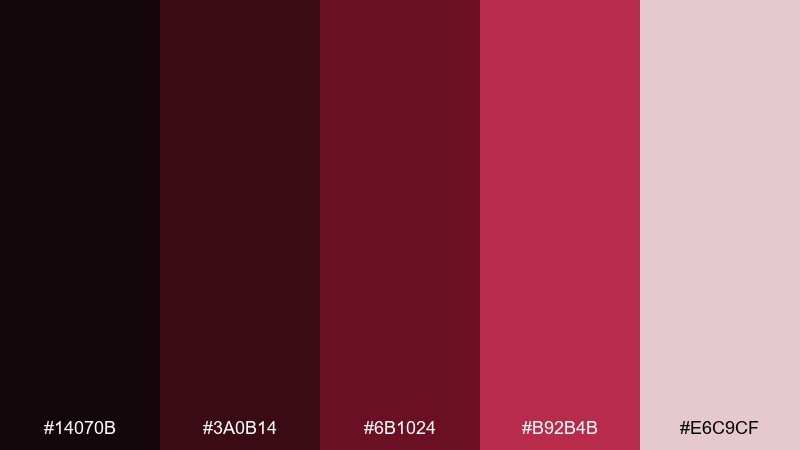
HEX: #14070b #3a0b14 #6b1024 #b92b4b #e6c9cf
Mood: edgy, luxe, nightlife
Best for: nightclub flyer design
Noir shadows with a sharp cherry flash feel like neon signage against midnight walls. These dark red wine color combinations are ideal for nightlife flyers, music promos, and high-energy announcements where contrast matters. Pair with minimal typography and let the cherry shade highlight dates, venue, and ticket links. Usage tip: keep the background nearly black and use the pale blush only for small text blocks.
Image example of noir cherry accent generated using media.io
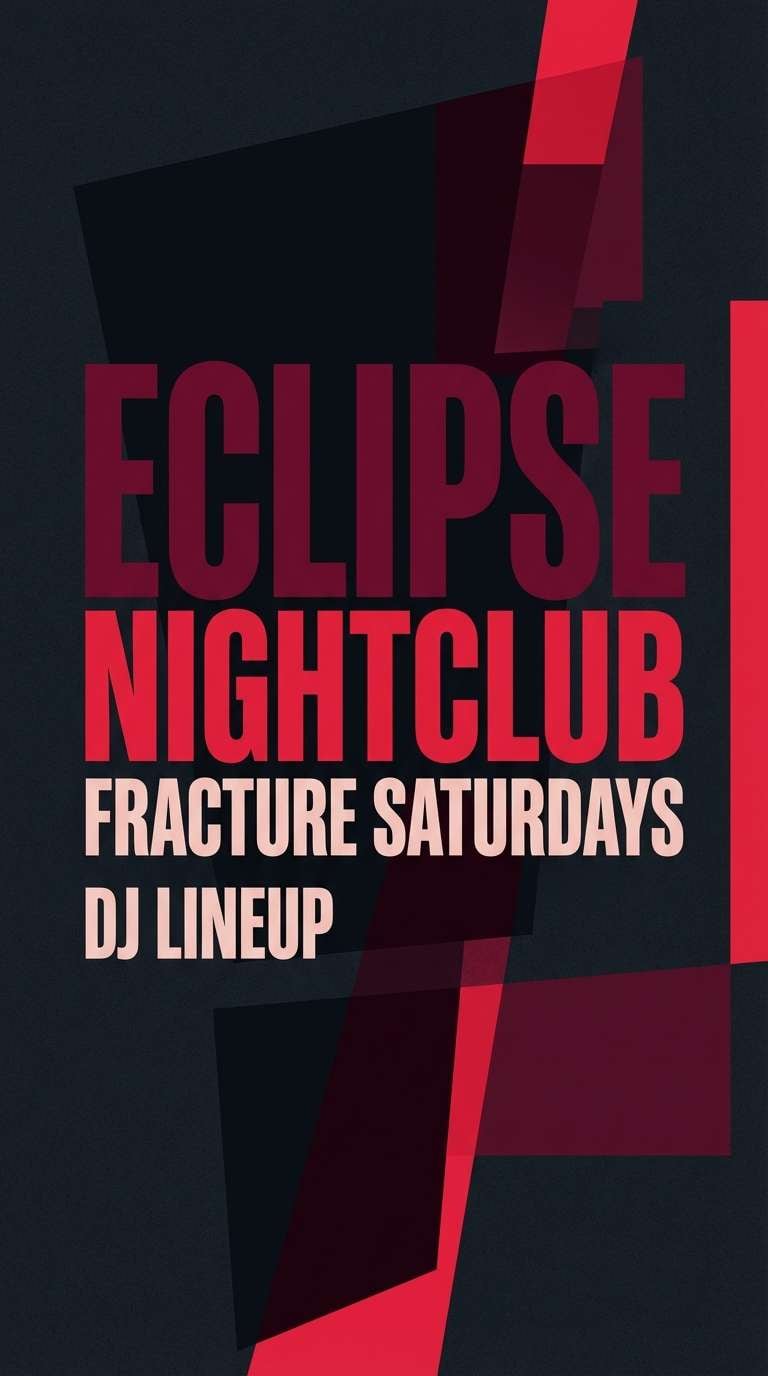
16) Cranberry and Sage
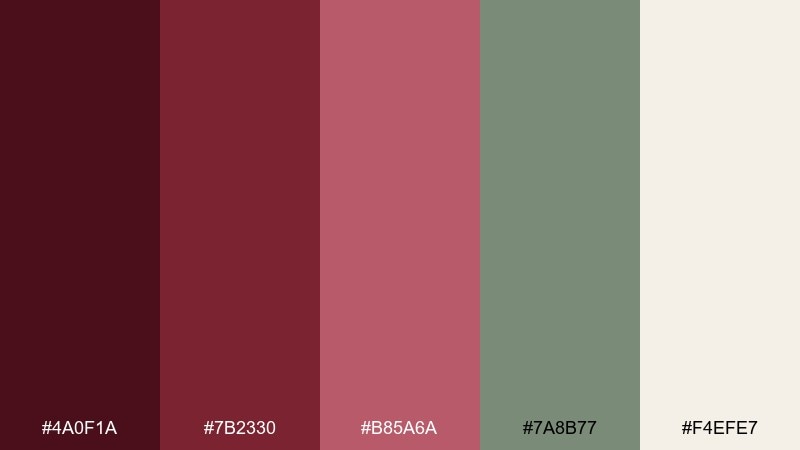
HEX: #4a0f1a #7b2330 #b85a6a #7a8b77 #f4efe7
Mood: fresh, balanced, organic
Best for: seasonal lookbook layout
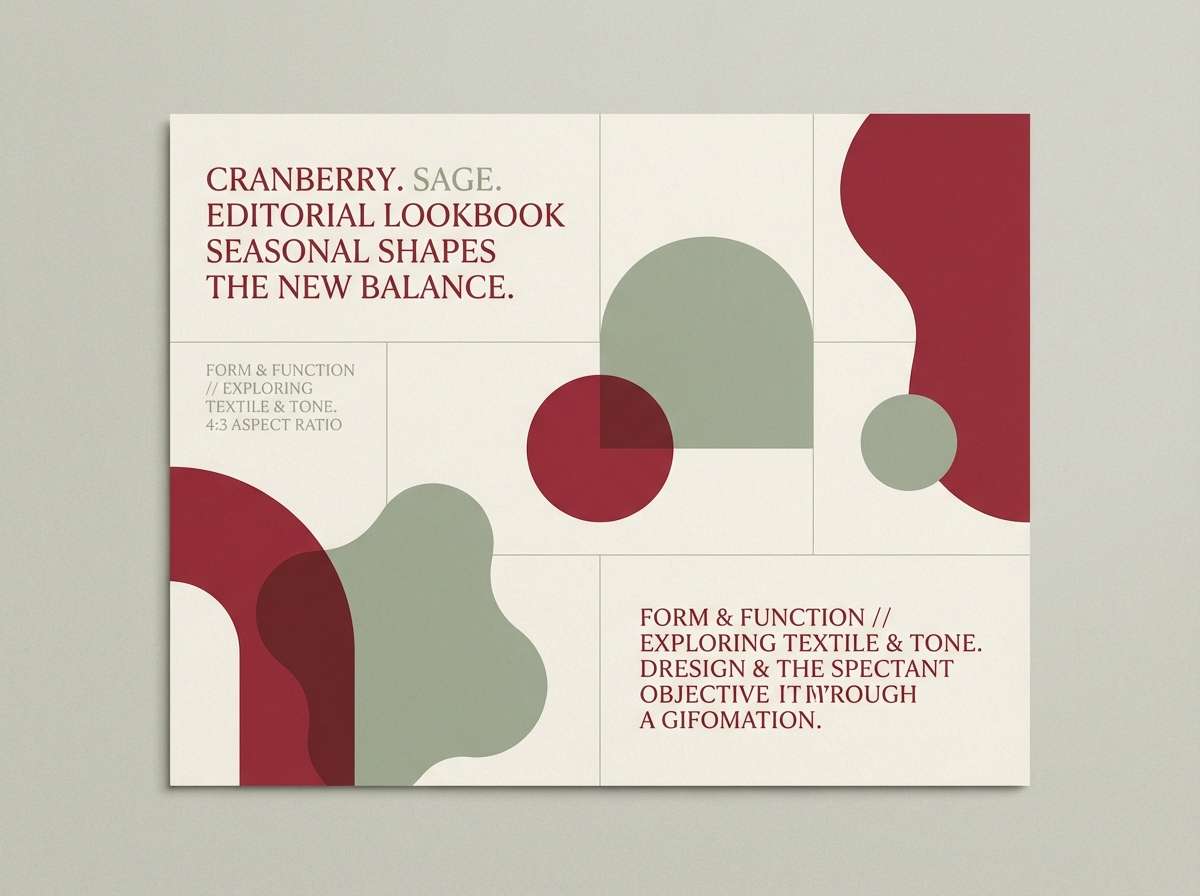
Cranberry reds paired with muted sage feel botanical, modern, and quietly confident. The green note adds freshness that softens the richness of the reds, especially in fashion or lifestyle layouts. Use it for seasonal lookbooks, wellness campaigns, or product storytelling that needs a natural counterpoint. Usage tip: treat sage as the supporting accent and keep reds for headlines and key shapes.
Image example of cranberry and sage generated using media.io
17) Copper Barrel
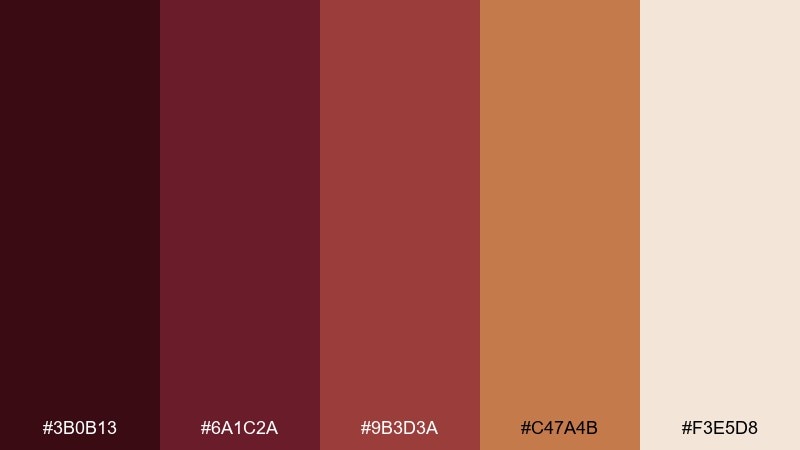
HEX: #3b0b13 #6a1c2a #9b3d3a #c47a4b #f3e5d8
Mood: warm, spirited, polished
Best for: cocktail bar menu
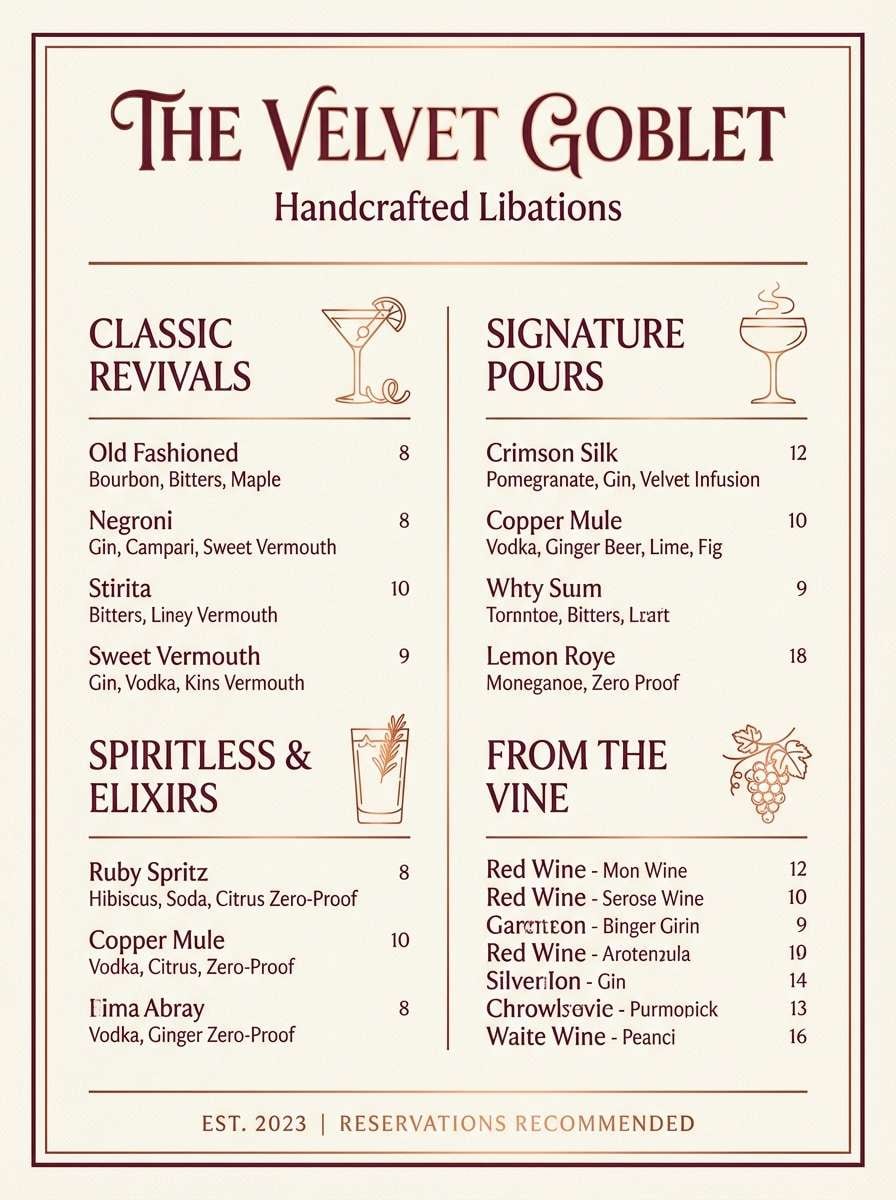
Copper warmth layered over deep reds evokes barrel rooms, shakers, and amber spirits. The copper tone is perfect for section dividers, icons, and premium highlights. Use this set for cocktail menus, tasting flights, and bar signage that needs richness and readability. Usage tip: keep the cream as the base and use copper sparingly so it feels like a metallic accent, not a second main color.
Image example of copper barrel generated using media.io
18) Minimal Wine and Stone
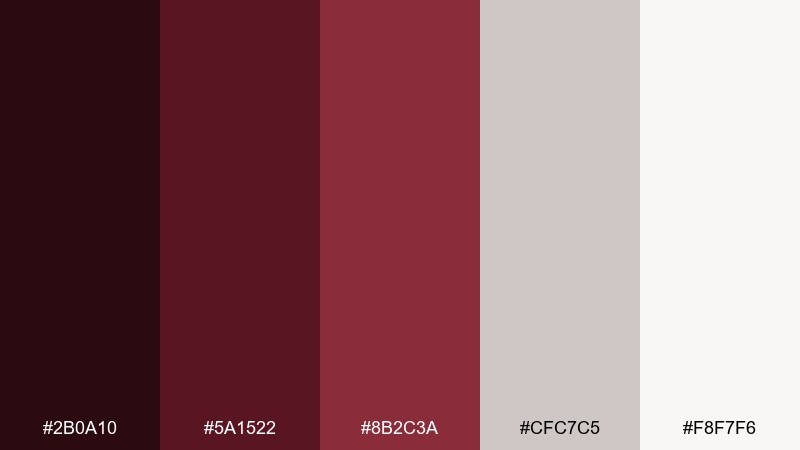
HEX: #2b0a10 #5a1522 #8b2c3a #cfc7c5 #f8f7f6
Mood: minimal, calm, contemporary
Best for: app onboarding screens
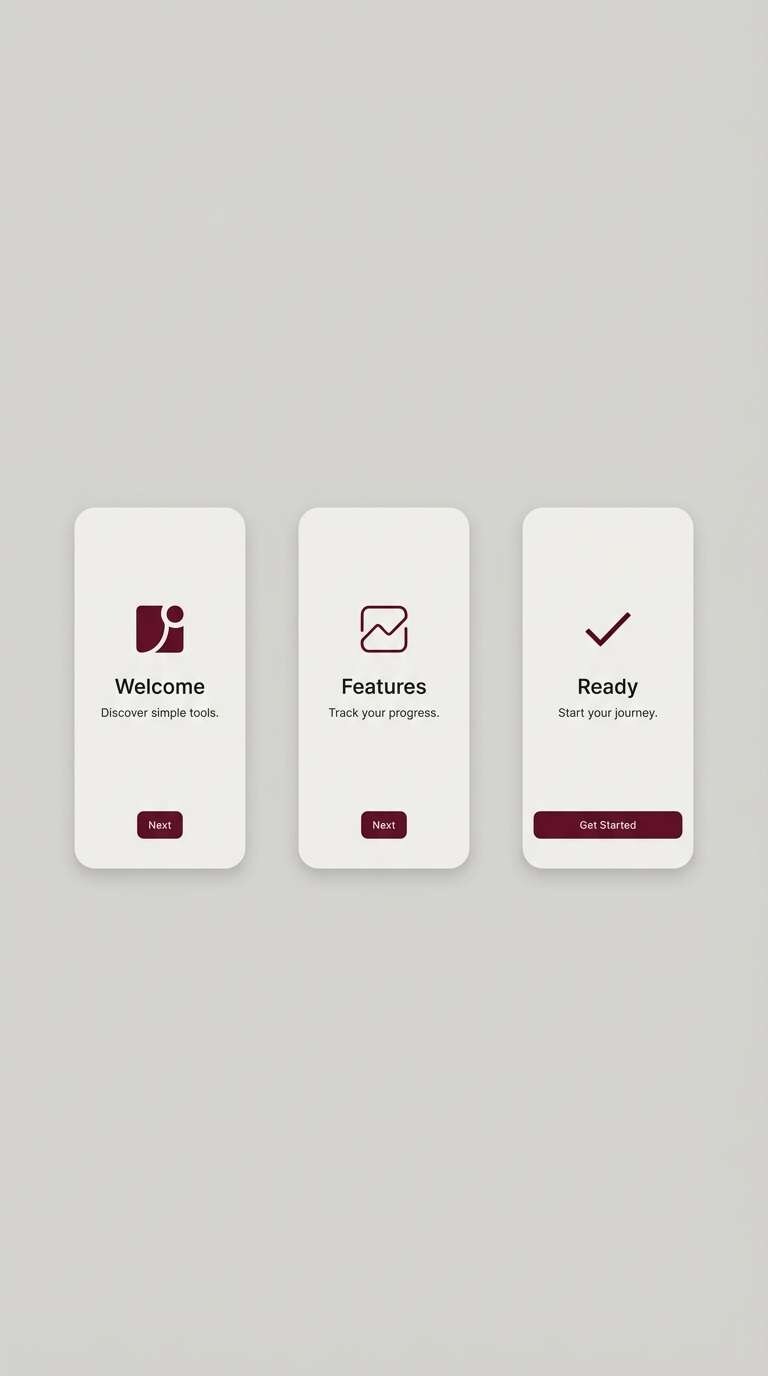
Stone neutrals with disciplined wine reds feel clean, modern, and quietly premium. The palette gives you enough contrast for accessibility while still reading soft and refined. Use it for onboarding, account screens, and subscription flows where you want a calm first impression. Usage tip: set backgrounds in near-white and use the mid wine shade for primary buttons and progress indicators.
Image example of minimal wine and stone generated using media.io
19) Frosted Sangria
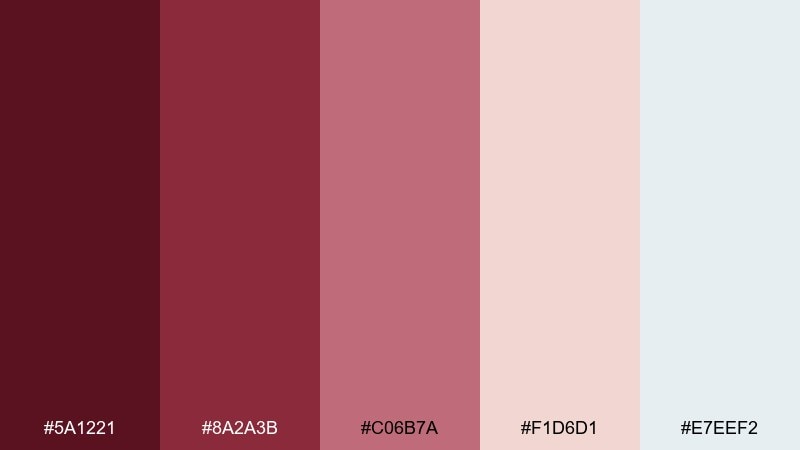
HEX: #5a1221 #8a2a3b #c06b7a #f1d6d1 #e7eef2
Mood: cool, airy, winter chic
Best for: social media promo post
Cool sangria reds with frosted pink and icy gray-blue feel crisp and seasonal. The pale tones help the deeper reds stand out without becoming heavy, especially on digital graphics. Use it for winter promos, beauty launches, and clean lifestyle posts. Usage tip: keep text dark and minimal, and use the icy shade as negative space to prevent color fatigue.
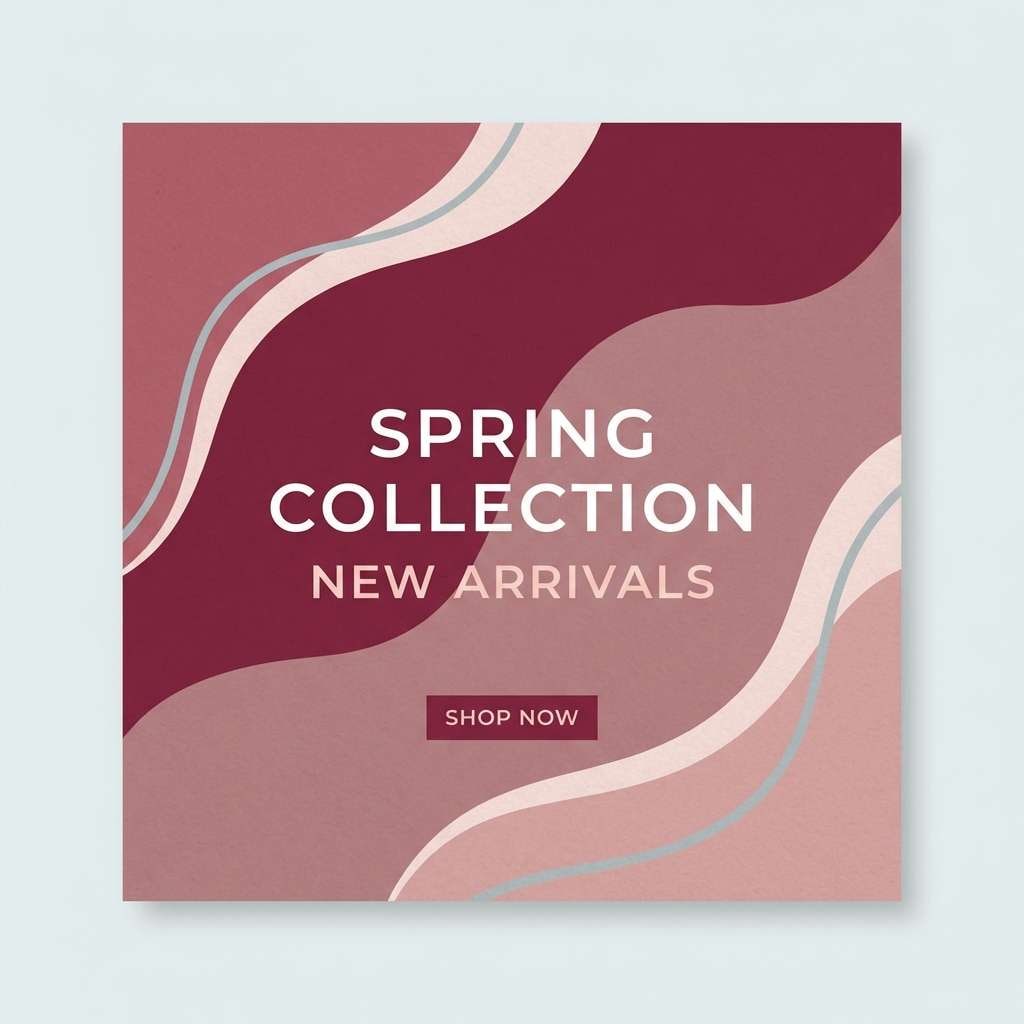
Image example of frosted sangria generated using media.io
20) Deep Wine and Gold Leaf
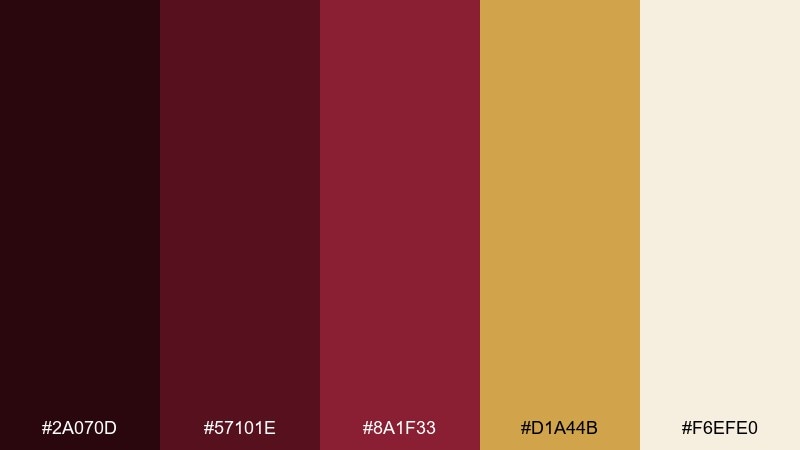
HEX: #2a070d #57101e #8a1f33 #d1a44b #f6efe0
Mood: opulent, ceremonial, prestigious
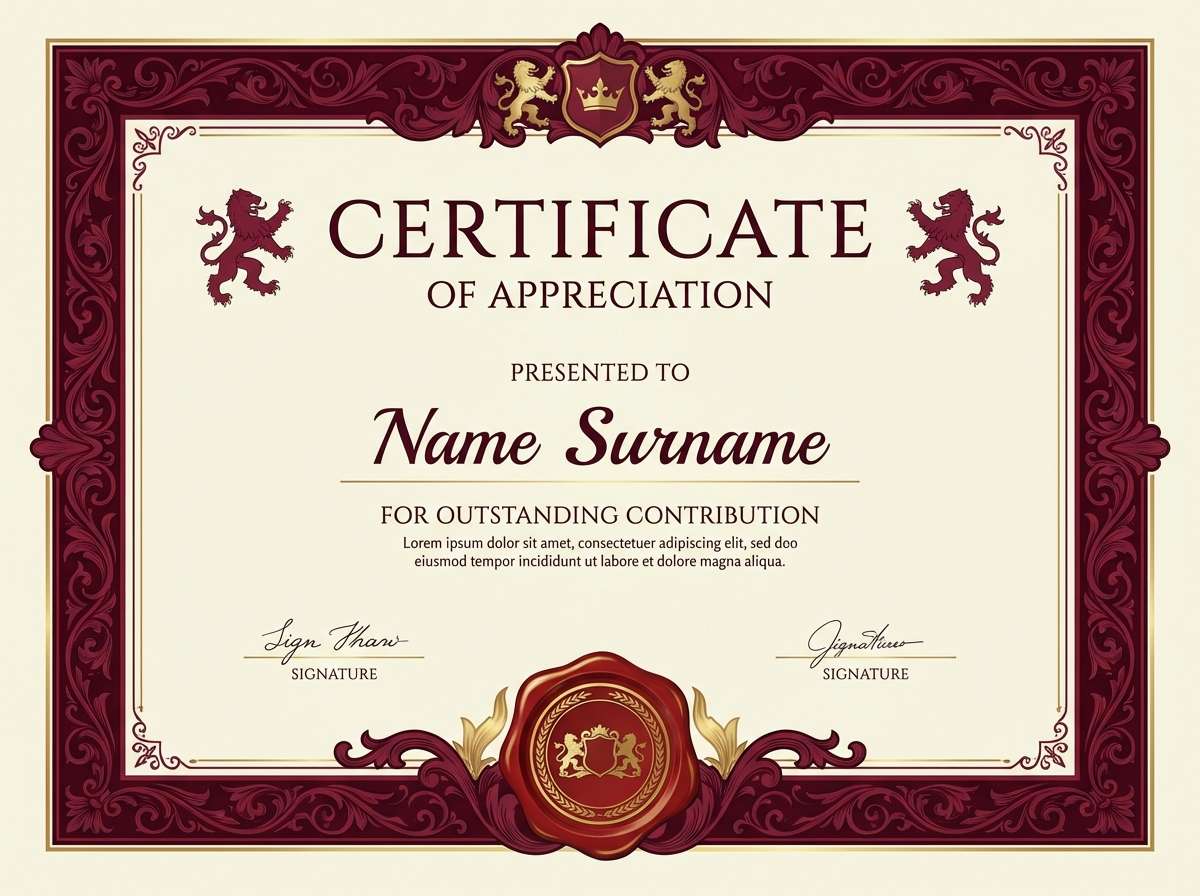
Best for: certificate and award design
Deep wine reds with a golden highlight evoke ceremonies, wax seals, and heritage crests. These dark red wine color combinations fit certificates, awards, and formal invitations where prestige is the goal. Pair with classic serif typography and generous cream space so the gold feels intentional, not flashy. Usage tip: use gold only for borders and seals, keeping the main text in the darkest wine shade.
Image example of deep wine and gold leaf generated using media.io
What Colors Go Well with Dark Red Wine?
Dark red wine pairs naturally with creamy whites, warm stone, and soft blush tones—these neutrals keep layouts readable while letting wine reds stay dramatic without feeling heavy.
For contrast, add charcoal or near-black for typography and framing. For a fresher direction, muted greens like sage or olive soften the richness and feel modern in lifestyle and seasonal designs.
For premium accents, metallics work especially well: copper warms the palette, while gold makes it ceremonial. Use metallic-like tones sparingly as borders, icons, and highlights.
How to Use a Dark Red Wine Color Palette in Real Designs
Start with a clear role assignment: use the lightest neutral for backgrounds, the mid wine shade for primary UI elements or headings, and the darkest wine/near-black for text or grounding areas.
Keep saturation controlled. If you need a standout moment (like a button, date, or price), choose one brighter accent (cherry, copper, or terracotta) and repeat it consistently across the design.
In print and packaging, dark wine tones look best with breathing room. Use generous margins and simple typography so the palette reads “refined” rather than “heavy.”
Create Dark Red Wine Palette Visuals with AI
If you want to see these dark red wine palettes in action, generate quick mockups for labels, menus, posters, UI screens, or invitation suites using text prompts.
With Media.io, you can iterate fast—try different lighting, textures (velvet, marble, paper), and compositions while keeping your HEX-inspired color direction consistent.
Once you get a style you like, create a small set of visuals for brand consistency across web, social, and print.
Dark Red Wine Color Palette FAQs
-
What is the HEX code for a classic dark red wine color?
A popular, classic dark red wine tone is #4b0f1a, which reads like merlot/burgundy and works well as a primary brand color or deep accent. -
Is dark red wine the same as burgundy or maroon?
They’re closely related but not identical. Burgundy typically leans deeper and slightly purple; maroon often leans brown. “Dark red wine” is a broader style range that can include merlot, bordeaux, and plum-wine variants. -
What neutral colors match dark red wine best?
Warm off-white, cream, stone, and parchment are the easiest matches. They keep wine reds looking premium and prevent layouts from feeling too dark or overly high-contrast. -
What accent colors make dark red wine feel modern?
Muted sage/olive greens, charcoal, and icy gray-blue can modernize dark wine tones. Use accents in small doses for icons, dividers, hover states, or callouts. -
Can I use dark red wine colors in UI design without hurting readability?
Yes—pair deep wine backgrounds with off-white text, keep body text on light neutrals when possible, and reserve saturated wine accents for primary buttons or key states to maintain contrast. -
What metallics pair well with dark red wine palettes?
Gold feels ceremonial and classic; copper feels warm and contemporary. Use metallic-like colors as trims, seals, borders, or small highlights so they don’t compete with the wine reds. -
How do I generate dark red wine palette images with AI?
Use a text-to-image tool and describe the scene (label, menu, UI, invitation), lighting, materials (velvet, marble, paper), and your dominant colors (deep wine red, blush, cream, charcoal). Iterate prompts until the visuals match your intended mood.


