

Black, green, and blue is a versatile trio: black adds authority, green brings a natural “trust” cue, and blue delivers clarity and structure.
Below are 20 ready-to-use black green blue palettes (with HEX codes), plus practical guidance for pairing accents, maintaining contrast, and building real UI/brand systems.
In this article
- Why Black Green Blue Palettes Work So Well
-
- midnight harbor
- neon kelp
- arctic pine
- museum night
- deep sea ink
- botanical noir
- tech aurora
- vintage field notes
- stormy lagoon
- night market signage
- coastal forest
- carbon & chlorophyll
- rainy city glass
- sapphire moss
- alpine nightfall
- gallery minimal
- streetwear midnight
- oceanic data viz
- winter botanical
- night observatory
- What Colors Go Well with Black Green Blue?
- How to Use a Black Green Blue Color Palette in Real Designs
- Create Black Green Blue Palette Visuals with AI
Why Black Green Blue Palettes Work So Well
Black green blue palettes feel instantly “designed” because they balance gravity (black), growth and reassurance (green), and logic/competence (blue). That mix reads premium without becoming sterile.
They also support strong hierarchy: dark neutrals create depth, blues excel for interactive states and links, and greens naturally map to success, availability, and positive feedback.
Most importantly, the trio scales across styles—moody and cinematic, fresh and outdoorsy, or sleek and corporate—depending on how light your tints are and how saturated your accents become.
20+ Black Green Blue Color Palette Ideas (with HEX Codes)
1) Midnight Harbor
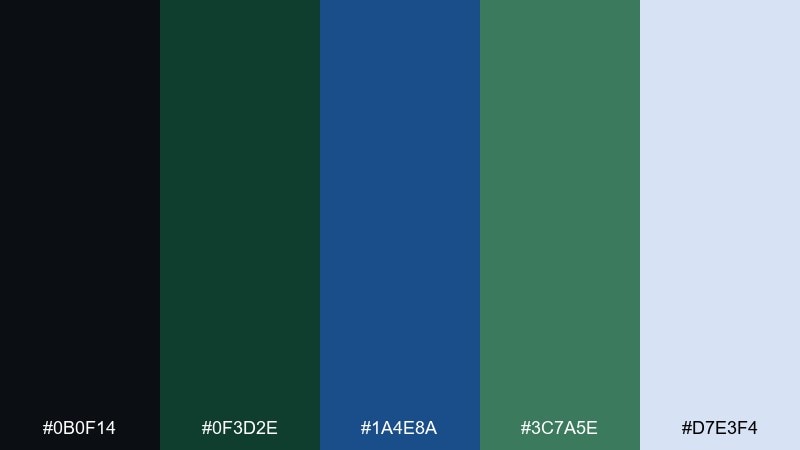
HEX: #0B0F14 #0F3D2E #1A4E8A #3C7A5E #D7E3F4
Mood: moody, calm, refined
Best for: saas dashboard ui
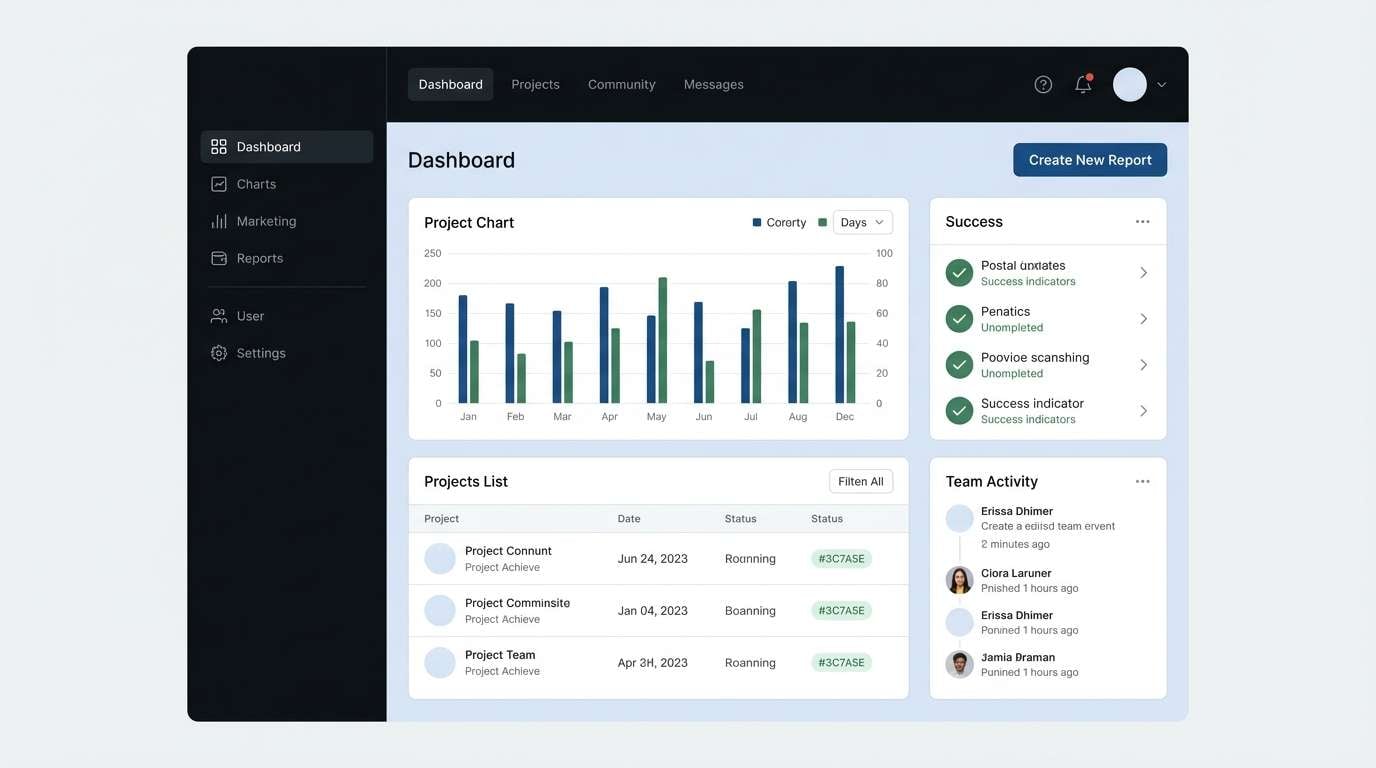
Moody harbor light and deep water shadows set a calm, premium tone. This black green blue color palette works beautifully for SaaS dashboards where you need strong hierarchy without harsh contrast. Pair it with generous whitespace and thin line icons in the pale tint for clarity. Usage tip: reserve the bright blue for primary CTAs and keep the green for success states only.
Image example of midnight harbor generated using media.io
Media.io is an online AI studio for creating and editing video, image, and audio in your browser.


2) Neon Kelp
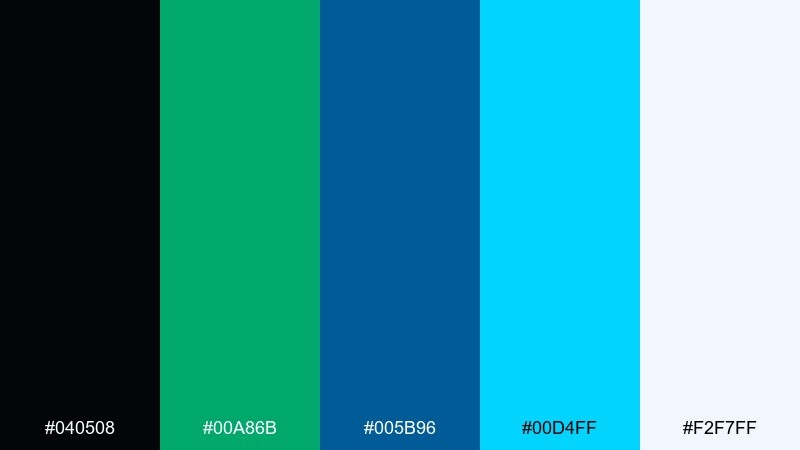
HEX: #040508 #00A86B #005B96 #00D4FF #F2F7FF
Mood: electric, youthful, high-contrast
Best for: music festival poster
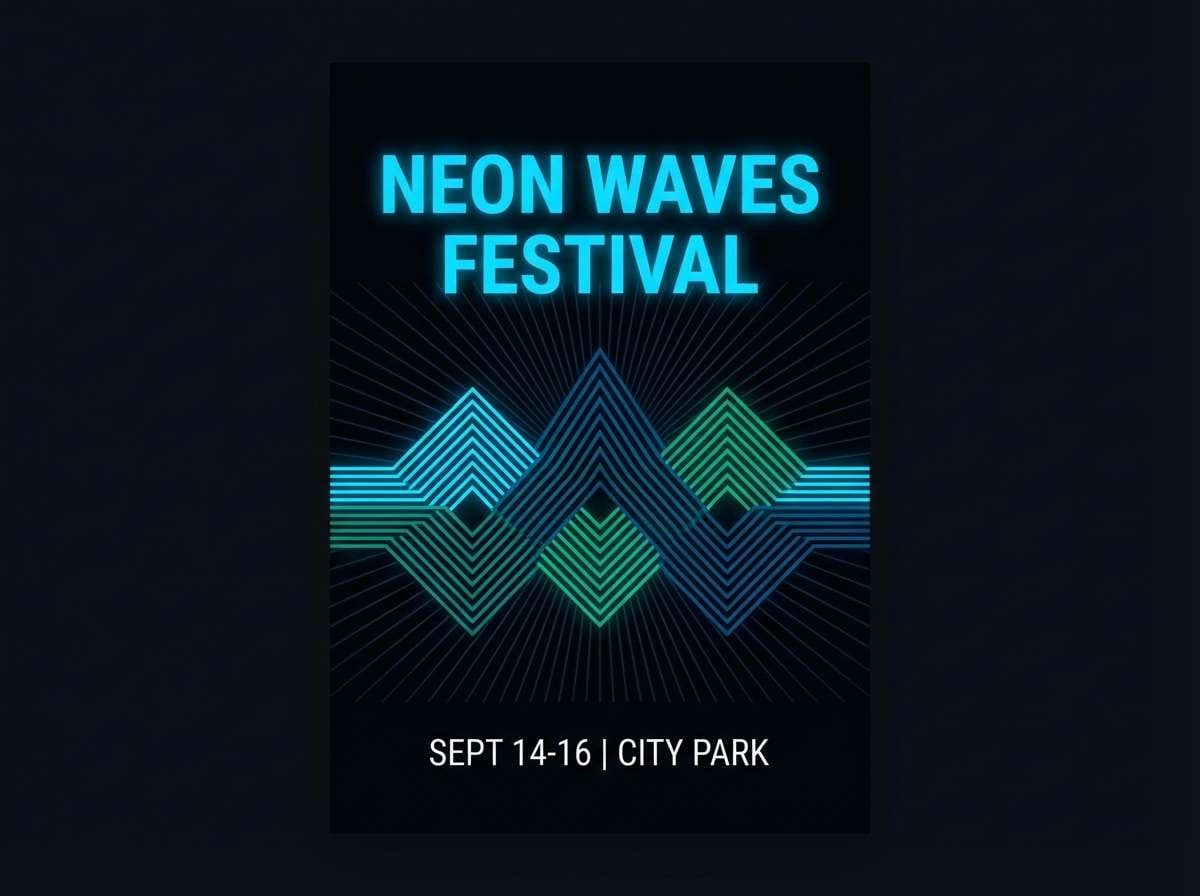
Electric sea-glow vibes feel bold, energetic, and a little rebellious. The near-black base keeps the neons controlled, while cyan and green bring instant movement. Pair with condensed sans fonts and simple geometric shapes so the bright accents stay readable. Usage tip: use the neon cyan sparingly for focal highlights and keep most text in the off-white tint.
Image example of neon kelp generated using media.io
3) Arctic Pine
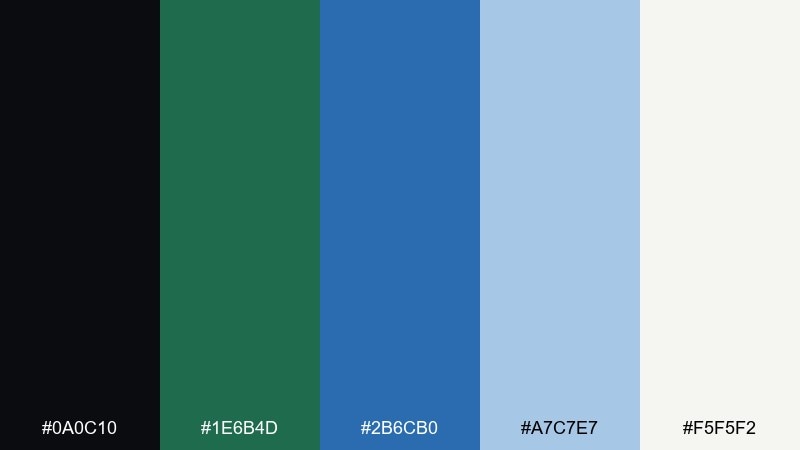
HEX: #0A0C10 #1E6B4D #2B6CB0 #A7C7E7 #F5F5F2
Mood: fresh, outdoorsy, crisp
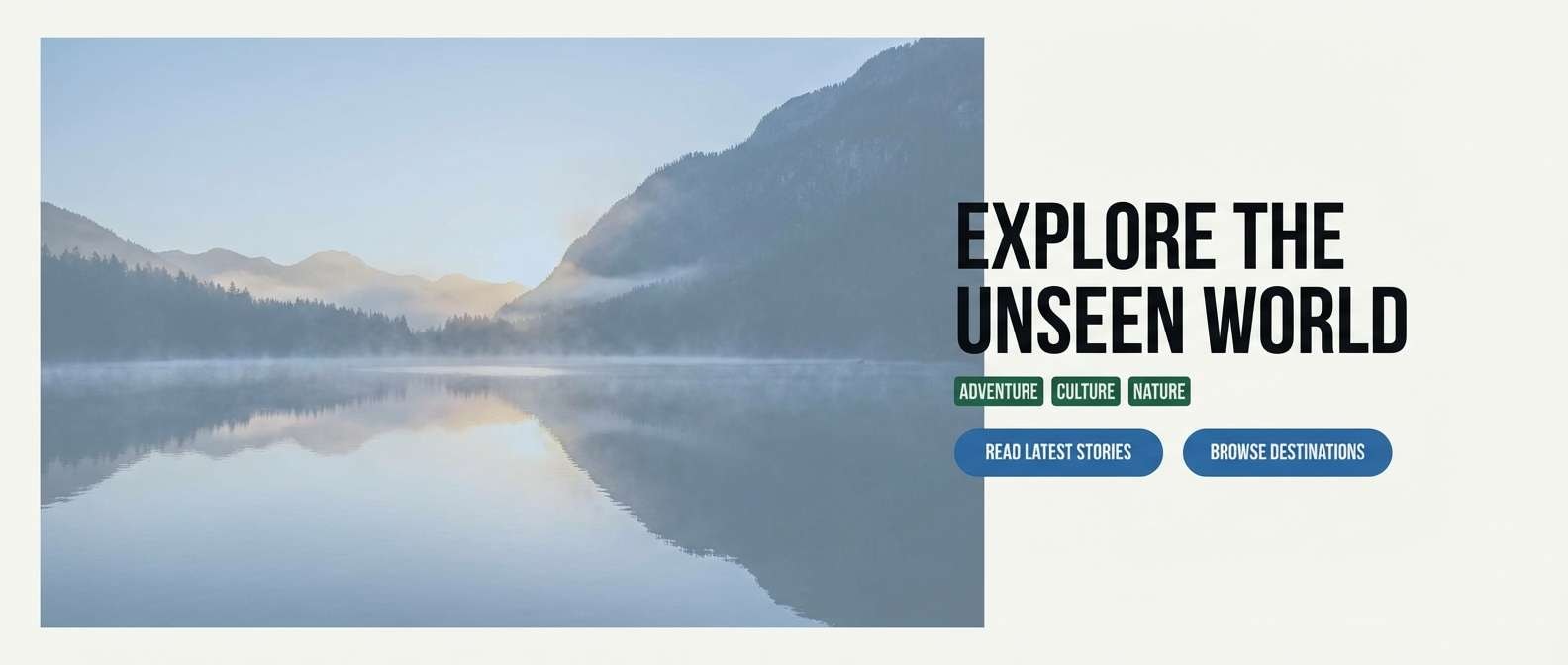
Best for: travel blog hero banner
Crisp air and evergreen trails come through with cool blue light and grounded pine green. The pale tints make it easy to create airy spacing while keeping headings strong. Pair with natural photography and a minimal grid so the colors read as clean and modern. Usage tip: let the light blue handle overlays at low opacity to keep images visible.
Image example of arctic pine generated using media.io
4) Museum Night
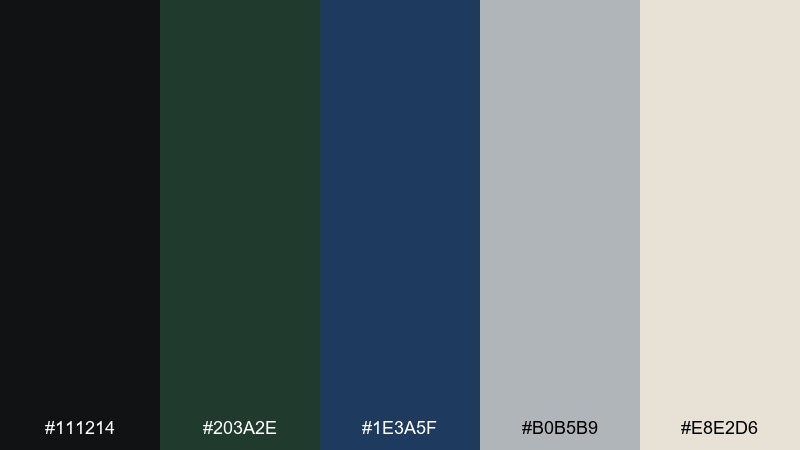
HEX: #111214 #203A2E #1E3A5F #B0B5B9 #E8E2D6
Mood: quiet, cultured, timeless
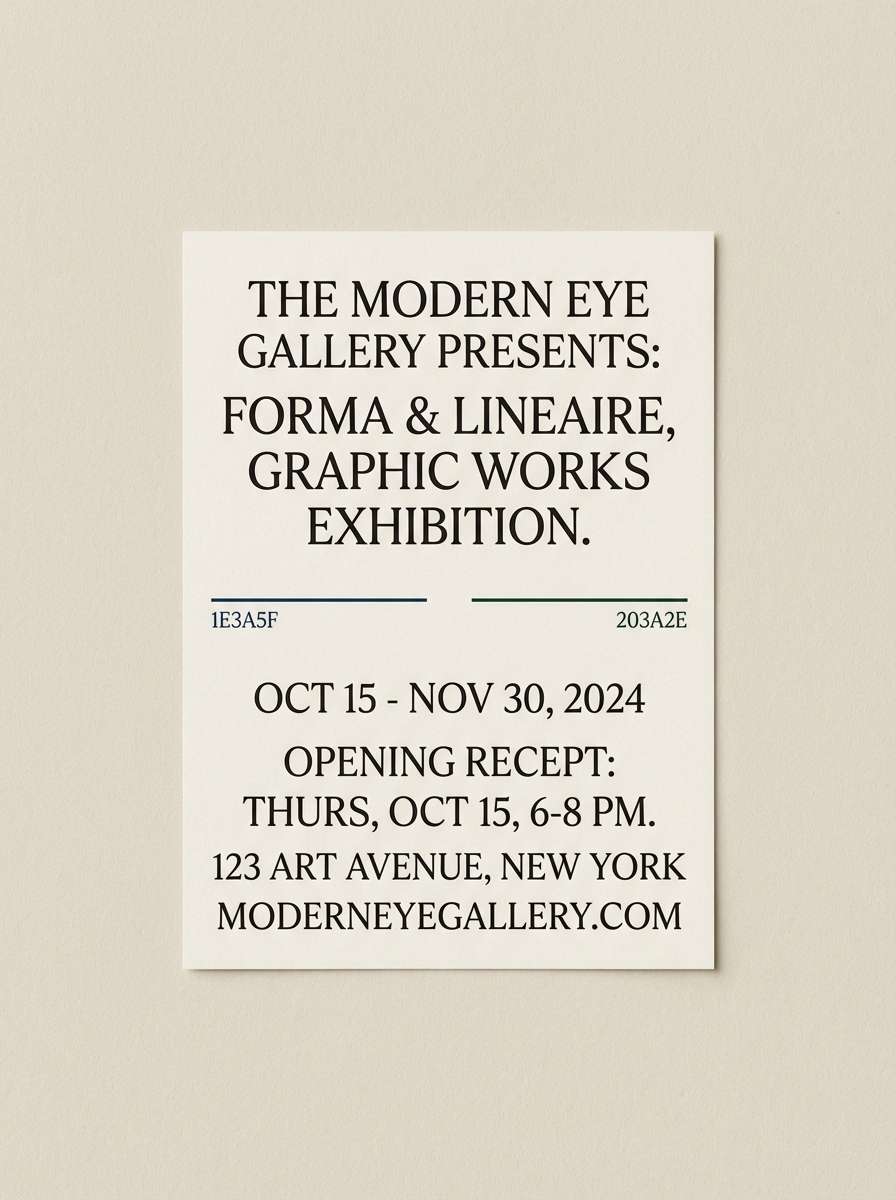
Best for: art gallery invitation
Quiet gallery lighting and dark walls give this mix a timeless, curated feel. The warm paper tint softens the blacks, while the green and blue read like subtle ink. Pair with serif typography, generous margins, and one minimalist line illustration. Usage tip: keep the invite background in the warm neutral and use the darker tones for typographic hierarchy.
Image example of museum night generated using media.io
5) Deep Sea Ink
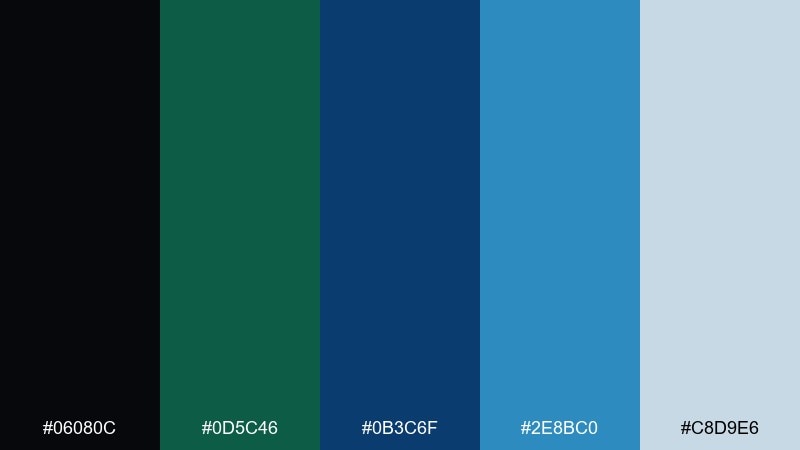
HEX: #06080C #0D5C46 #0B3C6F #2E8BC0 #C8D9E6
Mood: dramatic, aquatic, confident
Best for: tech brand landing page
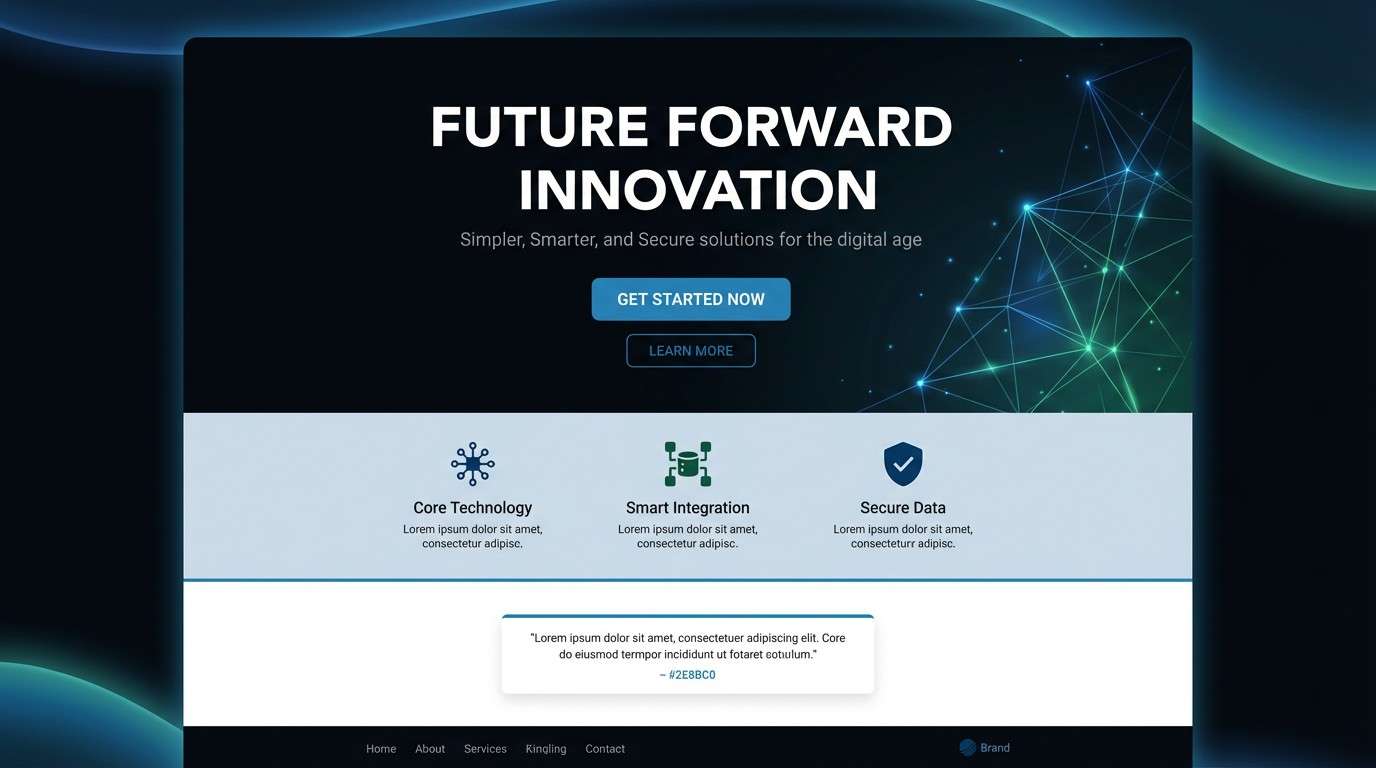
Dramatic ocean depth meets a confident tech edge, with inky shadows and clear blue highlights. The brighter blue brings clarity for buttons and links without feeling playful. Pair with glossy gradients sparingly and keep imagery abstract to match the underwater mood. Usage tip: use the pale blue as section breaks to avoid an overly dark page.
Image example of deep sea ink generated using media.io
6) Botanical Noir
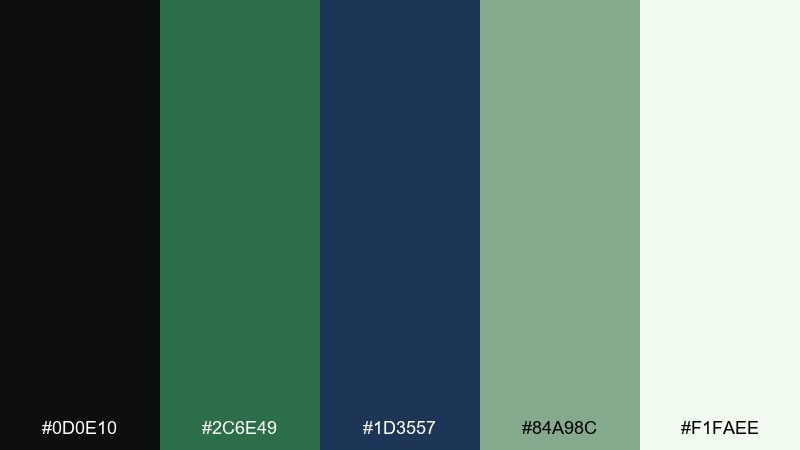
HEX: #0D0E10 #2C6E49 #1D3557 #84A98C #F1FAEE
Mood: earthy, sophisticated, calm
Best for: wellness brand identity
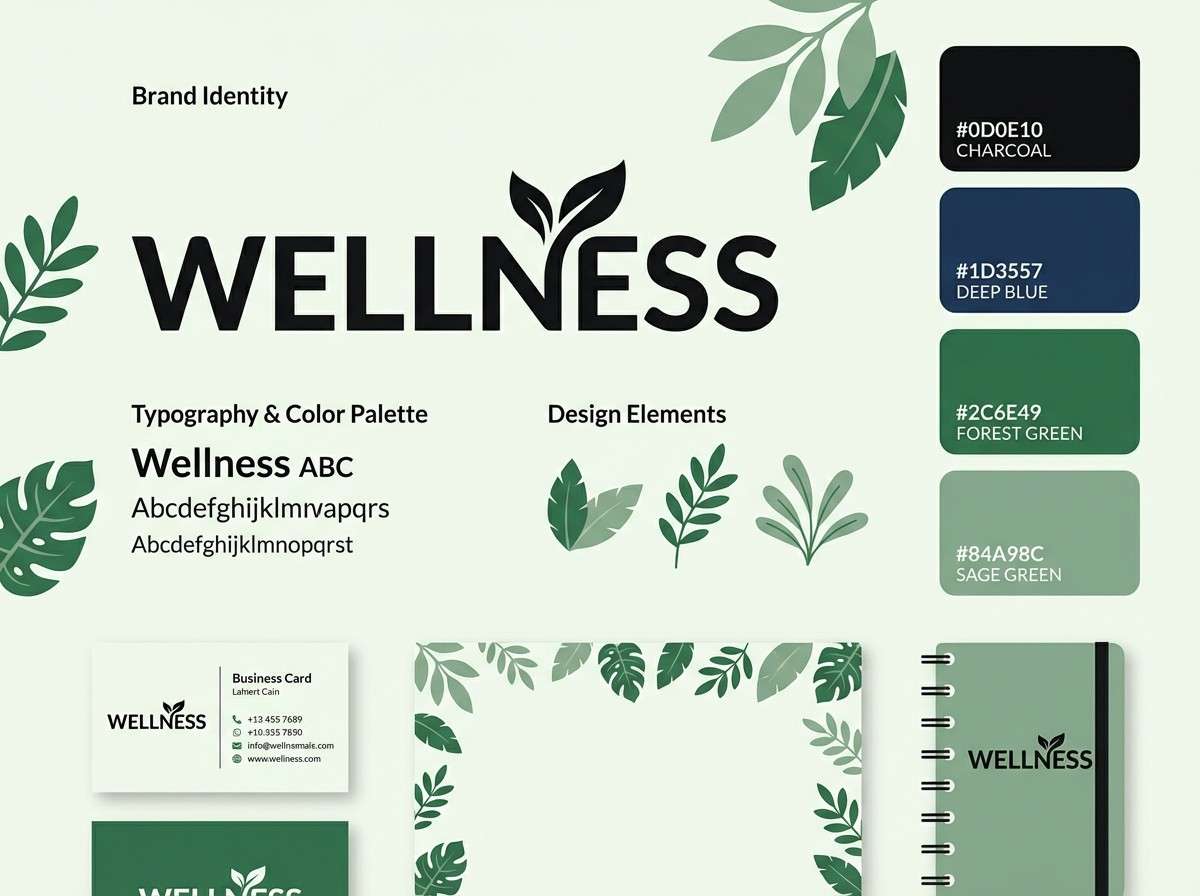
Earthy shadows and leafy greens create a calm, upscale vibe with a hint of midnight blue. As a black green blue color scheme, it balances natural cues with a professional finish for wellness branding. Pair with soft paper textures, rounded sans fonts, and botanical line art. Usage tip: let the sage act as the main background to keep the identity gentle, not heavy.
Image example of botanical noir generated using media.io
7) Tech Aurora
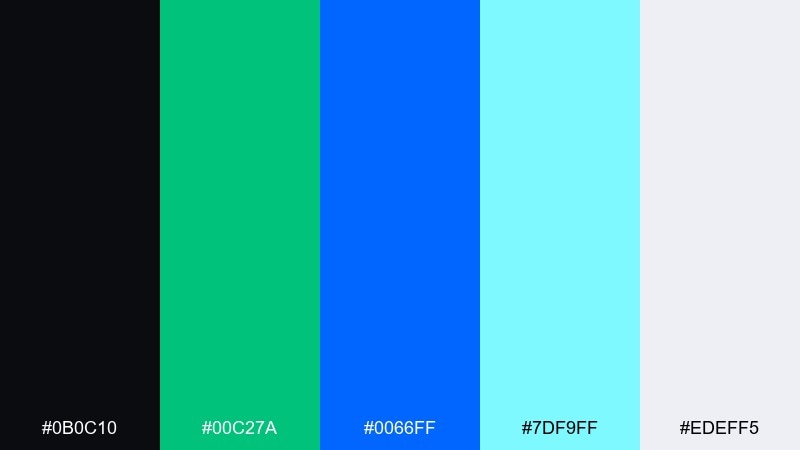
HEX: #0B0C10 #00C27A #0066FF #7DF9FF #EDEFF5
Mood: futuristic, bright, energetic
Best for: app onboarding screens
Futuristic aurora light pops against a near-black base, feeling fast and optimistic. The bright blue and minty cyan make interactive moments feel obvious and friendly. Pair with simple cards, bold icons, and short copy to keep the energy clean. Usage tip: keep one accent per screen so the interface does not turn into a neon blur.
Image example of tech aurora generated using media.io

8) Vintage Field Notes
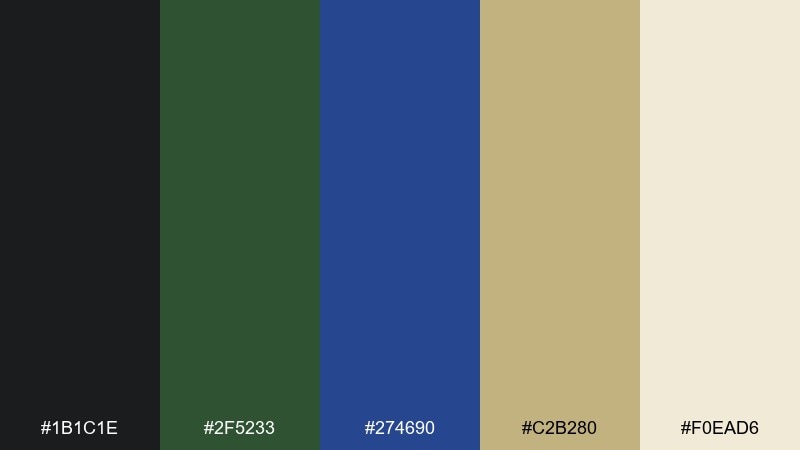
HEX: #1B1C1E #2F5233 #274690 #C2B280 #F0EAD6
Mood: heritage, outdoors, warm-neutral
Best for: camping gear packaging
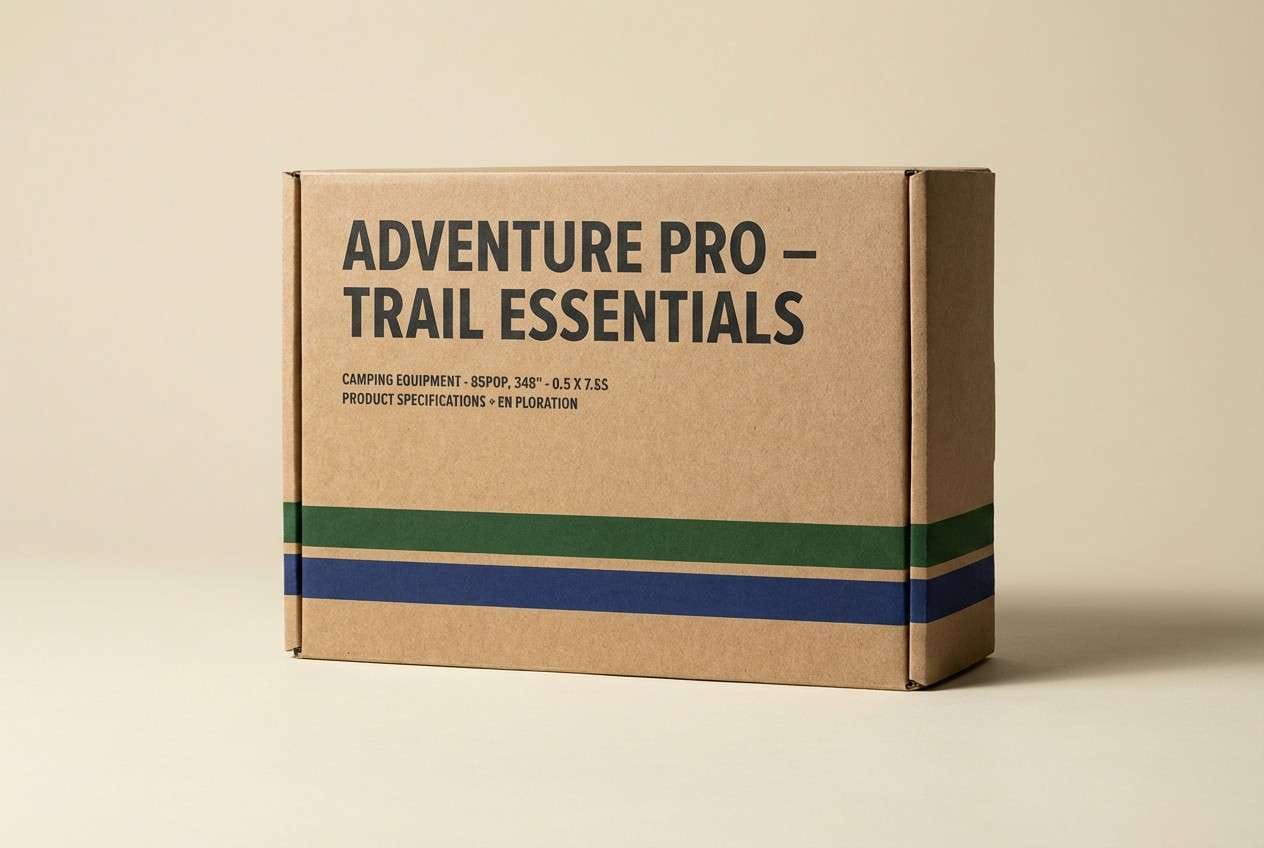
Heritage notebook tones meet rugged outdoor color, like stamped ink on aged paper. The tan and cream keep the palette approachable while the deep green and blue add durability. Pair with badge icons, textured kraft backgrounds, and bold labels for readability at a distance. Usage tip: use the tan as the package base and print the darkest tone for key product info.
Image example of vintage field notes generated using media.io
9) Stormy Lagoon
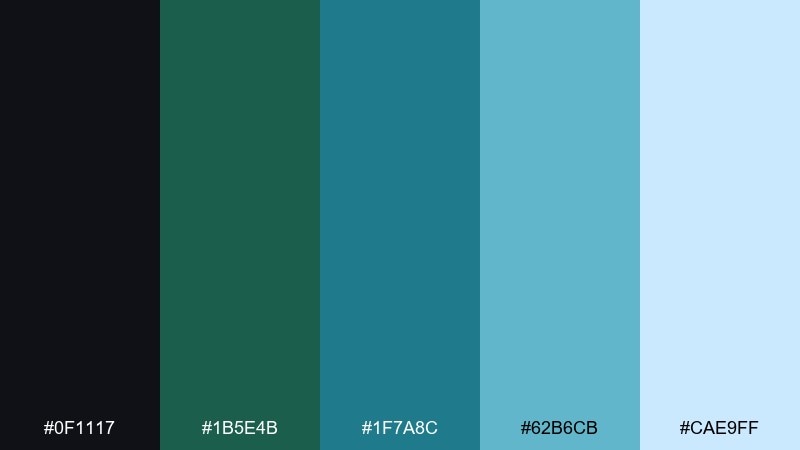
HEX: #0F1117 #1B5E4B #1F7A8C #62B6CB #CAE9FF
Mood: cool, breezy, modern
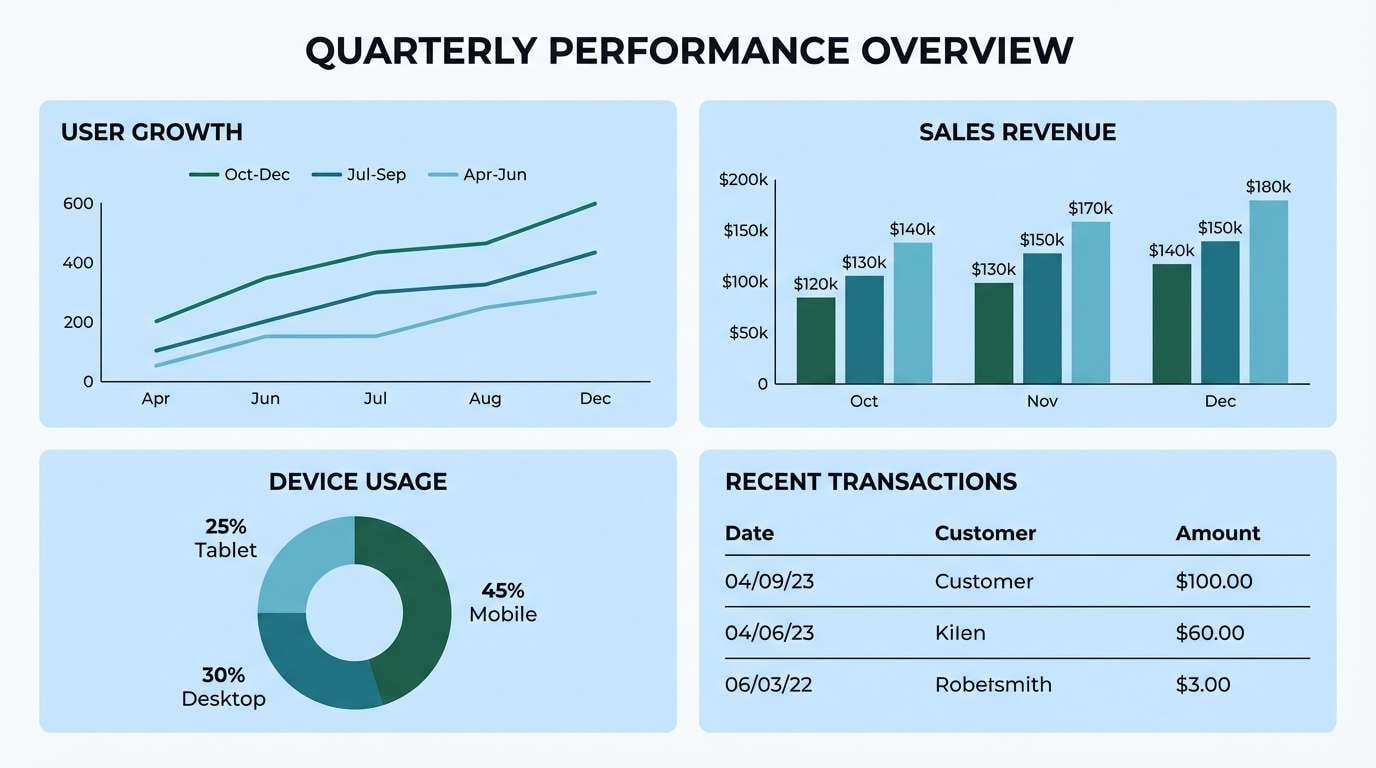
Best for: data dashboard charts
Storm clouds over a lagoon give these tones a cool, breezy confidence. The teal range supports multiple chart series without clashing, while the pale blue keeps panels light. Pair with thin gridlines and subtle shadows to maintain legibility. Usage tip: keep the darkest tone for axis labels and use the lighter teals for fills at 60 to 80 percent opacity.
Image example of stormy lagoon generated using media.io
10) Night Market Signage
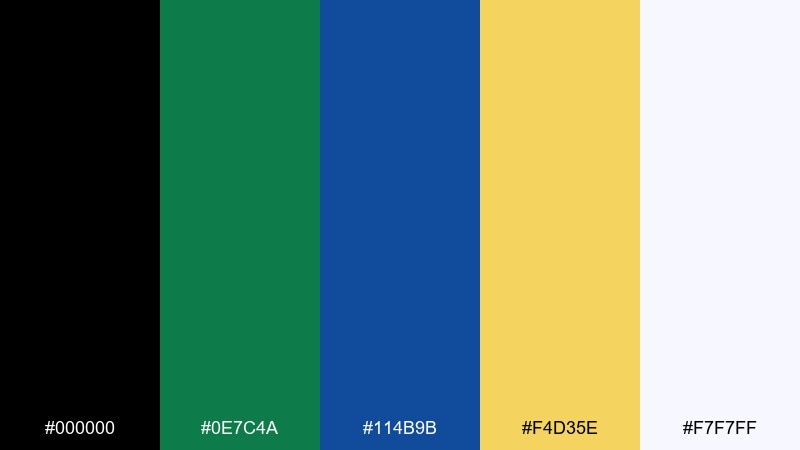
HEX: #000000 #0E7C4A #114B9B #F4D35E #F7F7FF
Mood: lively, urban, punchy
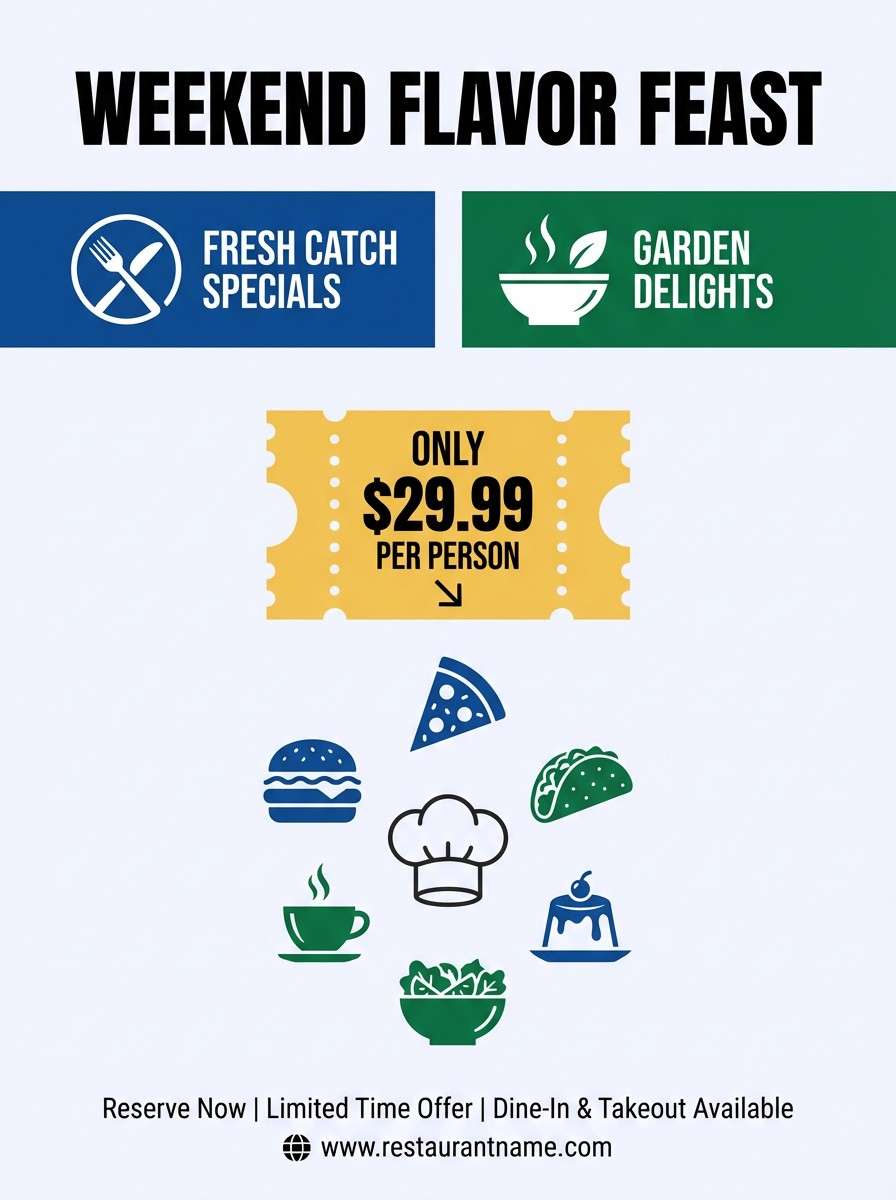
Best for: restaurant promotional flyer
Lively night market energy comes through with punchy contrast and a warm pop of yellow. These black green blue color combinations feel modern for food promos, especially when you want a bold headline and clear pricing. Pair with high-contrast photography overlays or simple illustrated ingredients. Usage tip: keep the yellow for key callouts only, so it reads like signage and not noise.
Image example of night market signage generated using media.io
11) Coastal Forest
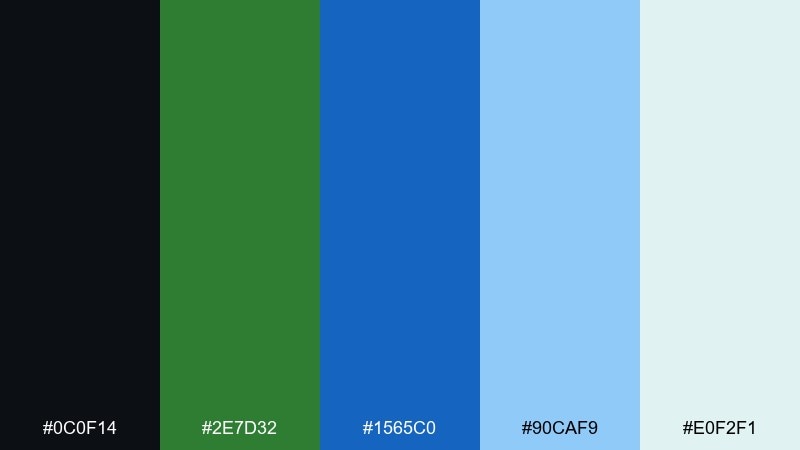
HEX: #0C0F14 #2E7D32 #1565C0 #90CAF9 #E0F2F1
Mood: clean, friendly, outdoorsy
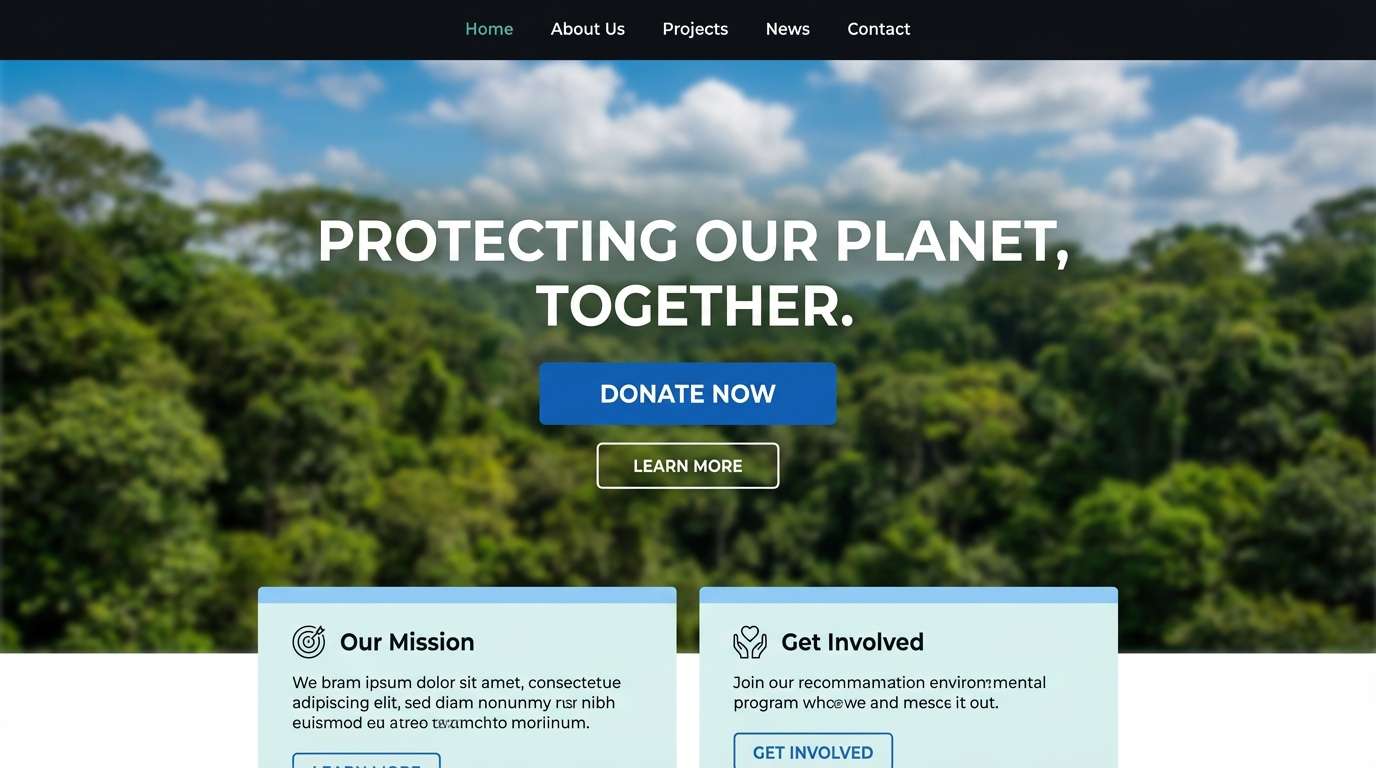
Best for: environment nonprofit website
Coastal air and forest canopy meet in a clean, friendly mix that still feels credible. The bright sky blue keeps pages optimistic while the green anchors the mission-driven message. Pair with documentary photography and simple iconography for impact. Usage tip: use the minty tint as section backgrounds to keep long pages easy to scan.
Image example of coastal forest generated using media.io
12) Carbon & Chlorophyll
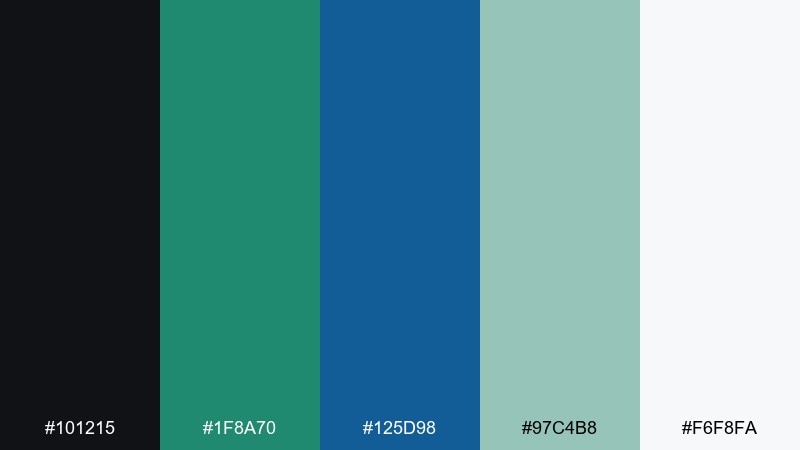
HEX: #101215 #1F8A70 #125D98 #97C4B8 #F6F8FA
Mood: balanced, contemporary, smooth
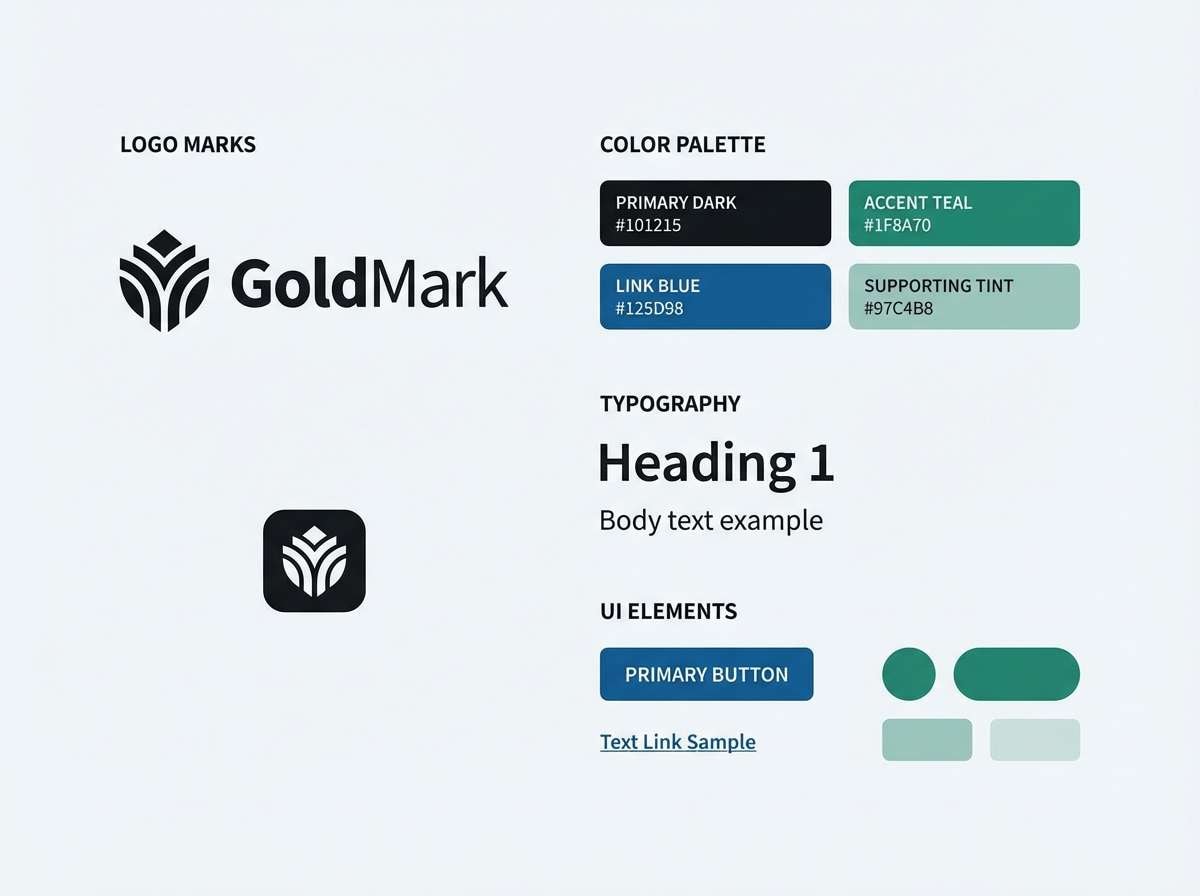
Best for: corporate branding kit
Balanced and contemporary, these tones feel like polished carbon fiber next to fresh leaves. The black green blue color palette is ideal for corporate branding that wants to look modern without leaning overly techy. Pair with lots of white space, simple charts, and one confident accent color at a time. Usage tip: set the teal as the signature brand accent and keep the blue for links and UI states.
Image example of carbon & chlorophyll generated using media.io
13) Rainy City Glass
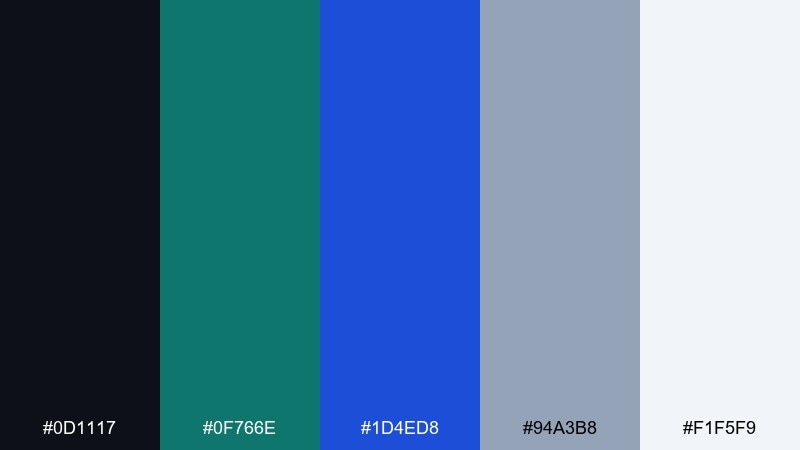
HEX: #0D1117 #0F766E #1D4ED8 #94A3B8 #F1F5F9
Mood: sleek, rainy-day, professional
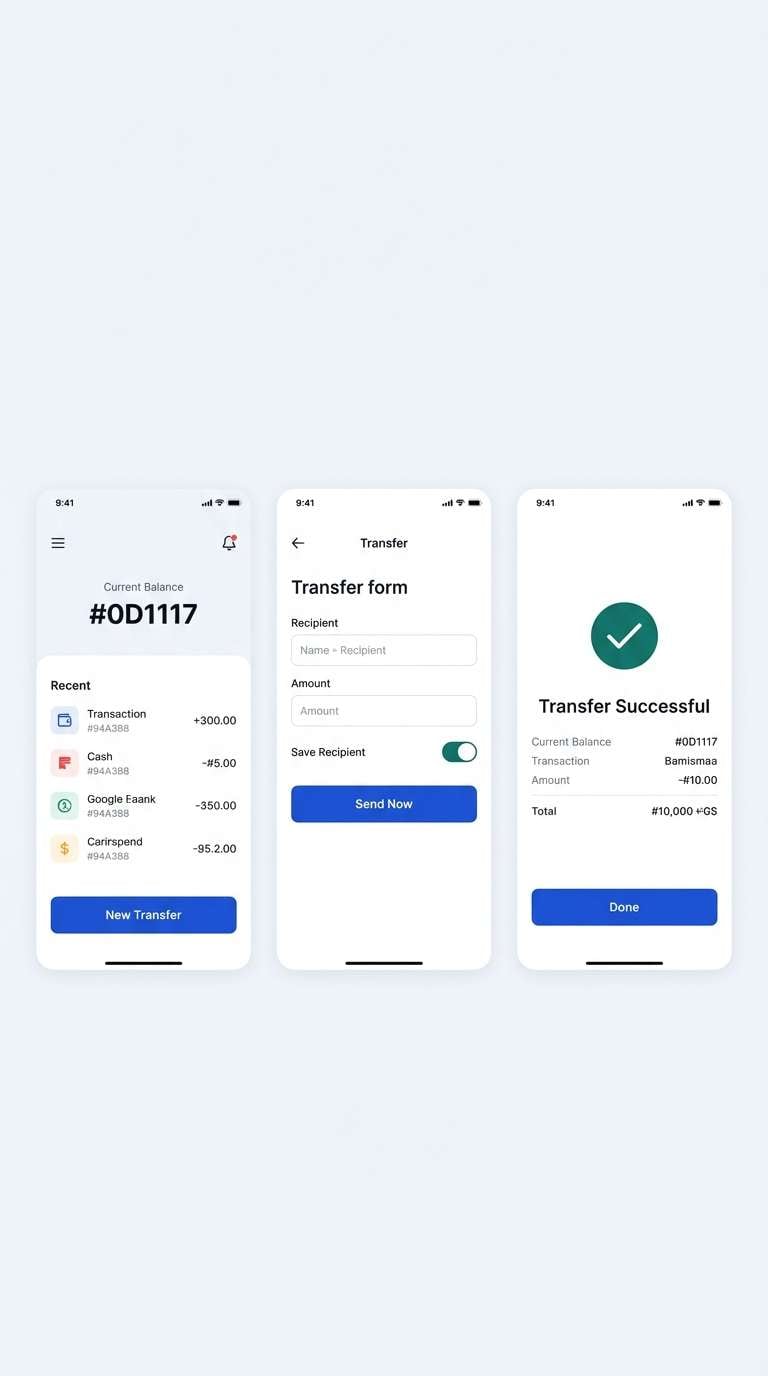
Best for: fintech mobile ui
Sleek and rainy-day cool, like reflections on glass and asphalt. The slate neutral keeps things serious, while teal and blue deliver clear interactive states. Pair with sharp typography, tidy spacing, and simple line charts for a trustworthy fintech feel. Usage tip: use the slate for secondary text to reduce glare against the light background.
Image example of rainy city glass generated using media.io
14) Sapphire Moss
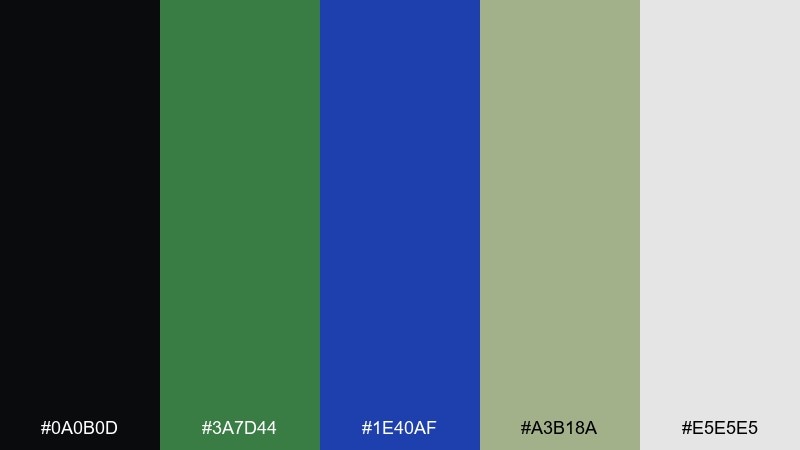
HEX: #0A0B0D #3A7D44 #1E40AF #A3B18A #E5E5E5
Mood: classic, grounded, confident
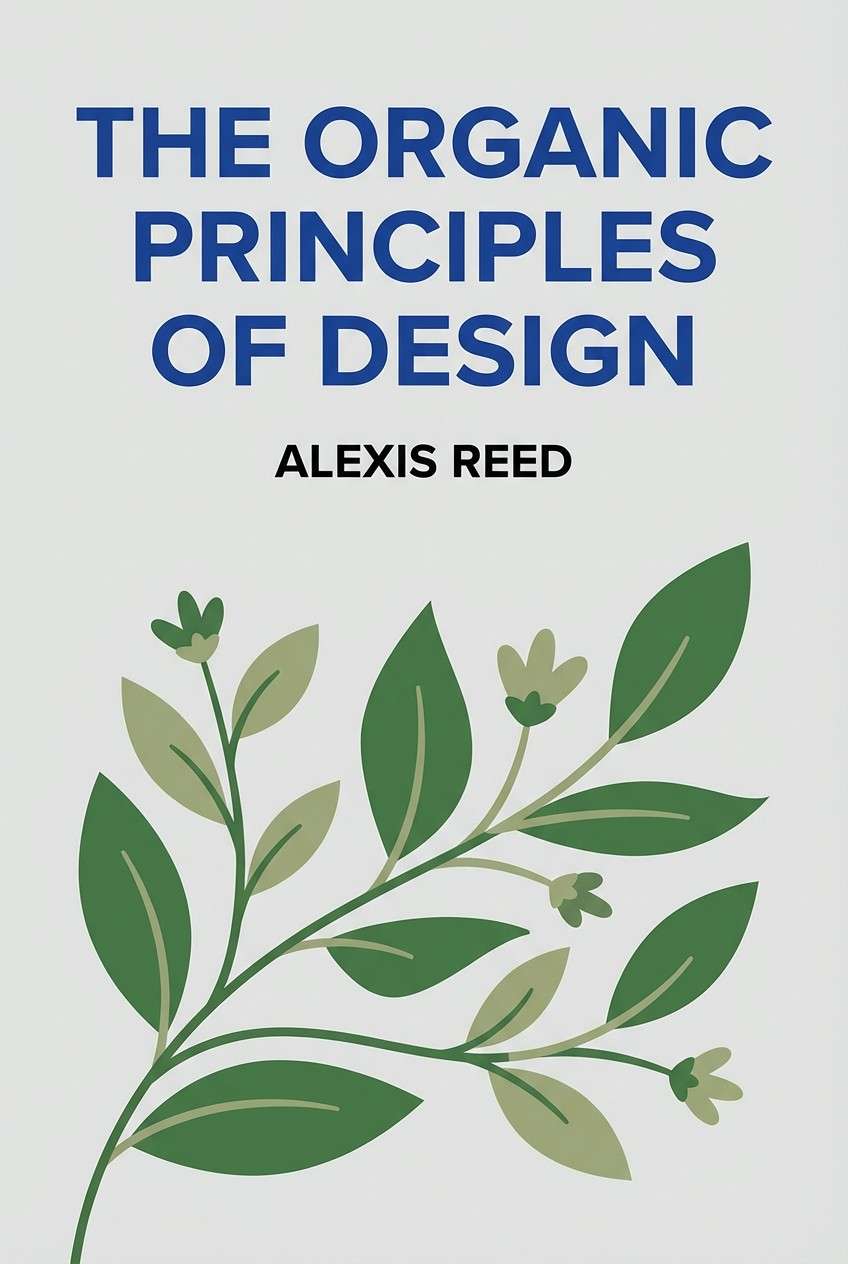
Best for: book cover design
Classic and grounded, like moss-covered stone under a sapphire sky. The deep blue reads authoritative for titles, while the greens support subtle illustration details. Pair with serif type and a single centered motif for a literary look. Usage tip: keep the background in the light gray and frame elements with the near-black for crisp edges.
Image example of sapphire moss generated using media.io
15) Alpine Nightfall
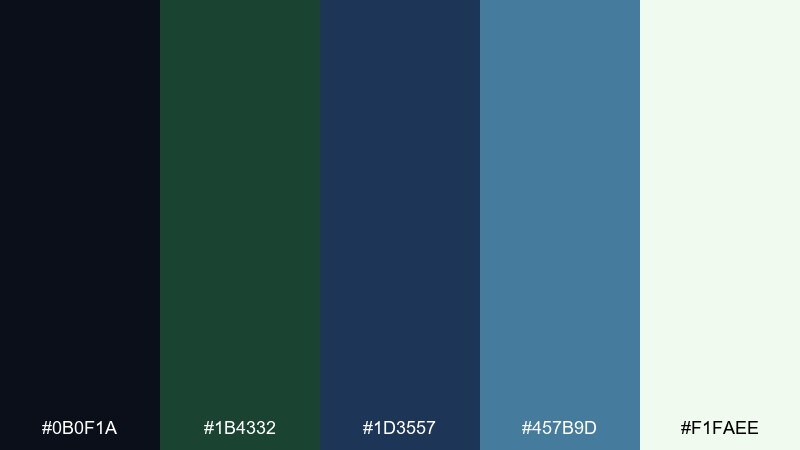
HEX: #0B0F1A #1B4332 #1D3557 #457B9D #F1FAEE
Mood: adventurous, cool, cinematic
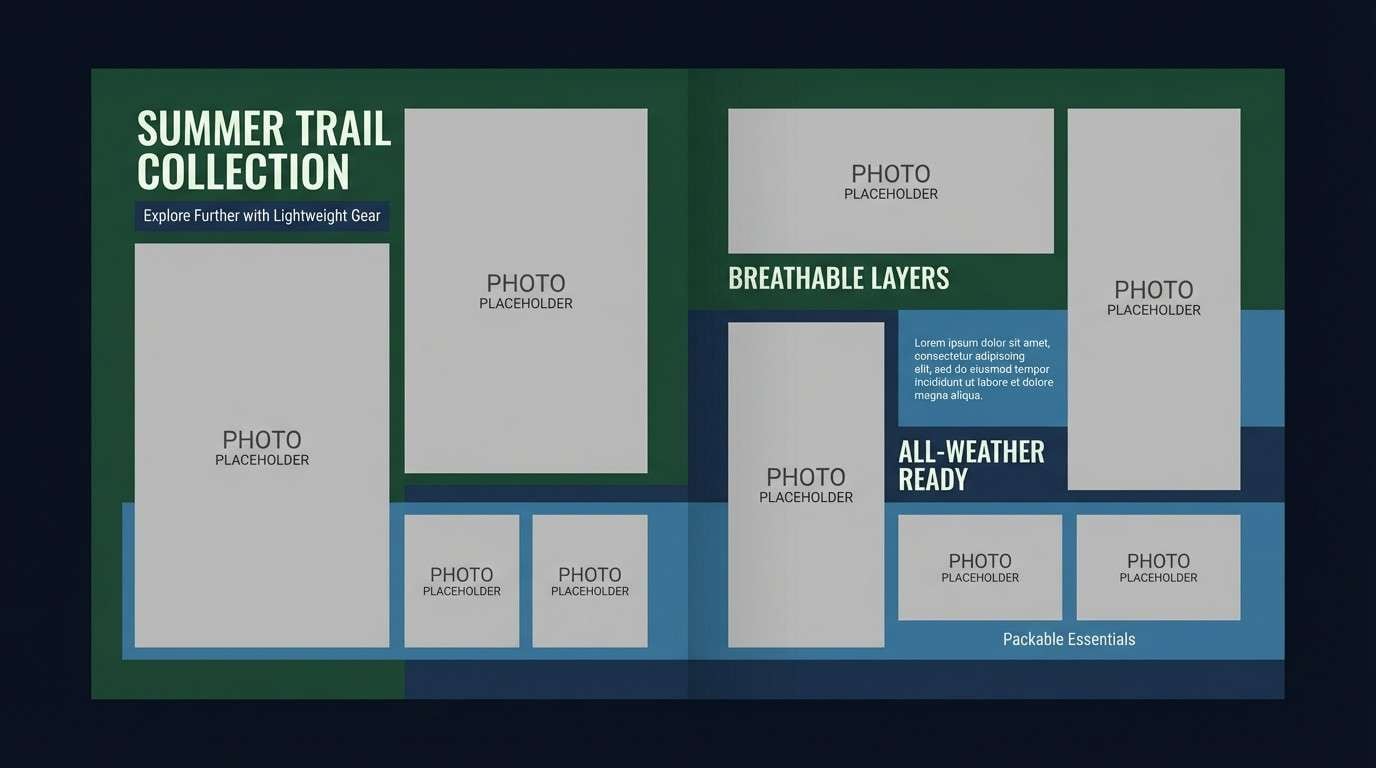
Best for: outdoor brand lookbook
Cinematic alpine nightfall feels adventurous, crisp, and a bit mysterious. The layered blues support editorial layouts, while the forest green adds a rugged touch. Pair with full-bleed photography and clean captions so the colors function as frames and section markers. Usage tip: keep body text in the off-white and use the lighter blue for pull quotes.
Image example of alpine nightfall generated using media.io
16) Gallery Minimal
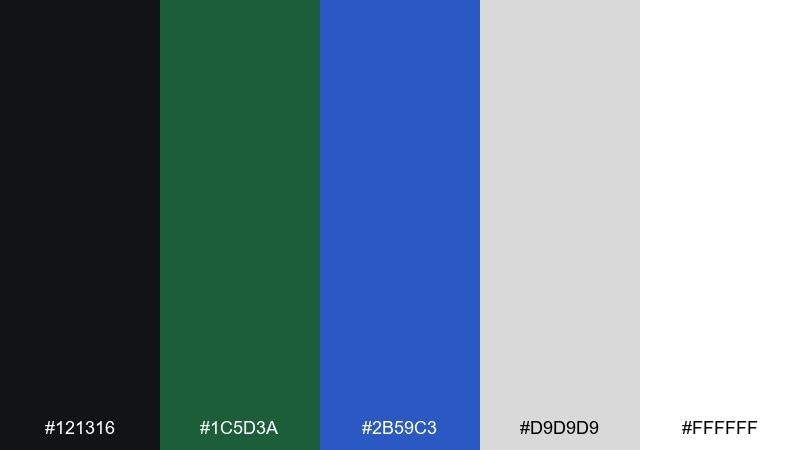
HEX: #121316 #1C5D3A #2B59C3 #D9D9D9 #FFFFFF
Mood: minimal, clean, premium
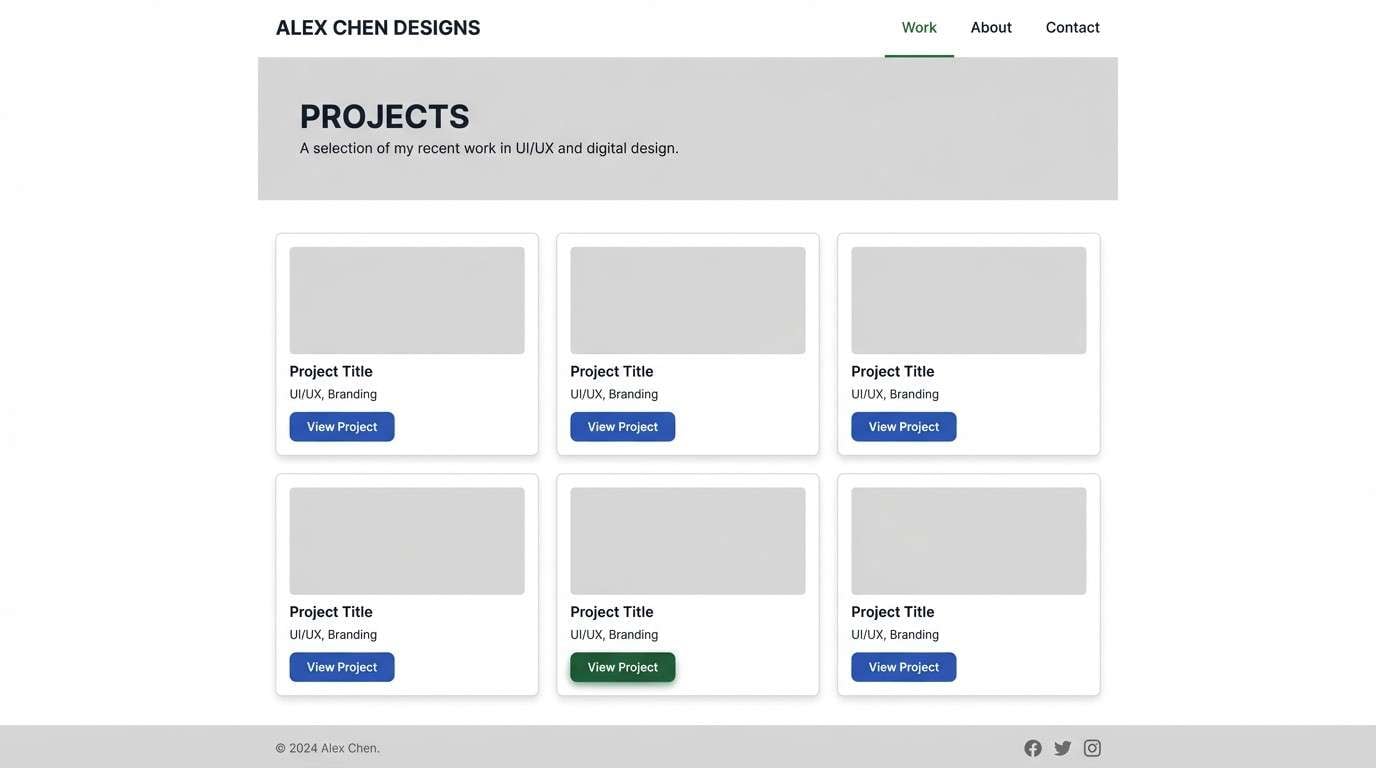
Best for: portfolio website ui
Minimal and premium, like a quiet gallery wall with a single bold piece. The white and light gray do the heavy lifting, while green and blue act as smart highlights. Pair with strong typography and plenty of spacing to let projects breathe. Usage tip: keep the accent green for hover states and use the blue for primary buttons only.
Image example of gallery minimal generated using media.io
17) Streetwear Midnight
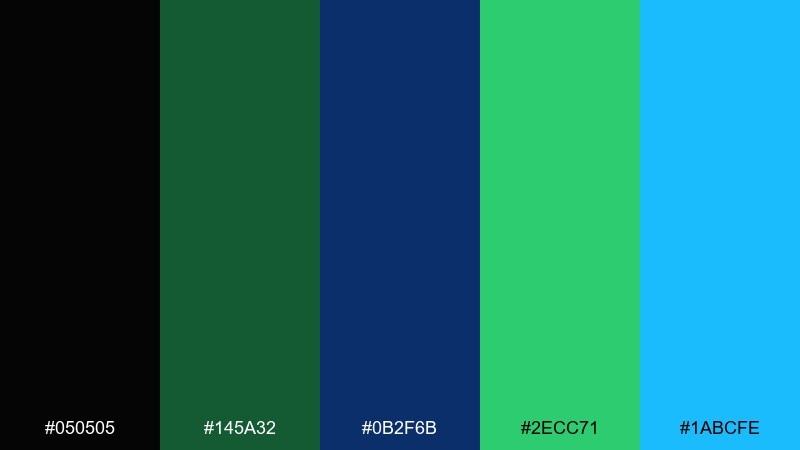
HEX: #050505 #145A32 #0B2F6B #2ECC71 #1ABCFE
Mood: bold, sporty, street
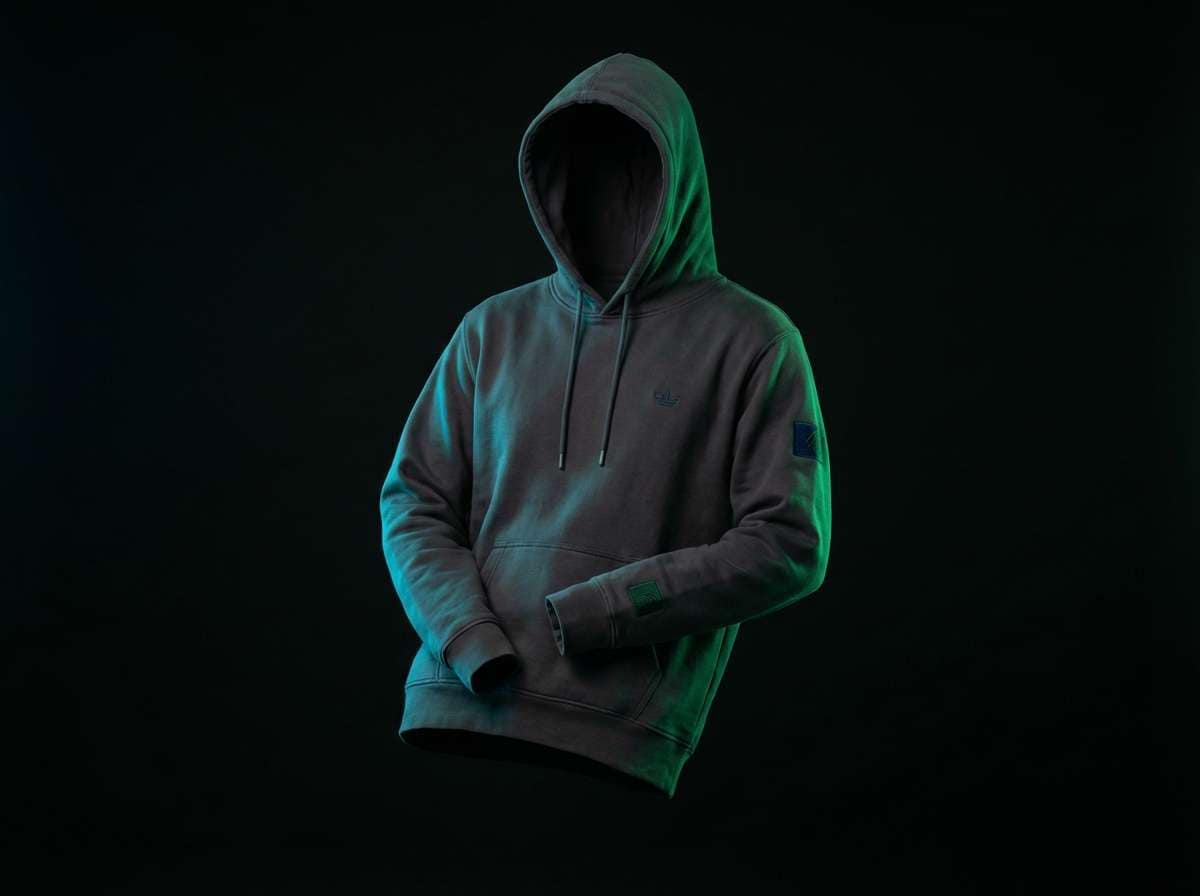
Best for: streetwear product ad
Bold street energy lands with sharp contrast and sporty saturation. The deep base makes the bright green and blue feel like reflective details on a jacket at night. Pair with big type, tight cropping, and simple pricing blocks for maximum punch. Usage tip: keep backgrounds nearly black and let the bright accents trace edges and key messages.
Image example of streetwear midnight generated using media.io
18) Oceanic Data Viz
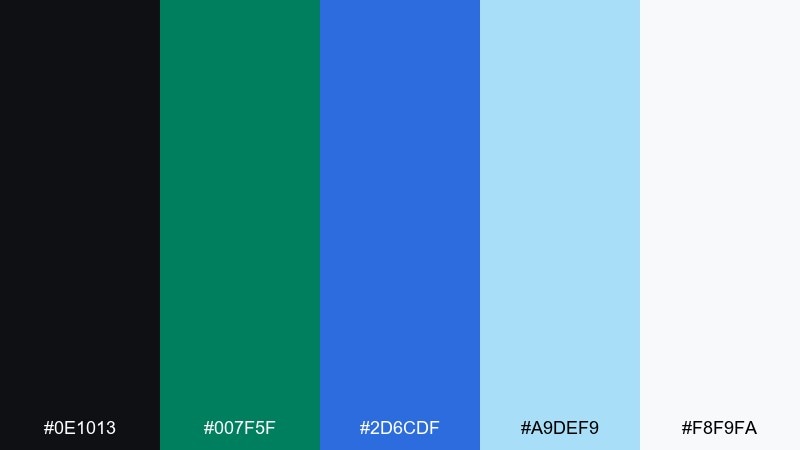
HEX: #0E1013 #007F5F #2D6CDF #A9DEF9 #F8F9FA
Mood: clear, analytical, modern
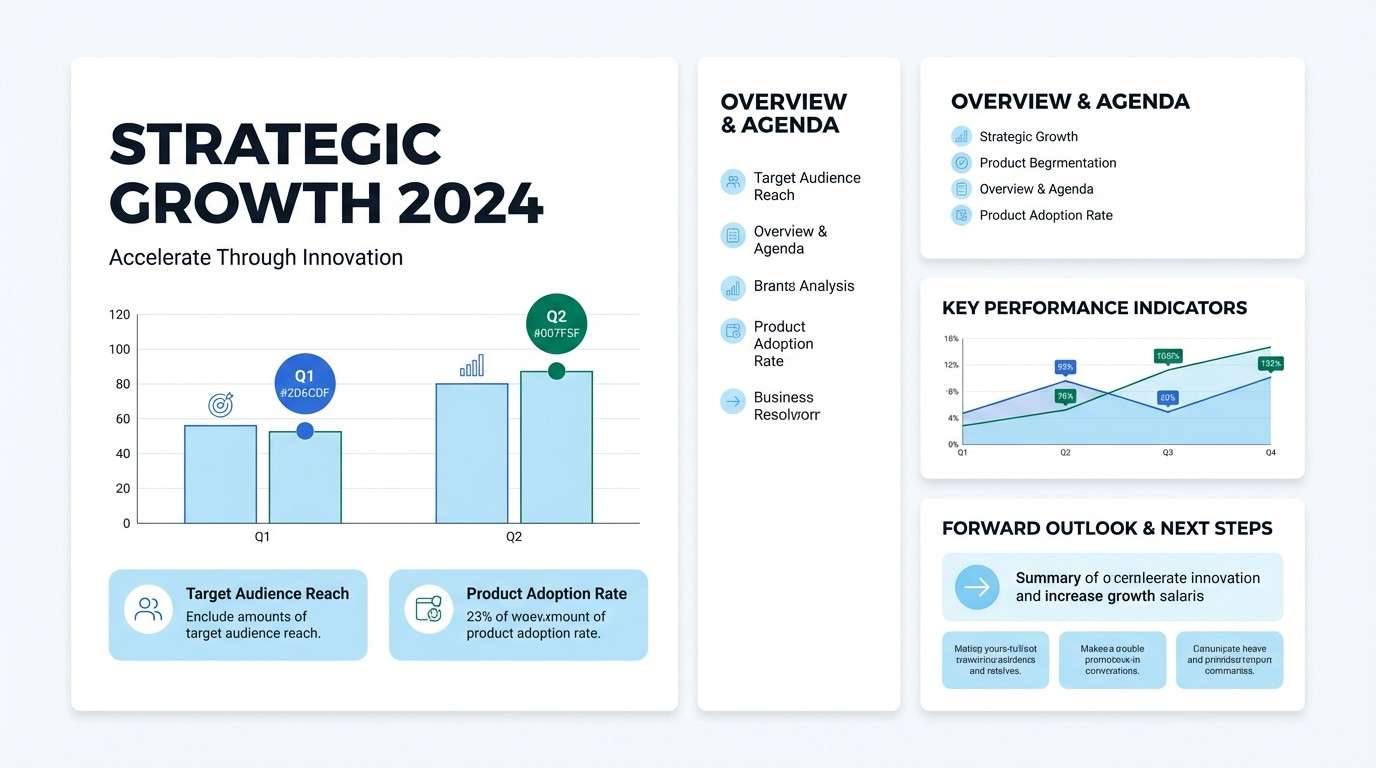
Best for: presentation slide deck
Clear and analytical, like charts floating over a calm ocean surface. These black green blue color combinations help separate categories while keeping slides professional. Pair with simple bar charts, generous margins, and one accent color per slide for quick comprehension. Usage tip: put the dark tone on titles and use the pale blue as subtle chart grid backgrounds.
Image example of oceanic data viz generated using media.io
19) Winter Botanical
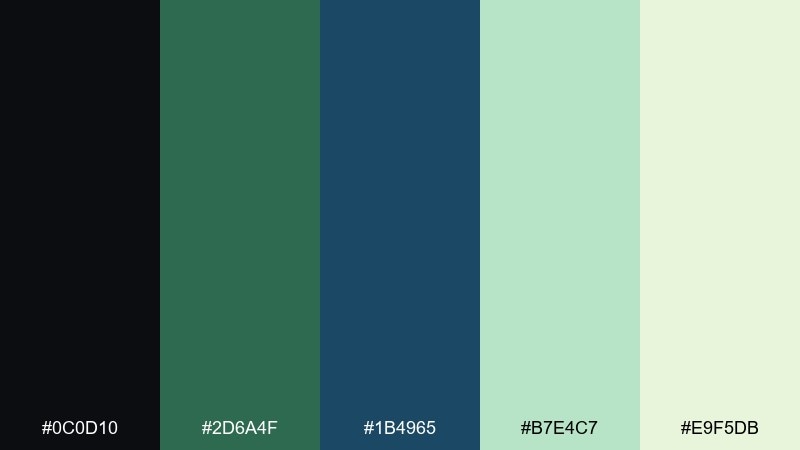
HEX: #0C0D10 #2D6A4F #1B4965 #B7E4C7 #E9F5DB
Mood: soft, natural, refreshing
Best for: watercolor botanical illustration
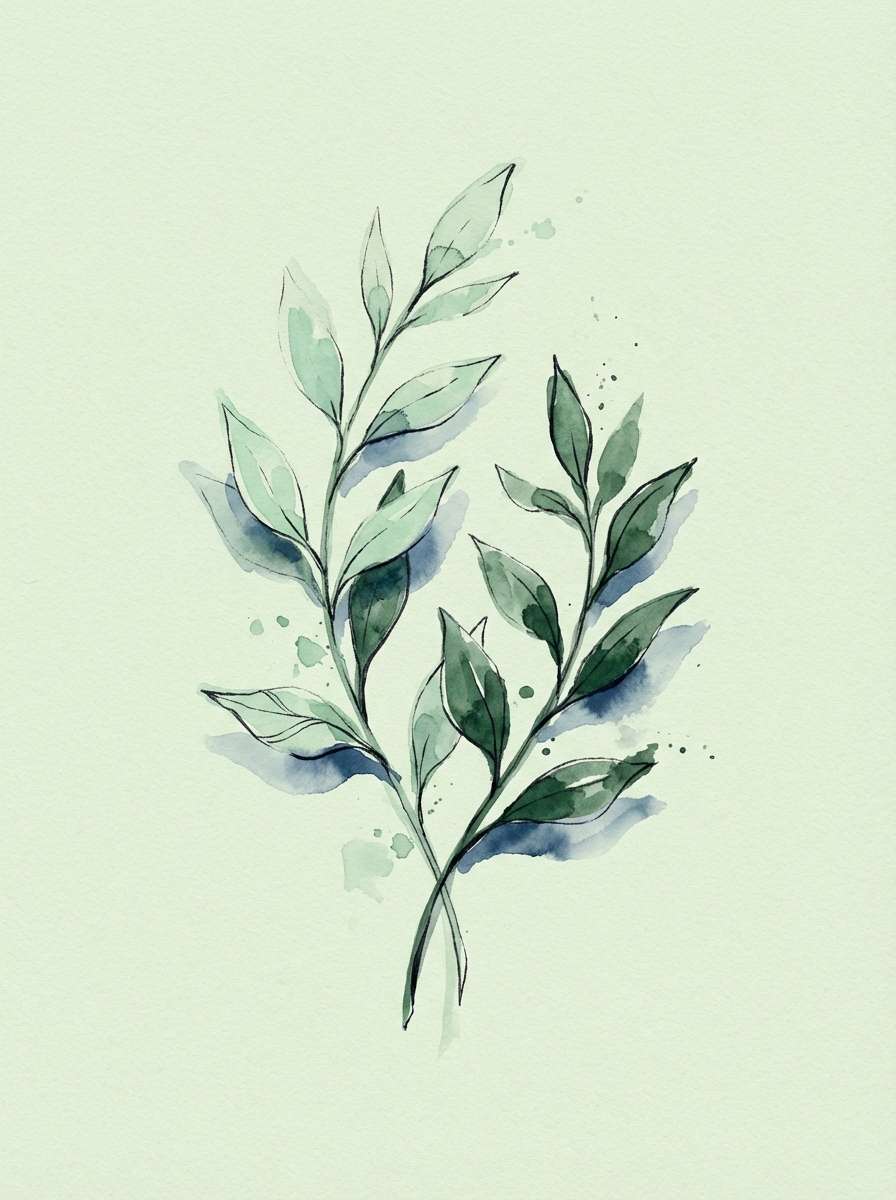
Soft winter greens and cool ink-blue feel refreshing, like leaves after rain. The pale mint and cream keep it gentle and airy for illustration work. Pair with fine line details and light washes so the dark tones stay elegant. Usage tip: use the near-black only for the thinnest outlines to maintain a delicate look.
Image example of winter botanical generated using media.io
20) Night Observatory
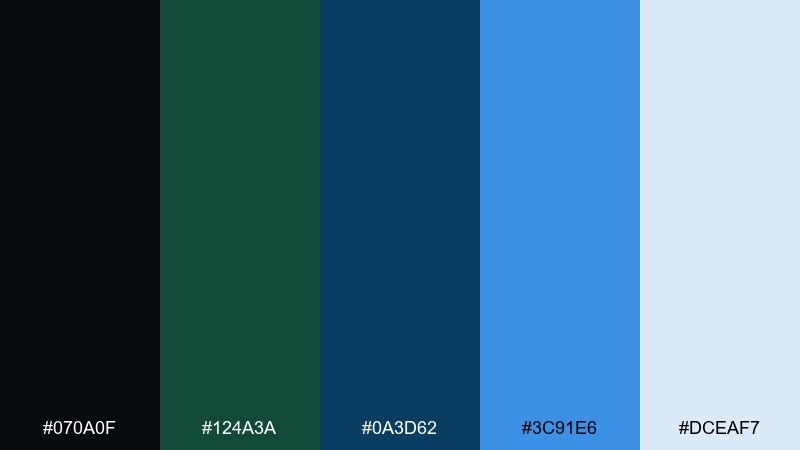
HEX: #070A0F #124A3A #0A3D62 #3C91E6 #DCEAF7
Mood: mysterious, expansive, luminous
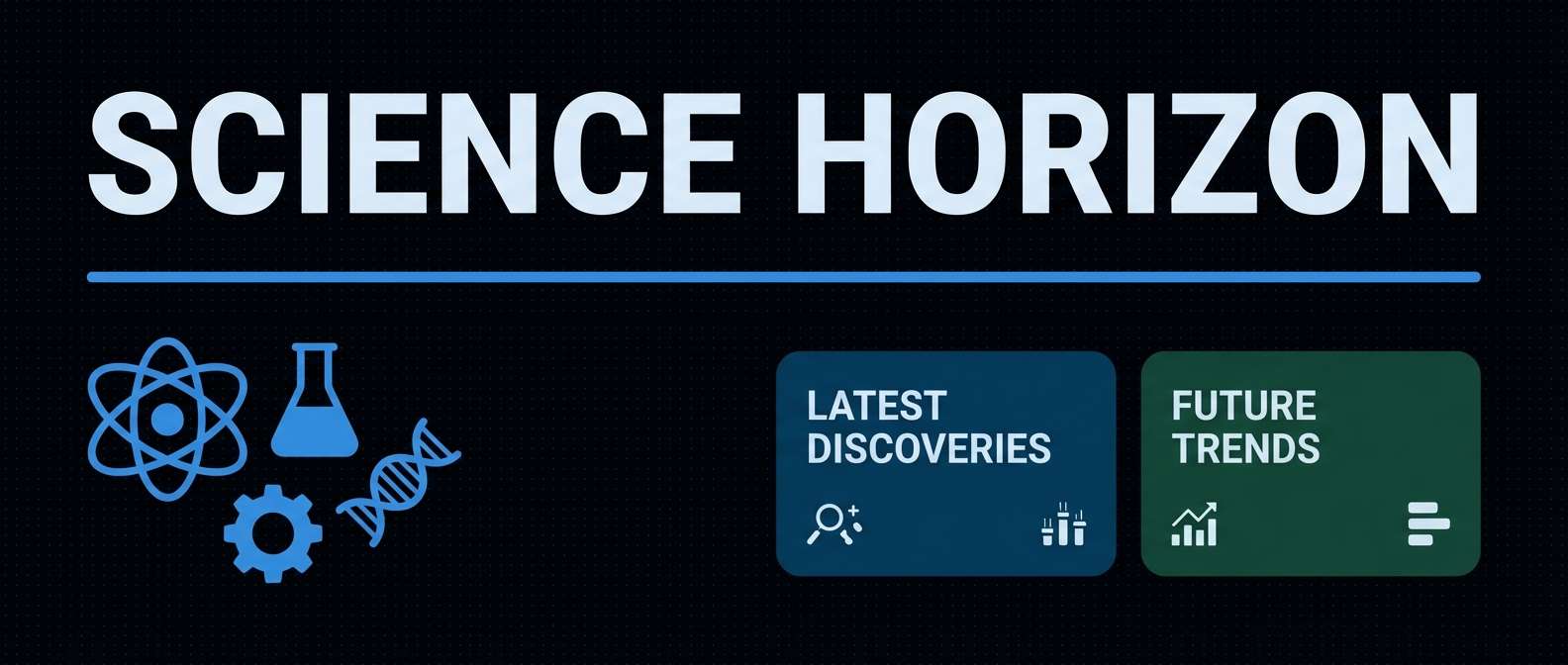
Best for: science newsletter header
Mysterious and expansive, like a night sky with a clean beam of light. The bright blue feels luminous against the deep base, perfect for a modern science brand. Pair with simple star or dot patterns and plenty of breathing room for headlines. Usage tip: use the pale tint behind the masthead to keep the header readable across devices.
Image example of night observatory generated using media.io
What Colors Go Well with Black Green Blue?
Warm neutrals are the easiest complement: paper whites, warm grays, sand, and cream soften the cool base and keep layouts from feeling too “night mode.”
For punchy accents, try yellow/gold (signage energy), coral (modern contrast), or copper/bronze for a premium editorial feel. Keep these accents small so the palette stays cohesive.
If you need more depth, add a slate/steel blue-gray for secondary text and surfaces—this helps transitions between near-black sections and bright content areas.
How to Use a Black Green Blue Color Palette in Real Designs
Assign clear roles: use black/near-black for text and core structure, blue for primary actions and links, and green for success states or “positive” indicators. This makes interfaces feel intuitive.
Control saturation by limiting how many bright accents appear at once. A single bold button color per screen (or per section) prevents the design from turning noisy.
Plan contrast early—especially on dark UIs. Reserve pale tints for body text and key surfaces, and use mid-tones (teal/blue) for components like cards, charts, tags, and dividers.
Create Black Green Blue Palette Visuals with AI
If you’re presenting palette directions to a client or team, visuals make decisions faster than swatches alone. Generate quick UI mockups, posters, invites, or brand boards that show the colors working in context.
With Media.io, you can turn a short prompt into on-brand imagery, iterate variations, and keep your palette consistent across concepts—without switching tools or installing anything.
Black Green Blue Color Palette FAQs
-
What does a black green blue color palette communicate in branding?
It commonly signals confidence and authority (black), trust and clarity (blue), and growth or wellbeing (green). Together, it feels modern, credible, and versatile for both tech and nature-adjacent brands. -
Is black green blue a good palette for UI design?
Yes—blue works naturally for links and primary actions, green maps to success/positive states, and black creates strong hierarchy. Use light tints for surfaces and text to maintain readability. -
How do I avoid a black green blue design looking too dark?
Introduce a pale tint (off-white or light blue-gray) as the main background, and keep near-black to headers, nav, or key typographic elements. Use mid-tone blues/teals for cards and dividers instead of pure black everywhere. -
What accent colors pair best with black green blue?
Gold/yellow adds energetic contrast, warm neutrals (cream, sand) add softness, and copper/bronze can make the palette feel premium. Use accents sparingly for callouts, badges, or highlights. -
Should I use green for primary buttons if I already have blue?
Usually, keep blue as the primary CTA for consistency and reserve green for success confirmations or secondary positive actions. This prevents mixed signals in interaction states. -
How can I use these palettes for charts and dashboards?
Use the darkest tone for titles/axes, assign teal/green/blue mid-tones to series colors, and place charts on pale panels for contrast. Adjust fill opacities so multiple series remain distinct without clashing. -
Can I generate mockups using these exact HEX codes?
Yes—include the HEX codes directly in your prompt and describe where each color should appear (background, buttons, highlights, text). This helps the AI follow your palette more closely.


