

Coral salmon (HEX #FF7F7A) sits right between peachy warmth and rosy blush, which makes it feel friendly, modern, and instantly eye-catching. It’s a go-to for brands that want energy without the harshness of pure red.
Below are 20 curated coral salmon palette ideas with HEX codes, plus practical pairing tips for UI, branding, packaging, and event design.
In this article
- Why Coral Salmon Palettes Work So Well
-
- seaside coral drift
- sunset apricot glow
- blush linen minimal
- coral sage balance
- vintage rosewood
- tropical punch pop
- coral clay studio
- peach champagne luxe
- coral navy contrast
- spring garden watercolor
- bakery box pastels
- wedding invitation soft satin
- fitness app warm ui
- beauty serum packaging
- editorial fashion spread
- kids party flyer
- coastal home decor
- autumn market poster
- coral mint gelato
- night bloom afterhours
- What Colors Go Well with Coral Salmon?
- How to Use a Coral Salmon Color Palette in Real Designs
- Create Coral Salmon Palette Visuals with AI
Why Coral Salmon Palettes Work So Well
Coral salmon blends the optimism of orange with the softness of pink, so it reads both energetic and approachable. That balance makes it versatile across branding, UI, and print.
It also pairs cleanly with neutrals (cream, off-white, taupe, charcoal) for a premium look, or with cool complements (sage, teal, navy) for modern contrast. You can steer it playful, romantic, coastal, or luxe just by changing the supporting colors.
Most importantly, coral salmon is an excellent “action color” in digital design: it’s noticeable for buttons and highlights, but it won’t feel as aggressive as bright red when used thoughtfully.
20+ Coral Salmon Color Palette Ideas (with HEX Codes)
1) Seaside Coral Drift
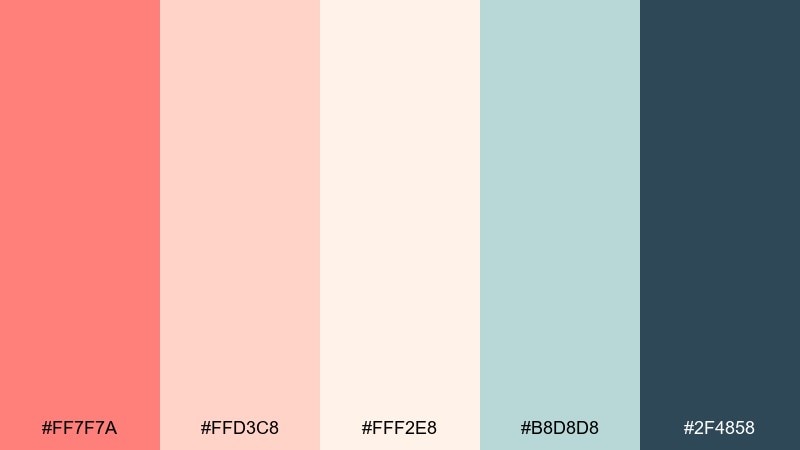
HEX: #FF7F7A #FFD3C8 #FFF2E8 #B8D8D8 #2F4858
Mood: airy, coastal, refreshing
Best for: travel branding and lifestyle headers
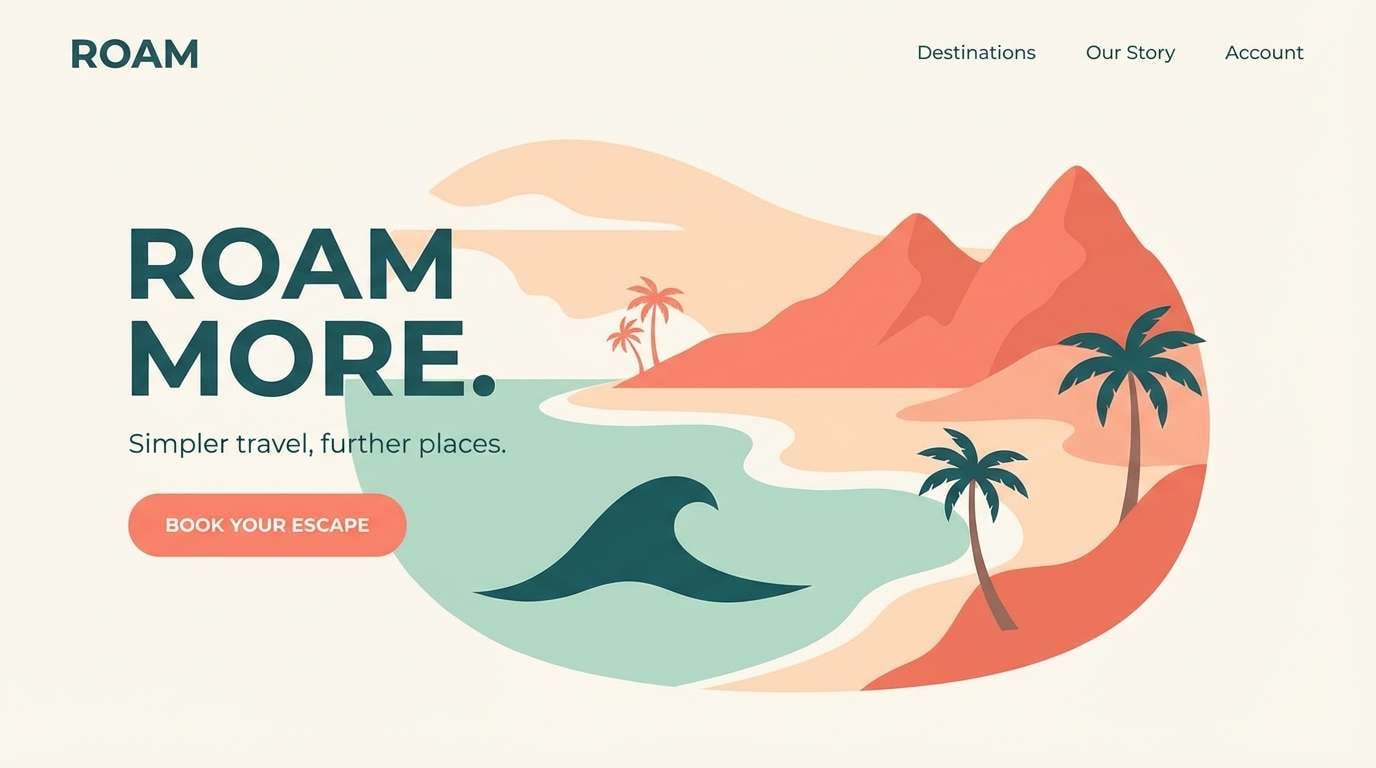
Airy and sun-washed, this mix feels like coral light over pale sand with a cool sea breeze. Use the deep teal as your anchor for headlines or logos, then let the warm corals carry buttons and highlights. It pairs beautifully with clean whites, light textures, and simple line icons. Usage tip: keep coral accents to key calls to action so the page stays calm, not noisy.
Image example of seaside coral drift generated using media.io
Media.io is an online AI studio for creating and editing video, image, and audio in your browser.


2) Sunset Apricot Glow
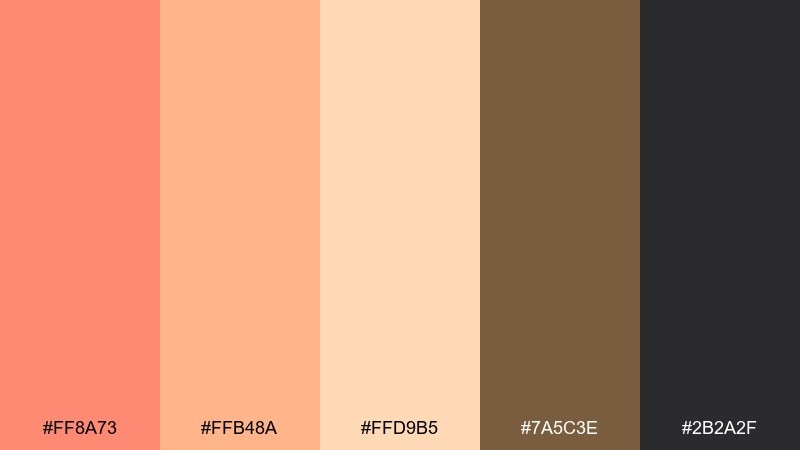
HEX: #FF8A73 #FFB48A #FFD9B5 #7A5C3E #2B2A2F
Mood: golden hour, cozy, inviting
Best for: cafe menus and social promos
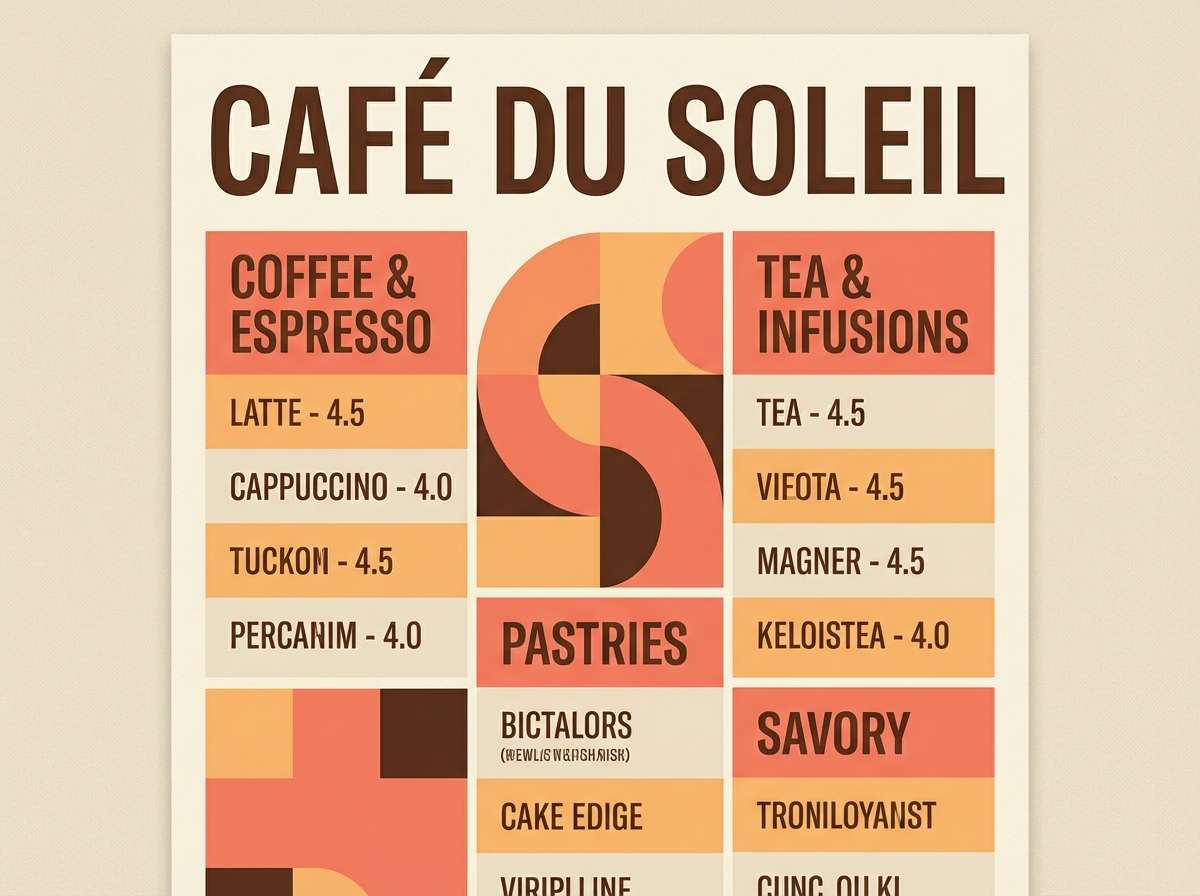
Golden-hour warmth comes through with apricot highlights and toasty browns that feel comforting and real. Build hierarchy by using charcoal for text, then reserve the darkest brown for dividers and price blocks. The lighter apricot tones work well for background panels and photo overlays. Usage tip: add generous margins so the warm colors read premium, not crowded.
Image example of sunset apricot glow generated using media.io
3) Blush Linen Minimal
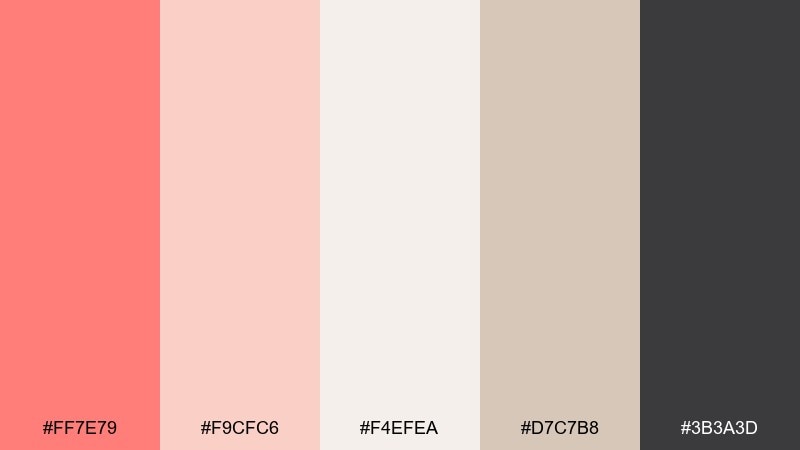
HEX: #FF7E79 #F9CFC6 #F4EFEA #D7C7B8 #3B3A3D
Mood: soft minimalism, calm, clean
Best for: portfolio sites and product pages
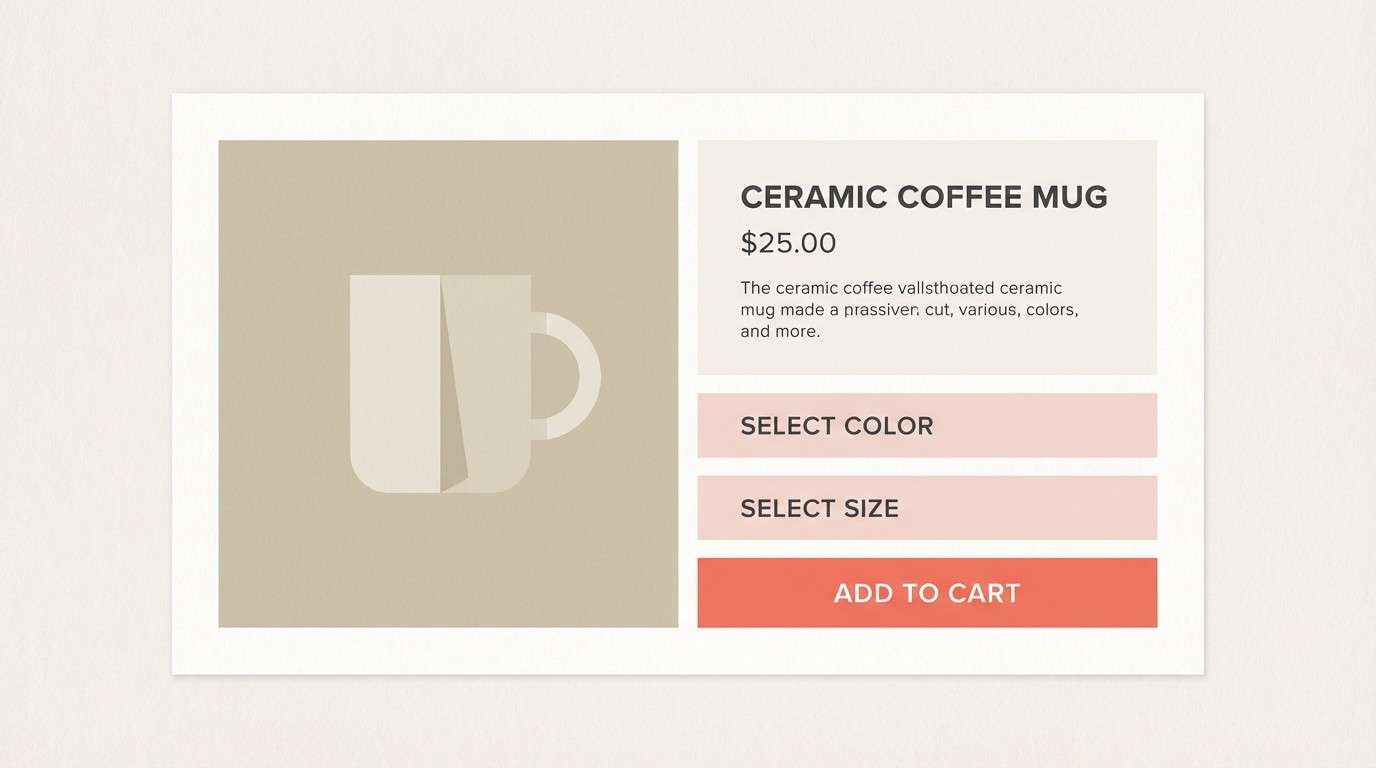
Soft and breathable like blush linen in morning light, this set keeps everything polished and understated. The coral salmon color palette shines when you use the off-white as the main canvas and bring in coral only for key highlights. Pair it with grayscale photography, thin borders, and plenty of whitespace for a modern editorial feel. Usage tip: choose one accent component style and repeat it consistently to keep the minimal look intentional.
Image example of blush linen minimal generated using media.io
4) Coral Sage Balance
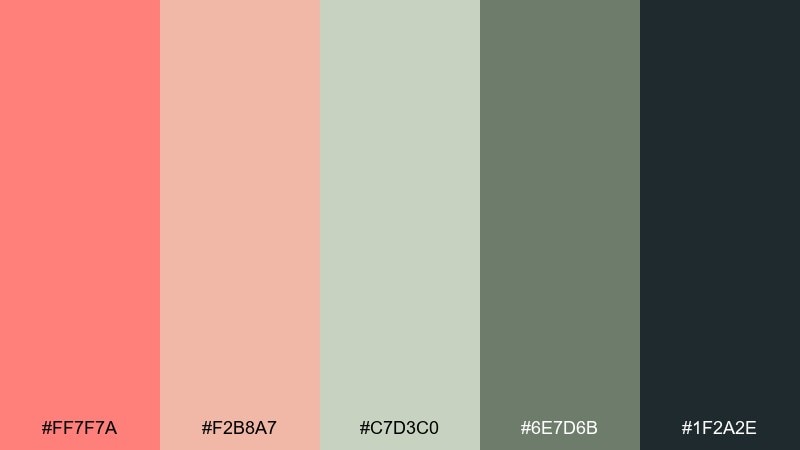
HEX: #FF7F7A #F2B8A7 #C7D3C0 #6E7D6B #1F2A2E
Mood: grounded, natural, balanced
Best for: wellness brands and eco packaging
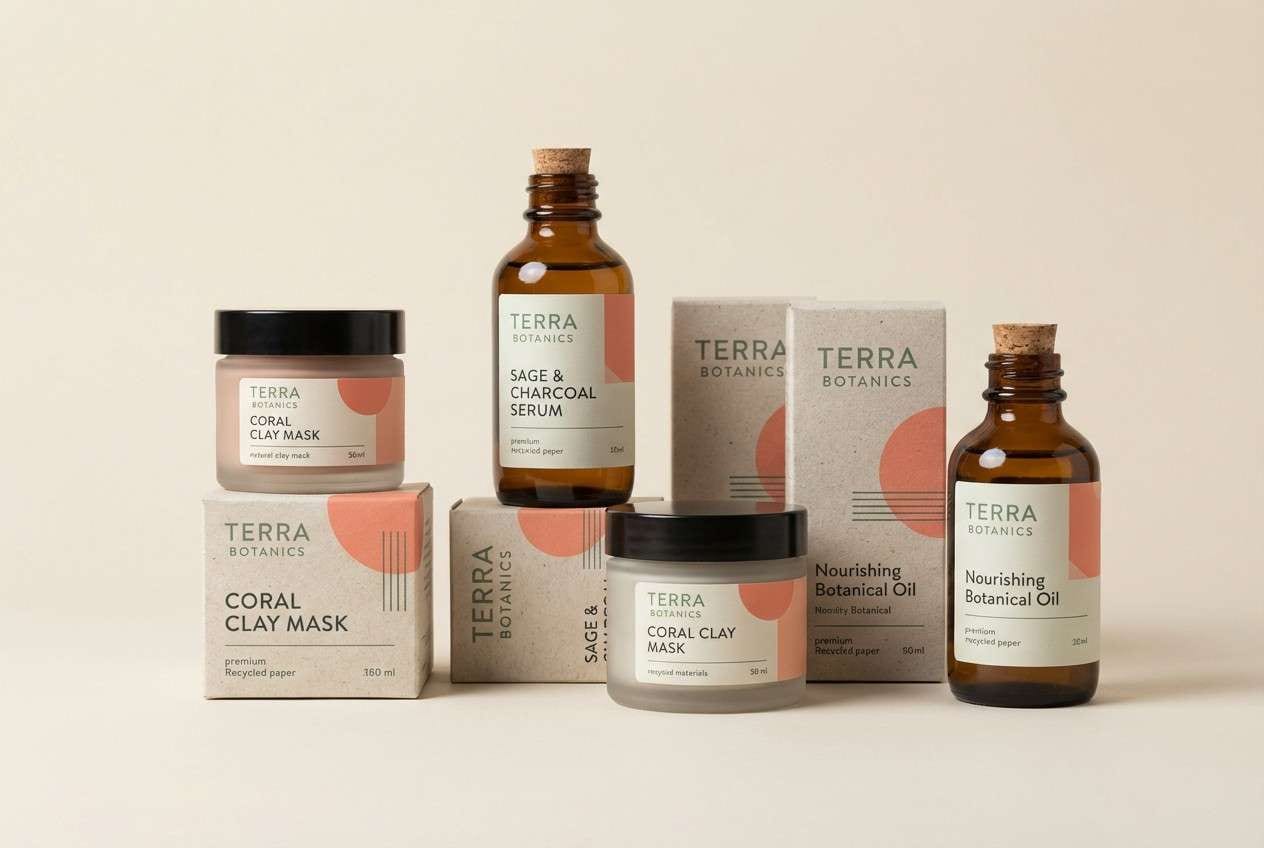
Grounded and botanical, these tones feel like fresh petals against sage leaves and dark soil. A coral salmon color scheme like this works best when sage takes the lead for backgrounds and labels, leaving coral for seals, icons, or small bursts. Pair it with recycled textures, serif type, and simple botanical line art. Usage tip: keep the darkest shade for small text and barcodes so the natural palette stays gentle.
Image example of coral sage balance generated using media.io
5) Vintage Rosewood
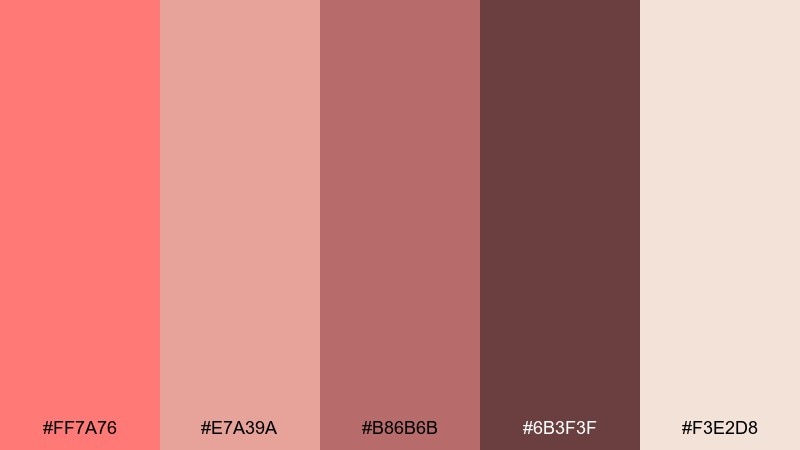
HEX: #FF7A76 #E7A39A #B86B6B #6B3F3F #F3E2D8
Mood: nostalgic, romantic, warm
Best for: boutique branding and labels
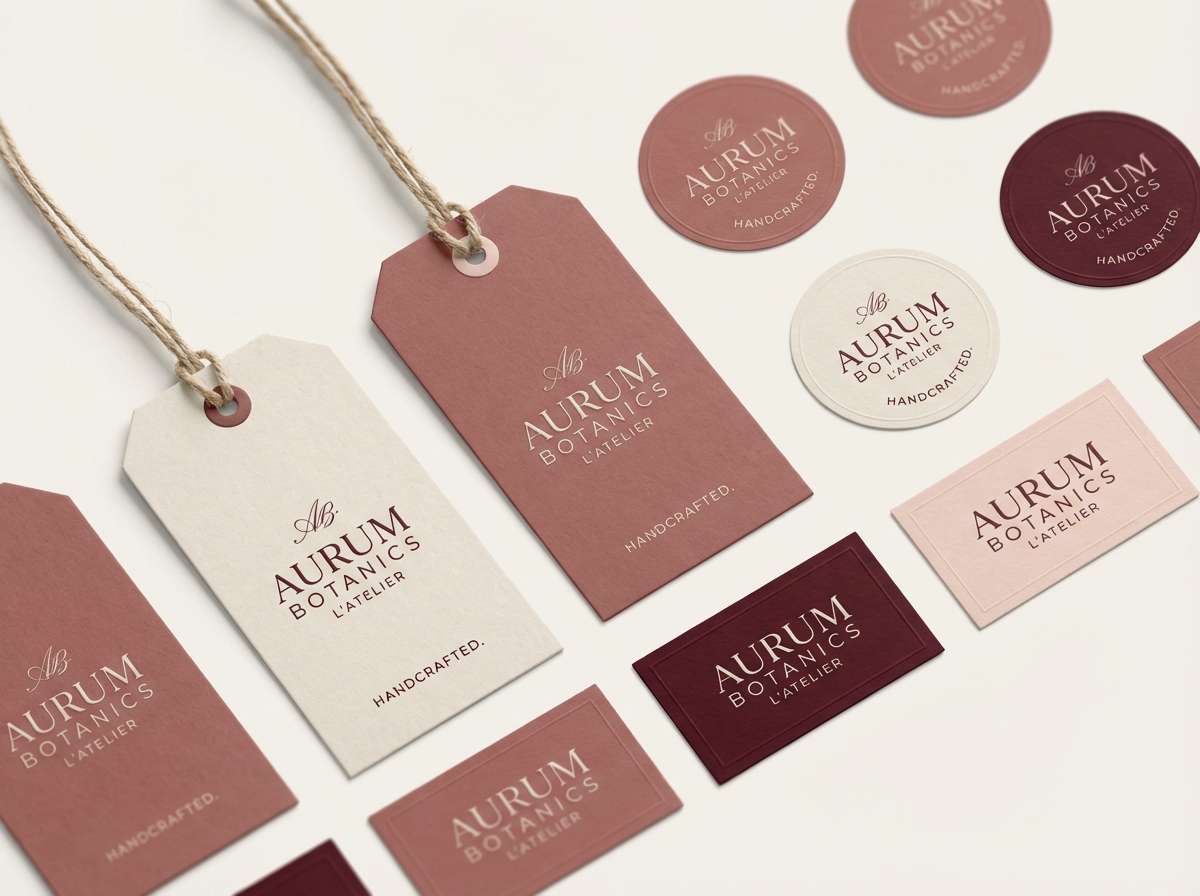
Nostalgic and romantic, these rosewood tones feel like antique velvet and pressed petals. Use the deep wine shade for monograms and logotypes, then layer lighter blush hues for backgrounds and secondary blocks. It pairs well with cream paper stocks, foil details, and vintage-inspired serif fonts. Usage tip: try tone-on-tone patterns in the mid shades to add richness without adding new colors.
Image example of vintage rosewood generated using media.io
6) Tropical Punch Pop
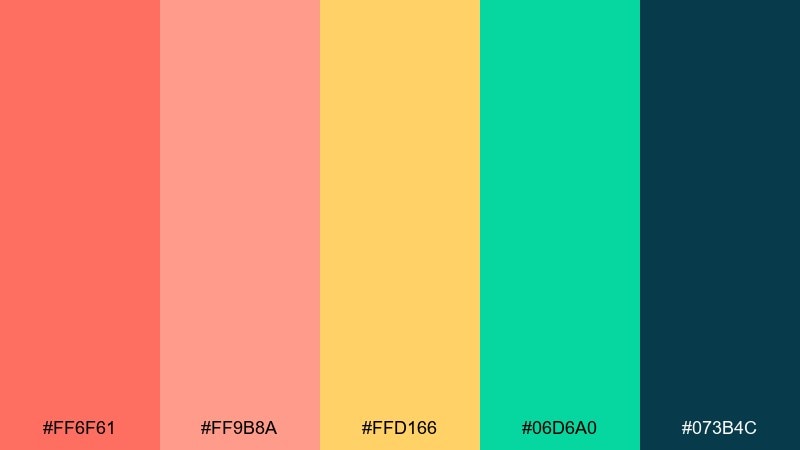
HEX: #FF6F61 #FF9B8A #FFD166 #06D6A0 #073B4C
Mood: playful, energetic, sunny
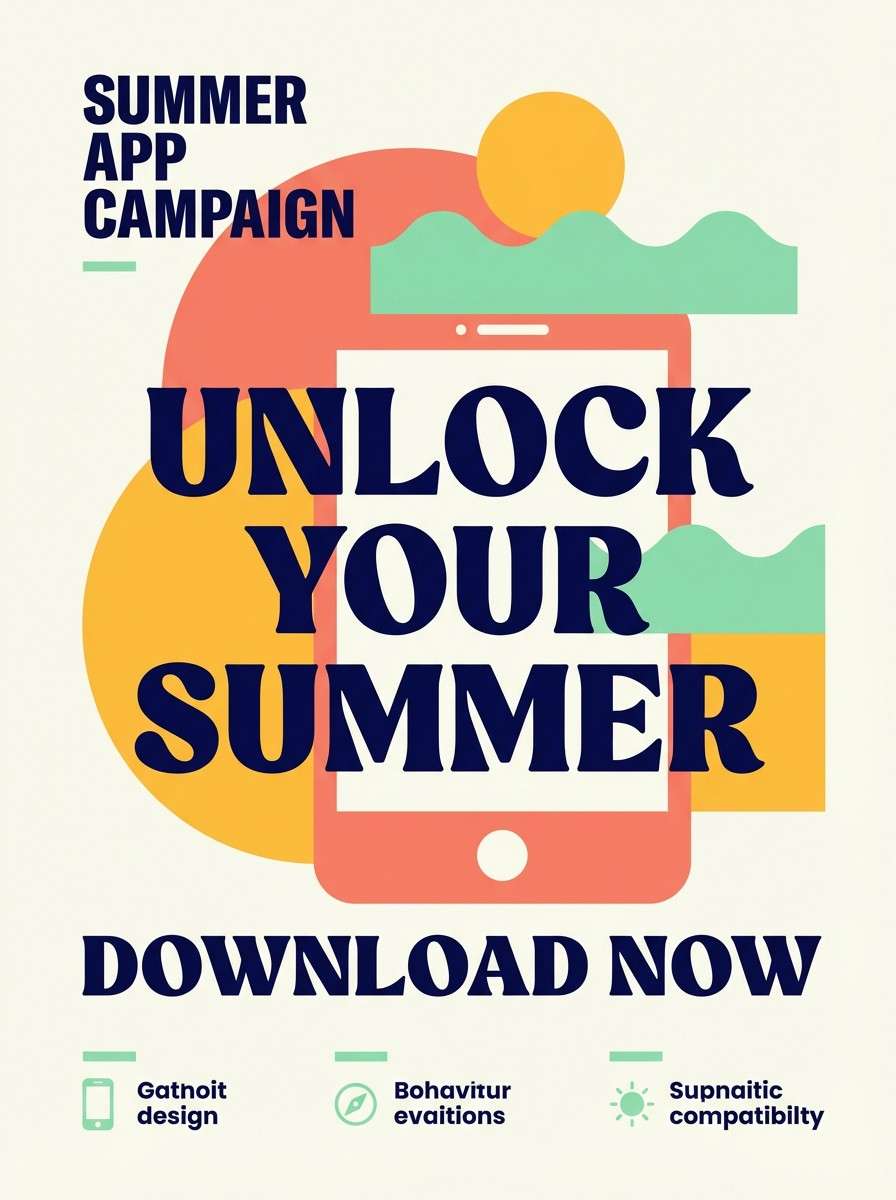
Best for: summer campaigns and app promos
Playful and punchy, it reads like a sunny drink topped with citrus and mint. Keep the navy for strong type and navigation so the brighter accents stay readable. Coral and mango work great for gradients, while mint adds a fresh counterpoint for badges and chips. Usage tip: limit gradients to one hero area and use solid fills elsewhere for a cleaner look.
Image example of tropical punch pop generated using media.io
7) Coral Clay Studio
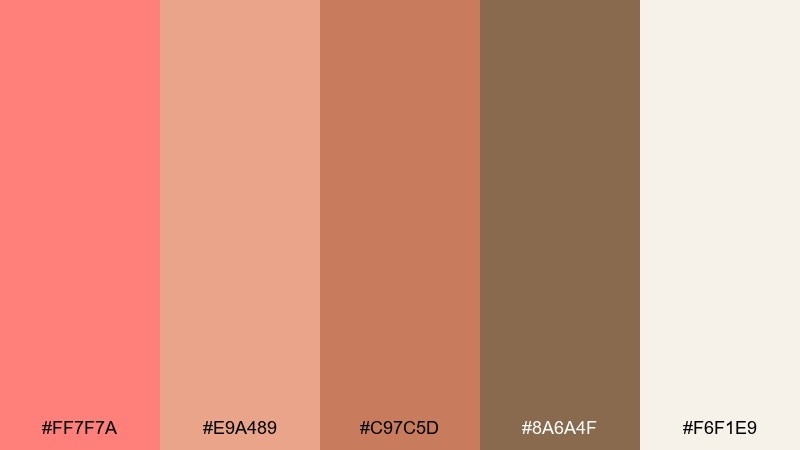
HEX: #FF7F7A #E9A489 #C97C5D #8A6A4F #F6F1E9
Mood: earthy, handmade, warm
Best for: ceramics shops and craft marketplaces
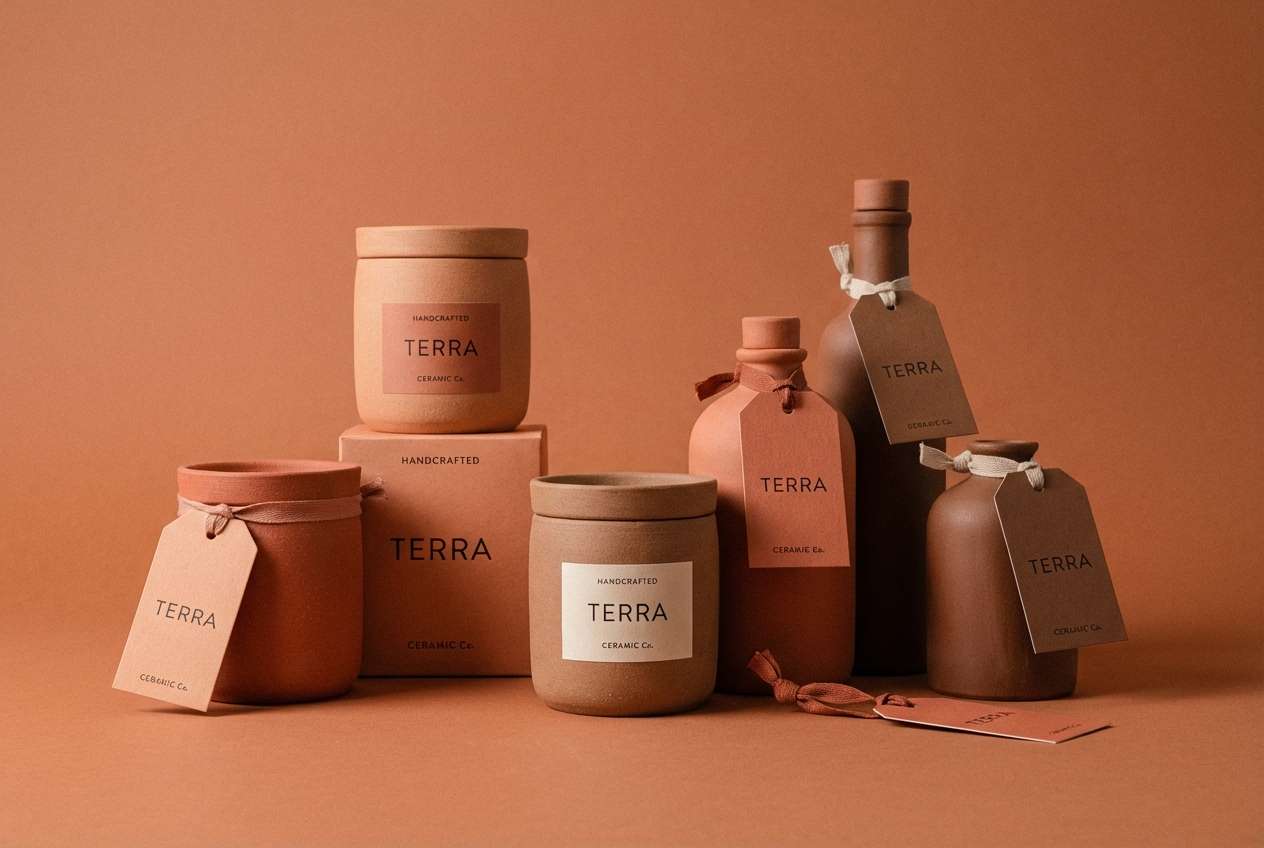
Earthy and handmade, these shades feel like fired clay, terracotta glaze, and warm studio light. Use the sandy off-white as your base to keep product photos true, then bring in coral for tags and small UI details. The clay and walnut tones are ideal for frames, borders, and section headers. Usage tip: add subtle grain textures to backgrounds to enhance the handcrafted vibe.
Image example of coral clay studio generated using media.io
8) Peach Champagne Luxe
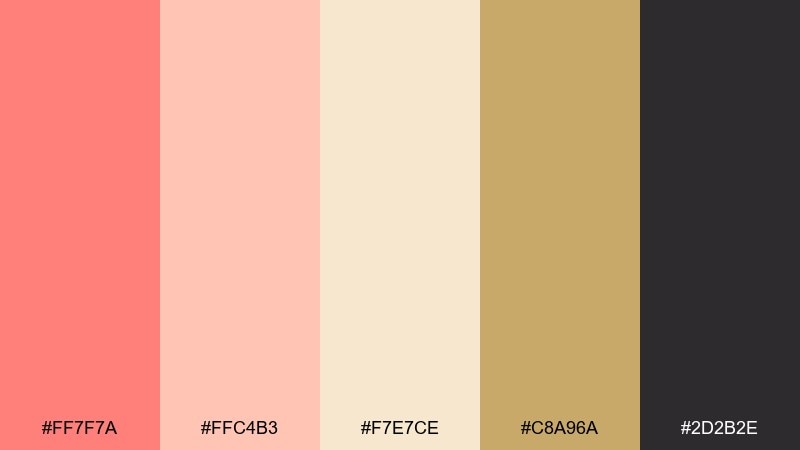
HEX: #FF7F7A #FFC4B3 #F7E7CE #C8A96A #2D2B2E
Mood: luxurious, celebratory, elegant
Best for: beauty launches and premium ads
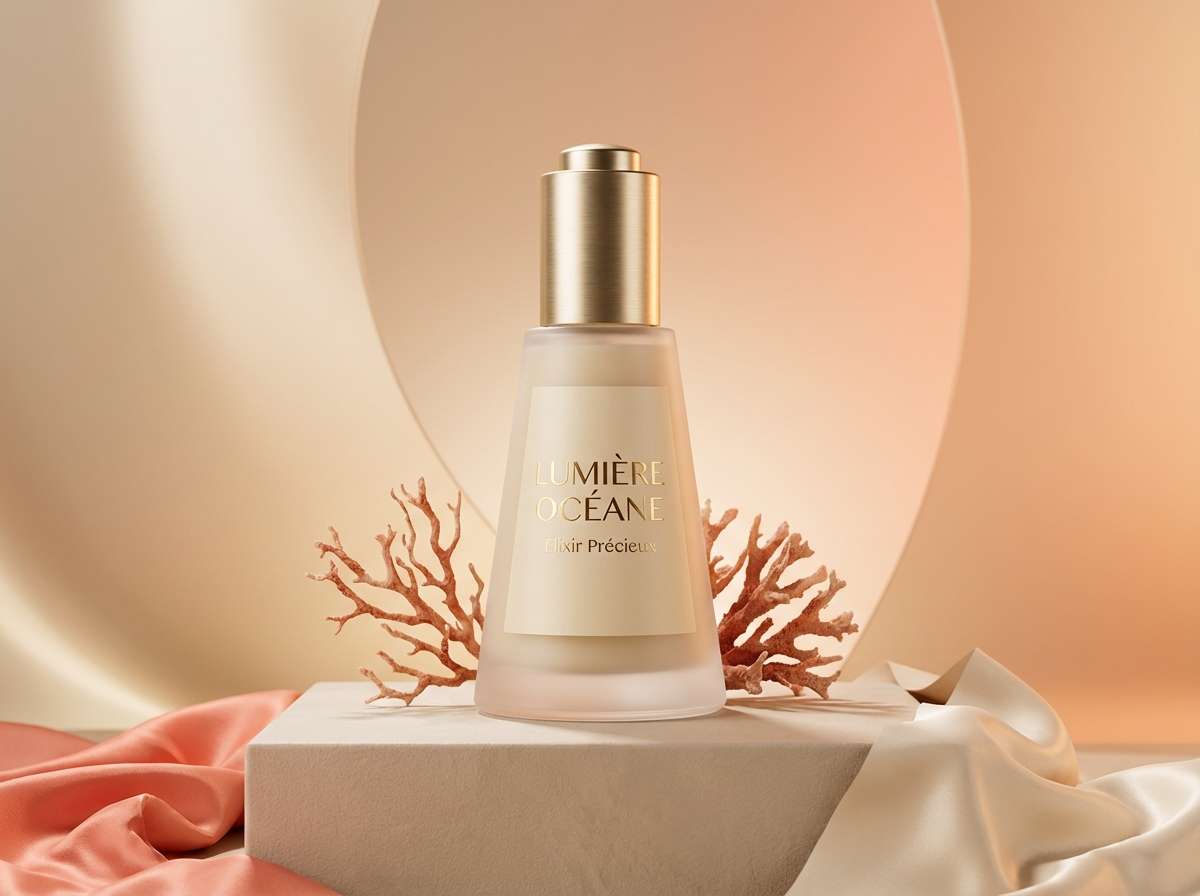
Luxurious and celebratory, it evokes champagne bubbles, soft peach silk, and a warm golden glow. Let charcoal handle text and fine lines, while the gold tone supports premium accents like rules, icons, and small seals. Coral and champagne look best as large, quiet surfaces with minimal contrast shifts. Usage tip: keep gold usage under 10 percent so it reads as a highlight, not a fourth background.
Image example of peach champagne luxe generated using media.io
9) Coral Navy Contrast
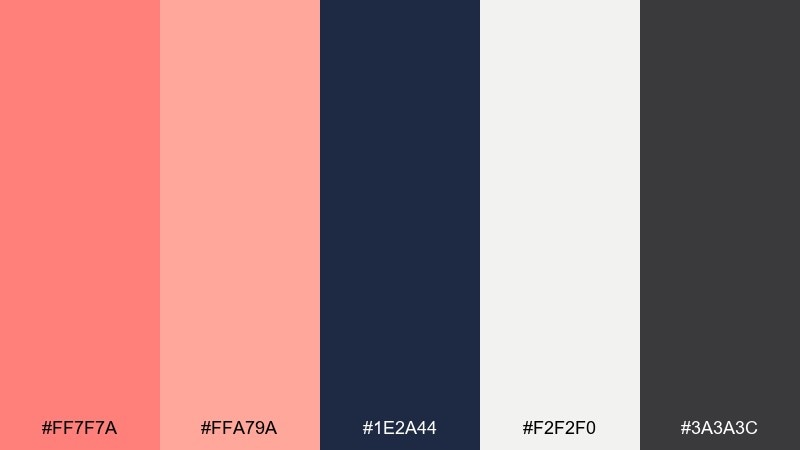
HEX: #FF7F7A #FFA79A #1E2A44 #F2F2F0 #3A3A3C
Mood: modern, confident, high contrast
Best for: tech branding and landing pages
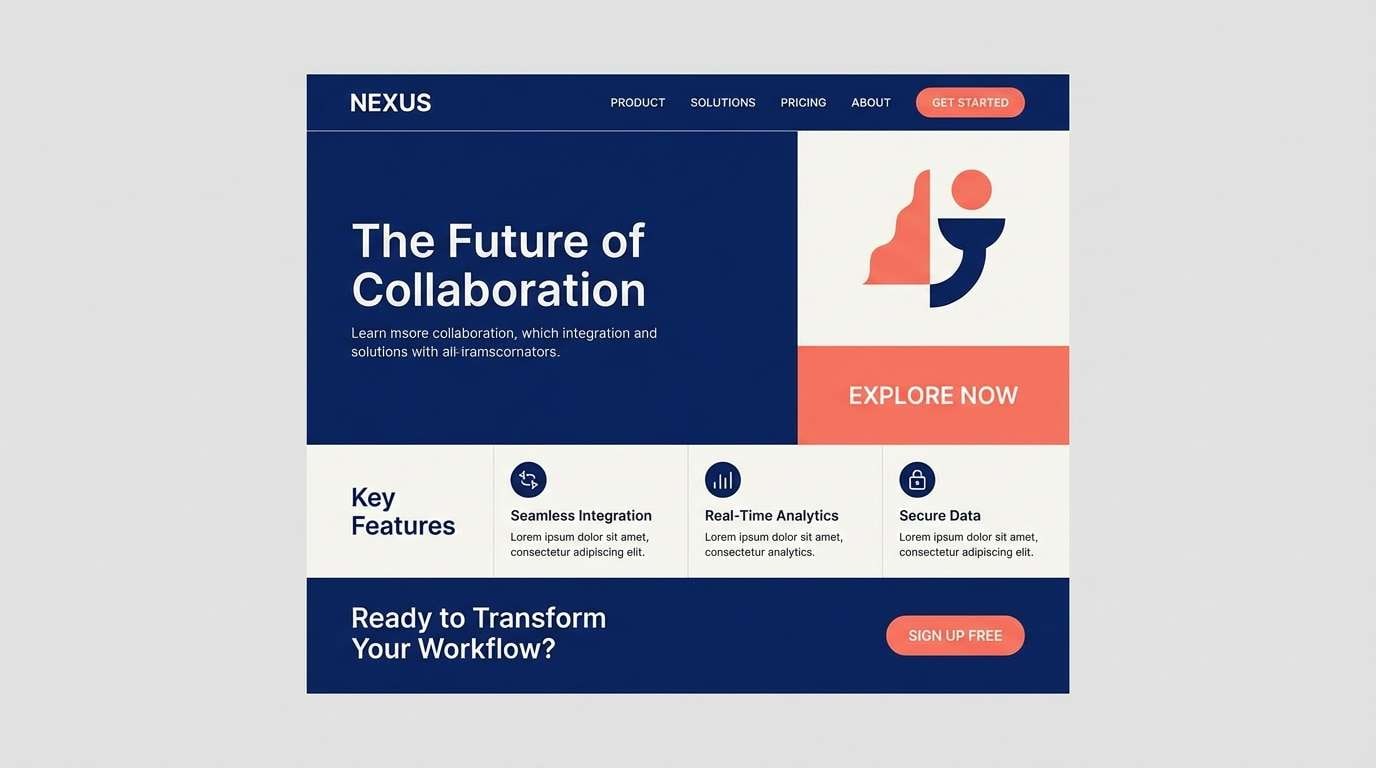
Modern and confident, the navy and coral pairing feels crisp like dusk sky against warm streetlight. These coral salmon color combinations work best when navy owns the layout structure and coral is reserved for primary buttons and key stats. Add the soft off-white to reduce glare and keep long pages readable. Usage tip: use coral sparingly in navigation states so it stays meaningful as a signal color.
Image example of coral navy contrast generated using media.io
10) Spring Garden Watercolor
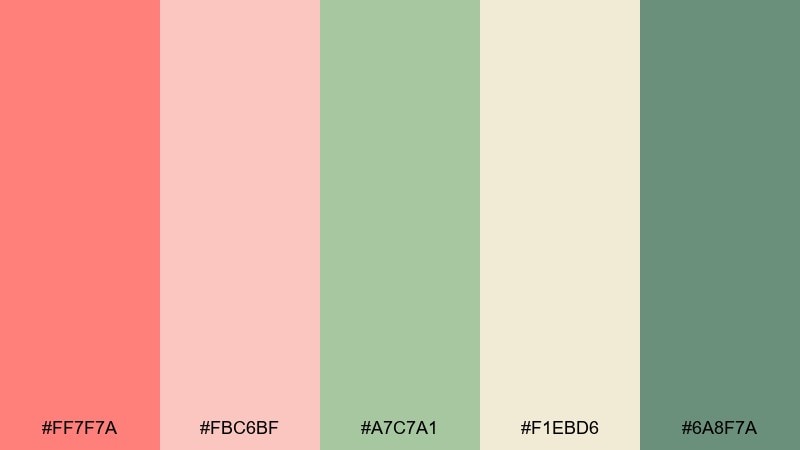
HEX: #FF7F7A #FBC6BF #A7C7A1 #F1EBD6 #6A8F7A
Mood: fresh, floral, gentle
Best for: botanical illustrations and stationery
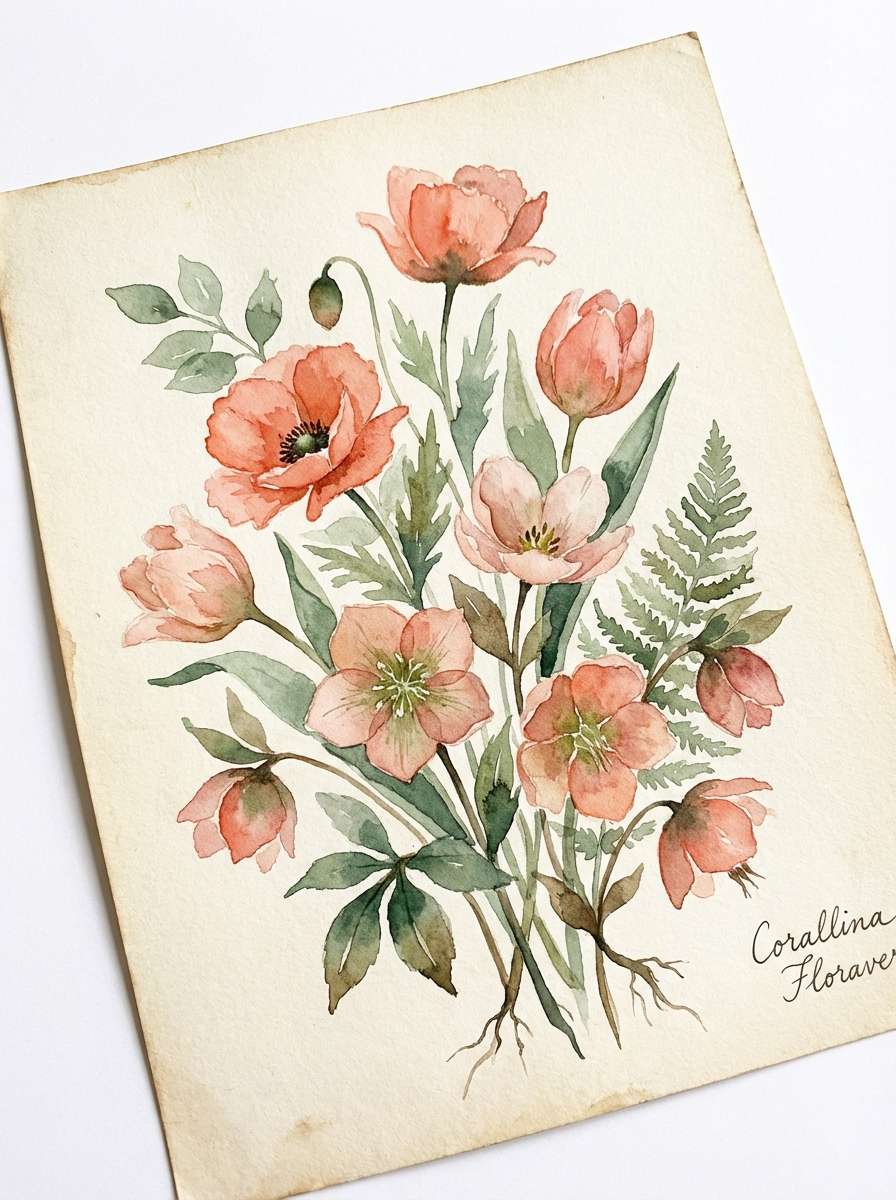
Fresh and floral, it feels like watercolor petals and new leaves after rain. Use the cream as paper tone, then layer blush and coral for blooms while greens shape stems and foliage. It pairs nicely with hand-lettered scripts, light washes, and plenty of negative space. Usage tip: keep edges soft and let colors overlap slightly for a true watercolor look.
Image example of spring garden watercolor generated using media.io
11) Bakery Box Pastels
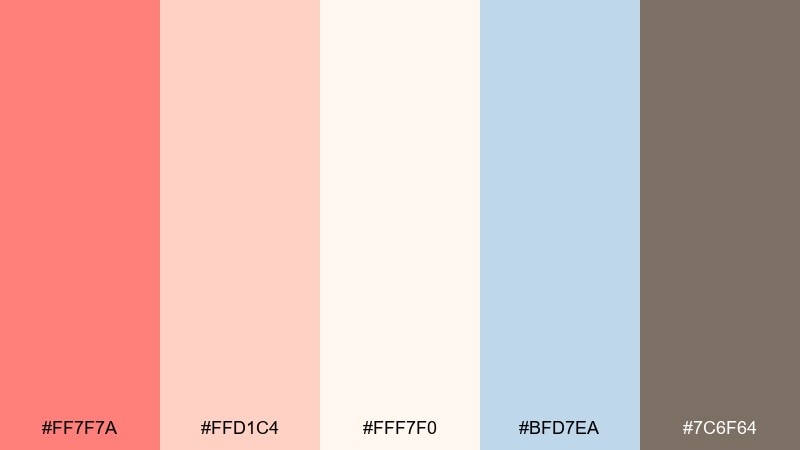
HEX: #FF7F7A #FFD1C4 #FFF7F0 #BFD7EA #7C6F64
Mood: sweet, light, friendly
Best for: bakery packaging and gift sets
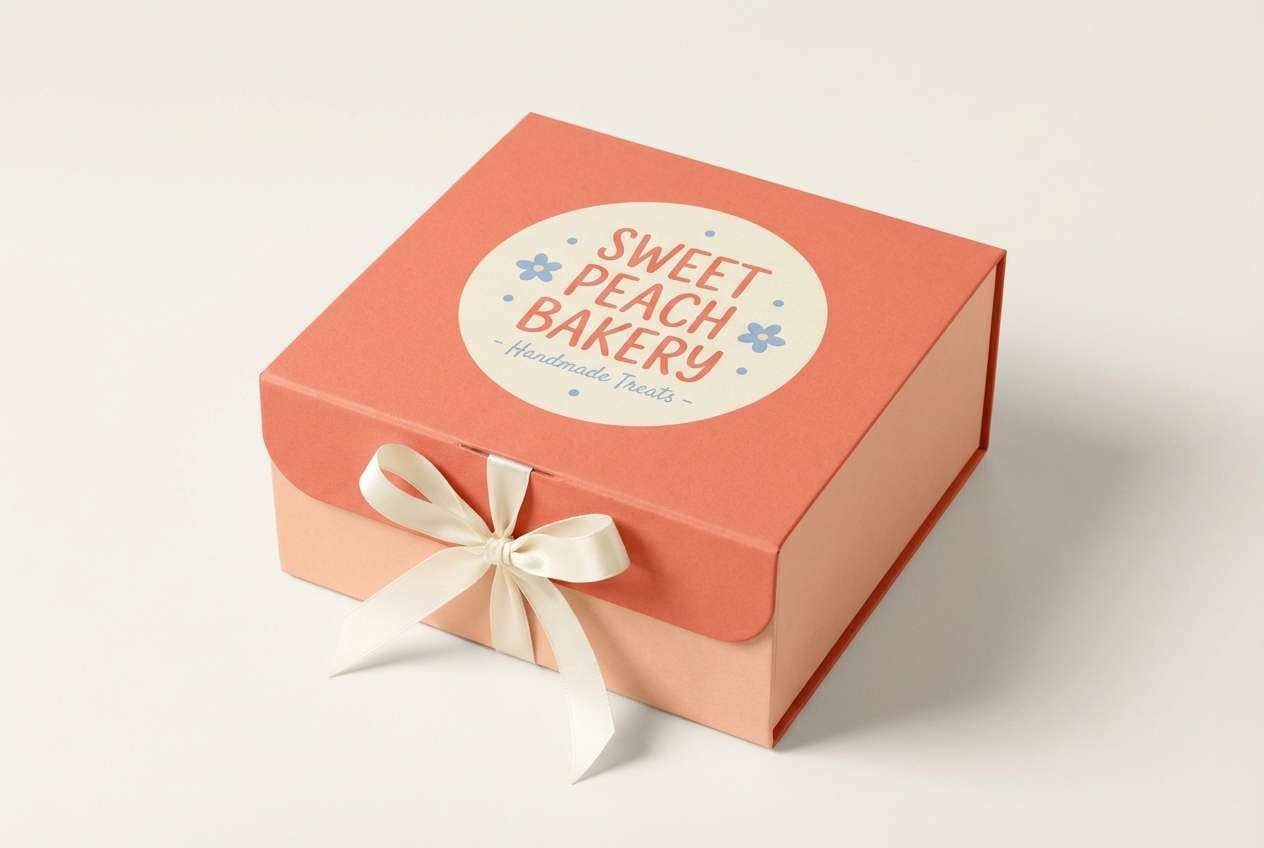
Sweet and light, these pastels feel like frosted treats in a tidy bakery window. Use the warm gray-brown for typography so the soft shades stay legible on boxes and stickers. The pale blue is best as a small contrast accent for ribbons, stamps, or loyalty cards. Usage tip: print a test swatch on your packaging stock since pastels can shift on uncoated paper.
Image example of bakery box pastels generated using media.io
12) Wedding Invitation Soft Satin
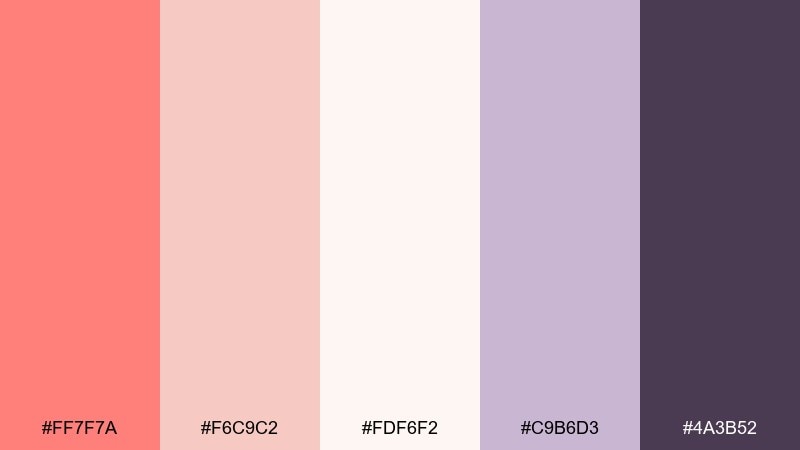
HEX: #FF7F7A #F6C9C2 #FDF6F2 #C9B6D3 #4A3B52
Mood: romantic, airy, elegant
Best for: wedding invitations and RSVP cards
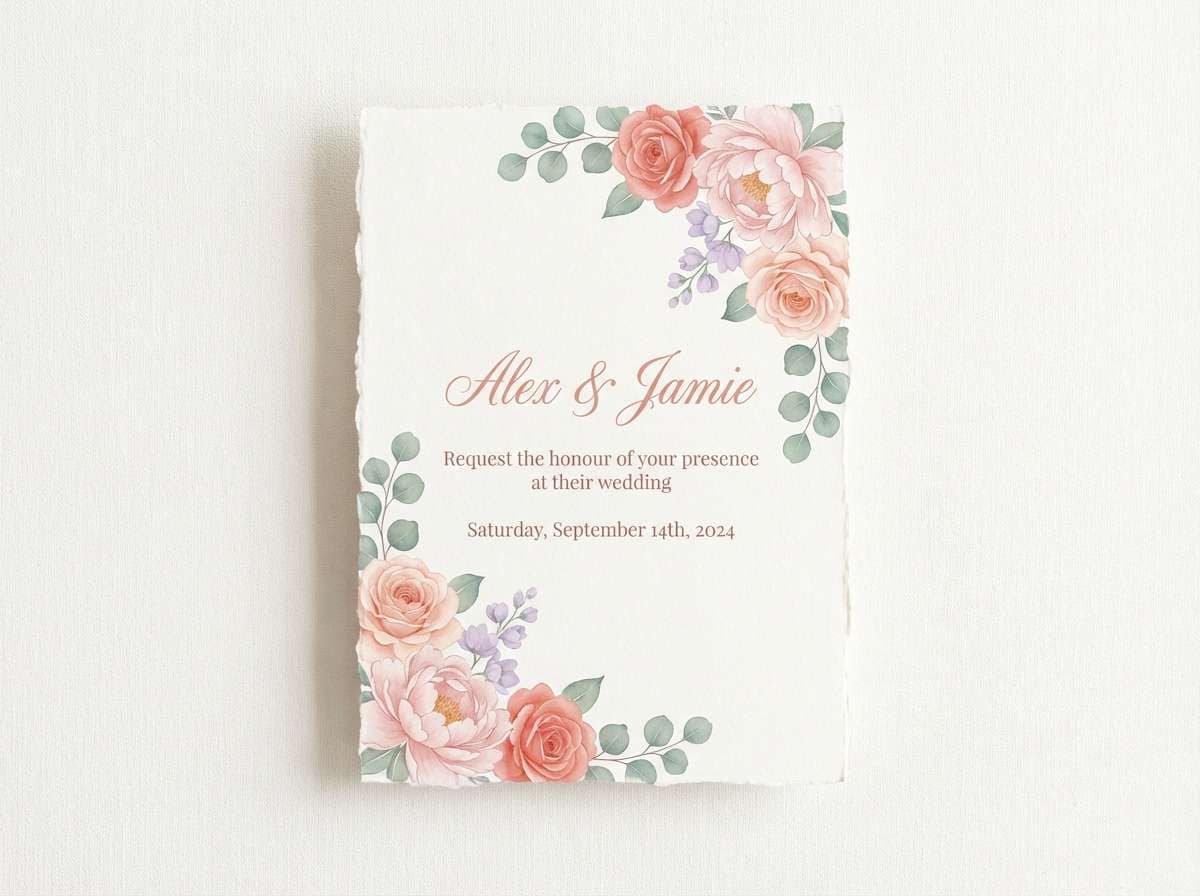
Romantic and airy, it reads like soft satin ribbons with a hint of lavender perfume. Keep the plum for names, dates, and fine borders, while the lighter tones set a calm paper-like background. The lavender works best as a subtle flourish in monograms or small floral motifs. Usage tip: use coral only for one focal line, such as the couple names, for a refined finish.
Image example of wedding invitation soft satin generated using media.io
13) Fitness App Warm UI
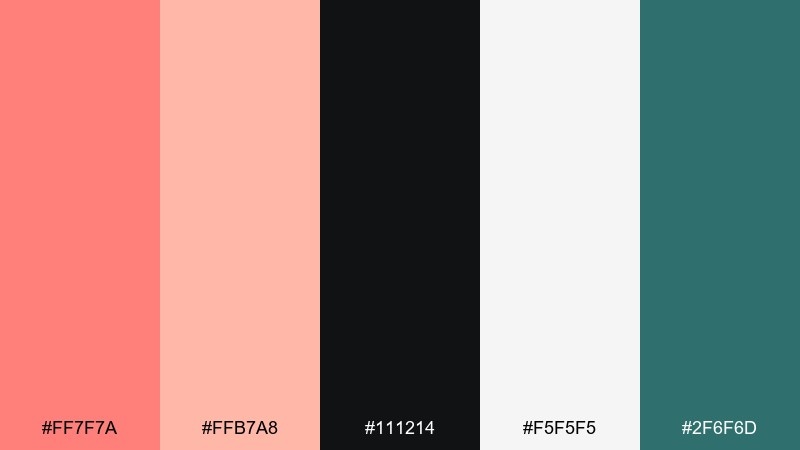
HEX: #FF7F7A #FFB7A8 #111214 #F5F5F5 #2F6F6D
Mood: motivating, modern, focused
Best for: fitness dashboards and onboarding screens
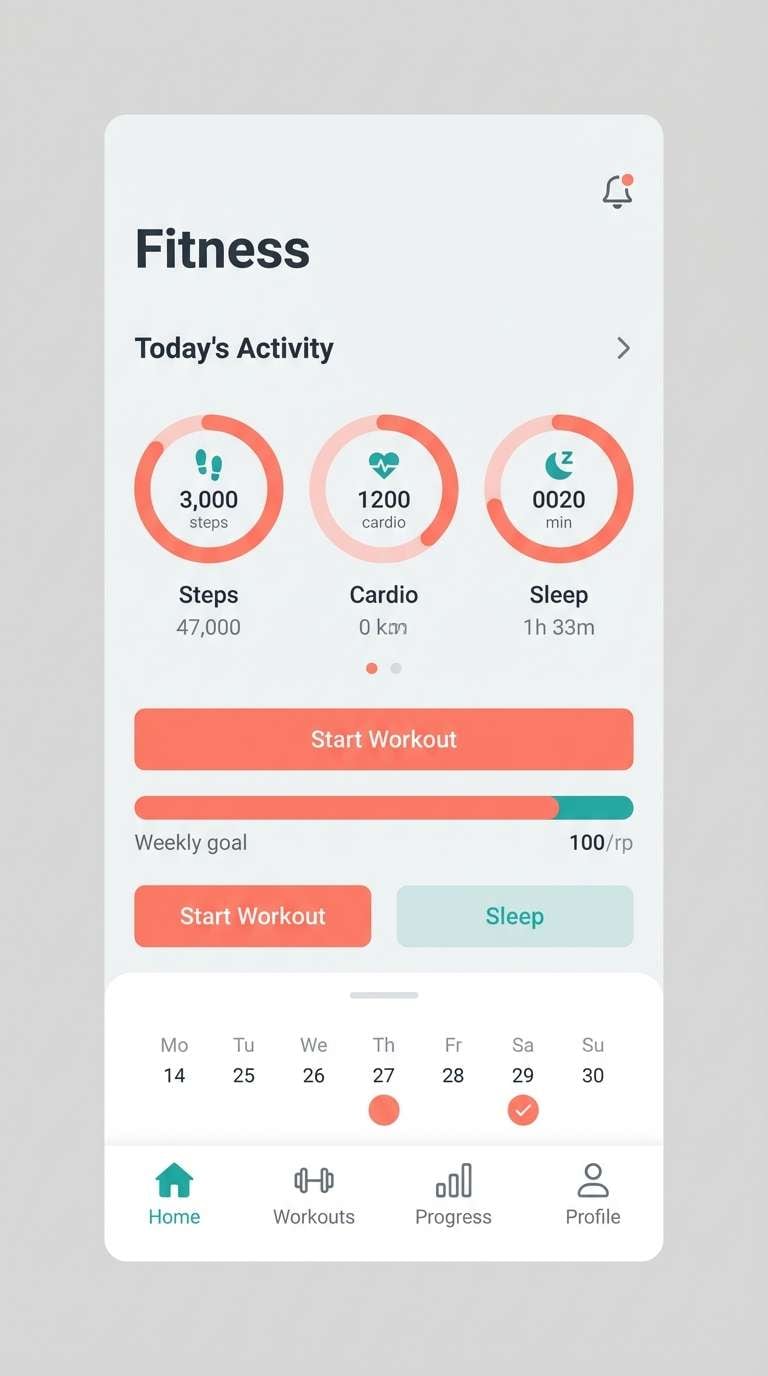
Motivating and modern, the warm coral feels energetic without turning aggressive. Use near-black for text and data labels, then reserve coral for progress rings, primary actions, and achievement badges. The teal is a great secondary accent for links and success states so everything is not competing for attention. Usage tip: keep background surfaces neutral to make metrics and charts easy to scan.
Image example of fitness app warm ui generated using media.io
14) Beauty Serum Packaging
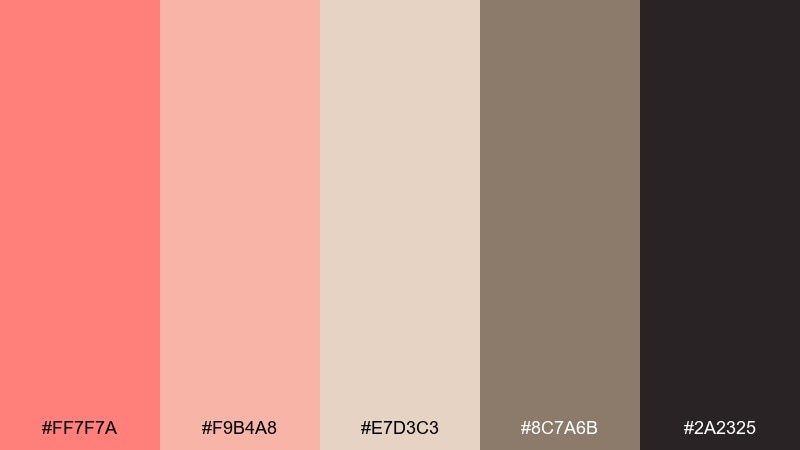
HEX: #FF7F7A #F9B4A8 #E7D3C3 #8C7A6B #2A2325
Mood: soft, premium, skincare-clean
Best for: serum packaging and ecommerce ads
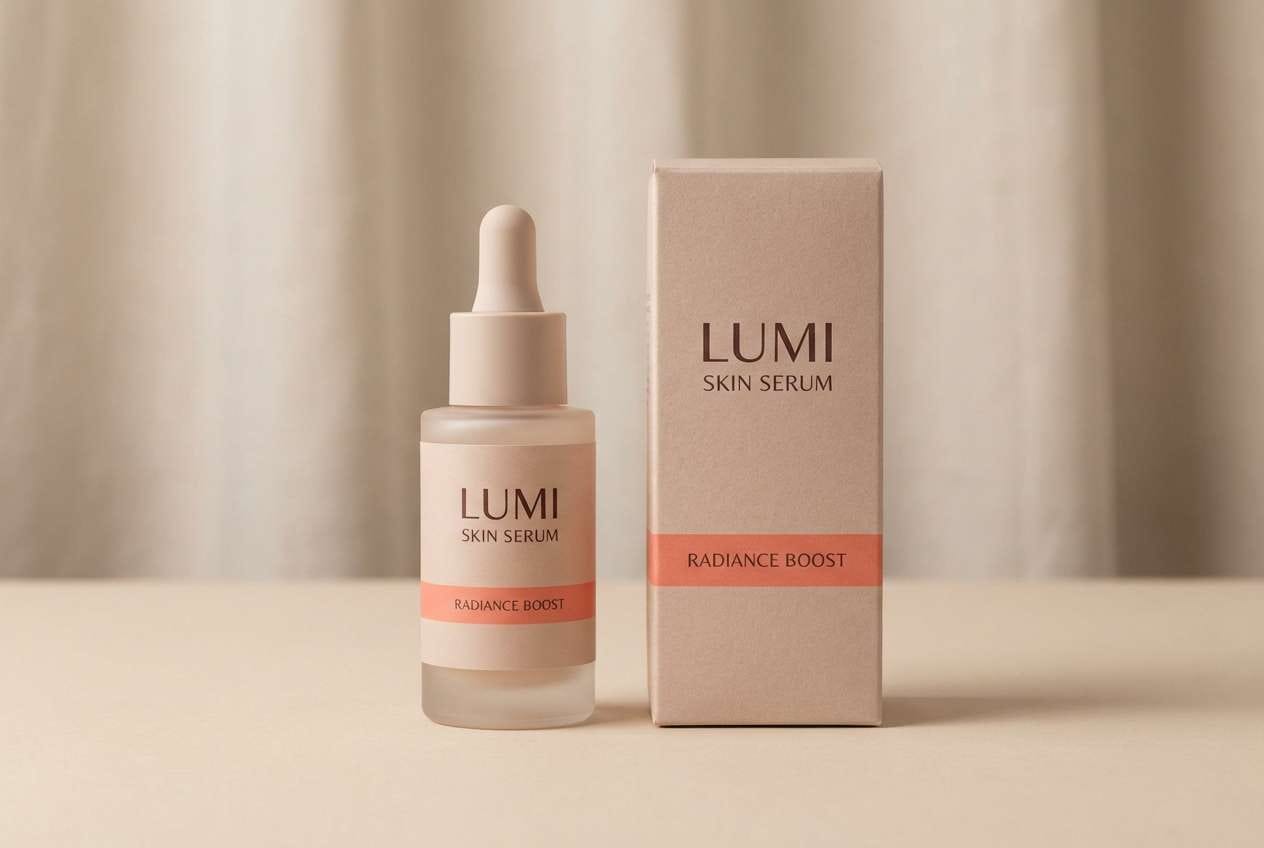
Soft and premium, it feels like a warm blush tint over clean skincare neutrals. The coral salmon color palette works well for beauty when you keep the beige tones dominant and let coral show up in caps, seals, or a single label stripe. Pair it with matte finishes, minimal sans serif type, and lots of breathing room around the product. Usage tip: use the deep cocoa shade only for essential text so the pack stays airy.
Image example of beauty serum packaging generated using media.io
15) Editorial Fashion Spread
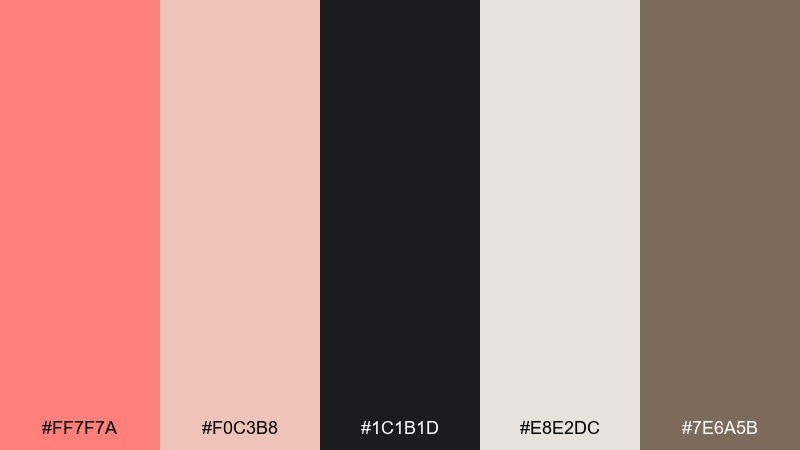
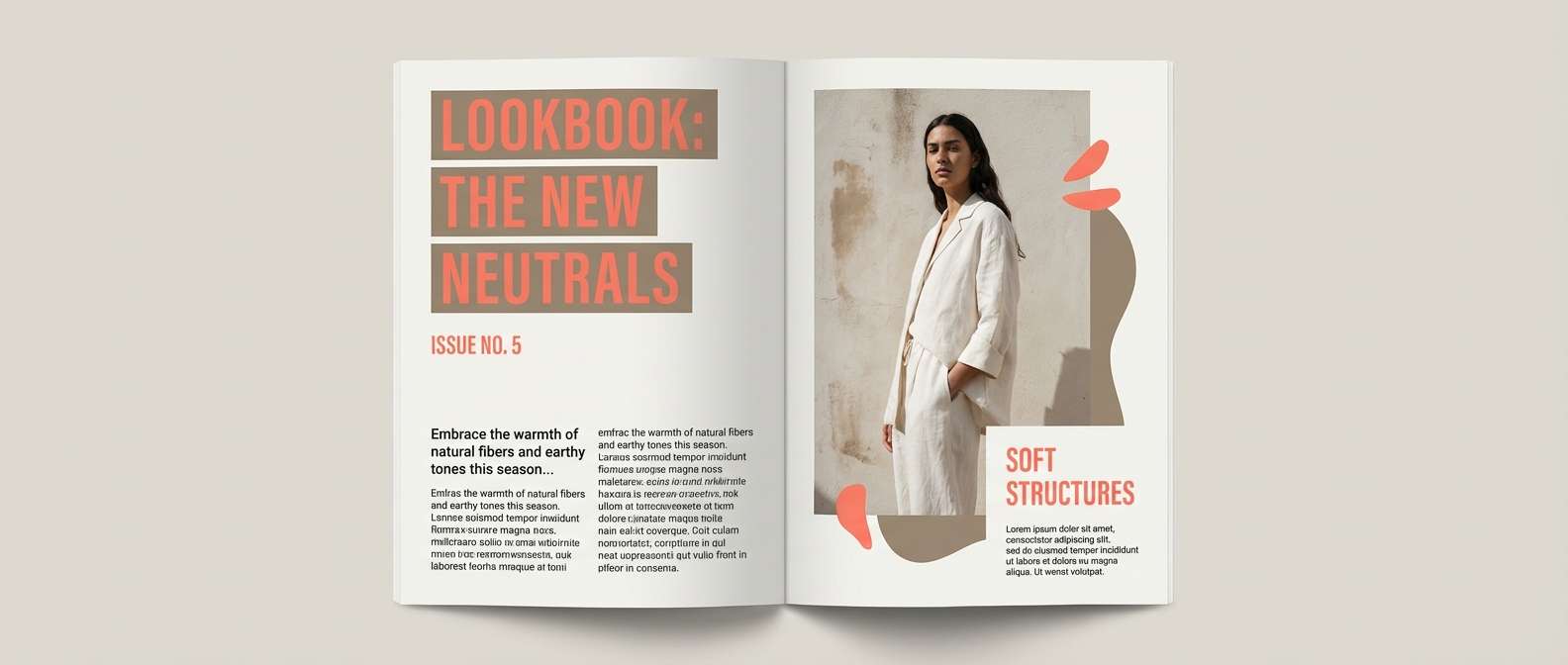
HEX: #FF7F7A #F0C3B8 #1C1B1D #E8E2DC #7E6A5B
Mood: editorial, chic, refined
Best for: magazine layouts and lookbooks
Editorial and chic, it evokes runway warmth with a grounded, ink-like base. Use the near-black for strong type hierarchy, while coral and blush support pull quotes and section markers. The warm taupe adds sophistication to captions, rules, and small UI labels in digital lookbooks. Usage tip: stick to one coral accent per spread so images remain the star.
Image example of editorial fashion spread generated using media.io
16) Kids Party Flyer
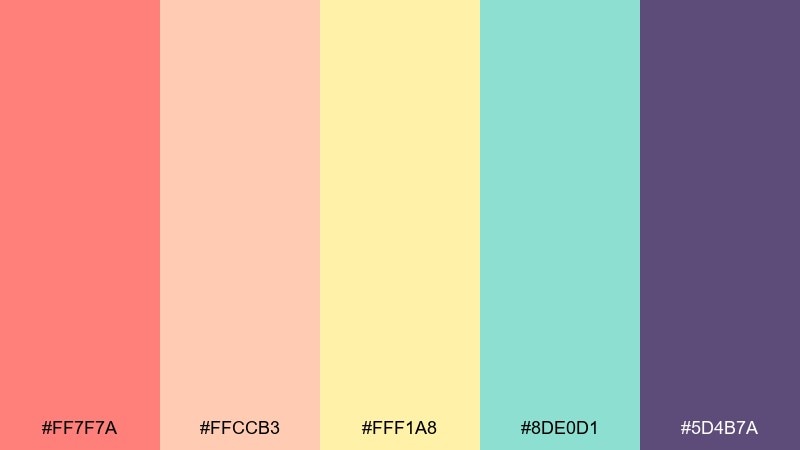
HEX: #FF7F7A #FFCCB3 #FFF1A8 #8DE0D1 #5D4B7A
Mood: cheerful, playful, bright
Best for: birthday flyers and event graphics
Cheerful and playful, these tones feel like confetti, balloons, and sweet lemonade. Use the purple for bold headings and outlines so the lighter colors do not lose definition. Coral and peach are great for big shapes, while mint works for small icons and decorative dots. Usage tip: keep type large and chunky for readability, especially on mobile shares.
Image example of kids party flyer generated using media.io

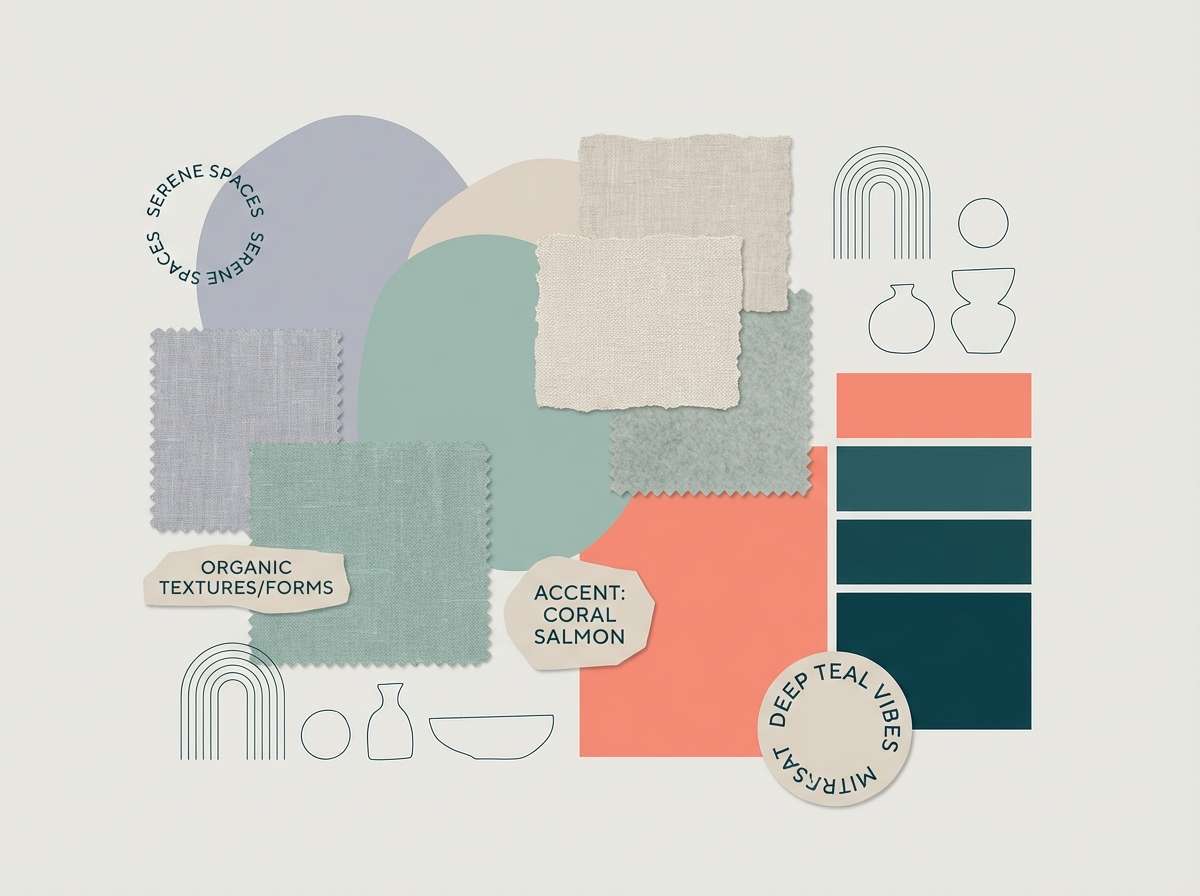
17) Coastal Home Decor
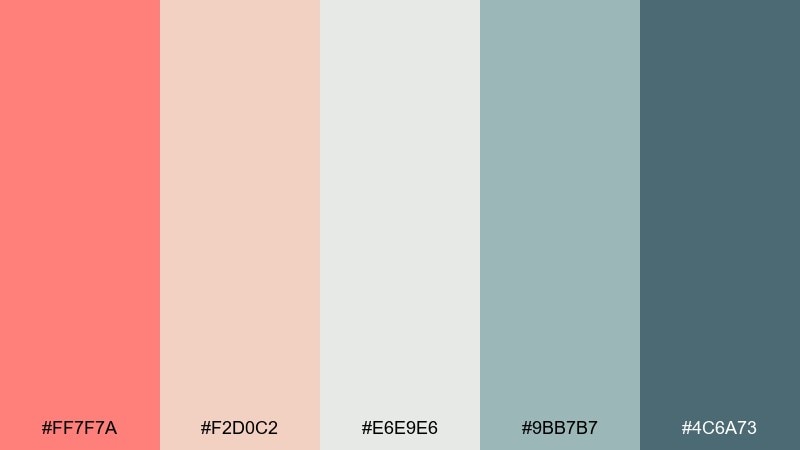
HEX: #FF7F7A #F2D0C2 #E6E9E6 #9BB7B7 #4C6A73
Mood: relaxed, airy, homey
Best for: interior mood boards and home brands
Relaxed and homey, it brings to mind woven throws, driftwood, and a soft coral accent pillow. Let the pale gray and misty blue-green build the room-like backdrop, using coral as a small focal pop. It pairs well with natural materials, simple patterns, and warm lighting in lifestyle photography. Usage tip: keep coral to a single repeated element, like buttons or highlight tags, for a cohesive brand feel.
Image example of coastal home decor generated using media.io
18) Autumn Market Poster
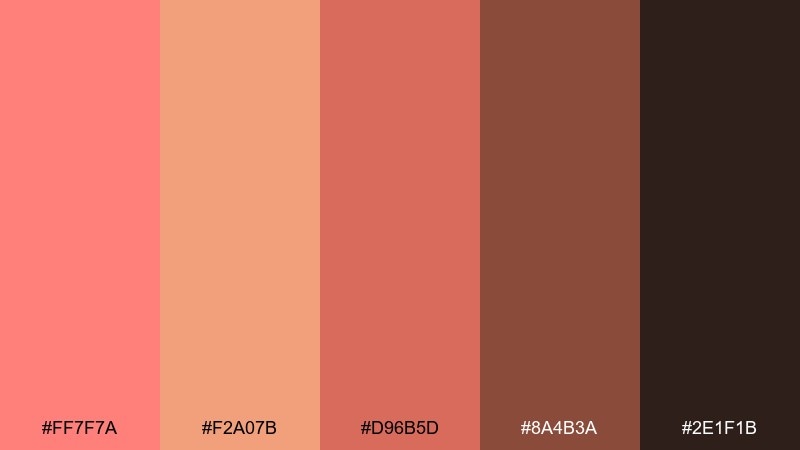
HEX: #FF7F7A #F2A07B #D96B5D #8A4B3A #2E1F1B
Mood: rustic, warm, harvest
Best for: seasonal posters and local events
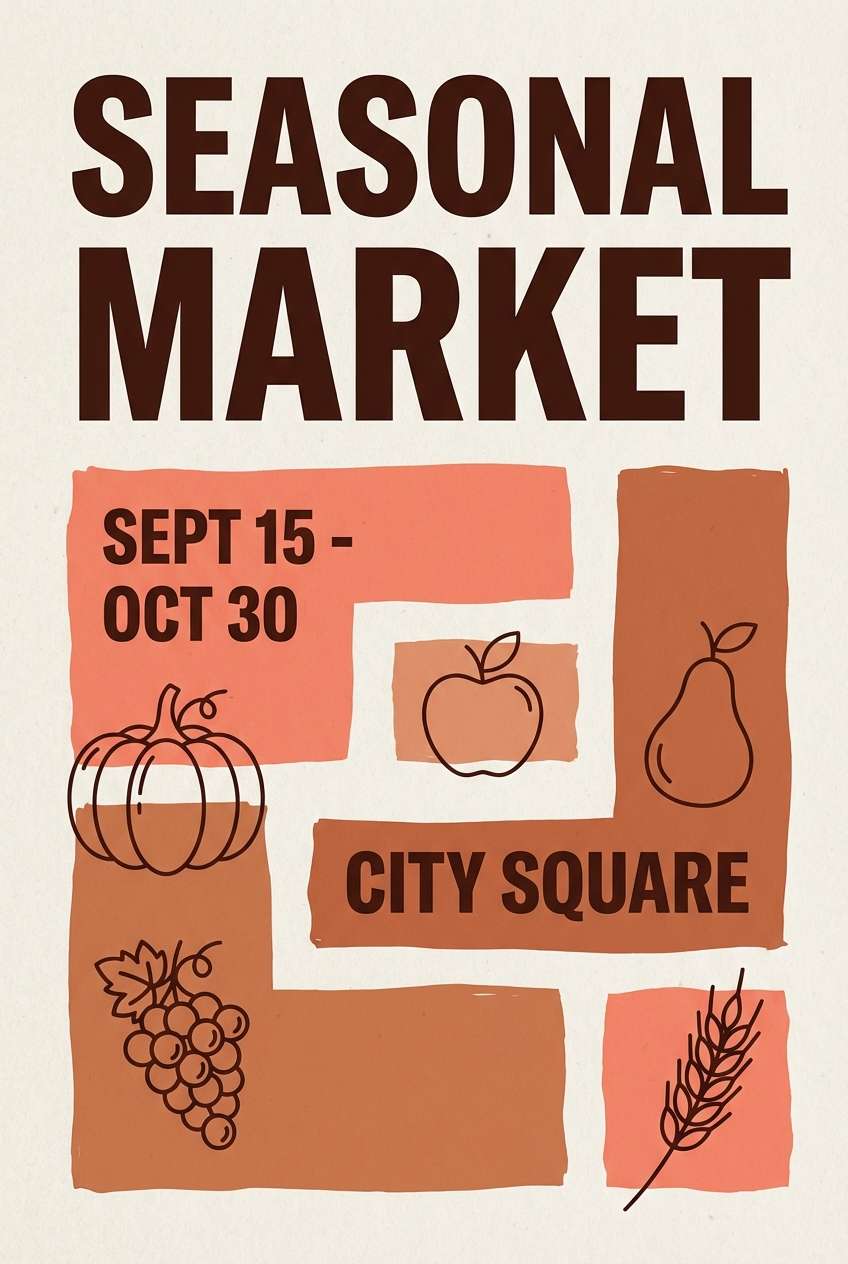
Rustic and warm, it feels like late-season fruit, baked spices, and wooden crates at a market stall. These coral salmon color combinations look best when the deep brown handles type and the mid terracotta shades create big headline blocks. Pair with kraft textures, simple icons, and a few hand-drawn accents for authenticity. Usage tip: use one light tone behind key information so the dark text remains high-contrast at a distance.
Image example of autumn market poster generated using media.io
19) Coral Mint Gelato
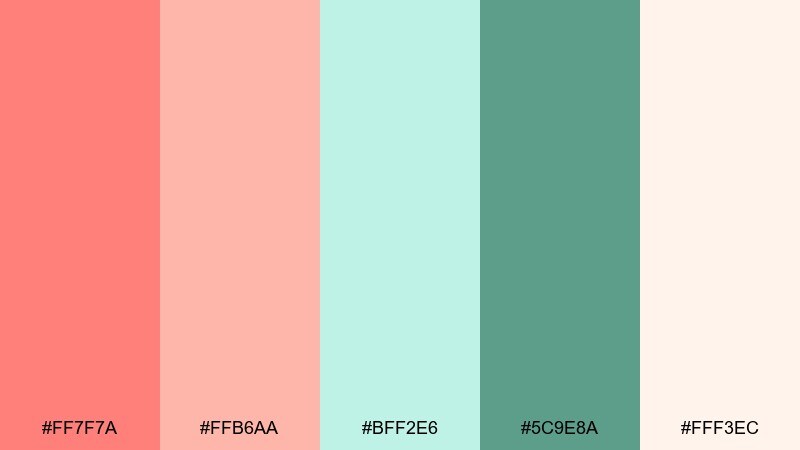
HEX: #FF7F7A #FFB6AA #BFF2E6 #5C9E8A #FFF3EC
Mood: fresh, light, playful
Best for: dessert brands and social templates
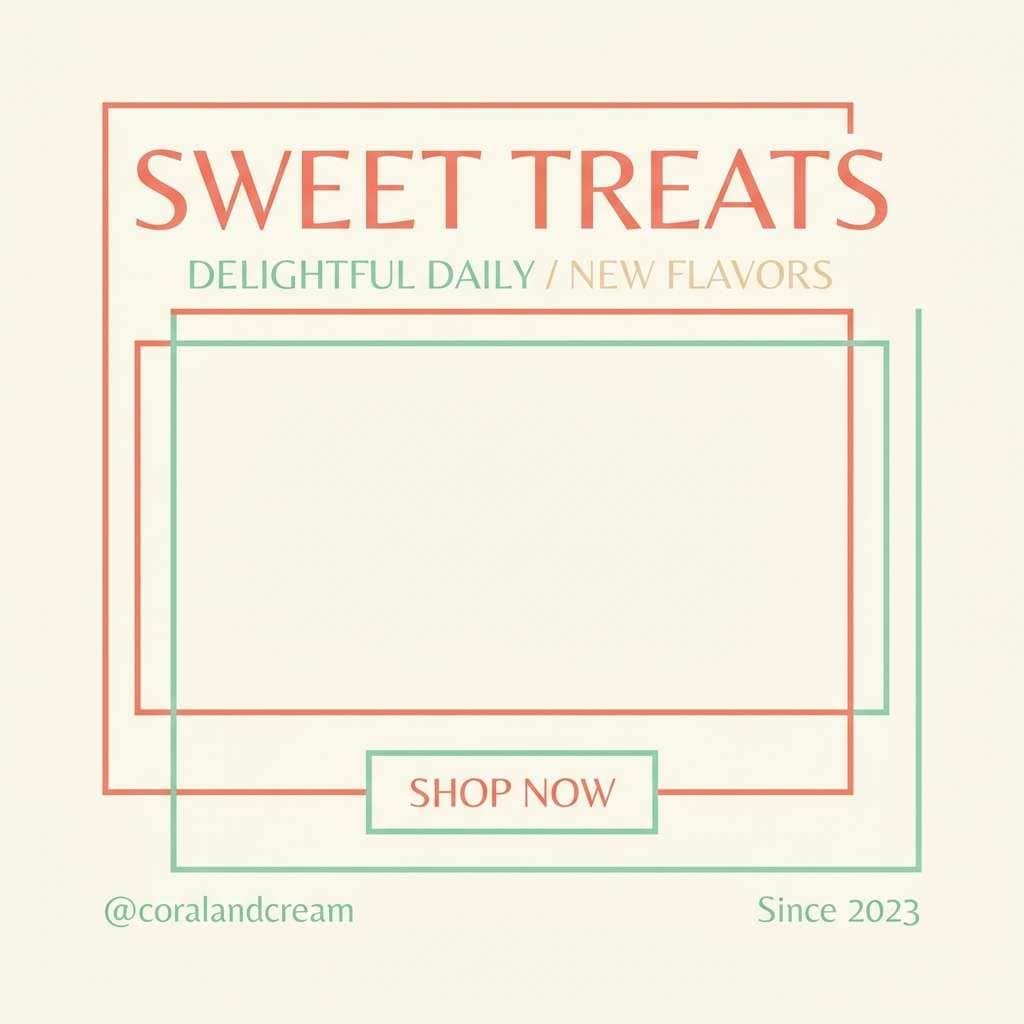
Fresh and light, it gives gelato-shop energy with a cool mint finish. Use the cream as a background to keep the palette bright, then lean on coral for headlines and mint for secondary labels. The deeper green is ideal for icons and small outlines when you need extra clarity. Usage tip: keep shadow colors subtle so the airy look stays clean.
Image example of coral mint gelato generated using media.io
20) Night Bloom Afterhours
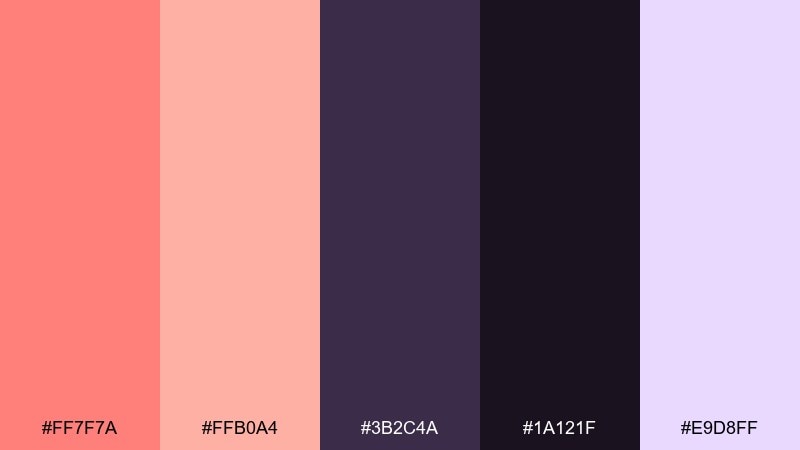
HEX: #FF7F7A #FFB0A4 #3B2C4A #1A121F #E9D8FF
Mood: moody, modern, nightlife
Best for: music event posters and cover art
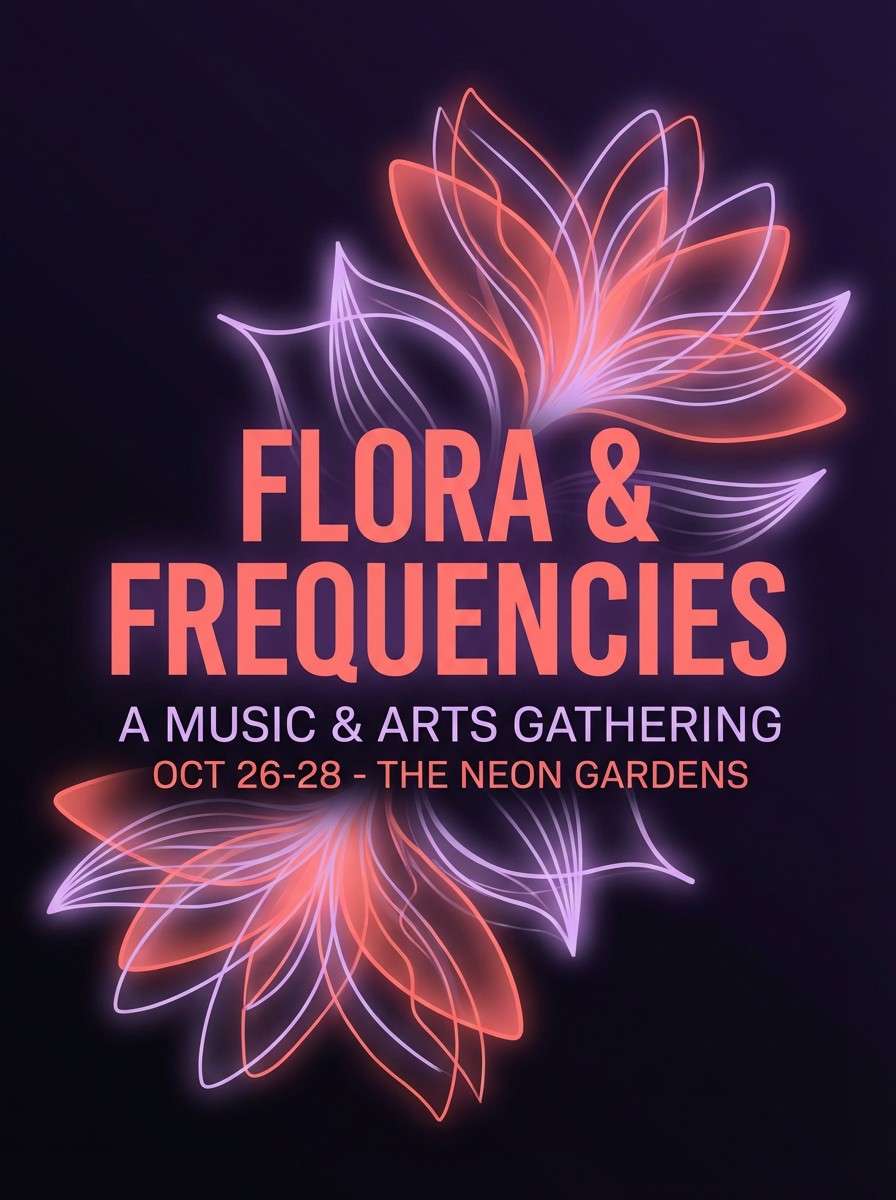
Moody and modern, it feels like neon petals against a midnight sky without going overly loud. Use the near-black and deep violet for the background field, then let coral carry the main title or artist name. The pale lilac works as a soft glow layer for small shapes and separators. Usage tip: keep gradients subtle and centered so the coral headline remains the first thing you read.
Image example of night bloom afterhours generated using media.io
What Colors Go Well with Coral Salmon?
Coral salmon pairs beautifully with soft neutrals like cream, warm off-white, sand, and light taupe—these keep the palette airy and let coral feel refined rather than loud. Charcoal or near-black also helps anchor typography and improve readability.
For contrast, try cool greens and blue-greens (sage, seafoam, teal, mint), or deep blues (navy, ink). These create a modern complementary feel that’s especially effective for landing pages, dashboards, and packaging systems.
If you want a richer, romantic direction, add dusty rose, mauve, plum, or wine. Keeping coral as the “spark” and using deeper tones for type and structure makes the overall palette feel intentional.
How to Use a Coral Salmon Color Palette in Real Designs
In UI design, use coral salmon as a primary action color for buttons, progress states, or key metrics, then keep backgrounds neutral to reduce visual fatigue. Pair it with navy or charcoal for navigation and headings so hierarchy stays crystal clear.
For branding and packaging, coral works best when it’s given space: large quiet fields (off-white, beige, cream) with coral as a stripe, seal, or hero label. Add one grounded accent (brown, taupe, or deep teal) for typography and small details.
In event and social graphics, coral salmon can carry big shapes and headline blocks, while a contrasting accent (mint, lavender, or yellow) adds playful variety. Repeat one coral element consistently to keep the design cohesive.
Create Coral Salmon Palette Visuals with AI
If you already have HEX codes but need real mockups—posters, UI screens, packaging, or mood boards—AI image generation can help you explore multiple layout directions quickly. Start with one palette, describe the design type, and keep the prompt focused on color dominance.
For best results, mention the style (minimal, editorial, watercolor, realistic studio shot) and the use case (landing page hero, wedding invite, skincare packaging). Then iterate by adjusting only one variable at a time (lighting, texture, or typography style).
Coral Salmon Color Palette FAQs
-
What is the HEX code for coral salmon?
A commonly used coral salmon HEX is #FF7F7A. Depending on the exact mix of pink/orange and brightness, “salmon” can vary, so always confirm with your palette swatch. -
Is coral salmon more pink or more orange?
Coral salmon typically sits in the middle: pink-leaning coral with a warm orange undertone. It reads warmer than blush pink, but softer than orange. -
What colors complement coral salmon best?
Deep cool tones like navy, teal, and blue-green complement coral salmon well, creating strong contrast. Soft neutrals (cream, off-white, beige) also pair nicely for a calm, premium look. -
Can I use coral salmon for website buttons?
Yes—coral salmon is excellent for CTAs. Use a dark text color for body copy (charcoal/near-black) and test contrast on buttons to ensure accessibility, especially on light backgrounds. -
Is coral salmon good for wedding color palettes?
It’s a popular choice because it feels romantic and fresh without being overly sweet. Pair it with ivory/cream, soft lavender, or muted greenery for elegant invitations and decor. -
What’s the best neutral to pair with coral salmon?
Warm off-white, cream, and light taupe are the easiest neutrals to pair with coral salmon because they preserve its warmth. For sharper contrast in UI, add charcoal or deep navy for structure. -
How do I keep coral salmon from looking too bright?
Use it as an accent (10–20% of the layout), and let neutrals or muted greens/blues take over larger surfaces. Reducing saturation in supporting shades also makes coral feel more sophisticated.
Next: Blond Color Palette


