

Cerise is a vivid, modern pink that sits between magenta and fuchsia, making it ideal for designs that need confident energy without sacrificing polish.
Below are 20+ cerise color palette ideas with HEX codes, plus practical pairing tips for branding, UI, and print.
In this article
- Why Cerise Palettes Work So Well
-
- velvet cerise
- cerise and sandstone
- midnight cerise
- cerise citrus pop
- retro diner cerise
- cerise noir accent
- rosewood cerise
- cerise glacier
- cerise terracotta studio
- cerise lagoon balance
- cerise pastel studio
- cerise olive twist
- cerise champagne glow
- cerise ink and paper
- cerise neon night
- cerise autumn knit
- cerise minimal beige
- cerise garden watercolor
- cerise copper luxe
- cerise denim casual
- cerise slate calm
- cerise sunlit market
- What Colors Go Well with Cerise?
- How to Use a Cerise Color Palette in Real Designs
- Create Cerise Palette Visuals with AI
Why Cerise Palettes Work So Well
Cerise is naturally attention-grabbing, so it performs well as an accent in interfaces, ads, and packaging where you need a clear focal point (buttons, prices, or key messages).
It also adapts to different styles: pair it with black for editorial contrast, with beige for minimal warmth, or with blues/teals for fresher, calmer energy.
Because cerise is saturated, it benefits from supporting neutrals. The best cerise palettes create “breathing room” with off-whites, paper tones, or soft greys so the pink stays intentional, not overwhelming.
20+ Cerise Color Palette Ideas (with HEX Codes)
1) Velvet Cerise
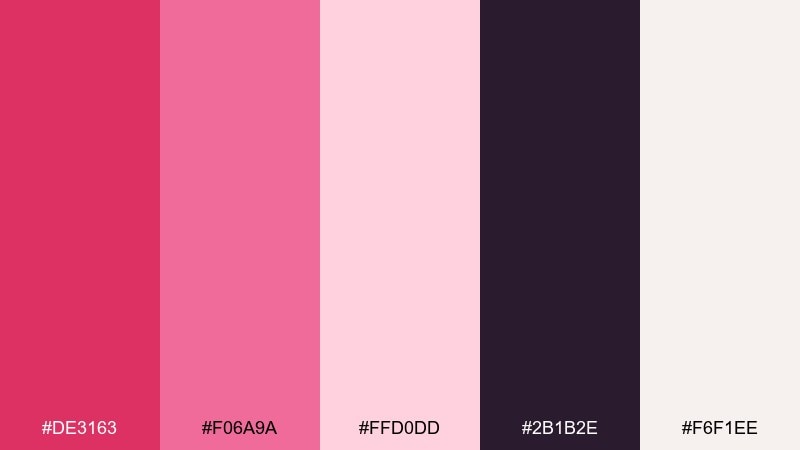
HEX: #DE3163 #F06A9A #FFD0DD #2B1B2E #F6F1EE
Mood: romantic, plush, confident
Best for: beauty branding and premium landing pages
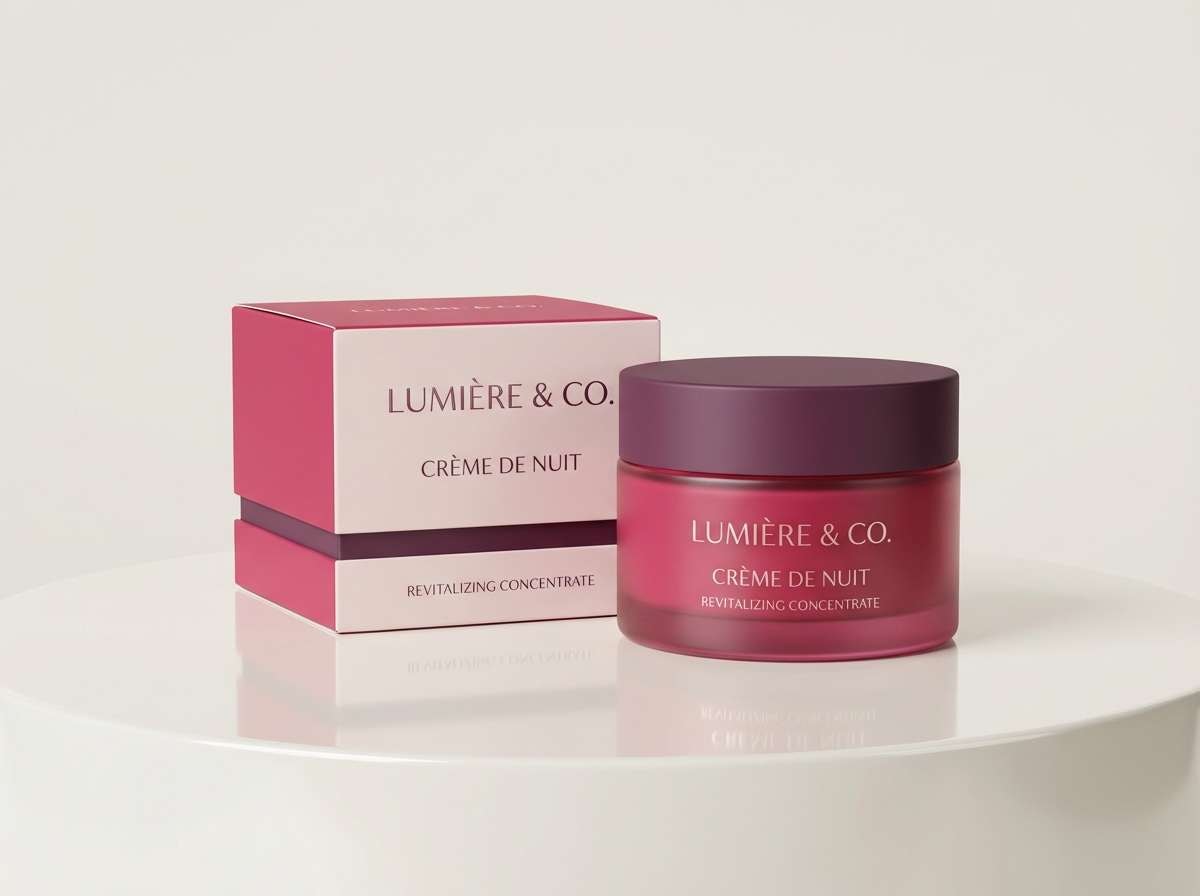
Plush and romantic like velvet petals under soft spotlight, this mix feels confident without being loud. The deep plum grounds the bright pink so the page never looks sugary. Use it as a cerise color palette for hero sections, badges, and call-to-action buttons, then let the off-white carry body text. Pair with subtle grain textures and keep gradients minimal for a premium finish.
Image example of velvet cerise generated using media.io
Media.io is an online AI studio for creating and editing video, image, and audio in your browser.


2) Cerise and Sandstone
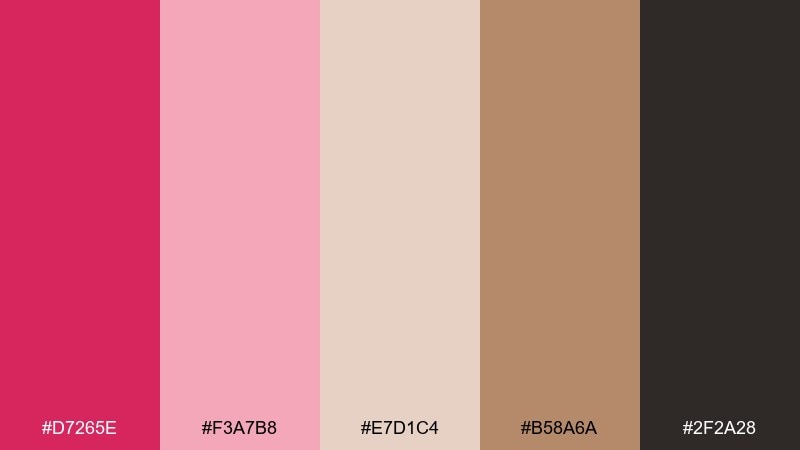
HEX: #D7265E #F3A7B8 #E7D1C4 #B58A6A #2F2A28
Mood: warm, grounded, boutique
Best for: lifestyle product ads and boutique packaging
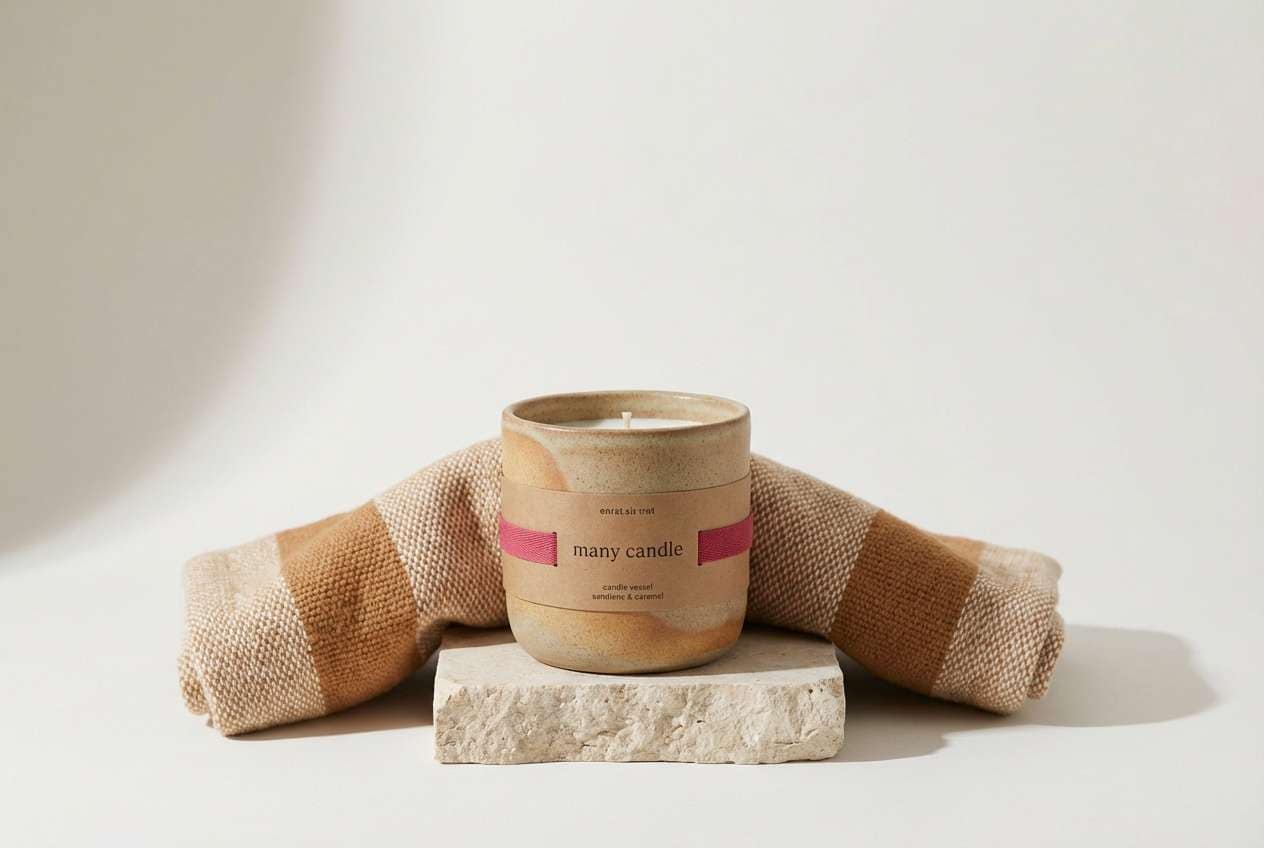
Warm and grounded like a boutique storefront at golden hour, these tones balance punchy pink with sun-baked neutrals. The sandstone and caramel shades soften cerise so it feels wearable and calm. Use the dark espresso for headlines and the dusty blush for supporting panels. A good tip is to keep cerise as a single focal element per layout to avoid visual fatigue.
Image example of cerise and sandstone generated using media.io
3) Midnight Cerise
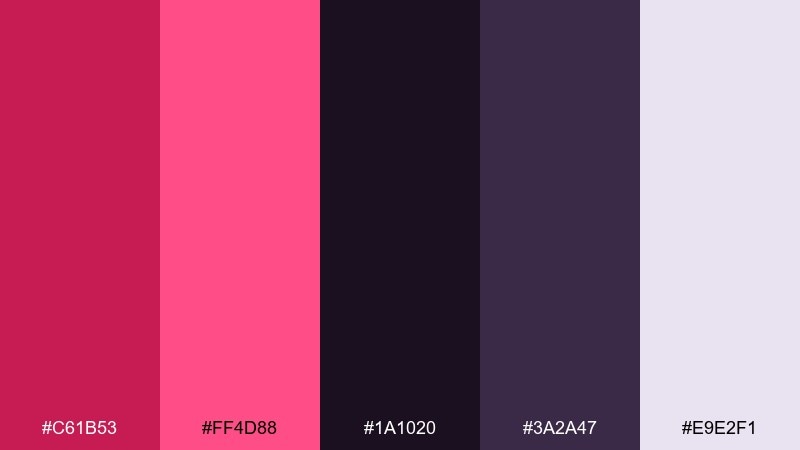
HEX: #C61B53 #FF4D88 #1A1020 #3A2A47 #E9E2F1
Mood: moody, nocturnal, sleek
Best for: music posters and nightlife event flyers
Moody and nocturnal like neon spilling onto wet pavement, this set leans sleek and dramatic. The near-black and aubergine keep the hot pink feeling intentional, not playful. Use high contrast for titles and date blocks, and reserve the light lavender for small text and spacing. For print, choose a matte stock so the dark base looks rich rather than shiny.
Image example of midnight cerise generated using media.io

4) Cerise Citrus Pop
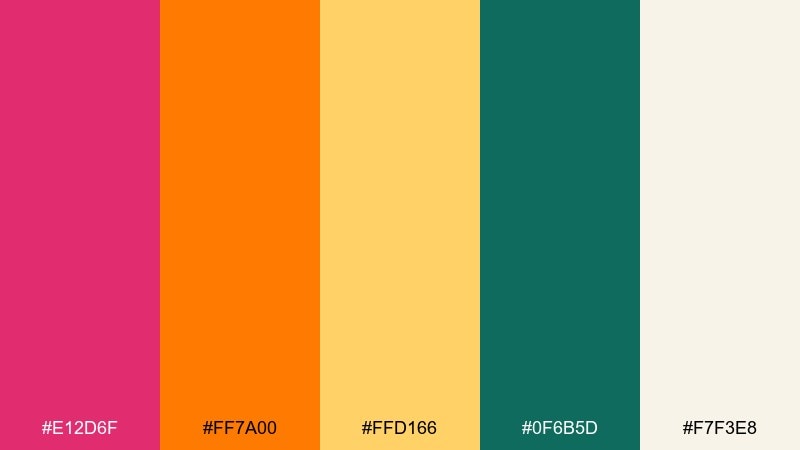
HEX: #E12D6F #FF7A00 #FFD166 #0F6B5D #F7F3E8
Mood: playful, sunny, energetic
Best for: summer campaign graphics and social ads
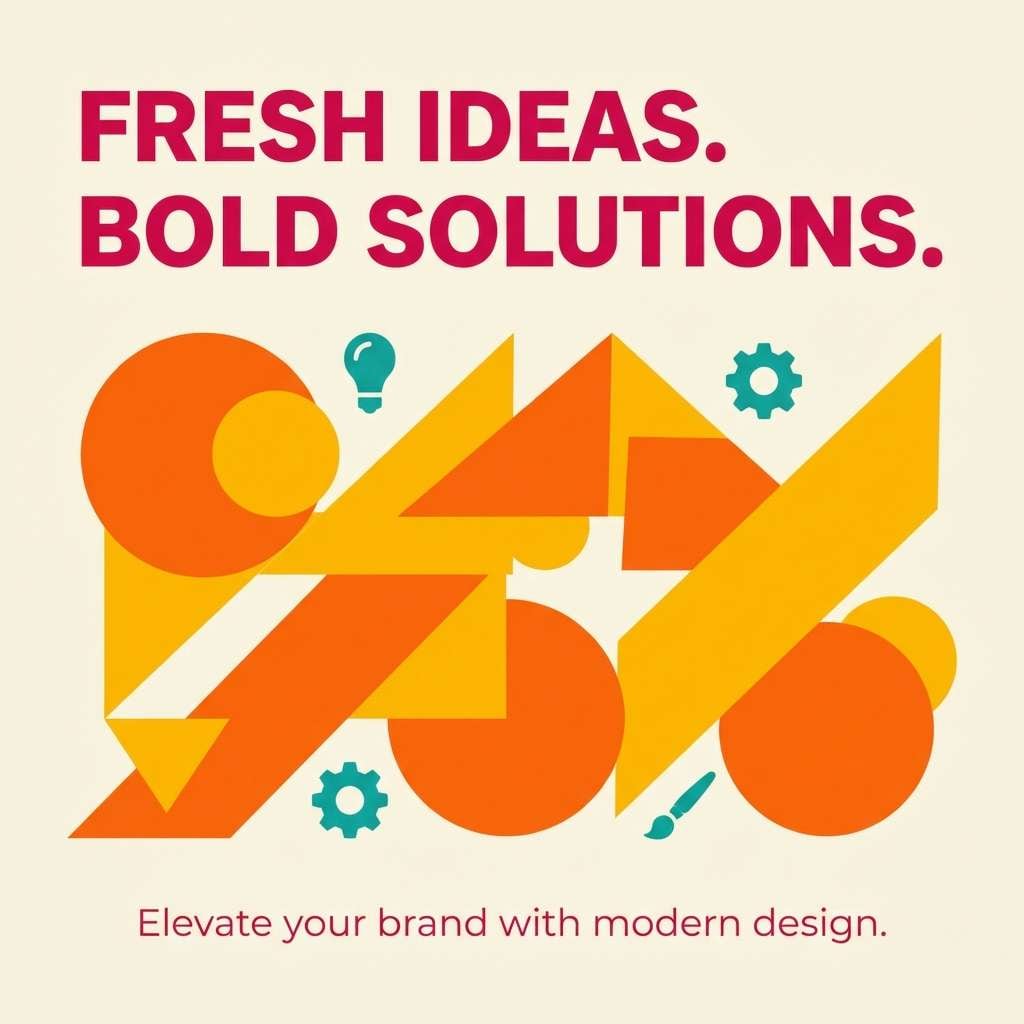
Playful and sunny like a fruit stand on a bright weekend, this palette pops with cheerful contrast. The orange and butter-yellow amplify the cerise while teal keeps it modern and punchy. It shines in short-lived promos, story templates, and bold sticker-style badges. Use the cream as breathing room so the saturated colors feel crisp rather than chaotic.
Image example of cerise citrus pop generated using media.io
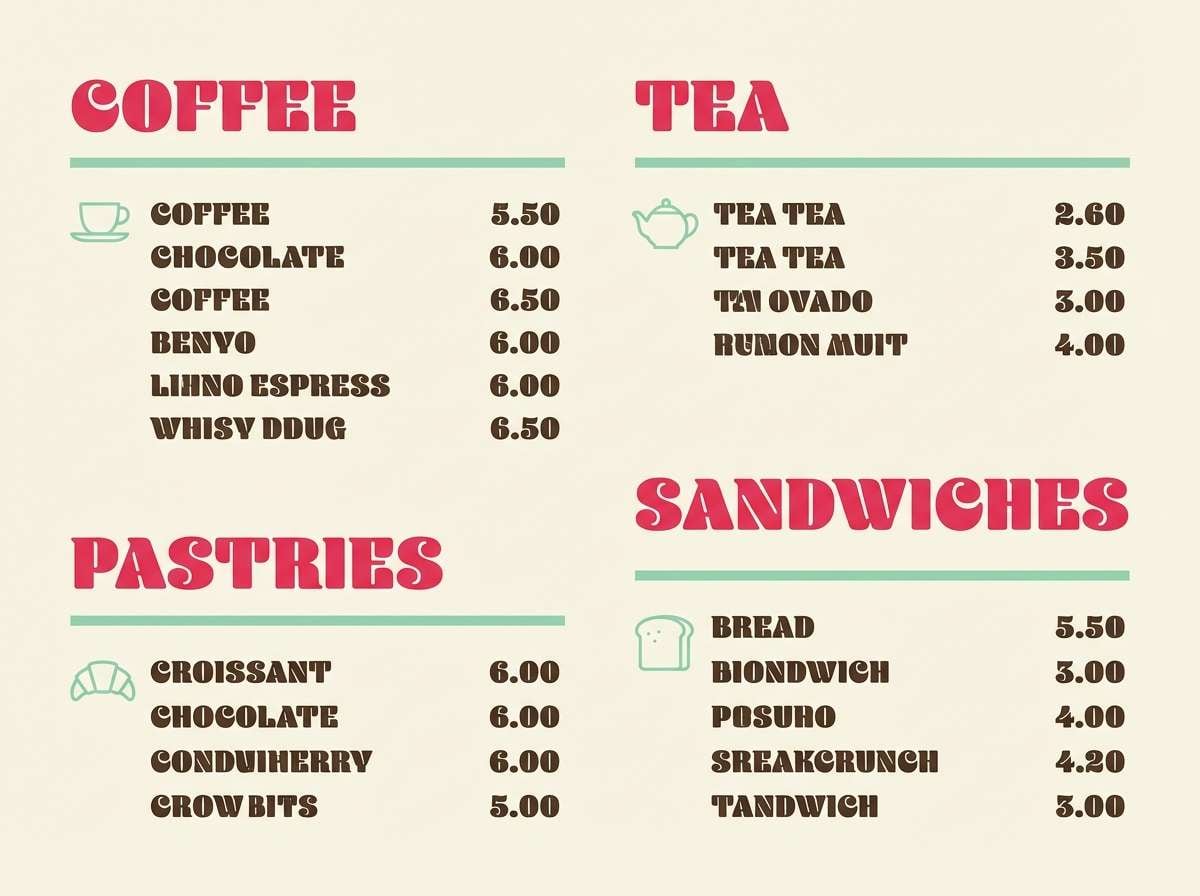
5) Retro Diner Cerise
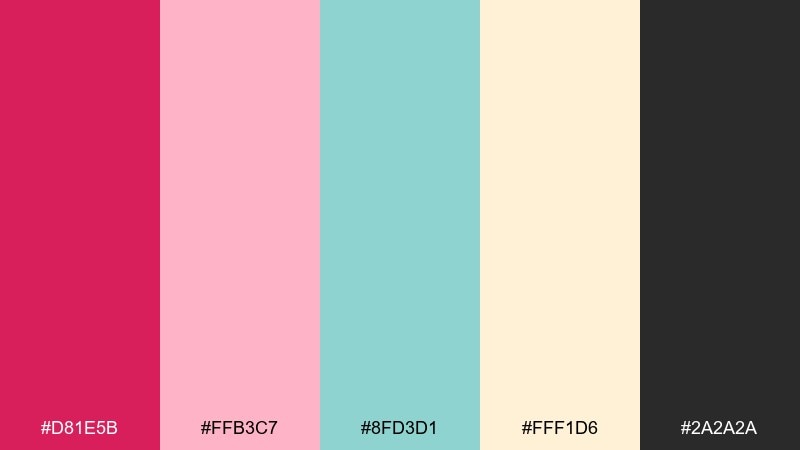
HEX: #D81E5B #FFB3C7 #8FD3D1 #FFF1D6 #2A2A2A
Mood: retro, friendly, nostalgic
Best for: cafe menus and small business signage
Nostalgic and friendly like a classic diner booth, this mix feels upbeat and approachable. Cerise pairs with minty aqua for a playful contrast that still reads clean. Use charcoal for readable menu text and keep the blush as a soft background block. A simple tip is to repeat the cerise accent only on key prices or category headers for quick scanning.
Image example of retro diner cerise generated using media.io
6) Cerise Noir Accent
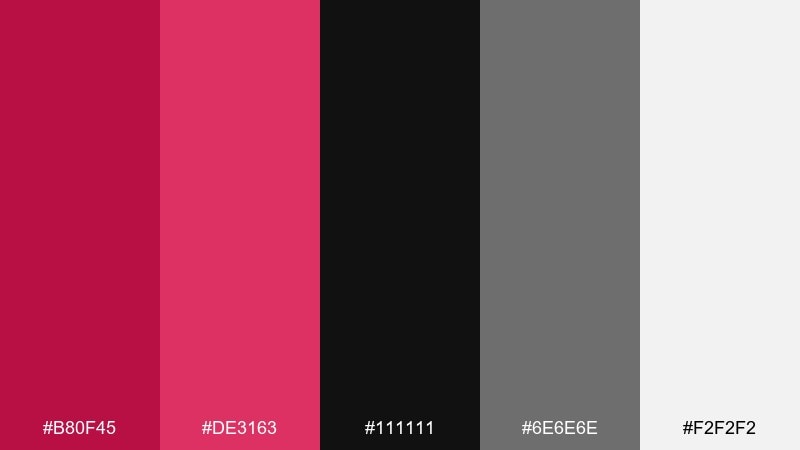
HEX: #B80F45 #DE3163 #111111 #6E6E6E #F2F2F2
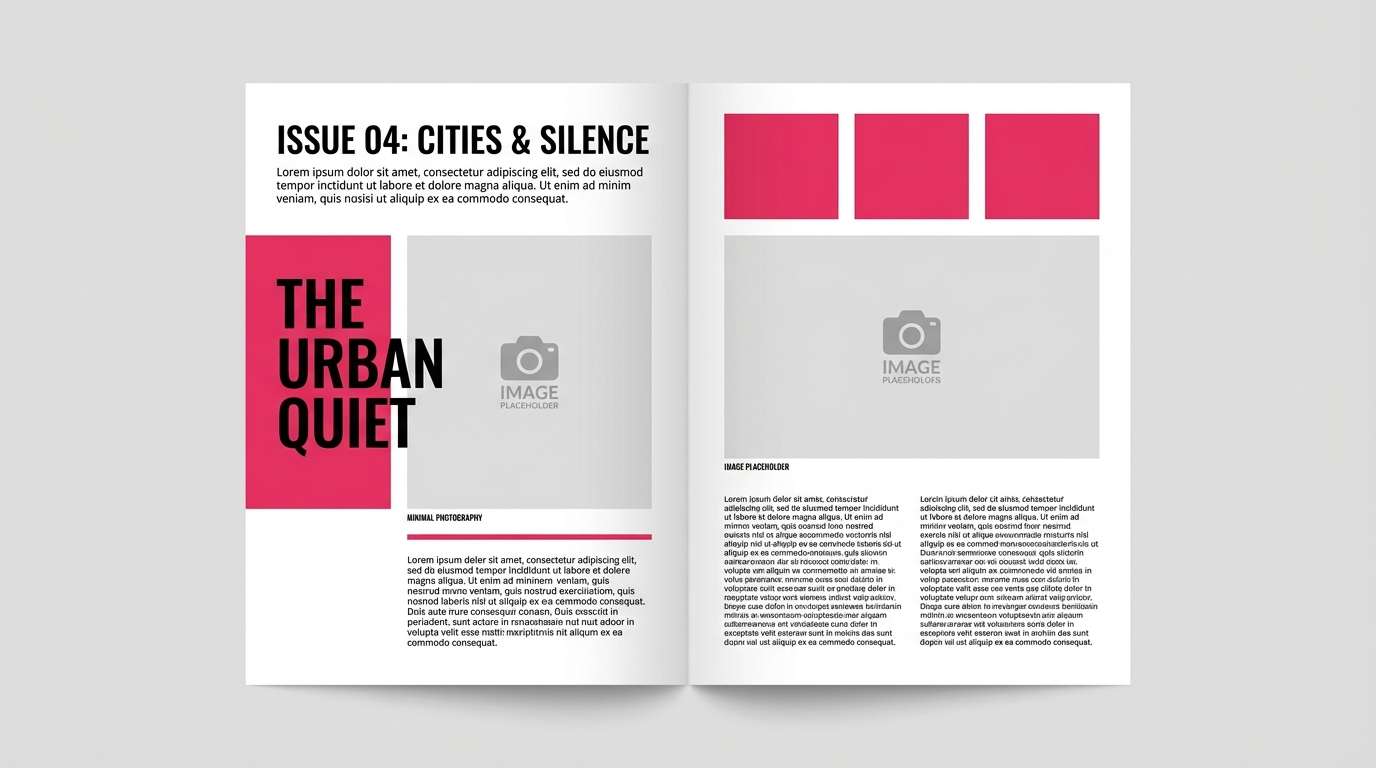
Mood: bold, editorial, high-contrast
Best for: fashion lookbooks and editorial layouts
Bold and editorial like a runway spotlight, these tones thrive on sharp contrast. Black and grey make cerise feel modern and intentional, especially in large type and minimal grids. Keep the bright pink for pull quotes, section dividers, or one striking cover element. For best results, choose one cerise shade and stick to it across pages for consistency.
Image example of cerise noir accent generated using media.io
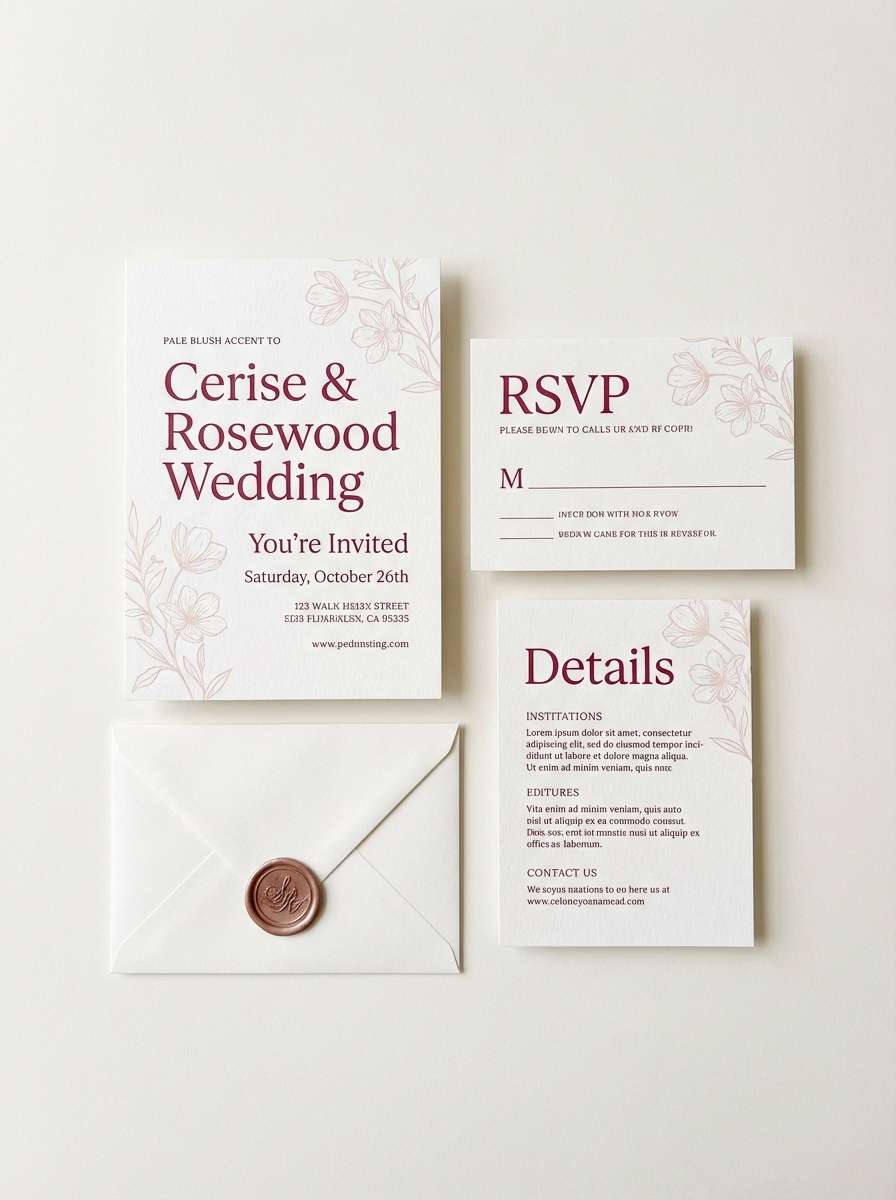
7) Rosewood Cerise
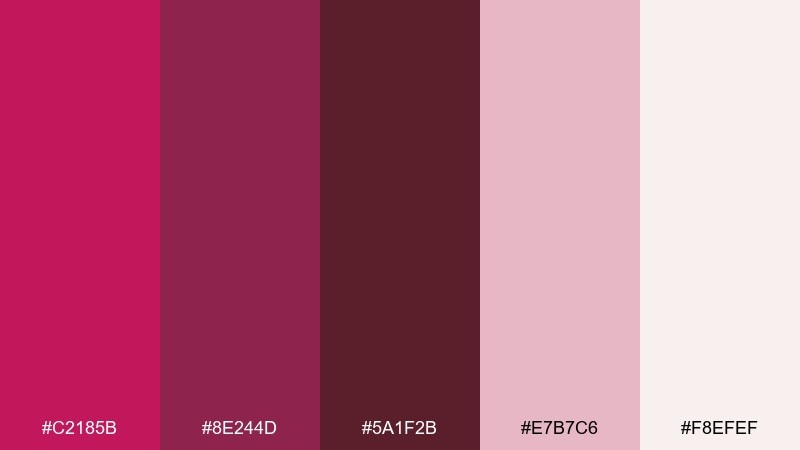
HEX: #C2185B #8E244D #5A1F2B #E7B7C6 #F8EFEF
Mood: romantic, vintage, intimate
Best for: wedding invitations and stationery sets
Romantic and intimate like dried roses tucked into a keepsake book, this set leans vintage. Deep rosewood tones make the pink feel refined and softly dramatic. Use the pale blush for paper-like backgrounds and the darkest shade for serif typography. Add a thin line border in mid-rose to tie the suite together without clutter.
Image example of rosewood cerise generated using media.io
8) Cerise Glacier
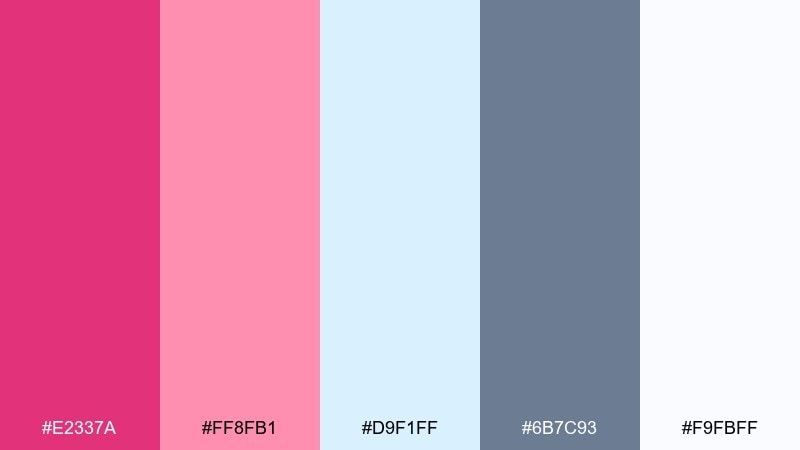
HEX: #E2337A #FF8FB1 #D9F1FF #6B7C93 #F9FBFF
Mood: fresh, airy, modern
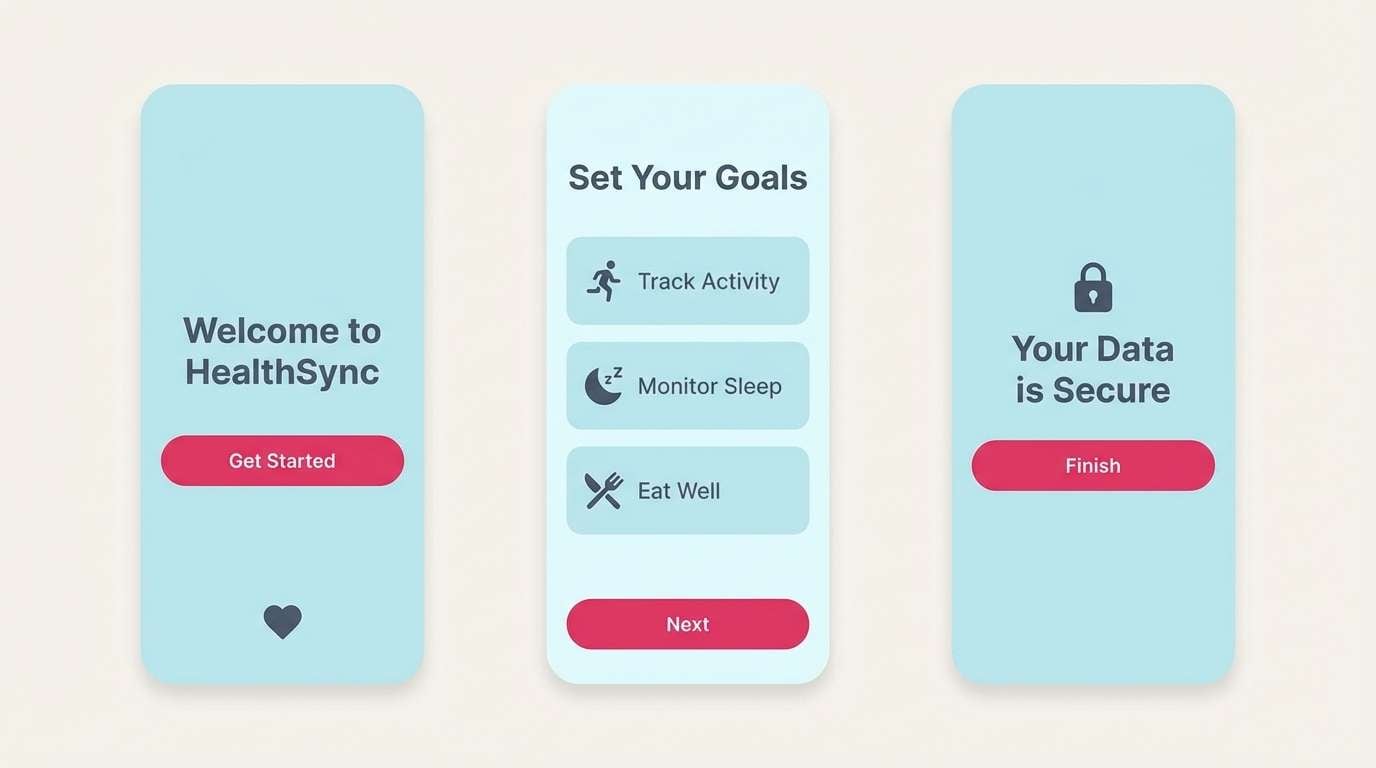
Best for: health apps and onboarding screens
Fresh and airy like frost-tinted daylight, this palette keeps cerise feeling light and friendly. Ice blue and soft white create space, while slate keeps interface text readable. Use cerise for primary actions and progress highlights, then let the cool tones carry cards and separators. Keep shadows subtle so the overall feel stays crisp and clean.
Image example of cerise glacier generated using media.io
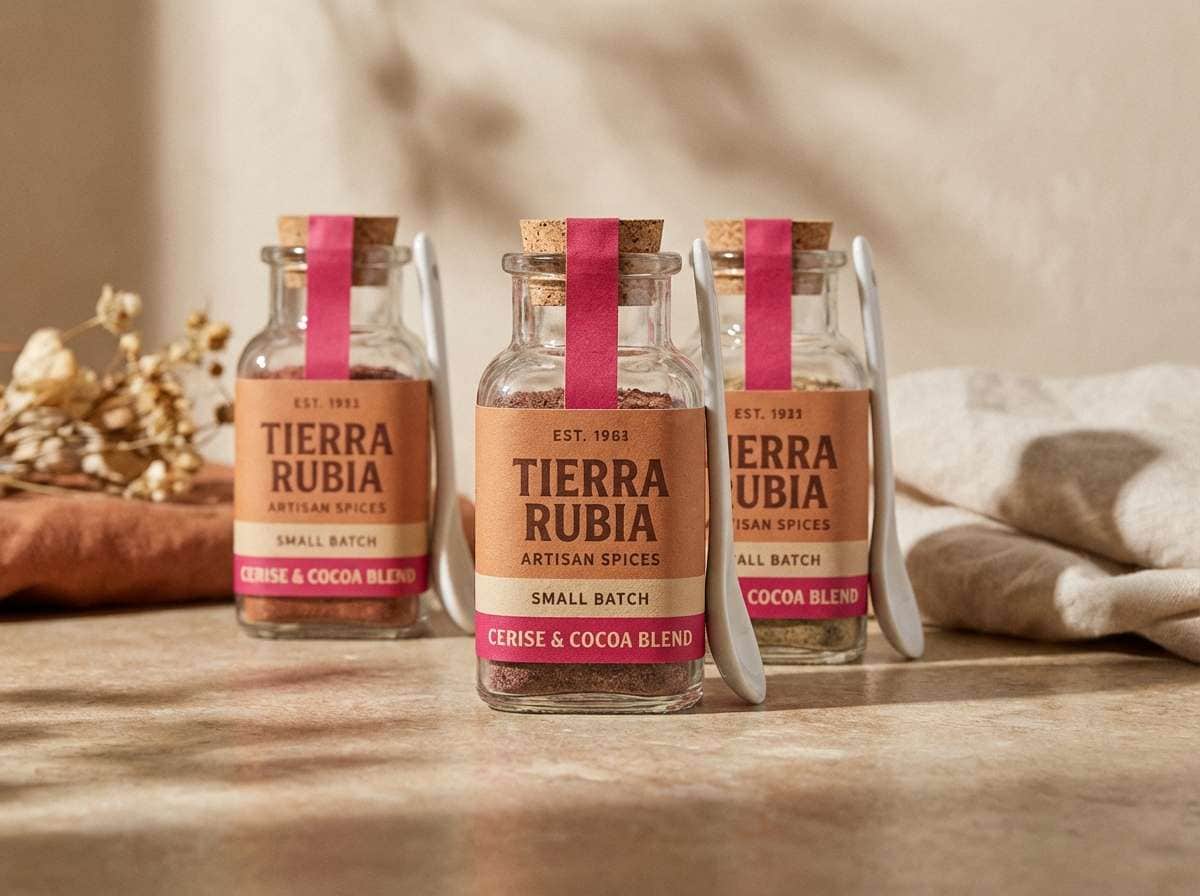
9) Cerise Terracotta Studio
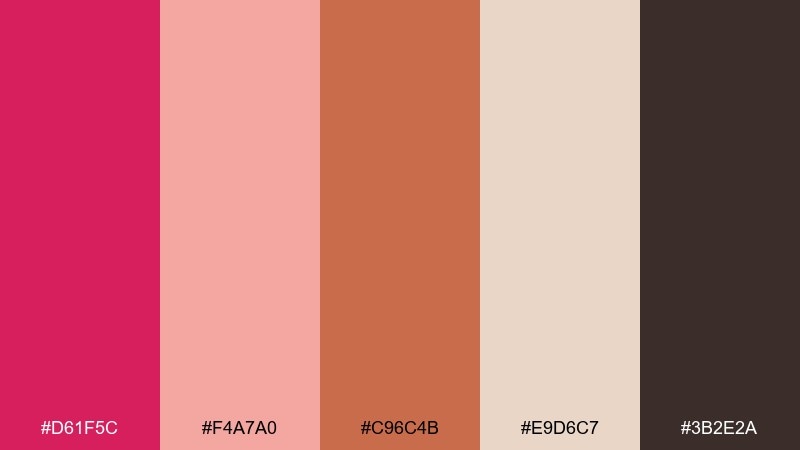
HEX: #D61F5C #F4A7A0 #C96C4B #E9D6C7 #3B2E2A
Mood: artsy, earthy, handcrafted
Best for: ceramics brands and artisan product labels
Artsy and handcrafted like a pottery studio shelf, these tones feel warm and human. Terracotta and clay neutrals make cerise read like a natural pigment rather than a neon pop. Use the dark cocoa for label copy and the pale sand for plenty of negative space. A helpful tip is to print cerise as a spot accent for a more tactile, crafted look.
Image example of cerise terracotta studio generated using media.io
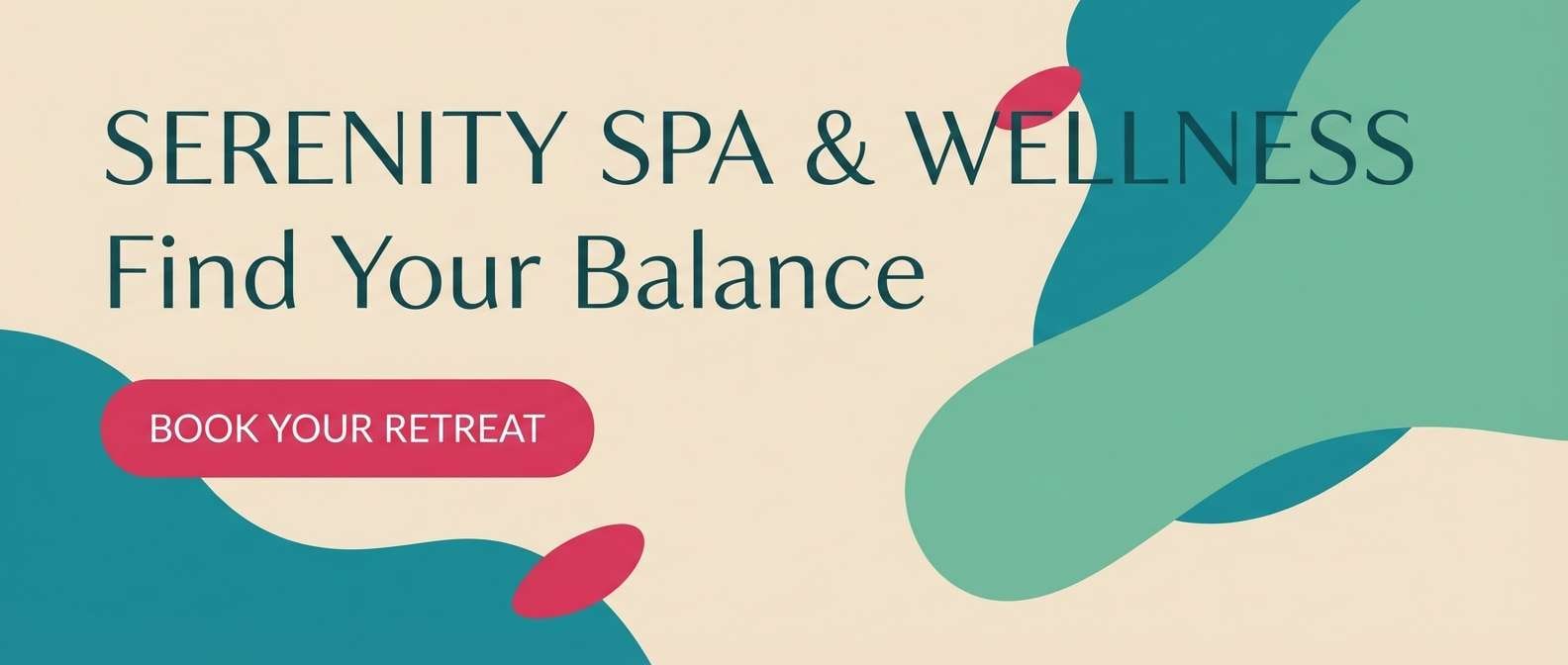
10) Cerise Lagoon Balance
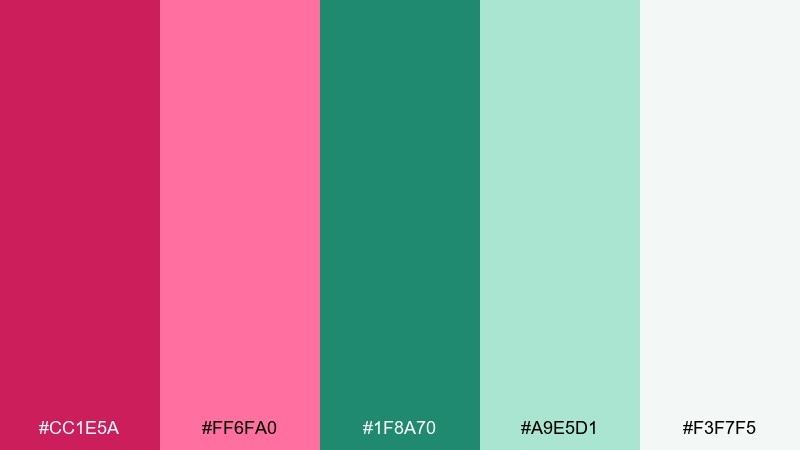
HEX: #CC1E5A #FF6FA0 #1F8A70 #A9E5D1 #F3F7F5
Mood: fresh, coastal, upbeat
Best for: wellness websites and spa promotions
Fresh and coastal like a lagoon breeze, this mix feels upbeat without being sugary. Teal and seafoam cool down the cerise, making it perfect for wellness and calm-energy brands. Use cerise for small highlights like icons or limited-time tags, and let the greens carry the soothing background areas. Keep contrast high for accessibility by using dark text over the pale neutrals.
Image example of cerise lagoon balance generated using media.io
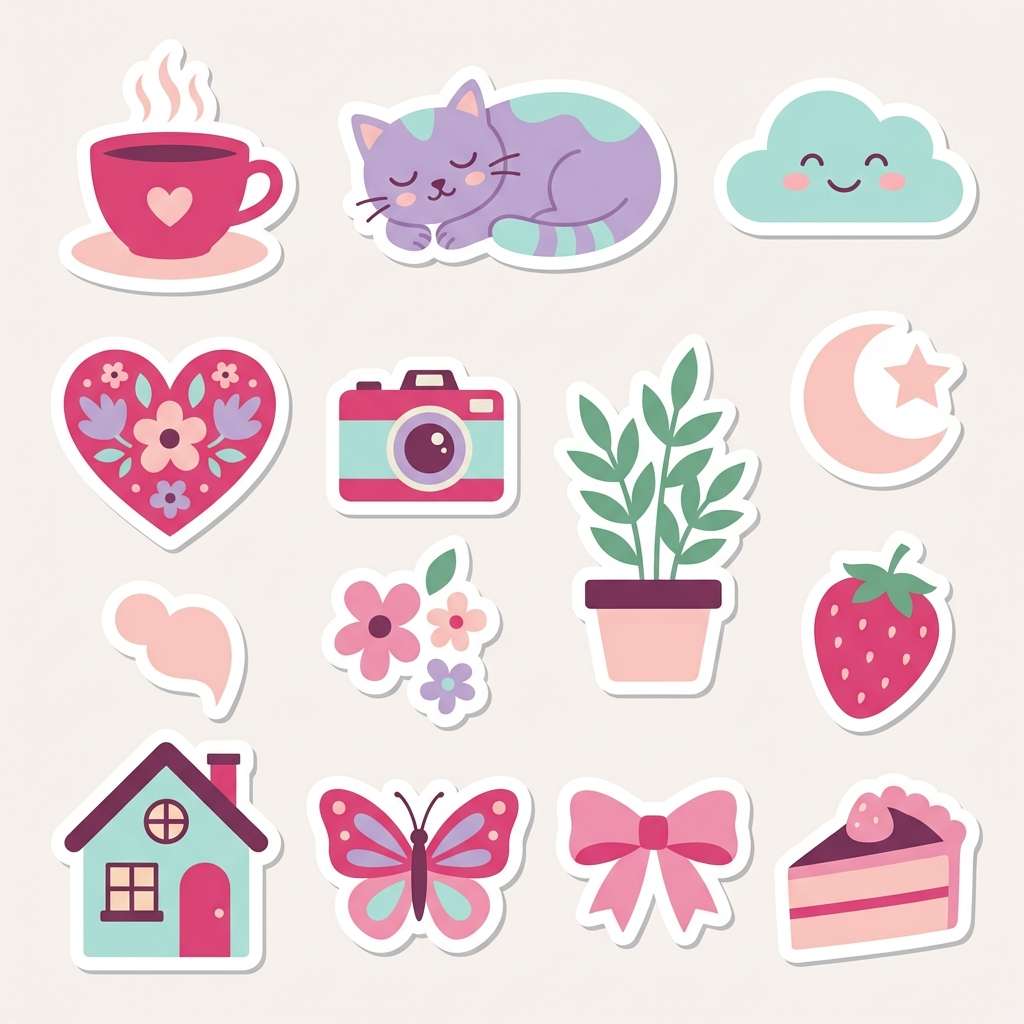
11) Cerise Pastel Studio
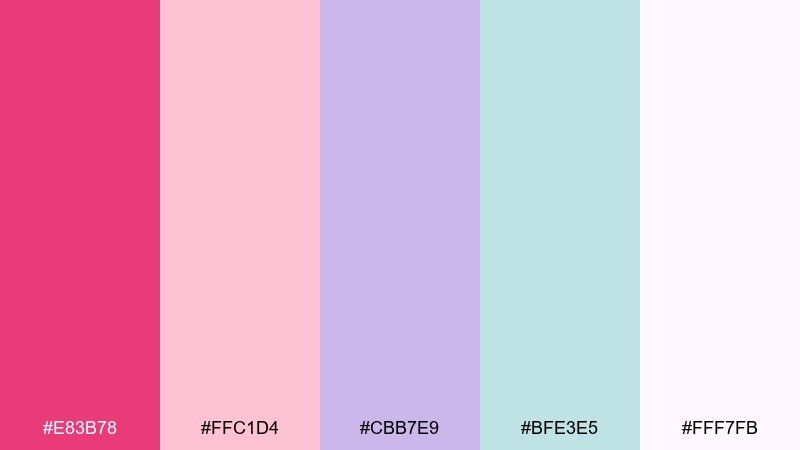
HEX: #E83B78 #FFC1D4 #CBB7E9 #BFE3E5 #FFF7FB
Mood: soft, dreamy, creative
Best for: creator branding and sticker packs
Soft and dreamy like pastel markers on fresh paper, these tones feel playful and creative. Cerise becomes a gentle focal point when surrounded by lavender and pale aqua. Use it for logo marks, highlight strokes, or sticker outlines, and keep the light pink as the main canvas. A quick tip is to use flat fills instead of gradients to preserve the cute, illustrated vibe.
Image example of cerise pastel studio generated using media.io
12) Cerise Olive Twist
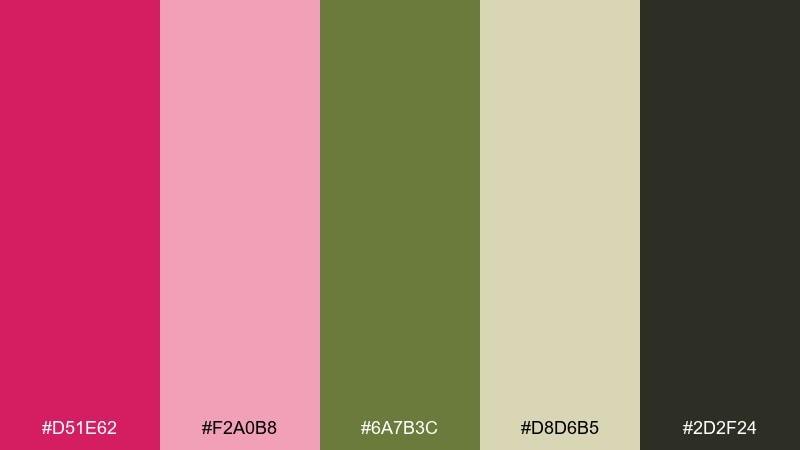
HEX: #D51E62 #F2A0B8 #6A7B3C #D8D6B5 #2D2F24
Mood: unexpected, modern, earthy
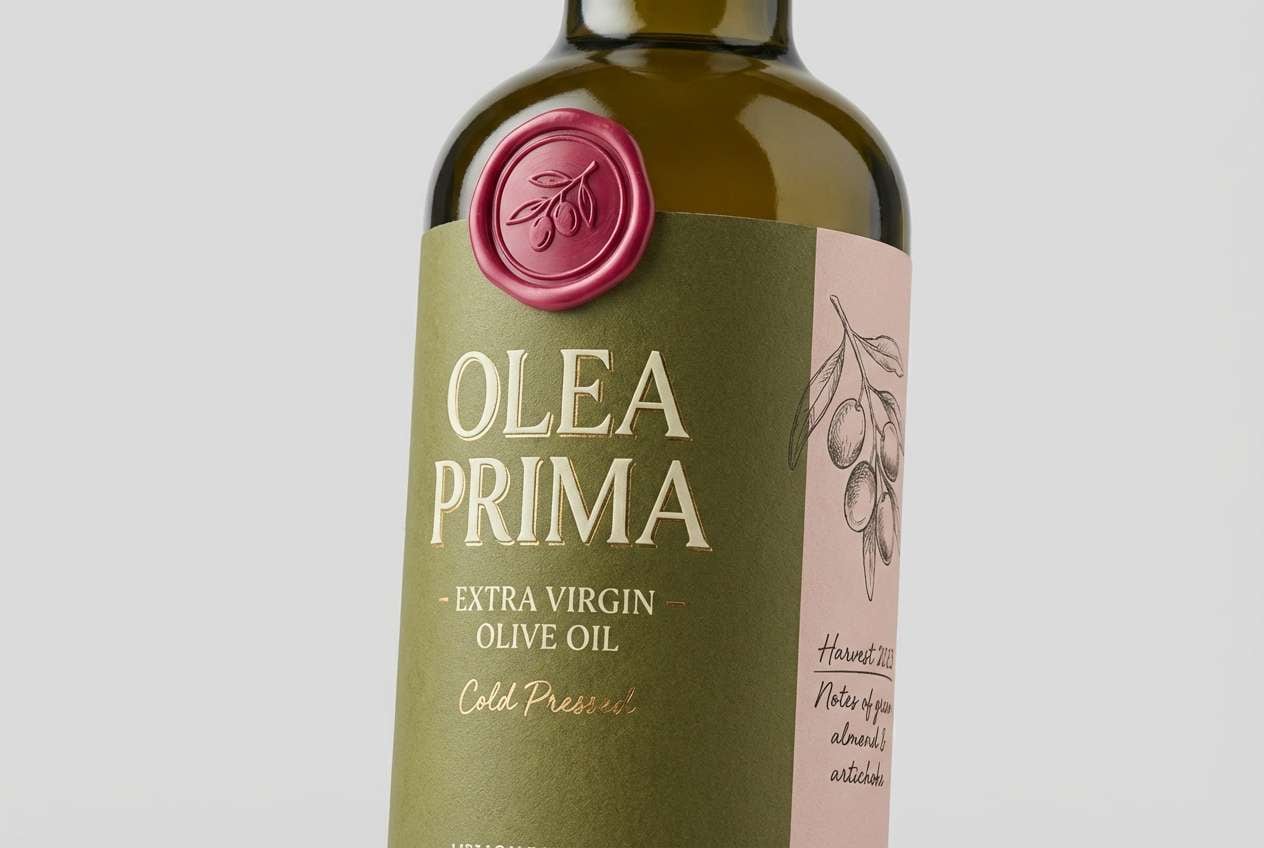
Best for: packaging for gourmet foods and specialty goods
Unexpected and modern like a chic market label, cerise and olive create a stylish tension. The muted greens keep the pink from feeling too sweet, while the soft blush acts as a gentle bridge. These cerise color combinations work especially well on paper stocks, foil stickers, and small-scale packaging. Tip: use olive as the primary field color and reserve cerise for stamps, seals, or flavor callouts.
Image example of cerise olive twist generated using media.io
13) Cerise Champagne Glow
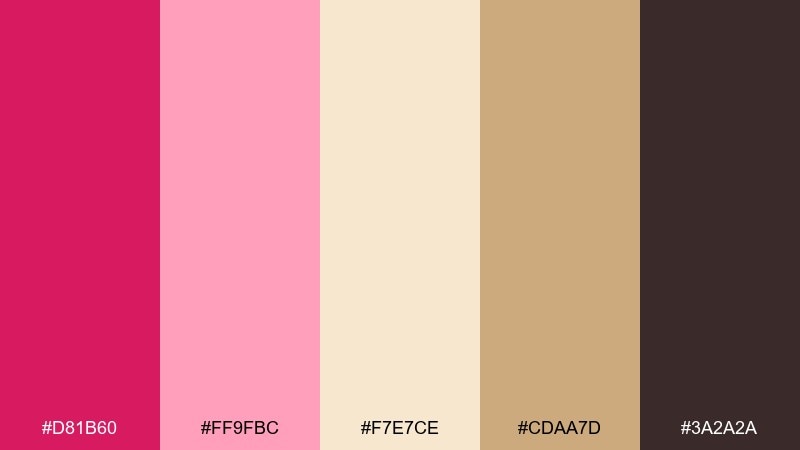
HEX: #D81B60 #FF9FBC #F7E7CE #CDAA7D #3A2A2A
Mood: celebratory, elegant, warm
Best for: holiday promos and event invitations
Celebratory and elegant like champagne bubbles catching light, this mix feels festive without glitter overload. Cream and gold-tan tones add warmth and sophistication to the cerise accent. Use the deep brown for type and outlines, and keep the pale cream as the main background. A practical tip is to add subtle dot patterns in the champagne tone to suggest sparkle while staying print-friendly.
Image example of cerise champagne glow generated using media.io

14) Cerise Ink and Paper
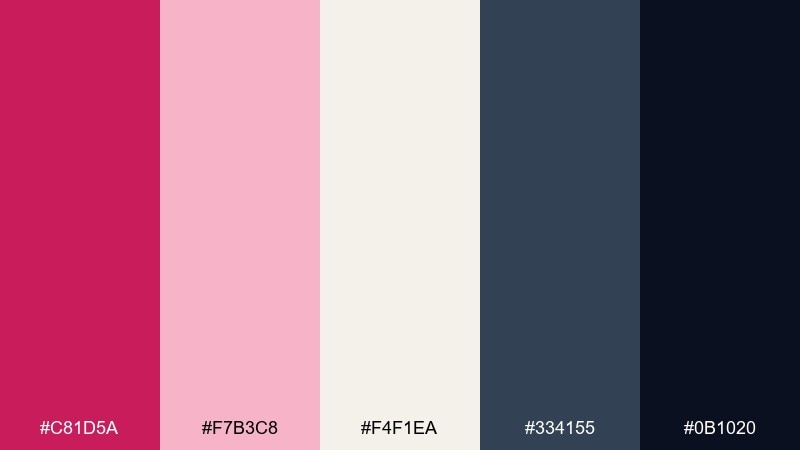
HEX: #C81D5A #F7B3C8 #F4F1EA #334155 #0B1020
Mood: clean, smart, professional
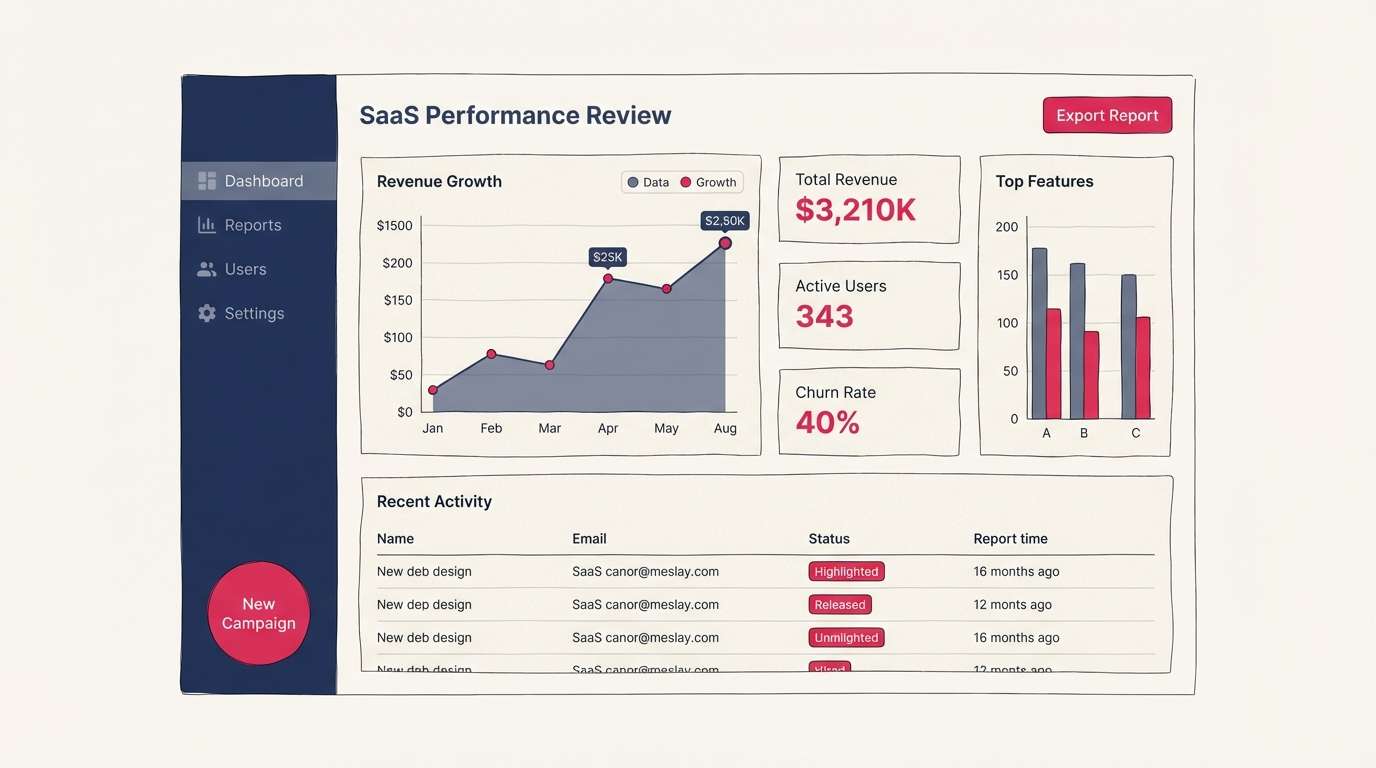
Best for: SaaS dashboards and data-heavy UI
Clean and smart like fresh ink on warm paper, these tones feel professional and calm. Cerise adds personality without competing with information density, while navy and slate handle structure. Use cerise for primary actions, active states, and key metrics, then rely on the paper tone for panels. Keep charts limited to two accent hues so the UI stays legible under pressure.
Image example of cerise ink and paper generated using media.io
15) Cerise Neon Night
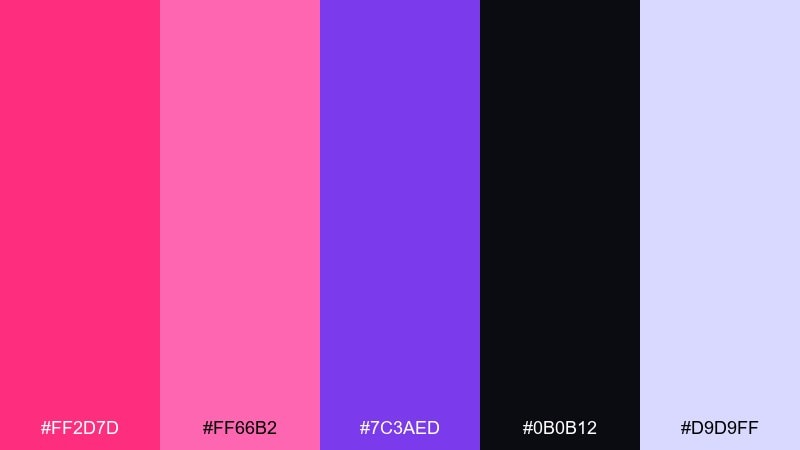
HEX: #FF2D7D #FF66B2 #7C3AED #0B0B12 #D9D9FF
Mood: electric, bold, futuristic
Best for: gaming promos and streamer overlays
Electric and futuristic like club lights in motion, this set is built for high energy. Cerise and violet glow against near-black, creating instant depth on screen. Use the pale lavender for small UI labels and keep most elements dark for contrast. For overlays, reduce cerise usage to one or two areas so it reads like a deliberate spotlight.
Image example of cerise neon night generated using media.io

16) Cerise Autumn Knit
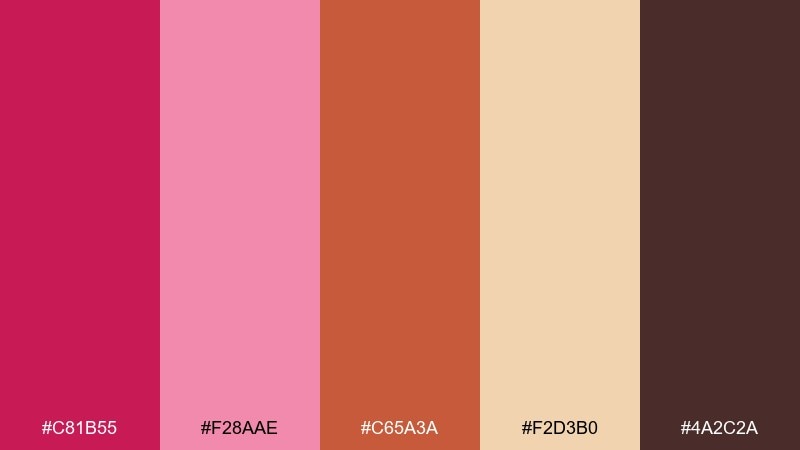
HEX: #C81B55 #F28AAE #C65A3A #F2D3B0 #4A2C2A
Mood: cozy, warm, seasonal
Best for: fall retail banners and lookbook covers
Cozy and seasonal like a knitted scarf and spiced latte, these tones feel warmly inviting. The terracotta and caramel hues make cerise look softer and more wearable. Use the deep cocoa for typography and the pale tan for background blocks in banners. Tip: add subtle fabric-like patterns in the neutral tones while keeping cerise as a clean, solid accent.
Image example of cerise autumn knit generated using media.io
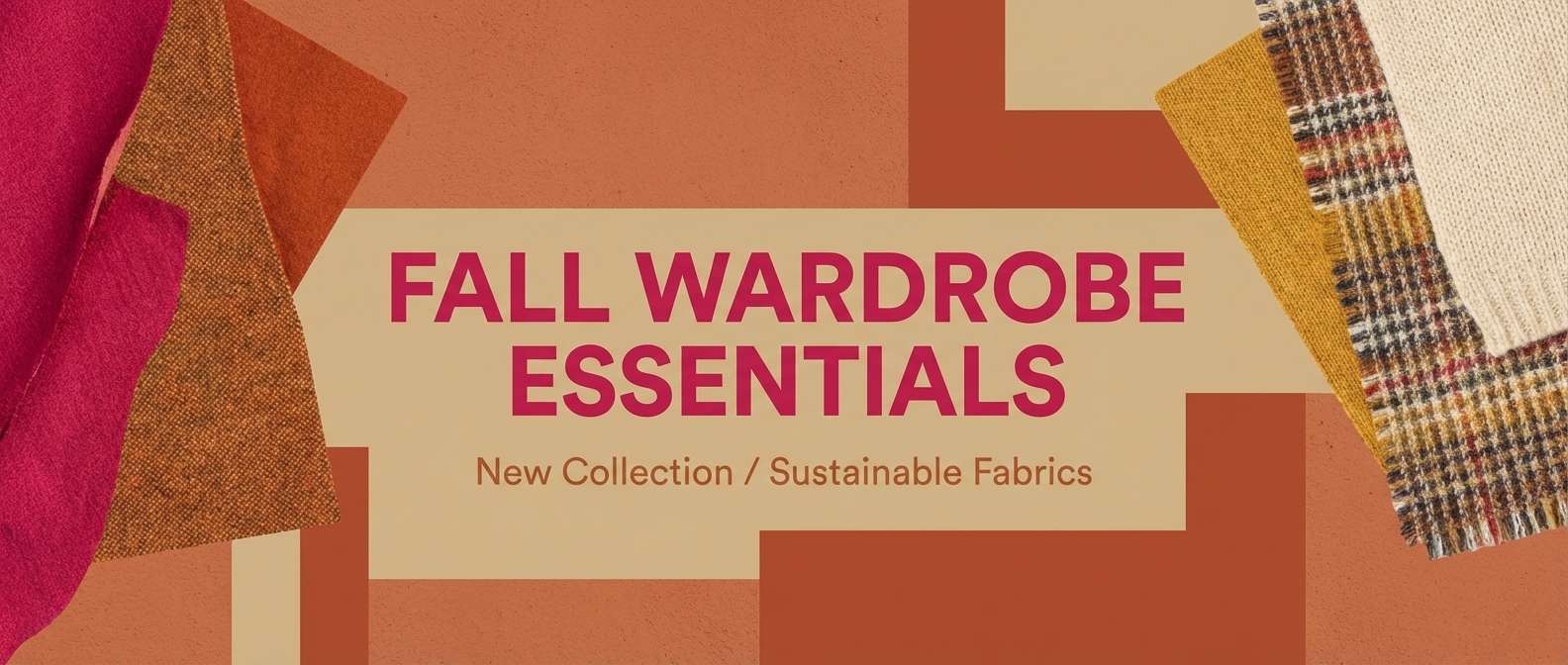
17) Cerise Minimal Beige
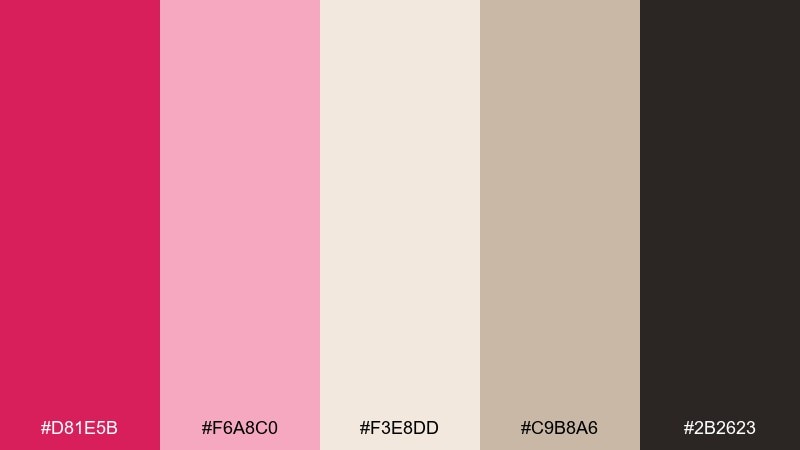
HEX: #D81E5B #F6A8C0 #F3E8DD #C9B8A6 #2B2623
Mood: minimal, soft, modern
Best for: portfolio sites and minimalist branding
Minimal and soft like a calm studio interior, this set keeps cerise refined and modern. Beige and greige tones make the pink feel grown-up, while the dark espresso anchors typography. Use this cerise color palette for clean layouts where you want one confident accent and lots of whitespace. Tip: apply cerise only to links, small badges, and one signature graphic element for a tidy rhythm.
Image example of cerise minimal beige generated using media.io

18) Cerise Garden Watercolor
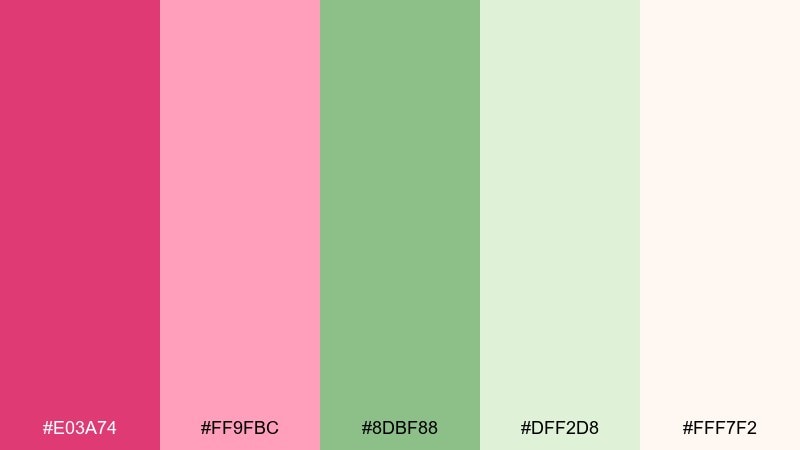
HEX: #E03A74 #FF9FBC #8DBF88 #DFF2D8 #FFF7F2
Mood: botanical, gentle, springlike
Best for: floral invitations and boutique gift cards
Botanical and gentle like watercolor blooms in spring, these tones feel light and airy. Cerise and blush play nicely with leaf green for a fresh, giftable look. Use the soft cream as paper, then layer loose floral shapes in the two pinks and green. A helpful tip is to keep text in a muted dark tone so it remains readable over painterly edges.
Image example of cerise garden watercolor generated using media.io
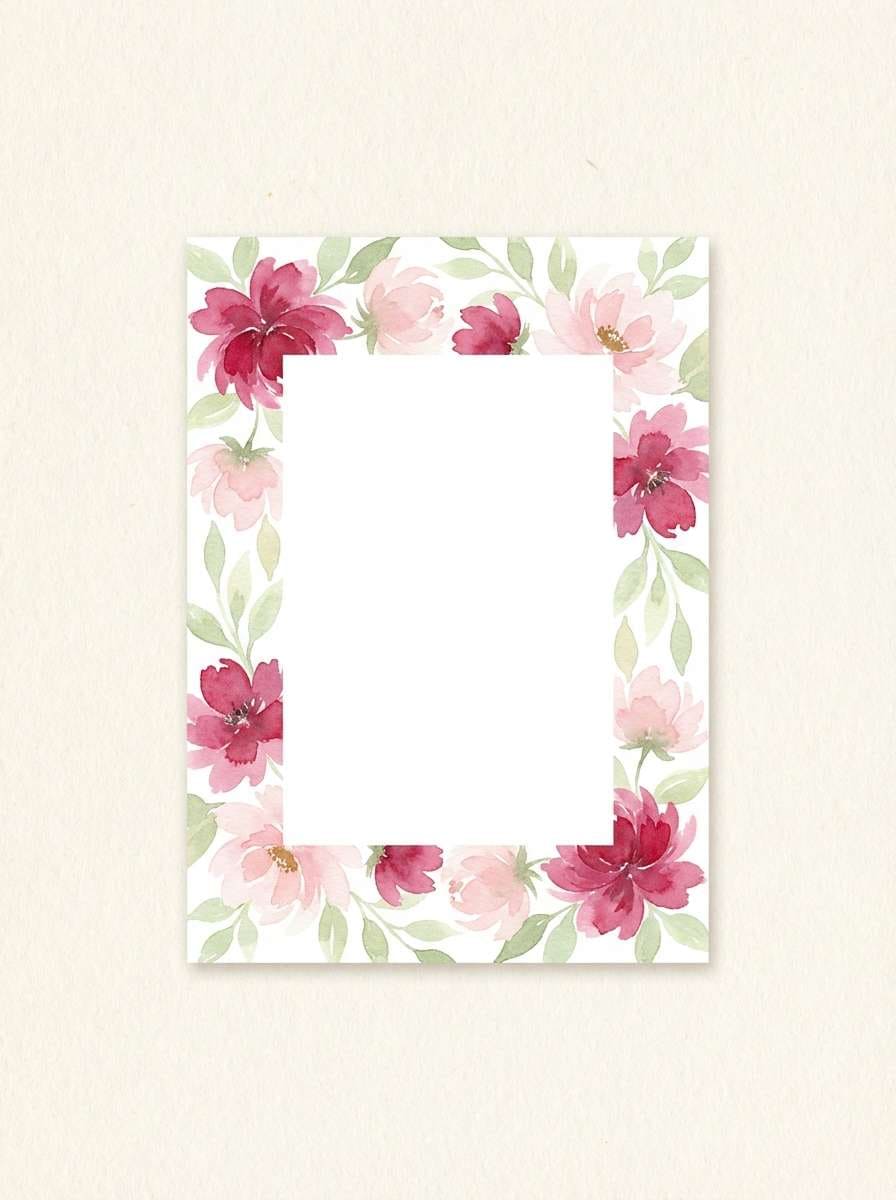
19) Cerise Copper Luxe
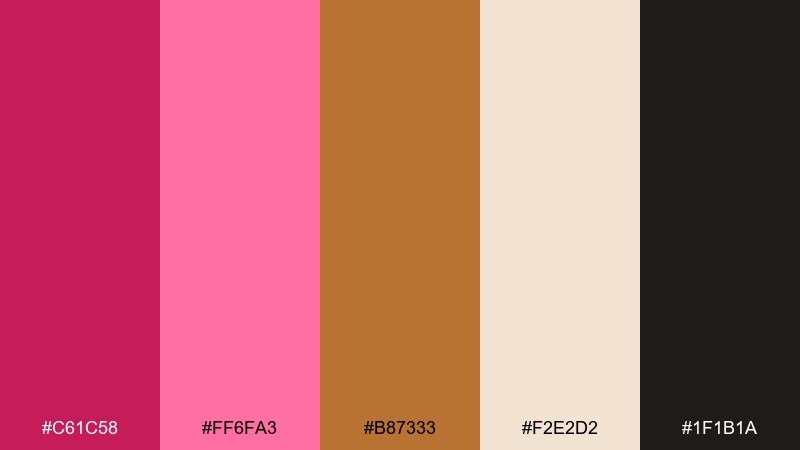
HEX: #C61C58 #FF6FA3 #B87333 #F2E2D2 #1F1B1A
Mood: luxurious, warm, dramatic
Best for: premium product ads and cosmetics packaging
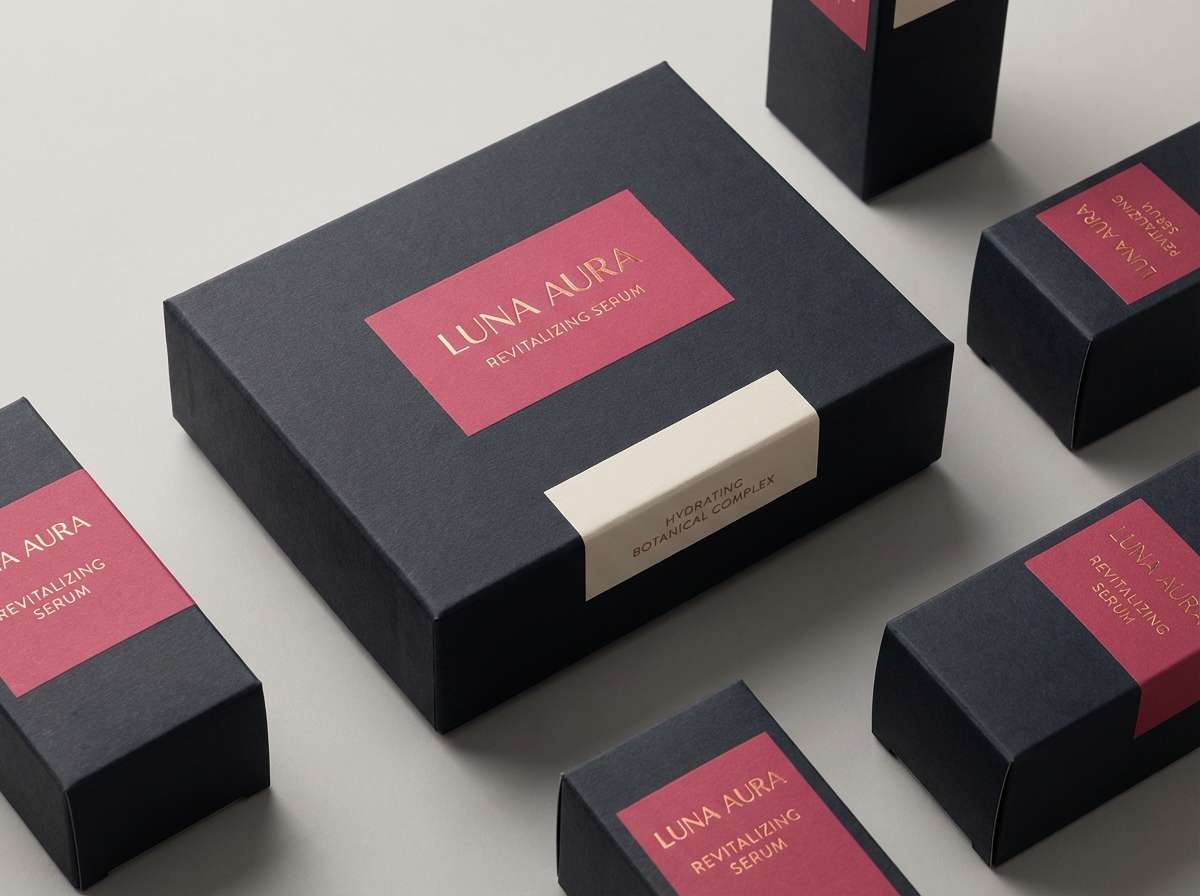
Luxurious and dramatic like copper foil on dark packaging, this set feels rich and high-end. Cerise adds a modern edge while copper warms the overall tone. Use the near-black for background and let blush and cream handle small copy blocks for readability. For the most polished result, keep copper as a metallic accent and avoid using it for long text.
Image example of cerise copper luxe generated using media.io
20) Cerise Denim Casual
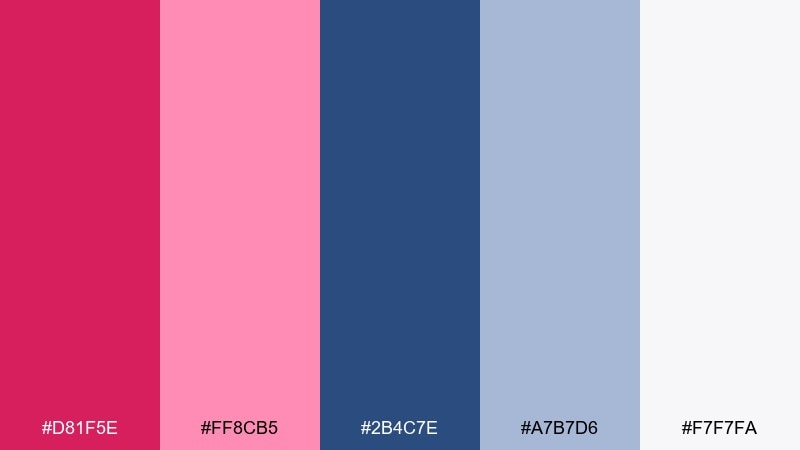
HEX: #D81F5E #FF8CB5 #2B4C7E #A7B7D6 #F7F7FA
Mood: casual, youthful, approachable
Best for: streetwear promos and email headers
Casual and youthful like a favorite denim jacket, these colors feel approachable and cool. Cerise plays well with mid-blue and powdery periwinkle for a fresh contrast. Use blue as the primary base in headers and let cerise mark key offers or buttons. Tip: keep imagery or shapes minimal so the blue and pink pairing stays crisp.
Image example of cerise denim casual generated using media.io

21) Cerise Slate Calm
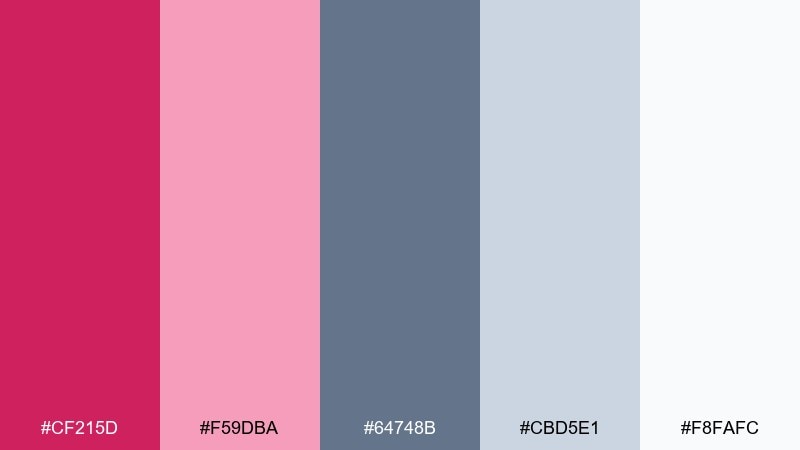
HEX: #CF215D #F59DBA #64748B #CBD5E1 #F8FAFC
Mood: calm, trustworthy, polished
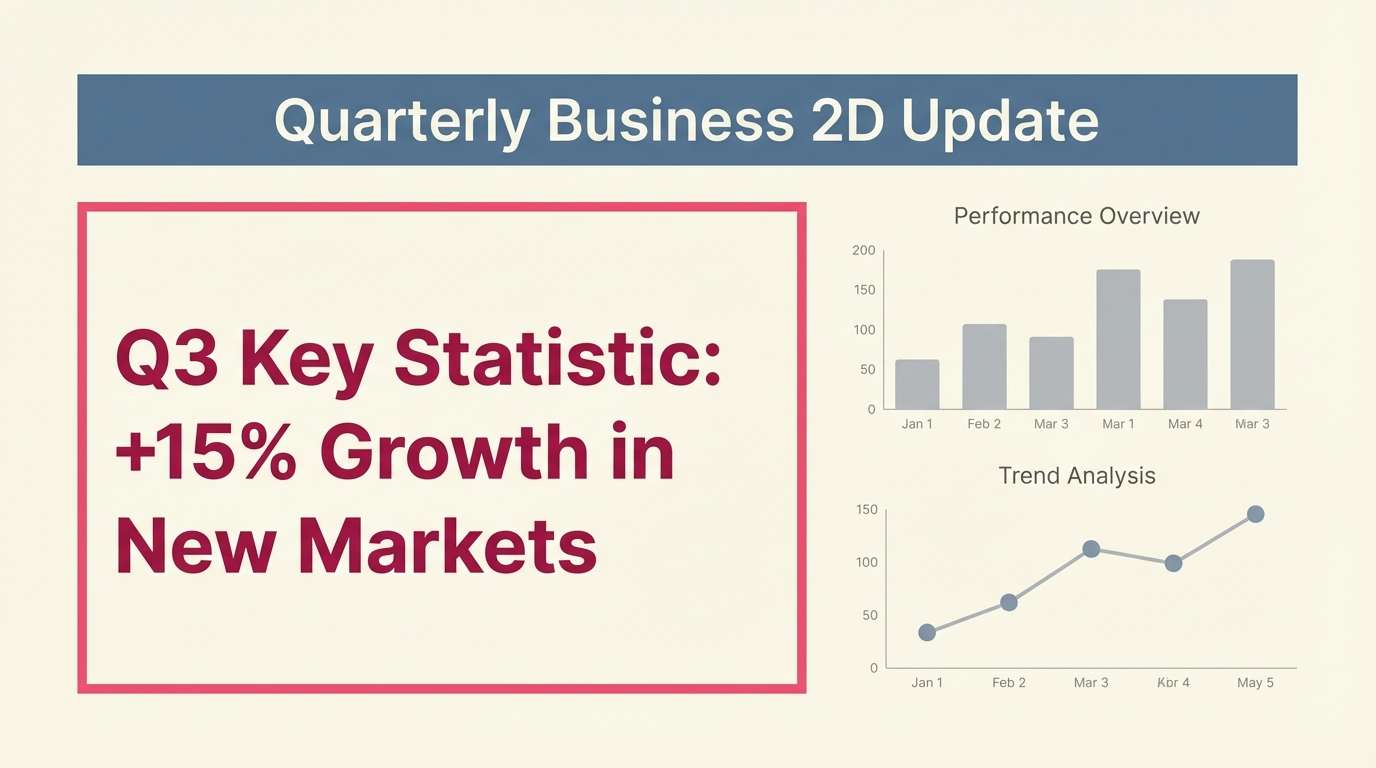
Best for: fintech UI and presentation decks
Calm and polished like a well-organized slide deck, this set is built for clarity. Cool slate and pale greys keep the cerise accent from feeling too playful. Use cerise for emphasis on key numbers, active tabs, and highlights in charts, while the greys carry structure. A strong tip is to keep saturation low in supporting elements so the accent remains meaningful.
Image example of cerise slate calm generated using media.io
22) Cerise Sunlit Market
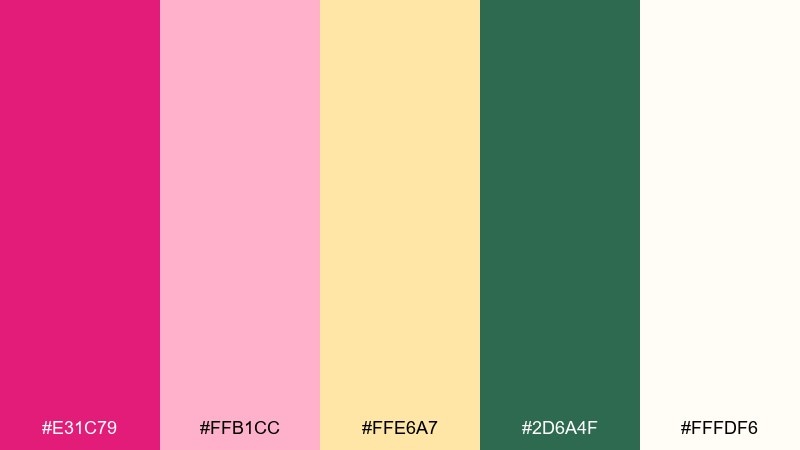
HEX: #E31C79 #FFB1CC #FFE6A7 #2D6A4F #FFFDF6
Mood: fresh, cheerful, artisanal
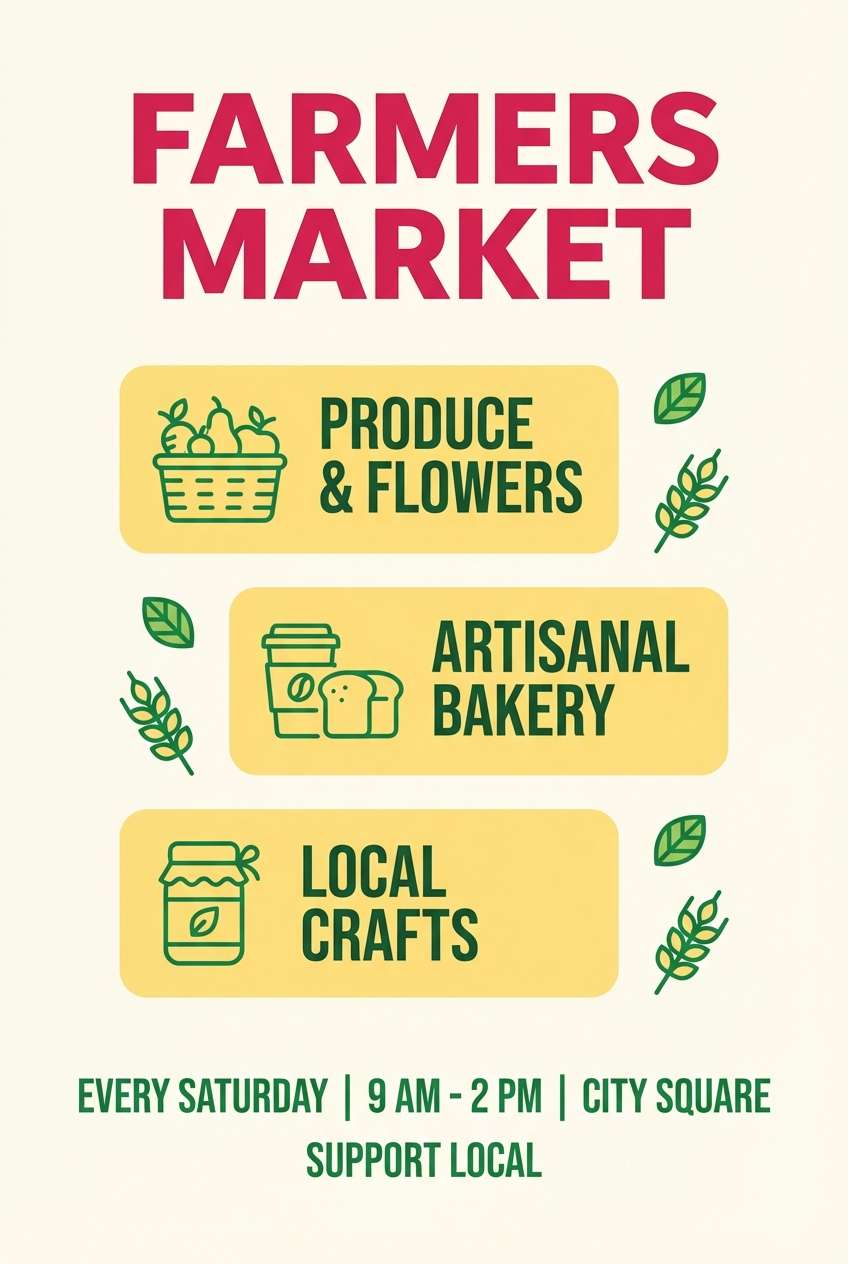
Best for: farmers market posters and food labels
Fresh and cheerful like a sunlit market stall, these tones feel artisanal and welcoming. The buttery yellow and leafy green give cerise a natural, produce-inspired lift. These cerise color combinations are great for posters, label systems, and seasonal flavor tags where color coding matters. Tip: keep the green for supporting elements and use cerise as the punchy signpost color for the main offer.
Image example of cerise sunlit market generated using media.io
What Colors Go Well with Cerise?
Cerise pairs beautifully with deep neutrals like black, near-black, charcoal, and navy—these shades make the pink look sharper and more editorial while keeping text readable.
For softer, more lifestyle-friendly cerise color combinations, use warm paper tones (cream, beige, sand) or dusty blush. These reduce the “neon” effect and feel more premium in print.
If you want modern contrast, try cool complements like teal, seafoam, ice blue, or slate. They balance cerise’s warmth and help it work in wellness, UI, and tech branding.
How to Use a Cerise Color Palette in Real Designs
Use cerise as a controlled accent: CTAs, tags, active states, and key highlights. Let neutrals carry the majority of the layout so the accent always means “important.”
In branding, choose one primary cerise (plus one lighter tint) and standardize it across assets. Consistency matters because small shifts in pinks are very noticeable between screens and print.
For print, consider matte stocks and test saturation—cerise can shift depending on paper and ink. Anchoring it with a dark neutral (espresso, navy, or near-black) keeps the overall look grounded.
Create Cerise Palette Visuals with AI
If you have HEX codes but need real visuals (ads, label mockups, UI screens, or posters), you can generate on-brand examples quickly using text prompts.
Start with your palette name and a clear scene (e.g., “minimal landing page hero,” “cosmetics packaging,” or “event flyer”), then specify where cerise should appear (headline, button, seal, or border).
When you get a good result, iterate by tightening constraints: “no props,” “plain background,” “minimal typography,” and the target aspect ratio for your channel.
Cerise Color Palette FAQs
-
What is the HEX code for cerise?
A commonly used cerise HEX is #DE3163. Cerise can vary slightly across palettes (more magenta or more pink), so it’s best to pick one “master” cerise and use consistent tints. -
Is cerise closer to magenta or fuchsia?
Cerise typically sits between magenta and fuchsia. It reads like a strong pink with a noticeable red component, while magenta is usually more purple-leaning and fuchsia often feels more electric. -
What neutral colors pair best with cerise?
Great neutrals for cerise include off-white/cream, beige, warm greige, charcoal, and near-black. These help reduce visual fatigue and keep cerise looking intentional. -
What complementary accents make cerise look modern?
Teal, seafoam, slate blue, and ice blue are popular modern counterpoints. They cool down cerise and work especially well in UI, wellness, and contemporary branding. -
How do I keep cerise from overpowering a design?
Use cerise sparingly (one focal element per section), increase whitespace, and rely on muted supports. In UI, reserve cerise for primary actions and key states, and keep secondary components in greys or soft neutrals. -
Does cerise print accurately?
Cerise can shift in print depending on paper and ink. To keep it stable, test proofs, avoid ultra-glossy stocks for dark pairings, and consider anchoring cerise with a deep neutral for consistent contrast. -
Can I use cerise for professional brands like SaaS or fintech?
Yes—cerise works well as an accent when paired with slate, navy, and paper tones. Keep saturation controlled and apply it to highlights (buttons, active tabs, key metrics) rather than large background fields.
Next: Chocolate Color Palette


