

Art Deco color palettes are built for impact: bold contrasts, rich jewel tones, and metallic accents that instantly feel premium.
Below are 20+ Art Deco color combinations with HEX codes, plus practical tips for using gold/bronze highlights, readable type, and geometric layout rhythm.
In this article
- Why Art Deco Color Combinations Work So Well
-
- gilded emerald
- champagne noir
- peacock lounge
- ivory brassline
- ruby velvet night
- sapphire skyline
- mint marquetry
- copper orchid
- graphite pearl
- sunlit terracotta
- moonlit jade
- blush gold veil
- citrus brass pop
- seafoam marble
- bronze midnight
- ink & vanilla
- teal quartz
- bourbon gold
- silver cinema
- palm court
- amethyst spotlight
- What Colors Go Well with Art Deco?
- How to Use Art Deco Color Combinations in Real Designs
- Create Art Deco Palette Visuals with AI
Why Art Deco Color Combinations Work So Well
Art Deco palettes are designed around high contrast and clear hierarchy, which makes them naturally strong for signage, posters, packaging, and UI. Deep anchors (near-black, navy, forest green) help typography and geometric motifs feel crisp and intentional.
What makes Art Deco colors feel “luxury” is the controlled use of metallics—gold, bronze, champagne—applied like highlights rather than full fills. A small percentage of metallic tone can make a layout feel premium without overwhelming readability.
Finally, Art Deco color combinations often mix warm neutrals (ivory, cream, parchment) with jewel tones, creating a timeless balance that works for both vintage-inspired and modern minimalist designs.
20+ Art Deco Color Palette Ideas (with HEX Codes)
1) Gilded Emerald
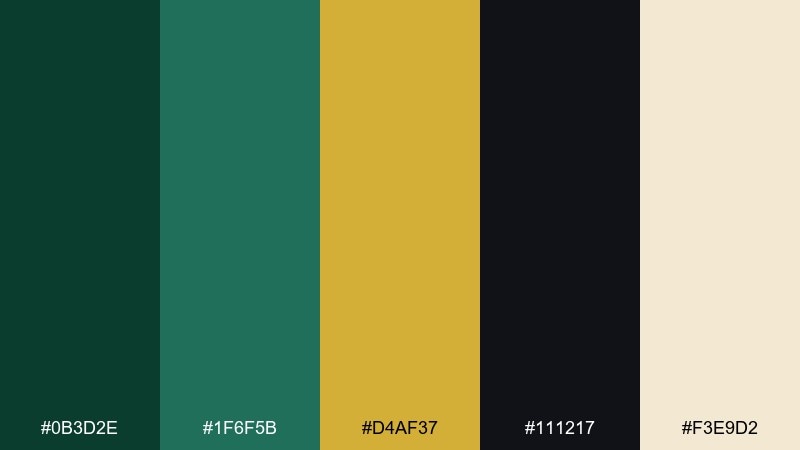
HEX: #0B3D2E #1F6F5B #D4AF37 #111217 #F3E9D2
Mood: opulent, confident, evening-glam
Best for: luxury hotel branding and lobby accents
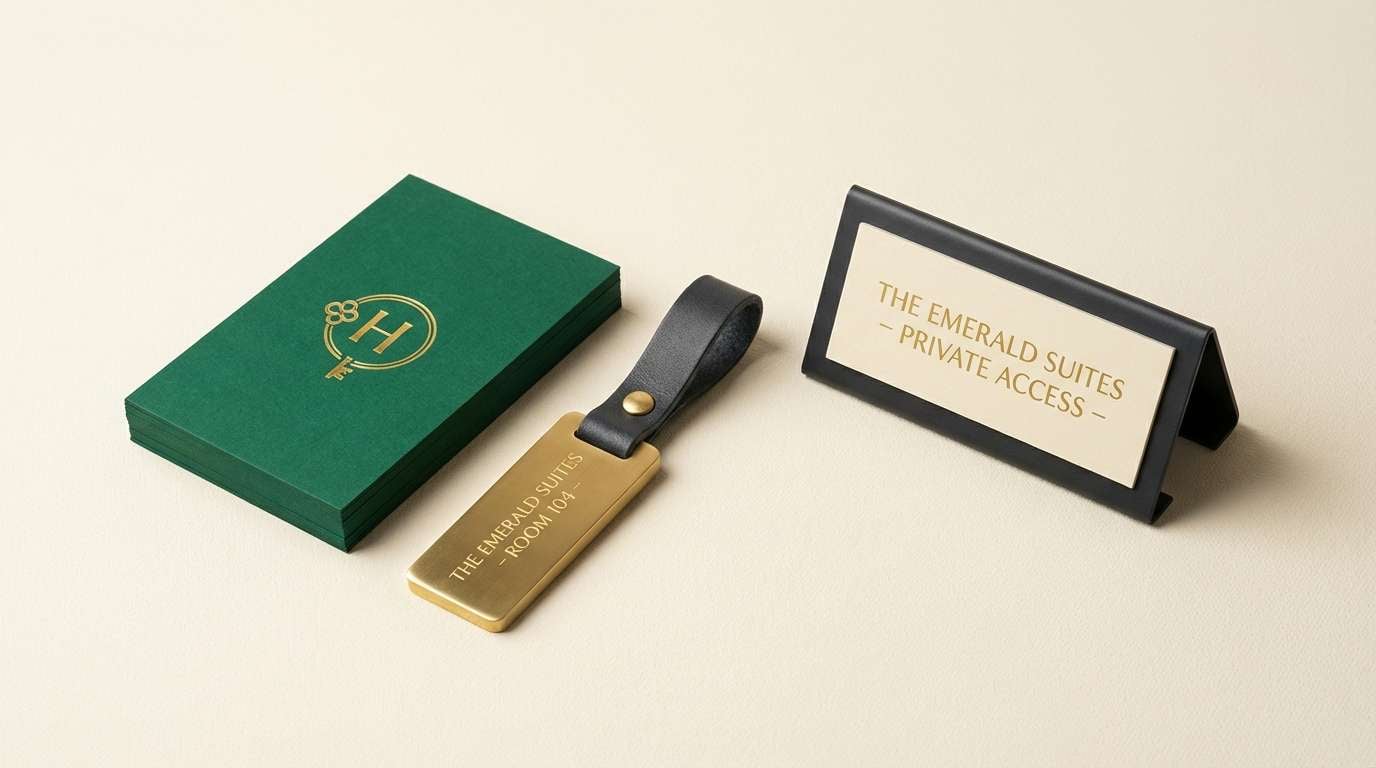
Opulent and confident, this Art Deco palette evokes emerald velvet, brass rails, and low-lit marble floors. Use the deep green and near-black as anchors, then let gold do the highlighting work for logos, borders, and line art. Pair with cream for breathing room so typography stays crisp. Usage tip: keep gold to small percentages and reserve it for focal details like monograms or divider rules.
Image example of gilded emerald generated using media.io
Media.io is an online AI studio for creating and editing video, image, and audio in your browser.


2) Champagne Noir
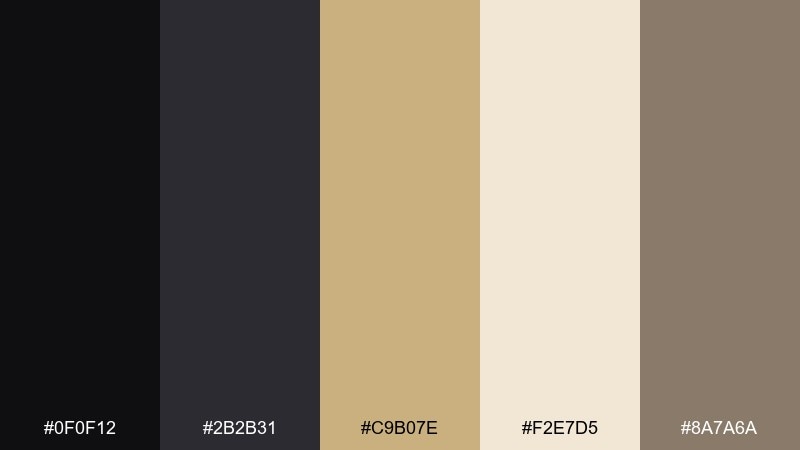
HEX: #0F0F12 #2B2B31 #C9B07E #F2E7D5 #8A7A6A
Mood: sleek, upscale, minimal glamour
Best for: fine jewelry e-commerce UI
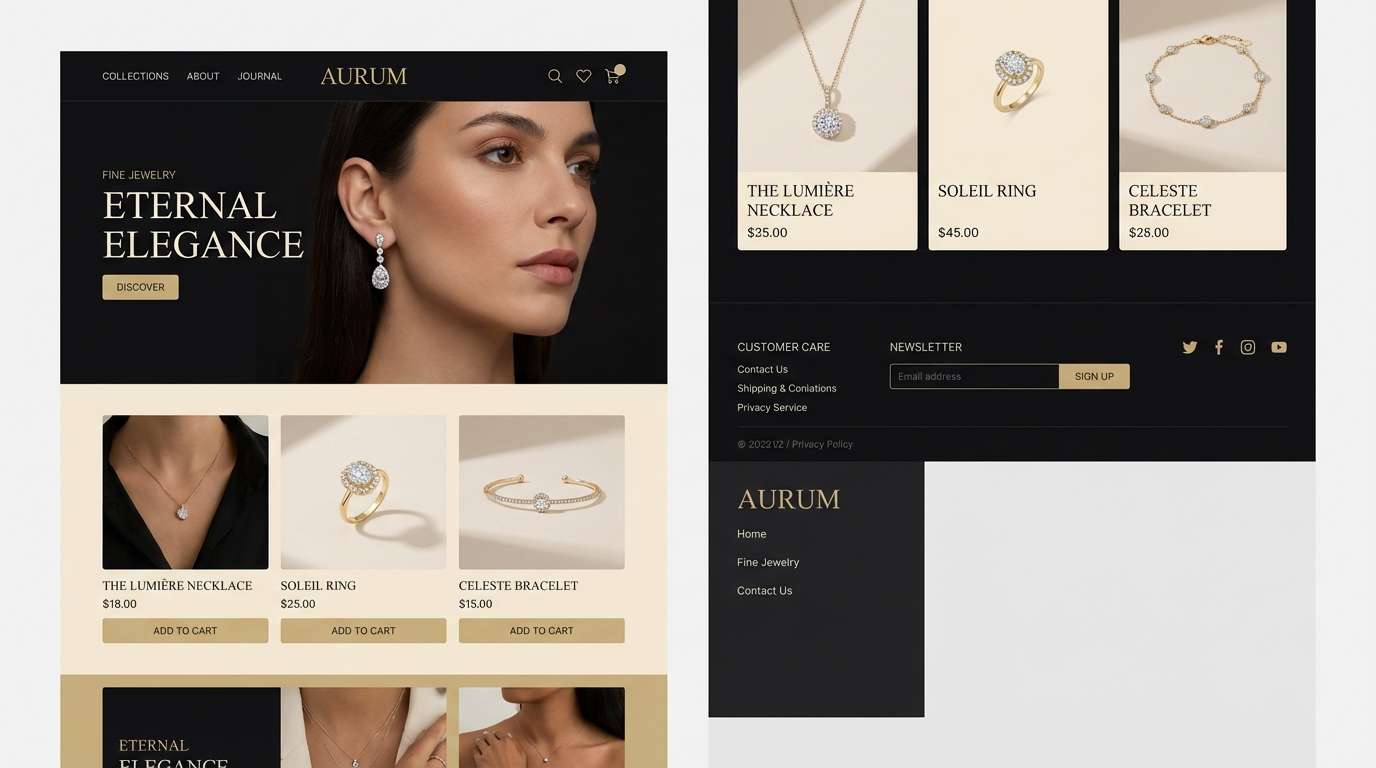
Sleek and upscale, the Art Deco color scheme feels like satin black with champagne highlights and soft candlelight. Build your UI with near-black for depth, then use champagne for icons, strokes, and key CTAs. Warm ivory keeps product imagery from feeling cold, while taupe supports secondary text. Usage tip: increase line spacing and use thin geometric dividers to amplify the polished look.
Image example of champagne noir generated using media.io
3) Peacock Lounge
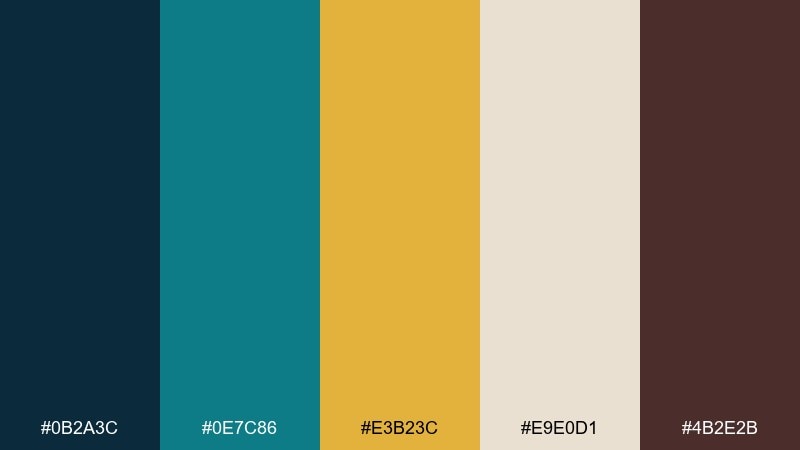
HEX: #0B2A3C #0E7C86 #E3B23C #E9E0D1 #4B2E2B
Mood: dramatic, lively, jazz-bar chic
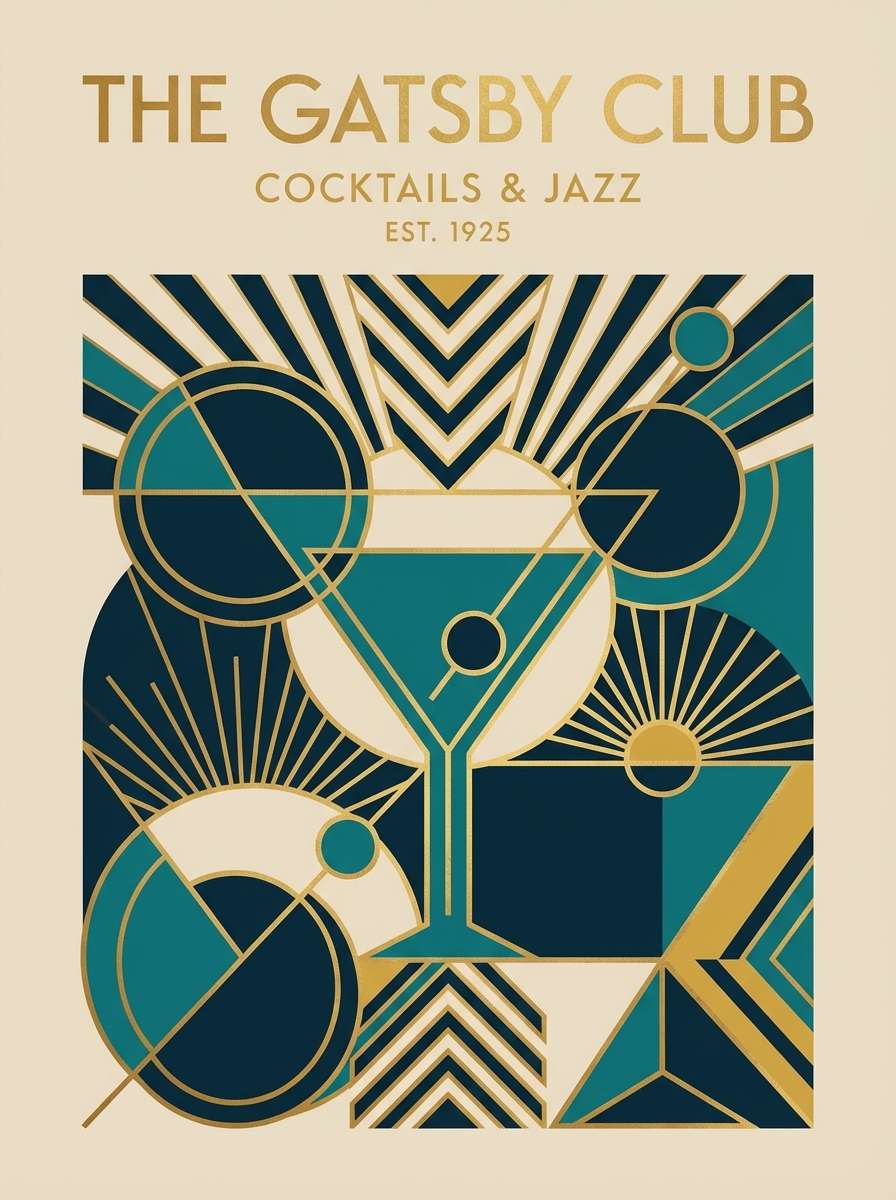
Best for: cocktail bar poster and menu
Dramatic and lively, it brings to mind peacock feathers, brass lamps, and a smoky jazz lounge. This Art Deco color palette works best when teal and deep navy hold the background while gold leads the hierarchy for headings and prices. Add a touch of cocoa brown to warm up illustrations and keep the vibe approachable. Usage tip: use gold only for the top tier of information so the layout stays readable from a distance.
Image example of peacock lounge generated using media.io
4) Ivory Brassline
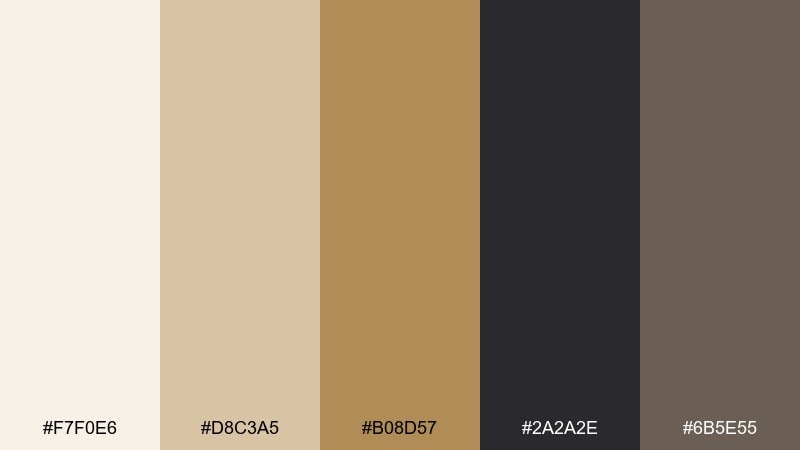
HEX: #F7F0E6 #D8C3A5 #B08D57 #2A2A2E #6B5E55
Mood: warm, refined, architectural
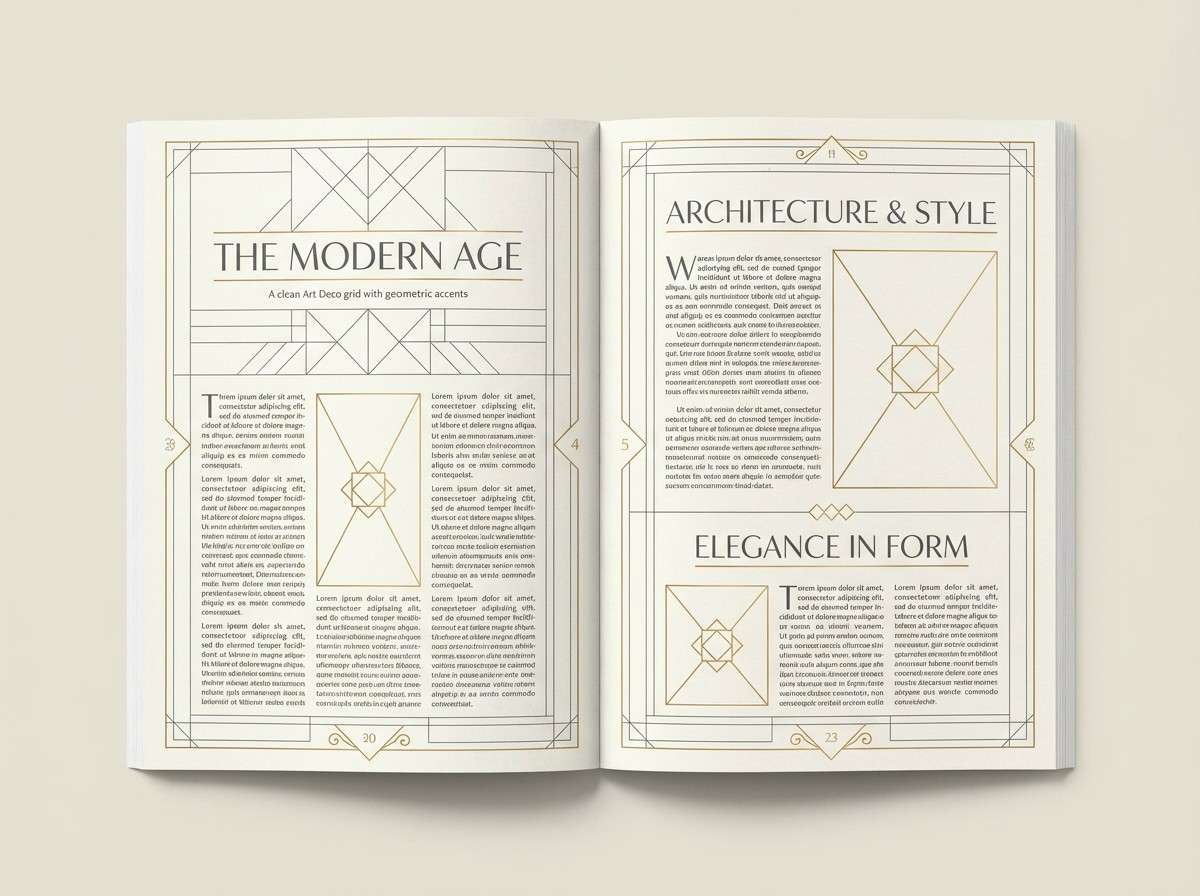
Best for: editorial magazine layout
Warm and refined, it suggests limestone facades with thin brass inlays. Ivory and sand tones make generous whitespace for long-form reading, while graphite keeps headlines sharp. Brass and taupe add structure through rules, frames, and section markers. Usage tip: set grids with thin lines and avoid heavy fills to keep the layout airy.
Image example of ivory brassline generated using media.io
5) Ruby Velvet Night
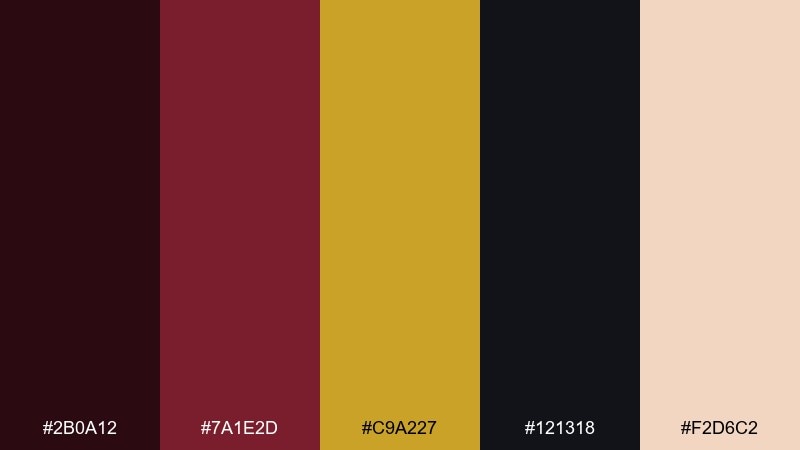
HEX: #2B0A12 #7A1E2D #C9A227 #121318 #F2D6C2
Mood: romantic, bold, theatrical
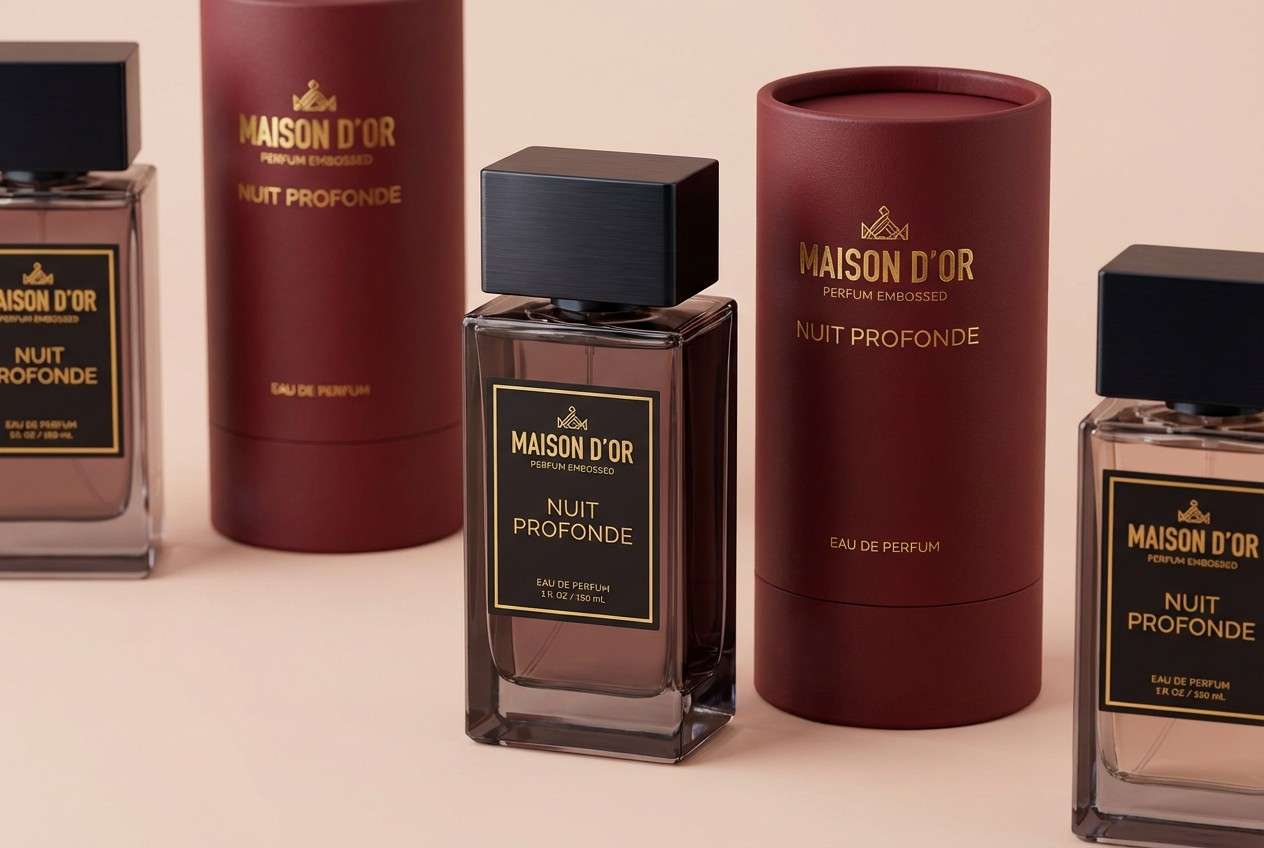
Best for: luxury perfume packaging
Romantic and theatrical, it feels like ruby velvet draped against a dark stage with gold spotlights. An Art Deco color combination like this shines when burgundy leads the pack and gold is reserved for caps, labels, or a single emblem. Blush adds a soft counterpoint for background panels and small copy blocks. Usage tip: use matte burgundy with glossy gold foil to create a premium tactile contrast.
Image example of ruby velvet night generated using media.io
6) Sapphire Skyline
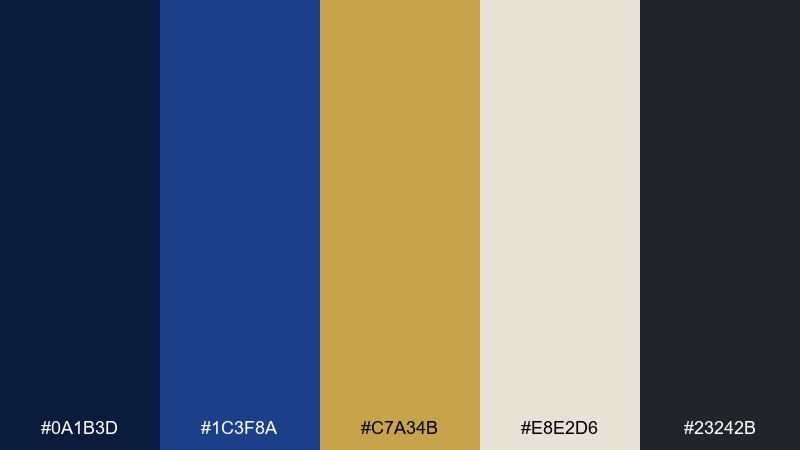
HEX: #0A1B3D #1C3F8A #C7A34B #E8E2D6 #23242B
Mood: bold, metropolitan, crisp
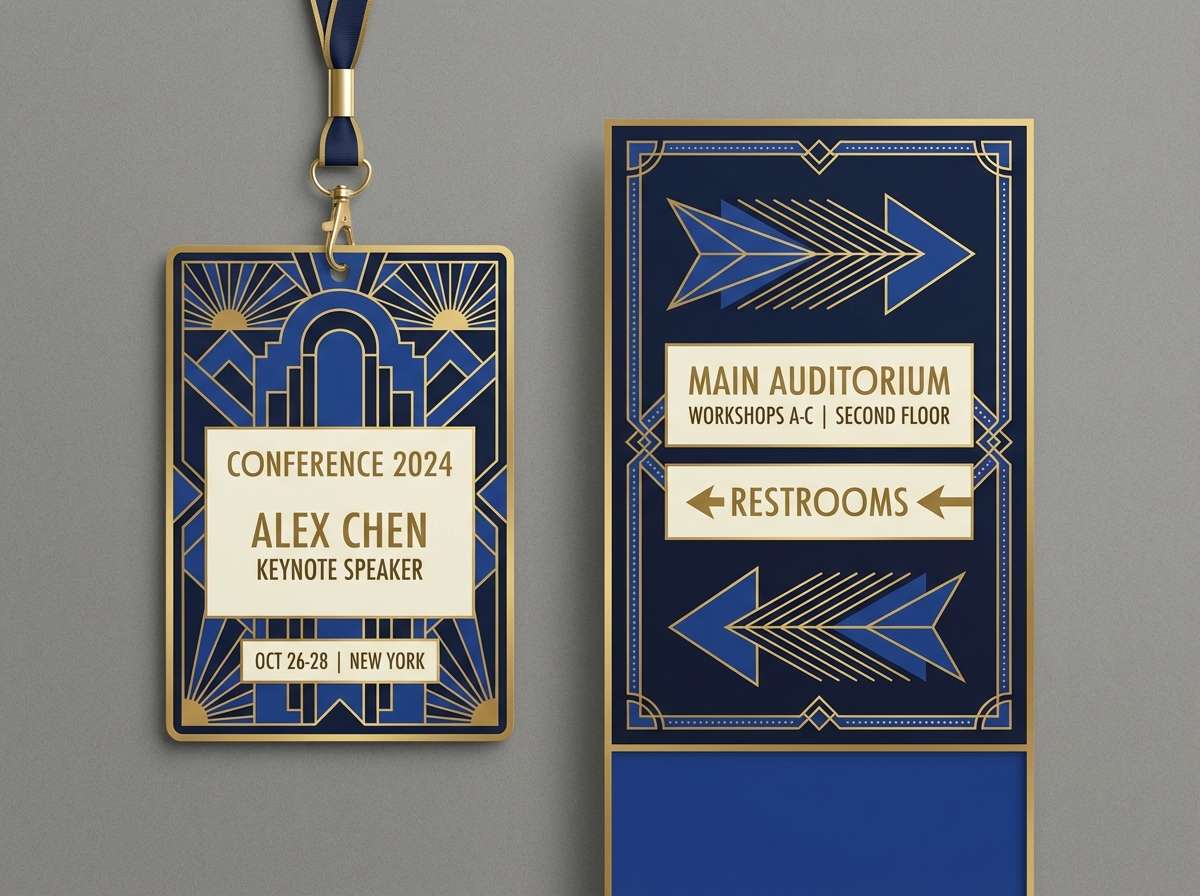
Best for: conference event badge and signage
Bold and metropolitan, it evokes midnight skyscrapers with warm window glow. Use navy as the base for signage and badges, then pull in sapphire for sections and wayfinding blocks. Gold reads as an upscale highlight for VIP tiers or important labels, while soft ivory keeps small text legible. Usage tip: reserve sapphire for one major shape per layout to avoid visual noise.
Image example of sapphire skyline generated using media.io
7) Mint Marquetry
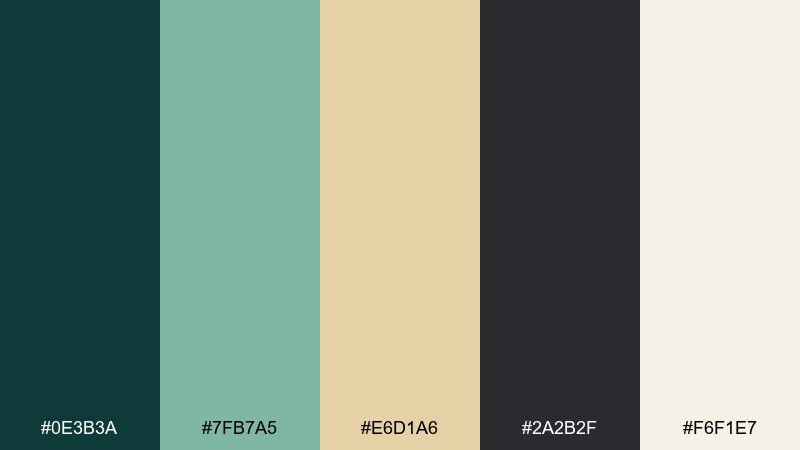
HEX: #0E3B3A #7FB7A5 #E6D1A6 #2A2B2F #F6F1E7
Mood: fresh, refined, boutique
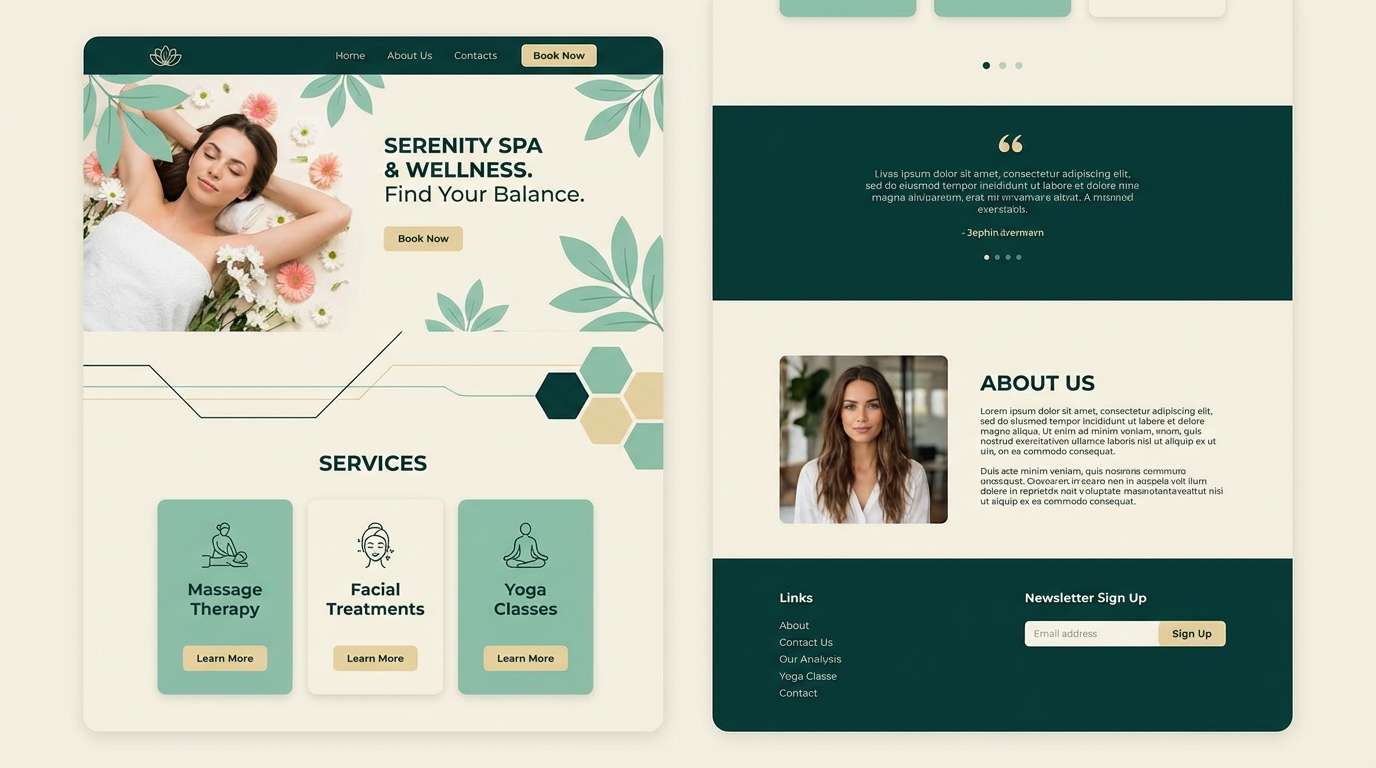
Best for: spa website landing page UI
Fresh and refined, it brings up carved wood patterns, mint tea, and quiet boutique spas. This Art Deco color scheme feels modern when you keep the background creamy and let mint carry the calm, with deep teal adding structure to nav and footers. Use champagne beige for gentle highlights instead of harsh white. Usage tip: apply the darkest tone only to text and key UI boundaries for a soft, restful page.
Image example of mint marquetry generated using media.io
8) Copper Orchid
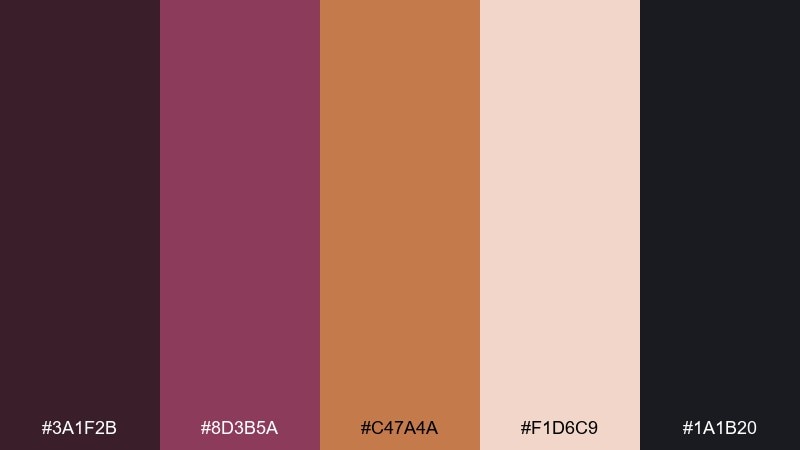
HEX: #3A1F2B #8D3B5A #C47A4A #F1D6C9 #1A1B20
Mood: sensual, artistic, moody
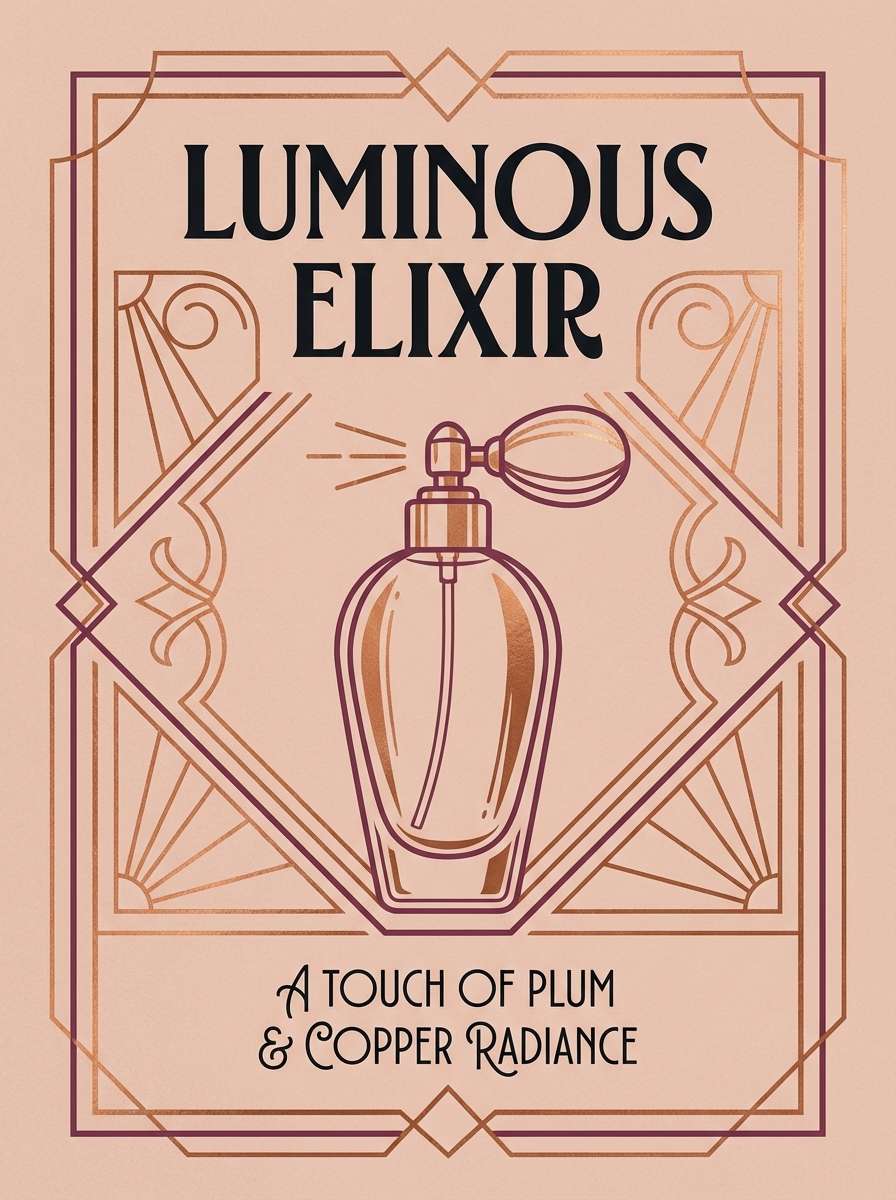
Best for: beauty product ad poster
Sensual and artistic, these Art Deco color combinations feel like orchid petals against burnished copper under night lighting. Use plum and near-black for dramatic blocks, then let copper handle headlines, trim, and geometric flourishes. Blush keeps skin-tone photography looking flattering and cohesive. Usage tip: choose one strong diagonal or fan motif and repeat it subtly to unify the poster.
Image example of copper orchid generated using media.io
9) Graphite Pearl
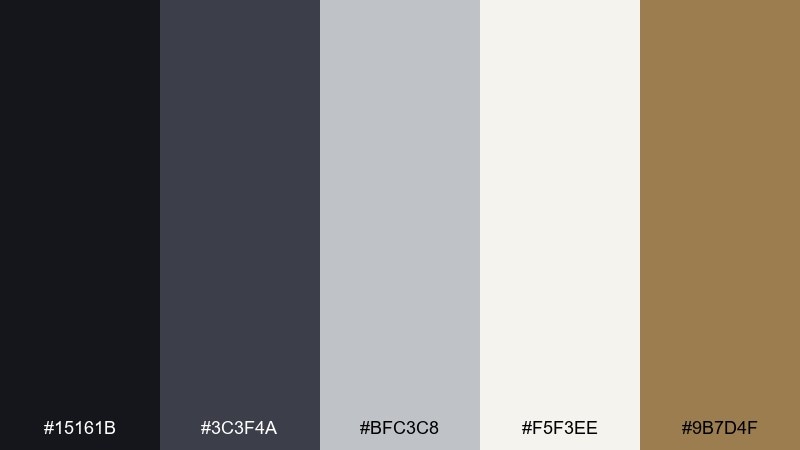
HEX: #15161B #3C3F4A #BFC3C8 #F5F3EE #9B7D4F
Mood: clean, modern, quietly luxe
Best for: architect portfolio website UI
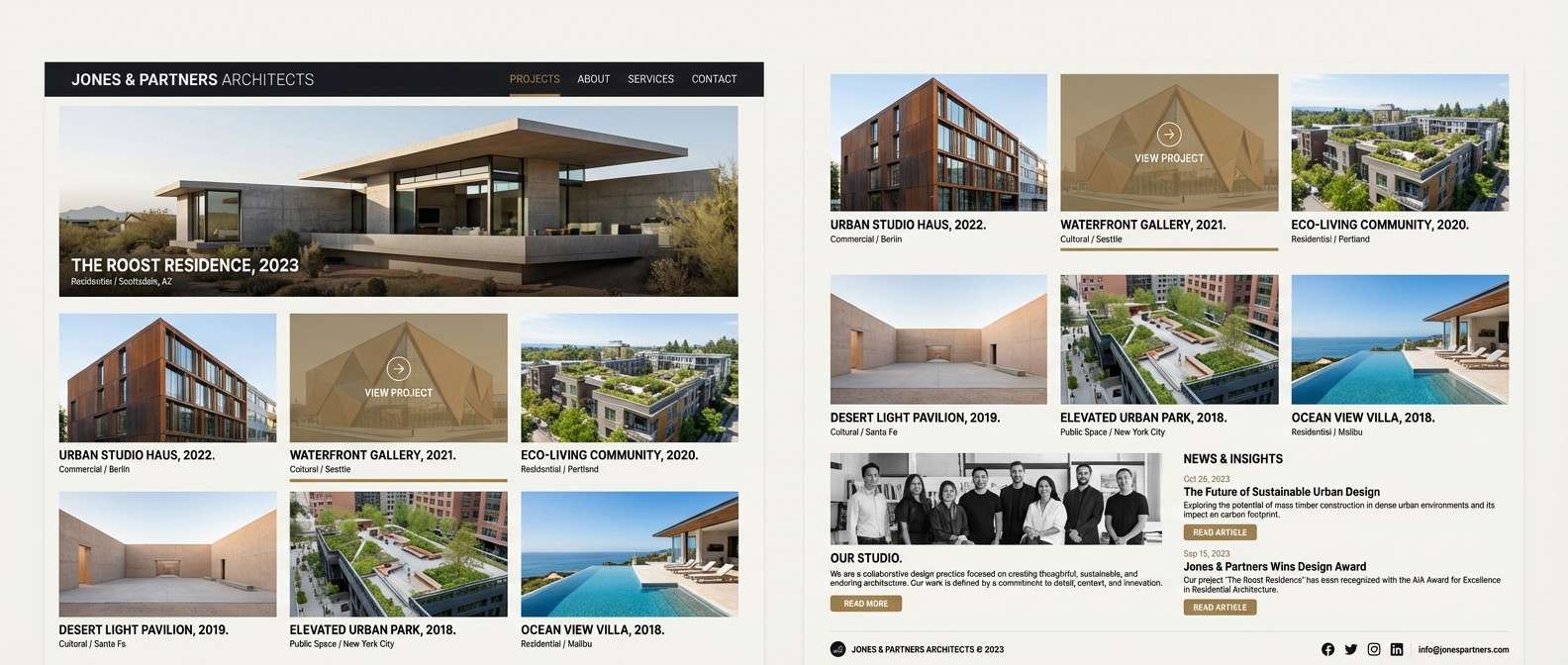
Clean and quietly luxe, these Art Deco colors suggest pearl plaster, pencil graphite, and brushed metal. Let off-white dominate the canvas, then use graphite for navigation and captions to keep projects front and center. A muted bronze works beautifully for hover states and small separators without shouting. Usage tip: keep imagery full-bleed and use thin bronze lines to frame key sections.
Image example of graphite pearl generated using media.io
10) Sunlit Terracotta
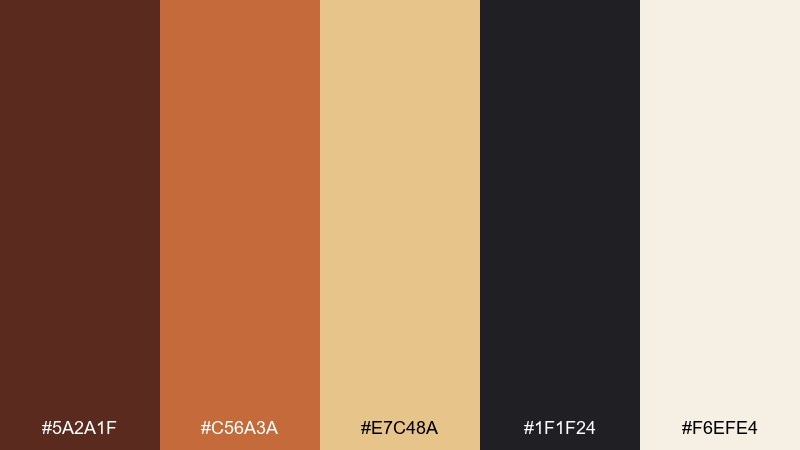
HEX: #5A2A1F #C56A3A #E7C48A #1F1F24 #F6EFE4
Mood: warm, nostalgic, sun-drenched
Best for: restaurant menu flyer
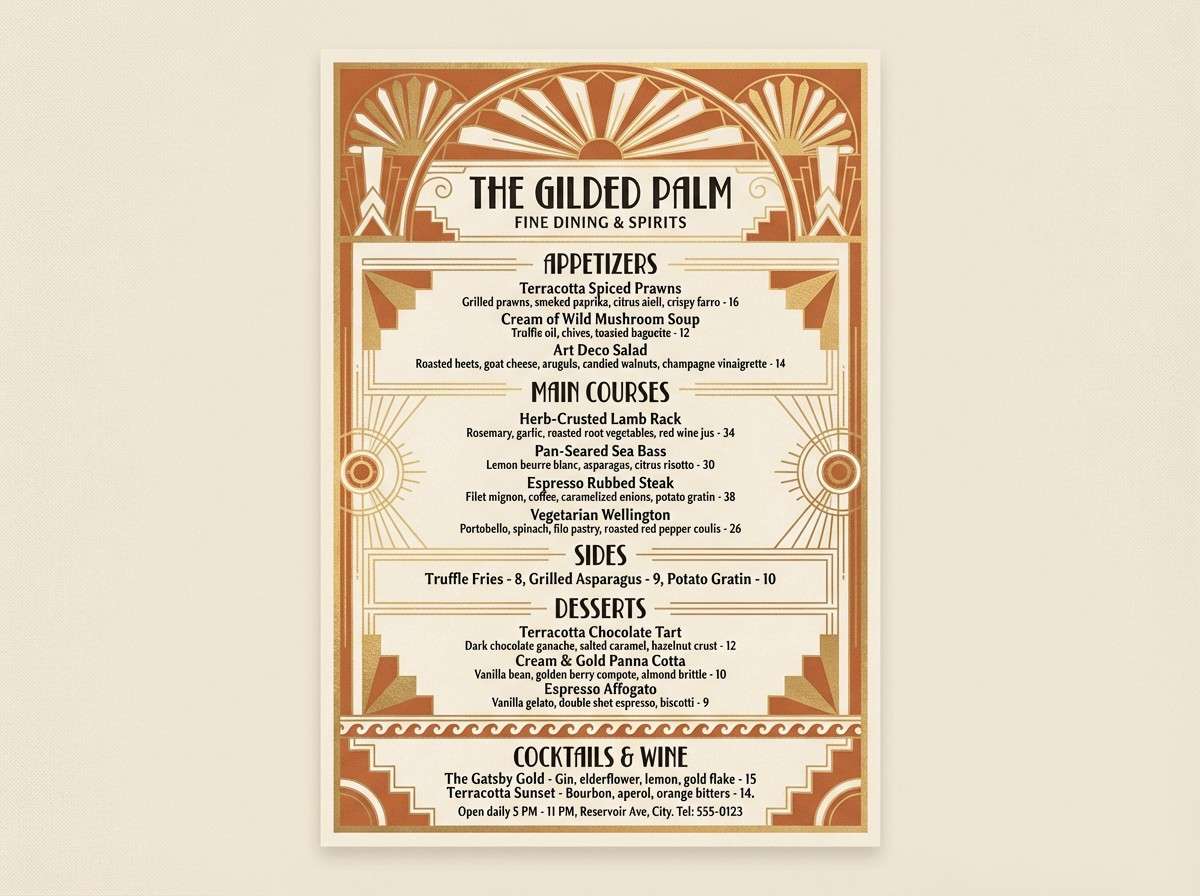
Warm and nostalgic, these Art Deco tones read like sunlit terracotta tiles with a hint of gold dust. Use terracotta as your hero color for headers and feature dishes, supported by deep espresso for body text. Pale cream keeps the page breathable, while sand-gold adds premium cues for specials. Usage tip: emphasize pricing with sand-gold and keep the rest of the typography in espresso for clarity.
Image example of sunlit terracotta generated using media.io
11) Moonlit Jade
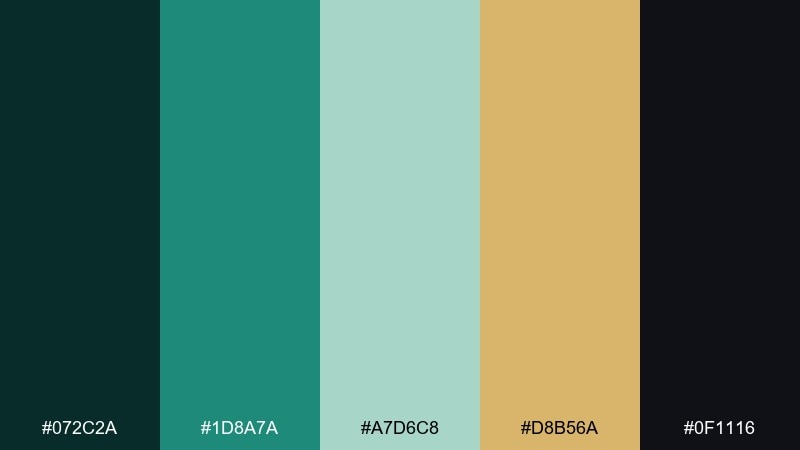
HEX: #072C2A #1D8A7A #A7D6C8 #D8B56A #0F1116
Mood: cool, mysterious, sophisticated
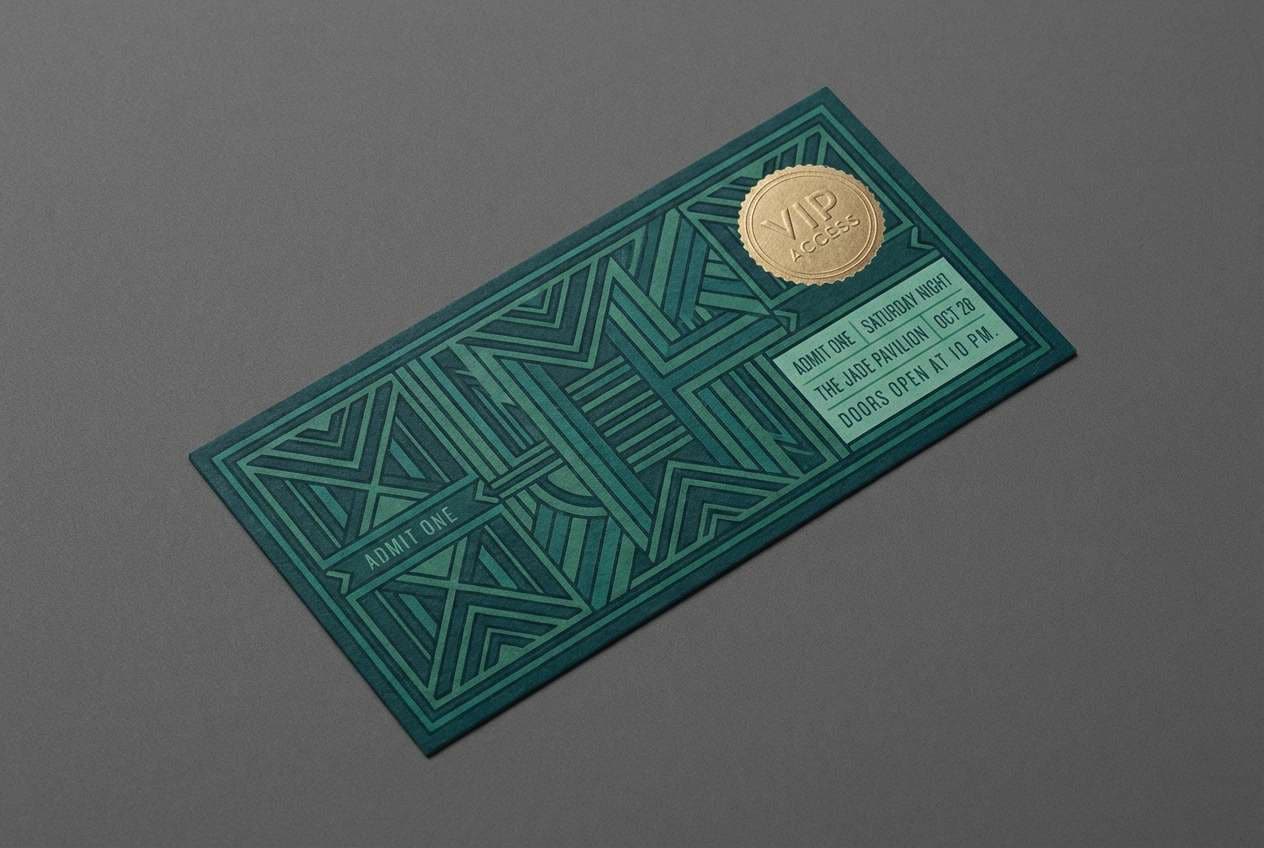
Best for: nightclub ticket design
Cool and mysterious, it feels like jade glass under moonlight with a faint gold gleam. This art deco color palette is ideal for tickets when you print the dark tones as the base and let jade shapes carve out the geometry. Pale seafoam can handle small details like seat info, while muted gold marks VIP sections. Usage tip: add a subtle repeating pattern in the darkest teal for depth without clutter.
Image example of moonlit jade generated using media.io
12) Blush Gold Veil
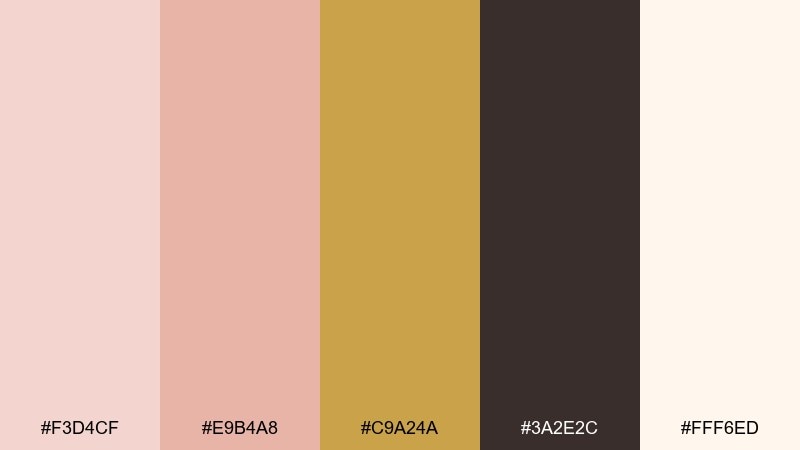
HEX: #F3D4CF #E9B4A8 #C9A24A #3A2E2C #FFF6ED
Mood: soft, romantic, celebratory
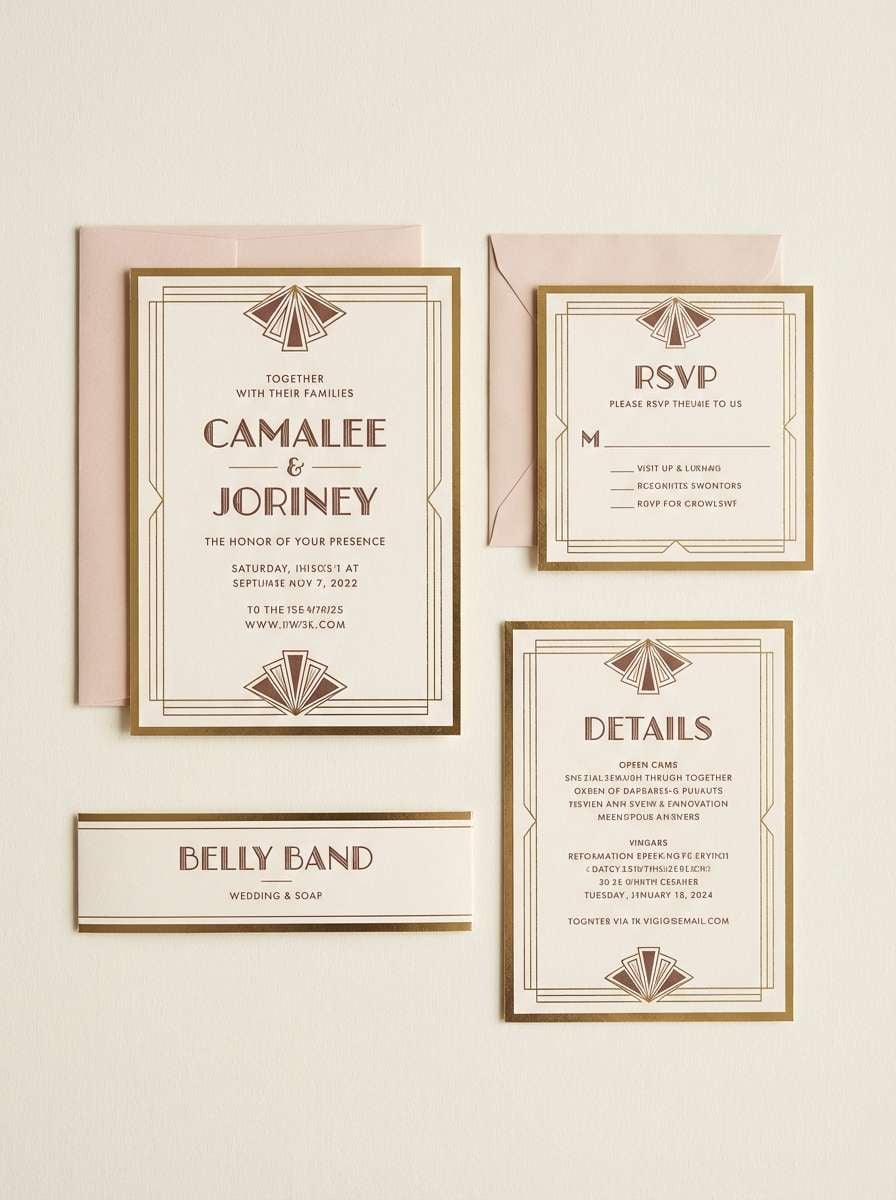
Best for: wedding invitation suite
Soft and celebratory, these Art Deco colors evoke blush silk, warm candlelight, and fine gold filigree. Keep the background creamy and let blush carry the romance, while cocoa grounds the typography for readability. Gold works best as a thin frame, monogram, or small icon set rather than big fills. Usage tip: print gold as foil on uncoated paper to keep the suite elegant and modern.
Image example of blush gold veil generated using media.io
13) Citrus Brass Pop
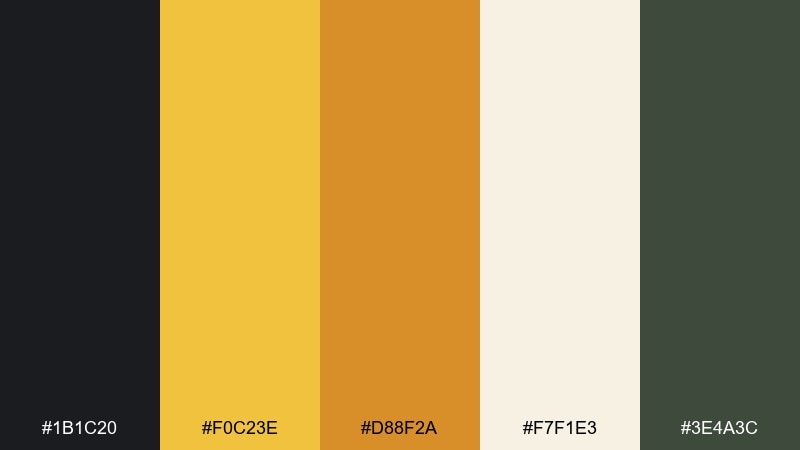
HEX: #1B1C20 #F0C23E #D88F2A #F7F1E3 #3E4A3C
Mood: playful, bold, retro-modern
Best for: packaging label for artisan soda
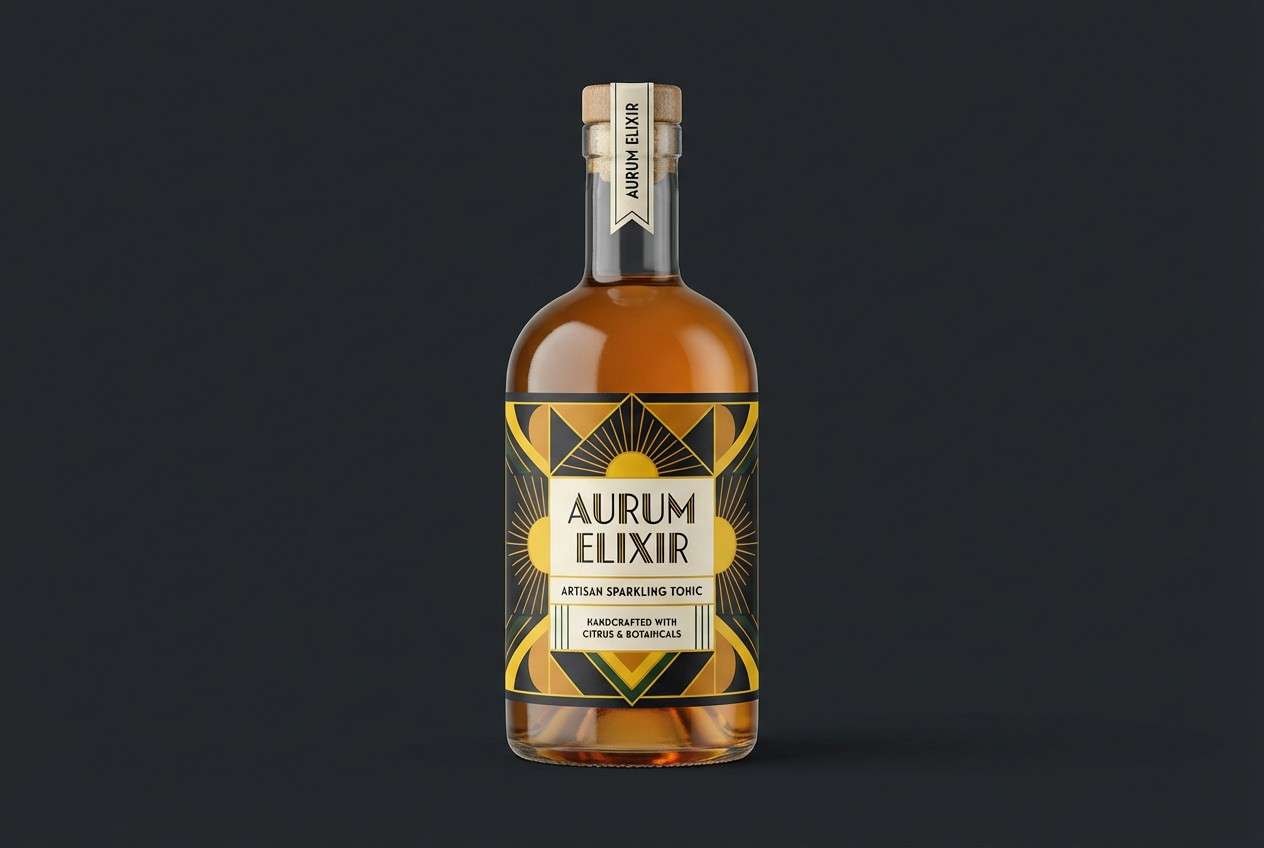
Playful and bold, these Art Deco color combinations feel like a neon marquee softened into warm citrus and brass. Use deep charcoal for the label base, then stack yellow and amber for flavor cues and big type. Cream keeps the design friendly and helps small legal text stay clear. Usage tip: limit the green to tiny stamps or ingredient icons so the citrus stays dominant.
Image example of citrus brass pop generated using media.io
14) Seafoam Marble
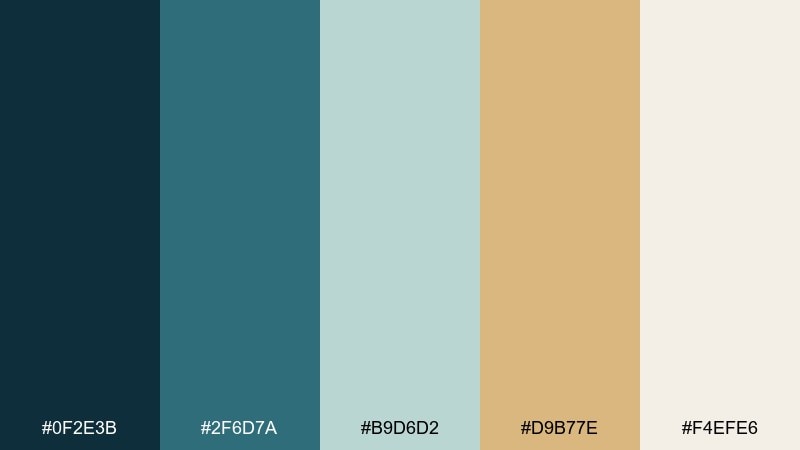
HEX: #0F2E3B #2F6D7A #B9D6D2 #D9B77E #F4EFE6
Mood: calm, coastal-luxe, airy
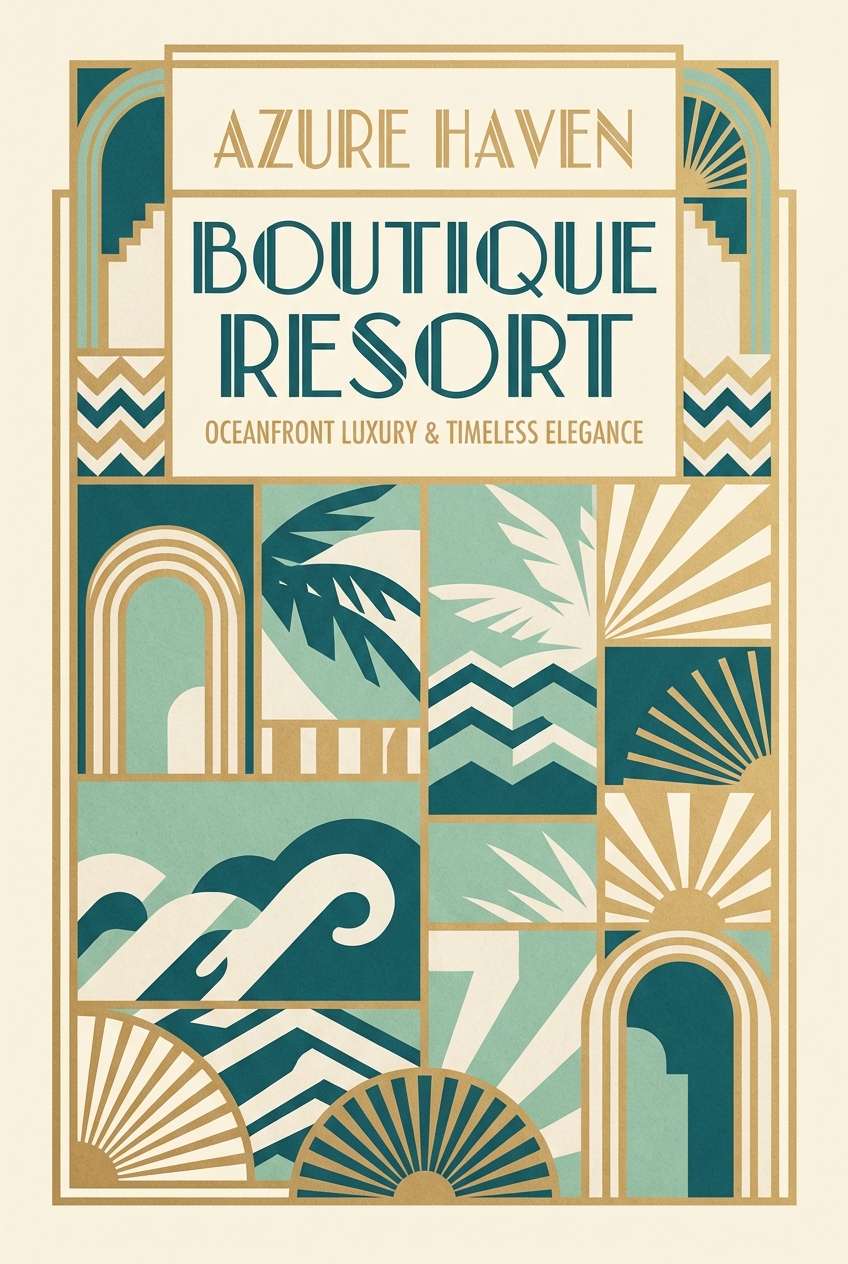
Best for: boutique resort brochure cover
Calm and airy, it suggests seafoam marble, teal water, and sun-warmed stone. Use the light neutrals for open space and let teal shapes create a clean geometric frame. A sandy gold accent works beautifully for headings and small icons. Usage tip: keep photos desaturated so the brochure cover stays cohesive with the palette tones.
Image example of seafoam marble generated using media.io
15) Bronze Midnight
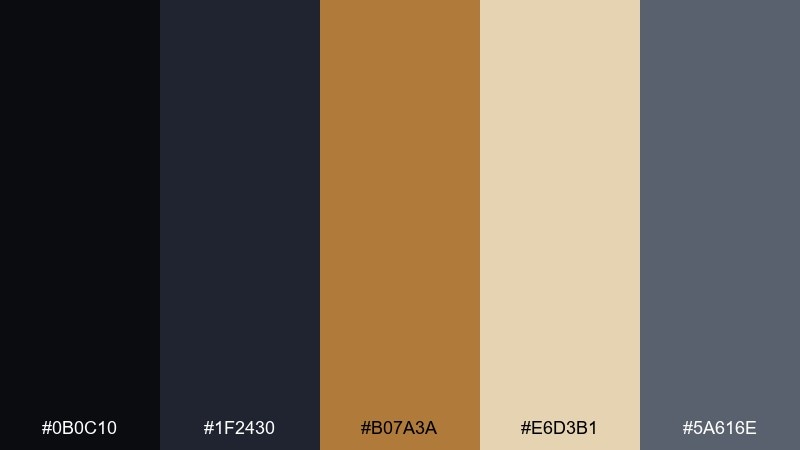
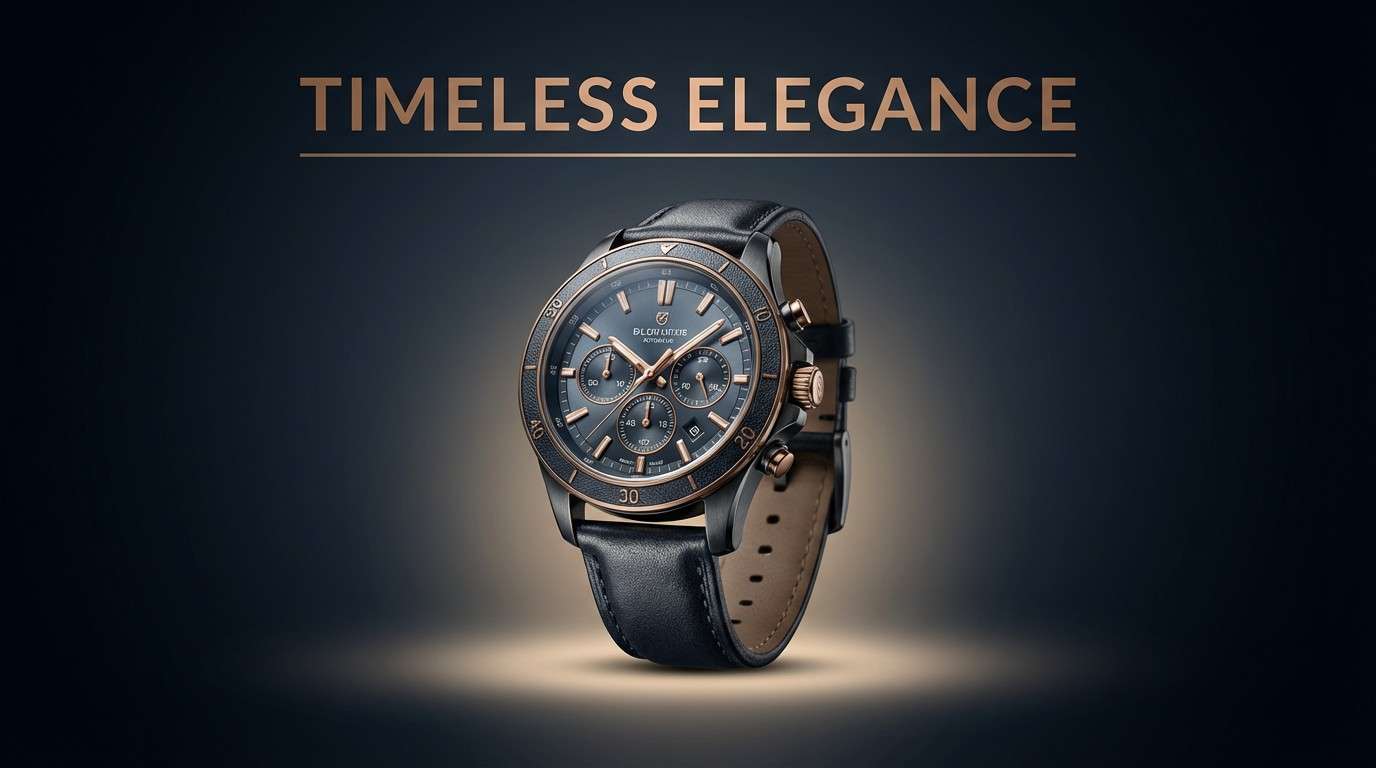
HEX: #0B0C10 #1F2430 #B07A3A #E6D3B1 #5A616E
Mood: dramatic, masculine, cinematic
Best for: watch product ad
Dramatic and cinematic, this Art Deco palette recalls a midnight city with bronze reflections off steel. Deep blacks and blue-grays create a premium base, while bronze can spotlight the product name and key features. Warm beige works well as a soft halo behind the watch to add separation. Usage tip: use a single bronze highlight line to guide the eye across the composition.
Image example of bronze midnight generated using media.io
16) Ink & Vanilla
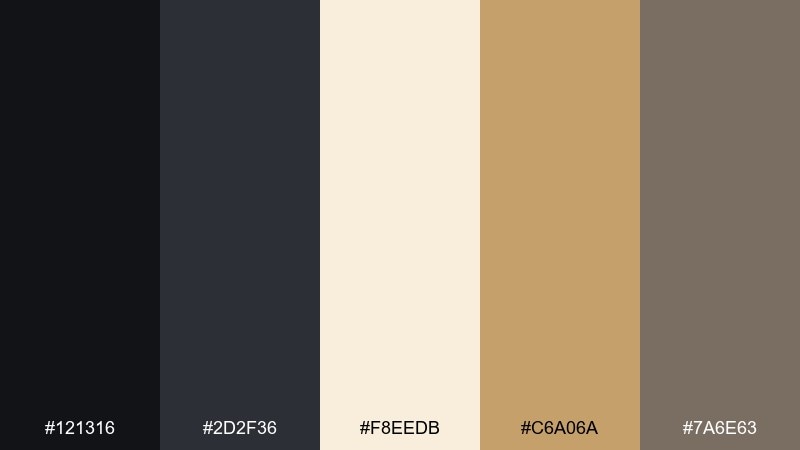
HEX: #121316 #2D2F36 #F8EEDB #C6A06A #7A6E63
Mood: classic, restrained, timeless
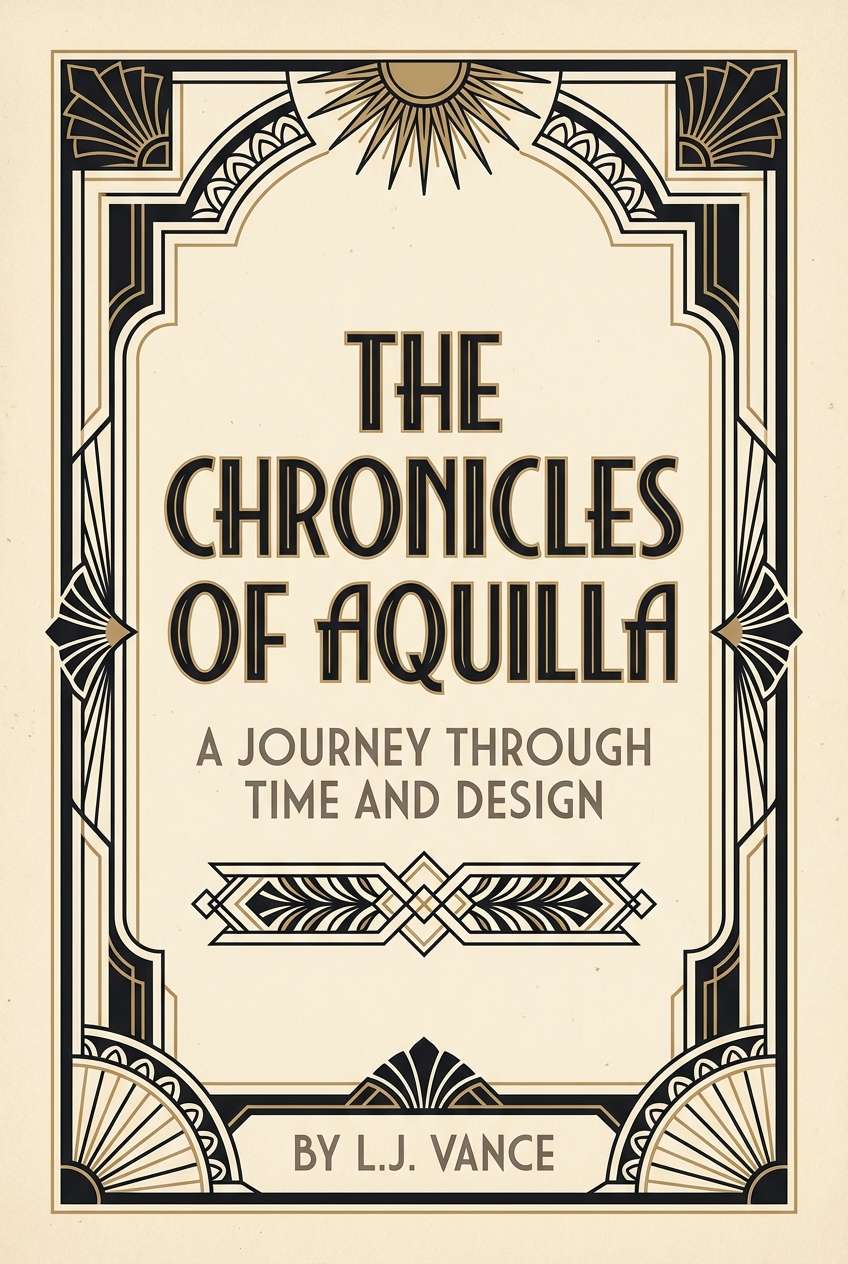
Best for: book cover design
Classic and restrained, it evokes inked typography on vanilla paper with a touch of antique gold. Use vanilla as the main field, then lean on charcoal for high-contrast titles and author lines. Gold and warm gray can shape borders and small ornaments without overwhelming the cover. Usage tip: keep ornaments thin and symmetrical to preserve the timeless feel.
Image example of ink & vanilla generated using media.io
17) Teal Quartz
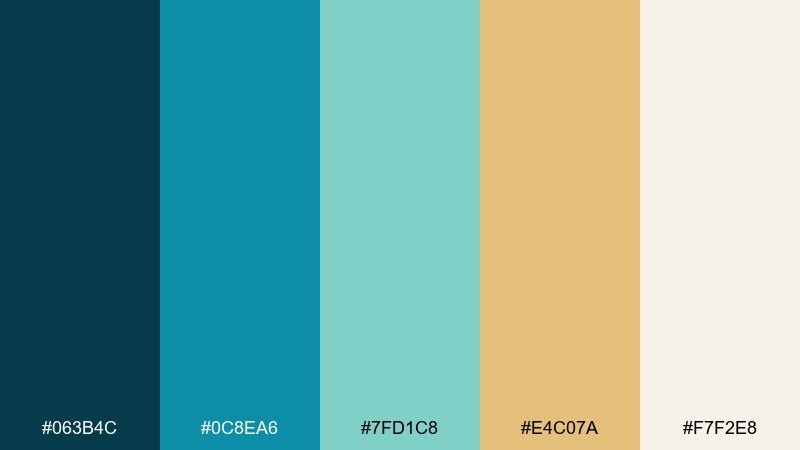
HEX: #063B4C #0C8EA6 #7FD1C8 #E4C07A #F7F2E8
Mood: bright, polished, optimistic
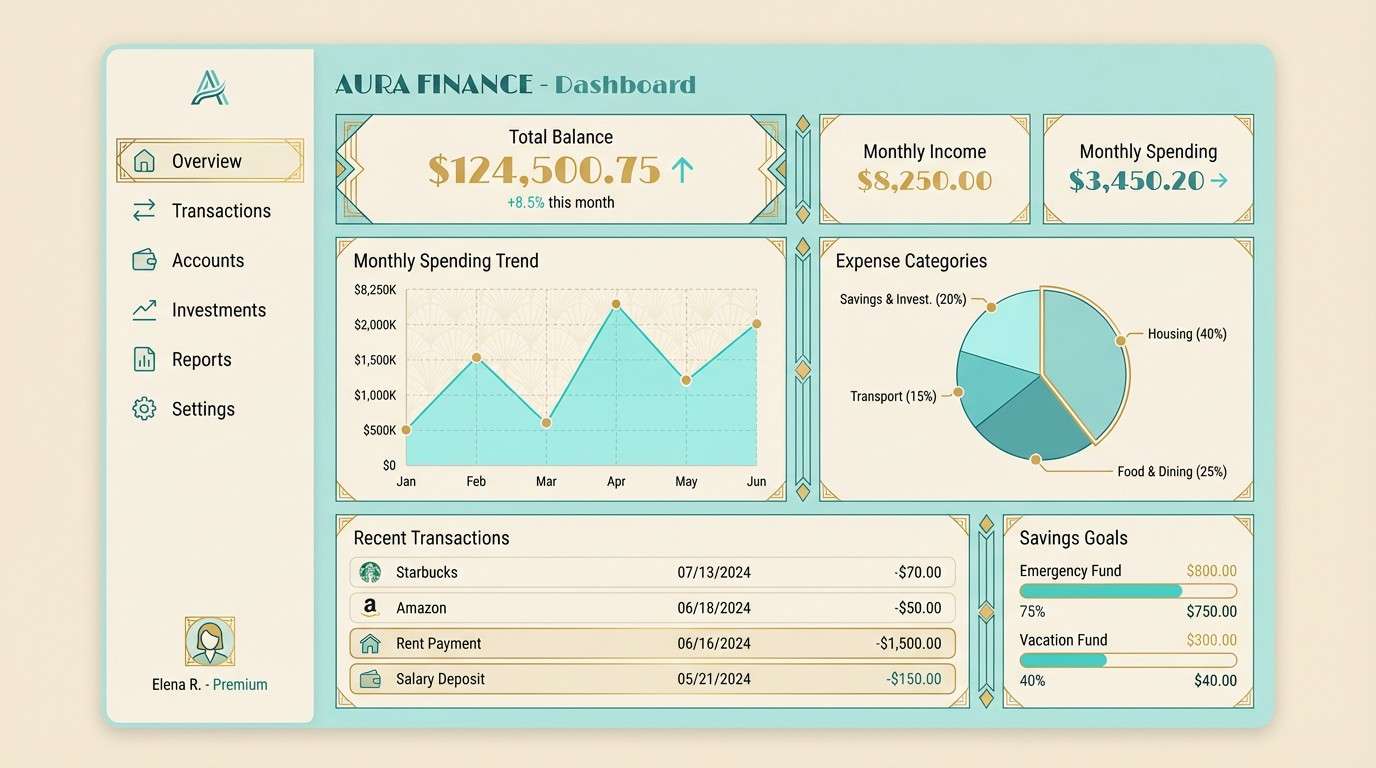
Best for: finance dashboard UI
Bright and polished, it feels like teal quartz catching light with a warm metallic glint. This art deco color scheme supports data-heavy screens when the background stays pale and teal carries charts and active states. Use gold for highlights like key metrics or alerts that should feel premium, not urgent. Usage tip: pick one teal for primary actions and keep the lighter aqua for charts to avoid competing emphasis.
Image example of teal quartz generated using media.io
18) Bourbon Gold
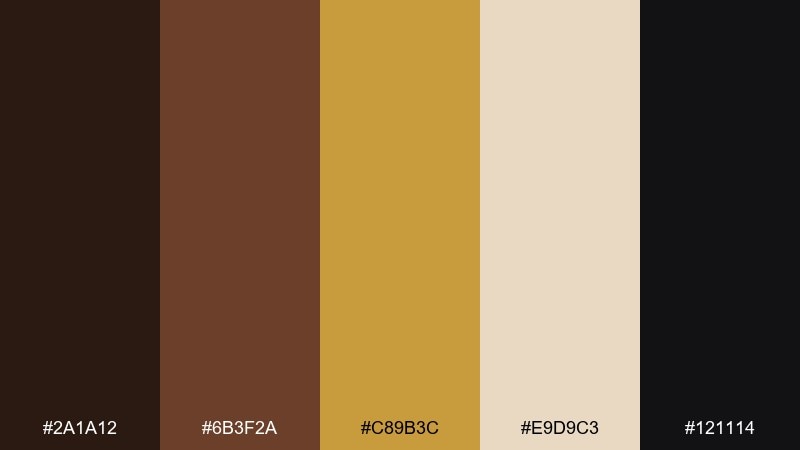
HEX: #2A1A12 #6B3F2A #C89B3C #E9D9C3 #121114
Mood: rich, cozy, gentlemanly
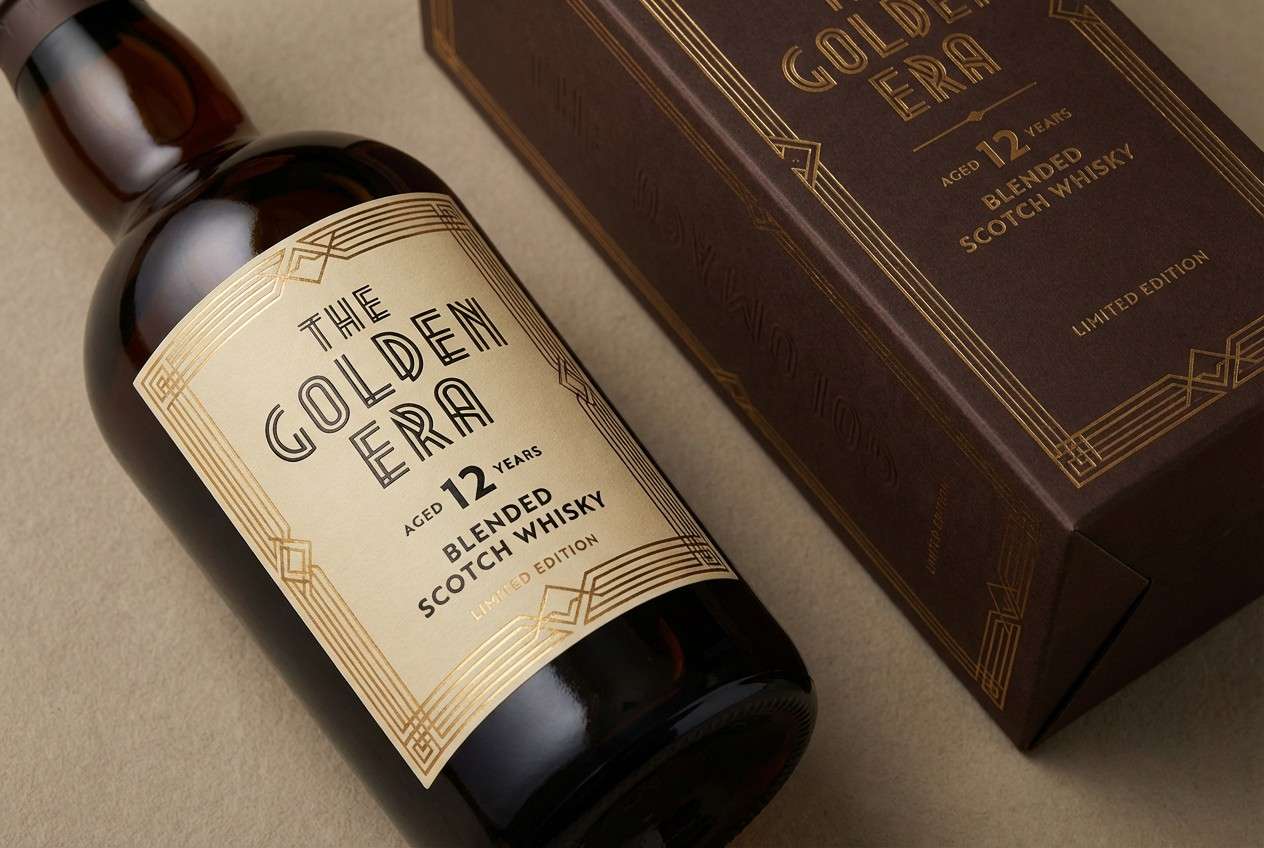
Best for: whiskey label and box packaging
Rich and cozy, it conjures bourbon barrels, leather chairs, and warm gold trim. Use deep brown for the base label and black only for crisp micro-text or a small crest. Gold does the heavy lifting for premium cues, while light parchment keeps information panels readable. Usage tip: emboss the crest and keep gold to outlines so the label stays sophisticated.
Image example of bourbon gold generated using media.io
19) Silver Cinema
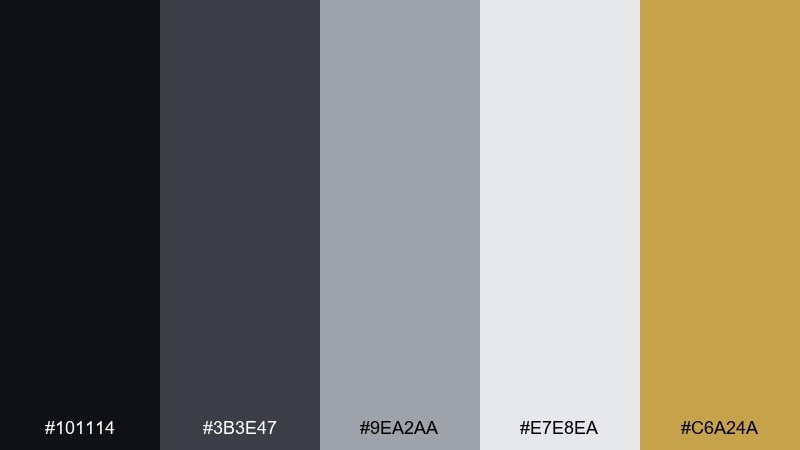
HEX: #101114 #3B3E47 #9EA2AA #E7E8EA #C6A24A
Mood: glossy, nostalgic, premiere-night
Best for: film festival poster
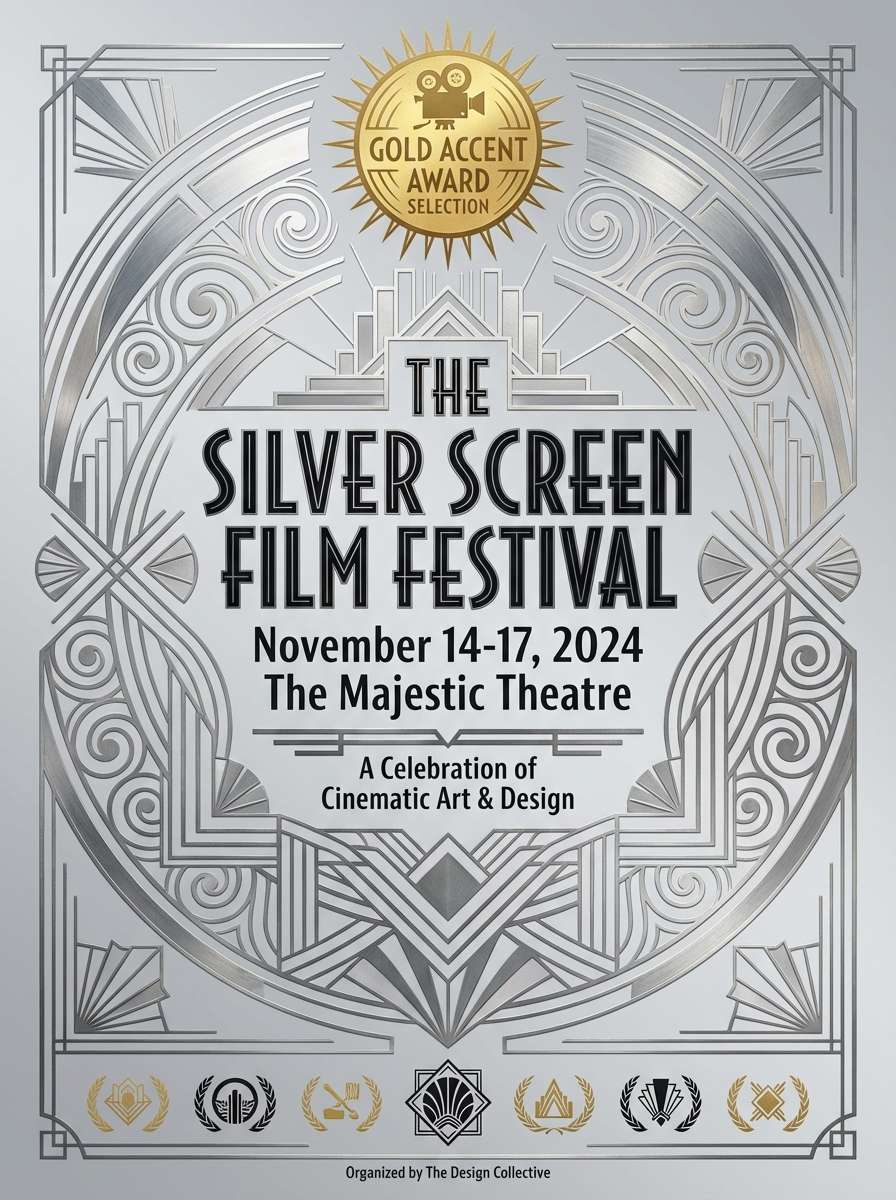
Glossy and nostalgic, these shades feel like a premiere-night marquee with silver spotlights. Keep the poster mostly grayscale so the gold accent can point to the date, venue, or award callout. Mid-gray is perfect for background geometry that adds depth without hurting readability. Usage tip: use a single gold badge element and repeat it as small bullets for consistency.
Image example of silver cinema generated using media.io
20) Palm Court
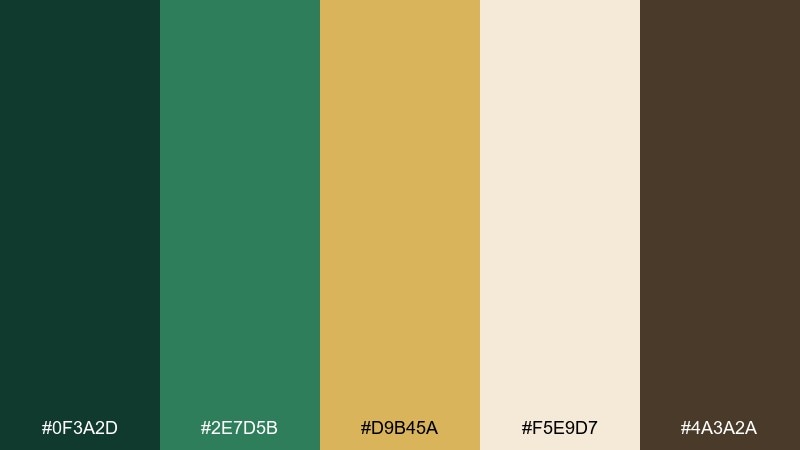
HEX: #0F3A2D #2E7D5B #D9B45A #F5E9D7 #4A3A2A
Mood: tropical-luxe, relaxed, sunny
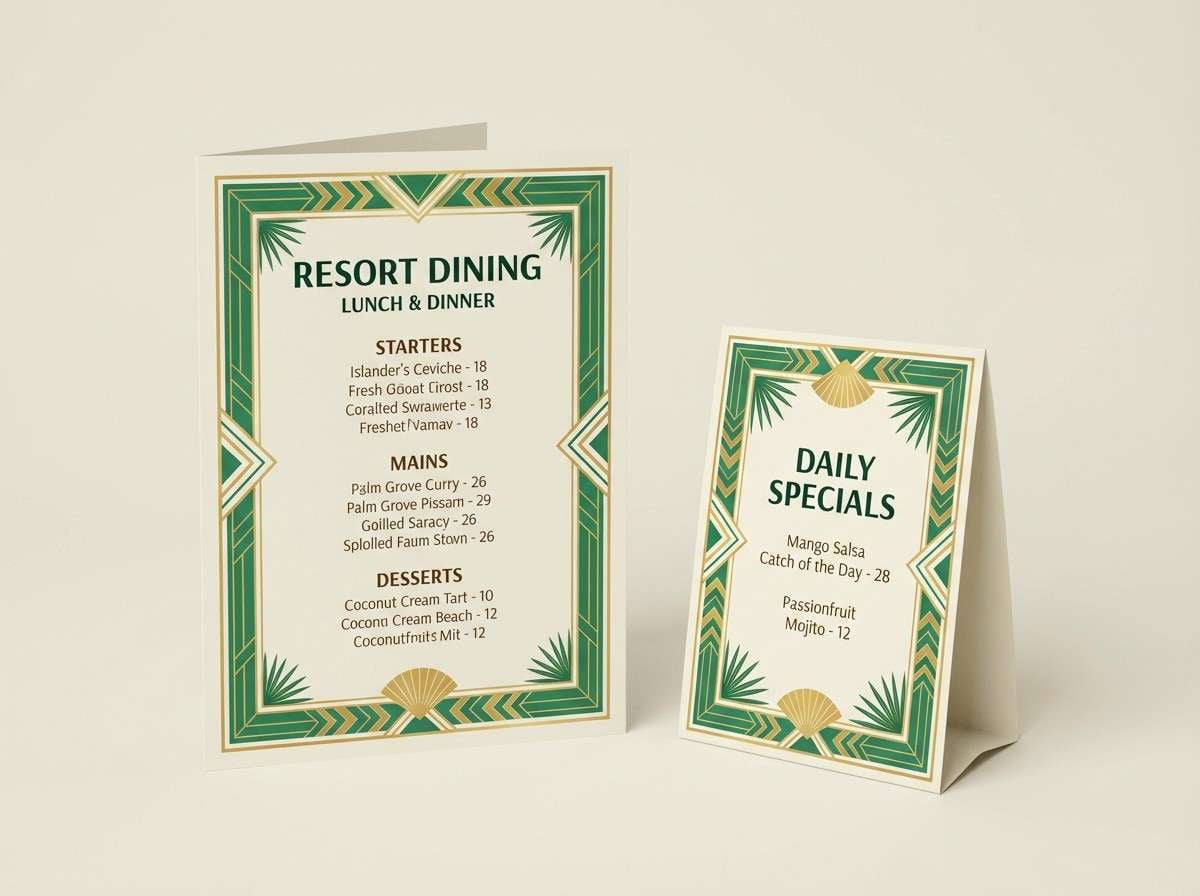
Best for: resort menu and table tent
Tropical-luxe and relaxed, it evokes palm shadows, rattan, and a soft golden hour glow. Use cream as the main background, then bring in greens for section headers and decorative geometry. Gold works well for small icons or borders, while brown supports body text with warmth. Usage tip: keep green blocks large and simple so the overall look stays breezy rather than busy.
Image example of palm court generated using media.io
21) Amethyst Spotlight
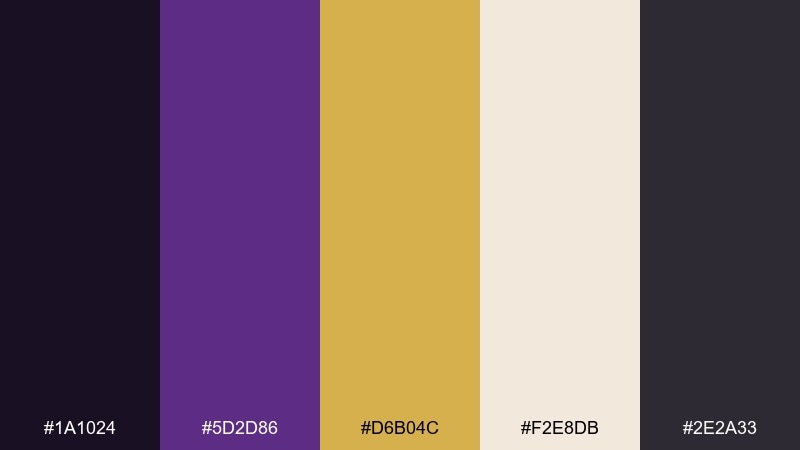
HEX: #1A1024 #5D2D86 #D6B04C #F2E8DB #2E2A33
Mood: artful, bold, nightlife
Best for: theater show flyer
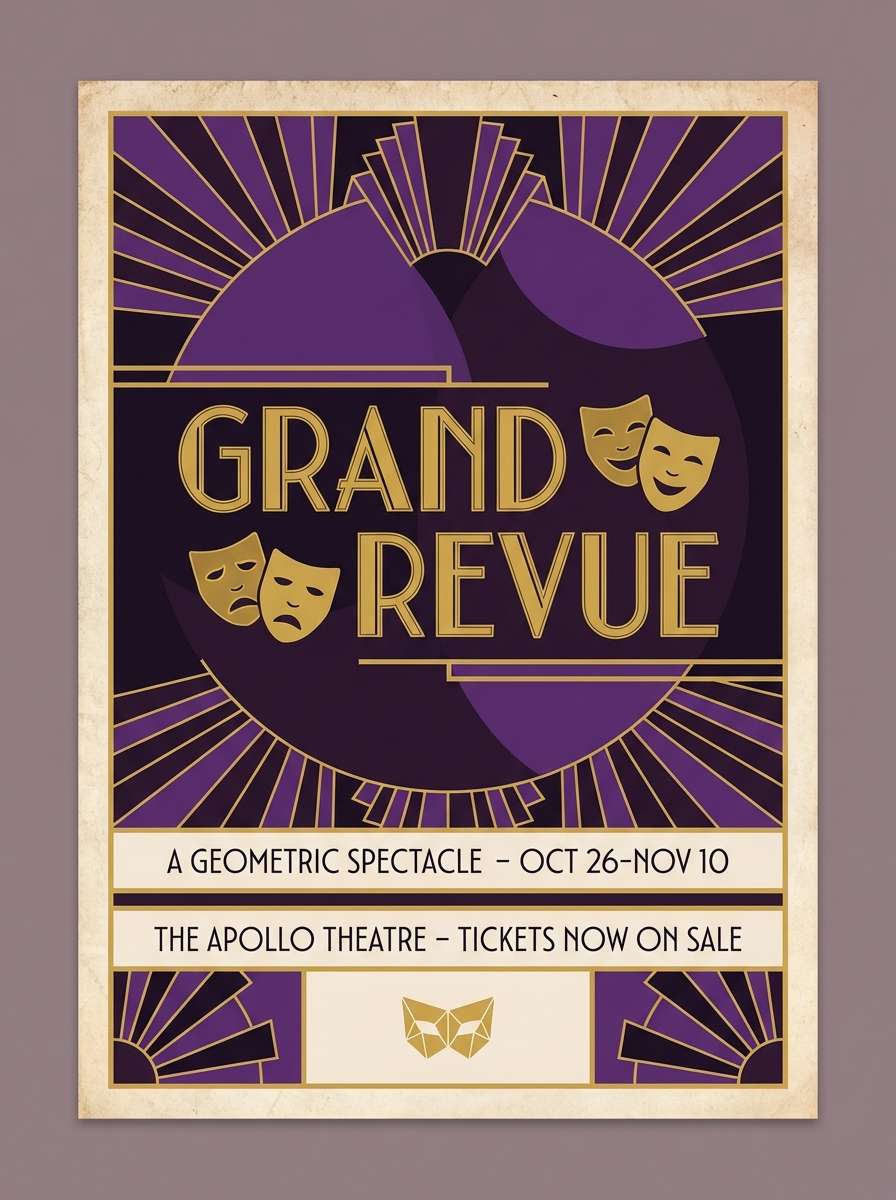
Artful and bold, it suggests a purple spotlight cutting through a dark auditorium. Art deco color combinations like this work best with amethyst as the hero and gold as the accent for cast names or show dates. Use warm cream for negative space so the flyer does not feel too heavy. Usage tip: place gold only on the highest-contrast areas to keep it luminous, not muddy.
Image example of amethyst spotlight generated using media.io
What Colors Go Well with Art Deco?
Art Deco colors pair best when you combine a dark anchor (black, navy, deep teal, espresso) with a jewel tone (emerald, sapphire, amethyst, ruby). That contrast creates the crisp, architectural look associated with 1920s–1930s design.
Warm neutrals—ivory, cream, parchment, blush—help balance heavy dark areas and keep small text readable. They also give metallic accents room to shine without turning the layout into a full “gold fill.”
For metallic vibes, use gold, bronze, or champagne as thin lines, icons, or badges. Small, repeated accents feel more authentic to Art Deco than large blocks of metallic color.
How to Use Art Deco Color Combinations in Real Designs
Start with a two-step hierarchy: set your background and structure using one dark + one light neutral, then choose one “hero” jewel tone for major shapes or headers. This keeps the geometry clean and prevents visual noise.
Treat metallics like highlights: borders, divider rules, monograms, button strokes, and small UI states. In print, consider foil or spot ink for gold; on screens, keep metallic colors slightly muted so they don’t read as “warning.”
Finally, prioritize readability with high-contrast text, generous spacing, and consistent line weights. Art Deco thrives on symmetry and repetition—use a few motifs and repeat them rather than mixing many styles.
Create Art Deco Palette Visuals with AI
If you want to preview how an Art Deco color scheme looks on posters, packaging, menus, or UI, generating quick mock visuals helps you validate contrast and hierarchy before you design.
With Media.io’s text-to-image tool, you can describe the scene (menu, label, invitation, dashboard), specify your HEX colors, and get consistent Art Deco-inspired visuals in seconds.
Art Deco Color Palette FAQs
-
What defines an Art Deco color palette?
An Art Deco color palette typically uses high contrast (dark anchors + light neutrals), bold jewel tones (emerald, sapphire, ruby, amethyst), and metallic accents like gold or bronze applied in small, graphic details. -
What are the most popular Art Deco colors?
Common Art Deco colors include black, ivory/cream, emerald green, deep teal, navy, burgundy, sapphire blue, and gold/champagne accents. -
How do I use gold without making the design look tacky?
Keep gold to a small percentage (often under 10–15%), use it for thin borders, icons, badges, and key highlights, and pair it with a deep anchor like near-black or navy so it reads refined. -
Which Art Deco color combinations work best for branding?
For luxury branding, try dark + gold pairings like Gilded Emerald, Champagne Noir, or Bronze Midnight. For softer brands, Blush Gold Veil or Seafoam Marble gives an elegant Art Deco feel with more air and warmth. -
What font styles match Art Deco color schemes?
Geometric sans-serifs, high-contrast display serifs, and condensed headline fonts work well. Pair a bold, stylized headline font with a simpler body font to preserve readability. -
How can I make an Art Deco palette readable for UI?
Use an off-white or cream background, reserve dark tones for text/navigation, and keep jewel tones for primary actions or charts. Metallic accents should be subtle (hover states, separators) rather than large fills. -
Can I generate Art Deco mockups with specific HEX codes?
Yes. In Media.io text-to-image, include your HEX codes in the prompt (e.g., “emerald #0B3D2E, gold #D4AF37”) and describe the layout style (Art Deco geometry, thin dividers, symmetrical framing) for consistent results.
Next: Lighthouse Color Palette


