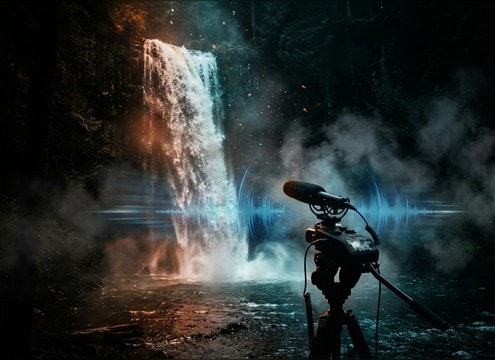
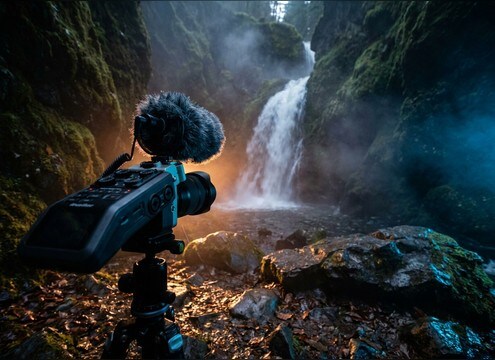
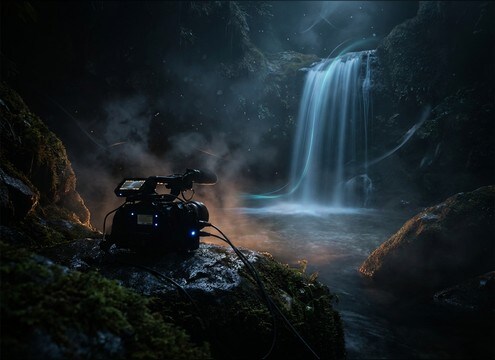
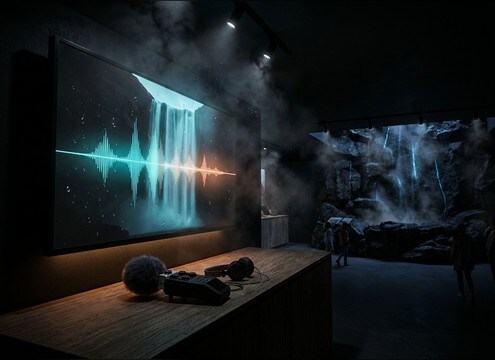
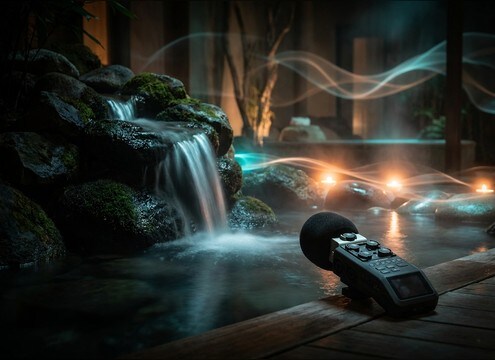


Waterfalls read differently depending on camera distance, terrain, and how steady the water texture is. Use the library clips when you need something immediately, or prompt the AI to match your framing: close spray detail for tight shots, a smoother roar for wide landscapes, or cave reflections for enclosed spaces. Focus on loop behavior, stereo width, and how much low-end rumble you want in the mix.
Match distance to texture
Close waterfalls have brighter spray and sharper transients, while distant falls lose detail and become more low-mid rumble with softer attacks. If the shot is wide, ask for less spray and more air. If the camera is near the water, ask for crisp splashes and audible mist.
- Close: crisp transient, brighter spray, shorter perceived tail
- Mid: balanced roar and spray, moderate stereo width
- Distant: softened attack, hazier texture, more rumble than hiss
Pick an environment that explains the tail
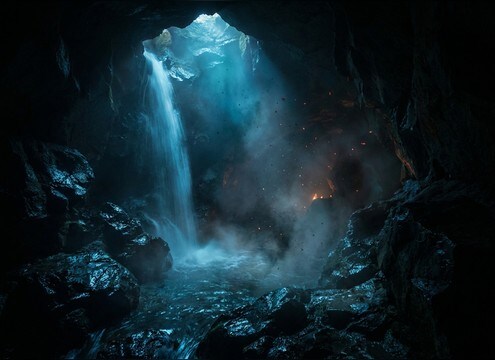
The same waterfall can feel outdoor and open, or enclosed and reflective. Prompt the space so the decay makes sense: open air has a cleaner falloff, while caves and canyons add reflections that lengthen the tail and thicken the midrange.
- Open outdoors: minimal reflections, natural decay
- Canyon: subtle slap and longer tail without sounding like a room
- Cave: wet reflections, darker tone, more obvious decay
Decide if you need a loop or a moment
For ambience beds, you want consistency and fewer sudden peaks so looping is easy. For on-screen moments, a more dynamic texture can sell scale and power. Ask directly for loop-friendly behavior when you plan to repeat the clip.
- Loop prompts: consistent texture, no spikes, smooth start and end
- Moment prompts: evolving spray, stronger movement, more contrast
- If dialog is present: request reduced high-end hiss and controlled low-end
Avoid common waterfall prompt mistakes
Many unusable waterfall results come from unclear scale or too many extra elements. Keep the prompt focused on the water first, then add only the one or two details you truly need, like distance or environment. If the clip masks other audio, reduce low-end or request a gentler cascade.
- Do not stack unrelated elements like thunder, crowds, and birds unless needed
- Avoid vague scale words alone; add distance and intensity targets
- If it sounds harsh, request softer transients and a smoother decay