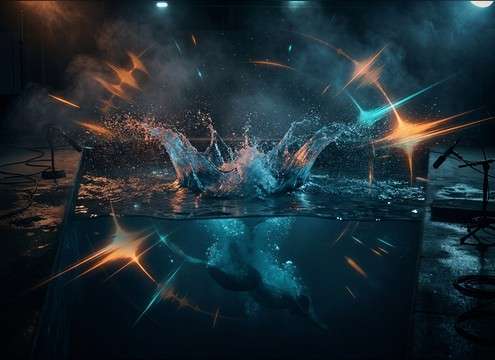
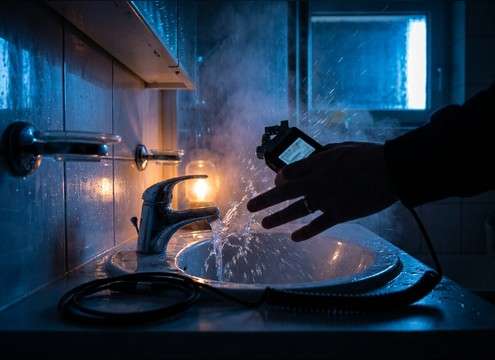
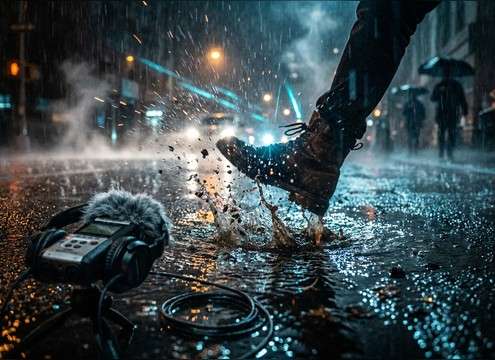
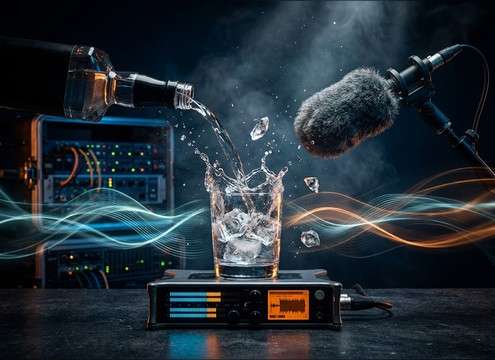

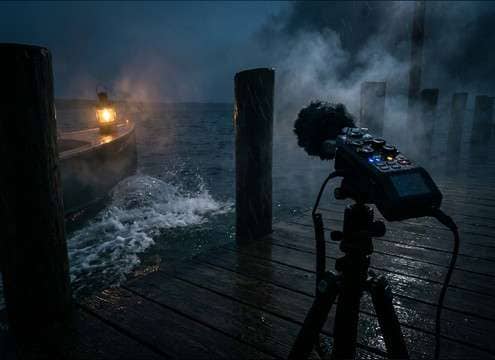



Water splashes read differently depending on what caused them, how close the camera feels, and what space the water is in. Use the library to grab a quick fit, then refine with prompts that specify the action (drop, slap, dive), perspective (close or distant), and the kind of tail you need (tight drips vs lingering ripples).
Name the action, not just splash
The most reliable results come from describing the physical cause. A hand slap has a fast attack and light droplets, while a body entry has a wider burst and more low-end movement.
- Use verbs like slap, kick, drop, dive, pour, or throw
- Specify size: small object, bucket, full-body entry
- Add surface hints: shallow puddle, still water, choppy pool
Dial perspective with distance and space
Perspective is the difference between a foley hit and a location cue. Close splashes should be brighter and drier; distant splashes should be softer with more air and longer decay.
- Close-mic: crisp transient, narrow stereo, short tail
- Bathroom: subtle reflections and steady room tone
- Outdoor: reduced reflections, more air and gentle roll-off
Choose the right tail for your edit
Tails control how well the sound sits under dialogue and music. Short tails cut cleanly for quick jokes, while longer ripples help sell lingering water motion after impact.
- Short decay for tight cuts and fast dialogue returns
- Medium tail for dives and action beats
- Longer ripple for aftermath shots and slow motion
Avoid common splash problems
A splash that is too bright, too noisy, or too long can feel fake. Prompt away artifacts by asking for clean attacks, natural decay, and controlled droplet scatter.
- Avoid harsh hissy highs that sound like steam or noise
- Avoid clipped peaks on big impacts like dives or throws
- Avoid overly constant texture when you need a single hit