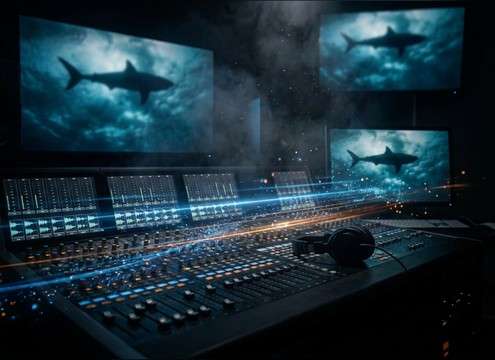


Sharks are not usually built from vocal calls. The most useful shark audio comes from water movement, pressure, splashes, impacts and scene tension.
Start with the action
Name what the shark is doing before adding cinematic style.
- Surface lunge for visible water impact
- Underwater pass-by for movement and pressure
- Bite impact for close creature moments
Use water as the main layer
Water texture sells the scene more than an invented animal voice.
- Foam and splash for surface shots
- Bubbles and muffling underwater
- Low pressure for scale and distance
Set realism level
Documentary scenes need restraint, while trailers can use heavier tension.
- Realistic: no roar, natural water bed
- Cinematic: low swell and sharper impacts
- Game: clear trigger cues and readable attacks
Avoid distracting extras
Keep the cue clean unless the edit needs chaos.
- No human screams
- No music unless requested
- Avoid fake monster growls for realistic pages