





Horse vocalizations read differently depending on emotion, distance, and the space around the animal. Use prompts that specify the type of call (whinny vs sharp neigh), how close the mic feels, and whether you want stable room tone or open-air reflections. Small wording changes like short tail, clean end, or muffled through a stall door help you get a take that drops into the edit with less cleanup.
Choose the right call type
Start by naming the behavior so the timing feels believable. A friendly whinny often has a softer onset, while an alert neigh hits with a quicker transient and more bite. If your scene is tense, ask for a squeal-like tone and a longer, rougher tail.
- Use words like friendly whinny, sharp neigh, aggressive squeal
- Ask for quick attack for reactions, softer onset for calm scenes
- Specify clean end if you need it to cut on a frame
Set distance, tone, and tail
Distance changes perceived brightness and decay. Close takes feel detailed and breathy, while distant calls lose high end and blend into ambience. Tail length matters for pacing: short decay for fast cuts, longer decay for wide scenic holds.
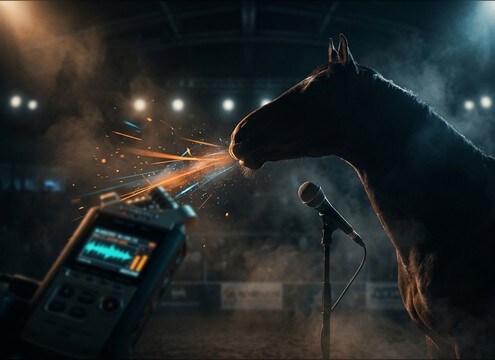
- Close-mic: more breath detail, less room, clearer transient
- Distant: softened highs, more space, quieter perceived level
- Tail control: short decay for UI-like timing, longer tail for landscapes
Match the environment
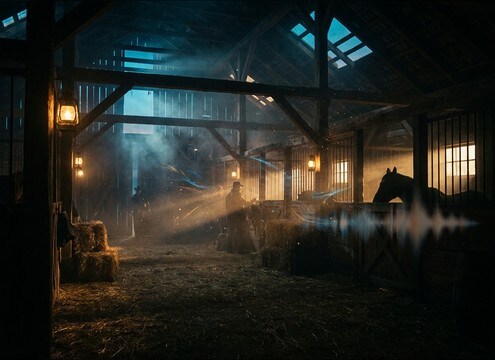
A stable adds contained reflections and a little room bed, while an open field feels drier with subtle, natural bounce. If you already have a strong ambience layer, request minimal room tone so the neigh does not fight the background.
- Stable: mild reflections, warm decay, optional stall rattle
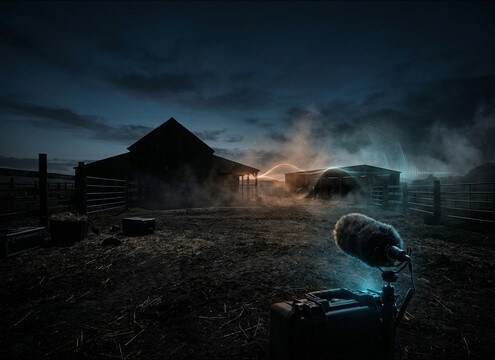
- Outdoor paddock: drier sound, softer reflections, more air
- Say no background noise when you need a clean isolated asset
Avoid common prompt pitfalls
Overly broad prompts can produce mismatched perspective or inconsistent loudness. Be explicit about realism, camera distance, and whether you want one call or a short sequence. If the take feels too wet, regenerate with less reverb and tighter tail.
- Avoid vague words like cinematic only; describe space and distance
- Request consistent level to prevent jumpy loudness between versions
- For sequences, specify spacing like two calls with a short pause