
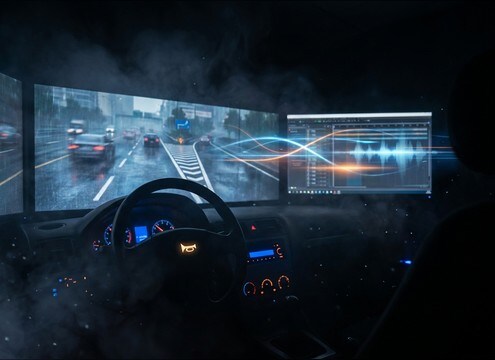








Auto horns are easy to overdo: the wrong tone, distance, or decay can feel fake or distracting. Use this checklist to choose the right clip from the library or to write a prompt that generates a horn with the correct intent, perspective, and space for your scene, from polite nudges in traffic to urgent warnings at a junction.
Pick the right horn character
Start by deciding what kind of vehicle and horn behavior you need. A compact car beep reads different than a larger sedan honk, and a vintage-sounding horn can instantly change the vibe. Specify timbre (bright vs nasal), intensity, and whether the horn is steady or slightly wobbly.
- Use "short beep" for quick reminders, not "long honk"
- Call out texture: clean, slightly raspy, or buzzy
- If needed, mention vehicle flavor: small car, sedan, taxi
Match distance, angle, and space
Horn perspective sells the shot. Close horns have sharp transients and little air loss, while distant horns soften and pick up room tone. Locations matter too: tunnels add bounce, garages add boxy reflections, and inside-car perspective sounds filtered and enclosed.
- Close: crisp attack and short, controlled decay
- Distant: softened transient with subtle reflections
- Specify environment: open street, tunnel, parking garage, inside cabin
Control rhythm and meaning
The pattern communicates intent. A single tap can be polite, repeated taps can feel impatient, and one sustained blast can signal danger. When prompting, include the spacing, number of taps, and how hard the horn is pressed so the timing reads naturally on screen.
- Polite: one or two quick taps with clear gaps
- Impatient: several short beeps with uneven spacing
- Urgent: a sustained honk that holds level without pumping
Avoid common horn SFX mistakes
Most horn clips fail because they are too loud, too long, or too wet with reverb. Keep the tail appropriate for the space, avoid harsh clipping, and watch masking against dialog. If the horn feels synthetic, regenerate with a more natural decay and less exaggerated stereo width.
- Avoid clipped peaks and harsh top-end fizz
- Do not add a long tail to an outdoor street horn
- Keep stereo width realistic so it does not swallow the mix