




Fan audio is usually a background bed, so the best choice is the one that stays steady, loops cleanly, and matches the space. Use prompts that specify the fan type, speed behavior, and how present the motor should be. If your scene needs dialogue clarity, prioritize smoother transients and less tonal whine, then regenerate a few variations until the sustain feels stable.
Start with the right fan type
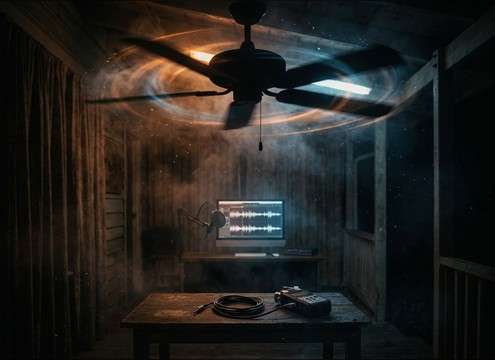
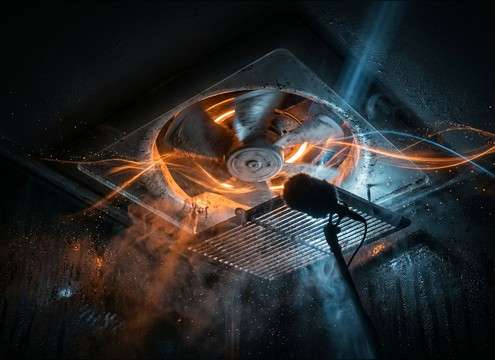
Different fans have distinct signatures. Ceiling fans create periodic blade swish, desk and box fans lean toward broadband hiss plus motor hum, and extractor or HVAC vents sound more narrow and distant. Naming the device helps the generator avoid mismatched texture.
- Use device nouns: ceiling fan, box fan, bathroom extractor, HVAC vent, industrial blower
- Call out motor character: clean hum, gritty bearings, slight electrical buzz
- Mention blade behavior when needed: rhythmic swish, no swish, muted swish
Define speed behavior and steadiness
Creators often need either a perfectly stable bed or a specific action like spin-up and coast-down. Add speed language so you get predictable pitch and turbulence, and request a smooth tail if you plan to loop.
- For beds: say steady low speed, stable pitch, loopable ending
- For actions: say ramp up quickly, hold steady, then slow down
- If whine is a problem: ask for reduced high-end whine and smoother airflow
Match distance, room tone, and stereo width
A close fan can be too detailed for dialogue, while a distant fan may disappear. Specify the room and perspective so reflections and stereo width land correctly and the bed sits where you expect.
- Close mic: less room, more mechanical detail, tighter stereo
- Room tone: small bathroom, living room, ducted corridor, open garage
- Distant beds: softer transients, more resonance, lower perceived detail
Avoid common fan SFX mistakes
Fan beds become annoying when they wobble in pitch, pump in volume, or have obvious loop seams. When you preview, listen for stability first, then regenerate with more specific constraints.
- Avoid pitch warble if it will sit under music or dialogue
- Avoid choppy modulation unless the fan is visibly oscillating
- Avoid hard loop clicks by requesting a smooth loopable tail