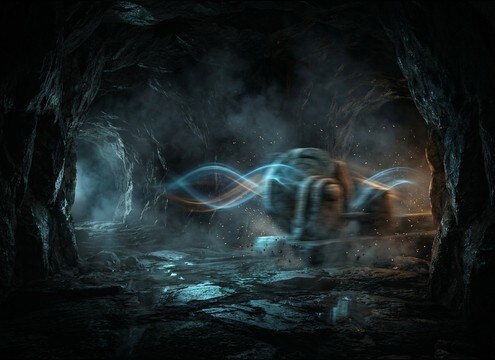
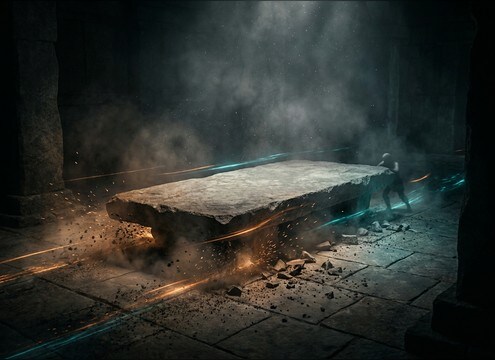
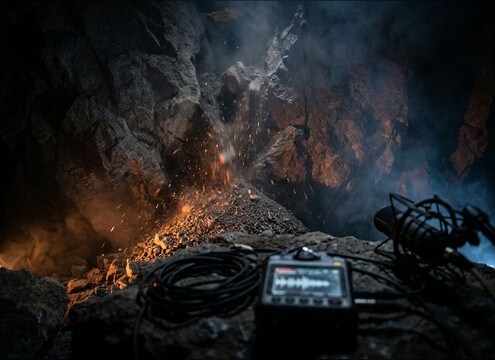



Stone sliding is all about friction texture and how the tail tells you where the action happens. When you generate or choose a clip, focus on material roughness, motion speed, and whether you need a close, detailed scrape or a distant slide with reflections. Use prompts that describe contact surfaces and the way the object moves, not just the word stone.
Pick the material and surface contact
Different stones read differently on camera. Granite and basalt feel dense with a harder rasp, while limestone can sound chalkier and drier. Also call out what it is sliding on: stone-on-stone, stone-on-sand, or stone-on-floor, because that changes debris and high-frequency bite.
- Use material words: granite, limestone, basalt, marble
- Specify contact: stone-on-stone, slab on floor, cobble grind
- Add debris detail if needed: dusty grit, gravel sprinkles, clean scrape
Control motion: speed, pressure, and start-stop
Editors often need the scrape to hit exact frames: a quick shift for a reveal, or a long drag for a door opening. Describe whether the movement is steady or jerky, and how heavy the object is so the transient and low-end thump feel right.
- Fast shift: sharp attack, short tail, brief grit burst
- Slow drag: sustained friction bed, gradual texture change
- Start-stop: multiple mini transients with short pauses between
Match the space with distance and decay
A stone slide in an open courtyard should have less reverb and more direct scrape detail, while a cave or temple hall needs longer decay and wider reflections. Ask for close-mic or distant perspective to control how much room tone and tail you get.
- Close: crisp transients, detailed grit, minimal reflections
- Distant: softened attack, longer decay, wider stereo ambience
- Indoor stone hall: audible early reflections and controlled low-end rumble
Avoid common selection mistakes
Stone sliding can become harsh quickly, especially if the transient is too bright or the grit is constant at one pitch. Choose versions that leave headroom for impacts and keep the scrape from masking important midrange like voices and creature cues.
- Skip overly bright scrapes that whistle or ring unnaturally
- Avoid constant, identical grit that sounds like a loop artifact
- Watch low-end rumble if your scene already has drones or impacts