





Bell sounds can feel cheap fast if the attack is too clicky, the pitch is wrong, or the tail does not match the space. When browsing clips or writing a prompt, decide what the bell is (desk bell, bike bell, chime bar, church bell), how close the listener is, and how long the ring should live in the cut. Use the tips below to get a bell that reads instantly and stays mix-friendly.
Start with the bell type and mechanism
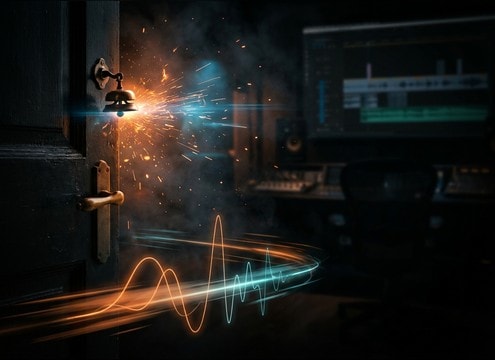
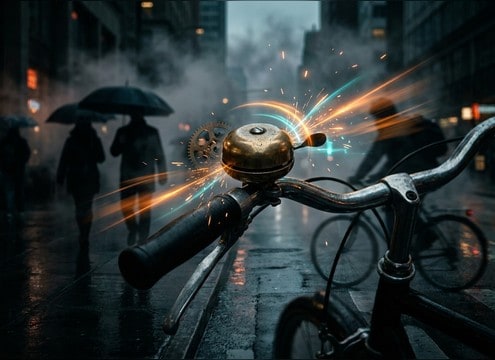
Different bells have different transients and harmonic signatures. A bike bell has a mechanical click and bright ring, a handbell has a smooth sustain, and a church bell has heavy low-mid bloom. Naming the mechanism helps the generator avoid generic metallic pings.
- Use nouns like desk bell, handbell, sleigh bells, church bell, or door chime
- Mention strike style: tap, single hit, double hit, or gentle swing
- Call out material character: bright brass, darker bronze, or thin metal chime
Match distance and space to picture
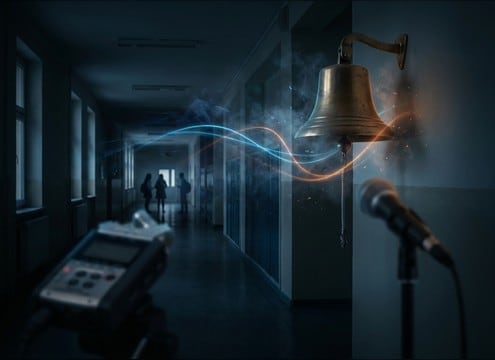
A bell tail that implies a hallway will not fit an open street. Decide whether you want close and dry (minimal reflections) or distant and washed (air and diffusion). For establishing shots, the room tone around the bell is often as important as the pitch.
- Close: dry, minimal room tone, tight stereo image
- Medium: light reflections, moderate decay, wider stereo
- Distant: softer attack, longer tail, outdoor diffusion or large hall bloom
Control decay for timing and readability
Bell sustain can mask dialogue or crowd a cut. For UI cues, keep the decay short and clean. For ritual or time cues, let the tail breathe, but avoid harsh overtones that sound brittle when repeated.
- For UI: short decay, clean cutoff, no hiss or hum
- For scenes: medium decay that sits under ambience without ringing forever
- For dramatic tolls: long decay with a smooth fade, not a noisy wash
Avoid common bell SFX mistakes
The biggest giveaways are clipping, overly synthetic pitch, and tails that jump in level. If a bell feels sharp or painful, reduce brightness and request a smoother overtone balance. If it feels small, ask for more body and a slower, heavier strike response.
- Avoid: distorted peaks, harsh metallic fizz, or buzzing tails
- Avoid: reverb that sounds like a different room than the scene
- Fix: prompt for smoother harmonics, less brightness, and a cleaner noise floor