


Doorbells are short, attention-grabbing transients, so the wrong pitch or tail can feel fake fast. When browsing clips or writing a prompt, focus on the chime pattern, how present the room is, and whether you need a clean UI-style ping or a physical bell with mechanical texture. Use the tips below to get a doorbell that reads instantly and sits well under dialogue.
Choose the chime pattern first
Most edits need a clear signal: single ding, two-tone ding-dong, or a repeating intercom pattern. Lock the rhythm before you worry about tone, so the sound lands exactly where the character reacts.
- For realistic homes, try: two-tone ding-dong with a short second note
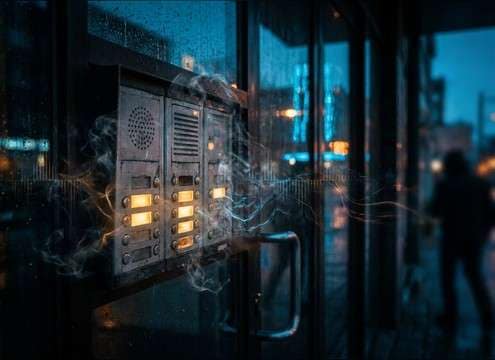
- For apartment entries, try: repeating buzzer bursts with small pauses
- For product demos, try: single ping with a tight stop
Match the space using tail and room tone
A doorbell in a foyer behaves differently than one heard from a kitchen. If the picture shows distance, ask for softer highs and more reflections. If the shot is close, keep the tail controlled and the noise floor low.
- Close perspective: crisp attack, short decay, minimal ambience
- Hallway distance: slightly muffled, longer tail, audible room tone
- Hard surfaces: brighter reflections and a clearer ring-out
Decide between mechanical and digital texture
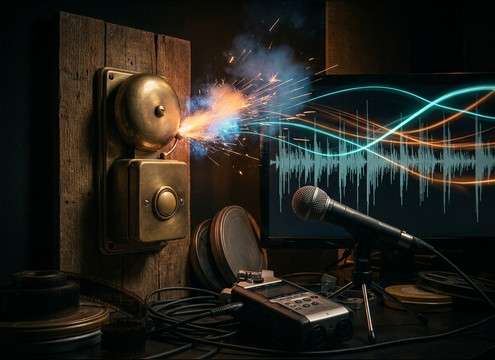
Wired bells and older chimes often have a little mechanism click or strike noise. Smart doorbells can lean more like a UI sound with cleaner envelopes. Pick the texture that matches the prop on screen.
- Vintage doorbell: add striker click or coil buzz detail
- Wireless chime: cleaner harmonics and a controlled stereo image
- Intercom: slight hiss and hardware grit, not glossy
Avoid the common doorbell giveaways
Doorbells fail when they are too long, too wet with reverb, or pitched like a phone notification. Keep the transient clear, the tail believable, and the level easy to duck under speech.
- Avoid overly musical melodies unless the scene calls for it
- Avoid huge reverb tails that do not match the room
- Avoid heavy low-end rumble that masks dialogue