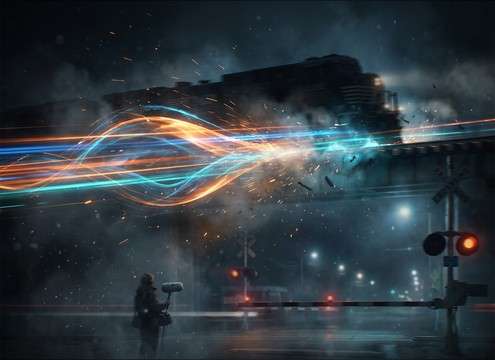
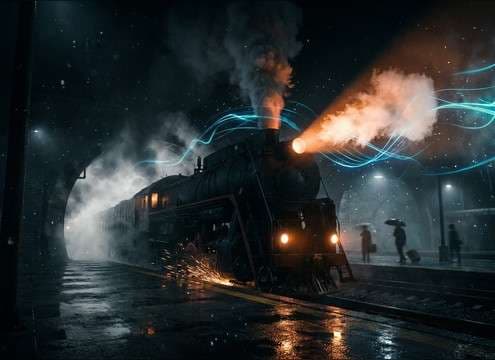
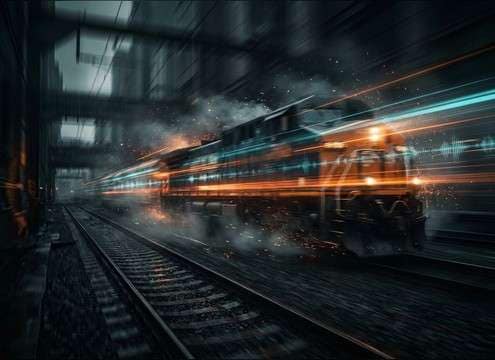
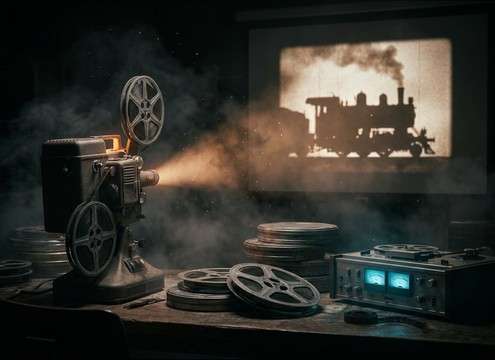


Locomotive whistles can read as heroic, nostalgic, or urgent depending on pitch, attack, and the space around them. When browsing clips or writing an AI prompt, decide what the camera hears: a close warning blast with minimal ambience, a distant call with long decay, or a moving pass-by with Doppler shift. Use the tips below to get a whistle that matches picture and does not fight dialog or music.
Pick the intent: warning, salute, or atmosphere
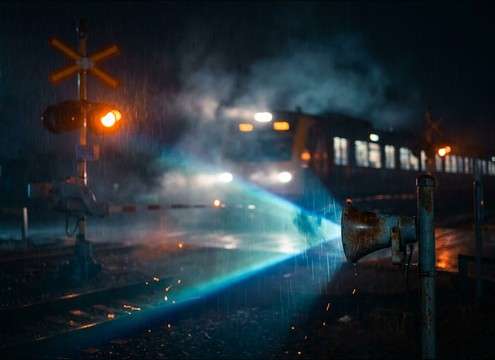
A crossing warning needs clarity and a firm transient, while a station farewell can be longer and more musical. Atmospheric distant calls should feel softer and less intrusive, with more air in the tail.
- For urgency, ask for a strong attack and steady sustain
- For nostalgia, choose a brighter steam-like tone and smoother decay
- For background presence, lower intensity and add subtle outdoor room tone
Match perspective and distance to camera
Distance changes everything: close whistles can mask dialog, while far whistles can disappear under wind and traffic beds. Choose a perspective that matches the shot size and the surrounding ambience.
- Close shot: minimal reflections and a shorter, controlled tail
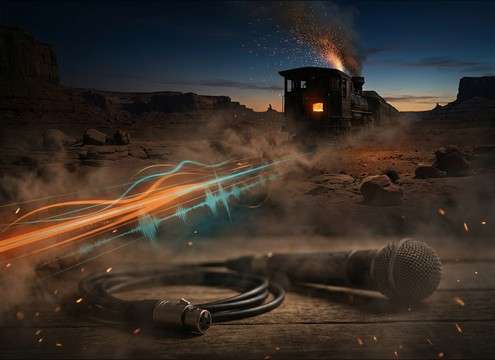
- Wide exterior: softened highs and a longer decay that blends into ambience
- Moving shot: request Doppler pitch travel and stereo motion
Control tail, reflections, and mix impact
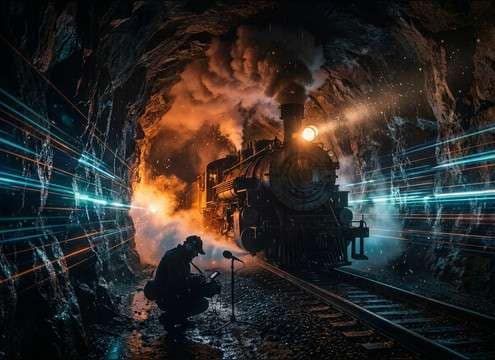
The tail can either sell the location or smear the next edit. Outdoor tails should feel natural and not overly reverberant, while tunnels and canyons can justify heavier reflections.
- Short tail for tight cuts and fast dialogue exchanges
- Longer decay for scenic reveals and establishing shots
- Avoid overly wet reverb when you need a clean, modern mix
Avoid common train-whistle mismatches
Most problems come from choosing a whistle that conflicts with the scene or sounds synthetic. Listen for pitch stability, noise texture, and whether the ambience matches your location.
- Skip harsh, piercing highs if the scene has music and VO
- Avoid random hiss or rumble if you already have a train bed layer
- Do not use a tunnel-echo whistle for a wide open field shot