





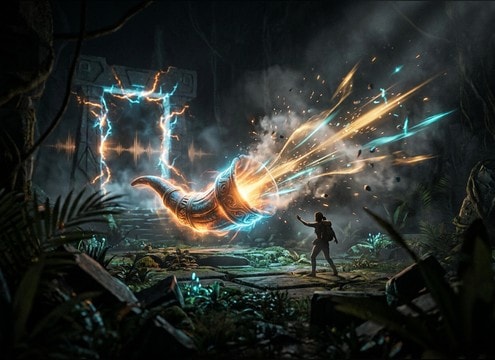



Reggae horns often work like punctuation: a tight stab on the snare, a playful fall after a joke, or a roomy blast to imply a live band. When browsing or prompting, focus on articulation, space, and how the tail ends, because that is what decides whether the horn sounds like a clean studio one-shot or a hyped stage moment.
Start with articulation, not volume
The same horn timbre can feel completely different depending on the attack shape and pitch motion. Stabs are for hard edits, doits add excitement, and falls sell attitude at the end of a line.
- For quick edits, ask for a sharp transient and short decay
- For reactions, prompt a quick pitch fall with a slightly gritty tail
- For hype, use an upward doit with bright bite and fast release
Match the space to the scene
A dry horn sits best when dialogue, skank guitar, or percussion is already busy. If the picture implies a stage or street parade, add room reflections so it feels placed rather than pasted.
- Choose dry, close-mic hits when you need zero masking
- Add short club reflections for nightlife visuals without a long wash
- Use outdoor ambience and longer decay for parade distance cues
Pick the horn color that cuts
Trumpet-forward hits read bright and celebratory, while trombone-heavy accents feel thicker and more grounded. Stereo width can make a hit feel bigger, but too wide can smear the punch.
- Muted trumpet honks emphasize midrange and stay compact
- Low brass thumps keep energy without harsh top end
- If the hit feels blurry, reduce stereo width and shorten the tail
Avoid common reggae horn mistakes
Most unusable horn SFX fail because they behave like a music loop: too much sustain, extra background elements, or tails that conflict with the next cut. Keep it clean, focused, and timed.
- Avoid prompts that include full drums or bass if you need pure SFX
- Do not let the sustain run past the next dialogue beat or title card
- Skip overly wet reverbs that hide the transient and kill impact