

Rattles can read as cute, broken, dangerous, or comedic depending on material, intensity, and space. Use the tips below to choose a library clip quickly or write a prompt that generates a rattle that syncs to the motion you see—without harsh peaks or muddy buildup.
Start with the object and fill
A rattle is really two sounds: the container and what's moving inside it. Naming both gives you more predictable texture and pitch—plastic clicks vs glass ticks vs metal clanks.
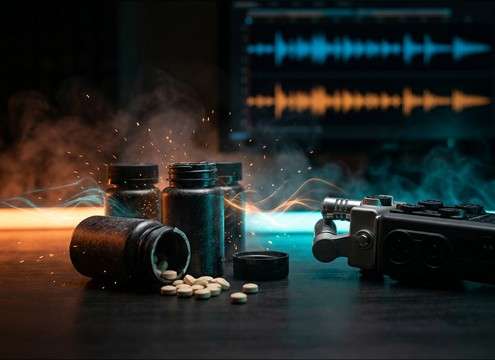
- Container: plastic toy, pill bottle, jar, metal box, chain
- Fill: pellets, pebbles, screws, keys, coins, sand
- Add a constraint: "no squeaks," "no distortion," or "clean highs"
Match intensity to the action
The same rattle can feel like a gentle shake, frantic panic, or background vibration. Ask for the loudness and motion style that matches the on-screen movement.
- Gentle: "soft shake, restrained peaks, short decay"
- Aggressive: "hard shake, sharp transients, louder clacks"
- Mechanical: "steady jitter, consistent cadence, minimal variation"
Choose space: dry, room, or cabin
Room tone and reflections determine whether the rattle feels close to camera or embedded in a location. Use space words to avoid a rattle that feels pasted on top of the mix.
- Dry close-up: "close-mic, minimal room tone"
- Small room: "subtle reflections, short room tail"
- Vehicle/cabinet: "boxed resonance, light interior reflections"
Avoid common rattle problems
Rattles can spike painfully in the highs or smear into noise if they're too dense. A good prompt prevents unusable results before you generate.
- Prevent harshness: "smooth top-end, no piercing clicks"
- Prevent mud: "controlled low-end, no rumble"
- Prevent artifacts: "natural foley texture, no digital warble"