





A usable "nooo" is all about performance shape: how fast it starts, how long it holds, and how it ends. Use the tips below to choose the right library clip fast, or write prompts that reliably regenerate the same vibe with different voices, spaces, and intensity.
Match the emotional arc (not just the word)
Editors usually need a specific arc: instant refusal, comedic disbelief, or escalating meltdown. Describe the emotion and how it evolves so the take lands on the punchline or dramatic beat.
- For punchlines: ask for a sharp start and quick cutoff
- For drama: ask for sustained vowel and a longer decay tail
- For embarrassment: ask for a strained, overacted delivery
Control clarity: clean, muffled, or distant
Clarity is what makes the reaction feel "in the room" versus "offscreen." Choose or prompt the acoustic perspective so it matches the picture and doesn't fight your dialogue or music.
- Close-mic: minimal room tone, clear consonants, tight peaks
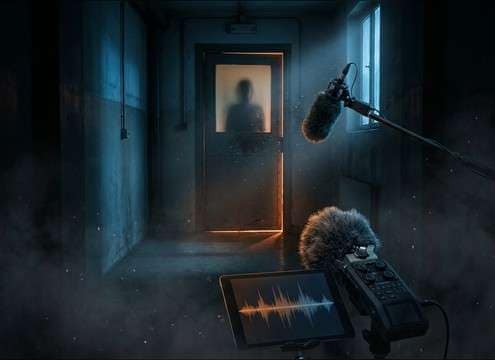
- Behind-door: rolled-off highs, softer transient, reduced intelligibility
- Hallway/distant: early reflections, thinner body, audible space
Avoid common mix problems
A strong reaction can ruin a mix if it's too harsh, too wide, or ends awkwardly. When previewing, focus on problems that will be hard to fix later.
- Skip takes with clipping or a spiky initial transient
- Avoid tails that smear into the next line or SFX cue
- If music is loud, choose a mid-forward voice without piercing highs
Write prompts that produce repeatable takes
If you'll need multiple "nooo"s across a series, keep your prompt consistent and only change one variable at a time (emotion, distance, or processing). That's the fastest way to get a matching set.
- Lock the voice style first (adult, teen, crowd, robotic, whisper)
- Then adjust space (close, room, hallway, behind door)
- Finally adjust intensity (calm refusal to escalating meltdown)