
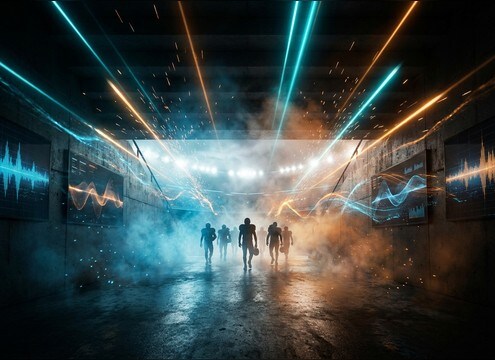


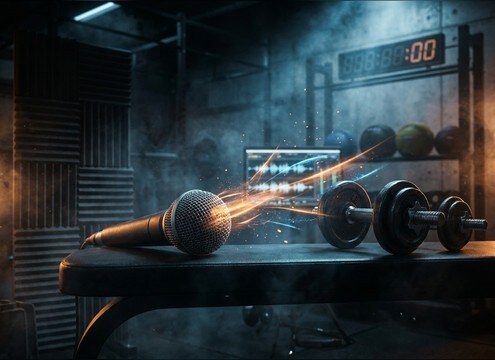
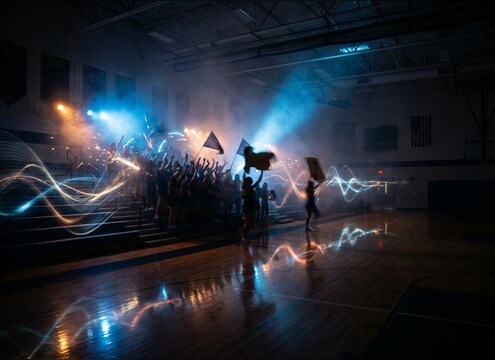




A great lets go is all about intelligibility, timing, and space. Use these quick checks when choosing a stock clip or writing an AI prompt: decide who is chanting (one person, a huddle, or a stadium), how close the mic feels, and how long the tail should hang before the next beat. Then regenerate variations until the chant lands cleanly on your edit points.
Choose the right crowd size
The perceived number of voices changes the emotion. Solo reads like a personal push, while a stadium reads like victory momentum. If you need the words to stay readable under music, keep the crowd smaller or cleaner.
- Solo shout: most intelligible, least masking
- Small group: punchy chant with human texture
- Stadium: widest stereo and biggest impact
Set perspective: close vs distant
Perspective is the fastest way to match picture. Close takes have sharp consonants and little room, while distant takes soften the transient and add air. Prompt for distance so the chant feels located in your scene.
- Close: dry room tone, crisp attack
- Mid: audible reflections, balanced clarity
- Far: softer transients, more ambience wash
Control the tail and cutoff
A chant that rings too long can smear the next line or hit. For quick cuts, ask for a short decay and tight stop. For walkouts and wide shots, keep a longer tail that sells the venue.
- Short tail: cleaner transitions between clips
- Medium tail: natural without overcrowding the mix
- Long tail: cinematic scale, but easier to mask dialogue
Avoid common prompt traps
Lets go clips can become unusable when they include extra phrases, whistles, or background music. Be explicit about what to exclude so you get a clean, edit-friendly result.
- Ask for no music, no horns, no commentary
- Request only the phrase "lets go" and nothing else
- Avoid over-distortion unless you need a megaphone effect