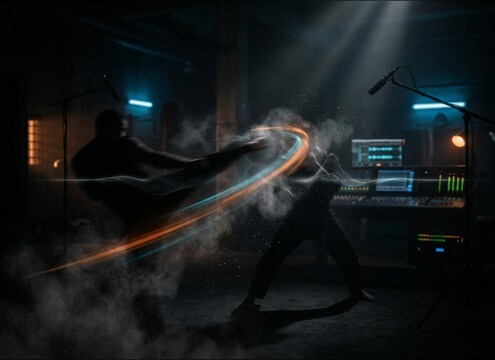
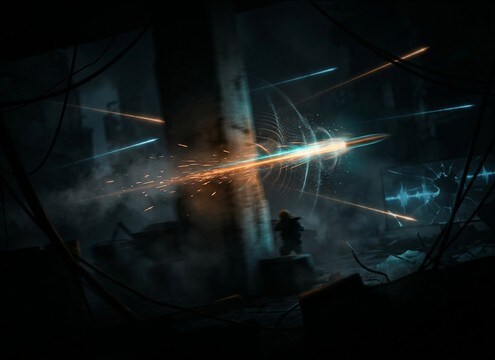
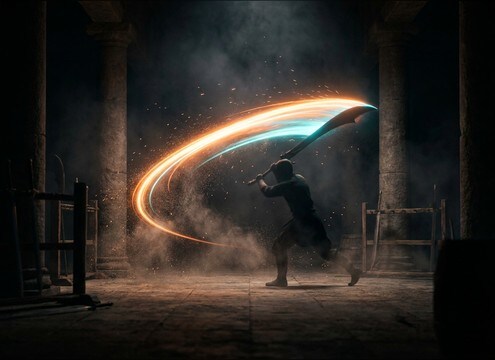
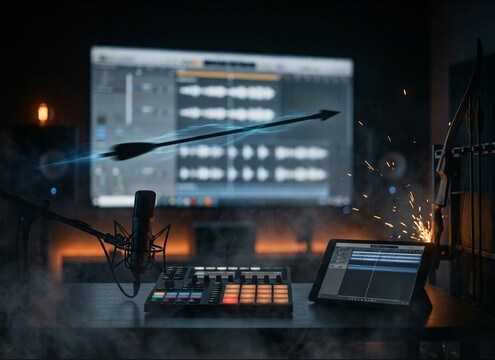
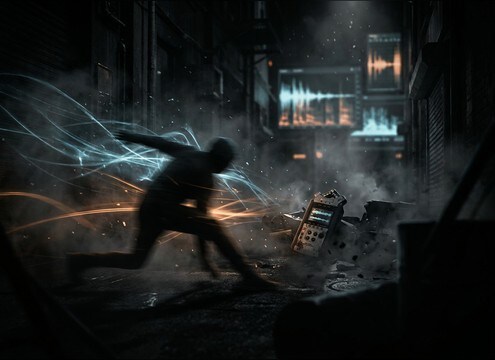
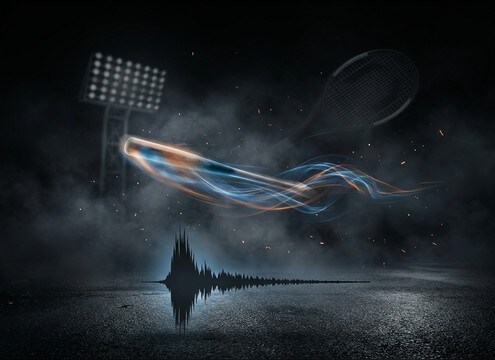



A good miss is all about timing and perspective: the attack sells speed, the mid-body texture sells material, and the tail tells you how close it passed. Use the tips below to choose the right library clip or write a prompt that generates a swish, whiff, or pass-by that fits your shot scale and cut length.
Match the motion: swish, whiff, or pass-by
Start by naming what actually missed. A fist whiff is mostly air and cloth, a sword miss adds a brighter edge, and a bullet pass-by needs doppler and speed. When prompts are too vague, results drift into generic whooshes that do not communicate the action.
- For melee misses: ask for a sharp transient and a short tail, with no impact thud
- For blades: add bright top-end edge and a slightly longer controlled decay
- For projectiles: include doppler pitch bend and specify close or distant
Choose distance with tail and room tone
The same miss can feel close or far depending on reflections and decay. Close flybys are drier, louder, and more present; distant misses are softer with more room tone. Pick the version that matches the camera, not just the character.
- Close camera: dry, high detail, short decay, wider stereo movement
- Medium distance: a little ambience and a smoother tail to glue into the scene
- Far distance: softer transient, more room tone, less high-frequency bite
Time it to the cut with transient shape
A miss usually needs to start slightly before the visual peak and finish cleanly so it does not overlap the next beat. If the transient is too soft, the miss reads late; if the tail is too long, it smears into dialogue or music.
- Fast cuts: prefer short 5s swishes with clear attacks and quick fades
- Slow motion: pick longer decays or a 10s near-miss sequence to maintain energy
- Busy mixes: use thinner textures with lower masking strength
Avoid common miss SFX mistakes
Misses fail when they sound like hits, or when they add unnecessary debris or bass that implies impact. Keep the sound honest: air movement, material hint, and the right perspective. If you need a contact moment, add a separate impact layer later.
- Avoid impact clicks, crunch, or thuds unless the scene actually connects
- Avoid overly long reverbs that suggest a giant hall in an outdoor shot
- Avoid constant broadband noise that masks dialogue and foley