

Claps can read as a single cue, a rhythmic pattern, or a believable audience bed. The fastest way to get the right result is to specify who is clapping, how tight the timing should be, and what space you are hearing. Use the tips below to pick a downloadable clip or write a prompt that nails the transient, crowd density, and room decay for your scene.
Start with the moment: hit vs applause bed
Decide whether you need a single clap accent that stops quickly, or a continuous applause texture that can sit under visuals. A hit should be punchy and short, while a bed needs natural variation so it does not sound like a loop stamp.
- For a cut point, ask for a single strong clap with a short decay.
- For background, ask for continuous applause with subtle fluctuation.
- If you hear pulsing, regenerate and request less repetition.
Set crowd size and intensity in plain words
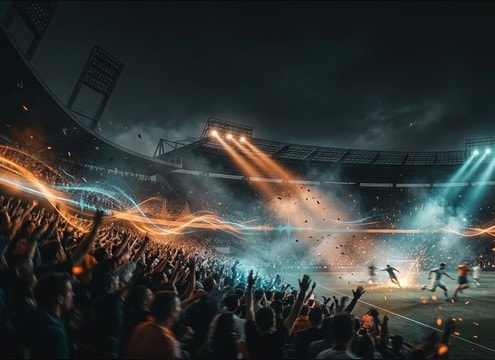
Clapping density changes the texture: one person is clear and dry, a small group has distinct hands, and a crowd becomes a noisy midrange wash. Tell the generator how energetic it should feel so it matches the on-screen reaction.
- Use phrases like one person, small group, or large crowd.
- Add intensity cues like polite, excited, or roaring.
- If it masks dialog, request softer attacks and lower intensity.
Match the space with distance and tail
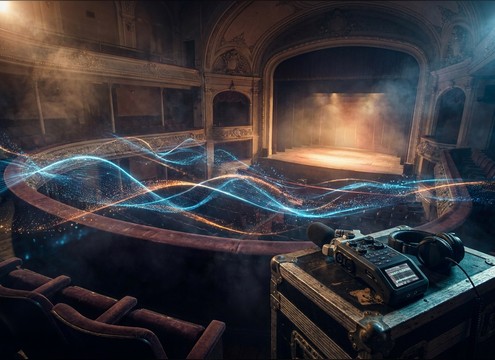
Room size and listener distance control the tail and reflections. Dry studio claps are great for buttons and timing, while theater or hall claps need more ambience to feel believable.
- Ask for close mic and dry room for tight cues.
- Ask for back of hall or distant balcony for more air and tail.
- If it feels fake, request audible room tone between claps.
Make timing explicit: tight, loose, or rhythmic
Clapping can be free-form or locked to tempo. If you need it to feel musical, specify steady tempo and tight timing. If you need realism, ask for human timing variation with uneven spacing.
- For beat-driven scenes, request rhythmic group clapping at a steady tempo.
- For realism, request natural timing variation and uneven spacing.
- For a slow clap build, request sparse starts that gradually thicken.