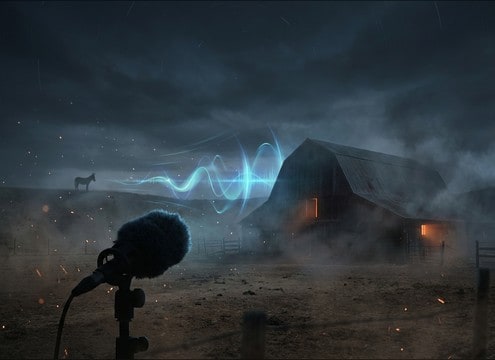


Donkey vocals can read as cute, comedic, or harsh depending on the attack, pitch movement, and tail. Use the library when you need something fast, or generate a custom version by describing distance, environment, and performance style (single bray, hee-haw, or a short sequence). The tips below help you choose the right clip and write prompts that match timing and space.
Choose the vocal type: bray vs hee-haw
A bray often feels more natural and grounded, while a hee-haw is commonly used for comedic emphasis. Decide whether you need a single call, a double call, or a longer sequence for a scene bed.
- For realism, prompt a single bray with a clean transient and modest decay
- For comedy, ask for exaggerated pitch movement and a slightly longer tail
- For continuity, request two calls with a natural pause and matched loudness
Match distance with the camera
Distance changes more than volume. Far calls lose high-end detail, have softer attacks, and often carry more ambience. Close calls feel drier and more present, with clearer throat texture.
- Close-up: specify dry, upfront, minimal room tone, and short decay
- Wide shot: specify distant, softened transients, and longer outdoor tail
- Cut changes: generate near and far versions so you can swap per shot
Place it in a believable space
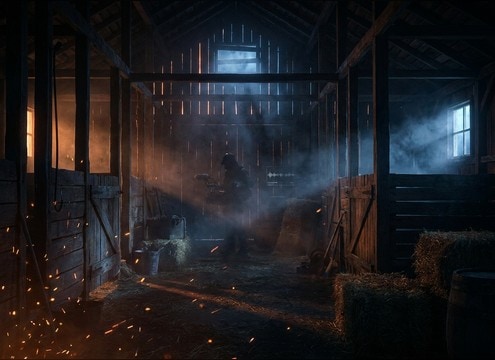
Barn interiors add early reflections and a boxy resonance, while open fields feel airy with fewer reflections. If the scene already has ambience, choose a drier clip to avoid muddy buildup.
- Barn: mention early reflections, wood-like resonance, medium decay
- Pasture: mention light wind room tone and subtle stereo width
- Busy scenes: keep the noise floor clean and reduce long tails
Avoid common edit killers
Donkey calls can quickly sound fake if the tail is too long, the pitch is too cartoonish for the visuals, or the clip masks dialogue. Use short fades and pick versions with controllable decay.
- If dialogue is present, pick a tighter tail and lower masking strength
- Avoid overly wet reverb unless the camera clearly shows an interior
- If looping ambience, do not loop a single bray; use a longer sequence bed