




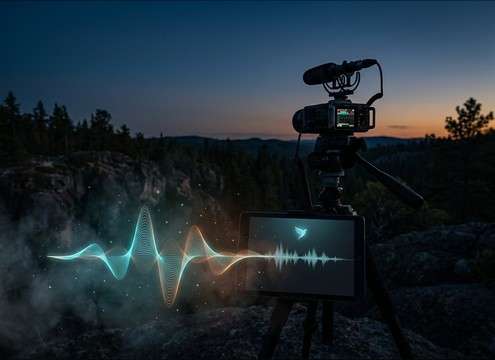




Bald eagle calls are often used as a bold cue in outdoor edits, but the wrong distance, tail, or background bed can feel fake fast. Use this quick guide to choose a ready clip or write prompts that match camera perspective, environment, and timing, so your screech lands naturally in the scene.
Start with the moment: hit, phrase, or pass
Decide whether you need a single punctuation screech, a two-call phrase, or an extended overhead pass. This choice controls how much spacing and tail you should hear, and it makes your prompt more predictable.
- For logo hits: ask for a single call with tight decay
- For cutaways: ask for two calls with a short pause
- For flyovers: ask for multiple calls with natural gaps
Match distance with transient clarity
Close calls usually have a crisp attack and higher detail, while distant calls lose edge and blend with air and room tone. If your screech feels pasted on, distance is the first thing to adjust.
- Close: sharp transient, minimal ambience, narrower space
- Mid: softened attack, light air noise, moderate decay
- Distant: lower definition, gentle reflections, longer tail
Choose an environment bed on purpose
A screech with the wrong background can clash with your existing ambience. Prompt for wind, lakefront openness, or forest air so the noise floor and reflections feel consistent with your track.
- Windy ridge: subtle hiss bed and airy tail
- Lakefront: softer reflections and smoother decay
- Quiet sky: low noise floor and clean cutoff
Avoid common giveaway artifacts
Overly bright top end, metallic ringing, or unrealistic stereo width can break the illusion. If a take sounds synthetic, regenerate with constraints that prioritize natural texture and stable tone.
- Avoid harsh, whistle-like pitch that stays too constant
- Avoid huge stereo spread on a distant call
- Avoid abrupt tails without a natural fade