







A convincing dog whine is mostly about intent (what the dog wants), perspective (how far the listener is), and what surrounds it (room tone vs outdoor air). Use the library to pick a ready clip, or write a prompt that specifies emotion, distance, and how clean you need the background. The tips below help you avoid whines that read like pain, barking, or cartoon squeaks.
Choose the emotion first (not the volume)
"Sad," "pleading," and "anxious" whines have different pitch movement and breathiness. Calling out the feeling in your prompt produces more natural phrasing than simply asking for "loud."
- Try: "pleading whine with slight pitch wobble" for attention-seeking
- Try: "anxious whimper with small breaths" for nervous energy
- Avoid: "screaming whine" unless the scene is truly extreme
Match camera distance and barriers
If the dog is off-screen or behind something, the sound should lose high-end detail and gain a little environment. If it's a close-up, keep the transient and texture crisp with minimal reflections.
- Close-up: minimal room tone, clear transients, narrow stereo
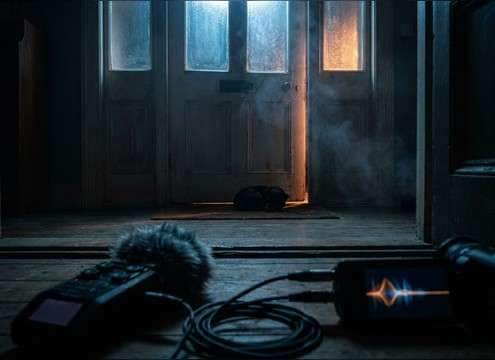
- Behind a door: muffled highs, quieter transients, short reflections
- Outdoor distance: more air noise, less detail, wider ambience
Pick a duration that fits the cut
Whines often work best as short punctuation. Longer clips are useful when you need a bed under a scene, but they must stay consistent and easy to loop or fade.
- Use 5 seconds for a reaction shot or quick beat
- Use 10 seconds for a two-part whine with natural pauses
- Use 20 seconds for a steady background bed you can fade under dialogue
Avoid the "injured dog" mistake
Many edits need a mild complaint, not a yelp of pain. If the take feels too sharp or urgent, prompt for a softer onset and a shorter, calmer tail.
- Specify: "no yelps, no barking, mild intensity"
- Reduce harshness: "softer transient, warmer tone, less edge"
- If it still reads as pain, switch to a quieter whimper style